News related to
stake

Huawei Technologies Co. has announced a major product launch event scheduled for hours after Apple Inc. unveils its iPhone 16, intensifying the competition between the tech giants. The strategic timing of Huawei’s event is poised to capture the global spotlight immediately following Apple’s showcase, as both companies vie for consumer attention and market share in the highly competitive smartphone sector. The upcoming event, set to take place […]

Iron ore prices are projected to maintain stability despite ongoing challenges in China’s steel industry. The steel sector, a major driver of iron ore demand, has faced significant headwinds recently due to declining production and fluctuating market conditions. This downturn has raised concerns about the potential impact on iron ore prices, which have historically been closely tied to the performance of the steel industry.

The steel sector in China, the world’s largest producer and consumer of steel, has encountered a range of issues, including reduced domestic demand, stricter environmental regulations, and economic uncertainties. These factors have led to a decrease in steel production and, consequently, a slowdown in the demand for iron ore. However, despite these challenges, iron ore prices have shown resilience.

Market analysts attribute this stability to several key factors. Firstly, iron ore remains a crucial raw material for steel production, and despite the slowdown, demand has not diminished entirely. China’s commitment to infrastructure projects and construction, although reduced, continues to support a baseline level of demand for steel and, by extension, iron ore. Furthermore, global supply constraints have helped to offset some of the downward pressure on prices. Issues such as logistical disruptions and geopolitical tensions have limited the availability of iron ore from major producing regions, contributing to the price stability.

Additionally, major iron ore producers have adjusted their production strategies to align with current market conditions. Companies in Brazil and Australia, two of the largest iron ore exporters, have implemented measures to manage supply levels and maintain price equilibrium. These adjustments have helped to balance the market and prevent excessive price fluctuations.

Economic indicators also play a role in the outlook for iron ore prices. Despite the slowdown in China’s steel sector, broader economic trends show signs of recovery. Increased investment in infrastructure and technology, coupled with government stimulus measures, could potentially boost steel demand in the future. This anticipated recovery may provide additional support for iron ore prices, as the steel industry begins to rebound.

Investor sentiment and market speculation are other factors influencing iron ore prices. The commodity markets are often driven by investor expectations and perceptions of future trends. As investors remain cautious but optimistic about the global economic recovery, this sentiment can contribute to price stability in the iron ore market.

The overall outlook for iron ore prices remains cautiously optimistic. While the steel sector in China faces significant challenges, the iron ore market has demonstrated resilience due to a combination of supply management, global economic trends, and investor sentiment. As the situation evolves, stakeholders in the iron ore industry will continue to monitor these factors closely to navigate the shifting dynamics of the market.

Oil prices declined on Monday as market participants adjusted their strategies in light of anticipated increases in OPEC+ production starting in October. The price of Brent crude fell to $86.20 per barrel, while West Texas Intermediate (WTI) dropped to $83.10 per barrel, reflecting the market’s response to new supply forecasts and ongoing concerns about global demand. The Organization of the Petroleum Exporting Countries and its allies (OPEC+) […]

AlephYa Education, a prominent educational provider across the Gulf Cooperation Council (GCC) region, has announced a significant majority investment from TA Associates. This strategic investment aims to accelerate AlephYa’s growth and enhance its educational offerings, reinforcing its position in the competitive GCC education market. The deal, disclosed earlier today, positions TA Associates as the majority stakeholder in AlephYa Education. This investment is anticipated to provide AlephYa with […]

SINGAPORE – Media OutReach Newswire – 2 September 2024 – The motivation to grow our wealth to prepare for the future is deeply engrained in many Singaporeans, yet does this same tenacity extend to preserving our health for our golden years? Afterall, what is wealth without good health? This question was explored in a recent May 2024 poll1 commissioned by Prudential Singapore. One thousand Singapore residents, aged […]

Cardano’s latest upgrade, the Chang hard fork, has gone live, marking a significant shift toward on-chain governance within its ecosystem. This highly anticipated development represents a major milestone in Cardano’s evolution, aimed at enhancing decentralization and stakeholder engagement in decision-making processes. The Chang hard fork introduces a framework that allows Cardano’s community to participate directly in governance through on-chain voting mechanisms. This new system is designed to […]

Star Entertainment, the Australian resort and casino operator, has been suspended from trading on the Australian Securities Exchange (ASX) following its failure to release annual financial results. The suspension, which took effect on Monday, marks a significant setback for the company, already grappling with a series of operational and financial challenges. The delisting comes as a result of Star Entertainment’s inability to meet the ASX’s regulatory requirements. […]

Advertisements

Microsoft has transferred stewardship of its open-source project, an unexpected move that has garnered significant attention within the tech community. This decision marks a notable shift in the company’s strategy for managing its open-source initiatives.

The project, which had been developed under Microsoft’s auspices, is now under the purview of the Wine team, a prominent open-source organization known for its work in enabling Windows applications to run on Unix-like operating systems. This transition could impact both the project’s future direction and its integration with Wine’s existing ecosystem.

The rationale behind Microsoft’s decision appears to be multifaceted. On one hand, the move aligns with Microsoft’s broader strategy of embracing and supporting open-source software. By handing over control to an organization with extensive experience in open-source projects, Microsoft might be aiming to leverage the Wine team’s expertise to enhance the project’s development and adoption. This shift could also be seen as part of Microsoft’s ongoing efforts to foster collaboration with the open-source community, reflecting a commitment to contributing to and supporting the broader software ecosystem.

From the Wine team’s perspective, the acquisition of this project represents a significant opportunity to expand their portfolio and potentially integrate new functionalities into their existing software suite. Given their track record, the Wine team is well-positioned to handle the project’s complexities and drive its evolution forward. This development could lead to new features and improvements, benefiting users who rely on Wine for running Windows applications on alternative platforms.

However, the move also raises questions about the implications for the project’s current contributors and stakeholders. The transition might lead to shifts in project priorities, timelines, or development practices. Current contributors may need to adapt to the new governance structure, and stakeholders will be watching closely to see how the change impacts the project’s trajectory.

Moreover, this development underscores a broader trend within the tech industry where major corporations are increasingly engaging with open-source communities. By transferring projects to these communities, companies like Microsoft can tap into a pool of talent and innovation that may be more agile and responsive than traditional in-house teams. This strategy not only aligns with open-source principles but also helps in spreading the project’s influence across a wider user base.

The shift also highlights the evolving nature of open-source software management. As the boundaries between corporate and community-driven projects continue to blur, such transitions may become more common. They reflect a growing recognition of the value that open-source communities bring to software development and maintenance.

For users and developers involved with the project, this change may prompt a period of adjustment. They will need to stay informed about any new developments or changes in the project’s direction. Engaging with the Wine team and understanding their vision for the project will be crucial for ensuring a smooth transition and continued support for their needs.

Microsoft’s decision to hand over the project to the Wine team is a noteworthy development in the realm of open-source software. It reflects broader industry trends towards greater collaboration and integration between corporate entities and open-source communities, setting the stage for new advancements and opportunities in the field.

Armacell, a leading player in the flexible foam and engineered foams sector, has fully acquired JIOS Aerogel shares from its joint venture partner JIOS. This move marks a significant shift as JIOS refocuses on the electric vehicle market, while Armacell aims to enhance its aerogel production capabilities.

The acquisition of JIOS’s stake in Armacell JIOS Aerogels Limited (AJA) follows the joint venture’s notable success since its establishment in 2016. Initially set up to leverage JIOS’s patented silica aerogel technology, AJA has thrived under Armacell’s global sales and marketing network. The joint venture has become renowned for its ArmaGel® product line, which serves high-temperature and cryogenic insulation needs in the energy industry.

Armacell’s move to acquire full ownership of AJA aligns with its strategy to expand its presence in the aerogel market. The company’s investment aims to boost its production capabilities at AJA’s facility in Cheonan, South Korea. This plant is currently capable of producing over 700 tonnes of aerogel powder annually, with immediate plans for expansion to meet growing market demands.

The acquisition underscores a broader trend of specialized material companies realigning their business strategies. As JIOS channels its resources toward the burgeoning electric vehicle sector, Armacell is reinforcing its position in the aerogel segment, known for its unparalleled insulation properties. Aerogel, recognized as the world’s lightest solid material, offers superior thermal insulation, making it a valuable asset in various industrial applications.

Armacell’s expansion into a fully integrated aerogel producer highlights the company’s commitment to innovation and market growth. The full acquisition of AJA will enable Armacell to consolidate its position as a leading manufacturer of advanced insulation materials, leveraging the synergies of its established global network and JIOS’s technological expertise.

The move also reflects an increasing focus on strategic partnerships and acquisitions within the industrial materials sector. Companies are adapting to evolving market demands by reconfiguring their portfolios and capabilities to maintain competitive advantage.

The evolution of Armacell’s involvement in the aerogel market signifies a pivotal moment in its growth strategy, setting the stage for new developments in the field of high-performance insulation materials.

The long-anticipated resort and casino complex in Brisbane has officially opened its doors, marking the culmination of over a decade of planning and debate. The development, spearheaded by the Queensland government, represents a significant investment in the city’s tourism and entertainment sector.

The project, which has been a focal point of controversy and debate, is situated in a prime location along the Brisbane River. It features a state-of-the-art casino, luxury hotel accommodations, a variety of dining options, and expansive recreational facilities. The opening of the complex is expected to bolster Brisbane’s status as a major tourist destination and stimulate local economic growth.

The development has been met with mixed reactions. Supporters argue that the resort will drive substantial economic benefits through increased tourism and job creation. It is anticipated to attract both national and international visitors, providing a boost to the local hospitality and retail sectors. The casino alone is projected to contribute millions in revenue annually, further enhancing the economic impact.

Critics, however, have voiced concerns regarding the project’s implications for the community and environment. Some local residents and advocacy groups have expressed apprehension about the potential increase in gambling-related issues and the environmental impact of the large-scale development. The project’s construction has been scrutinized for its effects on local infrastructure and the surrounding ecosystem.

The Queensland government has defended the project, highlighting the rigorous regulatory processes and sustainability measures that have been put in place. Authorities assert that the development will comply with environmental regulations and provide ongoing community support initiatives. The government has also emphasized the importance of the project in maintaining Brisbane’s competitive edge in the global tourism market.

The resort and casino complex features a blend of modern architecture and luxurious amenities. The casino floor includes a wide range of gaming options, from traditional table games to the latest electronic machines. The hotel component offers upscale accommodations with panoramic views of the Brisbane skyline. Additionally, the complex boasts multiple dining venues, ranging from fine dining to casual eateries, as well as entertainment options including live performances and cultural events.

The opening of the complex is expected to have a substantial ripple effect on Brisbane’s economy. It is anticipated to generate thousands of jobs during both the construction and operational phases. Local businesses are expected to benefit from increased foot traffic and spending by visitors. Additionally, the development is poised to contribute to the city’s ongoing efforts to position itself as a leading destination for international events and conferences.

Despite the anticipated economic benefits, the resort and casino have sparked ongoing discussions about the balance between development and community well-being. As the complex begins operations, stakeholders are closely monitoring its impact on local communities and the broader economic landscape. The project’s legacy will likely continue to evolve as it integrates into the fabric of Brisbane’s tourism and entertainment sector.

The launch of Brisbane’s resort and casino complex represents a significant milestone in the city’s development trajectory. As the complex opens its doors, all eyes will be on how it navigates the challenges and opportunities that lie ahead, shaping the future of Brisbane’s tourism and economic landscape.

KUALA LUMPUR, MALAYSIA – Media OutReach Newswire – 2 September 2024 – The influence of presidential elections on financial markets is often temporary. Still, the psychological effect of elections on traders and investors can cause emotional and illogical behaviour, contributing to increased market swings. Apart from the White House, the Senate is also up for grabs this fall, and the balance of power inside the legislative branch […]

By Dr. Gyan Pathak The Akal Takht’s declaring Shiromani Akali Dal (SAD) president Sukhbir Singh Badal a ‘tankhaiya’ on August 30 is most likely to reset the Punjab politics in general and Sikh politics in particular. In the tumultuous history of Punjab, this development is significant. Punjab may be entering a new phase of political […]

India is poised to benefit from an anticipated surge in monsoon rainfall next month, according to the latest weather forecasts. The meteorological department has predicted above-average precipitation for the concluding phase of the June-September monsoon season, offering a significant boost to agricultural productivity. This optimistic forecast comes as a relief to the nation’s farmers who have been grappling with fluctuating weather patterns affecting crop yields. The expected […]

One of Ukraine’s F-16 fighter jets was downed while attempting to repel a large-scale Russian missile and drone attack earlier this week, marking the first loss of the U.S.-supplied aircraft since its introduction into the Ukrainian arsenal. The incident has sparked significant concern within Kyiv’s military leadership and resulted in the dismissal of the country’s air force commander, Lt. Gen. Mykola Oleshchuk.

The crash occurred amid an intensifying wave of Russian assaults across various regions of Ukraine. Although the exact cause of the crash remains under investigation, there have been unverified claims that the F-16 may have been mistakenly hit by a Patriot air-defense system. Ukrainian authorities have not confirmed this scenario, but the allegation has already led to heightened tensions within the Ukrainian government and military.

In a swift response, President Volodymyr Zelenskyy removed Oleshchuk from his position, citing the need to enhance the protection of military personnel and ensure stronger command-level decisions. Lt. Gen. Anatolii Kryvonozhko was appointed as the acting air force commander, with immediate tasks focused on reviewing the incident and maintaining operational effectiveness amidst the ongoing conflict.

The crash highlights the fragile balance in Ukraine’s efforts to counter Russia’s aerial superiority. While the introduction of F-16s from European allies has been hailed as a significant boost to Ukraine’s air capabilities, military analysts caution that these aircraft alone cannot drastically alter the course of the war. The Russian air force, backed by sophisticated defense systems, remains a formidable challenge, as evidenced by this latest loss.

On the ground, Russian forces have continued their offensive in eastern Ukraine, while Ukrainian troops strive to hold strategic positions. The F-16 crash underscores the broader difficulties faced by Kyiv in its efforts to sustain a robust defense against a well-equipped adversary.

Meanwhile, Russia’s attacks have also led to significant civilian casualties. A bombing raid on the northeastern city of Kharkiv resulted in the deaths of six people, including a 14-year-old girl, and left dozens wounded. Ukrainian officials argue that such attacks could be mitigated if Western partners further relaxed restrictions on the use of donated weapons, allowing Ukrainian forces to target Russian military assets more effectively.

As investigations into the F-16 crash continue, the incident serves as a stark reminder of the risks inherent in modern warfare and the complexities of coordinating an international coalition in support of Ukraine’s defense efforts. The outcome of this investigation could influence future military strategies and the deployment of critical air assets as Ukraine navigates its path through the ongoing conflict.

The downing of the F-16 and the subsequent shake-up in military leadership represent a critical moment in the war, highlighting both the challenges of integrating new technology into a warzone and the ongoing determination of Ukraine to adapt and respond to evolving threats.

HONG KONG SAR – Media OutReach Newswire – 31 August 2024 – Rapid Project Growth Since its launch, Live4Well has steadily accumulated real users by integrating AI and blockchain technology, uniting the sports health industry with community engagement. Leading the health industry trends in the Web3 era, Live4Well has grown into a global community with over 250,000 members, primarily young sports enthusiasts aged 18-25. The platform boasts […]

GoDaddy, a leading domain registration and web hosting company, is under legal scrutiny for allegedly reversing domain purchases under questionable circumstances. The lawsuit, filed by a prominent tech entrepreneur, claims that GoDaddy unlawfully reclaimed a domain after it had been legally purchased and renewed. The controversy centers around the domain “exampledomain.com,” which was initially acquired by the plaintiff in a transaction completed in January. According to the […]

Brookfield Asset Management is in advanced discussions with Abu Dhabi’s ADQ and other sovereign wealth funds to acquire the Spanish plasma therapeutics company Grifols, a deal valued at approximately $10.6 billion. The move comes as Grifols, a leading producer of plasma-derived medicines, faces significant financial pressure due to mounting debt.

The proposed acquisition would involve Brookfield collaborating with major lenders to refinance Grifols’ existing obligations through a combination of loans and high-yield bonds. This financial restructuring could provide the necessary capital to stabilize Grifols while potentially leading to its privatization, a prospect that may see current shareholders being bought out above market rates due to specific financing clauses.

Brookfield’s interest in Grifols aligns with its strategy of investing in distressed but fundamentally strong companies. For Grifols, the potential takeover offers a lifeline as it struggles with declining revenues and rising debt, which has impacted its share prices and overall market performance. The company’s shares have experienced volatility, fluctuating between $7 and $17 per share over the past year, with a notable recovery in recent weeks.

If successful, the acquisition would not only mark one of the most significant deals in the pharmaceutical sector this year but could also shift the landscape of the plasma therapeutics market, with Brookfield and its partners gaining control of a critical player in the industry. However, the complexity of the deal, combined with the need to navigate regulatory approvals and potential resistance from stakeholders, means that the outcome remains uncertain.

As Brookfield continues to finalize terms with ADQ and other potential investors, the market is closely watching the developments, with Grifols’ stock reacting positively to the news. The strategic importance of Grifols’ assets, including its extensive network of blood donation centers, underscores the high stakes involved in this acquisition, which could have far-reaching implications for the global healthcare market.

The UK’s Islamic finance sector is set to reach $15 billion in the medium term, driven by increasing demand for Sharia-compliant financial products and the country’s supportive regulatory environment. The UK has established itself as a leading Western hub for Islamic finance, with assets under management growing rapidly. London’s prominence as a financial center, coupled with innovative products like Sukuk (Islamic bonds) and Islamic FinTech, has attracted […]

Telecommunications giant e& has announced the acquisition of GlassHouse, a leading Turkish technology firm, in a strategic move valued at $60 million. This acquisition marks a significant expansion of e&’s regional footprint and underscores its commitment to broadening its technological capabilities. GlassHouse, known for its innovative solutions in cloud computing and IT infrastructure, will enhance e&’s portfolio as it seeks to strengthen its position in the Middle […]

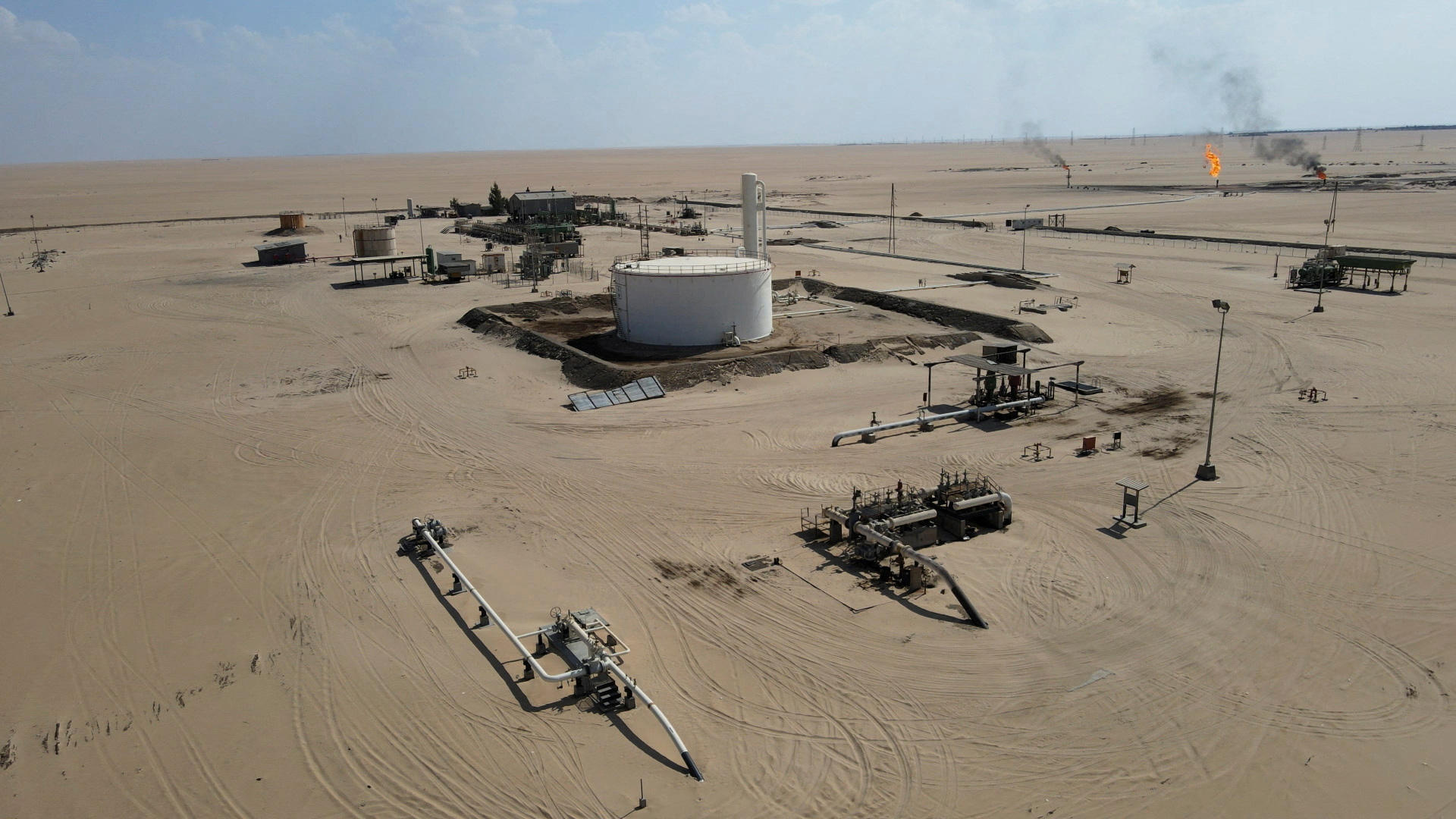
Libya’s ongoing political conflict is jeopardizing its vital oil production, potentially leading to severe disruptions in global supply chains. The strife between rival factions in the country has intensified, raising concerns about the stability of Libya’s oil sector, a crucial component of the global energy market.

The National Oil Corporation (NOC) has reported escalating security threats and operational interruptions at key oil facilities. Production at several major sites, including the Sharara and El Feel fields, has already experienced significant reductions. The disruptions are a direct result of the clashes between the Government of National Unity (GNU) and the House of Representatives (HoR), each backed by different armed groups.

The GNU, based in Tripoli, and the HoR, which controls parts of eastern Libya, have been embroiled in a protracted power struggle. This rivalry has led to a series of blockades and attacks on oil infrastructure, severely impacting the country’s output. The disruption comes at a time when global oil markets are already grappling with volatility due to various geopolitical tensions and economic uncertainties.

Libya’s oil sector, which accounts for approximately 90% of its revenue, has long been a target in the country’s broader conflict. The recent escalation has resulted in reduced exports and financial losses, exacerbating the economic strain on the nation. Analysts warn that prolonged instability could lead to a more prolonged and deep-seated disruption of Libya’s oil exports, affecting global oil prices and supply stability.

International stakeholders, including the United Nations and major oil companies, are closely monitoring the situation. The UN has called for a cessation of hostilities and a return to dialogue to mitigate the impact on oil production. However, the divided political landscape makes it challenging to achieve a consensus or enforce effective measures.

Libya’s oil industry was recovering from years of conflict and mismanagement when the current crisis hit. The industry had seen incremental improvements in production levels and infrastructure upgrades. Yet, the recent conflict threatens to reverse these gains, putting more strain on an already fragile sector.

The uncertainty surrounding Libya’s oil supply has prompted some countries and corporations to seek alternative energy sources or increase their reserves in anticipation of potential shortages. This shift could lead to changes in global energy markets, influencing everything from oil prices to energy policies worldwide.

Efforts to mediate the conflict and stabilize the oil sector have been ongoing, but the entrenched political divisions pose significant obstacles. The situation remains fluid, with potential for further escalation or, conversely, a resolution if diplomatic efforts gain traction.

As the international community watches closely, the immediate concern remains the security of Libya’s oil infrastructure and the broader implications for global energy stability.


Insurance premiums for electric vehicles (EVs) in the United Arab Emirates (UAE) have sharply increased following the heavy rains experienced in April. The severe weather conditions, which led to widespread flooding and property damage, have prompted insurers to reassess their coverage policies for EVs.

The flooding caused extensive damage to infrastructure and homes across the UAE, intensifying concerns about the vulnerability of electric vehicles to water-related damages. As a result, many insurance providers have adjusted their pricing models to reflect the increased risk. Insurers are now imposing higher premiums and more restrictive coverage terms for EVs, reflecting the perceived higher risk of water damage and related issues.

Industry experts attribute this spike in premiums to several factors. Firstly, the cost of repairs for EVs damaged by flooding is often higher compared to conventional vehicles. This is due to the specialized components and advanced technology in electric vehicles, which require more costly repairs or replacements when damaged. Additionally, the increased risk of battery-related issues in flooded conditions has led to greater caution among insurers.

Several insurance companies have become more selective in providing coverage for EVs, with some firms opting to limit their exposure by reducing their coverage options or even discontinuing insurance for certain models. This has led to a challenging environment for EV owners seeking comprehensive insurance coverage.

In response to the rise in premiums and the tightening of coverage options, many EV owners are now exploring alternative insurance providers and considering additional protective measures for their vehicles. Some are opting for specialized flood protection add-ons or investing in aftermarket modifications to enhance their vehicles’ resilience to water damage.

The impact of these changes on the broader EV market in the UAE is yet to be fully determined. However, the increased cost of insurance and limited coverage options are likely to affect consumer confidence and adoption rates for electric vehicles in the region. As the UAE continues to push for greater adoption of electric vehicles as part of its sustainability goals, addressing the insurance challenges will be crucial to maintaining momentum in the EV sector.

Insurance providers are expected to continue evaluating their policies and pricing strategies in light of the evolving risk landscape. The UAE government and industry stakeholders may need to collaborate on developing guidelines and support mechanisms to mitigate the impact of such extreme weather events on both insurance costs and the broader EV market.

Invictus Investment, a company listed on the Abu Dhabi Securities Exchange (ADX), is significantly strengthening its foothold in Africa through the acquisition of a prominent food processing entity. The acquisition, which aligns with Invictus’s broader strategy to diversify its operations across the continent, focuses on expanding its portfolio in the agribusiness sector. This move is part of a larger plan to invest over AED 1 billion across North and East Africa, with the aim of integrating further into the food processing value chain.

The company’s recent actions underscore its commitment to growing its presence in Africa, particularly in the agri-food sector. The acquisition enables Invictus to tap into the region’s rapidly expanding market for processed food products, including staples like flour, pasta, and animal feed. Invictus is not only focusing on the supply of raw agro-commodities but also on providing finished products, thereby adding significant value to its offerings.

Amir Daoud Abdellatif, CEO of Invictus, highlighted the importance of this acquisition as a pivotal step in achieving the company’s long-term goals. Abdellatif emphasized that the company is keen on forming strategic partnerships across various African markets, ensuring that Invictus remains at the forefront of the region’s food processing industry. He noted that the expansion is designed to cater to the rising consumer demand and the increasing need for food security across Africa.

In addition to this acquisition, Invictus has successfully completed over one million metric tonnes of agro-commodity exports to Egypt this year alone. This achievement reflects the company’s ability to scale its operations and manage significant volumes of trade within the region. The company’s strategic investments are expected to create a ripple effect across the African agribusiness landscape, enhancing the availability of essential food products and contributing to the continent’s economic growth.

This latest development marks a significant milestone in Invictus’s broader expansion strategy, which is set to include more acquisitions and partnerships in the coming years. As Invictus continues to diversify its portfolio and expand its market reach, the company is poised to play a crucial role in Africa’s food processing and agribusiness sectors, positioning itself as a key player in the region.

The acquisition is expected to have a positive impact on Invictus’s financial performance, with analysts predicting that it will drive revenue growth and improve the company’s market share in Africa. As the company continues to implement its ambitious expansion plans, it is likely to attract further attention from investors and stakeholders interested in the African agribusiness sector.

This strategic move by Invictus Investment underscores the growing importance of Africa as a key market for global agribusiness players, as well as the increasing demand for food processing capabilities across the continent.

Sustaining Momentum Fueled by Robust Global Demand for K-Beauty Products Results Highlights Revenue and net profit grew 80.2% to US$163.35 million and 610.6% year-on-year to US$11.1 million respectively, hitting first-half year historical high Revenue from beauty products, in particular Korean beauty (“K-Beauty”) products, increased 113.9% to US$149.4 million, contributing 91.4% of the Group’s total revenue While the US remained as the largest market, European Union became the […]

Kuwait and Iraq are engaged in a high-stakes competition to develop two massive port projects that promise to redefine trade routes and economic power in the Gulf region. With an estimated combined investment of $13 billion, the projects—the Grand Faw Port in Iraq and the Mubarak Al Kabeer Port in Kuwait—are set to become major hubs for global shipping. Iraq’s Grand Faw Port, situated in the southern […]

VISHNU RAJA
RYO YAMADA
HITORI GOTOH
IKUYO KITA