News related to
stake

COP16 Riyadh has emerged as a pivotal platform for discussing urgent global challenges, particularly land degradation. The conference, hosted by Saudi Arabia, aims to galvanize international action and foster collaborative strategies among nations to address the growing crisis affecting arable land and ecosystems worldwide. Saudi Arabia’s Minister of Environment, Water, and Agriculture, Abdulrahman Al-Fadley, underscored the significance of unified efforts, emphasizing that combatting land degradation requires a […]

Saudi Arabia has commenced significant steps toward the development of renewable energy projects totaling 4,500 megawatts (MW) as part of its broader vision to diversify its energy resources and reduce its dependence on fossil fuels. This move aligns with the Kingdom’s ambitions under the Saudi Vision 2030 framework, which aims to enhance the sustainability of its energy sector while fostering economic growth and environmental responsibility. The Saudi […]

Evidencing Leadership in Sustainability in Textile Industry HONG KONG SAR – Media OutReach Newswire – 27 September 2024 – Texhong International Group Limited (“Texhong International” or the “Group“; HKEX stock code: 2678), one of the world’s largest suppliers of cotton yarns, was a speaker at the COTTON USATM Sustainability Seminar organised by the Cotton Council International (“CCI”), which was attended by more than 150 guests representing international […]

Navigating the complexities of artificial intelligence (AI) adoption requires a distinctive skill set, especially for those in leadership roles such as the Chief AI Officer (CAIO). As organizations increasingly recognize the transformative potential of AI, the demand for skilled professionals who can guide their integration and implementation becomes paramount. This role entails much more than overseeing technological innovations; it involves steering strategic initiatives that align with organizational goals, ensuring ethical considerations, and fostering a culture of continuous learning and adaptation. To thrive in this dynamic landscape, a CAIO must possess several essential skills.

First and foremost, a profound understanding of AI technologies is critical. This includes not only a grasp of machine learning, natural language processing, and data analytics but also an appreciation of how these technologies can be effectively deployed within various business contexts. A CAIO should not only be technically proficient but also capable of translating complex AI concepts into understandable terms for stakeholders at all levels. This skill ensures that everyone, from board members to frontline employees, can appreciate the potential and limitations of AI initiatives, fostering a shared vision for the organization’s AI strategy.

Strategic vision is another key competency for a CAIO. The ability to anticipate future trends in AI and recognize opportunities for innovation is essential for any leader in this space. This involves not only staying abreast of technological advancements but also understanding how these advancements can drive business objectives. A successful CAIO must be able to align AI initiatives with the broader strategic goals of the organization, ensuring that investments in AI deliver tangible benefits. This requires a proactive approach to identifying areas where AI can create efficiencies, enhance customer experiences, and ultimately contribute to revenue growth.

A CAIO must exhibit exceptional leadership and communication skills. Leading AI initiatives often involves cross-functional collaboration, requiring the CAIO to work closely with various departments, including IT, marketing, operations, and human resources. The ability to communicate the vision and potential impact of AI projects across diverse teams is essential for gaining buy-in and fostering a collaborative environment. A successful CAIO will also inspire and motivate teams to embrace AI technologies, cultivating a culture that encourages experimentation and learning from failure.

Ethical considerations surrounding AI adoption are increasingly important in today’s business environment. A CAIO should be well-versed in the ethical implications of AI technologies, including issues related to data privacy, algorithmic bias, and transparency. This knowledge enables the CAIO to develop policies and frameworks that prioritize ethical AI usage while ensuring compliance with relevant regulations. By fostering an ethical approach to AI, the CAIO can build trust with stakeholders, including customers and employees, which is vital for the long-term success of AI initiatives.

Adaptability is another crucial skill for a CAIO. The landscape of AI is rapidly evolving, with new technologies and methodologies emerging at a breakneck pace. To remain competitive, a CAIO must be willing to adapt strategies and approaches as needed, demonstrating flexibility in the face of change. This might involve revisiting AI roadmaps, adjusting priorities based on emerging trends, or even pivoting to new technologies that offer superior capabilities. An adaptable CAIO will not only help their organization stay ahead of the curve but also foster a culture that embraces change and innovation.

In addition to technical and strategic skills, a successful CAIO should possess a strong business acumen. Understanding the organization’s financial health, market position, and competitive landscape is essential for making informed decisions about AI investments. A CAIO with strong business acumen can effectively communicate the value proposition of AI initiatives to stakeholders, ensuring that resources are allocated effectively and that projects are prioritized based on their potential return on investment. This financial literacy is particularly important when justifying AI expenditures and demonstrating their impact on the bottom line.

Collaboration is a cornerstone of successful AI implementation. A CAIO should be adept at fostering partnerships both within and outside the organization. Internally, collaboration with data scientists, engineers, and other technical teams is essential for ensuring that AI solutions are developed and deployed effectively. Externally, a CAIO may need to engage with technology vendors, academic institutions, and industry consortia to leverage external expertise and resources. This collaborative mindset not only enhances the organization’s capabilities but also enables the CAIO to stay informed about industry best practices and emerging trends.

To navigate the complexities of AI adoption, a CAIO should also prioritize continuous learning and professional development. The AI landscape is characterized by rapid advancements, and staying informed about the latest research, technologies, and methodologies is vital for success. Engaging in ongoing education, attending industry conferences, and participating in professional networks can provide valuable insights and connections that enhance a CAIO’s effectiveness. By fostering a culture of continuous learning within the organization, a CAIO can ensure that teams are equipped with the knowledge and skills necessary to harness AI’s full potential.

Another important aspect of the CAIO role involves change management. Implementing AI technologies often necessitates significant organizational changes, including shifts in processes, workflows, and even corporate culture. A CAIO should be skilled in change management principles to guide the organization through these transitions smoothly. This includes effectively communicating the reasons for change, addressing employee concerns, and providing support throughout the implementation process. By successfully managing change, a CAIO can help mitigate resistance and ensure that AI initiatives are embraced rather than resisted.

A CAIO must be adept at risk management. AI projects inherently involve uncertainties and risks, including technical challenges, data quality issues, and potential impacts on workforce dynamics. A successful CAIO will be able to identify, assess, and mitigate these risks proactively. This includes implementing robust governance frameworks that ensure AI initiatives are monitored and evaluated effectively. By prioritizing risk management, a CAIO can build resilience within the organization and position it for long-term success in an AI-driven landscape.


Abu Dhabi Developmental Holding Company (ADQ) successfully completed its second bond issuance of 2024, raising a significant $2 billion. This strategic financial move aims to bolster its investment initiatives and enhance the capital structure as it navigates diverse market conditions. The issuance comprises various tranches, reflecting ADQ’s commitment to maintaining a robust financial position while capitalizing on favorable market dynamics. ADQ, which has emerged as a pivotal […]

An Amazon seller has filed a legal challenge against the antitrust investigations conducted by India’s Competition Commission (CCI), claiming that the probe into e-commerce giants Amazon and Flipkart is biased and unlawful. The seller, Cloudtail, a former key partner of Amazon India, argues that the watchdog’s investigation unfairly targets its business practices, while failing to take into account the competitive pressures and operational complexities of the marketplace. […]

LOS ANGELES, US – Media OutReach Newswire – 26 September 2024 – Vingroup has officially signed a memorandum of understanding (MOU) with renowned entertainment industry leaders, Warner Music Group and Indochina Productions. This collaboration paves the way for Vietnam to host world-class music stars, while simultaneously elevating the country’s tourism and cultural image to a global audience of hundreds of millions. These strategic partnerships were formalized within […]

Advertisements

HKBN Ltd. has made significant strides in its climate action commitment by achieving validation from the Science Based Targets initiative (SBTi). This milestone positions the company at the forefront of corporate sustainability efforts, aiming to substantially reduce its greenhouse gas emissions over the next several years. HKBN has established targets to cut absolute scope 1 and 2 emissions by 50.65% by the fiscal year 2030, using fiscal […]

Taiwan’s position as a dominant player in the global bicycle industry faces significant challenges due to shifting market dynamics. The Cycling & Health Tech Industry R&D Center (CHC) is stepping up efforts to provide essential support to local bicycle manufacturers and retailers grappling with excess inventory and fluctuating consumer demand.

The bicycle market has contracted, largely as a result of post-pandemic adjustments. Retailers are reporting high inventory levels, exacerbated by a decline in consumer purchases. This situation has created a pressing need for innovation and strategic support to revitalize the industry. CHC’s initiative aims to address these issues by fostering collaboration among key stakeholders and investing in research and development that aligns with current market needs.

Taiwan boasts a comprehensive bicycle supply chain, from raw materials to manufacturing and distribution. However, the recent downturn in the international market has prompted local companies to reevaluate their strategies. According to industry analysts, many Taiwanese firms that were once thriving are now struggling with overstock and declining orders. The pandemic-driven surge in bicycle sales appears to have plateaued, leading to a significant recalibration of production and sales strategies.

CHC’s response to this crisis includes providing financial aid, developing new technologies, and encouraging the adoption of sustainable practices within the industry. By focusing on innovative solutions, the center aims to enhance the competitiveness of Taiwanese bicycle manufacturers on the global stage. This includes initiatives to promote electric bicycles and other advanced mobility solutions, which are gaining traction worldwide.

Collaboration is a critical component of CHC’s strategy. The center is actively engaging with local manufacturers, retailers, and research institutions to share insights and best practices. This collaborative approach is designed to create a robust network that fosters innovation and drives industry growth. Experts in the field emphasize that such partnerships are vital for addressing the complex challenges facing the bicycle market.

One of the most promising trends in the industry is the increasing demand for electric bicycles (e-bikes). This segment of the market has shown resilience, with many consumers shifting toward e-bikes for commuting and leisure activities. The CHC is keen to leverage this trend by providing targeted support for e-bike development, including technical assistance and funding for R&D projects. This focus not only aligns with global sustainability goals but also positions Taiwan as a leader in the burgeoning e-bike sector.

The push for sustainability is becoming increasingly important in the bicycle industry. With consumers becoming more environmentally conscious, companies are under pressure to adopt greener practices. CHC’s initiatives include promoting the use of sustainable materials in manufacturing processes and encouraging eco-friendly transportation solutions. This commitment to sustainability is expected to resonate with consumers, potentially reinvigorating the market.

As part of its strategy, CHC is also exploring international partnerships to expand market access for Taiwanese bicycle products. By connecting local manufacturers with overseas distributors, the center aims to open new channels for growth. This global perspective is crucial as Taiwanese companies look to diversify their markets beyond traditional partners.

The focus on R&D is not limited to product innovation. CHC is also prioritizing market research to better understand consumer preferences and trends. By gathering data on market dynamics, the center hopes to provide actionable insights that local businesses can use to adapt their strategies effectively. This proactive approach is essential for navigating the evolving landscape of the bicycle industry.

Taiwan’s bicycle manufacturers have long been recognized for their quality and craftsmanship. However, in a competitive global market, maintaining this reputation requires continuous improvement and adaptation. CHC’s support is aimed at empowering these companies to enhance their production processes, invest in new technologies, and refine their marketing strategies.

The current landscape underscores the importance of resilience in the face of adversity. Taiwanese bicycle companies are being called to innovate not only to survive but also to thrive. With CHC’s initiatives providing a lifeline, there is optimism that the industry can rebound from its challenges. The integration of advanced technology, commitment to sustainability, and emphasis on collaboration are key components that could drive the next wave of growth.

SINGAPORE, Sept. 26, 2024 – The International Carbon Materials Union (ICMU) officially inaugurated its Singapore Liaison Office on September 24, 2024, marking a significant step in expanding its influence within the Southeast Asian region. The ceremony, held at the Glory Zenith Group’s office, was presided over by Liu Wei, Secretary-General of ICMU, and attended by notable advisors from the organization along with representatives from key sectors including […]

Concerns have surfaced among customers in the UAE regarding banks issuing credit cards without adequate identity verification. This has raised alarms about potential risks related to fraud and financial security, leading to calls for stricter regulatory measures. Several individuals have expressed dissatisfaction, citing instances where they received credit cards without having completed the necessary verification steps.

Reports indicate that this situation stems from a broader trend of banks prioritizing speed and convenience in their services. As financial institutions aim to attract new customers and enhance their market share, the protocols for identity verification have, in some cases, been compromised. This practice not only puts individual customers at risk but also jeopardizes the integrity of the banking system as a whole.

Industry experts have weighed in on the situation, noting that the lax enforcement of identity verification protocols can facilitate fraudulent activities, including identity theft and the unauthorized use of credit cards. The potential for misuse becomes particularly concerning when combined with advancements in technology, which can enable hackers to exploit weaknesses in the system.

A spokesperson for the Central Bank of the UAE has acknowledged these customer concerns and emphasized the importance of compliance with stringent identification procedures. The central bank has mandated that financial institutions follow rigorous guidelines to ensure the safety of their customers and the overall financial ecosystem. However, the enforcement of these rules has reportedly been inconsistent across various banks, leading to gaps in security.

Financial analysts point to the rapid digital transformation within the banking sector as a contributing factor. The introduction of online banking services and mobile applications has made it easier for customers to apply for credit cards. However, this ease of access can lead to oversights in proper identification processes. As banks increasingly rely on technology, ensuring robust verification measures is vital to maintain customer trust.

Customer feedback has been mixed, with some praising the convenience of obtaining credit cards online, while others voice serious concerns regarding the implications of insufficient ID checks. One dissatisfied customer recounted their experience of receiving a credit card shortly after applying online, despite not being asked for comprehensive identification documentation. They expressed frustration, stating that the lack of stringent checks makes them feel vulnerable to fraud.

The situation has prompted some banks to review their internal processes and enhance their verification protocols. Institutions are reportedly investing in advanced identity verification technologies, such as biometric authentication and artificial intelligence-driven fraud detection systems. These innovations aim to strengthen the verification process and provide a safer banking environment for customers.

Consumer advocacy groups are urging the central bank to implement stricter regulations governing identity verification in banking. They argue that more transparent policies will not only protect customers but also enhance the overall credibility of the banking sector. The need for a cohesive strategy among banks is essential to restore consumer confidence and ensure a uniform standard of security.

There have been discussions about the necessity of increasing public awareness regarding the importance of monitoring credit card activity. Customers are encouraged to regularly check their financial statements and report any discrepancies immediately. Financial literacy campaigns could play a significant role in educating customers about their rights and responsibilities concerning credit cards and identity theft.

The issue of credit card issuance without proper ID verification has also led to a broader conversation about the balance between convenience and security in the financial services sector. As banks strive to innovate and attract customers, they must remain vigilant in safeguarding the personal information of their clients.

Despite the advancements in technology that enable efficient banking processes, the fundamental principles of identity verification must not be overlooked. The integrity of the banking system relies on trust between financial institutions and their customers, which can be easily eroded by lapses in security protocols.

In light of these developments, stakeholders within the banking industry are recognizing the need for comprehensive strategies to mitigate risks associated with inadequate verification practices. The dialogue between banks, regulatory authorities, and consumer groups is crucial to establishing a framework that emphasizes security without sacrificing convenience.

Abu Dhabi’s wealth fund ADQ has successfully raised $2 billion through the sale of bonds in an international offering. The issuance marks a significant financial maneuver by the state-owned holding company, as it aims to expand its influence and continue investing across various sectors. ADQ, fully owned by the Abu Dhabi government, is known for its diversified portfolio, including holdings in healthcare, utilities, food, and agriculture, among others. The bond sale is indicative of the fund’s strategic financial planning and its growing role as a key player in the global financial landscape.

The bond issuance saw robust demand from global investors, reflecting confidence in Abu Dhabi’s sovereign wealth funds and their ability to generate returns. ADQ’s bond sale follows a series of high-profile investment activities in sectors like logistics, technology, and food security. The successful sale comes at a time when the global economy faces inflationary pressures and geopolitical uncertainties, with many investors looking for stable assets.

ADQ’s growing influence is also part of a broader strategy by the Abu Dhabi government to diversify its economy away from oil. Abu Dhabi holds over 90 percent of the United Arab Emirates’ oil reserves, but its sovereign wealth funds, including ADQ, have been at the forefront of efforts to invest in non-oil sectors. The proceeds from the bond sale will likely be used to finance these initiatives, providing ADQ with the liquidity to pursue further acquisitions and investments in key industries.

The offering consisted of a dual-tranche structure, with bonds issued in both five-year and ten-year maturities. According to financial analysts, the decision to offer two tranches allowed ADQ to cater to a broader range of investors with varying risk appetites. The five-year tranche was priced with a yield of 4.6 percent, while the ten-year bonds carried a yield of 5.1 percent. Market participants indicated that the pricing was competitive, given the current global market conditions, and highlighted the attractiveness of Abu Dhabi’s credit rating.

ADQ, established in 2018, has rapidly become one of the region’s most important investment vehicles, supporting the UAE’s efforts to become a diversified economic hub. The wealth fund has been expanding its investments both domestically and internationally, particularly in sectors that are viewed as crucial to the country’s long-term economic growth. In the past few years, ADQ has acquired stakes in various food production companies, energy firms, and digital platforms, positioning itself as a forward-thinking entity that aligns with the UAE’s strategic goals.

The bond sale is also notable for its timing, as global financial markets experience volatility due to macroeconomic factors, such as the tightening monetary policies by major central banks. Despite this, ADQ’s successful issuance signals strong investor confidence in Abu Dhabi’s economic fundamentals. Market experts have pointed out that Abu Dhabi’s sovereign wealth funds, including ADQ, are viewed as safe havens by international investors due to their financial stability and strong government backing.

ADQ’s leadership has consistently emphasized the importance of long-term investments that align with the UAE’s Vision 2030 plan, which aims to reduce the country’s dependence on oil revenues and foster growth in sectors like healthcare, education, and renewable energy. With this bond sale, ADQ is well-positioned to continue its investment strategy, supporting key infrastructure projects and the growth of new industries within the UAE and abroad.

The wealth fund has already been involved in several strategic acquisitions and partnerships, including its move to take full control of Al Dahra Holding, a global agribusiness company, and its stake in the Abu Dhabi National Energy Company, also known as TAQA. These acquisitions have not only expanded ADQ’s portfolio but have also contributed to the UAE’s broader goals of ensuring food and energy security, which have become increasingly important in the wake of global supply chain disruptions.

ADQ’s bond issuance fits into a broader trend of Middle Eastern sovereign wealth funds tapping international debt markets to raise capital. The region’s sovereign wealth funds, including ADQ and the Abu Dhabi Investment Authority (ADIA), have become prominent players in the global financial system, frequently issuing bonds to finance both domestic and international projects. This strategy allows them to maintain liquidity while pursuing aggressive growth strategies across multiple sectors.

The UAE’s sovereign wealth funds are among the largest and most diversified in the world, managing hundreds of billions of dollars in assets. ADQ, despite being a relatively new entity compared to some of its peers, has already made significant strides in aligning itself with Abu Dhabi’s long-term economic objectives. The $2 billion raised from this bond sale will enhance the fund’s ability to continue making strategic investments that support the UAE’s vision of a diversified and sustainable economy.

As global economic conditions remain challenging, ADQ’s ability to attract significant interest from international investors underscores the confidence in Abu Dhabi’s long-term economic strategy and financial stability. The bond sale will likely serve as a blueprint for future issuances by other Middle Eastern sovereign wealth funds as they seek to balance growth with fiscal responsibility.

China is preparing a significant capital infusion into its largest state-owned banks, amounting to roughly $142 billion, in response to mounting pressure on its economy. This would be the largest capital injection since the 2008 global financial crisis. The planned move aims to boost the banks’ lending capacity to support economic recovery, particularly as growth slows and debt concerns rise across key sectors. The potential funds are […]

Sinopec, one of China’s leading oil and gas companies, has embarked on a comprehensive strategy aimed at reducing its carbon footprint while enhancing operational efficiency through innovation and collaboration with educational institutions. This initiative aligns with China’s broader goals of achieving carbon neutrality by 2060, marking a pivotal shift in the energy sector towards sustainability. The company’s low-carbon roadmap emphasizes several key initiatives designed to integrate advanced […]

A significant development in the maritime industry is underway as Oman embarks on a comprehensive study aimed at establishing low-carbon fuel bunkering facilities. This initiative aligns with the global push toward sustainability and reducing carbon emissions within the shipping sector. The Oman Maritime Authority is spearheading this effort, recognizing the increasing demand for alternative fuels amid growing environmental concerns. This study is part of a broader strategy […]

Abdul Latif Jameel Motors and the King Abdullah University of Science and Technology (KAUST) have entered a groundbreaking partnership with Toyota to advance hydrogen fuel research. This collaboration aims to explore innovative approaches to sustainable energy, particularly in the realm of hydrogen production and utilization. The partnership reflects a significant move towards reducing carbon emissions and promoting clean energy solutions in the Middle East, a region heavily […]

Approval has been granted by the European Union for e& Group, a telecommunications conglomerate based in the UAE, to acquire the telecom assets of Czech investment group PPF. This decision marks a significant step in e& Group’s strategy to expand its footprint in Central and Eastern Europe, following similar acquisitions in the region. The transaction involves the purchase of PPF’s telecom operations, including its significant stakes in […]

Practices in Sustainable Development Highlighted and Pioneers Commended HONG KONG SAR – Media OutReach Newswire – 25 September 2024 – Founded by the Institute of ESG & Benchmark (IESGB) and co-organised by the Institute of Financial Technologists of Asia (IFTA), the ESG Achievement Awards 2023/2024 (Awards) held its Presentation Ceremony cum Luncheon at the JW Marriott Hotel Hong Kong today. Continuously supported by the ESG Data Partner […]

HONG KONG SAR – Media OutReach Newswire – 25 September 2024 – In the first half of 2024, Luxshare Precision, a key global technology manufacturer, has earned the trust of its international clients, some of which are the world’s most prominent technology giants, like Apple, Amazon, Dell, and Lenovo. During the past half year, Luxshare Precision has achieved remarkable recognition by various authorities, reflecting its commitment to […]

A pivotal legal battle is unfolding as Visa Inc. finds itself at the center of an antitrust case initiated by the U.S. Department of Justice (DOJ). This case focuses on allegations that the company has maintained monopolistic practices in the debit card market, potentially stifling competition and harming both consumers and businesses. As a result, the outcome of this case could significantly impact how debit card transactions […]

A consortium comprising Turkish fintech firm Dgpays and Bahrain-based Arcapita Group has successfully acquired a majority stake in NEOPAY, a digital payments platform owned by Mashreq Bank. The acquisition involves a 65% stake, with the total enterprise value of the transaction estimated at approximately $385 million. This strategic move is anticipated to enhance NEOPAY’s growth trajectory within the Middle East’s evolving payment landscape. This partnership aligns with […]

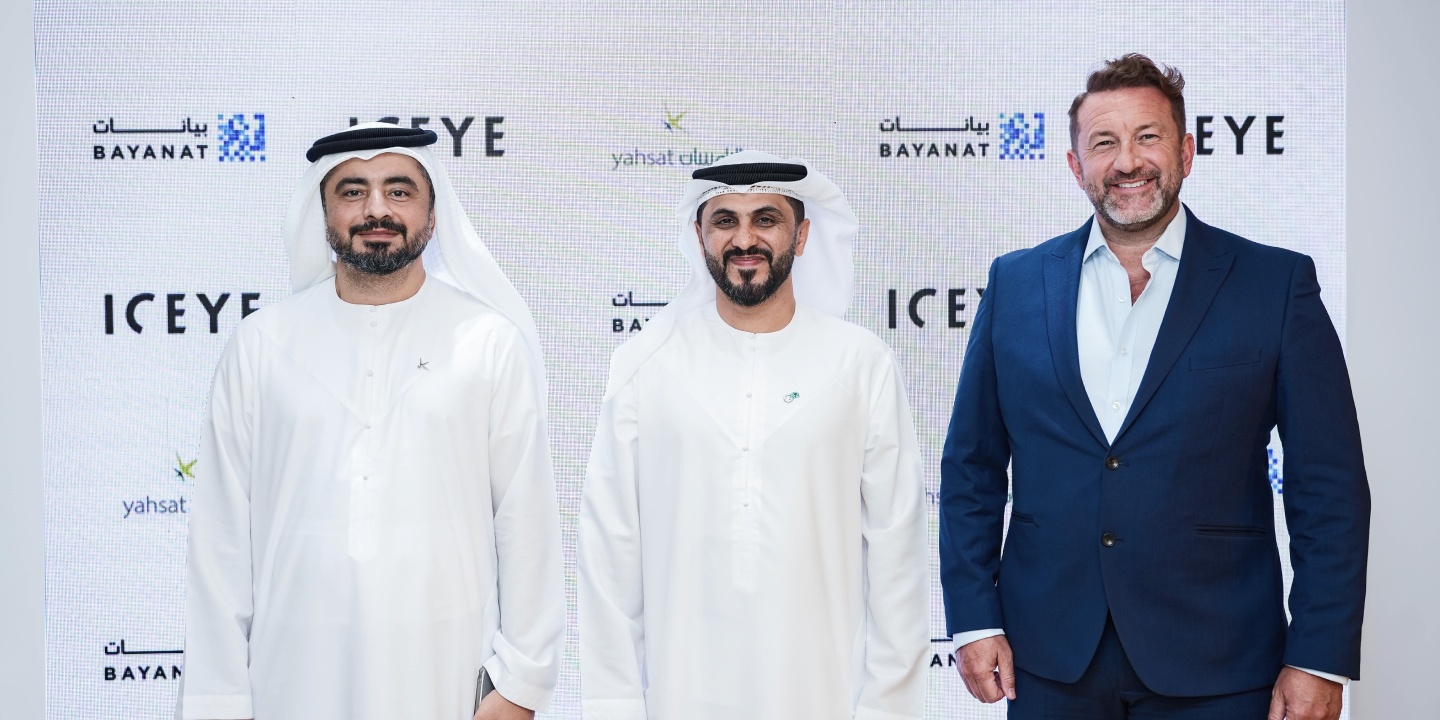
Bayanat, a prominent geospatial data analytics firm, and Yahsat, a leading satellite communications provider, are poised to finalize their merger by next month. This strategic union aims to enhance service delivery across the Middle East and North Africa (MENA) region, leveraging each company’s strengths in data analytics and satellite technology.

The merger represents a significant consolidation in the geospatial and satellite sectors, allowing the combined entity to offer a more robust suite of services. By integrating Bayanat’s advanced analytics capabilities with Yahsat’s satellite infrastructure, the companies plan to provide innovative solutions tailored to a variety of sectors, including government, defense, telecommunications, and natural resources.

As part of the merger, the leadership teams of both companies have emphasized a shared vision of fostering technological advancements and promoting digital transformation. Bayanat’s expertise in big data analytics is expected to complement Yahsat’s satellite communication services, allowing for real-time data processing and improved decision-making for clients. The collaboration is expected to facilitate enhanced services such as remote sensing, location-based services, and real-time monitoring for clients across various industries.

The merger is also positioned as a response to the increasing demand for high-quality geospatial data and reliable communication solutions in the region. As businesses and governments seek to optimize operations and improve efficiency, the ability to access and analyze geospatial information has become more crucial. Yahsat’s satellite technology will enable the delivery of data in remote areas, ensuring that organizations can benefit from Bayanat’s analytical insights regardless of their geographic location.

With this merger, the companies aim to position themselves as market leaders in the geospatial intelligence and satellite communications space. Industry analysts anticipate that the combined entity will have a significant competitive edge over its rivals due to the synergies generated from their respective technologies and expertise.

The merger has been welcomed by various stakeholders, including government entities that recognize the potential benefits of improved data services and satellite connectivity. This union aligns with broader governmental strategies focused on enhancing technological capabilities within the region. By improving access to data-driven insights, the merger is expected to support national initiatives in various sectors, from urban planning to disaster management.

Yahsat, which has been expanding its operations since its inception in 2007, has established itself as a leader in satellite communication, offering services that span the globe. The company operates multiple satellites and has formed strategic partnerships to enhance its service offerings. Bayanat, a subsidiary of the Abu Dhabi-based Group 42, specializes in AI-driven analytics, offering advanced solutions that harness big data for actionable insights. This merger marks a new chapter in both companies’ histories, combining their respective strengths to create a formidable entity in the tech landscape.

The merger has also sparked discussions regarding the future of the satellite and geospatial sectors within the MENA region. Experts highlight the importance of such consolidations in driving innovation and enhancing service delivery. As the demand for data services continues to grow, companies that can effectively integrate technology and analytics will be better positioned to meet market needs.

Looking ahead, the combined resources of Bayanat and Yahsat are expected to accelerate research and development initiatives. Both companies have indicated plans to invest in new technologies that enhance their service capabilities, focusing on next-generation satellite technologies and advanced analytical tools. This emphasis on innovation is crucial in a rapidly evolving market where clients increasingly expect sophisticated solutions.

In addition to enhancing their technological capabilities, the merger is anticipated to have significant implications for the regional job market. As the combined entity grows, it is expected to create new employment opportunities in tech development, project management, and customer support. This aligns with broader economic goals within the UAE to foster job creation in high-tech industries.

The merger has also raised questions about regulatory considerations, as the consolidation of two major players in the geospatial and satellite sectors may draw scrutiny from regulatory bodies. Ensuring compliance with local and international regulations will be essential for the newly formed entity as it seeks to navigate the complexities of the market.

The Dubai Financial Market (DFM) has completed its scheduled review of the General Index and Islamic Index, applying the new stock weightings to both indices starting today. This periodic evaluation aims to ensure the indices accurately reflect the market’s movements and the performance of listed companies.

The reviewed weightings, effective immediately, are expected to provide a clearer picture of the current market standing. The adjustments have garnered significant attention as investors and stakeholders analyze how the updated figures will impact their portfolios and trading strategies. The changes come during a time of increased global financial uncertainty, making the recalibration of these indices a critical measure for the market’s participants.

DFM’s review process, undertaken twice annually, forms a core part of its strategy to maintain a balanced and representative index system. This time, the Islamic Index received heightened scrutiny as sharia-compliant investments have seen a surge in global interest. The modifications to both indices are reflective of market activity over the past months, including stock performance, market capitalization, and liquidity considerations.

Many large-cap companies retained their influential positions within the indices, while certain mid-cap and smaller firms saw their weightings adjusted. The DFM General Index, a barometer of the broader market performance, experienced changes that industry analysts believe could signal emerging trends in the region’s economic sectors. The Islamic Index, which tracks sharia-compliant companies, also saw updates aligning with the growing demand for ethical investments across the Middle East and North Africa (MENA) region.

Several market experts are focusing on the potential impact these adjustments will have on the financial landscape in the UAE and beyond. With the global investment community closely observing DFM’s activities, the revised weightings could affect decisions made by institutional investors and fund managers, particularly those with significant holdings in both the General and Islamic Indices.

Companies with strong fundamentals and steady performance records were expected to maintain or even improve their positions in the indices, while those with fluctuating market capitalization and lower liquidity risk seeing their weightings diminished. The review is based on a transparent methodology that takes into account factors such as market capitalization, free float, and compliance with DFM’s stringent listing standards.

This year’s review comes at a time when the UAE’s capital markets are witnessing renewed interest from both regional and international investors. Analysts have pointed to the growth of sectors such as real estate, banking, and technology, which continue to drive much of the economic activity on the exchange. DFM’s Islamic Index, in particular, has seen an uptick in interest as sharia-compliant investments become increasingly attractive in an era of socially responsible investing.

With Dubai positioning itself as a global hub for financial services, the success and accuracy of its indices remain pivotal for both local and foreign investors. The DFM General Index, often viewed as a proxy for the health of Dubai’s economy, offers a snapshot of the market’s trajectory. Likewise, the Islamic Index is gaining attention due to the global rise in demand for Islamic finance solutions, particularly as countries across the Gulf continue to diversify their economies away from oil dependence.

Today’s application of the new weightings comes at a time of heightened anticipation among traders and fund managers who closely monitor any shifts in the indices for signs of underlying market movements. Analysts are already beginning to issue forecasts based on the changes, with some expecting a boost in the performance of companies that gained weight in the review.

Several of Dubai’s top-listed firms continue to dominate the General Index, including major players in sectors such as banking, real estate, and logistics. The Islamic Index, meanwhile, continues to feature companies that comply with sharia principles, covering a range of industries from financial services to energy. As Dubai continues to strengthen its regulatory frameworks, ensuring transparency and investor protection, the DFM’s indices play a crucial role in attracting foreign investment and maintaining market stability.

The periodic review also brings into focus the importance of accurate and timely data in market operations. Investors rely on these recalibrations to make informed decisions, particularly when it comes to index-linked investments such as exchange-traded funds (ETFs) and index funds. With the UAE’s capital markets maturing, the role of DFM’s indices in reflecting the true performance of the economy is more critical than ever.

DFM’s commitment to reviewing its indices bi-annually ensures that they remain aligned with international best practices. As part of this process, DFM collaborates with a wide range of stakeholders, including regulators, market participants, and financial experts, to ensure that its indices maintain a high standard of accuracy and relevance. This collaborative approach has helped cement DFM’s position as one of the leading exchanges in the MENA region.

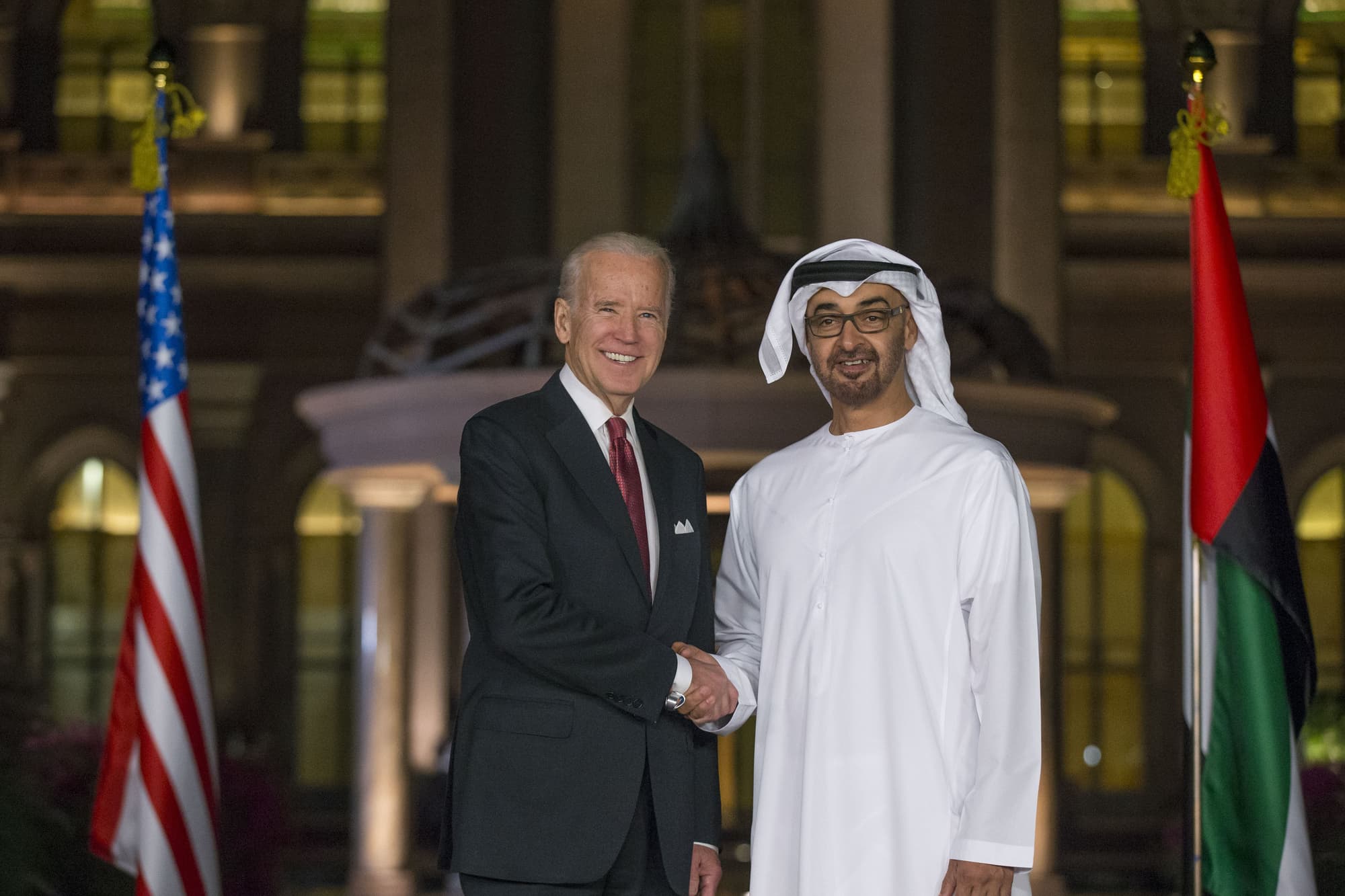
President Joe Biden has officially designated the United Arab Emirates as a major defense partner of the United States, solidifying the nation’s strategic role in the region. This move comes shortly after a similar designation was awarded to India, underscoring Washington’s efforts to build stronger alliances with Gulf and South Asian powers in the face of shifting global security dynamics. The announcement marks a significant step in US-UAE relations, enhancing defense cooperation and reaffirming the UAE’s importance in American military strategy.

The decision highlights the UAE’s evolving role as a critical player in regional security. With this designation, the UAE joins a select group of countries that enjoy preferential treatment when it comes to military cooperation with the United States. The relationship allows for greater access to advanced defense technology, streamlined military sales processes, and deeper intelligence collaboration. These developments come amid ongoing efforts by the US to recalibrate its security commitments in the Middle East, pivoting towards nations capable of contributing more significantly to their own defense.

Biden’s formal recognition of the UAE as a defense partner builds on decades of close military ties between the two nations. The UAE has long been a hub for US military operations in the region, hosting troops and serving as a staging ground for operations in neighboring conflict zones. The move is also seen as part of Washington’s broader strategy to reinforce its influence in the Gulf, where rising geopolitical tensions and the involvement of foreign powers like Russia and China continue to shape the security landscape.

For the UAE, this designation is not merely symbolic. It solidifies the nation’s status as a regional security leader and elevates its position on the global stage. It also provides the UAE with more direct access to sophisticated US defense systems, which will be critical in enhancing its defense capabilities amidst growing concerns over missile threats and other regional challenges. The UAE has long sought to upgrade its military arsenal, focusing on cutting-edge technology such as advanced fighter jets and missile defense systems. This new designation could accelerate these procurements, allowing for a faster, more seamless process.

The US government has been increasingly focused on forging deeper security ties with countries it sees as vital to countering both state and non-state actors. The UAE has been a crucial partner in US-led efforts to combat terrorism and ensure maritime security in the Gulf, particularly through its involvement in anti-piracy and anti-smuggling operations. The nation’s strategic location and military infrastructure have made it an indispensable ally in addressing threats posed by extremist groups and hostile states in the region.

Meanwhile, this development coincides with broader geopolitical shifts, as the US grapples with its role in a multipolar world. The Biden administration’s defense policy has focused on reducing its military footprint in some traditional hotspots while doubling down on partnerships that bolster regional security autonomously. The designation of both the UAE and India as major defense partners reflects a recalibrated approach to ensuring stability through cooperation, rather than direct military involvement.

The strategic importance of the UAE extends beyond the Middle East. Its influence in Africa, Central Asia, and the Indian Ocean region makes it a key player in a wider arc of geopolitical interests. With major global powers vying for influence in the Middle East, Washington’s decision to deepen its defense ties with Abu Dhabi also signals its intention to counter growing Russian and Chinese influence. China’s Belt and Road Initiative and increasing arms sales to Gulf countries, including the UAE, are clear indicators that the region is a key battleground for global influence.

The UAE’s defense relationship with the United States has grown in complexity in recent years. The two nations have regularly conducted joint military exercises, and the UAE has made substantial purchases of US-made defense equipment, including F-16 fighter jets, missile defense systems, and advanced drones. More recently, the UAE has expressed interest in acquiring next-generation US fighter jets, including the F-35, as part of its efforts to enhance its military edge. The partnership also extends to counterterrorism operations, where the two nations collaborate closely in intelligence sharing and tactical support to neutralize extremist threats.

The decision to elevate the UAE’s status comes against the backdrop of broader regional realignments. The Abraham Accords, which normalized diplomatic relations between the UAE and Israel, have reshaped the strategic landscape of the Middle East, offering new opportunities for cooperation between key US allies. This trilateral relationship between the US, UAE, and Israel is likely to deepen in the defense sphere, with potential collaborations in areas like missile defense and cybersecurity.

At the same time, the UAE faces growing security concerns closer to home. The conflict in Yemen, where the UAE has been heavily involved, continues to pose risks to regional stability. Iranian-backed Houthi rebels have launched missile and drone attacks against UAE infrastructure, raising the stakes for Abu Dhabi’s defense posture. The new designation from Washington could pave the way for more robust US support in addressing such threats, with the potential for more advanced defense systems aimed at countering missile and drone attacks.

US defense experts have praised the move, calling it a logical step in strengthening bilateral ties with a trusted partner in the Gulf. They argue that bolstering the UAE’s defense capabilities is not only in the interest of regional stability but also aligns with the US strategy of building self-reliant regional security partners. The UAE’s growing military spending and its focus on modernizing its armed forces further bolster the case for Washington’s decision.

VISHNU RAJA
RYO YAMADA
HITORI GOTOH
IKUYO KITA