News related to
stake

Saudi Arabia’s Public Investment Fund has sharply raised its assets under management target for 2030 to $2.67 trillion, marking a significant 43 per cent jump from its earlier ambition of $1.87 trillion. The strategic move follows the sovereign wealth fund surpassing its asset milestone for 2023, underlining its growing influence as a key pillar of the Kingdom’s economic transformation efforts. According to the latest figures released as […]

A new chapter is unfolding in the heart of the UAE’s real estate landscape as Arabian Hills Estate emerges to replace a once highly anticipated but ultimately undelivered development initially sold by Wahat Al Zaweya Holding PJSC. Positioned near Al Ain, on land just across the Abu Dhabi border, this expansive community of villa and mansion plots is being marketed as a symbol of luxury and renewal, […]

Ethereum’s dominance in the cryptocurrency market has dwindled significantly, dropping to just 7.4%, a figure reminiscent of its market standing in 2020. This sharp decline highlights a fundamental shift within the industry, as Ethereum’s market position has steadily eroded in the face of rising competition, particularly from Bitcoin, which continues to lead the digital asset space. The drop in Ethereum’s market share also mirrors a dramatic change in its relative value against Bitcoin, where one ETH now commands only 0.018 BTC, a stark contrast to the 0.08 BTC it once represented in 2021.

Ethereum’s rise as the second-largest cryptocurrency by market capitalisation was primarily driven by its smart contract capabilities, offering developers a platform for decentralised applications . However, its dominance has been challenged by several factors, including network issues, scalability concerns, and the emergence of competing blockchain networks, such as Solana, Polkadot, and Avalanche. These competitors have capitalised on Ethereum’s early technical limitations, offering faster transaction speeds and lower fees, which have attracted both developers and investors seeking more efficient blockchain solutions.

The network’s scalability challenges became particularly evident during periods of high demand, with transaction fees soaring and processing times slowing, which diminished Ethereum’s appeal for many users. These issues contributed to Ethereum’s declining market share and pushed developers to explore alternative blockchain platforms that could handle increased demand without compromising performance. Ethereum’s much-anticipated upgrade to Ethereum 2.0, aimed at improving scalability and reducing transaction costs, has been slow to materialise, leaving room for other blockchain projects to capitalise on Ethereum’s delays.

The broader market conditions also play a role in Ethereum’s reduced market dominance. While the broader cryptocurrency market has grown, Ethereum has not been able to keep pace with Bitcoin, which has consistently been viewed as a store of value akin to digital gold. Bitcoin’s appeal has been further strengthened by institutional investment and its increasing adoption as a hedge against inflation and economic instability. As Bitcoin’s market dominance continues to rise, Ethereum’s relative position has fallen, underscoring the ongoing struggle for supremacy in the evolving cryptocurrency space.

The rise of decentralised finance has shifted some of the focus away from Ethereum, as new platforms have launched to capitalise on the demand for DeFi services. Platforms like Binance Smart Chain , Terra, and others have garnered significant attention and market share due to their ability to offer faster and cheaper alternatives for DeFi applications. These developments have further eroded Ethereum’s previously dominant position, with its role in DeFi projects gradually diminishing as users flock to more efficient alternatives.

The decline in Ethereum’s market dominance also reflects broader trends within the cryptocurrency space, where investors and developers are increasingly focusing on projects that offer more than just a store of value. The rise of non-fungible tokens , for instance, has introduced new applications for blockchain technology that Ethereum has struggled to fully capitalise on. While Ethereum remains a dominant player in the NFT space, its dominance has been challenged by networks like Flow, which offer lower transaction fees and faster speeds for NFT transactions.

Ethereum’s fluctuating dominance also raises questions about the long-term viability of its position in the blockchain ecosystem. Despite its foundational role in the development of decentralised applications and smart contracts, Ethereum’s reliance on a proof-of-work consensus mechanism has become increasingly problematic in an era where energy consumption and environmental concerns are paramount. Ethereum’s transition to a proof-of-stake model, while promising, has faced delays and challenges, allowing other blockchain platforms to emerge as viable alternatives.

Regulatory uncertainty continues to cloud the future of cryptocurrencies, including Ethereum. Governments around the world are still grappling with how to regulate digital assets, and the lack of clear guidelines has led to a degree of caution among investors. This uncertainty has further complicated Ethereum’s prospects, as its network faces increased scrutiny over issues such as gas fees and its environmental impact. Other blockchain projects that prioritise energy efficiency and regulatory compliance have gained favour, putting additional pressure on Ethereum’s market position.

Investing isn’t what it used to be, and that’s a good thing. Gone are the days when access to high-value assets, such as real estate, fine art, or company shares, was reserved for the wealthy few. Tokenization is a groundbreaking concept that’s opening doors for a much wider pool of investors. At its core, tokenization means converting rights to an asset into digital tokens stored securely on […]

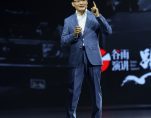
HONG KONG SAR – Media OutReach Newswire – 25 April 2025 – In an atmosphere charged anticipation and entrepreneurial urgency, GE Jun, Chairman and CEO of TOJOY Smart Enterprise Services, delivered a landmark speech at the Chengdu Financial City Performing Center as a guide to reshape the trajectory of China’s private sector. Over 2,000 business leaders, policymakers, and industry experts gathered to hear GE Jun’s Grain Rain […]

Abu Dhabi’s sovereign wealth fund, Mubadala Investment Company, has committed $1 billion to a strategic partnership with U.S.-based Fortress Investment Group, aiming to capitalise on credit and special situations co-investment opportunities. This collaboration will see Mubadala deploying capital into Fortress’s existing private credit, asset-based lending, and real estate strategies, alongside Fortress’s current capital pools. The partnership follows Mubadala Capital’s acquisition of a majority stake in Fortress in […]

Reflecting the vibrancy of Hong Kong’s cultural identity and reinforcing its standing as a premier destination for global events A significant 55% of respondents were aware of the Super March campaign, with social media serving as the primary source of information 72% of respondents believe the “Super March” campaign will invigorate the city’s economy The successful execution of these events demonstrates Hong Kong’s capacity to host mega […]

Advertisements

Maximilian Crown, co-founder of MoonPay, has been appointed as the new Chief Executive Officer of the TON Foundation, marking a significant leadership transition for the organisation. Crown, who previously served as Chief Financial Officer and Chief Operating Officer at MoonPay, will continue to hold a board position at the fintech firm while steering the TON Foundation’s strategic direction.

The TON Foundation, originally developed by Telegram and now operating independently, aims to advance the adoption of The Open Network blockchain. Crown’s appointment is viewed as a strategic move to leverage his extensive experience in financial technology and regulatory compliance to bolster the foundation’s growth and integration within the global financial ecosystem.

Crown’s tenure at MoonPay, a company he co-founded in 2019, has been marked by significant achievements, including expanding the platform’s services to over 160 countries and facilitating the transfer of $2 billion in cryptocurrency. Under his leadership, MoonPay achieved a valuation of $3.4 billion and developed partnerships with major payment providers such as Mastercard, enhancing its capabilities in the NFT space through the launch of the HyperMint platform.

The TON Foundation’s decision to appoint Crown reflects its commitment to strengthening its position in the blockchain industry by integrating traditional financial systems with decentralized technologies. Crown’s expertise in navigating complex regulatory landscapes and building robust financial infrastructures is expected to be instrumental in achieving the foundation’s objectives.

The Open Network, known for its scalability and efficiency, has been gaining traction as a viable blockchain solution for various applications, including decentralized finance and digital identity verification. Crown’s leadership is anticipated to accelerate the development and adoption of TON-based solutions, fostering greater collaboration between the blockchain community and traditional financial institutions.

Industry analysts suggest that Crown’s dual role at MoonPay and the TON Foundation could facilitate synergies between the two entities, potentially leading to innovative payment solutions that bridge the gap between fiat and digital currencies. Such integration could enhance user accessibility and drive broader adoption of blockchain technologies in everyday financial transactions.

Crown’s appointment comes at a time when the blockchain industry is experiencing increased scrutiny from regulators worldwide. His proven track record in ensuring compliance and fostering transparent operations positions the TON Foundation to navigate these challenges effectively. Furthermore, his leadership is expected to instill confidence among stakeholders and attract strategic partnerships that align with the foundation’s mission.

Several listed insurance companies in the UAE may require regulatory intervention after falling short of solvency requirements, raising concerns about the stability of the insurance sector. This situation, which has come under scrutiny from financial analysts, may signal broader issues that could affect market confidence and the regulatory framework governing the sector.

S&P’s Director of Financial Services and Insurance Ratings, Emir Mujkic, has highlighted the issue, emphasizing that the lack of adequate solvency buffers in some of the 21 publicly listed insurers could undermine the overall market stability. According to Mujkic, these insurers are under pressure as they struggle to restore their financial health within the timeframes mandated by regulations. He further suggested that intervention from regulatory authorities might be necessary to safeguard both the insurers and their customers.

The UAE insurance sector comprises 21 listed companies, split between the Dubai Financial Market and the Abu Dhabi Securities Exchange . Of these, 10 are listed on the DFM, while 11 are traded on the ADX. Despite the sector’s overall growth and its significant role in the economy, the solvency challenges faced by these firms could present substantial risks, particularly for those whose financial positions do not meet the required thresholds.

Solvency is a critical factor for insurance companies, as it determines their ability to meet long-term obligations to policyholders. Regulators set solvency requirements to ensure that insurers have sufficient financial buffers to withstand periods of financial stress. When these buffers fall below the prescribed levels, the insurer’s ability to pay claims or meet other liabilities could be compromised, putting the wider financial system at risk.

Mujkic’s remarks come amid a series of reports suggesting that some insurers are struggling with profitability and capital adequacy. Factors such as fluctuating investment returns, high operating costs, and increased claims have contributed to these companies’ solvency concerns. Some firms have been unable to maintain the levels of reserves that are essential to meet future obligations, putting them at risk of regulatory action if their financial positions do not improve.

The regulatory framework in the UAE, while robust, has faced growing pressure to keep pace with the rapidly evolving market dynamics. As the market for insurance continues to expand, both locally and regionally, the authorities may be called upon to tighten oversight and enforce stricter solvency requirements to protect consumers and maintain confidence in the system.

In response to these challenges, the UAE’s Insurance Authority has already taken steps to monitor the financial health of insurers more closely. However, with concerns over the solvency of a number of market participants, there may be a need for more proactive interventions. Industry experts are watching closely to see whether regulatory bodies will act to enforce stricter solvency regulations or offer support to struggling firms to help them restore their financial health.

The implications of this issue extend beyond just the companies directly involved. The solvency crisis within the UAE insurance sector could have far-reaching effects on the broader financial markets, investor confidence, and the country’s reputation as a regional financial hub. Insurers play a vital role in the UAE’s economy, providing a wide range of services to both individuals and businesses. A failure to address solvency problems promptly could lead to wider economic repercussions, including a potential loss of investor trust and the erosion of consumer confidence in insurance products.

The UAE’s financial market is known for its openness to international investors, and the performance of listed companies, including those in the insurance sector, is closely monitored by foreign and domestic investors alike. If solvency issues persist or worsen, the regulatory authorities may face increasing pressure to introduce measures that reassure investors and stakeholders in the market.

One of the key challenges for insurers in the UAE is the evolving risk environment. Factors such as climate change, shifting regulatory landscapes, and the ongoing impact of global economic uncertainties have all contributed to the increasing complexity of risk management. Insurers are finding it more difficult to accurately assess and price risk, which in turn has placed additional strain on their financial stability. This has made it harder for companies to maintain the required solvency margins while also ensuring that they remain competitive in the market.

The regulatory authorities will need to balance the need for stricter solvency requirements with the goal of fostering a competitive and attractive environment for insurers. While regulatory intervention may be necessary in some cases, the authorities must ensure that any actions taken do not stifle innovation or create an overly burdensome regulatory environment. Maintaining a delicate balance will be key to ensuring the long-term stability and growth of the UAE’s insurance sector.

Industry insiders have noted that the UAE insurance market is still in a period of transition, with some companies still adapting to new market conditions and regulatory expectations. While many firms have been able to weather financial challenges, others may find it increasingly difficult to compete as the regulatory environment tightens and market pressures intensify.

Deep research, once the domain of academics, analysts, and professionals poring over databases and archives, is rapidly being transformed by artificial intelligence. Tools like Liner, ChatGPT, and Perplexity have redefined what it means to explore a subject in depth. These platforms promise not only to automate research but to enhance it—consolidating data, extracting patterns, and offering structured, referenced summaries that would normally take hours or days to […]

By Nitya Chakraborty Chinese President Xi Jinping has won the first round in the protracted battle against Donald Trump over his declaration of tariff war against China. After waiting for long three weeks for a personal call from XI Jinping offering talks to discuss the proposed tariff hikes, Trump partially retreated on Tuesday when he […]

Abu Dhabi National Oil Company Group’s six publicly traded subsidiaries have secured shareholder approval to distribute a combined $6.7 billion in dividends for the fiscal year 2024, underscoring their robust financial health and dedication to shareholder value. This substantial payout follows a collective net profit exceeding $9 billion and total revenues of $49.7 billion across the listed entities. ADNOC Gas emerged as the leading contributor, confirming a […]

UBS Group AG is finalising a strategic partnership with Mumbai-based 360 One WAM Ltd., aiming to secure a 26% stake in the wealth management firm. This move is designed to enhance UBS’s presence in India’s expanding wealth management sector, particularly targeting high-net-worth individuals beyond its traditional ultra-high-net-worth clientele.

The Indian wealth management industry, valued at approximately $429 billion in 2023, is projected to grow at a compound annual rate of 4.6% between 2025 and 2029. UBS’s investment in 360 One WAM, which manages assets worth around $62.3 billion, aligns with its strategy to capitalise on this growth. The partnership is expected to provide UBS with local expertise and a broader client base, complementing its global wealth management operations.

Cardano founder Charles Hoskinson has reaffirmed his commitment to foundational principles over market valuations, emphasising that the long-term success of cryptocurrencies hinges on decentralisation, transparency, and real-world utility rather than short-term price movements.

In a series of public statements and interviews, Hoskinson has consistently highlighted the importance of adhering to the core values that underpin the cryptocurrency movement. He argues that the true potential of blockchain technology lies in its ability to empower individuals and foster global inclusivity, rather than serving as a vehicle for speculative gains.

Hoskinson’s perspective is shaped by his extensive experience in the crypto industry, having co-founded Ethereum before establishing Cardano. He has witnessed the volatility and hype cycles that often dominate the market, cautioning against the distractions they pose. Instead, he advocates for a focus on building robust, scalable systems that can deliver tangible benefits across various sectors, including finance, education, and healthcare.

Central to Cardano’s philosophy is the emphasis on scientific research and peer-reviewed development. This approach aims to ensure that the platform’s evolution is grounded in rigorous analysis and long-term viability. Hoskinson believes that such a foundation is essential for achieving “perfect operability,” where information, value, and state can seamlessly move across different blockchain networks.

However, he acknowledges that regulatory challenges remain a significant hurdle. Hoskinson points out that inconsistent and often restrictive policies across jurisdictions can impede innovation and adoption. He calls for a more harmonised regulatory framework that balances oversight with the need to foster technological advancement.

In line with his vision for a decentralised future, Hoskinson has been vocal about the importance of community governance. He envisions a system where stakeholders have a direct say in the protocol’s development, ensuring that the network evolves in a manner that reflects the collective interests of its users. This democratic approach is exemplified by Cardano’s ongoing efforts to implement on-chain governance mechanisms.

Hoskinson’s commitment to principles over price is further evident in his stance on market speculation. He warns against the dangers of equating a cryptocurrency’s value solely with its market price, arguing that such a narrow focus can lead to unsustainable practices and undermine the technology’s broader potential. Instead, he urges the community to consider the societal impact and transformative capabilities of blockchain solutions.

This ethos is reflected in Cardano’s initiatives aimed at driving real-world adoption. The platform has been actively involved in projects across Africa, seeking to provide decentralised solutions for identity verification, supply chain management, and financial inclusion. Hoskinson views these efforts as critical steps toward demonstrating the practical benefits of blockchain technology.

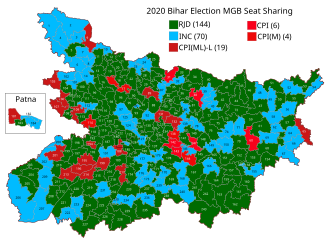
By Kalyani Shankar The Bihar polls at the end of the year are pretty unpredictable. As of now, there will be no cakewalk for the BJP, RJD, Congress or the JD(U). The churning is quietly taking place in Bihar politics. There could be a potential shift in power dynamics. The BJP, playing second fiddle to […]

Abu Dhabi National Oil Company has finalised two significant liquefied natural gas supply agreements with Chinese firms ENN Natural Gas and Zhenhua Oil, underscoring the strengthening energy ties between the United Arab Emirates and China. ENN Natural Gas has entered into a 15-year contract with ADNOC to receive approximately one million metric tonnes of LNG annually. This agreement represents ADNOC’s largest LNG commitment to a Chinese buyer […]

A high-stakes bidding war is unfolding for PAL Cooling Holding , the district cooling subsidiary of Abu Dhabi’s Multiply Group, with global asset managers vying for a deal estimated at approximately $1 billion. Among the contenders are KKR, I Squared Capital, Investcorp, and CVC Capital Partners, the latter collaborating with Engie-backed National Central Cooling Company, known as Tabreed. Abu Dhabi’s energy firm TAQA is also reportedly evaluating a bid.

PCH, established in 2006, operates six state-of-the-art district cooling plants across Abu Dhabi, boasting a designed capacity of nearly 193,800 refrigeration tonnes . The company maintains long-term agreements with prominent developers such as Aldar Properties, Al Qudra, Al Tamouh Investment, and Reem Developers. Its services provide 24/7 chilled water for air conditioning to landmark residential, commercial, and mixed-use developments, contributing to the UAE’s strategy to reduce carbon emissions.

The sale of PCH aligns with Multiply Group’s broader strategy to capitalize on the construction boom in the UAE. The investment firm, controlled by International Holding Company and chaired by Sheikh Tahnoon bin Zayed Al Nahyan, is working with Standard Chartered Plc on the transaction. Sheikh Tahnoon, a key figure in the UAE’s ruling elite, oversees a sprawling business empire, including two sovereign wealth funds.

The district cooling sector in the Gulf region is experiencing significant growth, driven by the need for energy-efficient and environmentally friendly alternatives to traditional air conditioning. District cooling systems, which deliver chilled water via insulated pipes to cool buildings, are particularly suited to the region’s climate, where summer temperatures can exceed 50 degrees Celsius. These systems are approximately 50% more energy-efficient than conventional cooling methods, making them an attractive investment for firms focusing on sustainable infrastructure.

Tabreed, a major player in the district cooling industry, has been expanding its portfolio through strategic partnerships. The company, with significant shareholders including Mubadala and Engie , recently entered a joint venture with Dubai Holding Investments to provide district cooling services for Palm Jebel Ali in Dubai. This AED 1.5 billion project aims to deliver approximately 250,000 RTs of cooling capacity, with construction expected to commence in the second quarter of 2025 and the first cooling services anticipated by 2027.

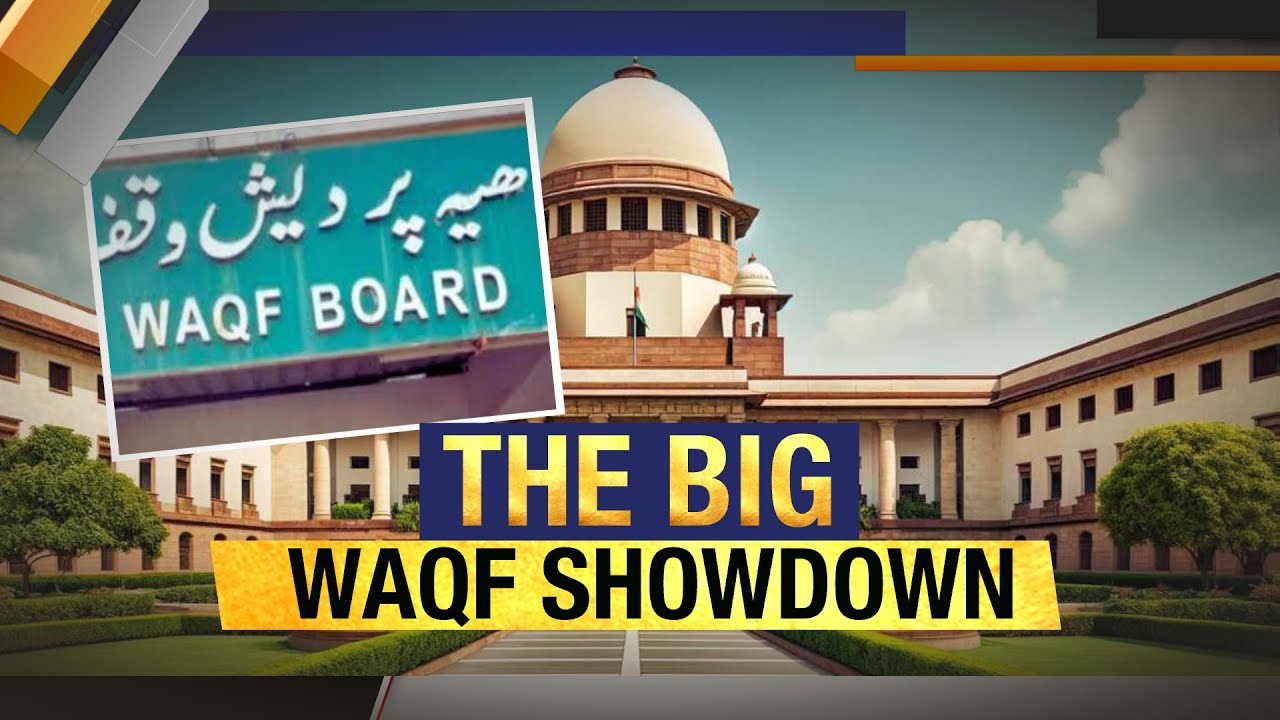
By K Raveendran The Supreme Court’s interim order on the controversial Waqf Amendments Act has created an unusual equilibrium among opposing camps, hinting at a calculated balancing act rather than a decisive intervention. While the order does not represent a full-fledged stay on the implementation of the amendments, it introduces a layer of judicial restraint […]

KUALA LUMPUR, MALAYSIA – Media OutReach Newswire – 19 April 2025 – Even the most seasoned CFD traders can fall into psychological traps—from chasing the hype to holding poor trades out of stubborn hope. Emotional biases can cloud judgment and lead even experienced traders to costly blunders. However, psychological resilience reduces the risk of a loss. Octa Broker, as part of its commitment to traders’ education, explores […]

KUALA LUMPUR, MALAYSIA – Media OutReach Newswire – 18 April 2025 – Trading success often depends on whether or not one can pinpoint potentially profitable assets before sharp price movement. This is particularly evident in crypto, where high volatility is the norm. Technical analysis—an analysis of historical price action and chart patterns—is one of the main methods to predict price direction. Candlestick analysis, a part of technical […]

Mubadala Investment Company, Abu Dhabi’s sovereign wealth fund managing assets exceeding $330 billion, has committed $600 million to acquire a minority stake in Nord Anglia Education Ltd., a London-based provider of premium private education services. This investment marks a notable re-engagement with British assets following a period of diplomatic tensions between the United Arab Emirates and the United Kingdom.

Nord Anglia, operating over 80 schools across 33 countries and educating more than 90,000 students aged 2 to 18, was recently valued at $14.5 billion during its acquisition by a consortium led by EQT, alongside investors such as Neuberger Berman Private Markets, CPP Investments, CF Alba, and Dubai Holding. Mubadala’s entry into this consortium underscores its strategic interest in the global education sector.

This move aligns with the broader objectives of the UAE-UK Sovereign Investment Partnership , established to facilitate investments in sectors including technology, infrastructure, healthcare, life sciences, and clean energy. Under this framework, the UAE has pledged £10 billion over five years, with Mubadala playing a central role in deploying these funds. The partnership aims to foster job creation, enhance research and development capabilities, and stimulate economic growth in both nations.

The investment in Nord Anglia follows a series of initiatives aimed at strengthening UK-UAE relations. Notably, UK Prime Minister Keir Starmer’s visit to the UAE sought to attract investments in energy and infrastructure projects, including the Sizewell C nuclear power plant. These efforts reflect a mutual interest in revitalizing economic and diplomatic ties.

However, the relationship has faced challenges. The UAE expressed concerns over UK political decisions affecting Emirati investments, such as the blocked acquisition of the Telegraph newspaper by a UAE-backed investor. Additionally, the Abu Dhabi Investment Authority’s decision to write off its 9.9% stake in Thames Water highlighted apprehensions about the UK’s regulatory environment for utilities.

Despite these hurdles, the renewed investment by Mubadala in Nord Anglia indicates a willingness to re-engage with the UK market. The focus on education aligns with the UAE’s strategy to diversify its economy and invest in sectors with long-term growth potential.

Abu Dhabi’s Mubadala Investment Company has acquired a minority stake in Nord Anglia Education, a UK-based international private school operator, as part of a $14.5 billion deal led by Swedish private equity firm EQT. The transaction, completed in March 2025, marks a significant move in the global education sector, with Mubadala joining a consortium that includes Neuberger Berman Private Markets, Canada Pension Plan Investment Board , Corporación Financiera Alba, and Dubai Holding.

Nord Anglia operates over 80 schools across 33 countries, educating more than 90,000 students aged 2 to 18. The company has expanded significantly under EQT’s ownership since 2008, growing from six schools to its current global footprint. EQT will continue to hold a controlling stake through its BPEA Private Equity Fund VIII, while CPP Investments has reinvested a portion of its stake.

Film Finance Group International , a North Carolina-based innovator in the film finance sector, has unveiled plans to launch its ERC-20 FFG Token , a utility token designed to enhance transparency and efficiency in the film funding ecosystem. The announcement marks a pivotal step in the evolution of film financing, offering a blockchain-powered solution for a traditionally opaque industry.

FFGI’s decision to embrace blockchain technology stems from the desire to modernise and streamline the complex processes of film production financing. The $FFG token, built on the Ethereum network, is expected to provide a transparent, milestone-based funding mechanism for film projects, enabling direct participation from a global pool of investors. The token aims to ensure accountability and reduce the risks typically associated with film investments, which can be affected by unpredictable production challenges, budget overruns, or box-office failures.

The launch of the FFG Token aligns with a growing trend in both the film industry and the broader entertainment sector to integrate blockchain solutions for operational transparency. While film financing has long been dominated by high-net-worth individuals, institutional investors, and major production companies, FFGI is seeking to democratise access to capital, allowing smaller investors and enthusiasts of the medium to engage with and support projects at an unprecedented scale.

FFGI’s vision for its ERC-20 token is not just about financial transactions, but about creating a self-sustaining ecosystem. Token holders will have the opportunity to participate in the decision-making process for the funding of films, making it a truly community-driven platform. The milestone-based structure ensures that each phase of a project, from pre-production to post-production, is funded as it progresses, mitigating the risks of mismanagement and delays often encountered in traditional film financing.

The team behind FFGI comprises seasoned fintech professionals and film production veterans, blending expertise in financial technologies with in-depth knowledge of the film industry. This fusion of skills aims to create an asset-backed token that promises stability and growth for its holders. The $FFG token will provide access to a wide range of functionalities, including governance rights, access to exclusive content, and potential profits from the success of films financed through the platform.

As the use of blockchain technology in film production continues to expand, FFGI’s move to launch the FFG token places it at the forefront of this emerging trend. Blockchain’s potential for enhancing transparency and security in the film industry has already garnered attention from key industry stakeholders, including production companies, investors, and content creators. By leveraging smart contracts, FFGI aims to eliminate intermediaries, reducing the time and cost associated with traditional methods of film financing.

The FFGI platform is positioned to tackle several longstanding challenges within the industry. One of the key issues film financiers face is the difficulty in tracking project milestones and ensuring that funds are being allocated correctly. Traditional models have often relied on lengthy paperwork, complex reporting, and human oversight, which leaves room for error. Through the blockchain, FFGI will offer a more secure and efficient alternative that provides real-time data on the progress of a film and ensures that financial resources are distributed according to pre-established benchmarks.

Beyond operational improvements, the FFGI token also represents a shift in how film financing could become more accessible. Traditionally, only a select few have had the means to invest in large-scale film projects, with barriers to entry being high due to the capital-intensive nature of production. The $FFG token, however, promises to democratise film investment by allowing smaller, individual investors to participate in a growing marketplace. Investors can purchase tokens as a means of securing a stake in projects, potentially benefiting from the financial success of films they help fund.

As the film industry continues to evolve, the integration of blockchain technology could become a key driver of change. Tokenisation allows for greater liquidity, enabling faster and more efficient transactions between stakeholders. This, in turn, may lead to more fluid investments, increased funding for independent filmmakers, and greater flexibility in the way film financing is structured. FFGI’s $FFG token is well-positioned to take advantage of these developments, offering an innovative alternative to the traditional ways of financing film projects.

FFGI’s entry into the blockchain space comes at a time when the broader entertainment sector is exploring innovative solutions to address financing challenges. Major players in the industry, including studios, production companies, and streaming platforms, have shown increasing interest in the use of blockchain for rights management, content distribution, and audience engagement. By leveraging blockchain’s inherent capabilities for transparency and decentralisation, FFGI is poised to make a significant impact on the landscape of film financing.


OpenHarmony, the open-source operating system founded by Huawei, has made significant strides in its global outreach with the debut of its first-ever European Technical Forum in Rotterdam, the Netherlands. The event marked a key milestone for the project, showcasing its potential for cross-industry innovation and emphasising its commitment to an open, collaborative technological ecosystem. The OpenHarmony project has rapidly evolved since its inception, attracting developers, industry experts, […]

VISHNU RAJA
RYO YAMADA
HITORI GOTOH
IKUYO KITA