News related to
stake

Sanofi has initiated the process of selling its consumer health unit, with France’s PAI Partners and the Abu Dhabi Investment Authority (ADIA) emerging as key players in the bidding. The French pharmaceutical giant is exploring options to maximize value, which includes a potential sale or separate listing of the unit.

As part of this strategic move, Sanofi has set a mid-July deadline for first-round bids. Among the prospective buyers, private equity firm PAI Partners, in collaboration with ADIA, is considered a strong contender. Other potential bidders include industry heavyweights like Blackstone, Advent International, and Clayton Dubilier & Rice.

Sanofi’s consumer health business, known for popular over-the-counter brands, has garnered significant interest from global investors. The company is evaluating various separation scenarios with the aim of concluding the transaction by the end of 2024. This move aligns with Sanofi’s broader strategy to streamline its operations and focus on core pharmaceutical activities.

The involvement of ADIA signals growing interest from sovereign wealth funds in the pharmaceutical sector, reflecting the appeal of stable, cash-generating assets in the healthcare industry. As the bidding process unfolds, the collaboration between PAI Partners and ADIA is expected to play a crucial role in the outcome of this high-stakes deal.

Sanofi’s decision to potentially divest its consumer health unit underscores the ongoing trend among large pharmaceutical companies to reallocate resources and focus on more profitable segments like innovative drugs and biotechnology. The outcome of this sale could have significant implications for the global healthcare market, particularly in the consumer health sector.
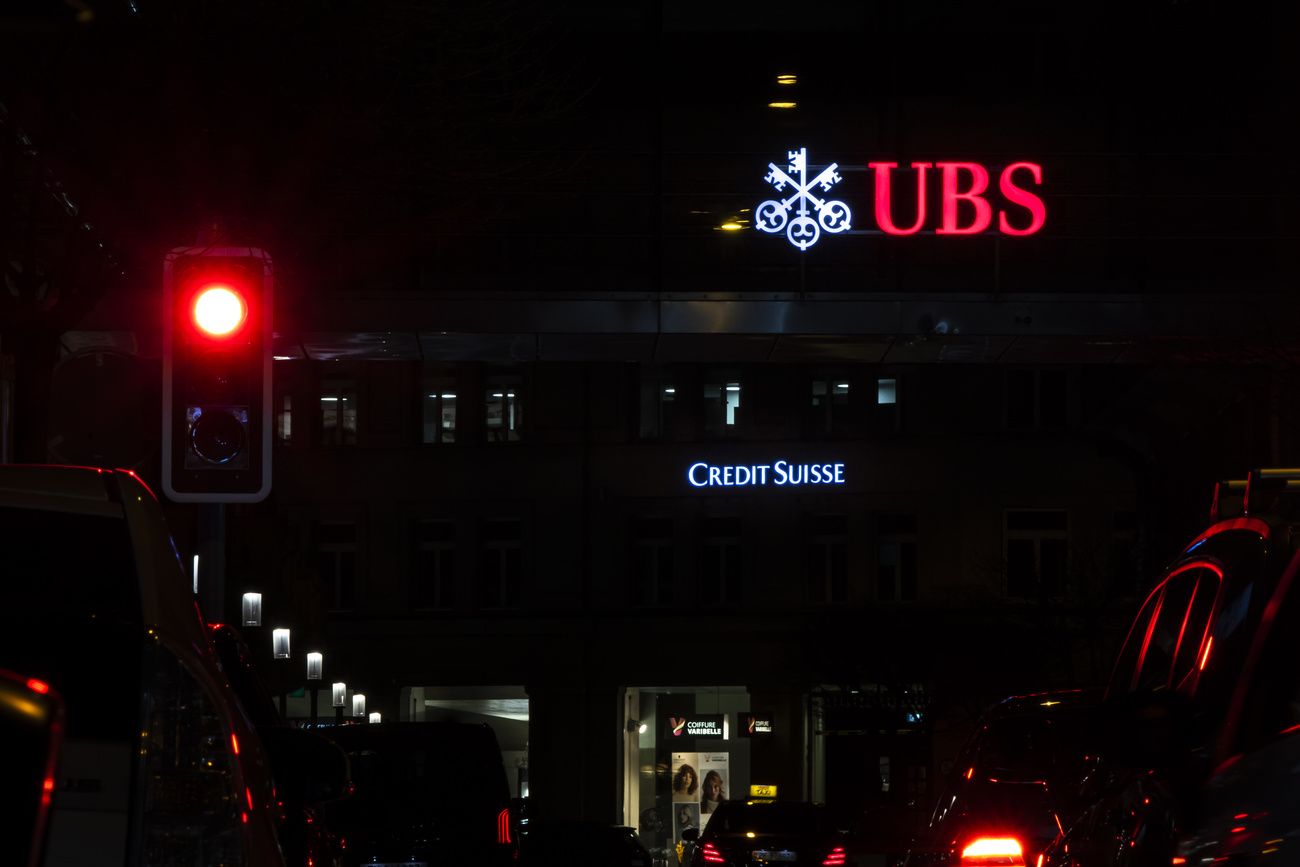
UBS Group AG’s push against increased capital requirements has been firmly rejected by Swiss Finance Minister Karin Keller-Sutter. Despite the bank’s substantial lobbying efforts, Keller-Sutter has maintained her stance, indicating that the proposed new regulations will proceed as planned.

UBS has been advocating for more leniency regarding capital requirements, arguing that the proposed rules could impose undue constraints on its operations and profitability. The lobbying campaign has included high-profile meetings and extensive dialogue with policymakers, aiming to influence the Swiss government’s decision on financial regulations.

However, Keller-Sutter’s response has been unequivocal. She emphasized that the government is committed to strengthening financial stability and ensuring that large financial institutions are adequately capitalized to withstand potential economic shocks. Her firm position reflects a broader trend among regulators worldwide, who are increasingly focusing on enhancing the resilience of the banking sector.

The debate over capital requirements is part of a larger global discussion about financial regulation following the 2008 financial crisis. Regulators and financial institutions continue to grapple with finding the right balance between maintaining financial stability and supporting economic growth. UBS’s lobbying efforts highlight the tension between these objectives, as banks seek to mitigate regulatory burdens while regulators aim to protect the financial system.

Keller-Sutter’s decision underscores Switzerland’s commitment to upholding stringent financial standards. The country has long been a global financial hub, and its regulatory policies often set a precedent for other nations. The Finance Minister’s stance signals a firm resolve to prioritize financial stability over industry lobbying.

The implications of this decision are significant for UBS and the broader banking sector. If the new capital requirements are implemented, UBS may need to adjust its financial strategies to comply with the regulations. This could involve raising additional capital, altering its investment strategies, or adjusting its business operations to align with the new requirements.

UBS’s lobbying efforts are not an isolated case. Financial institutions worldwide regularly engage in lobbying to influence regulatory policies that affect their operations. The effectiveness of such campaigns can vary, depending on the political climate, regulatory environment, and the strength of the arguments presented.

Keller-Sutter’s firm position has been met with both support and criticism from various stakeholders. Supporters argue that strong capital requirements are essential for preventing future financial crises and protecting the stability of the global financial system. Critics, however, contend that excessive regulatory constraints could stifle innovation and economic growth.

As the debate continues, the focus remains on how best to balance regulatory demands with the needs of the financial sector. UBS’s lobbying efforts reflect the ongoing negotiation between regulators and financial institutions over the future of banking regulations. The outcome of this issue will likely have far-reaching implications for the financial industry, both in Switzerland and globally.

Swiss Finance Minister Karin Keller-Sutter’s rejection of UBS’s lobbying against increased capital requirements emphasizes the Swiss government’s commitment to maintaining rigorous financial standards. The resolution of this issue will be closely watched by financial institutions and regulators alike, as it could shape the future of banking regulation in Switzerland and beyond.

HONG KONG SAR – Media OutReach Newswire – 23 August 2024 – The Hong Kong Council of Social Service (HKCSS) is pleased to announce its inaugural participation in the 8th China (Guangzhou) International Elderly Health Industry Expo (EldExpo) from August 23 to 25 at the Canton Fair Complex in Guangzhou. This strategic engagement underscores HKCSS’s commitment to addressing the challenge of ageing population and advancing elderly care […]

Kenya’s recent decision to impose new levies on cereals, legumes, herbs, and tubers has triggered widespread protests from traders, who argue that the move breaches regional trade agreements. The new tax regime, effective immediately, aims to boost government revenue but has faced backlash from within the East African Community (EAC), where economic integration and free trade are cornerstones.

Traders and industry experts have voiced concerns that the additional levies could destabilize regional trade networks. They argue that such measures undermine the EAC’s commitment to facilitating trade and reducing barriers within the region. The EAC, comprising Kenya, Uganda, Tanzania, Rwanda, Burundi, and South Sudan, has worked to establish a common market to enhance economic cooperation and reduce trade friction among member states.

Kenyan officials, however, maintain that the new levies are necessary to address local market imbalances and promote the growth of domestic agricultural sectors. The government argues that these taxes will support local farmers by reducing the influx of imported goods that they claim undercut local prices.

Economic analysts warn that these levies could lead to retaliatory measures from neighboring countries, potentially escalating into a broader trade dispute within the EAC. Such conflicts could disrupt supply chains and increase costs for consumers, particularly in countries dependent on cross-border trade.

The East African Business Council (EABC) has expressed strong disapproval of Kenya’s policy shift. The council’s representatives argue that the new levies could create significant hurdles for regional trade, particularly for small and medium-sized enterprises that lack the resources to absorb additional costs. They call for urgent dialogue between the Kenyan government and EAC trade officials to resolve the issue without further escalating tensions.

Farmers in Kenya are also divided on the impact of the new levies. While some support the policy as a way to protect local agriculture, others fear that the increased costs will lead to higher prices for consumers and reduced competitiveness of Kenyan products in the regional market. This internal division reflects broader concerns about how best to balance national interests with regional cooperation.

The controversy has also drawn attention from international trade observers, who highlight the potential implications for the EAC’s broader economic goals. The community’s vision includes the creation of a single market and a customs union, which are at risk if member states impose unilateral trade barriers.

As the debate continues, the Kenyan government has pledged to review the impact of the new levies and engage in discussions with regional trade partners. However, the situation remains fluid, with stakeholders closely monitoring developments and preparing for possible adjustments in trade policies.

The unfolding dispute underscores the challenges facing regional integration efforts in East Africa, where balancing national policy objectives with the commitment to free trade and economic cooperation is increasingly complex.

OPEC+ faces a critical decision in the coming weeks as it evaluates whether to move forward with its planned oil production increases scheduled to begin in October. The decision is fraught with complexity, driven by a mix of economic, political, and market factors that could significantly influence global oil prices and economic stability. The planned increases stem from a decision made in June 2024, where OPEC+ members […]

Nigeria is banking on the operational launch of the Dangote Petroleum Refinery to address ongoing fuel shortages and alleviate the burden of lengthy queues at petrol stations. As the country grapples with an energy crisis exacerbated by its reliance on imported refined petroleum, the new refinery promises to be a game-changer in the nation’s energy landscape. This refinery, situated in the Lekki Free Zone near Lagos, is […]

Liva Insurance Company (Liva KSA) and Malath Cooperative Insurance Company (Malath Insurance) have signed a non-binding memorandum of understanding (MoU) to consider a potential merger. This strategic move aims to leverage synergies between the two firms, potentially reshaping the insurance landscape in Saudi Arabia. Liva KSA, with a substantial majority stake held by Liva Insurance BSC—a subsidiary of Liva Group—is recognized for its comprehensive insurance services in […]

Advertisements

The Dubai Chamber of Digital Economy has initiated a series of promotional events for its ‘Launchpad Dubai’ platform, designed to bolster the growth of technology firms and foster entrepreneurial activity in the region. The events, held at the Dubai Chamber’s headquarters, attracted approximately 180 participants, including local entrepreneurs and digital business representatives. ‘Launchpad Dubai’ is a strategic initiative by the Dubai Chamber of Digital Economy to stimulate […]

Phoenix Group PL, a leading tech conglomerate listed on the Abu Dhabi Securities Exchange (ADX), has announced a strategic partnership with Tether to launch a new stablecoin pegged to the UAE Dirham. This initiative marks a significant advancement in the digital assets sector, offering a stable and reliable digital currency solution designed to enhance financial transactions within the region. The newly introduced stablecoin aims to address the […]

Emirates Global Aluminium (EGA) is acquiring an 80% stake in Minnesota-based Spectro Alloys Corporation, marking a significant move in its global expansion strategy. The deal, which is pending regulatory approval, aims to bolster EGA’s presence in the U.S. and enhance its capabilities in aluminum recycling, aligning with the company’s sustainability goals.

Spectro Alloys, a prominent player in the secondary aluminum market, specializes in producing aluminum ingots with a notably low carbon footprint. This acquisition allows EGA to further penetrate the American market while contributing to its broader environmental initiatives.

The transaction is expected to close by the end of the year, subject to regulatory approvals, with Spectro’s current owners retaining a 20% stake. EGA’s move reflects its commitment to diversifying and expanding its operations beyond the UAE, solidifying its position as a global leader in the aluminum industry.

Former U.S. President Barack Obama delivered a robust endorsement of Kamala Harris during his keynote address at the Democratic National Convention (DNC) on Tuesday. His speech, marked by a fervent defense of Harris and a sharp critique of former President Donald Trump, highlighted the Obamas’ strategic alignment with the current administration’s goals and electoral strategy. Obama’s speech emphasized his longstanding friendship with President Joe Biden and his […]

TJX Companies, the parent company of retail chains like TJ Maxx and Marshalls, has solidified its footprint in the Middle East through a strategic investment in the retail group Brands for Less (BFL). This move marks a significant expansion into a lucrative market and underscores TJX’s commitment to global growth. BFL, a prominent player in the Middle Eastern off-price retail sector, operates across several countries including the […]

  By K Raveendran The Centre’s abrupt reversal on its proposal to permit lateral entry into senior government and public sector positions can be traced back to a complex interplay of political dynamics,  strategic manoeuvring and to a large extent pragmatism. The change is widely attributed to the formidable pressure applied by Chirag Paswan’s Lok […]


Dana Gas has announced that performance issues were the primary factor behind Pearl Petroleum’s decision to terminate its contract with Enerflex for the Khor Mor gas field. The move underscores ongoing challenges in the energy sector, particularly in the management and execution of complex infrastructure projects. Pearl Petroleum, a consortium led by Dana Gas and Crescent Petroleum, had engaged Enerflex to provide compression and processing equipment for […]

A groundbreaking partnership has been announced between the Abu Dhabi National Oil Company (ADNOC), Malaysia’s PETRONAS, and Storegga, a leading player in carbon capture and storage (CCS) technology. This collaboration marks a significant step forward in the development of offshore CCS projects, aimed at reducing global carbon emissions and advancing the transition to cleaner energy solutions. The joint venture focuses on a new offshore CCS project located […]

Saudi Arabia’s Public Investment Fund (PIF) is advancing plans to launch a new cargo airline as part of its strategic expansion in the logistics sector. This initiative is aimed at bolstering the country’s position as a major global logistics hub, enhancing its transport infrastructure and boosting economic diversification efforts. The proposed cargo airline represents a key component of Saudi Arabia’s broader vision to increase its logistics capabilities […]

Kuwait’s government has launched a committee to oversee the consolidation of its downstream oil sector, a move aimed at enhancing efficiency and streamlining operations within the industry. This strategic initiative reflects Kuwait’s broader goal to optimize its oil production and distribution frameworks amid evolving global energy dynamics.

The newly formed committee will focus on integrating several key downstream entities under a unified operational structure. This consolidation is expected to improve synergies among Kuwait’s refining, distribution, and marketing segments, potentially leading to cost reductions and operational efficiencies. The government’s decision underscores its commitment to refining its oil sector’s infrastructure to better compete in a rapidly changing energy market.

As part of its mission, the committee will evaluate the potential merger of major downstream companies, including the Kuwait National Petroleum Company (KNPC) and the Petrochemical Industries Company (PIC). The integration of these entities is anticipated to streamline supply chains and enhance the overall value chain from refining to end-user delivery.

This consolidation effort is particularly timely given the global shift towards sustainable energy and the increasing pressure on oil-producing countries to adapt to new market conditions. Kuwait’s strategic realignment aims to fortify its position in the global oil market while addressing internal inefficiencies and aligning with international best practices.

The committee’s formation also aligns with Kuwait’s broader economic diversification strategy, which seeks to reduce dependency on oil revenues by enhancing the efficiency of its oil industry and investing in alternative sectors. By focusing on the downstream sector, Kuwait aims to leverage its existing resources more effectively and create a more resilient energy infrastructure.

The integration process will involve a comprehensive review of existing assets, operational protocols, and workforce alignment. This thorough examination is expected to facilitate a smoother transition and minimize disruptions during the consolidation phase. The government has indicated that the committee will work closely with industry experts and stakeholders to ensure a balanced approach that addresses both operational and strategic objectives.

Industry analysts view this move as a proactive step in response to fluctuating global oil prices and shifting energy policies. By consolidating its downstream operations, Kuwait is positioning itself to better manage market volatility and enhance its competitive edge in the energy sector.

Furthermore, the consolidation effort reflects Kuwait’s ongoing commitment to modernizing its energy sector and improving its global standing. As the country continues to adapt to evolving energy trends, the successful implementation of this initiative could serve as a model for other oil-producing nations facing similar challenges.

Overall, the establishment of this committee marks a significant development in Kuwait’s oil sector strategy. The focus on downstream integration is expected to drive efficiencies and reinforce Kuwait’s position in the global energy landscape, paving the way for a more robust and adaptable oil industry.

The United Arab Emirates has been confirmed as the host for the Women’s T20 World Cup scheduled for October. This marks the first time the UAE will stage this premier global cricket event, highlighting the nation’s growing prominence in international sports.

The decision, announced by the International Cricket Council (ICC), underscores the UAE’s increasing role as a hub for major cricket tournaments. The tournament will see teams from across the globe compete in a high-profile event, reflecting the expanding reach and influence of women’s cricket.

Cricket authorities have praised the UAE’s facilities and organizational capabilities, noting that the nation has previously demonstrated its ability to successfully host high-stakes cricket events. The UAE, known for its state-of-the-art stadiums and advanced infrastructure, is expected to deliver a seamless tournament experience.

Teams participating in the Women’s T20 World Cup will compete in several of the UAE’s leading stadiums, including those in Dubai and Abu Dhabi. These venues are well-regarded for their world-class amenities and have hosted numerous international matches in the past.

The announcement of the UAE as the host also aligns with broader trends in global sports, where there is increasing recognition of emerging markets and regions as key players in the international sporting arena. The UAE’s involvement is seen as a significant step in promoting women’s cricket and providing a platform for female athletes to showcase their talents on a global stage.

The tournament will feature a series of matches that will see the best women cricketers from around the world battling it out for the championship. The competition is anticipated to be a major draw for cricket fans, offering a showcase of skill, talent, and competitive spirit.

This development follows a series of successful cricket events hosted by the UAE, including the men’s T20 World Cup and various other international fixtures. The UAE’s reputation for hosting cricketing events has solidified, making it a preferred destination for global cricket tournaments.

As the tournament approaches, cricket fans and stakeholders are eagerly anticipating the event, which promises to be a landmark occasion in the women’s cricket calendar. The UAE’s hosting of the Women’s T20 World Cup is set to be a milestone in the sport’s development and global reach, reflecting the ongoing growth and evolution of women’s cricket.

The Abu Dhabi Department of Real Estate and Commercial Property (ADREC) has launched a new rental index on its website, offering detailed information on residential, commercial, and industrial properties. This tool aims to support tenants, landlords, and investors by providing accurate and current data on property rentals in Abu Dhabi.

The ADREC rental index features extensive data collected from various sources, including rental transactions, property listings, and market analysis. It covers a wide range of property types and areas within Abu Dhabi, making it a crucial resource for anyone involved in the real estate market. Users can access information such as average rental rates, trends over time, and comparisons across different property types and locations.

The index is designed to address the growing need for transparency and reliability in the real estate market. By offering up-to-date and precise rental data, ADREC aims to enhance decision-making for both individuals and businesses. This initiative aligns with broader efforts to improve the efficiency and fairness of the rental market in Abu Dhabi.

ADREC’s rental index also includes features that allow users to filter data based on specific criteria, such as property size, type, and location. This customization helps users find relevant information quickly and efficiently. The platform’s user-friendly interface and comprehensive data make it a valuable tool for understanding market dynamics and making informed decisions.

In addition to providing rental data, the index serves as a benchmark for evaluating property values and trends. It helps identify emerging patterns in the rental market, such as shifts in demand or changes in rental prices across different areas. This insight is crucial for stakeholders looking to invest in or lease properties in Abu Dhabi.

The release of the rental index reflects ADREC’s commitment to fostering a transparent and well-regulated real estate market. By offering a centralized source of rental information, the index supports fair practices and helps mitigate disputes between tenants and landlords. It also contributes to a more stable and predictable rental environment, benefiting both property owners and renters.

As the Abu Dhabi real estate market continues to evolve, the ADREC rental index will play a key role in shaping its future. The availability of reliable data will assist stakeholders in navigating market changes and making strategic decisions. The index’s launch is a significant step towards improving market transparency and enhancing the overall efficiency of the rental sector in Abu Dhabi.

Qatar Airways has announced a significant investment, acquiring a 25% stake in South Africa’s regional carrier, Airlink. This strategic move is poised to enhance Qatar Airways’ presence in the African aviation market and strengthen its network across the continent. The partnership marks a notable development for both airlines as they look to leverage each other’s strengths in their respective regions.

Airlink, a prominent player in South Africa’s regional aviation sector, operates a comprehensive network of routes connecting major cities and remote areas within Southern Africa. The acquisition by Qatar Airways is expected to bolster Airlink’s operational capabilities, expanding its reach and improving its connectivity to international destinations. For Qatar Airways, the investment aligns with its strategy to build a more extensive network in Africa, providing passengers with greater access to regional destinations.

The deal is also anticipated to facilitate greater collaboration between the two airlines, including codeshare agreements that will offer enhanced travel options for passengers. By integrating Airlink’s regional expertise with Qatar Airways’ global reach, the partnership aims to deliver a more seamless travel experience and increased convenience for travelers.

This acquisition is part of Qatar Airways’ broader strategy to expand its global footprint and strengthen its position in key markets. The airline, known for its extensive international network and high service standards, continues to seek opportunities for growth and strategic partnerships that complement its existing operations. By investing in Airlink, Qatar Airways is positioning itself to capture a larger share of the African aviation market, which has been showing signs of growth and increased demand for connectivity.

Airlink’s regional network will benefit from Qatar Airways’ support, potentially leading to enhanced service quality and operational efficiencies. The investment also reflects Qatar Airways’ commitment to supporting and fostering growth in regional carriers, which can play a crucial role in expanding global connectivity.

This partnership comes at a time when the global aviation industry is navigating post-pandemic recovery and adapting to evolving travel demands. Collaborations like the one between Qatar Airways and Airlink are seen as strategic moves to address these challenges and capitalize on emerging opportunities in the aviation sector. The integration of Airlink’s services with Qatar Airways’ global network is expected to provide passengers with a broader range of travel options and improved connectivity between Africa and other parts of the world.

As the aviation industry continues to evolve, strategic alliances and investments will play a crucial role in shaping the future of global air travel. Qatar Airways’ acquisition of a stake in Airlink represents a significant step in this direction, underscoring the importance of regional partnerships in enhancing global connectivity and fostering growth in key markets.

Kuwait Finance House has completed the sale of its entire stake in Sharjah Islamic Bank, fetching $351 million. This divestment marks a significant shift in the bank’s investment strategy, reflecting a broader trend of strategic asset reallocation in the Gulf banking sector. The sale involves a substantial block of shares, marking the end of a notable investment by Kuwait Finance House (KFH) in Sharjah Islamic Bank. The […]

Boeing has halted flight tests for its 777X aircraft following the discovery of a cracked structural component. This issue, identified during routine inspections, raises concerns about potential delays in the aircraft’s delivery schedule. The discovery was made in one of the structural components designed to ensure the aircraft’s safety and performance. Boeing’s engineering team immediately grounded the aircraft to address the fault. The company has stated that […]

A unique investment club is drawing attention in Hong Kong, where teenagers are engaged in high-stakes trading with a staggering $20 million in portfolios. This initiative, held in a bustling auditorium, showcases a group of young individuals, all in casual attire, intensely focused on stock tickers and trading screens. The program, designed to simulate real-world trading environments, allows participants to manage significant sums of money, providing them […]

Emerging breakthroughs in computational speed and algorithmic efficiency are poised to drive the next phase of blockchain technology, potentially realizing the long-sought goal of complete decentralization. Paul Brody, who leads blockchain initiatives at Ernst & Young (EY), highlights that these innovations could transform how decentralized networks function, enhancing both their resilience and the range of services they offer. The drive towards a fully decentralized blockchain has been […]

VISHNU RAJA
RYO YAMADA
HITORI GOTOH
IKUYO KITA