News related to
stake

Saudi Arabia has introduced a competitive bidding process for seven new mining exploration licenses, encompassing approximately 1,000 square kilometers. This announcement, made on August 7 by the Ministry of Industry and Mineral Resources, marks a strategic move to bolster the nation’s mining sector and attract investment from both local and international entities. The new exploration licenses are distributed across several regions known for their mineral wealth. One […]

Arabian Post Staff Saudi Aramco is poised to enhance its influence in the petrochemical sector through a significant acquisition. The energy giant has announced plans to acquire a substantial stake in Petro Rabigh, a major player in the petrochemical industry. This strategic move reflects Aramco’s ongoing efforts to diversify its investments and strengthen its foothold in the global market. Petro Rabigh, a joint venture between Saudi Aramco […]

The recent death of a prominent Hamas leader has ignited concerns about potential escalation in the Israeli-Palestinian conflict. The Organization of Islamic Cooperation (OIC) has raised alarms about the possibility of a broader conflict emerging from this incident, which has already stirred significant regional tensions. Reports confirm that the leader, a key figure within Hamas, was killed under circumstances that have not yet been fully clarified. This […]

Arabian Post Staff Kazakhstan Stock Exchange (KASE) has officially joined the Tabadul Digital Exchange Hub, a platform established by the Abu Dhabi Securities Exchange (ADX). This collaboration marks KASE as the sixth exchange to integrate into the Tabadul network, paving the way for enhanced bilateral cross-exchange trading and stronger strategic partnerships. The integration into Tabadul is a significant move for KASE, which aims to expand its global […]

PUTRAJAYA, MALAYSIA – Media OutReach Newswire – 8 August 2024 – The Netherlands Maritime University College (NMUC), in collaboration with the Port Training Institute (PTI) of the Arab Academy for Science, Technology, and Maritime Transport (AASTMT), STC International, and co-organised by MY Iskandar Sdn Bhd (MISB) and the Chartered Institute of Logistics and Transport (CILT), proudly announces the International Conference on Maritime Logistics and Ports (ICMLP) 2024. […]

Tensions between Israel and Hezbollah have reached a critical point, significantly affecting daily life in Lebanon. Over the past few days, Israeli airstrikes targeted multiple Hezbollah positions in southern Lebanon, including the villages of Maifadoun and Khiam. These strikes have resulted in the deaths of several Hezbollah members and disrupted the lives of civilians living nearby.

On Tuesday, Israeli warplanes carried out strikes on Hezbollah military bases in Yaroun and Kfarkela, which the Israeli Defense Forces (IDF) stated were used for terrorist activities. This response came after Hezbollah launched a series of drone and rocket attacks into northern Israel, injuring 19 Israelis in the city of Nahariya and causing substantial property damage. The IDF intercepted several of these drones and rockets, but not all, leading to civilian casualties and heightened fear among residents.

The current wave of violence was triggered by the assassination of Ismail Haniyeh, a prominent Hamas leader, in Tehran. This event, coupled with the killing of Hezbollah’s military commander Fuad Shukr in Beirut, has escalated the conflict. Iran has vowed retaliation, increasing the regional stakes and bringing more uncertainty to Lebanon’s already fragile state.

Hezbollah has been conducting regular attacks on Israeli border communities and military posts, citing support for Gaza amid the ongoing conflict with Hamas. These skirmishes have resulted in significant casualties on both sides. The IDF has reported the deaths of 25 civilians and 18 soldiers, while Hezbollah has acknowledged the loss of 399 members, mostly in Lebanon. Additionally, numerous civilians and operatives from other militant groups have also been killed.

Lebanon’s infrastructure and economy, already struggling, are further strained by this ongoing conflict. The continuous airstrikes and retaliatory attacks have disrupted daily activities, causing fear and uncertainty among the Lebanese population. The border regions are particularly affected, with residents facing constant threats to their safety and livelihoods.

The international community has expressed concern over the escalating violence, urging both sides to seek diplomatic solutions. However, with the cycle of retaliation and defense firmly in place, achieving peace remains a challenging prospect. The potential for a broader regional conflict looms large, with implications that could extend far beyond the immediate area.

In light of these developments, Lebanon finds itself at a crossroads, grappling with the immediate consequences of the conflict while seeking a path towards stability. The resilience of its people and the effectiveness of international diplomatic efforts will be crucial in navigating this tumultuous period.

The situation remains fluid, with new developments occurring rapidly, and the region bracing for further escalations. The impact on Lebanon’s socio-economic fabric is profound, with the specter of war casting a long shadow over its future.


Expansion reinforces commitment to economic growth and business advisory services in underserved GCC markets. West Palm Beach, Fla: Transworld Business Advisors (Transworld), the world’s largest business brokerage franchise, proudly announces the expansion of its UAE operations to the entire Gulf Cooperation Council (GCC) region. Transworld GCC will soon extend its services to include Saudi Arabia, Kuwait, Bahrain, Qatar, and Oman in addition to its current United Arab […]

Advertisements

Arabian Post Staff Dubai Chamber of Digital Economy, in partnership with the Dubai World Trade Centre, has successfully concluded a series of 12 international roadshows aimed at promoting Expand North Star, the largest global event for startups and investors, set to take place from October 13-16 in Dubai Harbour. The roadshows spanned cities across Poland, India, Brazil, China, Morocco, France, Switzerland, the UK, and the Netherlands, engaging […]

By K Raveendran Vinesh Phogat’s Olympics debacle is the ultimate manifestation of the uncertainty in sports, where triumph and tragedy often converge in a moment’s breath. Phogat, a wrestler whose athletic prowess as well as her struggle against sports bureaucracy has made her a beacon of hope and defiance in Indian sports, found her aspirations […]
By Arun Srivastava After the sudden, inglorious exit of Sheikh Hasina from the political theatre of Bangladesh, the tone and temper of the students’ movement have changed. A new narrative is making rounds in the political and media circles that the student movement for quota reform is fading from the official narrative and BNP-Jamaat have […]

Saudi Aramco is set to acquire a majority stake in Petro Rabigh, significantly impacting the integrated refining and petrochemical complex in Saudi Arabia. The move is part of a strategic agreement designed to bolster Petro Rabigh’s financial stability and advance its turnaround strategy. The deal, formalized through a comprehensive agreement between Aramco and Petro Rabigh, entails Aramco increasing its shareholding in the company, thus becoming its largest […]

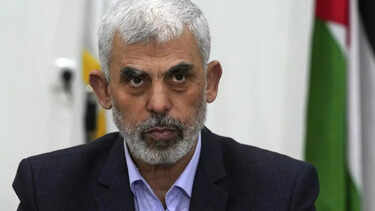
Yahya Sinwar has been appointed as the new leader of Hamas, marking a significant development in the organization’s political landscape. Sinwar’s selection comes at a pivotal time as Hamas seeks to consolidate its position and strategic direction amidst ongoing regional tensions.

Sinwar, who has been a prominent figure within Hamas for several years, previously served as the leader of Hamas in the Gaza Strip. His appointment to the top position within the organization underscores a shift in leadership dynamics and strategic focus. Known for his hardline stance and deep involvement in the group’s military and political operations, Sinwar’s new role is expected to influence Hamas’s approach to both internal governance and its interactions with international stakeholders.

The decision to appoint Sinwar reflects internal changes within Hamas as it navigates complex political and military challenges. Analysts suggest that his leadership could steer the organization towards a more assertive stance in regional conflicts and negotiations. This development also raises questions about the potential impacts on ongoing peace processes and the broader geopolitical landscape of the Middle East.

In parallel, US Vice President Kamala Harris has announced Minnesota Governor Tim Walz as her running mate for the upcoming presidential election. This choice is seen as a strategic move to strengthen the Democratic ticket by appealing to a broader voter base. Walz, known for his leadership during challenging times, brings a wealth of experience to the campaign, potentially enhancing the Democratic platform’s appeal and electoral prospects.

Moreover, the Middle East and North Africa (MENA) region has seen notable achievements in sports, with athletes from the region claiming victories in various competitions. These successes highlight the growing prominence of MENA countries on the global sports stage and contribute to the region’s rising international profile.

As these developments unfold, they will likely have significant implications for regional politics, international relations, and domestic electoral strategies. The appointment of Yahya Sinwar as Hamas’s leader and the strategic moves in US politics, combined with emerging sports successes, reflect a dynamic and evolving global landscape.

Saudi Arabia’s Zahid Group is reportedly in discussions to acquire Barloworld, a South African industrial conglomerate. This potential acquisition is part of Zahid Group’s strategy to diversify and expand its international footprint in the industrial sector. Barloworld, a leading industrial processing and distribution company, has a significant presence in various sectors including equipment, automotive, and logistics. The company’s strong foothold in these industries makes it an attractive […]

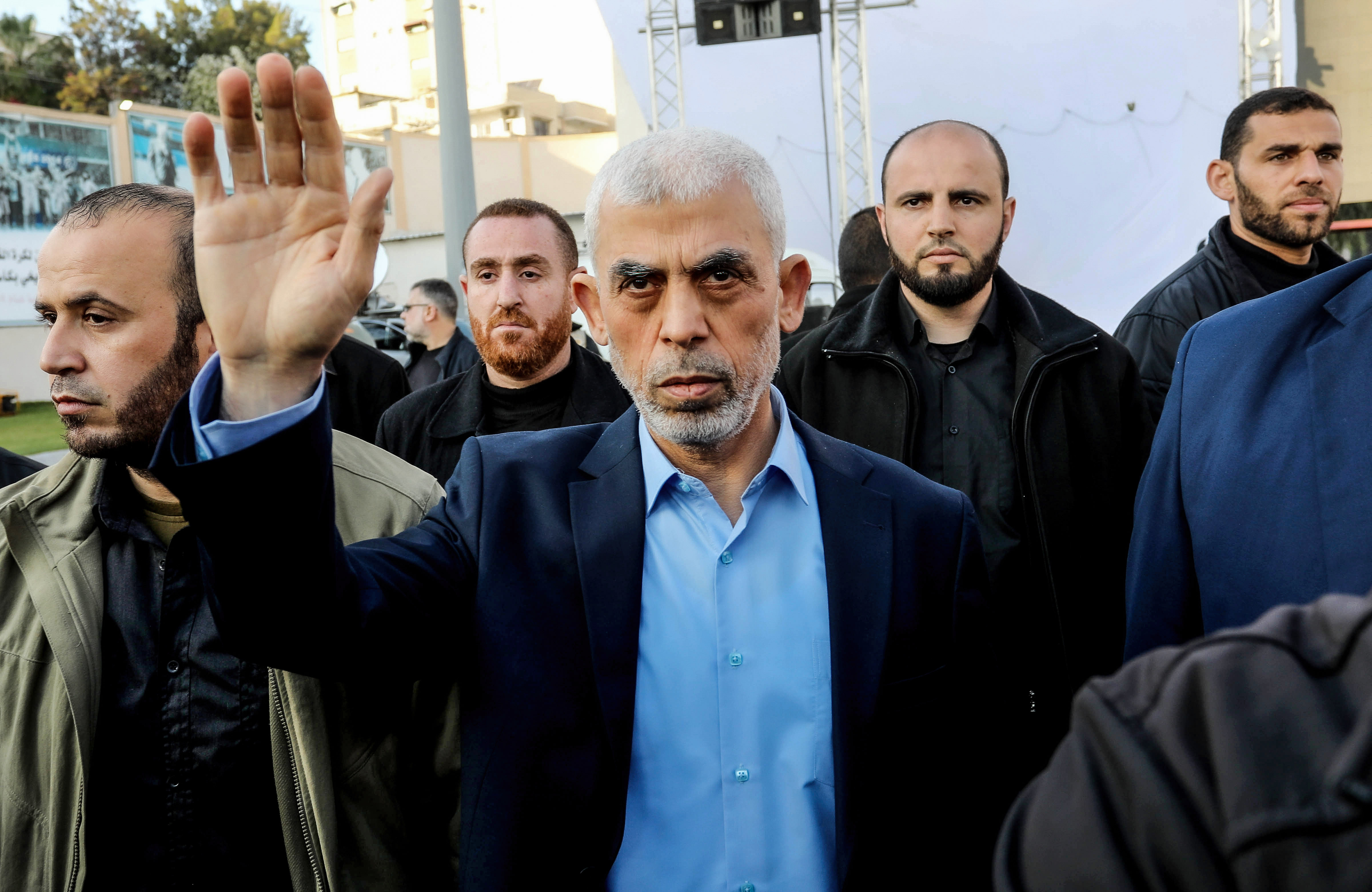
Hamas has announced Yahya Sinwar as its new political leader, succeeding Ismail Haniyeh, who was assassinated in Tehran. Sinwar, a prominent figure within the organization, has long been a key player in Hamas’s military and political strategy. This move marks a significant shift in the group’s leadership amid ongoing tensions in the region.

Sinwar’s appointment comes at a crucial time for Hamas, which faces escalating conflicts and internal challenges. Known for his hardline stance and deep ties to the organization’s military wing, Sinwar’s leadership is expected to impact Hamas’s strategic direction significantly. His background includes involvement in numerous operations and a focus on consolidating control over Gaza.

The assassination of Haniyeh, a notable leader who had steered Hamas through various diplomatic and military campaigns, has left a power vacuum that Sinwar is now set to fill. Haniyeh’s tenure was marked by efforts to navigate complex relations with both regional actors and international stakeholders. Sinwar’s rise to power signals a potential shift towards a more confrontational approach in the group’s policies and strategies.

As Sinwar takes the helm, Hamas faces mounting pressures from both within the Gaza Strip and from external forces. The group continues to grapple with economic challenges and humanitarian crises exacerbated by the ongoing blockade and internal governance issues. Sinwar’s leadership will be closely scrutinized for how he manages these pressures and steers Hamas’s future actions.

International reactions to Sinwar’s appointment have been mixed. Some regional players view the change with apprehension, concerned about the implications for peace and stability in the Middle East. Meanwhile, supporters of Hamas anticipate a stronger stance against Israel and a renewed focus on resistance activities.

Sinwar’s leadership may also influence Hamas’s relationships with other Palestinian factions and its stance towards peace negotiations. The broader implications of his appointment will unfold as he begins to shape Hamas’s policies and strategies in the coming months.

This development underscores the dynamic nature of leadership within Hamas and its impact on the broader geopolitical landscape. The organization’s internal dynamics and external relations will likely be shaped by Sinwar’s approach to governance and resistance.

In a surprising turn, Warren Buffett’s Berkshire Hathaway has dramatically reduced its stake in Apple, shedding 55.8% of its holdings in the tech giant over the first half of 2024. While some might interpret this as a signal to abandon ship, I believe it’s precisely the moment for investors to double down on Apple’s potential. Buffett, a stalwart of value investing, is known for his preference to […]

Arabian Post Staff The recent verdict against Google in the antitrust case marks a pivotal moment in the technology sector, with far-reaching consequences likely to reshape the industry landscape. As the ruling unfolds, its ripple effects are expected to extend well beyond Google’s corporate boundaries, impacting a range of players from competitors to consumers and influencing regulatory approaches globally. This legal setback for Google underscores a significant […]

KUALA LUMPUR, MALAYSIA – Media OutReach Newswire – 6 August 2024 – For Octa, a financial broker with globally recognised licenses, the 13th birthday is an incentive to collate the most valuable pieces of knowledge collected during its long and successful history in the financial markets. In a series of three articles, the experts at Octa offer you 13 recommendations: five general concepts, five practical tips, and […]

The European Union’s AI Act, now in effect, marks a significant milestone in the global effort to regulate artificial intelligence. Enacted on August 1, the AI Act is the first of its kind, introducing comprehensive regulations based on the risk posed by AI systems. This legislation categorizes AI applications into four risk levels: no risk, minimal risk, high risk, and prohibited, aiming to mitigate potential hazards while fostering innovation.

The AI Act mandates transparency and accountability from companies using AI. High-risk AI systems, such as those involved in biometric data collection or critical infrastructure, face the strictest regulations. Notably, AI practices that manipulate user decision-making or expand facial recognition databases through internet scraping are banned starting February 2025. This pioneering regulation is expected to influence AI policies globally, setting a precedent for how technology can be safely integrated into society.

In the United States, the regulatory landscape is evolving differently. The Biden Administration has introduced the AI Bill of Rights and issued an Executive Order on the Safe, Secure, and Trustworthy Development and Use of Artificial Intelligence. These initiatives highlight the government’s commitment to ensuring AI’s ethical development, though concerns about enforceability remain. The U.S. approach emphasizes collaboration with technology developers and prioritizes protecting civil liberties while encouraging innovation.

As the AI Act comes into force, European companies are gearing up to comply with its stringent requirements. This transition period involves significant adjustments, including reassessing AI applications to align with new legal standards. The legislation’s focus on transparency and accountability aims to build public trust in AI technologies, ensuring that their deployment benefits society while minimizing risks.

In contrast, the U.S. regulatory framework is still taking shape, with various stakeholders advocating for balanced regulations that do not stifle innovation. There is an ongoing debate about the extent to which smaller AI developers should be subjected to the same scrutiny as larger corporations. This discourse underscores the need for inclusive regulatory frameworks that support diverse players in the AI ecosystem.

The impact of AI extends beyond regulatory challenges. In healthcare, AI has revolutionized disease diagnosis and drug discovery, improving patient outcomes. The financial sector benefits from AI-driven fraud detection and personalized services, while autonomous vehicles promise safer, more efficient transportation. These advancements illustrate AI’s transformative potential, reinforcing the need for robust, adaptive regulations.

Looking ahead, the global AI landscape is poised for further developments as countries refine their regulatory approaches. The EU’s AI Act serves as a model for balancing innovation with safety, while the U.S. continues to navigate its regulatory path. As AI technology advances, international cooperation and comprehensive regulations will be crucial in harnessing its benefits while safeguarding against potential risks.

Sources:
– Foley & Lardner LLP
– Euronews

Abu Dhabi’s International Holding Company (IHC) has unveiled Rorix Holdings, a new subsidiary aimed at bolstering economic diversification and growth in the UAE. This strategic move is set to significantly impact the region’s business landscape, focusing on expanding investments and fostering innovation. Rorix Holdings will operate as a multi-sector investment entity, targeting a range of industries including technology, healthcare, and renewable energy. The initiative reflects IHC’s commitment […]

ADNOC Drilling and Alpha Dhabi have finalized their acquisition of EV Holdings, marking a significant move in the energy sector. The deal, valued at $45 million, underscores the strategic intent of both companies to expand their portfolio in emerging technologies and diversify their investments. EV Holdings, a key player in the energy transition sector, focuses on innovative technologies related to electric vehicles (EVs) and sustainable energy solutions. […]

Five prominent payment firms are vying to participate in the Indian central bank’s digital currency pilot program. Among these contenders are GooglePay, Walmart-backed PhonePe, and AmazonPay. The initiative, led by the Reserve Bank of India (RBI), aims to test the feasibility and efficiency of the digital rupee (e-rupee) in real-world transactions. The digital rupee pilot seeks to explore the benefits of a central bank digital currency (CBDC) […]

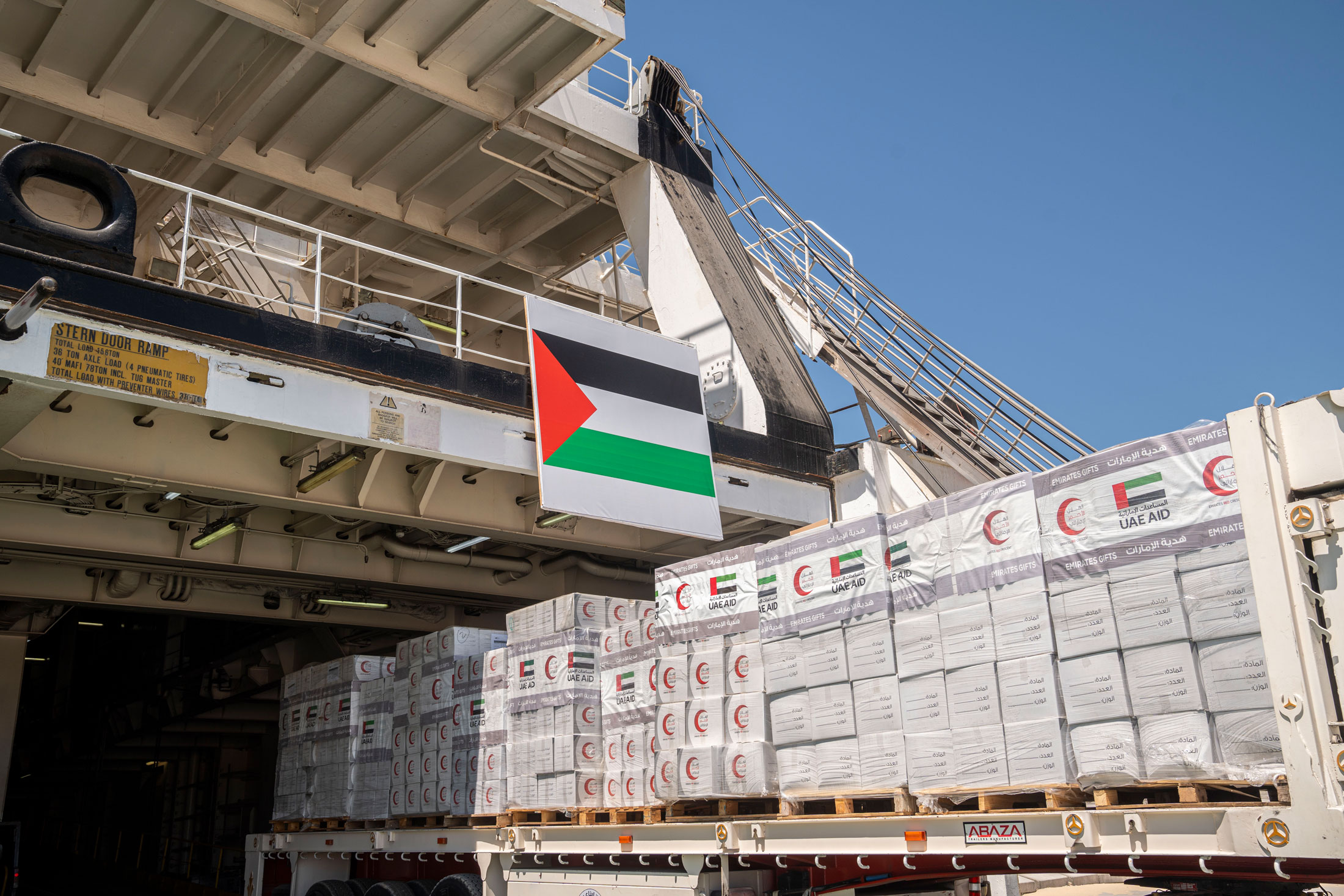
The United Arab Emirates (UAE) is emerging as a significant diplomatic force in the Middle East by leveraging its support for Gaza and its growing ties with Israel. The UAE’s recent initiatives highlight its strategic approach to regional politics and its evolving role in Middle Eastern diplomacy.

In a notable move, the UAE has pledged substantial aid to Gaza, aiming to alleviate the humanitarian crisis exacerbated by ongoing conflicts. This commitment not only underscores the UAE’s humanitarian efforts but also positions it as a key player in Middle Eastern peace efforts. The aid includes financial support, medical supplies, and infrastructure development projects designed to address urgent needs in the beleaguered region.

Simultaneously, the UAE is deepening its relationship with Israel, a development that reflects a broader shift in regional alliances. The normalization of relations between the two countries, formalized through the Abraham Accords, has led to increased economic and diplomatic exchanges. Recent agreements between the UAE and Israel encompass various sectors, including technology, trade, and security cooperation. This collaboration is seen as part of the UAE’s strategy to enhance its influence and build stronger ties with Western nations and other global powers.

The UAE’s dual approach—offering aid to Gaza while strengthening relations with Israel—demonstrates a sophisticated balancing act aimed at boosting its regional standing. By providing humanitarian assistance to Gaza, the UAE is addressing critical issues and gaining support from various stakeholders in the Arab world. Concurrently, its partnership with Israel signals a pragmatic approach to regional politics, reflecting a willingness to engage with diverse political entities to advance its national interests.

Experts suggest that the UAE’s actions are part of a broader strategy to position itself as a pivotal diplomatic actor in the Middle East. The combination of humanitarian aid and diplomatic engagement with Israel is seen as a means to enhance the UAE’s influence and stability in the region. This strategy aligns with the UAE’s broader goals of economic diversification and regional leadership, as it seeks to play a central role in shaping the future of the Middle East.

As the UAE continues to navigate its complex diplomatic landscape, its actions are closely watched by both regional and international observers. The UAE’s approach to Gaza and its relationship with Israel reflect a nuanced and strategic effort to balance humanitarian concerns with geopolitical ambitions. This evolving dynamic underscores the UAE’s growing role as a key player in Middle Eastern diplomacy, shaping the future of the region through a combination of aid and strategic alliances.

The UAE’s recent diplomatic maneuvers highlight its ambition to influence regional politics and enhance its global standing. By addressing humanitarian needs in Gaza while fostering ties with Israel, the UAE is positioning itself as a central figure in Middle Eastern affairs, demonstrating a sophisticated approach to diplomacy that blends humanitarian efforts with strategic partnerships.

Gulf Cooperation Council (GCC) sovereign wealth funds are increasingly becoming pivotal players in global markets, accounting for a significant portion of the capital deployed by state investors worldwide. These funds, primarily from Saudi Arabia, the UAE, and Qatar, are leveraging their substantial oil revenues to make strategic investments across various sectors globally.

Sovereign wealth funds from the GCC countries accounted for 54% of the $96 billion deployed by state investors last year, marking the highest rate since 2009. Saudi Arabia’s Public Investment Fund (PIF), the Abu Dhabi Investment Authority (ADIA), and Qatar Investment Authority (QIA) are among the most active investors, targeting sectors such as technology, healthcare, and infrastructure.

The UAE’s ADIA has made several notable investments, including acquiring a stake in Adani Enterprises’ $2.5 billion secondary share offering and investing $5.6 billion in Dechra Pharmaceuticals alongside EQT. ADIA also participated in a $900 million deal to purchase Japanese hotels and expanded its holdings in Chinese companies such as Zijin Mining and China Shenhua Energy.

Saudi Arabia’s PIF has similarly been active, notably investing in the gaming industry with stakes in Nintendo, VSPO, and Scopely. The fund is also backing the merger of the PGA Tour, DP World Tour, and LIV Golf, and plans further investments in electric vehicle maker Lucid Motors and the Saudi-Iraqi Investment Company, which focuses on infrastructure and other critical sectors.

Qatar’s QIA continues to seek opportunities, eyeing assets in Egypt’s asset sale program and other investments in the region. These sovereign wealth funds are not only diversifying their portfolios but also seeking to bolster their influence on the global stage through these strategic investments.

Overall, GCC sovereign wealth funds have grown their assets under management significantly, reaching a combined total of $4 trillion, accounting for approximately 37% of global sovereign funds’ assets. This growth underscores their rising importance and influence in global finance, with investments spanning advanced economies and emerging markets.

As these funds continue to expand their global footprint, they are reshaping their strategies to support local economies, create wealth for future generations, and secure geopolitical influence. This trend is expected to persist, with continued investments in diverse sectors worldwide.

Emirates NBD has been selected to move forward with its bid for a significant stake in IDBI Bank, a major Indian lender with government backing. The Dubai-listed financial institution joins two other contenders: Canada’s Fairfax Financial and a consortium led by Mumbai-based LIC. This development marks a significant step in IDBI Bank’s ongoing privatization process, which aims to enhance its operational efficiency and financial stability.

The Indian government, which holds a substantial share in IDBI Bank, has been actively seeking strategic buyers to reduce its stake in the lender. This effort is part of a broader initiative to privatize state-owned banks and attract foreign investment to bolster the sector’s growth. Emirates NBD’s participation highlights the increasing interest from international investors in India’s banking sector, driven by its robust growth prospects and expansive market.

Fairfax Financial, a prominent Canadian investment firm, is another key player in the bidding process. The company’s bid underscores its commitment to expanding its footprint in the Indian financial market. Meanwhile, the LIC-led consortium, which includes Life Insurance Corporation of India and other entities, presents a formidable challenge with its significant local knowledge and resources.

The bid submissions will be evaluated based on several criteria, including the financial stability and strategic vision of the bidders. Emirates NBD’s extensive experience in managing diverse financial services across the Middle East and North Africa positions it as a strong contender. The bank has a well-established reputation for operational excellence and a solid track record in managing large-scale acquisitions.

IDBI Bank, with its extensive network and substantial asset base, represents a valuable acquisition target. The bank has faced various challenges in recent years, including asset quality issues and regulatory scrutiny. The ongoing privatization is expected to inject much-needed capital and expertise into the institution, facilitating its transformation into a more competitive player in the Indian banking sector.

The privatization of IDBI Bank aligns with the Indian government’s broader objectives of enhancing efficiency in the public sector and promoting greater participation from private investors. This move is anticipated to contribute positively to the overall health of the banking sector by encouraging best practices and fostering innovation.

As the bidding process progresses, the focus will be on how each contender plans to address IDBI Bank’s current challenges and leverage its opportunities. The outcome of this bid will be closely watched by industry experts and investors, as it will likely set a precedent for future privatization efforts in the Indian banking industry.

Emirates NBD’s advancement in the bidding process not only highlights its strategic ambitions but also reflects the growing interest of global financial institutions in India’s banking sector. The outcome of this bid will have significant implications for both IDBI Bank’s future trajectory and the broader landscape of banking privatization in India.

VISHNU RAJA
RYO YAMADA
HITORI GOTOH
IKUYO KITA