News related to
stake

Singapore’s ride-hailing users faced a shocking experience when prices on the city’s most popular platform surged to extreme levels on Wednesday, sending customers scrambling for alternatives. Short city trips, which would usually cost under $20, suddenly reached exorbitant amounts, with some fares topping $1,000.

The issue, which quickly sparked outrage on social media, left passengers frustrated as they found themselves unable to hail rides at normal prices. Riders who had previously paid modest amounts for regular trips saw the price skyrocketing, even for short journeys. Users on the platform reported that standard fares for routes that would normally cost $15-$30 were now being quoted at prices between $800 and $1,500, leaving commuters bewildered.

Industry experts noted that this incident was linked to an algorithmic malfunction, although it remained unclear whether it was a bug in the system or an error in fare calculation. The company involved, which operates one of the two main ride-hailing apps in Singapore, confirmed that it had encountered a “technical issue” that temporarily inflated prices across the platform. “We deeply regret the inconvenience caused and are investigating the matter thoroughly,” a spokesperson stated.

The spike in prices comes amid growing concern over fare surges, which have sparked criticism in major cities worldwide. In Singapore, where ride-hailing services have become a crucial part of the transport ecosystem, users were quick to voice their dissatisfaction. “I thought it was a mistake when I saw the fare,” one commuter stated. “How can a short ride within the city cost that much? This is absurd.”

This isn’t the first time Singaporeans have experienced such problems with ride-hailing services. However, it marks one of the most extreme examples of price inflation to date. Many users are now questioning the reliability and transparency of surge pricing, especially after a situation that saw a substantial number of riders either canceling or refusing to take the overcharged rides.

The price surge also raised questions about the regulatory landscape surrounding ride-hailing services. Authorities have been under increasing pressure to implement more stringent measures to protect consumers from unpredictable fare increases. At the same time, the ride-hailing companies are caught in a delicate balance between maximising their profits during peak demand and ensuring fairness and transparency for users.

Experts suggested that the surge in prices was exacerbated by a combination of high demand, driver shortages, and an unforeseen technical glitch. Ride-hailing platforms in Singapore are known for implementing surge pricing during periods of high demand, such as during rainstorms or rush hour. While surge pricing is a standard practice in the industry, a dramatic spike to over a thousand dollars without any prior indication raised concerns over fairness and consumer trust.

Passenger frustration was compounded by the lack of clear communication from the company. Many users noted that the platform did not offer any explanation regarding the reason behind the surge at the time of booking, and they were only informed about the issue after a ride had been requested. The lack of transparency only fuelled the ire of many riders, who felt the platform should have been more proactive in addressing the problem.

Public reaction has also been swift. Social media was flooded with comments from irate customers, with some users demanding that ride-hailing companies be held accountable for the price hikes. “I rely on this service every day, but now I’m seriously reconsidering if I can trust them again,” one customer commented on a popular online forum. Others pointed out that such fare hikes could make daily commutes unaffordable for the average person.

As the investigation into the cause of the price surge continues, many are calling for more regulatory oversight on the tech-driven ride-hailing industry. Singapore’s Land Transport Authority, which has previously faced questions over its ability to regulate the sector, has yet to release a statement addressing the situation. The LTA has been under scrutiny for its handling of the evolving ride-hailing landscape, especially regarding the oversight of surge pricing models.

The United States has emerged as the dominant force in greenfield foreign direct investment in Saudi Arabia for the first half of 2025. Accounting for 61 projects with a combined value of $2.7 billion, American investments represented nearly a third of the total project count and capital investment during the period, according to a report by Emirates NBD. Saudi Arabia continues to be an attractive destination for […]

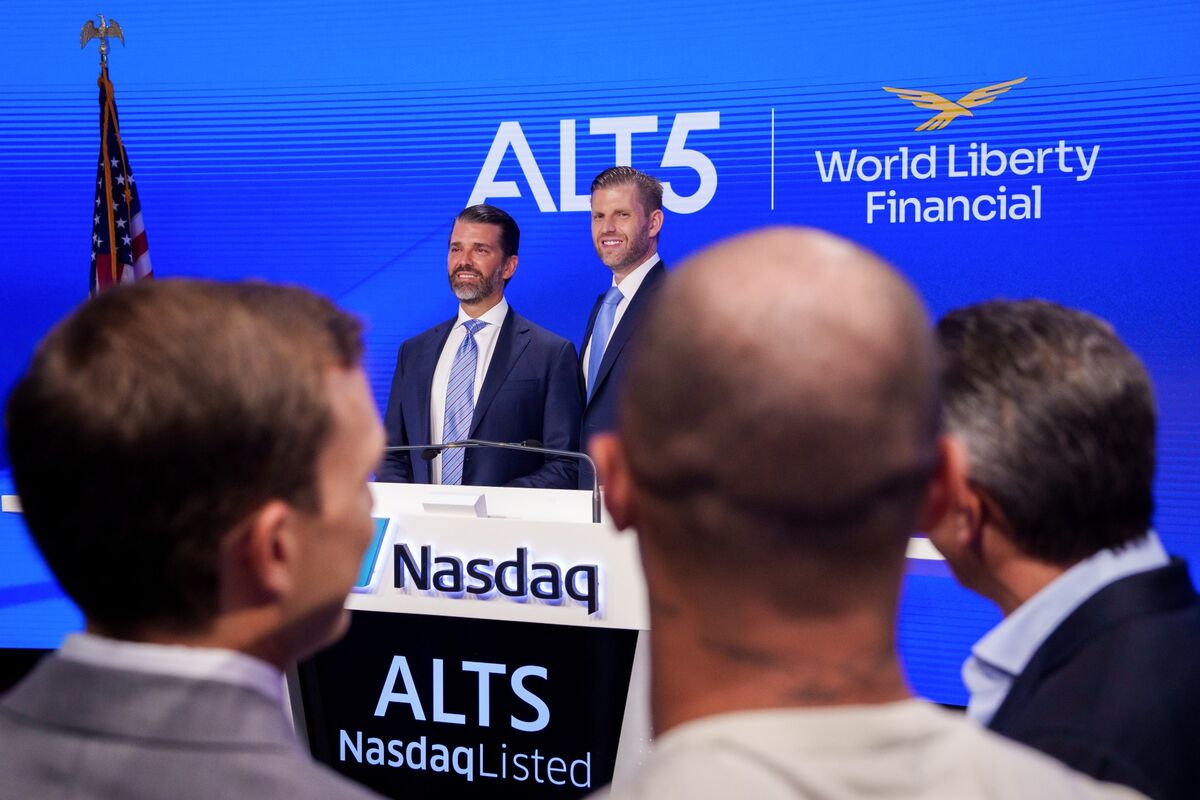
Eric Trump and Donald Trump Jr. marked a significant moment for the Trump family in the financial sector, ringing the Nasdaq opening bell as part of a high-profile $1.5 billion deal. The transaction involved the biotech-turned-crypto payments company Alt5 Sigma Corp. and the Trump-backed World Payment Network, a crypto firm under scrutiny due to its political affiliations. The deal has sparked interest among top financial firms, with Point72 Asset Management and ExodusPoint Capital Management both securing stakes in the venture.

Point72, a prominent hedge fund with a reputation for aggressive trading strategies, has previously invested in various tech-driven industries, but its entry into the crypto space marks a strategic pivot. The firm, led by billionaire Steve Cohen, has long been a major player in hedge funds, with a focus on alternative investments. ExodusPoint, a rising star in the hedge fund world, also moved to acquire a share, further solidifying its presence in the rapidly growing digital assets market.

Alt5 Sigma, originally founded as a biotech company, has undergone a dramatic transformation into a blockchain-powered payment network. With its backing from the Trump family’s business empire, the company has aimed to bridge the gap between cryptocurrency and traditional finance, particularly in the realm of payments processing. This shift has garnered attention from institutional investors and major financial players, eager to tap into the lucrative crypto market.

Both Point72 and ExodusPoint’s moves signal growing institutional interest in crypto-based financial products, which have garnered mixed reactions across the financial world. The cryptocurrency market, often volatile and speculative, remains a space that many traditional investors tread carefully within, though firms like Point72 and ExodusPoint see long-term growth potential.

The involvement of Trump-linked entities, particularly World Payment Network, has added a layer of political intrigue to the deal. World Payment Network, founded in connection with the Trump family’s business operations, has drawn attention for its ties to former President Donald Trump. Critics of the deal have raised concerns over potential conflicts of interest, pointing to the Trump family’s history of leveraging its brand for financial gain. Some worry that the high-profile nature of the Trump name could invite unwanted scrutiny from regulatory bodies, especially in a space already under heavy regulatory pressure.

Despite the controversy, the transaction illustrates the ongoing trend of high-profile figures and firms entering the crypto space, a market known for its innovation but also fraught with risks. In recent months, several hedge funds and institutional investors have increasingly allocated capital into digital assets as they look for high-return opportunities in the wake of traditional financial market fluctuations.

Point72’s foray into crypto comes as no surprise, as Cohen’s fund has long been known for diversifying into new and potentially high-reward areas. However, its involvement with a Trump-backed company adds an interesting layer of complexity, given the family’s polarizing influence on both the financial and political landscapes. ExodusPoint, on the other hand, is still a relatively new player in the hedge fund world, but its rapid growth and aggressive strategies have made it a name to watch. Its decision to back a Trump-linked crypto firm signals its willingness to embrace unconventional investment opportunities.

The crypto payments industry itself is growing rapidly, with companies such as Alt5 Sigma Corp. and World Payment Network at the forefront of bridging the gap between blockchain technology and traditional financial systems. The potential for global expansion and seamless cross-border payments has made blockchain an appealing solution for an industry looking for greater efficiency and security. However, the path forward remains uncertain. Regulatory challenges, particularly in the US, where authorities are seeking to increase oversight on crypto firms, could hamper the growth of companies like Alt5 Sigma.

At the same time, developments in blockchain technology continue to push the envelope for how financial transactions could be conducted in the future. If World Payment Network and its partners can navigate the regulatory hurdles and maintain a level of credibility amid political controversy, they may be well-positioned to capitalize on the growing demand for crypto-based financial services.

SINGAPORE – Media OutReach Newswire – 19 August 2025 – With the demand for accountancy and finance professionals growing amid Singapore’s transition to a digital and sustainable economy, the Institute of Singapore Chartered Accountants (ISCA) today launched a $2 million Career Support Programme to help jobseekers and mid-career individuals pivot confidently into the accountancy profession. Unveiled by Ms Indranee Rajah, Minister in the Prime Minister’s Office, Second […]

The United Arab Emirates registered some US$25.4 billion in mergers and acquisitions through the first six months of 2025, making up approximately 43 per cent of all M&A transactions across the Middle East and North Africa—which totalled US$58.7 billion during the period, according to data from EY’s latest MENA M&A Insights report.

MENA deal-making demonstrated robust momentum in the first half of 2025, with 425 transactions reflecting a 31 per cent increase in volume and a 19 per cent rise in overall value compared with the same period in 2024, as EY’s analysis shows.

Cross-border activity surged, accounting for 55 per cent of all deals by number and 78 per cent by value—marking the highest cross-border level in the past five years. Key sectors driving these overseas transactions included chemicals and technology, which together represented two-thirds of cross-border deal value. Among the most significant was the US$16.5 billion deal in which Borealis AG and OMV AG acquired a 64 per cent stake in Borouge plc.

Domestic deal-making remained energetic too. Homegrown transactions constituted 45 per cent of all deals by volume and 22 per cent of the total value, amounting to 192 deals worth US$12.8 billion—an impressive 94 per cent year-on-year rise in value. The technology and diversified industrial products sectors were prominent in this category. A standout deal was AI and cloud services firm Group 42’s acquisition of a 40 per cent stake in Khazna Data Centres for US$2.2 billion.

EY’s MENA EY-Parthenon Leader, Brad Watson, emphasised that the mid-year results underline how resilient and dynamic the region’s M&A market is. He pointed to sustained appeal for investors, underpinned by stable oil prices, infrastructure expansion and a strategic emphasis on growth industries such as technology, chemicals, and industry. I n particular, he noted that the UAE continues to attract significant global capital, thanks to its strong regulatory environment and push for economic diversification, alongside growing collaborative ties with Europe, Asia, and North America.

When compared with mid-2024 performance, the jump is clear. In the first half of last year, the MENA region recorded 321 deals valued at US$49.2 billion. That represented only a modest 1 per cent increase in volume and 12 per cent growth in value over the prior year. Deal values in the UAE and the Kingdom of Saudi Arabia accounted for US$9.8 billion out of that total.

Looking at the broader picture, 2024 closed with 701 MENA M&A deals worth US$92.3 billion, reflecting a 3 per cent rise in deal volume and 7 per cent gain in value compared with 2023. Cross-border transactions were the primary engine, making up 52 per cent of deal volume and 74 per cent of value.

The UAE’s growing prominence in M&A stems from both deliberate policy reforms and strategic positioning. Domestic investors, notably sovereign wealth funds and government-related entities such as ADIA and Mubadala, have been highly active across both home-market and international transactions. At the same time, global investors have responded favourably to the region’s economic diversification efforts, regulatory clarity, and infrastructural thrust.

Helium balloons add instant magic to any outdoor celebration whether it’s a birthday, wedding, or corporate gathering. Their bright colors and floating elegance can transform an ordinary space into a festive wonderland. However, many people discover that setting up helium balloons outdoors is trickier than it looks. Strong winds, direct sunlight, or poor anchoring can quickly turn your decoration plans into a disappointment. In this guide, we’ll […]

The total Ethereum balance held across centralized exchanges has dropped to its lowest level in nine years, a trend that reflects broader shifts in the cryptocurrency ecosystem. According to data from blockchain analytics firm Glassnode, the decline is part of a wider move towards decentralised finance solutions and self-custody. The drop in ETH held on exchanges is viewed as a significant signal for the cryptocurrency market, highlighting a transformation in investor behaviour and the growing trust in blockchain-based alternatives.

The total amount of ETH on exchanges has seen a steady decline over the past few years. Figures from Glassnode show that as of late 2025, the figure stands at its lowest since 2016. This shift is attributed to multiple factors, ranging from the rise of Ethereum 2.0, a push for increased decentralisation, to increased concerns over the security and control of centralized platforms. Investors are increasingly opting to take control of their assets, preferring private wallets, staking services, and decentralised protocols over traditional exchanges.

Experts suggest the move could be indicative of a maturing market. “This trend shows a growing level of sophistication among investors,” said Dr. Linus Hoff, an economist at the Blockchain Research Institute. “Ethereum’s evolving infrastructure, such as the transition to proof-of-stake and increasing use of layer-2 scaling solutions, is leading to a more confident investor base.” The shift away from exchanges also speaks to broader concerns over centralised platforms following a series of high-profile exchange failures and regulatory scrutiny.

Ethereum’s shift to proof-of-stake, which completed its transition in 2022, has had a profound impact on the ETH market. The upgrade enables holders to stake their ETH, earning rewards for supporting the network’s security, rather than leaving their assets on exchanges. This has fostered a growing staking ecosystem where users are incentivised to lock their ETH into DeFi platforms or staking protocols, removing it from exchange balances.

The declining ETH supply on exchanges has consequences for market liquidity. Lower liquidity can sometimes lead to higher volatility, with fewer assets available for immediate sale or trade. However, it can also reduce downward pressure on ETH prices, as large sell-offs become more difficult due to a lower concentration of tokens on exchanges.

The movement of ETH away from exchanges coincides with growing concerns over security. Many investors, especially those who have witnessed the collapses of firms like FTX and Celsius, are moving their holdings to wallets and decentralized applications. As a result, decentralized finance protocols have witnessed rapid growth in adoption. According to data from DeFi Pulse, the total value locked in DeFi has increased by over 40% in the past 12 months, with Ethereum remaining the dominant blockchain.

The continued growth of Ethereum’s staking ecosystem has become a focal point of this shift. As Ethereum offers a higher annual percentage yield for staking ETH compared to other forms of investment, it presents an attractive option for long-term holders. Decentralized exchanges like Uniswap and Sushiswap have benefitted from the movement, with increasing volumes being traded on these platforms. Furthermore, institutional adoption of Ethereum as a staking asset is increasing, providing another layer of legitimacy to the DeFi ecosystem.

The broader implications of the trend also affect the governance of Ethereum itself. As more ETH moves off exchanges and into private wallets or staking protocols, the distribution of Ethereum across a wider range of holders could lead to more decentralised decision-making. This trend could reinforce Ethereum’s position as the go-to blockchain for decentralised applications and smart contracts, which are critical to its future development.

Advertisements

CryptoQuant’s Net Unrealized Profit/Loss is registering what appears to be a third unrealised profit peak within the current market cycle. NUPL, defined as the ratio of to market cap, gauges whether investors on average hold paper profits or losses. Historically, elevated NUPL levels have indicated that many participants are in profit, increasing the likelihood of profit-taking and potential market corrections.

Data suggests this third ascent to a profit peak is being driven by renewed institutional interest. Each successive wave, however, is yielding diminishing returns. While the first wave may have generated outsized gains, the latest surge appears more measured, implying a tapering in profit margins. The attenuated return profile reduces the odds of sharp rallies, but it may extend the overall bull phase without dramatic peaks.
—

Institutional Flows: A Double-Edged Sword

Historical patterns show that institutional capital can provide multi-month tailwinds to markets. In contrast to retail-driven frenzies, institutions often enter with larger stakes and timelier strategies. That said, when profit potential diminishes, institutions tend to adjust exposures, leading to sustained but less explosive outcomes.

This current cycle appears to reflect that dynamic: investors remain optimistic and engaged, but gains are less pronounced. Markets may therefore advance steadily rather than sprinting upwards.
—

Trend Implications and Strategic Outlook

The attenuated profit peaks highlight an evolving sentiment landscape. Participants seem less certain of outsized moves, potentially tempering speculative excess. As a result, volatility could moderate, favouring gradual appreciation over abrupt rallies.

Yet, this environment may also reward disciplined holders and strategic inflows. Without the pressure of sharp peaks, long-term investors may deepen positions across ranges, while new entries proceed with caution.
—

Conclusion Reserved

Saudi Arabia’s Public Investment Fund, one of the world’s largest sovereign wealth funds with nearly $1 trillion in assets, has completely divested from six prominent U. S.-listed firms during the second quarter of 2025. Filings reveal that PIF no longer holds any shares in Meta, Shopify, PayPal, Alibaba, Nu Holdings or FedEx. At the end of March, the fund still held significant stakes—for example, nearly 668,000 class […]

Accumulated losses at Abu Dhabi-listed Invest Bank stand at AED 1.653 billion, equivalent to 51.6 per cent of its paid-up capital, slightly down from AED 1.69 billion reported in March 2025. The losses originate from legacy impairments dating back to the first quarter of 2018 and continue to erode the lender’s financial position.

The bank has launched efforts to stabilise its financial health by de-risking its balance sheet. At the same time, the Government of Sharjah, as the major shareholder, has injected capital aimed at bolstering liquidity—a strategic move that aims to shore up the bank’s resilience.

Looking back, Invest Bank reported more severe accumulated losses in earlier years. At the end of 2019, those losses amounted to AED 2.21 billion, roughly 70 per cent of capital—a stark contrast to the current levels. By the third quarter of 2022, the accumulated losses were AED 2.16 billion, or about 68.2 per cent of capital, largely due to persistent non-performing loans. In response, the bank implemented remediation measures, writing off AED 2.10 billion in accumulated losses by September 2023, bringing the ratio down to approximately 20 per cent of capital. That period also saw a significant share capital increase.

Combined, these figures reveal a notable, though gradual, trajectory of improvement—from 70 per cent of capital in 2019, easing to 20 per cent by late 2023, before creeping back up to 51.6 per cent in the year through March 2025.

The strategic role of the Government of Sharjah remains pivotal. Following its initial 50.07 per cent stake in 2019—acquired via a substantial capital injection—the emirate later transferred roughly 20.48 per cent of its shares to the Sharjah Social Security Fund at the end of December 2024, retaining around 70.06 per cent ownership. This shareholder reorganisation suggests an internal shift in governance structure, while financial backing continues.

Invest Bank is navigating a complex path of recovery. Its efforts to de-risk and recapitalise, combined with consistent shareholder support, offer a cautious optimism. But the level of accumulated losses still significantly exceeds capital, and ongoing remediation will be critical to restore full financial stability.

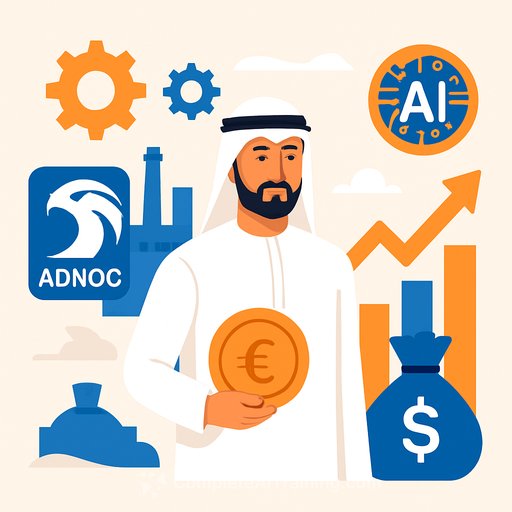
ADNOC Group’s six publicly listed entities posted a combined net profit of USD 4.7 billion for the first half of 2025, underscoring how the widespread deployment of advanced artificial intelligence across operations has sharpened efficiency and underpinned robust growth.

At the heart of this transformation lies MEERAi, ADNOC’s proprietary AI platform. It is deployed across ADNOC Gas, ADNOC Distribution, ADNOC Drilling, ADNOC Logistics & Services, Fertiglobe and Borouge, delivering real-time, data-driven insights that are elevating decision-making and operational precision across the board.

ADNOC Gas achieved a record Q2 net income of USD 1.385 billion, marking a 16 per cent year-on-year rise, while EBITDA increased 8 per cent to USD 2.256 billion, propelled by surging local demand and operational prowess. Investors will see the payoff as the board approved an interim dividend of USD 1.792 billion, up 5 per cent, due for disbursement in September 2025. MEERAi’s impact was central in guiding the board’s strategic decisions.

ADNOC Distribution delivered its highest first-half EBITDA to date—USD 566 million, up 10 percent—with net profit climbing 12.2 percent to USD 358 million. Fuel volumes surged to a record 7.62 billion litres, and non-fuel retail gross profit lifted 14.9 percent. The AI-driven enhancements include predictive fuel-demand forecasting, intelligent assortment planning and hyper-personalised customer offerings. The company introduced MEERAi to its board for real-time strategic oversight, and it expects to distribute a USD 350 million dividend in October 2025.

ADNOC Drilling also delivered standout performance, with management attributing its ability to scale through diverse energy cycles to advanced technologies including AI. The board approved a USD 217 million second-quarter dividend in August 2025. The company is also pursuing regional expansion, including a majority stake acquisition in SLB’s land drilling business across Kuwait and Oman.

Borouge’s AI, digitalisation and technology programme generated USD 307 million in value, including an AI-powered control room in collaboration with Honeywell and integration with MEERAi. New product innovations such as medical-grade polyolefins and recyclable packaging also featured prominently.

Meanwhile, ADNOC’s broader push to harness AI is also playing a central role in its clean-energy pivot. Following earlier investments in AI tools like RoboWell and AR360, which generated USD 500 million in value and reduced around one million tonnes of CO₂ emissions between 2022 and 2023, the company is now deploying AI to advance low-carbon energy frontiers including hydrogen and carbon management, in partnership with entities such as SOCAR, Microsoft and Masdar.

Across all six listed companies, the near-term financial performance echoes the effectiveness of ADNOC’s strategy of embedding AI across both core operations and emerging markets. The unified deployment of MEERAi is not just enhancing control-room functions, but reshaping boardroom dynamics, driving smarter strategy execution, operational optimisation, emissions reduction and product innovation.

Key players in this transformation include the leadership of ADNOC Distribution, championing digital retail evolution; ADNOC Drilling’s CEO Abdulla Ateya Al Messabi, who has publicly credited AI for the company’s resilience and growth momentum; and the broader ADNOC executive team, aligning technology and energy transition goals. Their collective efforts are reinforcing ADNOC’s position as a global energy player committed to leveraging AI for sustainable value creation.

Binance’s Chief Security Officer, Jimmy Su, has identified North Korean hacking groups as one of the most significant threats facing the cryptocurrency sector in 2025. As the world’s largest cryptocurrency exchange, Binance has been at the forefront of monitoring and responding to cyber threats. Su’s recent statements have highlighted the urgency of addressing the escalating risk posed by North Korean cyber actors targeting the crypto industry.

The North Korean government has long been linked to a series of cyberattacks aimed at funding its regime through illicit means, with cryptocurrency exchanges being prime targets. These attacks have become more sophisticated over time, with state-backed hackers employing advanced techniques to infiltrate systems and steal millions of dollars’ worth of digital assets. Experts argue that this is part of a broader strategy to bypass international sanctions imposed on North Korea.

Su’s comments, made during an industry event in early 2025, point to a clear rise in the volume and sophistication of these attacks. According to Binance’s internal threat intelligence, these cybercriminals are using increasingly advanced malware, social engineering tactics, and even direct network intrusions to steal sensitive data and crypto assets.

An ongoing investigation by Binance’s security team revealed that these hackers have been exploiting vulnerabilities in the infrastructure of crypto exchanges and DeFi platforms. In some cases, they have used phishing emails and fake job offers to target employees of key financial institutions, hoping to gain access to privileged systems. Such tactics are a clear indication of a well-coordinated operation with global ambitions.

One of the most concerning trends identified is the use of sophisticated ransomware attacks, which have forced some exchanges to pay hefty ransoms to prevent the loss of critical data. The high-profile hacks have raised questions about the resilience of the global financial ecosystem to such breaches, especially as more governments and institutions begin to integrate blockchain technology into their operations.

North Korean actors, according to cybersecurity experts, have also shown an increasing willingness to attack smaller and lesser-known exchanges. This shift in focus comes as these platforms often lack the robust security protocols that larger exchanges like Binance and Coinbase have implemented. As a result, they are seen as softer targets, vulnerable to exploitation.

The financial implications of these attacks are staggering. Since 2019, estimates suggest that North Korean hackers have stolen over $2 billion in cryptocurrency. This is in addition to the $250 million reportedly taken from a major South Korean exchange in 2023. The stolen funds are typically laundered through complex networks of wallets and mixers, making it challenging for authorities to track and recover the stolen assets.

Su’s remarks have sparked a broader discussion about the need for improved cybersecurity measures within the cryptocurrency sector. Many industry leaders have called for a more collaborative approach, involving private companies, governments, and international law enforcement agencies. A unified strategy could help create a more secure environment for the rapidly expanding digital asset market.

The North Korean government has long denied any involvement in cyberattacks. However, international cybersecurity firms have linked numerous incidents to Pyongyang’s operatives, underscoring the persistent threat posed by the country’s cyber espionage efforts. Furthermore, it is widely believed that these hacking groups are funded by the regime to help finance its nuclear weapons programme and other illicit activities.

Efforts to combat these threats have led to increased investment in security technology, including more advanced encryption methods, real-time monitoring tools, and fraud detection systems. In addition to these technological solutions, some exchanges are considering implementing stricter Know-Your-Customer regulations to combat money laundering and ensure compliance with international financial rules.

As the stakes continue to rise, both industry players and regulators face a significant challenge. The rapid growth of blockchain technologies, along with the increasing use of decentralised finance applications, has created a complex and evolving landscape where traditional security measures are often inadequate. As a result, companies must remain vigilant and proactive in defending against cyber threats from state-sponsored actors like North Korea.

While North Korea’s cyber campaign remains a major concern, it is not the only threat facing the cryptocurrency sector. Other nation-states, including Iran and Russia, have been linked to similar activities, further complicating efforts to secure the digital assets market. However, the ongoing attention on North Korean actors serves as a reminder of the global reach and scale of the problem.

The U. S. government is reportedly negotiating a potential stake in semiconductor giant Intel, as part of efforts to bolster the nation’s chip manufacturing capabilities. According to sources familiar with the matter, the deal could be a significant move in Washington’s ongoing strategy to strengthen domestic manufacturing of critical technologies, particularly semiconductors. Intel has been facing mounting challenges in the competitive semiconductor industry, with delays in its […]

– Public funds and public welfare capital accelerate circular technology – DÜSSELDORF/BERLIN – Newsaktuell – 15 August 2025 – The non-profit cooldown°earth foundation congratulates its portfolio company matterr on receiving funding confirmation from the state of North Rhine-Westphalia as part of the EFRE/JTF program “Produktives.NRW.” Minister of Economic Affairs and Climate Protection Mona Neubaur presented the funding approval on August 6 in Düsseldorf. Pictured (from left to […]

SINGAPORE – Media OutReach Newswire – 15 August 2025 – SUNRATE, the global payment and treasury management platform, today announced it has secured a payment business licence in China following its successful acquisition of a 100% stake in Transfar Pay, a unit of Shenzhen-listed Transfar Group. The RMB 315 million (USD 43.8 million) acquisition has received approval from relevant Chinese regulatory authorities. This transaction had been previously […]

Singapore has firmly established itself at the forefront of global digital finance innovation, particularly in the realm of tokenized assets. The city-state’s embrace of blockchain technology is reshaping the investment landscape, enabling quicker, more accessible, and transparent transactions. As financial institutions, startups, and regulatory bodies collaborate, Singapore is positioning itself as a pivotal player in the tokenization of assets.

Tokenization, the process of converting assets into digital tokens on a blockchain, has garnered significant attention for its potential to revolutionize various sectors, from real estate to commodities. In Singapore, tokenized finance is progressing from pilot projects to full-scale adoption, driving the country’s financial ecosystem towards greater efficiency and market accessibility.

One of the main driving forces behind Singapore’s success in this area is its robust regulatory framework. The Monetary Authority of Singapore has been instrumental in fostering innovation by providing a clear set of rules that encourage experimentation while maintaining investor protection. This regulatory clarity has given businesses the confidence to explore tokenized finance solutions without fear of running afoul of the law.

The growth of blockchain technology in Singapore has been swift, particularly in sectors like real estate, where tokenized property shares allow for fractional ownership. Investors no longer need substantial capital to gain exposure to high-value properties. Instead, they can purchase smaller stakes in tokenized properties, broadening the pool of potential investors and promoting liquidity in traditionally illiquid markets.

Equally noteworthy is the role of Singapore’s thriving fintech sector. The city has seen a surge in startups developing blockchain-based solutions, ranging from platforms for trading tokenized securities to services that facilitate the creation and management of digital assets. This startup ecosystem is supported by venture capital, which has flooded the market with investment, accelerating the development of blockchain applications in finance.

Global players are also taking note of Singapore’s advancements in tokenization. International banks and financial institutions are increasingly setting up operations in the city, attracted by the favourable regulatory environment and the city’s growing reputation as a hub for blockchain and digital asset innovation. For instance, HSBC and Standard Chartered have partnered with local firms to explore tokenized securities and digital asset offerings, cementing Singapore’s status as a global leader in this space.

The introduction of projects like Project Ubin has been pivotal in demonstrating the benefits of blockchain technology within the financial services sector. Initiated by the MAS, Project Ubin explored the use of blockchain for the clearing and settlement of payments, offering proof of concept for tokenized digital currencies. This project not only advanced the understanding of blockchain within financial markets but also helped to strengthen Singapore’s position as a blockchain innovation leader.

The government’s commitment to blockchain and tokenization goes beyond regulation. Singapore has also established itself as a key player in blockchain research and development, with several academic institutions focusing on the technology’s financial applications. Collaborations between private companies and research bodies ensure that Singapore stays at the cutting edge of blockchain development.

Tokenization also promises to democratize finance, giving more people access to investment opportunities that were once restricted to the wealthy. By lowering the barriers to entry, tokenized assets open up new possibilities for retail investors, who can now invest in a wide range of tokenized products with much smaller capital commitments.

Despite these advancements, challenges remain. As tokenization grows, concerns about security, compliance, and the stability of the underlying blockchain systems need to be addressed. Singapore’s regulatory bodies are aware of these risks and continue to refine regulations to ensure that tokenized markets remain secure and trustworthy. The development of more sophisticated security protocols and smart contract auditing tools is expected to further strengthen the ecosystem.

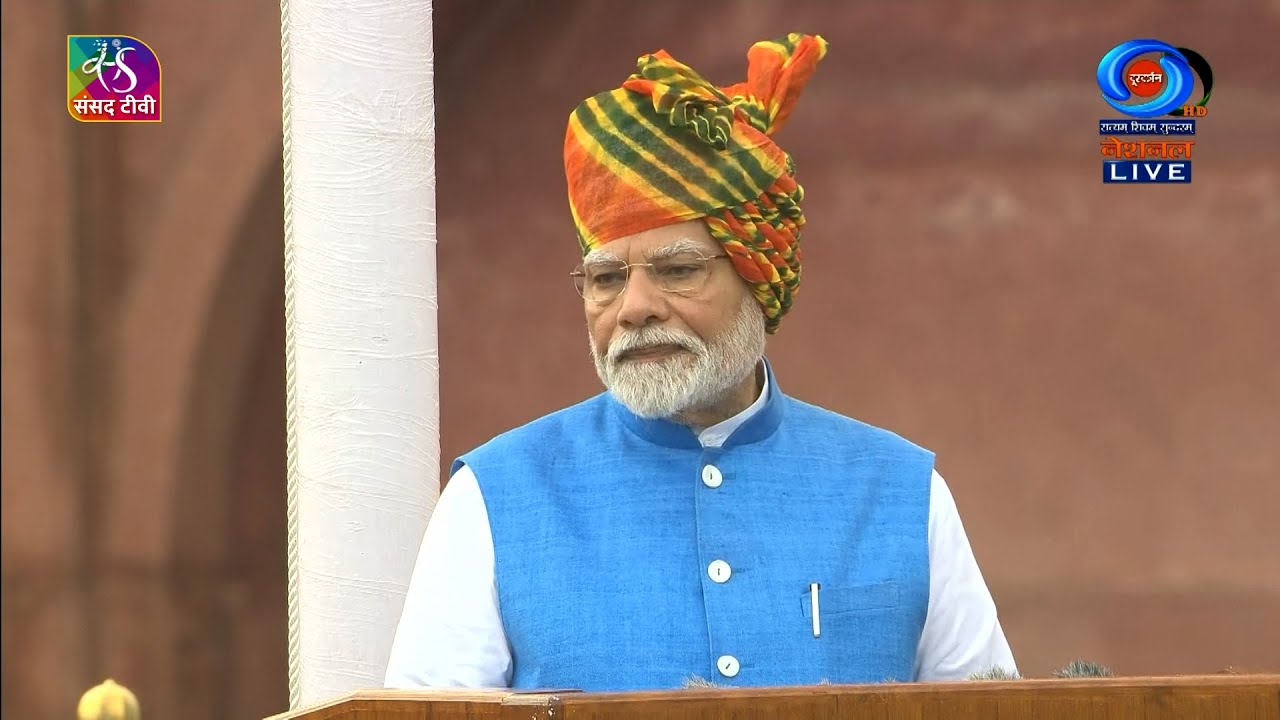
By R. Suryamurthy When Prime Minister Narendra Modi ascends the Red Fort on August 15 to deliver his Independence Day address, the nation will be listening for the usual rhetoric of progress, resilience, and pride. This year, the subtext must be different. With a possible face-off with U.S. President Donald Trump looming at next month’s […]


Accumulated losses for the Abu Dhabi-listed Invest Bank now stand at AED 1.653 billion, equivalent to 51.6 per cent of its paid-up capital, down slightly from AED 1.69 billion at the end of March 2025. These losses, originating from legacy impairments dating back to the first quarter of 2018, remain a substantial drag on the bank’s financial health.

The Government of Sharjah, which acts as the majority shareholder, has bolstered the bank’s liquidity through a capital injection and strategic measures designed to de-risk the balance sheet. These interventions include a comprehensive capital restructuring plan adopted in 2023 and the institution of a guarantee agreement covering up to AED 3 billion of impaired assets.

Despite the persistent burden of past impairments, the bank’s losses have shown a modest reduction, signalling the early results of the corrective strategy. The 2023 restructuring plan introduced a rights issue that raised the Government of Sharjah’s ownership to approximately 88.11 per cent, accompanied by a guarantee mechanism offering protection against further asset write-downs.

In parallel, Sharjah moved to diversify its holdings by transferring around 20.48 per cent of its stake to the Sharjah Social Security Fund in December 2024. After this transfer, Sharjah’s direct stake stood at about 70.06 per cent, while the Social Security Fund held approximately 18.04 per cent and other shareholders accounted for the remaining nearly 11.9 per cent.

Implementing this layered support strategy, which combines equity infusion, strong shareholder backing, and balance sheet protection, reflects an effort to restore the bank to a sustainable footing. The guarantee agreement, now active since September 2023, stipulates a five-year term and includes a cap of AED 800 million per calendar year, with no cap in the final year.

These developments are unfolding against a backdrop of stringent regulatory expectations and internal governance refinements undertaken in 2024. Invest Bank has sought to strengthen oversight mechanisms and align its policies with Central Bank of the UAE and Securities & Commodities Authority frameworks.

Where analysts had previously flagged the bank’s loss ratio—over two-thirds of capital—as a red flag, the current trajectory points to a gradual stabilisation. That being said, the legacy burden remains sizeable, and the effectiveness of the restructuring continues to hinge on the realisation of impaired assets and sustained shareholder support.

On the ground, Invest Bank continues operations across the UAE, including branches in Sharjah, Dubai and Abu Dhabi, along with a Beirut branch in liquidation following a regulatory decision.

Paving the way for dispatchable clean energy in New South Wales SYDNEY, AUSTRALIA – Media OutReach Newswire – 14 August 2025 – Clean energy solutions provider Gentari yesterday marked the groundbreaking of the Maryvale Solar & Energy Storage project (Project Maryvale), a key milestone in delivering reliable, low-carbon energy for New South Wales (NSW). Gentari & PCL leaders break ground at Maryvale Solar & Energy Storage Facility […]

Additional funding allows Agridence to better deliver its traceability modules and ESG solutions across agri-commodity sectors globally. SINGAPORE – Media OutReach Newswire – 13 August 2025 – Agridence Pte. Ltd. (“Agridence”), a Singapore-based technology leader in digital agri-commodity supply chains, today announced a funding round led by Cercano Management and supported by returning strategic investors EXEO Innovation Fund and Provident. This will empower Agridence to rapidly scale […]

Oil prices held steady after a slight decline in thin trading, with market participants awaiting a critical meeting between US and Russian leaders. Global benchmark Brent crude remained above $66 per barrel, while West Texas Intermediate hovered around $63.

The modest drop in prices, which amounted to a 0.8% decrease in the previous session, marked a quiet period in the market as traders refrained from making significant moves. Investors are now looking ahead to upcoming discussions between US Secretary of State Marco Rubio and Russian Foreign Minister Sergey Lavrov. These talks are expected to set the stage for a high-stakes summit between President Joe Biden and Russian President Vladimir Putin, scheduled for later this week.

The ongoing volatility in oil markets, coupled with geopolitical uncertainty, has contributed to the recent fluctuation in prices. Despite this, oil has largely remained above the $60 per barrel mark, as tightening supplies and ongoing tensions in key production regions continue to support price levels.

Analysts are paying close attention to the diplomatic developments between the US and Russia, which could have broader implications for the energy sector. Market sentiment has been influenced by both nations’ roles as major players in global energy production and their influence on decisions within organisations such as OPEC+.

The summit will centre around various issues, including security concerns and energy policies. With both nations holding significant sway in global oil production, the discussions could have far-reaching consequences for the market. A breakthrough or escalated tension could prompt either a surge or a dip in oil prices depending on the outcome of the talks.

Investors are also looking at other global factors that could sway oil prices. In the US, the energy industry is continuing to recover from the impacts of the pandemic, with some analysts forecasting a strong rebound in demand as economies continue to reopen. However, the overall uncertainty surrounding economic recovery, inflation concerns, and ongoing supply chain issues are making the market particularly sensitive to external events.

OPEC+, the alliance of oil-producing nations, has played a significant role in stabilising prices in the past year. Its production cuts, alongside the gradual return of demand, have helped lift oil prices from the lows seen in 2020. As the group navigates production decisions and adapts to the changing landscape, it has become a crucial player in shaping the trajectory of global oil markets.

In addition to geopolitical tensions, the market is also contending with shifting dynamics in energy consumption. The growing push for renewable energy and the evolving role of electric vehicles are reshaping demand forecasts. With governments around the world pledging to reduce carbon emissions and transition towards greener energy sources, there is a growing expectation that long-term demand for fossil fuels may face pressure. This evolving energy landscape will inevitably impact the future of oil markets.

Despite these broader trends, short-term market activity is heavily influenced by supply-demand imbalances, particularly in the wake of global events. As the US and Russia prepare for their talks, traders will continue to watch for any signals of change in the balance of power within the energy sector. A shift in policy or a sudden geopolitical event could have immediate and lasting effects on oil prices.

The crypto and blockchain job market in 2025 has evolved significantly from the early days of experimentation and speculative investment. As the technologies become more established, companies are now scaling operations, emphasising practical application and implementation rather than simply exploring new concepts. This shift reflects a broader maturing of the industry, where the focus is on delivering tangible results rather than relying on hype.

A key trend that has emerged is the demand for mid-to-senior level roles, particularly in project management and operations. While the number of junior-level positions remains steady, it is the more experienced professionals who are driving growth and innovation. These individuals are not only managing complex projects but also overseeing cross-functional teams, making their roles integral to the success of blockchain and crypto companies. The prominence of senior roles is indicative of an industry that is prioritising strategic leadership over individual contributors. However, it’s important to note that job titles in the sector can sometimes be misleading, with roles such as “blockchain architect” or “crypto strategist” often blending technical and managerial responsibilities.

Emerging markets are becoming significant hotspots for blockchain and crypto employment, with companies offering salary multiples that can be as high as 10 times those in traditional industries. Countries in Asia, Latin America, and parts of Africa have seen a surge in blockchain-related job creation. These markets offer cost-effective, yet highly skilled talent pools, making them attractive for businesses looking to expand their workforce. However, this salary gap also reflects a growing disparity in the global job market, where geography increasingly dictates pay rates. In more developed regions, such as the United States and Europe, salaries are certainly high, but the competition for talent is fierce, and the skill set required is rapidly advancing.

In the engineering space, there has been a notable shift towards project management roles outnumbering developers by a ratio of 2:1. This is a direct response to the complexities of managing blockchain and crypto initiatives, which require not only technical proficiency but also strong organisational skills to ensure that projects run on time and within budget. Project managers are expected to liaise with a variety of teams, coordinate development, testing, and deployment, and ultimately ensure the strategic objectives of the company are realised. As blockchain solutions scale up, project management has become just as vital as coding skills.

Hybrid work is no longer seen as a temporary response to global events but as a long-term norm in the industry. Many companies have implemented a 3-4 day in-office work policy, recognising that while remote work allows for flexibility, physical collaboration remains crucial in high-stakes, fast-moving projects. The hybrid model is seen as a way to balance the benefits of in-person interaction with the convenience of working from home. As companies continue to grow, the ability to collaborate effectively both remotely and in person has become a key factor in employee productivity and satisfaction.

By Ashok Nilakantan Ayer When the U.S. President Donald Trump slapped heavy tariffs on a range of Indian goods this month, Prime Minister Narendra Modi responded almost immediately with quiet contingency planning: supply a targeted, limited financial backstop to exporters and small manufacturers whose cash flows are being squeezed by sudden loss of competitiveness in […]

SINGAPORE – Media OutReach Newswire – 12 August 2025 – As scam networks across Southeast Asia grow more coordinated and transnational, the Global Anti-Scam Alliance (GASA) is responding with counterforce and progress. This year’s Global Anti-Scam Summit (GASS) Asia 2025 will be held on 2-3 September in Singapore and will convene over 1,200 industry leaders, policymakers, and enforcement agencies from over 60 countries (physical and online) to […]

VISHNU RAJA
RYO YAMADA
HITORI GOTOH
IKUYO KITA