News related to
stake

Masdar, the renewable energy subsidiary of Abu Dhabi’s Mubadala Investment Company, is experiencing accelerated growth in the United States, reflecting the country’s increasing commitment to clean energy. The company’s expansion strategy in the US has been underscored by its recent projects, significant investments, and partnerships aimed at enhancing its renewable energy capacity, particularly in solar and wind energy sectors. This momentum coincides with the US government’s focus […]

Dubai’s booming real estate sector, characterized by record demand and competitive opportunities, is posing mounting challenges for developers seeking prime land. According to Reef Luxury Developments CEO, Samer Ambar, securing high-value plots has become a significant hurdle as the market continues to grow, attracting a diverse array of investors from around the globe. Ambar’s insights come at a pivotal moment for Dubai’s real estate market, which has […]

Gulf sovereign wealth funds are on track to collectively manage an unprecedented $7.3 trillion in assets by 2030, driven by significant global investments and domestic diversification efforts. Buoyed by surging oil revenues, these funds have evolved from passive actors into proactive players reshaping both local economies and global markets. The rise of these funds, especially over the last decade, has been fueled by sharp increases in oil […]

The 15th edition of IGEM will bring together thought leaders worldwide to share breakthrough technologies and strategies for achieving net zero emissions. KUALA LUMPUR, MALAYSIA – Media OutReach Newswire – 4 October 2024 – The International Greentech & Eco Products Exhibition and Conference Malaysia (IGEM) returns for its landmark 15th edition from 9 to 11 October 2024. As one of Southeast Asia’s largest green technology showcases, IGEM […]

Guests can also look forward to refreshing ways to enjoy their favourite cuppa under Citadines brand signature ‘For the Love of Coffee’ SINGAPORE – Media OutReach Newswire – 1 October 2024 – The Ascott Limited (Ascott), the lodging business unit wholly owned by CapitaLand Investment (CLI), today announced a global brand partnership between its Citadines brand and ClassPass, a monthly subscription service providing members access to the […]

Archicad users can design sustainable and better-performing buildings in less time with intelligent digital design solutions SINGAPORE – Media OutReach Newswire – 3 October 2024 – Graphisoft, the leading developer of Building Information Modeling (BIM) software solutions for architecture and multidisciplinary design, announced its latest product lineup today, including significant feature updates to Archicad, BIMcloud, BIMx, and DDScad. The newest version helps architects and engineers design sustainable […]

JAKARTA, INDONESIA – Media OutReach Newswire – 3 October 2024 – To strengthen AI literacy across ASEAN, the ASEAN Foundation, with support from Google.org, officially launched the AI Ready ASEAN initiative today at the AI Opportunity Southeast Asia Forum. Supported by a USD 5 million cash grant from Google.org, the ASEAN Foundation will implement AI Ready ASEAN over the next 2.5 years, aiming to equip 5.5 million […]

Advertisements

Etihad Rail has unveiled its new brand identity, a strategic move that aligns with its vision to strengthen connectivity among the cities and regions of the United Arab Emirates. The initiative comes as the rail network progresses toward its operational milestones, promising to redefine transport and logistics in the region. The new identity aims to embody the nation’s Spirit of the Union, reflecting the core values of unity, progress, and sustainability.

The unveiling event, held at the Etihad Rail headquarters, featured high-ranking officials, stakeholders, and representatives from the construction and logistics sectors. Speaking at the event, Etihad Rail CEO Shadi Malak emphasized the significance of the new branding as a catalyst for future growth and innovation. He stated that the new identity encapsulates the ambition to connect communities, stimulate economic development, and create job opportunities across the UAE.

This branding initiative coincides with several key developments in the Etihad Rail project, which aims to link Abu Dhabi, Dubai, and other emirates through a 1,200-kilometer rail network. The project, envisioned as part of the UAE’s broader strategy for sustainable development, is expected to revolutionize the freight and passenger transport sectors. Currently, the construction of the first phase is nearing completion, with significant advancements reported in track laying and station construction.

The design of the new logo and branding elements symbolizes a modern and progressive vision for the rail network. Inspired by the natural landscapes of the UAE, the logo incorporates elements that represent the desert and urban environments, highlighting the harmony between nature and innovation. The brand colors were chosen to reflect the diverse culture and heritage of the UAE, aiming to resonate with both local and international audiences.

The rail network is anticipated to play a vital role in facilitating trade and tourism, with projections indicating that it will significantly reduce transportation costs and times. By providing a reliable and efficient mode of transport, Etihad Rail aims to support the UAE’s strategic objectives for economic diversification and sustainability. This aligns with the government’s long-term vision to establish the UAE as a global hub for business and tourism.

As the project progresses, various partnerships have been established with local and international firms to ensure the successful execution of the rail network. These collaborations are essential for integrating cutting-edge technologies and best practices in construction and operations. The involvement of key stakeholders underscores the project’s significance in enhancing the UAE’s infrastructure and connectivity.

Etihad Rail’s branding initiative also focuses on public engagement, aiming to raise awareness about the benefits of the rail network. Through targeted campaigns and community outreach, the company intends to foster a sense of ownership among residents and stakeholders. The objective is to encourage the use of rail transport, thereby promoting a shift towards more sustainable and efficient modes of travel.

With the UAE’s commitment to environmental sustainability, the rail network is designed to minimize its ecological footprint. By providing a viable alternative to road transport, it is expected to contribute to reduced traffic congestion and lower greenhouse gas emissions. This aligns with the UAE’s broader environmental objectives, including the reduction of carbon emissions by 30% by 2030 as part of its National Climate Change Plan.

The completion of the first phase of Etihad Rail, which will connect the freight and logistics sectors to key ports and industrial areas, is expected to revolutionize supply chain logistics. This phase is projected to enhance the efficiency of cargo transport, facilitating smoother operations for businesses reliant on logistics. It will also cater to the growing demand for efficient transport solutions in line with the UAE’s economic diversification goals.

Looking ahead, the subsequent phases of the Etihad Rail project will focus on expanding passenger services, connecting urban centers with suburban areas, and promoting regional tourism. This will not only improve mobility for residents but also enhance access for tourists exploring the UAE’s rich cultural and historical sites. The development of integrated transport solutions is anticipated to make travel more accessible and enjoyable for everyone.

Dubai Multi Commodities Centre (DMCC) has entered into a strategic partnership with Switzerland-based CV VC to enhance the development of the Web3 ecosystem across Dubai and Switzerland. This significant agreement was formalized during the annual CV Summit 2024, held in Zug, Switzerland, an event recognized as the leading blockchain and Web3 gathering in the country. The summit attracted thousands of industry leaders and entrepreneurs, creating a vibrant […]

Coinbase has taken legal action to compel the U.S. Commodity Futures Trading Commission (CFTC) to release communications with the issuers of specific tokens at the center of a lawsuit brought by the U.S. Securities and Exchange Commission (SEC). The cryptocurrency exchange is requesting documents that it believes are pivotal to defending against the SEC’s allegations, which accuse Coinbase of listing tokens that should have been registered as securities.

The SEC’s case, filed earlier this year, centers on the claim that several tokens listed on Coinbase’s platform qualify as securities under the Howey Test, a legal framework used to determine whether a financial asset constitutes an investment contract. Coinbase, however, disputes this classification, arguing that the tokens in question do not meet the criteria for securities and should be treated as commodities or other types of financial assets not subject to the same regulatory requirements.

Coinbase’s legal team is now pushing for the CFTC’s communications with the token issuers, which they argue will provide key insights into whether these assets should be categorized as securities. Paul Grewal, Coinbase’s Chief Legal Officer, stated that these documents are essential to determining whether the development and use of the tokens align with the definition of investment contracts. The exchange had previously succeeded in a similar effort to compel the SEC to provide communications with token issuers, which could shed light on how these assets were treated by regulatory bodies before the lawsuit.

While the CFTC has resisted complying with Coinbase’s subpoena, citing the broad scope of the request and the burden of producing the documents, Coinbase remains adamant about the importance of this information. The exchange has even offered to cover the costs associated with retrieving and reviewing the requested materials, highlighting the urgency and significance of the case.

The lawsuit against Coinbase is part of a broader regulatory crackdown on the cryptocurrency industry by the SEC. The commission has been scrutinizing the classification and regulation of digital assets, leading to legal challenges for several major crypto exchanges. Coinbase’s defense hinges on proving that the tokens listed on its platform do not meet the legal definition of securities, and obtaining the CFTC’s communications could help establish this argument. The tokens involved in the SEC’s lawsuit are central to the case, and Coinbase hopes that the CFTC’s documents will reveal whether they were viewed or treated differently by the agency, which regulates commodities.

This legal battle is just one of many facing the cryptocurrency industry as regulators tighten their oversight of digital assets. The SEC’s lawsuit against Coinbase follows a series of enforcement actions aimed at ensuring that cryptocurrency exchanges comply with U.S. securities laws. However, Coinbase and other industry players have argued that the regulatory framework is outdated and does not account for the unique nature of digital assets, leading to confusion and legal disputes.

Coinbase’s move to involve the CFTC in its defense strategy underscores the complex regulatory landscape that the crypto industry is navigating. While the SEC has taken a strict stance on digital assets, viewing many of them as securities, the CFTC has historically focused on commodities and derivatives markets. The overlap between these regulatory frameworks has created uncertainty for companies like Coinbase, which are seeking clarity on how their platforms and listed assets should be classified and regulated.

This development is being closely watched by other cryptocurrency exchanges and stakeholders, as the outcome of the case could set a precedent for how digital assets are regulated in the U.S. If Coinbase is successful in obtaining the CFTC’s communications, it could bolster its defense against the SEC’s allegations and potentially reshape the regulatory approach to cryptocurrencies.

Despite the ongoing legal challenges, Coinbase continues to operate its platform and maintain its position as one of the largest cryptocurrency exchanges in the world. The exchange has been vocal about its commitment to working with regulators to establish clear and fair rules for the crypto industry. However, the company has also been critical of what it sees as inconsistent and overly burdensome regulations, which it argues stifle innovation and hinder the growth of the digital asset market.

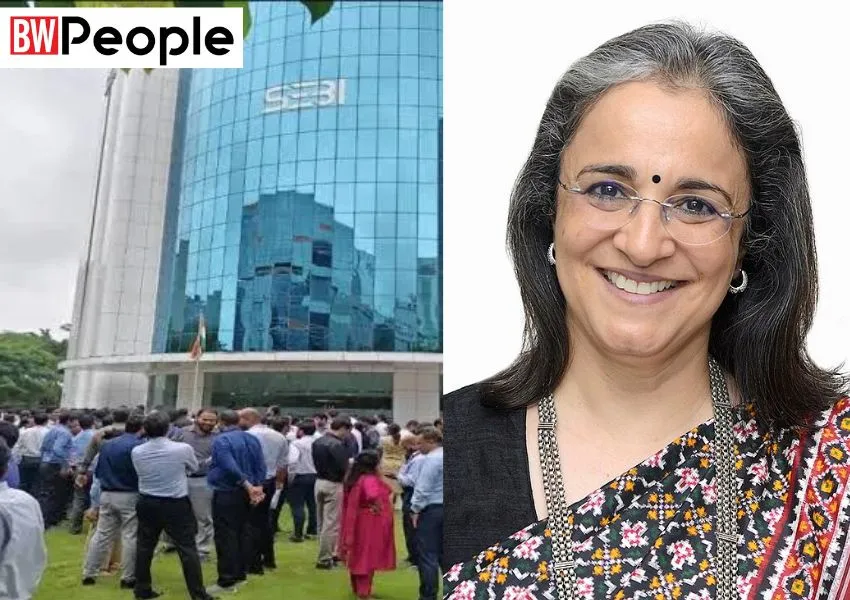
By K Raveendran The outcome of the much-anticipated SEBI board meeting on Monday showed beyond doubt that the board has become a captive in the hands of chairperson Madhabi Puri Buch, who is facing serious allegations of misconduct. The toxic work culture and unprofessionalism that the SEBI employees have been complaining about have now engulfed […]

Gurbir Grewal has announced his departure from the U.S. Securities and Exchange Commission (SEC), where he served as the Director of the Enforcement Division. His tenure is marked by a significant uptick in enforcement actions that led to record penalties and rewards, shaping the agency’s approach to financial oversight. Although he did not disclose future plans upon leaving the SEC, Grewal’s impact on the regulatory landscape has been substantial.

Since his appointment in July 2021, Grewal spearheaded over 2,400 enforcement actions, resulting in a staggering $20 billion in penalties. His aggressive enforcement strategy included 340 bars from the industry, aimed at holding individuals and entities accountable for misconduct. Grewal’s leadership also saw the SEC issue more than $1 billion in whistleblower awards, fostering a culture of transparency and encouraging individuals to report violations.

The SEC, an independent federal agency, has the critical role of regulating the securities industry and protecting investors. Under Grewal’s direction, the Enforcement Division enhanced its efforts to combat various forms of fraud and misconduct, including insider trading, market manipulation, and accounting fraud. This comprehensive approach underscored the agency’s commitment to maintaining market integrity and protecting investor interests.

Grewal’s departure comes amidst a broader discussion regarding the SEC’s future direction under the leadership of Chair Gary Gensler. Gensler has emphasized the importance of robust enforcement to deter violations and ensure fair markets. The SEC’s enforcement actions during Grewal’s tenure have garnered attention, reflecting a shift towards a more proactive and assertive regulatory stance.

The agency’s increased enforcement measures were well-timed, as the financial landscape faced unprecedented challenges, including the rise of digital assets and evolving market practices. Grewal’s leadership aligned with the SEC’s broader goal of adapting to these changes and ensuring that the regulatory framework effectively addressed emerging risks.

A significant aspect of Grewal’s tenure was the emphasis on collaboration with other regulatory bodies and law enforcement agencies. This approach allowed for more comprehensive investigations and the pooling of resources to tackle complex financial crimes. Such collaboration was essential in addressing multifaceted cases that required a coordinated response across jurisdictions.

Grewal played a pivotal role in advancing the SEC’s initiatives to modernize its technology and enhance its data analytics capabilities. These advancements have proven crucial in detecting fraudulent activities and monitoring market behaviors, thus allowing the SEC to respond swiftly to potential violations. Grewal’s focus on technological innovation reflected a recognition of the evolving nature of financial markets and the need for regulators to stay ahead of emerging threats.

As Grewal departs the SEC, questions arise regarding his potential successor and the future direction of the Enforcement Division. The agency has historically emphasized the importance of continuity in its enforcement approach, particularly during times of transition. Grewal’s departure may open the door for new strategies and perspectives that could further shape the SEC’s enforcement agenda.

Industry experts speculate on the challenges that lie ahead for the SEC. The regulatory landscape is becoming increasingly complex, with the rise of cryptocurrencies and decentralized finance presenting new hurdles for oversight. The next leader of the Enforcement Division will likely need to navigate these complexities while maintaining the momentum built during Grewal’s tenure.

In his farewell, Grewal expressed gratitude for the opportunity to serve at the SEC and emphasized the importance of the agency’s mission to protect investors and ensure fair markets. His leadership has left an indelible mark on the agency, and his departure signifies a pivotal moment in the SEC’s evolution.

As the SEC continues its work, the implications of Grewal’s departure will undoubtedly be felt in the coming months. Stakeholders across the financial sector are keenly observing how the agency will adapt to the changing regulatory environment and maintain its commitment to enforcement.

SINGAPORE, Oct. 3, 2024 – Singapore International Agri-Food Week (SIAW) is set to take place from November 18 to 22, 2024, at the Sands Expo & Convention Centre, Marina Bay Sands. This year’s event emphasizes the importance of transitioning to sustainable and nutritious food systems in Asia. As the region grapples with various challenges, including climate change, food security, and the need for innovation, SIAW serves as […]

Aircraft lessor Dubai Aerospace Enterprise (DAE) has successfully reached a settlement with insurer AXA regarding the jets that have been retained in Russia since the onset of the Ukraine conflict in 2022. This resolution opens avenues for further financial agreements as legal proceedings unfold in a significant trial in London’s High Court. DAE has faced considerable challenges following the Russian invasion of Ukraine, particularly concerning the fate […]

Construction on the Jeddah Tower, which aims to be the tallest building in the world, is back in motion after a prolonged hiatus. Owned by Saudi billionaire Jeddah Economic Company (JEC), the ambitious project has faced numerous delays since its groundbreaking in 2013 due to economic shifts, financing difficulties, and other logistical challenges. However, recent developments indicate that JEC is determined to complete this iconic structure, which […]

Standard & Poor’s has downgraded Israel’s credit rating from A+ to A, primarily citing increased security risks stemming from escalating tensions in the region. The decision reflects the rating agency’s assessment that the current geopolitical climate may hinder Israel’s economic stability and growth prospects.

The S&P report highlighted that the downgrade is attributed to the intensification of military conflicts, particularly involving militant groups in Gaza and Hezbollah in Lebanon. This situation has led to rising security expenditures and concerns over potential disruptions to the economy. Analysts argue that the ongoing conflict could deter foreign investment, impact tourism, and affect the overall economic environment.

Israel’s military actions, particularly in response to rocket fire from Gaza, have drawn international scrutiny. The cycle of violence and retaliatory strikes has strained relationships with neighboring countries and raised fears of a broader regional conflict. The deteriorating security situation has also sparked protests within Israel, with citizens demanding a reevaluation of the government’s military strategy and its implications for daily life.

The economic implications of the downgrade are significant. Israel’s economy has shown resilience in recent years, bolstered by technological advancements and a robust startup ecosystem. However, analysts fear that the heightened security risks could stifle this growth, particularly as the nation grapples with the dual challenges of military expenditures and maintaining investor confidence.

The downgrading comes at a time when Israel’s economy is experiencing inflationary pressures, further complicating the financial landscape. Rising living costs, coupled with increased defense spending, pose challenges to fiscal stability. Policymakers may need to implement measures to counteract these pressures, potentially involving budget reallocations and strategic economic initiatives.

Economists have pointed out that the current security environment may necessitate increased dialogue and diplomatic efforts aimed at stabilizing the region. There is a growing consensus among experts that sustainable peace initiatives could alleviate some of the financial burdens linked to security expenditures. Strengthening diplomatic relations with neighboring states may be essential for fostering an environment conducive to economic growth and stability.

Reactions to the downgrade have varied among local political leaders. While some have criticized the government’s handling of security issues, others argue that the rating reflects broader geopolitical realities that are beyond Israel’s immediate control. As the nation navigates these complex dynamics, the government’s approach to national security and foreign relations will likely play a pivotal role in shaping future economic trajectories.

In response to the downgrade, Israeli Finance Minister Bezalel Smotrich emphasized the importance of a balanced approach to security and economic growth. He stated that maintaining robust defense capabilities is crucial while also recognizing the need for economic resilience. Smotrich’s comments indicate an understanding that both aspects are interlinked, and a sustainable approach will be necessary to bolster investor confidence.

The impact of the downgrade on Israel’s bond market has been immediate, with yields rising as investors reassess risk levels. The move by S&P may prompt other rating agencies to reevaluate their assessments, further complicating Israel’s financial standing in international markets. Observers are closely monitoring how the government responds to these challenges and whether it can implement effective policies to stabilize the economy amidst security concerns.

As Israel grapples with these challenges, key sectors such as technology and tourism are being scrutinized for their resilience. The technology sector, a significant driver of economic growth, may face increased pressure if security concerns impact investment flows. Conversely, the tourism industry, already affected by the pandemic, may struggle to recover fully without improved security conditions.

Investors and analysts are also concerned about the long-term implications of the downgrade on Israel’s geopolitical strategy. The current environment necessitates a recalibration of priorities, with potential shifts in foreign investment patterns and trade relationships. Maintaining a favorable business climate while addressing security challenges will require careful policy considerations.

International reactions to the S&P downgrade have been mixed, with some analysts suggesting that it underscores the need for global stakeholders to engage more actively in peace initiatives in the region. Collaborative efforts to address underlying tensions may not only enhance regional stability but also contribute positively to Israel’s economic outlook.

A significant investment is on the horizon as an Omani consortium prepares to establish a data center in Egypt’s Suez Canal Economic Zone, with an allocation of $450 million earmarked for the project. This initiative is part of Egypt’s broader strategy to transform the Suez Canal region into a technological and logistical hub, enhancing its role in global trade and digital services.

The investment is spearheaded by the Oman Information Technology Company (OITC) and several local partners. This collaboration marks a critical step in fostering economic ties between Oman and Egypt, with both nations recognizing the potential of digital infrastructure in driving economic growth. The data center is expected to support the burgeoning demand for cloud services and digital storage, driven by an increasingly digitized global economy.

The announcement of the data center project aligns with Egypt’s strategic plan to attract foreign direct investment and bolster its technological capabilities. The Suez Canal Economic Zone has been pivotal in this vision, with the Egyptian government actively promoting investment opportunities in sectors such as logistics, manufacturing, and technology. The zone’s geographical advantage, situated at the crossroads of major trade routes, offers unparalleled access to international markets.

By establishing a state-of-the-art data center in this zone, the Omani consortium aims to enhance digital connectivity not only within Egypt but also across the broader Middle East and North Africa (MENA) region. The center will provide essential services such as cloud computing, data storage, and disaster recovery solutions, catering to both local and international clients.

The data center project is expected to generate significant employment opportunities for the local workforce. With the ongoing investment in education and training programs in Egypt, there is a concerted effort to equip young professionals with the necessary skills to thrive in the digital economy. The collaboration between OITC and local partners is likely to enhance knowledge transfer and foster innovation within the Egyptian tech landscape.

This investment comes at a time when global data center demand is surging, driven by trends such as the rise of e-commerce, the proliferation of the Internet of Things (IoT), and the increasing reliance on digital solutions across various sectors. As businesses and governments prioritize digital transformation, the need for robust and secure data infrastructure has become paramount.

The Suez Canal Economic Zone’s strategic position allows for efficient connectivity to Europe, Asia, and Africa, making it an attractive location for data center operations. This development not only supports Egypt’s ambitions to become a regional technology hub but also enhances its competitiveness in the global market.

The partnership is set to leverage advancements in renewable energy, aligning with global sustainability trends. As data centers are known for their high energy consumption, the integration of renewable energy sources will be pivotal in minimizing the environmental impact of this project. The Omani consortium is expected to explore partnerships with renewable energy providers in Egypt to power the data center sustainably.

Egypt’s government has been proactive in creating a favorable environment for foreign investments, implementing reforms aimed at improving the business climate. The country’s economic stability, coupled with its young and tech-savvy population, positions it as a viable destination for tech investments. The collaboration between OITC and Egyptian partners reflects a growing trend among Gulf countries to diversify their investments beyond traditional sectors, focusing instead on technology and digital services.

This project is also anticipated to strengthen Egypt’s position in the regional tech ecosystem, attracting additional investments and partnerships from global tech giants. With the establishment of the data center, Egypt aims to position itself as a competitive player in the MENA tech landscape, potentially drawing in international businesses looking for reliable digital infrastructure.

As the project progresses, it will be essential for stakeholders to ensure that the data center adheres to international standards for security and data privacy. The rise in cyber threats has made data protection a critical concern for businesses and consumers alike. Establishing robust cybersecurity measures will be crucial to gain the trust of clients and stakeholders.

By Dr. Gyan Pathak Lok Sabha Election 2024 results have shown a drastically declined political worth of Prime Minister Narendra Modi, that has quantified it with a BJP’s win of only 240 seats, much less than 303 it had won in 2019. Public opinions differ on the question if his personal political stature has been […]

SINGAPORE – Media OutReach Newswire – 2 October 2024 – Minister for Culture, Community and Youth and Second Minister for Law Edwin Tong announced that the Institute of Singapore Chartered Accountants (ISCA) will partner the Office of the Commissioner of Charities (COC) to bolster the resilience of Singapore’s charities sector through new anti-money laundering (AML) and countering the financing of terrorism (CFT) initiatives. He made this announcement […]

Abu Dhabi Developmental Holding Company (ADQ) has announced a strategic partnership with Swiss artificial intelligence firm EQTY Lab to enhance climate solutions across diverse sectors. This collaboration aims to utilize AI and data analytics to facilitate a sustainable future, focusing on critical areas such as energy efficiency, waste management, and the reduction of carbon emissions. ADQ, one of the largest holding companies in the region, plays a […]

A significant step towards enhancing its renewable energy landscape has been initiated by Abu Dhabi, as it officially announced the launch of a competitive bidding process for the 1.5-gigawatt (GW) Al-Zarraf solar independent power project (IPP). This initiative aligns with the emirate’s ambitious targets to achieve net-zero greenhouse gas emissions by 2050, while simultaneously increasing the share of clean energy in its overall energy mix. The Al-Zarraf […]

TECOM Group, a prominent developer and operator of business parks in the UAE, has announced plans to acquire a commercial asset in Dubai Internet City for Dhs720 million. This strategic move is expected to enhance TECOM’s portfolio and strengthen its position in the burgeoning tech and innovation sector of the emirate. The acquisition is part of a broader strategy to attract and support businesses in the technology […]

Emirates National Oil Company (ENOC) is contemplating an expansion of its Jebel Ali Oil Refinery, as articulated by its CEO. This initiative aims to enhance operational capacity and cater to rising regional and global demands for refined products. Currently, the refinery has a processing capacity of 140,000 barrels per day, primarily producing a range of fuels and petrochemical products. The Jebel Ali facility has been instrumental in […]

Dubai has taken a significant step toward solidifying its position as a global leader in innovation and intellectual property (IP) management with the launch of the Dubai Intellectual Property Hub (DIPH). Developed in collaboration between the Dubai Future Foundation (DFF) and the UAE Ministry of Economy, the DIPH aims to provide a centralized platform for managing IP and intangible assets (IA) in the region. The initiative targets a wide range of stakeholders, including innovators, artists, entrepreneurs, researchers, academics, and startups, by offering streamlined support and resources.

The DIPH was unveiled at the “IP2024: Glimpse on the Future of IP” event, which attracted high-level officials, industry experts, and leading figures from the IP sector. The introduction of this hub underscores the UAE’s ambitions to position itself as a competitive hub for global intellectual property development and protection. The platform is designed to assist those working in knowledge-based industries, which are becoming increasingly crucial in today’s digital economy.

The Dubai Intellectual Property Hub is expected to fill a longstanding gap in the region’s innovation ecosystem by offering a one-stop solution for intellectual property needs. Through DIPH, innovators will have access to various resources that streamline the IP registration and management process, reducing the complexity that often hampers the commercialization of innovative ideas. By making it easier for creators to secure their intellectual property rights, Dubai is also encouraging the creation and growth of knowledge-based industries.

The launch of the DIPH comes at a critical time when global economies are placing more emphasis on knowledge and innovation. Intangible assets, such as patents, trademarks, copyrights, and trade secrets, are increasingly valuable, and their protection is crucial to driving growth and competitiveness in global markets. This new hub aims to address that demand by providing comprehensive support for the entire IP lifecycle, from idea generation and patent registration to commercialization and enforcement.

In remarks delivered during the launch event, officials highlighted the significance of the DIPH in fostering innovation not just in the UAE but across the broader Middle East and North Africa (MENA) region. The platform aims to establish Dubai as a center for IP-related activities, attracting talent and investment from across the globe. By empowering individuals and organizations to secure their intellectual property more efficiently, the UAE aims to create an environment that nurtures creativity and entrepreneurship.

The DIPH’s comprehensive services include assistance with patent filings, IP rights consultations, educational workshops, and resources on the commercialization of intangible assets. The hub also promises to facilitate networking opportunities between innovators, investors, and legal experts, thereby fostering collaborations that could lead to the development of cutting-edge technologies and creative endeavors.

The collaboration between the Dubai Future Foundation and the Ministry of Economy also reflects the UAE’s broader strategy of diversifying its economy away from traditional sectors like oil and gas. By promoting knowledge-based industries, the UAE is positioning itself as a global leader in sectors like artificial intelligence, biotechnology, and clean energy, where intellectual property plays a critical role. Officials at the launch underscored that the Dubai Intellectual Property Hub is aligned with the UAE’s long-term vision for innovation-driven economic growth.

The DIPH aims to be more than just a registry for patents and trademarks; it aspires to be a catalyst for innovation across multiple sectors. By providing a centralized resource for IP-related activities, the hub is set to attract innovators from around the world, providing them with the tools and support they need to succeed. This effort is in line with Dubai’s larger objective to become a leader in the global knowledge economy, fostering a fertile environment where new ideas and technologies can flourish.

The launch of the Dubai Intellectual Property Hub coincides with the UAE’s commitment to aligning its innovation goals with international standards. Officials noted that DIPH would ensure that the UAE remains compliant with international intellectual property laws and agreements, facilitating smoother collaboration with global partners and investors. This alignment is particularly crucial in today’s interconnected world, where cross-border collaborations are becoming more prevalent.

The introduction of DIPH has been met with widespread optimism from industry experts, who believe that the hub will help to overcome several challenges currently faced by innovators and businesses in the region. One of the primary obstacles to IP protection in many emerging markets is the lack of streamlined processes and resources for managing intellectual property rights. By addressing these gaps, the Dubai Intellectual Property Hub is expected to provide an essential service that will benefit both local and international innovators.

The DIPH is also designed to support the growth of startups in the UAE, which are often heavily reliant on their intellectual property for competitive advantage. Startups and small businesses frequently struggle to navigate the complex world of intellectual property law, and the DIPH aims to alleviate some of these burdens by offering tailored support to emerging companies. Through educational resources, legal consultations, and partnerships with venture capital firms, the hub will assist startups in securing their innovations and bringing them to market.


VISHNU RAJA
RYO YAMADA
HITORI GOTOH
IKUYO KITA