Just in:
Microfinance case trouble for Vellappally // Geely’s i-HEV Intelligent Hybrid Technology Offers a New Direction Vision for Gasoline-Powered Vehicles // Miss Universe Hong Kong Jen Zhou Departs for Puerto Rico to Compete in the 75th Miss Universe World Final // OpenAI introduces GPT-6 Cyber with restricted security access // India Under Pressure To Join RCEP On The Eve Of ASEAN Summit In Manila On Nov 15-17 // Dubai Future District Fund and Buimerc formalise cooperation // Ousted top Kochi cop gets IG post // HKUST President Prof. Nancy IP Receives UNESCO–Equatorial Guinea International Prize for Research in Life Sciences // Dubai details five-year visa benefits for returning visitors // Excise chief shunted out in bar licence dispute // Elephant calf on death line airlifted for treatment in Gujarat // Ningbo Consensus on Collaborative Development released at 2026 Global Mayors Dialogue · Ningbo // ADIA subsidiary seeks $7.5 billion private investment financing // Emaar approves Development buyout ahead of planned delisting // Motorola introduces Signature 27 flagship priced at $1,599 // CM disputes Vijayan’s claims // Geely’s i-HEV Intelligent Hybrid Technology Offers a New Direction for Gasoline-Powered Vehicles // Beyond the exhibition floor: How robots, AI and networks are moving into the real world // HKUST President and Chinese Academy of Sciences Academician Prof. Nancy Ip Receives UNESCO Honor for a Second Time // Trump’s Iran War Has A Share Of Contribution To His Midterm Debacle //

News related to
stake

Saudi Aramco, the world’s largest oil company, is advancing its debt strategy, seeking to optimize financial resources while prioritizing consistent dividend payouts to its shareholders. This strategy aligns with the company’s broader goals to remain resilient in the face of global energy market fluctuations and economic challenges.

Aramco’s approach comes at a time when global oil markets are in a state of volatility, driven by geopolitical tensions, supply chain disruptions, and shifting demand. The company’s decision to increase its debt load is seen as an effort to safeguard its dividend policy, which is a critical aspect of its value proposition to investors. Aramco’s dividends have been a significant draw for shareholders, especially given the company’s size and influence in the energy sector.

The company’s recent bond issuance, one of the largest in its history, is a key element in this strategy. Analysts suggest that Aramco is strategically leveraging debt to bolster its liquidity while avoiding the pitfalls of excessive dependence on oil revenues alone. As oil prices fluctuate, Aramco has turned to debt instruments to help ensure stability in its cash flow, a move that underscores its commitment to its long-standing dividend policy.

In its latest move, Aramco plans to issue more bonds and engage in strategic financing activities. The company has emphasized that this will allow it to balance its capital expenditures, which include investments in both upstream and downstream operations, while maintaining robust dividends for its stakeholders. By strengthening its debt profile, Aramco is positioning itself for long-term sustainability, despite potential market risks.

The strategy is designed to support Aramco’s ambitious growth plans. These include continuing investment in key oilfields and enhancing its refining and chemical operations, which are integral to its diversification efforts. The company has also focused on its low-carbon initiatives and investments in renewable energy, both of which have become critical to securing its future in an energy transition world.

With the global energy landscape in flux, Aramco’s management is keenly aware of the pressures that both internal and external factors exert on the company’s financial performance. The increase in debt comes at a time when the company must balance short-term obligations with long-term growth objectives. As part of this initiative, Aramco has reassured investors that the funds raised through debt will be used strategically to support both its operational goals and financial returns.

Aramco’s expanded debt strategy is expected to ensure its ability to maintain a competitive edge in an increasingly dynamic and uncertain energy market. The company’s solid track record of profitability, bolstered by its vast reserves and global footprint, provides a foundation for this enhanced financial approach. By strategically increasing its debt levels, Aramco aims to navigate the unpredictable nature of the oil market while positioning itself as a financially stable and attractive option for investors.

Financial analysts closely monitoring Aramco’s moves believe that the company’s debt strategy could have wider implications for the energy sector. As the global energy transition accelerates, many energy giants are exploring similar strategies to adapt to new market conditions. For Aramco, the challenge will be balancing its debt load with continued operational success, especially as global energy consumption patterns evolve.

Some experts suggest that while Aramco’s strategy to increase debt is sound in the short term, it could present challenges in the longer term, particularly if energy prices experience sustained declines. The company’s massive capital expenditures in the form of infrastructure development and the diversification into non-oil sectors could be financially strained if global oil prices slump. However, with its deep pockets and strong backing from the Saudi government, Aramco is likely to weather these challenges better than most.

Aramco’s increasing reliance on debt raises broader questions about the future of the global energy sector, especially among state-owned oil giants. The move is seen as a response to the changing dynamics of global energy, where sustainability and long-term shareholder value are becoming more important than immediate profits. For Aramco, the shift in focus to maintaining dividends through debt could mark a new phase in its evolution, one where financial flexibility becomes as important as its oil and gas output.
Saudi Aramco is set to bolster its financial positioning by increasing its debt levels, as it aims to continue delivering substantial dividends to shareholders. The decision is part of a broader strategy to maintain its capital return policy while balancing the financial demands of its massive oil and gas operations. The move highlights the company’s commitment to rewarding investors, even as it navigates the complex global energy market.

In a statement issued by the oil giant’s Chief Financial Officer, Aramco emphasized that the increased debt would help facilitate its expansion plans, while also ensuring the growth of its dividend payouts. These dividends have been a key component of Aramco’s investment appeal, with the company previously distributing more than $75 billion to its stakeholders in 2023 alone. The plan to take on more debt underscores a long-term commitment to high dividend levels, despite fluctuations in global oil prices and other macroeconomic factors.

Aramco’s pivot towards debt financing is indicative of its effort to balance its need for reinvestment in oil and gas infrastructure with the demands of shareholders seeking stable returns. Analysts suggest that this move could help the company better withstand market volatility and competition within the global energy sector. However, the strategy also places additional pressure on the company’s financial structure, as it may increase the burden of debt servicing over time.

The company’s debt-to-equity ratio and overall leverage are expected to come under scrutiny as it embarks on this new strategy. While Saudi Aramco remains one of the world’s most profitable companies, critics warn that heavy reliance on debt could expose it to risks if oil prices decline sharply or if geopolitical tensions disrupt supply chains. Nonetheless, Aramco’s financial management team remains confident that the company’s robust cash flow and diversified assets will allow it to service this debt while maintaining its dividend policy.

Aramco’s decision to increase debt comes as oil prices face pressure from a combination of global supply challenges and shifting demand patterns. While the global energy landscape remains unpredictable, Aramco has been consistently outperforming its peers, with solid profits in the last few quarters despite fluctuating crude prices. The company is focusing on maintaining its dominance in the energy sector by investing heavily in both upstream and downstream operations, while also seeking growth in renewable energy projects.

The Saudi oil giant’s move also aligns with its broader goal of diversifying its portfolio to reduce its dependency on crude oil revenue. With a growing interest in natural gas, petrochemicals, and renewable energy ventures, Aramco is looking to adapt to the shifting energy market. This diversification strategy, alongside its increasing debt, suggests that Aramco is positioning itself not only for immediate financial stability but also for long-term resilience.

Despite the challenges posed by shifting global energy markets, Saudi Aramco’s financial position remains strong. The company continues to be a key player in both the energy market and global finance, with investors closely watching its strategies for growth and sustainability. As Aramco ramps up its debt, it also seeks to maintain its reputation as a leading source of stable returns for its investors, cementing its status as one of the world’s most valuable companies.

One of the key aspects of Aramco’s financing strategy is its commitment to shareholder returns, a factor that has long been a hallmark of the company’s business model. As global energy demand fluctuates, Aramco has made it clear that it intends to prioritize its dividend payments as a central element of its financial strategy, which could provide stability to its investors in uncertain times.

However, Aramco’s decision to increase debt is not without its critics. Some experts believe that the move could signal potential concerns over the company’s long-term growth prospects, particularly if energy transition efforts in key markets reduce reliance on fossil fuels. The company’s substantial cash reserves have long been a point of pride, and while debt can provide short-term liquidity, some analysts caution that a more aggressive debt strategy could limit flexibility in the future.

Ultimately, the decision to take on more debt aligns with Aramco’s strategy to balance dividend growth with sustainable investments in its operations and energy diversification. The company’s financial team has expressed confidence that this approach will allow Aramco to meet the demands of its investors while also securing its future in an evolving global energy market.

A milestone decision has been reached by Gulf Cooperation Council (GCC) financial regulators, setting a framework for streamlined fund passporting within the bloc. This move is poised to enhance market integration and facilitate cross-border investments among member states. The announcement follows deliberations during the 29th meeting of the GCC Committee of Heads of Financial Market Authorities, underlining a collective aim to boost the region’s financial landscape.

The approved framework includes detailed passporting regulations designed to ease the registration of investment funds, enabling them to operate seamlessly across GCC markets. By adopting a unified approach, member states aim to attract international investors, create competitive opportunities for local fund managers, and strengthen the region’s position as a financial hub. The framework represents a critical step in fostering economic collaboration and reducing barriers to capital flow in the Gulf.

Authorities emphasized the significance of this framework in promoting transparency, improving operational efficiency, and aligning with global financial practices. They underscored that the initiative aims not only to streamline processes for fund managers but also to ensure investor protection through standardized regulatory oversight. By harmonizing regulations, the GCC markets are expected to enhance their collective appeal to institutional investors and global asset managers.

The passporting mechanism will allow funds licensed in one GCC state to be marketed in others without the need for separate approvals in each jurisdiction. This system mirrors successful models in regions like the European Union, which has demonstrated the benefits of regulatory alignment for mutual fund operations. Industry analysts predict that the GCC’s adoption of such a mechanism could significantly boost regional fund performance and attract higher levels of foreign direct investment.

Market participants have expressed optimism about the move, viewing it as a catalyst for growth in the asset management industry across the Gulf. The alignment of regulatory practices is expected to lower operational costs, reduce duplication of efforts, and enhance market efficiency. Fund managers stand to benefit from simplified procedures, while investors are likely to gain access to a broader range of investment opportunities within the region.

This development comes against the backdrop of ongoing efforts by GCC nations to diversify their economies and reduce reliance on oil revenues. The region has been investing heavily in financial sector reforms, infrastructure, and technology to create a more conducive environment for economic growth. Fund passporting is seen as an integral part of these reforms, aiming to stimulate capital markets and support the broader objectives of economic integration.

Implementation of the framework is expected to be phased, with member states aligning their domestic regulations to the new standards over the coming months. Industry experts believe that a successful rollout will depend on effective coordination between regulatory bodies and market players, ensuring that the framework’s benefits are realized without compromising market stability.

The GCC’s financial authorities have highlighted their commitment to addressing challenges and refining the framework as needed to meet evolving market demands. Regular consultations with stakeholders are planned to ensure the initiative remains responsive to industry trends and investor needs. This collaborative approach is anticipated to foster trust and confidence among market participants, paving the way for greater regional financial integration.

Chinese refineries continue to benefit from discounted Iranian crude, a critical component of their energy strategy, despite intensified scrutiny and sanctions from the United States. Iran remains a significant supplier, leveraging a clandestine network of “dark fleet” tankers and intermediaries to evade U.S. sanctions. However, this covert supply chain faces heightened challenges, with Washington expanding measures targeting shipping routes and operators associated with these operations.

Iranian crude oil, often disguised as originating from Malaysia or Oman, constitutes about 13% of China’s total oil imports. Shipments have reached an estimated 1.4 million barrels per day this year, up significantly from earlier periods. Much of this oil is funneled through smaller, independent Chinese refineries known as “teapots,” which rely heavily on cost-effective supply sources to maintain operations amid narrowing profit margins.

China and Iran have crafted a trade system designed to bypass dollar transactions and U.S. oversight, utilizing Chinese yuan and intermediaries to shield their dealings. This setup has made it challenging for global regulators to enforce compliance. However, under the prospect of Donald Trump returning to the U.S. presidency and reinstating his administration’s “maximum pressure” campaign, sanctions enforcement could escalate further, potentially disrupting China’s energy imports and raising costs for refiners.

Expanded measures implemented by Washington in October include targeting vessels involved in ship-to-ship transfers of Iranian oil. This has caused delays in deliveries, forcing refiners to seek alternative methods to secure supply lines. While Beijing officially defends its oil trade with Tehran as lawful, the geopolitical stakes are high, with Western policymakers wary of letting discounted Iranian crude further entrench China’s energy security at odds with U.S. sanctions policies.

China’s appetite for Iranian oil reflects broader economic challenges, including lower-than-expected domestic fuel demand and weak refining margins. Many refineries are already struggling to remain profitable, and tougher sanctions enforcement could exacerbate their woes. Market experts predict that any disruption to Iranian oil imports might also create ripple effects across global markets, affecting oil prices and supply chains.

Meanwhile, China’s strategic ties with Iran are underpinned by a broader geopolitical alignment. Both nations seek to counterbalance U.S. dominance in the global oil market. Tehran views China as a lifeline to maintain its crude exports, while Beijing relies on these discounted imports to bolster its economic competitiveness. This intricate relationship continues to challenge U.S. efforts to isolate Iran economically.

The United Arab Emirates’ stock market, with a valuation nearing $1 trillion, has emerged as a beacon for investors. Central to its rapid ascent is the concentrated influence of Sheikh Tahnoon bin Zayed Al Nahyan, a prominent member of Abu Dhabi’s ruling family, whose business empire and sovereign wealth fund oversight shape a significant portion of the region’s financial landscape.

The Abu Dhabi Securities Exchange (ADX), a core part of this market, reflects the dominance of family-linked entities like the International Holding Company (IHC), which has seen its valuation surge under Sheikh Tahnoon’s strategic leadership. IHC and associated companies represent some of the exchange’s most traded stocks, underpinning their value with holdings in diverse sectors such as renewable energy, technology, and mining. The emirate’s ambitions are clear: diversify its economy away from oil dependency and position itself as a global financial hub.

Sheikh Tahnoon oversees sovereign funds managing approximately $1.5 trillion, an unprecedented level of centralized financial control. This influence extends to IPOs, where companies tied to his network consistently dominate performance charts. For example, Bayanat AI Plc, part of his portfolio, tripled its stock value on its trading debut in 2022, exemplifying the trend of successful launches. However, challenges persist. International investors often cite limited access to lucrative IPO allocations, leading to frustrations about the inclusivity of the system.

The UAE has sought to liberalize its markets in recent years, introducing reforms such as allowing 100% foreign ownership across industries and listing stakes in state-owned companies to attract global capital. These measures have drawn attention from investment heavyweights, but concerns remain about whether foreign participants enjoy equal opportunities alongside local entities with entrenched interests.

Economic scholars note the dual-edged nature of Abu Dhabi’s stock market model. While the interconnection between state-run entities and private enterprises allows for strategic economic coordination, it also raises questions about transparency and the safeguarding of minority shareholders’ rights. Despite this, the UAE’s market resilience and significant growth since 2020, driven by oil revenue reinvestments and economic diversification efforts, cement its position as a dominant regional player.

Solana’s blockchain ecosystem has experienced a significant surge in activity, driven by heightened interest in decentralized applications (dApps) and an unexpected revival of memecoins. This activity has led to record-breaking transaction fees and revenues, alongside remarkable institutional investments bolstering the network’s growth.

The price of Solana’s native cryptocurrency (SOL) approached a historic high, trading at $242, with the blockchain’s market capitalization growing to $112 billion. Transaction fees climbed to $11.84 million, reflecting the platform’s expanded use cases and increasing demand for its services. Solana’s largest decentralized exchange (DEX), Raydium, accounted for nearly $15 million in daily fees, supported by contributions from Jito ($15.5 million) and Photon ($3.07 million). These milestones underscore Solana’s strengthening position as a major player in the cryptocurrency market.

Memecoins have been a significant factor in this surge, with tokens like Peanut (PNUT) and Dogwifhat (WIF) gaining traction. PNUT saw a staggering 2,700% increase in value, while WIF climbed to $4.19 following its listing on Coinbase. This revival has reignited user engagement and further solidified Solana’s reputation for scalability and speed, key attributes that appeal to both individual users and institutional players.

Institutional confidence in Solana is evident in its ecosystem’s funding figures. In the third quarter of 2024, dApps operating on Solana received $173 million in investments, marking a 54% increase compared to the previous quarter. This level of funding, the highest since mid-2022, highlights the ecosystem’s maturity and attractiveness for large-scale investors. While the number of funding rounds dropped, the average value per investment rose, reflecting growing trust in the network’s long-term potential.

Solana has also made significant strides in the DeFi sector. Its total value locked (TVL) grew by 26% in Q3 to $5.7 billion, placing it among the top three DeFi ecosystems globally, behind Ethereum and Tron. The platform has also become a favored choice for tokenized treasuries, managing assets valued at $123 million. Leading financial institutions, such as Franklin Templeton and Société Générale, have integrated Solana for their on-chain operations, further validating its utility in the financial sector.

The blockchain’s technical advantages, particularly its low transaction costs and high scalability, have been instrumental in attracting diverse stakeholders. Despite a 6% rise in transaction fees due to increased network activity, Solana remains more cost-effective than many competing blockchains. This affordability, coupled with its ability to handle high throughput, positions Solana as a preferred choice for developers and investors alike.

However, challenges remain. Critics point to concerns over validator centralization, with over a third of Solana’s validators located in the United States and the United Kingdom. Additionally, the network has faced technical outages in the past, raising questions about its reliability. These issues underscore the importance of ongoing development to ensure the platform’s resilience and decentralization.

DigiLeap is a first-of-its-kind AI-driven platform connecting over 200 enterprises, including financial institutions and technology providers, to expedite Singapore and ASEAN’s transition to net-zero. Utilising advanced AI algorithms, DigiLeap customises matches between green projects and decarbonisation solutions, enhancing access to sustainable financing and innovative technologies. Aligned with COP29 priorities, DigiLeap drives impactful climate action across key sectors such as energy, construction, and real estate, fostering substantial environmental […]

Advertisements

HONG KONG SAR – Media OutReach Newswire – 20 November 2024 – Generali Life (Hong Kong) Limited (“Generali Hong Kong”) has been assigned an Insurer Financial Strength (IFS) Rating of ‘A’ (Strong) by Fitch Ratings, with a ‘Stable’ Outlook. Mr. Alessandro Lavenia, Chief Financial Officer of Generali Hong Kong, said, “This recognition from Fitch Ratings is a major milestone for Generali Hong Kong and a testament to […]

Game District, a prominent player in the gaming sector, has secured a majority stake in Gleam Games, marking a significant step toward expanding its portfolio of gaming assets. This acquisition highlights a growing trend in the gaming industry where established companies are consolidating power to strengthen their competitive position in an increasingly fragmented market. Game District, known for its expertise in the gaming business and its strategic […]

Apple has proposed a $100 million investment to resolve the ongoing ban of its iPhone 16 model in Indonesia. This move comes as part of the company’s efforts to comply with new regulations that require foreign companies to increase their investments and local involvement to maintain access to the country’s lucrative smartphone market. The Indonesian government’s decision to halt iPhone 16 sales stems from concerns about the […]

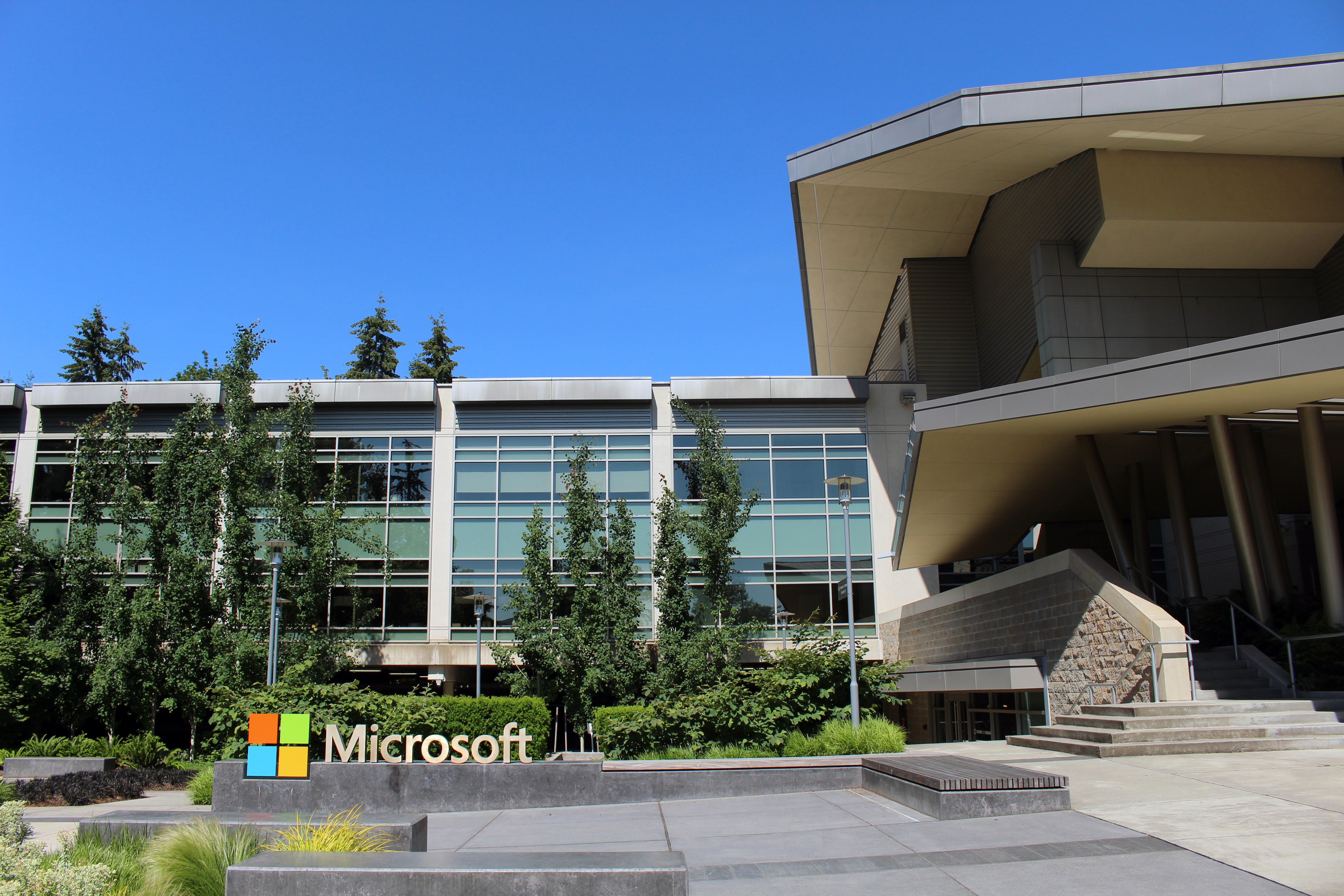
MicroStrategy’s founder, Michael Saylor, will address Microsoft’s board next month regarding the potential incorporation of Bitcoin into the tech giant’s corporate strategy. As the world’s largest software company continues to seek ways to leverage its $78 billion cash reserve, Bitcoin could become a cornerstone in their plans. However, reports indicate the board has already expressed skepticism, with several members raising concerns about the risks and volatility associated with digital assets.

Saylor, a vocal Bitcoin advocate, is expected to present a proposal that could see Microsoft join the growing number of corporate entities embracing cryptocurrency as part of their balance sheets. This follows a broader trend among tech companies, including Tesla and Square, that have invested in Bitcoin as both a hedge against inflation and as a means of aligning with the growing prominence of decentralized digital currencies.

The move by Microsoft, though not final, marks a significant moment in the ongoing evolution of corporate finance. While the company is sitting on a hefty cash reserve, which could potentially absorb the fluctuations of Bitcoin’s market, internal dissent underscores the divide between traditional financial strategies and the allure of digital currency. Microsoft’s board has been reluctant to adopt cryptocurrency, citing potential regulatory hurdles and concerns about the environmental impact of Bitcoin mining.

Despite the opposition, Saylor’s advocacy for Bitcoin remains unwavering. Since 2020, MicroStrategy has acquired over 150,000 BTC, making it one of the largest corporate holders of Bitcoin. The company has also committed to expanding its digital asset strategy, seeing Bitcoin not only as a store of value but also as a long-term investment that can yield substantial returns.

For Microsoft, the decision to integrate Bitcoin as part of its corporate strategy could be pivotal, especially as the company navigates the challenges of an evolving global economy. The ongoing discussions, set to culminate in the upcoming board meeting, come at a time when the financial world is increasingly debating the merits of digital currencies as an asset class. If the proposal is approved, Microsoft would join a small but growing group of traditional corporations making Bitcoin a central part of their financial structure.

In contrast, critics of cryptocurrency within the board have voiced concerns over Bitcoin’s volatility, which could undermine the stability of Microsoft’s cash reserves. These critics argue that the risks associated with such an investment could harm the company’s reputation as a reliable tech giant and create uncertainty for investors who have long viewed Microsoft as a safe haven in the stock market.

There are broader concerns about the regulatory environment surrounding cryptocurrencies. As governments worldwide grapple with the challenges of regulating digital currencies, the legal and financial uncertainties may deter some corporate leaders from taking such bold steps. Microsoft’s leadership, while innovative, has been historically cautious about ventures that could potentially invite scrutiny from regulators or affect the company’s relationships with stakeholders.

On the other hand, proponents of Bitcoin integration argue that Microsoft, with its vast financial resources, is well-positioned to weather the market’s fluctuations. Bitcoin’s rise in value over the past few years has proven that, despite its volatility, the digital currency holds significant long-term potential. With large tech companies and institutional investors like BlackRock increasingly backing Bitcoin, proponents believe that Microsoft’s endorsement could lend further legitimacy to the cryptocurrency market.

If Microsoft were to proceed with a Bitcoin investment strategy, the tech industry could see further moves from other major corporations exploring digital assets as a new avenue for growth. The decision would also reflect the changing mindset of corporate America, which is gradually warming to the idea of blockchain and cryptocurrencies as vital components of future business strategies.

Saylor, whose vision for Bitcoin as a central asset in corporate portfolios has often made headlines, will likely present a case focused not just on the potential upside of investing in Bitcoin, but also on its function as a store of value in an era of economic uncertainty. He argues that Bitcoin offers a unique value proposition compared to traditional assets like stocks or bonds, given its decentralized nature and the finite supply that protects against inflationary pressures.

The internal debate at Microsoft is just one example of how large corporations are grappling with the idea of digital currency integration. While some companies embrace Bitcoin as a forward-thinking investment, others remain wary, opting for more conventional approaches to managing their cash reserves.

As the tech world continues to wrestle with the implications of cryptocurrency, the decision Microsoft faces will serve as a barometer for the broader corporate landscape. Should the tech giant take the leap, it would signal a major shift in how corporations view digital currencies and their role in the future of business finance.

Autocraft, a leading subsidiary of Kintsugi, unveiled its innovative EVTOL (Electric Vertical Takeoff and Landing) air taxi concept, the E20⁺, at the Abu Dhabi Air Expo. The announcement marks a pivotal step toward transforming air mobility within the UAE, aiming to revolutionize urban transportation by offering a green and efficient alternative to traditional methods.

The E20⁺ is designed to address the growing demand for sustainable, on-demand air travel in urban environments. With its vertical takeoff and landing capabilities, it promises to bypass congested ground transportation routes, significantly reducing travel time and environmental impact. By integrating electric propulsion, the air taxi aligns with global efforts to decarbonize the aviation industry and provide cities with a new mobility solution that is both practical and eco-friendly.

At the unveiling, Autocraft highlighted the potential of the E20⁺ to reshape transport in the UAE, a country that is positioning itself at the forefront of futuristic technologies, particularly in the aerospace and urban mobility sectors. The company emphasized the E20⁺ as not only a leap forward in air transport but as a key component in creating a smarter, more sustainable transportation network within the region.

The unveiling comes at a time when the UAE is heavily investing in advancing its infrastructure and technological capabilities. Autocraft’s E20⁺, while still in its conceptual phase, is part of the country’s broader push to embrace cutting-edge innovations in aviation and electric vehicles. The air taxi concept aligns with the UAE’s ambitious goals to become a global hub for innovation and sustainable technologies, as outlined in its Vision 2030 initiatives.

The EVTOL aircraft features a modular design with a focus on flexibility, speed, and minimal environmental footprint. It operates on an electric powertrain, significantly lowering operational costs compared to traditional air transport while maintaining the necessary performance for urban air mobility. The cabin is designed to carry up to four passengers, making it suitable for both private and shared air taxi services.

Autocraft has also placed a strong emphasis on safety, with multiple redundancies built into the design to ensure smooth operations in various weather conditions. The vehicle’s advanced avionics and automated flight systems are intended to provide a fully autonomous flying experience, ensuring efficiency while reducing human error.

Several experts in urban air mobility have noted that the development of electric air taxis like the E20⁺ is gaining momentum globally, with companies like Autocraft positioning themselves as key players in this rapidly emerging industry. Despite facing challenges in scaling up EVTOL technology, particularly in regulatory approval and infrastructure development, the progress made by Autocraft signals strong momentum in the field.

The Abu Dhabi Air Expo also served as a platform for discussions on the practicalities of integrating air taxis into urban environments. Industry leaders and aviation authorities are focused on developing policies and regulations that would govern the operations of EVTOLs, addressing concerns ranging from airspace management to public safety. Autocraft has been actively engaging with regulators and stakeholders to ensure that the E20⁺ can be introduced in a manner that is both efficient and safe.

The UAE’s role as a global leader in aviation innovation, bolstered by its strategic investments and forward-thinking policies, makes it an ideal testing ground for such ambitious projects. The country’s already robust infrastructure, combined with its willingness to embrace disruptive technologies, positions the UAE to be one of the first in the world to fully integrate EVTOL air taxis into its transportation systems.

Autocraft is not alone in its push to develop electric air mobility solutions. Several other companies worldwide are working on similar technologies, including large aerospace firms and startups focused on air mobility. The competition is intensifying as these companies race to develop viable, scalable air taxis that can serve both urban centers and more remote areas, creating an entirely new segment in the global transportation ecosystem.

For the UAE, the E20⁺ is not just a technological feat but a symbol of the nation’s broader goals to diversify its economy, reduce its carbon footprint, and cement its position as a leader in futuristic urban mobility. The air taxi’s introduction could lead to broader partnerships between the public and private sectors, paving the way for additional innovations that will further transform the aviation and transportation sectors.

A pivotal chapter in gaming history, *Half-Life 2* remains a benchmark in storytelling, game mechanics, and immersive environments, redefining what players could expect from interactive entertainment. First released in 2004 by Valve Corporation, this game continues to draw admiration for its blend of narrative depth and technological innovation. The portrayal of its dystopian world, set in City 17 under the alien Combine regime, merges art and atmosphere to create a timeless experience.

The game begins with protagonist Gordon Freeman awakening from stasis under the cryptic guidance of the G-Man, immediately plunging the player into a world ruled by oppression. From the unsettling train ride into City 17 to the authoritarian grip of masked Combine soldiers, the opening sequence establishes the stakes with cinematic intensity. Freeman’s journey, silent but compelling, underscores the resilience of humanity in the face of overwhelming control.

Valve’s use of the Source Engine elevated the visual and interactive elements of *Half-Life 2*. The engine introduced advanced physics through the Havok engine, allowing objects to behave with a realism previously unseen in games. From solving physics-based puzzles to leveraging the iconic Gravity Gun, the gameplay demanded ingenuity, giving players an unprecedented sense of agency.

Narrative complexity further sets *Half-Life 2* apart. Freeman’s allies, including Barney Calhoun, Dr. Kleiner, and Alyx Vance, are richly characterized, with dialogue and interactions that foster emotional investment. Alyx’s AI and the dynamic interactions with her companion, Dog, showcased how character design could drive gameplay while enhancing the story. These relationships lent humanity to a game rooted in a bleak, Orwellian premise.

The oppressive architecture of City 17 and the menacing Striders, mechanical Tripods patrolling the streets, reflect the artistry of the game’s environment design. Coupled with a meticulously crafted soundscape—where ambient noise and character voice work complement the visuals—the game achieves an immersive experience. Iconic moments, such as the eerie Ravenholm sequence, highlight Valve’s mastery of pacing and suspense, leaving a lasting impact on players.

The MOU will establish the Security Technology Experience Centre (STEC), a dedicated hub for delivering training and upskilling initiatives to security professionals SINGAPORE – Media OutReach Newswire – 20 November 2024 – Canon Singapore (Canon Singapore Pte. Ltd.) today announced a strategic partnership with Temasek Polytechnic to advance the professional development of security personnel in Singapore. The Memorandum of Understanding (MOU), signed between both parties and witnessed […]

India’s Ministry of Electronics and Information Technology is set to unveil voluntary ethical guidelines for artificial intelligence and generative AI firms by early 2025. These guidelines are expected to outline a framework encouraging responsible innovation while addressing societal concerns linked to the misuse of AI technologies.

As AI transforms industries and public services, the ethical ramifications of its deployment have come under scrutiny. Recognizing the need for oversight, the Ministry has been crafting a non-binding code that promotes transparency, accountability, and fairness in AI applications. This initiative aims to mitigate risks such as algorithmic bias, misinformation propagation, and threats to user privacy, which are becoming critical issues globally.

Government officials have emphasized that the voluntary nature of these guidelines allows for flexibility and innovation while encouraging adherence to ethical standards. Unlike regulations, this approach does not impose strict mandates but seeks to foster collaboration between government bodies, tech companies, and civil society. AI firms participating in the development process have voiced support for the guidelines, stating that they align with global best practices while considering local nuances.

The framework’s primary focus areas include ensuring fairness in AI-driven decision-making processes, safeguarding data privacy, and establishing mechanisms for identifying and addressing misuse. It also underscores the importance of explainability, enabling users to understand how AI systems make decisions. By encouraging companies to adopt these principles, the Ministry hopes to set a precedent for ethical AI development in the global arena.

As AI-powered systems become integral to governance, education, healthcare, and financial services, concerns about their unchecked application have grown. Experts warn of potential pitfalls, such as reinforcing societal inequalities through biased algorithms or enabling large-scale surveillance through advanced data analytics. By addressing these challenges, the guidelines aim to strike a balance between innovation and ethical responsibility.

India’s initiative mirrors global efforts to establish ethical standards for AI. The European Union’s AI Act, currently under deliberation, seeks to regulate AI systems based on their risk levels, while the United States is exploring sector-specific guidelines. India’s voluntary approach, however, aims to create a conducive environment for AI innovation without stifling technological progress.

While the proposed framework has been welcomed by many stakeholders, some experts caution against relying solely on voluntary adherence. They argue that enforceable regulations may be necessary to ensure compliance and protect public interests effectively. Proponents of a regulatory approach highlight the potential for misuse by entities unwilling to adopt ethical practices.

India’s burgeoning AI ecosystem, fueled by startups and global tech giants, has made the country a critical player in the global AI landscape. Industry leaders see the guidelines as a strategic step towards aligning India’s AI ecosystem with international standards, enhancing its competitiveness in the global market. Additionally, ethical AI practices are expected to boost public trust and acceptance of AI-driven innovations.

Trend to join and support France’s much-anticipated AI Action Summit in February HONG KONG SAR – Media OutReach Newswire – 19 November 2024 – Trend Micro Incorporated (TYO: 4704; TSE: 4704), a global cybersecurity leader, today announced it will partner with Paris Peace Forum to play a pivotal role in guiding global leaders as they establish secure frameworks for AI adoption and implementation. Committed to advancing security […]

Blockchain networks continue to evolve at a rapid pace, with a select group of platforms dominating global traffic. The latest data reveals Solana leading the charge with a significant share, followed by Base and Ethereum in a competitive race for blockchain adoption. These platforms, along with others like TON and Sui, are becoming central to the growing decentralized economy, each catering to different user needs and technological strengths.

Solana, known for its speed and scalability, has secured the top position with 38.79% of global blockchain traffic. This marks a notable achievement for the network, which has faced both technological hurdles and competition from other chains. Its ability to process thousands of transactions per second with low fees has made it a preferred choice for developers and users looking for efficient blockchain solutions. The network’s rise to dominance highlights its growing adoption, particularly in decentralized finance (DeFi) and non-fungible token (NFT) markets.

Base, developed by Coinbase, has emerged as a strong contender in the blockchain space, capturing 16.81% of global traffic. With its integration into Coinbase’s ecosystem, Base has been able to attract a large number of users, making it an appealing option for those already engaged with the exchange. The platform’s focus on scalability and developer-friendly tools has made it a popular choice among those building decentralized applications (dApps). It’s also seen as a bridge for users to connect with Ethereum-based assets while benefiting from the enhanced performance Base offers.

Ethereum, long considered the leading blockchain for smart contracts and decentralized applications, holds 10.76% of the traffic share. While it has been a dominant force in blockchain development, Ethereum faces challenges in maintaining its lead due to scalability issues and high transaction fees. However, Ethereum’s ongoing upgrades, including the transition to a proof-of-stake consensus mechanism with Ethereum 2.0, are designed to address these concerns. Despite its challenges, Ethereum remains a cornerstone for blockchain developers, particularly those in the DeFi and NFT sectors.

TON, or The Open Network, has gained traction, especially after its revival under the guidance of the Telegram team. With 6.20% of the global traffic share, TON is carving out a niche for itself, primarily in messaging apps and other decentralized use cases. Its integration with Telegram has helped it build a solid user base, though it still has a long way to go to rival the bigger players in the space. The focus on speed and user experience makes it a formidable challenger to more established networks.

Sui, a newer player in the blockchain world, accounts for 4.83% of the global traffic. Built to handle high throughput and low latency, Sui aims to address the scalability issues faced by older blockchains like Ethereum. Its novel consensus mechanism, which combines proof-of-stake and proof-of-history, positions Sui as an intriguing choice for developers looking for performance without sacrificing decentralization. As the network continues to grow, its traffic share is expected to increase as more applications are built on its platform.

The rise of these blockchains points to an ongoing shift in the blockchain ecosystem, where scalability, speed, and cost efficiency are becoming key factors in driving adoption. Solana’s dominance, in particular, is a sign that users and developers are gravitating toward platforms that can provide real-world solutions to the limitations faced by older chains like Ethereum. With each blockchain having its unique strengths and weaknesses, the future of blockchain networks will likely be defined by how these platforms evolve to meet the demands of an expanding user base.

The competition among these platforms is not only about attracting traffic but also about building sustainable ecosystems that foster long-term growth. The ability to scale without compromising decentralization remains one of the key challenges facing all blockchain projects. While Ethereum’s upgrade to proof-of-stake is expected to reduce its energy consumption and improve scalability, networks like Solana and Base, with their focus on performance, have already captured significant portions of the market.

The Emirates Nuclear Energy Company (ENEC) has unveiled a refreshed brand identity that highlights its evolving role as a key national player in the UAE’s energy sector. The rebranding aims to emphasize the company’s commitment to sustainable, low-carbon energy production, alongside its growing influence in the global nuclear energy landscape.

The new visual identity, which includes an updated logo, color palette, and tagline, was designed to reflect ENEC’s focus on innovation, environmental responsibility, and its future role in the UAE’s energy transition. The rebranding also signifies ENEC’s transition from being a project-centric organization to one with broader operational and strategic capabilities as it continues to oversee the Barakah nuclear power plant, the UAE’s flagship nuclear energy facility.

The launch event in Abu Dhabi, which featured senior leadership from ENEC, government officials, and energy industry experts, showcased the company’s vision of a sustainable energy future. ENEC’s CEO, Mohamed Al Hammadi, spoke about how the new brand reflects the company’s core values of innovation and environmental stewardship. “Our new identity is not just about how we look, but what we stand for,” Al Hammadi stated. “As we embark on the next phase of our journey, our rebrand symbolizes our commitment to ensuring that nuclear energy is a central pillar of the UAE’s energy mix for decades to come.”

The Barakah nuclear power plant, located in the Al Dhafra region of the UAE, serves as a crucial part of the country’s strategy to diversify its energy sources. ENEC’s role in operating and managing the plant has placed it at the forefront of the UAE’s ambitious energy goals. With the completion of its four reactors, the Barakah facility is expected to provide up to 25% of the country’s electricity, contributing significantly to the UAE’s carbon-neutrality targets for 2050.

This shift in identity comes as ENEC prepares to expand its operations and partner with international entities to further develop nuclear energy. The UAE’s successful nuclear program has already made significant strides in promoting global collaboration in nuclear technology, with ENEC having signed agreements with organizations such as the International Atomic Energy Agency (IAEA) and other national nuclear operators.

Energy experts view the rebranding as a strategic move that highlights ENEC’s ambitions to not only lead in the UAE but to become a recognized authority in the global nuclear energy sector. The company’s new identity is being seen as part of a broader narrative of energy transition and innovation, with a focus on sustainability. ENEC’s efforts align with the UAE’s long-term vision for energy diversification, as outlined in the UAE Energy Strategy 2050, which seeks to increase the share of clean energy in the national energy mix.

ENEC’s transformation also comes in the wake of increasing global interest in clean energy solutions and nuclear power’s potential in addressing energy security and climate change. With countries around the world looking to reduce their carbon footprints, nuclear energy is increasingly seen as a viable option. The UAE’s nuclear energy ambitions, guided by ENEC’s expertise, are positioning the country as a leader in the global nuclear industry.

The company’s new branding was also designed to reflect ENEC’s forward-looking vision, with an emphasis on technology, transparency, and corporate social responsibility. Al Hammadi noted that the rebranding is not just a visual change but also a reflection of how ENEC operates internally and interacts with its stakeholders. The emphasis on sustainability and environmental stewardship is clear in the new logo, which incorporates elements of nature, underscoring the company’s commitment to providing energy in an environmentally responsible manner.

As ENEC moves into the next phase of its development, the company is expected to increase its focus on expanding its expertise in nuclear operations, safety, and technology. The UAE’s commitment to nuclear energy, as part of a broader strategy to achieve net-zero emissions, places ENEC at the forefront of the region’s energy transformation. This rebranding also positions the company to play a pivotal role in the UAE’s efforts to become a key player in the global clean energy economy.

With the UAE’s first nuclear plant now fully operational, ENEC is exploring new opportunities for nuclear energy development, both within the UAE and internationally. As part of its evolving strategy, ENEC is considering partnerships with other nations seeking to adopt nuclear energy as a low-carbon energy source. This global expansion will help ENEC build a reputation as a trusted partner in nuclear energy, contributing to the company’s efforts to drive innovation and excellence across the nuclear sector.

10 Singapore Companies to be Assessed for the Inaugural Influential Brands Sustainability Awards in March 2025 SINGAPORE – Media OutReach Newswire – 19 November 2024 – Global ESG Monitor (GEM), a Think Tank for Corporate Sustainability, provides analysed, scored and comparable sustainability reporting data across 70 industries based on the latest reporting periods. Influential Brands is Asia’s premier platform for celebrating business excellence whilst Mileage Communications is […]

Saudi Aramco, Sinopec, and Fujian Petrochemical have officially begun the construction of a significant new refining and petrochemical complex in Fujian province, China. This collaboration marks a major step forward in enhancing energy infrastructure, with an investment that highlights the deepening trade and energy ties between the Middle East and China.

The project, located in the coastal city of Quanzhou, is poised to become a vital hub for refining and petrochemical production, aimed at bolstering the energy needs of the rapidly growing Chinese market. The new facility will process millions of tons of crude oil annually and produce a wide range of petrochemical products, further strengthening the value chain in both the refining and chemicals sectors. As one of the largest investments of its kind in the region, the project underscores the strategic importance of Sino-Saudi relations and Aramco’s broader vision for international expansion.

At the core of this venture, Saudi Aramco is contributing a substantial stake, with the company’s role as a key supplier of crude oil expected to provide crucial support to the complex’s operations. Aramco has been a key player in the Chinese market for years, consistently expanding its footprint and solidifying its presence in one of the world’s largest and most dynamic energy markets. Through this venture, Aramco continues to build on its long-standing relationship with Sinopec, one of China’s state-owned oil giants, to help meet the country’s increasing demand for refined fuels and chemicals.

Sinopec, one of China’s leading oil and gas corporations, is providing significant technical expertise and resources for the development of the new refinery. With a vast network of refineries and petrochemical facilities across China, Sinopec’s involvement is expected to enhance operational efficiencies and facilitate greater integration between refining and petrochemical processes. The partnership brings together both advanced technological capabilities and the ability to navigate the Chinese regulatory and commercial landscape, which remains critical to success in this market.

Fujian Petrochemical, a key player in China’s petrochemical industry, is a joint venture partner in the project. The company is renowned for its strategic location along China’s eastern coast and its established role in petrochemical manufacturing. By leveraging its access to the South China Sea shipping routes, Fujian Petrochemical will play a vital role in ensuring smooth logistics for the import of crude oil and the export of refined and petrochemical products.

This new project is expected to generate significant economic benefits for the region. It will provide a boost to local employment, create opportunities for small and medium-sized enterprises, and enhance the skillsets of the workforce in Quanzhou. The complex will also be a significant contributor to the local economy through taxes and royalties, aligning with the Chinese government’s ongoing efforts to modernize its energy infrastructure and industrial capabilities.

The environmental impact of this venture has also been carefully considered. While the complex will undoubtedly play an important role in meeting the energy demands of China’s rapidly developing economy, all three partners have committed to ensuring that the project adheres to the highest standards of environmental sustainability. This includes employing advanced technologies to minimize emissions, improve energy efficiency, and reduce the ecological footprint of the refinery’s operations.

The decision to locate the complex in Fujian province is strategic, as the area has long been a hub for the petrochemical industry in China. Fujian’s proximity to major shipping lanes and its well-established infrastructure make it an ideal location for such a high-capacity facility. The provincial government has expressed strong support for the project, citing its potential to contribute to regional economic growth and enhance China’s energy security.

The broader geopolitical context of this project also plays a significant role in its development. With China’s growing focus on self-sufficiency in energy production and its ambition to strengthen domestic refining and chemical manufacturing capabilities, this initiative is timely. It reflects the ongoing trend of closer cooperation between China and energy-rich nations in the Middle East, particularly in the oil and gas sector.

For Saudi Aramco, the Fujian venture represents a further expansion of its global refining and petrochemical portfolio, reinforcing its position as a dominant player in the global energy market. The company has been diversifying its operations beyond crude oil production, investing heavily in refining and petrochemicals as part of its long-term strategy to adapt to evolving energy trends and the global push toward cleaner energy solutions.

As the global energy landscape continues to evolve, with increasing emphasis on sustainability and energy transition, the timing of this major refining and petrochemical project highlights the delicate balance between meeting current energy demands and investing in future-proof technologies. For China, which remains one of the world’s largest consumers of petrochemical products, this new facility is an important step in securing reliable, high-quality energy sources that align with its ambitious economic development plans.

This collaboration also stands as a testament to the growing importance of international partnerships in the energy sector. While the primary focus remains on meeting the energy needs of China’s economy, the involvement of key players such as Aramco, Sinopec, and Fujian Petrochemical signals the increasing interdependence of the global energy market. The success of the Fujian project will likely pave the way for further cooperation between the Middle East and China in areas such as renewable energy, advanced technologies, and global infrastructure development.

Survey discovers 85% Shopee Affiliates promote local brands more than half of the time, with high local audience engagement rates the key to success KUALA LUMPUR, MALAYSIA – Media OutReach Newswire – 18 November 2024 – While excitement lingers among shoppers and local sellers after Shopee’s 11.11 Big Sale, Shopee Affiliates continue to drive engagement towards local sellers across Malaysia. In fact, 97% of affiliates expressed strong […]

Saudi Arabia is set to host the 16th session of the United Nations Convention to Combat Desertification (UNCCD COP16) in Riyadh, marking the first time this global conference is held in the Middle East. Scheduled for December 2-13, 2024, the event will convene representatives from 197 parties, including world leaders, policymakers, and environmental advocates, making it the largest multilateral gathering ever hosted in the kingdom. This milestone […]

By Nantoo Banerjee from Manila The US-backed new Philippine Maritime Zones Act and Archipelagic Sea Lanes Act clearly defining the extent and boundaries of the country’s maritime zones and nullifying China’s sweeping claims in the South China Sea promises to raise fresh tensions in the region threatening to affect the estimated global maritime trade of […]

Mergers and acquisitions (M&A) activity in the Middle East and North Africa (MENA) region has been notably strong in 2024, with the UAE and Saudi Arabia emerging as the dominant players, driving a significant share of the regional deal flow. A combination of strategic investment initiatives, favorable business regulations, and robust economic frameworks has positioned these two countries as key contributors to the growing M&A landscape.

The first half of 2024 saw the total M&A activity in the MENA region reach $49.2 billion, with a 12% increase in deal value compared to the previous year. Both the UAE and Saudi Arabia accounted for a substantial portion of this growth, with the UAE in particular benefiting from its business-friendly environment. The UAE’s reputation as a hub for cross-border investments, particularly in sectors such as real estate, energy, and technology, has been key to its position as a leader in regional M&A activity. The country’s strong legislative framework, along with the ease of doing business, has attracted both regional and international investors.

In Saudi Arabia, M&A deals have largely been driven by the government’s Vision 2030 reform plan, which focuses on diversifying the economy and reducing dependency on oil. This vision has led to a surge in infrastructure and energy-related deals, as well as investments in sectors like tourism, healthcare, and entertainment. Major sovereign wealth funds like Saudi Arabia’s Public Investment Fund (PIF) have been instrumental in facilitating these high-value transactions.

An interesting trend in the region has been the growing dominance of sovereign wealth funds in driving M&A. These funds, which include the Abu Dhabi Investment Authority (ADIA), Mubadala, and PIF, have been actively acquiring stakes in both domestic and international markets. They are increasingly playing a pivotal role in shaping the region’s investment climate, particularly in high-growth sectors such as insurance, real estate, and energy.

Noteworthy transactions include the acquisition of a 60% stake in Zhuhai Wanda Commercial Management Group by a consortium including Mubadala and ADIA, valued at $8.3 billion. Another significant deal saw Abu Dhabi Future Energy Company (Masdar) acquire a 67% stake in Greek company Terna Energy for $2.9 billion. These transactions are part of a broader strategy of cross-border investments aimed at expanding the MENA region’s global influence.

Despite fluctuations in global oil prices, the MENA region’s M&A market has demonstrated resilience, supported by stable oil revenue streams and continued government infrastructure spending. Industry experts attribute the growth to the diversification efforts by governments and a strategic push to invest in sectors beyond oil and gas.

Insurance and real estate are among the sectors that have seen the most M&A activity, driven by factors such as the growth in tourism, major infrastructure projects, and the rising middle class. These sectors, which traditionally account for a significant portion of M&A transactions, have attracted investments that reflect both short-term returns and long-term strategic goals.

The shift towards cross-border M&A activity has also been a defining characteristic of the market in 2024. Cross-border deals accounted for 52% of the total deal volume, with outbound investments, particularly from the UAE and Saudi Arabia, directed largely towards the United States, which remains a preferred target market. The growing influence of MENA-based investors in international markets reflects a broader trend of increased economic diversification.

This surge in M&A activity aligns with broader economic trends within the MENA region, where countries like the UAE and Saudi Arabia continue to build economic power through diversification and international partnerships. Local economic policies are tailored to foster an attractive investment climate, which has been crucial in maintaining the momentum of M&A deals.

VISHNU RAJA
RYO YAMADA
HITORI GOTOH
IKUYO KITA
Just in:
Ningbo Consensus on Collaborative Development released at 2026 Global Mayors Dialogue · Ningbo // Microfinance case trouble for Vellappally // The “1st Greater Bay Area Health and Longevity Summit & Awards Ceremony” concludes successfully in Macao // HKUST President and Chinese Academy of Sciences Academician Prof. Nancy Ip Receives UNESCO Honor for a Second Time // Democrats Gearing Up For 2028 Presidential Elections To Gain Full Power // Geely’s i-HEV Intelligent Hybrid Technology Offers a New Direction Vision for Gasoline-Powered Vehicles // India Under Pressure To Join RCEP On The Eve Of ASEAN Summit In Manila On Nov 15-17 // Beyond the exhibition floor: How robots, AI and networks are moving into the real world // Dubai Future District Fund and Buimerc formalise cooperation // Kochi police detain two actors over bid to honey trap doctor // Geely’s i-HEV Intelligent Hybrid Technology Offers a New Direction for Gasoline-Powered Vehicles // Dubai details five-year visa benefits for returning visitors // Battle Uttar Pradesh Will Be Tougher For Yogi Than Expected // OpenAI abandons secrecy agreements for future data centres // Excise chief shunted out in bar licence dispute // Private varsities bill all set to face the axe // Miss Universe Hong Kong Jen Zhou Departs for Puerto Rico to Compete in the 75th Miss Universe World Final // Emaar approves Development buyout ahead of planned delisting // ADNOC secures decade-long LNG supply pact with Gujarat Energy // Trump’s Iran War Has A Share Of Contribution To His Midterm Debacle //