News related to
stake

Dubai has launched the International Sports and Entertainment Zone Authority , marking the world’s first dedicated free zone cluster for the sports and entertainment sectors. Situated within the Dubai World Trade Centre Free Zone, ISEZA aims to streamline business licensing and foster a collaborative ecosystem for industry growth. ISEZA offers a unified platform for licensing across various domains, including sports management, event organization, talent representation, media broadcasting, […]

Global capital turned its back on ESG last year. But that shift, we believe, is temporary and mistaken. ESG investing should and will return to favour, not just because it’s aligned with the challenges and priorities of our time, but because it remains one of the most rational long-term strategies for investors and economies alike. The numbers from 2024 were stark. Global sustainable fund inflows halved. In […]

HAIKOU, CHINA – Media OutReach Newswire – 15 April 2025 – ​The fifth China International Consumer Products Expo (CICPE), held on the tropical island province of Hainan, has reaffirmed the country’s position as a vital marketplace for global enterprises. The high-tech exhibits and beachside fashion shows at the 5th CICPE. This year’s expo has drawn record participation from over 4,100 brands across 71 countries and regions, reflecting […]

Tether, the issuer of the world’s most widely circulated stablecoin, has acquired a strategic stake in Fizen Limited, a fintech firm specialising in multi-chain stablecoin payments and merchant solutions. The investment aims to accelerate global adoption of stablecoins and expand access to decentralised financial tools, particularly in underserved markets.

Fizen offers a suite of crypto payment services designed to bridge the gap between digital assets and real-world commerce. Its platform enables merchants to accept stablecoins with instant fiat settlement, while consumers can use cryptocurrencies to pay for everyday expenses such as utility bills, mobile top-ups, and travel bookings. The company’s infrastructure supports multiple blockchains and integrates with a wide range of tokens, facilitating seamless transactions across 178 countries.

This partnership builds on previous collaborations between Tether and Fizen, including the ‘Tour de USDt’ initiative in Southeast Asia, which showcased the potential of stablecoins in cross-border payments and financial inclusion. The new investment is expected to deepen this relationship, enabling Tether to leverage Fizen’s technology to promote the use of USDt in everyday transactions.

Tether’s move comes amid a broader push to enhance the utility of stablecoins beyond trading and speculation. By investing in platforms like Fizen, Tether aims to embed stablecoins into the fabric of daily commerce, offering a stable and efficient alternative to traditional payment systems. This strategy aligns with the growing demand for financial services that are accessible, low-cost, and independent of conventional banking infrastructure.

Fizen’s technology is particularly relevant in regions where access to banking services is limited. By facilitating crypto payments for essential services and goods, Fizen empowers users to participate in the digital economy without relying on traditional financial institutions. This approach not only broadens the reach of stablecoins like USDt but also supports economic empowerment in communities that have historically been excluded from mainstream financial systems.

By Nitya Chakraborty Though there is a 90 day pause in Trump’s latest unilateral imposition of reciprocal tariffs on most of the countries, the trade war between the USA and China, the two largest economies of the world is in full steam imparting tremors in global trade and economy. Close advisers of Trump were expecting […]

India is intensifying efforts to onboard 300 million new users to its Unified Payments Interface platform, aiming to solidify its position as a global leader in digital payments. This initiative is part of a broader strategy to enhance UPI’s domestic penetration and promote its adoption internationally.

The National Payments Corporation of India , which oversees UPI, has outlined plans to expand the platform’s reach to 20 countries by 2029. This expansion targets regions with significant Indian diaspora and frequent travel ties, including Southeast Asia, the Middle East, and parts of Africa. Countries like Qatar, Thailand, and other Southeast Asian nations are among those identified for UPI integration.

To facilitate this global outreach, NPCI’s international arm, NPCI International Payments Limited , is collaborating with various nations to develop UPI-like systems tailored to their specific needs. Agreements have been signed with countries such as Peru, Namibia, and Trinidad and Tobago to establish real-time payment infrastructures modeled after UPI. These collaborations aim to enhance financial inclusion and streamline cross-border transactions.

Domestically, UPI continues to dominate India’s digital payment landscape, accounting for approximately 83% of all digital transactions in 2024. The platform’s user-friendly interface and real-time transaction capabilities have contributed to its widespread adoption. The Reserve Bank of India is actively working with stakeholders to further broaden UPI’s scope, focusing on scaling infrastructure, introducing new products, and addressing ecosystem challenges.

Internationally, India is engaging with the Financial Action Task Force to ease compliance requirements for cross-border UPI transactions. The goal is to make UPI more competitive with established global payment networks by advocating for technology-neutral regulations that facilitate smoother international payments.

As part of its expansion strategy, NIPL is also assisting countries in developing their own domestic card schemes similar to India’s RuPay. Collaborations with nations like the United Arab Emirates and Mauritius are underway to create sovereign payment solutions that can eventually integrate with UPI for seamless cross-border transactions.

Abu Dhabi National Oil Company is evaluating a potential acquisition of Aethon Energy Management’s US-based natural gas assets, a move that could significantly bolster its presence in the North American energy market. The assets under consideration are valued at approximately $9 billion and are primarily located in the Haynesville shale region spanning Louisiana and East Texas.

Aethon Energy Management stands as one of the largest privately held natural gas producers in the United States, with a focus on the Haynesville shale formation. The company has been exploring strategic options, including a potential sale or initial public offering, with valuations reportedly reaching up to $10 billion. Discussions regarding the acquisition are in preliminary stages, and no definitive agreements have been reached.

This potential acquisition aligns with ADNOC’s broader strategy to diversify its energy portfolio and expand its global footprint. The company has been actively investing in gas, chemicals, liquefied natural gas , and renewable energy sectors. Notably, ADNOC has established XRG, an international investment arm with an enterprise value exceeding $80 billion, aimed at capitalizing on the global demand for lower-carbon energy solutions.

ADNOC’s recent investments include a stake in NextDecade’s LNG export project in Texas, accompanied by a 20-year supply agreement. Additionally, the company has acquired a 10% equity stake in the Area 4 concession of Mozambique’s Rovuma basin, enhancing its LNG production capacity. These strategic moves underscore ADNOC’s commitment to becoming a leading player in the global energy transition.

Advertisements

SINGAPORE – Media OutReach Newswire – 14 April 2025 – The Institute of Singapore Chartered Accountants (ISCA) is pleased to announce the launch of “Changing Perspectives”, a branding video campaign designed to promote the accountancy profession amidst an ever-evolving business ecosystem. The video is launched in conjunction with SG60, celebrating the contributions of the accountancy profession to Singapore’s economy over the past 60 years. Produced together with […]

By Nantoo Banerjee It is good to know that the government is already cautious about the possible increase in Chinese export trade and investment to India to exploit both the local market as well as to push exports to the USA taking advantage of the massive US import tariff difference between India and China. India […]

The cryptocurrency market is undergoing notable shifts as key players continue to evolve and capture the attention of investors. BlockDAG, a blockchain alternative, has secured a substantial $213 million, marking a significant milestone in its rise as an emerging contender in the blockchain space. Meanwhile, Ethereum is pushing forward with upgrades aimed at improving scalability and reducing transaction costs, while Shiba Inu is testing key price levels, potentially positioning itself for a strong rally.

BlockDAG, a Distributed Acyclic Graph technology, has been garnering significant interest due to its ability to overcome some of the limitations of traditional blockchain systems. Unlike conventional blockchains, where transactions are linked sequentially, BlockDAG allows for multiple branches to be added in parallel, offering greater scalability and speed. This new approach is seen as a potential game-changer for industries requiring high throughput and low latency.

The recent funding round, which saw BlockDAG secure $213 million without the involvement of traditional venture capital firms, underscores the growing confidence in the technology’s potential. Investors have expressed interest in the efficiency of BlockDAG’s architecture, which promises to provide faster and cheaper transactions than established blockchains. The funding will be pivotal for BlockDAG to accelerate its development and expand its reach.

BlockDAG’s appeal is evident in its potential to scale more efficiently than other blockchain systems. Ethereum, for instance, continues to face scalability challenges despite its status as one of the most widely used blockchain networks. Ethereum has been pushing forward with key upgrades such as Pectra, which aims to significantly enhance the network’s scalability and reduce gas fees. These upgrades are intended to address ongoing concerns regarding transaction speed and high costs, which have often been cited as barriers to broader adoption.

The upgrade is part of Ethereum’s ongoing efforts to make the platform more efficient as it seeks to maintain its dominance in the decentralised finance space. As Ethereum progresses with its upgrades, it remains to be seen whether it will successfully fend off emerging competitors like BlockDAG, which offer distinct technological advantages.

In parallel, Shiba Inu , often referred to as a meme coin, is witnessing heightened interest as it tests a critical resistance level at $0.0000134. A breakthrough above this resistance could pave the way for a potential 20% rally, enticing speculative investors who have supported SHIB’s meteoric rise. SHIB’s rise from a meme coin to a more serious contender in the crypto space highlights the power of community-driven assets, with its strong social media presence and dedicated following.

SHIB’s price movements have attracted attention from analysts who are closely watching the cryptocurrency for signs of sustained growth. The current resistance level is seen as a crucial point for determining whether SHIB can maintain its momentum or face a downturn. If SHIB manages to break through the $0.0000134 level, it would likely attract further investment, particularly from retail traders seeking high-risk, high-reward opportunities.

Ethereum’s position as the second-largest cryptocurrency by market capitalisation also plays a significant role in the broader market’s direction. The advancements Ethereum continues to make with its ongoing upgrades could have a ripple effect across the broader cryptocurrency market. Other blockchain projects and tokens that rely on Ethereum’s network, such as decentralized applications , will likely benefit from improvements in scalability and transaction efficiency.

The continued growth of DeFi, along with the rise of alternative Layer-1 blockchains such as Solana, Avalanche, and now BlockDAG, signals an increasingly competitive landscape for Ethereum. As these platforms push the envelope on speed, cost-effectiveness, and scalability, Ethereum’s position as the go-to blockchain for smart contracts and decentralised applications will be tested in the years ahead.

Developments in the Ethereum network, especially with projects like Pectra, highlight the ongoing arms race among blockchain platforms to deliver superior performance for various use cases. Ethereum’s transition to Ethereum 2.0 is designed to address long-standing issues such as network congestion, with the proof-of-stake consensus mechanism playing a crucial role in making the network more energy-efficient.

Despite the growth of Ethereum and other competitors, the market remains highly volatile, with projects like BlockDAG, which promises high throughput and low transaction fees, providing a compelling alternative to the limitations of traditional blockchain systems. With institutional and retail investor interest intensifying, the race to capture market share in the rapidly growing blockchain space is becoming more competitive than ever.


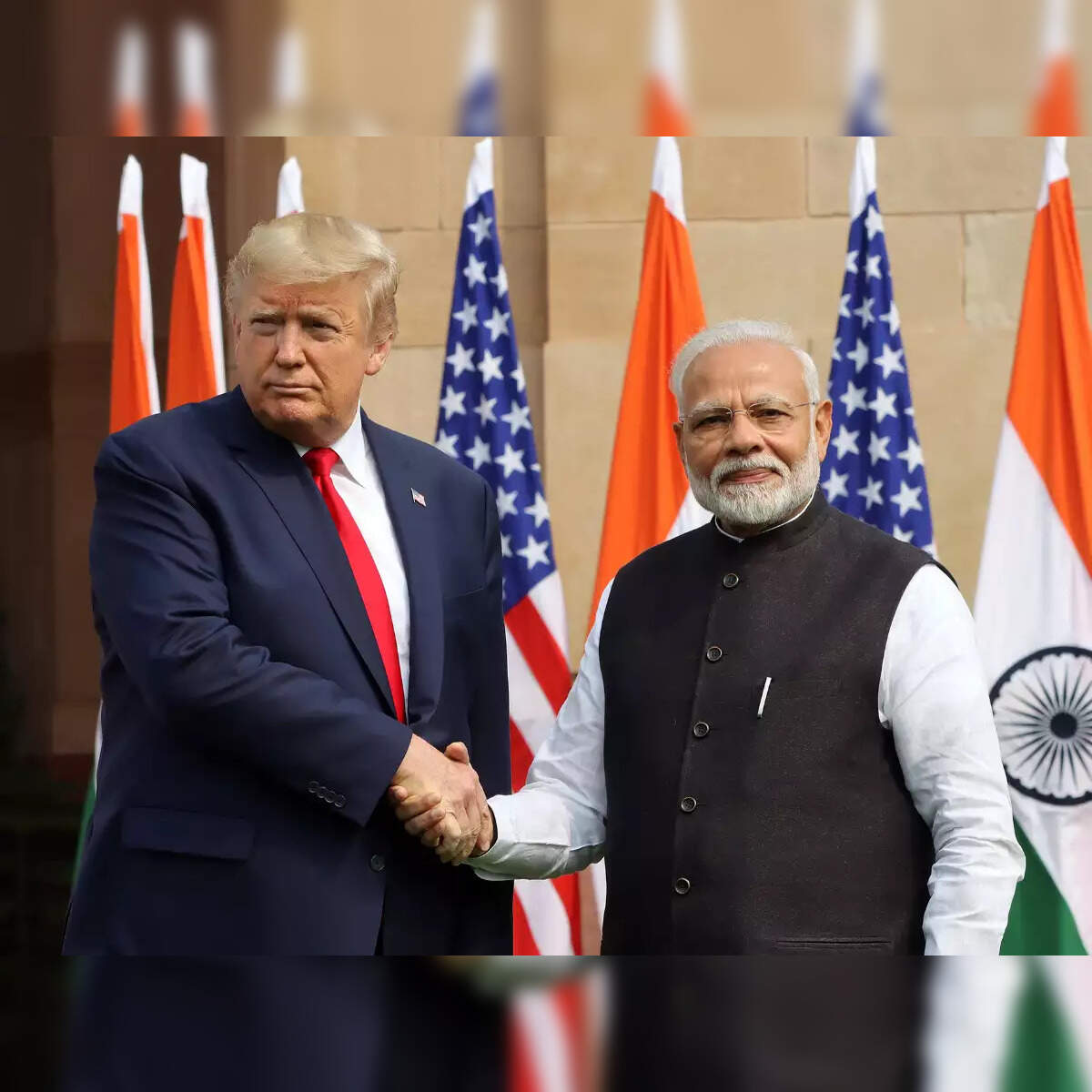
By K Raveendran In both foolhardiness in decision making and shameless flip-flop in dealing with disastrous aftermaths, Narendra Modi and Donald Trump have exhibited a total lack of honesty in admitting their mistakes. The similarity is too striking to be missed. Thanks to recklessness and impulsiveness in decision making—Narendra Modi with demonetization and Donald Trump […]

Mubadala Energy, the international energy arm of Abu Dhabi’s Mubadala Investment Company, has entered the US energy sector by acquiring a 24.1% stake in SoTex HoldCo, a portfolio of Kimmeridge Energy Management. The transaction, executed through the issuance of new equity, marks Mubadala’s inaugural investment in the United States. SoTex HoldCo encompasses two key assets: Kimmeridge Texas Gas , an upstream natural gas producer operating in South […]

The Nigerian National Petroleum Company Limited is under increasing scrutiny following the suspension of its Naira-for-Crude policy, a move that has drawn sharp criticism from various stakeholders who argue it undermines local refinery operations and exacerbates economic challenges. Introduced in October 2024, the Naira-for-Crude initiative aimed to supply crude oil to domestic refineries in exchange for payment in Naira, thereby reducing reliance on foreign exchange and stabilizing […]

HONG KONG SAR – Media OutReach Newswire – 11 April 2025 – Hong Kong-listed International Entertainment Corporation (1009.HK)(IEC or the Company), a Manila-based casino and hotel operator, has struck a provisional licensing deal with the Philippine Amusement and Gaming Corporation (PAGCOR), pledging $1 billion USD to $1.2 billion USD to fuel its forward-thinking growth plans in the Philippines’ booming gaming sector. International Entertainment Corporation has struck a […]

Ajman Bank has divested its stake in Gulf Navigation Holding, concluding a series of direct share transactions valued at AED 173.4 million over the past month. Data from the Dubai Financial Market indicates that nine direct deals, each ranging between 2.6 million and 9 million shares, were executed since March 5. This move signifies the bank’s complete exit from its investment in the Dubai-based shipping company. Previously, […]

President Donald Trump has signed legislation repealing a Biden-era Internal Revenue Service rule that mandated cryptocurrency brokers, including decentralised finance platforms, to report user transactions via Form 1099s. The rule, finalised in December 2024, aimed to extend tax reporting obligations to DeFi platforms, treating them similarly to traditional financial intermediaries.

The repeal follows bipartisan votes in both the House and Senate, utilising the Congressional Review Act to overturn the regulation. Critics argued that the rule imposed unworkable requirements on DeFi platforms, which, by design, lack centralised control and user data necessary for compliance. Industry stakeholders contended that enforcing such reporting standards on DeFi would stifle innovation and drive activity offshore.

The original IRS rule was part of a broader effort to enhance tax compliance in the digital asset sector, stemming from the 2021 Infrastructure Investment and Jobs Act. It sought to align cryptocurrency reporting with that of traditional financial instruments, estimating an increase in federal revenue. However, the DeFi community maintained that the decentralised nature of their operations made adherence to the rule impractical.

Supporters of the repeal, including Senator Ted Cruz and Representative Mike Carey, emphasised the importance of fostering innovation and avoiding regulatory overreach. They argued that the rule exceeded congressional intent and posed significant burdens on emerging technologies.

Opponents of the repeal expressed concerns about potential revenue losses and the risk of increased tax evasion. The Joint Committee on Taxation projected that rescinding the rule could reduce federal revenue by $3.9 billion over the next decade. Tax experts warned that the absence of reporting requirements might complicate efforts to monitor illicit activities within the crypto space.

Abu Dhabi-based Mubadala Energy has announced a strategic partnership with Kimmeridge Energy Management to acquire a significant stake in the Commonwealth LNG project in Cameron, Louisiana. This move marks Mubadala Energy’s inaugural investment in the United States’ liquefied natural gas sector, aligning with its strategy to expand its gas portfolio amid the global energy transition.

Kimmeridge Energy Management, through its subsidiary Kimmeridge Texas Gas, acquired a 90% stake in Commonwealth LNG in June 2024. The project is developing a 9.5 million metric tons per annum LNG export facility on the west bank of the Calcasieu Ship Channel. The acquisition aimed to advance the project towards a final investment decision by the end of the second quarter of 2025.

In August 2023, Commonwealth LNG secured development capital from Kimmeridge, completing the funding required to reach FID. The two companies agreed in principle on a 20-year, 2 mtpa LNG offtake commitment from the facility, along with associated gas supply. This agreement also included terms for Kimmeridge’s participation in providing further equity to support the construction of the facility.

Mubadala Energy’s entry into the partnership brings additional financial strength and international expertise to the Commonwealth LNG project. While specific details of Mubadala’s investment have not been disclosed, the collaboration is expected to enhance the project’s prospects amid a competitive and evolving LNG market.

The Commonwealth LNG project has faced regulatory challenges, particularly concerning the U.S. Department of Energy’s approval process for LNG export licenses. The project has been awaiting an export permit for over a year, with delays attributed to the Biden administration’s pause on LNG export-permit reviews. Kimmeridge’s Managing Partner, Ben Dell, expressed optimism that the pause could be lifted early next year, potentially allowing the project to reach FID in the fourth quarter of 2025.

In anticipation of regulatory approvals, Commonwealth LNG has been proactive in securing partnerships and agreements to bolster the project’s development. In August 2023, the company entered into a collaboration with Baker Hughes for the supply of gas compression technology and equipment, aiming to commence production in early 2027. Additionally, Commonwealth LNG and Kimmeridge Texas Gas committed to natural gas certification under MiQ standards, reflecting a focus on environmental responsibility.

Inks three signings in Q1 2025 to add 600 units under the Oakwood brand, bringing Ascott’s current portfolio in India to ~6,100 units Introduces lyf, The Crest Collection and The Unlimited Collection brands to cater to the evolving needs of next-gen travellers and address the growing demand for authentic Indian heritage and cultural experiences MUMBAI, INDIA / SINGAPORE – Media OutReach Newswire – 10 April 2025 – […]

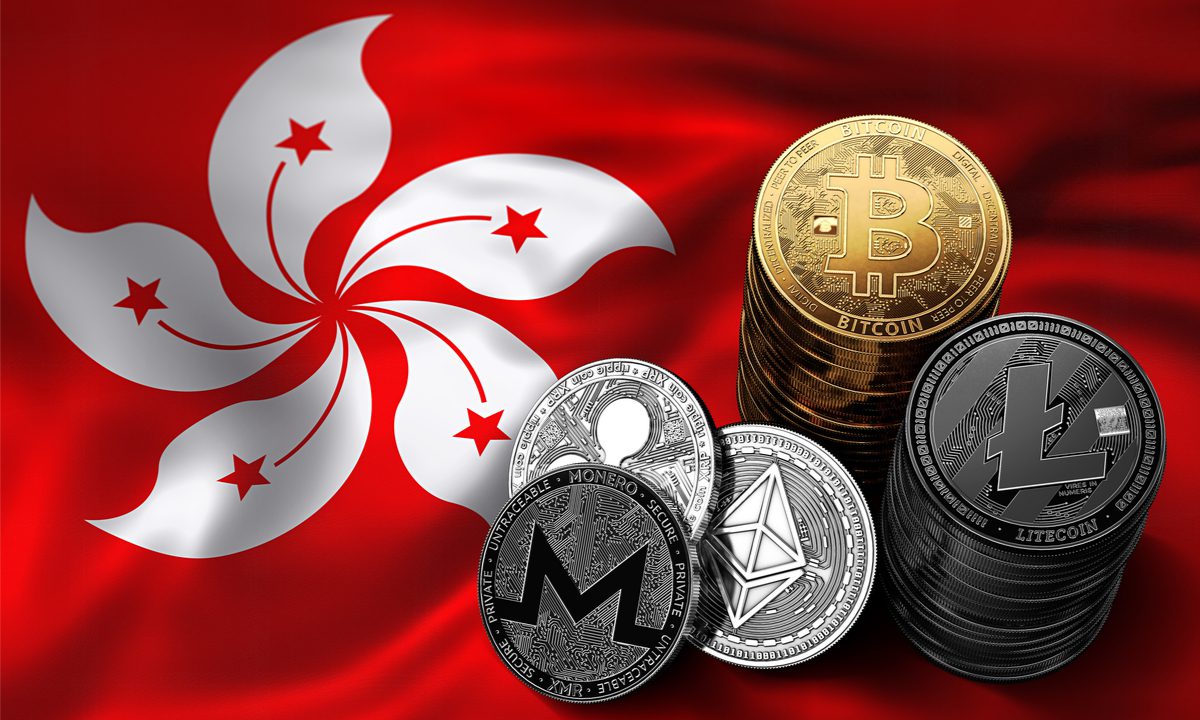
Hong Kong’s Securities and Futures Commission has intensified its scrutiny of virtual asset platforms offering staking services, emphasizing the associated risks and potential legal ramifications. The regulatory body has observed a surge in platforms promoting high-yield returns through staking, prompting a public advisory on the matter.

Staking, a process where cryptocurrency holders delegate their assets to support blockchain network operations, has gained popularity as a means to earn passive income. However, the SFC warns that many of these staking arrangements are not regulated, leaving investors vulnerable to significant risks, including the total loss of their investments. The commission highlighted that some platforms offer returns by on-lending deposited virtual assets or engaging in other investment activities without adequate transparency.

In a statement, the SFC underscored that certain staking programs might constitute unauthorized collective investment schemes . Under Hong Kong law, promoting or operating such schemes without proper authorization is a criminal offense, potentially leading to substantial fines and imprisonment.

The regulatory focus on staking services aligns with Hong Kong’s broader efforts to establish a comprehensive framework for virtual assets. The SFC has been actively exploring the introduction of new token listings, derivatives, and margin trading to enhance the city’s position as a digital asset hub. Julia Leung, the SFC’s Chief Executive, announced plans to potentially expand the regulatory framework to facilitate the listing of new tokens exclusively for professional investors and to review existing safeguards for retail offerings.

The SFC is considering the regulation of crypto derivative trading for professional investors, aiming to facilitate efficient risk transfer within the market. Staking is another area under review, with the commission planning to establish requirements governing the custody of client assets and mitigating risks associated with staking activities.

In addition to these initiatives, the SFC has been in discussions with crypto exchange-traded fund issuers about the possibility of including Ether staking options. This move could allow ETF issuers to stake ETH and generate passive income, providing investors with additional avenues for returns. However, these discussions are ongoing, and no definitive timeline has been established for implementation.

The Emirate of Ajman has introduced a new law aimed at bolstering investment in its property sector while safeguarding investor rights and enhancing transparency. This legislative move is part of a broader strategy to position Ajman as a premier destination for real estate investment. The law seeks to encourage private sector participation in developmental projects and attract both national and international investments across various domains. It is […]

Saudi Arabia’s Capital Market Authority has announced that foreign investors are now permitted to invest in listed companies owning real estate in Mecca and Medina. This policy change, effective immediately, allows non-Saudis to acquire up to 49% of shares in these firms, aiming to attract foreign capital and enhance market liquidity in alignment with the Kingdom’s Vision 2030 economic diversification plan. Historically, non-Muslims have faced restrictions on […]

Dr Imran Khalid President Donald Trump’s declaration of April 2, 2025, as “Liberation Day” marked a seismic shift in U.S. trade policy, with the imposition of sweeping reciprocal tariffs that have sent shockwaves through the global economy. The new measures include a universal 10% tariff on all imports, with punitive rates as high as 54% for China, 46% for Vietnam, and 20% for the European Union, alongside […]

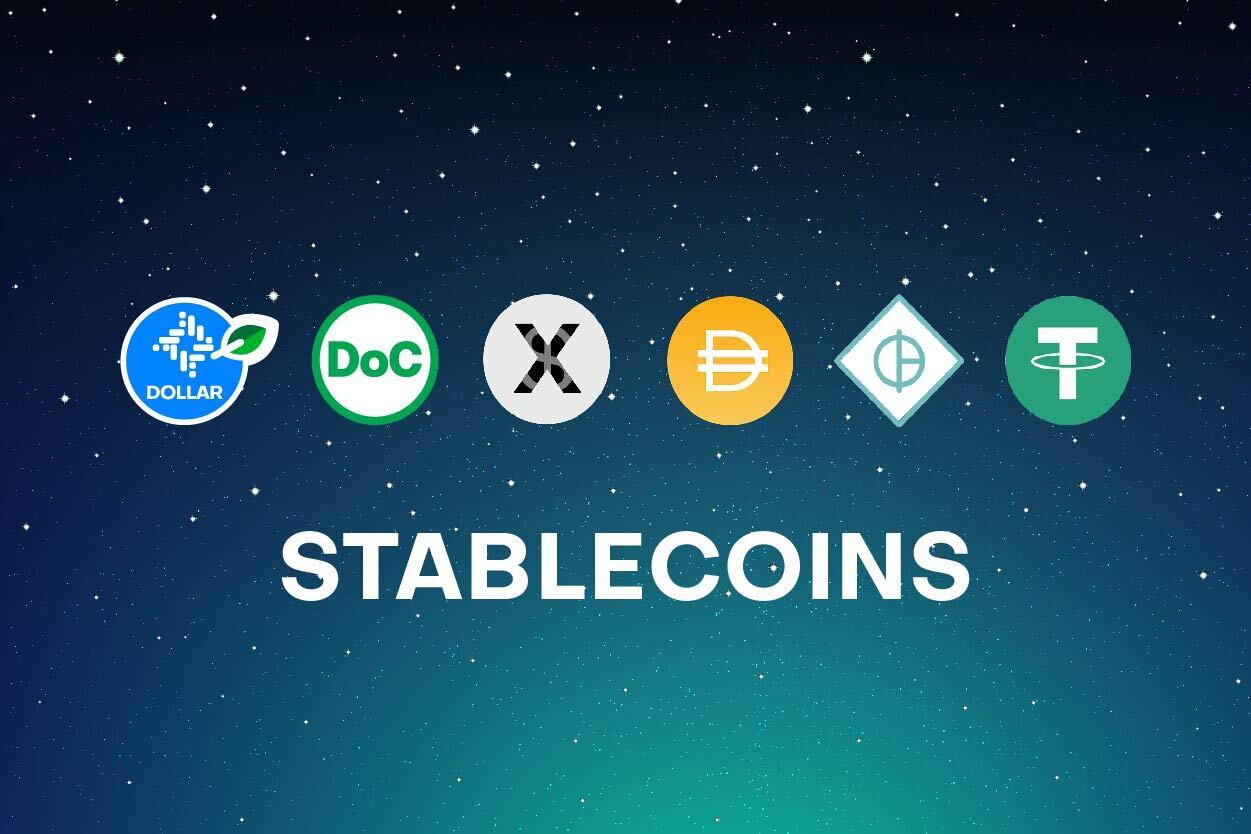
Tether, the issuer of the world’s largest stablecoin, is evaluating the creation of a new digital currency designed to comply with forthcoming U.S. regulations. CEO Paolo Ardoino indicated that while USDT will maintain its focus on emerging markets, the proposed stablecoin would cater specifically to the U.S. market.

Ardoino emphasized Tether’s commitment to regulatory compliance, stating that the company is actively engaging with U.S. lawmakers to help shape stablecoin legislation. He noted Tether’s willingness to adapt its operations to align with legal frameworks, ensuring the company’s continued operation within the law.

The U.S. Congress is currently deliberating several bills aimed at regulating stablecoins. Notably, the STABLE Act, co-introduced by Representative Bryan Steil, proposes that stablecoin issuers maintain reserves consisting solely of high-quality liquid assets, such as U.S. Treasury bills and insured deposits. Ardoino confirmed Tether’s involvement in discussions regarding this legislation, highlighting the company’s proactive approach to compliance.

In addition to legislative engagement, Tether is expanding its global footprint. The company is finalizing the relocation of its headquarters to El Salvador after obtaining a digital asset service provider license there. This move aligns with El Salvador’s ambitions to become a digital currency trading hub, following its establishment of Bitcoin as legal tender.

Tether is also exploring opportunities beyond its traditional offerings. The company recently announced a partnership with Phoenix Group PLC to launch a Dirham -pegged stablecoin in the United Arab Emirates. This initiative aims to provide financial stability to individuals in high-inflation countries and enhance remittance services.

Tether is considering deeper involvement in the sports industry. The company holds a 5% stake in Italian Serie A soccer club Juventus and is open to increasing its investment if the current owners decide to sell more shares. This potential investment reflects Tether’s strategy to leverage its platform and user base to support global brands, particularly in emerging markets.

e& PPF Telecom Group, a joint venture between Emirates Telecommunications Group Company and Czech-based PPF Group, has finalized the acquisition of Serbia Broadband for €825 million. This transaction, structured on a cash-free, debt-free basis, was financed through external debt secured by e& PPF Telecom.

SBB, established in 2002, is a leading cable television and broadband internet service provider in Serbia, boasting over 700,000 active customers. The acquisition aligns with e&’s strategic ambition to scale up its international presence in Central Eastern Europe, diversify revenue sources with greater exposure to stable currencies, and accelerate growth in e& PPF Telecom.

The deal also involves the carve-out of SBB’s direct-to-home satellite operations, which will be sold to Telekom Srbija. United Group, the previous owner of SBB, will retain its media assets, including news and entertainment channels N1 and Nova S, which will continue to be broadcast by SBB.

Balesh Sharma, CEO of e& PPF Telecom Group, expressed confidence in the acquisition, stating that it would allow the company to complement existing services offered to Yettel customers in Serbia and provide a wider suite of offerings to SBB subscribers. He emphasized that customers would benefit from the synergies brought about by this transaction.

This acquisition is part of e&’s broader strategy to expand its footprint in Central Eastern Europe. In October 2024, e& acquired a 50% stake plus one share in PPF Telecom Group’s assets in the region for €2.15 billion, forming the e& PPF Telecom Group. This joint venture now operates in Serbia, Hungary, Bulgaria, and Slovakia, with a focus on expanding its telecommunications portfolio.

The completion of the SBB acquisition is expected to enhance e& PPF Telecom Group’s operations in Serbia by integrating SBB with its existing mobile operator, Yettel. This integration aims to create a leading converged operator in the Serbian market, offering both fixed-line and mobile services.

United Group’s decision to divest SBB aligns with its strategy to focus on markets where it can provide the full spectrum of mobile and fixed telecommunication services. Victoriya Boklag, CEO of United Group, stated that the divestment would enable the company to realize the greatest potential for growth and value creation.

VISHNU RAJA
RYO YAMADA
HITORI GOTOH
IKUYO KITA