News related to
stake

Institutional holdings in U.S. spot Bitcoin exchange-traded funds declined by 23% in the first quarter of 2025, falling from $27.4 billion to $21.2 billion. This marks the first quarterly decrease since the launch of these investment vehicles in January 2024.

The downturn is largely attributed to an 11% drop in Bitcoin’s price during the quarter, which significantly impacted the value of holdings. However, strategic repositioning by institutional investors also played a role, with some actively reducing their exposure to Bitcoin ETFs.

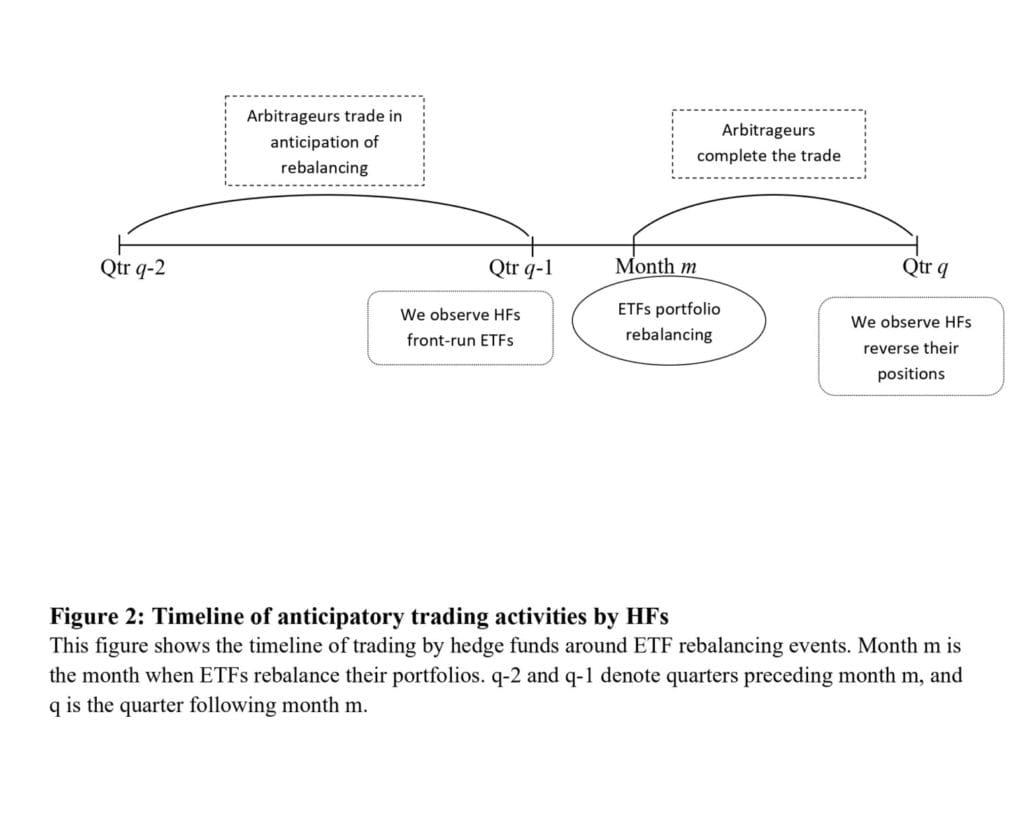
Analysis of Securities and Exchange Commission 13F filings indicates a shift in the composition of institutional investors. Financial advisors increased their share of Bitcoin ETF holdings, rising from 47% to 50%, while hedge funds reduced their stake from 41% to 32%. This suggests a move towards longer-term investment strategies by advisors, contrasted with profit-taking by hedge funds.

The unwinding of the basis trade—a strategy exploiting price differences between Bitcoin futures and spot markets—contributed to the reduction in hedge fund positions. As futures premiums compressed, the profitability of this arbitrage diminished, prompting firms like Millennium Management and Brevan Howard to adjust their holdings accordingly.

Despite the overall decline, corporate treasuries continued to accumulate Bitcoin. Strategy, formerly known as MicroStrategy, led public firms in Bitcoin acquisition during the quarter, adding 81,785 BTC valued at over $8 billion. This brought the company’s total holdings to 553,555 BTC, underscoring a trend of corporations viewing Bitcoin as a strategic reserve asset.

Dubai’s Virtual Assets Regulatory Authority has entered into a strategic partnership with SuiHub MENA, the regional arm of the Sui blockchain ecosystem, to bolster the emirate’s position as a global hub for virtual assets. The collaboration aims to support emerging startups, nurture local talent, and provide regulatory guidance within the blockchain sector.

The agreement, formalised earlier this week, outlines a multifaceted approach to ecosystem development. Key initiatives include jointly hosted workshops to assist startups in navigating Dubai’s licensing regime, educational programs to cultivate local expertise in blockchain technology, and the establishment of advisory sessions to offer compliance support. These efforts are designed to streamline the path to market for new ventures and enhance the overall maturity of the virtual asset landscape in the region.

SuiHub MENA’s innovation centre in Dubai will serve as the focal point for these activities, with VARA providing strategic support through roundtables and engagements with government stakeholders. The partnership also encompasses collaborative research opportunities aimed at informing future virtual asset policies and contributing to the sustainable growth of the sector.

This alliance follows a similar memorandum of understanding signed between VARA and the Solana Foundation, reflecting Dubai’s commitment to fostering a conducive environment for blockchain innovation. By aligning regulatory clarity with technological advancement, these partnerships underscore the emirate’s proactive stance in embracing the potential of virtual assets while ensuring robust governance frameworks are in place.

Arabian Post Staff Rivers across the globe are receiving new attention with a wave of innovative technologies designed to tackle plastic and other pollutants more efficiently than ever before. These emerging systems focus on smart, targeted solutions rather than brute-force methods, achieving significant gains in waste removal while minimising harm to aquatic ecosystems. Four technologies stand out for their unique approaches and effectiveness in various water environments. […]

Launch of Gen2050, a structured accelerated programme to drive youth action in the area of social sustainability with an engagement series on key social issues Avails opportunities for youths from all backgrounds to start ground-up initiatives with the support of industry mentors and subject matter experts Provides youths with critical skillsets such as stakeholder management and seed funding to advance innovative ideas SINGAPORE – Media OutReach Newswire […]

SINGAPORE – Media OutReach Newswire – 5 June 2025 – Sentosa Development Corporation (SDC) and Mount Faber Leisure Group (MFLG) have collaborated to transform Sentosa for ‘Peranakan Reimagined’ — a vibrant showcase that reimagines Peranakan culture through a contemporary lens. A double celebration in commemoration of SG60 as well as the 10th year anniversary of the Singapore Cable Car – Sentosa Line, this showcase will run from […]

Royal Challengers Bengaluru clinched their maiden Indian Premier League trophy in a dramatic final that showcased resilience and strategic brilliance. Punjab Kings fought valiantly, propelled by Shashank Singh’s determined unbeaten 61 off 30 balls, which pushed the contest into the final over, but Bengaluru’s composed chase secured a narrow victory that ended their long-standing title drought.

The final was held at the Narendra Modi Stadium in Ahmedabad, a venue known for its electric atmosphere and capacity to host large crowds, intensifying the stakes for both teams. Royal Challengers Bengaluru, having faced near-misses in past editions, approached the match with a balanced squad and a clear focus on executing their game plan.

Bengaluru’s opening batter, Faf du Plessis, delivered a crucial start with a measured innings that kept the scoreboard ticking, while Virat Kohli, the team’s captain, demonstrated exceptional leadership and composure under pressure. Kohli’s emotional response after the victory reflected the significance of this win, marking a landmark achievement in his illustrious career and for the franchise as a whole.

Punjab Kings’ campaign was bolstered by consistent performances throughout the tournament, with Shashank Singh emerging as a key figure in the final stages. His aggressive hitting in the final over rekindled Punjab’s hopes, underscoring his ability to perform in high-pressure situations despite being a less experienced player compared to some of the tournament’s big names.

The match unfolded with Bengaluru setting a competitive total, thanks to disciplined bowling and tight fielding that disrupted Punjab’s batting rhythm. The team’s bowling unit, featuring young pace talents and seasoned spinners, executed their plans effectively, exploiting pitch conditions that favoured variation and accuracy over sheer pace.

Punjab’s chase was anchored by Shashank Singh’s late surge, supported by contributions from seasoned campaigners in the middle order. The game’s intensity escalated in the final overs as both teams exchanged momentum shifts. Bengaluru’s fielding unit rose to the occasion with sharp catches and crucial run-outs, demonstrating the importance of athleticism in T20 cricket.

Kohli’s leadership was pivotal throughout the tournament and especially in the final, where his tactical decisions—such as bowling changes and field placements—proved decisive. His decision to trust emerging players and balance the bowling attack between spin and pace showcased his evolving captaincy style, blending experience with youth.

This victory holds particular weight for Royal Challengers Bengaluru, who had faced criticism for their inability to convert strong squads into championship wins despite featuring some of the world’s best cricketers over the years. Their perseverance and strategic adjustments reflect the franchise’s commitment to learning from past shortcomings and building a cohesive team culture.

On the other side, Punjab Kings’ performance signals their growing stature in the IPL landscape. Their squad, combining experienced international stars and dynamic local talent, has laid the groundwork for sustained competitiveness in future seasons. Shashank Singh’s emergence as a clutch player adds a new dimension to their batting arsenal.

The tournament itself highlighted evolving trends in the IPL, such as the increasing value of all-rounders who can contribute in multiple facets of the game, and the growing importance of data analytics in shaping team strategies. Teams that adapted quickly to pitch variations and managed player workloads effectively gained a competitive edge.

Royal Challengers Bengaluru’s triumph also reflects the broader trend of franchises investing in nurturing young talent alongside marquee signings. The blend of youth and experience in their squad created a balanced dynamic, enabling flexibility in match situations and resilience during pressure moments.

Virat Kohli’s emotional celebration after the victory symbolised not just personal triumph but also the fulfilment of collective team ambition. His dedication and on-field performances throughout the tournament served as inspiration to his teammates and fans alike, reaffirming his status as one of the modern era’s leading cricketers.

The success of the final, both in terms of competitive quality and spectator engagement, underscores the IPL’s position as a premier cricket league that blends entertainment with high-performance sport. It also sets a precedent for future editions, where teams will look to replicate Bengaluru’s model of combining strategic planning with individual brilliance.

This landmark title for Royal Challengers Bengaluru may well signal a shift in the IPL’s competitive balance, encouraging franchises to prioritise long-term team-building and leadership stability. The franchise’s journey from perennial runners-up to champions illustrates the evolving nature of T20 cricket, where adaptability and mental toughness are as vital as raw talent.

With the IPL continuing to attract global stars and expanding its audience, the implications of this final extend beyond the trophy itself. It provides valuable insights into how teams can harness both data-driven decision-making and traditional cricketing skills to succeed in a highly competitive environment.


By K Raveendran Strong signs of undercurrents are emerging in the aviation space between India and the Gulf. There is renewed tussle over landing rights — the coveted permissions that determine which airlines get to fly where, how often, and with how many seats. For years, this battleground has been tilted in favour of Gulf-based […]
Advertisements

Dubai is poised to make a significant impact at the upcoming IMEX event, reinforcing its status as a premier destination for global meetings and events. The city’s persistent rise in the meetings and incentives travel sector has been highlighted by its sustained ranking as the top meeting destination in the Middle East and Africa, according to the latest industry data. The recognition by Cvent, a leading meetings […]

South Korea’s newly inaugurated President has signalled an intent to extend negotiations with the United States over critical trade agreements, aiming to secure more favourable terms that could shape the trajectory of the country’s export-driven economy. The administration recognises the complexity of current talks and the high stakes for sectors that form the backbone of South Korea’s global economic influence, including semiconductors, automotive manufacturing, and shipbuilding.

The president, Lee Jae-myung, who took office following a highly competitive election, has prioritised trade diplomacy with Washington as a cornerstone of his economic agenda. South Korea’s reliance on exports to the US market makes the outcome of these talks pivotal for sustaining growth and competitiveness. The decision to request additional time highlights the government’s cautious approach amid mounting international uncertainties and intensifying global supply chain disruptions.

Lee’s administration faces pressure to address contentious issues such as tariff reductions, intellectual property protections, and technology transfers that have been key sticking points in negotiations. American officials have pushed for greater access to South Korea’s semiconductor sector, a world leader in chip production, while Seoul is equally keen to safeguard its industrial strengths against onerous restrictions. Balancing these priorities requires delicate diplomacy, with the stakes heightened by rising geopolitical tensions in the Indo-Pacific region.

Economic analysts observe that the extended timeframe could provide South Korea with a strategic advantage, allowing deeper consultation with domestic industries and stakeholders. The government is expected to leverage this period to refine proposals that accommodate emerging global trends, including shifts in supply chain localisation, heightened environmental standards, and evolving digital trade frameworks.

South Korea’s chipmakers, which dominate global markets with advanced memory and logic chips, are particularly attentive to outcomes of the talks. Recent moves by the US to incentivise domestic semiconductor manufacturing through legislative packages have raised concerns about potential trade barriers and competitive disadvantages for South Korean firms. The extended negotiation window offers a chance to clarify terms and possibly negotiate exemptions or compensatory measures to protect the industry’s international standing.

Similarly, the automotive sector, a pillar of South Korea’s industrial base, stands to gain or lose significantly depending on trade terms. The rise of electric vehicles and changing regulatory regimes worldwide necessitate adaptive trade policies that accommodate new technologies and market realities. The extended talks will enable Seoul to press for provisions that support its carmakers’ access to the US market, while also addressing issues related to tariffs and environmental regulations.

Shipbuilding, another vital sector for South Korea’s economy, faces challenges from global competition and evolving demand patterns, especially as the maritime industry shifts towards greener technologies. Negotiations with the US could influence the sector’s export potential, especially if environmental standards or subsidy regulations become part of trade discussions. Lee’s government is likely to emphasise the need for fair competition frameworks that protect the industry while fostering innovation.

The broader geopolitical context also plays a significant role in shaping these negotiations. South Korea’s balancing act between its strategic alliance with the US and its economic ties with China demands a nuanced trade policy. With tensions escalating between the US and China, Seoul must navigate these complexities carefully, ensuring that its trade agreements do not alienate either partner while maximising economic benefits.

South Korea’s trade ministry has indicated a willingness to engage constructively with American counterparts, stressing the mutual benefits of a comprehensive deal. The government has also engaged business leaders and experts to gather insights and build consensus on negotiation priorities. This inclusive approach aims to ensure that trade agreements align with long-term national interests rather than short-term gains.

Lee’s outreach to Washington comes at a time when global trade dynamics are undergoing rapid transformation. Protectionist sentiments and the realignment of supply chains following the pandemic have created both risks and opportunities for export-driven economies. South Korea’s strategic response through extended negotiations seeks to position the country favourably in this new environment.

Industry observers note that while additional time may raise concerns about potential delays or uncertainties, it also reflects a pragmatic recognition of the complexities involved in modern trade agreements. The extended timeline allows for more thorough impact assessments, stakeholder engagement, and the incorporation of emerging trade issues such as digital commerce, data security, and sustainability commitments.

Lee’s government is also expected to pursue parallel initiatives to strengthen domestic competitiveness alongside trade talks. Investments in innovation, infrastructure, and workforce skills development are seen as complementary measures to enhance South Korea’s economic resilience in a volatile global market.

The trade discussions have attracted close attention from international partners and economic forums, given South Korea’s integral role in global supply chains. The outcome will not only influence bilateral relations with the US but also set precedents for future trade policies across the Asia-Pacific region.

Multi-Award Winning Development Captures International Attention with 2-Star Fitwel Certification, Asia Pacific Property Awards, and PropertyGuru Excellence Recognition BANGKOK, THAILAND – Media OutReach Newswire – 4 June 2025 – Proud Real Estate has unveiled an extraordinary investment opportunity at ROMM Convent—Bangkok’s premier wellness-integrated residence in the prestigious Sathorn-Silom CBD. The only two duplex sky penthouses available, representing the pinnacle of luxury wellness living in Southeast Asia, are […]

The Alliance of Sahel States has taken a decisive legal step by establishing a regional criminal court aimed at addressing terrorism, violent extremism, and human rights violations within the Sahel region. This initiative, agreed upon at a recent interministerial meeting of justice ministers from Burkina Faso, Mali, and Niger, signals a strengthened commitment to unified judicial responses against complex security and governance challenges plaguing the region. The […]

Delhi’s government is set to introduce an updated Electric Vehicle Policy next month, aiming to enhance sustainable transport options and aggressively combat the city’s longstanding pollution challenges. The forthcoming policy update builds on the foundation laid by the original EV Policy, which has been instrumental in accelerating the adoption of electric vehicles across the capital. This next iteration emerges following a comprehensive review by an expert committee tasked with assessing the policy’s effectiveness and identifying areas for refinement.

The city’s persistent struggle with hazardous air quality has propelled the administration to double down on measures that reduce emissions, with electric vehicles representing a critical component of the broader environmental strategy. The new policy framework is expected to focus on improving public and private transport through increased incentives, infrastructure development, and regulatory support. The objective is to not only facilitate the switch from conventional fossil fuel vehicles to EVs but also to ensure a seamless ecosystem that supports electric mobility for consumers and manufacturers alike.

One of the central features under consideration is the expansion of subsidies and financial incentives for buyers of electric two-wheelers, three-wheelers, and cars. Since the initial policy launch, Delhi has witnessed a steady rise in EV sales, spurred by subsidies, easier registration processes, and preferential parking privileges. The new policy aims to amplify these benefits, possibly increasing the subsidy amounts to align with technological advancements and market trends. The government is also exploring differentiated incentives to encourage the uptake of electric commercial vehicles and public transport fleets, recognising their substantial contribution to urban emissions.

Charging infrastructure remains a pivotal challenge in the EV transition. To address this, the updated policy will emphasise the accelerated deployment of charging stations across the city, including residential complexes, commercial hubs, and public spaces. The government plans to partner with private players and utility providers to establish a robust network, minimising range anxiety among potential EV users. Additionally, the policy will advocate for streamlined permitting processes to facilitate rapid infrastructure rollout. These measures aim to create a user-friendly environment that supports daily electric vehicle operations without hindrance.

Delhi’s EV Policy 2.0 is also expected to incorporate measures aimed at fostering local manufacturing and innovation. The capital’s position as a key market and production hub in India for electric vehicles offers significant economic potential. The government is likely to introduce incentives for companies investing in research and development, battery manufacturing, and vehicle assembly within the city. This approach is designed to generate employment, encourage technological advancement, and reduce dependency on imports, especially in critical components such as lithium-ion batteries.

Environmental experts have welcomed the policy update, highlighting its potential to drastically reduce the city’s vehicular pollution, which accounts for a significant share of Delhi’s air quality problems. Dr. Anita Sharma, an environmental scientist based in Delhi, notes that “an effective EV policy not only addresses tailpipe emissions but also signals a shift towards sustainable urban planning and cleaner energy use.” She points out that integrating renewable energy sources into the charging infrastructure could further enhance the policy’s impact by ensuring that electric vehicles operate on green electricity rather than fossil-fuel-based power.

However, some challenges remain. The affordability of electric vehicles, despite subsidies, continues to be a barrier for many consumers. While the policy aims to widen access, the upfront cost of EVs compared to traditional petrol or diesel vehicles can deter lower-income buyers. Analysts suggest that targeted financing options and longer-term incentives could help bridge this gap. Moreover, the sustainability of the electric vehicle supply chain, including the ethical sourcing of battery materials, is gaining attention among policymakers and activists alike.

Delhi’s transport department has reiterated its commitment to transparency and public consultation throughout the policy finalisation process. Public workshops and stakeholder meetings have been conducted to gather feedback from industry experts, civil society groups, and consumer representatives. This collaborative approach aims to ensure that the policy is balanced, practical, and aligned with the city’s unique mobility landscape.

The new policy comes amid increasing competition among Indian cities to become leaders in electric mobility. Metropolitan areas like Mumbai, Bengaluru, and Hyderabad have also been rolling out ambitious EV incentives and infrastructure projects. Delhi’s updated framework is expected to set a benchmark in terms of scale and ambition, potentially serving as a model for other regions seeking to tackle urban pollution through cleaner transportation alternatives.

Huda Kattan has reacquired full ownership of Huda Beauty, the globally recognised cosmetics brand she founded in 2013, by buying back the minority stake held by US-based private equity firm TSG Consumer Partners. This move concludes an eight-year partnership initiated in 2017 when TSG acquired a minority interest to support the brand’s expansion.

With this transaction, Huda Beauty becomes one of the few major beauty brands entirely owned by its founder. Kattan, who serves as Founder and Co-CEO, will continue to lead the company alongside her husband, Christopher Goncalo, also Co-CEO, and her sister, Alya Kattan, who oversees social strategy.

In a statement, Kattan expressed the significance of this milestone: “Taking back full ownership of Huda Beauty is a deeply important moment for me. This brand was built on passion, creativity, and a desire to challenge the beauty industry.” She emphasised the brand’s commitment to innovation and authenticity, stating, “As we step into this new chapter, I’m more committed than ever to pushing boundaries, staying true to our roots, and showing up for our incredible community every step of the way.”

Founded in Dubai with a $6,000 loan from her sister, Huda Beauty gained initial acclaim with a line of false eyelashes that became a bestseller at Sephora in The Dubai Mall. The brand has since expanded its product range to include a variety of cosmetics and skincare items, earning a reputation for viral product launches and a strong digital presence. Its Instagram account boasts nearly 57 million followers, making it the most-followed beauty brand globally.

The decision to repurchase the stake from TSG aligns with a broader trend of founder-led buybacks in the beauty industry, reflecting a desire for greater control over brand direction and values. Kattan’s move underscores her commitment to maintaining the brand’s original vision and fostering deeper engagement with its global community.

Huda Beauty’s philosophy, “Beauty is Self-Made,” continues to resonate with a diverse audience, promoting inclusivity and challenging traditional beauty standards. Under Kattan’s leadership, the company has phased out the use of Photoshop and filters on social media, advocating for realistic representations of beauty.

Dubai’s tech and creative sectors are booming, and local startups and agencies are keen on tools that save time and cut costs. On one hand, Make (formerly Integromat) is a no‑code automation platform that lets non-technical teams link apps and automate workflows visually. On the other hand, Replit is an AI‑powered cloud IDE for building and deploying software, aimed at developers. Both promise “do more with less,” […]

South Korea has witnessed the first notable instance of an institutional investor divesting cryptocurrency assets following the government’s decision to lift its long-standing ban on crypto trading by financial institutions. This marks a significant moment in the country’s evolving digital asset landscape, as regulatory shifts continue to reshape market dynamics and investor behaviour.

The institution in question, a major South Korean asset management firm, has reportedly sold off a substantial portion of its cryptocurrency portfolio. This move comes amid growing caution within the sector, despite regulatory relaxation intended to encourage wider institutional participation. Analysts suggest that the sale signals a pragmatic reassessment by financial entities, weighing regulatory clarity against market volatility and emerging geopolitical risks.

South Korea’s approach to cryptocurrency regulation has long been characterised by stringent restrictions designed to curb speculation and protect investors. The ban on crypto holdings by institutional investors, introduced several years ago, effectively excluded major banks, pension funds, and asset managers from direct crypto market involvement. This policy, aimed at stabilising the financial system, has limited the scale and scope of institutional crypto activity compared to other leading markets.

However, government authorities have recently signalled a more open stance, allowing institutions to hold and trade digital assets under stricter compliance and transparency frameworks. The removal of the ban reflects a broader effort to position South Korea as a competitive hub for blockchain technology and crypto innovation while addressing investor protection concerns. Regulatory bodies have emphasised enhanced due diligence, anti-money laundering measures, and consumer safeguards as prerequisites for institutional engagement.

Despite the regulatory easing, the initial institutional response appears cautious. The divestment by the asset management firm highlights lingering uncertainties, including the lack of comprehensive global regulatory harmonisation and fluctuating crypto valuations. Financial executives involved in the transaction point to increased scrutiny from compliance teams and internal risk committees, which have recommended a more conservative stance amid the unpredictability of crypto markets.

Market observers note that institutional investors have been closely monitoring international regulatory developments, including regulatory crackdowns in major economies such as the United States and the European Union. These external pressures, combined with domestic regulatory adaptations, create a complex environment where institutional players must balance opportunity with risk management.

South Korea’s crypto market itself continues to show robust retail participation, with local exchanges reporting increased trading volumes and new account openings. However, institutional activity remains limited, constrained by cautious regulatory interpretations and the need for clearer operational guidelines. Industry insiders indicate that infrastructure development, such as secure custody solutions and regulatory-approved trading platforms, will be critical to attracting sustained institutional capital.

The government’s gradual liberalisation has also been accompanied by initiatives to bolster blockchain technology development and related financial products. South Korean regulators are promoting pilot projects and innovation hubs, fostering partnerships between traditional finance firms and crypto startups. These efforts aim to build an ecosystem that supports not only trading but also tokenisation, decentralized finance applications, and digital asset custody.

Analysts highlight the importance of regulatory certainty for institutional confidence. The absence of clear rules has historically driven many South Korean financial institutions to adopt a wait-and-see approach, fearing potential legal repercussions and reputational damage. The recent institutional exit underscores the delicate balance regulators must maintain between fostering innovation and imposing adequate safeguards.

Investor sentiment is further influenced by macroeconomic factors, including global interest rate trends, currency fluctuations, and geopolitical tensions impacting asset flows. Cryptocurrency’s volatility relative to traditional assets remains a key consideration for institutional portfolio managers. Many firms are adopting phased approaches, initiating pilot crypto investments or forming dedicated teams to evaluate blockchain’s long-term potential before committing substantial capital.

The South Korean government’s broader digital finance strategy integrates cryptocurrency within its fintech agenda, aiming to create a sustainable and regulated market environment. However, achieving widespread institutional adoption will require ongoing dialogue with industry stakeholders, continuous regulatory refinement, and enhanced transparency mechanisms.

The current institutional crypto divestment could serve as a valuable indicator for regulators and market participants alike, revealing the challenges and reservations that remain despite policy shifts. Financial institutions appear to be navigating a transitional period, balancing innovation enthusiasm with prudent risk controls.

Added new locations in Japan, China, the UAE and Saudi Arabia, including the brand’s first resort La Clef Bangkok by The Crest Collection is set to open soon, bringing the brand’s number of operating properties in Southeast Asia to four Launches The Crest Chronicles, the inaugural brand programme celebrating the unique heritage stories that define each property and enrich guest experiences SINGAPORE – Media OutReach Newswire – […]

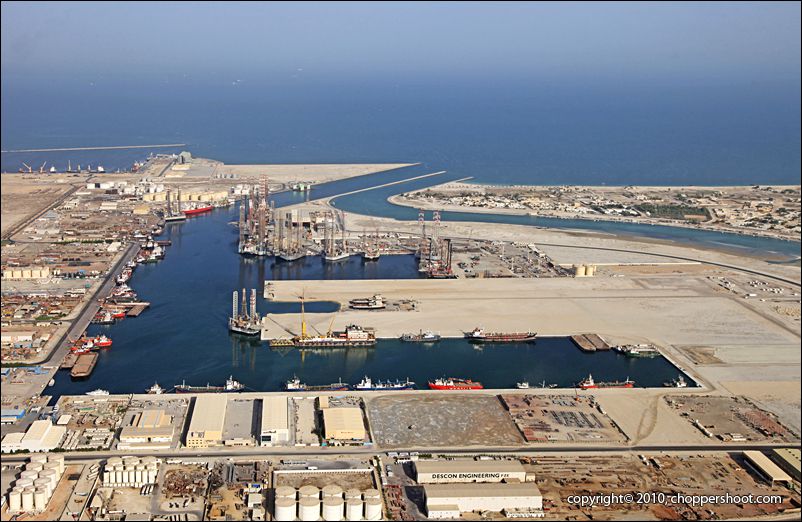
A large fire that erupted at the Al Hamriyah Port in Sharjah posed a significant threat before authorities managed to bring it under control. The blaze ignited in an area where highly flammable materials were stored, escalating the intensity and risk of the incident. Emergency responders acted swiftly to contain the flames and prevent further damage to the industrial site and surrounding facilities.

The fire broke out within one of the storage zones at the port, a critical hub for regional trade and industrial activity. Witnesses described thick plumes of black smoke billowing over the port, visible from several kilometres away. The presence of combustible materials accelerated the fire’s spread, creating a challenging environment for firefighting teams.

Sharjah Civil Defence mobilised a substantial response involving multiple fire engines, specialised foam units, and rescue personnel. The teams prioritised protecting adjacent warehouses and port infrastructure, which include goods vital to supply chains across the Gulf region. Coordinated efforts to establish firebreaks and deploy foam suppression techniques helped contain the blaze.

Industrial storage sites, particularly those housing chemicals, fuels, or other hazardous materials, require stringent safety protocols due to their vulnerability to fires. Officials confirmed that the site contained flammable substances, although exact details about the materials involved remain under review as investigations continue. No casualties were reported, highlighting the effectiveness of emergency evacuations and rapid intervention.

Al Hamriyah Port operates as a crucial gateway for maritime logistics in the United Arab Emirates, serving diverse industries from manufacturing to shipping. The port’s infrastructure includes dedicated zones for various types of cargo, with strict regulations governing storage and handling. The fire raised concerns about the adequacy of safety measures for hazardous materials at such industrial hubs, prompting calls for renewed safety audits.

Emergency services emphasised the importance of routine risk assessments and preparedness in industrial environments, especially where flammable and volatile substances are stored. Training, equipment readiness, and swift communication channels proved vital in managing the incident effectively. The fire’s containment prevented a wider catastrophe that could have disrupted port operations and caused economic losses.

Environmental experts are monitoring potential impacts on air quality due to the smoke and emissions generated by the fire. Initial air sampling indicated elevated levels of pollutants near the port perimeter, necessitating caution for nearby communities and workers. Authorities advised residents to avoid the area and remain indoors until conditions stabilised.

This incident underlines the challenges of managing industrial safety in complex logistics centres where multiple risk factors intersect. Ports like Al Hamriyah play an indispensable role in regional trade but require ongoing investment in infrastructure resilience and emergency response capabilities. Stakeholders are expected to review procedures and infrastructure to mitigate future risks.

The event also highlighted the coordination between various agencies, including civil defence, environmental authorities, and port management. Such collaboration is critical in ensuring a swift and effective response to emergencies. Lessons drawn from this fire will likely influence policies governing industrial storage and fire safety in the UAE and beyond.

Port operations resumed gradually after clearance was given by safety officials, with inspections conducted to assess structural integrity and contamination. Business continuity plans activated by port authorities facilitated minimal disruption to shipping schedules, reflecting the strategic importance of the facility.

MANILA, PHILIPPINES – Media OutReach Newswire – 2 June 2025 – Jollibee, the flagship brand of Jollibee Group, continues its remarkable growth across Southeast Asia, recording strong sales performance and store expansion across key markets in the region. In Q1 2025, the brand achieved an impressive 27.8% systemwide sales growth across its Southeast Asia operations outside the Philippines, including Vietnam, Malaysia, Singapore, and Brunei. Jollibee’s strong showing […]

The U.S. Securities and Exchange Commission has expressed reservations regarding two proposed exchange-traded funds that seek to provide investors with exposure to staked Ethereum and Solana . The ETFs, introduced by REX Financial and Osprey Funds, are under scrutiny for potentially not meeting the legal definition of investment companies as stipulated by the Investment Company Act of 1940.

The SEC’s concerns center on the structure of these ETFs, which aim to offer returns derived from staking rewards—a process where cryptocurrency holders participate in network operations in exchange for additional tokens. The regulatory body has questioned whether the funds are primarily structured to invest in securities, a requirement under federal law.

Despite the initial registration of these funds becoming effective on May 30, the SEC has indicated that this does not equate to an endorsement or approval of the funds’ compliance with legal standards. The agency has highlighted that the disclosures in the registration statements may be potentially misleading regarding the funds’ status as investment companies.

REX Financial has responded by stating that it will not proceed with the launch of these ETFs until the compliance issues raised by the SEC are resolved. Greg Collett, general counsel at REX, acknowledged the SEC’s concerns and emphasized the company’s commitment to addressing them.

The introduction of staking-based ETFs represents a novel approach in the financial markets, aiming to bridge traditional investment vehicles with the decentralized finance sector. However, the SEC’s apprehension underscores the complexities and regulatory challenges associated with integrating such innovative financial products into the existing legal framework.

First Abu Dhabi Bank , the largest lender in the United Arab Emirates by assets, is set to raise approximately $480 million through a secondary share offering. The transaction involves the sale of around 113 million shares at a fixed price of 15.5 dirhams per share, representing a 3.7% discount to the bank’s closing price of 16.1 dirhams on the Abu Dhabi Securities Exchange. Citi, acting as the bookrunner, confirmed that the offering was fully subscribed, with demand surpassing the number of shares available.

The identity of the selling shareholder remains undisclosed. FAB’s largest stakeholder is Mubadala Investment Company, Abu Dhabi’s sovereign wealth fund, which manages assets exceeding $330 billion. As of the end of March, FAB reported total assets of 1.31 trillion dirhams, underscoring its dominant position in the region’s banking sector.

The oversubscription of the share sale indicates robust investor confidence in FAB’s financial health and strategic direction. The bank has been actively pursuing growth opportunities beyond the Gulf region. Two years ago, FAB explored a potential acquisition of London-listed Standard Chartered, signaling its ambition to expand its international footprint.

Under the leadership of Group CEO Hana Al Rostamani since 2021, FAB has undergone significant restructuring to enhance operational efficiency and shareholder returns. The bank reorganized its operations into four new divisions and appointed Linos Lekkas, a veteran from Citi, as the head of its investment banking division. This strategic realignment aims to strengthen FAB’s position in the Gulf and support its expansion plans.

FAB’s strong financial performance further bolsters investor sentiment. In the first quarter, the bank reported a 23% increase in net profit, driven by growth in non-interest income from fees and commissions. This performance exceeded analysts’ expectations and reflects the bank’s diversified revenue streams and effective cost management.

WASHINGTON D.C, USA – Media OutReach Newswire – 1 June 2025 – Vietnam’s Minister of Agriculture and Environment Do Duc Duy plans to lead a delegation with nearly 50 agencies, agribusinesses and associations to explore opportunities to promote trade and import agrifood and timber from the United States during June 1-7, 2025. The delegation expects to participate in business dialogues in Iowa, Ohio, and Washington D.C. Vietnamese […]

The U.S. Securities and Exchange Commission has clarified that certain staking activities on proof-of-stake blockchains do not constitute securities transactions under federal law. This development marks a significant shift in the regulatory landscape for the cryptocurrency industry.

The SEC’s Division of Corporation Finance issued a statement indicating that self-staking, self-custodial staking with third parties, and custodial staking services are not subject to securities regulations, provided that the staking activities are conducted in accordance with the underlying blockchain protocols. The guidance emphasizes that staking rewards are considered compensation for services rendered in maintaining the network, rather than profits derived from the efforts of others.

This clarification comes after the SEC’s previous enforcement actions against staking-as-a-service providers, which had created uncertainty within the industry. The new guidance provides a clearer framework for participants engaging in staking activities, potentially encouraging broader adoption and innovation in the sector.

However, the SEC’s statement does not extend to all forms of staking. Activities such as liquid staking and restaking, where providers have control over staking decisions, may still fall under securities laws. The Commission advises that each staking program should be evaluated on a case-by-case basis to determine its regulatory status.

The SEC’s updated position has been met with mixed reactions. While many in the crypto industry view it as a positive step towards regulatory clarity, some SEC commissioners have expressed concerns. Commissioner Caroline Crenshaw criticized the guidance, arguing that it conflicts with existing legal precedents and may undermine investor protections.

The clarification also has implications for the development of cryptocurrency exchange-traded funds . Asset managers seeking to include staking rewards in Ethereum-based ETFs may find the path forward less obstructed, potentially leading to new investment products that offer staking benefits to investors.

Despite the regulatory clarity, market reactions have been subdued. Ethereum’s price experienced a slight decline, reflecting cautious investor sentiment. Nonetheless, the SEC’s stance is expected to have long-term positive effects on the growth and maturation of the cryptocurrency industry.

Stock market information for Ethereum

* Ethereum is a crypto in the CRYPTO market.
* The price is 2611.78 USD currently with a change of -118.73 USD from the previous close.
* The intraday high is 2730.79 USD and the intraday low is 2591.12 USD.

Tether’s USDT stablecoin has experienced significant expansion over the past year, with its market capitalisation rising by 37% to surpass $150 billion. Daily transfer volumes have increased by 90%, and the estimated user base has grown by 51%, according to CEO Paolo Ardoino.

These figures underscore USDT’s dominant position in the $238 billion stablecoin market, where it accounts for over 60% of the total market share. The surge in daily transfer volumes, now exceeding $90 billion, reflects heightened activity across both decentralised finance platforms and centralised exchanges.

The user base has expanded notably, with an estimated 46 million new wallets added in the first quarter of 2025 alone. This growth is attributed to increased adoption among retail and institutional investors seeking stable, dollar-pegged assets for trading and cross-border transactions.

Tether’s strategic initiatives have played a role in this expansion. The company’s acquisition of a 70% stake in Latin American agriculture and energy firm Adecoagro aims to integrate stablecoins into commodity trading, extending USDT’s utility beyond digital assets. This move aligns with Tether’s broader strategy to embed stablecoins into real-world financial ecosystems.

In terms of reserves, Tether has reported holding over $120 billion in U.S. Treasuries, positioning it among the largest holders globally. The company also holds more than 100,000 bitcoins and over 50 tons of gold, reinforcing its commitment to backing USDT with substantial assets.

Regulatory developments have also influenced Tether’s operations. The U.S. Senate’s advancement of the GENIUS Act, which introduces stricter oversight for stablecoin issuers, has prompted Tether to enhance its compliance measures. The act includes provisions for audits, prohibitions on yield offerings, and strengthened anti-money-laundering protocols.

Greenlogue/AP Abu Dhabi’s sovereign investor Mubadala and the Abu Dhabi National Energy Company have finalised the acquisition of an 875-megawatt combined-cycle gas-fired power plant at the Talimarjan Power Complex in Uzbekistan, marking a significant step in the ongoing privatisation of the Central Asian country’s energy sector. Each entity now holds a 40 per cent stake in the TPP1 gas-fired plant through a newly created project company, Talimarjan […]

VISHNU RAJA
RYO YAMADA
HITORI GOTOH
IKUYO KITA