News related to
stake

Expansion strategies for Lulu Group International are in focus as Chairman Yusuff Ali recently hinted at a potential listing in Saudi Arabia, following an initial public offering (IPO) set for its UAE operations. This move reflects a broader trend among Middle Eastern companies seeking to capitalize on the booming IPO market, particularly in Saudi Arabia, which has emerged as a financial hub.

Lulu Group is preparing for its IPO in the UAE, aiming to raise funds to finance its aggressive growth plans and to refinance existing debt. The planned IPO is expected to attract significant investment, reflecting the increasing investor interest in the region’s retail and food sectors. Ali emphasized that the funds raised from the UAE IPO would primarily be allocated toward expanding Lulu’s footprint, enhancing supply chains, and introducing new products. This initiative aligns with the company’s strategy to solidify its position as a leading retail brand not only in the UAE but across the Gulf Cooperation Council (GCC) region.

As part of this strategic expansion, Lulu Group has been investing heavily in technology and infrastructure. The Chairman pointed out that modernization efforts, including the incorporation of digital solutions into their operations, are essential to enhance customer experiences and improve operational efficiency. These advancements are set to position Lulu favorably within the competitive retail landscape.

The potential Saudi listing is also a strategic move, as the Kingdom continues to implement reforms aimed at diversifying its economy away from oil dependency. The Saudi stock market has seen an influx of foreign investments following the government’s initiatives to attract global capital. Lulu Group’s planned listing could tap into this growing interest, facilitating access to new funding streams while increasing its visibility in one of the largest markets in the region.

Market analysts suggest that the UAE IPO is likely to be well-received due to Lulu’s established brand presence and solid financial performance. The company has consistently demonstrated resilience, even during challenging economic periods, bolstered by its extensive network of hypermarkets and supermarkets. Financial reports indicate that Lulu has achieved steady growth in revenue, driven by an increase in consumer demand for groceries and essential goods, particularly during the pandemic.

Yusuff Ali has a clear vision for the company’s future, emphasizing sustainability and community engagement as core tenets of Lulu’s operational ethos. He noted that the IPO funds will also support initiatives aimed at promoting environmental sustainability, including waste reduction and sourcing products from local producers. These initiatives resonate with the growing consumer awareness surrounding sustainability, making them pivotal for modern retail strategies.

As the UAE prepares for Lulu’s IPO, regional investors are closely watching the potential impacts of this move on the broader market landscape. Lulu Group’s entry into the public market could set a precedent for other retail companies in the region, prompting them to consider similar strategies to unlock capital for expansion. This trend aligns with a larger shift in the region, where companies are increasingly looking to public offerings as a means of financing growth.

The UAE’s financial markets have demonstrated resilience and attractiveness to foreign investors, thanks in part to favorable regulatory frameworks and the government’s commitment to economic diversification. This context is conducive for Lulu Group’s IPO, as it seeks to leverage the growing appetite for investments in the retail sector.

The potential for a Saudi listing could create a ripple effect within the market, encouraging other Gulf retailers to explore public offerings. The ongoing push for listings is indicative of a vibrant economic climate in the GCC, fueled by strong government support and a strategic focus on economic diversification.

Investors are also keen on how Lulu Group’s strategies align with the broader economic objectives of the UAE and Saudi Arabia. The government’s emphasis on enhancing the non-oil sector is pivotal for both nations, and successful IPOs are expected to play a critical role in achieving these goals.

As Lulu Group prepares for its IPO and contemplates a future listing in Saudi Arabia, stakeholders are optimistic about the potential benefits. This move is anticipated to enhance the company’s growth trajectory while contributing to the evolving narrative of economic transformation in the GCC. By positioning itself strategically within this vibrant landscape, Lulu Group aims to leverage market opportunities that arise from the dynamic retail sector.

BANGKOK, THAILAND – Media OutReach Newswire – 23 October 2024 – PTT Global Chemical Public Company Limited (GC) hosts the GC Sustainable Living Symposium 2024: GEN S GATHERING under the theme “Sustainability Made Easy.” This fifth iteration of the symposium serves as a powerful platform uniting eco-conscious individuals, or GEN S (Generation Sustainability), from the government, business, and civil society sectors, all aiming to propel Thailand towards […]

Having partnered with 100+ global brands, its second Impact Report highlights how the power of collaboration fosters impactful techstyle and agrifood innovations HONG KONG SAR – Media OutReach Newswire – 22 October 2024 – The Mills Fabrica launches its latest Impact Report to celebrate five years of fostering, accelerating and supporting techstyle and agrifood innovators to catalyze planet-positive change. In line with its inaugural report, this year’s […]

Donald Trump has unveiled a tax reform proposal aiming to exempt approximately 93.2 million Americans from federal income taxes. This ambitious plan focuses on eliminating income tax liabilities for individuals earning below a certain threshold, which aligns with Trump’s ongoing efforts to reshape the tax system and promote economic growth. The initiative proposes significant changes, including the removal of taxes on tips and Social Security benefits, signaling a shift in fiscal policy that may impact millions of low- and middle-income workers.

Central to Trump’s tax strategy is the introduction of a new revenue framework based on tariffs, which he argues will replace the traditional income tax model. The proposal outlines a universal 20% tariff on all imports, with an even steeper 60% tariff on goods imported from China. By doing so, the former president aims to generate substantial revenue that would fund his tax cuts and other fiscal initiatives. This approach represents a fundamental change in how the government would collect revenue, relying more heavily on trade rather than direct taxation of citizens’ incomes.

The proposed reforms have sparked debate among economists and policymakers regarding their viability and potential consequences for the economy. Proponents argue that the elimination of income taxes for a large segment of the population would increase disposable income, thereby stimulating consumer spending and fostering economic growth. They contend that individuals who currently face a significant tax burden would have more resources to invest in goods, services, and savings.

Critics, however, caution that such a tax overhaul could lead to considerable budget deficits if the anticipated tariff revenues do not materialize as projected. They highlight that a universal 20% tariff on imports could provoke retaliation from trade partners, particularly China, potentially escalating into a trade war. The economic implications of increased tariffs could also ripple through domestic industries that rely on imported materials, resulting in higher costs for consumers and businesses alike.

Key players in the political landscape are beginning to respond to Trump’s tax plan. Some members of Congress have expressed cautious optimism, suggesting that the proposal may resonate with constituents frustrated by high taxes. Others remain skeptical, voicing concerns about the long-term fiscal implications and the impact on essential government services funded by income tax revenue.

The plan’s reliance on tariffs raises questions about its impact on inflation. With increased costs associated with imported goods, the price of everyday items could rise, disproportionately affecting low-income families who already spend a larger share of their income on necessities. Economists warn that the resulting inflationary pressures could negate any short-term benefits gained from tax exemptions.

Public opinion regarding tax reforms is mixed. A recent survey indicates that while many Americans favor tax cuts, there is significant apprehension about how those cuts would be funded. The possibility of higher consumer prices due to increased tariffs creates a dilemma for many voters, who may find themselves caught between lower taxes and rising costs of living.

Amid this backdrop, Trump’s proposal has found both support and resistance within the Republican Party. Some party members see this as an opportunity to fulfill a long-standing goal of overhauling the tax system in a way that aligns with conservative principles. Others warn against the potential fallout from abandoning traditional income tax structures, emphasizing the need for a balanced approach to tax reform that safeguards government revenue and public services.

As discussions surrounding the proposal continue, financial markets are watching closely. The uncertainty around tariff policies and their economic repercussions could lead to increased volatility, especially in sectors sensitive to trade. Investors are likely to assess how the tax plan and its implementation will influence consumer behavior and corporate profits.

While the tax reform proposal seeks to simplify the tax code and alleviate the burden on a significant portion of the American population, the broader implications of such changes remain to be fully understood. Stakeholders from various sectors are encouraged to engage in the debate, weighing the benefits of tax relief against the potential economic risks associated with an untested revenue model reliant on tariffs.

Takaful Emarat, a prominent insurance company based in Dubai, has initiated a significant capital reduction of AED 121 million (approximately $33 million). This move comes as part of the company’s broader strategy to enhance its financial stability and streamline its operations. The decision, which was announced in a regulatory filing, has been sanctioned by the company’s board of directors and will be executed following approval from the […]

ADNEC Group has announced its intention to acquire Royal Catering, a prominent food and beverage service provider in Abu Dhabi. This strategic move is part of ADNEC’s broader goal to enhance its portfolio and strengthen its position in the hospitality and catering sector. The acquisition is expected to be finalized within the next few months, pending regulatory approvals and standard due diligence processes. Royal Catering has established […]

MBC Group has divested 2.45 million shares of Al Arabia, amounting to a substantial $111 million deal, marking a significant shift in its investment strategy. The move follows a broader trend in the media industry, where conglomerates are re-evaluating their holdings amid changing market dynamics and financial pressures. Al Arabia, a major player in the Middle Eastern media landscape, has seen fluctuations in its stock performance in […]

Advertisements

Dubai Holding Asset Management has officially rebranded its residential portfolio as part of a strategic initiative to strengthen its position in the real estate market. This transformation reflects a commitment to enhancing customer experience and aligns with Dubai’s vision for sustainable urban living. The new branding initiative not only updates the visual identity but also integrates a more customer-centric approach, emphasizing quality and innovation in residential offerings.

The rebranding comes amid significant growth in Dubai’s real estate sector, buoyed by a surge in demand for high-quality residential properties. According to industry reports, property transactions in Dubai reached record levels, with investments from both local and international buyers driving the market’s dynamism. The rebranding of Dubai Holding’s residential portfolio positions the company to capitalize on this upward trend, aiming to attract a wider audience.

Central to the rebranding effort is the introduction of a unified identity across all residential properties managed by Dubai Holding. This includes a refreshed logo, updated marketing materials, and a commitment to innovative design and sustainable practices. The company aims to create not just living spaces but vibrant communities that foster a sense of belonging and enhance the quality of life for residents.

One key focus of this initiative is sustainability. Dubai Holding has pledged to incorporate eco-friendly features and energy-efficient technologies in its residential developments. This commitment aligns with global trends toward sustainability in real estate and responds to the increasing demand from consumers for greener living options. The company has already begun implementing these practices in several ongoing projects, setting a benchmark for future developments.

The rebranding initiative highlights Dubai Holding’s strategic partnerships with renowned architects and designers, enhancing the aesthetic appeal and functionality of its residential offerings. By collaborating with industry leaders, the company aims to deliver high-quality living environments that meet the diverse needs of residents, from families to young professionals.

As part of this initiative, Dubai Holding has also introduced enhanced customer service features. These include improved digital platforms that allow potential buyers and current residents to access information about properties, amenities, and community events. By leveraging technology, Dubai Holding seeks to provide a seamless experience, making it easier for residents to engage with their community and access essential services.

Industry analysts have noted that Dubai Holding’s rebranding comes at a pivotal moment when the global real estate market is experiencing transformative changes. The demand for flexible living spaces that cater to remote work and community-oriented lifestyles is increasing. By adapting to these trends, Dubai Holding is not only reinforcing its market position but also addressing the evolving preferences of modern residents.

The rebranding initiative is expected to enhance Dubai Holding’s competitive edge in a crowded market. With several major players in the real estate sector, establishing a distinct identity and a strong brand reputation will be crucial for attracting investors and buyers. The company is confident that its renewed focus on quality, sustainability, and customer engagement will resonate well with its target audience.

The Dubai real estate market has shown resilience in the face of global economic challenges, with many experts predicting continued growth in the coming years. The introduction of new visa regulations and ongoing investment in infrastructure are factors contributing to this optimism. Dubai Holding’s rebranding aligns with these developments, positioning the company to leverage new opportunities as the market evolves.

In light of this strategic rebranding, Dubai Holding has also indicated plans for future developments that will further expand its residential portfolio. The company is exploring innovative concepts such as mixed-use developments that integrate residential, retail, and recreational spaces. This holistic approach is designed to create vibrant neighborhoods that foster community engagement and provide residents with a comprehensive living experience.

The launch of the rebranded residential portfolio has garnered positive feedback from stakeholders within the industry. Real estate experts believe that Dubai Holding’s commitment to quality and innovation will attract discerning buyers looking for premium living spaces in the heart of Dubai. Additionally, the emphasis on sustainability and community well-being aligns with broader global trends that prioritize responsible development.

As the rebranding unfolds, Dubai Holding will focus on marketing its properties through various channels, including digital platforms and targeted outreach campaigns. Engaging potential buyers through immersive experiences and showcasing the lifestyle benefits of living in its communities will be a cornerstone of the marketing strategy.

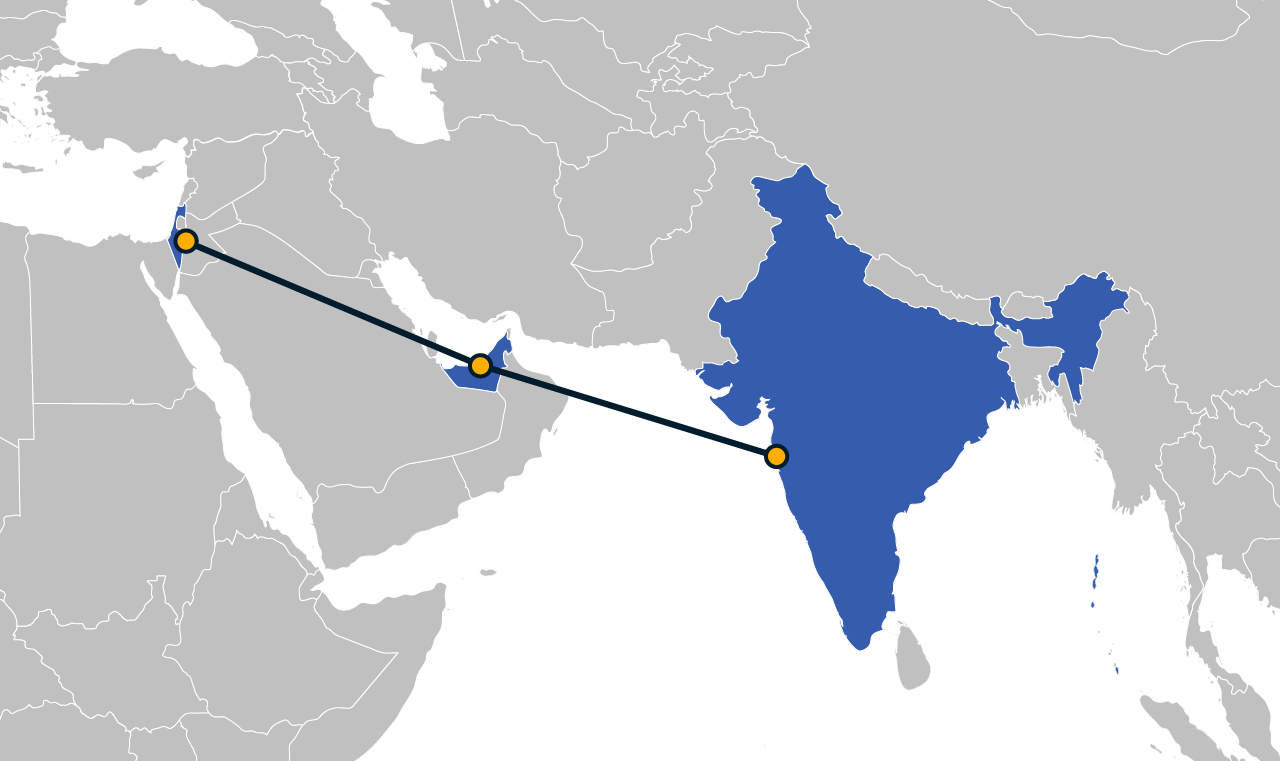
By Nantoo Banerjee It is good to note that the proposed India-UAE food corridor has already roped in a third partner, Israel. The project is expected to eventually involve the United States as well. The US was a key initiator of the historic four-nation I2U2 virtual summit in July 2022 bringing together leaders of India, […]

Saudi Arabia’s United International Holding has confirmed plans to sell a 30% stake in the company through an initial public offering (IPO). This decision marks a significant move in the Saudi capital markets, reflecting the broader trend of privatization and investment diversification pursued by the kingdom. The company aims to utilize the funds raised through the IPO to enhance its operations and expand its market presence across […]

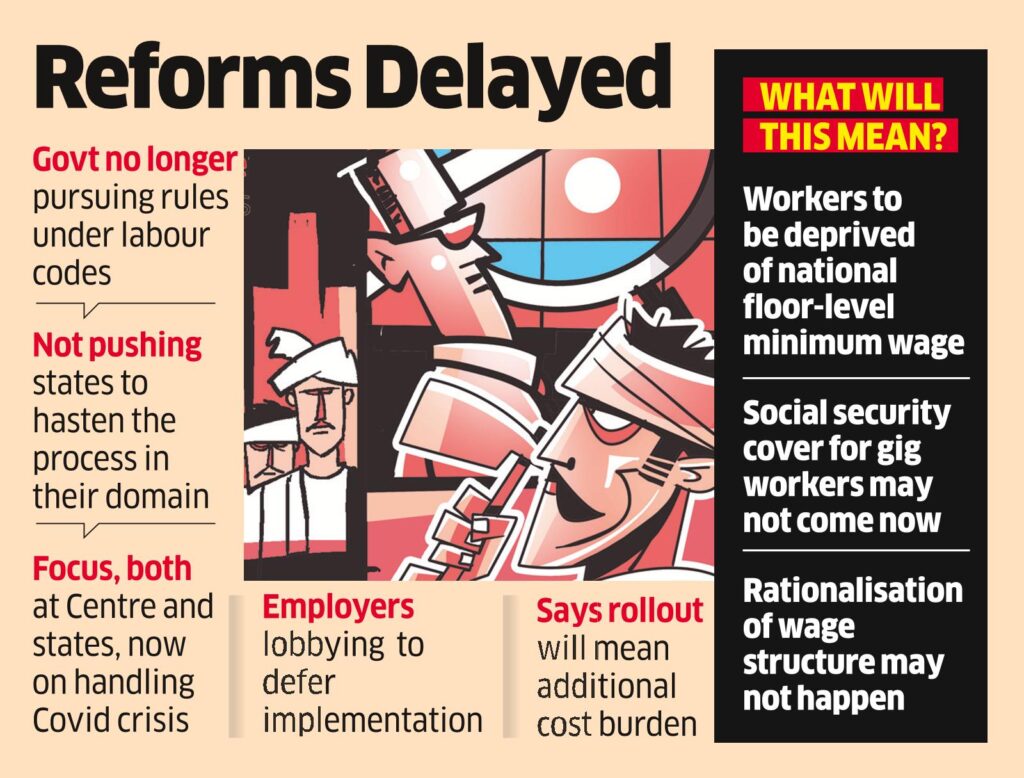
By Dr. Gyan Pathak Centre is getting ready for an early roll out of the four labour codes while the joint platform of the 10 Central Trade Unions has threatened fresh nationwide agitation, including strike action, if the Union government goes ahead with its roll out plan. Union Ministry of Labour and Employment has been […]

Lulu Group International, one of the Middle East’s largest retail conglomerates, is planning to sell a 25% stake in its retail and sourcing divisions, raising approximately $1.7 billion to $1.8 billion. This move is a precursor to its highly anticipated initial public offering (IPO), expected on the Abu Dhabi Securities Exchange (ADX). The company, led by Chairman and Managing Director Yusuff Ali M.A., is seeking a valuation in the range of $6.5 billion to $7 billion, according to sources with direct knowledge of the matter.

The decision to proceed with an IPO is expected to be announced within the week, marking a significant milestone for the company, which operates more than 250 hypermarkets across the Middle East, Africa, and Asia. Lulu Group’s IPO plans come amid a wave of interest in the Gulf’s capital markets, bolstered by investor confidence and economic diversification efforts across the region.

Lulu’s expansion into the public market is seen as part of a broader strategy to tap into new growth opportunities and enhance its market presence. The company’s financial performance has remained solid over the years, with continued revenue growth fueled by its expansion in key markets such as Egypt, India, and Malaysia. In addition to its retail operations, Lulu Group has invested heavily in logistics and infrastructure to support its growing global footprint.

The timing of the IPO coincides with heightened market activity on the ADX, where several major IPOs have been launched recently. Analysts view Lulu Group’s entry into the public market as a significant event, one that could set a precedent for other large family-owned businesses in the region to follow suit. The dual listing of the company on both the ADX and Saudi Arabia’s Tadawul is also under consideration, according to reports, which could further amplify investor interest.

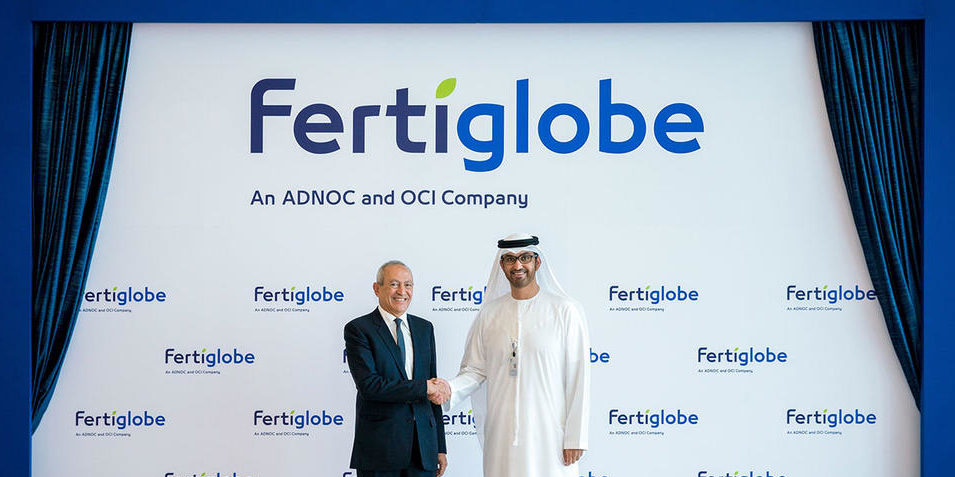
Fertiglobe, a joint venture between Adnoc and OCI, has positioned itself for a significant expansion in long-term ammonia contracts following Adnoc’s acquisition of a 25% stake from OCI. This move strengthens Fertiglobe’s ambitions in the global clean ammonia sector, particularly amid rising demand for low-carbon solutions. CEO Ahmed El Hoshy, while highlighting the company’s ongoing contract negotiations, affirmed that the deal would unlock more opportunities for sustained […]

Bahrain is contemplating a major infrastructure project, considering the development of a new terminal for Bahrain International Airport. This initiative aims to bolster the country’s position as a regional transportation hub, significantly increasing its capacity and efficiency. Transport Minister Mohammed bin Thamer Al Kaabi has emphasized that the new terminal would accommodate a growing number of passengers and airlines, improving the overall traveler experience. Currently, Bahrain International […]

Construction plans in Dubai are unveiling a striking new addition to the skyline: a skyscraper designed to be just one apartment wide, set to reach an impressive height of 380 meters. This innovative architectural marvel, dubbed “The One,” is part of a growing trend in urban development focused on maximizing space in densely populated cities. The project represents a shift towards vertical living, showcasing a blend of cutting-edge design and functional urban planning that aims to redefine modern living.

Developed by the UAE-based firm, HDA Architecture, “The One” is positioned in the bustling Business Bay district, an area known for its luxurious residential and commercial properties. The building’s unique design aims to maximize views of the iconic Dubai skyline and the Burj Khalifa, enhancing the living experience for its residents. The project is emblematic of the ongoing transformation within Dubai, where space constraints and rising population demands have prompted architects to explore innovative solutions.

Construction of “The One” is slated to commence in early 2025, with completion expected in 2028. The structure will comprise 80 floors, housing a total of 140 luxury apartments. Each unit will feature floor-to-ceiling windows, offering unobstructed views and allowing natural light to permeate the narrow living spaces. This design approach aims to create a sense of openness despite the building’s slender profile, making it attractive to potential buyers seeking both luxury and uniqueness.

The concept of ultra-slim skyscrapers is not entirely new, with similar projects emerging worldwide. However, “The One” stands out due to its unprecedented width-to-height ratio. The tallest of such buildings, “The One,” sets a new benchmark for urban architecture. The development also includes various amenities, such as a sky garden, fitness center, and swimming pool, all designed to cater to the high-end lifestyle of its residents.

Dubai’s real estate market continues to flourish, driven by a combination of factors, including foreign investments, tourism, and the emirate’s status as a global business hub. The demand for unique living spaces has increased, particularly among high-net-worth individuals looking for exclusive properties that offer both luxury and distinctive features. “The One” is expected to attract significant interest from international buyers, further enhancing Dubai’s reputation as a destination for innovative and opulent living.

The construction of such a narrow skyscraper raises questions about the practicalities of living in a one-apartment-wide structure. Experts in architecture and urban design have pointed out that while the aesthetic appeal is undeniable, there are challenges related to logistics, fire safety, and structural integrity. The design and engineering teams behind “The One” are working diligently to address these concerns, ensuring that the building meets the highest safety and sustainability standards.

The development reflects broader trends in architecture, where the need for space efficiency is paramount. As urban centers become more congested, the focus shifts toward vertical living solutions that utilize limited land effectively. Innovations in materials and construction techniques have paved the way for skyscrapers that were previously deemed impractical. “The One” embodies this ethos, pushing the boundaries of what is possible in high-rise construction.

As the project moves forward, it will undergo rigorous evaluations and approvals from local authorities. Dubai’s Urban Planning Department and the Dubai Municipality will ensure that the design adheres to safety regulations and urban planning guidelines. These assessments are critical to the success of such an ambitious project, and stakeholders are optimistic about the outcomes.

The architectural vision for “The One” includes not only residential spaces but also a commitment to sustainability. Developers are incorporating eco-friendly technologies, such as energy-efficient systems and sustainable building materials, aiming to minimize the environmental footprint of the skyscraper. This aligns with Dubai’s broader goals to enhance sustainability and resilience within the built environment, as outlined in its urban development strategy.

Dubai’s reputation as a hub for innovative architecture and luxury living continues to solidify with projects like “The One.” The city’s skyline is rapidly evolving, characterized by futuristic designs that draw global attention. The upcoming construction of this narrow skyscraper not only showcases cutting-edge architecture but also reflects the emirate’s ambition to be at the forefront of urban innovation.

BANGKOK, THAILAND – Media OutReach Newswire – 18 October 2024 – The inaugural Asia-Pacific Heart Summit kicked-off today in Bangkok, bringing together over 100 delegates from across the region to confront the urgent need for greater public and policy awareness of cardiovascular disease (CVD), the leading cause of death in the Asia-Pacific. Co-hosted by the Thailand Ministry of Public Health-Department of Medical Services (MOPH-DMS), the National Health […]

HONG KONG SAR – Media OutReach Newswire – 18 October 2024 – Hong Kong Virtual Asset Exchange Limited (HKVAX) showcased its leadership in facilitating Security Token Offerings (STOs) for the blue economy at the Oeiras BlueTech Ocean Forum cum 10th International Forum on Clean Energy. The event, held on October 16-17, 2024, in Oeiras, Lisbon, saw HKVAX sign a Memorandum of Understanding (MoU) with Fórum Oceano and […]

SINGAPORE – Media OutReach Newswire – 18 October 2024 – Philips Monitors, a global leader in display technology, has announced the impactful results stemming from its ongoing Innovation Festival Campaign, inviting consumers to “Experience a New Intelligence in Display Technology.” Launched on August 1 and running through September 30, 2024, this campaign has generated significant engagement across the Asia-Pacific, Middle East, and Africa (APMEA) regions, including Australia, […]

LOS ANGELES/DNA, UNITED STATES – Newsaktuell – 18 October 2024 – With less than three weeks to go until the November 5 presidential election, a new analysis warns that declining democratic accountability in the US means the power of American people’s voice will be diminished. Two candidates for the US presidency. A person stops to watch a screen displaying the US Presidential debate between Vice President and […]

NMC Health, one of the leading healthcare providers in the United Arab Emirates, is set to invest millions of dollars in a significant expansion of its health services across the region. This initiative, announced by the company’s CEO, aims to enhance access to quality healthcare and cater to the growing demand for medical services within the UAE. The new health centers will focus on providing comprehensive healthcare […]

Fertiglobe, a prominent player in the nitrogen fertilizer industry, is making significant strides in securing long-term ammonia contracts, a move that could reshape its growth trajectory. The CEO, Hassan Badrawi, recently emphasized that these contracts are pivotal in bolstering the company’s market position and enhancing its profitability in an evolving landscape.

The company, a joint venture between Abu Dhabi National Oil Company (ADNOC) and OCI N.V., has been actively pursuing long-term agreements with key industrial clients globally. These contracts, spanning multiple years, are designed to provide stable pricing and guaranteed supply, allowing Fertiglobe to navigate the volatility often seen in the commodity markets. Badrawi noted that securing these contracts not only solidifies relationships with clients but also ensures a consistent revenue stream that supports long-term investments in production capacity and technology.

Fertiglobe’s approach aligns with broader industry trends, where manufacturers are increasingly prioritizing sustainability and supply chain resilience. The global ammonia market has experienced fluctuations due to geopolitical tensions, trade dynamics, and changing regulatory environments. Fertiglobe aims to mitigate these challenges by locking in long-term agreements that provide predictability in supply and pricing. This strategy is particularly crucial as countries transition towards more sustainable agricultural practices and seek reliable sources of nitrogen fertilizers.

The CEO highlighted the importance of innovation in Fertiglobe’s operations. The company has been investing heavily in technology to enhance production efficiency and reduce carbon emissions. Fertiglobe is committed to producing “green ammonia,” which is generated using renewable energy sources and is expected to play a crucial role in meeting future fertilizer demand while addressing environmental concerns. This commitment to sustainability resonates with clients who are increasingly seeking eco-friendly solutions in their supply chains.

The ammonia market is witnessing robust growth, fueled by rising global food demand and a push for more sustainable agricultural practices. As populations expand and dietary patterns shift, the need for effective fertilizers has never been more critical. Fertiglobe’s strategic focus on long-term contracts positions it favorably to capitalize on this growth, ensuring that it can meet the needs of its customers while also contributing to global food security.

Fertiglobe’s operational footprint is another factor that enhances its competitive advantage. The company’s facilities, located in the United Arab Emirates, benefit from proximity to key markets and access to essential raw materials. This geographical advantage not only reduces transportation costs but also improves supply chain efficiency. By securing long-term contracts with local and regional clients, Fertiglobe is poised to solidify its role as a reliable ammonia supplier.

Analysts are optimistic about Fertiglobe’s strategy. The company is seen as a key player in the ammonia sector, with the potential to expand its market share significantly. The move towards long-term contracts aligns with investor expectations for stability and growth, particularly in a sector characterized by fluctuations in demand and supply. As the agricultural sector increasingly emphasizes sustainability, Fertiglobe’s initiatives in producing green ammonia are likely to attract attention and investment.

Fertiglobe’s commitment to transparency and ethical practices strengthens its position in the market. As stakeholders demand greater accountability from corporations, Fertiglobe’s focus on sustainable practices and responsible sourcing is expected to enhance its reputation and foster long-term relationships with clients. This ethical approach not only appeals to consumers but also aligns with the growing expectations from investors for companies to prioritize environmental, social, and governance (ESG) factors.

Fertiglobe’s initiatives reflect a broader industry shift towards greater collaboration among key players. The establishment of long-term contracts is not just about securing sales; it also involves sharing knowledge and resources to drive innovation in fertilizer production and distribution. As Fertiglobe continues to forge strategic partnerships, the potential for collaborative projects that enhance sustainability and efficiency becomes increasingly feasible.

As the global market for ammonia evolves, Fertiglobe is well-positioned to adapt to changing dynamics. The emphasis on long-term contracts reflects a proactive strategy to ensure stability and growth, while the commitment to innovation and sustainability aligns with industry trends. With food security and environmental sustainability at the forefront of global concerns, Fertiglobe’s initiatives in securing long-term ammonia contracts underscore its role as a pivotal player in the agricultural supply chain.

Dahua Technology MENA is showcasing a range of innovative products and solutions at GITEX Global 2024, positioning itself as a key player in the region’s rapidly growing video-centric AIoT market. The company is using the prestigious Dubai event to introduce its latest advancements in artificial intelligence, the Internet of Things (IoT), and video technology. The company’s participation in GITEX comes as part of its strategic efforts to […]

A coalition of funders has initiated a groundbreaking project aimed at bridging the gap between scientific research and policymaking, with a commitment of US$70 million. This significant investment will support the establishment of a comprehensive framework for synthesizing scientific evidence rapidly, thus enabling governments to make informed decisions on pressing global challenges, including climate change, public health, and sustainable development. The initiative, driven by prominent organizations and […]

The European Central Bank (ECB) has decided to lower its key interest rates by 25 basis points, bringing the benchmark rate to 3.25%. This move aligns with the ECB’s ongoing strategy to combat inflation and stabilize the economy amidst various pressures. The reduction, which is the latest in a series of adjustments, reflects the central bank’s commitment to achieving its inflation target of around 2%.

The decision to cut interest rates is part of a broader trend observed among central banks as they navigate economic challenges post-pandemic. Many economists anticipated this move, given the mixed signals from inflation data and the need to support economic growth. ECB President Christine Lagarde indicated that the bank will remain vigilant, balancing the need for inflation control with the risks associated with slowing economic activity.

Inflation in the Eurozone has been a persistent issue, fueled by supply chain disruptions and rising energy costs. The latest figures show that consumer prices rose by approximately 5.3% year-on-year in September, down from a peak of 10.6% in October 2022. While the downward trend is encouraging, it remains above the ECB’s target, prompting the need for further monetary policy adjustments.

Market analysts are closely monitoring the ECB’s actions, as the central bank’s approach will have significant implications for various sectors, particularly banking and consumer spending. Lower interest rates typically encourage borrowing and spending, which can stimulate economic growth. However, there are concerns that prolonged low rates could lead to asset bubbles and encourage excessive risk-taking among investors.

The ECB’s decision comes as other major central banks, such as the Federal Reserve and the Bank of England, are also reassessing their monetary policies. The Federal Reserve has maintained a more hawkish stance, keeping rates elevated in its fight against inflation. In contrast, the Bank of England is adopting a more cautious approach, reflecting the UK’s unique economic challenges.

Following the ECB’s announcement, stock markets across Europe reacted positively, with major indices experiencing gains as investors welcomed the prospect of cheaper borrowing costs. Financial markets had largely priced in this rate cut, leading to a relatively muted response in bond yields. Analysts suggest that while this rate reduction may provide short-term relief, the ECB will need to continue monitoring inflation closely.

Amidst this backdrop, the European economy faces several headwinds. Economic growth forecasts have been revised downward, with the International Monetary Fund projecting a growth rate of 0.9% for the Eurozone in 2024. Factors such as high energy prices, geopolitical tensions, and tightening global financial conditions pose significant risks to the economic outlook.

The ECB’s approach to managing inflation will be pivotal in shaping the trajectory of the Eurozone economy. The bank has emphasized the importance of a data-driven approach, indicating that future decisions will hinge on incoming economic indicators. Analysts expect further discussions regarding the balance between stimulating growth and controlling inflation at upcoming ECB meetings.

The ECB is under pressure from various stakeholders, including member states and financial institutions, to ensure that its policies support sustainable growth. There are ongoing debates about the effectiveness of low interest rates in addressing the structural issues facing the Eurozone economy, such as productivity stagnation and demographic challenges.

Looking ahead, the ECB is likely to face a complex economic landscape. With inflation pressures expected to persist, the central bank may need to implement additional measures to ensure price stability. Market participants will be keenly watching for any signals from the ECB regarding its future policy direction, particularly in light of evolving economic conditions.

As the Eurozone navigates this multifaceted economic environment, the ECB’s recent rate cut represents a significant step in its efforts to achieve a balanced approach to monetary policy. The implications of this decision will be felt across various sectors, influencing everything from consumer spending to investment strategies.

VISHNU RAJA
RYO YAMADA
HITORI GOTOH
IKUYO KITA