Just in:
OpenAI abandons secrecy agreements for future data centres // Geely’s i-HEV Intelligent Hybrid Technology Offers a New Direction Vision for Gasoline-Powered Vehicles // Excise chief shunted out in bar licence dispute // Technology shares plunge as Nasdaq enters correction // Microfinance case trouble for Vellappally // Emaar approves Development buyout ahead of planned delisting // Beyond the exhibition floor: How robots, AI and networks are moving into the real world // OpenAI introduces GPT-6 Cyber with restricted security access // HKUST President and Chinese Academy of Sciences Academician Prof. Nancy Ip Receives UNESCO Honor for a Second Time // HKUST President Prof. Nancy IP Receives UNESCO–Equatorial Guinea International Prize for Research in Life Sciences // Dubai details five-year visa benefits for returning visitors // Private varsities bill all set to face the axe // Democrats Gearing Up For 2028 Presidential Elections To Gain Full Power // ADNOC secures decade-long LNG supply pact with Gujarat Energy // The “1st Greater Bay Area Health and Longevity Summit & Awards Ceremony” concludes successfully in Macao // Battle Uttar Pradesh Will Be Tougher For Yogi Than Expected // Dubai Future District Fund and Buimerc formalise cooperation // Ningbo Consensus on Collaborative Development released at 2026 Global Mayors Dialogue · Ningbo // India Under Pressure To Join RCEP On The Eve Of ASEAN Summit In Manila On Nov 15-17 // ADIA subsidiary seeks $7.5 billion private investment financing //

News related to
stake

A testimony before a U.S. Coast Guard investigatory panel has revealed significant concerns regarding the safety of submersible missions conducted by OceanGate, the company behind the Titan vessel. A passenger who participated in a previous dive to the Titanic reported that his expedition was aborted due to a suspected mechanical failure, raising critical questions about the operational integrity of the company’s submersibles. The incident, which occurred during […]

M A Hossain The recent explosion of thousands of pagers across Lebanon is an alarming development that bears the hallmarks of Israeli involvement, potentially signaling an imminent military escalation between Israel and Hezbollah. This tension has been mounting since Hezbollah’s recent engagement with Israeli forces, a direct response to Israel’s intensified military actions against Gaza following the deadly October 7 Hamas-led attack. The strategic aim behind targeting […]

Polus Capital Management announced a significant capital commitment from the Abu Dhabi Investment Authority (ADIA) for its Special Situations strategy, increasing the assets under management for this strategy to approximately $5 billion. This development underscores a strategic alignment between Polus and ADIA, which is seeking to diversify its portfolio and leverage opportunities in distressed asset classes.

The investment comes on the heels of a pivotal shift in U.S. monetary policy, marked by the Federal Reserve’s first interest rate cut in four years. This change is anticipated to enhance liquidity and provide much-needed support for companies grappling with balance sheet issues, which aligns closely with the focus of Polus Capital’s investment strategy. The firm specializes in identifying and capitalizing on undervalued companies that may benefit from restructuring or operational improvements.

Polus Capital, known for its expertise in special situations investing, plans to deploy this new capital to target a range of distressed assets across various sectors. The firm’s strategy includes acquiring equity stakes in companies that are undergoing significant transformations or facing financial difficulties. Such investments not only aim to deliver attractive returns but also to assist these companies in their recovery processes.

ADIA’s decision to commit capital to Polus Capital reflects a growing trend among sovereign wealth funds to diversify their investments into specialized asset classes. With the current economic landscape presenting both challenges and opportunities, institutional investors are increasingly turning to experienced asset managers who can navigate complex market conditions.

The Federal Reserve’s rate cut is expected to have broad implications for the market. Lower interest rates typically reduce borrowing costs for companies, making it easier for them to finance operations and restructure debts. This environment is particularly conducive for special situations investing, as it enhances the prospects for companies that have been struggling financially but possess strong underlying business models.

Polus Capital’s leadership has expressed confidence that the partnership with ADIA will enable the firm to scale its operations significantly. This collaboration not only brings additional capital but also positions Polus to capitalize on potential investment opportunities in both established and emerging markets. The firm has outlined a commitment to rigorous due diligence processes, ensuring that every investment aligns with its strategic objectives and risk management frameworks.

Moreover, Polus Capital is poised to benefit from the expertise of ADIA, one of the world’s largest sovereign wealth funds, which manages a diverse portfolio across various asset classes. The insights and resources that ADIA brings to the table could prove invaluable in identifying high-potential investment opportunities, particularly in markets where Polus seeks to expand its footprint.

As global economic conditions evolve, the role of specialized investment firms like Polus Capital becomes increasingly significant. Investors are becoming more discerning, seeking out managers who can deliver value through innovative strategies and a deep understanding of market dynamics. Polus’ approach to special situations aligns well with this trend, as it focuses on navigating complexities to unearth investment potential.

Polus Capital’s recent capital commitment signals a broader shift in the investment landscape, where institutional investors are gravitating towards specialized strategies that offer unique value propositions. As the firm prepares to deploy the new capital, stakeholders are watching closely to see how it will leverage this opportunity to enhance its portfolio and achieve its investment goals.

LONDON, UK / SINGAPORE – Media OutReach Newswire – 20 September 2024 – The Ascott Limited (Ascott), the Official Global Hotels Partner of Chelsea Football Club, is excited to bring The Famous CFC to Singapore as the event’s presenting partner. This will mark the inaugural Southeast Asian destination for Chelsea’s flagship international fan engagement programme. Scheduled for the weekend of 30 November and 1 December 2024, the […]

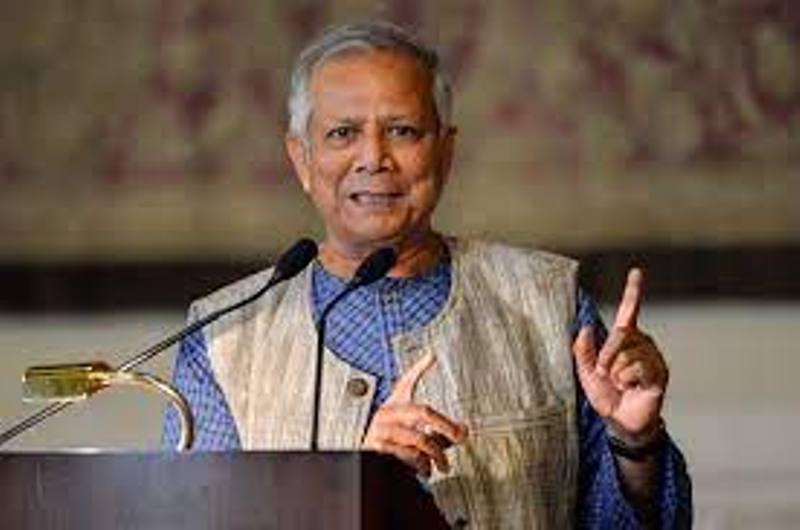
By Nitya Chakraborty The interim Government of Bangladesh headed by Dr. Muhammad Yunus is doing all the preparatory work for officially demanding the extradition from India of the ousted Prime Minister Sheikh Hasina as early as possible. Indications suggest that Dr. Yunus may mention of this demand at his address to the United Nations General […]

AD Ports Group has successfully refinanced loans, taking advantage of favorable conditions following a recent reduction in interest rates by the Federal Reserve. This strategic move aims to bolster the company’s financial position and enhance its growth potential in the competitive logistics and port management sectors.

The refinancing encompasses a total of AED 1.1 billion ($300 million) in loans. These financial adjustments allow AD Ports to lower its cost of capital while extending the maturity period of its debt obligations. The revised terms reflect a significant shift in the financial landscape, influenced by the Fed’s decision to cut rates, which has eased borrowing conditions across global markets. This development is anticipated to support AD Ports’ expansion initiatives and operational efficiencies.

AD Ports Group operates a diverse portfolio that includes ports, logistics, and trade activities, playing a pivotal role in the UAE’s economic growth. The company has been at the forefront of enhancing the country’s status as a global logistics hub, strategically positioning itself to leverage emerging trends in trade and commerce. By securing more advantageous loan terms, AD Ports aims to sustain its momentum in capitalizing on opportunities within the region and beyond.

The decision to refinance aligns with broader trends in the industry, where companies are actively seeking to optimize their capital structures amid fluctuating interest rates. Analysts suggest that the refinancing is indicative of a proactive approach by AD Ports, enabling it to navigate economic uncertainties while pursuing growth strategies. The company’s management has expressed confidence that these improved financial conditions will facilitate investments in technology and infrastructure, further strengthening its operational capabilities.

Moreover, the impact of the Fed’s rate cut is being felt across various sectors, prompting businesses to reconsider their financial strategies. The logistics and transportation industries, in particular, are seeing a surge in refinancing activity as firms aim to enhance liquidity and reduce financing costs. This trend underscores the interconnectedness of global economic policies and local market dynamics, illustrating how international decisions can significantly influence domestic corporate strategies.

AD Ports Group’s commitment to sustainability and innovation has also played a vital role in its refinancing efforts. The company has been investing in green technologies and sustainable practices, aligning itself with global trends toward environmental responsibility. Such initiatives are not only crucial for meeting regulatory requirements but also resonate with investors who increasingly prioritize sustainable investment opportunities.

Key stakeholders within the logistics sector are closely monitoring AD Ports’ financial maneuvers, as they may set a precedent for similar companies in the region. The refinancing serves as a benchmark, demonstrating how organizations can leverage external economic shifts to enhance their financial health and competitive positioning. Industry experts predict that other logistics firms may follow suit, seeking to capitalize on the favorable lending environment.

As the global economy continues to grapple with challenges such as inflation and geopolitical tensions, companies like AD Ports are adapting their strategies to maintain resilience. The ability to refinance under improved terms not only reinforces AD Ports’ financial foundation but also positions it well for future investments that could yield substantial returns.

The logistics and shipping industry is evolving rapidly, with digital transformation and automation becoming central themes. AD Ports has made strides in integrating technology into its operations, enhancing efficiency and responsiveness to market demands. The refinancing initiative is expected to provide additional resources for further digital advancements, allowing the company to remain competitive in a fast-paced environment.

A potential shift in the real estate landscape is underway as Dubai-based developer BinGhatti explores the tokenization of its property assets. This move aligns with the growing trend of leveraging blockchain technology to enhance liquidity and accessibility in the real estate sector. Tokenization involves converting real estate assets into digital tokens, enabling fractional ownership and simplifying transactions. The initiative reflects broader changes in how real estate investments […]

Advertisements

A significant data breach has come to light involving Star Health and Allied Insurance Co., one of India’s leading health insurance providers. The breach reportedly involves the unauthorized access and dissemination of sensitive customer data through Telegram chatbots, raising serious concerns about cybersecurity measures in the insurance sector. The incident was first reported by cybersecurity experts who detected unusual activity linked to the company’s data infrastructure. This […]

A new collaboration between G42, a prominent technology company in the UAE, and Nvidia, a global leader in AI computing, aims to develop advanced climate solutions utilizing G42’s Earth-2 platform. This partnership is positioned to harness cutting-edge artificial intelligence and data analytics to address pressing environmental challenges, enhancing sustainability efforts in various sectors. Earth-2 serves as a robust digital twin of the planet, designed to simulate and […]

The Qatar Investment Authority (QIA) is intensifying its global investment strategy, focusing on major markets in Australia, South Korea, and Southeast Asia. This expansion underscores QIA’s commitment to diversifying its portfolio and enhancing its international presence amid shifting economic landscapes.

QIA, which manages the sovereign wealth of Qatar, aims to tap into the growth potential of these regions, particularly in sectors such as technology, renewable energy, and real estate. The fund’s strategy aligns with Qatar’s broader economic vision, which emphasizes sustainability and innovation.

In Australia, QIA is exploring opportunities in infrastructure and technology. The nation’s stable economic environment and strong regulatory framework make it an attractive destination for foreign investment. Recent reports indicate that QIA is in discussions to acquire stakes in several Australian tech firms, which are poised for significant growth. These investments not only promise financial returns but also facilitate knowledge transfer and technology sharing, vital for Qatar’s long-term economic diversification goals.

South Korea presents a similarly appealing landscape for QIA, especially in the realms of semiconductor manufacturing and renewable energy. As the global demand for advanced technology continues to rise, QIA is positioning itself to capitalize on South Korea’s leading role in this sector. The fund’s recent investments in local companies indicate a strategic move to leverage South Korea’s technological advancements while contributing to sustainable energy initiatives.

Southeast Asia is another focal point for QIA’s investment drive. The region is experiencing robust economic growth, driven by increasing consumer demand and digital transformation. QIA’s interest spans across various industries, including e-commerce, fintech, and logistics. By investing in these high-growth sectors, QIA aims to harness the region’s potential while fostering business relationships that could yield long-term benefits.

This expansion is part of QIA’s broader strategy to enhance its asset allocation. According to experts, diversifying investments across different geographies and sectors is critical for mitigating risks associated with global economic fluctuations. By increasing its footprint in these key markets, QIA not only aims for higher returns but also seeks to establish strategic partnerships that bolster Qatar’s economic influence.

The expansion into these markets aligns with the goals of Qatar’s National Vision 2030, which emphasizes sustainable development and economic diversification away from hydrocarbons. The QIA’s investments are instrumental in achieving these objectives, as they foster innovation and support job creation in the host countries.

Additionally, QIA’s growing investments may influence the broader investment landscape in these regions. As a significant player, the fund’s entry often attracts other investors, enhancing the overall appeal of local markets. This ripple effect can lead to increased capital inflow and foster a more dynamic investment climate.

Experts note that QIA’s approach reflects a careful assessment of risk and opportunity. The fund is known for its long-term investment horizon, often opting for strategic partnerships that allow for greater control and influence over its investments. This strategy is particularly evident in sectors like real estate, where QIA seeks to not only invest but also develop assets that align with its sustainability objectives.

The move also comes at a time when global investors are recalibrating their strategies in response to geopolitical tensions and economic uncertainties. By focusing on stable markets like Australia and technologically advanced countries like South Korea, QIA positions itself to weather potential global shocks more effectively.

As the fund continues to expand its investments, it remains committed to adhering to the highest ethical standards. Transparency and governance are at the forefront of QIA’s investment philosophy, ensuring that all ventures align with its values and contribute positively to the communities in which it invests.

Second quarter revenue of US$20.7 million, up 24% Year-Over-Year SINGAPORE – Media OutReach Newswire – 20 September 2024 – MoneyHero Limited (Nasdaq: MNY) (“MoneyHero” or the “Company”), a market leading personal finance and digital insurance aggregation and comparison platform in Greater Southeast Asia, today announced financial results for the quarter ended June 30, 2024. Management Commentary: Rohith Murthy, Chief Executive Officer, stated “I am pleased to report […]

“EA” elevates Bangkok’s dining scene to new heights, bringing the world’s top cuisine to the ultimate luxurious dining and lifestyle experiences atop the city’s most stunning rooftop, where unparalleled 360-degree views of the Bangkok skyline combined with the mesmerizing curve of the Chao Phraya River, both day and night. Partnering with culinary legend Chef Nobu Matsuhisa, “EA” launches “Nobu Bangkok” in Thailand, which also holds the title […]

Nazara Technologies, a leading gaming and sports media platform, has raised $108 million in its latest funding round, signaling an aggressive push towards mergers and acquisitions. The capital injection comes at a time when the firm is looking to expand its foothold in international markets and strengthen its position as a dominant player in the digital entertainment space.

The funding round was led by major institutional investors, with support from several high-profile backers. This financial boost is expected to provide the Mumbai-based company with the necessary resources to accelerate its acquisition strategy, particularly in markets where it sees high growth potential, such as North America and the Middle East. Nazara has already established itself as a significant player in India’s gaming ecosystem, with interests spanning across esports, gamified learning, and sports-related digital content.

Nazara’s Chief Executive Officer, Nitish Mittersain, confirmed the capital raise and emphasized that the company is eyeing strategic acquisitions to enhance its product portfolio. With the global gaming industry projected to reach $340 billion by 2027, Nazara is positioning itself to be a leading player in this burgeoning market. Mittersain outlined that the funds will be primarily allocated towards acquiring companies that complement Nazara’s existing offerings in esports, mobile gaming, and digital sports media.

The $108 million funding round is one of the most significant capital raises in the Indian gaming sector this year. It underscores Nazara’s ambition to become a global player by targeting high-growth segments such as esports and interactive entertainment. The firm has previously made a series of high-profile acquisitions, including the purchase of a controlling stake in Nodwin Gaming, an esports company, and Sportskeeda, a sports content platform.

Nazara’s strategy of leveraging acquisitions to drive growth is in line with its broader mission of building a diversified digital entertainment ecosystem. Esports, in particular, remains a key focus area for the company. The esports industry has witnessed exponential growth in recent years, with a global audience expected to exceed 640 million by 2025. Nazara is banking on this surge in interest, not only through its investments in esports platforms but also by fostering partnerships with key stakeholders in the global esports ecosystem.

The latest funding round is part of Nazara’s broader vision to consolidate its market position and tap into new revenue streams. The company’s focus on esports and gamified learning aligns with the shifting preferences of younger, digitally-savvy consumers who are increasingly gravitating towards interactive entertainment. Esports, which blends gaming with competitive sports, has emerged as one of the fastest-growing entertainment segments globally, driven by the rise of streaming platforms and the increasing popularity of online gaming tournaments.

Nazara has also expanded into gamified learning through its Kiddopia app, which has gained significant traction among young learners in the U.S. market. The company sees education technology as another potential growth driver, as the demand for engaging, interactive learning tools continues to rise globally. Kiddopia’s success in North America is expected to provide Nazara with the impetus to explore other opportunities in the edtech space.

In addition to its core focus areas, Nazara has been strengthening its sports media offerings, as evidenced by its acquisition of Sportskeeda, a popular sports content platform. Sportskeeda has been instrumental in diversifying Nazara’s content offerings, providing a wide range of digital sports content, including live updates, player statistics, and expert analysis. The platform has also positioned Nazara to tap into the fast-growing sports media industry, which is increasingly becoming digital-first.

Nazara’s acquisition spree has been pivotal in its rapid growth, transforming it from a domestic gaming company into a global digital entertainment powerhouse. However, the firm has not been without its challenges. The gaming industry, particularly in India, is highly competitive, with both domestic and international players vying for market share. Nazara has managed to carve out a niche for itself by focusing on emerging sectors like esports, but the company will need to continuously innovate to stay ahead of the competition.

Despite the competitive pressures, Nazara’s strategy of expanding through targeted acquisitions has been largely successful. Its acquisition of Nodwin Gaming has provided Nazara with a significant foothold in the esports industry, while its investments in gamified learning and sports media have diversified its revenue streams and reduced its reliance on any single segment.

Nazara’s growth trajectory is further supported by its strong balance sheet and a growing portfolio of digital entertainment assets. The company has been able to maintain profitability, a rare achievement in the gaming industry, which is often characterized by high operating costs and intense competition. This has been a key factor in attracting institutional investors, who view Nazara as a solid long-term bet in the fast-evolving digital entertainment space.

As the gaming and esports industries continue to grow, Nazara is well-positioned to capitalize on the opportunities presented by this shift in consumer behavior. The $108 million capital raise will likely accelerate the company’s expansion plans, allowing it to further penetrate high-growth international markets and strengthen its competitive position globally.

Nazara’s leadership has indicated that it is already in advanced discussions with potential acquisition targets, with several deals expected to be finalized in the coming months. These acquisitions are likely to enhance Nazara’s capabilities in key areas such as content creation, digital distribution, and monetization, giving the company a competitive edge in the global digital entertainment market.


Stonepeak Infrastructure Partners, a leading US-based investment firm with assets totaling $71 billion, has announced its strategic expansion into Abu Dhabi. This move marks a significant milestone for Stonepeak as it broadens its investment footprint in the Middle East’s growing infrastructure sector.

The firm’s decision to enter Abu Dhabi aligns with its broader strategy to capitalize on the region’s robust economic growth and its commitment to infrastructure development. Stonepeak’s expansion is set to enhance its presence in the Middle East, a region recognized for its substantial investments in infrastructure and energy projects.

Abu Dhabi, the capital of the United Arab Emirates, has become an increasingly attractive destination for global investors due to its stable economic environment and ambitious development plans. The emirate has been actively investing in infrastructure projects that support its Vision 2030 goals, which focus on diversifying the economy away from oil dependence and fostering sustainable development.

Stonepeak’s entry into Abu Dhabi is anticipated to bring substantial benefits to both the firm and the region. The investment firm, known for its focus on infrastructure and real assets, will likely engage in various projects, including energy, transportation, and utilities, leveraging its extensive expertise and global network. This move is expected to create new opportunities for collaboration with local stakeholders and further support Abu Dhabi’s development initiatives.

The expansion is also seen as a strategic maneuver to tap into the region’s growing infrastructure needs. With ongoing projects and planned developments in sectors such as renewable energy, transportation, and urban infrastructure, Abu Dhabi presents a fertile ground for investment. Stonepeak’s presence in the region will likely contribute to the acceleration of these projects and enhance their execution.

In recent years, the UAE has made significant strides in attracting international investment. The government’s focus on creating a favorable business environment, coupled with its strategic location as a gateway between Europe, Asia, and Africa, has positioned the country as a key player in the global investment landscape. Abu Dhabi, in particular, has been at the forefront of these efforts, consistently ranking high in global indices for ease of doing business and investment attractiveness.

Stonepeak’s expansion into Abu Dhabi also reflects a broader trend among global investment firms seeking to diversify their portfolios and explore emerging markets. The firm’s move is part of a larger pattern of international investors looking to capitalize on the economic opportunities presented by the Middle East’s infrastructure boom.

The timing of Stonepeak’s expansion is noteworthy, given the UAE’s ongoing efforts to enhance its infrastructure capabilities in preparation for future growth. The country is investing heavily in projects that aim to improve connectivity, enhance urban living conditions, and support sustainable development. Stonepeak’s involvement in these initiatives is expected to contribute to the successful realization of these goals.

Additionally, Stonepeak’s entry into the Abu Dhabi market is expected to foster greater collaboration between international and local players in the infrastructure sector. This collaboration can lead to the exchange of knowledge, best practices, and innovative solutions, ultimately benefiting both parties and supporting the emirate’s long-term development objectives.

As Stonepeak embarks on this new chapter in Abu Dhabi, its focus will likely be on identifying and capitalizing on high-impact projects that align with its strategic objectives. The firm’s extensive experience in managing infrastructure investments positions it well to make a meaningful contribution to the region’s development and growth.

The expansion also highlights Abu Dhabi’s growing importance as a hub for global investment and infrastructure development. The emirate’s proactive approach to creating a conducive investment environment and its strategic vision for future growth make it an attractive destination for international investors looking to make a significant impact in the region.

Dubai’s strategic focus on medical tourism has intensified, driven by a new Memorandum of Understanding (MoU) signed between the Dubai Health Authority (DHA) and the Dubai Department of Economy and Tourism (DET). The MoU is set to bolster the city’s already formidable reputation in healthcare by expanding its role as a premier destination for medical tourists. This collaboration aligns with Dubai’s broader economic agenda, particularly the D33 strategy, aimed at enhancing the emirate’s position across key sectors.

One of the most significant objectives of this agreement is to attract investments into Dubai’s healthcare sector. Authorities are targeting a global audience of medical tourists by leveraging advanced healthcare facilities and promoting top-quality services. Dubai’s existing infrastructure, along with its geographic advantage at the crossroads of Europe, Asia, and Africa, plays a critical role in enhancing its attractiveness to international patients seeking high-quality medical care. The DHA’s Director General, Awadh Seghayer Al Ketbi, emphasized that this MoU is part of a broader vision to solidify Dubai’s position as a global leader in medical tourism, attracting investments and showcasing the emirate’s medical capabilities.

Dubai has already witnessed a strong surge in medical tourism over the past year, drawing 691,478 medical tourists in 2023, with expenditures on healthcare services exceeding AED 1.034 billion. This marks an increase from the previous year, demonstrating the emirate’s growing appeal in the global healthcare landscape. Dubai has positioned itself as a prime destination for advanced treatments across specialties, including orthopedics, cardiology, oncology, and cosmetic surgery. Hospitals in the city are also seeing a rise in demand for wellness programs, preventive care, and medical check-ups, catering to international patients looking for comprehensive healthcare solutions.

The impact of this surge in medical tourism extends far beyond healthcare. The influx of international visitors has fueled revenue across sectors such as aviation, hospitality, and retail, with indirect revenues surpassing AED 2.305 billion. The city’s medical tourism infrastructure is further strengthened by initiatives like the Al Safeer Congress Ambassador Programme, which works to attract major medical conferences and meetings to Dubai, solidifying its position as a medical knowledge hub. This combination of world-class facilities and strategic networking places Dubai at the forefront of the medical tourism industry globally.

As part of the DHA and DET’s collaboration, the two entities plan to establish networks of international partnerships, further driving innovation and knowledge sharing within the medical field. The collaboration also seeks to streamline investment opportunities for foreign and local stakeholders, ensuring that the healthcare sector remains a robust engine of economic growth. These efforts will likely lead to the introduction of more state-of-the-art hospitals and specialized medical centers, enhancing the overall quality of life for residents and international visitors alike.

Dubai’s continued investment in smart healthcare solutions and digital health is another critical factor contributing to its success in attracting medical tourists. By adopting advanced technology, the city is setting a benchmark for medical innovation, from AI-driven diagnostics to telemedicine and remote care services. These technological advancements offer convenience and enhanced patient care, which is a significant draw for medical tourists from around the world.

Additionally, the DHA has implemented several regulatory reforms aimed at simplifying business registration for investors and ensuring compliance with local laws, thus encouraging further growth in the medical tourism sector. These reforms are part of a broader effort to make Dubai a more attractive environment for medical professionals and investors, allowing the healthcare industry to expand rapidly and meet the demands of a growing international patient base.

In this increasingly competitive global medical tourism market, Dubai’s ability to offer a unique blend of cutting-edge medical care, luxury hospitality, and tourism experiences sets it apart. The city offers patients not only access to world-class medical treatment but also the opportunity to recover in a luxurious environment, with easy access to Dubai’s numerous leisure and cultural attractions.

Australia is set to implement stringent regulations for video games that include elements resembling gambling, aiming to tackle the growing concern over potential gambling addiction among younger players. These new regulations will mandate that games with gambling-like features be classified under a new category, ensuring that both developers and consumers are well-informed about the content before purchase. The Australian Classification Board, responsible for rating games and media […]

Ethereum developers are on the brink of a pivotal decision regarding the blockchain’s upcoming upgrade, known as ‘Pectra.’ This decision, slated for Thursday, will determine whether Pectra will be split into two separate forks, potentially setting the stage for significant changes within the Ethereum network. The proposed split into two forks is a strategic move designed to address ongoing scalability issues and enhance the blockchain’s performance. The […]

A coalition of Web3 industry leaders has unveiled the Decentralized AI Society (DAIS), a non-profit organization designed to address concerns about monopolistic control within the artificial intelligence (AI) sector. This move, announced by DAIS Chair Michael Casey, emerges amidst growing apprehension over the concentration of power among major technology companies and their influence over regulatory frameworks.

DAIS’s formation comes at a pivotal moment as the AI industry continues to expand and evolve. The organization aims to foster a more decentralized approach to AI development and regulation, countering the perceived dominance of tech giants who, according to Casey, have significant sway over policy decisions.

The initiative’s primary goal is to create a more balanced and transparent AI ecosystem by advocating for open-source models and decentralizing control mechanisms. This approach aligns with the broader Web3 philosophy of distributing power and enhancing user agency.

Michael Casey, in an interview at Token 2049, highlighted that the DAIS seeks to address the imbalance created by a few dominant players in the AI space. He emphasized the need for new regulatory frameworks that prevent monopolistic practices and ensure fair competition. The DAIS will focus on developing standards and practices that promote innovation while safeguarding against excessive consolidation.

The organization plans to engage with a diverse range of stakeholders, including developers, regulators, and industry experts, to formulate policies that encourage equitable growth in the AI sector. By promoting collaboration and transparency, DAIS aims to mitigate the risks associated with monopolistic control and ensure that the benefits of AI advancements are broadly shared.

DAIS’s strategy involves several key initiatives. One of these is the promotion of decentralized AI models, which are designed to operate without centralized control. These models are expected to offer increased security, privacy, and resilience compared to traditional, centralized systems. The organization will also work on developing guidelines to support ethical AI development and usage.

Another critical aspect of DAIS’s mission is to address the regulatory challenges faced by the AI industry. The organization intends to advocate for policies that prevent regulatory capture—a situation where regulatory bodies are unduly influenced by the very entities they are supposed to oversee. This is seen as a crucial step in ensuring that AI regulations are fair and impartial.

DAIS’s launch reflects a growing trend among technology organizations to challenge the status quo and advocate for more equitable and transparent practices. The Web3 community, known for its emphasis on decentralization and user empowerment, is at the forefront of this movement.

The organization’s establishment also highlights the increasing importance of balancing technological innovation with regulatory oversight. As AI technology becomes more integrated into various aspects of society, the need for effective and fair regulation grows. DAIS’s efforts are aimed at ensuring that this regulation evolves in a way that supports innovation while protecting public interests.

DAIS is expected to collaborate with other organizations and advocacy groups to advance its mission. The organization will focus on raising awareness about the potential risks associated with AI monopolies and advocating for policies that support a more decentralized and transparent industry. By bringing together a broad coalition of stakeholders, DAIS aims to create a robust framework for addressing these challenges.

Bitget and Foresight Ventures have executed a significant transaction involving $30 million worth of TON tokens, sourced directly from major holders in the crypto sphere. This move marks a pivotal moment for both organizations as they enhance their positions within the cryptocurrency market. Bitget, a leading cryptocurrency exchange, and Foresight Ventures, a prominent venture capital firm, have jointly acquired the substantial amount of TON tokens. This acquisition […]

Arabian Post Staff -Dubai Jacob & Co. has launched an extraordinary luxury timepiece, the Casino Tourbillon, priced at an impressive $3 million. This watch draws inspiration from the opulence and glamour of 1960s casino culture in Monte Carlo, Macao, and Las Vegas, encapsulating a blend of high craftsmanship and lavish design. The Casino Tourbillon stands out with its intricate detailing and high-end materials, reflecting the grandeur of […]

DP World and Nedbank have announced a strategic partnership aimed at enhancing trade finance solutions across Africa. This collaboration seeks to address the continent’s working capital needs, offering a robust framework designed to support businesses engaged in import and export activities. The alliance between the global logistics giant DP World and the South African banking institution Nedbank aims to streamline financial processes and improve accessibility to trade […]

Masdar, the UAE-based renewable energy giant, remains resolute in its commitment to an open trade policy amidst ongoing global supply chain disruptions. The company’s CEO, Mohamed Jameel Al Ramahi, emphasized that maintaining trade openness is crucial for navigating the complexities of the current international market. His statements underscore Masdar’s strategy to sustain and enhance its global partnerships despite the ongoing turbulence affecting global logistics and supply chains. […]

The United Arab Emirates (UAE) and Japan are set to begin formal discussions aimed at establishing a comprehensive trade agreement. This move reflects a strategic push by both nations to bolster their economic relationship and enhance bilateral trade flows.

The announcement of these forthcoming negotiations comes amidst a broader global trend where countries are seeking to solidify economic alliances and diversify their trade partnerships. For the UAE, a key player in the Middle Eastern economy, this deal is expected to open new avenues for trade and investment, particularly in sectors such as technology, energy, and infrastructure. Japan, renowned for its advanced technology and industrial capabilities, views this agreement as a strategic opportunity to strengthen its economic presence in the Gulf region.

Current trade between the UAE and Japan is robust, yet both countries believe that there is significant untapped potential. According to the latest figures, Japan is one of the UAE’s leading trading partners in Asia, with a notable presence in areas like automotive and electronics. However, both nations see the potential to expand their economic ties beyond these sectors, focusing on high-tech industries and sustainable development projects.

The trade discussions are expected to address a range of issues, including tariff reductions, market access, and investment protections. The goal is to create a mutually beneficial framework that not only enhances economic cooperation but also facilitates smoother business operations for companies in both countries.

Economic experts suggest that the deal could significantly impact the trade dynamics of the region. By integrating Japan’s technological advancements with the UAE’s strategic location and energy resources, the agreement may lead to innovative collaborations and investments. This aligns with the UAE’s Vision 2030, which aims to diversify its economy away from oil dependence and foster innovation and sustainability.

In recent developments, both governments have been actively preparing for these negotiations by conducting preparatory meetings and consultations with key industry stakeholders. The UAE’s Ministry of Economy and Japan’s Ministry of Foreign Affairs have been working closely to outline the negotiation framework and key areas of focus.

The potential trade agreement could also pave the way for deeper economic integration between the two nations. For Japan, which has been seeking to expand its economic footprint in the Middle East, this deal represents a significant step towards achieving greater market penetration. The UAE, on the other hand, is looking to leverage this partnership to enhance its role as a global business hub.

Additionally, the agreement is likely to cover aspects such as intellectual property rights, regulatory cooperation, and environmental standards, reflecting a modern approach to international trade agreements that goes beyond traditional tariff issues. This comprehensive approach aligns with global trade practices aimed at fostering sustainable and equitable economic growth.

Both nations are also expected to explore collaborative opportunities in emerging sectors such as renewable energy, digital technology, and advanced manufacturing. The UAE has been making substantial investments in renewable energy and technological innovation, while Japan is a global leader in high-tech industries. This alignment could lead to joint ventures and projects that benefit both economies.

As the UAE and Japan embark on these trade discussions, there is considerable optimism about the potential outcomes. The agreement is anticipated to strengthen economic ties, promote mutual investment, and contribute to regional stability. For businesses in both countries, this deal could open new markets and opportunities, further enhancing the economic relationship between these two important partners.

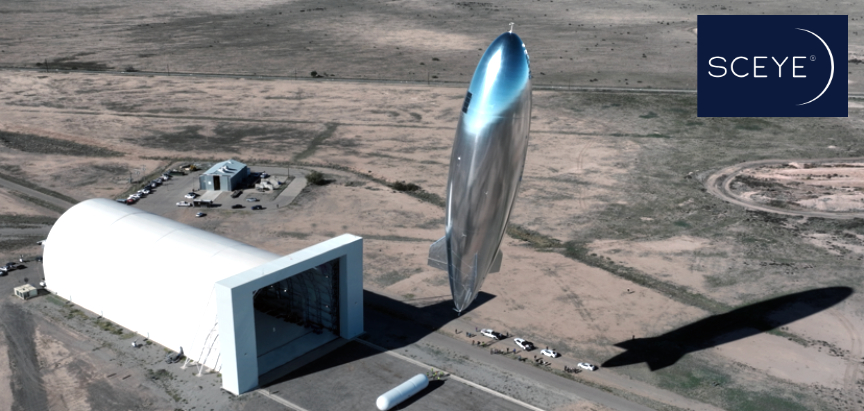
Mawarid Holding, a prominent Saudi investment firm, has spearheaded a Series C funding round for Sceye, an American company specializing in high-altitude platform systems (HAPS). The funding, announced Tuesday, values Sceye at $525 million before the latest capital influx. Although the exact amount of the investment was not disclosed, it is set to significantly advance Sceye’s capabilities in research, development, and commercial operations.

Sceye, headquartered in the United States, focuses on developing cutting-edge HAPS technology designed to operate in the stratosphere. This technology is intended to provide a range of applications, from improving communications and data collection to enhancing environmental monitoring. With this investment, Sceye plans to accelerate its flight programs and push forward with the commercial rollout of its innovative systems.

The funding from Mawarid Holding will primarily support Sceye’s R&D efforts and operational expansion. This includes advancing their ongoing projects and launching new initiatives that leverage the HAPS technology’s potential. Sceye’s CEO has highlighted that this capital injection will enable the company to refine its systems and bring its solutions to market more rapidly by 2025.

Mawarid Holding’s involvement underscores a growing trend of cross-border investment in the aerospace sector. The Saudi firm’s investment aligns with its broader strategy to diversify its portfolio and engage in high-tech industries with global impact. This move is part of Saudi Arabia’s Vision 2030, which aims to foster innovation and technological advancements within the kingdom and beyond.

The partnership is expected to enhance Sceye’s position in the aerospace industry, especially as the demand for advanced high-altitude platforms continues to rise. The firm’s high-altitude systems are poised to play a crucial role in various sectors, including telecommunications and environmental monitoring, by providing persistent, high-resolution data from the stratosphere.

The global market for HAPS technology is growing, driven by increasing interest from governments and private entities seeking to expand their data collection and communication capabilities. Sceye’s technology stands out due to its ability to offer sustained, high-altitude coverage, which is a significant advancement over traditional satellite and aerial systems.

Mawarid Holding’s strategic investment in Sceye represents a significant endorsement of the American company’s potential. It reflects a broader trend of strategic partnerships and investments in the aerospace sector, aimed at driving technological innovation and meeting the evolving demands of global markets.

As Sceye moves forward with its expanded capabilities, it is likely to attract further interest from investors and partners looking to capitalize on the growing opportunities within the high-altitude platform market. The firm’s progress will be closely watched by industry stakeholders as it continues to develop and commercialize its technology.

VISHNU RAJA
RYO YAMADA
HITORI GOTOH
IKUYO KITA