News related to
stake

With the upcoming U.S. presidential election casting a shadow over global financial markets, cryptocurrency stands out as an asset class poised for high volatility based on the election’s outcome. As former president Donald Trump reenters the electoral scene against Vice President Kamala Harris, crypto investors are paying close attention to how a Trump win could reshape cryptocurrency regulation and performance, particularly for Bitcoin and other key digital assets.

Historically, presidential election cycles have shown significant influence on cryptocurrency market behavior, especially for Bitcoin. Data from previous elections indicates that Bitcoin prices tend to experience substantial movements post-election, irrespective of the winning candidate. Following the 2020 election, for example, Bitcoin’s value surged, marking an increased interest among investors amid the heightened economic uncertainty tied to COVID-19 relief measures and concerns over inflation. However, as the 2024 election approaches, Trump’s potential return to the presidency introduces a new level of uncertainty that differs markedly from 2020. According to a report by Bitwise Asset Management, Bitcoin’s value could rise by an estimated 10.7% should Trump secure victory. Conversely, a Harris win is forecasted to prompt a similar decline, likely due to her administration’s alignment with current regulatory approaches under President Joe Biden.

Regulatory policies in the U.S. have tightened considerably over the past year, with the SEC leading several enforcement actions aimed at crypto firms, exchanges, and initial coin offerings (ICOs). As such, Trump’s stance on cryptocurrency, which has previously wavered, now appears more lenient compared to Harris. During Trump’s previous administration, oversight was relatively hands-off, providing crypto investors a fertile environment for market growth, albeit without structured guidelines. In contrast, Harris is expected to continue Biden’s approach, emphasizing consumer protection through regulatory frameworks, a trend currently contributing to restrained market enthusiasm among retail investors. Observers suggest that Trump’s promise to relax crypto regulations could rekindle enthusiasm among retail and institutional investors, who view clearer guidelines and reduced scrutiny as conducive to growth in both valuation and adoption rates of cryptocurrencies.

Crypto market responses are also anticipated to align with Bitcoin’s Halving cycle, a built-in scarcity feature that reduces block rewards by half approximately every four years, with the most recent event occurring in April 2024. Historically, Bitcoin rallies have closely followed Halvings, influenced further by investor interest in assets with perceived scarcity. Analysts expect this dynamic to be heightened under a Trump presidency, as reduced regulation coupled with supply restrictions could make Bitcoin a more attractive inflation hedge. Conversely, a continuation of current regulatory trends under a Harris administration might suppress these price escalations, as crypto businesses face heightened scrutiny and potential restrictions on stablecoin and DeFi protocols.

Market watchers note that alongside Bitcoin, certain altcoins such as Dogecoin and Cardano could be notably impacted by the election result. Both coins have shown sensitivity to Trump’s political narratives, especially as Dogecoin, with its origins as a meme asset, often aligns with social and speculative trends. Cardano, known for its environmentally-conscious proof-of-stake model, may also benefit from a shift in sentiment toward alternative digital assets under Trump’s policy approach, which is expected to favor financial deregulation broadly. Meanwhile, Ethereum and other blockchain projects emphasizing regulatory compliance may perform better under Harris’ administration, whose regulatory approach aligns with a systematic scrutiny of decentralized finance ecosystems.

Despite these speculations, experts caution that market sentiment may experience only short-lived spikes based on the election outcome. The long-term impact, they argue, hinges on substantial regulatory actions and the economic policies pursued post-election, especially concerning inflation and recessionary pressures. Crypto market reactions have been muted in the face of uncertainty over potential policy shifts, given that many investors prefer tangible policy enactments over rhetoric.

Economic fundamentals also play a role in investor strategies, with inflation rates, interest rate hikes, and the potential for recession forming a significant backdrop. Analysts at Coinbase Research point to the likelihood of heightened volatility for both traditional and digital assets amid interest rate adjustments and global economic challenges. The Federal Reserve’s monetary policy, particularly regarding interest rate hikes, remains a critical factor, as crypto’s inverse relationship to interest rates often leads to valuation adjustments in line with broader financial markets. Should a Trump administration adopt an expansionary fiscal stance, this may lower interest rates, encouraging borrowing and spending in financial markets, including crypto. A more cautious fiscal policy from Harris could contribute to slower crypto market growth, potentially accelerating a shift toward stablecoins as a hedge against market swings.

International Holding Company (IHC), a prominent player in various sectors, has expanded its portfolio by acquiring a majority stake in Gallega Global Logistics. This strategic move aims to enhance IHC’s logistics capabilities and bolster its presence in the rapidly evolving logistics and supply chain sector. The acquisition was officially announced, with IHC stating that it will leverage Gallega’s established networks and expertise to improve operational efficiency across […]

A significant decline in oil prices, exceeding 4%, has been observed after Israel conducted airstrikes in Iran, reportedly avoiding energy infrastructure. The unexpected military action has stirred uncertainty in the global oil markets, with analysts weighing the potential implications for future supply dynamics in an already volatile geopolitical landscape.

Crude oil futures, particularly West Texas Intermediate (WTI), fell sharply to around $83 per barrel, while Brent crude dipped below $87. The downward trend comes in the wake of heightened tensions in the Middle East, which had already led to fluctuations in oil prices due to fears of supply disruptions. Analysts had anticipated that military action between Israel and Iran could provoke a response that might impact oil production, but the avoidance of direct hits on energy facilities has seemingly mitigated immediate concerns.

Market sentiment turned bearish as traders reacted to the news. “The focus is on the geopolitical risks that have historically pushed oil prices higher. However, the fact that energy facilities were not targeted means that supply fears are somewhat alleviated, leading to this decline in prices,” commented David Wilson, a senior analyst at a leading energy consultancy. Investors now seem to be reassessing the risk factors that typically influence oil market volatility.

This latest escalation is part of a broader backdrop of ongoing hostilities between Israel and Iran, which have been characterized by intermittent exchanges of fire and military posturing. Iran’s Revolutionary Guard has warned that any attack on its soil will trigger severe retaliation. This historical animosity, coupled with Iran’s significant role as an oil exporter, continues to inject volatility into oil markets. Iran produces approximately 4 million barrels of oil per day, a vital contribution to the global supply.

The broader market reaction also reflects concerns regarding global economic performance, particularly in light of ongoing inflationary pressures and monetary policy tightening in several economies. Experts note that if economic growth slows, demand for oil may diminish, further complicating the price outlook. “Even with geopolitical tensions, the underlying economic indicators suggest a slowdown. If demand continues to weaken, we could see prices stabilize at lower levels,” stated Maria Chan, a commodities strategist.

In the wake of this geopolitical incident, analysts are also scrutinizing other potential threats to oil supply, including disruptions in other oil-producing regions. The Organization of the Petroleum Exporting Countries (OPEC) and its allies, including Russia, are continually adjusting their output strategies to stabilize prices, but such maneuvers become increasingly complicated amid geopolitical instability.

The ongoing conflict in Ukraine remains a significant factor influencing oil prices. Russia’s actions in Ukraine have led to widespread sanctions, disrupting energy supplies and complicating global market dynamics. While the current geopolitical climate suggests heightened risks, some analysts believe that the market has already factored in many of these risks due to the historical precedent of volatility in energy prices.

With the energy market closely monitoring developments in the Middle East, any signs of further escalation could quickly alter price trajectories. “The balance of risk has shifted slightly with this event, but we are still very much in a reactive mode as traders evaluate the ongoing situation,” remarked Samir Gupta, an oil market expert.

On a corporate level, oil companies are assessing how these geopolitical developments could impact their operations and investment strategies. Executives are increasingly focused on the dual challenge of navigating regulatory environments while managing geopolitical risks. “We have to remain agile. The situation can change rapidly, and we must be prepared to adapt our strategies accordingly,” noted Rachel Green, a chief financial officer at a major oil producer.

The situation remains fluid, with various stakeholders keenly observing the geopolitical landscape for further developments. Oil prices are expected to remain sensitive to news from the region, influencing not only immediate market reactions but also long-term strategic planning for oil companies and investors alike.

Indonesia’s ambitious Trans Sumatra toll road project is set to receive a significant boost with the support of Abu Dhabi’s ADIA (Abu Dhabi Investment Authority) and the Netherlands-based APG Asset Management. The two global investment giants have signed agreements with Indonesia’s sovereign wealth fund, the Indonesia Investment Authority (INA), targeting key sections of the extensive toll road network spanning Sumatra, one of Indonesia’s most populous islands.

As Indonesia seeks to modernize its transportation infrastructure, the collaborative investment is aimed at reducing logistical costs, accelerating regional development, and strengthening the country’s investment appeal to both local and international stakeholders. INA, founded in 2021, has adopted a partnership-driven approach, drawing interest from heavyweight investors worldwide. This toll road initiative exemplifies INA’s broader strategy of pooling funds to expand infrastructure and is seen as part of Indonesia’s vision to position itself as a major player in the region’s economic landscape.

The $2.72 billion funding commitment for the Trans Sumatra project will support the expansion of nearly 3,000 kilometers of toll roads. In a region where economic growth is largely reliant on logistics and mobility, the initiative is designed to enable more efficient transportation of goods and services across Sumatra’s economically diverse regions. It is expected to cut transit times substantially, which is anticipated to reduce costs across industries, benefiting both large and small enterprises reliant on timely logistics.

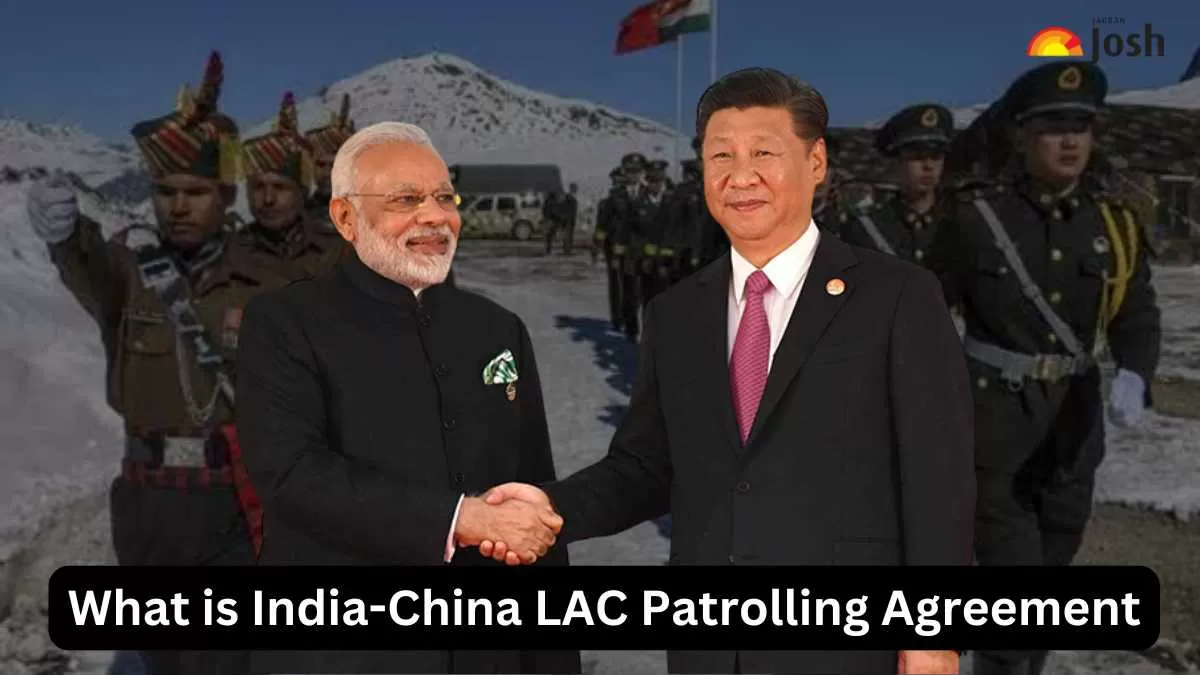
By Anjan Roy Although ice has apparently been broken between India and China over conflicts and confrontations in Demchok and Depsang areas in eastern Ladakh, tensions have not been eliminated fully. The hurriedly announced agreement, in the hours before BRICS summit in Russia’s Kazan on October 22-24, was directed more at the international audiences than […]

SINGAPORE – Media OutReach Newswire – 24 October 2024 – Senoko Energy, one of Singapore’s largest energy companies, and Gentari, a clean energy solutions provider, have signed a Memorandum of Understanding (MoU) to embark on a collaborative effort to explore the importation of hydrogen gas from Malaysia to Singapore. Senoko Energy and Gentari Collaborate to Enhance Sustainable Energy Solutions in Singapore with Hydrogen Following the MoU, both […]

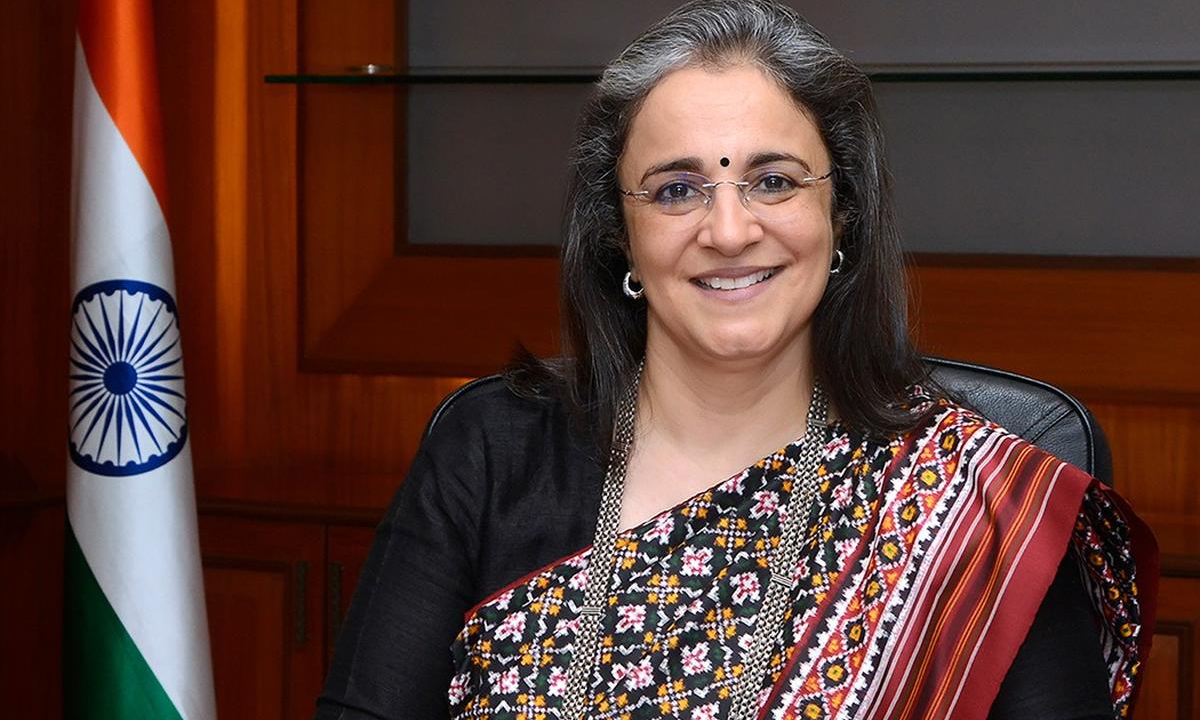
By K Raveendran The desperation shown by BJP members of the parliamentary accounts committee to shield SEBI chairperson Madhabi Puri Buch from criticism for her failure to appear before the panel shows how her acts of commission and omission were not just a reflection of certain deficit in personal integrity, but how a sinister plot […]
Advertisements

A new federal decree-law aimed at overhauling traffic regulations has been enacted by the UAE Government, reflecting a strategic effort to modernize the nation’s transportation framework. This legislation responds to the dynamic global shifts in mobility, focusing on emerging technologies and innovative vehicle classifications.

This decree-law places significant emphasis on self-driving vehicles and electric cars, as well as personal mobility devices. It lays the groundwork for a robust regulatory environment that supports the integration of advanced technologies into everyday transportation. By updating vehicle classifications, the UAE is preparing for the broader adoption of innovative mobility solutions that align with global trends.

The legislative move also includes provisions for utilizing cutting-edge technology within the nation’s extensive road network. This approach is in line with the UAE’s vision to foster smart city initiatives, emphasizing sustainable and efficient transportation options. The country aims to ensure that its infrastructure not only supports conventional vehicles but is also equipped to accommodate futuristic mobility solutions.

One of the key features of the new traffic law is the establishment of a cabinet resolution that will outline the necessary requirements for the inspection, licensing, and renewal of self-driving vehicles. This is a significant step, as it creates a clear framework for regulating these advanced vehicles, ensuring that safety standards are maintained while promoting innovation.

The decree-law further stipulates procedures for trials of new vehicle technologies, which is crucial for fostering an environment conducive to innovation. By streamlining these processes, the UAE hopes to attract global automotive and technology companies to conduct trials and introduce their products within its borders. This could position the UAE as a leading hub for automotive innovation in the region, stimulating economic growth and job creation.

The legislation acknowledges the importance of personal mobility devices such as e-scooters and electric bicycles, which are increasingly popular in urban areas. By formally recognizing these modes of transportation, the UAE is taking proactive steps to regulate their use, ensuring public safety while encouraging sustainable transport options.

The decree-law aligns with the UAE’s broader commitment to sustainability and environmental responsibility. As the world shifts towards greener alternatives, the promotion of electric vehicles and advanced mobility solutions reflects the UAE’s dedication to reducing its carbon footprint. The government’s initiatives in this regard are also in keeping with global environmental goals, enhancing the nation’s reputation as a responsible player on the international stage.

Stakeholders in the transportation sector, including automotive manufacturers and technology firms, have welcomed the new law as a significant advancement. They believe that a clear regulatory framework will encourage investment and innovation, enabling the UAE to compete effectively in the rapidly evolving global automotive market. By creating a conducive environment for new technologies, the UAE is likely to attract investments from companies seeking to test and deploy their innovations in a forward-thinking market.

Industry experts assert that the shift toward self-driving and electric vehicles is not merely a trend but represents a fundamental change in how transportation systems operate. The updated regulations will allow for a more seamless integration of these technologies into existing infrastructure, which is essential for the safe operation of autonomous vehicles.

The decree-law addresses the growing need for smart transportation solutions that can adapt to changing urban landscapes. The focus on advanced technology will allow for better traffic management and improved safety protocols, essential for accommodating the influx of vehicles and personal mobility devices expected in the coming years.

As the UAE continues to invest in its infrastructure and embrace innovative transportation solutions, the implications of this new traffic law extend beyond mere regulation. It represents a strategic vision for the future of mobility in the region, setting a precedent for other nations to follow. The potential benefits include improved urban mobility, enhanced safety, and a greener environment, which collectively contribute to a higher quality of life for residents and visitors alike.

By Dr. Gyan Pathak With announcement of NDA and INDIA bloc’s candidates for byelections of all the 9 Vidhan Sabha Constituencies in Uttar Pradesh, one can now see the chief contestants arrayed in the electoral battlefield, and also make an assessment of their respective strengths and weaknesses, the success or failure of which may decide […]


Google has unveiled its watermarked technology for detecting AI-generated text, making it available to the public as open source. This initiative responds to the increasing challenges posed by the proliferation of AI-generated content, which has sparked concerns regarding misinformation and the authenticity of written communication. By equipping individuals and organizations with tools to identify AI-generated text, Google aims to bolster the integrity of online discourse and facilitate […]

Connectbase, a global marketplace facilitating connectivity transactions, has completed the strategic acquisition of Network Capacity Solutions (NCS), renowned for its innovative data center and network inventory software. This acquisition aims to enhance Connectbase’s ability to provide seamless connectivity solutions across a growing global network. The integration of NCS’s software solutions is expected to enable Connectbase to offer enhanced inventory management, network visibility, and improved capacity planning for […]

Dubai Chamber of Commerce has inaugurated the Korean Business Council to bolster economic ties and foster collaboration between businesses in Dubai and the Republic of Korea. This initiative is part of Dubai Chamber’s ongoing efforts to diversify its economic partnerships and attract foreign investment. The council’s establishment comes at a time when both regions seek to enhance their bilateral trade relations, with an eye on creating sustainable business opportunities.

The inaugural annual general meeting of the Korean Business Council took place in Dubai, featuring prominent business leaders, government officials, and representatives from various sectors. This gathering provided a platform for discussions on enhancing trade and investment flows between Dubai and South Korea. Key participants included senior officials from Dubai Chambers, members of the diplomatic community, and representatives from South Korean firms operating in the UAE.

During the meeting, chamber officials emphasized the significance of the council in facilitating dialogue and collaboration. The council aims to serve as a vital link between the two regions, fostering partnerships across various sectors, including technology, renewable energy, tourism, and healthcare. By leveraging the strengths of both economies, the Korean Business Council intends to create a synergistic environment conducive to business growth and innovation.

The UAE is already a significant trading partner for South Korea in the Middle East. In 2023, bilateral trade between the two nations reached approximately $15 billion, with South Korea exporting goods such as machinery, electronics, and automobiles. The establishment of the Korean Business Council is expected to further stimulate this trade and attract South Korean companies to invest in Dubai’s growing market.

South Korea’s Ministry of Trade, Industry, and Energy has expressed support for the initiative, recognizing the strategic importance of strengthening economic relations with the UAE. South Korea’s trade envoy to the UAE highlighted the country’s commitment to fostering business collaborations and creating a more robust economic framework for bilateral trade.

The new council will offer various services to its members, including market research, networking opportunities, and access to resources that can assist in navigating the Dubai business landscape. By providing a platform for collaboration and knowledge-sharing, the council aims to empower businesses to expand their reach and enhance their competitiveness in the region.

The council is expected to play a pivotal role in attracting South Korean investment into Dubai’s rapidly developing sectors. As Dubai continues to position itself as a global business hub, the Korean Business Council will facilitate opportunities for South Korean firms looking to establish or expand their operations in the region.

With its strategic location, favorable business environment, and established infrastructure, Dubai has become an attractive destination for South Korean companies. Numerous South Korean enterprises have already made significant investments in sectors such as construction, hospitality, and technology, underscoring the potential for further collaboration.

The Korean Business Council will also focus on promoting cultural exchanges between the two regions. Cultural ties are essential in fostering mutual understanding and trust, which can enhance business interactions. Events showcasing Korean culture, technology, and innovation are expected to be organized to facilitate this cultural exchange, enabling Dubai businesses to gain insights into South Korea’s advancements in various industries.

The council’s establishment aligns with the UAE’s Vision 2021, which aims to position the nation as a global economic leader and a hub for trade and investment. By enhancing relationships with key markets like South Korea, Dubai is making strategic moves to achieve its economic diversification goals.

In addition to economic benefits, the council is poised to contribute to the broader goal of sustainable development. As both regions prioritize sustainability and innovation, the council will encourage cooperation in sectors such as renewable energy and environmental technology. Collaborative initiatives in these areas can lead to significant advancements, addressing pressing global challenges while promoting economic growth.

As the Korean Business Council embarks on its journey, its success will rely on the active participation of its members and the commitment to fostering a dynamic and collaborative business environment. The council’s leadership has expressed enthusiasm for creating a vibrant network of businesses that can thrive in Dubai’s competitive landscape.

Engaging with local stakeholders and participating in trade missions and exhibitions will be crucial in building relationships and expanding business opportunities. By connecting South Korean and Dubai-based companies, the council aims to unlock the potential for innovative partnerships that can drive economic growth.

Rene Haas, CEO of Arm Holdings, emphasizes the profound impact of artificial intelligence on the automotive industry, noting that the advent of smart vehicles will significantly transform transportation dynamics. During a recent industry event, Haas articulated a clear vision of a future where intelligent cars will redefine mobility, driven by advanced AI technologies that enhance performance, safety, and user experience. This evolution in smart vehicles is anticipated to accelerate rapidly, indicating a shift not only in how cars operate but also in how they integrate with broader urban ecosystems.

Arm Holdings, known for its semiconductor technology and microprocessor designs, plays a pivotal role in this transformation. The company’s innovations are critical to enabling the next generation of smart cars, which rely on intricate AI systems for tasks such as navigation, environmental sensing, and real-time decision-making. With the growing emphasis on connectivity and automation, vehicles are evolving into complex data-driven platforms. Haas remarked that the integration of AI in automotive technology is not merely a trend but a fundamental shift that will enhance safety and performance.

The growing trend of smart vehicles is underscored by major automotive manufacturers investing heavily in AI and machine learning technologies. Companies like Tesla, Ford, and General Motors are leading the charge, developing AI systems capable of processing vast amounts of data from sensors and cameras to navigate complex environments. As vehicles become increasingly autonomous, the reliance on sophisticated algorithms for safe operation is more critical than ever. Analysts predict that the global autonomous vehicle market could reach a valuation of over $500 billion by 2026, underscoring the industry’s shift towards smarter, AI-enabled transportation.

Regulatory bodies are also adapting to the rise of smart vehicles. Governments worldwide are creating frameworks that promote innovation while ensuring public safety. For instance, the U.S. Department of Transportation has issued guidelines for the testing and deployment of automated vehicles, encouraging manufacturers to implement robust safety measures. This regulatory environment is essential for fostering trust in new technologies and ensuring that advancements in AI do not compromise safety standards.

One of the significant challenges faced in this rapidly evolving landscape is data privacy and security. As vehicles become more connected, they generate extensive amounts of data, raising concerns about how this information is collected, stored, and utilized. Industry stakeholders, including Arm Holdings, are prioritizing the development of secure systems to protect consumer data while maximizing the potential of AI. Haas highlighted the importance of building trust with consumers, stating that secure technology must go hand in hand with innovation to facilitate widespread adoption.

Emerging technologies, such as edge computing and 5G connectivity, are enhancing the capabilities of smart vehicles. Edge computing allows data processing to occur closer to the source, enabling faster responses to dynamic driving conditions. Coupled with the low-latency benefits of 5G, these technologies facilitate seamless communication between vehicles, infrastructure, and cloud-based services, significantly improving the overall driving experience. Experts believe that such advancements will not only enhance the functionality of smart vehicles but also pave the way for new business models within the automotive industry.

In addition to safety and efficiency, sustainability is becoming a critical focus for the automotive sector. The integration of AI is facilitating the development of electric vehicles and hybrid models, which contribute to reducing carbon footprints. Companies are leveraging AI to optimize energy consumption and improve battery management systems, ensuring that smart vehicles are not only technologically advanced but also environmentally friendly. This aligns with broader global initiatives aimed at combating climate change and promoting sustainable practices.

Consumer demand for smart vehicles is on the rise, driven by a desire for enhanced convenience, safety, and connectivity. Market research indicates that modern consumers are increasingly inclined to purchase vehicles equipped with advanced technologies, including AI-powered features such as adaptive cruise control, lane-keeping assistance, and automated parking. This shift in consumer preferences is prompting automakers to prioritize the integration of AI and connectivity into their offerings.

HSBC has launched a sustainability improvement loan targeting mid-sized corporates in the UAE, Egypt, Qatar, and Bahrain, marking a significant step in promoting environmentally responsible business practices in the region. This initiative aims to support companies striving to enhance their sustainability performance by providing them with financial resources tailored to their specific green objectives. The loan facility is designed for firms with an annual revenue between $20 […]

Vitalik Buterin has laid out ambitious plans for the future of Ethereum, focusing on a pivotal development known as The Verge phase. This latest initiative seeks to enhance the blockchain’s accessibility by enabling full verification on various devices, including mobile wallets and smartwatches. The integration of advanced technologies such as Verkle trees and Succinct Non-interactive Argument of Knowledge (SNARKs) is central to this transformation.

Buterin emphasized the importance of reducing the barriers to entry for Ethereum users. Currently, the process of verifying transactions on the Ethereum network can be resource-intensive and requires significant computational power, which limits the use of mobile and lightweight devices. By implementing Verkle trees, the aim is to optimize how data is stored and accessed on the blockchain. Verkle trees combine the efficiency of Merkle Patricia trees with the benefits of vector commitment, providing a way to reduce the amount of data required for verification.

This shift is designed to make blockchain technology more user-friendly, particularly for individuals who rely on mobile devices. The ability to conduct full verification from a smartphone or smartwatch would democratize access to Ethereum, making it easier for users to engage with decentralized applications (dApps) without needing specialized hardware. The implications for mobile security and user experience could be substantial, as users would no longer need to rely on third-party services to validate their transactions.

SNARKs, another key component of Buterin’s vision, will enhance privacy and efficiency within the network. This cryptographic tool allows for the validation of transactions without revealing the underlying data, addressing privacy concerns that have emerged as Ethereum has grown in popularity. By incorporating SNARKs, Ethereum aims to provide a layer of confidentiality that is appealing to both users and developers.

This focus on improving transaction verification methods aligns with a broader trend in the cryptocurrency space towards scalability and user empowerment. As Ethereum continues to compete with other blockchain platforms, such as Solana and Cardano, these enhancements could play a crucial role in maintaining its position as a leading smart contract platform. The Verge phase represents a critical step in Ethereum’s roadmap, which has been strategically outlined to adapt to the evolving needs of its user base.

The need for more efficient blockchain verification methods has been underscored by the growing demand for decentralized finance (DeFi) applications. With more users entering the space, ensuring that these applications remain accessible and user-friendly is vital. By leveraging the advancements in Verkle trees and SNARKs, Ethereum is positioning itself to handle the increased demand while maintaining its foundational principles of decentralization and security.

Developers have been encouraged by Buterin’s post, as it lays the groundwork for innovations that could lead to new use cases for Ethereum. The adoption of mobile wallets has surged, and the integration of robust verification methods could unlock further opportunities for developers to create applications that are not only functional but also secure and efficient. This forward-thinking approach could foster an ecosystem where more users can actively participate in Ethereum’s offerings.

The Verge phase is part of a larger series of upgrades collectively known as Ethereum 2.0, which aims to enhance the network’s scalability, security, and sustainability. The transition from a proof-of-work to a proof-of-stake consensus mechanism is already underway, with the goal of reducing energy consumption and increasing transaction throughput. The integration of The Verge phase signifies an important milestone in this ongoing transformation.

As Ethereum navigates its path forward, the emphasis on improving verification processes speaks volumes about its commitment to user experience and technological innovation. The potential for full blockchain verification on everyday devices could not only attract a new demographic of users but also solidify Ethereum’s reputation as a leading blockchain platform that prioritizes accessibility and efficiency.

Industry experts are optimistic about the developments that The Verge phase will bring, particularly regarding its impact on the broader cryptocurrency landscape. The ability to conduct secure transactions from mobile devices could set a new standard for blockchain technology, prompting other platforms to consider similar enhancements. As Buterin and the Ethereum development community continue to refine their vision, the implications for the future of decentralized technologies are profound.

A groundbreaking pilot project for hydrogen-powered taxis has been launched in Saudi Arabia, marking a significant stride towards sustainable transportation solutions in the region. This initiative aims to demonstrate the feasibility and efficiency of hydrogen as a clean fuel alternative while contributing to the Kingdom’s broader goals of reducing carbon emissions and diversifying its economy. The project, which is a collaboration between several stakeholders including local government […]

ADNH Catering, a prominent player in the food and beverage sector, faced challenges on its stock market debut in Abu Dhabi. The company raised Dh864 million (approximately US$235.2 million) through its initial public offering (IPO), which was priced at the higher end of its anticipated range. Despite this, the shares closed at the issue price of Dh0.96, reflecting a lackluster response from investors. The IPO drew significant […]

Partnership is unveiled at the Ascott Unlimited Global Marquee Event during ITB Asia 2024, capping off a year-long campaign celebrating Ascott’s 40th anniversary SINGAPORE – Media OutReach Newswire – 23 October 2024 – The Ascott Limited (Ascott), the lodging business unit wholly owned by CapitaLand Investment (CLI), is pleased to announce that Ascott China has entered a 50:50 joint venture with Jin Jiang Hotels (China Region) to […]

Pearl Petroleum, a consortium operating in the Kurdistan Region of Iraq, has taken a significant step in its expansion efforts by mandating a group of banks to facilitate a $300 million bond offering. This move signals the company’s intent to enhance its financial resources, particularly as it seeks to further develop its oil and gas operations in the energy-rich region.

The decision to issue the bond, aimed at international investors, aligns with Pearl Petroleum’s strategy of capitalizing on the growing global demand for energy. With key stakeholders including Dana Gas and Crescent Petroleum, the consortium operates a series of gas fields that are pivotal to energy supply within the Kurdistan Region and beyond. This bond issuance is expected to support continued infrastructure investment and help the company maintain steady production levels amidst growing regional and global energy needs.

Pearl Petroleum’s bond will target both institutional and retail investors, with the capital raised earmarked for expanding gas production facilities and further drilling in the Khor Mor field. This field, one of the largest non-associated gas reservoirs in Iraq, has been central to Pearl’s operations, supplying gas to power plants and industrial projects across the region. The investment is set to bolster output, which currently averages around 400 million cubic feet of gas per day.

The bond is being coordinated by a syndicate of banks led by Citi, Deutsche Bank, and JPMorgan. These institutions have been mandated to structure and market the bond to a wide range of investors. The move follows Pearl Petroleum’s success in enhancing operational efficiency and solidifying its position as a major player in Iraq’s gas sector. It also comes amid renewed interest from international investors in Middle Eastern energy assets, spurred by strong global demand and energy market volatility.

Kurdistan’s gas reserves have long been a strategic asset, and Pearl Petroleum’s activities are crucial for regional energy security. The bond offering underscores the consortium’s ambition to continue expanding its footprint, despite the geopolitical complexities that come with operating in the Kurdistan Region. The area’s political and regulatory landscape remains challenging, but the firm has successfully navigated these hurdles in the past, owing to its established partnerships and local expertise.

Proceeds from the bond sale will likely be channeled toward increasing production capacity, which has been part of Pearl’s long-term growth plan. The company has outlined its intentions to raise production to 1 billion cubic feet per day over the next several years, a target that will require substantial investment in new wells, infrastructure, and processing facilities. The additional funding will also provide liquidity for future projects, ensuring that Pearl is well-positioned to meet the increasing demand for gas in Iraq and its neighboring countries.

Energy analysts have noted that Pearl Petroleum’s bond issue comes at a favorable time. Global energy prices have remained high, driven by supply disruptions and a rebound in demand following the pandemic-induced slump. Investors have been drawn to the energy sector, seeking higher returns amid an uncertain economic outlook. This has created a ripe environment for energy firms like Pearl to tap into capital markets and secure financing for long-term projects.

The Kurdistan Region, while rich in resources, faces ongoing political challenges, particularly in its dealings with Baghdad. Tensions over revenue-sharing and control of oil and gas exports have complicated efforts by companies operating in the region. However, Pearl Petroleum’s established position and its critical role in supplying gas to power plants have enabled it to maintain stable operations despite these challenges.

Pearl Petroleum’s latest move highlights the continued importance of the Kurdistan Region as a vital source of energy. The consortium has been able to steadily increase production over the years, contributing significantly to the region’s energy mix and playing a key role in meeting its electricity demands. The additional funding through the bond offering is expected to further solidify Pearl Petroleum’s leading position in the market.

The company’s long-term vision of enhancing gas production aligns with Iraq’s broader energy goals, which aim to diversify the country’s energy portfolio and reduce reliance on oil. The bond issuance is seen as a crucial step in ensuring that Pearl Petroleum can maintain its growth trajectory while contributing to the stability of the region’s energy supply.

A significant boost to Dubai’s real estate market is on the horizon as the emirate prepares to deliver an impressive 90,000 new homes within the next two years. This initiative, driven by rising demand and a focus on sustainable development, marks a pivotal moment for the city’s housing landscape. The initiative is part of Dubai’s broader strategy to enhance its residential offerings, with authorities anticipating a substantial […]

A significant slowdown in wind power development is hindering the world’s efforts to meet renewable energy goals, particularly as nations strive to cut carbon emissions in line with climate agreements. Wind energy, once seen as a pivotal solution to transitioning away from fossil fuels, is facing mounting challenges that threaten its viability as a cornerstone of the global energy mix. Despite the increasing urgency for green energy […]

Abu Dhabi’s International Holding Company (IHC) has made a significant move in the leasing market by acquiring a 51% stake in Gallega Global, a strategic acquisition that underscores IHC’s commitment to diversifying its investments. The deal marks a crucial step for EasyLease, IHC’s leasing arm, as it seeks to enhance its service offerings and expand its footprint in the global market. This acquisition comes at a time […]

Shuaa Capital, a leading investment company based in Dubai, is poised to convene its board of directors to deliberate on a significant proposal for the issuance of Mandatory Convertible Bonds (MCBs) amounting to $175 million. This meeting, set against a backdrop of evolving financial strategies within the region, aims to explore potential avenues for enhancing the firm’s capital structure and investor appeal.

The proposed issuance of MCBs is seen as a strategic move to raise funds that can be deployed towards bolstering Shuaa’s core business activities and expanding its investment portfolio. These financial instruments, which offer investors the option to convert their bonds into equity after a specified period, can provide both liquidity and flexibility. MCBs have become an attractive choice for companies seeking to optimize their balance sheets while also catering to investors looking for growth opportunities.

Market analysts view this potential issuance as part of a broader trend among Gulf Cooperation Council (GCC) companies that are increasingly turning to hybrid financial instruments to navigate economic uncertainties. With oil prices stabilizing and global markets fluctuating, firms across the region are adapting their financing strategies to ensure sustainability and growth. Shuaa’s proactive approach in considering MCBs reflects its commitment to remaining competitive in a dynamic financial landscape.

Shuaa Capital’s management has expressed optimism regarding the approval of the MCB issuance, citing a favorable investment climate and the firm’s robust performance in various sectors, including asset management, capital markets, and advisory services. The company has made significant strides in enhancing its service offerings and expanding its client base, positioning itself as a key player in the regional investment space.

The decision to issue MCBs could be bolstered by Shuaa’s recent financial results, which indicate a steady growth trajectory. In its latest earnings report, the firm highlighted increased revenues driven by strong performance in its investment management division, alongside strategic partnerships and acquisitions that have expanded its market reach. This positive momentum has prompted discussions within the board about leveraging additional capital through innovative financing options.

The approval of the MCB issuance aligns with Shuaa’s long-term growth strategy, which emphasizes sustainable development and diversification of its investment portfolio. The firm has been keen on exploring new markets and sectors, particularly in technology and renewable energy, areas that are expected to experience substantial growth in the coming years. With capital raised through MCBs, Shuaa aims to capitalize on these emerging opportunities while enhancing shareholder value.

As the board meeting approaches, stakeholders and investors will be closely monitoring the outcomes and implications of the proposed bond issuance. Should the board approve the MCBs, it could signal a shift in Shuaa’s approach to capital raising, potentially influencing similar strategies among its peers in the investment sector.

Industry experts have noted that the demand for MCBs may also be driven by changing investor preferences, with many looking for securities that offer both fixed income and potential equity upside. The convertible nature of these bonds allows investors to participate in the growth of the company while still receiving periodic interest payments, making them an appealing option in uncertain market conditions.

Shuaa’s consideration of MCBs comes at a time when the GCC’s capital markets are witnessing a revival, characterized by a surge in initial public offerings (IPOs) and bond issuances. This resurgence is largely attributed to the economic recovery following the pandemic, coupled with ongoing government initiatives aimed at boosting private sector participation and foreign investment. As companies across the region assess their financing strategies, the MCB issuance could emerge as a popular choice for those looking to enhance liquidity without diluting existing equity.

The upcoming board meeting will not only address the MCB proposal but also evaluate the broader implications for Shuaa’s financial strategy moving forward. With a focus on maintaining strong governance and aligning with investor interests, the board is tasked with ensuring that any capital-raising initiative is consistent with the company’s vision and operational goals.

Mubadala Capital, the asset management arm of Abu Dhabi’s sovereign wealth fund, has announced the successful closure of its latest fund, which garnered commitments exceeding $3 billion. This substantial fundraising reflects growing investor confidence in Mubadala’s investment strategy, which focuses on both private equity and venture capital, aiming to drive innovation and long-term value across various sectors globally.

The new fund’s capital commitments come from a diverse group of institutional investors, including sovereign wealth funds, pension funds, family offices, and high-net-worth individuals. The increased interest in Mubadala’s offerings can be attributed to the firm’s strong track record of generating robust returns and its commitment to sustainable investment practices. This move aligns with the broader trend of heightened investment in private equity and alternative assets as investors seek opportunities that can provide substantial returns amid fluctuating public markets.

Mubadala Capital’s strategy is distinguished by its proactive approach in identifying promising sectors and regions for investment. The firm intends to focus on technology, healthcare, and clean energy, which are sectors projected to experience significant growth in the coming years. Notably, Mubadala has a history of successfully backing transformative companies and supporting their global expansion, which adds to its appeal for investors looking to diversify their portfolios.

The global private equity market has seen a notable influx of capital, with fundraising hitting record levels across various firms. This trend underscores the increasing willingness of investors to allocate resources towards private equity as a means to achieve greater returns compared to traditional asset classes. Mubadala Capital’s ability to secure over $3 billion amid a competitive fundraising landscape illustrates its strong positioning and the credibility it has built over the years.

This fund closure is expected to enhance Mubadala’s capacity to pursue innovative investment opportunities and continue its commitment to delivering value to stakeholders. The firm’s previous funds have demonstrated a successful investment track record, making it a trusted player in the private equity space. Investors are increasingly drawn to Mubadala’s combination of local expertise and global reach, which allows the firm to navigate complex markets effectively.

The growing emphasis on sustainability within investment strategies has also played a pivotal role in Mubadala’s fundraising success. The firm has incorporated environmental, social, and governance (ESG) considerations into its investment decisions, aligning with global trends towards responsible investing. This strategic focus not only enhances the appeal of Mubadala’s funds but also positions the firm as a leader in promoting sustainable business practices.

Mubadala Capital’s successful fundraising initiative follows its previous capital-raising efforts, which also yielded significant commitments. The firm’s ongoing commitment to innovation and strategic investments has allowed it to attract a wide array of investors, reflecting its capacity to adapt to changing market dynamics. By continuing to engage with a diverse range of stakeholders, Mubadala strengthens its position as a formidable player in the investment landscape.

As private equity continues to evolve, the demand for flexible investment structures and innovative strategies will likely increase. Investors are actively seeking firms that can provide unique insights and access to high-quality deal flow, which enhances the allure of platforms like Mubadala Capital. The successful closing of this latest fund demonstrates the firm’s ability to respond to market needs and capitalize on emerging trends.

The fundraising effort not only solidifies Mubadala’s financial standing but also supports its mission to contribute positively to the global economy. By investing in high-growth companies and supporting job creation, Mubadala is playing a crucial role in driving economic development both locally and internationally. This focus on creating economic impact resonates well with investors who are increasingly prioritizing sustainability and responsible investment practices.

Mubadala Capital’s ability to raise over $3 billion amidst a competitive fundraising environment highlights the strength of its investment thesis and operational expertise. This development marks a significant milestone for the firm, allowing it to expand its portfolio and further its commitment to fostering innovation across various sectors. Investors looking for opportunities in private equity will continue to monitor Mubadala’s activities closely, given its proven track record and strategic vision.

VISHNU RAJA
RYO YAMADA
HITORI GOTOH
IKUYO KITA