News related to
stake

Bitcoin Solaris, a next-generation blockchain platform, is gaining attention for its claim of being 99% more energy-efficient than Bitcoin, addressing long-standing environmental concerns associated with cryptocurrency mining.

Traditional Bitcoin mining relies on a Proof-of-Work consensus mechanism, which requires miners to solve complex mathematical problems, consuming vast amounts of electricity. Estimates suggest that the Bitcoin network’s annual energy consumption rivals that of some small countries, contributing significantly to global carbon emissions.

In contrast, Bitcoin Solaris utilizes a Proof-of-Stake system, where validators are chosen based on the number of coins they hold and are willing to “stake” as collateral. This method drastically reduces the computational power required, leading to substantial energy savings.

The environmental benefits of PoS systems like Bitcoin Solaris are further enhanced when combined with renewable energy sources. For instance, integrating solar power into mining operations not only reduces carbon footprints but also offers economic advantages. Studies have shown that solar-powered mining farms can save significant amounts of CO₂ emissions annually, equivalent to removing thousands of cars from the road.

The adoption of energy-efficient mining practices is not limited to Bitcoin Solaris. Other blockchain platforms, such as Solana, have also embraced PoS mechanisms, resulting in markedly lower energy consumption per transaction compared to Bitcoin. Solana’s innovative Proof-of-History mechanism further enhances its efficiency, making it an attractive option for environmentally conscious investors and developers.

The shift towards greener blockchain technologies is also influencing the broader energy sector. Cryptocurrency mining operations are increasingly being integrated with renewable energy projects, providing a consistent demand for clean energy and supporting the financial viability of such initiatives. In some cases, excess energy from renewable sources, which would otherwise go unused, is being redirected to power mining activities, optimizing resource utilization.

Innovative approaches are being explored to further reduce the environmental impact of cryptocurrency mining. Researchers are investigating the use of integrated photonics and other advanced technologies to develop more energy-efficient mining hardware. These advancements aim to shift the focus from energy-intensive computations to more sustainable solutions.

Saudi Arabia is set to maintain its robust initial public offering momentum in 2025, with Riyad Capital projecting up to 46 listings across the Main Market and the Nomu Parallel Market. This outlook comes despite global market volatility driven by US tariffs and trade tensions that have dampened IPO activity in other regions.

Muhammad Faisal Potrik, Head of Sell-Side Research at Riyad Capital, noted that the Saudi Main Market witnessed 14 IPOs last year and anticipates a similar range of 14 to 16 listings in 2025. The sectors expected to feature prominently include financial services, real estate, retail, technology, and aviation.

In 2024, the Kingdom led the Gulf Cooperation Council IPO market, raising $4.1 billion through 42 offerings, according to data from The Kuwait Financial Centre . This accounted for 31% of the region’s total IPO proceeds, making Saudi Arabia the second-largest contributor after the UAE. The Saudi Exchange, Tadawul, hosted 14 IPOs on its main market, collectively raising $3.8 billion, while the Nomu Parallel Market saw 28 IPOs, generating $297 million.

Notable listings included Dr. Soliman Abdel Kader Fakeeh Hospital, which was oversubscribed 119 times with orders worth $91 billion, and other companies like Almoosa Health, Miahona Utilities, and Nice One Beauty Digital Marketing, reflecting strong investor confidence.

The aviation sector is also poised for significant activity, with the Capital Market Authority approving the IPO of flynas, a budget airline backed by Prince Alwaleed Bin Talal. The company plans to sell a 30% stake and aims to expand its fleet to 160 aircraft by 2030.

Riyad Capital anticipates an 8% growth in Saudi market earnings in 2025, driven by factors such as declining interest rates, favorable global market responses, and stronger earnings growth in sectors like banking, technology, media, communications, and emerging industries. This positive sentiment is expected to bolster IPO activity further.

The Kingdom’s capital market reforms, including the introduction of new financial products like options and futures on Tadawul, have enhanced market depth and attracted increased institutional investor participation. These developments, coupled with ongoing privatization efforts and the government’s commitment to economic diversification under Vision 2030, are expected to sustain the IPO momentum.

Saudi Arabia’s focus on sectors such as healthcare, technology, and consumer services aligns with global investment trends and positions the Kingdom as a competitive destination for international investors. The continued liberalization of foreign ownership rules and the inclusion of Saudi markets in global indices further enhance its appeal.

Abu Dhabi Future Energy Company PJSC – Masdar has completed its acquisition of 100% of TERNA ENERGY, Greece’s leading renewable energy firm, marking a significant milestone in its European growth strategy. The transaction, valued at €3.2 billion in enterprise terms, stands as the largest energy deal in the history of the Athens Stock Exchange and among the most substantial in the European renewables sector.

The process began with Masdar securing a 70% stake in TERNA ENERGY in November 2024, following regulatory approvals. Subsequently, the company initiated a mandatory tender offer and completed a squeeze-out process to acquire the remaining shares, finalising the full ownership. This acquisition aligns with Masdar’s ambition to achieve a global renewable energy capacity of 100 gigawatts by 2030.

TERNA ENERGY, established in 1997, has been a pivotal player in Greece’s renewable energy landscape, operating a diversified portfolio that includes wind, solar, hydroelectric, and biomass projects. The company currently manages 1.2 gigawatts of operational capacity and is developing the 680-megawatt Amfilochia pumped hydro project, one of Europe’s largest energy storage initiatives. TERNA ENERGY aims to expand its operational capacity to 6 gigawatts by 2029.

The acquisition is expected to bolster Masdar’s presence in Southeastern and Central Europe, regions identified as key markets for renewable energy growth. Masdar’s leadership, including Chairman Dr. Sultan bin Ahmed Al Jaber and CEO Mohamed Jameel Al Ramahi, visited TERNA ENERGY’s headquarters in Athens to discuss strategic plans with Executive Chairman Georgios Peristeris. The discussions focused on accelerating renewable energy projects and exploring new opportunities in the region.

Masdar’s expansion in Europe is part of a broader strategy to invest in renewable energy assets globally. The company has also acquired a 49.99% stake in 48 solar plants in Spain, amounting to 2 gigawatts of capacity, and is exploring further investments in Portugal and other European countries. These moves are indicative of Masdar’s commitment to supporting the global energy transition and contributing to the European Union’s net-zero emissions targets by 2050.

By K Raveendran India is intensifying its diplomatic offensive against Pakistan, with efforts now underway to push for Islamabad’s re-listing on the Financial Action Task Force (FATF) grey list. This renewed push, backed by an unusually strong expression of support from the Trump-led U.S. administration, marks a strategic escalation by New Delhi to hold Pakistan […]

Matein Khalid He was a handsome young Gen-Z kid from Dubai, son of a Sindhi family long settled in the UAE, only a few years older than my twins. I can just imagine him as a toddler, all decked out in ​Babyshop diapers, then a little guy having his birthday bash with his classmates at McDonalds​ or Kidzania, as an IHS student on a school bus in […]

India’s participation in the World Expo 2025 in Osaka is positioned to create significant opportunities for economic growth, cultural diplomacy, and increased tourism. With an expected influx of international visitors and the ongoing globalisation of markets, the country is focusing on leveraging the expo’s global platform to showcase its economic potential, rich cultural heritage, and expanding technological prowess.

The India Pavilion, a standout feature of the event, has already seen a remarkable turnout, attracting thousands of visitors in its first few days. The pavilion highlights India’s thriving industries, cutting-edge innovations, and its growing stature as a global player in sectors such as technology, manufacturing, and renewable energy. Designed to embody the country’s vision of “Vasudhaiva Kutumbakam” or “the world is one family,” the exhibition is offering a glimpse into India’s future trajectory while celebrating its deep-rooted cultural heritage.

Trade experts and diplomats view the expo as an essential event for fostering international business partnerships. India, which is already a key player in the global economy, is focusing on utilising the Expo as a gateway to expand its trade relations with countries across Asia, Europe, and beyond. Several large-scale business events and networking sessions are planned as part of India’s participation, aiming to facilitate collaborations in diverse sectors such as information technology, pharmaceuticals, agriculture, and automotive manufacturing.

India’s robust trade agenda at the Expo 2025 comes in the context of its ongoing efforts to bolster its position as one of the world’s leading economic powers. The country has made significant strides in trade agreements over the past few years, particularly with Japan and other East Asian nations, further cementing its importance in regional and global trade networks. Key sectors such as fintech, e-commerce, and artificial intelligence are expected to be key points of focus for business leaders and innovators visiting the pavilion.

The Expo provides a unique opportunity for India to present its achievements in these fields and attract foreign investments. India’s Information Technology sector, for instance, will have a prominent role in the pavilion, with showcases of groundbreaking developments in software solutions, cybersecurity, and digital infrastructure. Additionally, the Indian government’s “Make in India” initiative, aimed at encouraging domestic manufacturing, is set to take centre stage, signalling India’s commitment to increasing its share in global production.

Tourism plays a central role in India’s strategy to maximise the impact of its World Expo 2025 presence. As part of its outreach efforts, the country is promoting its diverse tourist destinations, cultural festivals, and unique culinary traditions. Travel experts believe that the Expo could serve as a catalyst for an uptick in Japanese and international visitors to India, especially as the world emerges from the pandemic and travel restrictions ease globally. By highlighting the country’s natural beauty, heritage sites, and contemporary attractions, India is seeking to attract a new wave of tourists, especially from Japan, a country with deep historical ties to India.

The Indian tourism sector is also looking to benefit from the growing interest in wellness and eco-tourism, with the Expo providing an ideal venue to promote these niche segments. India’s yoga, spiritual retreats, and eco-tourism initiatives are expected to be highlighted, appealing to international visitors seeking sustainable and enriching travel experiences.

The Expo’s theme of “Designing Future Society for Our Lives” aligns well with India’s strategic focus on sustainable development, innovation, and inclusivity. The country’s growing emphasis on green technologies, clean energy, and sustainable infrastructure will be showcased as part of India’s vision for a future society that balances economic growth with environmental responsibility. India’s active participation in global climate initiatives, coupled with its ambitious renewable energy goals, forms an essential part of the pavilion’s messaging.

Key players in India’s participation include the Ministry of Commerce and Industry, the Ministry of Tourism, and various state governments, each working in tandem to ensure a comprehensive and impactful presence. Government officials have expressed confidence that the Expo will not only strengthen bilateral ties with Japan but also serve as a platform for new partnerships in other regions. The Indian government’s proactive engagement with global stakeholders is expected to position India as a leader in international trade, investment, and cultural exchange.

Cultural diplomacy will be another critical aspect of India’s participation. The pavilion will feature a mix of live performances, art exhibitions, and traditional crafts, providing visitors with a vibrant and immersive experience. India’s diverse art forms, including classical dance, music, and theatre, will take centre stage, showcasing the country’s rich heritage while also highlighting contemporary Indian artists who are gaining international recognition. These cultural exchanges are set to build bridges between India and the rest of the world, fostering mutual understanding and respect.

India’s presence at the World Expo is also expected to highlight the country’s aspirations as a global thought leader, particularly in the fields of technology, education, and innovation. The country’s booming startup ecosystem, with its expanding network of unicorns and innovators, will also be on display. India’s young, dynamic workforce is increasingly seen as a major driver of its growth, and the Expo offers an opportunity to demonstrate how the country’s demographic advantage is transforming it into a global hub for innovation and entrepreneurship.

Goldman Sachs is intensifying its commitment to digital assets, with plans to expand crypto lending operations and accelerate efforts in asset tokenization. Mathew McDermott, the bank’s global head of digital assets, has outlined a strategic roadmap that positions the firm at the forefront of blockchain integration within traditional finance.

The bank is preparing to spin off its digital asset platform, GS DAP®, into an independent entity within the next 12 to 18 months. This move aims to foster a more collaborative and decentralized ecosystem, enabling broader participation from industry stakeholders. McDermott emphasized that such a structure would better serve the goal of creating a truly decentralized platform.

Goldman Sachs’ investment in the digital asset space is substantial, having already invested in 11 digital asset companies. These investments span services such as compliance, cryptocurrency data, and blockchain management. The firm’s digital asset team has grown to over 70 members, including a dedicated crypto options and derivatives trading desk.

A significant aspect of Goldman Sachs’ strategy is the tokenization of traditional financial instruments. The bank is leveraging blockchain technologies and smart contracts to enable digital issuance for clients across debt, equities, funds, and derivatives. This approach aims to digitize the end-to-end lifecycle of these assets, enhancing efficiency and liquidity.

McDermott highlighted the benefits of tokenization, noting that digitizing the lifecycle of asset issuance not only improves operational efficiency but also increases liquidity by potentially bringing in a wider group of investors. He pointed out that fractionalizing products and offering them to a broader universe of investors could broaden distribution channels and concentrate more secondary liquidity.

The bank’s involvement in the Canton Network, a public blockchain network developed for financial institutions, underscores its commitment to blockchain integration. Launched in 2023 by a consortium including Goldman Sachs, Microsoft, and Deloitte, the network aims to connect disparate financial systems while meeting regulatory and privacy requirements. In October 2024, a pilot involving 27 market participants, including Euroclear and the World Gold Council, successfully tokenized gilts, eurobonds, and gold on the Canton Network.

Goldman Sachs is also exploring opportunities in the crypto bankruptcy claims market. McDermott indicated that the bank is actively looking at investing in crypto bankruptcy claims, viewing it as a strategic opportunity amid the evolving digital asset landscape.

The bank’s focus on digital assets extends to its own product offerings. In April, Goldman Sachs launched its first bitcoin-secured loan and executed its first bitcoin options trade, marking significant milestones for a major Wall Street bank. These developments are part of the firm’s broader strategy to expand its crypto product suite while adhering to regulatory standards.

Advertisements

KUALA LUMPUR, MALAYSIA – Media OutReach Newswire – 2 May 2025 – Kenanga Investment Bank Berhad (“Kenanga” or “the Group“) is proud to be recognised for its market-leading achievements at the prestigious Bursa Excellence Awards 2024 held at St. Regis Kuala Lumpur on 25 April 2025. From left: Datuk Wira Ismitz Matthew De Alwis, Chief Executive Officer/ Executive Director, Kenanga Investors Berhad; Dato’ Fad’l Mohamed, Chief Executive […]

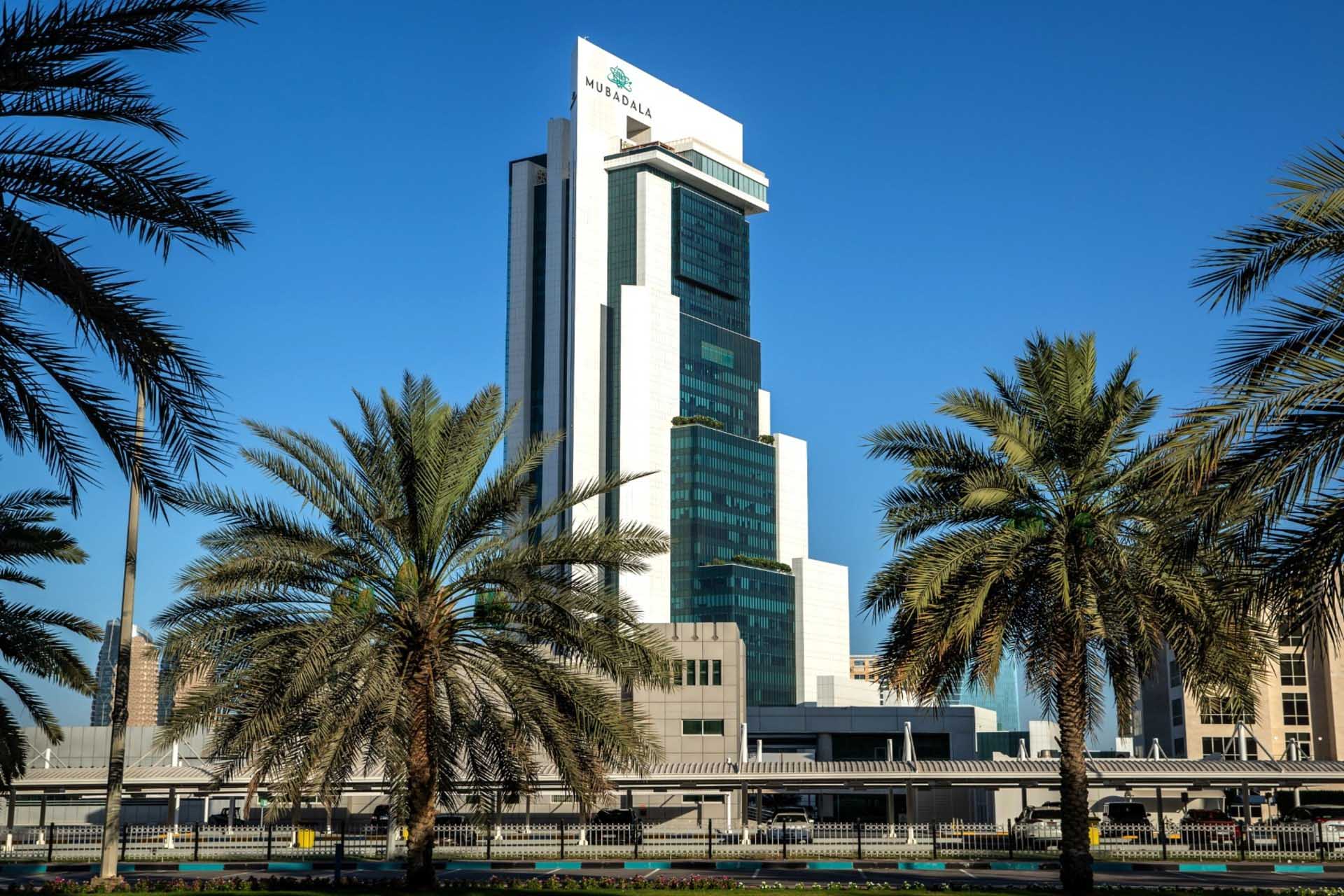
Abu Dhabi’s Mubadala Capital is set to lead a $10 billion syndicated investment into TWG Global, marking a significant move into the global sports and entertainment sector. This partnership not only positions Mubadala at the forefront of high-value sports investments but also reflects a broader trend among Gulf sovereign wealth funds diversifying their portfolios beyond traditional assets.

TWG Global, co-chaired by Mark Walter and Thomas Tull, manages a diverse portfolio that includes stakes in prominent sports franchises such as the Los Angeles Dodgers, Los Angeles Lakers, and Chelsea FC. The conglomerate, valued at approximately $40 billion, also invests in sectors like artificial intelligence, biotechnology, and media. Walter, known for his role in Guggenheim Partners, and Tull, former owner of Legendary Entertainment, bring extensive experience in both finance and entertainment to the venture.

The investment deal includes TWG Global acquiring a minority stake in Mubadala’s asset management platform for $2.5 billion. This strategic move aims to increase commitments to an additional $20 billion of investment capital, signaling a deepening collaboration between private investment firms and sovereign wealth funds.

Global SWF, a sovereign fund tracker, described the partnership as “a new chapter in global finance,” highlighting the innovative nature of a private firm acquiring a stake in a sovereign wealth fund’s asset management arm. This arrangement provides Mubadala with indirect ownership exposure to iconic Western sports franchises, aligning with the rising valuations of global sports assets and the convergence of content, fan engagement, and streaming monetisation.

Mubadala’s move mirrors strategies employed by other Gulf sovereign wealth funds, such as Saudi Arabia’s Public Investment Fund , which has been actively building its sports and leisure portfolio. However, through this partnership with TWG Global, Mubadala gains immediate access to established sports entities, bypassing the need to build its portfolio from scratch.

In 2024, Mubadala emerged as the world’s largest sovereign wealth fund spender, deploying $29.2 billion across 52 transactions—a 67% increase from the previous year. This surge in investment activity underscores the fund’s commitment to diversifying its holdings and capitalising on emerging market opportunities.

African Export-Import Bank has launched a $3 billion revolving credit facility aimed at reducing Africa’s dependence on imported refined petroleum products. The initiative is expected to finance between $10 billion and $14 billion in intra-African fuel trade over the next three years, providing a significant boost to regional refining capacity and economic resilience. The programme, known as the Revolving Intra-African Oil Trade Financing Programme, is designed to […]

Tensions between India and Pakistan have escalated following a deadly attack on Hindu tourists in Indian-administered Kashmir, resulting in 26 fatalities. Both nations have exchanged accusations, with India blaming Pakistan-based militants and Pakistan denying involvement. Diplomatic relations have deteriorated, and both countries have expelled each other’s nationals. The situation has raised concerns about the possibility of military conflict between the nuclear-armed neighbours. Pakistan’s Information Minister, Attaullah Tarar, […]

Foreign investments in Gulf stocks have surged in recent years, as nations within the Gulf Cooperation Council continue to transform their economies and capital markets. By the close of 2024, foreign equity inflows are expected to double to $60 billion, a sharp increase from 2022, driven by a combination of regulatory changes and inclusion in the prestigious MSCI Emerging Market Index.

The GCC’s capital markets have experienced substantial growth. Market capitalisation has increased four-fold, reaching $4.2 trillion, with turnover doubling to $690 billion. The rapid expansion of foreign participation is reshaping the region’s financial landscape, as countries seek to diversify their economies beyond oil revenues. This shift has become particularly evident in the stock markets of the region, where foreign investors are now a more prominent presence than ever before.

Gulf nations have made concerted efforts to modernise their economies, making them more attractive to international capital. A key development has been the GCC’s growing inclusion in global financial indices. Four out of six GCC countries – Saudi Arabia, the UAE, Qatar, and Kuwait – are now part of the MSCI Emerging Market Index. This inclusion has attracted significant international attention and capital, as investors see the region as a promising avenue for growth.

One of the critical factors behind the inflow of foreign capital is the series of regulatory reforms that have been introduced in recent years. These reforms have been designed to make the region’s markets more accessible and investor-friendly. Foreign ownership limits have been eased, allowing international investors to take larger stakes in companies listed on Gulf exchanges. These changes have made the GCC markets more appealing to institutional investors who were previously deterred by restrictive ownership rules.

In addition to regulatory changes, the GCC countries have also improved their financial infrastructure. The establishment of new exchanges, the introduction of better trading mechanisms, and the enhancement of corporate governance standards have all contributed to the region’s growing appeal to international investors. These efforts have created a more stable and predictable investment environment, crucial for attracting foreign capital.

The shift towards diversification from oil has been another driving force behind the surge in foreign investment. Gulf nations, particularly Saudi Arabia and the UAE, have been actively working to reduce their dependence on oil revenues by investing in a variety of industries. Saudi Arabia’s Vision 2030 plan, for example, aims to develop sectors such as technology, entertainment, and tourism, positioning the kingdom as a global investment hub. The UAE, meanwhile, has focused on becoming a regional leader in technology and innovation, with Dubai’s growing status as a fintech hub contributing to the rise in foreign equity participation.

The role of foreign investors in shaping the region’s stock markets cannot be overstated. Their increasing presence is evident in the growing market capitalisation and turnover of Gulf stock exchanges. As more international players enter the market, their influence on corporate governance and market dynamics becomes more pronounced. This has led to greater transparency and a more competitive business environment, which benefits both local and foreign investors alike.

Looking ahead, there are clear signs that the GCC countries will continue to evolve as attractive investment destinations. The ongoing reforms, coupled with the broader diversification strategies being pursued by the region, are likely to sustain the momentum of foreign investment. Oman, which is yet to be included in the MSCI Emerging Market Index, is expected to join in 2027, further expanding the reach of GCC capital markets.

While the region’s markets have flourished, there are also challenges that must be addressed. The volatility of global oil prices continues to be a concern, given that the GCC economies remain largely dependent on oil exports, despite efforts at diversification. Moreover, the geopolitical dynamics of the region also present risks that could affect foreign investment flows. However, the GCC countries have demonstrated resilience in managing these risks, through sound economic policies and a commitment to strengthening ties with global markets.

SINGAPORE – Media OutReach Newswire – 30 April 2025 – Coda, a leader in digital content monetization, today released its inaugural Environmental, Social, and Governance (ESG) Report, detailing its commitment to sustainable growth, responsible operations, and creating long-term value for its stakeholders. The report details its ESG commitments and progress to-date across three business-critical areas that align with the broader fintech and payments industry’s focus. They are […]

By K Raveendran Trump’s aggressive tariff war with China – built on a throwback protectionist logic more suited to the 1800s than today’s intertwined economy – has driven Chinese firms to redeploy their strategies. Major Chinese exporters, now facing punitive U.S. tariffs as high as 145 percent, are desperately seeking other markets and partners. Chinese […]

Enabling customers to make better informed sustainability and business decisions 14 environmental data attributes now covering 70% of product turnover HONG KONG SAR – Media OutReach Newswire – 30 April 2025 – Schneider Electric, the leader in the digital transformation of energy management and automation, has launched its Environmental Data Program. This initiative, which builds on the legacy Green Premium label, provides customers with unique access to […]

Jollibee Group remains the sole Philippine-based company to be recognized by the prestigious award MANILA, PHILIPPINES – Media OutReach Newswire – 29 April 2025 – The Jollibee Group, one of the world’s fastest-growing restaurant companies, has once again been recognized for its commitment to fostering a joyful workplace culture. For the fourth time, the company has received the Gallup Exceptional Workplace Award (GEWA)—a prestigious global recognition given […]

Reimagining collaborative approaches to silver economy with government, businesses and social enterprises HONG KONG SAR – Media OutReach Newswire – 29 April 2025 – As Hong Kong and other cities in the Greater Bay Area face challenges brought by an ageing population, DBS Foundation (“DBSF”) believes that a senior-friendly community can be a powerful driver for innovation and economic growth. DBSF today hosts its first-ever “GBA Impact […]

Brazil has made significant strides in modernising its air cargo industry by becoming the first country in the Americas to adopt the electronic air waybill system. This shift marks a critical milestone in the global movement towards digitalisation in air freight, allowing Brazil to enhance its competitiveness in the sector while reducing operational costs. By waving the requirement for a physical air waybill, Brazil has streamlined its logistics, supporting broader efforts to foster a more efficient and environmentally friendly global supply chain.

The International Air Transport Association has hailed the move, noting that Brazil’s embrace of the eAWB is a crucial step towards the modernisation of air cargo processes. The eAWB, a fully digital version of the traditional paper-based air waybill, has already been adopted by many countries, but Brazil’s decision to implement the system nationwide positions it as a leader in the Americas. According to IATA, this adoption will not only reduce administrative costs but will also pave the way for increased speed, accuracy, and transparency in international shipping.

IATA’s Director General, Willie Walsh, stated that the digital transformation in Brazil is a testament to the growing demand for seamless, paperless operations in air cargo. By implementing the eAWB, Brazil is not only improving its own air cargo logistics but also setting a precedent for other countries in the region. “This marks a milestone in the sector’s journey towards full digitalisation, and Brazil’s leadership will inspire other nations to follow suit,” he added.

The move is part of a broader trend within the global logistics sector, where the push towards paperless systems and automation has gained momentum in recent years. Globally, the air cargo industry has faced rising demands for speed and efficiency, with digital tools like eAWB becoming essential for meeting these expectations. The switch from paper to digital air waybills reduces delays and the risk of errors that come with handling physical documents, which often contribute to bottlenecks in shipping operations.

The shift to digital documentation aligns with sustainability goals by significantly cutting down on paper use. The air cargo industry has long been criticised for its environmental impact, and digitalisation is seen as a key way to mitigate some of this damage. By reducing the need for paper air waybills, the industry will also lower its carbon footprint, contributing to global sustainability efforts.

Brazil’s adoption of the eAWB will also have direct benefits for its logistics and transportation sectors. The country’s position as one of the largest economies in South America means that its decision could reverberate throughout the region, with neighbouring countries likely to follow Brazil’s lead. According to analysts, Brazil’s air cargo market is expected to grow as it becomes more digitally connected, enhancing its ability to tap into international markets with greater ease.

The change will also have a profound impact on airlines operating in Brazil, including major players like LATAM Airlines and Gol Linhas Aéreas. Airlines will benefit from the adoption of the eAWB through lower operational costs and reduced complexity in cargo handling. As air cargo services become increasingly reliant on technology, carriers that adopt digital solutions will be better equipped to offer competitive, efficient services.

However, the transition to the eAWB system is not without its challenges. Although it offers numerous advantages, the full integration of eAWB requires significant investment in both infrastructure and training. The eAWB system is not just a technological change, but also a cultural one, as it requires all stakeholders in the air cargo ecosystem – including customs authorities, freight forwarders, and ground handling agents – to embrace digital practices. While Brazil’s government and industry leaders are committed to making the shift, the success of the transition will depend on the widespread adoption of digital tools across the sector.

The implementation of the eAWB highlights the importance of collaboration between public and private sector stakeholders. Brazil’s aviation authority, ANAC , has worked closely with airlines, freight forwarders, and IATA to ensure the smooth roll-out of the system. This partnership has been instrumental in overcoming the technical and logistical challenges associated with the transition.

As more countries in the Americas and beyond look towards digitalisation, Brazil’s move could serve as a model for other nations. The country’s efforts to modernise air cargo operations could inspire governments and industry players in other regions to adopt similar digital solutions. Latin American countries, in particular, are expected to benefit from Brazil’s leadership, as the continent seeks to bolster its air cargo capabilities.

International businesses that rely on air freight will also benefit from Brazil’s move towards digitalisation. The streamlined, paperless process reduces the time spent on paperwork and improves the accuracy of shipments, which will ultimately lead to faster, more reliable deliveries. For companies looking to expand in Latin America, this development presents an opportunity to tap into a more efficient and digitally connected market.

HSBC Holdings Plc has disclosed an anticipated pre-tax loss of up to $1.6 billion following the dilution of its stake in China’s Bank of Communications . This development arises from BoCom’s private share placement, part of a broader initiative by Chinese state-owned banks to bolster their capital reserves.

The dilution reduces HSBC’s holding in BoCom from 19.03% to approximately 16%, a consequence of the Chinese government’s strategy to strengthen its banking sector. The $71.5 billion recapitalization effort aims to enhance the capacity of major state-owned banks, including BoCom, to support the national economy.

Despite the substantial charge, HSBC has indicated that the loss will not significantly impact its capital ratios or dividend distributions. The bank emphasized that the investment in BoCom is long-term, and the charge is a non-cash accounting adjustment due to the dilution.

This is not the first time HSBC has faced financial repercussions related to its BoCom investment. In the previous year, the bank reported a $3 billion impairment on its stake, citing challenges in China’s financial sector, particularly the ongoing property market crisis.

The latest charge coincides with HSBC’s announcement of a 25% decline in first-quarter pre-tax profits, amounting to $9.5 billion. This downturn is attributed to one-time losses from business disposals in Canada and Argentina. Nevertheless, the results surpassed analyst expectations, which had projected profits of $7.8 billion.

In response to the profit decline, HSBC has initiated a $3 billion share buyback and declared a first-quarter dividend of $0.10 per share. The bank’s CEO, Georges Elhedery, who assumed the role in September, is spearheading a cost-cutting initiative targeting $1.5 billion in annual savings by 2026. This strategy includes restructuring business segments and divesting operations in Germany, South Africa, France, and Malta.

HSBC has also raised its bad loan provisions by $202 million to $876 million in the first quarter, reflecting economic uncertainty and the impact of higher tariffs. Of this amount, $100 million is allocated for exposure to Hong Kong’s commercial property sector. The bank anticipates lending demand to remain subdued throughout the year and projects a potential $500 million increase in loan loss provisions if global economic conditions deteriorate further.

Driverless transport options are gaining ground in Abu Dhabi as authorities move to widen the reach of RoboTaxi services across the emirate. The Integrated Transport Centre, operating under Abu Dhabi Mobility, confirmed the expansion of autonomous taxi trials through a strategic collaboration with Autogo, an advanced autonomous mobility solutions provider, and Apollo Go, Baidu’s self-driving platform.

Abu Dhabi Mobility stated that the expansion marks a significant step towards integrating autonomous vehicles into everyday life, with an emphasis on both safety and sustainability. The project is part of the broader Smart Mobility strategy aimed at reducing carbon emissions and improving transport efficiency. This move follows initial successful trials on Yas Island, where RoboTaxis operated under controlled conditions to collect performance and safety data.

The latest phase extends the autonomous taxi service to additional urban areas within Abu Dhabi, including Saadiyat Island and parts of Al Reem Island. Passengers can now hail RoboTaxis through dedicated mobile applications, with the service designed to offer round-the-clock operations. The vehicles are equipped with Level 4 autonomy, meaning they can perform all driving tasks within defined operational areas without human intervention, although a safety operator remains onboard during trials as a precautionary measure.

Autogo and Apollo Go are deploying an updated fleet fitted with enhanced sensor arrays, including lidar, radar, and high-resolution cameras. These vehicles are capable of detecting and responding to complex traffic scenarios, such as pedestrian crossings, cyclist movements, and emergency vehicle prioritisation. Abu Dhabi authorities have indicated that full commercial operations are anticipated once regulatory frameworks are fully established and trial benchmarks are consistently met.

Demand for autonomous mobility services in the emirate has been steadily growing, driven by factors such as urbanisation, digitalisation, and a young, tech-savvy population open to adopting innovative transport modes. Global consultancy reports predict that the Middle East’s autonomous vehicle market will grow significantly over the next decade, with Abu Dhabi positioned to lead regional adoption given its early investment in smart city technologies.

Abu Dhabi’s Department of Municipalities and Transport, which oversees the Integrated Transport Centre, has reiterated its commitment to fostering a regulatory environment that prioritises safety while encouraging innovation. Current trials are being closely monitored, with data analytics playing a key role in assessing vehicle performance, user acceptance, and integration with traditional traffic systems.

Autogo’s Chief Executive Officer, Wang Yu, emphasised the importance of international collaboration in accelerating the adoption of autonomous technologies. Speaking at a media briefing, Yu said the partnership with Abu Dhabi Mobility was a model for how governments and technology firms could work together to bring transformative transport solutions to market. Baidu’s Apollo Go division echoed these sentiments, noting that Abu Dhabi offered favourable infrastructure conditions for high-level autonomous driving trials.

The RoboTaxi initiative forms part of Abu Dhabi’s larger plan to diversify its economy and reduce dependence on oil revenues by investing heavily in technology, innovation, and sustainable infrastructure. The expansion of the service is also aligned with the UAE’s Net Zero 2050 strategy, which targets a significant reduction in greenhouse gas emissions through a variety of initiatives, including sustainable transport solutions.

While the adoption of autonomous vehicles in Abu Dhabi has been largely welcomed, industry experts caution that challenges remain. Public trust in self-driving technology is still developing, and authorities are working to address concerns through extensive safety demonstrations, public education campaigns, and transparent data sharing. Insurance and liability frameworks are also under review, as current models must adapt to scenarios where vehicles, rather than drivers, are responsible for road incidents.

Meanwhile, competition in the global autonomous vehicle sector is intensifying. Companies such as Waymo, Cruise, and Motional have made substantial progress in cities across the United States, while Asian markets like China and Japan are moving rapidly towards large-scale RoboTaxi deployment. Abu Dhabi’s proactive approach is aimed at positioning the emirate as a leader not only regionally but also on the global stage of autonomous mobility.

Recent deployments by Apollo Go in other territories, including parts of China’s first-tier cities, have demonstrated the scalability of the technology, offering encouraging prospects for Abu Dhabi’s ambitions. Autogo’s track record in delivering commercial-scale deployments in international markets has further strengthened confidence in the success of the partnership.

The trial expansion also includes provisions for enhanced accessibility, with the vehicles designed to accommodate passengers with limited mobility. Special features such as lower step-in heights, automatic ramps, and voice-activated controls have been integrated to ensure inclusivity. Abu Dhabi Mobility confirmed that these considerations were central to the service’s design ethos, aiming to create a transport system that is equitable and user-friendly for all demographics.

As the service expands, Abu Dhabi Mobility is engaging with stakeholders across sectors including urban planning, energy, and telecommunications to ensure that the infrastructure needed to support mass autonomous vehicle adoption is in place. This includes the development of smart intersections, 5G communication networks, and dedicated pickup and drop-off zones optimised for autonomous vehicle operations.

Technological advancements are expected to drive further enhancements to the RoboTaxi experience, with future iterations promising even greater vehicle-to-infrastructure communication capabilities and improved AI decision-making models. Engineers working on the trials are also studying the impact of local environmental conditions, such as extreme heat and sandstorms, on the performance of autonomous systems to tailor solutions specifically for the region.

Public sentiment around the RoboTaxi service has so far been largely positive, with early users praising the convenience and novelty of the experience. Authorities have stressed, however, that safety remains the overriding priority, with rigorous checks in place at every stage of service delivery. Plans are underway to gradually transition the RoboTaxi fleet from supervised to fully driverless operations once confidence in system reliability is firmly established.

Abu Dhabi’s vision for a technology-driven future is steadily taking shape, with autonomous transport a key pillar in its broader innovation agenda. The expansion of the RoboTaxi service is being closely watched by global cities also exploring autonomous mobility solutions, underlining the emirate’s growing influence in shaping the next era of urban transportation.


Tether’s tokenised gold product, XAU₮, has reached a major milestone with over 7.7 tonnes of physical gold now backing the asset, pushing its market capitalisation to $770 million as of 28 April 2025. This development marks a significant expansion of Tether’s portfolio beyond its flagship stablecoin USDT and highlights growing investor interest in digital assets secured by tangible commodities.

XAU₮, which represents ownership of one troy ounce of gold held in Swiss vaults, has seen steady accumulation over the past year amid fluctuating economic conditions and shifting investor sentiment towards inflation-resistant assets. According to market data, the token’s supply growth has mirrored increasing demand for alternative stores of value as concerns around fiat currency stability and geopolitical tensions continue to drive diversification strategies.

Tether’s disclosure that XAU₮ is now underpinned by more than 7.7 metric tonnes of physical gold signals strengthened efforts by the company to reinforce confidence in its tokenisation products. Analysts observing this trend note that digital gold products have carved a distinct niche, combining the traditional appeal of precious metals with the technological advantages of blockchain systems, including faster settlement times and greater accessibility for a global investor base.

Paolo Ardoino, CEO of Tether, stated that the surge in XAU₮’s backing reflects broader demand for hybrid assets that bridge the gap between conventional wealth preservation tools and new digital financial infrastructure. He added that Tether remains committed to transparency and robust management practices as it expands its product suite.

Since its launch, XAU₮ has distinguished itself by providing a clear legal structure for ownership claims over specific gold bars, with serial numbers and weight details disclosed through regular attestations. This level of verification has been crucial in appealing to institutional participants who require clear regulatory and custodial assurances before engaging with tokenised assets.

The achievement of a $770 million market cap also places XAU₮ among the most substantial gold-backed cryptocurrencies in circulation, competing with platforms like Paxos Gold and Perth Mint Gold Token . However, Tether’s strong brand presence and expansive network have given XAU₮ a competitive edge in terms of liquidity and market penetration.

Gold itself has continued to perform as a relatively stable asset amid volatile equity markets, stubborn inflation in key economies, and unpredictable monetary policy shifts. As of late April, gold prices hovered around $2,350 per ounce, with analysts forecasting further strength if macroeconomic uncertainty persists. This backdrop has reinforced the appeal of tokenised gold products like XAU₮, especially for investors looking for easily tradable options without the logistical challenges of physical storage.

XAU₮ has also benefited from integration with major exchanges and decentralised finance platforms, allowing users to utilise tokenised gold in broader financial applications such as lending, borrowing, and yield farming. This flexibility contrasts with traditional gold investment avenues, which typically lack interoperability with modern financial tools.

Institutional interest has played a critical role in the token’s growth trajectory. Asset managers, family offices, and corporate treasuries have increasingly explored tokenised commodities as a way to diversify their holdings while maintaining exposure to traditional safe havens. The ability to transfer ownership efficiently and transparently across jurisdictions has further bolstered the attractiveness of XAU₮.

Tether has continually faced scrutiny over its reserve management practices, particularly regarding USDT. However, the company’s detailed disclosures regarding XAU₮’s physical gold reserves appear to have mitigated similar concerns for this product. Regular attestations by third-party auditors have provided additional layers of reassurance to stakeholders wary of opaque reserve practices.

The evolving regulatory environment for stablecoins and tokenised assets may also influence the trajectory of products like XAU₮. Jurisdictions such as the European Union, the United Arab Emirates, and Singapore have introduced or are in the process of finalising frameworks aimed at ensuring greater oversight and consumer protection within the digital asset space. These regulations are expected to encourage higher standards of reporting and reserve management among issuers, benefiting products that already maintain rigorous transparency protocols.

Market participants have observed that gold tokenisation is emerging as a sector with strong fundamentals, particularly as broader adoption of blockchain technology reshapes traditional financial services. XAU₮’s growth demonstrates that tokenisation is not limited to speculative assets but can extend to historically conservative sectors such as commodities.

While challenges remain — including regulatory uncertainty, technological security risks, and the need for robust custodial solutions — the success of Tether’s XAU₮ underscores a maturing digital asset market increasingly focused on quality, transparency, and tangible backing. Observers suggest that continued institutional adoption and technological advancements could position tokenised gold as a staple component of diversified digital portfolios.

SINGAPORE – Media OutReach Newswire – 28 April 2025 – On April 23, at the inaugural GITEX ASIA 2025 in Singapore, iFLYTEK made a grand entrance by unveiling its On-Prem LLM All-in-One Solution to global acclaim. This turnkey appliance is meticulously engineered for enterprises that demand robust levels of data sovereignty and bespoke AI capabilities, enabling organizations to train, fine-tune, and deploy large language models entirely within […]

Arabian Post Staff Deliveroo has confirmed the appointment of a new general manager to oversee its operations across the Middle East, marking a significant leadership transition for the online food delivery platform. Anis Harb, who has been with the company for nearly a decade, is stepping down from his role and will be succeeded by Susana Voces, a senior executive with extensive experience in international e-commerce and […]

stc Group has been ranked as the top company for career development in Saudi Arabia for 2025 by LinkedIn, reinforcing its position as a major driver of professional advancement in the region. The recognition reflects the telecommunications giant’s continued investment in employee growth, skills enhancement, and leadership opportunities during a period of rapid digital transformation in the Kingdom.

The LinkedIn Top Companies list, published annually, evaluates organisations based on several critical pillars, including skills growth, company stability, external opportunity, company affinity, gender diversity, and educational background of employees. stc Group secured the top spot after outperforming competitors across these measures, highlighting its emphasis on creating a dynamic and sustainable work environment.

The company’s prioritisation of employee development aligns with Saudi Arabia’s Vision 2030 agenda, which seeks to diversify the economy and build a thriving private sector. stc Group has implemented numerous initiatives aimed at cultivating talent, including internal leadership academies, technical training programmes, and partnerships with leading educational institutions. These efforts are designed to equip its workforce with the digital capabilities and leadership competencies required to thrive in a highly competitive and evolving market.

LinkedIn’s analysis highlighted that stc Group demonstrated exceptional commitment to employee advancement, with many staff members acquiring new skills and transitioning into leadership roles within the company. This has contributed to the organisation’s reputation as a destination employer for professionals seeking both stability and growth in the Kingdom’s vibrant technology and communications sector.

stc Group’s strong performance is also attributed to its comprehensive employee benefits packages, flexible working arrangements, and strategic focus on diversity and inclusion. The company has been recognised for fostering an inclusive workplace culture where opportunities for advancement are accessible across gender and educational backgrounds. This approach is particularly significant as the Kingdom intensifies efforts to boost female participation in the workforce.

The telecommunications sector has seen a major expansion across Saudi Arabia as part of broader efforts to build a digital economy. stc Group has played a central role in deploying 5G infrastructure, expanding fibre optic networks, and investing in emerging technologies such as cloud computing, artificial intelligence, and cybersecurity. This strategic positioning has not only driven the company’s financial success but has also created a wealth of career opportunities for local and international talent.

In addition to its domestic achievements, stc Group has expanded its presence across regional markets, acquiring stakes in companies in Bahrain, Kuwait, and other Gulf Cooperation Council countries. This regional footprint has enabled the company to offer diverse career pathways and foster cross-border professional experiences for its employees.

stc Group’s emphasis on continuous learning has been underscored by the launch of its dedicated Digital Academy, which offers specialised programmes in areas such as data science, cybersecurity, software development, and project management. Through a combination of classroom instruction, online modules, and practical experience, the academy equips employees with the technical expertise needed to lead in the Fourth Industrial Revolution.

The company’s innovation-driven culture has been further reinforced by its establishment of various innovation hubs and research centres, encouraging employees to work on cutting-edge projects that have direct commercial and societal impact. This approach has strengthened employee engagement, enhanced creativity, and driven a spirit of entrepreneurship within the organisation.

The recognition by LinkedIn also comes as stc Group pursues its ambitious DARE strategy, aimed at driving digital transformation, accelerating business growth, reinforcing operational efficiency, and enabling sustainability initiatives. The company’s strategy outlines a clear roadmap for adapting to global technology trends while building a future-ready workforce.

According to data from LinkedIn’s survey, professionals employed at stc Group have experienced higher levels of job satisfaction and career advancement compared to peers in other companies. Many employees have cited the firm’s mentorship programmes, skills training, and international exposure as key reasons for their professional development.

Notably, the company’s focus on promoting female leadership has begun to bear fruit, with women increasingly occupying senior roles across various divisions. This achievement mirrors the broader social and economic reforms underway in Saudi Arabia, where gender parity and empowerment initiatives are gaining momentum across industries.

Saudi Arabia’s labour market has been undergoing a transformation, with employers placing greater emphasis on skills-based hiring and career progression pathways. stc Group’s leadership position in this context underlines its ability to adapt to changing workforce expectations and technological shifts, ensuring that it remains an employer of choice for top talent.

The telecommunications giant’s recognition is expected to further enhance its brand reputation among young professionals and graduates, many of whom view LinkedIn’s Top Companies list as an important guide when considering future employers. stc Group’s investment in youth initiatives, graduate recruitment programmes, and internships has positioned it strongly to attract the next generation of digital leaders.

Beyond technical expertise, stc Group has also focused on cultivating soft skills such as leadership, collaboration, and adaptability among its workforce. The company’s comprehensive talent development strategy is designed to build holistic capabilities, ensuring employees are well-prepared to navigate the complexities of the global digital economy.

VISHNU RAJA
RYO YAMADA
HITORI GOTOH
IKUYO KITA