A security weakness in Google’s Fast Pair protocol has exposed a broad range of Bluetooth earbuds and headphones to silent hijacking, allowing attackers within wireless range to connect to devices without the owner’s knowledge and potentially listen in, track movements or activate microphones. The issue, widely referred to by researchers as WhisperPair, affects millions of products that rely on Fast Pair to simplify setup on Android phones. […]
Although Dubai’s property market is highly appealing to expats, its purchasing process has unique legal and financial differences compared to Europe, the UK, or North America. It’s important to find a RERA-certified agent and secure mortgage pre-approval, but it is even more essential not to overlook critical aspects of the documents you sign, which can lead to costly mistakes. This new property buying guide offers a step-by-step […]
A landmark judicial ruling on the taxation of foreign investments routed through Mauritius has sent ripples across global financial markets, unsettling investors who have long relied on the island nation as a preferred gateway into India. The decision, delivered by the Supreme Court of India, upholds the government’s right to tax certain capital gains arising from indirect transfers and treaty-based structures, reinforcing a tougher stance on what authorities describe as aggressive tax planning.
India’s decisive stand on Mauritius-linked investments has revived debate over the balance between sovereign tax powers and investor certainty. Government data underline the scale of what is at stake. Over the 23 years leading up to 2023, cumulative foreign direct investment routed from Mauritius amounted to about $171 billion, making it the single largest source of inflows. For decades, the India–Mauritius Double Taxation Avoidance Agreement enabled investors to claim capital gains tax exemptions, helping fuel equity investment, private equity deals and strategic acquisitions.
The court’s ruling addresses disputes that intensified after New Delhi amended tax laws and renegotiated treaties to curb what it saw as treaty abuse. While the revised tax treaty signed in 2016 had already limited exemptions for new investments, the judgment clarifies that authorities may scrutinise older structures if they lack commercial substance. Tax officials argue the decision closes loopholes without violating treaty commitments, while investors warn it introduces uncertainty for legacy holdings.
Officials from the finance ministry maintain that the ruling aligns with international norms promoted by the Organisation for Economic Co-operation and Development, particularly the Base Erosion and Profit Shifting framework. They stress that genuine investors with demonstrable economic substance in Mauritius have little to fear. However, fund managers say the practical test will lie in how tax authorities interpret “substance” and whether retrospective demands emerge through reassessments.
Market reaction has been cautious. Legal advisers report a spike in queries from foreign portfolio investors and multinational corporations reassessing exposure to India-linked assets held through Mauritius vehicles. Some funds have begun exploring alternative jurisdictions such as Singapore or the Netherlands, though treaty benefits in those routes have also narrowed over time. The broader concern is not a single treaty, but a pattern of assertive tax enforcement that could complicate exit planning.
Mauritius itself faces strategic implications. The island has worked to reposition its financial sector beyond treaty advantages, emphasising regulatory credibility, compliance standards and links to African markets. Authorities in Port Louis have reiterated that the country remains committed to transparency and cooperation, noting that the revised treaty framework already reflects shared objectives with New Delhi.
Economists note that India’s investment landscape has changed markedly since the era when Mauritius structures dominated. Domestic capital markets are deeper, startup funding has diversified, and manufacturing-linked incentives are attracting strategic investors less dependent on tax arbitrage. Even so, foreign capital remains critical for sectors such as infrastructure, renewable energy and technology, making predictability in tax policy a sensitive issue.
Corporate leaders caution that while sovereign governments have the right to protect revenues, abrupt shifts can affect perceptions of stability. Several high-profile disputes in the past decade, including cases involving telecom and energy companies, continue to shape investor memory. The latest ruling, they say, reinforces the need for clear administrative guidance to avoid prolonged litigation.
From the government’s perspective, the judgment strengthens its hand in ongoing tax assessments and signals continuity in policy direction. Officials argue that aligning domestic law with treaty intent ultimately supports fair competition and long-term growth. They also point to dispute resolution mechanisms and advance rulings as safeguards for investors seeking clarity.
Dubai has rolled out a pilot shared school transport service that aims to reshape the daily school run by combining technology-enabled operations with shared mobility, as the emirate seeks to ease congestion, improve safety standards and cut the cost burden on families. The initiative is being led by Dubai Roads and Transport Authority in partnership with Yango Group, a global technology firm with experience in mobility platforms […]
Arabian Post Staff -Dubai Abu Dhabi National Oil Company, the United Arab Emirates’s flagship petroleum producer, is evaluating options to enter Venezuela’s energy industry with a focus on gas projects, signalling a potential strategic pivot that could reshape international investment patterns in one of the world’s most under-utilised hydrocarbon reserves. This deliberation forms part of Adnoc’s broader international expansion plans via its overseas investment arm, XRG, and […]
Why This Question Matters in the UAE “Sweeps casinos” is a nickname for online platforms that mix game-style play with promotions or drawings. This article shares general information, not legal advice. In the UAE, a different label does not automatically make an activity permitted. In Short: How a site operates matters more than what it calls itself. Local rules still apply. Where UAE Law Draws the Line In […]
SINGAPORE – Media OutReach Newswire – 15 January 2026 – Franchising & Licensing Asia (FLAsia), Asia’s leading franchising and licensing trade event, will return from 13–15 August 2026 at Sands Expo and Convention Centre, Singapore.
Organised by MP Singapore, and presented by the Franchising & Licensing Association (Singapore), FLAsia 2026 marks a new chapter for the long-running industry event as it enters its 21st edition under a new organiser partnership. The appointment of MP Singapore brings expanded regional reach, deeper industry engagement and a strengthened focus on business outcomes for exhibitors and visitors across Asia.
FLAsia 2026 is expected to welcome more than 7,000 trade visitors and over 250 exhibiting brands from franchising, licensing, character IP, retail concepts and emerging business models. The event will continue to serve as a central marketplace for brand owners, franchisors, licensors, investors and entrepreneurs to connect, explore partnerships and identify expansion opportunities across regional and international markets.
Building on the momentum from previous edition, the Brand Licensing Village will return in 2026. The dedicated zone will spotlight locally developed intellectual property that has already been successfully commercialised, offering visitors a focused platform to discover market-ready IP, connect with licensing experts and explore collaboration opportunities across categories. The Licensing Village reinforces FLAsia’s role in supporting IP growth and brand extension within the region’s licensing ecosystem.
On the franchising front, the Chinese Franchise Conference will make a return, reflecting continued interest from Chinese brands and investors seeking expansion opportunities across Southeast Asia and beyond. Curated in collaboration with key industry stakeholders, the conference will provide targeted insights, market perspectives and networking opportunities for Chinese franchise brands and regional partners.
FLAsia 2026 will also feature international pavilions and brand participation from key markets, with brands from Korea, Thailand and other regional economies expected to be present, further strengthening the show’s international profile. Alongside the exhibition showcase, the event will include curated business sessions, industry sharing, talent and career touchpoints, and dedicated zones highlighting innovation, IP development and brand growth, reinforcing FLAsia’s position as a leading gateway for franchising and licensing opportunities in Asia.
“Partnering with MP Singapore marks a dynamic leap forward for FLAsia. Together, we’re amplifying the event’s influence and reach, ensuring the franchising and licensing community thrives as the industry surges across Asia.” Mr Gan Shee Wen, President, Franchising & Licensing Association (Singapore).
“FLAsia is a well-established platform with strong industry trust, and we are pleased to be organising the event for the first time. By leveraging on MP’s global network, we will connect brands, partners and stakeholders in a way that will foster an environment that encourages collaboration, supports quality participation and drives tangible outcomes for both exhibitors and visitors. We are excited to grow FLAsia alongside the industry in the years ahead.” Jason Ng, Managing Director of MP Group.
Franchising & Licensing Asia has, over the years, established itself as a key business platform for brands seeking growth, market entry and partnership opportunities in Asia. With Singapore as its springboard, the event continues to attract regional and international participation, reinforcing its role as a gateway to Asian markets.
The issuer is solely responsible for the content of this announcement.
About FLAsia
Franchising & Licensing Asia (FLAsia) – 21st Edition – Asia’s leading marketplace for franchising and licensing, FLAsia brings together reputable brand owners, business leaders, investors, and entrepreneurs to create a dynamic platform for accelerating business growth, expanding professional networks, and increasing brand visibility across the vibrant Asian market. FLAsia provides the chance for exhibitors to showcase unique business concepts, engage in face-to-face meetings with high quality visitors and create meaningful business connections. Visitors get to connect directly with brand owners, franchisors, licensors, industry experts, and like-minded leaders, attend insightful conferences, and access high quality business opportunities.
About Franchising and Licensing Association (Singapore)
Franchising and Licensing Association (FLA Singapore), one of the founding members of the World Franchise Council, was established in 1993 with the mission to nurture and develop Singapore’s franchising industry. An essential component of Singapore’s knowledge-based economy, FLA Singapore promotes and facilitates the use of franchising, licensing and branding as a growth strategy for Singapore enterprises, thus contributing to turning Singapore into a regional franchise and license hub.
Through its partnership with Singapore government agencies and international franchise and license bodies, FLA Singapore also assists its members in their international development programmes. With an active growing membership of close to 150 companies, representing more than 250 strong brands, FLA (Singapore) is led and managed by a dedicated team of advisors, committee members and a full-time secretariat with the goal of supporting Singapore companies to expand internationally.
About MP Singapore
The MP Singapore (MP) is a global full-service agency that specialises in connecting and building eco-systems, industry engagement, events management and marketing. Established since 1987, MP embodies more than a quarter century of event building, marketing and management experience in both Eastern and Western cultures, practices, and business philosophies. We bring world-class talent, industry expertise, and incredible enthusiasm into the design and management of extraordinary online-to-offline experiences for your organisation.
MP is part of Pico Group, a global group of agencies specialising in engaging people, creating experiences and activating brands for businesses, institutions and governments. As part of the Pico group, MP has unlimited access to a wide network of industry contacts and resources. Pico Far East Holdings has been listed on the Hong Kong Stock Exchange since 1992.
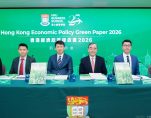
HONG KONG SAR – Media OutReach Newswire – 15 January 2026 – HKU Business School unveiled the “Hong Kong Economic Policy Green Paper 2026” (“Green Paper”). This comprehensive document delves into various facets of Hong Kong’s economic domain, covering everything from trade finance and Hong Kong’s role in the Greater Bay Area (GBA) startup ecosystem to green finance, the IP economy, social and shareholder value for Hong Kong-listed companies, and pressing social issues such as housing affordability and overcrowding in emergency departments. Moreover, with the emergence of AI, the Green Paper examines the impact of AI on the labour market, cybersecurity, and the development of a Web 3.0 ecosystem.
This is the fifth edition of the Hong Kong Economic Policy Green Paper, released by HKU Business School, with the aim of providing recommendations on how Hong Kong can effectively tackle these challenges.
HKU Business School today unveils the Hong Kong Economic Policy Green Paper 2026. From left: Prof. Huiyin Ouyang, Associate Professor in Innovation and Information Management of HKU Business School, Prof. Dragon Tang, Professor in Finance in HKU Business School, Professor Hongbin CAI, Dean and Chair of Economics of HKU Business School, Prof. Richard Wong, Provost and Deputy Vice-Chancellor of The University of Hong Kong and Director, Hong Kong Institute of Economics and Business Strategy, Prof. Heiwai Tang, Associate Vice-President of The University of Hong Kong and Associate Dean of HKU Business School, and Dr. Tingting Fan, Principal Lecturer in Marketing of HKU Business School.
Prof. Richard Wong, Provost and Deputy Vice-Chancellor of The University of Hong Kong and Director, Hong Kong Institute of Economics and Business Strategy said, “This Green Paper was released after months of rigorous research by the scholars from HKU Business School. Grounded in an academic perspective and guided by a pragmatic, problem-solving approach, we have conducted objective analyses and in-depth investigations into core issues and real-world challenges currently facing Hong Kong’s development in political and economic operations, people’s livelihood, and industrial upgrading. Our aim is to provide the Government and relevant authorities with valuable insights and actionable policy recommendations.”
Professor Hongbin Cai, Dean and Chair of Economics of HKU Business School, said, “As a ‘super-connector’ bridging China and the world, Hong Kong’s unique role remains indispensable. Looking ahead, Hong Kong must deeply integrate into China’s national development plans, and also take a more prominent role on the international stage, with an in-depth understanding of the global market and active engagement with its international collaborators.
With campuses in Beijing, Shanghai, and Shenzhen, and an expanding presence in Vietnam and Europe, HKU Business School embodies our unique proposition: deeply rooted in Hong Kong, fully engaged with the Chinese Mainland, and truly international. This year’s Green Paper reflects our dedication to inspiring solutions based on rigorous research. As a world-class institute of higher education, we are committed to enabling Hong Kong to further unleash its core values and usher in a new era of high-quality development.”
Prof. Heiwai Tang, Associate Vice-President of The University of Hong Kong and Associate Dean of HKU Business School, added, “This Green Paper features research papers from ten teams of scholars with diverse backgrounds and varied expertise. Based on profound insights into Hong Kong’s development, they offer unique and targeted policy recommendations, building a rich and multifaceted framework of issues for the Green Paper. At the same time, behind these research achievements lies the scholars’ deep affection for and sense of responsibility toward Hong Kong.”
Regarding how digital technology can boost Hong Kong’s trade finance, he emphasised: “Both data and industry feedback clearly demonstrate the core value of trade finance. However, we need more synergy in the trade finance ecosystem and to catch up in digitisation. To address this, we must strengthen the governance and standard promotion of digital trade platforms and tools, deepen the cross-border interoperability of trade data, expand the functions of the Hong Kong Export Credit Insurance Corporation, focus on high-value-added trade enterprises, extend the coverage of Free Trade and Double Taxation Avoidance agreements, and promote responsible stablecoin adoption and Renminbi internationalisation.”
Prof. Dragon Tang, Professor in Finance at HKU Business School, stated, “Hong Kong is uniquely positioned to lead in the integration of blockchain technology within green finance, exemplified by our pioneering issuance of the world’s first tokenised green bonds, totalling HKD 6 billion in February 2024. With green finance representing a critical avenue for sustainable development, the global market is projected to grow significantly, emphasising the importance of transparency and trust. To capitalise on this opportunity, we must enhance our blockchain infrastructure, establish clear regulatory standards, and promote cross-border integration with initiatives like Core Climate. By leveraging blockchain’s capabilities, we can significantly reduce costs, improve transparency, and engage a broader investor base, ultimately driving our transition to a sustainable finance future.”
Prof. Huiyin Ouyang, Associate Professor in Innovation and Information Management, HKU Business School, commented on her study, saying, “Two weeks post-implementation of the hospital fee reform, the media reported no significant change in emergency department crowding, which aligns with what our analysis predicted. Overcrowding isn’t simply about patient behaviour – it’s a structural issue. Demographics are shifting, capacity is constrained, and alternative treatment options remain limited. What we now need is a careful, systematic evaluation of the fee changes. Where are vulnerable patients going for care? Are some patients delaying treatment? What unintended effects are emerging? Effective reform requires pairing fee adjustments with expanded primary care access. We can’t solve a capacity problem with pricing alone.”
Dr. Tingting Fan, Principal Lecturer in Marketing at HKU Business School, presented as well, spoke on her study and asked, “Why did Pop Mart go public in Hong Kong but register IP in Singapore? Or why was Molly ‘born’ in Hong Kong but did not go viral from Hong Kong? Why have local companies not managed to turn these homegrown IPs into major business triumphs? Learning from the past and looking forward, Hong Kong can leverage its financial market, legal system, as well as talents to build a comprehensive IP industry infrastructure and become an IP hub.”
The Green Paper includes ten articles; the key points are as follows:
Empowering Merchandise Trade Finance with Digital Technology in Hong Kong Author: Prof. Heiwai Tang, Associate Vice-President (Global), The University of Hong Kong; Associate Dean (External Relations), HKU Business School; Associate Director, Hong Kong Institute of Economics and Business Strategy; Victor and William Fung Professor in Economics
Trade is an essential lifeline for Hong Kong; its total merchandise trade was three times the city’s HKD3.2 trillion GDP in 2024. Trade finance is thus equally important, yet research shows that the total loans extended for trade finance have been declining.
As geopolitical and technological shifts reshape trade, Hong Kong must upgrade its trade finance services. With consumer-goods trade shifting to smaller, more frequent orders and shorter cycles, financial institutions need to streamline approvals and develop flexible products for e-commerce and logistics-driven cash cycles. Banks also need to digitise core processes in fund settlement. The article cautions that platforms directly connecting mainland manufacturers with overseas buyers disintermediate Hong Kong’s traditional hub-and-spoke role.
To address this, the article suggests the government leverage digital technologies to elevate the adoption of Hong Kong’s digital trade platforms through unifying core digital trade functions. Moreover, speeding up interoperability of trade data platforms with the Chinese Mainland and other economies will enable seamless data exchange.
Rebuilding Hong Kong as the Catalyst to the Greater Bay Area (GBA) Startup Ecosystem Prof. Alberto Moel, Professor of Practice in Finance, HKU Business School Prof. Joseph Chan, Associate Professor of Practice in Management and Strategy, HKU Business School; Associate Director, Centre for Innovation and Entrepreneurship
Offering a quantitative analysis of the evolution of Hong Kong’s startup landscape, the article found that post-2019 activity has slowed, mirroring global venture capital trends, with most failing to grow beyond 50 employees due to scarce late-stage capital despite early-stage availability. While fintech and logistics dominate and AI/blockchain grow quickly, deep tech lags—authors view this as temporary and highlight Hong Kong’s alignment in financial innovation, regtech, and GBA supply chains to attract investment and support corporate transformation.
To strengthen Hong Kong as the GBA’s premier startup hub and international financial centre, the article recommends nine policies—including fixing funding gaps, closing academia-market divides through industry-focused research for tech transfer, attracting/retaining talent, integrating Northern Metropolis with GBA supply chains, pivoting to high-value services, and drawing large tech platforms to incubate local startups.
The Applications of Blockchain in Green Finance: Hong Kong’s Experience and Opportunities Author: Prof. Dragon Tang, Professor in Finance, HKU Business School; Associate Director, Centre for Financial Innovation and Development
The green finance market has entered an important new phase. Hong Kong became the world’s first issuer of sovereign tokenised green bond when it priced an HKD800 million one-year note in February 2023. Despite this, Hong Kong faces several challenges in the practical implementation of using blockchain to advance green finance. This is due to the limited interoperability between blockchain platforms and existing financial infrastructure, which hinders cross-market transactions. Real-time settlement for tokenised assets is also difficult because of scalability constraints.
The article argues that the future success of blockchain development in green finance will depend on progress in three areas: standardisation, scalability, and security. Clear regulatory frameworks and common technical protocols are needed to provide legal certainty and interoperability across platforms. While collaboration among regulators, technology providers, and energy-market participants can align rules for tokenisation. Blockchain can also connect Hong Kong’s Core Climate platform with overseas counterparts, as cross-border integration is crucial to the inherently international nature of climate finance.
Can Hong Kong be an IP hub for Future Labubu? An Overview of Hong Kong’s IP Industry Dr. Tingting Fan, Principal Lecturer in Marketing, HKU Business School Prof. Heiwai Tang, Associate Vice-President (Global), The University of Hong Kong; Associate Dean (External Relations), HKU Business School; Associate Director, Hong Kong Institute of Economics and Business Strategy; Victor and William Fung Professor in Economics
As Labubu’s success turns the spotlight on the growing importance of the IP industry, the authors propose that this can inspire more creators and businesses to invest in branding, licensing, and cross-border collaborations. This can also attract policymakers’ attention to the emerging IP sector as a key driver of innovation and economic growth.
To position Hong Kong as a leading regional IP trading centre, the authors recommend that stakeholders—including IP developers, entrepreneurs, and government agencies—coordinate efforts across key areas. These include building a robust IP financing ecosystem, such as through government-issued IP bonds replicating the green finance model; enhancing infrastructure and platforms to support IP development; developing specialised talent and professional services in the IP sector; promoting IP initiatives throughout the Greater Bay Area; and strengthening IP protection alongside a solid legal framework.
Thematic Research: Maximisation of Social Value and Shareholder Value – Insights from Hong Kong-listed Companies Across Sectors Author: Prof. Sean Chang, Associate Professor of Practice in Finance, HKU Business School
Through a triangulation research approach, the article examines how social policies, international frameworks, and corporate social responsibility influence a company’s valuation and capital budgeting decisions. Using insights from major Hong Kong-listed companies across nine sectors—spanning transport, utilities, financials, banking, conglomerates, technology, real estate, consumer, and hotel servicing—the research highlights CSR’s role in enhancing long-term firm performance.
Key findings show that corporate risk assessment, company valuation, and stock performance are significantly influenced by CSR-linked socially responsible investing (SRI) factors. Hong Kong-specific social values, such as equality and sustainability, shape investor preferences, guiding finance managers to tailor solutions and adapt regulatory standards. While conventional metrics remain dominant, incorporating social value boosts long-term firm value by building shareholder trust and mitigating risks; companies can pursue CSR projects financed via SRI bonds to create dual economic and societal benefits.
The study recommends embedding core values like equality and sustainability into corporate strategies, aligning budgeting processes with social objectives to pinpoint investments yielding both returns and positive impacts, and urging Hong Kong-listed firms to sustain capital budgeting aligned with enduring societal values.
Housing Affordability and Homeownership in Hong Kong, 1985-2023 Mr. Allen W. Huang, Student Researcher, Hong Kong Future Economy Institute Mr. Alex Ngau, Research Associate, Hong Kong Future Economy Institute Prof. Michael B. Wong, Assistant Professor in Economics, Management and Strategy, HKU Business School
Hong Kong’s housing market has grown increasingly unaffordable, hindering upward mobility for younger generations. Main findings from the research reveal that since the 2002 suspension of the Home Ownership Scheme (HOS), homeownership has declined sharply, rendering private housing “impossibly unaffordable” for median-income households. A wide public-private rent gap drives young people to accept lower-paying or part-time jobs to qualify for public rental housing (PRH), distorting labour supply, stifling human capital investment, and fuelling a surge in adult co-living with parents; younger cohorts (born 1980-1999) face far lower access to public housing and ownership than prior generations at the same age.
Taking Hong Kong Island as an example, between 2003 and 2024, the rent-to-income ratio for a typical 400-sq-ft private unit jumped from 35% to 60% of median household income, peaking at 65% in 2015 and 2019—far exceeding the UN-Habitat and World Bank’s 30% affordability threshold. Public housing rents stayed dramatically lower at just 7%–11% of median household income from 1985 to 2024. For home purchases, it now takes 18.2 years of median income to buy a 500-sq-ft private unit (up from 7.4 years in 2003), placing it in the “impossibly unaffordable” zone per the Demographia International Housing Affordability report, where ≤3.0 years is considered affordable and 9.0+ years is impossibly unaffordable. After the 2002 Home Ownership Scheme suspension, even subsidised HOS units now require 15.8 years of income on Hong Kong Island (up from 7.4 years in 2007), shifting them from moderately unaffordable to severely or impossibly unaffordable in urban cores.
To reverse these trends, the authors recommend ramping up production of high-quality ownership units, easing resale and leasing restrictions on existing subsidised sale flats to boost residential mobility and enable “trading up” the housing ladder, setting housing price and affordability targets over mere supply goals, and adopting responsive mechanisms to balance demand and supply.
Beyond Crisis Management: Structural Reform for the Overcrowding in Hong Kong’s Emergency Departments Prof. Huiyin Ouyang, Associate Professor in Innovation and Information Management, HKU Business School Ms. Yiran Zhang, PhD student, HKU Business School
Hong Kong’s public emergency departments (EDs) handle over 2.14 million annual attendances. This crisis, exacerbated by an ageing population, results from a structural mismatch: the majority of the attendances are for non-emergency conditions, leading to staff burnout and compromised care.
The article proposes three comprehensive structural reforms. First, improving operational efficiency with accurate wait time information systems is crucial. Second, increasing the ED fee (categories III–V) aims to divert non-critical patients. Success for this hinges on assumptions about patient responses, particularly how varied population segments will react to the price signal. International evidence raises concerns, showing that higher ED fees can reduce overall utilisation, but with the decrease primarily occurring among price-sensitive groups who may risk delays in receiving serious care. Therefore, for this reform to succeed, the public must have genuine access to alternative care pathways that can accommodate acute but non-emergency needs outside regular business hours, with pricing acceptable to price-sensitive populations. Third, AI can augment the workforce and manage demand (e.g., through telemedicine).
Ultimately, sustainable reform demands robust evaluation, political courage, and a commitment to address root causes, not just symptoms.
Initial Efforts to Empirically Measure AI Activity and Its Impacts on Hong Kong’s Labour Market Prof. Alan Kwan, Associate Professor in Finance, HKU Business School Prof. Mingzhu Tai, Associate Professor in Finance, HKU Business School; Associate Director, Institute of Behavioural and Decision Science Mr. Zihan Wang, Master student, HKU Business School
In an effort to empirically measure the impact of AI on Hong Kong’s labour force, the researchers observe that firms with a higher adoption of AI experience lower headcount growth. However, the scale of impact appears small in the city, which could be due to several potential reasons. One of these is the different composition of Hong Kong’s labour force compared with other countries. For instance, Hong Kong has a high proportion of finance or managerial talent, which is harder to displace; the city also features older or more elite workers. On the other hand, much of the impact of AI, particularly generative AI, is on the less elite and younger populations.
As such, the authors recommend policymakers produce more labour market statistics that track the impact of AI, particularly by occupation. On the rate of AI adoption in Hong Kong through innovation, the authors find that the city is heavily skewed towards research, but not commercialisation. This means that the quality and quantity of academic research is not translating to commercial use. To address this decoupling, the authors propose that the government tweak its existing early-stage startup funding platforms to encourage streamlining and higher utilisation of existing government resources.
The Impact of Generative Artificial Intelligence on Cybersecurity in Hong Kong Author: Prof. Michael Chau, Professor in Innovation and Information Management, HKU Business School
As GenAI can produce human-like text, code, images, and audio, cybersecurity crimes have become easier and faster to perpetrate. Not only have data leaks and hacks into security systems led to significant financial losses in Hong Kong, but they also hurt confidence in the city’s digital infrastructure.
The article recommends using AI to fortify Hong Kong’s cyber defence, such as using biometric verification and deepfake detection technologies, especially in areas involving critical infrastructure and high financial stakes. It is also important to prevent data leakage and other threats in using GenAI.
Hong Kong’s Next Growth: Pioneering the Web 3.0 Ecosystem Prof. Yulin Fang, Professor in Innovation and Information Management, HKU Business School; Director, Institute of Digital Economy and Innovation Mr. Yangchen Mou, PhD student, HKU Business School
Given the inherent risks in Web 3.0 operational models—most notably within Decentralised Finance (DeFi) systems—striking a balance between fostering the development of the Web 3.0 ecosystem and implementing appropriate regulation to maintain financial stability is and should be a key priority for Hong Kong authorities. To support this, the article categorises the industry into three distinct systems—Centralised Finance (CeFi), the integration of Traditional Finance and Centralised Finance (TradFi-CeFi), and Decentralised Finance (DeFi)—and put forward targeted policy recommendations for each.
For the CeFi system, the authors recommend creating a more conducive environment for development by refining specialised auditing frameworks, promoting a local Web 3.0 talent certification system, and introducing global leading CeFi institutions to the local market. For the TradFi-CeFi system, they suggest upgrading audit standards for traditional firms holding digital assets and upskilling traditional finance professionals with Web 3.0 expertise. In contrast, for the DeFi system, which carries higher inherent risks and poses greater regulatory challenges, the authors advise authorities to adopt a prudent stance while keeping monitoring its latest technological developments.
The full version of the Green Paper can be accessed here. Hi-res photos are available here.
Hashtag: #HKUBS
The issuer is solely responsible for the content of this announcement.
About HKU Business School
Established in 2001, HKU Business School is one of the youngest and most dynamic members of The University of Hong Kong (HKU). The School strives to nurture first-class business leaders and foster academic and relevant research that serves the needs of Hong Kong, China and the rest of the world in the new Asia-led economy. As a top international business school, the School has established its place as a globally impactful institution that leads the way through timely thought leadership, pioneering research, and educational excellence. Deeply rooted in Hong Kong and fully engaged with China, the School’s world-class faculty equip students with global knowledge and perspectives.
HKU Business School offers business education across a full range of disciplines, while achieving remarkable growth in faculty strength and research capabilities. The School ranks Asia’s No.1 in Financial Times’ Aggregated Research Ranking for two consecutive years, 2024 and 2025, while the University of Hong Kong ranked 11th in the world and No. 1 in Asia according to the QS World University Rankings 2026. The School has strategic partnerships with world-renowned universities and corporate partners, providing market-oriented content, superior learning, and instrumental resources.
To better serve our students and alumni in various cities and regions, and to facilitate collaboration opportunities with business communities around the globe, HKU Business School has established a unique international network that extends to Beijing, Shanghai, Shenzhen and Ho Chi Minh City.
HKU Business School is fully accredited by the European Quality Improvement Systems (EQUIS) and the Association to Advance Collegiate Schools of Business (AACSB).
CASABLANCA, MOROCCO – EQS Newswire – 14 January 2026 – ORUN, a subsidiary of African Currency Network (https://ORUN.Africa), announces the launch of the first edition of Heirs of Greatness Day, a foundational initiative that brought together key players from the cultural and creative industries (CCI) in Casablanca.
Conceived as a structuring activation,Heirs of Greatness Day is part of the deployment of a strategic platform combining vision, method, and action. The initiative aims to position CCIs as levers for sustainable development, cultural sovereignty, and African soft power.
Held in a continental context marked by the Africa Cup of Nations and heightened international attention on the continent, the event affirms Casablanca as a symbolic crossroads where creation, transmission, and global projection converge.
At the heart of this activation is The Sovereign Code, the foundational methodology developed by ORUN, structured around three complementary pillars: Memory, Structure, and Transmission. Serving as a true reference framework, The Sovereign Code informs all ORUN programs and seeks to transform African cultural heritage into sustainable value-creation systems that are measurable and enduring.
Heirs of Greatness Day gives concrete expression to this methodology by highlighting the seven Houses of Art: Weaving, Foundry, Crochet, Tannery, Dyeing, Ceramics, and Tailoring. Designed as spaces for transmission, experimentation, and structuring, these Houses bring together master artisans, designers, and partners around a shared ambition: to create a dialogue between ancestral know-how and contemporary standards of creativity, quality, and responsibility.
On this occasion, Roméo Moukagny (Gabon, Senegal), Kader Diaby (Ivory Coast), Anil Padia (Kenya), Jennifer Mulli (Kenya), Henri Philippe Maidou (Central African Republic), Sonia Ahmimou (Morocco, France), and Lucette Holland (Senegal, France) presented works and approaches embodying a rigorous vision of African creation, deeply rooted in local territories while fully oriented toward the international stage.
The day’s program was designed as an immersive and narrative experience, blending institutional sequences, artistic installations, editorial exchanges, and symbolic moments. The evening featured the presence of Her Majesty Queen Temitope Morenike Enitan-Ogunwusi, Queen of the Yoruba People in Nigeria; Olivia Yacé, Miss Ivory Coast, Miss World Africa 2022, 2nd Runner-up Miss World 2022 and Miss Universe nominee; as well as singer Singuila, all coming together to celebrate greatness and exemplify the dialogue between cultural heritage, contemporary creation, and international influence..
The Sovereign Code – Build to outlast time
This cultural showcase reflects ORUN’s commitment to anchoring Heirs of Greatness Dayin a continuity that goes beyond a single event. It was also the occasion for ORUN to receive ISO 20121 certification, attesting to its commitment to responsible and sustainable event management aligned with international standards.
This sustainability policy aligns with ORUN’s mission, The Sovereign Code (Memory, Structure, Transmission), and the core values guiding its action: Transmission, Responsibility, Inclusion and Equity, Excellence and Rigor, Local Anchoring and Lasting Impact, Integrity and Transparency. These principles structure all of ORUN’s commitments and its relationships with partners and stakeholders.
The initiative also benefited from significant diplomatic and institutional support, highlighting the growing recognition of cultural and creative industries as strategic sectors in Africa’s development trajectories. The presence of personalities from cultural, institutional, and international spheres reinforces the symbolic reach and credibility of this first edition.
Finally, Heirs of Greatness Day is part of an ambitious trajectory led by ORUN toward 2025-2030: structuring cultural sectors, building the capacities of designers and artisans, creating skilled employment, developing local value chains, and promoting African talent on the global stage.
This first edition thus marks the starting point of a movement set to establish a lasting presence in the continent’s cultural and economic ecosystem.
Distributed by APO Group on behalf of ORUN, part of African Currency Network (ACN).
Image (8): https://apo-opa.co/4b4KZIB Caption: Olivia Yacé, Miss Cote d’Ivoire & Habyba Thiero, Founder CEO of Orun Image (9): https://apo-opa.co/3LAtpBB Caption: Olivia Yacé, Miss Cote d’Ivoire – Her Regal Majesty Olori Temitope Enitan-Ogunwusi, the Queen (Olori) of the Yoruba kingdom of Ife in Nigeria – SINGUILA, Singer
Image (10): https://apo-opa.co/4qtR5Hm Caption: Massamba, the renowned Rwandan singer, accompanied by his group Hoba Massamba
Image (11): https://apo-opa.co/4pC7nfS Caption: Her Regal Majesty Olori Temitope Enitan-Ogunwusi, the Queen (Olori) of the Yoruba kingdom of Ife in Nigeria & Habyba Thiero, Founder of Orun (1)
Image (12): https://apo-opa.co/4jZ2PiF Caption: Her Regal Majesty Olori Temitope Enitan-Ogunwusi, the Queen (Olori) of the Yoruba kingdom of Ife in Nigeria & Habyba Thiero, Founder of Orun(2)
Image (13): https://apo-opa.co/4qlGjCP Caption: Her Regal Majesty Olori Temitope Enitan-Ogunwusi, the Queen (Olori) of the Yoruba kingdom of Ife in Nigeria & Habyba Thiero, Founder of Orun (3)
The issuer is solely responsible for the content of this announcement.
About ORUN:
Backed by African Currency Network (ACN) and a member of the Kigali International Financial Centre, ORUN is a Pan-African organization dedicated to structuring cultural and creative industries (CCI) as levers for sustainable development, cultural sovereignty, and soft power for the African continent.
As a true strategic tool serving African economies, ORUN is engaged in transforming territories by showcasing the continent’s talent and know-how. At the crossroads of creation, design, craftsmanship, and transmission, ORUN converts African professions, stories, and talents into sustainable cultural, economic, and symbolic assets capable of generating local value while engaging with strategic partners and international platforms.
Abu Dhabi has constituted the board of its new sovereign investment platform, L’IMAD Holding Company, marking another step in the emirate’s drive to broaden revenue streams and deepen its presence in global deal-making. The formation of the board, announced by the Abu Dhabi Media Office, places the vehicle alongside a growing roster of state-backed investors tasked with deploying capital across sectors seen as strategic to long-term growth. […]
New targets outlined for 2030 following the successful conclusion of the 25×25 sustainability targets
HONG KONG SAR and SHANGHAI, CHINA – Media OutReach Newswire – 12 January 2026 – Hang Lung Properties Limited (SEHK stock code: 00101) (“Hang Lung” or the “Company”) today announces a new phase in its sustainability journey, unveiling 20 refreshed 2030 targets that build on its success in achieving its 25 x 25 Sustainability Targets.
Launched in 2021, the 25 x 25 targets defined Hang Lung’s agenda to the end of 2025 across four priorities: Climate Resilience, Resource Management, Wellbeing, and Sustainable Transactions. The Company has achieved its earlier ambitions, and exceeded targets related to greenhouse gas emissions reduction, renewable energy, and energy efficiency. Establishing such a concrete and robust set of targets also helped the Company develop practices in sustainability innovation and continual improvement.
Building on this success, now with expanded data, greater organizational maturity, and heightened ambition, Hang Lung’s refreshed 2030 targets reflect its position as an industry leader in sustainability.
The 20 targets for 2030 continue to be organized under the four priorities that define Hang Lung’s approach to sustainability, including the below highlights:
Climate Resilience: Among the first real estate companies in Asia to have near- and long-term targets fully aligned with the Science Based Target initiative’s Buildings Criteria and its emission reduction pathway (1.5°C). Also, Hang Lung is the first real estate company in Asia to establish a Climate Value-at-Risk target.
Resource Management: The first real estate company in Asia to formulate a target for biodiversity net gain (10%) on all new development projects and major renovations, supporting urban ecosystems and enhancing green spaces.
Wellbeing: Generate at least HK$40 million in social value through community investments.
Sustainable Transactions: Collaborate with tenants representing 25% of our leased floor area through our sustainability partnerships program.
Collaboration across the value chain remains central to Hang Lung’s approach, extending beyond traditional metrics. Hang Lung aims to partner with suppliers and tenants through quantifiable targets to drive progress upstream and downstream. In addition, the Company is committed to supporting innovation in standards development to facilitate impactful sustainability initiatives across sectors and jurisdictions.
Mr. Adriel Chan, Chair of Hang Lung Properties and Chair of the Sustainability Steering Committee, commented: “We are excited to embark on this next phase of our sustainability journey, reflecting Hang Lung’s growing role not just as a leader in sustainability action, but also in sustainability thought leadership. By working closely with partners across our value chain, we are confident that we can deliver on these commitments and continue to foster excellence in sustainable development in Asia.”
Mr. John Haffner, Deputy Director – Sustainability, added: “Over the past several years, we have seen how ambitious targets focus our efforts and help develop a culture of innovation. Building on our achievements and lessons learned, our 2030 targets are sharper and more data-driven, and will help us achieve greater impact in our communities.”
Full details of the 25 x 25 wrap-up and the new 2030 targets will be shared in Hang Lung’s 2025 Sustainability Report to be released in March. The report will provide further insights into the Company’s achievements, lessons learned, and emerging plans to support the refreshed 2030 targets, inviting partners and the wider public to join forces in shaping a sustainable future.
Appendix Overview of 2030 Sustainability Goals and Targets
Priority
2030 Goals
2030 Targets
Climate Resilience
Reduce carbon footprint in line with science and adapt to a changing climate
1. In-use operational emissions: 56.1% per m2 reduction in scope 1, 2 and 3 in-use operational GHG emissions of owned and leased buildings from a 2023 base year.
2. Upfront embodied emissions: 42% reduction in upfront embodied emissions from a 2023 base year.
3. Renewable electricity: 70% of our landlord’s electricity consumption across the portfolio provided by renewable electricity.
4. Adaptation: 10% reduction in our Climate Value-at-Risk compared to the absence of implemented adaptation measures.
Resource Management
Drive efficient and circular use of natural resources and help regenerate nature
5. Energy Use Intensity: 10% reduction in the landlord’s energy use intensity from a 2023 base year.
6. Operational Waste: 35% recycling of municipal solid waste generated from operating properties.
7. Construction Waste: 90% recycling of construction waste generated from construction sites.
8. Water: 8% reduction in freshwater intensity from a 2023 base year.
9. Biodiversity: 10% biodiversity net gain on all new development projects and major renovations with landscape renovation.
Wellbeing
Foster safe, inclusive and healthy spaces that enhance quality of life for all stakeholders
10. Health and safety: Maintain zero work-related fatalities, serious injuries, and occupational diseases for employees and contractors. Maintain a Lost Time Injury Rate of 1.5 or below for employees and contractors.
11. Indoor air quality: Maintain, more than 90% of the time, PM2.5, TVOC and CO2 levels below levels defined in the RESET Air standard.
12. Employee engagement: Maintain an employee engagement survey rating greater than or equal to the 75th percentile.
13. Diversity: At least 5% of our workforce across the portfolio is comprised of people from diverse backgrounds.*
14. Diversity: Maintain Female-to-Male pay ratio of 1:1; maintain gender balance in management positions.
15. Social impact: Create at least HK$40 million in social value through our community investments.
Sustainable Transactions
Collaborate with key stakeholders across our value chain to advance our sustainability priorities
16. Tenant electricity intensity: Benchmarking provided to 100% of tenants across the Chinese Mainland portfolio and work with tenants towards a 10% reduction in their electricity intensity from a 2023 base year.
17. Tenants: Tenants representing 25% of our leased floor area in applicable Chinese Mainland and Hong Kong properties participate in our tenant sustainability partnerships program.
18. Suppliers: Regularly conduct ESG risk screening for 100% of active suppliers and provide ESG assessments for suppliers covering 50% of spending.
19. Procurement: 15% of spending on operational procurement qualifies as sustainable procurement.
20. Standards development: Undertake at least three innovative initiatives in standards development to help accelerate learning and sustainability impact.
* Our definition of diverse background includes people with disabilities and ethnic minorities.
Hashtag: #HangLungProperties
The issuer is solely responsible for the content of this announcement.
About Hang Lung Properties
Hang Lung Properties Limited (SEHK stock code: 00101) creates compelling spaces that enrich lives. Headquartered in Hong Kong and Shanghai, the Company manages a portfolio of over 3.5 million square meters of retail, office, residential, and hotel properties across Hong Kong and mainland China.
The Company’s diverse portfolio in Hong Kong includes office towers and malls in prime districts, as well as luxury residential developments in prestigious areas. In mainland China, under the signature “66” brand, the Company’s mixed-use and retail developments are regarded as premium landmarks, strategically located in the hearts of key cities of Shanghai, Shenyang, Jinan, Wuxi, Tianjin, Dalian, Kunming, Wuhan, and Hangzhou.
The Company is recognized for pioneering sustainability in the real estate industry, with an MSCI ESG rating of AA and inclusion on CDP “A List” for Climate Change. The Company powers 80% of its operating properties in the Mainland with renewable energy, with a net zero commitment by 2050.
National Stock Exchange of India has set its sights on filing draft initial public offering documents by the end of March, signalling a decisive step towards a long-anticipated market listing after years of regulatory uncertainty and governance resets.
People familiar with the matter say preparatory work is advancing, with internal approvals and compliance checks being aligned to meet the timeline. The exchange, which dominates equity and derivatives trading in the country, has been seeking to revive its listing plans after earlier attempts were stalled by regulatory scrutiny and leadership changes.
The move hinges on the receipt of a no-objection certificate from the market regulator, Securities and Exchange Board of India, which would clear the way for formal appointments of investment bankers and legal advisers. Those appointments are expected to follow swiftly once regulatory clearance is in hand, allowing the exchange to progress towards a draft red herring prospectus.
A potential filing by the end of March would place the exchange on track for a listing later in the financial year, subject to market conditions and regulatory review. Such a timeline would mark a turning point for the bourse, which has remained unlisted despite being among the world’s largest exchanges by trading volumes.
The exchange’s renewed push comes after a period of structural and governance reforms aimed at addressing issues that emerged earlier in the decade. These included concerns around preferential access to trading systems and lapses in oversight, which led to enforcement actions and delayed the listing roadmap. Since then, the exchange has reconstituted its board, strengthened compliance frameworks, and worked to restore regulatory confidence.
Market participants view the IPO as a significant milestone for capital markets, offering investors exposure to a cash-generative infrastructure asset with a dominant market position. The exchange commands a substantial share of equity derivatives trading globally and has expanded its product offerings across equities, indices, commodities, and data services.
Financial performance has also supported renewed listing ambitions. The exchange has reported steady growth in revenues driven by trading fees, clearing and settlement income, and technology-related services. Operating margins have remained robust, reflecting the scale advantages of its platform and relatively low incremental costs as volumes rise.
Valuation expectations, while not formally disclosed, have been the subject of market discussion for several years. Unofficial estimates have ranged widely depending on assumptions around growth, regulatory constraints, and competitive dynamics. A formal IPO filing would provide the first detailed, regulator-reviewed snapshot of the exchange’s finances, risks, and strategic priorities.
The listing process is expected to draw intense scrutiny from the regulator, given the exchange’s systemic importance and its history. Any draft filing will need to address past issues comprehensively, outline governance safeguards, and demonstrate sustained compliance with regulatory norms. Observers expect the regulator to take a cautious but structured approach, balancing investor protection with the broader objective of deepening capital markets.
For investors, the exchange’s ownership structure adds another layer of interest. Several domestic and global financial institutions hold stakes, some of which have been illiquid for years due to the absence of a public market. An IPO would offer a potential exit route and price discovery mechanism for these shareholders, while also broadening public participation in a key piece of market infrastructure.
Competition in the exchange space has intensified, particularly in derivatives and technology-driven trading solutions. Rival platforms have sought to chip away at market share through pricing, product innovation, and regulatory appeals. Even so, the exchange’s network effects, liquidity depth, and brand recognition continue to underpin its leading position.
Analysts note that the timing of an IPO will also be influenced by broader market conditions. Equity markets have shown periods of volatility, and new listings have faced varying levels of investor appetite. A filing by March-end would allow flexibility to choose a launch window that aligns with sentiment and valuations.
UAE authorities and major lenders have warned customers to stay on high alert after disclosures of a dangerous WhatsApp security flaw that can allow attackers to compromise smartphones through a single call, exposing banking credentials, personal data and private communications. Advisories circulated by banks and cyber security teams say the vulnerability exploits the way WhatsApp handles voice calls, enabling so-called zero-day or zero-click attacks that do […]
Instagram moved to contain concerns over account security after confirming it had corrected a password reset flaw that cybersecurity firm Malwarebytes described as a breach, signalling a swift response as scrutiny of social media safety intensifies. The platform, owned by Meta Platforms, said the issue affecting its password recovery process had been fixed after being flagged by researchers at Malwarebytes, who warned that the vulnerability could have […]
Arabian Post Staff -Dubai Saudi Basic Industries Corporation has agreed to divest its European petrochemicals arm and its engineering thermoplastics operations across the Americas and Europe, marking a significant portfolio shift by the chemical producer as it sharpens its focus on core businesses. The company said it has signed a definitive agreement with Germany’s AEQUITA SE & Co. KGaA to sell 100 per cent of its shares […]
Electronic Arts and the creative leadership behind The Sims franchise moved to steady community concerns after confirmation that the US games publisher is in talks over a potential $55 billion transaction involving Saudi Arabia’s Public Investment Fund, Jared Kushner’s Affinity Partners and private equity firm Silver Lake. While the proposed deal remains subject to regulatory approval and has not been finalised, unease has spread among players […]
Government authorities are moving to compel smartphone manufacturers to submit portions of their operating system source code for mandatory security audits, escalating a standoff with global technology companies that warn such a requirement could undermine intellectual property protections and user privacy. The proposal, under discussion within policy circles in New Delhi, reflects mounting concern about cyber intrusions, supply-chain vulnerabilities and the growing role of mobile devices in payments, governance and national security.
Officials familiar with the matter say the plan would require vendors selling smartphones in the country to make critical software components available for inspection by government-approved laboratories. The focus would be on core operating system layers, firmware and security modules rather than consumer-facing applications. Proponents argue that access to code is essential to verify whether hidden vulnerabilities, backdoors or insecure update mechanisms could be exploited by hostile actors.
The push has brought the government into direct tension with companies such as Apple and Samsung, whose devices dominate the premium and mass-market segments. Executives and industry representatives have privately conveyed resistance, arguing that exposing proprietary code, even to auditors bound by confidentiality, creates unacceptable risks of leaks and reverse engineering. They also contend that global platforms already undergo extensive third-party security testing and comply with international standards.
At the heart of the debate is whether national security imperatives justify a departure from prevailing global norms. Countries including China and Russia operate regimes that allow state scrutiny of technology products, though often under opaque processes that foreign firms say are difficult to reconcile with commercial safeguards. Western regulators have largely relied on certification frameworks, vulnerability disclosure programmes and cooperation with vendors rather than direct access to source code. India’s approach, if formalised, would place it closer to the former camp, potentially setting a precedent for other large emerging markets.
Government officials counter that smartphones have become gateways to sensitive data far beyond personal communications. Devices are routinely used for digital identity verification, financial transactions and access to public services. Any systemic weakness could have cascading effects. They also point to a rise in sophisticated cyber operations attributed by security researchers to state-linked groups, arguing that reliance on vendor assurances is no longer sufficient.
The proposal is understood to be steered by the Ministry of Electronics and Information Technology, which has expanded its remit in cybersecurity and digital governance. Policy discussions have examined models ranging from escrow-based code access, where source material is held by a trusted intermediary, to controlled on-site inspections without code being copied. Each option presents trade-offs between assurance and exposure.
Industry bodies warn that mandatory disclosure could chill investment and complicate product launches. Smartphone operating systems are developed on global codebases, updated frequently and protected by layers of licensing agreements with component suppliers. Altering that structure for a single market risks fragmenting development and delaying security patches. There are also concerns about reciprocity: once one jurisdiction demands code access, others may follow, multiplying compliance burdens.
Privacy advocates occupy an ambivalent position. Some support deeper scrutiny to ensure devices do not surreptitiously collect or transmit data. Others caution that state access to low-level software could itself become a vector for abuse if oversight is weak. They stress the need for transparent audit criteria, independent supervision and clear limits on how findings are used.
The commercial stakes are significant. India is one of the world’s largest smartphone markets by volume and a critical manufacturing hub under production-linked incentive schemes. Companies have invested heavily in assembly plants and local supply chains, betting on policy stability. A protracted dispute over code access could influence decisions on future capacity and research investment, even if an outright exit is unlikely.
A prediction market investor banked more than $400,000 by wagering on the ousting of Venezuelan President Nicolás Maduro shortly before U. S. forces captured him, thrusting opaque online betting platforms into the spotlight and renewing debate over insider trading and regulatory oversight. The anonymous trader placed significant bets on Polymarket, a crypto-based prediction market, in the days leading up to the dramatic U. S. intervention in Venezuela’s […]
Senate Republicans are accelerating plans to bring a sweeping cryptocurrency bill to a vote, betting that momentum and industry pressure can overcome lingering Democratic reservations even as bipartisan talks remain unsettled. The move was confirmed late on Friday by the chair of the Senate Banking Committee, who said the panel would press ahead with scheduling despite parallel efforts by the Senate Agriculture Committee to refine a cross-party […]
By Nitya Chakraborty West Bengal is going to the state assembly polls in March-April 2026. The election fever has soared high with the visits of the BJP leaders Prime Minister Narendra Modi and the Home Minister Amit Shah to the state which is being ruled by the Trinamool Congress led by the chief minister Mamata […]
Riyadh is moving to sideline Abu Dhabi’s influence in Yemen as strains deepen between the two Gulf neighbours, according to people familiar with the matter, marking a sharper turn in a rivalry that has simmered alongside years of cooperation. The push centres on bringing armed factions backed by the Emirates under Saudi control while reshaping the balance of power along vital shipping lanes stretching from the Red […]
SharpLink has moved $170 million worth of Ether into restaking arrangements on Linea, using Anchorage Digital as its custody and staking partner, signalling a calculated effort to extract yield from a growing corporate Ethereum treasury while leaning on regulated infrastructure to manage risk. The deployment represents a defined slice of SharpLink’s wider Ethereum holdings, which the company has disclosed at about $2.7 billion in value. By placing […]
ADNOC Drilling has formally entered Oman’s onshore drilling services sector, marking a strategic expansion beyond its core home market after completing the purchase of a controlling stake in a land-rig joint venture with SLB that operates six rigs in the sultanate. The move positions the company to participate more directly in Oman’s upstream development plans at a time when regional producers are prioritising operational efficiency, drilling intensity […]
BlueFive Capital has been appointed as the first General Partner for a newly established fund-of-funds created by CICC Capital, marking a strategic partnership that brings together global asset management expertise with Chinese industrial capital. The mandate also reflects the involvement of HBIS Group, one of the world’s largest steelmakers, whose industrial priorities will shape the investment direction of the vehicle. The fund-of-funds structure is designed to deploy […]





 Franchising & Licensing Asia (FLAsia)