News related to
stake

Arabian Post Staff -Dubai Saudi Arabian Oil Company has entered preliminary talks to sell stakes in key export and storage terminals and possibly parts of its real-estate portfolio, aiming to raise over US$10 billion in what may become its most substantial disposals to date. The oil giant has invited banks to pitch feasibility studies and is weighing financing options that include equity raises or structures resembling the […]

Abu Dhabi-listed NMDC Energy has launched a full branch in Taiwan and a commercial office in Shanghai, marking a strategic move into the Asia-Pacific region to support its project pipeline and strengthen supply-chain relationships. The company also sealed a memorandum of understanding with CITIC Steel, one of China’s largest steel producers, signalling a concerted effort to lock in reliable sourcing for its energy-services operations. NMDC Energy’s decision […]

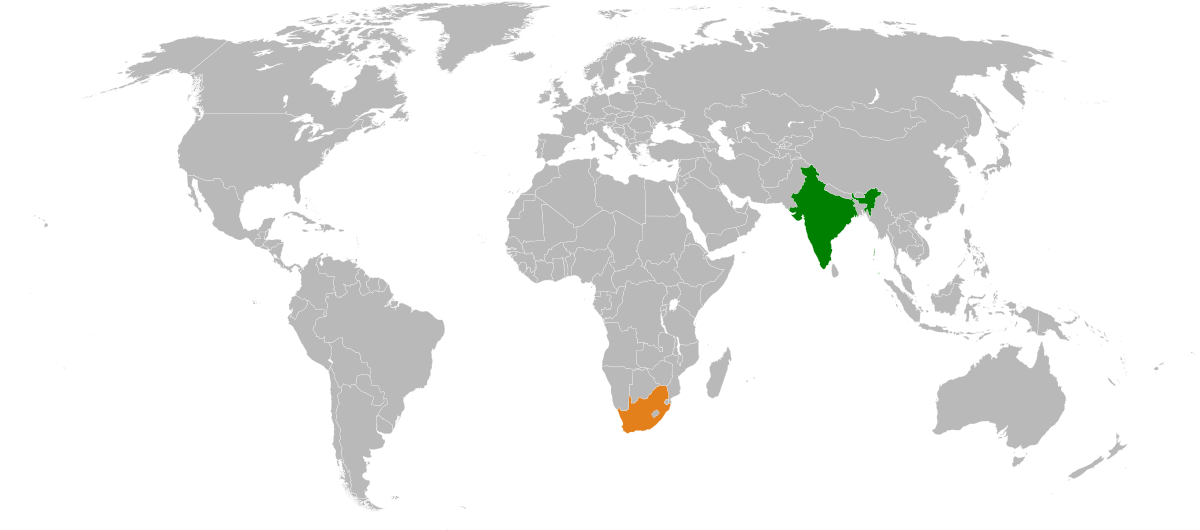
Leaders of India and South Africa affirmed a joint commitment to amplify the resonance of the Global South during a bilateral meeting on the margins of the G20 summit in Johannesburg. India’s Prime Minister met South African President Cyril Ramaphosa to review an expanding partnership that now encompasses trade, digital infrastructure and critical-minerals cooperation.

The leaders emphasised the historical foundation of bilateral ties, tracing back to shared anti-colonial struggles and longstanding people-to-people links. They identified emerging sectors of collaboration, including artificial intelligence and digital public platforms, as well as enhanced investment flows across innovation, infrastructure and mining sectors.

India expressed gratitude to South Africa for its role in relocating cheetahs to India and extended an invitation for South Africa to join the International Big Cat Alliance. At the G20 held in Johannesburg, which is the first summit of its kind hosted on African soil, South Africa has sought to spotlight issues of development, sustainability and Global South equity.

The two countries signalled their readiness to facilitate mutual investments, noting the growing footprint of Indian firms in South Africa and a shared interest in deepening bilateral ties in mining, start-ups, technology and infrastructure. They agreed to enhance support frameworks for these sectors.

In the domain of digital transformation, the meeting explored ways in which India’s Digital Public Infrastructure experience could be shared with South Africa, with the leaders discussing a roadmap for cooperation in those digital arenas that support transparency, inclusion and scalability.

On critical minerals—the backbone of technologies from electric vehicles to renewable energy systems—the dialogue underscored the strategic convergence of India’s growth ambitions and South Africa’s resource endowment. Both governments emphasised sustainable extraction, value-chain development and mutual investment as priorities.

The meeting also took place against the backdrop of global institutional reform debates, where developing countries increasingly seek to adjust frameworks such as the IMF and development banks. South Africa, as serving G20 chair, has framed its presidency around the themes of solidarity, equality and sustainability, particularly as representative of countries in the Global South.

While the two leaders concentrated on bilateral priorities, they also discussed multilateral coordination and collective platforms. They welcomed South Africa’s initiative to convene the IBSA leaders meeting and affirmed cooperation ahead of India’s upcoming chairship of BRICS in 2026.

Observers note that India–South Africa ties have evolved from traditional trade and diplomacy to a more strategic convergence around technology, investment, and global governance. According to experts, this shift reflects the changing priorities of middle powers in a multipolar world, where alignment on development and technological sovereignty is rising.

However, there remain practical challenges. For South Africa, translating resource-rich endowments into sustainable, inclusive growth has long been a domestic policy hurdle. For India, ensuring that digital partnerships respect both sovereignty and local capacity presents implementation risks. Critics argue that while high-level pledges are valuable, they must be matched by concrete mechanisms, regulatory clarity and project-level follow-through.

In trade terms, the two countries’ discussions come at a time when global supply-chain realignments and technology competition are raising the stakes for investment in emerging markets. Indian companies entering South Africa will need to navigate regulatory complexity, local participation requirements and the country’s infrastructure bottlenecks. South Africa, for its part, will have to ensure that its mining and start-up ecosystem attract and retain investment while meeting environmental and community benchmarks.

The diplomatic messaging also signals a broader orientation for both nations. India’s engagement with Africa has increasingly focused on capacity-building and infrastructure, while South Africa has positioned itself as a voice for Africa in global forums. Their joint push to amplify the Global South suggests an intention to influence agendas around debt relief, climate finance, digital equity and reform of global institutions.


Abu Dhabi-listed NMDC Energy PJSC has opened a new branch in Taiwan and established a commercial office in Shanghai as it taps deeper into the Asian energy services market and seeks to strengthen its upstream supply-chain links. The company confirmed the Taiwan branch and Shanghai office during its latest expansion move. The move follows NMDC Energy’s award of a US $1.136 billion engineering, procurement and construction contract […]

Dubai-based upstream operator Dragon Oil has announced a major new oil discovery offshore Egypt’s Gulf of Suez, a development that industry watchers say could underpin its ambition to boost production significantly by 2026. The company, a unit of Emirates National Oil Company, made the find at its North-East Ramadan Concession, reaching a total depth of 13,425 feet to intersect the Crystal NER-1X reservoir in the Honey Sand formation. Initial wireline logs confirmed a 224-foot hydrocarbon column, indicating meaningful commercial potential.

The well was drilled under the company’s commitment agreement in the NE Ramadan concession in partnership with Egypt’s Egyptian General Petroleum Corporation and the Gulf of Suez Petroleum Company. The pair of state-owned Egyptian entities jointly operate with Dragon Oil in the concession. The flow to production is projected at around 3,000 barrels per day once the well is tied into existing infrastructure. Final wireline logging, core sampling and reservoir evaluation are underway before full integration into the production grid scheduled for July.

The discovery supports Dragon Oil’s longer-term plan to raise output from its current base of more than 140,000 barrels of oil per day and achieve an aggregate target of roughly 300,000 barrels of oil equivalent per day by 2026, according to the company’s investor materials. The Gulf of Suez investment follows earlier gains from assets in Turkmenistan, Iraq and Algeria. Additionally, the firm signed a strategic memorandum of understanding with PETRONAS in late October to explore upstream growth opportunities in Asia-Pacific and other frontier regions, signalling a willingness to pursue both organic and acquisition-driven expansion.

In Turkmenistan, Dragon Oil expects production to rise to approximately 200,000 bopd by 2030, leveraging digital-technology programmes such as artificial-intelligence-enabled reservoir modelling and real-time monitoring. The company has invested more than US$11 billion in the country’s oil sector since the production-sharing agreement began in 1999 and has added more than 200 social-development projects in local regions. That upstream base remains a pillar of its global growth model.

Analysts say the Egyptian find is particularly significant because it taps an under-developed offshore domain using advanced Ocean-Bottom Node seismic technology that identified the Honey Sand formation. The drilling from the existing Al-Fanar platform avoided major new infrastructure investment, improving cost efficiency and time to tie-in. The fact that Dragon Oil already holds the working interest via its GUPCO joint venture means it can fast-track upstream investment and production.

Nevertheless, a number of risks remain. The Egyptian concession still requires commercial validation of reservoir behaviour and sustained flow testing; many wells encounter initial signs of hydrocarbons but fail to deliver long-term viability. The broader upstream industry is also under increasing pressure from the energy-transition agenda and environmental-regulation developments. Investors and stakeholders will watch closely how Dragon Oil balances growth ambitions with the demands of sustainability, given the global shift away from fossil fuels.

Company leadership emphasises that the teamwork between its Dubai and Cairo operations, together with EGPC and GUPCO partners, reflects a mature technical capability that bodes well for further exploration success. Chief Executive Abdulkarim Ahmed Al Maazmi said the technical result “demonstrates the strength of our technical partnership and underlines our vision to unlock new opportunities across our assets in Egypt.”

Regionally, the Gulf of Suez has been a mature producing basin, yet the new find suggests there remains untapped potential when combined with modern subsurface imaging and drilling techniques. Some energy-sector commentators believe the discovery could encourage other operators to revisit older fields or deeper formations, heightening competition.

The developer behind the world-famous skyscraper in Dubai has acquired a 12th-century fortress in the rolling hills of Umbria and laid out a vision for one of Europe’s most opulent destination resorts. Mohamed Alabbar, founder of Emaar Properties, confirmed the purchase of Castello di Antognolla for around US $55 million and disclosed plans to invest as much as US $145 million further, bringing the total commitment to […]

Abu Dhabi based investment firm Lunate has escalated its global ambitions after deploying roughly US$13.5 billion and signalling plans to raise even larger funds for 2026 launches. Founded in 2023 and backed by the emirate’s investment ecosystem, Lunate raised about US$17 billion in 2024 for its flagship funds and has invested around 80 per cent of that amount, according to individuals familiar with its operations. The firm […]

Advertisements

Global alternative asset manager KKR & Co. has inaugurated a new office within the Abu Dhabi Global Market financial district, marking a significant expansion of its Middle East footprint. The office will be led by Julian Barratt‑Due, Managing Director and Head of Middle East Investing at KKR, with David Petraeus serving as Chairman of KKR Middle East, reinforcing the firm’s commitment to the region.

KKR’s decision underscores its confidence in Abu Dhabi as a gateway for global capital targeting the Gulf region. With assets under management totalling around US$720 billion, the firm already operates hubs in Dubai’s DIFC and Riyadh and views ADGM as a strategic next step.

The Abu Dhabi office aims to enhance KKR’s capacity to serve institutional clients and invest in a range of sectors including infrastructure, technology, and alternative assets across the Gulf. The move aligns with the firm’s broader strategy of partnering for long-duration assets in the region, as evidenced by its acquisition of a minority stake in ADNOC Gas Pipeline Assets LLC and investment commitments in the data centre platform Gulf Data Hub.

Abu Dhabi’s appeal lies in its stable economic foundations, regulatory clarity via ADGM’s common-law framework, and its ambition to become a major global financial centre. ADGM emphasised that KKR’s arrival reflects the city’s expanding role in the global investment ecosystem.

From KKR’s perspective, the firm has stated that the new presence will enable closer collaboration with regional partners and enhance responsiveness to market opportunities. The leadership structure signals that KKR is aiming for a long-term, on-the-ground commitment rather than a passive regional representation.

This move comes amid a broader industry trend of asset managers shifting focus toward the Gulf region. Firms such as PGIM have previously opened offices in ADGM, responding to abundant regional capital, favourable tax regimes, and dynamic infrastructure programmes.

Investors highlight that the Gulf markets are undergoing structural transformation, driven by diversification away from hydrocarbon dependence, growth of digital economies and infrastructure modernisation. KKR’s investments in energy and data-centre platforms illustrate how global managers are aligning with those shifts.

For Abu Dhabi, the addition of a major player like KKR bolsters its ambition to attract global financial services and alternative-capital players. ADGM’s track record of rising company registrations and assets under management suggests the jurisdiction is gaining momentum.

However, experts caution that competition is intensifying: neighbouring hubs such as Dubai and Riyadh are also targeting global managers, meaning KKR and similar firms will need to demonstrate differentiated value-propositions to win deal flow and client mandates. Some analysts note that while large sovereign wealth funds in the region remain dominant allocators, attracting third-party capital remains a challenge.

Operationally, establishing a local hub brings costs, regulatory obligations and talent-acquisition hurdles. While KKR cites its established regional presence and leadership under Petraeus and Barratt-Due as advantages, execution will be scrutinised by investors seeking measurable regional capital deployment and returns.

In the context of broader global asset-management dynamics, the Gulf real-assets market offers long-term, low-yield, inflation-hedged opportunities—an appealing counterbalance to the high-rate, equity-valued portfolios that dominate Europe and North America. KKR appears to be positioning itself to capture that shift, reinforcing its global expansion strategy.

  Papio Consulting recently launched an AI-powered ESG platform. As Steven Jansen, Founder of Papio Consulting, states MENA is one of the fastest-evolving regions for ESG transformation, with a long-term vision where transparent ESG performance becomes a competitive advantage. Governments are increasingly advancing sustainability agendas and innovation, and companies are ready to integrate smart tools. “Our Papio Sustainability Manager helps reduce the time and cost of ESG reporting by up […]

A significant consultative meeting aimed at addressing Africa’s veterinary medicine regulation challenges is taking place in Nairobi from 17 to 19 November 2025. The event, led by AU-IBAR, AU-PANVAC, GALVmed, the Veterinary Medicines Directorate, and several key partners, has brought together national regulatory authorities, Chief Veterinary Officers, regional bodies, manufacturers, and technical organisations. The central focus of the discussions is the long-standing issues that hinder access to […]

From nostalgic dress-up dolls to designing digital avatars — discover how fashion evolves through imagination 22 November to 2 December at Gate33 Gallery @ AIRSIDE HONG KONG SAR – Media OutReach Newswire – 18 November 2025 – Organised by the Hong Kong Design Centre (HKDC), curated by digital fashion innovator FabriX, and sponsored by the Cultural and Creative Industries Development Agency, ‘Play, Pose & Pixel’ is a […]

Aster DM Healthcare has secured a substantial financial boost of AED 265 million from the Emirates Development Bank, marking a significant step towards expanding its healthcare footprint in Dubai. The funding is designed to support the development of two multi-specialty hospitals, which will be pivotal in enhancing the UAE’s healthcare infrastructure. The facility, with potential for upsizing, underscores the growing demand for advanced healthcare services in the […]

Arada, a UAE-based property developer, has secured an 80% stake in the Thameside West project, located in the Royal Docks area of London. This ambitious waterfront development, with an estimated value of 12 billion dirhams, is set to create a substantial transformation in East London’s housing market.

The project promises to deliver a significant number of new homes, with at least 5,000 residential units planned for construction. In a move designed to prioritise sustainability and quality of life, the development will also allocate half of its site to green spaces, providing a kilometre of active waterfront along the River Thames. This initiative is part of a broader effort to create a modern, eco-conscious urban environment that aligns with London’s sustainability goals.

This acquisition marks Arada’s second major investment in the London residential sector. The company, which has made a name for itself through large-scale projects across the Middle East, made headlines in September with its purchase of Regal, a local developer. Following this acquisition, Arada’s London pipeline has expanded significantly, with the company now managing plans for around 15,000 homes. However, the firm is not stopping there; it has ambitious goals to grow this number to 30,000 units within the next three years.

Arada’s expansion into London reflects broader trends in global real estate, where international investors are increasingly turning to established, high-demand markets like the UK capital. London’s real estate sector continues to attract foreign investment due to its status as a global financial and cultural hub, coupled with its resilient property market. The Thameside West project, in particular, stands out due to its proximity to key transport links and growing commercial sectors around the Royal Docks area.

The development also taps into the trend of mixed-use, community-oriented designs that integrate residential, leisure, and green spaces. The focus on active waterfronts and ample green space addresses the growing demand for sustainable living solutions in urban centres. As cities around the world look to improve quality of life for residents, projects like Thameside West are seen as a forward-thinking model of urban regeneration.

Arada’s entry into the UK market comes at a time when London’s residential sector is undergoing significant changes. As the city continues to recover from the challenges posed by the global pandemic, there is renewed demand for high-quality residential developments, particularly in emerging areas like the Royal Docks. With its large-scale investments, Arada is positioning itself as a key player in reshaping the city’s housing landscape.

The Royal Docks area, where Thameside West is situated, is undergoing a major revitalisation effort, with several high-profile projects aimed at transforming the formerly industrial district into a thriving residential and business hub. The location’s appeal is strengthened by its proximity to London City Airport and the forthcoming Crossrail station at Custom House, which will provide enhanced transport links to Central London and beyond.

Arada’s move to expand its portfolio in London follows a broader trend of Middle Eastern developers seeking high-profile projects in key global cities. The firm’s recent activities indicate a strategic push to diversify its holdings, particularly in international markets where it sees growth potential. In addition to its focus on London, Arada has a number of active developments in the UAE and broader GCC region.

Despite the challenges posed by global economic uncertainties, the demand for high-quality residential units in London remains strong. The city continues to be an attractive proposition for investors, with its longstanding appeal to both domestic and international buyers. This is especially true in East London, where regeneration projects like Thameside West are breathing new life into historically underdeveloped areas.

Dubai’s ambitious urban landscape is set to evolve with the debut of Palm Jebel Ali, a new palm-shaped island poised to transform the city’s skyline and luxury real estate market. Located just off the coast of Dubai, Palm Jebel Ali is part of the broader expansion of the city’s coastline, reinforcing its reputation as a global hub for innovation in both architecture and tourism. The first beachfront […]

EVIQ, a leading electric vehicle technology firm, has entered into a Memorandum of Understanding with NAVA, a prominent player in electric mobility solutions, marking a significant step forward in the development of electric vehicles and related infrastructure. This strategic partnership aims to bolster the electric vehicle sector, focusing on the exchange of technical knowledge, talent development, and the expansion of advanced EV technologies across the country. The […]

Arada Developments, a prominent real estate firm co-owned by the son of Saudi Arabian Prince Alwaleed bin Talal and a member of Sharjah’s royal family, has secured a significant stake in a major London property project. The company has acquired 80% of a prestigious waterfront development, marking a key expansion into the UK market.

The project, located in the heart of London’s dynamic property sector, aims to deliver around 5,000 new homes, alongside a mix of retail and leisure spaces. This ambitious development is expected to transform a prime section of the city’s waterfront, contributing to the capital’s long-term housing and regeneration goals.

The deal highlights growing interest from Gulf-based investors in the UK property market, which has become an increasingly attractive destination for global capital. Despite the challenges of the broader economic environment, demand for prime real estate in London remains resilient, with institutional investors and developers keen to capitalise on its stable returns and strategic location.

Arada’s involvement in this project underscores its strategy of expanding beyond the Middle East, a move that reflects the company’s broader ambitions to diversify its portfolio and build a global presence. The firm, which has a significant footprint in the UAE, is no stranger to large-scale developments. It has a history of high-profile projects across the region, particularly in Dubai and Sharjah, where it has focused on residential and mixed-use developments.

The acquisition also speaks to the growing ties between Gulf investors and the UK property market. Over the years, London has attracted significant Gulf investment, particularly from sovereign wealth funds, family offices, and high-net-worth individuals seeking to diversify their holdings. This trend has only intensified in the wake of global uncertainties, with many investors seeking to hedge against risks in their home markets.

London’s residential property sector has seen substantial growth over the past decade, driven by both domestic and international demand. However, the sector has not been without its challenges. Economic factors such as Brexit and the COVID-19 pandemic have created uncertainty, but the long-term prospects for the capital’s real estate market remain strong. For Arada, the acquisition provides an opportunity to tap into this lucrative market while simultaneously benefiting from the UK’s stable legal framework and favourable regulatory environment.

The London waterfront site is expected to undergo extensive redevelopment, with construction set to commence shortly. The project will focus on creating a sustainable and vibrant community, featuring a mix of affordable and market-rate housing, along with green spaces and amenities that cater to modern urban living. The development is poised to be a key player in London’s ongoing efforts to address its housing shortage and meet the growing demand for residential properties in the city.

The impact of this project on the local economy is also expected to be significant. The development will generate thousands of jobs during the construction phase, contributing to the UK’s broader economic recovery. Furthermore, the influx of new residents and businesses to the area is likely to drive further regeneration and investment, benefiting the surrounding neighbourhoods.

AMD has secured a pivotal role in the U. S. government’s ambitions to bolster artificial intelligence and scientific research, with the announcement of its involvement in powering the next-generation supercomputer at Oak Ridge National Laboratory. The new system, named Discovery, will become one of the most advanced computational platforms in the world, supporting groundbreaking research in various scientific fields and accelerating the development of AI capabilities in […]

Japanese tourism stocks saw a significant decline on Monday following a travel warning issued by Beijing, advising its citizens against visiting or studying in Japan. The advisory marks an escalation in tensions between the two nations, which have been strained over various political and economic issues. As a result, travel-related stocks in Japan, including major airlines, hotel chains, and travel agencies, experienced substantial losses, reflecting investor concerns over the potential long-term impact on the industry.

The warning from China, which has one of the world’s largest outbound tourism markets, has raised alarms among Japanese businesses that rely heavily on Chinese visitors. For years, China has been a vital source of tourists to Japan, contributing significantly to the local economy, particularly in cities like Tokyo and Kyoto. The sharp downturn in shares underscores the vulnerability of the tourism sector to geopolitical tensions.

This latest development follows a series of diplomatic spats between Japan and China, which have increasingly impacted economic and trade relations. While the specifics of the current dispute remain unclear, analysts have pointed to issues such as territorial disagreements, historical grievances, and differing stances on regional security as key factors driving the diplomatic rift.

The travel warning by China is not the first of its kind. Beijing has previously restricted travel to Japan during periods of heightened tensions, but this advisory is seen as one of the most direct and impactful actions to date. The Chinese government has also issued similar warnings for other countries in the region in the past, often as a response to what it perceives as political provocations. However, the timing and nature of this particular advisory have raised the stakes, with Japan’s tourism sector now facing mounting pressure.

Tourism experts have expressed concern over the potential long-term damage to the industry. Chinese visitors make up a large proportion of international tourists to Japan, with millions arriving each year for both leisure and educational purposes. The travel ban could not only lead to immediate financial losses for airlines, hotels, and retail businesses but could also harm Japan’s reputation as a key global tourism destination.

Travel and hospitality stocks were among the hardest hit on Monday, with airline companies such as ANA Holdings and Japan Airlines seeing notable declines in their share prices. Hotel chains and tourism-related firms, which had already been struggling to recover from the impacts of the COVID-19 pandemic, also faced substantial losses. The Tokyo Stock Exchange saw a broad-based sell-off, with many of these companies seeing their stock values fall by several percentage points.

The warning has also affected the education sector, as many Chinese students choose to study in Japan, particularly in fields such as language, technology, and business. Educational institutions have begun to express concern over a potential reduction in the number of Chinese students, which would impact both their financial standing and Japan’s cultural exchange programs.

This development also raises questions about the future of Japan’s broader tourism strategy, which has heavily relied on attracting foreign tourists to offset the country’s aging population and declining domestic demand. Japan had been making significant efforts to diversify its tourism base, targeting markets in Southeast Asia, Europe, and North America. However, the Chinese market had remained the cornerstone of Japan’s tourism revival, particularly post-pandemic.

As the diplomatic tension continues, Japan may need to reconsider its approach to handling relations with China. While Japan has expressed concerns over the growing assertiveness of China in regional matters, it will likely need to balance these issues with the economic realities of relying on Chinese tourists. Many experts believe that Japan will seek to engage in diplomatic dialogue with China to de-escalate the situation, but the travel warning serves as a stark reminder of the volatility of international relations and their direct impact on the economy.

The Abu Dhabi Investment Authority is reportedly exploring the option of reducing its stake in the Qatari telecommunications giant Ooredoo QPSC. According to sources familiar with the matter, the sovereign wealth fund is considering raising between $500 million and $600 million through the sale of part of its holdings. ADIA currently owns approximately 10% of Ooredoo, a stake valued at around $1.26 billion. While the sovereign wealth […]

Saudi Arabia’s Public Investment Fund, one of the world’s largest sovereign wealth funds, has drastically reduced its holdings in a range of US-listed companies, including notable names like Pinterest Inc. and Linde Plc, marking a significant shift in its investment strategy. The move, which took place during the third quarter, reflects a broader recalibration of the fund’s international portfolio, as its stake in US equities dropped to its lowest level in nearly a year.

The PIF, valued at approximately $1 trillion, exited positions in nearly a dozen companies, signaling a shift away from some major US stocks. Alongside Pinterest and Linde, the fund also sold its entire stake in Prologis Inc. and Air Products and Chemicals Inc. This latter company is involved in the co-development of a green hydrogen plant in Neom, a major infrastructure project that is central to Saudi Arabia’s ambitious Vision 2030 goals.

The decision to divest from such high-profile firms raises questions about the long-term strategy of the PIF, which has been a key player in driving economic diversification and attracting international investment into the kingdom. The fund’s move comes as part of a broader effort to diversify its portfolio, reducing exposure to certain industries while increasing investments in sectors like technology, entertainment, and renewable energy, which align more closely with Saudi Arabia’s future growth ambitions.

Despite the sell-off, the PIF has maintained its commitment to expanding its investments in sectors aligned with its Vision 2030 objectives. The PIF has been a driving force behind many of Saudi Arabia’s high-profile investments, including backing for initiatives like the Red Sea Development Project, entertainment ventures, and tech giants. However, the recent pullback from US stocks suggests a possible shift towards domestic and regional investments, as well as a greater focus on emerging markets and future-facing industries.

The exit from Pinterest and Linde is noteworthy given the size and profile of these companies. Pinterest, a popular social media platform, has faced challenges in terms of user growth and profitability, while Linde, a leading industrial gas firm, has seen its stock fluctuate in line with broader economic trends. Prologis, a real estate investment trust focused on logistics, has benefitted from the global e-commerce boom but has been impacted by changing market dynamics in the logistics and real estate sectors. Meanwhile, Air Products’ involvement in green hydrogen is central to its long-term growth strategy, and the PIF’s decision to divest from this project could signal a rethinking of its commitment to certain green initiatives.

The PIF’s latest moves are part of a larger trend among sovereign wealth funds globally to recalibrate their investment portfolios in response to shifting economic conditions, including rising inflation, fluctuating commodity prices, and growing geopolitical uncertainty. These factors have made traditional investments in stocks and bonds more volatile, prompting funds like the PIF to seek greater diversification and look for opportunities in less conventional markets, including technology startups and renewable energy.

Saudi Arabia’s economic strategy under Vision 2030 has focused on reducing the country’s reliance on oil revenues and investing in new industries to create sustainable long-term growth. This vision has influenced the PIF’s approach, which has actively pursued investments in global tech companies, entertainment, and infrastructure projects. The fund has also sought to boost its international profile through high-profile investments in companies like Uber, Lucid Motors, and the Electric Vehicle market.

US President Donald Trump has confirmed his intent to sue the BBC for up to $5 billion, following a controversial incident involving a video edit that misrepresented his comments. The dispute stems from a video posted by the British broadcaster, which Trump claims distorted his remarks, resulting in what he described as unfair damage to his reputation. The controversy erupted after the BBC aired a clip from […]

ENOC Group, a leading player in the energy sector, is set to demonstrate its commitment to sustainable practices at the 19th Dubai Airshow. The group, known for its integrated energy solutions, will focus on innovations aimed at accelerating the transition to a low-carbon economy. One of the key highlights will be the provision of Sustainable Aviation Fuel to JETEX-operated aircraft during the event, underscoring ENOC’s efforts to reduce aviation’s carbon footprint.

The move is part of ENOC’s broader strategy to align with the global push towards net-zero emissions by 2050. With aviation being a significant contributor to global greenhouse gas emissions, the use of SAF is seen as a vital step in the industry’s decarbonisation. SAF, produced from renewable resources, offers a lower carbon alternative to traditional jet fuel and is considered a crucial component in achieving the aviation sector’s climate goals.

In addition to providing SAF, ENOC will showcase other clean energy innovations designed to support the aviation and energy sectors’ transition to sustainable practices. These technologies are aligned with the UAE’s national energy strategy, which prioritises sustainability and aims to position the country as a leader in the global energy transition.

The Dubai Airshow, a prominent global event, serves as an ideal platform for ENOC to display its clean energy capabilities. The event brings together key stakeholders from across the aerospace, aviation, and energy industries, providing ENOC with a valuable opportunity to engage with industry leaders and showcase its role in driving the shift towards a greener future.

ENOC’s partnership with JETEX for SAF supply at the Dubai Airshow reflects the growing demand for sustainable fuel alternatives in the aviation industry. This collaboration builds on ENOC’s longstanding commitment to sustainability and environmental stewardship, as it continues to expand its range of clean energy solutions. The company’s efforts in SAF production are designed to complement its other sustainability initiatives, including investments in renewable energy and advancements in energy efficiency.

The showcase of SAF at the Dubai Airshow is expected to raise awareness about the importance of sustainable aviation fuels in reducing the environmental impact of air travel. As global demand for cleaner energy solutions grows, ENOC’s involvement in this sector underscores its strategic focus on providing innovative, sustainable energy solutions to support the UAE’s climate goals and contribute to global decarbonisation efforts.

ENOC’s participation in the Dubai Airshow also highlights the growing importance of partnerships between energy and aviation companies in addressing climate challenges. By working closely with JETEX and other stakeholders, ENOC is helping to shape the future of sustainable aviation, ensuring that the industry remains aligned with global environmental objectives while continuing to meet the demands of modern air travel.

Investcorp Capital, a prominent Abu Dhabi-listed alternative investments firm, has acquired the US-based Kanawha Scales & Systems, marking a strategic move to broaden its services sector portfolio. The acquisition, which was arranged by Investcorp, comes at a time when the company looks to strengthen its presence in the industrial services space. Although the financial details of the deal have not been disclosed, ICAP has highlighted the significance […]

Abu Dhabi’s state-owned oil giant, ADNOC, has received a conditional nod from the European Commission for its 14.7 billion euro acquisition of the German chemicals firm Covestro. The approval, granted on Friday, hinges on ADNOC adhering to specific commitments outlined by the Commission, including modifying its articles of association and sharing Covestro’s sustainability-related patents with competitors in certain areas.

The deal represents ADNOC’s strategic push into the global chemicals market, marking a significant expansion beyond its traditional oil and gas operations. Covestro, a leader in high-performance plastics and other chemical products, has long been a key player in the European industrial landscape. This acquisition could give ADNOC greater access to advanced materials used in various sectors, including automotive, construction, and electronics.

In its ruling, the European Commission emphasised that ADNOC’s commitment to altering its corporate structure and making proprietary technologies available to others in the field of sustainability is crucial to maintaining competitive conditions in the European market. The deal, which was first announced earlier this year, is contingent upon ADNOC meeting these demands to ensure no harm to competition in the chemical and sustainability markets.

The approval came after several rounds of regulatory scrutiny, including concerns over potential monopolistic effects in certain segments of the chemicals industry. However, ADNOC’s willingness to adapt its operational framework and engage in collaboration with other market players ultimately paved the way for the European Commission’s greenlight.

The Commission’s conditional approval also reflects the growing importance of sustainability within corporate transactions. By requiring ADNOC to share Covestro’s patents, the EU is ensuring that the intellectual property crucial to advancing eco-friendly and sustainable technologies does not remain under the control of a single entity. This step is seen as a way of fostering innovation and preventing market consolidation that could stifle progress in critical sectors like renewable energy and environmental protection.

ADNOC’s acquisition of Covestro aligns with its broader strategy to diversify its business interests and strengthen its presence in high-value industries. The company has been increasing its investments in chemicals and other non-oil sectors in recent years, as it seeks to become less reliant on fossil fuels amid the global push for cleaner energy sources. For ADNOC, acquiring a major chemical manufacturer is an opportunity to leverage its substantial financial resources and access new markets for its products, particularly in Europe, which has a strong demand for advanced materials.

The deal is also seen as a win for the UAE’s broader economic vision, which aims to position the country as a global leader in sustainable development and innovation. ADNOC’s willingness to share Covestro’s sustainability patents is part of its commitment to contributing to the global fight against climate change, which is increasingly a focal point for both the public and private sectors.

While the conditional approval is a significant step forward, the acquisition is far from complete. ADNOC must now comply with the European Commission’s stipulations, which could include more detailed negotiations with competitors and stakeholders in the sustainability sector. It is expected that the full regulatory process will take several months before the deal can be finalised.

Covestro, for its part, stands to benefit from ADNOC’s financial backing and expertise in the chemicals sector. As a global leader in the production of polyurethanes and polycarbonates, the company is well-positioned to expand its reach and scale its operations, particularly in emerging markets where demand for high-performance materials is growing rapidly. ADNOC’s financial strength, coupled with Covestro’s established market position, could create a powerful synergy capable of driving innovation and expanding the companies’ collective influence in the global chemicals market.

VISHNU RAJA
RYO YAMADA
HITORI GOTOH
IKUYO KITA