Arabian Post Staff -Dubai Abu Dhabi’s Ethmar International Holding has partnered with Guggenheim Brothers Media to launch a multi-million-dollar investment fund aimed at backing emerging media and technology companies, positioning the venture at the intersection of capital, content and digital innovation. The new fund, announced by the two groups, is designed to provide growth capital to early- and mid-stage firms developing technologies and platforms that serve film, […]
Tackle rising business costs and trade barriers with a unified digital platform for Free Trade Agreements as well as build stronger economic partnerships.
Bridge AI adoption gaps by co-funding shared data pools and introducing a regional “Trusted AI” mark to drive innovation and governance.
Future-proof the workforce with targeted work visas for global experts, job transformation roadmaps, and advanced leadership programmes.
SINGAPORE – Media OutReach Newswire – 7 January 2026 – KPMG in Singapore and the Singapore Institute of Directors (SID) are pleased to announce the release of a joint Budget 2026 Proposal, titled “Prospering in a New Global Landscape”.
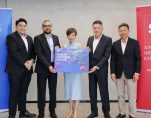
From Left to Right: Yong Jiahao, Partner, Infrastructure, Government & Healthcare (IGH) & Industrial Manufacturing, Tax, KPMG; Ajay Kumar Sanganeria, Partner and Head of Tax, KPMG; Lee Sze Yeng, Managing Partner, KPMG; Max Loh Khum Whai, Vice-Chair, Singapore Institute of Directors; Edwin Lee, Deputy CEO, Singapore Institute of Directors
By fostering resilient economic linkages, embedding digital trust, and cultivating world-class talent and leadership with cross-domain expertise, Singapore can ensure its businesses and economy remain secure, innovative, and competitive in an uncertain global landscape.
This Proposal outlines strategies to position Singapore as a critical hub for global flows, covering three crucial areas:
A new global order: Resilience as a pivotal growth strategy
The Intelligent Age: Smart solutions for an innovative era
The recommendations in the proposal are also supported by data-driven insights from a survey recently conducted by KPMG and SID. More than 1,000 professionals, managers, executives and technicians (PMETs) and business owners were surveyed on the challenges they face and the kinds of Budget 2026 support they hoped to see. [For more information, please refer to the deck with the full survey results: https://kpmg.com/sg/en/campaigns/kpmg-singapore-budget.html ]
Empowering businesses to leverage Singapore’s trusted role as a global connector
Global commerce is rapidly transforming amid rising protectionism, shifting trade rules, evolving tax regimes, and geopolitical tensions. Singapore’s long-term prosperity in the new global order depends on its ability to lead as a trusted connector and aggregator of the flows of goods, capital, data, and talent.
Singapore must strengthen its economic linkages, build secure and interoperable digital platforms, cultivate a workforce equipped with cross-domain expertise, and equip boards with essential skills to navigate emerging risks and opportunities. Trusted and resilient economic linkages will ensure the seamless movement of goods, services, and investments, while interoperable digital platforms will play a critical facilitation role in enabling cross-verification of information, streamlining compliance, and fostering trust across borders. These efforts are especially important in helping businesses cope with shifting regulations. KPMG and SID’s survey found that 51 percent of respondents identified increased business costs as the main challenge to cross-border expansion, followed by higher tariffs (26 percent) and supply chain difficulties (25 percent). To address these challenges, 43 percent of respondents want stronger economic and trade partnerships to overcome trade barriers.
KPMG and SID recommend:
a) Developing a unified digital platform for Free Trade Agreement (FTA) management (page 7) to help businesses navigate complex procedures and unlock the full benefits of FTAs. This would be seamlessly integrated with government systems, making it more seamless and cost-effective for businesses to comply with FTA requirements. This would enable firms to leverage Singapore’s extensive FTA network to gain footholds in new markets, further enhancing Singapore’s regional and global competitiveness.
b) Increasing access to working capital to accelerate local enterprises’ strategic transformation and implementing industry-specific governance frameworks (page 7). With geopolitical shifts driving a more complex regulatory landscape, increased and dedicated funding would enable businesses to transform for the future while responding effectively to evolving governance standards. Such funding should be complemented by industry-specific governance playbooks to equip boards with essential tools to strengthen agility and resilience.
c) Enhancing Singapore’s government-backed trade platform with blockchain and AI (page 6). The global economy has seen an increase in supply chain disruptions amid geopolitical and trade uncertainties. An enhanced Government-backed trade platform would enable Singapore to further facilitate the flow of trusted payments, making it even easier for businesses to validate transactions and act on smart recommendations to elevate supply chain efficiency. Amid a more fragmented world, the enhanced platform would also reinforce Singapore’s position as a reliable hub for global commerce, by promoting increased supply chain transparency for critical industries like semiconductors, pharmaceuticals, and advanced manufacturing.
d) Introducing progressive carbon taxes to reward decarbonisation and establish performance-based pathways for large emitters (page 9). Singapore’s carbon taxes must evolve to consider unique business needs and companies’ decarbonisation plans. Progressive carbon tax rates post-2030 – based on facility emissions volume, emissions per unit of output, and sectoral abatement potential – could be accompanied by permanent conditional tax rebates for energy-intensive, trade-exposed sectors. These rebates could be based on set criteria such as verified year-on-year reductions in carbon intensity and investments in low-carbon technology. To strengthen these efforts, Singapore could also establish an ASEAN Environmental Data Exchange to facilitate the sharing of standardised and interoperable environmental data between Singapore and its regional trade partners (page 8). The exchange would improve the flows of green trade and green capital, enabling Singapore to be a regional hub for environmental data harmonisation. Organisations like the Singapore Institute of Directors could play a catalytic role by building board-level capability, aligning disclosure expectations and promoting best practices through director education, guidance frameworks and peer learning on a regional scale, helping boards to lead initiatives like progressive carbon taxation.
Fostering an ecosystem of Trusted AI in the Agentic Era
The rise of artificial intelligence (AI) is reshaping global competitiveness, with agentic AI—capable of autonomous decision-making—introducing both transformative opportunities and significant challenges. While agentic AI can drive innovation, optimise operations, and unlock new efficiencies, it also raises critical concerns around accountability, ethical deployment, and governance.
A critical enabler of AI’s potential is data sharing, yet this often proves difficult due to competition, concerns over intellectual property, and a lack of trust between organisations. Businesses—particularly smaller enterprises—also face cost constraints in accessing high-quality data, and many also lack the strategic clarity and workforce competencies to identify where AI can augment their operations.
KPMG and SID’s poll found that 54 percent of respondents cited talent and skills gaps as the top challenge for adopting AI, followed by high costs of technology adoption (52 percent) and a lack of clear AI adoption strategies (48 percent). By addressing these concerns, Singapore will be able to fully leverage the vast potential of AI and data to reinforce its status as a hub across various sectors.
KPMG and SID recommend:
a) Co-funding sector-specific shared data pools in partnership with trade associations and industry stakeholders (page 15). These shared, anonymised data pools would enable businesses to access high-quality datasets without incurring prohibitive costs. Tailored to specific sectors such as logistics and retail, these pools would facilitate benchmarking, model training, and experimentation under a trusted framework that safeguards data privacy and protects intellectual property. Shared data initiatives should be paired with guided AI adoption support to help businesses understand how AI can enhance specific parts of their value chain. For example, targeted support could help logistics firms optimise supply chains or assist retailers in leveraging AI to personalise customer experiences. This dual approach would enable broader AI adoption and accelerate innovation across industries.
b) Enhancing the public-private partnership (PPP) framework to accelerate AI adoption (page 15). As firms navigate high costs and limited guidance around AI adoption, there is an opportunity for the Government to provide greater access to infrastructure to lower barriers for AI experimentation and deployment. The enhanced framework would create positive spillover effects from existing AI initiatives, as government agencies, academia and industry stakeholders collaborate to strategically integrate AI solutions into business strategies. The framework could also promote cross-sector collaboration in key industries, fostering a culture of open innovation in AI. To bolster digital trust, Singapore could also establish a regional “Trusted AI” mark to drive harmonisation and innovation (page 12). Although Singapore’s Model AI Governance Framework provides a strong foundation for responsible AI deployment, there is still a largely untapped opportunity for Singapore to champion an assurance label that shows firms have AI controls aligned with recognised AI governance standards. By pushing regionalrecognition of this mark, Singapore could accelerate cross-border innovation and trade. The mark would build on initiatives like AI Verify and Project Moonshot, which have helped to promote Trusted AI in Singapore.
c) Supporting hands-on AI governance training for board members and executives (page 13) through a dedicated fund. This would complement existing SkillsFuture programmes which focus primarily on AI awareness, by expanding the emphasis to address strategic and operational gaps at the leadership level – covering ethical deployment, change management and cross-domain applications.
Building globally relevant leaders with cross-domain skills
To fulfil its role as a hub for global flows, Singapore must enable its businesses to navigate a complex web of governance requirements, trade rules, tax policies, and tariffs. While compliance with governance standards will bring higher upfront costs, it also provides a foundation for businesses to lead in innovation and competitiveness. For instance, businesses that embrace sustainability compliance can innovate in areas like green finance, carbon accounting, and environmental data exchange.
Yet, none of this is possible without specialised talent and leadership. Singapore needs professionals and board leaders with expertise in areas such as supply chain management, AI governance, and sustainability strategy. These individuals must be able to connect the dots across domains, such as linking data governance with trade compliance or integrating sustainability goals into business operations. The need for enhanced talent development also emerged from KPMG and SID’s survey findings. Forty-nine percent of respondents want more skills development and upskilling courses. Meanwhile, 42 percent hope for more support for workforce transformation and job redesign, such as higher grants. In addition, 37 percent of respondents want more leadership and management development initiatives, especially in the areas of mentorship and coaching for emerging leaders and advanced leadership programmes.
KPMG and SID recommend:
a) Creating a dedicated work-pass category for “master trainers” and mentors (page 18). The work-pass would encourage international professionals to join local companies, public agencies and training institutions to lead structured upskilling or leadership development programmes. This would accelerate skills transfer, expose workers to global best practices, and build a robust pipeline of talent capable of driving strategic transformation and competitiveness in a rapidly evolving global landscape. Structured leadership development programmes could also include peer-sharing platforms (page 21) aimed at promoting transformation training among C-suite leaders. Backed by the public sector and industry stakeholders, such platforms could foster the exchange of best practices, promote collective learning on key sustainability capabilities and empower leaders to proactively redesign roles and workflows ahead of market shifts.
b) Setting up job transformation roadmaps with co-funded training and certification initiatives (page 19) tied closely to sector-specific needs. As rapid technological developments shape industry demand for skills, job transformation roadmaps would be beneficial in outlining sector-specific disruptions, challenges and opportunities. These roadmaps could be accompanied by industry-recognised certification, and programmes backed by both the public and private sectors. Tailored to sectoral needs, certifications could help to assess whether workers have acquired the necessary skills to perform in transformed roles, especially in fast-evolving sectors where traditional qualifications may no longer suffice.
c) Establishing a $100 million fund to advance social impact reporting (page 9). As Singapore pursues long-term resilience, it must also ensure that economic growth is sustainable and inclusive. The fund could be used to train professionals and board directors in the reporting of social metrics, support academic modules in social sustainability and certify social auditors and advisers. It could also be complemented by broader efforts to enhance environmental, social and governance (ESG) competencies among businesses’ top leadership. Singapore could establish a national registry of certified sustainability committee members (page 20) who can be matched to boards and committees across sectors. This would help to expand access to qualified board resources, especially for local enterprises.
Lee Sze Yeng, Managing Partner, KPMG in Singapore, said:
“Leadership today isn’t just about mastering AI or acquiring specialised skills—it’s about navigating the intersections of cross-border trade, technology, and sustainability. To remain competitive, leaders must move beyond the basics, using AI and data to drive real business outcomes while building governance frameworks that inspire trust. At the same time, they need the courage to take calculated risks and collaborate across ecosystems to unlock new opportunities. Initiatives like co-funding sector-specific shared data pools and guided AI adoption support are critical to overcoming barriers and equipping leaders with the tools to thrive. As disruptions grow increasingly cross-border and cross-domain, Singapore’s ability to cultivate leaders who can turn complexity into opportunity will define its success as a global flows hub.”
Ajay Kumar Sanganeria, Partner, Head of Tax, KPMG in Singapore, said:
“Singapore’s position as a global hub—connecting trade, data, and capital—offers businesses significant opportunities to grow and compete globally. Grants and platforms are vital enablers, but they must be part of a broader solution that simplifies complexities and empowers businesses to focus on innovation. Future-ready approaches, such as managing governance and compliance in a more consolidated or ‘as-a-service’ mode, can reduce burdens on enterprises. A unified digital platform for Free Trade Agreement (FTA) management, enhanced with blockchain and AI, could streamline compliance and unlock the full benefits of Singapore’s FTA network. Co-funded training programmes and shared governance frameworks can further help businesses pool resources and build capabilities. By combining grants, platforms, and smarter ways of working, Singapore strengthens its role as a trusted global connector and equips businesses to lead with confidence in an evolving world.”
Yeoh Oon Jin, Chair, Singapore Institute of Directors, said:
“Singapore’s future as a global hub for connectivity and commerce will be shaped by how boards of directors evolve to lead with resilience and trust. Budget 2026 is an opportunity to strengthen governance frameworks that embed sustainability, cyber trust and accountability into every organisation’s agenda. By empowering directors to champion innovation, sustainability and digital assurance, organisations can grow with confidence while reinforcing Singapore’s position as a secure and trusted connector for goods, capital, data and talent in an increasingly complex global landscape.” Hashtag: #KPMG #SID
The issuer is solely responsible for the content of this announcement.
About KPMG in Singapore
KPMG in Singapore is part of a global organization of independent professional services firms providing Audit, Tax and Advisory services. We operate in 142 countries and territories with more than 275,000 partners and employees working in member firms around the world. Each KPMG firm is a legally distinct and separate entity and describes itself as such. KPMG International Limited is a private English company limited by guarantee. KPMG International Limited and its related entities do not provide services to clients.
About SID
The Singapore Institute of Directors (SID) is Singapore’s national association for company directors. Established in 1998, our mission is to transform boards and empower board directors to be champions of good governance. SID works with regulators and partners to serve as the voice for directors and facilitates consultations and feedback sessions on regulatory matters. In advocating for good governance, SID advances thought leadership and benchmarking research and indices on corporate governance and directorship issues.
SID builds competencies and capabilities to enhance boardroom skills of directors for informed decision-making. An accreditation programme serves to set standards for and showcase best practices of good governance. The organisation supports members on their directorship journey with courses, workshops, advanced masterclasses, forum discussions and pit-stops. SID connects and strengthens the ecosystem with initiatives such as mentoring and networking. The Governance for Good Alliance is an initiative by SID to bring together key stakeholders who help advance our vision for every board director to be a champion of good governance.
Pitchengine has re-emerged with a rebuilt platform and an expanded ambition, signalling a renewed push into the crowded public relations technology market with tools aimed at creators, brands and communications teams seeking more control over distribution and measurement. The company says its comeback centres on a modernised newsroom, stronger analytics and tighter integrations designed to meet how PR now intersects with social platforms, search and owned media. […]
Uncertainty has gripped Cuba after claims circulated that Venezuelan President Nicolás Maduro had been captured following a United States strike in Venezuela, a development that, if confirmed, would shake the island’s most important political and economic partnership. Cuban authorities have offered no confirmation of the reports, while state media has urged calm and emphasised continuity in Havana’s foreign policy, underscoring the fog surrounding events that residents say […]
Canada’s airline sector is bracing for sharper competition after Ottawa moved to widen market access for carriers from the Middle East, a shift that industry executives and analysts say could force domestic airlines to improve pricing, punctuality and onboard service as more long-haul capacity enters the market. The policy change, announced through updated air transport arrangements, gives carriers based in the Gulf greater flexibility to add frequencies […]
Meta’s plan to expand artificial intelligence across private messaging on Facebook, Instagram and WhatsApp has triggered a wave of privacy concerns, as users, civil society groups and regulators question how conversational data will be used and protected under the company’s 2026 policy framework. The update, disclosed as part of Meta’s broader AI roadmap, allows automated systems to analyse interactions in private chats to refine content recommendations and […]
AQT Arithmos Quantum Technologies Ltd has announced the launch of a live, real-world quantum hybrid test at the Dubai International Financial Centre, signalling a critical step in the commercialisation of advanced quantum computing methods. The Dubai Financial Services Authority has clarified that AQT’s planned activities do not require additional authorisation because they fall outside regulated financial services, allowing the firm to proceed under its existing licence at […]
Private equity investor Oakley Capital has agreed to acquire a controlling interest in Global Loan Agency Services, the London-headquartered provider of loan administration and trustee services to global capital markets, marking one of the most significant deals in the debt services sector this year. Oakley, deploying capital through its Fund VI vehicle, will take a majority position from US buyout firm Levine Leichtman Capital Partners, which has owned the business since 2022 and will retain a modest shareholding after the transaction. The Canadian pension investor La Caisse, known formally as Caisse de dépôt et placement du Québec, is co-investing with Oakley, taking a minority stake alongside the new majority holder. Completion of the transaction remains subject to regulatory approvals.
GLAS has carved out a niche as a specialist provider of services that support the lifecycle of debt instruments, from syndicated loans and direct lending to private credit and leveraged finance transactions. Founded in 2011 by Mia Drennan and Brian Carne, the firm oversees administration for a substantial portfolio of assets under management running into the hundreds of billions of dollars and employs over 450 staff across 16 offices worldwide. Drennan is expected to remain at the helm as chief executive, reflecting continuity in leadership amid the change in ownership.
The strategic rationale behind the investment reflects broader shifts in global credit markets. Demand for outsourced loan administration and trustee services has grown as lenders and borrowers navigate increasingly complex financing arrangements and regulatory requirements. Private credit, in particular, has expanded sharply, with non-bank lenders and institutional investors seeking specialist support for documentation, compliance and reporting functions that underpin large, bespoke transactions. GLAS’s suite of services has made it a go-to partner in this space, particularly for institutional clients negotiating intricate debt structures.
Financial terms of the deal disclosed by Oakley indicate its indirect contribution via Fund VI will be up to about £55 million, but wider valuations implied by market coverage suggest a total enterprise value near £1 billion. That figure aligns with expectations from advisers and reflects both GLAS’s established market position and the strategic value investors place on firms that facilitate the expanding private credit ecosystem. Oakley’s purchase follows a period of growth for GLAS under Levine Leichtman’s ownership, during which assets under administration reportedly rose from roughly $120 billion in 2021 to more than $750 billion today, driven by geographic expansion, technology investment and targeted acquisitions.
Oakley Capital’s profile has broadened in recent years as the firm has backed a variety of businesses across sectors including consumer brands, technology and business services. Its backing of GLAS reflects a deliberate push into specialised financial services where structural trends favour outsourced, technology-enhanced solutions. The involvement of La Caisse, a major institutional investor, underscores the appeal of GLAS’s business model to long-term capital allocators seeking exposure to the infrastructure of global credit markets.
Industry analysts have noted the appetite for loan agency services has been underpinned by the proliferation of private credit funds and a resurgence of syndicated lending activity following periods of market volatility. As banks and alternative lenders diversify their portfolios and jurisdictions tighten reporting standards, demand for independent administrators with global reach has grown. GLAS’s deep bench of expertise in handling complex transactions and its geographic footprint are seen as competitive advantages that could support accelerated growth under Oakley’s stewardship.
Executives from both sides have highlighted the strategic fit. Mia Drennan said the partnership with Oakley and La Caisse positions GLAS to expand its offerings and deepen client relationships, building on a track record of innovation in service delivery. Josh Kaufman, partner and head of Europe at Levine Leichtman, expressed pride in the firm’s role in GLAS’s development and confidence in its future trajectory under new ownership. Advisers on the transaction included Deutsche Bank and Robert W. Baird, working with GLAS and Levine Leichtman, reflecting the complexity and market interest in the deal.
HONG KONG SAR/DUBAI, United Arab Emirates – Media OutReach Newswire – 5 January 2026 – Gaw Capital Partners, a leading multi-asset investment management firm, and GFH Partners, a leading Dubai-based real estate investment firm specializing in thematic property solutions, announce to establish a UAE-focused industrial and logistics platform (the “Platform”) through a joint venture partnership. Gaw Capital will hold a majority stake in the joint-venture company, which will serve as a gateway for the Asian capital to be deployed at-scale into the rapidly expanding UAE real estate market. The joint venture will be targeting high-quality industrial development projects comprising pre-identified seed assets across Dubai, Abu Dhabi and Ras Al Khaimah, the Emirates’ fast-growing industrial zones.
The developments will be led by Manrre Developments, a joint venture between GFH and Palmon Group, a seasoned UAE-based industrial conglomerate with over 40 years of institutional experience. This partnership unites proven regional expertise across acquisition, planning and design, development, execution, and operational readiness to deliver exceptional, future-ready warehouses and logistics centres.
Harry Ip, Managing Director of Gaw Capital, said, “We are thrilled to enter UAE’s flourishing industrial and logistics market, supported by strong fundamentals, the surge in structural demand driven by government-led initiatives, and heightened global interest in the logistics and industrial asset class. Leveraging the expertise from GFH Partners, this partnership positions us as one of Asia’s leading forerunners in delivering prime industrial facilities in the UAE, providing investors with exposure to a fundamentally undersupplied market.”
Nael Mustafa, CEO of GFH Partners, commented, “GFH Partners brings on-the-ground specialists, experienced local operators, and a strong track record managing logistics and industrial assets across the GCC. This joint venture allows us to scale that regional expertise even further, capitalizing on the UAE’s robust industrial growth trajectory. Through this partnership with Gaw Capital, we are combining regional insight with global capability to unlock new opportunities in the UAE’s expanding industrial and logistics sector.”
The Platform is being launched at a time of strong macroeconomic momentum, supported by the UAE’s long-term development strategies including the Dubai Industrial Strategy 2030 and the Dubai 2040 Urban Master Plan. Majority of these initiatives are aimed at accelerating industrial diversification, attracting FDI, and expanding logistics infrastructure. The local government offers a list of pro-business regulatory and fiscal policies, including tax exemptions, customs duty exemption, simplified regulations in 40+ free zones, and relaxed foreign ownership limitation, to accelerate logistics demand and investment. Furthermore, the population of the UAE has experienced dramatic growth and is expected to reach 12.2 million by 2030, driven by the long-term residency incentives (e.g. Golden Visa), competitive tax regime, openings of prestigious school campuses for expatriate professional and family relocation.
Demand for logistics and industrial assets remains robust, supported by a persistent supply–demand imbalance. Dubai’s warehouse and logistics occupancy currently exceeds 97%, with rental rates increasing 33% year-on-year. The formation of the Platform will mark Gaw Capital’s first geographic footprint in the logistics sector in the UAE, demonstrating its global network and cross-border expertise in accessing industrial and logistics investments ahead of the curve.
Gaw Capital has established a robust logistics footprint across China, Japan, South Korea, Vietnam and Australia, with investments in 39 projects totalling approximately 3.8 million sqm of GFA. As of Q3 2025, Gaw Capital manages over US$3.4 billion in assets under management in its global logistics portfolio.
Since 2014, the firm has acquired, developed, and managed a substantial portfolio of modern logistics facilities with over 3 million sqm of GFA across China, supported by a team of around 100 professionals through 4 investment vehicles. Leveraging its deep expertise, Gaw Capital has expanded into other APAC markets through strategic partnerships, acquiring high-quality assets in key metropolitan hubs. Recent investments include seven logistics assets in Greater Tokyo (nearly 250,000 sqm GFA), one in Seoul (over 75,000 sqm GFA), two in Vietnam (over 210,000 sqm GFA) and six urban industrial and logistics warehouses in Sydney (over 45,000 sqm GFA). The firm’s in-house teams and operating partners deliver value-added services across the logistics value chain, including development, construction, leasing, and property management. Hashtag: #GawCapitalPartners #GFHPartners
The issuer is solely responsible for the content of this announcement.
About Gaw Capital Partners
Based in Asia, Gaw Capital Partners is a multi-asset investment management firm focusing on real estate, growth equity, private credit and infrastructure markets globally.
Since its inception in 2005, the firm has raised seven commingled funds targeting Asia Pacific, alongside value-add /opportunistic funds in the U.S., a Pan-Asia Hospitality Fund, a European Hospitality Fund, a Growth Equity Fund and a Credit Fund. It also manages credit strategies and separate account direct investments globally.
Gaw Capital has consistently generated high yields by revitalizing underperforming assets, enhancing value through creative financing solutions and leveraging deep expertise in capital allocation.
Since 2005, the firm has managed US$35.8 billion in assets and raised US$24.4 billion in equity as of Q2 2025.
About GFH Partners Ltd.
GFH Partners Ltd. (“GFH Partners”) is the DIFC-based global asset management subsidiary of GFH Financial Group B.S.C. (“GFH”). Headquartered in Dubai International Financial Centre and regulated by the Dubai Financial Services Authority, GFH Partners is dedicated to real estate investment and asset management across diverse markets. With assets under management exceeding US$7 billion and investments spanning the US, UK, and GCC. GFH Partners focuses on strategic partnerships and innovative real estate solutions, reinforcing its role as a leading player in global asset management.
OpenAI chief executive Sam Altman has publicly acknowledged the expanding impact of artificial intelligence on mental health and cybersecurity, signalling a shift in how one of the world’s most influential AI developers frames the social risks of its technology. The remarks came alongside an announcement that OpenAI is seeking a Head of Preparedness, a role designed to anticipate and mitigate potential harms as AI systems grow more […]
Claims circulating across social media and some exile networks that President Nicolás Maduro had been captured in a U. S.-led operation triggered an emotional surge among Venezuelans living abroad, exposing both the depth of anger at Caracas and the fragility of trust shaped by years of unfulfilled expectations. No government in Washington or Caracas has confirmed any detention of Nicolás Maduro, and the authorities in Venezuela continue […]
Cars sold across major markets are harvesting vast amounts of personal data from drivers and passengers without clear consent, fuelling a widening debate over privacy, ownership and the limits of digital surveillance in everyday transport. As vehicles become rolling computers, regulators and consumer advocates warn that protections have failed to keep pace with the speed and scale of data collection embedded in modern mobility. Vehicles equipped with […]
Competition between Tesla and Waymo is reshaping the trajectory of autonomous transport, with contrasting technical philosophies, regulatory strategies and deployment timelines sharpening the pace of innovation across the robotaxi market. Waymo holds a tangible lead in fully driverless commercial operations. Its vehicles, packed with lidar, radar and high-resolution cameras, have logged millions of autonomous miles without a human safety driver across multiple US cities. In places such […]
Tuba, an artificial intelligence-driven healthcare benefit management platform, has been accepted into NVIDIA Inception, a global programme designed to support technology start-ups developing advanced AI solutions. The move places Tuba among a curated group of early-stage companies working with high-performance computing, data science and machine learning tools to scale products in complex sectors such as healthcare, finance and advanced manufacturing. The company’s entry into the programme […]
By K Raveendran As Indian corporates step into the new year buoyed by stronger growth momentum and easing inflationary pressures, a sense of anticipation is spreading across boardrooms and policy circles alike over a dispute that dwarfs most corporate battles seen in the country’s history. At the heart of this confrontation lies the Indian government’s […]
HONG KONG SAR – Media OutReach Newswire – 31 December 2025 – DL Holdings (1709.HK) announced yesterday that its subsidiary, DL Securities (Hong Kong) Limited (“DL Securities”), has received conditional approval from the Hong Kong Securities and Futures Commission (“SFC”) to provide virtual asset trading services under an omnibus account arrangement. DL Securities has accepted the conditions imposed by the SFC in respect of the upgrade of its Type 1 license to include virtual asset trading services as of 29 December 2025, and will commence virtual asset trading services upon receiving the SFC’s formal approval. This milestone marks DL Securities’ official entry into the small group of comprehensive financial institutions in Hong Kong that simultaneously hold full licenses for both traditional securities and virtual assets.
DL Securities’ formal approval as a licensed virtual asset service provider means that the sizeable digital asset and real-world asset (RWA) tokenization landscape being built by the Group will be delivered to global investors through a compliant, secure, and efficient channel — representing a critical step toward the inclusive-finance vision of “Investing Made Simple.”
Following the license upgrade, DL Securities plans to open omnibus accounts with OSL — one of the SFC-licensed virtual asset trading platforms in Hong Kong — to provide professional investors with secure and efficient execution services, including virtual asset trading and conversion between virtual assets and fiat currencies. The Company will implement stringent Know-Your-Customer (KYC) and Anti-Money Laundering (AML) procedures, perform continuous monitoring and risk assessment together with the platform, and conduct knowledge assessments for clients to ensure that services operate under the highest compliance standards.
To ensure prudence and regulatory alignment, DL Securities will strictly follow the additional conditions of the SFC and conduct virtual asset transactions via omnibus accounts on SFC-licensed platforms. Meanwhile, services will primarily target professional investor clients within its existing Type 1 regulated activity (securities dealing). This demonstrates that while embracing digital-finance innovation, DL Securities will continue to uphold Hong Kong’s rigorous regulatory framework and remain committed to delivering secure and compliant virtual asset services to high-net-worth clients.
Ahead of many licensed brokers whose roles remain focused only on “distribution,” DL has already established forward-looking strategic layouts in both asset digitalization and digital-asset investment, building a solid asset foundation for future business expansion. In terms of innovative RWA tokenization, the HK$500 million DL Tower located in Hong Kong’s Central district has formally commenced tokenization, with an initial tranche valued at HK$60 million. At the same time, the Group has completed the tokenization plan for its HK$312 million equity interest in the ultra-luxury U.S. real estate project ONE Carmel, aiming to pioneer an innovative shareholder-return mechanism. In addition, the Group has completed tokenization of nearly HK$40 million equity stakes in leading technology companies such as ByteDance and Kraken, enriching the diversity and growth potential of its digital-asset portfolio.
In terms of strategic investment in digital assets, the Group has likewise advanced its deployment. In computing power, nearly ten thousand high-performance mining rigs have been procured, generating close to two Bitcoins per day. The Group has also mapped out an additional HK$800 million digital-asset investment pathway, including HK$560 million into computing power and HK$240 million into tokenized gold assets. Cooperation with digital-asset asset-management platform Antalpha has achieved substantive progress, with an initial allocation of nearly HK$40 million in gold tokens completed. Meanwhile, continued investment in the fintech platform NeuralFin has delivered outstanding results — the platform’s valuation has reached HK$546 million and it has officially initiated preparations for U.S. listing, further strengthening the Group’s integrated digital-finance ecosystem.
Approval of the virtual-asset license provides crucial regulatory support for DL Securities to introduce the Group’s scarce, high-quality virtual-asset and RWA products to the broader investment market in a compliant and secure manner. Going forward, DL Securities will be able to offer professional and institutional investors compliant trading and professional advisory services covering mainstream digital assets such as BTC and ETH, as well as proprietary real-estate and equity-type RWA products. High-quality physical assets and frontier digital assets — once characterized by high thresholds and low liquidity — can now be transformed into fractional, tradeable digital rights, allowing broader groups of investors to share in the dividends of technological and asset-value growth.
Against the backdrop of global asset digitalization, RWA tokenization is becoming a key direction of financial innovation. While Chinese Mainland remains prudent toward such businesses, Hong Kong SAR — guided by a clear, stable, and internationally aligned regulatory framework — is actively assuming the role of a “testing ground.” Seizing this window of opportunity, DL has leveraged its deep understanding of the Hong Kong market, completed its virtual-asset deployment ahead of peers, and successfully obtained a pivotal license. This not only reflects DL’s strategic foresight but also its active participation in building Hong Kong into a global virtual-asset hub — firmly capturing first-mover advantages.
Mr. Andy Chen, Chairman and Chief Executive Officer of DL Holdings Group, stated:”This approval of our virtual-asset license is a milestone that has come naturally. DL has long ceased to be a bystander waiting for the license—we are already deeply engaged, holding substantial high-quality digital assets and RWAs. The license is a key — it opens the door for us to provide compliant services to investors worldwide. Looking ahead, DL will fully leverage our capital strength, asset reserves, and ecosystem advantages to become a trusted bridge connecting traditional finance and the digital-finance world.”
This license upgrade represents an important milestone in the Group’s deepening digital-finance strategy and embrace of fintech innovation. It is expected not only to significantly enhance business diversification and revenue potential but also to position the Company strongly in the digital-asset markets of Hong Kong and the Asia-Pacific region. Through rigorous compliance frameworks, professional teams, and deep collaboration with licensed platforms, DL Securities will provide professional investors with secure, efficient, and transparent virtual-asset financial services. Following the upgrade of Type 1 to include virtual-asset trading, the upgrade procedure for its Type 4 license (advising on securities) is also currently under final SFC review.
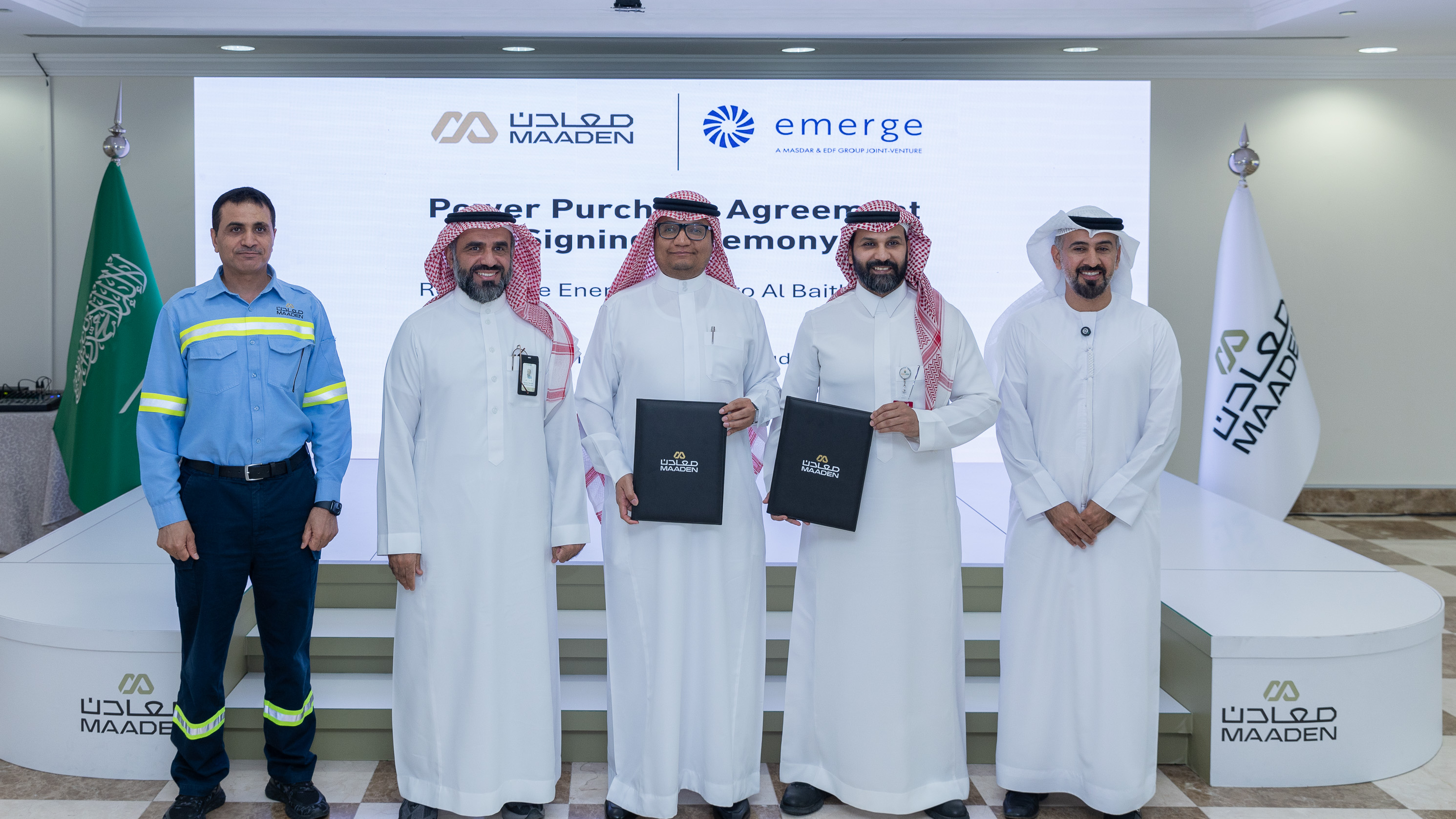
Saudi Arabian Mining Company, widely known as Saudi Arabian Mining Company, has outlined plans to establish a joint venture with Midana Exploration Pay Ltd to advance minerals exploration, development and mining across licensed areas of the kingdom, in a move that underscores the country’s push to expand its non-oil resource base.
Under the proposed structure, the joint venture will be capitalised initially at $5 million, with Maaden holding a controlling 50.1% stake and Hancock owning the remaining 49.9%. The vehicle is expected to focus on early-stage exploration as well as the development and eventual sale of mineral resources identified within approved concession blocks, subject to regulatory clearances.
The announcement comes as Saudi Arabia accelerates efforts to map and commercialise its estimated multi-trillion-dollar mineral endowment, a pillar of the Vision 2030 strategy aimed at diversifying fiscal revenues and building domestic industrial supply chains. Officials and industry executives have repeatedly highlighted underexplored deposits of gold, copper, zinc, phosphate, bauxite and rare earth elements as areas of strategic interest.
Maaden, majority owned by the Public Investment Fund, has over the past decade evolved from a single-commodity operator into a diversified mining champion spanning gold, aluminium, phosphate fertilisers and industrial minerals. The proposed partnership with Hancock signals a renewed emphasis on upstream exploration, an area that demands specialised geological expertise, patient capital and risk-sharing arrangements.
Hancock, through its local exploration arm, has built a portfolio of prospecting licences and geological data across several regions of the kingdom. Industry observers say its familiarity with Saudi Arabia’s licensing framework and field operations complements Maaden’s balance sheet strength, project development experience and access to downstream markets.
According to people familiar with the matter, the joint venture is designed to move swiftly from desktop studies to on-ground surveys, including geophysical mapping and targeted drilling. Any commercial discoveries would then be evaluated for standalone development or integration into Maaden’s existing asset base, depending on scale, mineral type and infrastructure considerations.
The modest initial capital reflects the early-stage nature of the venture, with provisions allowing for additional funding rounds as projects advance. Mining analysts note that exploration budgets often expand sharply once priority targets are identified, particularly for metals linked to energy transition technologies such as copper and battery minerals.
Saudi Arabia has spent heavily on geological surveying over the past few years, releasing high-resolution data to attract private and foreign investors. The Ministry of Industry and Mineral Resources has also reformed the mining law to streamline licensing, strengthen environmental oversight and provide longer concession terms, measures that have been welcomed by global miners.
Within this policy backdrop, Maaden’s majority stake ensures strategic alignment with national priorities while allowing its partner operational flexibility. The 50.1-49.9 split also gives Maaden consolidation rights over any successful projects, a factor likely to reassure lenders and potential offtake partners at later stages.
Market participants see the joint venture as part of a broader trend of collaborative exploration models in the kingdom, where state-backed entities pair with specialised firms to spread risk and accelerate discovery timelines. Similar structures have been adopted in other resource-rich jurisdictions seeking to build domestic mining ecosystems without shouldering all the geological risk alone.
Environmental and social governance considerations are expected to feature prominently as projects move forward. Saudi regulators have tightened requirements around land rehabilitation, water use and community engagement, and Maaden has publicly committed to aligning new developments with international sustainability benchmarks.
A wave of AI-generated videos circulating on social platforms has drawn regulatory and public attention after Meta removed a cluster of manipulated clips tied to public discourse in India, underscoring the accelerating threat posed by deepfakes and the strain on existing cybersecurity defences. The action has reignited debate over platform accountability, election integrity, and the pace at which safeguards are keeping up with generative tools.
Meta said the videos breached its policies on manipulated media and deceptive practices, adding that enforcement teams had detected coordinated behaviour designed to amplify misleading narratives. The company did not detail the creators or precise reach, but independent analysts tracking social traffic reported that some clips had amassed hundreds of thousands of views before moderation. The removals came amid heightened scrutiny of AI-driven misinformation as synthetic video and audio tools become cheaper, faster and harder to spot.
Security specialists warn that the technical leap in realism has lowered the barrier for malicious actors. Diffusion models and voice-cloning systems can now produce convincing footage with minimal training data, enabling impersonation, fabricated statements and false evidence. The risk profile extends beyond politics to financial fraud, reputational attacks and social engineering. Banks and insurers have flagged a rise in scams that combine deepfake video calls with stolen personal data to bypass verification checks.
India’s digital ecosystem amplifies the challenge. With one of the world’s largest online populations and intense engagement on short-video platforms, manipulated content can travel rapidly across languages and regions. Fact-checking groups say the velocity of sharing often outpaces verification, while takedowns, even when swift, can struggle to contain copies and re-uploads. Researchers at leading institutes have documented how watermark removal, compression artefacts and cross-platform reposting degrade detection signals.
Government authorities have been pressing technology companies to strengthen guardrails. Draft rules under the Information Technology framework emphasise due diligence for intermediaries, traceability of originators in defined cases, and clearer disclosures for synthetic media. Officials have also signalled expectations for labelling AI-generated content and responding promptly to lawful takedown requests, while balancing free expression and privacy. Industry groups argue that clarity on standards and timelines is essential to avoid uneven enforcement.
Meta has highlighted investments in detection and transparency, including classifiers trained to identify AI artefacts, partnerships with academic labs, and labels applied when confidence thresholds are met. The company also points to cross-platform threat sharing through industry forums to flag emerging manipulation techniques. Critics counter that adversarial innovation is moving faster than defensive models and that labels can be stripped or ignored, especially when content is shared outside original platforms.
Election experts say the stakes are rising as campaigns increasingly rely on video to reach voters. Even short-lived false clips can shape perceptions, sow doubt or distract from substantive debate. Studies of prior electoral cycles show that corrections often fail to reach the same audiences as the initial misinformation, leaving residual effects. Civil society organisations have urged a layered response that combines platform enforcement, rapid response hotlines, and public education on media literacy.
Cybersecurity firms are adapting with multi-signal approaches that fuse video forensics, network analysis and behavioural cues. Techniques include analysing eye-blink patterns, head-pose consistency, acoustic fingerprints and temporal anomalies, alongside monitoring coordinated posting patterns. Yet experts caution that no single method is foolproof. As generative systems learn to mimic these signals, defenders must iterate continuously, increasing costs for both sides.
The economic dimension is also coming into focus. Advertising clients are wary of brand adjacency to manipulated content, prompting demands for stronger brand-safety assurances. Meanwhile, startups offering verification, provenance tracking and content authentication are attracting investment. Standards bodies are promoting cryptographic provenance frameworks that embed origin metadata at creation, though adoption remains uneven across devices and platforms.
Security researchers have demonstrated how widely deployed service robots can be commandeered without physical contact, raising concerns about safety, surveillance and supply-chain exposure as robots spread across factories, warehouses and public spaces. The findings were showcased at a major hacking conference in Shanghai, where white-hat teams revealed that certain commercial robots could be hijacked through low-cost attacks using voice commands or short-range wireless links. At the event, […]
By Dr Arun Mitra The new nuclear bill, titled Sustainable Harnessing and Advancement of Nuclear Energy for Transforming India (SHANTI), passed by Parliament, has received the assent of the President of India, Droupadi Murmu. With this, it has become an Act governing various aspects of nuclear energy in the country. There is a strong push […]
Dealmaking across the Middle East gathered pace through 2025, underscoring a shift from opportunistic transactions to targeted consolidation and long-term strategic bets. Mergers and acquisitions activity in the region posted a sharp rise in value, climbing 260 per cent to about $53 billion during the first nine months of the year compared with the same period in 2024, reflecting renewed confidence among corporate buyers and state-linked investors […]
BinDawood Holding Company has agreed to acquire a controlling 51% stake in UAE-based Wonder Bakery in a deal valued at 96.9 million dirhams, marking a significant step in the Saudi retailer’s regional expansion strategy and its push into food manufacturing. The Riyadh-listed group said the share purchase agreement will be funded through internal resources alongside existing financing facilities, underlining a balance-sheet-led expansion rather than reliance on new […]
SINGAPORE – Media OutReach Newswire – 26 December 2025– Apical continues to reinforce its commitment to preventing and reducing stunting by prioritising women’s health in Cilincing subdistrict, North Jakarta. Through its business unit, PT Asianagro Agungjaya (PT AAJ), Apical collaborated with the Cilincing Community Health Centre (Puskesmas Cilincing) to implement community-based programmes focused on women’s health and early stunting prevention.
The initiative was launched on 15 December 2025 at the RW 03, RW 09 and RW 10 community offices within the Cilincing public housing complex. Targeting women of reproductive age, the programme was designed as a preventive effort to raise awareness and improve access to essential health services, particularly reproductive health, as a foundation for healthy families and future generations.
Apical’s CSR Manager, Sugiantoro, said the collaboration reflects the company’s long-term, preventive approach to public health. “We believe that healthy women are the pillars of strong families and a key force in shaping healthy communities. Through PT AAJ’s involvement, we aim to create tangible impact by prioritising early prevention, rather than focusing solely on treatment,” he said.
A key focus of the initiative was the early detection of cervical cancer, a serious but largely preventable disease when identified through routine screening and timely intervention. Services provided included IVA screening (visual inspection with acetic acid) and HPV (human papillomavirus) testing.
Dr Kezia Ivana from the Cilincing Community Health Centre explained that IVA and HPV screenings are effective methods for detecting cervical cancer at an early stage.
“Early detection allows us to identify the virus that causes cervical cancer sooner, significantly reducing the risk of disease progression. When detected early, the chances of recovery are very high. However, if left undetected, cervical cancer can lead to severe pain, abnormal bleeding, kidney and urinary tract disorders, swelling of the legs, and fertility problems that may prevent women from having children,” she said.
Apical’s participation in this initiative aligns with the company’s 5Cs philosophy that whatever it does must be good for the Community, Country, Climate and Customer, and only then will it be good for the Company, which underpins its commitment to inclusive and sustainable growth. Through partnerships with local stakeholders, Apical, a member of the RGE group of companies founded by Sukanto Tanoto, continues to support government efforts to address stunting while contributing to improved social and women’s health outcomes, particularly in communities surrounding its operational areas. Hashtag: #RGE #Apical #CSR #Stunting #Indonesia #Women #Health #Communities
The issuer is solely responsible for the content of this announcement.
About Apical
Apical is a leading vegetable oil processor with an expanding global footprint. Our vertically integrated mid-stream refining and value-added downstream processing makes us an integral supplier that supports the needs of various industries namely food, feed, oleochemicals and renewable fuel, including sustainable aviation fuel (SAF) which enables a great reduction of CO2 emissions.
With integrated assets in strategic locations spanning Indonesia, China and Spain, Apical operates numerous refineries, oleochemical plants, renewable fuel plants and kernel crushing plants. Through joint ventures and strategic partnerships, Apical also has processing and distribution operations in Brazil, India, Pakistan, Philippines, Middle East, Africa, USA and Vietnam.
Apical’s growth is built on the foundations of sustainability and transparency, and motivated by our strong belief that we can contribute to a circular economy for a more meaningful impact, even as we continue to grow our business and deliver innovative solutions to our customers.
Emaar, the Economic City has secured board approval for a sweeping balance-sheet overhaul that will lift its share capital by nearly 69 per cent through the conversion of debt owed to the kingdom’s Public Investment Fund, a move aimed at strengthening liquidity and reshaping the Tadawul-listed developer’s financial structure. The company disclosed that its board has authorised an increase in paid-up capital to 8.83 billion Saudi Arabian […]








 By K Raveendran As Indian corporates step into the new year buoyed by stronger growth momentum and easing inflationary pressures, a sense of anticipation is spreading across boardrooms and policy circles alike over a dispute that dwarfs most corporate battles seen in the country’s history. At the heart of this confrontation lies the Indian government’s […]




 https://www.apicalgroup.com




