News related to
stake

Berkshire Hathaway’s National Indemnity Company has lifted its stake in Mitsubishi Corporation to 10.23 %, up from 9.74 % earlier, signalling a reinforced commitment to Japan’s leading trading house. The investment follows similar moves in March across other sogo shosha, including Mitsui & Co.

The decision reflects Warren Buffett’s enduring confidence in Japanese megatraders, whose disciplined capital allocation, governance reforms, and investor-friendly policies align strongly with Berkshire’s investment philosophy. As Buffett admired in his annual letters, these firms’ governance improvements, such as stronger board oversight and enhanced transparency, have elevated their attractiveness globally.

Markets responded with optimism. Mitsubishi shares advanced approximately 1.8 %, while Mitsui and its peers—including Sumitomo, Itochu, and Marubeni—also rose, lifting the Nikkei 225. Notably, Berkshire’s growing yen‑denominated dividend income, estimated at $812 million, substantially exceeds its $135 million in interest costs—from its debt exposure—further underscoring the financial logic behind the move.

Buffett first entered these companies around 2019, building stakes across five major trading houses. At that time, the positions were modest—roughly 5 % each—and have been gradually expanded as corporate reform deepened. Last year, ownership in these firms reached as high as 9.8 %. At the annual shareholder meeting in Omaha, Buffett stressed his intention to hold these stakes “for many decades,” a sentiment shared by vice‑chairman Greg Abel.

Several strategic and structural factors underpin this move. Japanese trading houses are diversifying rapidly—expanding into renewable energy, logistics, tech, and sustainable infrastructure—which offers resilience against inflation and trade volatility. Their shareholder returns via dividends and share buybacks, combined with conservative executive pay, align with Berkshire’s preference for capital‑efficient businesses.

Buffett’s growing exposure coincides with Japan’s corporate governance revolution. Since former Prime Minister Abe’s reforms and the stewardship code, sogo shosha have improved transparency, board independence, and capital discipline—making them far more attractive to foreign investors.

Berkshire’s strategic calculation is also macro‑driven. In a year when the iShares MSCI Japan ETF has gained around 17 %, outperforming the S&P 500, the broader market trend reinforces the allure of Japanese equities.

A comprehensive analysis has revealed that prenatal exposure to acetaminophen—more commonly known as paracetamol—might elevate the likelihood of children developing neurodevelopmental disorders such as autism spectrum disorder and attention‑deficit/hyperactivity disorder. The findings arise from a landmark review led by the Icahn School of Medicine at Mount Sinai in conjunction with other prestigious institutions, including Harvard T. H. Chan School of Public Health, and draw upon data from […]

Paragraf has clinched a $55 million Series C financing round, anchored by a $35 million injection from Mubadala Investment Company—the sovereign wealth fund of Abu Dhabi—earning Mubadala a 12.8 per cent equity stake in the UK-based firm. The deal, formally approved under the National Security and Investment Act, will underpin Paragraf’s bid to scale up production of graphene-based semiconductors and pursue global expansion plans. Leading the company’s development, co‑founder […]

ADNOC has sealed a 15‑year Sales and Purchase Agreement with Indian Oil Corporation Ltd for the annual supply of 1 million tonnes of liquefied natural gas, marking a definitive move from the previous memorandum. The cargoes will be eligible for delivery to any port across India, reinforcing ADNOC’s position as a dependable supplier to meet India’s expanding energy needs and energy security demands. ADNOC’s Ruwais LNG project, […]

Infosys will acquire a 75 percent stake in Versent Group, the cloud‑focused digital transformation specialist wholly owned by Telstra, for A$233.3 million, in a joint venture aimed at accelerating artificial intelligence‑enabled cloud and digital services across Australia. The deal, positioning Infosys as majority operator with Telstra retaining a 25 percent interest, is expected to complete in the second half of fiscal year 2026, contingent on approval from Australia’s Foreign Investment Review Board and Competition and Consumer Commission.

Versent brings to the table its team of 650 engineers, advisors and strategists and deep expertise in serving large‑scale sectors such as finance, utilities, energy, education and government. Infosys plans to infuse this local engineering capability with its global strengths—particularly its AI suite including Infosys Topaz, cloud platform Infosys Cobalt, and cybersecurity services from The Missing Link—to deliver comprehensive digital transformation solutions across Australian enterprise and government clients.

The transaction sparked a positive market reaction. Infosys’s US‑listed shares climbed 1.6 percent to US$16.33, while shares traded in India leapt 2 percent to ₹1,449.90.

This JV marks a significant stride in Infosys’ global AI‑cloud strategy and broadens its footprint in Australia. For Telstra, the move aligns with its broader transformation ambitions, where leadership under CEO Vicki Brady is steering the business toward becoming more software‑centric and AI‑first. As part of this shift, Telstra has embraced extensive AI deployment—covering operations such as fault detection, customer support enhancement and efficiency gains—and introduced 21,000 Microsoft Copilot licences along with a dedicated data and AI academy for staff upskilling.

While Telstra has enacted workforce reductions—550 roles eliminated in its enterprise division—company executives emphasise these changes result from structural realignment, not AI, and promise support for affected employees.

Global stock markets are basking in record highs, but the mood beneath the surface is far from confident. This isn’t a calm, sustainable rally. It’s one built on fragile assumptions, stretched valuations, and dangerous complacency. The higher equities climb, the more brutal the eventual reckoning could be. This summer has rewarded investors handsomely. The S&P 500 and FTSE 100 broke into new territory just over a week […]

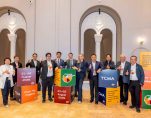
BANGKOK, THAILAND – Media OutReach Newswire – 27 August 2025 – Thai Cement Manufacturers Association (TCMA) successfully hosted its flagship event, the “2025 TCMA Technical Conference and Exhibition” from 21-22 August 2025 at Hotel La Casetta by Toscana Valley, Khao Yai. The event brought together key figures from the Thai cement industry, global organizations, and leading innovators/ technology providers to exchange insights and strengthen collaboration to accelerate […]

Advertisements

Emirates NBD has joined the Sustainable Markets Initiative’s Financial Services Task Force, becoming the first bank from the GCC to participate in the group of global banking CEOs aiming to mobilise large-scale capital for climate- and nature-positive investment.

The move positions the Dubai-based lender at the forefront of sustainable finance in the MENAT region, enabling it to collaborate in setting industry-wide standards for environmentally conscious banking.

Shayne Nelson, Group Chief Executive, described sustainability as central to the institution’s culture and strategy, emphasising that its established ESG achievements underpin its inclusion. He noted that this engagement will boost collective efforts to tackle climate and biodiversity challenges.

Jennifer Jordan-Saifi, Chief Executive of the Sustainable Markets Initiative, welcomed Emirates NBD’s integration, reaffirming the importance of unified private-sector action to drive transition at the scale and pace needed globally.

Vijay Bains, Chief Sustainability Officer and Group Head of ESG at Emirates NBD, stated that the bank is adopting both national and international standards and engaging all stakeholders—from employees and customers to investors and communities—in delivering meaningful impact. He underlined that the ESG strategy extends beyond climate risk to include inclusive, low-carbon products and governance.

Since its launch in 2020 by His Majesty King Charles III, then the Prince of Wales, the Sustainable Markets Initiative has formed alliances across private sectors and governments to devise and scale solutions for sustainable transition. The Financial Services Task Force has already developed standardised methodologies for banking transitions and expertise in nature-based financial instruments.

Emirates NBD’s inclusion marks a significant milestone for the GCC’s role in global sustainable finance. The partnership enables the bank to influence practices beyond the region, particularly in infrastructure investment and climate-aligned financial innovation.

This move arrives against growing investor demand for eco-conscious operations and the UAE’s increasing focus on embedding sustainability across its economic policy and corporate governance.

Hard Rock International has dismissed a senior executive amid an unfolding scandal involving improper betting practices at its casino in the Dominican Republic. The controversy, which has cast a shadow over the company’s expansion efforts, is causing a significant disruption to its bid for a new casino in New York City. The executive, whose name has not been publicly disclosed, was accused of engaging in activities that […]

The US government has secured a 10% stake in Intel, a move that has sparked significant debate within the business and investment community. This unprecedented acquisition, part of the Biden administration’s push to strengthen domestic semiconductor manufacturing, could reshape the company’s relationship with investors and international stakeholders. Intel executives have raised concerns, warning that this direct involvement by the government might lead to complications in global markets, […]

Dubai has witnessed the debut of COLABB, a groundbreaking real estate platform that combines investment, interior design, and digital strategy. The integrated platform, launched with the aim to reshape the regional real estate sector, seeks to streamline processes for developers, investors, and consumers alike.

COLABB promises to offer a comprehensive, multi-disciplinary approach to property development, management, and design. By bridging traditionally separate fields, it hopes to create a unified platform that delivers a seamless, end-to-end real estate experience. The project’s focus on integrating digital tools into real estate development is a key element in positioning COLABB as a forward-thinking force within Dubai’s competitive property market.

The platform’s three-pronged approach combines investment management, design services, and cutting-edge digital strategies. Investors will have access to a range of property development opportunities, including high-end residential and commercial projects, while interior designers will benefit from an intuitive design tool that aligns with industry trends and client preferences. Additionally, COLABB’s digital strategy will include data-driven insights, virtual tours, and market predictions, making it easier for all stakeholders to make informed decisions.

With the UAE’s rapidly growing real estate market, COLABB aims to capitalize on the increasing demand for smarter, more efficient ways to manage, invest, and design properties. Dubai, being a regional real estate hub, provides a perfect testing ground for this integrated platform. The city’s thriving construction and property development sectors are increasingly focused on embracing technological advancements, which COLABB is well-positioned to address.

The real estate landscape in Dubai has undergone significant transformation in the past few years. COLABB enters at a time when the city is seeing rising interest from international investors and homebuyers, with many new developments aimed at addressing the needs of the global market. The platform’s innovative approach to property development and management could offer a competitive edge in this dynamic environment.

For developers, COLABB promises a seamless experience that incorporates smart design with financial planning. By offering tools that allow for the early-stage integration of interior design concepts and investment strategies, COLABB hopes to simplify the development lifecycle. This integrated approach aims to enhance the quality of buildings and offer more lucrative investment returns.

The platform’s commitment to digitalization could also provide a crucial edge, as it leverages data analytics and artificial intelligence to offer predictive insights into market trends, property valuations, and customer behaviour. By understanding these trends, COLABB can offer tailor-made solutions that address specific market needs, making it easier for investors and developers to navigate an increasingly complex industry.

Further boosting its appeal is COLABB’s strong emphasis on collaboration between stakeholders in the real estate sector. The platform fosters a community-like environment where architects, designers, contractors, and property owners can collaborate freely. The aim is to streamline communication, reduce overheads, and increase the overall efficiency of the development process.

As the Dubai property market continues to attract global attention, COLABB’s entry is expected to draw interest from major international real estate players. Its combination of investment management, design services, and digital solutions sets it apart from more traditional platforms, potentially ushering in a new era of property development in the region.

By Nantoo Banerjee Notwithstanding India’s current trade tariff spat with the United States, India should apply caution to further open up imports from China with which it already suffers from massive trade deficits – nearly $100 billion last year when China had severely cut down imports from India. The latter should also avoid the Chinese […]

Santos Ltd. has extended the exclusivity period for its proposed $18.7 billion acquisition by an Abu Dhabi-led consortium until September 19. The move marks the second extension for the deal, which is being led by the Abu Dhabi National Oil Company subsidiary, XRG, along with the Abu Dhabi Development Holding Company.

The extension, announced in a regulatory filing on Monday, follows a series of negotiations between the Australian oil and gas giant and the Abu Dhabi-based investors. Santos, Australia’s second-largest oil and gas producer, initially entered into exclusive talks with the consortium earlier this year. The deal is seen as one of the most significant energy sector transactions in the region, reflecting growing interest in Australia’s energy assets.

The consortium, led by ADNOC, has been vying to secure a controlling stake in Santos as part of its broader strategy to expand its oil and gas footprint internationally. While the negotiations have faced delays, the extended exclusivity period is intended to allow both sides to finalise terms and address regulatory requirements.

The decision to extend the exclusivity period underscores the complexity of the deal, which involves multiple stakeholders with differing interests. Industry experts have noted that the timeframe is critical for both ADNOC and Santos to iron out key details related to financing, regulatory approvals, and future operational integration.

Santos, for its part, has stated that the extension will allow for continued discussions regarding the offer’s terms. The company has also reiterated that the proposed acquisition remains subject to the successful completion of due diligence and other customary closing conditions.

While the deal’s original timeline was set to expire in mid-August, the extension provides additional time to navigate hurdles such as securing clearance from Australian competition authorities and finalising financing arrangements. The Australian government’s scrutiny of foreign acquisitions in the country’s critical infrastructure sector has been a key point of discussion.

The potential takeover has already attracted attention from various industry analysts, with many viewing it as part of a wider trend of increased mergers and acquisitions within the energy sector. Experts argue that the deal could reshape the Australian energy landscape by consolidating assets under a state-backed entity like ADNOC, which has a track record of making strategic investments in key oil and gas markets.

Santos’ strategic positioning in the market and its substantial reserves of gas have made it an attractive target for investors seeking to capitalise on the rising demand for energy. The company has significant operations in Queensland, Western Australia, and Papua New Guinea, all of which have been integral to ADNOC’s interests in securing a foothold in the Pacific region.

The proposal is expected to significantly impact the Australian energy sector, not only in terms of market share but also in the broader geopolitical context. As part of ADNOC’s strategy to diversify its global energy portfolio, the acquisition could also have implications for Australia’s relationship with key energy partners, particularly in the Asia-Pacific region.

The consortium’s interest in Santos is also aligned with ADNOC’s broader goals of expanding its footprint in the global natural gas market. With natural gas demand projected to grow in the coming decades, ADNOC sees the acquisition as a means to secure long-term assets that can ensure the UAE’s energy dominance on the global stage.

The deal’s implications, however, are still unfolding, as both parties continue to navigate regulatory processes and market conditions. The extension of the exclusivity period provides both sides the necessary time to address any outstanding issues before a final agreement is reached.

Telegram founder Pavel Durov has called his arrest in France a “mistake,” after an investigation concluded there was no wrongdoing on his part or within the messaging platform itself. A year on from the incident, Durov took to social media to address the events, reaffirming that Telegram’s moderation practices align with industry standards and that the company has consistently responded to all legally binding requests from the French authorities.

The arrest, which occurred during a high-profile legal dispute regarding Telegram’s content moderation policies, stirred considerable media attention. At the time, French authorities had raised concerns over the platform’s role in hosting extremist content and other illicit activities. Telegram, a widely-used encrypted messaging app, had previously faced scrutiny for its leniency in moderating user-generated content, especially groups promoting violence and illegal activities.

While Durov’s arrest was seen by many as a response to these concerns, the investigation into the matter has since cleared the company of any legal breaches. Durov’s statement, made through his personal social media channels, stressed that Telegram had fully complied with all applicable laws, asserting that the company had always acted in accordance with France’s legal requirements, responding promptly to government requests.

He pointed out that Telegram’s practices have been aligned with broader industry trends, especially in regard to user privacy and data protection. Telegram has consistently maintained its position as a platform committed to ensuring user security, while still balancing its legal obligations. Durov’s remarks come amid ongoing discussions about the role of social media platforms in regulating content and ensuring that they are not used to spread harmful or illegal material.

The French investigation, launched after several incidents related to extremist content being circulated via Telegram, examined whether the app’s developers were complicit in enabling such activities. The decision to clear Durov and the platform was reached following an in-depth review of Telegram’s operations and its cooperation with French authorities.

Telegram, which has gained popularity for its end-to-end encryption and resistance to governmental surveillance, continues to face a delicate balancing act in meeting demands from various governments while safeguarding user privacy. The platform has been under similar scrutiny in several countries, including the United States and Russia, where its stance on privacy and content moderation has led to clashes with regulators.

Durov’s statement serves as a reinforcement of Telegram’s commitment to compliance with local regulations while advocating for a privacy-first approach to communication. His decision to publicly address the matter also reflects the growing pressure on tech companies to openly communicate their stance on such issues in an era of heightened scrutiny over digital privacy and online content.

TAQA, the Abu Dhabi National Energy Company, has announced a significant acquisition aimed at expanding its global water platform. The company is set to acquire a 100% stake in GS Inima, a Spanish water infrastructure firm, for $1.2 billion. This strategic move will bolster TAQA’s existing water operations and position it as a leading player in the global water sector, reflecting the company’s ambition to diversify its portfolio and contribute to addressing the world’s growing water demands.

The acquisition will also align with TAQA’s sustainability goals, reinforcing its commitment to providing essential services in the water and energy sectors. With water scarcity becoming an increasingly urgent global issue, TAQA’s foray into water management is expected to play a pivotal role in meeting the needs of populations in water-stressed regions.

TAQA’s investment is seen as a response to the growing demand for sustainable water solutions, especially in the Middle East and North Africa, where the water scarcity issue is particularly pressing. The acquisition of GS Inima gives TAQA access to a portfolio of water treatment facilities, including desalination plants, water treatment plants, and wastewater management projects. These assets will allow TAQA to extend its reach in providing integrated solutions for water supply and wastewater treatment, addressing both operational and environmental challenges.

GS Inima, which has a proven track record in the management and operation of water infrastructure projects, will bring valuable expertise to TAQA. The Spanish company operates in various international markets, including Latin America, the Middle East, and Europe. Its portfolio includes some of the largest and most advanced desalination plants globally, complementing TAQA’s existing energy and water projects in the UAE and other regions.

For TAQA, the acquisition represents a strategic diversification into a critical infrastructure segment. The company has been shifting focus toward renewable energy and sustainable projects, reflecting broader trends in the energy sector. In line with the UAE’s commitment to sustainability, TAQA aims to contribute to global water security while also expanding its renewable energy footprint.

TAQA’s expansion into the water sector also serves as a response to market trends that indicate increasing investments in water infrastructure. According to industry experts, water scarcity is becoming a more pronounced challenge, particularly in urbanising and industrialising regions. The integration of water assets into TAQA’s broader portfolio enhances its ability to deliver sustainable solutions across both the energy and water sectors, offering customers integrated service offerings.

This acquisition also signals a shift in the regional market dynamics, where energy companies are increasingly seeking to tap into water management solutions. With over 50% of the world’s population living in water-scarce regions, the water market is expected to see continued growth. The UAE, known for its ambitious water desalination projects, stands to benefit from TAQA’s increased investment in water infrastructure, ensuring a more sustainable future for its rapidly growing population.

The integration of GS Inima into TAQA’s operations will also provide the company with a solid platform for further expansion. TAQA has been involved in several large-scale water and energy projects in the UAE, such as the development of renewable energy initiatives and large desalination plants. By merging with GS Inima, TAQA can leverage its experience to improve water management solutions worldwide and position itself as a leader in sustainable water resource management.

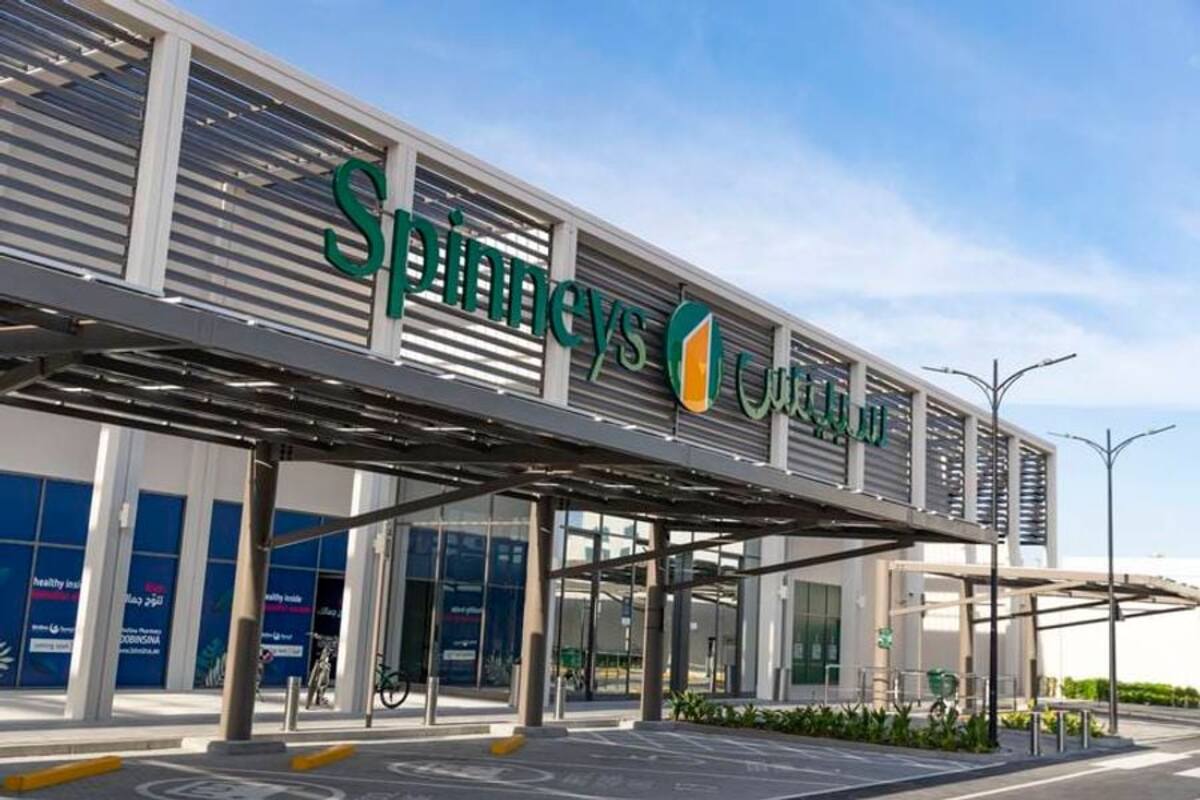
Supermarket operator Spinneys has confirmed its expansion into Kuwait through a strategic joint venture with retail powerhouse Alshaya Group. Under the agreement, Spinneys will retain a 51 per cent controlling stake and will take responsibility for running and managing all planned outlets. The rollout includes ten stores, with the first store slated to open in 2026—marking the brand’s arrival in its fourth Gulf Cooperation Council market after UAE, Saudi Arabia and Oman.

Spinneys has accelerated its regional expansion over the last 16 months, opening twelve new stores in the UAE and two in Saudi Arabia between April 2024 and August 2025. The move into Kuwait aligns with the company’s ambition to position itself as the region’s leading premium fresh-food grocer, with Alshaya’s extensive regional experience providing vital strategic support.

Sunil Kumar, chief executive of Spinneys, described Kuwait as “a high potential market” offering robust growth prospects, and emphasised that the partnership with Alshaya offers a “solid foundation for a successful entry and long-term scale”. John Hadden, chief executive of Alshaya Group, highlighted Kuwait’s dynamic consumer landscape and the local appetite for premium offerings. He said Spinneys’ brand and operational strengths are expected to resonate strongly with Kuwaiti consumers.

Kuwait stands as the GCC’s fourth-largest economy, with some of the region’s highest per-capita disposable incomes. Its affluent and discerning consumer base presents considerable opportunities for high-quality retail formats. This expansion is seen as the natural next phase in Spinneys’ growth strategy.

On the financial markets, Spinneys’ share price saw an immediate boost following the announcement, climbing approximately 3.1 per cent. The company, which went public via a Dubai listing in May 2024, currently operates 86 stores across three GCC countries, including those under its own brands and Waitrose and Al Fair franchises.

Alshaya Group, established in 1890 in Kuwait, is a leading retail franchise operator across the Middle East, North Africa, Türkiye and Europe. It manages nearly seventy international consumer brands and has diversified operations across sectors including fashion, food, health and beauty, pharmacy, home furnishings and leisure.

The joint venture allows Spinneys to capitalise on Alshaya’s deep-rooted regional network and operational expertise while delivering its premium fresh-food proposition to Kuwaiti customers. At the same time, Alshaya adds a trusted high-end grocery brand to its extensive retail portfolio, enabling both firms to strengthen their regional positioning.

Wall Street surged on Friday as Federal Reserve Chair Jerome Powell’s address at the Jackson Hole symposium signposted a shift in policy direction, lifting the Dow to its highest closing level of 2025. The Dow climbed by around 1.9 per cent, the S&P 500 rose 1.5 per cent, and the Nasdaq jumped by roughly 1.9 per cent. This rally reversed a recent downturn and came amid rising […]

Leveraging B2C and B2B Synergies to Capitalize on the Global K-Beauty Boom Results Highlights Revenue rose by 49.3% to US$243.93 million. Operating profit increased by 31.9% to US$18.68 million. Net profit grew by 26.7% to US$14.08 million. Business-to-Customer (B2C) YesStyle Platforms recorded revenue of US$164.86 million, up 31.7%, contributing 67.6% of the Group’s total revenue. Revenue of Business-to-Business (B2B) platform AsianBeautyWholesale surged by 110.9% to US$77.94 million, […]

Binance has partnered with TRM Labs to unveil a groundbreaking initiative aimed at tackling cryptocurrency-related crime. The newly launched Beacon Network is designed to enhance the security and integrity of the digital assets market. This collaboration marks a significant step in addressing the increasing concerns surrounding illicit activities in the crypto space.

Beacon, powered by TRM Labs, will provide a comprehensive suite of tools to track and identify suspicious activities across the blockchain. The network’s capabilities extend beyond the identification of suspicious transactions; it will also monitor exchanges and wallet providers for potential risks associated with money laundering, fraud, and terrorist financing.

This partnership is timely, as the cryptocurrency sector continues to expand and evolve, with regulators and lawmakers increasingly focusing on how to prevent its use for illegal activities. Binance, a global leader in digital asset exchanges, has long faced scrutiny over its role in the market and its ability to ensure compliance with anti-money laundering and know-your-customer standards. By working with TRM Labs, the company seeks to bolster its efforts in this area and demonstrate its commitment to ensuring the safety and legitimacy of the platform.

TRM Labs, a firm specializing in blockchain forensics and compliance tools, brings a wealth of experience to the table. The company’s technology is already used by financial institutions, law enforcement agencies, and regulators worldwide to detect and investigate financial crimes in the cryptocurrency ecosystem. Its role in the Beacon Network will help provide real-time analysis and actionable insights that can prevent fraudulent activities before they escalate.

A key feature of the Beacon Network is its use of advanced artificial intelligence and machine learning algorithms to detect emerging patterns in financial transactions. This technology will continuously monitor the blockchain, adapting to new methods of crime as they emerge. The platform will also integrate data from numerous public and private blockchains, creating a unified view of the crypto landscape that will be accessible to stakeholders across the industry.

While the initial focus of the Beacon Network will be on detecting fraud and money laundering, the partnership with Binance also signals a broader ambition to enhance overall regulatory compliance within the crypto space. Binance’s decision to invest in this technology is part of its wider effort to improve transparency and strengthen its reputation among regulators, especially in markets like the United States and Europe, where scrutiny has been particularly intense.

The collaboration also highlights the growing recognition that the cryptocurrency industry must take a more proactive stance in preventing crime and enhancing security. As the industry continues to grow, so too does the scale and sophistication of the threats it faces. The launch of the Beacon Network is therefore seen as an important step in building trust with both regulators and users, addressing concerns over the potential for digital assets to be used for illicit purposes.

Despite these efforts, challenges remain. The decentralized and pseudonymous nature of cryptocurrencies makes it inherently difficult to track illicit transactions. However, by combining Binance’s vast resources with TRM Labs’ expertise in blockchain analytics, the Beacon Network aims to create a powerful tool that will help combat the dark side of the crypto revolution. This collaboration is expected to set a new standard for industry best practices and contribute to the broader goal of mainstream adoption of digital currencies.

The UAE General Civil Aviation Authority has unveiled a new Civil Aviation Regulation aimed at revolutionising aerodrome crisis management. The regulation sets a robust framework to strengthen the nation’s airport readiness in handling emergencies, aiming to improve overall safety, response efficiency, and recovery strategies in the face of crises.

The new rules come as a response to growing demands for enhanced operational resilience at airports, which are essential hubs in global transport and commerce. With air traffic increasing steadily, the regulation focuses on both proactive measures for risk management and the efficient handling of unforeseen disruptions.

According to the GCAA, the new CAR focuses on three core areas: preparedness, response, and recovery. These areas are designed to ensure that airports can effectively manage crisis situations, be it natural disasters, technical failures, or unexpected large-scale incidents. By implementing a coordinated, multi-departmental approach, airports will be better equipped to minimise operational interruptions and ensure the safety of passengers and personnel.

The regulation outlines specific operational requirements, including the establishment of Crisis Management Teams at each aerodrome. These teams, which will be made up of senior airport and aviation management, are tasked with overseeing crisis response procedures and ensuring that all airport operations adhere to the established standards. The CAR also mandates the development of detailed emergency response plans that can be activated in real-time during crises, integrating airport emergency services, air traffic control, and external agencies.

The GCAA has stipulated that aerodromes must conduct regular crisis simulation exercises to assess their preparedness and response mechanisms. These drills will be evaluated by the GCAA, ensuring that each airport meets the required standards for crisis management. The regulation also stresses continuous training for airport staff, highlighting the importance of equipping personnel with the necessary skills to handle high-pressure situations effectively.

The move aligns with international aviation safety standards, with the GCAA’s regulation being designed to complement global best practices. The introduction of these measures comes in the wake of several high-profile airport disruptions globally, which have underscored the need for proactive crisis management at aerodromes worldwide. By adopting such a framework, the UAE is positioning itself as a leader in airport crisis preparedness within the region, ensuring its air travel hubs remain safe, efficient, and resilient.

The GCAA has indicated that the regulation will be implemented gradually, with all airports required to comply with the new standards within the coming months. As part of the transition, GCAA will work closely with airport operators to ensure smooth implementation and address any challenges faced by aerodromes.

Key players in the UAE aviation sector have expressed strong support for the regulation, acknowledging its potential to significantly enhance the safety and security of air transport. Industry experts have also highlighted that the regulation will foster collaboration between airport authorities, airlines, and other stakeholders, strengthening the overall aviation ecosystem.

The broader aviation community has also taken note of the UAE’s progressive approach, with many looking to the country as a model for modernising aerodrome crisis management procedures. The introduction of the CAR aligns with the UAE’s broader efforts to develop its aviation infrastructure, focusing not only on expanding airport capacity but also on improving the quality and resilience of services provided to travellers.

Honda Motor Co. has secured a multi-year collaboration with a prominent Silicon Valley-based artificial intelligence startup, marking a significant step towards the development of autonomous driving technologies. The Japanese automotive giant aims to enhance its self-driving capabilities, leveraging the startup’s cutting-edge software and AI expertise. This partnership signals Honda’s commitment to staying competitive in the rapidly evolving automotive landscape, particularly as manufacturers race to implement autonomous vehicle […]

China is reportedly on the brink of a significant policy shift that may see the introduction of yuan-backed stablecoins, a move designed to bolster the international standing of its currency. With global financial markets increasingly leaning towards digital currencies, Beijing’s latest plan could mark a pivotal moment in the international adoption of the yuan.

The Chinese government is set to consider a proposal to allow the issuance of stablecoins pegged to the yuan, which would aim to challenge the dominance of the US dollar and its associated stablecoins in global markets. The proposal, expected to be reviewed by the State Council, reflects Beijing’s ongoing strategy to expand the yuan’s reach beyond its traditional borders, positioning it as a competitor to the greenback.

As part of its broader push for digital currency integration, China could allow key financial hubs such as Hong Kong and Shanghai to be the first to implement the new stablecoin systems. These cities are already at the forefront of China’s broader efforts to foster the growth of digital currencies, and the stablecoin initiative could further solidify their roles as global financial centres.

Discussions surrounding the adoption of yuan-backed stablecoins are expected to feature prominently during high-level meetings, including the upcoming Shanghai Cooperation Organisation Summit. This gathering will provide an important platform for Chinese leaders to outline their vision for the future of digital currencies, while signalling their intent to shape international policy on the use of stablecoins.

The planned move is in direct contrast to China’s earlier stance on cryptocurrency regulation. In recent years, the country has imposed strict measures on the use of private cryptocurrencies, citing concerns about financial stability and capital outflows. The proposed policy reversal regarding stablecoins marks a dramatic shift in strategy, moving from a position of stringent control to one of potential global leadership in digital currency innovation.

Stablecoins, which are digital currencies pegged to stable assets like fiat currencies or commodities, have become increasingly popular among investors seeking to minimise volatility. In particular, US dollar-backed stablecoins have grown exponentially, with major players like Tether and USD Coin dominating the market. The success of these assets has prompted China to explore ways in which the yuan can gain a similar foothold in the emerging digital economy.

By introducing a yuan-backed stablecoin, China would not only be promoting its digital currency but also attempting to influence how digital currencies are adopted globally. The move could significantly shift the dynamics of international trade and finance, particularly in Asia. As countries continue to look for alternatives to US dollar-dominated systems, China’s push for a digital yuan is increasingly seen as a strategic move to improve its influence over global financial markets.

Key stakeholders in the financial sector have already begun to take notice of China’s evolving stance on digital currencies. Financial institutions operating in Hong Kong and Shanghai are expected to play an integral role in the rollout of yuan-backed stablecoins, with implications for both domestic and cross-border transactions. Additionally, blockchain technology providers are closely monitoring developments in this space, anticipating a surge in demand for stablecoin-related infrastructure as China accelerates its digital currency ambitions.

The anticipated approval of yuan-backed stablecoins would also contribute to the development of China’s central bank digital currency, the digital yuan. While the digital yuan has already been tested in select regions, the integration of stablecoins would expand the use of digital yuan products, making it more accessible to international markets. This could significantly enhance the usability of China’s digital assets, providing a stable, digital alternative to traditional fiat currencies for global trade and investment.

At the same time, China’s global competitors, particularly the United States and the European Union, are likely to view this move with caution. While the yuan-backed stablecoin could disrupt traditional financial systems, it could also prompt a race to establish new regulatory frameworks and digital currencies to safeguard the dominance of the US dollar and the euro in global markets.

Two Prime, a prominent investment firm managing $1.75 billion in assets, has partnered with Figment, the leading independent staking infrastructure provider with over $15 billion staked across 1,000 clients. The collaboration brings forth an innovative offering, enabling institutional investors to access staking across more than 40 protocols, including advanced BTC yield strategies. The agreement marks a significant milestone in the evolution of blockchain-based investments, catering to the growing demand for diversified digital asset yield solutions.

The partnership between Two Prime and Figment blends institutional expertise with cutting-edge blockchain infrastructure. Investors will now be able to simultaneously participate in Proof-of-Work and Proof-of-Stake mechanisms, two foundational components of the cryptocurrency ecosystem. This dual approach allows institutions to enhance their portfolio’s earnings by leveraging the best of both worlds — the robust security of Proof-of-Work systems like Bitcoin and the scalability and yield potential of Proof-of-Stake networks.

Proof-of-Stake, a consensus mechanism used in various blockchain networks, rewards participants who lock their assets in the network, enabling them to validate transactions and secure the blockchain. It is often seen as a more energy-efficient alternative to Proof-of-Work, which relies on miners to solve complex mathematical problems. By combining these two distinct methods, the partnership offers a unique opportunity for institutional investors to diversify their strategies and maximise their returns in an increasingly volatile market.

Two Prime’s strategy is rooted in its deep understanding of institutional investment dynamics, with a focus on building yield strategies tailored for high-net-worth individuals and large-scale investors. The firm has long been a trailblazer in the institutional BTC space, offering clients a comprehensive suite of digital asset products that include structured solutions and yield-bearing strategies. The collaboration with Figment represents a step forward in Two Prime’s mission to create more opportunities for institutional clients to benefit from the growing world of digital assets.

Figment, on the other hand, has built a strong reputation as the largest independent provider of staking services. The company’s impressive track record includes $15 billion staked across multiple blockchain networks, making it a trusted player in the field. Its infrastructure supports a wide variety of clients, from individual stakers to large-scale institutions, offering tools and services that simplify the process of staking digital assets. With the new partnership, Figment expands its reach even further, providing clients with an extensive range of staking options across more than 40 different protocols.

Both firms are capitalising on the increasing institutional interest in digital assets, particularly those that offer steady returns. As traditional financial institutions and wealth managers look to diversify their portfolios, cryptocurrencies have become an attractive option, thanks to their potential for high yields. The ability to generate income through staking adds an additional layer of appeal, allowing institutions to tap into passive income streams while supporting blockchain networks.

The strategic partnership between Two Prime and Figment is poised to redefine how institutions approach digital asset investments. By offering an extensive array of yield strategies that cover both Proof-of-Work and Proof-of-Stake networks, the firms are not only creating new opportunities but are also helping to drive the adoption of blockchain technology in institutional investment circles.

This collaboration comes at a time when the broader cryptocurrency market is showing signs of maturity. With the growing institutionalisation of digital assets, platforms and services that bridge the gap between traditional finance and the world of blockchain are becoming increasingly valuable. Two Prime and Figment’s joint offering positions both firms as key players in this evolving landscape, providing investors with the tools to stay ahead of the curve.

Key highlights include: The Integrated Facility Management Control Tower (IFMCT) unifies over 20 standalone building systems into a single AI-powered command centre and is poised for wider implementation, with plans to expand across Hongkong Land’s regional portfolio. The transition from reactive to proactive maintenance, powered by AI health analytics, has significantly reduced servicing frequency. 66% of work orders have been automated, boosting operational efficiency and reducing disruptions. […]

VISHNU RAJA
RYO YAMADA
HITORI GOTOH
IKUYO KITA