News related to
stake

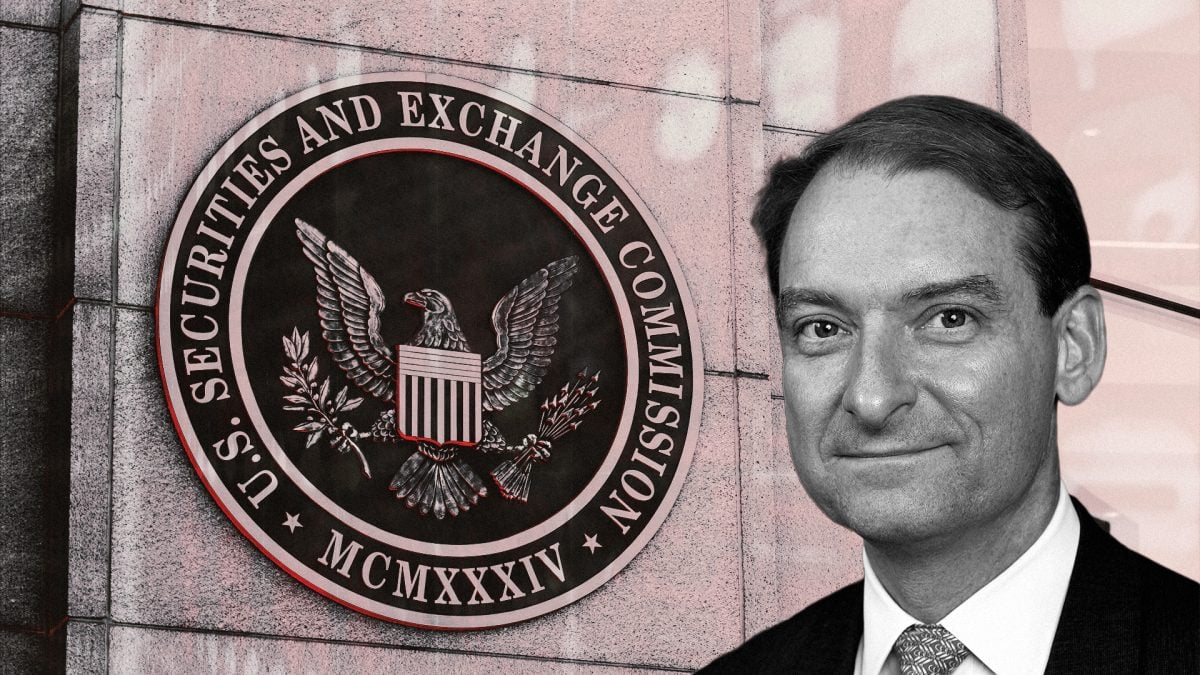
The U. S. Securities and Exchange Commission is set to modernize the landscape of cryptocurrency regulation through a groundbreaking initiative dubbed the “token taxonomy” plan. Unveiled by SEC Chair Paul Atkins, the plan aims to provide a clear framework for distinguishing between different types of digital assets, helping to clarify regulatory responsibilities and set a more structured path forward for the cryptocurrency industry. This initiative comes amid growing concerns over the lack of clarity in existing regulations and the potential for the sector to fall prey to abuses and fraud.

Atkins, who has been at the helm of the SEC since 2021, has emphasized the need for a comprehensive overhaul of the regulatory environment, particularly as the cryptocurrency market continues to evolve at a rapid pace. Under his leadership, the SEC has adopted a more proactive stance on enforcement, including cracking down on unregistered digital asset offerings and investigating prominent crypto firms. The new proposal seeks to address key issues surrounding token classification, governance, and investor protection, marking a significant step towards establishing a more predictable and transparent regulatory regime.

One of the central features of the token taxonomy plan is its attempt to clearly differentiate between utility tokens, security tokens, and commodities. Security tokens, which represent ownership in a company or project, would continue to fall under the purview of the SEC, while utility tokens, often used within decentralized networks to access specific services, may be treated differently. This distinction is crucial as it will help determine the specific regulations that apply to each category and streamline the processes for businesses looking to launch tokens in the market.

The plan proposes the creation of a digital asset registration framework that would allow crypto companies to register their tokens with the SEC, providing more transparency and accountability in the industry. By providing clear guidelines on what constitutes a security versus a non-security token, the SEC hopes to reduce confusion among developers, investors, and regulators alike, while also offering a clearer path for compliance.

The proposal also outlines provisions for enhancing consumer protection, an area of concern for both lawmakers and market participants. By ensuring that tokens classified as securities are subject to the same protections as traditional financial products, the SEC aims to reduce the risk of market manipulation and fraud that has plagued some sectors of the crypto market. The plan also calls for increased transparency regarding token offerings, including detailed disclosures about the underlying technology, token economics, and the potential risks for investors.

The unveiling of the token taxonomy plan comes at a time when the U. S. government is under increasing pressure to take action on crypto regulation. Cryptocurrencies have been at the forefront of debates over financial innovation, with proponents arguing that they could revolutionise sectors like finance and supply chain management, while critics warn of their potential to facilitate illicit activities, tax evasion, and investor exploitation. The SEC’s new proposal aims to strike a balance between fostering innovation and ensuring that the sector remains accountable and transparent.

While the announcement has been met with a generally positive response from the cryptocurrency community, some industry leaders have raised concerns over the complexity of the new framework and the potential for overregulation. There are worries that stringent rules could stifle innovation and drive crypto businesses away from U. S. markets, opting for jurisdictions with more lenient regulatory environments. On the other hand, advocates of the proposal argue that clear regulations are needed to create a safer, more stable market, which will ultimately benefit both consumers and businesses in the long run.

The token taxonomy plan is set to undergo a period of public consultation, during which industry stakeholders, legal experts, and members of the public will have the opportunity to provide feedback. This collaborative process will be crucial in refining the proposal and ensuring that it is both effective and adaptable to the rapidly changing crypto landscape.

SharpLink Gaming has reported a significant achievement, earning 492 ETH in staking rewards within a single week. This milestone reflects the company’s robust performance in the rapidly growing field of decentralized finance, where staking plays an essential role in earning passive income. With a growing presence in the gaming and blockchain sectors, SharpLink’s latest success highlights its expanding role in the emerging digital economy.

The company’s staking rewards come as part of its broader strategy to harness blockchain technology for sustained revenue generation. Through participating in Ethereum’s staking mechanism, SharpLink has effectively capitalized on the network’s transition to a proof-of-stake model. Ethereum’s shift, which replaced the energy-intensive proof-of-work system, has opened the door for institutional and individual investors alike to earn rewards by locking up ETH in the network.

SharpLink’s performance reflects broader trends in the crypto market, where institutional investors are increasingly turning to staking as a reliable source of income. By participating in Ethereum’s PoS system, investors can contribute to the network’s security and operations while earning rewards in the form of additional ETH. As the second-largest cryptocurrency by market cap, Ethereum’s transition to PoS has made staking more attractive to a wider range of investors, from retail to institutional.

The 492 ETH earned by SharpLink during the past week adds to its growing total of staking rewards, with the company steadily building its portfolio through a combination of strategic staking initiatives and its involvement in blockchain-based gaming projects. Staking rewards are particularly attractive in the context of volatile crypto markets, where traditional forms of investment might not offer comparable returns.

Beyond the immediate financial benefits, SharpLink’s participation in Ethereum staking signals the company’s commitment to long-term engagement with blockchain technology. The company has been focusing on integrating blockchain and decentralized elements into its gaming platform, positioning itself as a key player in the emerging intersection of gaming and cryptocurrency. With the broader gaming industry increasingly exploring blockchain technology, SharpLink’s moves suggest a forward-thinking approach that could give it an edge in an increasingly competitive market.

While Ethereum’s shift to PoS has been a key driver behind this surge in staking rewards, SharpLink’s ability to generate consistent returns is also attributed to its in-depth understanding of the mechanics of DeFi. The company has been leveraging its expertise to optimise its staking strategies, ensuring that it remains competitive within the ever-evolving cryptocurrency landscape. This ability to adapt and capitalise on new trends is critical in a market that is known for its rapid changes and unpredictable nature.

The success of SharpLink Gaming also comes at a time when other players in the DeFi and gaming sectors are beginning to see similar benefits from staking and other blockchain-related activities. Ethereum’s PoS model has not only created an opportunity for passive income but has also contributed to the overall stability of the Ethereum network, which has been crucial for sustaining investor confidence. As more companies like SharpLink participate in Ethereum staking, the broader ecosystem stands to benefit from increased security and scalability.

SharpLink’s earnings are a testament to the ongoing maturation of the DeFi ecosystem, which has steadily grown in influence over the last few years. The Ethereum blockchain, along with other DeFi platforms, has been instrumental in reshaping the traditional financial landscape, offering decentralized alternatives to conventional financial systems. For companies like SharpLink, this shift represents both a challenge and an opportunity to tap into a burgeoning market that continues to grow in size and sophistication.

Cross-sector collaboration drives innovation in digital assets ecosystem HONG KONG SAR – Media OutReach Newswire – 4 November 2025 – KPMG is pleased to announce the successful conclusion of the Digital Assets Forum: Policy, Market Dynamics and Institutional Adoption, held on 31 October 2025. The event convened over 200 industry leaders, regulators, and subject matter experts to explore the rapidly evolving digital assets landscape. They engaged in […]

The Philippines and Norway have partnered to develop an electric hybrid propulsion ferry, marking a significant step towards advancing sustainable maritime transport in the Philippines. This collaboration aims to foster the growth of the electric ferry sector, with a focus on environmental impact and aligning with global sustainability goals.

This initiative was unveiled during the first Philippines-Norway Electric Ferries Conference, organised by the Royal Norwegian Embassy in Manila, the Philippine Ports Authority, and several key stakeholders, including Innovation Norway, the Philippines-Norway Business Council, and Maritime Cleantech. The event also garnered support from the European Union’s Horizon2020 programme, which backs innovation and sustainability projects across Europe.

The highlight of the conference was the signing of a Memorandum of Understanding between the Philippines Association of Coastal and Inland Water Ferries Inc., IMP Shipyard and Port Services Inc., and ZEM. The agreement formalises plans to create a prototype electric hybrid propulsion ferry, a significant milestone in the country’s maritime transition towards greener technologies.

One of the key goals of this project is to align with the United Nations’ Sustainable Development Goals, particularly in the areas of sustainable energy and climate action. Additionally, the project aims to enhance the European Union’s innovation, competitiveness, and economic growth by showcasing how electric ferries can reshape the maritime sector. Norway, a leader in electric ferry technology, is playing a central role in this effort, drawing on its successful track record in electrifying its ferry fleet.

Norwegian Ambassador to the Philippines, Christian Lyster, emphasised that the future of maritime transport will depend on a blend of alternative fuels, energy efficiency improvements, and shore power systems—especially when powered by renewable energy. He pointed to Norway’s success, where 111 ferry routes are currently operated with about 180 electric ferries. Lyster highlighted that the shift to electric ferries is both feasible and highly effective, demonstrating the viability of zero-emission technology on a large scale.

Norway’s pioneering role in electric ferry development is further underscored by its history of innovation in the sector. The first fully electric commuter ferry, MS Ampere, entered service in 2015, followed by the launch of the high-speed electric ferry MS Medstraum in 2022. These ferries have set a benchmark for electrification in maritime transport, showcasing the potential for sustainable alternatives in global shipping networks.

At the conference, various Norwegian companies shared insights into their contributions to the electric ferry industry. Hyke, for instance, is working on urban electric ferry designs, while Zinus focuses on developing innovative charging solutions. Zeabuz is advancing autonomous passenger ferry technology, and Kongsberg International is involved in integrated maritime solutions. Other contributors include Kongsberg Norcontrol, which provides digital solutions for safer maritime operations, and Maritime Robotics, which is advancing autonomous surface and subsea operations. ZEM, a key player in maritime electrification, is also involved in the initiative.

The collaboration between the Philippines and Norway presents an opportunity to transform the maritime industry in Southeast Asia, a region with vast inter-island ferry networks. The Philippine Inter-Island Shipping Association also participated in the discussions, offering insights into how electric ferries could be integrated into the country’s extensive network of island transport. The initiative is seen as an important step towards reducing carbon emissions from the Philippines’ ferry industry, which has long relied on diesel-powered vessels.

This development comes on the heels of the Department of Transportation’s recent launch of the first fully electric passenger ferry in the Philippines, M/B Dalaray. The ferry, which operates on the Pasig River, stops at 13 locations across Pasig, Makati, Mandaluyong, Manila, and Taguig. The project aims to showcase the potential for electric ferries in urban environments, paving the way for more sustainable public transport solutions in the country.

SoftBank Group has completed the sale of its entire stake in Nvidia, raising $5.83 billion as part of a broader strategy to shift its investments towards artificial intelligence, particularly in its backing of OpenAI. This decision, marking the end of SoftBank’s position in the semiconductor giant, is a bold pivot as the Japanese conglomerate seeks to maximise its involvement in the rapidly growing AI sector. The sale […]

AgriFi, an innovative platform harnessing blockchain technology, is aiming to transform the agriculture sector by offering more accessible financing solutions to farmers through real-world staking and profit-sharing mechanisms. This groundbreaking model seeks to revolutionise agricultural investment by enabling both small-scale farmers and institutional investors to participate in the wealth generation of the farming industry, while providing transparency, security, and increased efficiency through blockchain’s decentralised system. The platform’s […]

Greenlogue/AP Masdar, a global leader in renewable energy, has signed a landmark agreement to develop Uzbekistan’s largest standalone battery energy storage system in the Navoiy region. The deal marks a significant step in the country’s energy transformation as it seeks to bolster grid reliability and enhance the integration of renewable energy sources. The 600 MW / 600 MWh BESS will be pivotal in supporting Uzbekistan’s growing renewable […]

Advertisements

SRV, a leading global player in its field, has made a significant move by opening a new office in Dubai, marking a pivotal moment in the company’s growth strategy. This new location is not merely an addition to its network but a strategic step towards building stronger international partnerships, fostering collaboration, and setting a new benchmark for excellence in the industry.

Dubai has long been a hub for innovation and commerce in the Middle East, making it an ideal location for SRV to enhance its reach and capabilities. The opening of the office signals SRV’s commitment to strengthening its presence in the region, as well as its desire to expand its impact on a global scale. Dubai’s strategic position at the crossroads of Europe, Asia, and Africa presents an opportunity for SRV to connect with clients, partners, and markets across multiple continents.

The Dubai office is set to serve as a key hub for SRV’s operations in the Middle East, offering a range of services that align with the company’s core values of innovation, agility, and excellence. With this expansion, SRV aims to meet the growing demand for its services while continuing to deliver high-quality solutions that exceed client expectations. The company’s decision to establish itself in Dubai highlights its dedication to delivering value and fostering long-term relationships with its partners.

The company’s leaders emphasized the importance of Dubai as a strategic gateway to new business opportunities, as well as its potential to drive collaborative efforts that span different industries. With its state-of-the-art infrastructure, world-class business environment, and dynamic workforce, Dubai offers a fertile ground for SRV to enhance its technological offerings and scale its operations to meet the needs of a rapidly evolving global market.

This move also aligns with SRV’s broader vision of becoming a global leader in its sector by fostering a culture of collaboration across borders. By tapping into the diverse and highly skilled talent pool available in Dubai, SRV is poised to bring fresh perspectives and innovative solutions to its clients. The company’s approach to talent acquisition and retention will play a crucial role in driving its success in the region, ensuring that it continues to set new standards for performance and excellence.

The Dubai office is expected to serve as a vital point of contact for clients in the region, offering both strategic and operational support. As the business landscape in the Middle East continues to evolve, SRV’s presence in Dubai will allow the company to remain at the forefront of industry trends, driving advancements in technology and service delivery that align with the needs of the local market.

As part of its ongoing commitment to innovation and growth, SRV is also focused on building partnerships with local businesses and stakeholders to ensure that its services are not only cutting-edge but also relevant to the specific needs of the region. The company aims to create a collaborative environment where local and global teams can work together seamlessly to develop solutions that drive meaningful change.

Crescent Enterprises, a prominent UAE-based conglomerate, has announced a bold investment plan amounting to AED 1 billion in the Gulf Cooperation Council, India, and Southeast Asia over the next three years. The initiative, spearheaded through the company’s strategic platform, CE-Invests, is aimed at acquiring minority stakes in mid-market businesses across various high-growth sectors, such as consumer goods, healthcare, manufacturing, and financial services. The company’s move is rooted […]

Abu Dhabi has made a significant stride in advancing its ambitions to be a global leader in smart and sustainable mobility with the launch of the first vertiport network in the emirate. This initiative, developed through a collaborative effort involving the Abu Dhabi Investment Office, the General Civil Aviation Authority, the Integrated Transport Centre, a division of the Department of Municipalities and Transport, and Abu Dhabi Airports, is aimed at laying the foundation for the integration of advanced air mobility technologies.

The launch of the vertiport network is a critical component of Abu Dhabi’s broader strategy to enhance its transport infrastructure, paving the way for the introduction of new, innovative transportation solutions. As part of the emirate’s push towards innovation and sustainability, the vertiports will serve as key hubs for electric vertical take-off and landing aircraft, which are expected to revolutionise both passenger and freight transport.

This move comes under the framework of the Smart and Autonomous Vehicle Industries cluster, a key element of the emirate’s economic diversification strategy. The SAVI cluster aims to foster innovation across a range of technologies, with a particular focus on creating a robust ecosystem for smart and autonomous transport solutions. The vertiport network is positioned as a crucial development within this ecosystem, enabling Abu Dhabi to become a testing ground for the integration of AAM technologies.

The first vertiport network will offer the necessary infrastructure to support the take-off, landing, and maintenance of advanced air mobility vehicles. These vehicles are anticipated to play an essential role in reducing congestion and providing environmentally friendly alternatives to traditional modes of transport. The network’s design ensures that it is adaptable to accommodate a wide range of eVTOL aircraft, which will play a pivotal role in the city’s future transport mix.

The initiative is aligned with Abu Dhabi’s long-term goals of transforming into a global hub for cutting-edge technologies and sustainable practices. As part of the Emirate’s sustainability drive, the focus on air mobility is not only about enhancing transport solutions but also about reducing the environmental footprint of traditional transportation. The eVTOL aircraft, with their zero-emissions technology, are an important step in aligning with the broader vision of sustainability and reducing reliance on fossil fuels.

Abu Dhabi’s commitment to leading the way in smart mobility is also reflected in its support for autonomous vehicles. As part of its efforts to integrate autonomous technology into its transport infrastructure, the emirate is working towards creating a fully connected and smart transport network. This includes the deployment of autonomous taxis and buses alongside the introduction of electric air vehicles.

The collaboration between ADIO, GCAA, DMT, and ADA exemplifies the strategic approach taken by Abu Dhabi’s leadership in bringing together public and private sector stakeholders to accelerate innovation. These partnerships are crucial in creating a seamless regulatory and infrastructural environment to enable the development and deployment of advanced transport technologies. The comprehensive regulatory framework being developed will ensure that the new air mobility solutions are safe, secure, and sustainable, providing a clear path forward for the industry.

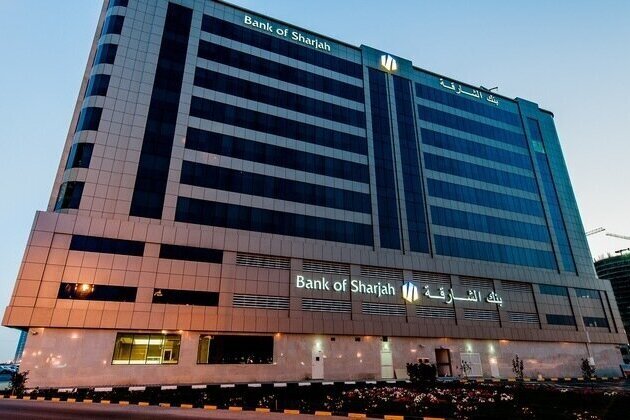
Bank of Sharjah played a key role in Ittihad International Investment LLC’s latest financing success, serving as Joint Lead Manager and Bookrunner in a US$550 million senior unsecured Sukuk issuance. The five-year bond offering attracted overwhelming investor interest, with the order book oversubscribed more than four times, peaking at US$2 billion. This level of demand highlights the strong confidence investors have in Ittihad International’s financial health and future growth prospects.

The Sukuk issuance represents a major milestone for Ittihad International Investment LLC, a prominent UAE-based investment group. With a focus on diversified investments across various sectors, Ittihad International has consistently shown its ability to adapt to market changes and maintain robust financial fundamentals. The success of the Sukuk offering is a clear reflection of the group’s strategic vision, which continues to resonate well with both regional and international investors.

The issuance attracted a diverse mix of institutional investors, including sovereign wealth funds, banks, and asset managers from across the globe. The appetite for the bond offering was not only driven by Ittihad’s strong credit profile but also by the stability and potential growth of the UAE’s economy, which remains a key driver for investment in the region. The overwhelming demand for the Sukuk underscores the high level of trust investors place in Ittihad’s long-term business strategies.

This successful transaction is a significant achievement for Bank of Sharjah, which has built a strong reputation in the financial sector for its role in leading major capital market deals in the region. The bank’s involvement as Joint Lead Manager and Bookrunner further solidifies its position as a leading financial institution in the UAE and the broader Middle Eastern market. Bank of Sharjah’s role in this high-profile Sukuk offering is seen as an endorsement of its deep understanding of regional markets and its ability to facilitate complex transactions for clients in a competitive environment.

The Sukuk, which is based on a Sharia-compliant structure, offers investors an attractive return while supporting Ittihad International’s strategic initiatives. The proceeds from the issuance are expected to be used for general corporate purposes, which include financing new investments and expanding the company’s portfolio in the UAE and beyond. The success of the transaction is a testament to Ittihad’s ongoing efforts to strengthen its financial position and drive long-term value for its stakeholders.

The Sukuk market in the Middle East has been thriving in recent years, with increasing interest from both local and international investors in Islamic finance products. The demand for Sukuk remains strong due to the region’s large and growing investor base, as well as the broader appeal of Sharia-compliant financial instruments. The Ittihad Sukuk transaction highlights the continued maturity of the Middle East’s debt capital markets and reinforces the role of Islamic finance in diversifying global investment opportunities.

The deal’s success also comes at a time when investor confidence in the UAE remains high, bolstered by the country’s continued economic recovery, business-friendly policies, and strong infrastructure development. These factors have contributed to the UAE’s attractiveness as a destination for both regional and international investors looking to capitalise on the country’s growth potential.

Hundreds of dogs are being evacuated from inaccessible villages in western Alaska following catastrophic flooding triggered by the remnants of Typhoon Halong, with local animal-rescue organisations racing to reunite pets with their families amid the human-evacuation effort. The village of Kipnuk and several surrounding communities in the Yukon–Kuskokwim Delta were hit by high storm surges and floodwaters after the extratropical transition of Typhoon Halong, forcing displacement of […]

Lendlease Global Commercial REIT, a real estate investment trust listed in Singapore, has secured a major acquisition, purchasing a 70% stake in Singapore’s Paya Lebar Quarter mall. The deal, valued at $679 million, sees the Singapore-listed trust take ownership of a significant portion of the property from the Abu Dhabi Investment Authority. The acquisition comprises 70% of the total issued units in the PLQM Trust, which owns […]

Two-day forum explores AI and blockchain venture capital landscape, unveiling new global capital trends HONG KONG SAR – Media OutReach Newswire – 7 November 2025 – Cyberport’s flagship event, the Cyberport Venture Capital Forum 2025 (CVCF), achieved a record-breaking over 500 deal flows, with more than 2,700 attendees and over 180,000 online views. Themed “The Innovation-Venture Nexus: Igniting Transformative Success”, the two-day forum, together with highlight events […]

By Nitya Chakraborty US President Donald Trump’s favourite grouping Quadrilateral Security Dialogue (QUAD) is in deep crisis due to the strain in India-US relations in 2025 covering both trade and political issues and also a dip in personal ties between Trump and the Indian Prime Minister Narendra Modi over the role of the US President […]

The article Future Of Trump’s Favourite Grouping QUAD Is At Stake Due To India-US Schism appeared first on Latest India news, analysis and reports on Newspack by India Press Agency).

A landmark agreement has been signed by the UAE clean-energy firm Masdar and Austrian integrated energy company OMV to establish a joint venture for the financing, construction and operation of a 140 MW green-hydrogen electrolyser plant at Bruck an der Leitha, Austria. The plant is expected to commence operations in 2027, following the commencement of construction in September 2025. OMV will hold a 51 per cent majority […]

Shareholders of Tesla, Inc. approved a compensation package for Chief Executive Officer Elon Musk that could deliver up to US $1 trillion in stock over the next decade, with more than 75 per cent of votes cast in favour at the company’s annual meeting in Austin, Texas. The package, contingent on a string of ambitious performance targets, is described by the board and supporters as essential to retain Musk’s leadership and drive the firm’s pivot towards artificial intelligence and robotics.

The award hinges on milestones including delivering 20 million vehicles, deploying 1 million robotaxis, selling 1 million humanoid robots and reaching a market valuation of US $8.5 trillion. If all targets are met, Musk stands to earn shares representing up to 12 per cent of Tesla’s stock, though the net value is estimated at around US $878 billion after accounting for share price and vesting conditions. The package’s approval ends months of debate among institutional investors and proxy advisers who raised concerns about scope, governance and dilution.

The approval signals confidence among many investors in Musk’s capacity to steer Tesla into a future beyond electric vehicles, emphasising his role at the centre of the company’s strategy. Musk, who holds approximately 15 per cent of Tesla shares, made clear on stage that his focus is not merely on compensation but on maintaining influence over the company’s direction, particularly as Tesla deepens its involvement in robotics and chip manufacturing. “What we are about to embark upon is not merely a new chapter of the future of Tesla, but a whole new book,” he said following the vote.

Critics, however, warn that the structure grants Musk exceptional power and exposes shareholders to significant risk. Among those voting against the package was Norges Bank Investment Management, manager of the world’s largest sovereign wealth fund, which cited the award’s sheer size, potential dilution for other investors and the concentration of decision-making authority in a single individual as key objections. Proxy advisory firms such as Institutional Shareholder Services and Glass Lewis had also advised against the plan on similar grounds.

Tesla’s board chair Robyn Denholm had issued a letter urging shareholders to support the proposal, warning that rejection could risk losing Musk’s time, talent and vision at a pivotal moment for the firm. The board has defended the compensation plan as milestone-based and aligned with shareholder interests because the payout only occurs if Tesla meets rigorous performance thresholds. Supporters argue that Musk’s vision—extending Tesla’s footprint into autonomous mobility, humanoid robotics and AI infrastructure—requires long-term incentives that align his interests with the company’s breakthrough goals.

Even as investors backed the package, many emphasised that achieving the required targets remains a tall order. Tesla’s current market capitalisation sits well below the US $8.5 trillion target, and its robot- and self-driving ambitions face regulatory, technical and competitive headwinds. Some analysts regard the pledge to deliver millions of humanoid robots and robotaxis as speculative, pointing out that Tesla has yet to mass-produce such products. Others observe that Musk’s prior promises—including fully autonomous cars and rapid ramp-ups of production—have been met with delays and regulatory challenges, prompting scepticism among governance watchers.

The vote also underscores Musk’s increasingly prominent role across multiple business ventures including xAI and SpaceX, and the extent to which Tesla’s governance is intertwined with his broader ambitions. The compensation plan’s structure gives Musk additional voting control tied to his share stake, a move applauded by advocates who say it ensures continuity of leadership, and criticised by opponents who say it entangles corporate oversight and creates “key-person risk”.

Shareholders of Tesla, Inc. approved a landmark compensation package for CEO Elon Musk that could ultimately be worth as much as $1 trillion, should the firm hit a series of ambitious milestones over the coming decade. Over 75 % of shares were cast in favour of the plan during the company’s annual meeting in Austin, Texas, signalling continued investor faith in Musk’s leadership. The package ties Musk’s […]

Greenlogue/AP A partnership between clean-energy pioneer Masdar and integrated fuels and chemicals company OMV will create a 140 megawatt green-hydrogen electrolyser plant in Bruck an der Leitha, Austria, with operations targeted for 2027. The binding agreement grants Masdar a 49 per cent stake while OMV retains 51 per cent and oversees day-to-day operations. The venture is projected to produce up to 23,000 tonnes of green hydrogen annually, […]

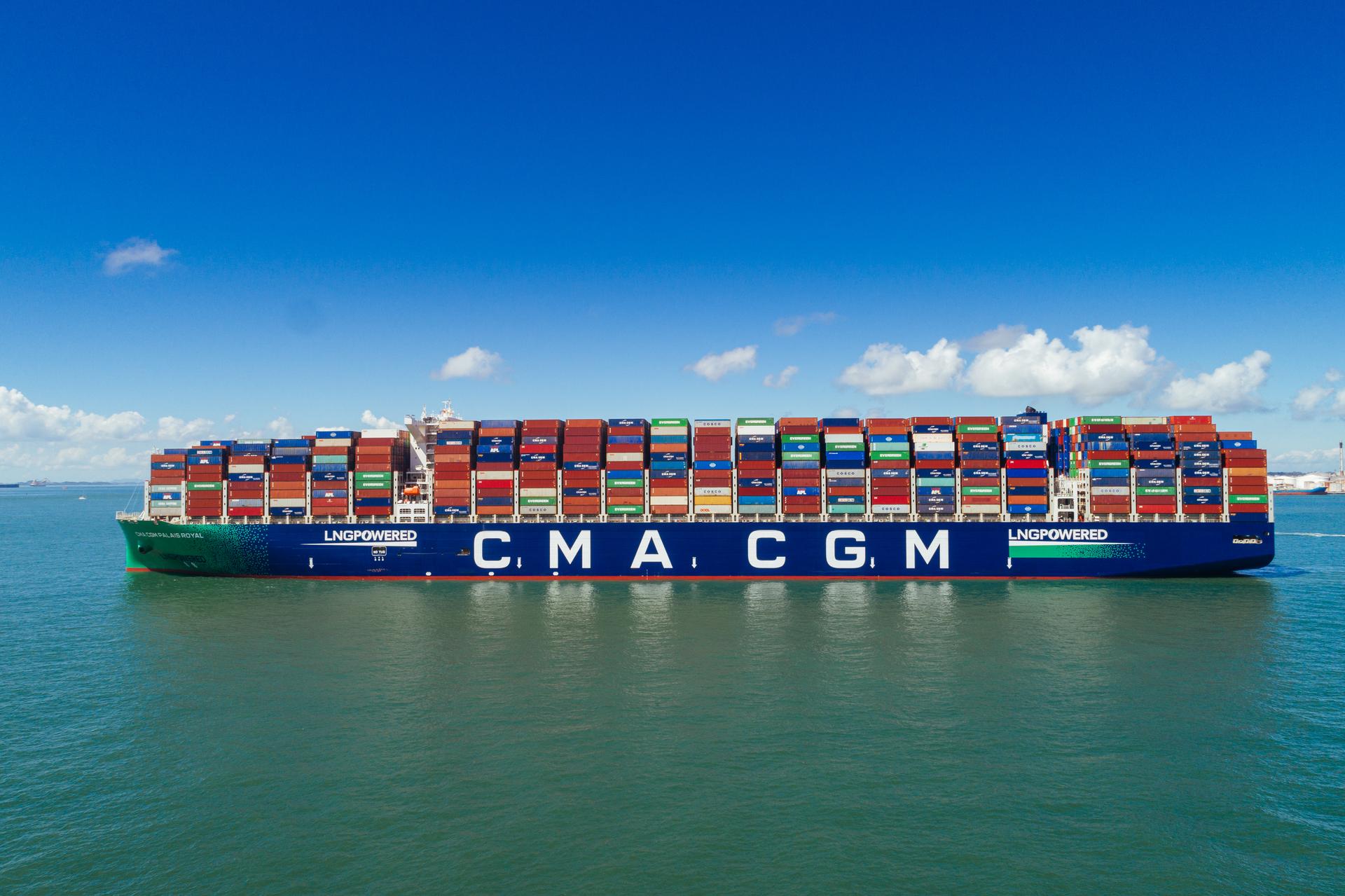
Abu Dhabi-headquartered AD Ports Group has reached a joint venture agreement with France’s CMA CGM Group to acquire a 20 per cent stake in the Latakia International Container Terminal in Syria for USD 22 million. The deal followed the ratification of a shareholders’ agreement signed in Abu Dhabi by Captain Mohamed Juma Al Shamisi, Managing Director & Group CEO of the AD Ports Group, and Rodolphe Saadé, Chairman & Chief Executive Officer of CMA CGM. The terminal handles over 95 per cent of Syria’s container traffic and is vital for the country’s agricultural export flows and industrial imports.

The new partnership builds on an existing franchise: CMA CGM has operated LICT since 2009 and in May this year signed a 30-year concession with Syrian authorities to expand and modernise the facility with a €230 million investment. Under this expansion plan the terminal’s capacity will scale from around 250,000 twenty-foot equivalent units to approximately 625,000 TEUs by the end of 2026. The AD Ports stake brings fresh funding, regional logistics know-how and establishes a feeder-service linkage via GFS expected to call Latakia in its emerging network.

Analysts note combining AD Ports’ digital-and-logistics platforms with CMA CGM’s terminal-operations experience offers a synergetic boost. Captain Al Shamisi described the deal as reinforcing AD Ports’ role as a “global enabler of trade, logistics and industry” and strengthening its international footprint; Saadé said it underscores CMA CGM’s commitment to the Eastern Mediterranean corridor. Yet risks remain: Syria’s infrastructure base was severely weakened by years of conflict, sanctions regimes remain in flux, and the geopolitical security climate in the Eastern Mediterranean remains volatile. In particular the coastal region around Latakia must contend with residual logistical bottlenecks and war-damaged hinterland links.

From a strategic viewpoint, the deal gives AD Ports exposure to an under-served Mediterranean gateway that has long been overshadowed by Cyprus, Turkey and Egypt. For CMA CGM it provides a partner that can bring capital, Gulf-region networks and feeder-service integration. It also aligns with Syria’s aim to attract foreign investment into its trade infrastructure under recent reforms, aiming to rehabilitate its war-impacted logistics chains and boost maritime connectivity. Governance observers point out that this investment marks one of the first substantial Gulf-region port-logistics ventures in Syria since the cessation of major international sanctions, signalling a potentially broader shift in regional trade flows.

Operationally, the agreement will focus on upgrading terminal infrastructure, digitising cargo-handling and container-tracking systems, enabling larger vessels by deepening docks and extending quays, and integrating feeder-shipping links. LICT’s current capacity constraints mean that the joint venture must invest quickly to meet anticipated growth in Syrian cargo volumes, especially agricultural exports and industrial imports. The container terminal’s status as the main node for land-locked regions within Syria gives it strategic significance beyond the coast: improved throughput at Latakia could ease pressure on border crossings and reduce logistics delays for inland cargo flows.

Re-engineering towards a Resilient, Adaptive and Sustainable Supply Chain SINGAPORE – Media OutReach Newswire – 6 November 2025 – The 2nd edition of the Asia-Pacific Textile and Apparel Supply Chain Expo & Summit (APTEXPO 2025) returns to Singapore from 19–21 November 2025, reaffirming its role as the region’s premier platform for the textile and apparel industry. Bringing together global leaders, decision-makers, and innovators, the event will drive […]

By TN Ashok NEW  YORK:When the polls closed at 9 p.m. on Tuesday, November 4, 2025, it took less than 40 minutes for the Associated Press to call the race. Zohran Mamdani, a 34-year-old democratic socialist and state assemblyman from Queens, had accomplished what many considered impossible just a year earlier: he defeated Andrew Cuomo—twice—to […]

The article The Mamdani Moment: A Political Earthquake In America’s Largest City appeared first on Latest India news, analysis and reports on Newspack by India Press Agency).

Abu Dhabi-listed investment firm Waha Capital has confirmed that its subsidiary, Waha VAS Limited, has completed its divestment from the AI-fintech group Optasia following the latter’s listing on the Johannesburg Stock Exchange. The firm reported proceeds of US$119 million, an internal rate of return of 25 per cent, and a multiple on invested capital of four times. Waha VAS initially acquired a 20 per cent stake in […]

The Abu Dhabi Investment Authority has secured a 4.7 per cent stake in the initial public offering of India’s investment-platform operator Groww, acquiring approximately 14 million shares via its India subsidiary Monsoon for 1.4 billion rupees. The investment was made through two separate transactions ahead of Groww’s IPO, in which 298.45 million equity shares were earmarked for institutional investors.

Groww’s anchor book raised 29.8 billion rupees from 102 institutional investors ahead of its public offer, which opens on 4 November and aims for a valuation of around US$754 million. The Government of Singapore committed 1.39 billion rupees in the anchor round for a 4.68 per cent stake.

The depth of anchor demand underlines strong institutional confidence in the Bengaluru-based company. The anchor tranche accounted for five out of the six largest global sovereign-wealth funds involved, and domestic mutual funds took nearly half of the allotted 29.84 million shares in the anchor raise at a unit price of ₹100. Groww’s parent, Billionbrains Garage Ventures, will deploy fresh issue proceeds for cloud-infrastructure upgrades, brand building and margin-trading facility expansion.

Groww faces a turning point as it transitions beyond core broking. In the quarter ended June 2025, broking revenue accounted for 79.5 per cent of total revenues, down from 87.4 per cent a year earlier, as the company ramps enrollment in commodities, bonds and margin-trading services. With strong backing from marquee institutional players, Groww appears to be counting on growth in wealth-management, lending and derivatives to justify its IPO valuation.

The involvement of ADIA gives Groww not only capital but credibility in the public markets. For the Abu Dhabi fund, the deal provides further exposure to India’s dynamic fintech ecosystem as it continues to expand its footprint through Asia-focused growth equity deals. The participation of the Government of Singapore and multiple global asset managers reinforces the message that the Indian retail-investment rally still commands global attention.

VISHNU RAJA
RYO YAMADA
HITORI GOTOH
IKUYO KITA