News related to
Emerging

The United Arab Emirates has implemented a significant tax relief for cryptocurrency-related businesses and investment firms, providing them with a value-added tax (VAT) exemption that aims to bolster the country’s position as a global hub for digital assets and investment services. This move, which comes as part of the UAE’s broader economic reforms, reflects its ongoing efforts to attract fintech innovators, financial institutions, and investors seeking a […]

Saudi Arabia is positioning itself at the forefront of green hydrogen production, with its Public Investment Fund (PIF) leading a $10 billion push into the sector. As part of Vision 2030, the Kingdom is leveraging its renewable energy resources—chiefly solar and wind power—to establish itself as a major global player in the emerging hydrogen market. The Kingdom’s strategic shift towards renewable energy, particularly green hydrogen, marks a […]

Saudi Arabia’s food giant Almarai is poised for a major expansion in the region with its decision to acquire Jordan’s Hammoudeh Food Industries for $70 million. This strategic move aims to bolster Almarai’s dairy and cheese production capabilities through its subsidiary, Teeba Investment. The deal is seen as part of Almarai’s broader efforts to deepen its presence in core markets across the Middle East.

Hammoudeh Food Industries, a leading producer of dairy, juices, and other related products in Jordan, represents a crucial addition to Almarai’s portfolio. The acquisition, valued at SR263 million (roughly $70 million), will be financed through Almarai’s internal cash flows. This investment not only solidifies the company’s foothold in Jordan but also aligns with its long-term growth strategy. The acquisition is still subject to regulatory approvals in both Jordan and Saudi Arabia, and adjustments to the final price may occur as the process progresses.

The acquisition is expected to provide Almarai with significant operational leverage, enabling it to enhance its product offerings and scale operations across the region. Almarai’s strategic move aligns with ongoing trends in the Middle East’s food and beverage sector, where companies are increasingly looking to consolidate their presence in key markets and diversify their product lines. For Almarai, this acquisition marks another step in maintaining its competitive edge as one of the largest dairy producers in the region.

The company has been eyeing expansion opportunities in key markets like Jordan, where Hammoudeh’s established brand and operational capabilities complement Almarai’s ambitions to enhance its supply chain and distribution networks. This move is likely to have significant implications for Almarai’s growth trajectory as it works to tap into Jordan’s growing dairy market and further expand its consumer base.

Almarai’s financial performance has been robust, reflecting its successful execution of strategic acquisitions and operational efficiencies. Over the years, the company has maintained a strong presence in the GCC, and the acquisition of Hammoudeh is expected to solidify its position as a leading player in the region’s dairy market. This latest acquisition will enable Almarai to extend its product range, which includes milk, cheese, and other dairy products, while also leveraging economies of scale to drive profitability.

The Middle East’s dairy market has seen a surge in demand driven by shifting consumer preferences toward healthier food options. Companies like Almarai have responded by investing in innovation and expanding their product lines to cater to these trends. Almarai’s recent financial results also demonstrate the company’s resilience and ability to adapt to changing market conditions. In its latest trading updates, Almarai’s stock price climbed by 1.62% following the announcement of the acquisition, signaling strong investor confidence in its expansion strategy.

Almarai’s acquisition of Hammoudeh Food Industries also comes at a time when regional trade relationships are being strengthened. Saudi Arabia and Jordan have been enhancing economic cooperation, especially following the signing of the Comprehensive Economic Partnership Agreement (CEPA), which aims to boost trade between the two nations. The trade between Saudi Arabia and Jordan is projected to reach $8 billion in the near future, a sign of the deepening ties between these neighboring nations. Almarai’s investment in Jordanian assets could serve as a catalyst for further collaborations between businesses in the two countries, strengthening economic ties and creating opportunities for other sectors as well.

This acquisition is seen as a continuation of Almarai’s strategy of diversifying its business and enhancing its regional footprint. Previously, the company had made strategic acquisitions and investments to expand into new product segments, particularly in the food and beverage industry. This focus on expansion has enabled Almarai to maintain its leadership in the market, especially amid growing competition in the sector.

Looking ahead, Almarai is expected to continue seeking out new growth opportunities in the region, with a particular focus on emerging markets that offer strong consumer demand for dairy products. The acquisition of Hammoudeh is just one piece of the puzzle in Almarai’s broader growth strategy, as the company works to enhance its production capabilities, streamline its supply chain, and expand its distribution network across the Middle East.

Dell Technologies and Alinma Bank have embarked on a significant partnership aimed at advancing the bank’s digital transformation efforts. The collaboration, formalized through a Memorandum of Understanding (MoU) signed in Riyadh, focuses on enhancing the innovation of financial services within Saudi Arabia. This initiative comes at a time when banks are increasingly relying on technology to meet evolving customer expectations and improve operational efficiency. Under the terms […]

Collaborative investment efforts are accelerating the development of Ras El Hekma on Egypt’s north coast, with the United Arab Emirates emerging as a key player in this transformative project. This coastal area is being positioned as a prime tourist destination, highlighting a strategic partnership aimed at bolstering economic growth in Egypt.

The UAE’s involvement stems from a broader initiative to enhance bilateral ties between the two nations, with a focus on infrastructure and tourism development. In a landmark agreement signed earlier this year, the UAE’s significant investment is expected to amount to billions of dollars, signaling confidence in Egypt’s potential for growth and development in the tourism sector. This collaboration aligns with Egypt’s Vision 2030, which seeks to diversify the economy and increase foreign investment.

Ras El Hekma, located approximately 80 kilometers west of Alexandria, is notable for its picturesque coastline and proximity to the Mediterranean Sea. The region has long been earmarked for development due to its favorable geographical location, which provides access to major transportation routes. Recent government initiatives have spotlighted Ras El Hekma as a vital component of Egypt’s tourism strategy, targeting both domestic and international visitors.

The development plans for Ras El Hekma include upscale resorts, luxury hotels, and residential units designed to attract both tourists and expatriates. A key aspect of this project is sustainability, with investments aimed at creating eco-friendly infrastructures that preserve the natural landscape while accommodating tourism. Authorities are keen to balance the influx of visitors with environmental stewardship, ensuring that Ras El Hekma retains its natural beauty.

Local authorities have reported that the first phase of the development is already underway, with groundwork being laid for the construction of high-end hotels and entertainment facilities. Partnerships with leading hospitality brands are being established to enhance the attractiveness of the region. This initial phase is expected to create thousands of jobs, contributing positively to the local economy.

Key players in the real estate sector are also engaging in this project. Prominent UAE-based real estate developers are exploring opportunities to invest in Ras El Hekma. Their expertise in luxury developments will play a crucial role in transforming the area into a sought-after destination for both international tourists and affluent residents. This influx of investment from UAE developers highlights a growing trend of Middle Eastern investment in North African markets, particularly in sectors like real estate and tourism.

The Egyptian government is committed to supporting these efforts through favorable policies and infrastructure improvements. Plans for enhancing transportation networks to Ras El Hekma include the expansion of roadways and the development of nearby airports to facilitate easier access for tourists. This strategic infrastructure development is critical to ensuring the success of the tourism initiative.

The UAE’s involvement in Ras El Hekma is part of a larger economic strategy that extends beyond tourism. Investments in sectors such as renewable energy, agriculture, and technology are also being explored, reflecting the UAE’s vision for a diversified portfolio in Egypt. The strong economic ties between the two countries are underscored by numerous high-level visits and trade agreements aimed at fostering collaboration.

Challenges remain as the project progresses. Economic stability and regional security are crucial factors that could influence investor confidence. The Egyptian economy has faced significant hurdles in recent years, including inflation and currency fluctuations, which may impact the overall viability of large-scale investments. Nevertheless, the UAE’s commitment to investing in Ras El Hekma is indicative of its belief in the potential of the Egyptian market.

Saudi Arabia’s Public Investment Fund (PIF) is evaluating the possibility of increasing its stake in Nintendo, a move that reflects the kingdom’s strategic interest in the global gaming industry. This potential investment comes amid an ongoing trend of Middle Eastern investment in major gaming companies, which has seen significant financial outlays in recent years. PIF’s foray into the gaming sector aligns with Saudi Arabia’s broader economic diversification efforts, as outlined in its Vision 2030 initiative aimed at reducing reliance on oil revenues.

The PIF currently holds approximately 8% of Nintendo, a position acquired through a series of investments totaling around $1 billion. This stake has proven to be lucrative, especially as Nintendo’s stock has surged in response to the success of its Switch console and various blockbuster game releases. By contemplating a larger stake, the PIF aims to bolster its portfolio further and capitalize on the gaming sector’s growth trajectory.

The global gaming industry has shown remarkable resilience and growth, with market analysts projecting it to surpass $200 billion by 2023. Major players in the sector, including Microsoft and Sony, have been investing heavily in game development studios and new technologies, indicating a competitive environment that encourages investment and innovation. Nintendo, with its legacy of popular franchises like Mario, Zelda, and Pokémon, remains a pivotal figure within this landscape, making it an attractive target for investors.

Saudi Arabia’s ambition to become a hub for entertainment and digital gaming has prompted local authorities to pursue partnerships with international gaming firms. The kingdom has already hosted numerous esports events and launched initiatives aimed at fostering a domestic gaming industry, reflecting its commitment to being at the forefront of this rapidly evolving sector. The interest from the PIF not only signifies confidence in Nintendo’s future but also highlights the strategic importance of gaming as a component of Saudi Arabia’s economic diversification.

The interest from the PIF aligns with other notable investments in the gaming space, including the acquisition of a significant share in Activision Blizzard and partnerships with other gaming companies. The PIF’s strategy appears to be part of a larger pattern of sovereign wealth funds increasingly looking towards technology and entertainment sectors for growth opportunities. This trend has implications for the global gaming market as it encourages consolidation and new capital influx, potentially leading to innovative developments in gaming technology and experiences.

The potential expansion of the PIF’s investment in Nintendo could signal more profound collaborations in game development, marketing, and distribution strategies. Analysts speculate that increased financial backing could empower Nintendo to explore new technologies such as augmented reality (AR) and virtual reality (VR), which are becoming pivotal in enhancing user experiences in gaming. As the industry pivots towards more immersive gaming experiences, the involvement of entities like the PIF could drive significant advancements.

The broader implications of this investment strategy are evident in the way it could influence Nintendo’s operational decisions. Historically, Nintendo has maintained a conservative approach to partnerships, preferring to develop its titles in-house. However, increased capital from a strategic partner like the PIF may enable the company to consider joint ventures or collaborations that could lead to innovative gaming experiences while retaining its unique brand identity.

The engagement of sovereign wealth funds such as the PIF in the gaming industry could pave the way for a more competitive landscape, where financial resources are directed towards emerging gaming trends and technologies. This influx of capital can catalyze growth in areas such as mobile gaming, cloud gaming, and subscription-based models, which are gaining traction in the industry.

As the PIF deliberates on increasing its stake in Nintendo, it reflects broader ambitions within Saudi Arabia to shape its economic future. By investing in established firms with strong intellectual property, the PIF seeks not only to grow its financial holdings but also to position the kingdom as a prominent player in the global entertainment arena. The potential collaboration between the PIF and Nintendo could herald a new era of gaming innovation and economic growth, showcasing the evolving landscape of international investment in the gaming sector.

This engagement comes as other Middle Eastern nations also ramp up their efforts to invest in entertainment and technology, with the United Arab Emirates and Qatar also making substantial investments in gaming and esports. The race to establish a foothold in the burgeoning gaming industry may see a heightened pace of mergers, acquisitions, and partnerships as countries compete for dominance in this lucrative sector.

A pivotal moment for the UAE government emerged with its participation in the official inauguration of the Global Government Technology Centre (GGTC) in Berlin. This collaboration, a strategic alliance between the World Economic Forum and GovTech Campus Deutschland, aims to leverage digital technology’s transformative capabilities to revolutionize public services worldwide. The event showcased the UAE’s commitment to integrating technology into governance, aligning with its broader strategy to create a forward-thinking, tech-savvy administration.

The GGTC serves as a platform for governments, private sectors, and technology experts to collaborate, exchange ideas, and implement innovative solutions for effective governance. The launch event drew attention to the necessity of adapting government operations to the rapidly changing technological landscape. Experts at the event emphasized the critical role that digital tools can play in enhancing transparency, efficiency, and citizen engagement in governance.

During the launch, the UAE’s Minister of State for Artificial Intelligence, Omar Sultan Al Olama, highlighted the country’s ongoing initiatives in artificial intelligence and digital transformation. He emphasized that the UAE aims to position itself as a global leader in leveraging technology for public sector enhancement. Al Olama noted that the country’s focus on innovation is designed to ensure that governmental processes are agile, responsive, and tailored to meet the evolving needs of citizens.

The GGTC is expected to facilitate various initiatives aimed at streamlining public services through technology. This includes the adoption of data-driven decision-making processes and the implementation of smart city technologies that aim to improve the quality of life for residents. The center will serve as a resource hub for government officials worldwide to access the latest research, best practices, and case studies on successful technology implementation in governance.

The UAE’s participation in the GGTC underscores its aspiration to share its experiences and learn from other nations on their digital governance journeys. The UAE has been recognized for its proactive approach to digital transformation, characterized by initiatives such as the Dubai Smart City project and the establishment of the Ministry of Artificial Intelligence. These projects reflect the UAE’s commitment to creating a tech-enabled government that prioritizes efficiency and citizen satisfaction.

Key global players in technology and governance attended the launch, reflecting a diverse representation of countries and industries. Discussions at the event included how to utilize emerging technologies like blockchain, artificial intelligence, and machine learning in public administration. The importance of addressing cybersecurity challenges in digital governance was also highlighted, acknowledging that the integration of technology must be accompanied by robust security measures to protect sensitive data and maintain public trust.

In alignment with the UAE’s long-term vision, the government aims to position itself as a hub for technology and innovation in the Middle East and beyond. The establishment of the GGTC is seen as a significant step towards fostering a global dialogue on the future of government technology. The UAE’s emphasis on building collaborative networks among various stakeholders is expected to facilitate the exchange of ideas and strategies that can drive meaningful change in public governance.

The GGTC launch aligns with the UAE’s commitment to fostering a culture of innovation, which is a cornerstone of its strategic initiatives. The government is continually seeking to enhance its capabilities in areas such as data analytics and artificial intelligence, aiming to create a data-driven public service framework that prioritizes citizen needs. This strategic approach has garnered international attention, positioning the UAE as a leader in embracing technology for governance.

The UAE’s investment in tech-driven governance is part of a broader trend observed globally, where governments are increasingly seeking to digitize their operations. This trend reflects a growing recognition of the potential of technology to enhance public sector efficiency and improve citizen engagement. As more countries embark on their digital transformation journeys, the GGTC stands as a valuable resource for learning and collaboration among governments.

Advertisements

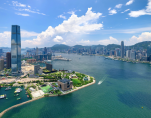
Hong Kong is set to become a major hub for artificial intelligence (AI) and big data, as Financial Secretary Paul Chan Mo-po announced a significant wave of companies preparing to establish or expand their operations in the city. This move underscores Hong Kong’s strategic efforts to solidify its position as a global technology hub, leveraging its business-friendly environment, proximity to mainland China, and extensive financial infrastructure. Over half of the 10 major firms expected to expand operations in the coming months are concentrated on AI and big data technologies, reflecting a growing trend of high-tech industries converging in the city.

The companies set to arrive range from established players in robotics and AI-driven healthcare to emerging startups specializing in machine learning, facial recognition, and digital finance. These firms are expected to bring substantial investments and innovation to Hong Kong’s tech ecosystem, particularly in AI, which has become a major focus for policymakers and industry leaders alike. Government initiatives aimed at enhancing the city’s technological capabilities, such as the Hong Kong Science and Technology Parks Corporation (HKSTP), are poised to play a key role in nurturing this expanding sector.

Among the standout names set to deepen their presence in Hong Kong is Hanson Robotics, the company behind the famous humanoid robot Sophia. Hanson has long been at the forefront of AI development, with its robotics often hailed for their advanced AI capabilities in human-robot interaction. The company’s decision to expand further into Hong Kong reinforces the city’s importance as a regional AI hub. Hanson is part of a growing wave of firms attracted by Hong Kong’s business opportunities and collaborative environment, particularly in industries where AI can be integrated into various services, from education to customer service.

Another notable company eyeing expansion in Hong Kong is Insight Robotics. Known for its innovative risk management solutions using AI-driven technology, the company has made significant strides in wildfire detection and aerial surveying, particularly in the forestry sector. Insight’s systems, powered by machine learning algorithms and thermal sensors, can detect fires early, helping to mitigate damage and improve response times. Its presence in Hong Kong is expected to contribute not only to the city’s tech ecosystem but also to sectors like environmental conservation and disaster management, both of which are becoming increasingly reliant on AI.

Startups are also making a substantial impact, with firms like Trend Lab and Find Solution Ai making Hong Kong a base for their operations. Trend Lab, which operates in stealth mode, is looking to dominate the Asia-Pacific AI financial services market, while Find Solution Ai focuses on the education and healthcare sectors. The latter has gained attention for its ‘4 Little Trees’ platform, an AI-powered educational tool that personalizes learning by analyzing students’ emotional states and performance data. This application is already in use in several Hong Kong schools, and the company’s further expansion in the city signals growing confidence in the local market’s potential.

The trend of AI firms expanding into Hong Kong coincides with increasing global demand for AI applications in everyday life. From facial recognition and augmented reality tools to predictive algorithms used in financial markets and healthcare, AI has emerged as a transformative force across industries. Hong Kong’s proximity to China’s tech powerhouse cities like Shenzhen has also been a critical factor in attracting these AI companies. The city acts as a bridge between the East and West, offering unique opportunities for international firms to collaborate with Chinese tech giants and access a broader market in Asia.

Banuba, a Hong Kong-based startup specializing in facial recognition and augmented reality, is another firm that has attracted significant attention. The company has developed cutting-edge AI tools used in a wide range of applications, including biometric verification, behavioral analytics, and personalized advertising. Banuba’s growth highlights the increasing importance of AI in sectors that rely heavily on machine vision and image processing technologies.

These AI-focused expansions reflect a broader global shift towards integrating AI across various economic sectors, and Hong Kong is positioning itself as a key player in this transformation. The government has also recognized the importance of investing in AI research and development, with targeted funding and policies designed to attract more high-tech firms. Initiatives like the “AI and Robotics Technologies Cluster” under the Hong Kong Science Park offer specialized infrastructure, incubation services, and financial support to startups and established companies alike. These efforts are not only fostering innovation but also attracting top talent to the city, ensuring that Hong Kong remains competitive in the fast-evolving global tech landscape.

Hong Kong’s established financial services sector is set to benefit from the influx of AI expertise. Fintech applications, in particular, are expected to see rapid development, with AI-driven technologies such as algorithmic trading, risk assessment, and fraud detection being deployed by local firms. The rise of AI-focused companies will also complement Hong Kong’s push towards digital transformation, especially as the city aims to enhance its competitiveness in global financial markets.

Abu Dhabi National Energy Company (TAQA) has successfully priced its $1.75 billion dual-tranche bond offering, continuing its strategy of leveraging debt to support both its business objectives and environmental commitments. The issuance consists of two portions: a seven-year tranche worth $900 million, maturing in 2031, and a 12-year tranche of $850 million, maturing in 2037. The longer-term bonds come with a coupon rate of 4.75%, while the […]

KUALA LUMPUR, MALAYSIA – Media OutReach Newswire – 4 October 2024 – Trading in the financial markets offers a valuable opportunity for supplementary income. Still, there is a caveat: the learning curve can be steep for new traders, which, combined with high ambitions, can result in a frustrating experience. Octa, a global broker with more than 13 years in the markets, offers some time-proven tips for traders […]

Gulf sovereign wealth funds are on track to collectively manage an unprecedented $7.3 trillion in assets by 2030, driven by significant global investments and domestic diversification efforts. Buoyed by surging oil revenues, these funds have evolved from passive actors into proactive players reshaping both local economies and global markets. The rise of these funds, especially over the last decade, has been fueled by sharp increases in oil […]

India stands at the cusp of an AI-driven revolution, a transformation led by its burgeoning software-as-a-service (SaaS) market and a rapidly growing talent pool in artificial intelligence. As global demand for AI-based solutions intensifies, India’s developers are crucial to harnessing this opportunity. The country’s tech landscape is expanding with AI start-ups, cutting-edge research, and AI-powered platforms, yet a significant gap remains: a shortage of highly specialized developers needed to accelerate this transformation.

The Indian SaaS sector is uniquely positioned to benefit from artificial intelligence. As businesses worldwide shift towards cloud computing and automation, Indian companies are emerging as key players in delivering scalable AI-powered solutions. Indian SaaS firms have been instrumental in providing software that caters to a wide array of industries, from healthcare to financial services, retail, and logistics. AI integration into these sectors can provide enhanced decision-making capabilities, process automation, and predictive analytics. But the key enablers for such integration are India’s developers, who must possess the requisite skills to drive innovation.

India already has a solid base of AI talent, with thousands of engineers graduating from prestigious institutions every year. These developers are skilled in areas like machine learning, natural language processing, and computer vision. However, many experts believe that a gap still exists between the number of developers available and the demand for highly specialized talent in AI development. As artificial intelligence becomes more sophisticated, businesses require developers who can design complex AI models, scale algorithms efficiently, and apply AI to solve real-world problems. Closing this gap is critical to ensuring that India remains a global leader in AI innovation.

Many challenges hinder the development of a more robust AI developer ecosystem in India. The skill gap is one of the foremost concerns, especially as AI evolves into more complex fields like deep learning, generative adversarial networks, and reinforcement learning. These advanced concepts require developers to be fluent not only in programming languages but also in mathematical modeling, data science, and statistical analysis. While India produces a significant number of developers each year, few receive formal training in such advanced AI technologies. Bridging this educational divide is essential to boosting India’s competitiveness in AI.

A lack of industry-relevant exposure for developers remains a bottleneck. Much of the AI research happening in academic institutions does not always translate into industry-ready applications. Many developers, while skilled in theory, lack practical experience with large-scale AI projects or are unfamiliar with integrating AI solutions into business ecosystems. This disconnect between academia and industry must be addressed through greater collaboration between educational institutions and the corporate sector. Providing developers with opportunities to work on real-world AI projects, whether through internships, mentorship programs, or partnerships with tech companies, is essential.

Another barrier to strengthening India’s AI developer community is the challenge of retaining talent. With the global demand for AI professionals skyrocketing, Indian developers often find themselves being recruited by foreign companies. This talent drain means that many of India’s most skilled AI developers leave the country to work on high-profile projects abroad. While this is a testament to the strength of India’s tech talent, it also creates a vacuum domestically. Indian companies must create environments that foster innovation and offer competitive compensation to keep talent from leaving. Moreover, providing opportunities for continuous learning and professional growth will ensure that developers remain engaged and invested in contributing to the AI landscape in India.

Building a strong AI developer community also requires investment in infrastructure and resources. Developing AI solutions requires access to vast amounts of data, computing power, and sophisticated tools for model building and testing. Start-ups and smaller companies, especially in the SaaS sector, may not have the necessary resources to invest in these technologies on their own. Government initiatives and public-private partnerships can help by providing grants, funding research, and setting up AI innovation hubs where developers can collaborate on projects. Creating a supportive ecosystem where developers have access to the tools they need is vital for fostering AI innovation.

One of the most promising areas of growth for India’s AI sector is the integration of AI into traditional industries like agriculture, manufacturing, and healthcare. These sectors are ripe for disruption through AI-powered technologies, whether by using predictive analytics for crop yields, automating manufacturing processes, or deploying AI-driven diagnostics in healthcare. However, for this transformation to occur, developers must be equipped to work with industry-specific data and understand the unique challenges these sectors face. Investing in upskilling programs that target AI applications in these sectors could significantly boost India’s AI capabilities and ensure that developers can build solutions tailored to the needs of these industries.

Another challenge that India’s developer community must overcome is ensuring ethical and responsible AI development. As AI becomes more pervasive, concerns about privacy, data security, and algorithmic bias have become increasingly prevalent. Developers play a crucial role in addressing these concerns by designing AI systems that are transparent, fair, and accountable. This requires a deep understanding of the ethical implications of AI and a commitment to developing technologies that benefit society as a whole. Training developers to approach AI development with these ethical considerations in mind will be key to ensuring that India leads in the responsible deployment of AI technologies.

The role of government policy in shaping India’s AI future cannot be overstated. Encouraging innovation in AI development requires regulatory frameworks that strike a balance between fostering innovation and protecting public interests. Policies that promote AI research, provide funding for start-ups, and incentivize companies to invest in AI development will help create an environment where developers can thrive. Furthermore, government support for AI education initiatives, whether through funding universities or creating AI-specific learning modules for schools, can help nurture the next generation of AI developers.

India’s strong cultural affinity for education and technology positions the country to capitalize on the AI boom, but this potential will only be realized if the developer community is nurtured and supported. The demand for AI-driven business solutions is set to grow exponentially, and the SaaS market is well-placed to ride this wave. However, without a strong developer base, India risks falling behind in the global AI race. Investing in education, infrastructure, industry collaboration, and ethical AI practices will be critical in closing the skill gap and ensuring that India can fully leverage the power of artificial intelligence.

The global AI race is intensifying, with countries around the world vying for leadership in AI innovation. While India has established itself as a key player in the global tech landscape, maintaining its edge in the AI sector will require sustained efforts to build a stronger developer ecosystem. The demand for AI professionals is increasing, and as businesses move towards more advanced AI technologies, the need for highly specialized developers will become even more pronounced.


Dubai Multi Commodities Centre (DMCC) has entered into a strategic partnership with Switzerland-based CV VC to enhance the development of the Web3 ecosystem across Dubai and Switzerland. This significant agreement was formalized during the annual CV Summit 2024, held in Zug, Switzerland, an event recognized as the leading blockchain and Web3 gathering in the country. The summit attracted thousands of industry leaders and entrepreneurs, creating a vibrant […]

Ajman Municipality and Planning Department (MPDA) signed a significant Memorandum of Understanding (MoU) with TRENDS Research and Advisory, signaling a step forward in enhancing research cooperation. This partnership will focus on conducting joint social, political, economic, and future studies, field surveys, and the exchange of expertise between both organizations. It aims to leverage the skills of experts and researchers from both entities to generate research reports, encouraging professionals to write and contribute to their respective fields.

The agreement outlines collaborative efforts in the areas of social and economic development, aligning with Ajman’s long-term strategy for growth. TRENDS Research and Advisory, known for its robust analytical capabilities and global research projects, will provide Ajman’s municipality with the tools needed to tackle emerging challenges in urban planning and governance.

This agreement will also facilitate a deeper understanding of regional issues through comprehensive research, fostering innovative solutions in governance, policy-making, and infrastructure development. By pooling resources, the two entities will work toward producing reliable data to inform decisions affecting the Emirate’s future.

Gurbir Grewal has announced his departure from the U.S. Securities and Exchange Commission (SEC), where he served as the Director of the Enforcement Division. His tenure is marked by a significant uptick in enforcement actions that led to record penalties and rewards, shaping the agency’s approach to financial oversight. Although he did not disclose future plans upon leaving the SEC, Grewal’s impact on the regulatory landscape has been substantial.

Since his appointment in July 2021, Grewal spearheaded over 2,400 enforcement actions, resulting in a staggering $20 billion in penalties. His aggressive enforcement strategy included 340 bars from the industry, aimed at holding individuals and entities accountable for misconduct. Grewal’s leadership also saw the SEC issue more than $1 billion in whistleblower awards, fostering a culture of transparency and encouraging individuals to report violations.

The SEC, an independent federal agency, has the critical role of regulating the securities industry and protecting investors. Under Grewal’s direction, the Enforcement Division enhanced its efforts to combat various forms of fraud and misconduct, including insider trading, market manipulation, and accounting fraud. This comprehensive approach underscored the agency’s commitment to maintaining market integrity and protecting investor interests.

Grewal’s departure comes amidst a broader discussion regarding the SEC’s future direction under the leadership of Chair Gary Gensler. Gensler has emphasized the importance of robust enforcement to deter violations and ensure fair markets. The SEC’s enforcement actions during Grewal’s tenure have garnered attention, reflecting a shift towards a more proactive and assertive regulatory stance.

The agency’s increased enforcement measures were well-timed, as the financial landscape faced unprecedented challenges, including the rise of digital assets and evolving market practices. Grewal’s leadership aligned with the SEC’s broader goal of adapting to these changes and ensuring that the regulatory framework effectively addressed emerging risks.

A significant aspect of Grewal’s tenure was the emphasis on collaboration with other regulatory bodies and law enforcement agencies. This approach allowed for more comprehensive investigations and the pooling of resources to tackle complex financial crimes. Such collaboration was essential in addressing multifaceted cases that required a coordinated response across jurisdictions.

Grewal played a pivotal role in advancing the SEC’s initiatives to modernize its technology and enhance its data analytics capabilities. These advancements have proven crucial in detecting fraudulent activities and monitoring market behaviors, thus allowing the SEC to respond swiftly to potential violations. Grewal’s focus on technological innovation reflected a recognition of the evolving nature of financial markets and the need for regulators to stay ahead of emerging threats.

As Grewal departs the SEC, questions arise regarding his potential successor and the future direction of the Enforcement Division. The agency has historically emphasized the importance of continuity in its enforcement approach, particularly during times of transition. Grewal’s departure may open the door for new strategies and perspectives that could further shape the SEC’s enforcement agenda.

Industry experts speculate on the challenges that lie ahead for the SEC. The regulatory landscape is becoming increasingly complex, with the rise of cryptocurrencies and decentralized finance presenting new hurdles for oversight. The next leader of the Enforcement Division will likely need to navigate these complexities while maintaining the momentum built during Grewal’s tenure.

In his farewell, Grewal expressed gratitude for the opportunity to serve at the SEC and emphasized the importance of the agency’s mission to protect investors and ensure fair markets. His leadership has left an indelible mark on the agency, and his departure signifies a pivotal moment in the SEC’s evolution.

As the SEC continues its work, the implications of Grewal’s departure will undoubtedly be felt in the coming months. Stakeholders across the financial sector are keenly observing how the agency will adapt to the changing regulatory environment and maintain its commitment to enforcement.

SINGAPORE, Oct. 3, 2024 – Singapore International Agri-Food Week (SIAW) is set to take place from November 18 to 22, 2024, at the Sands Expo & Convention Centre, Marina Bay Sands. This year’s event emphasizes the importance of transitioning to sustainable and nutritious food systems in Asia. As the region grapples with various challenges, including climate change, food security, and the need for innovation, SIAW serves as […]

The UAE’s telecommunications regulatory authority has initiated a crackdown on telemarketers by suspending the mobile numbers of numerous firms engaged in unsolicited marketing practices. The move aims to protect consumers from persistent spam calls and enhance overall telecommunication standards in the region. The Telecommunication and Digital Government Regulatory Authority (TDRA) reported that it has imposed significant fines on multiple entities for violating the established regulations governing telemarketing operations.

This proactive stance by the TDRA aligns with the government’s commitment to ensure a secure and pleasant communication environment for its residents. The authority has been increasingly vigilant against unwanted marketing calls, which have been a growing concern for consumers. The actions taken underscore the TDRA’s dedication to curbing intrusive marketing practices and fostering a more user-friendly telecommunications landscape.

The TDRA’s investigations revealed that many telemarketers had not obtained the necessary permissions to initiate marketing campaigns via phone calls, violating the established legal frameworks. The regulatory authority emphasized that all telemarketing activities must be conducted with the explicit consent of consumers and in accordance with the regulations outlined in the Telecommunications Law. This includes obtaining prior consent before contacting potential customers and providing an option for them to opt out of future communications.

As part of its enforcement measures, the TDRA has begun issuing penalties to non-compliant telemarketers. These fines are intended to deter future violations and ensure adherence to the regulations. By enforcing strict compliance, the TDRA aims to enhance consumer protection and uphold the integrity of the telecommunications industry.

The crackdown comes amid growing complaints from consumers about aggressive telemarketing tactics that have led to a significant rise in spam calls. Many residents have voiced their frustration over receiving unsolicited calls, prompting the TDRA to act decisively. The authority has encouraged consumers to report any unwanted calls, providing a dedicated platform for them to register their grievances. This initiative not only empowers consumers but also helps the TDRA identify persistent offenders and take appropriate action.

In addition to suspending mobile numbers, the TDRA is actively collaborating with telecommunications providers to develop more effective solutions to combat telemarketing abuses. These efforts include enhancing caller identification systems and implementing stricter controls on marketing permissions. The authority aims to create a robust framework that protects consumers from unwanted marketing communications while allowing legitimate businesses to operate within the legal parameters.

Emerging technologies are also playing a crucial role in addressing telemarketing issues. The TDRA is exploring innovative solutions, such as machine learning algorithms and artificial intelligence, to analyze call patterns and identify potential spam calls proactively. By leveraging these technologies, the regulatory body can enhance its monitoring capabilities and streamline the enforcement process against violators.

Industry experts have lauded the TDRA’s decisive actions, emphasizing the importance of establishing clear regulations in an era where digital marketing is increasingly prevalent. The push for stricter regulations reflects the growing recognition of consumer rights and the need to create a fair marketplace for both businesses and consumers. Additionally, it highlights the ongoing challenges faced by regulatory bodies in keeping pace with evolving marketing practices.

The UAE’s telecommunication market has witnessed rapid growth, driven by advancements in technology and an expanding digital landscape. However, this growth has also given rise to challenges, particularly in the realm of consumer privacy and unsolicited marketing. The TDRA’s recent actions serve as a critical reminder of the need for regulatory oversight to ensure that the rights of consumers are protected.

As the TDRA continues to address telemarketing violations, businesses operating within the telecommunications sector are urged to comply with regulations and respect consumer preferences. Organizations must prioritize transparency in their marketing practices and foster trust with their customers. By adopting ethical marketing strategies, companies can not only avoid penalties but also enhance their brand reputation and customer loyalty.

Growing concerns surrounding geopolitical instability in the Middle East are contributing to heightened volatility in the oil markets, as traders anticipate further price increases. Recent analyses indicate that the tensions between various regional players and broader global dynamics are significantly influencing supply concerns, leading to increased buying activity in oil options. This is particularly evident as major crude benchmarks, including Brent crude and West Texas Intermediate (WTI), have seen notable fluctuations driven by investor sentiment and strategic positioning.

Market data reveals a surge in options trading, suggesting that traders are preparing for potential price movements. Open interest in call options, which give the buyer the right to purchase oil at a predetermined price, has risen sharply. This indicates that market participants expect prices to climb, driven by fears of supply disruptions due to geopolitical unrest, particularly in key oil-producing countries such as Saudi Arabia, Iran, and Iraq. Analysts suggest that the current landscape is reminiscent of past crises, wherein escalating tensions have historically led to significant price spikes.

As oil prices approach the $100 per barrel mark, analysts warn that sustained increases could have broader economic implications. The International Energy Agency (IEA) has projected a potential supply shortfall if geopolitical tensions escalate, particularly with ongoing conflicts in Ukraine and regional disruptions in the Middle East. In this context, market experts emphasize the importance of monitoring geopolitical developments closely, as these factors will be critical in shaping oil price trajectories in the coming months.

The dynamics of oil trading have shifted, with many investors now viewing geopolitical events as pivotal catalysts for price changes. The strategic importance of the Middle East, often referred to as the world’s energy hub, cannot be overstated. The region accounts for a significant portion of global oil supply, and any disruptions can lead to immediate and substantial price reactions in the market.

In light of these developments, the oil market is exhibiting signs of increased speculation. Hedge funds and other large investors have ramped up their positions in oil futures and options, further reflecting the bullish sentiment permeating the market. This trend has been particularly pronounced in the context of the ongoing discussions regarding production cuts by the Organization of the Petroleum Exporting Countries (OPEC) and its allies. OPEC’s decisions will play a crucial role in determining supply levels and influencing price stability.

Saudi Arabia, a leading member of OPEC, has signaled its willingness to adjust production levels in response to market dynamics. The kingdom’s recent commitments to reducing output in order to stabilize prices have fueled discussions regarding potential collaborative efforts among OPEC members to manage supply effectively. This strategy aims to counterbalance the impact of external geopolitical risks and market volatility.

Iran’s continued efforts to revitalize its oil production in the wake of sanctions further complicates the scenario. The Iranian oil sector is poised for growth, but any increase in output is contingent upon the delicate diplomatic landscape. Investors are acutely aware that shifts in U.S. policy towards Iran can have immediate repercussions for oil supply and pricing, leading to a cautious approach in trading activities.

Market sentiment is also influenced by macroeconomic factors, including inflation and interest rates. Recent data suggest that rising inflationary pressures are leading to increased uncertainty regarding economic growth, which could, in turn, impact oil demand. Investors are weighing the potential for a slowdown in global economic activity against the backdrop of supply-side constraints. This balancing act adds another layer of complexity to trading strategies.

Analysts are observing emerging trends in the energy sector, particularly the transition towards renewable energy sources. As nations grapple with climate change initiatives, the demand for traditional fossil fuels is being challenged. However, in the short term, oil remains a critical component of the global energy mix, especially amid geopolitical uncertainties that necessitate a reliable energy supply.

The current landscape underscores the importance of strategic foresight for traders and investors. Understanding the interconnectedness of geopolitical developments, production decisions, and market sentiment will be essential in navigating the complexities of oil trading. Traders are increasingly incorporating a broader range of indicators and data points into their analyses, reflecting the dynamic nature of the oil market.

Engage with global policymakers, thought leaders, and innovators at Asia’s premier cybersecurity event SINGAPORE – Media OutReach Newswire – 3 October 2024 – The GovWare Conference and Exhibition 2024 will take place from 15 to 17 October 2024 at the Sands Expo and Convention Centre Singapore, gathering over 12,000 policy makers, cyber and corporate leaders, practitioners, and academia worldwide to address modern security issues, rebuild trust, and […]

Qatar is set to witness a transformative shift in its telecom sector as the Qatar Investment Authority (QIA) plans to merge two key entities in a move that could reshape the region’s digital landscape. The decision to unite Ooredoo, the country’s largest telecommunications company, with Vodafone Qatar, signals a strategic consolidation aimed at creating a formidable player in the Middle Eastern market, positioning Qatar as a leader in digital infrastructure development.

The merger is expected to streamline operations and enhance competitiveness in the global arena, as QIA looks to capitalize on the evolving demands for faster connectivity, robust data networks, and cutting-edge technology. Analysts have pointed out that combining the assets and expertise of both companies could significantly boost Qatar’s telecom capabilities, paving the way for investments in 5G networks, cloud computing, and smart city initiatives.

The global telecommunications industry has been undergoing rapid transformations, with digital infrastructure becoming a cornerstone for future economic growth. Qatar’s move is seen as a bold step toward aligning with these global trends, as the country seeks to strengthen its position as a regional hub for technological innovation. The timing of this merger is particularly significant, given the growing importance of 5G technology and the increasing reliance on digital platforms for economic and social activities.

Industry insiders have described the merger as a logical progression for Qatar’s telecom landscape, which has been characterized by rapid growth and increasing competition. Ooredoo, with its vast market share and extensive network across the Middle East, North Africa, and Southeast Asia, is a critical player in the region’s telecommunications infrastructure. Vodafone Qatar, while smaller in scale, brings international expertise and brand recognition, complementing Ooredoo’s operations. The merger is expected to create synergies that will enable the combined entity to compete more effectively, not only regionally but also on a global scale.

QIA’s involvement underscores the importance of the telecom sector in the country’s broader economic strategy. As one of the world’s largest sovereign wealth funds, QIA has been actively investing in infrastructure, real estate, and technology, with a focus on long-term growth and diversification of Qatar’s economy. The telecom sector has become a priority for QIA, given its critical role in supporting Qatar’s Vision 2030, a national strategy aimed at transforming the country into a knowledge-based economy. The merger of Ooredoo and Vodafone Qatar is expected to play a crucial role in realizing these ambitions, enabling Qatar to lead the charge in digital transformation across the region.

The newly merged entity is anticipated to leverage the strengths of both companies, combining Ooredoo’s established regional presence and Vodafone’s global expertise. This alignment is expected to not only improve service offerings within Qatar but also extend the reach of its digital infrastructure to international markets. The merger will likely result in enhanced data services, more competitive pricing, and improved customer experience, benefiting both consumers and businesses.

Experts have noted that the consolidation of telecom operators is not unique to Qatar, as many countries have pursued similar strategies to address challenges in the sector, including high capital expenditures and the need for constant innovation. The merger will allow the combined entity to reduce costs, optimize resources, and invest in new technologies that are essential for future growth. The increased scale of operations will enable the company to negotiate better terms with equipment providers and technology partners, providing a competitive edge in the rapidly evolving telecom landscape.

Qatar’s telecommunications sector has grown substantially over the past decade, driven by rising demand for mobile services, internet access, and digital content. The country boasts some of the highest mobile penetration rates in the world, and its government has made significant investments in building world-class digital infrastructure. The merger will further strengthen these efforts by creating a telecom giant that is better positioned to meet the growing demand for high-speed internet and data services, particularly as businesses and consumers increasingly rely on digital platforms for communication, entertainment, and commerce.

The merger aligns with global trends toward the digitalization of economies, as countries around the world race to develop advanced telecommunications networks to support emerging technologies such as artificial intelligence, the Internet of Things (IoT), and autonomous vehicles. By consolidating its telecom assets, Qatar aims to position itself as a leader in these fields, attracting foreign investment and fostering innovation.

Aiello, a prominent startup in the Natural Language Processing (NLP) sector, has successfully raised $5 million in its latest funding round, significantly boosting its growth potential in Japan and Southeast Asia. This financing round, which saw substantial participation from major venture capital players, is set to enhance Aiello’s capacity to expand its offerings and strengthen its market position across these regions. The funding round was led by […]

KUALA LUMPUR, MALAYSIA – Media OutReach Newswire – 2 October 2024 – Technology has changed financial markets a lot in recent years. It makes trading easier, faster, and more efficient. In this release, Octa looks at how technology is changing trading in Malaysia, Singapore and other countries in Southeast Asia. Also, Octa gives an overview of algorithmic trading, AI, blockchain, cryptocurrencies, Fintech, mobile apps, cloud tech, and […]

Google has announced a significant investment of $1 billion (36 billion Thai baht) into Thailand, marking a strategic move to enhance the country’s digital infrastructure. The tech giant will establish a new data center and further expand its cloud capabilities in Thailand, a region recognized as a growing hub for digital transformation. This investment, disclosed on Monday, positions Thailand as a pivotal location in Google’s broader Asia-Pacific strategy to harness the potential of artificial intelligence (AI) and cloud computing.

This expansion reflects Google’s growing interest in Southeast Asia’s digital economy, which has been steadily increasing in global significance. By building a data center in Thailand, Google aims to support the country’s rapidly evolving digital landscape, while also strengthening its cloud infrastructure across the Asia-Pacific region. The move is part of Google’s broader efforts to stay competitive in the AI and cloud computing markets, where it faces fierce competition from other tech players, including Microsoft and OpenAI.

Thailand’s digital economy has gained substantial momentum in the past decade, positioning the country as a key player in Southeast Asia’s tech scene. According to a 2023 report by Google, Temasek, and Bain & Company, Thailand’s digital economy ranks as the second-largest in Southeast Asia. It is projected to reach a valuation of $50 billion by 2025, underscoring the country’s rapid digitalization and growing importance in the regional tech landscape. Google’s investment aligns with these trends, helping to accelerate digital transformation in a market poised for further growth.

Google’s decision to invest heavily in Thailand is also influenced by the country’s growing digital consumption. With increased internet penetration and rising demand for cloud-based services, the Thai market presents a substantial opportunity for tech giants to expand their services. The new data center will support the growing needs of businesses and consumers in the region, providing enhanced connectivity, improved access to cloud computing services, and greater data storage capacities. This development is expected to spur innovation, particularly in sectors such as e-commerce, financial technology (fintech), and digital content creation.

Artificial intelligence is another key area where Google seeks to make significant strides with this investment. The data center in Thailand will not only serve as a cloud infrastructure hub but will also contribute to Google’s efforts to push AI applications and services into the Thai market. As AI becomes increasingly integrated into various industries, including healthcare, education, and finance, the infrastructure provided by Google’s new data center is anticipated to support a wide array of AI-driven innovations. The expansion will also facilitate the adoption of AI technologies by local businesses, enhancing their operational efficiencies and enabling them to compete on a global scale.

Thailand’s strategic geographical location within Southeast Asia makes it an ideal choice for Google’s investment. The country serves as a gateway to several other fast-growing markets in the region, offering access to both emerging and established economies. By enhancing its infrastructure in Thailand, Google is well-positioned to tap into broader regional opportunities, particularly as Southeast Asia continues to witness a surge in digital adoption and technological advancements.

Google’s investment is also expected to have a significant economic impact on Thailand. The construction of the data center will create numerous jobs, both directly and indirectly, across various sectors, including technology, construction, and services. Moreover, the expansion of Google’s cloud services in Thailand will benefit local businesses, enabling them to leverage advanced digital tools and platforms to drive growth and innovation. As a result, Thailand is likely to experience a boost in its digital economy, contributing to the overall economic development of the country.

This announcement comes at a time when major tech companies are increasingly focusing on artificial intelligence as the next frontier of technological advancement. As companies like Microsoft and OpenAI continue to advance their AI capabilities, Google’s investment in Thailand underscores its commitment to remaining competitive in this evolving landscape. The new data center will be a critical part of Google’s strategy to enhance its AI infrastructure and deliver cutting-edge AI solutions to customers in Southeast Asia and beyond.

Google’s AI ambitions in Thailand are not just about technology development; they also encompass AI education and skills development. The company has been working with local institutions to provide training in AI and cloud computing, aiming to build a workforce capable of supporting the country’s digital future. This initiative is expected to create a pipeline of skilled workers in Thailand, further positioning the country as a regional leader in AI and digital innovation.

This $1 billion investment also highlights the increasing importance of Southeast Asia as a focus for global tech giants. As the region’s digital economy continues to expand, companies are recognizing the need to invest in local infrastructure to meet the growing demand for digital services. Google’s data center in Thailand is part of a broader trend of tech companies establishing a stronger presence in Southeast Asia, seeking to capitalize on the region’s rapid digital growth.

Dubai has taken a significant step toward solidifying its position as a global leader in innovation and intellectual property (IP) management with the launch of the Dubai Intellectual Property Hub (DIPH). Developed in collaboration between the Dubai Future Foundation (DFF) and the UAE Ministry of Economy, the DIPH aims to provide a centralized platform for managing IP and intangible assets (IA) in the region. The initiative targets a wide range of stakeholders, including innovators, artists, entrepreneurs, researchers, academics, and startups, by offering streamlined support and resources.

The DIPH was unveiled at the “IP2024: Glimpse on the Future of IP” event, which attracted high-level officials, industry experts, and leading figures from the IP sector. The introduction of this hub underscores the UAE’s ambitions to position itself as a competitive hub for global intellectual property development and protection. The platform is designed to assist those working in knowledge-based industries, which are becoming increasingly crucial in today’s digital economy.

The Dubai Intellectual Property Hub is expected to fill a longstanding gap in the region’s innovation ecosystem by offering a one-stop solution for intellectual property needs. Through DIPH, innovators will have access to various resources that streamline the IP registration and management process, reducing the complexity that often hampers the commercialization of innovative ideas. By making it easier for creators to secure their intellectual property rights, Dubai is also encouraging the creation and growth of knowledge-based industries.

The launch of the DIPH comes at a critical time when global economies are placing more emphasis on knowledge and innovation. Intangible assets, such as patents, trademarks, copyrights, and trade secrets, are increasingly valuable, and their protection is crucial to driving growth and competitiveness in global markets. This new hub aims to address that demand by providing comprehensive support for the entire IP lifecycle, from idea generation and patent registration to commercialization and enforcement.

In remarks delivered during the launch event, officials highlighted the significance of the DIPH in fostering innovation not just in the UAE but across the broader Middle East and North Africa (MENA) region. The platform aims to establish Dubai as a center for IP-related activities, attracting talent and investment from across the globe. By empowering individuals and organizations to secure their intellectual property more efficiently, the UAE aims to create an environment that nurtures creativity and entrepreneurship.

The DIPH’s comprehensive services include assistance with patent filings, IP rights consultations, educational workshops, and resources on the commercialization of intangible assets. The hub also promises to facilitate networking opportunities between innovators, investors, and legal experts, thereby fostering collaborations that could lead to the development of cutting-edge technologies and creative endeavors.

The collaboration between the Dubai Future Foundation and the Ministry of Economy also reflects the UAE’s broader strategy of diversifying its economy away from traditional sectors like oil and gas. By promoting knowledge-based industries, the UAE is positioning itself as a global leader in sectors like artificial intelligence, biotechnology, and clean energy, where intellectual property plays a critical role. Officials at the launch underscored that the Dubai Intellectual Property Hub is aligned with the UAE’s long-term vision for innovation-driven economic growth.

The DIPH aims to be more than just a registry for patents and trademarks; it aspires to be a catalyst for innovation across multiple sectors. By providing a centralized resource for IP-related activities, the hub is set to attract innovators from around the world, providing them with the tools and support they need to succeed. This effort is in line with Dubai’s larger objective to become a leader in the global knowledge economy, fostering a fertile environment where new ideas and technologies can flourish.

The launch of the Dubai Intellectual Property Hub coincides with the UAE’s commitment to aligning its innovation goals with international standards. Officials noted that DIPH would ensure that the UAE remains compliant with international intellectual property laws and agreements, facilitating smoother collaboration with global partners and investors. This alignment is particularly crucial in today’s interconnected world, where cross-border collaborations are becoming more prevalent.

The introduction of DIPH has been met with widespread optimism from industry experts, who believe that the hub will help to overcome several challenges currently faced by innovators and businesses in the region. One of the primary obstacles to IP protection in many emerging markets is the lack of streamlined processes and resources for managing intellectual property rights. By addressing these gaps, the Dubai Intellectual Property Hub is expected to provide an essential service that will benefit both local and international innovators.

The DIPH is also designed to support the growth of startups in the UAE, which are often heavily reliant on their intellectual property for competitive advantage. Startups and small businesses frequently struggle to navigate the complex world of intellectual property law, and the DIPH aims to alleviate some of these burdens by offering tailored support to emerging companies. Through educational resources, legal consultations, and partnerships with venture capital firms, the hub will assist startups in securing their innovations and bringing them to market.

VISHNU RAJA
RYO YAMADA
HITORI GOTOH
IKUYO KITA