Just in:

News related to
Emerging

BANGKOK, THAILAND – Media OutReach Newswire – 1 November 2024 – Siam Paragon reaffirms its positioning as a leading ‘global luxury destination’ and the top-of-mind destination for both Thai and international visitors. In collaboration with key partners in Thailand’s vibrant business ecosystem, Siam Paragon recently showcased the country’s boundless potential to be a world-class fashion hub with the highly-anticipated “Siam Paragon Bangkok International Fashion Week 2024” (BIFW2024). […]

BEIJING, CHINA – Media OutReach Newswire – 31 October 2024 – During the recently launched 2024 Beijing Chaoyang International Light Festival, the Liangma River Cultural and Economic Belt, on the theme of “Following Light, Beautiful Shadows,” has erected over 50 lighting installations and staged over 10 entertainment and consumption event across three main areas: the Liangma River International Water Front with the sub-theme of “Flowing Light and […]

Abu Dhabi’s Economic Vision 2030 gains momentum with a pivotal collaboration between the Emirates Water and Electricity Company (EWEC) and the Abu Dhabi National Exhibitions Company (ADNEC). This partnership aims to transform the ADNEC Centre into a hub for clean energy, marking a significant step towards sustainable development in the region. The agreement, announced on October 30, 2024, highlights EWEC’s commitment to providing renewable energy solutions. By […]

The International Air Transport Association (IATA) has announced its plans to incorporate digital currencies into its financial settlement systems, signaling a significant shift in how the aviation industry conducts transactions. This move aims to enhance operational efficiency and cater to evolving consumer preferences in a rapidly digitizing world.

With a growing interest in digital currencies, particularly cryptocurrencies and stablecoins, IATA’s initiative addresses the need for more flexible payment methods within the airline sector. The association’s director general, Willie Walsh, emphasized that adopting digital currencies could facilitate quicker settlements, reduce transaction costs, and improve overall customer experience.

As airlines seek innovative ways to optimize their operations post-pandemic, integrating digital currencies presents an opportunity to streamline payment processes. Currently, many airlines and travel-related companies are grappling with the challenges of legacy systems that often hinder speed and efficiency. Walsh stated that integrating digital currencies aligns with the industry’s push towards modernization and technological advancement.

Digital currencies have gained traction in various sectors, but the aviation industry remains cautious due to regulatory uncertainties and the volatile nature of many cryptocurrencies. However, IATA believes that working closely with regulators will ensure that the introduction of digital currencies into financial systems complies with existing laws and regulations.

Emerging trends in the financial landscape are shaping the future of payments in aviation. With a significant portion of travelers expressing interest in using cryptocurrencies, airlines must adapt to meet this demand. Research indicates that younger generations, particularly millennials and Gen Z travelers, are more inclined to use digital currencies for purchases. By embracing these payment methods, airlines can attract a tech-savvy customer base that values flexibility and innovation.

IATA’s move also reflects a broader trend across various industries exploring blockchain technology and digital assets. Companies are increasingly recognizing the potential of blockchain to enhance transparency and security in transactions. This technology allows for secure, real-time processing of payments, reducing the risks associated with fraud and chargebacks.

Several airlines have already begun to experiment with accepting cryptocurrencies. For example, major carriers like AirAsia and Lufthansa have launched initiatives allowing customers to book flights using Bitcoin and other digital currencies. These pioneering efforts indicate a growing willingness among airlines to adapt to changing market conditions and consumer preferences.

The pandemic has accelerated the digital transformation across industries, with contactless payment options becoming a necessity rather than an option. IATA’s strategy to integrate digital currencies is in line with this trend, enabling airlines to offer a seamless and secure payment experience for travelers.

While the potential benefits are significant, challenges remain. Regulatory frameworks surrounding digital currencies vary widely across countries, creating complexity for airlines operating in multiple jurisdictions. IATA is actively engaging with international regulators to address these concerns and promote a cohesive approach to digital currency adoption.

Industry experts believe that for digital currencies to gain widespread acceptance in aviation, robust standards and guidelines must be established. These standards would address issues such as security, interoperability, and compliance with anti-money laundering regulations. Collaboration among stakeholders, including airlines, payment providers, and regulatory bodies, will be crucial in developing a sustainable framework for digital currency transactions.

As the aviation industry grapples with rising operational costs and fluctuating fuel prices, digital currencies may offer a more stable alternative for financial settlements. Stablecoins, which are pegged to traditional currencies or commodities, could provide airlines with a hedge against volatility, enabling more predictable budgeting and planning.

The adoption of digital currencies is not just about payment processing; it also opens avenues for innovative loyalty programs and customer engagement strategies. Airlines could leverage blockchain technology to create more transparent and efficient loyalty schemes, allowing customers to earn and redeem rewards in digital currency.

As IATA moves forward with its plans, collaboration with technology providers and financial institutions will be essential. By partnering with fintech companies, airlines can access the necessary infrastructure and expertise to integrate digital currencies seamlessly into their existing systems.

Customer education will play a vital role in the successful implementation of digital currency payment options. Airlines will need to inform travelers about the benefits, risks, and practicalities of using digital currencies for purchases. This initiative could also foster a greater understanding of blockchain technology and its applications in aviation.


ADNOC Drilling, a subsidiary of the Abu Dhabi National Oil Company, has reported a remarkable 30% increase in its net profit for the third quarter of the fiscal year, driven by robust demand for drilling services and a strategic focus on operational efficiency. The company, which is a key player in the region’s oil and gas sector, generated a net profit of approximately $220 million during this […]

UAE-based issuers have raised a staggering $11.7 billion in the third quarter of 2024 through bond and sukuk offerings, marking a significant achievement in the region’s capital markets. This surge demonstrates robust investor confidence and a growing appetite for fixed-income securities, despite global economic uncertainties and fluctuations in interest rates. The third quarter witnessed a notable increase in activity compared to previous quarters, with both sovereign and […]

Shuaa Capital, a leading asset management and investment firm in the UAE, has announced the board’s approval for the issuance of $175 million in multi-currency bonds (MCBs). This strategic move is designed to bolster the company’s financial position and enhance its capabilities to meet the growing demands of its investment operations. The approved bonds will likely serve as a key tool for Shuaa Capital in diversifying its […]

Advertisements

AD Ports Group and Vingroup have joined forces to advance the ports, logistics, and maritime sectors in Vietnam. This strategic collaboration was formalized through a memorandum of understanding (MoU) signed during the Abu Dhabi International Petroleum Exhibition and Conference, marking a significant step towards enhancing Vietnam’s infrastructure and operational efficiency in these key areas.

The partnership is poised to bring about transformative changes in Vietnam’s logistics and port services. It aims to leverage AD Ports’ extensive expertise in managing ports and logistics, combined with Vingroup’s strong foothold in Vietnam’s real estate and technology sectors. The collaboration is expected to focus on developing port facilities, enhancing logistics capabilities, and expanding the maritime industry across the nation. This initiative aligns with Vietnam’s broader strategy to bolster its position as a pivotal hub for trade and logistics in Southeast Asia.

AD Ports, based in the United Arab Emirates, has established itself as a leader in the maritime industry, operating several ports and logistics services globally. The company has made significant strides in enhancing operational efficiencies and driving growth in the sectors it operates. With this collaboration, AD Ports seeks to extend its reach into the vibrant Vietnamese market, which is witnessing rapid economic growth and increasing demand for modern logistics and port solutions.

Vingroup, on the other hand, is one of Vietnam’s largest private enterprises, with interests spanning various sectors, including real estate, retail, education, healthcare, and technology. The conglomerate has been instrumental in driving innovation and infrastructure development in Vietnam, making it a key player in the nation’s economic landscape. Through this partnership, Vingroup aims to enhance its logistics and maritime capabilities, ensuring that Vietnam can effectively manage its growing trade demands.

Vietnam has been experiencing a surge in its maritime trade, fueled by increasing exports and investments in infrastructure. The country’s strategic geographic location offers a significant advantage, with access to vital shipping routes connecting major markets in Asia and beyond. By improving port infrastructure and logistics services, the partnership between AD Ports and Vingroup is expected to facilitate smoother trade operations and reduce logistical bottlenecks.

The collaboration is not just about infrastructure; it also focuses on technology and innovation. Both companies plan to explore advanced technologies, including digital solutions for supply chain management and port operations. This technological integration aims to optimize efficiency, reduce operational costs, and enhance overall service delivery in Vietnam’s logistics landscape.

The partnership will contribute to job creation and skill development in the local workforce. With the expansion of port facilities and logistics services, there will be an increased demand for skilled labor in various sectors, including engineering, logistics management, and maritime operations. Both AD Ports and Vingroup have expressed their commitment to investing in training programs and initiatives that will equip the local workforce with the necessary skills to thrive in the maritime industry.

This initiative also aligns with Vietnam’s long-term economic goals, as outlined in its National Master Plan for the Development of Vietnam’s Maritime Economy. The plan emphasizes the importance of developing a modern and sustainable maritime sector that can support the nation’s economic growth. By partnering with a global leader like AD Ports, Vingroup is positioning itself to play a crucial role in achieving these objectives.

The broader implications of this collaboration extend beyond economic benefits. It also reflects the growing trend of international partnerships aimed at fostering development in emerging markets. As countries like Vietnam continue to attract foreign investment and expertise, such collaborations will be vital for their sustained growth and competitiveness on the global stage.

Abu Dhabi-based CYVN Holdings is set to acquire the automotive division of the renowned British luxury car manufacturer, McLaren. This significant move represents a strategic expansion for CYVN, a company well-established in the investment sector, particularly within the automotive and technology markets. The acquisition underscores CYVN’s commitment to diversifying its portfolio and strengthening its presence in the high-performance automotive segment.

McLaren Automotive, celebrated for its innovative design and engineering, has faced several challenges in recent years, including financial difficulties exacerbated by global supply chain disruptions and the impact of the pandemic. The brand is known for its exceptional sports cars, such as the McLaren P1 and the 720S, which have garnered a strong following among car enthusiasts and collectors. The acquisition aims to revitalize the brand while integrating CYVN’s resources and expertise to enhance production efficiency and expand market reach.

The financial specifics of the deal have not been disclosed, but analysts suggest that CYVN Holdings has leveraged its substantial investment capabilities to facilitate this acquisition. The transaction is expected to provide McLaren with the necessary capital infusion to reinvest in product development, marketing, and expanding its electric vehicle offerings. The automotive industry is increasingly shifting towards sustainability and electrification, and McLaren has already initiated plans to introduce hybrid and fully electric models.

CYVN Holdings has expressed its intention to maintain McLaren’s legacy while injecting new energy into the brand. This includes a potential increase in research and development efforts, focusing on advanced technologies that align with global automotive trends. Furthermore, the acquisition is anticipated to enhance McLaren’s competitive positioning against other luxury automotive brands, such as Ferrari and Lamborghini, which have also been expanding their electric vehicle lineups.

Industry experts view this acquisition as a critical turning point for both companies. For CYVN, gaining control of a prestigious automotive brand like McLaren enhances its reputation in the luxury sector. For McLaren, this transition could mark the beginning of a new era, enabling it to emerge stronger from its financial setbacks.

As the automotive landscape evolves with rapid technological advancements, partnerships between investment firms and automotive companies are becoming increasingly prevalent. This acquisition reflects a broader trend where financial entities invest in established brands to leverage their market potential. CYVN’s strategic approach highlights the growing interest in the automotive sector among investors looking for promising opportunities.

The implications of this acquisition extend beyond the financial sphere. McLaren’s integration into CYVN’s portfolio could lead to synergies that enhance operational efficiencies. Analysts predict that there will be a focus on optimizing production lines and enhancing supply chain management, especially in light of the ongoing global semiconductor shortages that have plagued the automotive industry.

McLaren’s workforce, known for its engineering prowess, is also a focal point for CYVN. The new ownership structure may foster a collaborative environment that allows for cross-pollination of ideas between CYVN’s existing ventures and McLaren’s automotive expertise. This integration may yield innovations that enhance product offerings and attract a broader customer base.

The transition is expected to be smooth, with CYVN leadership pledging to retain key personnel within McLaren’s management team. This continuity is crucial for maintaining the brand’s identity and ensuring that the legacy of innovation and performance is upheld. Current management is likely to play a pivotal role in navigating this new phase, emphasizing the importance of preserving McLaren’s unique culture while adapting to the changing market dynamics.

As the deal moves toward completion, stakeholders from both companies are optimistic about the future. Analysts emphasize that the automotive sector is at a critical juncture, with opportunities for growth through technological innovation and sustainability initiatives. The partnership between CYVN Holdings and McLaren Automotive could be a blueprint for future collaborations, demonstrating the potential of strategic investments in revitalizing established brands.

With electric and hybrid vehicles becoming the focus of the automotive industry, this acquisition positions both entities to capitalize on emerging trends. McLaren’s storied history in motorsports and its engineering excellence provide a solid foundation for developing cutting-edge electric vehicles that resonate with environmentally conscious consumers.

The United Arab Emirates has solidified its position as a leading hub for Islamic finance, underscoring the growing significance of Sharia-compliant financial instruments in the global marketplace. This assessment comes from the CEO of FTSE Russell, who highlights the UAE’s strategic initiatives and regulatory frameworks that have bolstered its financial sector’s appeal to both domestic and international investors. The ongoing developments reflect the country’s commitment to fostering an environment conducive to Islamic finance and investment.

Islamic finance has gained traction worldwide, driven by a rising demand for ethical and sustainable investment options. The UAE’s proactive approach includes creating a robust regulatory environment, enhancing product offerings, and promoting innovation in financial technology. By embracing these strategies, the nation is attracting a diverse array of investors looking for compliant investment opportunities. According to industry experts, the UAE’s Islamic finance market is expected to expand significantly in the coming years, fueled by an increase in global investor interest and the growing appeal of Sharia-compliant financial products.

FTSE Russell’s CEO pointed out that the UAE is home to several Islamic banks and financial institutions that are setting global benchmarks for excellence in compliance and service delivery. This trend is supported by the UAE’s comprehensive Islamic finance infrastructure, which includes robust legal and regulatory frameworks. Institutions such as the Dubai Islamic Economy Development Centre (DIEDC) play a pivotal role in promoting the Islamic finance agenda and positioning the UAE as a key player in the global Islamic economy. The DIEDC’s initiatives focus on enhancing the knowledge base, facilitating partnerships, and promoting Islamic financial literacy, which are essential for sustaining growth in this sector.

Recent reports indicate that the Islamic finance industry is witnessing a shift towards technology-driven solutions, known as fintech. The UAE is at the forefront of this transformation, with numerous fintech startups emerging in the Islamic finance space. These companies are leveraging technology to enhance the delivery of services, improve customer experience, and streamline operations. The convergence of fintech and Islamic finance not only presents opportunities for innovation but also aligns with the broader economic diversification goals of the UAE.

One key player in this sector is Abu Dhabi Islamic Bank (ADIB), which has been proactive in integrating technology into its service offerings. The bank has launched various digital platforms that cater to the needs of a tech-savvy customer base, thereby enhancing access to Islamic banking products. This strategic focus on digital transformation is indicative of a broader trend among financial institutions in the UAE, which are increasingly recognizing the importance of technological adaptation to remain competitive.

The Islamic finance market is diversifying beyond traditional banking products. Sukuk, or Islamic bonds, have gained prominence as a viable investment vehicle. The UAE is leading the issuance of sukuk globally, with significant contributions from both government and corporate entities. This surge in sukuk issuance is attributed to favorable market conditions and a heightened interest from investors seeking Sharia-compliant options. Analysts predict that the trend will continue, with the UAE playing a pivotal role in shaping the global sukuk market.

Sustainability is another critical aspect of the UAE’s Islamic finance landscape. With the increasing global focus on environmental, social, and governance (ESG) criteria, the UAE is aligning its Islamic finance initiatives with sustainable development goals. Various financial institutions are incorporating ESG principles into their investment strategies, creating products that appeal to environmentally conscious investors. This integration of sustainability into Islamic finance is expected to enhance the sector’s attractiveness and resilience in the face of evolving investor preferences.

The UAE’s commitment to advancing Islamic finance is further reflected in its strategic partnerships with international organizations. Collaborations with entities such as the Islamic Financial Services Board (IFSB) and the Accounting and Auditing Organization for Islamic Financial Institutions (AAOIFI) are aimed at harmonizing standards and practices across the industry. These partnerships enhance the credibility of the UAE’s Islamic finance sector, making it more appealing to foreign investors and institutions looking for stable and compliant investment avenues.

The UAE government is actively promoting awareness and understanding of Islamic finance principles among its citizens. Educational programs and workshops are being organized to foster a deeper understanding of Sharia-compliant financial products. By enhancing financial literacy, the UAE is not only empowering its populace but also cultivating a new generation of investors who are well-versed in the principles of Islamic finance.

Unlocking New Horizons to Broaden Presence in the UAE, Facilitating Cross-Boundary Interconnectivity of e-Payments HONG KONG SAR – Media OutReach Newswire – 30 October 2024 – EFT Solutions Holdings Limited (“EFT Solutions” or the “Company”, together with its subsidiaries, the “Group”; stock code: 8062.HK), a leading electronic fund transfer point-of-sales (“EFT-POS”) solutions provider, is pleased to announce that the Company entered into a memorandum of understanding (the […]

Global data center colocation leader Equinix has inaugurated its inaugural International Business Exchange (IBX) data center in South Africa, marking a significant expansion in the African market. The new facility, known as JN1, is situated in Germiston, Johannesburg, and involves a substantial investment of approximately US$160 million. This development is poised to enhance digital infrastructure and interconnection capabilities within the region. Equinix’s entrance into the South African […]

Bitcoin surged to $73,600 during U.S. trading hours, inching close to its previous record of $73,798 established on March 14. This remarkable upward movement has generated renewed optimism among traders, as Bitcoin currently holds steady around $72,200, representing a robust 3% increase in just one day. This trend aligns with a broader positive sentiment across the cryptocurrency market, which has been characterized by rising trading volumes and heightened investor interest.

Market analysts attribute this surge to a confluence of factors. Institutional interest remains a significant driver, with several large-scale investments recently reported. Notably, Fidelity Investments announced its plan to launch a Bitcoin exchange-traded fund (ETF), a move seen as a substantial endorsement of the cryptocurrency. This development has fueled speculation that other major financial institutions might follow suit, further legitimizing Bitcoin as an asset class.

Macroeconomic conditions are contributing to the bullish momentum. With inflation concerns lingering and central banks hinting at prolonged low interest rates, many investors are turning to Bitcoin as a hedge against inflation. This shift in sentiment is underscored by a marked increase in the number of wallets holding Bitcoin, which reflects growing adoption among retail and institutional investors alike.

In addition to institutional interest, the trading behavior of retail investors is also evolving. Following Bitcoin’s rise earlier this month, many retail traders have re-entered the market, leveraging platforms that facilitate easy access to cryptocurrency trading. This influx of retail participation has intensified market dynamics, creating a feedback loop that propels prices higher as more buyers enter the fray.

Emerging trends in blockchain technology further bolster the optimism surrounding Bitcoin. Innovations such as the Lightning Network, which enables faster and cheaper transactions, are enhancing the overall utility of Bitcoin. This technological advancement is likely to attract even more users to the ecosystem, potentially driving up demand and price.

Key players in the cryptocurrency space are also responding to these trends. Exchanges like Binance and Coinbase have reported significant increases in trading volumes, signaling heightened activity among investors. This increased liquidity makes it easier for larger trades to occur without causing substantial price fluctuations, further supporting the bullish case for Bitcoin.

However, challenges remain. Regulatory scrutiny is intensifying in various jurisdictions, as governments seek to establish frameworks for cryptocurrency operations. Notably, discussions around taxation and compliance are ongoing, and any unfavorable regulatory changes could dampen market enthusiasm. Investors are closely monitoring these developments, as regulations could either facilitate further growth or impose constraints on the market.

The sentiment in cryptocurrency circles is largely optimistic, with many analysts projecting that Bitcoin could surpass its all-time high in the near future. Some are targeting even higher price points, with estimates ranging between $74,000 to $80,000 as the next psychological barriers. This speculation is supported by technical analysis indicating that if Bitcoin breaches the $74,000 mark, it could trigger a wave of buying pressure as traders seek to capitalize on momentum.

Investor sentiment, driven by social media platforms and online forums, plays a crucial role in shaping market expectations. Influencers and analysts on platforms like Twitter and Reddit are actively discussing potential price trajectories, contributing to a more dynamic trading environment. This collective discourse influences not only retail investor behavior but also how institutional players position themselves in the market.

The global cryptocurrency market is witnessing a renaissance, characterized by an influx of new entrants and a growing acceptance of digital assets as legitimate investment vehicles. Major financial institutions, hedge funds, and even traditional asset managers are reevaluating their portfolios to include cryptocurrencies. This broadening acceptance of Bitcoin and other cryptocurrencies is gradually reshaping the landscape of global finance.

As Bitcoin navigates this transformative phase, the importance of market education cannot be overstated. Initiatives aimed at educating potential investors about the fundamentals of blockchain technology and the intricacies of trading can significantly enhance participation in the market. A more informed investor base is likely to make more prudent decisions, contributing to the overall stability and maturity of the cryptocurrency market.

The interplay between supply and demand dynamics is also pivotal. With Bitcoin’s supply capped at 21 million coins, any increase in demand has a direct impact on price. Market participants are keenly aware of the halving events that occur roughly every four years, which reduce the rate at which new Bitcoin is generated. This mechanism, along with increasing institutional participation, is expected to create a supply-demand imbalance that could drive prices higher in the long term.

Investcorp, a global alternative investment powerhouse with a strong presence in the Gulf, has formalized a strategic partnership with Awaed, Saudi Arabia’s pioneering commission-free trading platform. This move underscores Investcorp’s continued expansion in the Middle East’s fintech sector, aligning with Saudi Arabia’s Vision 2030, which aims to diversify the nation’s economy by promoting non-oil industries, including financial technology.

The collaboration with Awaed is positioned to provide Awaed’s growing user base access to Investcorp’s recently launched Saudi Pre-IPO Growth Fund. The fund, which Investcorp launched to help promising Saudi enterprises prepare for public offerings, aims to bridge international capital with local businesses ready for substantial growth. According to sources familiar with the development, this fund will allow Awaed users to engage in pre-IPO investments, an option typically reserved for high-net-worth and institutional investors. This democratization of access to Investcorp’s fund represents a new frontier for retail investors, who now have an unprecedented opportunity to back burgeoning companies within Saudi Arabia’s rapidly transforming economy.

Established in 2021, Awaed is Saudi Arabia’s first platform to offer commission-free trading and has seen swift adoption among Saudi nationals seeking affordable, accessible investment solutions. This partnership marks a significant step for Investcorp as it becomes one of the few global asset managers to embrace a fintech-focused partnership model in the Kingdom. By aligning with Awaed, Investcorp aims to tap into Saudi Arabia’s youthful, tech-savvy population, many of whom are increasingly exploring investment options beyond traditional asset classes. The collaboration reflects a deepening trend where global asset managers are seeking ways to engage with the rapidly evolving financial landscape across the Gulf Cooperation Council (GCC) region.

Investcorp’s strategy behind the partnership aligns closely with its broader investment narrative in the GCC and Asia. The company recently announced a $1 billion platform, supported by the China Investment Corporation (CIC), to stimulate cross-border investments between China and GCC nations, including Saudi Arabia. This initiative highlights Investcorp’s commitment to facilitating global capital flows that foster economic growth within and beyond the Gulf region.

Hazem Ben-Gacem, Co-CEO of Investcorp, has previously expressed that the company views the GCC as a critical growth hub. With an established 40-year legacy across asset classes, Investcorp sees this latest partnership as an extension of its long-standing relationship with the region. The move to support retail investors through Awaed signals a shift in Investcorp’s approach, as the asset manager traditionally focused on high-net-worth and institutional clients. This partnership not only amplifies Investcorp’s influence in the local market but also strengthens its position as a key player in Saudi Arabia’s emerging fintech sector.

The timing of Investcorp’s collaboration with Awaed coincides with increased government and private sector support for the fintech ecosystem in Saudi Arabia. The Saudi Central Bank and the Capital Market Authority have both been active in implementing regulatory frameworks that encourage innovation while ensuring consumer protection. This regulatory backing has enabled companies like Awaed to flourish, as seen in the company’s rapid user adoption since its launch.

Looking ahead, the partnership’s implications for Saudi Arabia’s investment landscape are substantial. By enabling access to pre-IPO opportunities, Investcorp and Awaed are positioning themselves at the forefront of a shift where retail investors become active participants in wealth creation through high-growth local companies. This arrangement could also stimulate further investment interest among global asset managers eyeing the GCC as a burgeoning market ripe with opportunities in sectors such as fintech, real estate, and logistics.

Meta Platforms is advancing its technological arsenal with the development of an AI-driven search engine aimed at lessening its reliance on established competitors like Google and Bing. This strategic move follows a broader trend of tech companies leveraging artificial intelligence to enhance user experiences and streamline information retrieval. The new search tool is designed to deliver conversational AI summaries, allowing users to engage more interactively with current […]

HONG KONG SAR – Media OutReach Newswire – 29 October 2024 – FGA Trust is proud to announce its inaugural participation in Hong Kong FinTech Week. Chief Strategy Officer Helen Chen contributed to the panel discussion titled “Seizing Growth Capital Opportunities: Exploring the Tech Landscape” at the WealthTech Forum, where she introduced FGA Trust’s all-in-one digital solution poised to transform the wealth management industry. She highlighted how […]

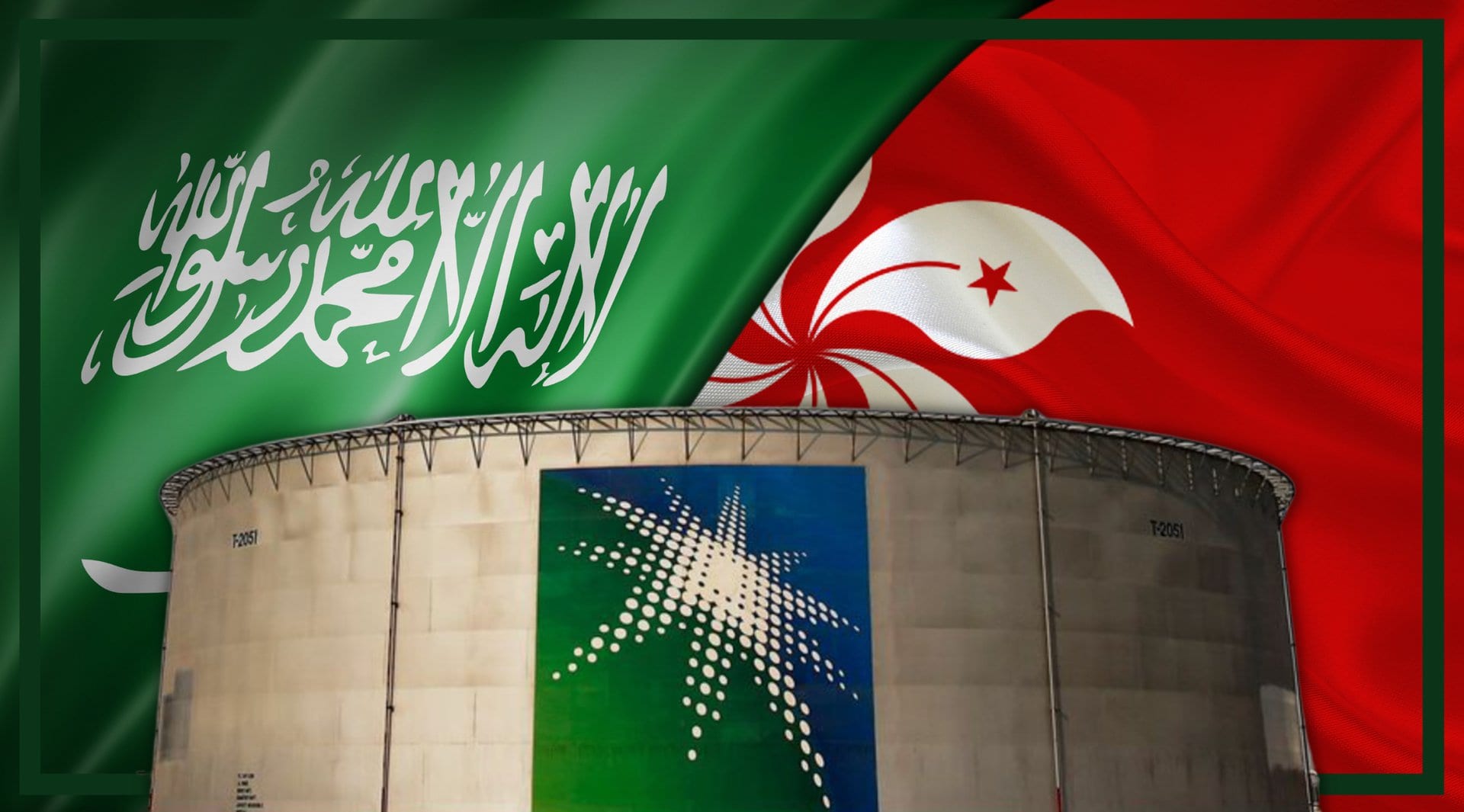
Hong Kong’s tech and innovation sector has stepped into a strategic collaboration with Saudi Arabia’s Vision 2030, underscoring the growing relationship between these two economic hubs. In a landmark move, InvestHK, Hong Kong’s leading economic development agency, recently sent its largest startup delegation to the Kingdom to explore new avenues for investment and innovation in sectors such as fintech, smart manufacturing, and biotechnology. This alignment reflects a critical juncture as Saudi Arabia continues to diversify beyond oil and adopt a knowledge-driven economy through strategic global partnerships and a pivot towards tech and sustainability.

At the Future Investment Initiative (FII) held in Riyadh, Hong Kong’s representatives, including top executives from InvestHK, engaged directly with Saudi public and private sector leaders to understand the vast opportunities emerging in the Kingdom’s evolving market. The delegation highlighted Hong Kong’s robust tech ecosystem and advanced capabilities in finance and logistics, seeking collaboration in new areas of digital transformation and green technology. These meetings aim to serve as groundwork for greater bilateral relations, aligning with Saudi Arabia’s development of NEOM, an ambitious $500 billion smart city designed to be a hub for advanced technology, renewable energy, and AI-driven innovation.

The FII summit served as a platform for Hong Kong’s startups to showcase their expertise, particularly in sectors such as fintech, e-commerce, supply chain technology, and data analytics. Saudi Arabia, with a clear agenda to attract foreign investment, has positioned itself as a fertile ground for growth, with a primary focus on technology and diversified industries. Hong Kong startups found particular resonance in Saudi initiatives around blockchain, IoT, and renewable energy technologies—areas where Hong Kong has been a leader across Asia. The nation’s supportive business environment, competitive tax framework, and international connectivity make it an attractive collaborator as Saudi Arabia envisions a post-oil economy by 2030.

Hong Kong’s appeal as a tech incubator has surged in recent years, with InvestHK reporting that its startup sector reached a new high in 2023, with 4,257 startups employing over 16,000 professionals. The ecosystem’s steady expansion is attributed to Hong Kong’s low tax rates, favorable business environment, and proximity to the Mainland China market. The city’s fintech sector is particularly vibrant, bolstered by government support and private investment, drawing attention from economies seeking to boost their own digital economies. InvestHK’s delegation in Riyadh emphasized Hong Kong’s standing as a gateway to Asia and its significance in the Greater Bay Area, which comprises key cities in Southern China and supports an increasingly interconnected economic network.

The collaboration between Hong Kong and Saudi Arabia is set to be mutually beneficial, as Saudi initiatives are increasingly inviting global tech pioneers to participate in its ambitious transformation. Saudi Vision 2030’s blueprint includes the growth of high-tech cities, the promotion of renewable energy, and the fostering of innovation-driven sectors—creating ample opportunity for foreign enterprises and startups. As such, the Hong Kong delegation’s visit was also a step towards establishing Hong Kong as a vital partner in Saudi Arabia’s pursuit of economic diversification and sustainable development, further cementing the city’s status as a key player in global tech advancement.

Despite current global economic headwinds, both Hong Kong and Saudi Arabia remain committed to advancing their tech sectors. The FII platform allowed participants from Hong Kong to discuss strategic growth areas with Saudi officials, focusing on infrastructure, venture capital, and talent development. Given the record-high startup figures in Hong Kong, the exchange of expertise and collaborative projects in fields such as AI, logistics technology, and health tech appear poised for expansion.

Emerging as a standout title in the competitive first-person shooter (FPS) landscape, a new game has garnered attention for its impressive array of features offered without cost. Lauded for its engaging gameplay, the title has rapidly become a popular choice among gamers seeking a competitive edge in multiplayer settings. This FPS features a robust 1v1 mode that allows players to engage directly in fast-paced matches, appealing to […]

Global IT spending is projected to reach an impressive $5.74 trillion by 2025, reflecting a robust growth rate of 9.3% compared to 2024. This remarkable surge is primarily fueled by escalating investments in generative artificial intelligence (GenAI) technologies and the expanding data center infrastructure required to support these advancements. According to industry analysis, the demand for GenAI applications is reshaping the IT landscape, prompting organizations across various […]

Inflows into digital assets reached $901 million this month, culminating in a remarkable $27 billion year-to-date total, signaling a substantial shift in market sentiment. The surge in inflows is largely attributed to increasing political optimism within the United States, which has invigorated investor confidence in the sector. Notably, the U.S. recorded the largest inflows, totaling $906 million, while Canada, Brazil, and Hong Kong faced slight outflows, highlighting a regional divergence in market dynamics.

Bitcoin emerged as the standout performer this month, drawing an impressive $920 million in inflows, a stark contrast to Ethereum, which witnessed $35 million in outflows. This pronounced divergence indicates a growing preference among investors for Bitcoin, reinforcing its dominance in the digital asset landscape. Solana also attracted attention, garnering $10.8 million in inflows, while blockchain equities gained $12.2 million, reflecting a broader appetite for diversified investments within the crypto ecosystem.

The influx of capital into digital assets aligns with a backdrop of significant political developments in the U.S., including legislative efforts aimed at regulating the cryptocurrency sector. Increased regulatory clarity is seen as a key factor fostering a more secure investment environment, encouraging institutional investors to re-enter the market. This positive sentiment is underscored by discussions surrounding potential regulatory frameworks that could facilitate mainstream adoption of digital currencies.

Analysts highlight the role of political stability in shaping market trends. The Biden administration’s focus on creating a more structured regulatory environment for cryptocurrencies is viewed favorably by investors, contributing to the bullish outlook for digital assets. The prospect of clearer regulations is particularly appealing to institutional investors who have previously been cautious due to the lack of defined guidelines.

As capital flows into digital assets, the implications for traditional financial markets are becoming increasingly pronounced. Financial institutions are taking note of this trend, with several firms beginning to incorporate cryptocurrencies into their portfolios. This shift could signify a broader acceptance of digital assets as a legitimate asset class, potentially reshaping investment strategies across various sectors.

In terms of market performance, Bitcoin’s continued ascent underscores its status as the flagship cryptocurrency. The asset’s ability to attract significant inflows, even amid fluctuating market conditions, reinforces its position as a safe haven for investors seeking refuge from economic uncertainty. Conversely, Ethereum’s outflows may suggest a reassessment of its value proposition, prompting investors to seek alternative avenues within the crypto space.

Emerging trends in the digital asset sector are also evident in the increasing interest in decentralized finance (DeFi) projects. These platforms, which leverage blockchain technology to provide financial services without traditional intermediaries, are gaining traction among investors seeking higher yields and innovative solutions. The continued growth of DeFi is likely to further diversify the landscape of digital assets, attracting a broader range of participants to the market.

The integration of cryptocurrencies into mainstream financial systems is progressing. Major payment processors and financial institutions are exploring ways to facilitate cryptocurrency transactions, enhancing accessibility for everyday consumers. This shift could pave the way for increased adoption, as consumers become more comfortable using digital assets for transactions.

Internationally, the divergence in inflows among different countries illustrates the varying levels of acceptance and regulatory approaches to digital assets. While the U.S. leads in inflows, the outflows in Canada, Brazil, and Hong Kong signal the need for these regions to adapt to changing market conditions. Investors in these areas may be looking for clarity on regulatory measures before committing significant capital to digital assets.

As the market evolves, key players in the digital asset space are adapting their strategies to align with changing investor sentiments. Institutional players, in particular, are refining their approaches to capitalize on the growing demand for cryptocurrencies. The ongoing competition among asset managers to offer crypto-related products reflects a broader trend toward integrating digital assets into traditional investment frameworks.

Looking ahead, the trajectory of digital asset inflows will likely be influenced by ongoing political developments and regulatory updates. As policymakers continue to grapple with the implications of cryptocurrency adoption, the market will respond to both domestic and international regulatory signals. Investors are expected to remain vigilant, monitoring these developments closely as they navigate the evolving landscape of digital assets.

A significant transformation is underway in Saudi Arabia as a growing number of start-ups are choosing the kingdom as their base, marking it as a crucial destination for entrepreneurs. This influx stems from the nation’s strategic investments and reforms aimed at diversifying its economy beyond oil dependence. The Vision 2030 initiative has played a pivotal role in shaping a conducive environment for innovation and entrepreneurship, facilitating the kingdom’s emergence as a vibrant start-up ecosystem.

Investment in technology and innovation has surged, with the government introducing various initiatives to encourage entrepreneurial activities. The Saudi Arabian government has allocated substantial funding to support start-ups through entities like the Public Investment Fund (PIF) and initiatives such as the Saudi Venture Capital Company. This funding is complemented by a supportive regulatory framework, designed to simplify processes for new businesses, making it easier for both local and foreign entrepreneurs to establish their ventures in the kingdom.

The burgeoning tech sector in Saudi Arabia is drawing attention not just locally but globally. The kingdom has become increasingly attractive to international investors looking for opportunities in fast-growing markets. Notably, the start-up scene has expanded in sectors like fintech, e-commerce, health tech, and logistics. Reports indicate that Saudi Arabia’s start-up ecosystem raised around $1.1 billion in funding in 2023 alone, with numerous investment rounds capturing significant amounts for emerging companies. This financial influx is crucial as it allows entrepreneurs to scale their businesses and tap into new markets.

Major international companies are increasingly establishing their operations in Saudi Arabia. Global tech giants like Amazon and Microsoft have expanded their presence in the region, contributing to a thriving tech environment. Their involvement not only brings investment but also fosters a culture of innovation by creating partnerships with local start-ups and providing mentorship opportunities.

Networking events and incubators have also proliferated, serving as platforms for entrepreneurs to connect with potential investors, mentors, and peers. Initiatives like the Misk Innovation program and the Saudi Startups Network have emerged as significant players in facilitating the growth of start-ups by providing essential resources, training, and networking opportunities. These networks enhance collaboration among entrepreneurs, allowing them to share knowledge, insights, and experiences.

The cultural shift towards entrepreneurship is also evident in the changing perceptions among Saudi youth. With a large proportion of the population being young and tech-savvy, there is a growing eagerness to embrace entrepreneurship as a viable career path. Educational institutions are adapting their curricula to emphasize entrepreneurship and innovation, equipping students with the skills necessary to navigate the challenges of starting and running a business.

However, challenges persist for start-ups operating in the kingdom. While the regulatory environment has improved, issues related to bureaucracy and access to financing still exist. Entrepreneurs often face hurdles in navigating the legal landscape, which can impede their ability to establish and scale their businesses. Additionally, there is a need for greater access to venture capital, as many start-ups struggle to secure funding beyond initial rounds.

Despite these challenges, the outlook remains positive as the Saudi government continues to implement reforms aimed at enhancing the business climate. The Kingdom is actively working to promote a knowledge-based economy by fostering innovation and entrepreneurship through policies that encourage research and development. Collaboration with educational institutions and private sectors is crucial in creating a robust ecosystem that supports start-ups and nurtures talent.

Saudi Arabia’s geographical location presents a strategic advantage, offering easy access to regional and international markets. Its proximity to other Middle Eastern and North African countries positions it as a gateway for start-ups aiming to expand their reach beyond local borders. As logistics and transportation networks improve, the kingdom is likely to become a vital hub for companies looking to serve a broader audience.

International Holding Company (IHC), a prominent player in various sectors, has expanded its portfolio by acquiring a majority stake in Gallega Global Logistics. This strategic move aims to enhance IHC’s logistics capabilities and bolster its presence in the rapidly evolving logistics and supply chain sector. The acquisition was officially announced, with IHC stating that it will leverage Gallega’s established networks and expertise to improve operational efficiency across […]

Global VC investment drops from $95.5 billion to $70.1 billion quarter-over-quarter AI accounts for six of ten largest VC deals globally in Q3’24, led by the only two $1 billion+ raises Americas accounts for nearly 60% of VC investment in Q3’24, with $41.4 billion in deal value Japan and Germany buck geographical trend with Japan recording a VC investment twelve-quarter high. HONG KONG SAR – Media OutReach […]

HONG KONG SAR – Media OutReach Newswire – 24 October 2024 – The global economic recovery presents a mixed picture. While the US economy looks set for a soft landing, the eurozone continues to face many uncertainties, particularly in the industrial sector. China, meanwhile, is struggling to sustain its growth. Finally, our political and social risk index remains at a high level despite the fall in inflation […]

VISHNU RAJA
RYO YAMADA
HITORI GOTOH
IKUYO KITA