Just in:

News related to
Emerging

Webclei, a free online web vulnerability scanner, is gaining traction among cybersecurity professionals and developers for its robust capabilities in identifying security flaws in websites and web applications. Unlike many free tools that offer limited functionality, Webclei provides comprehensive scanning features typically found in premium solutions. At its core, Webclei operates on a template-based system written in YAML, allowing it to systematically test websites against a wide […]

A sophisticated phishing group known as Inferno Drainer has capitalised on a recently implemented Ethereum feature to conduct large-scale wallet-draining attacks, exposing a novel vulnerability within the blockchain ecosystem. This new tactic leverages Ethereum Improvement Proposal 7702 , part of the network’s broader Pectra upgrade, which permits Externally Owned Accounts to temporarily emulate smart contract wallets during transactions.

EIP-7702 was introduced to enhance transaction efficiency and flexibility by allowing EOAs, typically controlled by individuals, to process complex batch operations usually reserved for smart contracts. However, this flexibility has opened unforeseen attack vectors that cybercriminals like Inferno Drainer are now exploiting to extract significant funds without alerting users.

The initial alert came from Scam Sniffer, a web3 anti-scam platform, which identified a wallet compromised through this method losing nearly $150,000. This incident underscores the growing sophistication of phishing techniques targeting crypto users, marking a shift from conventional scams that often rely on direct wallet hijacking or tricking users into revealing private keys.

Blockchain security expert Yu Xian, founder of SlowMist, a firm specialising in combating crypto threats, explained that Inferno Drainer’s method differs markedly from previous phishing scams. Instead of forcibly taking control of a wallet, the group operates through a delegated MetaMask wallet—one authorised under EIP-7702’s new permissions system.

This approach involves the hackers silently approving token transfers by executing a batch authorisation process. Through this mechanism, the victim unknowingly triggers an “execute” command within MetaMask, which processes malicious batch data quietly in the background, resulting in a stealthy but effective draining of tokens.

“The phishing gang uses this mechanism to complete batch authorisation operations on tokens related to the victim’s address,” Xian said, highlighting the threat’s subtlety and the challenge it poses to wallet security.

The shift towards batch authorisations was designed to streamline interactions on Ethereum by allowing users to manage multiple transactions or permissions in a single operation. Unfortunately, it also offers a cover for nefarious actors to bundle illicit commands within legitimate transaction flows, evading traditional detection methods.

Industry analysts observe that this new exploit underscores the delicate balance between innovation and security in blockchain technology. Ethereum’s continuous upgrades aim to enhance usability and scalability but often introduce complexities that can be manipulated if not carefully monitored.

Inferno Drainer has reportedly refined this phishing tactic over months, adapting to Ethereum’s evolving infrastructure. Their campaigns focus on victims who have already adopted wallets compatible with the Pectra upgrade, ensuring that the batch execution feature is active and exploitable.

The Pectra upgrade itself is a significant step forward for Ethereum, promising improved transaction throughput and user experience. Yet, as this case reveals, the implementation of powerful features without equally robust security safeguards invites exploitation. Wallet providers, particularly MetaMask, face mounting pressure to integrate advanced detection algorithms and user alerts to mitigate such silent batch authorisation abuses.

Security firms are recommending users exercise heightened caution when approving wallet transactions, especially those involving batch operations. Unlike straightforward transaction confirmations, batch authorisations may bundle multiple permissions, some of which could be maliciously crafted.

The incident also highlights the growing arms race in crypto security, where threat actors rapidly adapt to platform upgrades and exploit minor oversights or new functionalities. While blockchain’s decentralised nature offers transparency, the intricacies of smart contract and wallet interaction often elude average users, increasing their vulnerability.

MetaMask’s role in this exploit is crucial, as the wallet’s delegation and permission system under EIP-7702 allows the execution of complex commands with user consent. Experts suggest MetaMask and similar wallet developers could implement clearer prompts, disallowing batch authorisations that combine unexpected or unverified commands, thereby reducing risk.

Regulatory scrutiny around crypto security continues to intensify as attacks like those by Inferno Drainer demonstrate the potential for significant financial loss. Governments and industry bodies are increasingly focused on fostering secure protocols and pushing for better user education to counteract sophisticated phishing attempts.

Cryptocurrency exchanges and DeFi platforms may also need to review their integration with wallets supporting EIP-7702, ensuring that their transaction flows do not inadvertently facilitate or obscure malicious batch authorisations.

This emerging threat reiterates the importance of layered security measures, including hardware wallets, multi-factor authentication, and vigilant transaction monitoring. As phishing schemes grow more advanced, users must adopt a cautious stance towards authorisation requests, verifying each operation’s legitimacy, particularly when batch executions are involved.

Inferno Drainer’s exploitation of Ethereum’s latest upgrade serves as a stark reminder that innovation in blockchain technology must be matched by equally innovative security frameworks. The broader crypto community faces a critical juncture where safeguarding user assets depends on swift adaptation to both technological progress and the evolving tactics of cybercriminals.

Efforts to address such vulnerabilities are underway within Ethereum developer circles, with proposals to refine permissioning models and enhance wallet interfaces to better distinguish legitimate transactions from potentially harmful batch authorisations. Collaboration between security researchers, wallet providers, and the wider blockchain community is crucial to curtail threats exploiting the complex functionalities introduced by upgrades like Pectra.


KUALA LUMPUR, MALAYSIA – Media OutReach Newswire – 26 May 2025 – As global crypto markets show increased volatility, traders rethink their risk exposure. One vivid option is contracts for difference (CFDs). Kar Yong Ang, a financial market analyst at Octa broker, shares three reasons crypto traders should adopt CFDs and migrate from traditional exchanges. This year began with a harsh reminder that even the biggest crypto […]

Hitachi Vantara has introduced VSP 360, a comprehensive data management software designed to streamline storage across diverse environments. The new platform integrates block, file, object, and software-defined storage into a single, unified system, aiming to simplify operations and enhance efficiency for enterprises managing complex data landscapes. The launch reflects growing demand among organisations for versatile and scalable storage solutions capable of supporting hybrid and multi-cloud deployments. VSP […]

The allure of meme coins like Shiba Inu and Dogecoin has cooled, prompting investors and crypto enthusiasts to seek fresh opportunities beyond the fleeting hype. As these once high-flying tokens show patterns of price consolidation and reduced volatility, attention is increasingly shifting towards emerging decentralised finance projects, notably the Mantix decentralized exchange currently in its presale phase.

Mantix represents a new wave of crypto innovation aiming to capitalise on the growing demand for decentralised trading platforms with enhanced utility and community governance. Unlike meme coins, which primarily rely on social media buzz and speculative trading, Mantix offers a structured ecosystem designed to attract long-term participants. The project’s native token, $MTX, has garnered significant interest in crypto circles for its potential to integrate scalable blockchain solutions with user-driven decentralisation.

Market data indicates that meme coins, while maintaining a loyal base, have witnessed substantial corrections from their peak valuations over the past year. Shiba Inu, which surged into mainstream attention through aggressive marketing and celebrity endorsements, now faces resistance levels that limit further upward momentum. Dogecoin, originally launched as a parody cryptocurrency, similarly exhibits less price movement and trading volume than during its initial frenzy. This maturation phase has naturally led traders to explore De-Fi projects that promise utility beyond mere token speculation.

Mantix’s presale has emerged as one of the more watched events in the De-Fi space due to its approach of combining tokenomics with a robust decentralized exchange infrastructure. The platform is being built on a Layer 2 blockchain solution aimed at reducing transaction costs and enhancing speed, a crucial improvement over congested Layer 1 blockchains like Ethereum. By addressing scalability, Mantix hopes to attract users frustrated with high fees and slow confirmations, common complaints in existing DEX platforms.

Further intrigue surrounds Mantix’s governance model, which incorporates a decentralised autonomous organisation structure. Token holders of $MTX will have voting rights on key platform decisions, ranging from protocol upgrades to fee distribution. This democratic approach to platform management has resonated with investors seeking a voice in project development rather than passive holding.

Industry experts highlight that the shift from meme coins to utility-driven De-Fi projects reflects the broader evolution of the cryptocurrency market. Initial phases of crypto adoption were fuelled by hype and speculative mania, but the sector is now progressing toward maturity, where sustainable growth depends on practical applications and network effects. Mantix’s emphasis on building a scalable DEX aligns with this trajectory, placing it among a competitive set of projects trying to capture the next generation of crypto users.

Despite the buzz, experts caution that presale participation entails risks, including regulatory uncertainty and project execution challenges. De-Fi platforms often face complex security audits and require rigorous testing before launching fully. However, the team behind Mantix claims to have secured partnerships with established blockchain developers and auditors to mitigate vulnerabilities, although independent verification remains pending.

Investor enthusiasm around $MTX is also driven by the projected token supply model, which aims to incentivise early participants while avoiding excessive inflation. Unlike meme coins, where large token supplies have often led to price manipulation concerns, Mantix’s controlled issuance framework is designed to foster stability and gradual appreciation. Early investors see this as a key differentiator, especially as the crypto market enters a phase prioritising long-term viability over rapid gains.

Global crypto exchanges and wallets have reportedly begun integrating $MTX to facilitate seamless token distribution once Mantix transitions from presale to public trading. This integration plan underscores the project’s ambition to establish liquidity and market presence quickly. The initial roadmap also outlines plans for additional De-Fi features such as yield farming, staking, and cross-chain interoperability, which could position Mantix as a comprehensive platform for decentralized finance activities.

The shift in investor sentiment away from meme coins coincides with broader regulatory scrutiny across major markets, where authorities are increasing oversight of speculative tokens and trading platforms. This environment favors projects like Mantix that demonstrate transparent governance and clear utility. Regulatory compliance will likely remain a pivotal factor shaping the competitive landscape among De-Fi exchanges, with platforms adopting robust protocols gaining trust from institutional and retail investors alike.

Market analysts note that while Shiba Inu and Dogecoin have established themselves as cultural icons within the crypto space, their futures hinge largely on community support rather than fundamental technological advances. Conversely, De-Fi platforms like Mantix seek to blend technology innovation with community governance to drive adoption. This fundamental difference may influence which assets retain relevance as the market consolidates and matures.

Technical analysis of SHIB and DOGE price trends points to a phase of reduced volatility, marked by trading within defined ranges after sharp declines from all-time highs. Such patterns typically suggest accumulation phases or potential repositioning by holders. Meanwhile, Mantix’s presale momentum suggests a growing appetite for new projects with practical use cases, especially those tackling scalability and user empowerment issues prevalent in the crypto ecosystem.

The crypto market’s cyclical nature often sees hype-driven assets give way to infrastructure-focused projects. Mantix’s presale success could signal the start of such a rotation, as traders move capital into platforms offering tangible functionality. Nevertheless, the highly speculative environment demands due diligence, and investors are advised to assess project whitepapers, development progress, and team credentials before committing funds.

By K Raveendran In his relentless pursuit of what he calls economic nationalism, President Donald Trump’s ‘trade jihad’ is targeting newer and more diverse sectors of the global economy. The latest front in this campaign is the high-tech industry, with a particular focus on smartphone manufacturing. This marks a significant escalation both in terms of […]


Over 25,000 professionals from more than 30 countries convened at the Riyadh Front Exhibition & Conference Center between 20 and 22 May for the Saudi Entertainment and Amusement Expo and the Saudi Light & Sound Expo. The events featured over 550 exhibitors, highlighting Saudi Arabia’s commitment to transforming its entertainment sector in line with Vision 2030. Sarkis Kahwajian, Associate Vice President at dmg events, the organiser of […]

Advertisements

Billionaire investor Bill Ackman has taken a substantial position in Uber Technologies by investing $2.8 billion, marking one of the most significant recent moves by a major hedge fund into the ride-hailing giant. This sizeable commitment comes as Uber navigates an increasingly competitive and evolving landscape in mobility, delivery, and autonomous vehicle development. Ackman’s Pershing Square Capital Management purchased approximately 36.4 million shares, representing nearly 8% of […]

A Strategic Partnership Accelerate New Industralisation and Microelectronics Development HONG KONG SAR – Media OutReach Newswire – 23 May 2025 – Hong Kong’s advanced manufacturing and microelectronics sector received a significant boost today with a three-year strategic partnership between Hong Kong Science and Technology Parks Corporation (HKSTP) and Würth Elektronik. Under this collaboration, Würth Elektronik —a global premier electronic components manufacturer with a R&D base at Hong […]

KOLO, a prominent player in the web3 ecosystem, has introduced a next-generation digital wallet paired with a worldwide debit card designed to seamlessly bridge the gap between digital assets and everyday transactions. This development marks a significant step in expanding the usability of cryptocurrencies and blockchain-based assets in mainstream financial activities, targeting both seasoned crypto users and newcomers seeking practical applications of digital currencies.

The KOLO digital wallet enables users to store, manage, and transact with a broad range of digital assets, including popular cryptocurrencies and non-fungible tokens . Its accompanying debit card, which operates on a global scale, allows holders to convert their crypto holdings into fiat currency instantly, facilitating purchases and cash withdrawals wherever traditional debit cards are accepted. This dual functionality aims to enhance the liquidity and real-world accessibility of digital assets, which have often been limited by infrastructure and regulatory challenges.

KOLO’s platform capitalises on cutting-edge security protocols, including multi-factor authentication and hardware wallet integration, to protect user funds from common threats such as hacking and fraud. The wallet supports interoperability across multiple blockchain networks, including Ethereum, Binance Smart Chain, and Polygon, ensuring wide compatibility with a diverse array of tokens. Additionally, KOLO offers a user-friendly interface designed to simplify complex processes like token swaps, staking, and NFT management, appealing to users across different levels of technical expertise.

This launch comes amid growing global interest in cryptocurrencies as tools for everyday financial activities, beyond their traditional roles as speculative assets or investment vehicles. Industry analysts observe that bridging digital assets with conventional financial systems remains a critical hurdle for broader adoption. KOLO’s integration of a physical debit card backed by digital wallet balances presents a pragmatic solution to this challenge by enabling seamless real-time spending without the need for manual conversions or third-party intermediaries.

The global rollout of KOLO’s debit card features partnerships with major payment networks to ensure widespread acceptance. Cardholders can transact in multiple currencies, benefiting from automatic conversion rates managed by KOLO’s proprietary system. This eliminates the complexity and delays that typically accompany crypto-to-fiat exchanges, allowing for smoother consumer experiences in retail, online shopping, and ATM withdrawals worldwide.

Market experts highlight the significance of this move as competition intensifies among blockchain projects aiming to embed crypto payments in daily commerce. Other companies have launched crypto debit cards before, but KOLO’s approach focuses on enhanced security, broad token support, and user-centric design. It also addresses regulatory compliance across jurisdictions by implementing know-your-customer and anti-money laundering measures, ensuring adherence to financial regulations while maintaining user privacy.

KOLO’s leadership emphasises the product’s role in accelerating the transition toward a more inclusive financial system, where digital assets play a pivotal role in economic participation. The company has also announced plans to integrate decentralized finance features directly into the wallet, enabling users to access lending, borrowing, and yield farming services without leaving the platform. This integrated approach could reduce friction points that currently discourage mainstream users from engaging deeply with DeFi ecosystems.

In terms of adoption, KOLO targets a wide demographic including crypto enthusiasts, digital nomads, and merchants looking to accept digital currencies without complex setups. The debit card is available to users in key markets across North America, Europe, and Asia, with expansion plans for emerging economies where digital finance penetration is growing rapidly. Early user feedback praises the card’s convenience and the wallet’s intuitive design, with particular appreciation for transparent fees and fast transaction processing times.

Financial regulators remain cautious but generally open to innovation that adheres to legal frameworks and prioritises consumer protection. KOLO’s compliance strategy includes collaboration with regulatory bodies to ensure transparency and mitigate risks associated with digital asset transactions. This proactive approach aims to position KOLO as a trustworthy intermediary capable of navigating evolving regulatory landscapes without compromising on the decentralised ethos of web3 technology.

The broader digital asset industry is witnessing heightened demand for solutions that integrate blockchain technology with everyday financial use cases. KOLO’s entry into the market reflects an ongoing shift from niche crypto experimentation toward practical, user-friendly applications that can coexist alongside traditional banking infrastructure. This hybrid model could pave the way for new financial paradigms where digital wallets and physical payment instruments work in concert to offer greater flexibility and control to users.

Chinese automaker BYD has overtaken Tesla in European battery electric vehicle registrations for the first time, marking a significant shift in the continent’s competitive electric vehicle market. In April 2025, BYD registered 7,231 BEVs across Europe, narrowly surpassing Tesla’s 7,165 units, according to data from market research firm JATO Dynamics. This milestone underscores BYD’s rapid expansion beyond its initial European markets of Norway and the Netherlands, where […]

HANOI, VIETNAM – Media OutReach Newswire – 22 May 2025 – The VinFuture Prize, a global science and technology award, has officially concluded the nomination period for its fifth season with a total of 1,705 nominations submitted from around the world. Notably, the number of official nominating partners has seen exceptional growth, reaching 14,772 – more than a twelvefold increase from the 1,200 recorded in the inaugural […]

Artificial Intelligence is expected to contribute around US$320 billion to the Middle East’s Gross Domestic Product (GDP) by 2030, with the Gulf Cooperation Council countries accounting for nearly 80 percent of that impact, translating to approximately US$260 billion, according to a latest report by global accounting firm PriceWaterhouseCoopers (PwC). The Gulf Cooperation Council (GCC) countries—Bahrain, Kuwait, Oman, Qatar, Saudi Arabia, and the United Arab Emirates—are at a […]

Bitcoin has reached a new pinnacle, surpassing $109,000 for the first time, with data indicating that 99% of holders are now in profit. This surge underscores the cryptocurrency’s robust momentum and growing investor confidence.

The digital asset’s ascent has been attributed to a confluence of factors, including increased institutional adoption, favourable regulatory developments, and heightened interest from retail investors. The approval of spot Bitcoin exchange-traded funds by the U.S. Securities and Exchange Commission in early 2024 has notably facilitated greater access for traditional investors, contributing to the asset’s upward trajectory.

Market analysts have observed that the current rally is supported by strong fundamentals. The limited supply of Bitcoin, capped at 21 million coins, combined with sustained demand, continues to exert upward pressure on its price. Additionally, macroeconomic factors such as inflation concerns and currency devaluation in various regions have prompted investors to seek alternative stores of value, with Bitcoin emerging as a preferred choice.

The cryptocurrency’s performance has also been bolstered by significant investments from prominent figures in the financial sector. Notably, a trader identified as James Wynn has reportedly made substantial gains through leveraged positions, reflecting the high-risk, high-reward nature of the market. Wynn’s activities have garnered attention on social media platforms, highlighting the speculative interest that often accompanies Bitcoin’s price movements.

Abu Dhabi’s aerospace firm Space 42 is set to initiate production of prototype platforms designed to operate at altitudes reaching thousands of metres above the Earth’s surface. This development marks a significant step in the emirate’s growing ambitions within the aerospace sector, targeting near-space exploration and flight operations.

The prototypes will serve as platforms to launch near-space flights, a field that bridges traditional aviation and outer space exploration by operating at the edge of the Earth’s atmosphere. Space 42’s initiative is aligned with broader national goals to position Abu Dhabi and the United Arab Emirates as leaders in aerospace innovation and technology development. The company aims to contribute to the emerging commercial space economy by developing technologies capable of operating in the stratosphere and beyond.

Near-space platforms have a variety of potential applications, ranging from scientific research and atmospheric monitoring to telecommunications and high-altitude surveillance. These platforms can also serve as launchpads for suborbital missions, enabling experimental payloads or commercial ventures to access near-space environments more cost-effectively than traditional rockets.

Space 42 plans to produce the prototypes by the end of the year, employing advanced aerospace engineering and leveraging local expertise alongside international collaborations. The company’s approach involves creating modular, reusable platforms that can carry payloads to high altitudes while maintaining stability and control in the thin upper atmosphere.

Abu Dhabi has invested heavily in aerospace and space-related ventures as part of its strategy to diversify the economy away from oil. Space 42 is among several entities in the emirate focused on fostering innovation and building capabilities in advanced technologies. The move toward near-space flights reflects a global trend where governments and private companies alike are investing in technologies that can bridge the gap between Earth-bound aviation and space travel.

The platforms under development will use cutting-edge materials and propulsion technologies tailored to withstand harsh near-space conditions, including extreme temperature variations and low atmospheric pressure. The prototypes are expected to undergo rigorous testing phases before any commercial or scientific deployments.

Space 42’s project is part of a broader wave of interest in high-altitude platforms worldwide. These platforms offer a middle ground between satellites and aircraft, combining endurance and payload capacity with relative ease of deployment and maintenance. Their ability to provide persistent observation or communication coverage without the high costs associated with orbital launches makes them attractive for various industries.

The company’s initiative aligns with the UAE’s long-term space ambitions, which include Mars exploration, satellite development, and fostering a local space industry ecosystem. By manufacturing these prototype platforms, Space 42 aims to develop a technological edge that can be leveraged for both domestic and international markets.

Industry experts note that near-space platforms could transform how data is collected and transmitted across multiple sectors. They can support environmental monitoring by offering high-resolution data on atmospheric conditions, track climate change indicators, and improve weather prediction models. Telecommunications companies see potential in using such platforms to extend internet coverage to remote areas or enhance network resilience during emergencies.

Globally, the near-space flight market is gaining momentum as new entrants join established aerospace firms in developing technologies for stratospheric operations. Governments are increasingly recognising the strategic importance of controlling near-space assets for national security, scientific advancement, and economic competitiveness.

The production of prototype platforms by Space 42 is expected to position Abu Dhabi as a key player in this expanding field. This move may encourage further investments in research and development, talent acquisition, and infrastructure to support near-space flight activities. The initiative also aligns with the UAE’s vision to be a hub for science and technology innovation in the Middle East.

Space 42 has emphasised the role of sustainability and cost-effectiveness in their design philosophy, aiming to reduce the environmental footprint compared to traditional aerospace operations. Reusability and energy-efficient propulsion systems are central to this strategy, ensuring that the platforms can operate repeatedly without significant resource expenditure.

As the prototypes enter production, the company plans to collaborate with academic institutions, industry partners, and government bodies to validate performance and explore potential applications. This cooperation will be critical to overcoming technical challenges inherent in operating at the edge of space, where conditions differ markedly from those experienced by conventional aircraft.

The near-space platform project reflects a strategic blend of ambition and pragmatism. By focusing on prototype development, Space 42 is taking measured steps toward establishing a presence in an area that promises to grow significantly in importance and economic value. The company’s work contributes to the broader narrative of the UAE’s emergence as a forward-looking aerospace nation, committed to advancing scientific knowledge and commercial capabilities beyond the atmosphere.

While the production timeline anticipates completion before year-end, the path ahead will involve iterative testing and refinement. These phases are crucial to ensure the platforms meet stringent operational standards for safety, reliability, and performance under near-space conditions.

The company’s announcement has drawn attention from industry analysts and potential customers interested in utilising high-altitude platforms for various applications, from telecommunications to defence. The development also signals increasing competition in a sector where innovation and technical mastery are vital.

Shares of BYD Co. Ltd. listed in Hong Kong have reached unprecedented levels, widening the valuation gap with their mainland counterparts to a historic high. This divergence underscores the growing investor confidence in the electric vehicle giant’s international expansion and strategic initiatives.

The Hong Kong-listed H-shares of BYD have been trading at a significant premium compared to its Shenzhen-listed A-shares. This premium reflects heightened investor enthusiasm driven by BYD’s aggressive global growth strategies and robust financial performance.

In a landmark move, BYD raised approximately $5.6 billion through a share placement in Hong Kong, marking the largest equity follow-on offering in the global automotive sector over the past decade. The company issued 129.8 million H-shares at HK$335.20 each, representing a 7.8% discount to the previous closing price. Despite the discount, the offering attracted substantial interest from institutional investors, including sovereign wealth funds from Europe and the Middle East.

The proceeds from the share sale are earmarked for research and development, overseas business expansion, and general corporate purposes. BYD’s strategic focus includes establishing production facilities in countries such as Brazil, Hungary, and Turkey, aiming to mitigate geopolitical risks and tap into emerging markets.

The company’s international ambitions are further evidenced by its recent ventures, including the construction of a $680 million manufacturing plant in Brazil with an annual capacity of 150,000 units. Additionally, BYD has launched new EV models in various markets, including the Seal sedan in India, priced competitively to capture market share.

BYD’s financial health remains robust, with a reported revenue of 502.25 billion yuan and a net profit of 25.24 billion yuan in the first three quarters of 2024, reflecting year-on-year growth of 18.94% and 18.12%, respectively. The company’s rapid production acceleration is notable, achieving the manufacture of 5 million new-energy vehicles within just 15 months, a feat that previously took nearly 15 years.

Headless commerce is reshaping the retail landscape by decoupling the front-end customer interface from the back-end commerce functionality, enabling brands to offer more personalised, flexible, and scalable shopping experiences. This architectural shift is gaining momentum as retailers face increasing pressure to innovate in response to evolving consumer behaviour, technological advancements, and the demand for seamless omnichannel engagement. At its core, headless commerce separates the presentation layer—how customers […]

GlobalStar Travel Management has entered into a strategic partnership with RateHawk, a B2B booking platform, to enhance its global accommodation offerings. This collaboration grants GlobalStar’s partners access to over 2.7 million lodging options, including hotels, apartments, and resorts, sourced from more than 320 suppliers and 130,000 directly contracted properties.

The integration of RateHawk’s inventory into GlobalStar’s system aims to streamline booking processes for travel managers. RateHawk’s AI-driven tools prioritise recommendations based on competitive rates, while its machine learning-powered pre-book check procedures help minimise potential issues. Additionally, the platform offers real-time availability updates and supports faster amendments, enhancing operational efficiency.

Julian Russell, Executive Director of IT and Supplier Relations at GlobalStar, highlighted the benefits of the partnership, noting that RateHawk’s provision of ‘prepay’ and ‘credit’ facilities addresses a critical need for partners in regions where such features are essential for managing hotel bookings. He also emphasised the positive initial feedback from GlobalStar partners and the potential for deeper integration through API connectivity.

Ilya Kravtsov, Chief Commercial Officer at RateHawk’s parent company, Emerging Travel Group, expressed enthusiasm about the collaboration, stating that the partnership is designed to empower GlobalStar partners by increasing their confidence in daily booking routines. He underscored RateHawk’s commitment to providing diverse accommodation options and robust support, available in 32 languages, to assist with inquiries.

HONG KONG SAR – Media OutReach Newswire – 20 May 2025 – XTransfer, the world’s leading and China’s No.1 B2B Cross-Border Trade Payment Platform, has been named for the first time to FXC Intelligence‘s Top 100 Cross-Border Payments Companies list for 2025. XTransfer’s debut on this prestigious list places it among a select group of companies at the forefront of innovation, inclusion, and global financial connectivity. XTransfer […]

A group of prominent Senate Democrats, led by Elizabeth Warren and Minority Leader Chuck Schumer, has urged the Trump administration to reconsider newly announced artificial intelligence chip agreements with Saudi Arabia and the United Arab Emirates . The lawmakers argue that these deals could compromise U.S. national security by potentially exposing advanced technology to adversaries like China and Russia, while also limiting the availability of critical components for American companies.

The agreements, unveiled during President Donald Trump’s recent trip to the Middle East, involve major U.S. tech firms such as Nvidia Corp. and Advanced Micro Devices Inc. selling tens of thousands of advanced semiconductors to the Gulf nations. These deals could pave the way for the sale of over a million more chips, coinciding with the administration’s plans to rescind and rewrite Biden-era rules that had capped the access of these countries to such technology.

Critics within the Senate express concern that these moves could inadvertently aid China’s technological advancement, given the close ties between the Gulf states and Beijing. They also warn that the agreements might strain the domestic supply of AI chips, potentially hindering the growth of U.S. companies reliant on these components.

OpenAI CEO Sam Altman has defended the administration’s decisions, dismissing critics as “naïve” and emphasizing the strategic benefits of the deals. Altman, along with White House AI advisor David Sacks, argues that the agreements shift the technological balance in favor of the U.S. against China. Despite these assurances, concerns persist among lawmakers and national security experts about the potential risks associated with the export of sensitive technology to the Gulf region.

The deals have also sparked debate within the tech industry, with some companies eager to pursue opportunities in the Gulf, while others express apprehension regarding security and geopolitical implications. The collaborations highlight a divide in the industry and raise broader questions about the global strategic direction of emerging technologies.

Mrs Nana Shettima, spouse of Vice President Kashim Shettima, joined Senator Rochas Okorocha, Deputy Speaker Benjamin Kalu, and other prominent figures in calling on Nigerian women to assert themselves confidently in all spheres of life. Their appeal came during a gathering focused on advancing women’s empowerment, where speakers highlighted the need for greater female participation in politics, business, and social leadership. The event underscored the critical role […]

AI security solution integrated with NVIDIA Enterprise AI Factory validated design HONG KONG SAR – Media OutReach Newswire – 19 May 2025 – Trend Micro Incorporated (TYO: 4704; TSE: 4704), a global cybersecurity leader, today announced its bringing powerful and simplified security capabilities to NVIDIA Enterprise AI Factory validated design, helping organizations worldwide safely transform their business with next-gen AI infrastructure. Eva Chen, Co-Founder and CEO at […]

Land saturation and rising prices in Dubai’s central residential districts are driving developers and buyers towards peripheral areas, reshaping the city’s housing landscape, according to a detailed property analysis by consultancy Savills. The report highlights a clear trend of market activity concentrating along the Al Khail Road corridor, signalling a significant shift away from traditional urban hotspots.

Transaction volumes in emerging micro-markets such as Jumeirah Village Circle , Dubailand, Damac Hills 2, The Valley, and Damac Lagoons have surged, collectively representing 55 per cent of all residential transactions in the first quarter. These locations have also been at the forefront of new project launches, accounting for 56 per cent of all newly introduced residential units, indicating robust developer confidence in these peripheral zones.

This movement stems from limited land availability in core areas like Downtown Dubai, Dubai Marina, and Jumeirah Beach Residence, where property prices have escalated sharply, reducing affordability for many prospective homeowners and investors. The scarcity of developable plots in these prime locations has further intensified competition, pushing demand towards more affordable options outside the city centre.

Jumeirah Village Circle, in particular, has emerged as a hotspot for buyers seeking reasonably priced apartments and villas within manageable commuting distance of Dubai’s business districts. The area offers a mix of mid-rise residential complexes and low-density villa communities, appealing to families and young professionals alike. This diversity in housing stock, coupled with ongoing infrastructure improvements, has underpinned JVC’s steady growth.

Similarly, Dubailand and Damac Hills 2 continue to attract interest due to expansive master-planned communities with a focus on lifestyle amenities such as parks, golf courses, and retail centres. The Valley, another significant player in this corridor, has capitalised on affordable villa offerings with modern designs and green spaces, catering to demand for spacious family homes away from the congested urban core.

The expansion along Al Khail Road also benefits from enhanced transport links, reducing travel times to central business hubs and making these peripheral areas more accessible. Investments in road infrastructure and public transport connectivity, including upcoming metro expansions, are expected to reinforce this trend, supporting long-term growth prospects for these markets.

Developers are aligning their strategies with these shifts by prioritising projects in locations that offer a balance between affordability and lifestyle appeal. The surge in launches across these corridors underscores their belief in sustained demand, especially from end-users and investors seeking value amid a competitive Dubai property market.

The report points to a broader recalibration within Dubai’s residential property sector, reflecting changing buyer preferences influenced by affordability constraints and evolving urban dynamics. While luxury properties in central districts remain sought after by high-net-worth individuals and international investors, the broader market is witnessing a democratization of choice, with peripheral communities gaining ground.

These peripheral markets offer distinct advantages, including larger plot sizes, lower price points, and a greater emphasis on community-oriented living environments. This contrasts with the high-density, premium developments that dominate Dubai’s central districts, which cater to a more niche segment of the market.

However, challenges remain for these outer zones, particularly related to ensuring infrastructure keeps pace with rapid development. Urban planners and authorities face the task of managing growth sustainably, balancing expansion with the provision of essential services such as schools, healthcare, and retail facilities. The successful integration of these factors will be critical in maintaining the attractiveness of these locations.

The property market’s health is influenced by broader economic factors including regional geopolitical stability, visa reforms, and government incentives for property ownership, all of which shape investor sentiment. Dubai’s continued efforts to position itself as a global business and tourism hub contribute positively to residential demand, although global economic uncertainties require cautious optimism.

Analysts note that while the peripheral markets currently drive volume and new supply, established central districts are unlikely to lose their appeal entirely. Instead, a more diversified property ecosystem is emerging, with each zone serving distinct buyer profiles and investment goals.

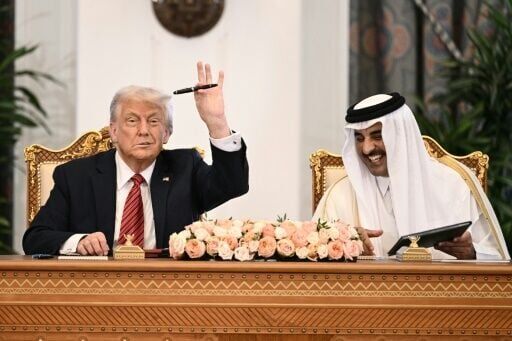
By K Raveendran Donald Trump’s Gulf tour has marked a defining chapter in his post-presidential brand of deal diplomacy, delivering a staggering $2 trillion in agreements that stretch across Saudi Arabia, the United Arab Emirates, and Qatar. This campaign stands in sharp contrast to the flagging results of his so-called trade mark tariff war, which—despite […]
VISHNU RAJA
RYO YAMADA
HITORI GOTOH
IKUYO KITA