News related to
Emerging

Dedicated to Promoting the Development of eVTOL Technology and Boosting the Low-altitude Economy in Hong Kong and the Greater Bay Area of China HONG KONG SAR – Media OutReach Newswire – 18 November 2024 – To support the Hong Kong Government’s initiative to develop the low-altitude economy, the Centre for Intelligent Multidimensional Data Analysis (CIMDA) at the City University of Hong Kong (CityU), a member of the […]

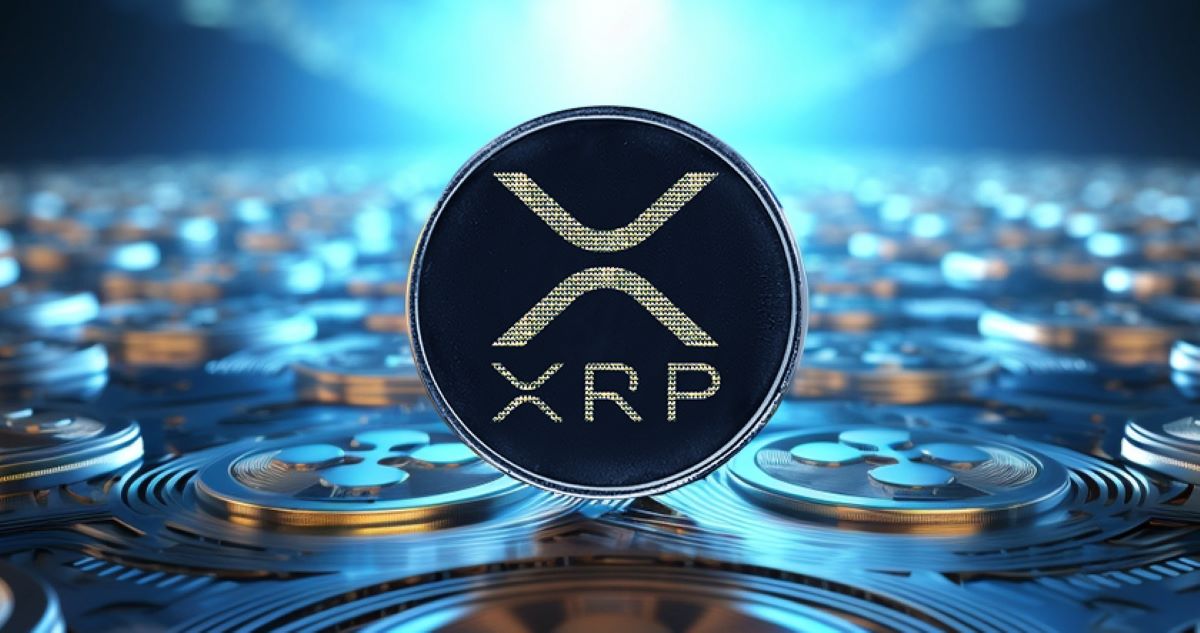
XRP has emerged as a key focus in the cryptocurrency market, experiencing heightened activity in its futures contracts amid a notable price rally. The token has shown resilience following Ripple Labs’ partial legal victory against the U.S. Securities and Exchange Commission (SEC), with its value surpassing $1.20, marking a significant recovery in investor sentiment.

The surge in XRP’s price has been accompanied by a sharp increase in open interest (OI) within futures markets. This metric, which measures the number of outstanding contracts, rose substantially, signaling a robust influx of capital and growing trader interest. Analysts attribute this development to renewed confidence stemming from Ripple’s legal clarity, combined with broader market optimism toward the utility of blockchain-based payment solutions.

Technical indicators for XRP have bolstered this bullish narrative. Market charts highlight sustained momentum in its Relative Strength Index (RSI), suggesting strong buying pressure. Concurrently, the Moving Average Convergence Divergence (MACD) indicator remains positive, reinforcing expectations of a continued upward trajectory. A breakout above resistance levels has positioned XRP as a key contender for further price gains in the altcoin segment.

This optimistic outlook is underpinned by Ripple’s strategic initiatives. The company has expanded its operations globally, securing new partnerships and integrating its On-Demand Liquidity (ODL) solution across various markets. This expansion has not only enhanced the adoption of XRP in cross-border payments but also strengthened its position within the financial ecosystem. Ripple’s commitment to compliance and technological innovation has further boosted investor confidence, particularly as regulatory uncertainties begin to ease.

Market participants are also closely watching developments in the broader cryptocurrency space. The potential approval of exchange-traded funds (ETFs) for digital assets in major markets is anticipated to unlock institutional interest, with XRP positioned as a beneficiary. Additionally, Ripple’s focus on emerging markets and tokenization projects has attracted attention, creating pathways for further adoption of XRP-based solutions.

SINGAPORE – Media OutReach Newswire – 15 November 2024 – Woh Hup, an esteemed name in the world of Asian sauces, proudly marks its 88th anniversary this year. Known for its delicious sauces, concentrated stocks, and instant noodles, Woh Hup has embarked on a remarkable journey fueled by a passion for crafting recipes that have stood the test of time, beloved by both professional chefs and homemakers. […]

US President Joe Biden and Chinese President Xi Jinping have reached a significant understanding concerning the governance of nuclear weapons, agreeing that neither nation will allow artificial intelligence to control their nuclear arsenals. This agreement was made public during a high-level summit on Saturday, where both leaders emphasized the importance of maintaining human oversight over nuclear weapon systems in the context of rapid advancements in AI technology. […]

SHANGHAI, CHINA – Media OutReach Newswire – 15 November 2024 – Frost & Sullivan released the Emerging Asia-Pacific Big Data Market Research Report, 2024, in October 2024. The report provides an in-depth analysis of the big data market across key emerging markets in the emerging Asia-Pacific region, including Hong Kong SAR, the Philippines, Indonesia, Malaysia, Singapore, Thailand, Bangladesh and Sri Lanka. The report highlights the critical role […]

Lenovo Group, the world’s largest PC maker, has announced plans to establish a state-of-the-art manufacturing facility in Saudi Arabia. This move aligns with the Kingdom’s Vision 2030 strategy, which seeks to diversify the economy by developing its technology and manufacturing sectors. The new facility, which will focus on assembling and producing personal computers and IT equipment, is expected to strengthen Lenovo’s foothold in the Middle East while driving local job creation and technical skill development.

Set to be located in the King Abdulaziz City for Science and Technology (KACST) area, the factory underscores the growing importance of Saudi Arabia as a strategic hub for global technology companies. Lenovo’s decision to invest in this region comes as demand for PCs and enterprise IT solutions continues to grow across the Gulf Cooperation Council (GCC) countries. With an annual production capacity estimated to reach tens of thousands of units, the plant will play a key role in meeting the technology needs of government entities, enterprises, and individual consumers in the region.

The factory is expected to generate hundreds of jobs for Saudi nationals, with Lenovo committing to knowledge transfer and training programs aimed at fostering local expertise in advanced manufacturing processes. This initiative aligns with the Kingdom’s Saudization goals, which prioritize the integration of local talent into key economic sectors. Lenovo’s executives emphasized that the plant would not only serve regional markets but also have the potential to export products to neighboring countries, further positioning Saudi Arabia as a technological hub for the wider Middle East.

Lenovo’s partnership with local entities and stakeholders, including the Ministry of Investment and the Saudi Industrial Development Fund, highlights the collaborative approach that has characterized its entry into the market. By leveraging Saudi Arabia’s supportive regulatory environment and infrastructure, the company aims to streamline operations and maximize efficiency in its production pipeline. This collaboration marks another milestone in Saudi Arabia’s efforts to attract foreign direct investment into its high-tech industries, a key pillar of Vision 2030.

The timing of Lenovo’s announcement coincides with a global shift in manufacturing trends, as companies seek to diversify their supply chains and mitigate risks associated with overdependence on specific regions. Lenovo’s Saudi factory will help the company reduce logistical complexities and ensure supply chain resilience, especially in a post-pandemic world where disruptions to global trade have underscored the need for localized production hubs.

While Lenovo has long been a dominant force in the global PC market, this investment represents its first manufacturing venture in Saudi Arabia. It signals the company’s intent to deepen its engagement with Middle Eastern markets, which have experienced steady growth in digital adoption and IT spending. Analysts believe this move could serve as a blueprint for other tech companies looking to expand their presence in the region.

The announcement also reflects the Kingdom’s broader ambitions to become a leader in emerging technologies such as artificial intelligence, robotics, and cloud computing. Saudi Arabia’s investments in smart cities like NEOM and other large-scale infrastructure projects are expected to drive demand for IT hardware and services, providing a robust market for companies like Lenovo to tap into. Additionally, the factory’s establishment could catalyze the development of ancillary industries, such as component manufacturing and logistics, further enriching the local economy.

Observers note that Lenovo’s move could pave the way for increased competition among technology companies in the region, prompting other global players to explore similar opportunities. This competitive environment is likely to benefit end-users by improving access to cutting-edge technology and reducing costs through localized production.

As the factory’s construction progresses, Lenovo plans to roll out community engagement programs aimed at fostering innovation and interest in technology among Saudi youth. These initiatives, including internships and partnerships with local universities, are intended to ensure that the Kingdom’s workforce remains equipped to meet the demands of a rapidly evolving digital economy.

Dubai’s rental market continues to show pronounced growth, with mid-income neighborhoods emerging as hotspots for rental increases as more tenants choose to renew leases rather than face escalating costs for new contracts. Analysts attribute this trend to strong demand, limited supply, and landlords maintaining an advantageous position. Tenancy renewal activity has surged in Dubai, with Ejari records indicating a 23.6% rise in renewals over the past year, […]

Advertisements

Nigeria’s ongoing economic challenges, exacerbated by a cash shortage, have led to an increased reliance on Point of Sale (POS) agents for daily financial transactions. Amid a surge in the use of POS terminals for basic banking needs, the debate over their role in Nigeria’s financial ecosystem has intensified. While these agents serve as a crucial bridge for unbanked and underbanked populations, questions are emerging about their […]

Abu Dhabi’s sovereign wealth fund, the Abu Dhabi Investment Authority (ADIA), is significantly increasing its allocations to private equity in a strategic pivot to enhance long-term returns. This move underscores ADIA’s growing interest in high-risk, high-reward investment opportunities as it adapts to global market shifts. The fund’s decision comes at a time when traditional investment avenues are facing unprecedented volatility and when private equity is seen as […]

LOS ANGELES, USA – Media OutReach Newswire – 15 November 2024 – Livestreaming platform Bigo Live is set to bring Season 3 of its talent competition, BIGO’s Most Talented, to a thrilling conclusion with the Grand Finale on October 16 in Los Angeles. This innovative virtual talent show blends the competitive excitement of traditional reality TV with the interactivity of live streaming, using engagement as a unique […]

HONG KONG SAR – Media OutReach Newswire – 15 November 2024 – The Elite Programme of Hong Kong Science and Technology Parks Corporation (HKSTP) aims to nurture both local and international tech ventures with high growth potential. With 24 companies currently active in the programme, including 13 home-grown companies and 11 from overseas, the Elite companies span across different industries, including AI & robotics, life and health […]

HONG KONG SAR – Media OutReach Newswire – 14 November 2024 – OneConnect Financial Technology Co., Ltd (“OneConnect” or the “Company”, NYSE: OCFT, HKSE: 6638), a business technology service provider for financial institutions, announced its results for the first three quarters ending September 30, 2024. 2024 is a pivotal year for OneConnect as it advanced the second phase of its strategy, focusing on “product upgrades, deepening customer […]

Dubai has launched a suite of groundbreaking initiatives aimed at enhancing the city’s safety and technological infrastructure, with a focus on future-facing innovation. His Highness Sheikh Mohammed bin Rashid Al Maktoum, Ruler of Dubai, revealed a series of projects worth a total of Dhs2 billion, solidifying the Emirate’s reputation as a leader in cutting-edge law enforcement technology. These initiatives are designed to modernize the operational capabilities of […]

The Saudi Public Investment Fund (PIF), a major sovereign wealth fund under the Saudi government, has executed a notable transaction by divesting over $1 billion worth of shares in the Saudi Telecom Company (STC). This decision aligns with the PIF’s strategy to rebalance its investment portfolio, shedding portions of domestic holdings to fund international acquisitions and domestic development initiatives, particularly in high-growth sectors outside of oil.

This strategic move involved the sale of a 4% stake in STC through a secondary share placement. A major player in the Saudi economy, STC is considered a blue-chip stock on the Saudi exchange, Tadawul, where it holds a considerable influence on market performance. The transaction came after months of market speculation about potential PIF divestitures, spurred by the Fund’s stated ambition to optimize capital flows toward diverse global and domestic investments, potentially in technology and renewables, where PIF sees long-term growth opportunities.

The secondary share placement, conducted through a structured auction, attracted significant interest from both institutional and retail investors in Saudi Arabia and abroad. Market analysts report that this interest underlines the strong international appetite for shares in Saudi Arabia’s robust telecom sector, a pivotal component of the Vision 2030 economic reform plan. Under this framework, which aims to reduce Saudi Arabia’s dependency on oil revenue, sectors like technology and telecommunications are prioritized for growth.

Prior to the sale, PIF held a 64% stake in STC, which translates to substantial influence over the company’s strategic direction. By reducing its stake by 4%, PIF remains the controlling shareholder while monetizing a portion of its holdings, a strategy that reflects the Fund’s ongoing recalibration toward agile capital allocation. PIF’s latest divestiture follows a similar move in 2021 when it sold a 6% stake in STC, raising approximately $3.2 billion, a transaction that bolstered its financial flexibility for reinvestment.

Market observers suggest that this sale is likely to bolster investor confidence in Saudi corporate equities, given PIF’s role in maintaining liquidity and investor interest in Tadawul-listed firms. As PIF diversifies its holdings, the Fund has attracted global interest for its capacity to influence capital flow into emerging market sectors and sustainable development projects, often supported by Saudi state-owned enterprises and investments from foreign sovereign funds.

The timing of this transaction aligns with PIF’s mandate to sustain a diversified portfolio that supports domestic projects like the Red Sea tourism initiative, NEOM, and Qiddiya, in addition to investments in international tech and innovation enterprises. Analysts point out that the sale proceeds may be allocated toward similar domestic mega-projects or invested abroad to capture strategic returns from fast-growing sectors such as artificial intelligence, energy storage, and automation. A notable aspect of PIF’s recent portfolio strategy includes collaborations with international technology firms, signaling an interest in assets that foster cross-border digital infrastructure.

The shift also reflects STC’s own strategic trajectory, as the company continues to expand its service offerings, venturing into digital services and content creation. As part of the broader telecom transformation in Saudi Arabia, STC aims to tap into areas like cloud services, cybersecurity, and data management, all seen as integral to supporting Saudi Arabia’s growing digital economy. PIF’s partial divestment does not signify a reduction in STC’s importance but rather indicates the Fund’s confidence in STC’s operational independence and market resilience.

For international investors, this transaction highlights STC’s status as a critical component of Saudi Arabia’s evolving economic structure. The company remains positioned as a cornerstone of Saudi Arabia’s Vision 2030, which emphasizes developing sectors like entertainment, tourism, and technology. Analysts suggest that, by divesting a stake in STC, PIF frees up capital that can be redirected to reinforce these high-growth industries, underpinning Saudi Arabia’s long-term economic diversification efforts.

Following the transaction, STC’s stock initially witnessed moderate fluctuations, reflecting standard market responses to significant share movements. Market analysts anticipate that, in the near term, STC’s stock price may stabilize, buoyed by investor confidence in its fundamentals. Observers also emphasize that the transaction reflects positively on the Saudi stock exchange, underscoring Tadawul’s growing role as a hub for institutional and foreign investors seeking exposure to Middle Eastern equities.

STC, on its part, remains committed to its expansion strategy, which involves fortifying its digital platforms and expanding telecommunications infrastructure. These initiatives align with the demands of a more digitally interconnected society and the anticipated increase in data consumption across Saudi Arabia, partly driven by high smartphone penetration and rising demand for e-government services. Industry insiders point out that STC’s ongoing investment in 5G infrastructure and data centers positions it well to capture market share in the expanding Gulf tech landscape.

KUALA LUMPUR, MALAYSIA – Media OutReach Newswire – 14 November 2024 – Adding exotic currency pairs to a portfolio is a popular way to get exposed to a wider variety of assets. These pairs, which include currencies from emerging markets or smaller economies, offer unique opportunities due to their volatility and potential for high returns. For traders in regions like India and Southeast Asia, exotic pairs can […]

Rhodolith beds, critical marine ecosystems formed by free-living coralline algae, are increasingly vulnerable to the accelerating impacts of ocean climate change. These habitats, often referred to as “marine rainforests,” are vital for supporting marine biodiversity by providing shelter and feeding grounds for a wide variety of marine species. However, research indicates that both the structural integrity of these beds and the underlying sediments are under significant threat […]

SINGAPORE – Media OutReach Newswire – 13 November 2024 – Ampersand Associates, a leading commercial interior design company, proudly announces its forward-looking service outlook, backed by over 13 years of extensive industry experience. With leadership that includes a Managing Director boasting nearly 30 years in the field and a lead designer with over 20 years of experience, Ampersand is uniquely positioned to address the evolving needs of […]

Providing a snapshot of the SaloneSatellite Collection and showcasing the talents of emerging international designers at the West Kowloon Cultural District until 21 November HONG KONG SAR – Media OutReach Newswire – 12 November 2024 – The much-anticipated ‘SaloneSatellite Permanent Collection 1998-2024’ Exhibition makes its official debut in Hong Kong today, showcasing more than 100 innovative award-winning works by talented international designers at the Arts Pavilion of […]

By Anjan Roy As president elect Donald Trump is edging towards taking over powers in America on January 20 next year, the country is lurching towards becoming a typical case of a plutocracy. Money bags, as opposed to public spirited men and women who have devoted a life time in public affairs, are coming to […]

Deutsche Telekom has made a significant move into the blockchain space by partnering with Meta Pool, marking a pioneering step in the telecom industry. As the first telecom giant to run a validator node on the NEAR blockchain, this partnership represents an innovative leap toward integrating telecommunications with decentralized technologies. The collaboration aims to bolster the scalability and security of the NEAR protocol, while furthering Deutsche Telekom’s commitment to exploring blockchain and Web3 solutions.

The NEAR blockchain, recognized for its high throughput and low transaction costs, is positioning itself as a formidable competitor in the rapidly expanding blockchain ecosystem. By running a validator node, Deutsche Telekom is not only contributing to the network’s infrastructure but also aligning itself with the emerging trend of decentralized finance (DeFi) and Web3 technologies. Validator nodes are crucial components in blockchain networks, as they validate transactions and ensure the integrity and security of the blockchain.

This strategic partnership with Meta Pool, a leading staking provider for the NEAR blockchain, allows Deutsche Telekom to play a critical role in the operation and security of the network. Through this collaboration, Deutsche Telekom aims to leverage its expertise in telecommunications to support the growth of blockchain-based ecosystems. The partnership also opens the door for future ventures in decentralized applications, marking a new chapter for the company in the digital era.

Telecom giants have been gradually exploring blockchain for its potential to improve network management, enhance data security, and enable novel financial services. However, Deutsche Telekom’s decision to operate a validator node on the NEAR blockchain takes this exploration a step further. It reflects a broader trend where traditional industries are increasingly recognizing blockchain as a transformative technology that extends beyond cryptocurrencies.

NEAR’s unique consensus mechanism, known as Nightshade, is designed to enhance scalability without sacrificing decentralization. With its sharding protocol, NEAR allows for the processing of a high volume of transactions in parallel, making it an ideal blockchain for large-scale applications. This scalability is a key feature that distinguishes NEAR from other blockchains, positioning it as a powerful platform for developers building decentralized applications.

By participating in the NEAR ecosystem, Deutsche Telekom strengthens its position as a forward-thinking player in the telecom industry. The company has been an active participant in the digital innovation space, with initiatives spanning cloud computing, 5G technology, and smart networking solutions. Its involvement with blockchain technology further cements its commitment to staying ahead of the curve in a rapidly evolving digital landscape.

For Meta Pool, the collaboration with Deutsche Telekom brings credibility and stability to its operations. As a provider of staking services, Meta Pool allows users to pool their tokens to participate in network validation, enabling them to earn rewards while contributing to the blockchain’s security. With Deutsche Telekom’s technical expertise and global infrastructure, Meta Pool gains a valuable partner that can help scale its services and reach a broader audience.

The partnership is also a testament to the growing interest in blockchain’s potential to disrupt traditional industries. Blockchain technology, which underpins cryptocurrencies like Bitcoin and Ethereum, has found applications far beyond digital currencies. From supply chain management to voting systems, decentralized finance to digital identity verification, blockchain offers a wide array of possibilities for sectors ranging from finance to healthcare.

For Deutsche Telekom, the partnership also signals a shift towards exploring new revenue streams. The telecom industry, long dependent on providing connectivity and infrastructure, is now looking toward Web3 technologies as a way to diversify its offerings. By running a validator node on the NEAR blockchain, Deutsche Telekom could potentially tap into the emerging market for decentralized services, a space that promises significant growth as the adoption of blockchain continues to rise.

The telecom industry is no stranger to technological advancements, having embraced 5G and cloud computing as key components of its future growth strategy. However, blockchain presents a unique set of opportunities and challenges that require a nuanced understanding of both telecommunications and decentralized networks. Deutsche Telekom’s move into the blockchain space signals a broader trend where telecom companies are beginning to experiment with blockchain as a tool to enhance their service offerings.

The implications of Deutsche Telekom’s move could reverberate across the telecom sector. Other major telecom operators may follow suit, recognizing the importance of blockchain as a technology that can offer more than just a buzzword. As blockchain continues to mature, its potential to redefine industries outside of finance grows clearer. The collaboration between Deutsche Telekom and Meta Pool could pave the way for more partnerships between blockchain platforms and traditional telecom giants, contributing to the further mainstreaming of decentralized technologies.

The participation of a major player like Deutsche Telekom brings legitimacy to blockchain as an enterprise-grade solution. Telecom companies, with their vast infrastructure and global reach, are uniquely positioned to help scale decentralized networks. Their involvement in blockchain could facilitate its adoption across various industries, bringing new business models and opportunities for collaboration.


The NFT market in 2024 is grappling with a severe downturn, with the vast majority of new drops failing to gain traction and barely a fraction proving profitable. According to industry reports, 98% of NFT collections released this year have failed, while only 0.2% managed to generate significant returns, signaling an oversaturated market where the potential for success is diminishing rapidly.

The surge in NFT interest that dominated the market in 2021 and 2022 has largely faded. At the height of its popularity, high-profile celebrity-backed NFT collections, art auctions, and metaverse projects generated headlines and high transaction volumes. However, the once-booming sector has faced sharp declines in 2023 and continues to struggle through 2024. The flood of new projects has led to overwhelming competition, with collectors and investors growing increasingly discerning, causing many NFT drops to fail despite substantial marketing efforts.

One key factor behind the market’s downturn is the saturation of low-quality projects. In 2021, the NFT market saw explosive growth, with new collections emerging almost daily, promising lucrative returns. The ease of creating and launching NFTs led to a rapid influx of creators, artists, and brands eager to capitalize on the trend. However, many of these projects lacked the originality, utility, or community support necessary to sustain long-term value, which has become evident in the market’s performance.

Experts point to the lack of innovation in the space as a significant driver of the current struggles. NFT collections that are simply rehashed concepts or derivative works often fail to excite collectors, who are now more cautious in their purchasing behavior. The expectation of speculative profits, which fueled much of the market’s initial boom, has largely dissipated, leaving only the most unique and well-executed projects to stand out. As a result, many newer NFT collections are struggling to build a loyal community, which is crucial for the longevity and success of an NFT project.

The economic environment also plays a crucial role in the market’s decline. A downturn in the broader cryptocurrency market has directly impacted NFTs, as both assets are intertwined. Cryptocurrencies such as Bitcoin and Ethereum have experienced significant price fluctuations in recent months, which has reduced the capital available for NFT investments. With crypto market volatility making investors more risk-averse, the NFT sector has seen fewer high-profile buyers willing to commit to large-scale purchases.

NFT traders have become more skeptical about the long-term viability of the market. While some creators continue to make bold promises about the potential of NFTs in gaming, art, and other sectors, many have struggled to deliver on these visions. Trust in the space has been eroded by scams, failed projects, and the lack of regulatory clarity. As a result, investors are wary of participating in the market, resulting in low transaction volumes and limited liquidity.

One of the few bright spots in the 2024 NFT landscape is the emergence of projects that offer tangible utility. Collections tied to real-world assets, such as exclusive access to events, products, or digital services, have managed to garner attention from collectors who are looking for value beyond speculation. Additionally, some projects have innovated by integrating NFTs into gaming, virtual real estate, and metaverse platforms, where they offer in-game assets or experiences that are more difficult to replicate than traditional artwork-based NFTs.

Despite these innovative approaches, the overall sentiment in the NFT market remains cautious. Several high-profile NFT projects that launched in early 2024 have seen their value plummet, leading to significant losses for investors. The low success rate of new drops suggests that the market’s infrastructure is not yet ready for sustained growth and that additional reforms or innovative solutions may be required to reinvigorate the space.

Some analysts suggest that the NFT market is undergoing a period of “natural correction,” where the speculative bubble that drove its growth is slowly deflating. They believe that the future of NFTs lies in projects that offer real-world utility and sustainable growth, rather than relying solely on hype or celebrity endorsements. These analysts emphasize the importance of community engagement and long-term value for the future of NFTs.

The current state of the NFT market is also prompting calls for greater regulation and industry standards. As more collectors and investors become disillusioned with failed projects, there is an increasing demand for transparency and accountability from creators and platforms. Several organizations and industry leaders are working on establishing clearer guidelines for the NFT ecosystem, focusing on issues like intellectual property rights, secondary market sales, and platform fees.

Emaar Properties, one of the largest real estate developers in the UAE, has reported a modest growth in its profits for the first nine months of the year. The company’s net income rose compared to the same period last year, driven primarily by strong performance in its core real estate development and retail segments. The Dubai-based developer, which operates a diverse portfolio of real estate and hospitality […]

Fertiglobe, a major player in the global fertilizer industry, remains confident about securing tax credits for its ambitious hydrogen project in Texas, despite potential regulatory challenges that could arise with the re-election of former President Donald Trump. As one of the largest producers of nitrogen-based fertilizers, Fertiglobe has been investing in clean energy solutions, with a specific focus on low-carbon hydrogen production to support its commitment to […]

The growing financial links between Asia and the Middle East are poised to significantly influence global capital flows, according to new insights from HSBC. The accelerating collaboration between these two regions is already reshaping the landscape of international investments, with both sides benefitting from a convergence of economic goals, financial strategies, and geopolitical interests. With Asia’s expanding markets and the Middle East’s substantial financial resources, the deepening […]

VISHNU RAJA
RYO YAMADA
HITORI GOTOH
IKUYO KITA