News related to
Emerging

Generative artificial intelligence is revolutionising research and innovation, empowering humans to push the boundaries of creativity and discovery. According to Innovation Endeavors, one in eight workers now engages with AI monthly—90 percent of that growth occurring in the past six months. Tools are reshaping software development by merging programming, design and product planning into unified pipelines. Meta is aggressively competing, launching a “Superintelligence” research wing, hiring top-tier talent—including […]

Exhibiting at IVS Startup Market to Showcase Advanced Water DX Solutions TOKYO, JAPAN – Media OutReach Newswire – 30 June 2025 – Tenchijin Inc., a space-tech innovator revolutionizing sustainable water infrastructure management, today announced it has been selected as one of 15 finalists for IVS2025 LAUNCHPAD from over 350 global applicants. The company will also exhibit at the “IVS Startup Market” during the three-day conference (July 2 […]

Net foreign direct investment surged to SAR 22.2 billion in Q1 2025, marking a 44 per cent year‑on‑year rise, the General Authority for Statistics reported on Sunday. Though slightly down from SAR 24 billion in Q4 2024, the inflows underscore robust investor interest. Meanwhile, unemployment eased across the board, with significant gains for women and youth.

Government data show inward FDI at SAR 24 billion in Q1, a 24 per cent increase year‑on‑year but a 6 per cent dip compared to late 2024. Despite this quarterly slowdown, inflows remain well above Q1 2024’s SAR 19.4 billion. The rebound follows strategic efforts under Vision 2030, including high-profile giga‑projects in tourism, sports and entertainment and regulatory reforms aimed at boosting foreign investor confidence.

Analysts caution that current FDI levels are still far short of Saudi Arabia’s $100 billion annual target. Obstacles such as a complex legal environment and perceptions of the Kingdom as a capital exporter persist. The government has responded by conditioning state‑contract awards on regional headquarters being based locally, along with plans to overhaul investment laws to increase transparency.

On the labour front, the overall unemployment rate for people aged 15 and above dropped to 7.8 per cent in Q1, down from 8.5 per cent in Q4 2024. Among Saudi nationals, unemployment eased to 7.6 per cent, compared to 8.4 per cent in the previous quarter; male unemployment declined from 5.1 per cent to 4.7 per cent and female unemployment from 14.3 per cent to 13 per cent.

These figures follow earlier statistics showing an even lower unemployment rate among Saudi nationals: 6.3 per cent, the lowest on record, driven in part by historic falls in female joblessness, which reached 10.5 per cent. GASTAT’s labour bulletin also highlighted a rise in overall participation to 68.2 per cent, up 1.8 points from Q4 2024. Within that, Saudi male participation climbed to 66.4 per cent, while female participation rose to 36.3 per cent.

The youth labour market showed varied outcomes: unemployment among young Saudi women fell to 11.6 per cent, while male youth unemployment dropped to 11.6 per cent as well, even as their participation rate declined. Experts link these shifts to targeted labour reforms, including expanded digital employment platforms such as Jadarat, and programmes that encourage female workforce inclusion under Vision 2030.

Economic diversification is evident in the deeper GDP breakdown. Non‑oil sectors grew by 4.2 per cent in Q1, significantly outpacing oil activity, which fell by 1.4 per cent, according to GASTAT. Government services also rose by 3.2 per cent, driving overall GDP growth of 2.7 per cent year‑on‑year. These shifts highlight the evolving composition of the economy away from hydrocarbons.

The resilience in FDI and labour metrics comes amid projected fiscal pressures. Saudi Arabia is expected to run a SAR 101 billion deficit in 2025, to be funded largely through debt. Even so, credit agencies note that net public debt remains low at approximately 17 per cent of GDP, leaving room for continued borrowing.

Policy-makers point to dynamic growth in private‑sector activity and infrastructure investment as evidence of broader momentum. Nonetheless, flows remain below long‑term targets, and uncertainties linger over the pace of regulatory liberalisation and investor protections.

Combined, these indicators illustrate an economy in transition. FDI strength and labour market improvement reflect clear progress, especially on domestic policy fronts aligned with Vision 2030 goals. Yet government targets for transformative investment and full private‑sector integration remain distant, and persistent structural rigidities could slow advancement.

Moving forward, success will hinge on deepening institutional reforms—such as streamlined licensing, improved legal frameworks, and enhanced foreign equity rights—and sustaining social policies that widen labour force inclusivity, notably among women and youth. Economic forecasts anticipate moderating oil prices and slower government expenditure later in 2025, placing even greater emphasis on private capital inflows and sustainable domestic job creation.

These emerging trends offer insight into Saudi Arabia’s efforts to recalibrate its economic model—balancing fiscal constraints with bold ambitions. While the pace of change remains uneven, the current data points to structural momentum that, if sustained, could reshape the Kingdom’s economy over the remainder of the decade.


Australia’s earnings from mining and energy exports are set to decline over the coming years, with rising gold revenues unable to fully offset weak demand and price falls in iron ore, liquefied natural gas and coal. Government projections show a fall from A$415 billion in 2023–24 to A$385 billion in 2024–25, and further to A$352 billion by 2026–27. The Office of the Chief Economist highlights that surplus global supply—particularly in […]

Ledger has officially announced that it will end support for its flagship hardware wallet, the Nano S, originally introduced in 2016. The company will discontinue firmware updates, security patches, app additions, and feature submissions. While existing units will continue to operate, users are warned that new blockchain protocols and app compatibility are not assured. This step forms part of Ledger’s wider strategy to transition users to more advanced […]

Over 40 per cent of current agentic AI initiatives are projected to be halted by the close of 2027, Gartner warns, owing to spiralling costs, opaque business value and insufficient risk frameworks. Despite overwhelming industry enthusiasm, most ventures remain confined to pilot stages or proofs of concept and are driven more by hype than by tangible returns. Gartner’s senior director analyst, Anushree Verma, cautions that many vendors are indulging […]

Two of Dubai’s Top 20 Real Estate Professionals Come from the Same Brokerage Dubai, UAE – June 2025: With thousands of agents competing in one of the world’s fastest-paced property markets, Dubai real estate has become as much about standing out as it is about selling. In this competitive climate, brokerages are pressured to offer more than just a desk—they must offer vision, support, and leadership. That’s […]

Advertisements

MANILA, PHILIPPINES – Media OutReach Newswire – 27 June 2025 – The “New Technology of Power System” forum concluded today in Manila, emerging as a pivotal platform for international dialogue on energy innovation. Co-hosted by Beijing Sifang Automation Company and the Institute of Integrated Electrical Engineers of the Philippines (IIEE), the summit drew industry leaders, technical experts, to address challenges facing modern power grids. Sifang Hosts Landmark […]

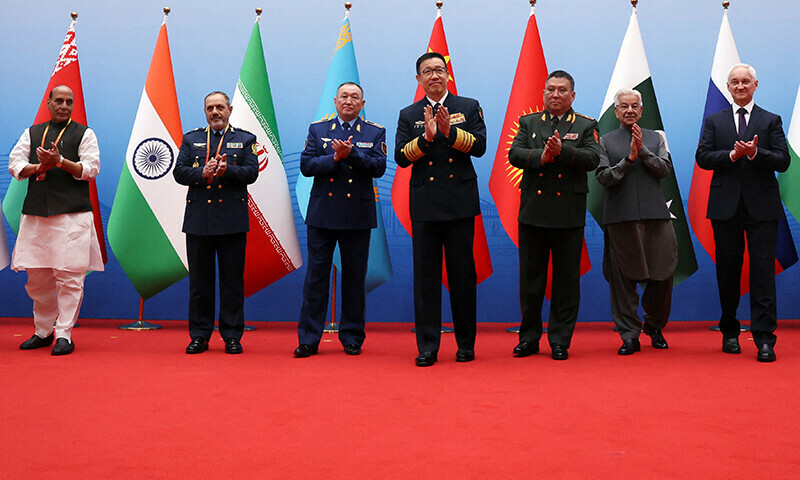
By Nitya Chakraborty India’s total diplomatic isolation was in show in the Shanghai Cooperation Organisation (SCO)’s defence ministers meet in Qingdao city in China on June 25 and 26 when a joint statement was prepared calling upon the members to jointly fight terror but there was no mention of Pahalgam killings on April 22 while […]

YouTube will raise the minimum age to livestream independently to 16 from July 22, placing new responsibility on younger creators and aiming to strengthen protections for minors on the platform. Users aged 13 to 15 can still appear live, but only with a visibly present adult supervisor; otherwise, their live chat may be disabled, streams removed or, in repeated cases, channel streaming privileges revoked. This overhaul arrives amid […]

Alain Robert, the daredevil climber known as the French Spiderman, has ascended the 116‑metre Meliá Barcelona Sky Hotel without any ropes or harnesses to launch TIGERSHARK—claimed as the world’s first cryptocurrency backed by real‑world extreme sports feats. Clad in Tigershark-branded gear and accompanied by his son, former French Navy marine Julien Robert, he live-streamed the stunt via X to mark what organisers call a “Mission 1: Spiderman & Son” initiative.

Organisers describe TIGERSHARK as part of an emerging “Action Economy” in which each token is tied to real adrenaline-fuelled missions spanning big‑wave surfing, wingsuit flying, motocross and parkour. Holding the token grants access to private events, exclusive behind‑the‑scenes content and athlete “drops” – an attempt to fuse thrill‑seeking with blockchain community building.

Lilly Douse, spokesperson for Tigershark, emphasised the departure from traditional token launches: “not airdrops, not smoke and mirrors, but actual real‑world extreme feats, true adrenaline”. She added that the venture is betting on “guts and grits” as the currency’s value proposition.

Robert’s legacy as an urban climber spans more than 150 structures, including the Burj Khalifa, Eiffel Tower and Petronas Towers, all scaled without safety gear. At his current age in the early 60s, he remains committed to pushing boundaries—and this stunt launches a broader strategy merging sport, entertainment and crypto technology.

Discussions are already underway with elite athletes in other high‑risk disciplines—such as base jumping, parkour, wingsuiting and motocross—to participate in future missions. Tigershark’s roadmap includes sponsorships, branded merchandise, global events and athlete plugins, positioning itself as more than a token, but a fully-fledged action-sports brand powered by cryptocurrency.

The circus‑style unveiling has caught the attention of both crypto enthusiasts and adventure-sport communities. While token offerings tied to lifestyle and entertainment have a precedent, Tigershark’s novel angle lies in monetising raw human risk and authenticity. Crypto commentators on social media have amplified the narrative, describing the stunt as “the realest launch Web3 has seen” and “the wildest crypto launch ever”.

However, critics have raised concerns. The stunt’s stunt‑token concept may attract speculative interest, but some analysts warn linking token value to unpredictable physical events could introduce heightened volatility. Moreover, regulatory scrutiny looms over crypto ventures that employ unconventional marketing tactics, especially those involving public stunts with safety or legality risks.

Tigershark’s strategic focus on live‑streamed extreme feats and token‑holder exclusives mirrors broader trends in Web3: blending content, experience and community. Yet the project must deliver consistency and transparency. Observers will scrutinise whether future missions occur as scheduled, whether token economics remain sound, and whether token-holders genuinely receive promised perks.

By embedding risk and spectacle into its founding act, TIGERSHARK sets itself apart from conventional token launches. Early investor sentiment appears buoyed by novelty and potential for real‑world engagement. But delivering a sustainable “Action Economy” will require navigating regulatory complexities and proving that this fusion of blockchain and extreme sport can transform fleeting adrenaline into long‑term value.

Dubai has been chosen to host SIBOS in 2029, affirming its standing as a global nexus in financial services. The selection reflects growing confidence in its role as a strategic bridge in international banking, marking the beginning of SWIFT’s new hosting rotation featuring emerging financial hubs.

SWIFT—holder of SIBOS, an annual forum for payments, securities, cash management and trade—has scheduled the conference in Frankfurt, Miami, Singapore, and Paris, with Dubai confirmed for 2029. This shift inaugurates a four-year rotation that now includes key regions such as the Middle East, Africa, Latin America and Asia, signalling intent to broaden engagement beyond traditional centres.

This move underscores Dubai’s appeal, anchored in the growth of DIFC, which now hosts nearly 7,000 firms, including the region’s fintech core. SWIFT’s Rosemary Stone emphasised that expanding SIBOS to diverse locations will lend fresh perspectives vital amid accelerating technological shifts and growing fragmentation risks. SWIFT saw record traffic last year, and the conference consistently draws over 10,000 delegates.

UAE Banks Federation and supporting bodies—including DIFC, DWTC, DET and CBUAE—have been credited for bringing SIBOS back to the UAE after its inaugural MENA appearance in 2013. UBF chairman Abdulaziz Al‑Ghurair highlighted that hosting SIBOS 2029 recognises the UAE’s leadership in digital payments innovation and its dedication to payment security and efficiency under CBUAE guidance.

UBF director‑general Jamal Saleh noted that the federation’s National SWIFT User Group, launched in 2021, along with the region’s first SWIFT training centre, have built a strong skill base in payments protocols. He said the bid award demonstrates “global recognition of the UAE’s achievements in payments using advanced technologies under CBUAE’s guidance”.

DIFC’s rapid development since 2004 has turned Dubai into SWIFT’s “Gateway to Africa”, strategically connecting Europe, Asia and Africa. This position enhances Dubai’s role within SWIFT’s network of over 11,500 institutions across more than 200 countries.

Planners are expected to leverage SIBOS’s platform to demonstrate regional innovations, including national payment system strategies, fintech growth, and cyber‑security frameworks. The event offers a showcase for the UAE’s ambitions to expand financial inclusion, digital infrastructure, and regulatory maturity.

The SIBOS win also supports the federal strategy unveiled by the Central Bank in 2019 to enhance customer experience through secure, innovative payment mechanisms. Observers suggest the conference will spotlight initiatives such as real‑time payment, cross‑border settlement solutions, and cloud‑based financial services.

By setting 2029 in Dubai, SWIFT signals that emerging financial ecosystems are not only capable but essential hosts. The planned rotation to include regions beyond the traditional triad marks a pivot in SWIFT’s approach, prioritising breadth of perspective as the global banking system navigates fragmentation.

UBF and its partners have committed to delivering a polished event, guided by rising standards in event production and stakeholder integration. With backing from SWIFT, CBUAE and government tourism authorities, organisers expect delegates to gain both technical insights and policy‑driven dialogue on future‑proofing global finance.

Continued Gross Profit Margin and Net Operating Cash Flow improvements albeit difficult market conditions HONG KONG SAR – Media OutReach Newswire – 26 June 2025 – HONMA Golf Limited (“HONMA”; together with its subsidiaries, the “Group”; HKEx stock code: 6858), one of the world’s most prestigious golf brands, announces its consolidated annual results for the year ended 31 March 2025 (the “Period”). Financial Highlights Due to economic […]

The U.S. dollar has slumped by more than 10 per cent year‑to‑date, marking its most severe first‑half decline since the mid‑1980s, as global investors pull back from dollar‑denominated assets amid doubts over U.S. economic policy and rising interest in alternatives such as cryptocurrencies.

Institutional investors across Europe and Asia are leading a broad sell‑off. European pension funds and insurers have slashed dollar‑asset exposure to levels unseen since 2022, primarily through equity divestment, while Asian bondholders have been unwinding fixed‑income positions.

Market watchers identify multiple bearish drivers: weakening Federal Reserve credibility under the spectre of political interference, dovish statements signalling potential rate cuts, and concerns over President Trump’s tariff posture and mounting debt. These factors have undercut confidence in the dollar’s role as the premier global reserve asset.

Declining yields on U.S. Treasuries have narrowed their appeal, prompting asset shifts toward Europe and emerging markets and feeding a broader investor rotation away from dollar‑centric investments. Cash strategists at Bank of America report that the net underweight position on the dollar is the most significant in two decades, signalling widespread repositioning.

Despite periodic reprieves, market technicals remain weak. The ICE U.S. Dollar Index, trading around the high‑90s, broke key support levels, triggering technical patterns that suggest further downside unless a strong reversal emerges.

The dollar’s weakness is also fueling a surge in alternative assets. Cryptocurrencies like Bitcoin have rallied, with analysts highlighting an inverse correlation to the dollar’s performance. Gold and select equities in Europe and Asia have benefited from the reallocation of capital.

Echoes of the mid‑1980s Plaza Accord era are notable, when coordinated efforts led to a sharp devaluation of the dollar. However, experts caution that the current environment reflects deeper structural trends: geopolitical uncertainties, shifting reserve currency strategies, and Asia’s growing role in capital flows.

Some analysts argue that short‑term technical bounce possibilities exist, especially if U.S. economic indicators outperform or geopolitical tensions rekindle risk‑off flows. Yet, the prevailing consensus points to a prolonged adjustment period, as “short dollar” bets remain deeply entrenched among fund managers.

The dollar’s slide has implications beyond currency markets. Weaker dollar conditions typically ease financial constraints for emerging economies with dollar-denominated debt, support commodity prices, and influence global trade balances. Conversely, U.S. consumers may experience elevated import costs.

Attention now shifts to key catalysts: upcoming Fed commentary, U.S. inflation and employment data, and whether the administration proceeds with proposed tariffs or investment taxes that could further unsettle international investor sentiment.

Mashreq Bank has inaugurated a representative office in Türkiye, marking a significant stride toward enhancing financial collaboration between the Gulf and Turkish markets. This strategic move is central to Mashreq’s initiative to channel risk capacity and capital flows directly to Turkish banks and corporates. Dubai’s Mashreq is already a familiar correspondent to Turkish financial institutions, actively participating in syndicated loans, trade finance, payments, treasury services and capital […]

Malaysia has officially unveiled the Startup ASEAN platform during its tenure as ASEAN chair, establishing a fully operational digital gateway designed to unite entrepreneurs, investors and ecosystem enablers across Southeast Asia. The launch—following a developmental blueprint initiated in 2024—unlocks access to regional markets, capital, talent and data, with an aspirational target of onboarding at least 10,000 startups by year-end.

The platform’s roll‑out represents phase two of the ASEAN Startup Technology Ignite initiative. Development and a soft launch took place in 2024, while the newly announced phase includes capacity‑building programmes and a Startup ASEAN summit. A third phase commencing in 2026 will see the establishment of an ASEAN Centre of Excellence dedicated to early‑stage ventures.

Minister of Science, Technology and Innovation Chang Lih Kang described the platform as a “strategic enabler” born from collaborative efforts among all ASEAN member states. He highlighted its role in bridging fragmented access to finance, talent and market opportunities. At the launch in Putrajaya, he underlined that approximately 5,000 startups have already joined and affirmed the year‑end goal of doubling that number.

ASEAN Secretary‑General Dr Kao Kim Hourn echoed these commitments, stating that the platform exemplifies deeper regional integration and presents “unprecedented opportunities” through technology. He noted that the platform extends to ecosystem builders and government institutions, reflecting ASEAN’s dedication to fostering inclusive innovation.

Cradle Fund Sdn Bhd, appointed by Malaysia’s MOSTI, is spearheading implementation. Its group chief executive, Norman Matthieu Vanhaecke, emphasised that the platform transcends mere technology: it is designed to generate meaningful partnerships, foster cross‑border initiatives and catalyse growth across the region. He said it will track metrics such as startup onboarding, investment activity and regional collaboration, aiming to involve 2,000 investors and 500 strategic partners by 2025.

Dr Kao highlighted the context underpinning this push. Southeast Asia hosts over 680 million people—more than half under 35—with a combined GDP exceeding US$3.9 trillion and a digital economy projected to surpass US$1 trillion by 2030. Kuala Lumpur’s leap into the top 20 emerging startup hubs, ranking 18th in the Global Startup Ecosystem Report 2025 by Startup Genome, provided a credible basis for regional leadership.

CupTuring beyond connecting stakeholders, the platform is set to host a suite of programmes. Already underway are collaborative initiatives with international partners such as South Korea and China, and plans include additional regional market‑access sessions and mentorship opportunities. The launch event featured a video tour with startup success narratives and a regional market access session, ASEAN CrossConnect, which paired ten seasoned mentors with participating startups.

The platform’s ecosystem metrics are compelling: as of the launch, more than 4,000 startups and 1,087 investors were registered, contributing to an ecosystem valued at over US$131.2 billion.

Governments from less developed ASEAN nations were assured of equal standing on the platform. Chang emphasised its borderless design, allowing any startup with internet access to connect with markets and investors across the region.

The Startup ASEAN initiative traces back to 2023, when ASEAN leaders approved a framework empowering Cradle to lead policy development, ecosystem readiness, and cross‑sector partnerships. The recent formal launch marks the first major deliverable of the Ignite initiative under Malaysia’s ASEAN chairmanship.

Experts view the initiative as a timely response to ASEAN’s broader economic integration agenda, reflected in recent high‑level declarations such as the Kuala Lumpur Declaration. The new platform aligns with ASEAN Community Vision 2045, aiming to strengthen innovation, connectivity and socio-economic resilience.

SINGAPORE – Media OutReach Newswire – 26 June 2025 – Singapore based fintech ROSHI has released a new report analysing credit card debt levels across Southeast Asia, providing insights into how consumers in the region are managing high-interest unsecured debt amidst ongoing economic pressures. Credit Card Debt in ASEAN and Beyond 2025 The report reveals that Singapore has one of the highest average credit card balances in […]

LOMBOK, INDONESIA – Media OutReach Newswire – 26 June 2025 – Mirah Investment & Development is proud to announce the soft launch of Kuara Resort, a boutique beachfront retreat on the southern coast of Lombok, Indonesia. Kuara Resort – Lombok, Indonesia With just 16 thoughtfully designed villas, Kuara offers an intimate, slow-paced escape rooted in the natural beauty, cultural heritage, and warm hospitality of the Southern Lombok […]

Claira, a New York–based deal intelligence platform, has closed a $7 million seed funding round co-led by Barclays and Citi, alongside Reimagine Tech Ventures. Additional backing came from Activant Capital, KDX and OPCO Ventures. Claira’s platform integrates domain-native artificial intelligence directly into deal workflows, enabling banks, private-credit funds and financial institutions to speed up due diligence, unlock historical deal insights and scale decision‑making processes. Founder and chief executive […]

Dubai welcomed 8.68 million international tourists between January and May 2025, marking a 7 per cent increase over the 8.12 million recorded in the same period last year. The figures, published by the Dubai Department of Economy and Tourism, highlight the emirate’s growing appeal as a global destination.

The surge was fuelled by a record-breaking 1.53 million visitors in May alone, underscoring sustained momentum through spring. Western Europe emerged as the dominant source market, contributing 1.917 million arrivals—or 22 per cent of the total—with Russia, the Commonwealth of Independent States and Eastern Europe supplying 1.396 million. South Asia accounted for 1.242 million and the Gulf Cooperation Council added 1.275 million. Other regions included the Middle East and North Africa with 989,000 visitors, Northeast and Southeast Asia at 771,000, the Americas tallying 601,000, Africa contributing 346,000 and Australia at 141,000.

Hotel capacity in Dubai climbed modestly to 825 establishments offering 153,356 rooms by the end of May, up from 822 hotels and 150,202 rooms in May 2024. Occupancy rose to an average of 83 per cent, compared with 81 per cent the previous year, while occupied room nights reached 19.09 million—a 4 per cent increase.

Visitors stayed for an average of 3.8 nights. The average daily room rate climbed 5 per cent to AED 620, from AED 590 year‑on‑year, and revenue per available room grew 7 per cent, reaching AED 513.

Industry analysts point to an ambitious events calendar and continued upgrade of transport and hospitality infrastructure as key drivers. The city’s record-breaking 2024 performance—18.72 million international arrivals—has been followed by strong early results this year, suggesting a positive trend. By scaling supply and boosting visitor experience, Dubai continues to fortify its position in the global tourism hierarchy.

Efforts to diversify offerings have extended beyond five-star resorts, as mid‑scale and boutique hotels gain prominence. Projects such as the skyscraper‑hotel “Ciel Dubai Marina” reflect innovation in accommodation, although these newer entries have yet to substantially influence overall room numbers.

Air connectivity also remains critical. Emirates Airline and flydubai have expanded routes across Western Europe, South Asia and emerging markets in the CIS, enabling smoother access to Dubai’s attractions. Tourism authorities are collaborating with carriers and event organisers to synchronise offerings with major exhibitions and festivals.

Although occupancy remains high, some operators report margin pressure due to rising operational costs. The steady uptick in RevPAR, however, indicates that value strategies and premium positioning continue to offset cost challenges. Observers note that managing rate inflation while preserving footfall will be key in sustaining growth.

Growth in South Asian visitor numbers—up 14 per cent—aligns with strengthened marketing partnerships, tailored visa processes and cultural programming. The GCC’s contribution highlights regional integration and growing leisure travel within the Gulf bloc.

Despite global economic uncertainties, Dubai’s performance demonstrates resilience and targeted policy interventions. The city’s continued appeal across a range of segments—from luxury seekers to business travellers and families—suggests adaptability in a competitive market.

On the horizon, new developments such as the Deira Islands and the introduction of sustainability‑focused resorts are expected to further enrich visitor experiences. Operators say that forthcoming supply will align closely with demand, maintaining balanced occupancy and revenue growth.

Dubai has earned its reputation as the financial and technological capital of the Middle East—and when it comes to cryptocurrencies, the city is blazing ahead. With crypto-friendly regulations, tax-free gains, and strong government support for blockchain innovation, more people than ever are turning to secure, efficient crypto exchanges in Dubai to buy, sell, and hold digital assets. Whether you’re an investor, trader, or curious beginner, choosing the […]

Trellix’s Advanced Research Center has documented a red team exercise named OneClik, simulated Advanced Persistent Threat tactics against entities within the energy, oil, and gas sectors. The red team employs sophisticated phishing lures and exploit Microsoft ClickOnce, a.NET deployment tool, to execute malware under the guise of trusted applications. This campaign exhibits hallmarks consistent with Chinese-affiliated threat actors, according to the researchers. Phishing emails played a central […]

Qatar Islamic Bank has rolled out the QIB Junior App, marking the nation’s inaugural “figital” banking solution tailored for children and teenagers. The new app enables guardians to supervise allowances, instil sound financial habits and foster independence, all while maintaining comprehensive parental oversight.

The launch reflects a broader shift in digital finance, blending app-based convenience with in-branch oversight—a hybrid model dubbed “figital.” Users can schedule pocket money, set spending limits and receive instant notifications whenever funds are used. The app also features age-appropriate financial literacy content, including interactive quizzes and short videos designed to teach smart saving and responsible spending.

Banking executives emphasise that QIB Junior aims to instil healthy money habits from an early age. Parents retain full control, with the ability to approve transactions and view spending history, alleviating concerns about safety and oversight. The platform integrates with existing QIB Minor and Misk accounts, allowing seamless fund transfers and real-time tracking via the parent’s primary banking app.

Industry analysts note the banking sector’s growing emphasis on early engagement. By introducing youth to structured money management within parental guardrails, banks hope to foster long-term customer loyalty and financial resilience. This user-centric, educational approach aligns with global trends, where banks in Europe and North America have increasingly introduced junior accounts to promote early financial inclusion.

According to the bank’s statements, the Junior App is now available on major app stores and follows recent enhancements to QIB’s digital services, including fully digital account opening and an Instant School Fee Payment feature. These developments reflect QIB’s ambition to maintain leadership in financial innovation within the region.

QIB is channeling significant resources into digital transformation, investing in AI and data analytics to deliver personalised experiences. The Junior App’s gamified features and secure allowance tools showcase QIB’s strategic shift towards targeting emerging customer segments while reinforcing its fintech credentials.

Parental feedback, gathered during pilot testing, was notably positive. One mother commented that the app “helps my son learn budgeting without losing oversight,” highlighting the dual focus on education and control. QIB reports high pilot engagement and suggests the full roll-out may include future enhancements like goal-setting tools and savings competitions among users.

Qatar’s regulatory environment supports such innovations. The central bank has encouraged development of fintech solutions aimed at youth, aligning with national financial literacy initiatives. QIB anticipates collaboration with schools and educational bodies to embed the app in classroom programmes.

Other banks in the region are beginning to follow suit. Emirates NBD and Mashreq have introduced junior banking features, though none combine learning modules, parental controls and standalone app functionality on par with QIB’s offering. QIB has therefore positioned itself at the forefront with its comprehensive figital solution.

A wave of San Francisco‑based ad tech companies is spearheading a shift in digital marketing, harnessing AI, automation and privacy‑first solutions to transform advertising. Demandbase, Marin Software, Metric Theory, Segment, Smartly.io, AdRoll, AdEspresso, Liftoff+Vungle and Quantcast are emerging as key players influencing how brands reach audiences at scale. Demandbase, founded in 2007, has cemented its status as a leader in account‑based marketing for B2B enterprises. Its platform offers […]

VISHNU RAJA
RYO YAMADA
HITORI GOTOH
IKUYO KITA