News related to
Emerging

Matein Khalid If ever any investor needed a real time lesson in emerging markets risk, the timebombs in Ankara, Jakarta and Bogotá to provided it. President Erdogan ordered the arrest of his top rival Istanbul Mayor Ekrem İmamoğlu and triggered a 10% plunge in the lira against the US dollar, an exodus of offshore money from the local T-bill market and a horrific meltdown in Istanbul bank […]

Linux Kernel 6.14 has been officially released, bringing notable performance improvements and expanded hardware support for AMD, Intel, and RISC-V architectures. This update introduces several key enhancements aimed at optimizing system efficiency and broadening compatibility with emerging technologies. A significant addition in this release is the introduction of the AMDXDNA driver, which supports AMD’s Neural Processing Units . These NPUs, integrated into AMD client CPUs, are designed […]

The U.S. Department of the Treasury has lifted sanctions against Tornado Cash, a cryptocurrency mixer previously accused of facilitating extensive money laundering activities, including transactions linked to North Korean cybercriminals. This decision follows a series of legal challenges questioning the Treasury’s authority to impose such sanctions on decentralized software protocols.

In August 2022, the Treasury’s Office of Foreign Assets Control sanctioned Tornado Cash, alleging its involvement in laundering over $7 billion since its inception in 2019. Notably, OFAC claimed that the North Korean hacking group Lazarus utilized the platform to launder more than $455 million. The sanctions marked a significant move by the U.S. government to regulate the use of cryptocurrency mixers, which are designed to obfuscate transaction trails on blockchain networks.

The sanctions faced immediate opposition from various quarters of the cryptocurrency community. Six users of Tornado Cash, with financial backing from the cryptocurrency exchange Coinbase, filed a lawsuit challenging OFAC’s action. They argued that sanctioning open-source, self-executing software exceeded the agency’s statutory authority under the International Emergency Economic Powers Act . The plaintiffs contended that the immutable smart contracts constituting Tornado Cash could not be considered property subject to sanctions.

In November 2024, the U.S. Court of Appeals for the Fifth Circuit ruled in favor of the plaintiffs, stating that OFAC had overstepped its authority. The court held that the smart contracts underlying Tornado Cash were not property and, therefore, not subject to sanctions under IEEPA. This ruling underscored the challenges regulators face when applying traditional legal frameworks to decentralized technologies.

Following the court’s decision, the Treasury conducted a review of the legal and policy issues surrounding the use of sanctions in the context of evolving technologies. On March 21, 2025, the Treasury announced the removal of Tornado Cash and associated Ethereum wallet addresses from the Specially Designated Nationals list. In a statement, Treasury Secretary Scott Bessent emphasized the department’s commitment to combating illicit activities in the digital asset space while acknowledging the need to adapt regulatory approaches to technological advancements.

Despite the delisting, the Treasury reiterated its concerns about North Korea’s state-sponsored hacking and money laundering campaigns. The department stressed the importance of securing the digital asset industry from abuse by illicit actors to maintain U.S. leadership in financial innovation and inclusion. The Treasury also indicated that it would continue to monitor transactions that could benefit malicious cyber actors or the North Korean regime.

The legal proceedings against individuals associated with Tornado Cash have also been noteworthy. In 2023, two co-founders of Tornado Cash were charged with facilitating over $1 billion in money laundering, including transactions linked to the Lazarus Group. One of the co-founders, Roman Storm, is awaiting trial and has denied any criminal activity. Additionally, in May 2024, developer Alexey Pertsev was sentenced to five years and four months in prison in the Netherlands for money laundering related to his involvement with Tornado Cash.

The removal of sanctions against Tornado Cash has elicited varied reactions from the cryptocurrency community and regulatory observers. Proponents of decentralized technologies view the court’s decision and subsequent delisting as a victory for open-source software development and financial privacy. They argue that sanctioning code rather than individuals or entities sets a concerning precedent for technological innovation.

Conversely, critics express apprehension that the delisting could embolden malicious actors to exploit similar platforms for illicit purposes. They emphasize the necessity for regulatory frameworks that effectively address the misuse of privacy-enhancing technologies without stifling innovation. The case of Tornado Cash highlights the complexities regulators face in balancing the promotion of technological advancement with the imperative to prevent criminal exploitation of emerging technologies.

The Treasury’s decision to lift sanctions against Tornado Cash underscores the dynamic nature of regulatory approaches to decentralized technologies. As the digital asset landscape continues to evolve, regulatory bodies worldwide are grappling with the challenge of applying existing legal frameworks to novel technological constructs. The outcome of the Tornado Cash case may serve as a reference point for future policy discussions on regulating decentralized platforms and the broader implications for financial privacy and security.

In the wake of the delisting, stakeholders in the cryptocurrency industry are closely monitoring potential regulatory responses and the development of new guidelines tailored to address the unique attributes of decentralized technologies. The balance between fostering innovation and ensuring robust safeguards against illicit activities remains a central theme in the ongoing discourse on cryptocurrency regulation.

The United Arab Emirates has announced an unprecedented commitment to invest $1.4 trillion in the United States over the next decade, marking a significant deepening of economic ties between the two nations. This ambitious investment framework aims to bolster key sectors of the U.S. economy, including artificial intelligence infrastructure, semiconductors, energy, and manufacturing. The announcement follows a series of high-level meetings in Washington, D.C., where UAE National […]

Royal Private Offices across the Gulf Cooperation Council nations have rapidly accumulated assets totaling approximately $500 billion, emerging as pivotal players in the region’s financial landscape. This substantial growth has been instrumental in the creation of new sovereign wealth funds , reshaping investment strategies and economic diversification efforts within the Gulf states.

A recent report by Deloitte highlights the significant influence of RPOs, noting their role in establishing additional or parallel entities in countries where sovereign funds already exist. This trend is particularly evident in the GCC, where new funds linked to specific individuals or extended families have emerged in recent years.

The GCC’s sovereign wealth funds currently manage assets estimated at $4.9 trillion, with projections suggesting this figure will surpass $5 trillion by early 2025 and could reach $7 trillion by 2030. The integration of RPOs into the financial ecosystem has not only expanded the asset base but also diversified investment portfolios, encompassing sectors such as technology, infrastructure, and renewable energy.

One notable development is the establishment of a $500 million family office in Hong Kong by Sheikh Ali Al Maktoum, a member of Dubai’s ruling family. This move underscores the strategic intent of Gulf royals to explore investment opportunities across Asia, focusing on sectors like artificial intelligence, construction, electric vehicles, tourism, and fintech.

The emergence of RPOs has also led to increased competition among GCC cities to attract global wealth managers. Both Dubai and Abu Dhabi are vying to become the region’s premier financial hubs, offering favorable business regulations, tax incentives, and access to substantial sovereign wealth. Abu Dhabi, for instance, is leveraging its sovereign wealth funds, which manage nearly $2 trillion, to boost non-oil growth and position itself alongside Dubai as a prominent financial center.

This competitive landscape has attracted numerous international finance and law firms to the Middle East. Prominent entities such as Marshall Wace, Rothschild, and Skadden have expanded their operations into the region, drawn by the burgeoning opportunities presented by RPOs and SWFs.

The strategic investments by RPOs are not confined to traditional sectors. Sheikh Tahnoun bin Zayed al Nahyan, the UAE’s national security adviser, controls an estimated $1.5 trillion in assets and is focusing on transforming Abu Dhabi into an artificial intelligence superpower. Through his control over tech conglomerate G42, Sheikh Tahnoun aims to position the UAE at the forefront of the global AI industry, reflecting the region’s ambition to lead in cutting-edge technologies.

The rise of RPOs has also influenced the asset management landscape. In 2024, major firms aggressively expanded in the Middle East to engage local investors, driven by sovereign wealth funds’ demand for local investment. This expansion reflects the growing appeal and strategic importance of the Middle East for global finance and legal entities.

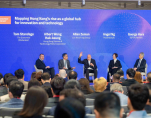
HONG KONG SAR – Media OuReach Newswire – 24 March 2025 – Economist Impact successfully concluded its 5th annual Technology for Change Asia on March 12th and 13th at the Hopewell Hotel in Hong Kong, bringing together over 570 leaders to explore the transformative power of emerging technologies for business and society. Photo caption: Albert Wong Hak-keung, chief executive officer of Hong Kong Science & Technology Parks […]

The United Arab Emirates property market is witnessing a notable influx of foreign institutional investors, marking a significant shift from its earlier reputation as a speculative arena dominated by individual buyers. This transformation is attributed to a combination of regulatory reforms, economic diversification, and the nation’s robust infrastructure, collectively enhancing the market’s appeal to large-scale investors. Historically, the UAE’s real estate sector was perceived as volatile, with […]

Advertisements

Kuwait is on the brink of a significant financial transformation as it prepares to permit banks to offer mortgages for the first time. This legislative shift, anticipated to be approved soon by the Council of Ministers, is expected to unlock a market valued at approximately $65 billion, potentially expanding lenders’ credit portfolios by 40%. Historically, Kuwait has refrained from allowing or regulating mortgages due to concerns over […]

Abu Dhabi-based renewable energy company Masdar is exploring the acquisition of a stake in TotalEnergies’ renewable energy assets in Portugal, according to sources familiar with the matter. This potential investment underscores Masdar’s strategic expansion into the European renewable energy market as it strives to achieve a global renewable energy capacity of 100 gigawatts by 2030.

The discussions involve Masdar potentially leveraging Saeta Yield, a green energy company it acquired from Brookfield Renewable for $1.4 billion in September 2024, to facilitate the deal. Saeta Yield’s portfolio includes 745 megawatts of operational wind assets and a 1.6 GW development pipeline across Spain and Portugal, positioning it as a significant player in the Iberian renewable energy sector.

TotalEnergies currently operates approximately 600 MW of installed renewable capacity in Portugal, predominantly in wind energy, with additional solar and hydroelectric assets. The valuation of wind assets per megawatt is currently higher than that of solar, making this an attractive investment opportunity for Masdar. TotalEnergies has not commented on the potential stake sale.

Masdar’s interest in TotalEnergies’ assets aligns with its broader strategy to expand its presence in the Iberian Peninsula. In addition to the Saeta Yield acquisition, Masdar secured a minority stake in a 2 GW solar portfolio controlled by Spanish utility Endesa. The company is also in negotiations with Endesa to further expand their partnership, reflecting its commitment to the European renewable energy market.

These strategic moves are part of Masdar’s ambitious plan to scale up its renewable energy capacity globally. The company’s goal of reaching 100 GW by 2030 is supported by investments in various markets, with a significant focus on Europe. The acquisition of stakes in established renewable assets, such as those owned by TotalEnergies and Endesa, provides Masdar with a robust platform to achieve its expansion objectives.

The potential deal with TotalEnergies would not only enhance Masdar’s asset base but also strengthen its operational capabilities in managing wind energy projects. This is particularly pertinent given the higher valuation and demand for wind assets in the current market. By integrating TotalEnergies’ Portuguese assets, Masdar could optimize its portfolio and enhance its competitive position in the European renewable energy sector.

Masdar’s strategic acquisitions and partnerships in the Iberian Peninsula reflect a calculated approach to establishing a strong foothold in a region with abundant renewable energy resources. The company’s investments are aligned with the European Union’s commitment to increasing renewable energy production, offering Masdar opportunities for growth and collaboration within the European market.

As the global energy landscape shifts towards sustainable sources, Masdar’s proactive expansion into established and emerging renewable energy markets positions it as a key player in the transition to clean energy. The company’s strategic investments in Europe, particularly in the Iberian Peninsula, demonstrate its commitment to contributing to global renewable energy targets and addressing climate change challenges.

Steadfastly Implements High-Quality Development Strategies and Optimize Channel Structures with a Focus on Global Market Expansion HONG KONG SAR – Media OutReach Neswire – 21 March 2025 – ZJLD Group Inc. (“ZJLD” or the “Company”, together with the Company’s subsidiaries, collectively the “Group”) (SEHK stock code: 06979. HK), an outstanding representative in the Chinese baijiu industry and the first baijiu company listed in Hong Kong Stock Exchange, […]

HONG KONG SAR – Media OutReach Neswire – 21 March 2025 – Hong Kong has unveiled its pioneering Low-altitude Economy (LAE) Regulatory Sandbox, marking the official start of pilot projects to promote development of the LAE with a view to creating new business opportunities, strengthening city management and bringing a new “smart city” experience to the public. Speaking at the launch event yesterday (March 21), Chief Executive […]

Matein Khalid Starting in 2016, the US has morphed into the world’s largest LNG exporter, eclipsing Australia and Qatar. Trump is determined to achieve global energy dominance as he exploits the geopolitical leverage American LNG exports give him in his relations with Europe, Asia and the GCC. He has pledged to dramatically expand US natural gas production via his “drill baby drill” ethos, rescinded Biden’s environmental pause […]

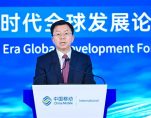
HONG KONG SAR – Media OutReach Newswire – 20 March 2025 – China Mobile International (“CMI”) hosted the AI+ Era Global Development Forum in Hong Kong on March 19. Distinguished guests included Li Huidi, Executive Vice President of China Mobile; Mu Chenhong, Deputy Director of the Information Center, Liaison Office of the Central People’s Government in the Hong Kong SAR; Wong Chi Kwong, Tony, JP, the Commissioner […]

Wizz Air Abu Dhabi has announced the inauguration of a direct flight service connecting Abu Dhabi to Beirut, commencing on June 4, 2025. This development is seen as a strategic move to capitalize on Lebanon’s burgeoning tourism sector following a prolonged period of conflict.

The ultra-low-cost carrier will operate three weekly flights to the Lebanese capital, with fares starting at 359 AED. This initiative underscores the airline’s commitment to expanding its network in the Middle East, aiming to cater to both the visiting friends and relatives segment and leisure travelers. The introduction of this route is anticipated to enhance connectivity between the UAE and Lebanon, facilitating increased tourism and business exchanges.

The decision to launch this route aligns with Lebanon’s efforts to rejuvenate its tourism industry, which has been severely impacted by the 14-month conflict between Israel and Hezbollah. The ceasefire agreement, effective since November 27, 2024, has ushered in a period of relative stability, prompting optimism among stakeholders in the tourism sector. However, challenges persist, particularly in regions near the southern border, where access to certain tourism projects remains restricted due to security concerns.

The World Bank estimates that Lebanon requires approximately $11 billion for reconstruction and recovery following the extensive damages incurred during the conflict. Despite these challenges, there is a palpable sense of hope as displaced residents begin to return, and businesses, including those in the tourism sector, initiate rebuilding efforts. The resumption of international flights, such as Wizz Air Abu Dhabi’s new route, is expected to play a pivotal role in this recovery process by boosting tourist arrivals and stimulating economic activity.

Johan Eidhagen, Managing Director of Wizz Air Abu Dhabi, expressed enthusiasm about the new route, stating that it reflects the airline’s strategy to expand its network and offer affordable travel options to emerging destinations. He emphasized the potential of Beirut as a vibrant city with rich cultural heritage, making it an attractive destination for travelers from the UAE and beyond.

The Lebanese government has also been proactive in its efforts to revitalize the tourism industry. Initiatives include infrastructure development, promotional campaigns targeting international markets, and collaborations with airlines to enhance accessibility. The introduction of Wizz Air Abu Dhabi’s flights is expected to complement these efforts by providing a cost-effective travel option, thereby attracting a broader demographic of tourists.

However, the path to full recovery is fraught with challenges. The lingering effects of the conflict, coupled with economic constraints, necessitate concerted efforts from both the public and private sectors. Ensuring the safety and security of tourists, rebuilding damaged infrastructure, and restoring confidence among international travelers are critical components of this recovery strategy. The collaboration between airlines like Wizz Air Abu Dhabi and Lebanese authorities signifies a positive step towards achieving these objectives.

Arabian Post Staff -Dubai President Donald Trump hosted Sheikh Tahnoon bin Zayed Al Nahyan, the United Arab Emirates’ National Security Adviser and Deputy Ruler of Abu Dhabi, at the White House on Tuesday evening. The meeting underscored the enduring ties between the two nations and focused on enhancing cooperation in technology and investment sectors. In a statement following the dinner, President Trump highlighted the significance of the […]

Global investors have executed a historic shift in their portfolios, markedly reducing exposure to U.S. equities while increasing allocations to European stocks. This movement reflects growing apprehensions about the U.S. economic outlook and a more optimistic view of Europe’s financial prospects.

A Bank of America survey revealed that fund managers decreased their U.S. equity holdings by 40 percentage points, transitioning from a 17% overweight position in February to a net underweight of 23% in March. This represents the most substantial reduction on record, surpassing adjustments observed during previous economic downturns. The survey, which included 171 participants managing $477 billion in assets, underscores a significant reevaluation of investment strategies in response to emerging global economic challenges.

Several factors have contributed to this shift. Investors express heightened concerns over stagflation—a combination of stagnant economic growth and high inflation—and the potential repercussions of escalating trade tensions. The perception of diminishing U.S. economic exceptionalism has further fueled these apprehensions, leading to a reassessment of asset allocations.

In contrast, European equities have experienced increased investor interest. Allocations to Eurozone stocks surged by 27 percentage points, reaching the highest level since mid-2021. Approximately 39% of global investors now hold overweight positions in European equities, reflecting a growing confidence in the region’s economic resilience and potential for growth.

This reallocation is also evident among UK investors, who have increased their exposure to domestic stocks while reducing U.S. equity holdings. This trend suggests a broader reevaluation of investment strategies, with a renewed focus on local markets perceived as more stable or promising under current global economic conditions.

The technology sector, once a stalwart of U.S. market growth, has seen a notable decline in investor sentiment. Conversely, sectors such as utilities and banking have gained favor, indicating a strategic pivot towards more traditionally stable industries amid economic uncertainty.

Despite these shifts, some hedge funds have begun cautiously reinvesting in U.S. equities following significant sell-offs. This activity suggests that certain investors perceive potential value in the U.S. market, although this perspective is not yet widespread.

The broader implications of this investment reallocation are multifaceted. For the U.S., reduced equity allocations could signal waning confidence in its economic trajectory, potentially leading to decreased capital inflows and subdued market performance. Conversely, Europe’s attractiveness to investors may bolster its markets, providing a counterbalance to global economic headwinds.

This strategic pivot underscores the dynamic nature of global investment landscapes, where economic indicators, geopolitical developments, and market sentiments continually influence capital distribution. Investors’ current preference for European equities over U.S. stocks reflects a nuanced assessment of risk and opportunity in an evolving economic environment.

The global economy is experiencing fresh waves of volatility as Trump’s second term reignites trade conflicts, currency battles, and inflationary pressures. Markets have already reacted—tariff hikes on Chinese goods, retaliatory measures from Beijing, and escalating tensions with Europe are shifting capital flows at a breakneck pace. Investors can’t afford to be complacent. They must position portfolios to withstand uncertainty, hedge against risk, and seize opportunities in this […]

CME Group, the world’s largest futures exchange, has introduced Solana futures contracts, providing institutional investors with an additional tool for trading the popular cryptocurrency. This move marks a significant step in the expansion of derivatives markets, particularly as digital assets like SOL continue to rise in prominence within the blockchain ecosystem.

The introduction of Solana futures comes at a time when demand for cryptocurrency-related products among institutional players is growing. By expanding beyond traditional spot trading and options, CME Group is responding to a clear market trend: the increasing appetite for advanced financial instruments in the digital asset space. With the launch of these futures contracts, CME Group further solidifies its position as a leader in cryptocurrency derivatives trading, following its successful rollouts of Bitcoin and Ethereum futures.

For institutional investors, Solana futures provide a method of hedging risk and gaining exposure to the cryptocurrency market without having to directly own or manage the underlying asset. Futures contracts are particularly useful for large-scale traders, offering opportunities to speculate on price movements and manage the volatility associated with crypto assets. The addition of SOL futures further diversifies the range of cryptocurrency products available on the CME Group’s platform, complementing its existing offerings.

SOL, the native cryptocurrency of the Solana blockchain, has seen impressive growth in recent months. It continues to strengthen its position as a leading layer 1 network, noted for its fast transaction speeds and low costs, which have made it a popular choice for developers. As the blockchain ecosystem continues to evolve, Solana’s robust performance in areas like decentralized finance , NFTs, and gaming has contributed to a growing number of use cases, driving interest among both retail and institutional investors.

The rise of Solana can be traced to its unique combination of scalability and decentralization, offering an alternative to slower and more expensive platforms like Ethereum. In particular, Solana’s ability to process thousands of transactions per second at a fraction of the cost of its competitors has made it an attractive option for developers seeking high-performance blockchain solutions. This technical advantage is reflected in the increasing adoption of the Solana network, further contributing to its growing market capitalization and network activity.

As the launch of Solana futures unfolds, the attention is on how the product will be received by institutional traders, many of whom have previously shown a preference for more established cryptocurrencies like Bitcoin and Ethereum. However, the entry of new institutional investors into the Solana market could be a game-changer. The volatility that characterises Solana’s price movements may appeal to institutional traders looking for more active trading opportunities and higher-risk, higher-reward positions. Moreover, the futures contracts offer a way to gain exposure to Solana’s price without being directly affected by the underlying volatility in the same way as spot holders.

In addition to its core functionality as a trading tool, the launch of Solana futures is also indicative of broader trends within the cryptocurrency market. The growing institutional interest in digital assets has led to a surge in derivative products, enabling sophisticated trading strategies that were once unavailable in the traditional financial markets. The success of Bitcoin and Ethereum futures, which have attracted billions in liquidity, serves as a precedent for the growing acceptance of cryptocurrencies in institutional investment portfolios.

The move to introduce Solana futures aligns with CME Group’s broader strategy of offering diverse cryptocurrency-related products to meet the needs of institutional investors. By expanding its product offering to include Solana, CME Group not only attracts more traders to its platform but also increases the legitimacy of the cryptocurrency market within traditional financial systems. This development is likely to encourage further innovation and investment in the sector.

Beyond Solana’s technical advantages, the timing of its futures contract launch also positions CME Group strategically within the broader cryptocurrency landscape. As the digital asset market continues to mature, institutional adoption is poised to grow, with more regulatory clarity and financial infrastructure emerging. As one of the first exchanges to offer a futures contract for Solana, CME Group places itself at the forefront of this market evolution.

Despite Solana’s recent successes, challenges remain for the network. The blockchain’s rapid growth has been accompanied by concerns over network stability, with occasional outages raising questions about the scalability and reliability of its technology. While these issues have not significantly hindered Solana’s progress to date, any technical difficulties could potentially affect investor confidence in the network. However, as Solana continues to innovate and improve its infrastructure, its position in the crypto space looks increasingly secure.

The introduction of Solana futures is expected to bring increased liquidity to the market, further boosting its visibility and legitimacy in the eyes of institutional investors. For CME Group, the move represents a strategic push to offer products that cater to the growing demand for cryptocurrency-based trading instruments, and it reflects the evolving nature of digital asset markets.

Marrakech is set to become the epicentre of technological innovation as it hosts the third edition of GITEX Africa from 14 to 16 April 2025. Under the High Patronage of His Majesty King Mohammed VI, this event is organised by the Ministry of Digital Transition and Administration Reform in collaboration with the Digital Development Agency and KAOUN International. GITEX Africa has rapidly established itself as the continent’s […]

Brazil’s financial landscape is poised for a potential transformation as the National Congress deliberates a bill proposing the legalization of salary payments in Bitcoin and other digital assets. Introduced by Luiz Philippe de Orleans e Bragança, a former federal deputy from São Paulo, the legislation seeks to grant Brazilian workers the option to receive up to 50% of their wages and benefits in cryptocurrencies, with the remainder paid in the national currency, the Brazilian real.

The proposed bill establishes a legal framework for employees and employers who mutually agree to utilize digital assets for compensation. Importantly, it does not mandate the acceptance of Bitcoin but provides a voluntary avenue for those interested in integrating cryptocurrencies into their remuneration packages. Employees retain the right to discontinue this payment method at any time, ensuring flexibility and autonomy in their financial decisions.

To maintain the stability and practicality of the national currency, the bill stipulates that at least 50% of salaries must be disbursed in Brazilian reals. This provision ensures that while embracing innovative payment methods, the traditional monetary system remains integral to daily transactions. The legislation specifically excludes freelancers, foreigners, and self-employed individuals, as their payment arrangements fall under the purview of the Central Bank of Brazil.

For the bill to become law, it must first secure approval from the plenary session of the House of Representatives through a majority vote. Subsequently, it will proceed to the Federal Senate for final consideration. If enacted, this legislation could position Brazil at the forefront of cryptocurrency adoption, potentially influencing other nations to explore similar integrations of digital assets into their financial systems.

Proponents of the bill argue that legalizing Bitcoin salary payments could enhance Brazil’s appeal as a global hub for digital assets, attracting foreign investment and fostering technological innovation. Luiz Philippe de Orleans e Bragança emphasized that such measures could empower employees with greater autonomy over their earnings and align the country with emerging financial technologies.

However, the proposal has sparked a spectrum of reactions. Supporters highlight the potential benefits of embracing cryptocurrencies, including increased financial inclusion and the democratization of financial services. They argue that offering salaries in digital assets could provide workers with more control over their wealth and facilitate participation in the global digital economy.

Conversely, critics express concerns regarding the volatility of cryptocurrencies like Bitcoin, which could expose employees to financial risks. The fluctuating value of digital assets may lead to unpredictable income levels, complicating personal financial planning and budgeting. Additionally, there are apprehensions about the adequacy of existing regulatory frameworks to address potential challenges associated with widespread cryptocurrency adoption.

To address these concerns, the bill includes provisions aimed at safeguarding employees’ interests. Employers opting to offer cryptocurrency payments are required to provide detailed payment statements and ensure that workers receive financial education on market volatility and transaction security. This educational component is designed to equip employees with the necessary knowledge to navigate the complexities of digital asset markets responsibly.

Brazil’s current stance on cryptocurrencies is relatively progressive. In December 2022, the country established a licensing regime for virtual asset service providers, aiming to legalize crypto as a payment method. Prior to this, while cryptocurrencies were not banned, they were discouraged due to operational risks. The Central Bank of Brazil had issued statements cautioning against the use of cryptocurrencies, citing concerns over financial stability and consumer protection.

The introduction of this bill reflects a broader trend of increasing interest in integrating cryptocurrencies into mainstream financial practices. Several countries have been exploring the potential of digital assets, with varying degrees of regulatory acceptance. Brazil’s move to consider Bitcoin salary payments signifies a notable step towards embracing the evolving digital economy.

As the bill undergoes legislative scrutiny, its potential implications for Brazil’s economy, workforce, and financial system remain subjects of keen observation. The outcome will likely influence not only the future of cryptocurrency adoption in Brazil but also serve as a reference point for other nations contemplating similar initiatives.

In the interim, stakeholders, including employers, employees, financial institutions, and regulators, are encouraged to engage in comprehensive dialogues to assess the benefits and risks associated with cryptocurrency-based salary payments. Such discussions are crucial to ensure that any transition towards digital asset integration is conducted with prudence, safeguarding the interests of all parties involved.

Asset management firm Ninety One Plc is increasing its investments in United Arab Emirates equities to mitigate exposure to the ongoing trade tensions initiated by U.S. President Donald Trump. The company’s emerging-markets equity team, overseeing $11 billion in assets, is targeting markets less affected by U.S. tariffs, according to co-portfolio manager Varun Laijawalla. This strategy includes acquiring shares in UAE-based companies such as Emaar Properties PJSC and Abu Dhabi Commercial Bank PJSC.

Emaar Properties, a leading real estate developer in the UAE, has experienced fluctuations in its stock performance. On March 14, 2025, the Dubai Financial Market index declined by 0.9%, influenced by losses in the real estate sector due to new tariff threats from President Trump. Emaar Properties and its construction subsidiary, Emaar Development, saw their shares decrease by 2.2% and 2.8%, respectively.

Despite these short-term declines, Emaar Properties has demonstrated resilience over the past year. The company’s stock has shown a 69.91% increase over the last 12 months, indicating strong growth potential.

Abu Dhabi Commercial Bank , another focus of Ninety One’s investment strategy, has also shown notable financial performance. In 2024, ADCB reported revenues of AED 16.61 billion, marking a 19.64% increase compared to the previous year’s AED 13.88 billion. Earnings for the same period reached AED 8.74 billion, reflecting an 11.80% increase.

The bank’s stock has been trading within a 52-week range of AED 7.61 to AED 12.60, with a market capitalization of approximately AED 76.67 billion.

Ninety One’s strategic move to invest in UAE markets aligns with its objective to find “uncorrelated markets” less susceptible to the adverse effects of U.S. tariffs. The firm, formerly known as Investec Asset Management, rebranded to Ninety One in 2020 to reflect its founding year and has since been listed on both the London and Johannesburg Stock Exchanges.

As of December 31, 2022, Ninety One managed approximately $159 billion in assets, offering a range of active strategies across equities, fixed income, multi-asset, and alternative investments.

The firm’s decision to bolster investments in the UAE comes amid broader market reactions to global trade tensions. On March 11, 2025, major Gulf markets experienced declines due to investor concerns over a potential U.S. recession triggered by widespread trade conflicts. The Saudi Arabian index fell by 1.3%, with significant decreases in Al Rajhi Bank and Saudi National Bank. Similarly, Dubai’s index decreased by 1.1%, affected by a 2.3% drop in Emaar Properties and a 1.9% decline in Emirates NBD.

However, by March 12, 2025, Gulf stock markets displayed mixed results amid hopes for a Ukraine ceasefire and ongoing concerns over U.S. tariffs. Dubai’s main index rose by 0.7%, led by gains in Emaar Properties and Dubai Islamic Bank, while Abu Dhabi’s index increased by 0.4%. Conversely, Saudi Arabia’s index experienced a slight decline of 0.1%.

The UAE’s economic environment presents opportunities for investors seeking markets less correlated with U.S. trade policies. Ninety One’s targeted investments in companies like Emaar Properties and ADCB reflect a strategic approach to navigating global trade uncertainties while capitalizing on the growth potential within the UAE.

Emaar Properties continues to be a significant player in the UAE’s real estate sector, with a market capitalization of AED 122.42 billion and a dividend yield of 7.22%. The company’s earnings per share stand at AED 1.53, and it is scheduled to release its next earnings report on May 8, 2025.

Abu Dhabi Commercial Bank maintains a strong presence in the UAE’s banking industry, with a public float of 2.91 billion shares. The bank’s robust financial performance and strategic initiatives position it well to navigate the challenges posed by global trade dynamics.

Ninety One’s emphasis on identifying investment opportunities in markets less affected by U.S. tariffs underscores its commitment to delivering value to its clients while mitigating risks associated with global trade tensions. By focusing on the UAE’s resilient sectors, the firm aims to achieve sustainable growth in an increasingly complex economic landscape.


ADNEC Group has achieved a historic milestone by contributing AED8.5 billion to the UAE economy in 2024, surpassing the AED7.4 billion recorded in 2023. This achievement underscores the group’s expanding influence in bolstering economic growth and aligns with the UAE’s strategic goal of fostering a diversified, knowledge-based economy. Humaid Matar Al Dhaheri, Managing Director and Group CEO of ADNEC Group, remarked that 2024 has been a landmark […]

Goldman Sachs, the world’s second-largest investment bank, has, for the first time, acknowledged the significance of cryptocurrencies in its annual shareholder letter. This marks a notable shift in the bank’s stance towards digital assets, highlighting their increasing influence in the financial industry.

The letter emphasizes that the rise of electronic trading, coupled with advancements in technologies such as distributed ledger technology , cryptocurrencies, and artificial intelligence , has intensified competition within the financial sector. Goldman Sachs notes that some competitors are offering financial products, including cryptocurrencies and other digital assets, which the bank currently does not provide. This disparity suggests a potential gap in the bank’s offerings that clients might find elsewhere.

While acknowledging the growing prevalence of blockchain and digital assets, Goldman Sachs also cautions about the associated risks. The bank points out that these technologies are still in their early stages and may be susceptible to cyberattacks and other inherent vulnerabilities. This perspective underscores the need for a balanced approach, recognizing both the opportunities and challenges presented by emerging technologies.

Goldman Sachs has been gradually exploring the cryptocurrency space. In 2021, the bank launched a cryptocurrency trading desk, marking its initial foray into digital assets. The following year, it introduced the Goldman Sachs Digital Asset Platform , aimed at facilitating the issuance and custody of digital assets such as digital bonds. These initiatives reflect the bank’s efforts to adapt to the evolving financial landscape.

Despite these developments, Goldman Sachs has maintained a cautious stance towards cryptocurrencies. The bank’s leadership has previously described Bitcoin as a speculative asset, acknowledging its potential as a store of value while highlighting its volatility. This cautious approach aligns with the bank’s emphasis on understanding and mitigating the risks associated with digital assets.

Gold prices have soared past the $3,000 per ounce mark for the first time, reflecting investors’ flight to safety amid escalating global economic uncertainties. The precious metal reached an unprecedented high of $3,004.86 during midday trading on Friday before settling slightly below this milestone later in the session. Several factors have converged to drive this historic surge. Chief among them is the intensifying trade conflict initiated by […]

VISHNU RAJA
RYO YAMADA
HITORI GOTOH
IKUYO KITA
Just in:
Yicura BioMed Advances Dual Capital and Industrial Strategy: Completes First Closing of Series B Financing Led by Gobi Partners // Crescent Enterprises venture arm funds Oyster Therapeutics development // OpenAI unveils ChatGPT Wallet for agent-led purchases // EBANX and Eneba strengthen partnership in Latin America with 138% YoY growth in payment volume // Messi affair SIT finds all-round violations // Court reinstates Police association rejig order // Fujairah highway pile-up leaves 14 dead and 30 injured // Inpex reaffirms Gulf oil strategy despite shipping constraints // China Reconciled To U.S. Curbs On Chips Exports, Woos South Korea For Supply // The Honey Trap Is The Headline, The Chip Pipeline Is The Story // High Court orders scrutiny of Thachankary hospitalisation // TORRAS Launches Two New iPhone Duo Cases from Its Popular Ostand Series, Addressing Foldable Phone Users’ Concerns About Difficult Stand Positioning and Scratches // Microsoft restores services gradually but gives no recovery deadline // Woman found dead as bank moves to repossess home // Lego restores BrickLink marketplace after security investigation // Hackers falsify NVIDIA GPU readings to mask cryptomining // L’OCCITANE Celebrates 50 Years Of Provençal Craftsmanship With Holiday 2026 Collection // US authorities dismantle North Korean cryptocurrency deception infrastructure // Microsoft apologises as Outlook services recover after outage // Salik posts Dhs1.045bn profit despite lower toll traffic //