News related to
Emerging

Qualcomm Technologies has revealed plans to establish a global engineering centre in Abu Dhabi, marking a significant expansion of its research and development footprint. The new facility will concentrate on cutting-edge technologies such as artificial intelligence, the industrial internet of things, and advanced data centre solutions, positioning Abu Dhabi as a pivotal node within Qualcomm’s worldwide network of engineering operations. This engineering centre is set to bolster […]

Donald Trump concluded his Gulf tour with the White House touting more than $2 trillion in economic agreements, a figure that has drawn significant scepticism from financial analysts and diplomatic observers. The administration presented the headline number as a demonstration of strengthened U.S.-Gulf relations and expanded economic ties. However, a detailed examination of the announced agreements reveals a far lower total when measured against firm commitments. Official […]

Greenlogue/AP Abu Dhabi Future Energy Company PJSC – Masdar has successfully raised $1 billion through its latest green bond issuance, marking a significant step in its commitment to expanding renewable energy initiatives globally. The issuance, structured in two equal tranches of $500 million with maturities of five and ten years, attracted substantial investor interest, culminating in an order book that peaked at $4.6 billion, reflecting an oversubscription […]

Wintermute, a prominent algorithmic trading firm in the digital asset sector, has inaugurated its U.S. headquarters in New York City, marking a significant step in its global expansion strategy. This move positions the firm closer to American financial markets and regulatory bodies, enhancing its engagement with U.S.-based partners.

The establishment of the New York office aligns with Wintermute’s objective to solidify its presence in the world’s largest financial market. CEO Evgeny Gaevoy emphasized the strategic importance of this development, stating that the U.S. policy landscape has become more conducive to digital asset innovation. He noted that having a physical presence in New York enables the firm to engage more directly with institutional counterparties and respond swiftly to collaborative opportunities.

As part of its U.S. expansion, Wintermute has appointed Ron Hammond as Head of Policy and Advocacy. Hammond brings nearly a decade of experience in cryptocurrency legislation, having previously served as the Senior Director of Government Relations at the Blockchain Association. His tenure on Capitol Hill included drafting the Token Taxonomy Act, a bipartisan bill aimed at providing regulatory clarity for digital assets.

Hammond’s role at Wintermute involves leading policy engagement efforts across federal and state levels. He will provide technical input on legislation, contribute policy ideas, and coordinate responses to emerging proposals. Hammond expressed enthusiasm about joining Wintermute, highlighting the firm’s potential to contribute meaningfully to the development of the U.S. digital asset regulatory framework.

Wintermute’s decision to establish a U.S. headquarters comes amid a broader trend of crypto firms expanding into the American market, driven by evolving regulatory clarity and institutional adoption. The firm reports an average daily trading volume exceeding $15 billion and operates across more than 60 centralized and decentralized exchanges. Its services include over-the-counter trading and liquidity provision, catering to a global clientele.

Duamentes Gaming Report 2025 highlights the urgent need for change: player retention is broken, and most studios fail to understand what players actually want — and by the time they find out in beta, it’s too late to save the game or the business behind it. The GameDev industry has stopped growing. Despite strong top-line numbers — mobile ($96.2B), console ($52.4B), and PC ($40.4B) — studios are being stretched […]

CoreSite, a prominent U.S. data centre colocation provider, has chosen Nokia to implement a comprehensive upgrade of its IP routing infrastructure spanning 30 data centres across the country. This collaboration aims to enhance network performance, reliability, and scalability to meet the surging demand for data-intensive applications and cloud services. The agreement covers the deployment of Nokia’s high-performance IP routing solutions, integrating both edge and core network capabilities […]

Lakshmi Mittal, the steel magnate and one of Britain’s wealthiest individuals, has secured ownership of a lavish mansion in Dubai’s Emirates Hills, a neighbourhood often referred to as the “Beverly Hills of Dubai.” The transaction, completed earlier this year, underscores the growing trend of affluent individuals investing in the city’s luxury real estate market. Emirates Hills, developed by Emaar Properties, is renowned for its exclusivity and opulence. […]

Advertisements

Exploring the Risks and Opportunities of AI Applications in Cybersecurity HONG KONG SAR – Media OutReach Newswire – 14 May 2025 – Co-organised by Cyberport and the Hong Kong Cybersecurity Professionals Association, the “AI x Cybersecurity Forum” took place today at Cyberport. Under the theme “Navigate the Future of AI-Powered Cybersecurity,” the forum brought together over 400 government representatives, cybersecurity experts, leaders from academia and the technology […]

Nexchain, a United Kingdom-based blockchain startup, has raised $1.5 million in its ongoing presale, marking a significant milestone as it enters Stage 10 with its native token, $NEX, priced at $0.038. The project, which aims to integrate artificial intelligence into blockchain infrastructure, is attracting attention from investors seeking innovative opportunities in the cryptocurrency space.

Nexchain positions itself as the world’s first Layer-1 AI-powered blockchain, designed to enhance transaction speed, security, and scalability. The platform employs a hybrid consensus mechanism combining Proof-of-Stake with AI-driven algorithms, allowing for adaptive transaction validation and network management. This approach aims to process up to 400,000 transactions per second, significantly surpassing the capabilities of many existing blockchain networks.

The $NEX token serves multiple functions within the Nexchain ecosystem, including payment for transaction fees, staking rewards, and participation in governance decisions. Token holders are entitled to a share of the network’s revenue, with 10% distributed among those who stake their tokens in decentralized finance wallets. This model is designed to incentivize long-term holding and active participation in the platform’s development.

Nexchain’s roadmap outlines a series of developments aimed at enhancing the platform’s capabilities. The testnet launch is scheduled for the second quarter of 2025, featuring public testing of smart contracts and AI modules. The mainnet release is planned for the fourth quarter, introducing full AI blockchain implementation and support for decentralized AI applications across various industries, including finance, healthcare, and supply chain management.

The presale, which began on March 18, 2025, is set to continue until December 30, 2025, with a soft cap of $20 million and a hard cap of $50 million. The total token supply is capped at 2.15 billion $NEX, with allocations designated for marketing, rewards, treasury, ecosystem development, and team incentives.

Investor interest in Nexchain is bolstered by its plans for listings on major cryptocurrency exchanges, including Coinbase, Bybit, OKX, MEXC, Bitget, Gate, and KuCoin. The project accepts a diverse range of cryptocurrencies for contributions, such as BTC, ETH, BNB, TRC, TON, SOL, BASE, USDT, USDC, TRUMP, and DOGE, with a minimum investment threshold of $10.

Nexchain’s integration of AI into blockchain technology aims to address longstanding challenges in the industry, such as scalability and security. By leveraging AI for real-time data analysis and decision-making, the platform seeks to optimize operations and enhance user experience. Its AI-driven smart contracts are designed to self-optimize and respond intelligently to changing conditions, offering a dynamic approach to contract execution.

The platform’s emphasis on interoperability allows for seamless communication between different blockchain networks, facilitating the development of applications that can operate across multiple platforms. This feature is particularly relevant as the blockchain industry continues to evolve towards greater integration and collaboration among diverse ecosystems.

Security remains a focal point for Nexchain, which employs post-quantum cryptography and AI-driven security measures to safeguard the network against emerging threats. These protocols are designed to detect and respond to anomalies in real-time, enhancing the platform’s resilience and reliability.

Supermicro, a prominent American server technology company, has entered into a transformative partnership with Saudi data centre developer DataVolt. This landmark deal, valued at $20 billion, is set to accelerate the deployment of ultra-dense GPU platforms and rack-scale systems across DataVolt’s extensive infrastructure. The collaboration signals a robust technological alliance between the United States and Saudi Arabia, with both parties committing to ambitious infrastructure projects in the […]

The US Federal Reserve has stopped sugar-coating it: stagflation is no longer a fringe fear. It’s a looming threat. Last week’s sharp warning from Chair Jerome Powell confirmed what many of us in the global financial community have anticipated for months. Slower growth, persistent inflation, and rising unemployment are converging in a way that should set off alarm bells for investors worldwide. Make no mistake—this isn’t an […]

The new residential development presents a unique investment opportunity, featuring premium amenities in one of Dubai’s most sought-after locations.   IKR Development is an emerging real estate developer in Dubai, committed to crafting contemporary residential projects. IKR has partnered with Golden Bridge, UAE’s leading sales and marketing partner, to launch a new masterpiece, Provenza Residences. The project was officially announced at the IKR Sales Center. Golden Bridge […]

By Saifur Rahman The governments and the private sector in the GCC are investing heavily in infrastructure and creating world-class race tracks for the development of motorsports that, coupled with strong interest among the local youth are spearheading the motorsports in the region. Home to two global Formula 1 race tracks, the region is yet to become a global hotspot for motorsports. Although a lot of youngsters […]

ValorC3 Data Centers has unveiled plans to construct a state-of-the-art 10MW colocation facility in Boise, Idaho. The project is a strategic move to meet growing demand for high-performance infrastructure capable of supporting artificial intelligence and other cutting-edge technologies. The new facility is expected to position Boise as a key hub in the U.S. data centre landscape, reinforcing the region’s role in the digital economy. This major development […]

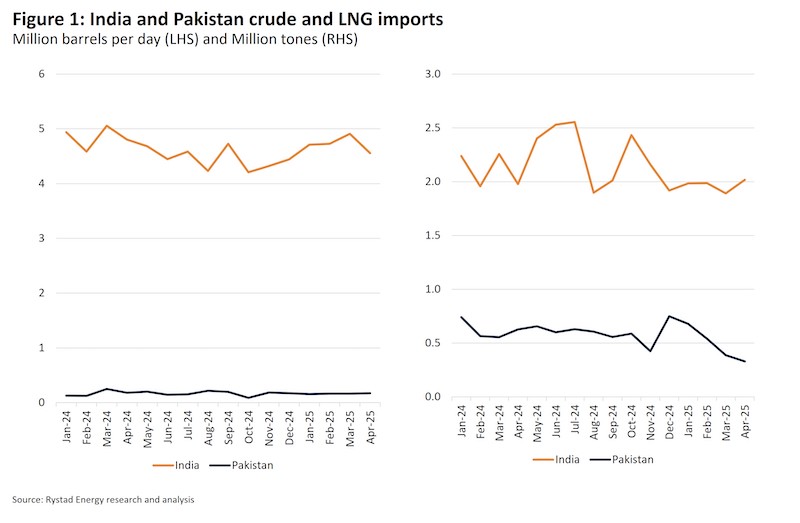
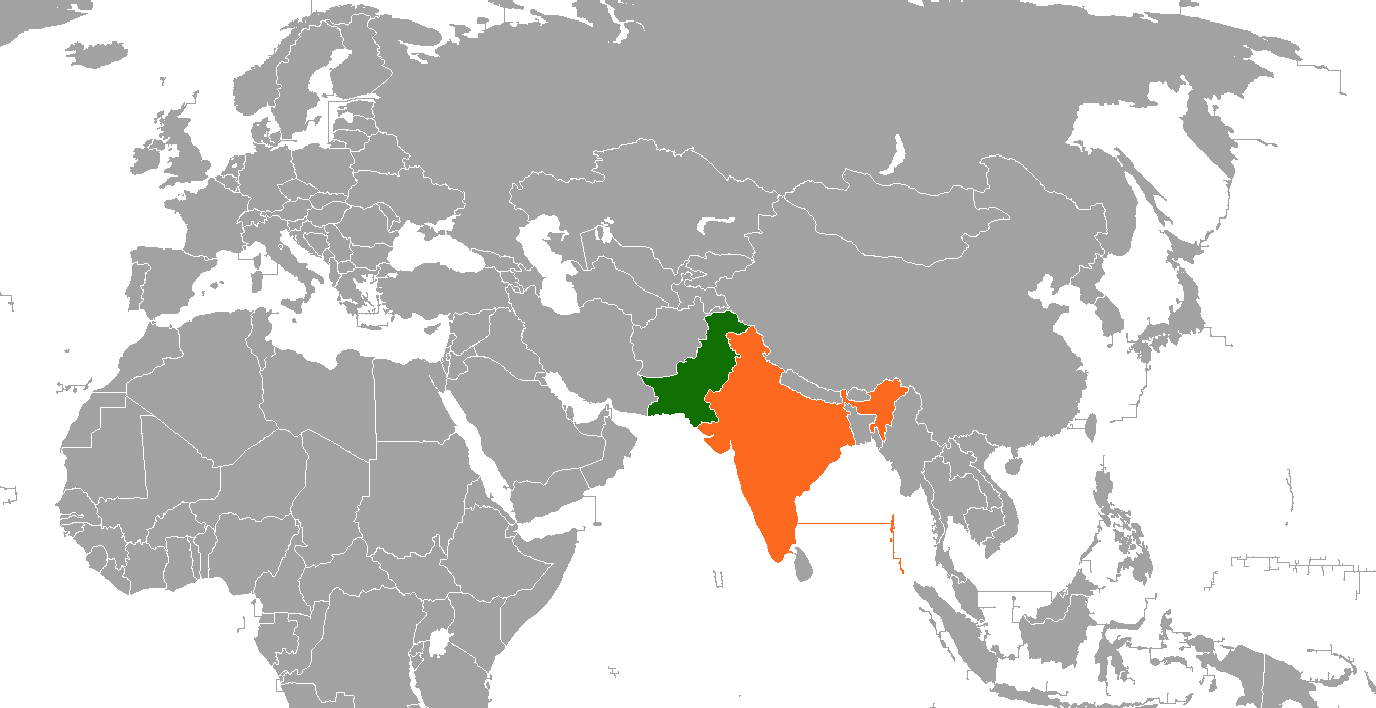
By K Raveendran Reports from across the border suggest that Pakistan is already suffering a fuel crisis, with petrol pumps having been ordered closed for the time being. An analysis of the emerging energy scenario in the wake of the ongoing conflict suggests the beginning of a serious crisis for Pakistan, while India is relatively […]

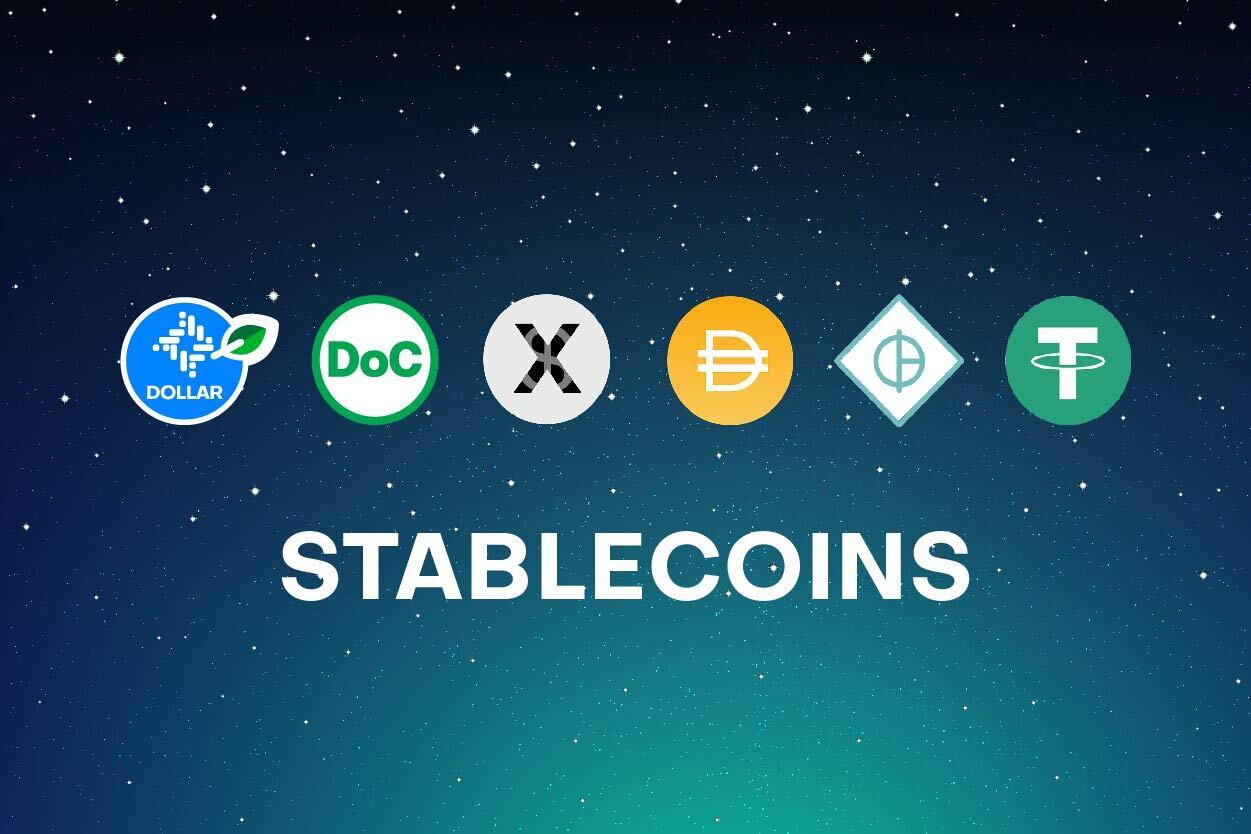
Stablecoin transaction volumes have reached a record $1.82 trillion in April 2025, marking a significant milestone in the evolution of digital finance. This surge is attributed to increased real-world applications, including cross-border payments, remittances, and institutional settlements, rather than speculative trading.

The stablecoin market has experienced substantial growth, with the total market capitalization surpassing $234 billion by late March 2025. This expansion is driven by the adoption of stablecoins in various sectors, including decentralized finance and traditional financial institutions. Tether’s USDT remains the dominant stablecoin, with a supply exceeding $146 billion, while Circle’s USDC has doubled its market capitalization to $56 billion.

The integration of stablecoins into traditional financial systems is evident, with major banks and financial institutions exploring their use for efficient and cost-effective transactions. The adoption of stablecoins in over 70 countries has facilitated cross-border payments and remittances, reducing costs and improving transaction speeds. Emerging markets, in particular, have embraced stablecoins as a hedge against local currency volatility.

Regulatory developments have also played a role in the growth of stablecoins. In 2024, 12 countries, including the US, UK, and Singapore, introduced stablecoin-specific regulatory frameworks. The European Union’s Markets in Crypto-Assets regulation has enforced stricter compliance for stablecoin issuers, enhancing transparency and investor confidence.

The technological infrastructure supporting stablecoins has evolved, with blockchain networks like Solana and Ethereum facilitating increased transaction volumes. Solana has become the most active blockchain for stablecoin transfers, overtaking Tron and Ethereum in early 2024. This shift is attributed to Solana’s high transaction speeds and low costs, making it an attractive platform for stablecoin transactions.

The role of automated trading systems, or bots, has become more prominent in the stablecoin ecosystem. In 2024, bot-driven trading accounted for 70% of total stablecoin transaction volumes, particularly on networks like Ethereum, Base, and Solana. While concerns exist about market manipulation, these systems have also improved efficiency by facilitating arbitrage and executing recurring smart contract transactions.

Abu Dhabi Investment Office has announced the expansion of its San Francisco office, aiming to bolster the emirate’s economic clusters and facilitate global innovation, particularly in the healthcare sector. This move is part of a broader strategy to position Abu Dhabi as a central hub for health technology and related industries. The San Francisco office, situated in a region renowned for its advancements in health tech, biotech, […]

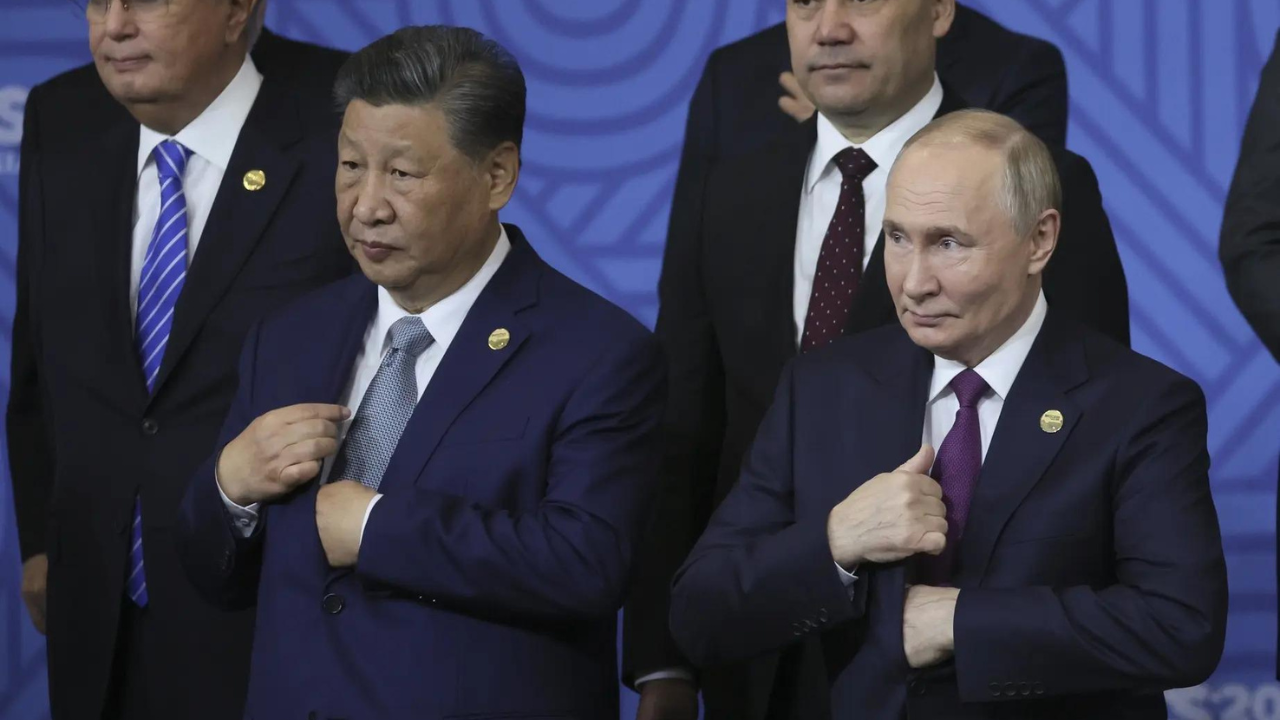
By Nitya Chakraborty The joint declaration issued by the Russian President Vladimir Putin and the Chinese President Xi Jinping on the eve of the Victory Day on May 9 upholding longstanding friendship to pursue mutual benefit and win-win outcomes in the new era carries major significance in the present period of global tariff war as […]

HO CHI MINH CITY, VIETNAM – Media OutReach Newswire – 9 May 2025 – Castel Châteaux & Grands Crus proudly announces the Best Young Sommelier Competition by Castel Châteaux & Grands Crus – Asia Edition 2025, a landmark event designed to cultivate and celebrate the next generation of sommeliers talent throughout Asia. This prestigious competition will serve as a crucial stepping stone for candidates, preparing them for […]

Tensions between India and Pakistan have prompted the closure of 24 airports in India, severely impacting civil aviation operations. The Ministry of Civil Aviation confirmed the development late on Thursday, citing security concerns due to the heightened situation. The airports, which include both major and smaller regional facilities, will be closed for an indefinite period, severely disrupting domestic and international flight schedules.

Airlines have also issued travel advisories, urging passengers to verify their flight status before heading to the airports. With the closures affecting airports in multiple states, airline operators have scrambled to adjust their operations. Several flights have been rerouted, while others have been delayed or cancelled entirely.

The decision to temporarily halt civil aviation activities was taken in light of the worsening security situation, as both nations engage in a war of words, following escalating border tensions and military skirmishes. Experts suggest that these disruptions could have significant economic consequences, especially for air traffic and tourism in India.

The airports affected include some of the busiest in the country, which serve as key hubs for both international and domestic flights. Among those closed are airports in major cities such as Mumbai, Delhi, and Bangalore, although smaller regional airports, especially those located closer to the western border, have also been impacted.

Authorities have not specified the exact nature of the threat leading to the closures but have made it clear that national security remains the top priority. Government sources indicate that security agencies are on high alert, monitoring the situation closely. The closure of these airports is seen as a precautionary measure to prevent any potential threats to civil aviation.

Airlines, including domestic carriers such as Air India and IndiGo, have been proactive in reaching out to passengers with updated flight details. The carriers have also advised those planning to travel to check with their respective airlines for any changes to their flight schedules. The uncertainty surrounding travel dates has caused frustration among passengers, many of whom are now scrambling to rebook their tickets.

The aviation industry, which has been recovering from the significant impacts of the COVID-19 pandemic, faces yet another setback. The temporary airport shutdowns come at a time when air travel demand has been rising in India, fuelled by a growing middle class eager to travel both domestically and internationally.

Travel experts caution that the ongoing closures could strain both the logistics and the tourism sector, which had been seeing an uptick in activity after a prolonged period of restrictions. Regional tourism hotspots, especially those relying heavily on air traffic, could feel the economic ramifications of these disruptions.

The closures are not the first instance of aviation disruptions tied to geopolitical tensions between India and Pakistan. Both nations have historically imposed airspace restrictions during periods of heightened conflict, particularly along their shared border. However, the scale of this shutdown, involving 24 airports, represents a significant disruption to India’s aviation infrastructure.

The government has yet to provide a timeline for when normal operations will resume at the affected airports. Aviation authorities have urged the public to remain patient and adhere to updated guidelines. Security forces have been deployed around the airports that remain operational, and extra measures are in place to handle the surge of passengers affected by the closures.

Meanwhile, businesses in sectors reliant on air cargo are also facing disruptions, with certain freight shipments delayed due to the grounding of flights. India’s growing logistics and e-commerce industries, which depend on efficient air freight services, could experience a ripple effect from the ongoing crisis.

As the situation continues to evolve, the Indian government has promised to keep the public informed of any further developments. The Ministry of Civil Aviation has set up a helpline for affected passengers and continues to collaborate with security agencies to monitor any emerging threats.

Dubai is set to host the 19th edition of the International Apparel & Textile Fair from 20 to 22 May 2025 at the Festival Arena, positioning itself as a pivotal platform for global fashion and textile stakeholders. Organised by Nihalani Events Management, the event anticipates participation from over 600 exhibitors representing more than 27 countries, and expects to attract approximately 15,000 visitors, including buyers, designers, and industry […]

Stripe has unveiled stablecoin-powered financial accounts for businesses in 101 countries, enabling users to hold, send, and receive US dollar-pegged digital currencies. This development aims to provide a stable financial infrastructure in regions with volatile currencies and limited banking access.

The new accounts support Circle’s USD Coin and Bridge’s USDB, allowing businesses to manage balances similarly to traditional fiat bank accounts. Stripe’s acquisition of the Bridge platform in October 2024 facilitated this integration, enhancing its capabilities in the stablecoin sector.

These accounts are accessible to businesses in countries including Argentina, Chile, Turkey, Colombia, and Peru, where stablecoins are increasingly utilized as a store of value amid high inflation and capital controls. By offering a secure and efficient means of transacting in US dollar-backed digital currencies, Stripe seeks to empower entrepreneurs and companies in emerging markets.

In addition to stablecoin accounts, Stripe has introduced an AI foundation model for payments, trained on billions of transactions to improve fraud detection and authorization rates. This model has demonstrated a significant increase in the detection of card testing attacks, enhancing the security of Stripe’s payment processing services.

Stripe’s partnership with Visa further extends the utility of stablecoins. Through this collaboration, businesses can issue Visa cards linked to stablecoin wallets, enabling users to make purchases at any merchant that accepts Visa. Bridge manages the backend processes, converting stablecoin balances into local currencies during transactions.

The UAE’s blockchain market is expected to experience robust growth, with a compound annual growth rate of approximately 42% from 2025 to 2030. This surge is being driven by strategic government initiatives aimed at harnessing the potential of blockchain technology, positioning the UAE as a global leader in the sector.

The Emirates Blockchain Strategy 2021, alongside the Dubai Blockchain Strategy, has been a key factor in propelling the country’s blockchain ambitions. The UAE government aims to transform Dubai into the first city fully powered by blockchain technology, establishing the city as a central hub for digital innovation. The National Blockchain Strategy, launched to cover the period from 2021 to 2031, outlines a bold vision for the country, with a target to convert 50% of government transactions into blockchain-based systems. This initiative is set to fundamentally reshape the public sector, enhancing transparency, efficiency, and security in governmental operations.

At the heart of this growth is a clear government-driven commitment to blockchain, which has fostered a conducive environment for both local and foreign investors. By encouraging blockchain adoption across various sectors, the UAE has attracted substantial interest from international businesses seeking to tap into this emerging market.

Blockchain’s applications in sectors beyond government administration, such as finance, healthcare, and logistics, are seeing increased adoption across the UAE. The integration of blockchain into these industries promises to revolutionise processes, particularly in terms of data security and automation.

The rise in interest surrounding digital assets, especially cryptocurrencies such as Bitcoin and Ethereum, has further bolstered blockchain’s relevance in the UAE. As a growing hub for cryptocurrency, the UAE’s regulatory bodies have facilitated the establishment of secure environments where blockchain-powered digital assets can thrive. The Abu Dhabi Global Market and Dubai Multi Commodities Centre have set high standards for crypto businesses, ensuring that these ventures operate within a structured, regulated framework. This regulatory clarity has positioned the UAE as a safe and attractive destination for cryptocurrency investors and entrepreneurs.

The surge in blockchain-related developments has also had a ripple effect on startup ecosystems in the UAE. Many tech startups are focusing on blockchain innovations, tapping into the opportunities offered by a market eager for cutting-edge technology solutions. The government has offered various incentives to these startups, making it easier for entrepreneurs to develop and launch blockchain solutions across different industries. This includes support for research and development, tax incentives, and access to venture capital funding.

International investors have also shown significant interest in the UAE’s blockchain market. The country’s stable regulatory environment, coupled with its proactive stance on blockchain integration, makes it an attractive destination for global investors seeking exposure to the digital economy. The UAE’s financial and regulatory bodies, such as the UAE Central Bank, have been instrumental in ensuring that blockchain technologies are seamlessly integrated into existing financial infrastructure, laying the groundwork for future innovations in digital banking and transactions.

The UAE’s focus on blockchain adoption has resulted in collaborations with global technology giants. International companies, especially those from the fintech and tech sectors, are increasingly establishing a presence in the UAE, taking advantage of the region’s favourable business environment. These collaborations are not only elevating the UAE’s technological landscape but also contributing to the global development of blockchain technology.

One of the UAE’s strategic advantages is its ability to position itself as a gateway for the Middle East, Africa, and Asia in terms of blockchain technology. The country’s well-established infrastructure, highly developed financial services industry, and strong governmental support provide an ideal backdrop for the scaling of blockchain-related businesses and projects.

In addition, the UAE is committed to building a strong talent pool in blockchain technology. With the rapid rise of blockchain across industries, there has been a growing demand for professionals with expertise in blockchain development, smart contracts, and digital asset management. The UAE has introduced various educational initiatives to address this demand, including partnerships with international universities and the establishment of blockchain-focused training programmes.

Despite the promising outlook, the UAE’s blockchain market faces challenges, including the need for continuous technological innovation and regulatory adaptation to keep pace with the rapidly evolving sector. The country will need to ensure that its legal and financial infrastructure remains flexible and dynamic, catering to the needs of blockchain developers, crypto investors, and businesses seeking to integrate blockchain into their operations.

The adoption of blockchain technology across various sectors will require overcoming cultural and institutional resistance. Although the government has made significant strides in promoting blockchain, further education and awareness campaigns may be needed to ensure that blockchain’s potential is fully realised across all industries.


Dubai’s real estate market is poised for substantial expansion, with projections indicating a potential doubling of property values over the next five years, according to Abdullah Alajaji, CEO of Driven Properties. This optimistic outlook is underpinned by a combination of robust demand, strategic urban planning, and investor-friendly policies.

Average property prices in Dubai have surged by approximately 75% since early 2021, nearing the pre-2008 peak of AED 1,750 per square foot. This growth is attributed to a 50-month rally driven by economic resilience, liberalized visa regulations, and a significant influx of expatriates. The city’s population is projected to exceed 4 million by 2026, fueling sustained demand for residential properties, particularly in emerging areas such as Dubai South, Jumeirah Village Circle, and Dubai Hills Estate.

The luxury segment has witnessed remarkable activity, with sales of properties valued at AED 15 million and above reaching 948 transactions in 2024. Developments like Palm Jumeirah and Dubai Hills Estate have been at the forefront, attracting high-net-worth individuals seeking premium residences. The introduction of branded residences and ultra-luxury waterfront properties continues to appeal to affluent buyers.

Dubai’s government has implemented several initiatives to enhance the real estate sector’s appeal. Notably, policies allowing 100% foreign ownership of commercial companies outside free zones have been introduced, boosting investment in office and retail spaces. The expansion of the golden visa scheme has further attracted international investors, contributing to increased demand for high-end properties.

Sustainability and smart technology are increasingly influencing buyer preferences. By 2025, it is anticipated that 35% of new office spaces in Dubai will be LEED-certified, reflecting a shift towards eco-friendly developments. Smart homes equipped with IoT-enabled features, AI-powered security, and blockchain-based transaction systems are becoming more prevalent, aligning with the city’s commitment to innovation and sustainability.

The off-plan market remains a significant driver of growth, with 7,381 transactions recorded in January 2025 alone, totaling AED 15.1 billion. Flexible payment plans and attractive pricing continue to draw both foreign investors and end-users. Additionally, the redevelopment of areas like Sheikh Zayed Road and Al Jaddaf into freehold zones is expected to attract new investors and spur property value increases of 30-50% in these locations.

Despite the impressive growth, the market faces potential risks, including global economic fluctuations and oil price volatility. However, Dubai’s efforts to diversify its economy and attract foreign investment provide a solid foundation for long-term resilience. The city’s proactive approach to urban planning, coupled with its focus on sustainability and innovation, positions it favorably for continued growth in the real estate sector.

VISHNU RAJA
RYO YAMADA
HITORI GOTOH
IKUYO KITA