News related to
Emerging

Coinbase has officially added Worldcoin to its asset listing roadmap, marking a significant step toward integrating the controversial biometric-based cryptocurrency into one of the world’s most prominent digital asset exchanges. While the inclusion does not guarantee immediate trading, it signals Coinbase’s intent to support the token, pending liquidity and compliance reviews.

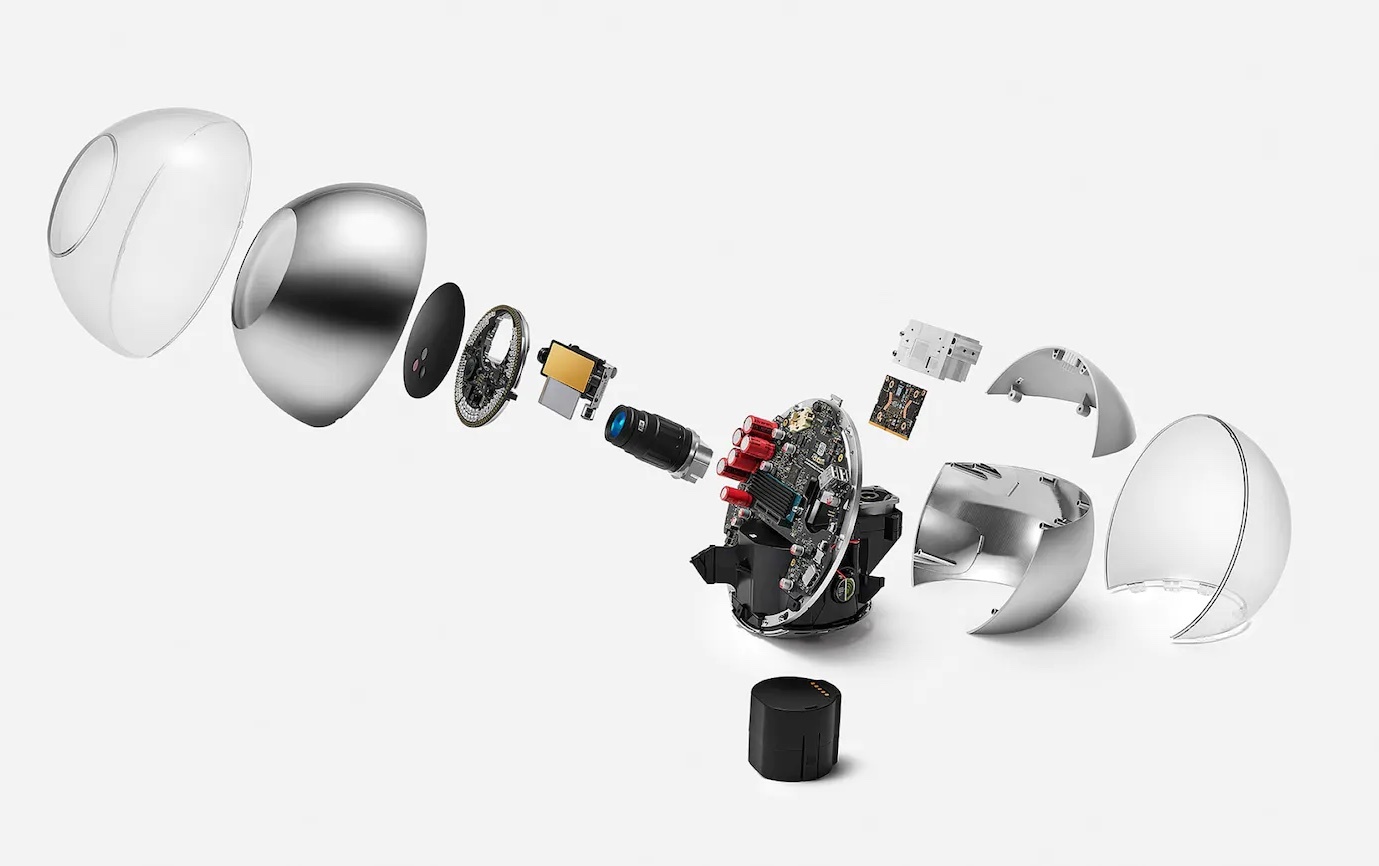
Worldcoin, spearheaded by OpenAI CEO Sam Altman, aims to establish a global digital identity system through iris-scanning devices known as “Orbs.” These devices verify users’ identities, granting them a unique World ID and distributing WLD tokens as part of an initiative to promote universal basic income in an AI-driven economy. The project, developed by Tools for Humanity, has already verified over 12 million users across more than 100 countries, despite facing scrutiny over privacy concerns.

The recent U.S. launch of Worldcoin has expanded its reach, with over 7,000 Orbs deployed in cities including Atlanta, Austin, Los Angeles, Miami, Nashville, and San Francisco. New users receive 16 WLD upon iris verification, while early adopters are granted 150 WLD, incentivizing participation in the burgeoning digital identity ecosystem.

Coinbase’s support for WLD extends to the Optimism network, an Ethereum Layer 2 scaling solution, enhancing transaction efficiency and reducing costs for users. This integration is expected to bolster liquidity and market volume for Worldcoin, potentially increasing its adoption and utility within the broader cryptocurrency landscape.

The listing aligns with Coinbase’s strategy to diversify its asset offerings and support innovative projects that address real-world challenges. However, Worldcoin’s approach has not been without controversy. Regulatory bodies in countries like Spain have raised concerns over the collection and storage of biometric data, leading to temporary suspensions and calls for stricter oversight.

Despite these challenges, Worldcoin’s proponents argue that the project offers a viable solution to the growing issue of online identity verification, particularly in distinguishing humans from AI-generated entities. The integration with Coinbase could serve as a catalyst for broader acceptance and implementation of biometric-based digital identities.

As the cryptocurrency market continues to evolve, the inclusion of Worldcoin on Coinbase’s roadmap underscores the exchange’s commitment to embracing novel technologies while navigating the complex regulatory landscape. The move also reflects a growing interest in leveraging blockchain solutions to address societal issues, such as income inequality and digital identity verification.

Worldcoin’s current market performance indicates a trading price of approximately $0.93, with a market capitalization of around $1.3 billion. The token has experienced fluctuations, reflecting investor sentiment and broader market trends. Its all-time high reached $11.80 in March 2024, highlighting the volatility inherent in emerging digital assets.

Gavi, the Vaccine Alliance, has been a cornerstone in improving health outcomes in low-income countries, particularly across Africa. Since its inception in 2000, Gavi has facilitated the delivery of vaccines to more than 700 million children, saving millions of lives. However, with Gavi’s funding facing reductions, the continent is at a critical juncture that could reshape its approach to vaccine financing and health security. Historically, Gavi has […]

By Saifur Rahman When Ho Kwon Ping, a young Stanford drop-out, saw an abandoned tin mine in Thailand’s Bang Tao Bay in Laguna Phuket area in 1984, he didn’t know what to do with it as the land that was dimmed ‘useless’ by its former occupiers. It was a patch of a waste land with no activities then. In his Stanford days, he was a firebrand social […]

A high-level delegation from Abu Dhabi has arrived in Tokyo for the inaugural Abu Dhabi Investment Forum, marking a significant step towards deepening the economic ties between the UAE capital and Japan. The four-day visit, running from May 6 to 9, sees top officials and private sector leaders from Abu Dhabi engaging with their Japanese counterparts to explore new areas of collaboration, particularly in advanced industries such […]

DUBAI, UAE – Media OutReach Newswire – 5 May 2025 – Zindi, the leading professional network for data scientists and AI developers in emerging markets, is pleased to announce that it has signed a Memorandum of Understanding (MOU) with Cassava Technologies, a global technology leader of African heritage, to deliver artificial intelligence (AI) solutions and GPU-as-a-Service (GPUaas) across the African continent. This partnership represents a significant step […]

Matein Khalid I  have not exactly been reticent in my conviction since last autumn that King Dollar was on the precipice of a seminal monetary regime shift that could mean 40% downside risk on its trade weighted index, as in 2001-06. Yet not in my wildest dreams did I anticipate that the New Taiwan dollar would surge 8% against the greenback, its best performance in 42 years, in […]

Radware, a NASDAQ-listed provider of application security and delivery solutions, has expanded its global cloud security infrastructure by establishing new service centres in Nairobi, Kenya, and in the Indian cities of Chennai and Mumbai. This strategic move aims to enhance the company’s capacity to deliver advanced cybersecurity solutions, particularly in regions experiencing a surge in digital transformation and cyber threats. The newly inaugurated centres are part of […]

Advertisements

The United Arab Emirates is set to launch artificial intelligence as a core element of its public school curriculum later this year, marking a significant step towards integrating cutting-edge technologies into education. This move comes as part of the nation’s ambitious strategy to position itself as a regional leader in AI development, aligning with its broader vision of fostering a future-ready workforce. AI will not only be […]

Saudi Arabia is set to maintain its robust initial public offering momentum in 2025, with Riyad Capital projecting up to 46 listings across the Main Market and the Nomu Parallel Market. This outlook comes despite global market volatility driven by US tariffs and trade tensions that have dampened IPO activity in other regions.

Muhammad Faisal Potrik, Head of Sell-Side Research at Riyad Capital, noted that the Saudi Main Market witnessed 14 IPOs last year and anticipates a similar range of 14 to 16 listings in 2025. The sectors expected to feature prominently include financial services, real estate, retail, technology, and aviation.

In 2024, the Kingdom led the Gulf Cooperation Council IPO market, raising $4.1 billion through 42 offerings, according to data from The Kuwait Financial Centre . This accounted for 31% of the region’s total IPO proceeds, making Saudi Arabia the second-largest contributor after the UAE. The Saudi Exchange, Tadawul, hosted 14 IPOs on its main market, collectively raising $3.8 billion, while the Nomu Parallel Market saw 28 IPOs, generating $297 million.

Notable listings included Dr. Soliman Abdel Kader Fakeeh Hospital, which was oversubscribed 119 times with orders worth $91 billion, and other companies like Almoosa Health, Miahona Utilities, and Nice One Beauty Digital Marketing, reflecting strong investor confidence.

The aviation sector is also poised for significant activity, with the Capital Market Authority approving the IPO of flynas, a budget airline backed by Prince Alwaleed Bin Talal. The company plans to sell a 30% stake and aims to expand its fleet to 160 aircraft by 2030.

Riyad Capital anticipates an 8% growth in Saudi market earnings in 2025, driven by factors such as declining interest rates, favorable global market responses, and stronger earnings growth in sectors like banking, technology, media, communications, and emerging industries. This positive sentiment is expected to bolster IPO activity further.

The Kingdom’s capital market reforms, including the introduction of new financial products like options and futures on Tadawul, have enhanced market depth and attracted increased institutional investor participation. These developments, coupled with ongoing privatization efforts and the government’s commitment to economic diversification under Vision 2030, are expected to sustain the IPO momentum.

Saudi Arabia’s focus on sectors such as healthcare, technology, and consumer services aligns with global investment trends and positions the Kingdom as a competitive destination for international investors. The continued liberalization of foreign ownership rules and the inclusion of Saudi markets in global indices further enhance its appeal.

SOAR MUSIC, a prominent global music services company, has announced its strategic entry into the Colombian market in 2025, aiming to foster a comprehensive career incubation ecosystem for Latin American music creators. The initiative seeks to empower local artists by integrating digital recruitment, offline incubation, and professional training. By collaborating with government agencies, music institutions, technology platforms, and non-profit organizations, SOAR MUSIC intends to establish an innovative […]

EDGE Group, the UAE-based defence conglomerate, has partnered with innovation platform Wazoku to launch a global challenge aimed at discovering the next generation of autonomous drone systems. The initiative seeks to identify breakthrough technologies for the deployment of unmanned aerial vehicles in defence and security environments.

The challenge, officially known as the “Drone in a Box” competition, invites innovators and tech developers from around the world to submit solutions for autonomous drone systems that can be quickly deployed and operated with minimal human intervention. The goal is to harness cutting-edge capabilities that can be integrated into defence operations, as well as security and surveillance missions in various high-risk settings.

The rapid advancement of drone technology has increasingly become a focal point for military and security agencies, with UAVs providing unique advantages in surveillance, reconnaissance, and tactical operations. The “Drone in a Box” challenge aligns with the growing demand for autonomous, all-weather drone systems that can perform a wide range of operations with ease. These systems are designed to operate within a “box” – a compact, secure, and mobile station that facilitates quick deployment, launch, and retrieval of drones in the field.

One of the core objectives of the competition is to enhance the versatility and autonomy of drones. While drones have been used for military applications for years, the ability to operate without a human operator nearby, coupled with the rapid deployment feature, marks a significant step forward in unmanned aviation technology. The challenge will focus on the development of UAVs that can autonomously take off, carry out surveillance or reconnaissance missions, return to their base, and self-dock with minimal human interaction.

The EDGE Group, through its various subsidiaries, has been at the forefront of autonomous defence systems and is committed to advancing technological solutions that address contemporary defence needs. The collaboration with Wazoku brings together expertise from the private sector, academia, and the defence industry, tapping into global ingenuity to push the boundaries of what autonomous UAV systems can achieve.

Wazoku, a leading provider of open innovation and crowdsourcing platforms, has facilitated similar challenges for other industries, allowing a global pool of innovators to collaborate on solving complex technological problems. With its established expertise in running innovation challenges, Wazoku is set to provide a framework for the competition that will allow the best and most viable solutions to be identified and potentially implemented by EDGE Group and its partners.

The competition is structured to attract submissions from a diverse range of organisations, including small tech startups, academic researchers, and larger technology companies. By opening up the challenge to a global audience, EDGE Group and Wazoku aim to tap into a wide array of ideas and designs that could help revolutionise the way UAVs are deployed in critical military and security operations.

The “Drone in a Box” challenge is part of EDGE Group’s broader strategy to modernise and innovate within the defence sector. The company has made significant investments in AI-driven technologies, autonomous systems, and digital transformation to meet the evolving needs of modern warfare. With a focus on operational efficiency and rapid decision-making, EDGE Group’s collaboration with Wazoku further strengthens its commitment to pioneering new technologies that enhance the operational capabilities of armed forces.

Drone systems that require minimal human intervention, yet offer high reliability and durability, are increasingly seen as a solution to challenges such as high operational costs, limited personnel availability, and the need for faster response times in security operations. The versatility of UAVs, particularly in hostile or difficult-to-reach environments, allows for surveillance of vast areas, monitoring of high-risk locations, and even providing immediate tactical support during military operations.

As governments and security agencies around the world seek to enhance their technological capabilities, autonomous UAV systems like the ones envisioned by the “Drone in a Box” challenge are expected to play an integral role. These systems could be used for border patrols, disaster response, counterterrorism, and a wide range of other operations where traditional manpower may be limited or too costly to deploy.

The global nature of the competition reflects the increasingly international landscape of the defence sector, where collaboration between countries, organisations, and industries is key to staying ahead of emerging threats. By reaching out to innovators worldwide, EDGE Group hopes to source solutions that are not only technologically advanced but also adaptable to the diverse and dynamic environments faced by security forces worldwide.

Experts believe that autonomous drones, if successfully integrated into military and security operations, could drastically reduce the risk to human personnel while simultaneously enhancing the capabilities of defence systems. These unmanned aerial vehicles have the potential to carry out missions in environments that may be too dangerous or inaccessible for traditional human-led operations, such as conflict zones, disaster sites, or areas with hazardous conditions.

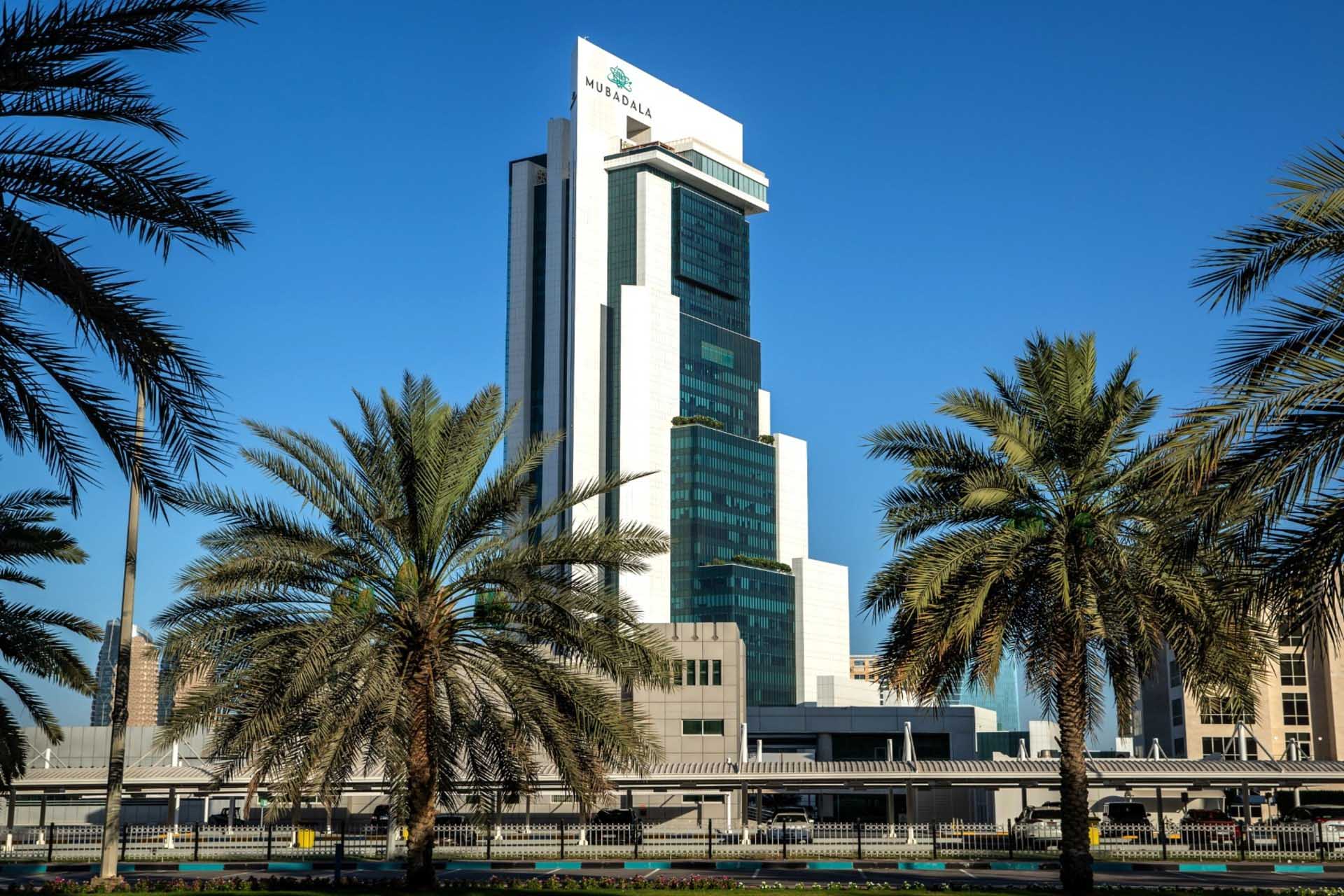
Abu Dhabi’s Mubadala Capital is set to lead a $10 billion syndicated investment into TWG Global, marking a significant move into the global sports and entertainment sector. This partnership not only positions Mubadala at the forefront of high-value sports investments but also reflects a broader trend among Gulf sovereign wealth funds diversifying their portfolios beyond traditional assets.

TWG Global, co-chaired by Mark Walter and Thomas Tull, manages a diverse portfolio that includes stakes in prominent sports franchises such as the Los Angeles Dodgers, Los Angeles Lakers, and Chelsea FC. The conglomerate, valued at approximately $40 billion, also invests in sectors like artificial intelligence, biotechnology, and media. Walter, known for his role in Guggenheim Partners, and Tull, former owner of Legendary Entertainment, bring extensive experience in both finance and entertainment to the venture.

The investment deal includes TWG Global acquiring a minority stake in Mubadala’s asset management platform for $2.5 billion. This strategic move aims to increase commitments to an additional $20 billion of investment capital, signaling a deepening collaboration between private investment firms and sovereign wealth funds.

Global SWF, a sovereign fund tracker, described the partnership as “a new chapter in global finance,” highlighting the innovative nature of a private firm acquiring a stake in a sovereign wealth fund’s asset management arm. This arrangement provides Mubadala with indirect ownership exposure to iconic Western sports franchises, aligning with the rising valuations of global sports assets and the convergence of content, fan engagement, and streaming monetisation.

Mubadala’s move mirrors strategies employed by other Gulf sovereign wealth funds, such as Saudi Arabia’s Public Investment Fund , which has been actively building its sports and leisure portfolio. However, through this partnership with TWG Global, Mubadala gains immediate access to established sports entities, bypassing the need to build its portfolio from scratch.

In 2024, Mubadala emerged as the world’s largest sovereign wealth fund spender, deploying $29.2 billion across 52 transactions—a 67% increase from the previous year. This surge in investment activity underscores the fund’s commitment to diversifying its holdings and capitalising on emerging market opportunities.

Tether, the issuer of the world’s most traded stablecoin, is preparing to launch a new U.S.-based digital dollar product as early as late 2025 or early 2026, contingent on the progress of stablecoin legislation in Congress. The move signals a strategic pivot as the company seeks to enter the domestic market it has long avoided.

Chief Executive Paolo Ardoino confirmed that the company is developing a separate stablecoin tailored to U.S. regulatory requirements and consumer preferences. Unlike its flagship token, USDT—which dominates global stablecoin circulation with a market capitalisation of nearly $150 billion—this new offering would be issued through a U.S.-based entity and designed to comply with forthcoming federal oversight.

Ardoino described USDT as one of the most successful financial exports of the United States, noting its widespread use in emerging markets as a hedge against inflation and currency instability. However, he acknowledged that U.S. consumers have largely gravitated toward alternatives like Circle’s USDC, which has gained traction amid growing bipartisan support for stablecoin regulation.

The proposed U.S.-specific stablecoin is expected to function as a digital checking account, integrating with point-of-sale systems and offering seamless transaction capabilities. Tether envisions a broader blockchain-powered payment network that could rival existing platforms like Square, potentially transforming the way consumers and merchants interact with digital assets.

This initiative coincides with a significant shift in the U.S. regulatory landscape. President Donald Trump’s administration has expressed support for cryptocurrency innovation, with key legislation such as the STABLE Act and the GENIUS Act advancing through Congress. These bills aim to establish clear guidelines for stablecoin issuers, including mandatory reserve requirements and regular audits, to enhance transparency and financial stability.

Tether’s decision to develop a U.S.-compliant stablecoin reflects its commitment to aligning with these regulatory changes. The company has engaged in discussions with U.S. lawmakers and regulators to ensure that its new product meets the necessary standards. Ardoino emphasized Tether’s proactive collaboration with law enforcement agencies, including the FBI and the Department of Justice, to address concerns related to illicit activities and compliance.

Despite its global success, Tether has faced scrutiny over the transparency of its reserves and its lack of formal audits. In response, the company has appointed a Chief Financial Officer and is pursuing a full audit, engaging with major accounting firms to bolster credibility. These steps are part of a broader effort to enhance trust and demonstrate Tether’s readiness to operate within the U.S. regulatory framework. , Tether considers US-only stablecoin as Trump loosens crypto rules)

Foreign investments in Gulf stocks have surged in recent years, as nations within the Gulf Cooperation Council continue to transform their economies and capital markets. By the close of 2024, foreign equity inflows are expected to double to $60 billion, a sharp increase from 2022, driven by a combination of regulatory changes and inclusion in the prestigious MSCI Emerging Market Index.

The GCC’s capital markets have experienced substantial growth. Market capitalisation has increased four-fold, reaching $4.2 trillion, with turnover doubling to $690 billion. The rapid expansion of foreign participation is reshaping the region’s financial landscape, as countries seek to diversify their economies beyond oil revenues. This shift has become particularly evident in the stock markets of the region, where foreign investors are now a more prominent presence than ever before.

Gulf nations have made concerted efforts to modernise their economies, making them more attractive to international capital. A key development has been the GCC’s growing inclusion in global financial indices. Four out of six GCC countries – Saudi Arabia, the UAE, Qatar, and Kuwait – are now part of the MSCI Emerging Market Index. This inclusion has attracted significant international attention and capital, as investors see the region as a promising avenue for growth.

One of the critical factors behind the inflow of foreign capital is the series of regulatory reforms that have been introduced in recent years. These reforms have been designed to make the region’s markets more accessible and investor-friendly. Foreign ownership limits have been eased, allowing international investors to take larger stakes in companies listed on Gulf exchanges. These changes have made the GCC markets more appealing to institutional investors who were previously deterred by restrictive ownership rules.

In addition to regulatory changes, the GCC countries have also improved their financial infrastructure. The establishment of new exchanges, the introduction of better trading mechanisms, and the enhancement of corporate governance standards have all contributed to the region’s growing appeal to international investors. These efforts have created a more stable and predictable investment environment, crucial for attracting foreign capital.

The shift towards diversification from oil has been another driving force behind the surge in foreign investment. Gulf nations, particularly Saudi Arabia and the UAE, have been actively working to reduce their dependence on oil revenues by investing in a variety of industries. Saudi Arabia’s Vision 2030 plan, for example, aims to develop sectors such as technology, entertainment, and tourism, positioning the kingdom as a global investment hub. The UAE, meanwhile, has focused on becoming a regional leader in technology and innovation, with Dubai’s growing status as a fintech hub contributing to the rise in foreign equity participation.

The role of foreign investors in shaping the region’s stock markets cannot be overstated. Their increasing presence is evident in the growing market capitalisation and turnover of Gulf stock exchanges. As more international players enter the market, their influence on corporate governance and market dynamics becomes more pronounced. This has led to greater transparency and a more competitive business environment, which benefits both local and foreign investors alike.

Looking ahead, there are clear signs that the GCC countries will continue to evolve as attractive investment destinations. The ongoing reforms, coupled with the broader diversification strategies being pursued by the region, are likely to sustain the momentum of foreign investment. Oman, which is yet to be included in the MSCI Emerging Market Index, is expected to join in 2027, further expanding the reach of GCC capital markets.

While the region’s markets have flourished, there are also challenges that must be addressed. The volatility of global oil prices continues to be a concern, given that the GCC economies remain largely dependent on oil exports, despite efforts at diversification. Moreover, the geopolitical dynamics of the region also present risks that could affect foreign investment flows. However, the GCC countries have demonstrated resilience in managing these risks, through sound economic policies and a commitment to strengthening ties with global markets.

HANGZHOU, CHINA – Media OutReach Newswire – 30 April 2025 – From April 23 to 25, the Third UNESCO High-Level Forum for Museums was held in Hangzhou. Gathering over 190 museum directors, experts, and institutional representatives from more than 60 countries and regions around the world, the forum focused on in-depth discussions around key topics, including “The Evolution and Transformative Role of Museums”, “The Application of Digital […]

SINGAPORE – Media OutReach Newswire – 30 April 2025 – Coda, a leader in digital content monetization, today released its inaugural Environmental, Social, and Governance (ESG) Report, detailing its commitment to sustainable growth, responsible operations, and creating long-term value for its stakeholders. The report details its ESG commitments and progress to-date across three business-critical areas that align with the broader fintech and payments industry’s focus. They are […]

HONG KONG SAR – Media OutReach Newswire – 30 April 2025 – The Chinese University of Hong Kong (CUHK) continues to attract top talent from Vietnam, as demonstrated by Ryan Le Minh Khue, a Year 3 student in the Integrated Bachelor of Business Administration (IBBAC) Programme. Coming from the prestigious Nguyen Hue High School for the Gifted in Hanoi, Ryan represents a growing trend of Vietnamese students […]

China International Capital Corp. is intensifying efforts to expand its presence beyond mainland China by establishing a new branch in Dubai and deepening its foothold in Southeast Asia, as global demand for cross-border financial services continues to grow. The Beijing-based investment bank, recognised as one of the country’s most influential financial institutions, is preparing to open a new branch in the Gulf city to cater to sovereign […]

Etihad Airways is edging towards a decision on its much-anticipated initial public offering, with CEO Antonoaldo Neves indicating that the final call rests with the airline’s shareholder. Market speculation suggests that a formal announcement could arrive within this quarter, although the carrier has yet to confirm any official timeline.

Speaking during the Arabian Travel Market conference in Dubai, Neves reaffirmed Etihad’s commitment to a progressive expansion plan, despite persistent headwinds from global economic volatility, including US tariff pressures and fluctuating oil prices. He emphasised that while discussions around a potential listing are gaining momentum, the ultimate decision lies with the shareholder, Abu Dhabi’s state-backed holding company ADQ.

Market interest surrounding Etihad’s IPO ambitions has grown steadily over the past months, fuelled by the airline’s strong operational turnaround and ambitious future plans. Etihad reported a return to profitability in 2023, with a net profit of $143 million, reversing years of accumulated losses and restructuring challenges. The carrier’s sharp focus on operational efficiency, route network optimisation, and sustainability initiatives have been cited as key drivers behind its improved performance.

The $7 billion fleet investment programme, announced last year, underscores Etihad’s broader ambitions. Under the plan, the airline aims to double its fleet size to around 150 aircraft by the end of the decade. Neves reiterated at the conference that the expansion is designed to position Etihad as a leading global connector, with new long-haul routes to key growth markets across Asia, Africa, and Europe already in the pipeline.

Industry analysts suggest that the timing of a potential IPO would be critical, given the volatile backdrop of global markets. Aviation stocks have shown mixed performance this year, influenced by concerns over rising fuel costs, geopolitical tensions, and evolving travel demand patterns. Nevertheless, Abu Dhabi’s broader economic diversification strategy, coupled with increasing investor appetite for exposure to the Middle East’s aviation sector, provides a favourable context for Etihad’s market debut.

Etihad’s prospective IPO would follow the path set by other regional carriers such as Dubai’s Dnata Group-linked entities and Saudi Arabia’s flynas, which have either listed or are exploring listing options to tap into investor enthusiasm and raise growth capital. However, Neves made it clear that the airline’s current focus remains on executing its five-year strategy, which includes boosting load factors, enhancing customer service innovation, and advancing sustainability initiatives aimed at achieving net-zero emissions by 2050.

Over the past year, Etihad has embarked on a series of strategic partnerships and codeshare agreements with airlines such as Air France-KLM, offering it greater network reach without significantly adding to operational costs. The airline has also invested in next-generation fuel-efficient aircraft, such as the Boeing 787 Dreamliner and the Airbus A350, aligning with its green aviation objectives. These moves have not only improved the airline’s environmental credentials but have also enhanced its cost competitiveness in an increasingly price-sensitive market.

Neves’ leadership has been widely credited for steering the airline through a transformative phase, characterised by prudent financial management and targeted growth. Before joining Etihad, he served as CEO of TAP Air Portugal, where he oversaw a significant restructuring programme that returned the airline to profitability. His experience in navigating complex corporate environments has positioned him well to lead Etihad into its next phase of development, including the potential leap into public markets.

While Neves refrained from giving any concrete details about the potential size or structure of an IPO, market experts speculate that Etihad could aim for a multi-billion-dollar valuation, given its strategic importance to Abu Dhabi’s economy and the airline’s growing operational metrics. Any public offering is expected to attract significant regional and international investor interest, particularly among funds focused on infrastructure, aviation, and emerging markets.

Etihad’s evolution reflects broader shifts underway across the Gulf’s aviation sector, where legacy carriers are reorienting themselves to compete in a post-pandemic world marked by changing travel patterns, heightened sustainability pressures, and new technological disruptions. The Middle East remains a pivotal aviation hub, with Abu Dhabi investing heavily in airport infrastructure upgrades and tourism promotion to bolster its global standing.

Beyond its immediate IPO ambitions, Etihad continues to refine its customer experience offering, rolling out new premium cabin products and digital enhancements aimed at differentiating the brand in a crowded market. The airline’s loyalty programme, Etihad Guest, has also been expanded through a series of partnerships with financial institutions, retail brands, and travel service providers, adding new revenue streams and deepening customer engagement.

Although no definitive IPO timeline has been announced, analysts maintain that Etihad’s fundamentals, combined with the supportive regulatory and economic backdrop in the United Arab Emirates, create a strong foundation for a successful listing when the decision is ultimately made. Abu Dhabi’s increasing emphasis on privatisation and public-private partnerships signals a strategic shift aimed at unlocking value from key state-owned assets, with Etihad poised to be a potential flagship offering in this broader economic transformation.

As speculation builds, market participants are closely watching for signals from ADQ, whose growing portfolio of publicly listed companies reflects an ambitious strategy of capital market development and diversification. The shareholder’s decision on Etihad’s IPO will not only impact the airline’s future trajectory but also serve as a key indicator of Abu Dhabi’s evolving approach to strategic asset management.

Neves’ remarks at the Arabian Travel Market have reignited interest and speculation across industry circles and financial markets alike. His assurance that the airline is forging ahead with its aggressive expansion blueprint, even amid external challenges, suggests that Etihad is carefully laying the groundwork for a sustainable and prosperous future, whether as a privately held entity or as a publicly traded airline.


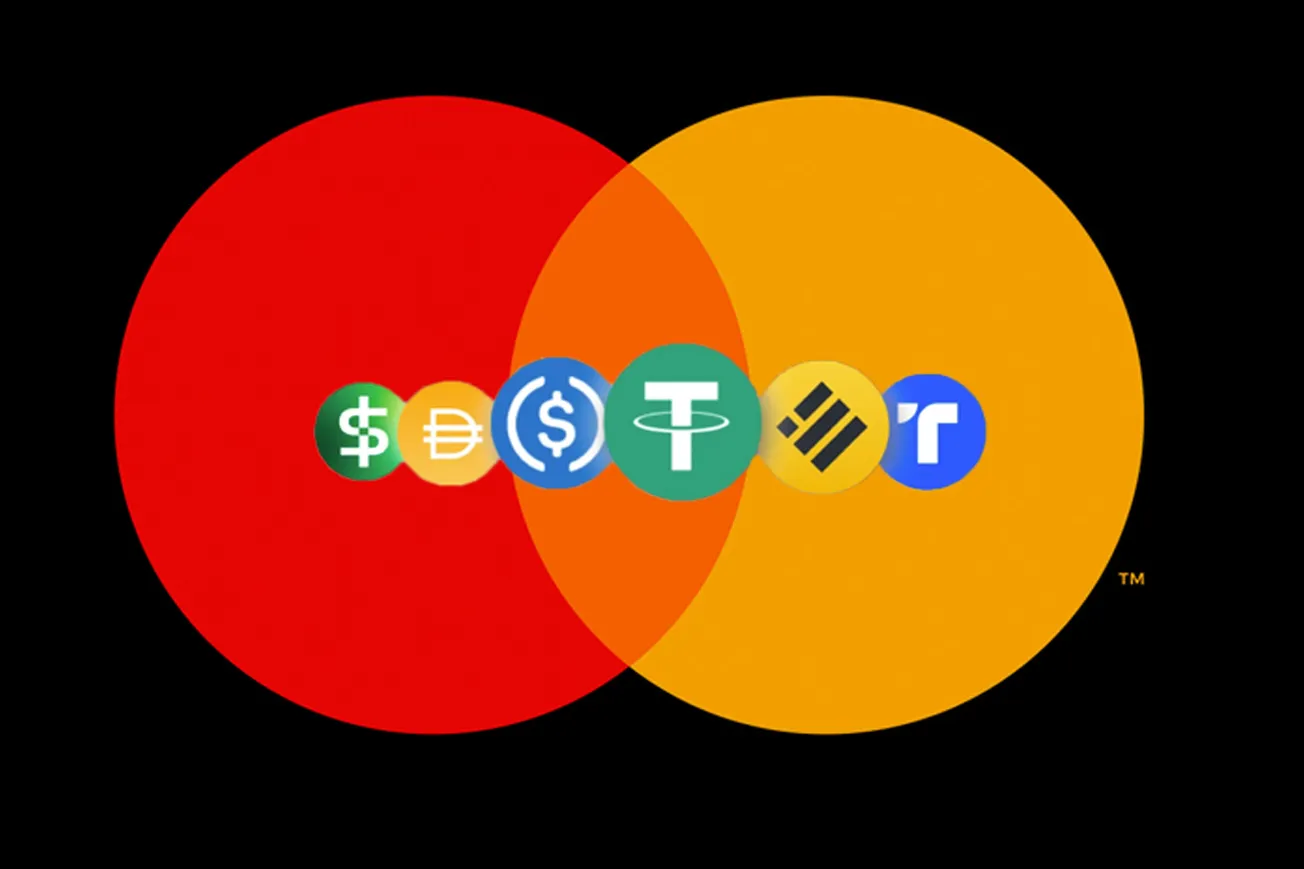
Mastercard has moved to expand its digital asset footprint by unveiling a stablecoin-powered global payment system that aims to bridge traditional finance with blockchain technology. The initiative incorporates wallet integration, card issuance, merchant settlement, and on-chain remittances, signalling a major endorsement for stablecoins within mainstream financial services.

The payments giant will partner with OKX to launch the OKX Card, offering users the ability to spend crypto assets seamlessly through Mastercard’s established infrastructure. The collaboration is positioned to provide cardholders with the option to convert their digital holdings into fiat currency at the point of sale, utilising USDC stablecoins to facilitate transactions in real time.

Mastercard’s broader collaboration also includes Circle, Nuvei, and Paxos, three key players in the stablecoin and blockchain space. The strategy centres on enabling direct merchant settlement using stablecoins, starting with USDC. The move is expected to accelerate merchant acceptance of digital currencies by eliminating the need for fiat conversions and complex intermediary processes.

Raj Dhamodharan, Mastercard’s head of crypto and blockchain, stated that the company is building a “future-proof” payments ecosystem that integrates digital assets responsibly and securely. He emphasised that Mastercard’s framework would ensure compliance with existing regulations and uphold strong consumer protection measures while offering the benefits of blockchain efficiencies.

By embedding stablecoins into payment rails, Mastercard is seeking to address long-standing challenges that have limited wider adoption of digital currencies, including volatility, liquidity management, and interoperability between financial systems. Stablecoins, which are typically pegged to fiat currencies like the US dollar, offer price stability that traditional cryptocurrencies like Bitcoin do not, making them more suitable for everyday transactions.

The OKX Card is expected to launch initially in select markets, with expansion plans to follow based on regulatory approvals and market demand. OKX’s president Hong Fang described the partnership as a “game-changer” that will “empower millions to experience the future of payments today.” The card will allow users to link their crypto wallets directly and spend their digital assets without the need to manually convert them into fiat beforehand.

Mastercard’s collaboration with Circle is particularly noteworthy as Circle’s USDC stablecoin is widely regarded for its regulatory compliance and transparency. Circle CEO Jeremy Allaire welcomed the partnership, highlighting that direct merchant settlement in USDC would reduce transaction costs, enhance speed, and provide greater transparency across payment processes.

Nuvei and Paxos will contribute to strengthening the backend settlement capabilities. Nuvei, a global payment technology firm, brings extensive experience in integrating alternative payment methods for merchants, while Paxos, a regulated blockchain infrastructure platform, provides trusted stablecoin issuance and custody solutions.

This new framework comes at a time when global financial institutions are increasingly exploring digital currencies. The Bank for International Settlements reported an upsurge in central bank digital currency projects globally, with a growing focus on how stablecoins and blockchain could complement traditional payment systems rather than disrupt them.

Mastercard has been experimenting with blockchain and digital assets for several years, conducting pilot programmes with various crypto companies and financial institutions. The company’s partnership with the Reserve Bank of Australia and the Digital Finance Cooperative Research Centre on a central bank digital currency pilot was another key step illustrating its commitment to innovating responsibly within the space.

Mastercard’s stablecoin settlement model follows a successful pilot in Australia, where live transactions using USDC and Mastercard’s network proved the technical viability and regulatory feasibility of using stablecoins for real-world transactions. The pilot included collaboration with Cuscal and Mintable, showcasing the ability to settle card transactions directly on blockchain networks.

Through these developments, Mastercard appears to be positioning itself as a leader among traditional financial service providers seeking to integrate blockchain into their core offerings. This approach not only supports digital asset adoption but also builds bridges between traditional payment providers and emerging decentralised finance ecosystems.

Industry analysts note that Mastercard’s entry into stablecoin-powered payments could force other major payment processors to accelerate their blockchain strategies. Visa, which has been running its own stablecoin settlement pilots, will likely view Mastercard’s moves as a call to action to deepen its blockchain integration efforts to remain competitive.

There are challenges ahead, particularly regarding regulatory clarity. Stablecoins have come under increasing scrutiny from regulators concerned about financial stability, money laundering, and consumer protection risks. Mastercard has indicated that its stablecoin programme will operate within regulated frameworks, ensuring that only stablecoins backed by transparent and compliant reserves are included.

The initiative also highlights growing merchant interest in accepting digital currencies without bearing volatility risks. Direct stablecoin settlement allows merchants to receive payment in a stable asset without relying on third-party crypto-to-fiat conversion services, streamlining operations and reducing costs.

As stablecoins continue to evolve beyond speculative assets into functional financial tools, Mastercard’s system reflects an understanding that digital currencies must serve real-world use cases to achieve mainstream adoption. The company’s ability to integrate stablecoin technology with traditional card networks could significantly alter how digital assets are used in daily commerce.

Mastercard’s latest announcement also underlines a broader industry shift toward interoperability. By supporting transactions across multiple blockchain networks and integrating with different stablecoin issuers, Mastercard aims to create a unified ecosystem where users, merchants, and financial institutions can interact seamlessly across both traditional and digital finance landscapes.

Tether’s tokenised gold product, XAU₮, has reached a major milestone with over 7.7 tonnes of physical gold now backing the asset, pushing its market capitalisation to $770 million as of 28 April 2025. This development marks a significant expansion of Tether’s portfolio beyond its flagship stablecoin USDT and highlights growing investor interest in digital assets secured by tangible commodities.

XAU₮, which represents ownership of one troy ounce of gold held in Swiss vaults, has seen steady accumulation over the past year amid fluctuating economic conditions and shifting investor sentiment towards inflation-resistant assets. According to market data, the token’s supply growth has mirrored increasing demand for alternative stores of value as concerns around fiat currency stability and geopolitical tensions continue to drive diversification strategies.

Tether’s disclosure that XAU₮ is now underpinned by more than 7.7 metric tonnes of physical gold signals strengthened efforts by the company to reinforce confidence in its tokenisation products. Analysts observing this trend note that digital gold products have carved a distinct niche, combining the traditional appeal of precious metals with the technological advantages of blockchain systems, including faster settlement times and greater accessibility for a global investor base.

Paolo Ardoino, CEO of Tether, stated that the surge in XAU₮’s backing reflects broader demand for hybrid assets that bridge the gap between conventional wealth preservation tools and new digital financial infrastructure. He added that Tether remains committed to transparency and robust management practices as it expands its product suite.

Since its launch, XAU₮ has distinguished itself by providing a clear legal structure for ownership claims over specific gold bars, with serial numbers and weight details disclosed through regular attestations. This level of verification has been crucial in appealing to institutional participants who require clear regulatory and custodial assurances before engaging with tokenised assets.

The achievement of a $770 million market cap also places XAU₮ among the most substantial gold-backed cryptocurrencies in circulation, competing with platforms like Paxos Gold and Perth Mint Gold Token . However, Tether’s strong brand presence and expansive network have given XAU₮ a competitive edge in terms of liquidity and market penetration.

Gold itself has continued to perform as a relatively stable asset amid volatile equity markets, stubborn inflation in key economies, and unpredictable monetary policy shifts. As of late April, gold prices hovered around $2,350 per ounce, with analysts forecasting further strength if macroeconomic uncertainty persists. This backdrop has reinforced the appeal of tokenised gold products like XAU₮, especially for investors looking for easily tradable options without the logistical challenges of physical storage.

XAU₮ has also benefited from integration with major exchanges and decentralised finance platforms, allowing users to utilise tokenised gold in broader financial applications such as lending, borrowing, and yield farming. This flexibility contrasts with traditional gold investment avenues, which typically lack interoperability with modern financial tools.

Institutional interest has played a critical role in the token’s growth trajectory. Asset managers, family offices, and corporate treasuries have increasingly explored tokenised commodities as a way to diversify their holdings while maintaining exposure to traditional safe havens. The ability to transfer ownership efficiently and transparently across jurisdictions has further bolstered the attractiveness of XAU₮.

Tether has continually faced scrutiny over its reserve management practices, particularly regarding USDT. However, the company’s detailed disclosures regarding XAU₮’s physical gold reserves appear to have mitigated similar concerns for this product. Regular attestations by third-party auditors have provided additional layers of reassurance to stakeholders wary of opaque reserve practices.

The evolving regulatory environment for stablecoins and tokenised assets may also influence the trajectory of products like XAU₮. Jurisdictions such as the European Union, the United Arab Emirates, and Singapore have introduced or are in the process of finalising frameworks aimed at ensuring greater oversight and consumer protection within the digital asset space. These regulations are expected to encourage higher standards of reporting and reserve management among issuers, benefiting products that already maintain rigorous transparency protocols.

Market participants have observed that gold tokenisation is emerging as a sector with strong fundamentals, particularly as broader adoption of blockchain technology reshapes traditional financial services. XAU₮’s growth demonstrates that tokenisation is not limited to speculative assets but can extend to historically conservative sectors such as commodities.

While challenges remain — including regulatory uncertainty, technological security risks, and the need for robust custodial solutions — the success of Tether’s XAU₮ underscores a maturing digital asset market increasingly focused on quality, transparency, and tangible backing. Observers suggest that continued institutional adoption and technological advancements could position tokenised gold as a staple component of diversified digital portfolios.

stc Group has been ranked as the top company for career development in Saudi Arabia for 2025 by LinkedIn, reinforcing its position as a major driver of professional advancement in the region. The recognition reflects the telecommunications giant’s continued investment in employee growth, skills enhancement, and leadership opportunities during a period of rapid digital transformation in the Kingdom.

The LinkedIn Top Companies list, published annually, evaluates organisations based on several critical pillars, including skills growth, company stability, external opportunity, company affinity, gender diversity, and educational background of employees. stc Group secured the top spot after outperforming competitors across these measures, highlighting its emphasis on creating a dynamic and sustainable work environment.

The company’s prioritisation of employee development aligns with Saudi Arabia’s Vision 2030 agenda, which seeks to diversify the economy and build a thriving private sector. stc Group has implemented numerous initiatives aimed at cultivating talent, including internal leadership academies, technical training programmes, and partnerships with leading educational institutions. These efforts are designed to equip its workforce with the digital capabilities and leadership competencies required to thrive in a highly competitive and evolving market.

LinkedIn’s analysis highlighted that stc Group demonstrated exceptional commitment to employee advancement, with many staff members acquiring new skills and transitioning into leadership roles within the company. This has contributed to the organisation’s reputation as a destination employer for professionals seeking both stability and growth in the Kingdom’s vibrant technology and communications sector.

stc Group’s strong performance is also attributed to its comprehensive employee benefits packages, flexible working arrangements, and strategic focus on diversity and inclusion. The company has been recognised for fostering an inclusive workplace culture where opportunities for advancement are accessible across gender and educational backgrounds. This approach is particularly significant as the Kingdom intensifies efforts to boost female participation in the workforce.

The telecommunications sector has seen a major expansion across Saudi Arabia as part of broader efforts to build a digital economy. stc Group has played a central role in deploying 5G infrastructure, expanding fibre optic networks, and investing in emerging technologies such as cloud computing, artificial intelligence, and cybersecurity. This strategic positioning has not only driven the company’s financial success but has also created a wealth of career opportunities for local and international talent.

In addition to its domestic achievements, stc Group has expanded its presence across regional markets, acquiring stakes in companies in Bahrain, Kuwait, and other Gulf Cooperation Council countries. This regional footprint has enabled the company to offer diverse career pathways and foster cross-border professional experiences for its employees.

stc Group’s emphasis on continuous learning has been underscored by the launch of its dedicated Digital Academy, which offers specialised programmes in areas such as data science, cybersecurity, software development, and project management. Through a combination of classroom instruction, online modules, and practical experience, the academy equips employees with the technical expertise needed to lead in the Fourth Industrial Revolution.

The company’s innovation-driven culture has been further reinforced by its establishment of various innovation hubs and research centres, encouraging employees to work on cutting-edge projects that have direct commercial and societal impact. This approach has strengthened employee engagement, enhanced creativity, and driven a spirit of entrepreneurship within the organisation.

The recognition by LinkedIn also comes as stc Group pursues its ambitious DARE strategy, aimed at driving digital transformation, accelerating business growth, reinforcing operational efficiency, and enabling sustainability initiatives. The company’s strategy outlines a clear roadmap for adapting to global technology trends while building a future-ready workforce.

According to data from LinkedIn’s survey, professionals employed at stc Group have experienced higher levels of job satisfaction and career advancement compared to peers in other companies. Many employees have cited the firm’s mentorship programmes, skills training, and international exposure as key reasons for their professional development.

Notably, the company’s focus on promoting female leadership has begun to bear fruit, with women increasingly occupying senior roles across various divisions. This achievement mirrors the broader social and economic reforms underway in Saudi Arabia, where gender parity and empowerment initiatives are gaining momentum across industries.

Saudi Arabia’s labour market has been undergoing a transformation, with employers placing greater emphasis on skills-based hiring and career progression pathways. stc Group’s leadership position in this context underlines its ability to adapt to changing workforce expectations and technological shifts, ensuring that it remains an employer of choice for top talent.

The telecommunications giant’s recognition is expected to further enhance its brand reputation among young professionals and graduates, many of whom view LinkedIn’s Top Companies list as an important guide when considering future employers. stc Group’s investment in youth initiatives, graduate recruitment programmes, and internships has positioned it strongly to attract the next generation of digital leaders.

Beyond technical expertise, stc Group has also focused on cultivating soft skills such as leadership, collaboration, and adaptability among its workforce. The company’s comprehensive talent development strategy is designed to build holistic capabilities, ensuring employees are well-prepared to navigate the complexities of the global digital economy.

Marks & Spencer faced a significant digital disruption that impacted its click-and-collect services and in-store contactless payments, raising fresh concerns about cyber vulnerabilities across the global retail landscape. The incident underlined the increasing exposure of retail giants to cybersecurity threats, urging businesses, especially across emerging markets, to reevaluate their digital defences.

The British retailer confirmed that a cyberattack had interfered with its operational systems, temporarily disabling key customer services. Shoppers were unable to collect online orders or make contactless payments across several outlets, forcing stores to rely on manual processing where possible. Though Marks & Spencer worked swiftly to restore functionality, the attack exposed glaring weaknesses that could have far-reaching implications for retailers heavily dependent on digital infrastructure.

Cybersecurity analysts described the attack as a “wake-up call” for retailers worldwide, emphasising that operational continuity can no longer be taken for granted. While Marks & Spencer managed to contain the damage and reported no compromise of customer data, the event demonstrated how even non-financial hacking attempts could paralyse critical retail functions. The attack appears to have targeted internal systems rather than consumer databases, but the operational disruption caused significant inconvenience to customers and operational stress on store teams.

The UK-based company has yet to disclose specific details regarding the nature of the cyberattack or the group responsible, although preliminary assessments suggest the involvement of sophisticated malware designed to penetrate commercial transaction systems. Cybersecurity experts point out that retail chains are increasingly becoming attractive targets for cybercriminals seeking either financial ransom or operational chaos, with attackers focusing not only on stealing data but on interrupting services to exert pressure.

The disruption at Marks & Spencer also resonates strongly across global retail markets, particularly in countries like India, where digitalisation has accelerated dramatically over the past decade. Retail operations across the country are embracing online ordering, contactless payments, and digital inventory systems at an unprecedented pace. Yet the investments in cybersecurity have not always kept pace with the technological expansion, leaving significant vulnerabilities that could be exploited by malicious actors.

Industry experts warn that India’s retail sector, in its rush to modernise, must prioritise building robust cyber resilience strategies. The cyberattack on Marks & Spencer serves as a stark reminder that operational security is as critical as data protection. Retailers must not only guard customer information but ensure that their core business functions can withstand digital assaults without crippling their ability to serve consumers.

Retailers in India, from large conglomerates to smaller regional chains, have increasingly relied on digital payment platforms and integrated online-to-offline models. However, security audits and penetration testing, critical components of cyber defence, are often treated as secondary concerns. The focus on speed and growth has sometimes eclipsed the need for thorough cybersecurity frameworks, an oversight that experts say could prove costly if not urgently addressed.

The disruption of click-and-collect services at Marks & Spencer also illustrates the interconnectedness of digital and physical retail operations. When digital systems falter, physical stores quickly become vulnerable, as manual fallback options are seldom equipped to handle high volumes. In densely populated and high-transaction retail environments such as those in India, the consequences of a similar disruption could be even more severe, with longer downtimes and greater financial losses.

Cybersecurity firms have consistently highlighted retail as one of the sectors most at risk from targeted cyberattacks, given the volume of personal and financial data handled daily. However, incidents like the one affecting Marks & Spencer show that the objective of cybercriminals is shifting. Operational disruption can have as much reputational and financial impact as a data breach, if not more, by immediately affecting customer trust and satisfaction.

Amid evolving threats, there is growing advocacy for a shift towards cyber resilience rather than simple cyber defence. Cyber resilience focuses on building systems capable of absorbing and recovering from attacks without significant interruption to business activities. Experts suggest that this model is more suitable for modern retail, where zero-downtime expectations dominate consumer behaviour.

Leading cybersecurity professionals recommend that retailers invest in dynamic risk assessments, employee training, multi-layered security architectures, and incident response simulations. Retailers must also rethink their supply chain security, ensuring that third-party vendors do not become weak links in their cyber resilience strategy. Given the interconnectedness of suppliers, logistics, and payment partners in retail ecosystems, an attack on one entity can have cascading effects.

While Marks & Spencer’s swift response minimised some of the long-term reputational damage, the event highlights the importance of transparent communication during cyber incidents. Customers expect prompt updates, clear explanations, and assurances regarding the safety of their data and the reliability of services. Retailers that are prepared with crisis communication plans are better equipped to navigate the aftermath of cyberattacks without lasting damage to their brand reputation.

The disruption also underscores the urgent need for regulatory frameworks to catch up with the changing nature of cyber risks. Governments and industry bodies must work together to establish clear guidelines on cybersecurity requirements, reporting obligations, and liability frameworks. Without coordinated efforts, fragmented standards could leave critical vulnerabilities unaddressed, allowing attackers to exploit regulatory gaps.

Hashdex, the prominent crypto asset management firm based in Brazil, has launched the world’s first spot XRP exchange-traded fund on B3, the São Paulo-based stock exchange. The ETF, known as the Hashdex XRP Fund , started trading this week, marking a significant milestone not only for Latin America’s evolving crypto landscape but also for the global cryptocurrency investment market.

Trading commenced after months of regulatory processes and product development, during which Hashdex worked closely with Brazil’s Comissão de Valores Mobiliários , the national securities regulator. The fund offers direct exposure to XRP, the digital asset created by Ripple Labs, without requiring investors to manage the underlying cryptocurrency themselves. The launch of XRP11 follows a broader trend of growing institutional acceptance of crypto assets in Brazil, where regulatory frameworks have been more accommodating compared to major markets like the United States.

Hashdex’s move underscores Brazil’s increasingly assertive position as a hub for cryptocurrency innovation. Marcelo Sampaio, CEO of Hashdex, said during the fund’s launch that the introduction of a spot XRP ETF aligns with the company’s mission to “bridge the gap between traditional finance and digital assets”. Sampaio added that the demand for diversified crypto investment vehicles has been consistently growing among Brazilian investors, citing the success of earlier Hashdex crypto ETFs such as HASH11, which tracks a basket of cryptocurrencies.

Brazil’s regulatory environment has played a key role in facilitating this development. The CVM has exhibited a proactive stance towards regulating crypto assets while encouraging innovation. In contrast, regulatory bodies like the US Securities and Exchange Commission have taken a more cautious approach, creating delays and uncertainties around the approval of spot crypto ETFs, particularly for assets beyond Bitcoin and Ethereum.

XRP, the digital token linked to Ripple Labs, has had a complex relationship with regulators globally. A significant development came after Ripple secured a partial legal victory against the SEC, wherein a US federal court ruled that XRP sales on public exchanges did not constitute investment contracts. This ruling, while still subject to ongoing litigation and appeals, provided a degree of clarity that has emboldened issuers like Hashdex to pursue XRP-focused financial products in other jurisdictions.

The Hashdex XRP Fund is structured similarly to traditional ETFs. Units of XRP11 are backed 100% by physically held XRP tokens, which are stored in institutional-grade custody solutions provided by trusted crypto custodians. The fund is priced and settled in Brazilian reals, and its portfolio is independently audited to ensure transparency and security for investors.

The move by Hashdex is seen by analysts as a strategic attempt to cement its leadership in the crypto asset management sector within Latin America. Hashdex has already been at the forefront of innovation, having earlier collaborated with Nasdaq to launch a Bitcoin futures ETF in the United States through a hybrid strategy. The launch of XRP11 marks the company’s first foray into offering single-asset spot ETFs focused on altcoins.

Investor response to the new product has been encouraging. Trading volumes for XRP11 on the first day exceeded initial expectations, indicating substantial appetite among retail and institutional investors for regulated crypto products. Paulo Mesquita, Head of Business Development at Hashdex, commented that “the robust reception signals a maturation of crypto investing in Brazil, with investors seeking broader exposure beyond Bitcoin.”

Attention now turns to the potential for similar products in the United States, where the SEC’s approach to spot crypto ETFs has been cautious, despite recent approvals of Bitcoin spot ETFs involving major financial institutions like BlackRock, Fidelity, and Grayscale. Market participants are closely monitoring whether Hashdex’s success in Brazil might embolden US asset managers to push harder for spot ETFs centred on altcoins such as XRP.

Several experts suggest that the SEC’s attitude towards XRP remains a critical obstacle. James Seyffart, an ETF analyst at Bloomberg Intelligence, noted that “until the regulatory status of XRP is definitively settled in the United States, it is unlikely that a spot XRP ETF will gain approval”. However, he added that legal outcomes favourable to Ripple could eventually open the door to similar products in the American market.

Brazil’s advancement comes at a time when global demand for cryptocurrency investment vehicles continues to evolve. Investors are increasingly seeking exposure to digital assets through traditional financial instruments, particularly those offering regulated, easy access without the complexities of direct crypto ownership. Latin America, driven by countries like Brazil, is emerging as a significant frontier for such innovations, offering lessons for larger markets grappling with regulatory hesitations.

Beyond XRP, Hashdex is reportedly exploring the possibility of launching additional single-asset ETFs focused on other major cryptocurrencies such as Solana and Polygon , depending on market conditions and regulatory developments. Such diversification could position Brazil as a critical player in the next wave of crypto investment products, rivalling traditional centres like the US, Europe, and parts of Asia.

VISHNU RAJA
RYO YAMADA
HITORI GOTOH
IKUYO KITA