News related to
Emerging

Saudi Arabia’s Public Investment Fund has sharply raised its assets under management target for 2030 to $2.67 trillion, marking a significant 43 per cent jump from its earlier ambition of $1.87 trillion. The strategic move follows the sovereign wealth fund surpassing its asset milestone for 2023, underlining its growing influence as a key pillar of the Kingdom’s economic transformation efforts. According to the latest figures released as […]

Saudi Arabia has achieved a major leap forward in its Vision 2030 ambitions, with a significant number of its key initiatives either completed or advancing on schedule, according to the Vision 2030 Annual Report 2024. As of the end of last year, 85 per cent of the 1,502 active projects under the reform plan are either finalised or progressing as planned, demonstrating an accelerated pace towards economic […]

A strong surge in Dubai’s vehicle rental sector has been recorded in 2024, with the Roads and Transport Authority reporting a 43 per cent increase in newly registered commercial vehicles compared to 2023. The authority also noted a substantial 33 per cent rise in the number of newly licensed rental companies, highlighting the emirate’s strengthening position as a regional transport and logistics hub.

The RTA’s Licensing Agency confirmed that 867 new rental companies were registered, bringing the total to 3,494 companies operating across the city, up from 2,627 the previous year. The commercial rental fleet grew markedly, reaching 71,040 vehicles compared to 49,725 in 2023, underscoring a clear trend of expansion in Dubai’s transport and mobility sectors.

Ahmed Mahboob, CEO of the Licensing Agency at RTA, attributed the growth to Dubai’s continued focus on facilitating business-friendly conditions and enhancing transport infrastructure. “The increase in the number of newly registered vehicles and companies operating in the commercial transport sector demonstrates Dubai’s competitiveness and appeal in attracting businesses to this sector. It also underscores the emirate’s commitment to accelerating economic growth and fulfilling its overarching development vision,” Mahboob stated.

Industry observers point out that Dubai’s strategic location, ambitious economic diversification initiatives, and robust regulatory framework are critical factors behind the expanding rental market. The city’s focus on preparing for major upcoming global events, such as COP28 and other international conferences, has also fuelled demand for flexible mobility solutions. Analysts further emphasise that the transport sector’s upswing aligns with Dubai’s broader ambitions under its D33 Economic Agenda, aimed at doubling the size of its economy over the next decade.

Market players in the rental industry are experiencing heightened demand from sectors such as tourism, logistics, real estate, and technology. The influx of expatriates, professionals, and digital nomads has significantly contributed to the appetite for short- and medium-term vehicle rentals. According to the Dubai Department of Economy and Tourism, the emirate welcomed 17.15 million international overnight visitors in 2023, a number expected to rise in 2024, thereby strengthening mobility requirements across the board.

The preference for rental vehicles over private ownership is also being driven by lifestyle shifts, with a growing emphasis on convenience, flexibility, and cost-effectiveness. According to a recent mobility survey conducted by consultancy firm Arthur D. Little, nearly 35 per cent of respondents in the UAE indicated a preference for rental or subscription-based vehicle services, suggesting a broader behavioural transformation underway in the transportation domain.

Commercial fleet operators have seized the opportunity by expanding their offerings beyond conventional vehicles to include electric vehicles , luxury cars, and specialised logistics transporters. Several leading rental companies have announced plans to increase their EV fleet components, aligning with the Dubai Green Mobility Strategy 2030, which targets a 30 per cent electrification rate across public and private fleets.

The supportive regulatory environment has played a pivotal role in boosting confidence among rental businesses. Dubai’s Licensing Agency has streamlined procedures for company registration and vehicle licensing, introduced digital platforms for permit applications, and incentivised fleet modernisation programmes. The introduction of smart traffic management systems and expansion of dedicated transport zones have further enhanced operational efficiency for rental operators.

Challenges remain, however, particularly concerning market saturation and competitive pricing pressures. As more companies enter the sector, maintaining profitability while ensuring high service standards has become a balancing act for operators. Experts warn that without continuous innovation, quality assurance, and diversification into niche services, some smaller players may struggle to sustain operations over the long term.

On the technological front, rental companies are investing heavily in digital transformation initiatives. Mobile booking apps, AI-powered fleet management systems, and customer service chatbots are becoming standard across the sector. Industry executives acknowledge that tech-driven operational efficiencies are crucial to managing costs, enhancing customer satisfaction, and scaling up rapidly to meet growing demand.

The integration of mobility-as-a-service platforms is emerging as a key trend, with rental companies partnering with public transport providers and ride-sharing apps to offer seamless transport solutions. This model aims to cater to a diverse customer base seeking unified, flexible options that combine private rentals with metro, tram, and bus networks. Such integration aligns with Dubai’s broader Smart City ambitions and Vision 2021 goals for sustainable urban mobility.

Economic analysts at Emirates NBD note that the transport and storage sector in Dubai grew by 11.5 per cent in 2023, reflecting the importance of mobility services to the emirate’s GDP. With new infrastructure projects, including expansion of Al Maktoum International Airport and investments in Dubai South, the momentum is expected to continue, providing further impetus to ancillary industries like vehicle rentals.

The city’s drive towards autonomous vehicle deployment and smart transport ecosystems is encouraging rental companies to prepare for future demand shifts. Partnerships between Dubai’s government agencies and global automotive technology firms signal a readiness to embrace disruptive mobility solutions. Rental companies that can adapt to these technological shifts are likely to be better positioned for long-term success.

The demographic dynamics of Dubai also contribute significantly to the expanding rental landscape. A youthful, tech-savvy population with a preference for service-oriented consumption models tends to favour rental and subscription services over traditional ownership. Additionally, Dubai’s tax-free environment, high disposable incomes, and strong entrepreneurial culture attract business travellers and start-up communities that rely heavily on flexible transport solutions.

Bitcoin has soared beyond the $100,000 mark for the first time, reaching an intraday high of around $103,400, in a development that has intensified global debate over the future of cryptocurrencies. The breakthrough, which market analysts describe as a psychological milestone, has reignited bullish sentiment across digital asset markets, drawing renewed attention from institutional investors, hedge funds, and policymakers worldwide.

The world’s largest cryptocurrency by market value has been on an upward trajectory for much of 2025, driven by a mix of factors including growing institutional adoption, favourable regulatory signals, and broader macroeconomic uncertainty. Bitcoin’s surge beyond six figures was underpinned by mounting optimism over the expanding utility of blockchain technologies and the increasing use of cryptocurrencies as hedges against fiat currency devaluation.

According to market analysts tracking digital assets, Bitcoin’s advance to above $100,000 has been fuelled by substantial inflows from institutional investors, including pension funds, insurance companies, and sovereign wealth funds, who view Bitcoin as a store of value comparable to gold. Major asset managers have accelerated their crypto allocations after regulatory bodies in key markets such as the United States, Europe, and parts of Asia finalised clearer frameworks that legitimised cryptocurrency investments in traditional portfolios.

The approval of several Bitcoin spot exchange-traded funds earlier this year has played a crucial role in boosting demand. These instruments have allowed a broader set of investors to gain exposure to Bitcoin without the technical complexities of managing private keys and wallets, a development regarded as pivotal in attracting mainstream capital. The cumulative effect has been a substantial increase in Bitcoin holdings among institutional portfolios, pushing the price upward.

Macroeconomic factors have also contributed significantly to Bitcoin’s ascent. Persistent inflationary pressures in major economies, coupled with declining confidence in central bank policies, have pushed investors to seek alternative assets. Bitcoin, with its capped supply of 21 million coins, has increasingly been perceived as an attractive hedge against currency debasement, especially as traditional safe havens like government bonds offer diminished real returns.

The rally has also been amplified by technological advancements and broader acceptance of cryptocurrencies in everyday financial systems. Major payment networks have expanded their support for crypto transactions, and global banks have rolled out crypto custody services, further embedding Bitcoin into mainstream finance. Moreover, blockchain-based innovations such as decentralised finance platforms and tokenised real-world assets have reinforced the legitimacy of the crypto ecosystem, enhancing investor confidence.

Yet, the parabolic rise of Bitcoin has reignited concerns over the sustainability of such rapid gains. Financial experts warn that while Bitcoin’s fundamentals have strengthened compared to earlier bull cycles, the risk of volatility remains elevated. Bitcoin’s history is littered with examples of sharp corrections following euphoric rallies, and many observers urge caution amid the current exuberance.

Critics argue that despite broader acceptance, Bitcoin still faces unresolved issues including scalability challenges, regulatory uncertainty in emerging markets, and environmental criticisms linked to energy consumption from mining activities. Although significant strides have been made towards sustainable mining practices through greater adoption of renewable energy, environmental concerns continue to shadow Bitcoin’s long-term viability narrative.

Regulatory dynamics remain a crucial determinant of Bitcoin’s future trajectory. Authorities in several jurisdictions, while more accommodating than in previous years, continue to explore stricter frameworks to mitigate risks associated with money laundering, tax evasion, and financial stability. How these regulations evolve will likely influence Bitcoin’s path forward, with potential for both supportive policies and restrictive measures that could dampen enthusiasm.

Geopolitical tensions are another variable that could shape Bitcoin’s outlook. Cryptocurrencies have increasingly been utilised in cross-border transactions and capital flight during periods of political instability, which both enhances their perceived utility and invites tighter scrutiny from national governments wary of losing control over financial flows. Analysts note that Bitcoin’s decentralised nature is both its greatest strength and its most persistent regulatory challenge.

On the technological front, developments surrounding Bitcoin’s scalability solutions, particularly the implementation of Layer 2 protocols like the Lightning Network, offer promising pathways to address transaction speed and cost issues. Broader adoption of these solutions could enhance Bitcoin’s practicality as a medium of exchange, further reinforcing its market position.

Market participants are closely monitoring signals from major economies regarding interest rate policies, as shifts in monetary stances could impact Bitcoin’s appeal relative to traditional investment instruments. Any abrupt tightening by central banks could exert downward pressure on speculative assets, including cryptocurrencies, although Bitcoin’s maturing investment narrative may provide some cushion against such moves.

Bitcoin’s milestone has also reignited discourse about the future of digital currencies in the global economy. Central bank digital currencies are progressing towards launch phases in several countries, potentially reshaping the monetary landscape. Although CBDCs differ fundamentally from decentralised cryptocurrencies, their coexistence will test regulatory boundaries and public preferences regarding privacy, control, and financial sovereignty.

Looking ahead, market strategists caution against assuming a linear trajectory for Bitcoin’s price. While structural factors support a more mature and resilient Bitcoin market compared to previous cycles, external shocks, shifts in investor sentiment, and evolving regulatory landscapes can introduce significant volatility. Nevertheless, Bitcoin crossing the $100,000 threshold stands as a symbolic validation of the digital asset class’s growing influence in the global financial system.

Trading volumes across major exchanges have surged alongside Bitcoin’s price rise, highlighting heightened investor interest and suggesting momentum could continue in the short term. However, analysts emphasise the importance of risk management, noting that Bitcoin’s history has repeatedly demonstrated the potential for large price swings even within broader bullish trends.


Supporting UNICEF HK with 286-Child Coin Toss for The GUINNESS WORLD RECORDS™ Attempt HONG KONG SAR – Media OutReach Newswire – 27 April 2025 – KLN Logistics Group Limited (“KLN”; Stock Code 0636.HK) today announced the official launch of its rebranding initiative with a grand event held at its Hong Kong Headquarters. 286 children from various schools across Hong Kong collaborated to attempt the GUINNESS WORLD RECORDS […]

Trinidad and Tobago’s political landscape intensified as the ruling People’s National Movement and the opposition United National Congress delivered final appeals to voters, promising to revitalise the economy and curb surging crime rates ahead of Monday’s election. Both parties, addressing energetic crowds across the islands, positioned economic resilience and public safety as their foremost commitments. Prime Minister Keith Rowley, leading the PNM, outlined a vision to modernise […]

By K Raveendran U.S. Treasury Secretary Scott Bessent’s declaration that India could be the first to finalise a trade deal with the United States after President Trump embarked on his reckless trade war against the world signals a strategic point. The proposed agreement offers India an escape hatch from the looming 26 percent reciprocal tariffs […]

Advertisements
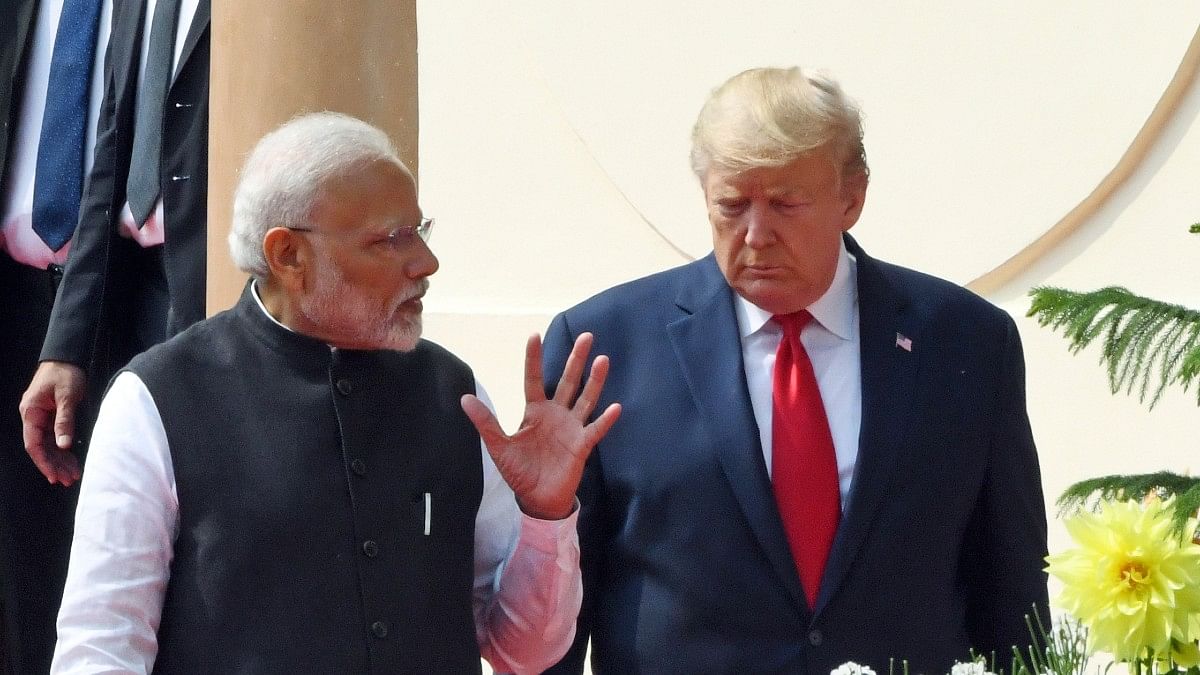
By Nitya Chakraborty Three days have passed since the savage terrorist attack at Pahalgam resulting in the death of 26 people, mostly tourists. The communal tenor of the massacre shocked the Indian people. There was unequivocal demand from the people supported by all sections of the political parties that the Narendra Modi government must take […]


Abu Dhabi’s sovereign wealth fund, Mubadala Investment Company, has committed $1 billion to a strategic partnership with U.S.-based Fortress Investment Group, aiming to capitalise on credit and special situations co-investment opportunities. This collaboration will see Mubadala deploying capital into Fortress’s existing private credit, asset-based lending, and real estate strategies, alongside Fortress’s current capital pools. The partnership follows Mubadala Capital’s acquisition of a majority stake in Fortress in […]

Saudi Arabia has surpassed Singapore to become the top destination for venture capital funding among emerging markets, securing $391 million in the first quarter of 2025. This 53 percent year-on-year increase positions the Kingdom ahead of regions including the Middle East, Africa, Pakistan, Türkiye, and Southeast Asia, according to data from venture analytics platform MAGNiTT.

The Kingdom accounted for 58 percent of all venture funding in the Middle East and North Africa region during this period, with 41 percent of the total transactions. This performance reflects a significant shift in investor confidence, driven by a combination of strategic government initiatives, active sovereign wealth fund participation, and a focus on early-stage investments.

Notably, there was an 87 percent year-on-year increase in non-mega deal funding and a 437 percent rise in Series A and B rounds. Key transactions included $28 million raises by Ula.me and Merit Incentives, indicating robust support for startups at critical growth stages.

The broader MENA region also experienced a resurgence in venture capital activity, with total funding reaching $678 million in the first quarter—a 58 percent increase compared to the same period last year. This growth occurred despite a 21 percent decline in the number of deals, which totaled 133 transactions. The uptick is attributed to improved investor sentiment following interest rate cuts across the Gulf in late 2024, as well as sustained activity from sovereign funds and flagship ecosystem initiatives like LEAP 2025.

Reflecting the vibrancy of Hong Kong’s cultural identity and reinforcing its standing as a premier destination for global events A significant 55% of respondents were aware of the Super March campaign, with social media serving as the primary source of information 72% of respondents believe the “Super March” campaign will invigorate the city’s economy The successful execution of these events demonstrates Hong Kong’s capacity to host mega […]

BlackRock’s USD Institutional Digital Liquidity Fund has surpassed $2.3 billion in assets, doubling its holdings within a month of reaching the $1 billion mark. This rapid growth underscores the accelerating institutional adoption of blockchain-based financial products.

Launched in March 2024 on the Ethereum network, BUIDL is BlackRock’s first tokenised fund. It offers investors digital tokens backed by short-term U.S. Treasury bills and repurchase agreements, providing a blockchain-native alternative to traditional money market funds. The fund’s swift ascent reflects a broader trend among asset managers seeking to capitalise on the efficiencies and transparency offered by blockchain technology.

The fund’s structure allows for real-time settlement and enhanced liquidity, appealing to institutional investors looking for streamlined operations and reduced counterparty risk. BlackRock’s move into tokenised assets aligns with its strategic focus on integrating digital technologies into its investment offerings.

The surge in BUIDL’s assets is indicative of a growing appetite for digital financial instruments among institutional clients. As regulatory frameworks around digital assets continue to evolve, BlackRock’s foray into tokenised funds positions it at the forefront of this emerging sector.

By Satyaki Chakraborty Vietnam has shown how a well calibrated trade diplomacy can be conducted in the year 2025 amidst the ongoing tariff war between the two biggest economic and military powers of the world USA and China. Both countries are having best trade relations with this South East Asian nation which is a sort […]

DAMAC Properties has reported a $54.45 million increase in collections, attributing this growth to the strategic integration of artificial intelligence across its operations. The Dubai-based real estate developer has implemented AI-driven tools to enhance customer engagement, streamline marketing efforts, and optimise sales processes, leading to significant financial gains.

Ali Sajwani, Managing Director of Operations and Technology at DAMAC Properties, highlighted the pivotal role of AI in transforming the company’s approach to real estate. By leveraging AI, DAMAC has been able to offer hyper-personalised customer experiences, improve lead generation, and reduce advertising expenditures. The adoption of AI-powered platforms, such as Meta’s Advantage+ Shopping Campaigns, has enabled the company to target potential buyers more effectively across various digital channels, including Instagram, Facebook, and WhatsApp.

The company’s foray into the metaverse, under the initiative named D-Labs, led by Ali Sajwani, has further exemplified its commitment to digital innovation. With an investment of up to $100 million, DAMAC aims to build digital cities, offering virtual homes and properties that allow customers to explore and customise their future residences through immersive virtual reality and augmented reality experiences. This initiative has not only enhanced customer engagement but also contributed to a notable increase in online-only sales, which currently generate over $100 million per quarter.

DAMAC’s strategic investments extend beyond AI and the metaverse. The company has announced plans to invest up to $1 billion in the data centre industry over the next few years, recognising the growing demand for digital infrastructure. This includes the launch of EDGNEX Data Centres, with facilities under construction in Saudi Arabia and plans for expansion into Indonesia, Jordan, and Turkey.

DAMAC’s collaboration with blockchain platform MANTRA to tokenize real-world assets in the Middle East, valued at $1 billion, underscores its commitment to embracing emerging technologies. This partnership aims to convert ownership rights into digital tokens, facilitating online trading and aligning with Dubai’s vision to become a global hub for digital and crypto assets.

SINGAPORE – Media OutReach Newswire – 24 April 2025 – CDNetworks, the APAC-leading network to deliver edge as a service, is reinforcing its commitment to supporting global enterprises as they expand into key emerging markets, including Latin America, South and Southeast Asia, the Middle East, and Africa. With a well-established presence in these rapidly growing regions, CDNetworks helps global enterprises accelerate their market entry and expand with […]

WASHINGTON, DC and ULAANBAATAR, MONGOLIA – Media OutReach Newswire – 23 April 2025 – Delphos, a premier advisor in private emerging markets, proudly announces its role as the exclusive financial advisor for LendMN’s landmark $20 million USD debt financing. This strategic financial move marks the first significant milestone for a Mongolian fintech company, positioning LendMN and Mongolia on the international stage for fintech innovation and investment. Delphos […]

Global markets have been jolted by the ongoing trade dispute between the United States and China, with far-reaching consequences on global economies. Amid this financial instability, India stands out as one of the countries managing the storm with resilience, both politically and economically. While several nations have seen their stock markets fluctuate and their economies face setbacks, India’s performance remains relatively stable, prompting analysts to look closer […]

Hotel Indigo Dubai Downtown is set to host a vibrant celebration of Korean art on 25 April, spotlighting the works of three emerging Korean artists on the terrace of its social eatery, Open Sesame. This event underscores the hotel’s commitment to fostering cultural exchange and supporting the burgeoning Korean creative presence in the UAE. The upcoming showcase is part of Hotel Indigo’s broader initiative to integrate art […]

Emirates Islamic Bank recorded a significant upswing in profitability in the first quarter of 2025, with net profits rising to AED 1 billion, marking a 23% year-on-year increase from AED 811 million in the corresponding period of 2024. The performance was driven by robust income from both funded and non-funded sources, underlining the bank’s strengthened position in the UAE’s competitive banking sector.

Earnings per share reached AED 0.18, up from AED 0.14 a year earlier. Total income for the quarter climbed to AED 1.7 billion, an 18% increase from the same period last year. This upturn in revenue stemmed from higher financing and investment income, as well as growth in fee and commission income, which points to a broader recovery in consumer and business activity.

The bank’s managing director and CEO, Salah Mohammed Amin, attributed the strong financial performance to disciplined cost management, enhanced digital adoption, and sustained growth across key segments. He also noted that the bank’s strategic alignment with Emirates NBD Group objectives, including digital transformation and innovation, continues to yield tangible results.

Operating profit rose by 20% year-on-year to AED 1.1 billion, while the cost-to-income ratio improved to 36%, reflecting operational efficiency. Provisioning for credit losses was AED 129 million, a figure that remains within manageable limits and signals prudent risk management amid ongoing macroeconomic fluctuations.

The bank’s asset base expanded to AED 92 billion, a 9% growth compared to the first quarter of 2024. Customer deposits increased by 5% to AED 70 billion, with current and savings account balances forming 78% of total deposits, indicating continued customer confidence and loyalty. Financing receivables stood at AED 51 billion, up 6% from the previous year, signalling strong demand for retail and corporate financing.

Islamic banking products across consumer, SME, and corporate segments registered healthy uptake, supported by product innovation and the bank’s expanding digital footprint. Emirates Islamic has also ramped up investments in technology infrastructure to improve service delivery and enhance customer engagement through mobile and online platforms.

Emirates Islamic’s focus on ethical finance and Shariah-compliant services has positioned it well within the UAE’s growing Islamic finance ecosystem. The country continues to be a major hub for Islamic banking, which is gaining traction both regionally and globally. The bank’s growth mirrors broader trends in the sector, where increasing customer preference for Shariah-compliant solutions and strong regulatory support are bolstering market expansion.

Emirates Islamic’s capital adequacy ratio stood at a comfortable 18.4%, well above regulatory requirements, ensuring resilience and capacity for future growth. Liquidity coverage ratio remained strong at 161%, reflecting a solid funding base and proactive balance sheet management.

The bank’s digital strategy remains a core pillar of its long-term growth plans. Over the past year, Emirates Islamic has launched multiple enhancements to its mobile banking app, introduced AI-driven features for personalised financial services, and partnered with fintech players to expand its service offerings. These efforts have not only improved customer experience but have also helped in capturing a younger, tech-savvy demographic.

As part of its sustainability agenda, the bank reported progress on green finance initiatives and continues to integrate environmental, social, and governance principles into its lending and operational frameworks. The bank also highlighted its support for SMEs and community initiatives as part of its broader commitment to social responsibility.

Looking ahead, Emirates Islamic anticipates continued positive momentum, supported by favourable economic conditions in the UAE, ongoing investment in innovation, and a resilient customer base. The leadership expects the bank to remain well-positioned to navigate emerging challenges while delivering strong returns.

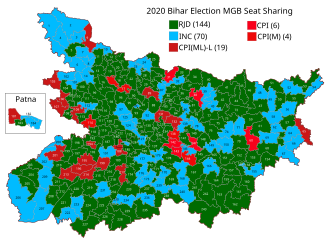
By Kalyani Shankar The Bihar polls at the end of the year are pretty unpredictable. As of now, there will be no cakewalk for the BJP, RJD, Congress or the JD(U). The churning is quietly taking place in Bihar politics. There could be a potential shift in power dynamics. The BJP, playing second fiddle to […]

Saudi Arabia has unveiled a $100 billion initiative, Project Transcendence, to establish itself as a dominant force in artificial intelligence and advanced technology. Spearheaded by the Public Investment Fund in collaboration with Google, this ambitious project seeks to transform the Kingdom into a global tech powerhouse, challenging regional competitors and aligning with its Vision 2030 economic diversification strategy.

Project Transcendence focuses on developing a comprehensive AI ecosystem within Saudi Arabia. Key components include the construction of state-of-the-art data centers, support for local tech startups, and the creation of employment opportunities in the technology sector. The initiative also emphasizes fostering collaborations with international technology firms to position the Kingdom at the forefront of regional innovation.

A significant aspect of the project is the development of Arabic-language AI models, addressing a substantial gap in AI accessibility for the region. This endeavor aims to enhance digital inclusion and literacy, enabling broader participation in the digital economy. By investing in localized AI applications tailored to Saudi Arabia’s needs, the project seeks to bridge the technological divide and promote inclusive growth.

The initiative is part of a broader strategy to reduce the Kingdom’s reliance on oil revenues by investing in emerging technologies and industries. By cultivating a robust AI ecosystem, Saudi Arabia aims to diversify its economy and create new revenue streams. This approach aligns with the Vision 2030 plan, which outlines a roadmap for economic transformation and sustainable development.

To support the growth of the AI sector, the Kingdom is investing in education and training programs to develop a skilled workforce. Institutions like the King Abdullah University of Science and Technology are playing a pivotal role in this effort by offering specialized courses and research opportunities in AI and related fields. These initiatives aim to equip Saudi citizens with the skills necessary to thrive in a technology-driven economy.

In addition to educational investments, Saudi Arabia is actively seeking to attract global AI talent to the Kingdom. By offering competitive incentives and fostering a conducive environment for innovation, the project aims to position Saudi Arabia as a preferred destination for AI professionals and researchers. This strategy is intended to enhance the Kingdom’s capacity for technological innovation and accelerate the development of its AI industry.

The Kingdom’s commitment to AI is further demonstrated by its hosting of high-profile events, such as the Global AI Summit. These gatherings bring together industry leaders, policymakers, and researchers to discuss advancements in AI and explore opportunities for collaboration. By positioning itself as a hub for AI discourse and innovation, Saudi Arabia seeks to influence the global AI agenda and attract further investment.

Project Transcendence also includes plans for significant infrastructure development to support AI applications. This encompasses the establishment of advanced computing facilities and the enhancement of digital connectivity across the Kingdom. By building a robust technological infrastructure, Saudi Arabia aims to facilitate the deployment of AI solutions across various sectors, including healthcare, education, and transportation.

The healthcare sector, in particular, stands to benefit from the integration of AI technologies. By leveraging AI for diagnostics, treatment planning, and patient monitoring, the Kingdom aims to improve healthcare outcomes and efficiency. This aligns with broader efforts to enhance the quality of life for Saudi citizens and modernize public services.

In the realm of transportation, AI applications are expected to optimize traffic management, enhance public transit systems, and support the development of autonomous vehicles. These advancements are anticipated to contribute to the Kingdom’s goals of sustainability and urban development, as outlined in Vision 2030.

Google’s unveiling of its Willow quantum processor marks a significant stride in its quest to reclaim leadership in advanced computing. Developed at the company’s Quantum AI campus in Santa Barbara, California, Willow is a 105-qubit superconducting chip capable of executing complex computations in mere minutes—tasks that would take classical supercomputers an unfathomable 10 septillion years. This advancement arrives as Google faces intensified competition in artificial intelligence, with […]

Film Finance Group International , a North Carolina-based innovator in the film finance sector, has unveiled plans to launch its ERC-20 FFG Token , a utility token designed to enhance transparency and efficiency in the film funding ecosystem. The announcement marks a pivotal step in the evolution of film financing, offering a blockchain-powered solution for a traditionally opaque industry.

FFGI’s decision to embrace blockchain technology stems from the desire to modernise and streamline the complex processes of film production financing. The $FFG token, built on the Ethereum network, is expected to provide a transparent, milestone-based funding mechanism for film projects, enabling direct participation from a global pool of investors. The token aims to ensure accountability and reduce the risks typically associated with film investments, which can be affected by unpredictable production challenges, budget overruns, or box-office failures.

The launch of the FFG Token aligns with a growing trend in both the film industry and the broader entertainment sector to integrate blockchain solutions for operational transparency. While film financing has long been dominated by high-net-worth individuals, institutional investors, and major production companies, FFGI is seeking to democratise access to capital, allowing smaller investors and enthusiasts of the medium to engage with and support projects at an unprecedented scale.

FFGI’s vision for its ERC-20 token is not just about financial transactions, but about creating a self-sustaining ecosystem. Token holders will have the opportunity to participate in the decision-making process for the funding of films, making it a truly community-driven platform. The milestone-based structure ensures that each phase of a project, from pre-production to post-production, is funded as it progresses, mitigating the risks of mismanagement and delays often encountered in traditional film financing.

The team behind FFGI comprises seasoned fintech professionals and film production veterans, blending expertise in financial technologies with in-depth knowledge of the film industry. This fusion of skills aims to create an asset-backed token that promises stability and growth for its holders. The $FFG token will provide access to a wide range of functionalities, including governance rights, access to exclusive content, and potential profits from the success of films financed through the platform.

As the use of blockchain technology in film production continues to expand, FFGI’s move to launch the FFG token places it at the forefront of this emerging trend. Blockchain’s potential for enhancing transparency and security in the film industry has already garnered attention from key industry stakeholders, including production companies, investors, and content creators. By leveraging smart contracts, FFGI aims to eliminate intermediaries, reducing the time and cost associated with traditional methods of film financing.

The FFGI platform is positioned to tackle several longstanding challenges within the industry. One of the key issues film financiers face is the difficulty in tracking project milestones and ensuring that funds are being allocated correctly. Traditional models have often relied on lengthy paperwork, complex reporting, and human oversight, which leaves room for error. Through the blockchain, FFGI will offer a more secure and efficient alternative that provides real-time data on the progress of a film and ensures that financial resources are distributed according to pre-established benchmarks.

Beyond operational improvements, the FFGI token also represents a shift in how film financing could become more accessible. Traditionally, only a select few have had the means to invest in large-scale film projects, with barriers to entry being high due to the capital-intensive nature of production. The $FFG token, however, promises to democratise film investment by allowing smaller, individual investors to participate in a growing marketplace. Investors can purchase tokens as a means of securing a stake in projects, potentially benefiting from the financial success of films they help fund.

As the film industry continues to evolve, the integration of blockchain technology could become a key driver of change. Tokenisation allows for greater liquidity, enabling faster and more efficient transactions between stakeholders. This, in turn, may lead to more fluid investments, increased funding for independent filmmakers, and greater flexibility in the way film financing is structured. FFGI’s $FFG token is well-positioned to take advantage of these developments, offering an innovative alternative to the traditional ways of financing film projects.

FFGI’s entry into the blockchain space comes at a time when the broader entertainment sector is exploring innovative solutions to address financing challenges. Major players in the industry, including studios, production companies, and streaming platforms, have shown increasing interest in the use of blockchain for rights management, content distribution, and audience engagement. By leveraging blockchain’s inherent capabilities for transparency and decentralisation, FFGI is poised to make a significant impact on the landscape of film financing.

Every investor, whether novice or seasoned, faces the timeless question: “Is now a good time to buy stocks?” The answer is rarely straightforward. It depends on a range of factors—macroeconomic trends, market valuations, investor sentiment, and personal financial goals. Today’s market environment, marked by uncertainty, mixed signals, and rapid shifts in momentum, makes this question more relevant—and more complicated—than ever. To evaluate whether it’s a good time […]

VISHNU RAJA
RYO YAMADA
HITORI GOTOH
IKUYO KITA