News related to
Emerging

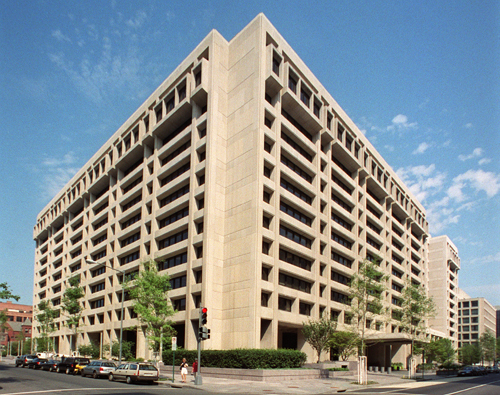
The International Monetary Fund has raised concerns that global markets are underestimating the potential economic impact of geopolitical tensions. Amid signs of improving economic stability, especially as global disinflation enters its final stages, the IMF has identified several medium-term risks that could significantly disrupt financial markets. According to its latest Global Financial Stability Report, while short-term global financial stability risks have receded, major vulnerabilities persist.

The IMF’s warning comes at a time when many market participants are hopeful about the prospects of a “soft landing” for the global economy, aided by disinflation and easing monetary policies. Emerging markets have shown resilience, and international debt issuance has picked up in some frontier economies. Despite these optimistic signs, there are concerns that the financial system remains fragile, especially in light of potential external shocks.

One of the key areas flagged by the IMF is the growing strain in the commercial real estate sector. Rising interest rates over the past year have exposed vulnerabilities within the sector, and further shocks could worsen these conditions. The IMF also points to signs of credit deterioration among corporations, which could intensify if adverse economic conditions continue.

The report highlights that geopolitical tensions remain a significant factor that global markets may be neglecting. Escalating geopolitical conflicts, such as the war in Ukraine and ongoing trade disputes between major economies, present long-term threats that could disrupt financial systems worldwide. These risks are further compounded by cyber threats, which the IMF notes have been on the rise. Although no major systemic disruptions have been caused by cyber incidents so far, the increasing probability of severe cyberattacks poses a looming threat to global macroeconomic stability.

In addition to geopolitical and cyber risks, the IMF underscores the vulnerability of the corporate credit market, which has expanded rapidly in recent years. This market, particularly in private credit, now rivals more traditional forms of lending, including commercial banking. While private credit markets have served as an important source of capital for mid-sized firms, they are also exposed to higher risks. A sudden downturn in economic conditions or a sharp increase in interest rates could leave many of these firms struggling to meet their debt obligations, creating ripple effects throughout the global financial system.

While the IMF acknowledges the progress made in global disinflation and the efforts of central banks to maintain stability, it is urging policymakers and financial institutions to remain vigilant. The report recommends that governments and central banks continue to assess and address medium-term risks while maintaining a focus on geopolitical and cyber threats that could lead to severe disruptions.

A report highlighting the latest trends in investment banking fees across the MENA region reveals HSBC’s dominant position in the market, outpacing competitors and securing a significant share of the financial landscape. The bank’s robust performance is attributed to its strategic initiatives and a diverse portfolio of services that cater to the region’s unique economic demands. HSBC’s strong earnings are underscored by its comprehensive approach to investment […]

Takaful Emarat, a prominent insurance company based in Dubai, has initiated a significant capital reduction of AED 121 million (approximately $33 million). This move comes as part of the company’s broader strategy to enhance its financial stability and streamline its operations. The decision, which was announced in a regulatory filing, has been sanctioned by the company’s board of directors and will be executed following approval from the […]

The world’s largest Bitcoin conference has made its debut in Abu Dhabi, attracting thousands of attendees, including influential figures from the cryptocurrency industry, investors, and blockchain enthusiasts. This event marks a significant milestone for the Middle East, emphasizing the region’s growing importance in the global cryptocurrency landscape. The conference is poised to showcase cutting-edge technologies, regulatory frameworks, and investment opportunities, while highlighting the UAE’s ambition to position itself as a key player in the digital economy.

Held at the Abu Dhabi National Exhibition Centre, the conference has brought together more than 10,000 participants from across the globe. Notable speakers included prominent figures such as Anthony Pompliano, a well-known Bitcoin advocate and investor, and Elizabeth Stark, co-founder of Lightning Labs, who addressed the potential of Bitcoin to reshape financial systems. The agenda features discussions on various topics, including Bitcoin adoption, regulatory challenges, and the future of decentralized finance (DeFi).

Abu Dhabi’s embrace of this event reflects a broader trend within the UAE to foster a conducive environment for blockchain technology and cryptocurrencies. The UAE government has actively pursued initiatives to integrate blockchain solutions across various sectors, including finance, healthcare, and logistics. This commitment is evidenced by the establishment of regulatory bodies such as the Abu Dhabi Global Market (ADGM) and the Dubai Financial Services Authority (DFSA), which have implemented frameworks to regulate cryptocurrency exchanges and Initial Coin Offerings (ICOs).

The conference is seen as a strategic opportunity for the UAE to attract international investment in the cryptocurrency sector, which has grown exponentially in recent years. With the global cryptocurrency market capitalizing at over $1 trillion, the UAE aims to position itself as a regional hub for digital assets, competing with established markets like Singapore and Hong Kong. Industry experts argue that the UAE’s favorable regulatory environment and strategic geographical location make it an ideal destination for cryptocurrency businesses seeking to expand their operations.

Amid the growing interest in cryptocurrencies, discussions surrounding regulatory frameworks have been a focal point of the conference. Panel discussions have addressed the need for a balanced approach that encourages innovation while ensuring investor protection. The UAE’s proactive stance on regulation has garnered praise from industry leaders, who emphasize the importance of clear guidelines to foster trust in the cryptocurrency ecosystem.

Emerging trends within the cryptocurrency space have also been highlighted at the conference, including the rise of non-fungible tokens (NFTs) and decentralized finance. NFT marketplaces have gained significant traction, with many artists, musicians, and creators exploring these digital assets to monetize their work. The integration of NFTs into mainstream culture has prompted discussions about the future of digital ownership and intellectual property rights.

The concept of decentralized finance, which aims to replicate traditional financial services using blockchain technology, has gained momentum. DeFi platforms offer services such as lending, borrowing, and trading without the need for intermediaries, presenting a disruptive force in the financial industry. The conference has provided a platform for DeFi project leaders to share insights on the challenges and opportunities within this rapidly evolving space.

As the conference unfolds, attendees are optimistic about the future of cryptocurrencies in the Middle East. The engagement of local businesses, government officials, and global experts underscores the UAE’s commitment to fostering innovation in the financial sector. Networking opportunities abound, with many participants expressing excitement over potential collaborations and partnerships that could emerge from this gathering.

The successful hosting of this major Bitcoin conference is expected to catalyze further interest and investment in the UAE’s cryptocurrency market. As governments worldwide grapple with the implications of digital currencies, the UAE’s proactive approach positions it as a forward-thinking leader in the sector. The conference’s impact extends beyond mere discussions, as it showcases the region’s capabilities to host significant global events, potentially attracting future conferences focused on blockchain and financial technologies.

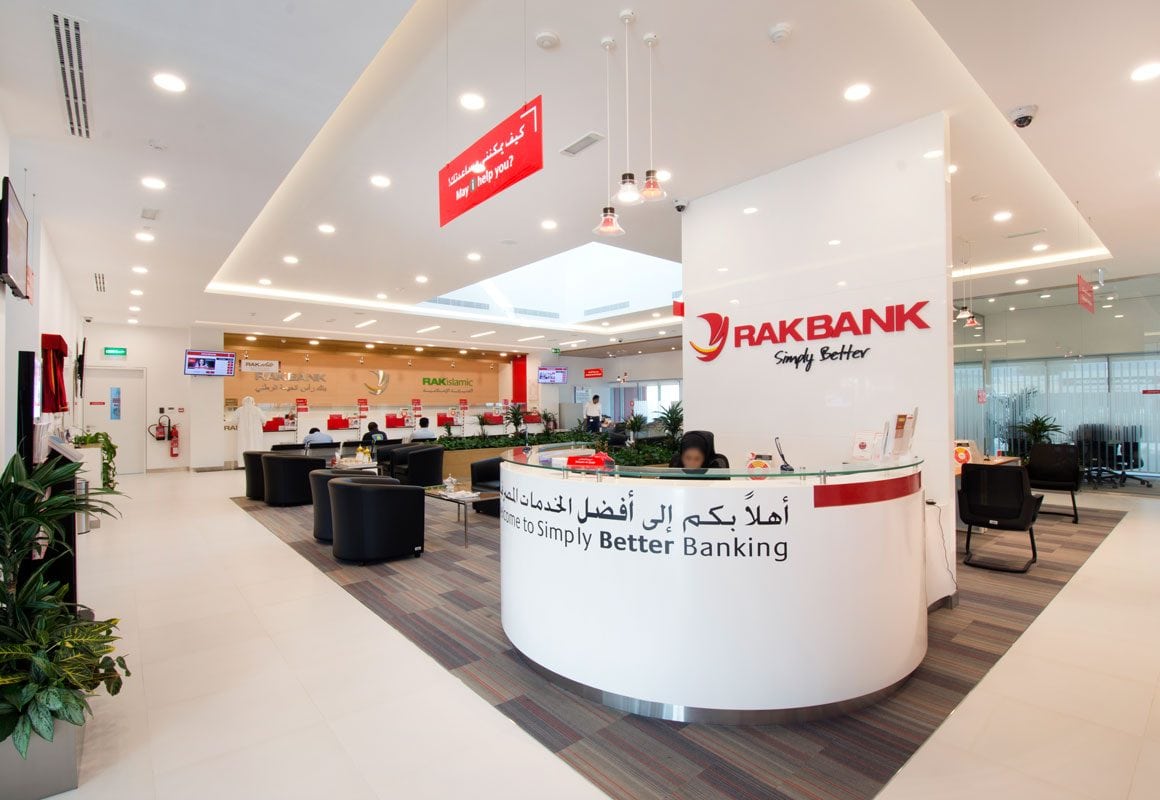
RAK Bank, officially known as the National Bank of Ras Al Khaimah, has announced robust financial results for the third quarter of 2024, highlighting significant growth in interest income alongside a reduction in provisions for loan losses. The bank’s net profit surged by 38% compared to the same quarter in the previous year, reflecting the bank’s effective strategies and the positive impact of the current economic landscape.

The increase in interest income has been attributed to the ongoing rise in interest rates, which has positively influenced the bank’s lending operations. This has resulted in a notable expansion of its net interest margin, a key indicator of a bank’s profitability. RAKBANK reported a net interest income of AED 563 million for the third quarter, marking a 30% increase from AED 433 million in the same period last year. The bank’s focus on optimizing its asset-liability management has allowed it to capitalize on the higher interest rates effectively.

The bank’s lending portfolio also showed resilience, with total loans and advances increasing by 12% to AED 32.4 billion. This growth is reflective of the bank’s strategic emphasis on retail banking and SME (small and medium-sized enterprises) lending, which have been prioritized as key growth areas. Retail loans accounted for a significant portion of the growth, as the bank introduced several attractive products tailored to meet customer needs.

RAKBANK has demonstrated a commendable effort in managing its operational costs, which have remained stable despite the increased lending activity. The cost-to-income ratio improved to 36.5%, down from 38.2% in the previous year, indicating enhanced operational efficiency. This metric is crucial for assessing how well a bank controls its costs relative to its income.

A noteworthy aspect of the quarterly results is the decline in provisions for credit losses, which decreased by 28% year-on-year to AED 96 million. This reduction is significant as it indicates a stabilizing economic environment and improved asset quality. The bank’s non-performing loan (NPL) ratio has also seen improvement, declining to 5.2% from 5.7% in the previous quarter, reflecting the bank’s effective risk management strategies.

RAKBANK’s leadership has expressed confidence in the bank’s strategic direction and financial health. The CEO emphasized the bank’s commitment to maintaining a strong balance sheet while focusing on sustainable growth initiatives. The management believes that by continuing to strengthen its core banking operations and expanding its service offerings, RAKBANK is well-positioned to navigate the current economic climate and capitalize on emerging opportunities.

Market analysts have responded positively to RAKBANK’s financial performance, noting that the bank’s robust results reflect not only its strong operational foundation but also its ability to adapt to changing economic conditions. Analysts project that RAKBANK will continue to benefit from the favorable interest rate environment and that its focus on retail and SME lending will drive further growth in the coming quarters.

The UAE’s overall economic environment remains supportive of banking sector growth, fueled by government initiatives aimed at diversifying the economy and fostering a more robust private sector. RAKBANK’s strategy to align its offerings with national objectives, such as promoting small businesses and innovation, positions it favorably in a competitive landscape.

RAKBANK has been actively investing in technology and digital transformation to enhance its customer service and streamline operations. Initiatives aimed at improving digital banking experiences have garnered positive feedback from customers, helping the bank to attract and retain clients in an increasingly digital-oriented market. The bank’s efforts to embrace fintech solutions are expected to further enhance its competitive edge and operational efficiency.

With these strong third-quarter results, RAKBANK has solidified its position as one of the leading banks in the UAE. The combination of increased interest income, reduced provisions, and efficient cost management underscores the bank’s commitment to delivering value to its shareholders while enhancing customer satisfaction. The management remains optimistic about future growth, emphasizing that continued focus on core banking and customer-centric strategies will be key to navigating the evolving financial landscape.

Russia’s covert network of oil tankers, often referred to as the “shadow fleet,” has drawn intense scrutiny from Western governments as it plays a central role in circumventing sanctions imposed on the country since its invasion of Ukraine. This fleet consists of hundreds of vessels engaged in the global transport of Russian oil, utilizing a web of deceptive practices, shell companies, and obscured ownership to avoid detection and maintain a steady flow of oil exports. As sanctions grow tighter, so do the clandestine methods employed by this fleet, particularly in securing insurance, which is critical for ships to operate globally.

With the imposition of strict international sanctions on Russia, major Western insurers withdrew from covering Russian oil tankers, creating a vacuum that Moscow has scrambled to fill. The creation of alternative insurance networks has become a lifeline for these vessels, allowing them to continue trading. Countries with limited regulatory oversight, such as certain Middle Eastern and Asian nations, have become key players in providing cover to these ships, enabling them to avoid scrutiny. The complex insurance arrangements are often routed through obscure entities that make it challenging for authorities to track or block the movement of sanctioned vessels.

The UK’s recent actions highlight the extent of the shadow fleet’s activities. In September 2024, the UK government sanctioned ten vessels linked to the shadow fleet, each involved in transporting large quantities of Russian oil. These ships, which had collectively moved over $5 billion in Russian oil, were barred from accessing UK ports and removed from the UK ship register. The sanctions underscore how pivotal the shadow fleet has become for Moscow, which has invested over $8 billion to maintain this network, despite the tightening economic pressure from the G7 and other Western nations. Western authorities hope to cripple this vital revenue stream for the Kremlin, but Russia remains defiant, with this secretive fleet operating across key global trade routes.

One of the most significant elements enabling this shadow trade is the reinsurance market. Reinsurance, which helps insurance companies manage risks by sharing portions of large policies with other firms, is a crucial piece of the puzzle for Russia. While direct insurance contracts for Russian tankers have become scarce, reinsurance deals continue to operate through less-regulated markets, creating layers of separation between the insured vessels and their true owners. These arrangements obscure the ships’ connections to Russia and make enforcement of sanctions difficult, as insurers may not always know they are covering Russian vessels. Some reports indicate that companies in regions like Dubai and Singapore are playing an increasing role in providing this indirect coverage, further complicating international efforts to clamp down on the shadow fleet.

The trade routes these vessels follow are also a significant aspect of their operations. Many ships involved in the shadow fleet use transshipment points, such as ports in Greece or off-shore locations in the Mediterranean and Asia, to transfer oil from sanctioned Russian tankers to other vessels. This practice of ship-to-ship transfers allows Russian oil to be rebranded or disguised before being sold on the global market. The use of such tactics has expanded in scale, with Western observers noting a steady increase in the number of these operations as Russia looks to maintain its oil revenues.

As a response to this ongoing trade, the European Union and G7 have both imposed price caps on Russian oil, limiting the price at which it can be sold legally. This measure, implemented in late 2022, was intended to reduce Russia’s profits from oil exports while keeping the global energy market stable. However, the shadow fleet has allowed Russia to bypass these restrictions by selling oil at a discount through third-party buyers. This system of backdoor trading has proven highly effective, even as governments in the West ramp up their sanctions and surveillance efforts.

What stands out in this complex landscape is the role of emerging markets in supporting Russia’s oil trade. Countries such as China and India have dramatically increased their imports of Russian crude, taking advantage of the lower prices and turning a blind eye to sanctions. In turn, their involvement in Russia’s energy exports has further insulated the country from the full impact of Western economic measures. Despite this, the shadow fleet has remained a critical cog in Moscow’s oil export machine, facilitating the continued flow of crude oil to these markets.

Dubai’s real estate sector is poised for a significant expansion, projected to deliver approximately 90,000 new homes within the next two years. This surge, driven by a blend of robust demand, favorable government policies, and infrastructural advancements, marks a pivotal moment in the emirate’s housing market, indicating a strong recovery from the downturn experienced during the pandemic.

The influx of new housing is expected to address the growing population’s needs and meet the demand from expatriates and investors seeking to establish residence in the emirate. Recent reports from various real estate consultancies highlight that Dubai’s property market has shown resilience, with residential sales and rental prices steadily increasing. This trend has been underpinned by factors such as Dubai’s strategic location, world-class amenities, and a business-friendly environment that continues to attract global investments.

Leading real estate developers have ramped up their construction efforts, with several large-scale projects underway across various districts. Notable developers such as Emaar Properties, DAMAC Properties, and Nakheel are among the key players contributing to this ambitious housing agenda. Emaar, for instance, is actively advancing its Dubai Hills Estate and Downtown Dubai projects, which are anticipated to add thousands of units to the market.

Analysts emphasize that this upcoming supply will not only enhance housing availability but also introduce a diverse range of options, from affordable units to luxury villas. The diversification in housing stock is crucial for catering to the varied needs of potential buyers and renters. Moreover, government incentives aimed at boosting homeownership, including long-term residency visas for property investors, have further stimulated market interest.

Data from the Dubai Land Department indicates a remarkable growth trajectory in property transactions. The value of real estate transactions in Dubai reached AED 69 billion (approximately USD 18.8 billion) in the first half of 2024, reflecting a 23% increase compared to the same period in 2023. This vibrant market dynamic is expected to sustain momentum as the emirate continues to position itself as a global business hub.

Emerging trends in the housing market reveal a growing preference for sustainable and smart living solutions. Developers are increasingly incorporating green technologies and sustainable practices in their projects, appealing to environmentally-conscious buyers. This shift is aligned with Dubai’s broader vision to become one of the world’s most sustainable cities, as outlined in its Dubai 2040 Urban Master Plan.

In addition to sustainability, there is a heightened focus on community living, with many new developments emphasizing integrated communities that provide residents with a blend of lifestyle, leisure, and connectivity. The trend reflects a growing recognition of the importance of communal spaces and amenities in enhancing the overall quality of life for residents.

Infrastructure developments also play a pivotal role in bolstering Dubai’s real estate sector. The ongoing expansion of public transportation, including the Metro and road networks, is facilitating easier access to various neighborhoods, thereby enhancing their attractiveness. The upcoming Expo 2025 and the anticipated hosting of major events will further augment the demand for housing, as international visitors flock to experience what Dubai has to offer.

Challenges remain, however, as the market navigates through fluctuations in global economic conditions and interest rates. Rising construction costs and supply chain disruptions pose potential hurdles that could impact project timelines and profitability. Developers are urged to adopt innovative construction methodologies and materials to mitigate these challenges and maintain project viability.

Investors are also keeping a close watch on regulatory developments that could affect market dynamics. The Dubai government’s commitment to transparency and investor protection has fostered a favorable climate for investment. New regulations aimed at enhancing the ease of doing business and ensuring the stability of the property market are likely to maintain investor confidence and encourage further capital inflows.

Advertisements

Dubizzle Group, the leading online classifieds platform in the Middle East, is preparing for a landmark initial public offering (IPO) expected in 2025. The company’s efforts to restructure and position itself for this significant milestone reflect its commitment to consolidating its market presence and scaling its operations across the MENA region. This move comes after a series of successful funding rounds and acquisitions, further enhancing its valuation […]

SINGAPORE – Media OutReach Newswire – 21 October 2024 – Food Japan 2024, ASEAN’s premier exhibition for Japanese food and beverage (F&B) products, technology, and services, returns for its 12th edition, running from 24 to 26 October at the Suntec Singapore Convention & Exhibition Centre, Hall 403. With 194 exhibitors from 37 prefectures, including special pavilions such as Tokyo, Himeji City, Onojo City, Sake and Spirits, Sake […]

The GCC is witnessing a pivotal moment in its financial landscape with the launch of the region’s first structured investment linked to Bitcoin. This innovative financial product is designed to offer investors exposure to the world’s leading cryptocurrency while also providing a level of capital protection. Financial experts view this development as a significant step toward integrating digital assets into traditional investment portfolios.

The structured investment product, introduced by a leading financial institution in the region, combines the potential high returns of Bitcoin with a structured payout mechanism. This approach aims to cater to the growing interest in cryptocurrencies among investors who seek both security and yield. By linking the investment to Bitcoin’s performance, the product allows participants to benefit from potential price appreciation while safeguarding their initial capital.

The launch comes amid a broader trend in the GCC, where various governments and financial regulators are increasingly recognizing the importance of digital currencies. Several states within the region are exploring frameworks for regulating cryptocurrencies, which could enhance investor confidence and stimulate market growth. The structured investment’s introduction is a reflection of this evolving landscape, indicating a growing acceptance of cryptocurrencies as viable financial instruments.

Market analysts suggest that the structured investment is likely to attract a diverse group of investors, including high-net-worth individuals and institutional players. The appeal lies in its ability to offer a balance between risk and reward, a characteristic that is becoming increasingly important in today’s volatile financial markets. As traditional investment avenues face challenges, products linked to digital assets provide an alternative for those looking to diversify their portfolios.

The recent surge in Bitcoin’s price has generated significant interest from both retail and institutional investors. Many view Bitcoin as a hedge against inflation and a potential store of value. This shift in perception has been instrumental in driving demand for Bitcoin-related products, including structured investments. Investors are increasingly looking to capitalize on the cryptocurrency’s price movements without fully committing to direct purchases of the asset.

While the product promises exciting opportunities, experts caution potential investors to consider the inherent risks associated with cryptocurrencies. The volatility of Bitcoin is well-documented, with significant price fluctuations occurring over short periods. Consequently, investors must assess their risk tolerance and investment objectives before participating in structured investment products linked to Bitcoin.

In conjunction with this launch, several regional financial institutions are ramping up their efforts to provide educational resources on cryptocurrencies and blockchain technology. Workshops, webinars, and informational sessions are being organized to equip investors with the knowledge necessary to navigate this emerging asset class. These initiatives aim to demystify cryptocurrencies and foster a more informed investor base, ultimately supporting the responsible growth of the market.

Regulatory bodies across the GCC are also taking steps to enhance their understanding of cryptocurrencies and their implications for financial markets. Collaborative efforts are underway to develop comprehensive regulatory frameworks that address the unique challenges posed by digital assets. Such measures are expected to create a safer environment for investors and promote sustainable growth in the sector.

The introduction of Bitcoin-linked structured investments is not limited to one specific country within the GCC. Various financial hubs in the region are embracing innovation and competing to become leaders in the cryptocurrency space. This competitive landscape is expected to drive further advancements and attract investment from both local and international players.

In response to the growing demand for cryptocurrency-related products, asset management firms are exploring innovative ways to integrate digital assets into their offerings. This trend reflects a broader shift in the investment landscape, where traditional financial institutions are increasingly accommodating digital currencies to meet the evolving preferences of their clients.

Despite the optimism surrounding Bitcoin-linked structured investments, potential investors should remain vigilant. The cryptocurrency market is characterized by rapid changes and unpredictable trends. Continuous monitoring of market dynamics and price movements is crucial for anyone looking to participate in these investment opportunities.

As the financial sector adapts to technological advancements, the introduction of structured investments linked to Bitcoin signals a broader acceptance of digital assets in the GCC. This development could pave the way for more sophisticated investment products in the future, further bridging the gap between traditional finance and the digital currency world.

Construction plans in Dubai are unveiling a striking new addition to the skyline: a skyscraper designed to be just one apartment wide, set to reach an impressive height of 380 meters. This innovative architectural marvel, dubbed “The One,” is part of a growing trend in urban development focused on maximizing space in densely populated cities. The project represents a shift towards vertical living, showcasing a blend of cutting-edge design and functional urban planning that aims to redefine modern living.

Developed by the UAE-based firm, HDA Architecture, “The One” is positioned in the bustling Business Bay district, an area known for its luxurious residential and commercial properties. The building’s unique design aims to maximize views of the iconic Dubai skyline and the Burj Khalifa, enhancing the living experience for its residents. The project is emblematic of the ongoing transformation within Dubai, where space constraints and rising population demands have prompted architects to explore innovative solutions.

Construction of “The One” is slated to commence in early 2025, with completion expected in 2028. The structure will comprise 80 floors, housing a total of 140 luxury apartments. Each unit will feature floor-to-ceiling windows, offering unobstructed views and allowing natural light to permeate the narrow living spaces. This design approach aims to create a sense of openness despite the building’s slender profile, making it attractive to potential buyers seeking both luxury and uniqueness.

The concept of ultra-slim skyscrapers is not entirely new, with similar projects emerging worldwide. However, “The One” stands out due to its unprecedented width-to-height ratio. The tallest of such buildings, “The One,” sets a new benchmark for urban architecture. The development also includes various amenities, such as a sky garden, fitness center, and swimming pool, all designed to cater to the high-end lifestyle of its residents.

Dubai’s real estate market continues to flourish, driven by a combination of factors, including foreign investments, tourism, and the emirate’s status as a global business hub. The demand for unique living spaces has increased, particularly among high-net-worth individuals looking for exclusive properties that offer both luxury and distinctive features. “The One” is expected to attract significant interest from international buyers, further enhancing Dubai’s reputation as a destination for innovative and opulent living.

The construction of such a narrow skyscraper raises questions about the practicalities of living in a one-apartment-wide structure. Experts in architecture and urban design have pointed out that while the aesthetic appeal is undeniable, there are challenges related to logistics, fire safety, and structural integrity. The design and engineering teams behind “The One” are working diligently to address these concerns, ensuring that the building meets the highest safety and sustainability standards.

The development reflects broader trends in architecture, where the need for space efficiency is paramount. As urban centers become more congested, the focus shifts toward vertical living solutions that utilize limited land effectively. Innovations in materials and construction techniques have paved the way for skyscrapers that were previously deemed impractical. “The One” embodies this ethos, pushing the boundaries of what is possible in high-rise construction.

As the project moves forward, it will undergo rigorous evaluations and approvals from local authorities. Dubai’s Urban Planning Department and the Dubai Municipality will ensure that the design adheres to safety regulations and urban planning guidelines. These assessments are critical to the success of such an ambitious project, and stakeholders are optimistic about the outcomes.

The architectural vision for “The One” includes not only residential spaces but also a commitment to sustainability. Developers are incorporating eco-friendly technologies, such as energy-efficient systems and sustainable building materials, aiming to minimize the environmental footprint of the skyscraper. This aligns with Dubai’s broader goals to enhance sustainability and resilience within the built environment, as outlined in its urban development strategy.

Dubai’s reputation as a hub for innovative architecture and luxury living continues to solidify with projects like “The One.” The city’s skyline is rapidly evolving, characterized by futuristic designs that draw global attention. The upcoming construction of this narrow skyscraper not only showcases cutting-edge architecture but also reflects the emirate’s ambition to be at the forefront of urban innovation.

KUALA LUMPUR, MALAYSIA – Media OutReach Newswire – 17 October 2024 – BRICS represents a formidable economic bloc that significantly influences global trade and geopolitics. In January, the alliance of Brazil, Russia, India, China, and South Africa formally welcomed Egypt, Ethiopia, Iran, and the United Arab Emirates into its fold. Recent discussions have focused on expanding BRICS to include nations like Malaysia and Indonesia, presenting these countries […]

Taking Place on 24 – 25 October the Forum Brings Together Leading Venture Capitalists and Entrepreneurs to Discuss Global Venture Capital Trends and Challenges, and Explore the Future Path of Hong Kong as the International Innovation and Technology Hub with Fresh Perspectives HONG KONG SAR – Media OutReach Newswire – 19 October 2024 – In the face of the lingering global economic and geopolitical uncertainties, the annual […]

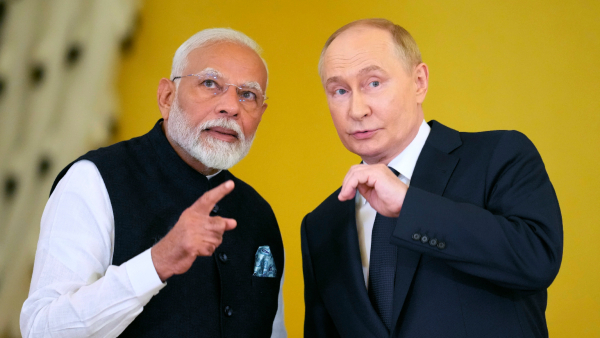
By Nitya Chakraborty Prime Minister Narendra Modi is attending the summit of the expanded BRICS block at Tatarstan city of Kazan in Russia on October 22 to 24 to be hosted by President Putin. This summit is of crucial importance for both the Indian PM as also the President Putin. Narendra Modi is attending it […]

HONG KONG SAR – Media OutReach Newswire – 18 October 2024 – Promoting high-quality development and expanding Hong Kong’s capacity for economic growth are core elements of the 2024 Policy Address, announced (October 16) by John Lee, Chief Executive of the Hong Kong Special Administrative Region. “Hong Kong is striving to become an international innovation and technology (I&T) centre by promoting the upgrading and transformation of traditional […]

A coalition of eleven nations has committed to the Middle East Green Initiative, aimed at addressing climate change and promoting sustainable development across the region. This significant expansion follows a recent summit where leaders gathered to discuss collaboration on environmental issues, further cementing the initiative’s role as a central platform for regional cooperation on sustainability. The Middle East Green Initiative, launched by Saudi Arabia, is designed to […]

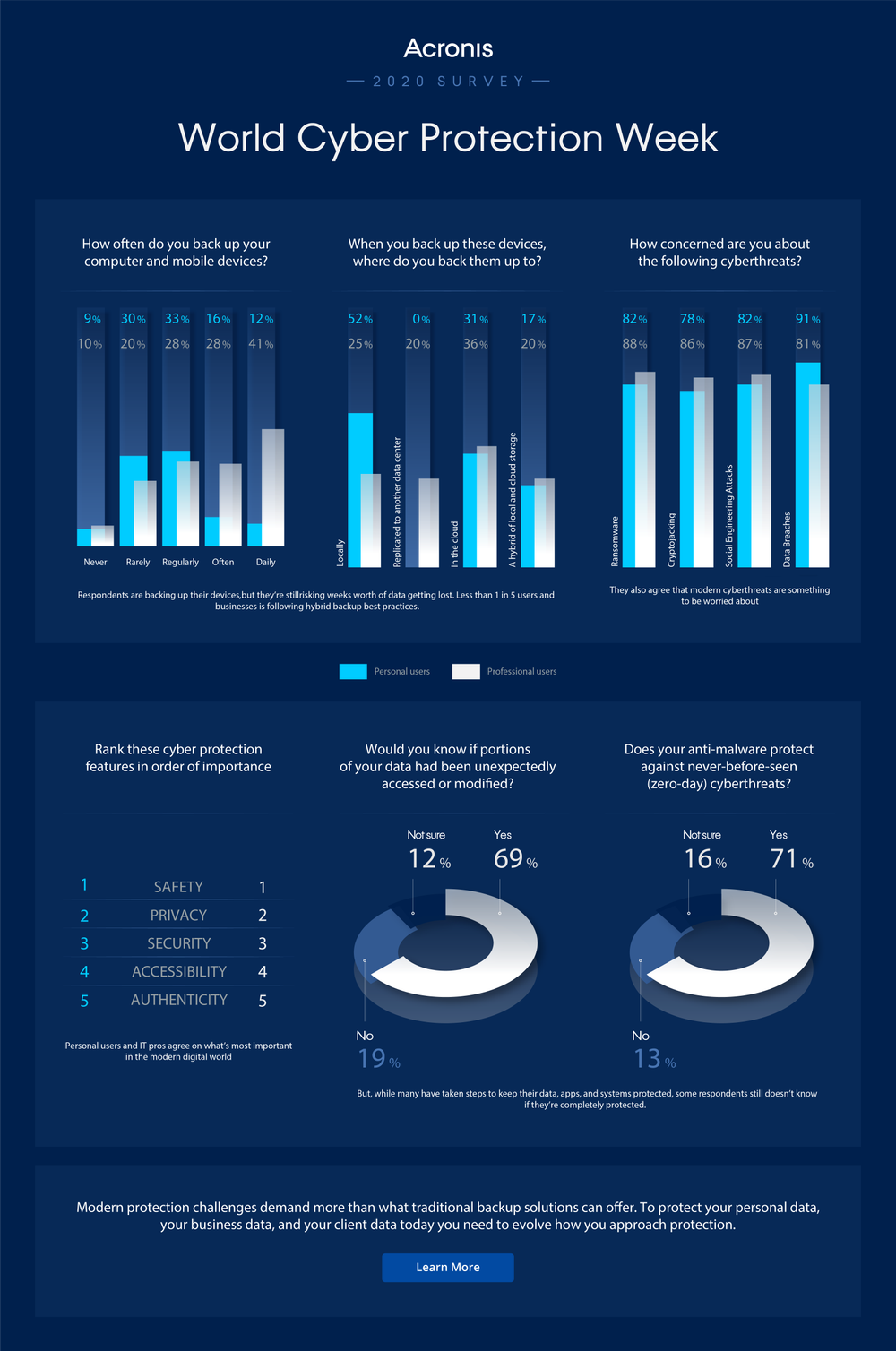
The cybersecurity sector in the UAE is experiencing unprecedented pressure, as highlighted by Acronis’ recent report indicating a staggering 68% revenue increase. This growth is attributed to the rising prevalence of cyber threats, which have intensified in 2024. Malware detections have surged by 65.3%, while URL-based threats have escalated by 36.9%, creating a pressing need for robust cybersecurity solutions across various industries.

Acronis’ findings come amid a backdrop of increased global cybercrime, with businesses in the UAE becoming prime targets. The growing digital transformation across sectors such as finance, healthcare, and government has expanded the attack surface for malicious actors. As organizations adopt cloud services and remote work policies, they inadvertently expose themselves to a myriad of vulnerabilities. The result is a burgeoning market for cybersecurity services, compelling companies like Acronis to adapt quickly to meet the evolving demands of clients.

This surge in revenue reflects not only Acronis’ successful strategic initiatives but also a broader trend within the cybersecurity industry. Organizations are increasingly prioritizing their cybersecurity frameworks, investing in comprehensive solutions to protect sensitive data and ensure business continuity. Acronis has positioned itself effectively within this landscape by offering integrated protection solutions, including data backup, disaster recovery, and cybersecurity services tailored to combat emerging threats.

Key players in the cybersecurity market are rapidly innovating to keep pace with the evolving threat landscape. The rise of sophisticated cyberattacks has prompted a shift toward proactive cybersecurity measures. Companies are now prioritizing advanced threat detection and response capabilities, leveraging artificial intelligence and machine learning to enhance their defenses. These technologies enable organizations to identify and neutralize threats before they cause significant damage, underscoring the importance of adopting a proactive rather than reactive approach to cybersecurity.

The implications of these developments are profound for businesses in the UAE. With cyber threats on the rise, organizations must reassess their cybersecurity strategies to ensure they are not only compliant with regulations but also adequately protected against potential breaches. Cybersecurity frameworks are evolving to encompass not just IT security but also physical security and personnel training, creating a comprehensive approach to risk management.

The UAE government has been proactive in addressing these challenges. Initiatives aimed at enhancing the nation’s cybersecurity posture include the establishment of the UAE Cybersecurity Council, which seeks to unify efforts across public and private sectors. This collaborative approach aims to create a resilient digital ecosystem, reinforcing the importance of cybersecurity awareness and education among employees and the wider community.

As Acronis continues to grow in this dynamic environment, its emphasis on innovation will be critical. The company has committed to enhancing its cybersecurity offerings by integrating cutting-edge technologies and expanding its global footprint. Such strategies are vital for maintaining a competitive edge and meeting the diverse needs of clients navigating this complex landscape.

The increase in cyber threats is also prompting a reevaluation of regulatory frameworks in the UAE. Businesses are now under greater scrutiny to comply with stringent cybersecurity regulations, emphasizing the need for transparency and accountability in their operations. Companies that fail to meet these requirements face not only financial penalties but also reputational damage, making cybersecurity a board-level concern.

Emerging trends indicate that small and medium-sized enterprises (SMEs) are becoming more aware of their cybersecurity needs. Historically, SMEs have been less equipped to handle cyber threats due to limited resources. However, with increased awareness and the availability of scalable cybersecurity solutions, these businesses are now taking proactive steps to safeguard their operations.

The challenge of recruiting and retaining cybersecurity talent continues to plague the industry, further complicating efforts to bolster defenses. As the demand for skilled cybersecurity professionals grows, companies face intense competition in attracting top talent. Educational institutions and training programs are responding by developing specialized curricula aimed at preparing the next generation of cybersecurity experts, a move crucial for addressing the skills gap in the sector.

Another critical aspect of the evolving cybersecurity landscape is the role of cyber insurance. As organizations recognize the potential financial impact of cyber incidents, interest in cyber insurance policies is increasing. These policies can help mitigate losses resulting from data breaches, ransomware attacks, and other cyber threats. However, the complexities involved in underwriting such policies highlight the need for comprehensive risk assessments, ensuring that organizations understand their vulnerabilities and the appropriate measures to address them.

HONG KONG SAR – Media OutReach Newswire – 17 October 2024 – John Lee, Chief Executive of the Hong Kong Special Administrative Region unveiled a range of measures in his 2024 Policy Address (October 16) to inject greater vitality into the economy, focusing on both established and emerging industries. In terms of existing businesses, Mr Lee said the Government would explore new growth areas, specifically by creating […]

TRENDS Research and Advisory, a prominent think tank headquartered in Abu Dhabi, has launched a virtual office in São Paulo, Brazil. This move comes as part of a larger global expansion effort, reflecting the think tank’s growing presence in key international markets. With additional offices opening in Washington, Buenos Aires, Berlin, and Moscow, TRENDS aims to deepen its research capabilities and strengthen ties with academic, political, and technological institutions across continents.

The office in Brazil marks a significant strategic decision for TRENDS as it sets its sights on analyzing the evolving landscape of security threats and economic challenges in Latin America. São Paulo’s technological and industrial sectors have seen rapid growth in recent years, but with that expansion has come a rise in cybersecurity risks, prompting TRENDS to focus on proactive measures to address these vulnerabilities.

Awadh Al-Breiki, Senior Researcher and Head of TRENDS Global Sector, emphasized that the proximity to key global regions like Brazil will enhance the think tank’s role in fostering international dialogue. Brazil’s prominence in the tech sphere, combined with its connection to various global markets, makes it an ideal location for TRENDS to spearhead research on emerging technological threats and defensive strategies.

Cybersecurity is a growing concern for both private and public institutions in Latin America, with an increase in digital attacks posing significant risks. The opening of TRENDS’ office in São Paulo provides a unique opportunity to address these concerns by collaborating with local experts and governments, offering policy recommendations, and creating actionable strategies to combat the increasing number of cyber threats. This move reflects TRENDS’ dedication to being a thought leader in analyzing the economic and security dynamics of the regions it operates in.

The think tank’s presence in Brazil will also extend its reach into forums and global events, such as the Brazil-Africa Forum. At this event, TRENDS will contribute to discussions on geopolitical and economic challenges, emphasizing its focus on global knowledge exchange. As part of their engagement in Latin America, TRENDS researchers are set to present new findings on the vulnerabilities of emerging technologies, underscoring the need for greater cybersecurity frameworks.

By integrating local expertise with its broader research, TRENDS aims to bolster regional security measures, provide in-depth analysis of policy changes, and offer innovative solutions tailored to the challenges faced by Brazil’s booming tech industry. As cyber threats become more sophisticated, think tanks like TRENDS are positioning themselves at the forefront of mitigating the risks tied to rapid technological advancement.

This initiative reflects a broader trend among think tanks and research organizations aiming to enhance collaboration and information sharing to tackle global issues more effectively. TRENDS’ expansion in Latin America highlights its ongoing efforts to provide comprehensive research on critical topics such as cybersecurity, digital economy, and international cooperation.

With São Paulo serving as a key hub for research, TRENDS’ virtual office will act as a bridge, connecting Latin American insights to global policy dialogues. The think tank’s leadership emphasizes that this move is part of a long-term vision to create global knowledge bridges, furthering TRENDS’ mission to contribute to informed decision-making in both the public and private sectors.

This expansion comes amid broader discussions about global tech vulnerabilities, especially in emerging markets. As technology continues to advance at a rapid pace, regions like Latin America find themselves navigating a complex landscape of economic growth and security concerns. By establishing a dedicated presence in Brazil, TRENDS is taking proactive steps to offer in-depth analysis and support to institutions looking to safeguard their digital infrastructures.

The market capitalization of PayPal’s PYUSD stablecoin has dropped significantly, falling by 40% from over $1 billion in August to approximately $618 million in a span of just 90 days. This substantial decline appears to be largely attributed to a reduction in the circulating supply of PYUSD on the Solana blockchain, which has been a critical platform for its trading and usage.

PYUSD, introduced by PayPal in August 2023, was designed to provide users with a reliable digital currency that could facilitate transactions and offer a means of value storage within the PayPal ecosystem. Despite its initial success, this latest decline raises concerns regarding the stablecoin’s stability and acceptance in a competitive market, particularly as other cryptocurrencies and stablecoins vie for market share.

One of the main factors behind the market cap decline is the reduced circulating supply on Solana. As a blockchain that supports rapid transactions and lower fees, Solana has been integral to PYUSD’s utility. However, the supply reduction indicates a shrinking user base or decreased demand for the stablecoin within this ecosystem. Market analysts suggest that a diminished supply can lead to reduced confidence in a stablecoin’s ability to maintain its value, potentially triggering a sell-off by investors.

The broader cryptocurrency market has experienced volatility, influencing investor sentiment and trading behavior. PYUSD’s market cap reduction is reflective of the challenges faced by many digital currencies in maintaining stable values amid fluctuating demand. Competing stablecoins, particularly Tether (USDT) and USD Coin (USDC), continue to dominate the market with larger market capitalizations and established user bases. These competitors have managed to sustain trust among investors, unlike PYUSD, which is now seen as struggling to find its footing in the rapidly evolving cryptocurrency landscape.

Despite these challenges, PayPal remains committed to its digital currency initiatives. The company has reiterated its vision of integrating cryptocurrencies into its services and enhancing user experiences with digital payments. Experts believe that PayPal’s established reputation and extensive user base provide a unique advantage, which could be leveraged to revitalize the PYUSD stablecoin.

The declining market cap has led to increased scrutiny from regulatory bodies as well. Governments and financial institutions worldwide are keenly observing how companies like PayPal navigate the complex regulatory landscape surrounding digital currencies. The fallout from PYUSD’s market cap reduction may prompt additional regulatory oversight, emphasizing the importance of transparency and stability in the cryptocurrency sector.

Analysts are closely monitoring user engagement with PYUSD. As digital payments continue to evolve, the preference for cryptocurrencies as a transactional tool could reshape how users interact with stablecoins like PYUSD. PayPal’s integration of PYUSD within its platform could be pivotal in reigniting interest and expanding its user base. The company’s ability to innovate and adapt to market changes will be crucial in determining the future of its stablecoin offerings.

The decline in PYUSD’s market cap also underscores broader trends within the cryptocurrency market. The stablecoin sector has faced increased competition, with various projects emerging to meet diverse consumer needs. User preferences are shifting towards stablecoins that not only provide price stability but also facilitate seamless integration within broader financial ecosystems. This trend poses a challenge for established players like PayPal, which must continuously innovate to retain relevance in the market.

The dynamics of the cryptocurrency landscape are changing rapidly, with traditional financial institutions entering the space and offering their own digital currencies. These developments are creating a more competitive environment, which may further impact the performance of PYUSD and other stablecoins.

Ardian, a global investment firm, is reportedly evaluating potential co-investment opportunities in the green hydrogen sector alongside two prominent players: Masdar and the Public Investment Fund (PIF) of Saudi Arabia. This collaborative venture could significantly impact the renewable energy landscape, reflecting a growing commitment to sustainable investments as nations strive to meet climate goals. The interest in green hydrogen arises from its potential to serve as a […]

BYD, the Chinese electric vehicle (EV) manufacturer, is making significant strides in the global automotive market, solidifying its position as a leader in producing affordable electric cars. Recent reports indicate that the company’s strategy is not just about increasing production capacity but also focuses on innovative technologies and cost-cutting measures that make electric vehicles more accessible to a broader audience.

The global electric vehicle market has been experiencing remarkable growth, driven by rising consumer demand and regulatory pressures to reduce carbon emissions. In this evolving landscape, BYD’s production capabilities and technological advancements are enabling it to offer vehicles that cater to various segments of the market. The company’s recent launch of the BYD Dolphin, a compact electric hatchback priced competitively, showcases its commitment to making EVs attainable for everyday consumers. This model is particularly noteworthy for its range of features at an entry-level price point, setting a precedent in the budget EV segment.

One of the critical factors contributing to BYD’s success is its vertically integrated supply chain. By manufacturing essential components, such as batteries and electric motors in-house, BYD has managed to reduce costs significantly. This approach allows the company to maintain control over quality and supply, which is increasingly crucial as global supply chain disruptions have affected many automakers. Furthermore, BYD’s expertise in battery technology, particularly lithium iron phosphate (LFP) batteries, has enabled the company to produce more efficient and cost-effective energy storage solutions. These batteries are not only cheaper to produce but also provide enhanced safety and longevity, making them an attractive option for consumers.

Competition in the EV market is intensifying, with established automakers and new entrants alike vying for market share. Tesla, once the undisputed leader in the electric vehicle sector, faces increasing pressure from competitors such as BYD, which are rapidly closing the gap in technology and production capabilities. Tesla’s high-end models have carved out a niche market, but BYD’s focus on affordability targets a different demographic, particularly in emerging markets where price sensitivity is paramount.

BYD’s international expansion strategy is also noteworthy. The company has been increasing its footprint in Europe, Asia, and South America, adapting its offerings to meet the local demand for electric vehicles. For example, in Europe, BYD has introduced models designed specifically for urban environments, emphasizing compact sizes and efficient performance. This tailored approach has allowed BYD to capture the attention of consumers and local governments looking to transition to greener transportation options.

The company’s efforts to enter the U.S. market have garnered significant attention. While navigating the complexities of U.S. regulations and consumer preferences presents challenges, BYD has made strides in establishing partnerships and exploring opportunities for local production. Recently, the company announced plans to invest in manufacturing facilities in North America, a move aimed at mitigating tariffs and streamlining distribution. Such initiatives signal BYD’s commitment to becoming a major player in one of the world’s most lucrative automotive markets.

The push for sustainable manufacturing practices is increasingly shaping consumer preferences and regulatory frameworks. BYD has been proactive in addressing environmental concerns, aiming to position itself as a leader in sustainable mobility. The company has committed to utilizing renewable energy sources in its manufacturing processes, further enhancing its appeal to eco-conscious consumers. This commitment aligns with global trends emphasizing sustainability and corporate responsibility, influencing purchasing decisions across demographics.

The competitive landscape is also seeing new players entering the market, notably from traditional automotive manufacturers pivoting towards electrification. Companies like Volkswagen and Ford are investing heavily in EV development, attempting to leverage their established brand recognition and distribution networks to compete with companies like BYD. The influx of capital into EV development from established players adds another layer of complexity to the industry dynamics. However, BYD’s early investments in technology and production capabilities provide it with a competitive edge.

In addition to affordability, BYD’s focus on technological innovation is crucial in attracting consumers. Features such as advanced driver-assistance systems (ADAS) and smart connectivity options are becoming increasingly expected among consumers. BYD is actively investing in research and development to enhance these features in its vehicles, aiming to meet and exceed consumer expectations. The integration of technology not only improves user experience but also serves as a differentiator in a crowded marketplace.

Industry analysts predict that the competition among EV manufacturers will intensify in the coming years, with price wars becoming more common as companies strive to capture market share. BYD’s strategy to offer high-quality, affordable vehicles positions it well to navigate these challenges. As battery technology continues to advance and production costs decrease, the feasibility of producing lower-priced electric vehicles will only increase, benefiting companies like BYD that have already established a foothold in this arena.

BYD’s commitment to enhancing its vehicle lineup is evident in its strategic partnerships and collaborations. The company has been actively engaging with various technology firms to enhance its offerings further, particularly in software development and connectivity features. By integrating cutting-edge technologies, BYD is poised to not only meet the current demands of the market but also to shape future consumer preferences in the electric vehicle sector.


BANGKOK, THAILAND – Media OutReach Newswire – 16 October 2024 – Thailand’s real estate sector, estimated to be worth US 2 trillion, is on the brink of significant transformation, driven by three emerging megatrends: multigenerational living, semi-retirement, and hospitality-residence hybridization. These trends, identified by Proud Real Estate Plc, a leader in the SET-listed property market, are set to redefine the landscape in response to a shifting demographic […]

A significant step has been taken to strengthen the UAE’s publishing industry, as the Emirates Publishers Association (EPA) signed a Memorandum of Understanding (MoU) with Aramex Emirates LLC. This agreement aims to bolster the logistics framework for local publishers, offering tailored services that improve the distribution and global reach of Emirati publications. The collaboration also marks a pivotal move in positioning the UAE as a hub for the publishing industry in the region.

The partnership promises logistical solutions that will streamline the movement of books and publications from Emirati publishers to local and international markets. The MoU highlights Aramex’s commitment to leveraging its extensive logistics expertise to ensure a seamless distribution network for EPA members. The arrangement is expected to significantly enhance the efficiency of book deliveries, helping local publishers manage supply chains more effectively while cutting costs and delays.

The UAE’s publishing sector has experienced notable growth in recent years, with an increasing demand for Arabic and English titles. This MoU reflects the need for robust logistics solutions that can meet the distribution challenges faced by local publishers, especially in reaching international audiences. By partnering with Aramex, the EPA aims to provide its members with access to a wider readership and promote Emirati literature on a global scale.

According to the EPA, the agreement will offer a comprehensive range of logistics services, including warehousing, shipping, and real-time tracking for all types of publications. This will provide greater flexibility for publishers to manage their inventories, allowing them to cater to fluctuating market demands without being hindered by logistics constraints. Publishers will also benefit from customized solutions that address the specific needs of their operations, whether they focus on digital or print media.

EPA President Ali bin Hatem emphasized that the MoU is an essential step in creating an infrastructure that can support the long-term sustainability of the UAE’s publishing industry. He noted that enhancing logistics services is critical in ensuring that the country’s literary output can be effectively distributed both domestically and internationally. “Our partnership with Aramex will allow publishers to expand their market reach and access new opportunities,” bin Hatem said.

For Aramex, this collaboration further underscores the logistics firm’s strategic focus on supporting key industries in the UAE, including publishing. Aramex’s regional CEO, Othman Aljeda, expressed confidence that the company’s extensive network and expertise in logistics would help local publishers overcome many of the challenges they face in distribution. “We are committed to providing efficient and reliable logistics solutions that will allow Emirati publishers to focus on what they do best – producing high-quality content,” Aljeda stated.

The logistics industry plays a crucial role in the publishing sector, especially as publishers increasingly rely on global distribution networks to reach readers. Aramex’s solutions are expected to reduce shipping times and costs for Emirati publishers, enabling them to respond more quickly to customer demands. Moreover, the integration of digital tools such as real-time shipment tracking will give publishers greater control over their distribution processes, allowing for better planning and inventory management.

As part of the agreement, EPA members will also receive preferential rates on Aramex’s logistics services, making it more cost-effective for smaller publishers to distribute their titles. This is seen as a key benefit for emerging publishers who may struggle to navigate the complexities of international shipping. The partnership is also expected to enhance the visibility of Emirati publications at global book fairs and literary events, further positioning the UAE as a center of cultural and literary production.

The Emirates Publishers Association, which was founded in 2009, has been instrumental in promoting the growth of the local publishing industry and advocating for the interests of its members. With over 200 publishers registered under the EPA, the organization has played a vital role in elevating the UAE’s status as a literary hub. The MoU with Aramex is the latest in a series of initiatives aimed at supporting local publishers and addressing the logistical challenges they face in today’s fast-evolving market.

This partnership comes at a time when the global publishing industry is undergoing significant transformations due to the rise of e-books and digital publishing platforms. By offering solutions tailored to the needs of modern publishers, the EPA-Aramex collaboration is expected to facilitate both traditional print distribution and digital content delivery. This will help local publishers adapt to the changing landscape of the industry while maintaining a strong presence in international markets.

Publishers have welcomed the initiative, praising the EPA’s efforts to address one of the most pressing issues in the industry: distribution. Several local publishers have expressed optimism about the impact of this partnership on their ability to reach wider audiences. The integration of logistics solutions is seen as a game-changer that will allow Emirati publishers to compete more effectively in both regional and global markets.

VISHNU RAJA
RYO YAMADA
HITORI GOTOH
IKUYO KITA