News related to
Emerging

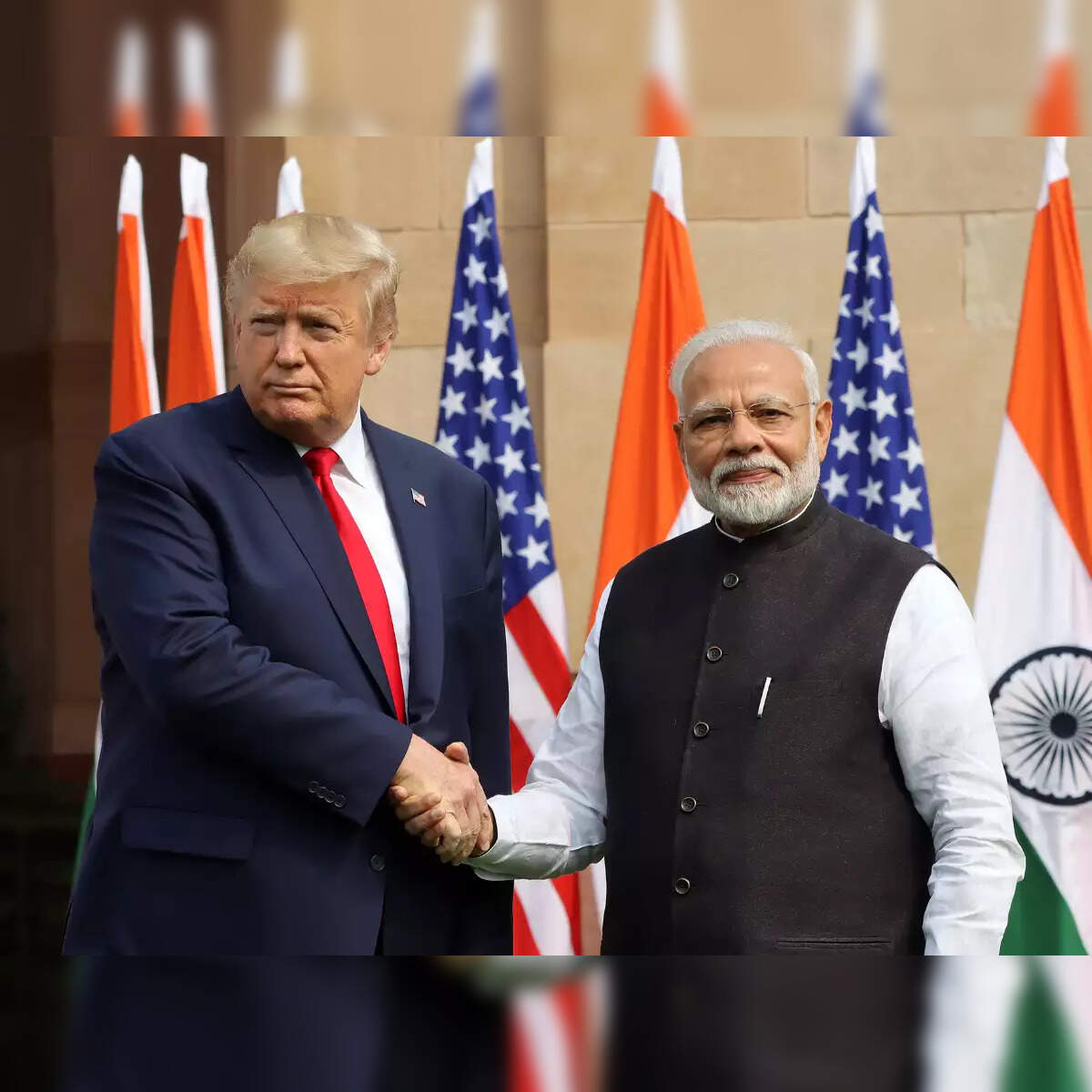
By K Raveendran Donald Trump and Narendra Modi never seem to tire of expressing admiration for each other, their mutual regard forming an odd but undeniable transnational political camaraderie. What binds them is not simply shared ideology but a similar worldview shaped by populism, nativism, and a flair for dramatic, often reckless, decision-making. Modi’s ‘Atmanirbhar […]

The escalating trade conflict between the United States and China has introduced significant shifts in global trade dynamics, presenting both opportunities and challenges for Indian exporters. The U.S. administration’s imposition of substantial tariffs on Chinese imports has prompted China to retaliate with its own set of tariffs, affecting a broad spectrum of goods. This tit-for-tat exchange has disrupted established supply chains, leading American importers to seek alternative sources for various products.

Indian exporters are poised to benefit from this realignment, particularly in sectors where India has a competitive edge. Industries such as agriculture, engineering, textiles, chemicals, and leather are witnessing increased interest from U.S. buyers aiming to diversify their supply chains away from China. Ajay Sahai, Director General of the Federation of Indian Export Organisations , noted that U.S. buyers are approaching Indian companies with manufacturing operations in China, requesting them to supply from their Indian facilities due to the prevailing uncertainties.

The agricultural sector stands to gain notably, with products like soybeans and seafood emerging as viable alternatives to Chinese exports. Similarly, the engineering and machine tools industries are experiencing heightened demand, as American companies look to mitigate the impact of increased tariffs on Chinese machinery. The textiles and garments sector is also seeing a surge in orders, capitalizing on India’s established reputation in these markets.

However, this shift is not without its challenges. The increased tariffs on Chinese goods have led to concerns about the potential for these products to be redirected to other markets, including India, at lower prices. This scenario raises the specter of dumping, which could adversely affect domestic manufacturers. Crisil, a global analytics company, has highlighted that as the U.S. imposes higher tariffs on Chinese imports, there is a heightened possibility of these surplus goods being diverted to countries like India, potentially disrupting local industries.

In response to these developments, the Indian government is actively engaging with exporters to assess the evolving landscape and identify strategies to capitalize on emerging opportunities. Efforts are underway to enhance manufacturing capabilities, streamline regulatory processes, and improve infrastructure to better position Indian products in the global market. The government’s proactive stance aims to not only seize the openings created by the U.S.-China trade tensions but also to safeguard domestic industries from potential negative spillovers.

Tether, the issuer of the world’s largest stablecoin, is evaluating the creation of a new digital currency designed to comply with forthcoming U.S. regulations. CEO Paolo Ardoino indicated that while USDT will maintain its focus on emerging markets, the proposed stablecoin would cater specifically to the U.S. market.

Ardoino emphasized Tether’s commitment to regulatory compliance, stating that the company is actively engaging with U.S. lawmakers to help shape stablecoin legislation. He noted Tether’s willingness to adapt its operations to align with legal frameworks, ensuring the company’s continued operation within the law.

The U.S. Congress is currently deliberating several bills aimed at regulating stablecoins. Notably, the STABLE Act, co-introduced by Representative Bryan Steil, proposes that stablecoin issuers maintain reserves consisting solely of high-quality liquid assets, such as U.S. Treasury bills and insured deposits. Ardoino confirmed Tether’s involvement in discussions regarding this legislation, highlighting the company’s proactive approach to compliance.

In addition to legislative engagement, Tether is expanding its global footprint. The company is finalizing the relocation of its headquarters to El Salvador after obtaining a digital asset service provider license there. This move aligns with El Salvador’s ambitions to become a digital currency trading hub, following its establishment of Bitcoin as legal tender.

Tether is also exploring opportunities beyond its traditional offerings. The company recently announced a partnership with Phoenix Group PLC to launch a Dirham -pegged stablecoin in the United Arab Emirates. This initiative aims to provide financial stability to individuals in high-inflation countries and enhance remittance services.

Tether is considering deeper involvement in the sports industry. The company holds a 5% stake in Italian Serie A soccer club Juventus and is open to increasing its investment if the current owners decide to sell more shares. This potential investment reflects Tether’s strategy to leverage its platform and user base to support global brands, particularly in emerging markets.

The United States economy added 228,000 jobs in March 2025, surpassing analysts’ expectations and indicating a robust labour market. This growth was notably higher than the anticipated 130,000 positions, reflecting resilience despite looming trade uncertainties. The unemployment rate edged up to 4.2% from 4.1% in February, primarily due to an increased number of individuals entering the workforce. Significant employment gains were observed in the healthcare sector, which […]

The Organization of the Petroleum Exporting Countries and its allies, collectively known as OPEC+, have announced a significant policy shift by accelerating oil production increases. This decision, made during a virtual meeting on Thursday, involves eight member countries—Saudi Arabia, Russia, Iraq, the United Arab Emirates, Kuwait, Kazakhstan, Algeria, and Oman—agreeing to boost output by 411,000 barrels per day starting in May. This adjustment consolidates three months’ worth of planned increases into a single month, surpassing the initially scheduled 135,000 bpd increment.

This move aims to discipline member nations that have been exceeding their production quotas and to address concerns over market stability. The coalition emphasized that these adjustments could be paused or reversed depending on evolving market conditions, underscoring their commitment to maintaining equilibrium in the global oil market.

The announcement had an immediate impact on oil prices. Brent crude futures dropped by 7.1%, settling at $69.63 per barrel, while West Texas Intermediate declined by 7.8% to $66.15 per barrel. These declines represent the steepest single-day percentage drops since mid-2022, reflecting market apprehension about potential oversupply amid existing economic uncertainties.

Compounding these market jitters are newly announced tariffs by U.S. President Donald Trump. The administration has imposed a baseline tariff of 10% on imports from several global economies, raising fears of an escalating trade war that could dampen global economic growth and, consequently, reduce energy demand. Analysts have noted that these tariffs could lead to increased inflation and slower economic expansion, particularly affecting emerging markets in Asia, which are pivotal centers for oil demand growth.

The timing of OPEC+’s decision aligns with these geopolitical developments. By increasing supply, the alliance appears to be responding to external pressures, including calls from major consumers for more affordable energy prices. However, this strategy carries risks, as it may exacerbate price volatility and strain relations within the group, especially with members that have been advocating for more conservative production increases.

Market analysts are closely monitoring the situation, noting that the combination of heightened supply and potential demand contraction due to trade tensions could lead to a surplus in the oil market. This scenario may prompt OPEC+ to reassess its strategy in the coming months to prevent a prolonged downturn in prices.

Corporate events have long gone beyond simple team building activities. They address a wide range of tasks today: helping to accelerate onboarding, improving internal communications, increasing employee engagement and strengthening corporate culture. This is especially important for employees of remote teams who risk losing contact with each other and the company due to remote working formats. In recent years, online tools have made communication easier and virtual […]

Potential disposal reflects the Group’s strategic realignment to recycle capital to its other business segments Enterprise value for the Group’s two subsidiaries ranges between S$45 million and S$55 million SINGAPORE – Media OutReach Newswire – 03 April 2025 – Enviro-Hub Holdings Ltd (SGX: L23) (“Enviro-Hub” or the “Company“, and together with its subsidiaries, the “Group“) today announced that it has entered into a non-binding letter of intent […]

Advertisements

CoinList, a prominent cryptocurrency token launch platform, has resumed token sales for accredited investors in the United States after a five-year hiatus. This move follows a period during which U.S. participants were largely excluded from early-stage investments in notable projects such as Solana and Near.

The decision to re-enter the U.S. market aligns with a series of regulatory shifts under the current administration. The Securities and Exchange Commission has recently dismissed several high-profile cases against cryptocurrency firms, including Coinbase and Kraken. citeturn0search12turn0search4 These dismissals signal a more accommodating stance toward the crypto industry, fostering an environment conducive to innovation and investment.

CoinList’s last U.S. token sale occurred in 2019, a time when increased regulatory scrutiny led many projects to exclude American investors. The platform’s return is marked by the upcoming token sale for the DoubleZero Foundation, a project aiming to optimize the internet for distributed systems like blockchain. This sale represents CoinList’s first offering to U.S. accredited investors since its departure from the market.

The broader cryptocurrency market has experienced significant growth since 2019. Excluding Bitcoin, the market capitalization has expanded from $60 billion to $1.15 trillion. This surge underscores the increasing importance of providing U.S. investors with access to emerging digital assets.

The SEC’s recent actions reflect a strategic shift toward establishing a clear regulatory framework for cryptocurrencies. By dropping cases against major exchanges and platforms, the Commission appears to be prioritizing collaboration with the industry over litigation.

Industry observers note that this regulatory pivot could lead to increased participation from U.S. investors in early-stage crypto projects. The inclusion of American investors is seen as vital for the growth and global competitiveness of the U.S. crypto market.

While the easing of regulatory pressures presents new opportunities, it also raises concerns about the potential for reduced oversight. Some critics argue that a more lenient regulatory environment could increase the risk of fraudulent activities within the crypto space.

Eric Trump has announced a significant move into the cryptocurrency sector by partnering with Hut 8 Mining to establish American Bitcoin, a company aiming to become a leading force in Bitcoin mining. This decision follows the closure of multiple family bank accounts by major U.S. financial institutions.

In a recent interview, Eric Trump revealed that several prominent banks, including JPMorgan Chase, Bank of America, Capital One, TD Bank, and First Republic, terminated accounts associated with the Trump family. He described these actions as politically motivated and an attack on the family’s financial stability. Capital One has publicly denied these allegations, asserting that account closures are not influenced by political considerations.

The abrupt termination of these accounts prompted Eric Trump to explore decentralized financial systems, leading to his involvement in the cryptocurrency industry. He expressed that the experience underscored the vulnerabilities inherent in traditional banking and highlighted the potential of digital currencies to offer financial autonomy.

American Bitcoin emerges from a strategic partnership between the Trump-affiliated American Data Centers and Hut 8 Mining, a well-established player in the crypto-mining infrastructure sector. Under the terms of the agreement, Hut 8 holds an 80% stake in the new venture, while American Data Centers retains the remaining 20%. Eric Trump assumes the role of Chief Strategy Officer, with Matt Prusak appointed as Chief Executive Officer.

The company’s mission is to position itself as the world’s most efficient Bitcoin miner and to build a substantial strategic Bitcoin reserve. This initiative aligns with the broader objective of establishing the United States as a central hub for cryptocurrency innovation and operations. Donald Trump Jr. emphasized the family’s commitment to the value of Bitcoin, noting that mining offers opportunities beyond mere ownership of the digital asset.

The announcement of American Bitcoin has elicited varied reactions. Supporters view it as a forward-thinking move that leverages emerging technologies to circumvent traditional financial barriers. Critics, however, raise concerns about potential conflicts of interest, given the family’s political prominence, and the environmental implications associated with large-scale Bitcoin mining operations.

Pfizer has unveiled its new research and development centre in Beijing, marking a significant step in the company’s strategic expansion in China. The facility, located within the BioPark in the Beijing Economic-Technological Development Area , represents the pharmaceutical giant’s ongoing commitment to increasing its presence in the Chinese market. This development comes at a time when global healthcare companies are intensifying their focus on innovation in key Asian markets.

The opening of the R&D centre is expected to bolster Pfizer’s research capabilities, particularly in the development of cutting-edge treatments in areas such as oncology, vaccines, and rare diseases. The new centre will serve as a hub for collaborative efforts between Pfizer and local Chinese researchers, healthcare providers, and academic institutions. This collaboration is viewed as a strategic move to accelerate the discovery and delivery of new therapies tailored to both global and regional healthcare needs.

Pfizer’s decision to open a new R&D centre in Beijing underscores the company’s long-term investment in China’s growing pharmaceutical industry. It is also a response to the Chinese government’s push to modernise its healthcare infrastructure and increase the availability of advanced medical treatments to its population. China’s robust investment in healthcare innovation and its vast population present a significant opportunity for Pfizer to lead in areas of unmet medical need.

The Beijing facility will focus on the integration of new technologies, such as artificial intelligence and data analytics, into drug discovery and clinical development processes. These technologies are expected to streamline Pfizer’s ability to identify promising drug candidates more efficiently, reducing development timelines and improving outcomes for patients worldwide. The centre will also support the company’s efforts to create vaccines and treatments specifically designed for the Chinese market.

Local Chinese health experts have welcomed the initiative, highlighting the positive impact it is likely to have on the region’s pharmaceutical ecosystem. Collaborations between international pharmaceutical companies like Pfizer and domestic research institutions are seen as vital to addressing health challenges in China, including the increasing prevalence of chronic diseases and an ageing population. The government’s support of such ventures is also expected to foster a more innovative and competitive environment in the Chinese pharmaceutical sector.

Pfizer’s expansion into Beijing is not the company’s first move in the region. Over the past decade, the pharmaceutical leader has steadily increased its investments in China, with a particular focus on expanding its clinical trials and vaccine development operations. This new R&D centre further cements the company’s position as a key player in the Chinese healthcare landscape.

One of the critical drivers behind Pfizer’s decision to build the facility in Beijing is the strategic importance of the region’s role in global drug development. The Chinese market, one of the largest in the world, has seen rapid growth in demand for healthcare products, particularly in biotechnology, oncology treatments, and vaccines. With an increasingly affluent population, China’s demand for high-quality medical products has surged, presenting a strong business case for Pfizer to deepen its engagement with the market.

The opening of this facility aligns with Pfizer’s broader global strategy to strengthen its innovation pipeline and maintain its competitive edge in the pharmaceutical industry. The company has consistently emphasised the importance of R&D as a cornerstone of its business model, and this move further emphasises its commitment to discovering new therapies for complex diseases. The Beijing centre is expected to collaborate with Pfizer’s other global R&D hubs, contributing to a more interconnected and agile research network.

Pfizer’s global operations have also faced some challenges in recent years, particularly with the economic uncertainties brought on by the pandemic. However, the company’s strategy of investing in emerging markets like China reflects its resilience and focus on future growth. By establishing a physical presence in one of the world’s most dynamic pharmaceutical markets, Pfizer is positioning itself to tap into both immediate and long-term opportunities in China and beyond.

The Chinese government has been supportive of multinational companies that invest in high-tech industries such as pharmaceuticals and biotechnology. This policy environment has made it increasingly attractive for foreign companies to set up R&D centres and collaborate with Chinese firms. In return, China benefits from the influx of advanced medical technologies and expertise, further propelling its ambitions to become a leader in global healthcare innovation.

Pfizer’s Beijing R&D centre is part of a broader trend of Western pharmaceutical companies making significant investments in China. These companies are increasingly collaborating with local research institutions to foster innovation, improve patient care, and support the country’s healthcare development goals. Such investments are also aligned with China’s ongoing reforms aimed at modernising its healthcare system, ensuring broader access to innovative treatments, and addressing the nation’s rising health challenges.

The opening of the R&D centre also highlights Pfizer’s commitment to ensuring that new therapies developed in Beijing will be available not only to the Chinese market but also to the global community. With the centre poised to focus on therapies for diseases with high unmet needs, including cancer and infectious diseases, the potential for cross-border medical collaboration is immense. Pfizer’s ability to leverage the centre’s local expertise and technological advancements will play a crucial role in meeting both Chinese and global healthcare demands.


Greenlogue/AP Abu Dhabi National Oil Company has initiated a tender process for the engineering, procurement, and construction of Project Rabdan, a low-carbon ammonia production facility slated for construction in the Taziz industrial complex. The plant is designed to produce one million tonnes per year of blue ammonia, leveraging natural gas feedstocks while capturing and storing carbon dioxide emissions to reduce its carbon footprint. The EPC tender follows […]

One Year After Acquiring Banyan Security, SonicWall’s Cloud Secure Edge/ZTNA Remote Access Solutions See Remarkable Growth SINGAPORE – Media OutReach Newswire – 1 April 2025 – SonicWall today marks a significant milestone in its journey redefining advanced cyber security protection with its Zero Trust Network Access (ZTNA) solution known as Cloud Secure Edge (CSE). One year after acquiring Banyan Security, a leading provider of zero-trust security for […]

JOHANNESBURG, SOUTH AFRICA – Media OutReach Newswire – 1 April 2025 – The BFSI Security Summit 2025 is set to take place on May 7, 2025, at the Radisson Blu Gautrain, Sandton, Johannesburg, bringing together leading cybersecurity experts, IT decision-makers, and industry pioneers to tackle the growing cyber risks facing Africa’s banking, financial services, and insurance (BFSI) sector. Cybersecurity remains a top concern for financial institutions in […]

I’m often asked where I invest my own money—by clients, advisers, even industry peers. And in a year like this one, when the world is being reshaped by the policies of President Trump, market volatility, and fast-moving tech cycles, the question feels more urgent than ever. We’ve seen a 10% drop in markets this year. Historically, that’s not unusual—since 1950, there have been over 30 such corrections. […]

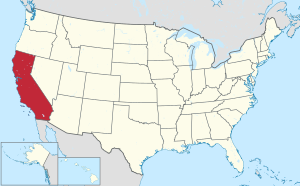
The California State Assembly has introduced Assembly Bill 1052 , a legislative measure aimed at providing legal protections for individuals engaging with digital assets such as Bitcoin. The bill, spearheaded by Assemblymember Juan Carrillo Valencia, Chair of the Assembly Banking and Finance Committee, seeks to affirm the rights of Californians to self-custody digital assets and to use them as a valid form of payment.

AB-1052 explicitly recognizes the right of individuals and businesses within the state to accept digital financial assets for the sale of goods and services. It deems the use of such assets in private transactions as valid and legal consideration. Furthermore, the bill prohibits public entities from imposing taxes, withholdings, assessments, or other charges solely based on the use of digital assets as a method of payment. This provision aims to prevent discrimination against digital asset transactions by governmental bodies.

In addition to payment considerations, the bill addresses the management of unclaimed digital assets. It stipulates that intangible property held in a digital asset account will escheat to the state three years after certain conditions are met, such as the return of undelivered communication to the owner or the last exercise of ownership interest by the owner. Holders of private keys for such escheated digital assets are required to transfer them to a custodian designated by the Controller, ensuring that these assets are managed appropriately and securely.

AB-1052 also seeks to amend the Political Reform Act of 1974 by prohibiting public officials from issuing, sponsoring, or promoting any digital assets, securities, or commodities. This measure is intended to reduce potential conflicts of interest and political influence over emerging financial technologies. Public officials are further restricted from engaging in transactions or conduct related to digital assets that could create conflicts with their public duties.

Global Footprint and B2C-B2B Synergies Drive Long-term Development Results Highlights Revenue surged by 71.7% to historical high of US$345.78 million. Net profit hit historical high and grew by 151.5% to US$19.04 million, net profit margin improved by 1.7 percentage points to 5.5%. The Board of Directors has recommended a final dividend of HK7.5 cents per share. The Business-to-Customer (B2C) YesStyle Platforms recorded revenue of US$265.64 million, up […]

By Nitya Chakraborty The inevitable has happened. Narendra Modi government’s myopic policy on handling the interim government of Bangladesh headed by Dr. Muhammad Yunus has led this important neighbour of India into Chinese lap. The Xi Jinping-Yunus meeting held in Beijing on March 28 gave its final seal of approval to the economic strategy of […]

A chemical preservative widely used in vehicle tyres is causing significant mortality in coho salmon populations in the Pacific Northwest and raising concerns about potential human health impacts. The compound, known as 6PPD, reacts with ozone in the atmosphere to form 6PPD-quinone, a toxic substance that enters waterways through stormwater runoff. This has been identified as a primary factor in the decline of salmon returning to spawn […]

Record-Breaking Revenue of HK$553.0M and Net Profit of HK$82.8M First-ever Dividend was HK$0.277 Cents Per Share Strengthening Presence in Osteoporosis, Ophthalmology, and Aesthetic Medical Markets HONG KONG SAR – EQS Newswire – 27 March 2025 – A fully integrated biopharmaceutical company – Uni-Bio Science Group Limited (“Uni-Bio Science”, together with its subsidiaries referred to as the “Group”, stock code: 0690.HK), is pleased to announce its annual results […]

La Liga, in collaboration with EA SPORTS, has initiated the ‘Next Gen Draft’ programme in the United Arab Emirates , aiming to unearth and nurture young football talent. This initiative, part of the broader EA SPORTS FC FUTURES social impact programme, seeks to identify promising players globally and provide them with advanced training opportunities.

The programme commenced with practical trials at the High Performance Centre in Dubai Sports City, involving approximately 200 players from various academies across the UAE. These trials are designed to assess technical skills, talent, and mindset, focusing on building athletes with strong personal values and sporting character. The selection process will culminate in eight standout players—four boys and four girls—who will be granted an intensive development and training programme in Madrid. There, they will visit clubs in the Spanish capital and gain firsthand exposure to the Spanish football scene, an experience designed to inspire emerging youth talent.

The UAE was chosen for these trials due to its regional significance and the presence of advanced football academies. This initiative follows previous rounds in the United States and South Africa, with future stages planned in Vietnam and Guatemala. The talent selection programme focuses on a range of attributes, including technical skills, talent, and a positive mindset, aiming to build athletes with strong personal values and sporting character.

La Liga’s commitment to developing football talent extends beyond the ‘Next Gen Draft’. The league has established the La Liga Academy in Dubai, offering young UAE players a professional football experience with top-tier training and development. The academy’s programmes are tailored to enhance individual technique, game tactics, and strategic understanding, providing a comprehensive football education for players aged 4 to 17.

Dubai’s ambitious Palm Jebel Ali project is witnessing a significant revival, positioning itself as a prime destination in the global luxury real estate market. Originally launched in 2002, the development faced delays due to the 2008 financial crisis but was revitalized in 2023. Today, it stands as a testament to Dubai’s resilience and vision for expansive waterfront living. Spanning approximately 147 million square feet—more than double the […]

Steady Final Dividend of HK$0.02 Per Share Dividend Payout Ratio was Approximately 35% (RMB’ million) For the year ended 31 December 2024 2023 Change (%) Revenue 322.3 262.6 +23% Operating profit 96.6 67.6 +43% Profit attributable to shareholders 106.6 62.4 +71% Basic earnings per share (RMB) 0.054 0.034 +59% Final dividend per share (HKD) 0.02 0.01 +100% HONG KONG SAR – Media OutReach Newswire – 26 March […]

HONG KONG SAR – Media OutReach Newswire – 26 March 2025 – The Institute of ESG & Benchmark (IESGB) is proud to announce the launch of the fifth edition of the ESG Achievement Awards 2024/2025, a prestigious platform dedicated to recognising and celebrating excellence in environmental, social, and governance (ESG) practices. Building on its legacy of honouring trailblazers in sustainability, this year’s awards will shine a spotlight […]

The sculptures are now available for public viewing at various locations across K11 MUSEA and add a bold, interactive dimension to Hong Kong’s city-wide celebration of the arts From 26 March to 13 May 2025 at GF, Promenade, K11 MUSEA HONG KONG SAR – Media OutReach Newswire – 26 March 2025 – British artist Philip Colbert‘s newest work, THE LOBSTER PAINTER, and five signature lobster sculptures transform […]

VISHNU RAJA
RYO YAMADA
HITORI GOTOH
IKUYO KITA