News related to
Emerging

Binance has partnered with TRM Labs to unveil a groundbreaking initiative aimed at tackling cryptocurrency-related crime. The newly launched Beacon Network is designed to enhance the security and integrity of the digital assets market. This collaboration marks a significant step in addressing the increasing concerns surrounding illicit activities in the crypto space.

Beacon, powered by TRM Labs, will provide a comprehensive suite of tools to track and identify suspicious activities across the blockchain. The network’s capabilities extend beyond the identification of suspicious transactions; it will also monitor exchanges and wallet providers for potential risks associated with money laundering, fraud, and terrorist financing.

This partnership is timely, as the cryptocurrency sector continues to expand and evolve, with regulators and lawmakers increasingly focusing on how to prevent its use for illegal activities. Binance, a global leader in digital asset exchanges, has long faced scrutiny over its role in the market and its ability to ensure compliance with anti-money laundering and know-your-customer standards. By working with TRM Labs, the company seeks to bolster its efforts in this area and demonstrate its commitment to ensuring the safety and legitimacy of the platform.

TRM Labs, a firm specializing in blockchain forensics and compliance tools, brings a wealth of experience to the table. The company’s technology is already used by financial institutions, law enforcement agencies, and regulators worldwide to detect and investigate financial crimes in the cryptocurrency ecosystem. Its role in the Beacon Network will help provide real-time analysis and actionable insights that can prevent fraudulent activities before they escalate.

A key feature of the Beacon Network is its use of advanced artificial intelligence and machine learning algorithms to detect emerging patterns in financial transactions. This technology will continuously monitor the blockchain, adapting to new methods of crime as they emerge. The platform will also integrate data from numerous public and private blockchains, creating a unified view of the crypto landscape that will be accessible to stakeholders across the industry.

While the initial focus of the Beacon Network will be on detecting fraud and money laundering, the partnership with Binance also signals a broader ambition to enhance overall regulatory compliance within the crypto space. Binance’s decision to invest in this technology is part of its wider effort to improve transparency and strengthen its reputation among regulators, especially in markets like the United States and Europe, where scrutiny has been particularly intense.

The collaboration also highlights the growing recognition that the cryptocurrency industry must take a more proactive stance in preventing crime and enhancing security. As the industry continues to grow, so too does the scale and sophistication of the threats it faces. The launch of the Beacon Network is therefore seen as an important step in building trust with both regulators and users, addressing concerns over the potential for digital assets to be used for illicit purposes.

Despite these efforts, challenges remain. The decentralized and pseudonymous nature of cryptocurrencies makes it inherently difficult to track illicit transactions. However, by combining Binance’s vast resources with TRM Labs’ expertise in blockchain analytics, the Beacon Network aims to create a powerful tool that will help combat the dark side of the crypto revolution. This collaboration is expected to set a new standard for industry best practices and contribute to the broader goal of mainstream adoption of digital currencies.

Implementing the Core Strategy of “Single Brand, Multi-Categories, Diversified Channels” | Excelling Through Professionalism, Strengthening Strategic Foundations FINANCIAL HIGHLIGHTS In the first half of the year, the Group recorded the following operating results: – Revenue rose by 3.3% to RMB14,817 million; gross profit margin declined by 0.4 percentage points to 50% – Net operating cash inflow was RMB2,411 million – Net profit attributable to equity holders was […]

Honda Motor Co. has secured a multi-year collaboration with a prominent Silicon Valley-based artificial intelligence startup, marking a significant step towards the development of autonomous driving technologies. The Japanese automotive giant aims to enhance its self-driving capabilities, leveraging the startup’s cutting-edge software and AI expertise. This partnership signals Honda’s commitment to staying competitive in the rapidly evolving automotive landscape, particularly as manufacturers race to implement autonomous vehicle […]

China is reportedly on the brink of a significant policy shift that may see the introduction of yuan-backed stablecoins, a move designed to bolster the international standing of its currency. With global financial markets increasingly leaning towards digital currencies, Beijing’s latest plan could mark a pivotal moment in the international adoption of the yuan.

The Chinese government is set to consider a proposal to allow the issuance of stablecoins pegged to the yuan, which would aim to challenge the dominance of the US dollar and its associated stablecoins in global markets. The proposal, expected to be reviewed by the State Council, reflects Beijing’s ongoing strategy to expand the yuan’s reach beyond its traditional borders, positioning it as a competitor to the greenback.

As part of its broader push for digital currency integration, China could allow key financial hubs such as Hong Kong and Shanghai to be the first to implement the new stablecoin systems. These cities are already at the forefront of China’s broader efforts to foster the growth of digital currencies, and the stablecoin initiative could further solidify their roles as global financial centres.

Discussions surrounding the adoption of yuan-backed stablecoins are expected to feature prominently during high-level meetings, including the upcoming Shanghai Cooperation Organisation Summit. This gathering will provide an important platform for Chinese leaders to outline their vision for the future of digital currencies, while signalling their intent to shape international policy on the use of stablecoins.

The planned move is in direct contrast to China’s earlier stance on cryptocurrency regulation. In recent years, the country has imposed strict measures on the use of private cryptocurrencies, citing concerns about financial stability and capital outflows. The proposed policy reversal regarding stablecoins marks a dramatic shift in strategy, moving from a position of stringent control to one of potential global leadership in digital currency innovation.

Stablecoins, which are digital currencies pegged to stable assets like fiat currencies or commodities, have become increasingly popular among investors seeking to minimise volatility. In particular, US dollar-backed stablecoins have grown exponentially, with major players like Tether and USD Coin dominating the market. The success of these assets has prompted China to explore ways in which the yuan can gain a similar foothold in the emerging digital economy.

By introducing a yuan-backed stablecoin, China would not only be promoting its digital currency but also attempting to influence how digital currencies are adopted globally. The move could significantly shift the dynamics of international trade and finance, particularly in Asia. As countries continue to look for alternatives to US dollar-dominated systems, China’s push for a digital yuan is increasingly seen as a strategic move to improve its influence over global financial markets.

Key stakeholders in the financial sector have already begun to take notice of China’s evolving stance on digital currencies. Financial institutions operating in Hong Kong and Shanghai are expected to play an integral role in the rollout of yuan-backed stablecoins, with implications for both domestic and cross-border transactions. Additionally, blockchain technology providers are closely monitoring developments in this space, anticipating a surge in demand for stablecoin-related infrastructure as China accelerates its digital currency ambitions.

The anticipated approval of yuan-backed stablecoins would also contribute to the development of China’s central bank digital currency, the digital yuan. While the digital yuan has already been tested in select regions, the integration of stablecoins would expand the use of digital yuan products, making it more accessible to international markets. This could significantly enhance the usability of China’s digital assets, providing a stable, digital alternative to traditional fiat currencies for global trade and investment.

At the same time, China’s global competitors, particularly the United States and the European Union, are likely to view this move with caution. While the yuan-backed stablecoin could disrupt traditional financial systems, it could also prompt a race to establish new regulatory frameworks and digital currencies to safeguard the dominance of the US dollar and the euro in global markets.

TAIPEI, TAIWAN – Media OutReach Newswire – 21 August 2025- The Southeast Asia Office of the Industrial Technology Research Institute (ITRI) and LogHealth of Mahidol University are collaborating to host the “Smart Health Industry Forum” on September 9, 2025 in Bangkok. The event aims to explore the latest trends and developments within the smart health industry of both Taiwan and Thailand. The smart health industry continues to […]

The Kerala Aviation Summit has commenced in Kochi, bringing together industry leaders, policy makers, and investors to discuss the future of the aviation sector in the region. The event, inaugurated by Kerala’s Chief Minister, marks a significant step in the state’s efforts to position itself as a key player in India’s aviation industry.

Held at the state-of-the-art convention centre, the summit aims to attract both domestic and international investments while fostering innovation and sustainable growth in aviation. This year’s theme focuses on investment opportunities, the impact of new technologies on air travel, and the evolving aviation policy landscape. The event is expected to serve as a platform for discussion on the challenges and opportunities faced by the aviation sector, particularly in the context of global economic shifts and environmental concerns.

State authorities are keen to highlight Kerala’s strategic advantages for aviation growth. With its extensive coastline and proximity to international shipping routes, the state has long been an important transit point for both passengers and cargo. In recent years, Kerala’s airports have seen significant upgrades, positioning them to handle increased passenger traffic. The summit’s discussions will likely explore ways to further leverage these infrastructure improvements, including the role of private-public partnerships in expanding airport capacity and enhancing services.

Aviation experts gathered at the summit emphasised the need for a more robust policy framework that supports both air travel expansion and environmental sustainability. Experts have pointed out that despite the growth in air traffic, India’s aviation sector continues to face challenges, including fuel price volatility, regulatory hurdles, and a shortage of skilled workforce. The summit will feature panel discussions on these issues, with a particular focus on how Kerala can address these challenges to remain competitive in the rapidly evolving aviation landscape.

The event is also expected to showcase emerging technologies that are shaping the future of air travel. Innovations in electric and hybrid aircraft, along with developments in drone technology, will be a key talking point. Aviation companies and technology firms are increasingly exploring these new technologies as part of efforts to reduce the carbon footprint of the aviation industry. Kerala’s government is keen on integrating these advancements into its aviation strategy, aiming to create a sustainable aviation ecosystem that can meet the demands of a growing population while minimising environmental impact.

The summit is anticipated to have far-reaching effects on Kerala’s economy, with key players from the aviation industry looking to expand their presence in the state. This could include the establishment of new flight routes, further investment in airport infrastructure, and the growth of aviation-related businesses. Additionally, experts believe that the state’s focus on tourism and infrastructure will serve as a catalyst for more investment in regional airports, providing a vital boost to local economies.

The Kerala Aviation Summit also provides a platform for the state government to promote its aviation policies. In recent years, Kerala has introduced several initiatives aimed at reducing the cost of air travel, such as subsidies for airlines operating in regional airports. The state’s aviation policy is expected to evolve in response to emerging trends and changing market conditions, including growing demand for air travel in smaller cities and towns.

While much of the discussion will centre around investment, infrastructure, and policy, the summit will also highlight the need for enhanced training and education in the aviation sector. As the industry grows, there is a growing demand for a skilled workforce, from pilots and ground staff to engineers and air traffic controllers. The Kerala government is already working to meet this demand, with initiatives to develop training centres and promote aviation-related courses in local educational institutions.

The North American data centre market is grappling with an unprecedented surge in demand, causing vacancy rates to plummet to their lowest levels in history. As organisations push for more robust digital infrastructure to support the rapid growth in cloud computing, artificial intelligence, and data-intensive applications, the industry’s response is struggling to keep up with the escalating requirements. Recent reports highlight a significant tightening of the market. […]

Advertisements

SINGAPORE – Media OutReach Newswire – 20 August 2025 – Singapore’s race weekend celebrations will hit a new high as JAM OFF 2025 transforms Sentosa into a vibrant hub of music, culture, and talent on 27 and 28 September 2025. Organised by Destinations Network Tourism and Leisure Marketing Ltd, and supported by the Singapore Tourism Board, JAM OFF 2025 will deliver two high-energy days of world-class performances, […]

The Trump family has completed the acquisition of financial technology firm ALT5 Sigma in a move expected to reshape their investment portfolio. At a purchase price of $15 billion, the deal signals a shift towards further diversification of their business interests, marking a significant venture into the fintech space. This acquisition, which involved a combination of private equity and strategic investments, has drawn the attention of hedge funds and investment groups keen on gaining a stake in the evolving financial technology sector.

ALT5 Sigma, known for its sophisticated algorithms and artificial intelligence solutions aimed at streamlining investment strategies, has long been regarded as a key player in the fintech arena. The company provides innovative tools for hedge funds and asset managers to optimise trading operations and enhance decision-making processes. In acquiring the firm, the Trump family gains access to these advanced technologies, positioning themselves at the forefront of the increasingly competitive tech-driven investment world.

Hedge funds have been particularly keen on ALT5 Sigma’s cutting-edge trading platforms, which leverage artificial intelligence and machine learning to predict market movements and analyse large sets of data. These tools have proven invaluable in helping firms maximise returns, mitigate risks, and remain agile in an ever-evolving market. By entering the fintech industry, the Trump family secures a stake in a sector that is expected to grow exponentially in the coming years.

Financial experts suggest that the acquisition could help the Trump family tap into new revenue streams while also increasing their exposure to emerging technologies. The fintech sector has been attracting substantial investment over the past decade, with companies like ALT5 Sigma leading the charge in transforming how financial services are delivered. With this acquisition, the Trump family joins the ranks of high-profile investors looking to capitalise on the growing demand for innovative financial tools.

The involvement of hedge funds in the deal further highlights the strategic importance of ALT5 Sigma’s offerings. Several prominent hedge funds have expressed interest in supporting the Trump family’s new venture, recognising the potential for long-term returns through the use of cutting-edge trading systems. These hedge funds, which are known for their appetite for high-risk, high-reward investments, view the acquisition as a means to enhance their portfolios by gaining access to superior trading technology.

For the Trump family, the acquisition also marks a potential shift in their investment strategy. Historically known for real estate and branding ventures, this deal represents a move into the tech industry, which could position them for success in the rapidly expanding digital economy. By diversifying into fintech, they not only gain access to a lucrative sector but also strengthen their influence in the evolving financial landscape.

Industry analysts have raised questions about the potential challenges the Trump family may face as they navigate the complexities of the fintech sector. The industry is known for its regulatory challenges, technological demands, and intense competition. However, with the backing of well-established financial firms and a strong track record of business acumen, the Trump family may be well-positioned to overcome these obstacles.

As the Trump family’s acquisition of ALT5 Sigma begins to take shape, the deal is expected to attract increasing interest from other investors and stakeholders within the fintech space. Analysts will be closely monitoring how the family leverages its new acquisition, particularly in how it integrates ALT5 Sigma’s technologies into its broader investment strategies.

Dubai is poised to see a substantial rise in its millionaire population, with projections indicating that up to 10,000 affluent individuals could relocate to the emirate by the end of 2024. This influx is expected to further solidify Dubai’s position as a premier destination for global wealth, driven by a combination of favourable tax policies, a booming property market, and a growing reputation as a business hub.

As of December 2024, Dubai’s population of resident millionaires is forecast to grow to 81,200, significantly contributing to the UAE’s total of 130,500 millionaires. The surge is linked to Dubai’s ongoing efforts to attract wealthy individuals and investors through various initiatives, such as long-term residency programmes and tax advantages, which have made it an increasingly attractive place to live and do business.

The growth of millionaires in the UAE is not just a result of Dubai’s policies but also the broader trends in the global economy, with high-net-worth individuals seeking stability and investment opportunities in the face of geopolitical uncertainty. Wealth management firms, real estate brokers, and investment advisors have all noted the heightened interest from international clients in securing properties in the emirate.

Dubai’s luxury property market is one of the key factors driving this influx. The demand for high-end residential units has been on a steady rise, with prime real estate in sought-after locations such as Palm Jumeirah, Downtown Dubai, and Dubai Marina witnessing increasing sales. This growth has been further fuelled by the city’s transformation into a financial and cultural hub, alongside its status as a global tourism hotspot.

The emirate’s real estate sector has been particularly attractive to millionaires looking to invest in luxurious homes that offer not only aesthetic appeal but also potential for high returns. Dubai’s strategic position as a gateway between the East and West makes it an ideal location for international investors, offering tax incentives and the possibility of high rental yields in a stable economic environment.

The UAE’s relaxed residency laws, particularly the Golden Visa programme, have made it easier for wealthy individuals to relocate and establish themselves in Dubai. The programme grants long-term residency permits to investors, entrepreneurs, and skilled professionals, thus encouraging a more permanent presence of the ultra-wealthy in the city. It is these factors that have contributed to Dubai’s appeal as a sanctuary for wealth and a hub for international business activity.

With its pro-business environment, ease of living, and world-class infrastructure, Dubai continues to attract entrepreneurs and executives looking to make the city their new home. Additionally, the city’s vast infrastructure, which includes state-of-the-art airports, world-class medical facilities, and a thriving arts and culture scene, only adds to its desirability for those with significant financial means.

The role of real estate developers has been critical in meeting the needs of this burgeoning millionaire class. Developers are increasingly focused on delivering bespoke, high-end properties that cater specifically to the tastes of the global elite. These residences offer everything from private pools and exclusive beach access to cutting-edge smart home technology and private helipads. The push for luxury is evident across all sectors, from private villas to penthouses that offer unparalleled views of the city’s skyline.

The local government has also been proactive in ensuring that the infrastructure keeps pace with this growing demand. New residential and commercial developments are being planned across Dubai, especially in emerging areas like Dubai Creek Harbour and Dubai South, which offer a mix of luxury living and connectivity to key business districts and international airports.

For many of these new residents, Dubai is not just a place to live but also a base from which to manage their global business interests. The city’s financial services sector is thriving, with an increasing number of wealth management firms and family offices establishing a presence in the emirate. These firms provide a full range of services, including estate planning, investment management, and tax consulting, ensuring that wealthy individuals can efficiently manage their wealth while residing in the UAE.

Scientists are testing a technique that could reshape the cornea using electricity instead of lasers, offering a potential alternative to traditional laser surgery. Early experiments with rabbit corneas have demonstrated the method can correct vision in minutes without any incisions—a promising development that may redefine the future of refractive correction. At the American Chemical Society Fall meeting, held from 17-21 August 2025, research led by Michael Hill […]

French authorities have initiated dialogue with Mali to secure the immediate release of a French national working at the embassy in Bamako, whose detention Bamako’s military regime justifies with allegations of involvement in a destabilisation plot. The French foreign ministry has dismissed these allegations as baseless, emphasising that the detained individual is entitled to protections under the Vienna Convention on Diplomatic Relations. French officials argue that the […]

The United Arab Emirates has reached a significant milestone, securing the 16th position globally in the 2025 Government Support Index, as outlined in the IMD World Competitiveness Yearbook. This index evaluates how effectively governments foster the conditions needed for businesses to thrive, measuring factors such as infrastructure, regulatory environment, and public sector efficiency. With this advancement, the UAE solidifies its standing as a global leader in creating […]

Greenlogue/AP Suqia, the UAE’s national water charity, continues to solidify its global humanitarian efforts, reaching nearly one million people in Tanzania with clean drinking water. In partnership with the Emirates Red Crescent and backed by a grant from HH Sheikh Mohammed bin Rashid Al Maktoum, this initiative aims to address water scarcity, one of the most pressing issues facing communities in East Africa. The project, a part […]

LUSAKA, Zambia — The largest climate adaptation event of the year wrapped up in Lusaka, where world leaders, policy makers, and experts issued a strong appeal for increased financial commitments to tackle the accelerating impacts of climate change. Hosted in Zambia, the UN Climate Adaptation Expo served as a key platform for discussing strategies to protect vulnerable populations and economies from the worsening climate crisis. The Expo, […]

By Nantoo Banerjee Come August 27, the picture of the Indo-US trade may show a considerable change. India’s merchandise exports to the US will be generally subjected to a 50 percent import tax from that date. A few categories, including drugs and pharmaceuticals, have been exempted. The reason advanced by US President Donald Trump for […]
DP World has reported a significant rise in revenue for the first half of 2025, with figures climbing 20.4 per cent to reach $11.24 billion. This growth was primarily driven by strong performance in its Ports & Terminals division, as well as the positive impact of acquisitions completed in recent months. The company’s adjusted EBITDA also saw an impressive increase, up by 21.4 per cent to $3.03 […]

Greenlogue/AP SNB Capital has successfully facilitated the completion of a significant SAR7.1 billion capital increase for Acwa Power, a leading Saudi developer, investor, and operator of power generation and desalination plants. The deal, executed through a rights issue on the Saudi Exchange, marks one of the largest transactions of its kind in the region. The transaction involved the issuance of 33.93 million new shares, priced at SAR210 […]

Arabian Post Staff Abu Dhabi has experienced a significant 10.3% rise in certificates of origin, underscoring the ongoing expansion of its non-oil exports. This increase highlights the Emirate’s growing role as a regional hub for trade and investment, further diversifying its economic landscape. Certificates of origin are essential documents for businesses, validating that products are manufactured or processed in a specific country. They play a crucial role […]

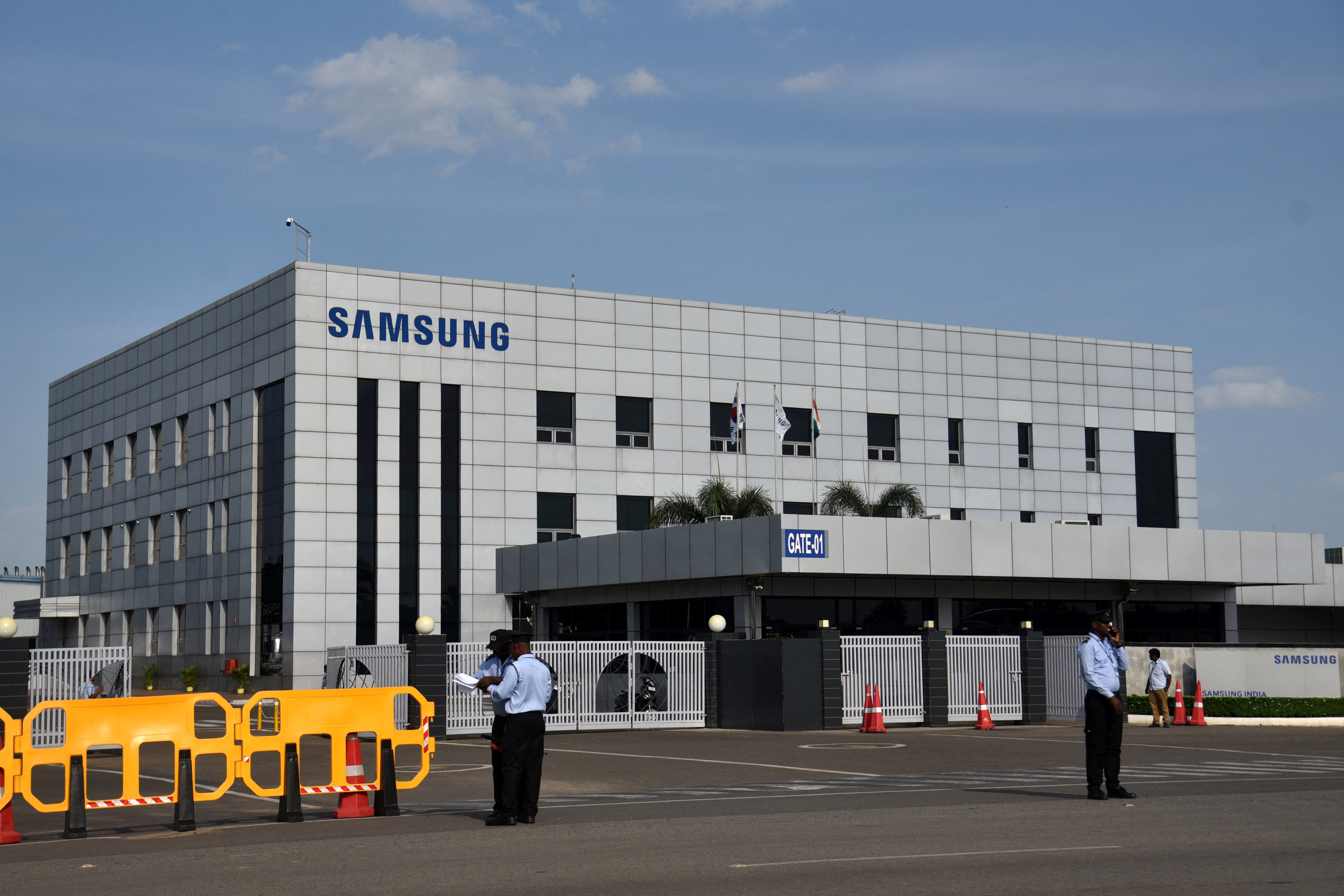
Samsung has commenced local production of laptops in India, marking a significant shift in its manufacturing strategy. The move follows growing trends in the global tech industry, where companies are increasingly decentralising their manufacturing to cater to regional markets and mitigate supply chain risks. The tech giant’s decision to set up its laptop assembly line in India comes as part of a broader push to diversify its production capabilities and tap into the country’s emerging manufacturing ecosystem.

The new facility, which is located in Noida, is expected to meet rising demand for Samsung laptops in India and other parts of Asia. The plant will focus on assembling a range of models, from entry-level to premium devices, with an emphasis on enhancing the supply of high-performance laptops. By doing so, Samsung aims to capitalise on the Indian government’s incentive schemes aimed at boosting local manufacturing and creating jobs in the sector.

India has become an increasingly attractive destination for global manufacturers due to its robust infrastructure, competitive labour costs, and a growing pool of skilled engineers and technicians. Samsung’s decision to invest in local laptop production highlights the country’s status as a strategic hub for tech companies looking to scale operations. The move also aligns with the Indian government’s vision of becoming a global manufacturing leader under the “Make in India” initiative, which encourages foreign companies to establish production bases in the country.

The South Korean company has been investing heavily in India over the past few years, with a significant focus on expanding its footprint in consumer electronics, particularly smartphones. The expansion of laptop production further strengthens its position in the Indian market, where the demand for personal computing devices has been steadily increasing. India, with its young population and rapid digitalisation, presents a lucrative market for tech companies. By establishing local manufacturing units, Samsung can not only meet this demand more effectively but also potentially lower the cost of its devices by reducing import duties and other logistical expenses.

Samsung’s Noida plant will be equipped with advanced manufacturing technology, allowing the company to ensure that its laptops meet international quality standards. The facility is expected to produce several million units annually, with an eye on both the domestic and export markets. This localisation strategy is expected to significantly cut down on shipping costs and delivery times, giving Samsung a competitive edge over other international brands that continue to import their devices into the country.

The move comes at a time when India is becoming increasingly attractive to global technology firms. Companies like Apple, Dell, and HP have already ramped up their manufacturing presence in India in recent years. India’s well-established electronics sector, supported by the government’s push to improve infrastructure and streamline regulatory processes, has led to a surge in foreign direct investment in the country’s tech manufacturing ecosystem.

Samsung’s expansion into laptop production also reflects the growing importance of India in the global supply chain. The country’s status as a low-cost production base, combined with its large consumer market, makes it an attractive location for companies looking to avoid the risks associated with heavy dependence on single countries, such as China. By shifting some of its manufacturing operations to India, Samsung can reduce its exposure to potential disruptions in China, which has long been the dominant player in global electronics manufacturing.

This shift is also likely to have broader implications for the Indian tech industry. With global giants like Samsung setting up local production lines, it is expected that the country will see an increase in the number of skilled jobs in the tech sector. Additionally, the growing demand for locally manufactured devices may spur innovation in the country’s tech ecosystem, encouraging the development of homegrown talent and technologies. This would not only strengthen India’s position as a manufacturing hub but also lay the foundation for the growth of its own tech startups.

TAIPEI, TAIWAN – Media OutReach Newswire – 16 August 2025 – Lung cancer continues to be the leading cause of cancer-related deaths worldwide. Yet, progress is within reach. In Taiwan, thanks to the National Lung Cancer Early Detection Program, the proportion of early-stage lung cancer cases continues to rise. Against this backdrop, HOPE Foundation for Cancer Care, one of the largest cancer-focused patient advocacy groups in Taiwan, […]

ADNOC Group’s six publicly listed entities posted a combined net profit of USD 4.7 billion for the first half of 2025, underscoring how the widespread deployment of advanced artificial intelligence across operations has sharpened efficiency and underpinned robust growth.

At the heart of this transformation lies MEERAi, ADNOC’s proprietary AI platform. It is deployed across ADNOC Gas, ADNOC Distribution, ADNOC Drilling, ADNOC Logistics & Services, Fertiglobe and Borouge, delivering real-time, data-driven insights that are elevating decision-making and operational precision across the board.

ADNOC Gas achieved a record Q2 net income of USD 1.385 billion, marking a 16 per cent year-on-year rise, while EBITDA increased 8 per cent to USD 2.256 billion, propelled by surging local demand and operational prowess. Investors will see the payoff as the board approved an interim dividend of USD 1.792 billion, up 5 per cent, due for disbursement in September 2025. MEERAi’s impact was central in guiding the board’s strategic decisions.

ADNOC Distribution delivered its highest first-half EBITDA to date—USD 566 million, up 10 percent—with net profit climbing 12.2 percent to USD 358 million. Fuel volumes surged to a record 7.62 billion litres, and non-fuel retail gross profit lifted 14.9 percent. The AI-driven enhancements include predictive fuel-demand forecasting, intelligent assortment planning and hyper-personalised customer offerings. The company introduced MEERAi to its board for real-time strategic oversight, and it expects to distribute a USD 350 million dividend in October 2025.

ADNOC Drilling also delivered standout performance, with management attributing its ability to scale through diverse energy cycles to advanced technologies including AI. The board approved a USD 217 million second-quarter dividend in August 2025. The company is also pursuing regional expansion, including a majority stake acquisition in SLB’s land drilling business across Kuwait and Oman.

Borouge’s AI, digitalisation and technology programme generated USD 307 million in value, including an AI-powered control room in collaboration with Honeywell and integration with MEERAi. New product innovations such as medical-grade polyolefins and recyclable packaging also featured prominently.

Meanwhile, ADNOC’s broader push to harness AI is also playing a central role in its clean-energy pivot. Following earlier investments in AI tools like RoboWell and AR360, which generated USD 500 million in value and reduced around one million tonnes of CO₂ emissions between 2022 and 2023, the company is now deploying AI to advance low-carbon energy frontiers including hydrogen and carbon management, in partnership with entities such as SOCAR, Microsoft and Masdar.

Across all six listed companies, the near-term financial performance echoes the effectiveness of ADNOC’s strategy of embedding AI across both core operations and emerging markets. The unified deployment of MEERAi is not just enhancing control-room functions, but reshaping boardroom dynamics, driving smarter strategy execution, operational optimisation, emissions reduction and product innovation.

Key players in this transformation include the leadership of ADNOC Distribution, championing digital retail evolution; ADNOC Drilling’s CEO Abdulla Ateya Al Messabi, who has publicly credited AI for the company’s resilience and growth momentum; and the broader ADNOC executive team, aligning technology and energy transition goals. Their collective efforts are reinforcing ADNOC’s position as a global energy player committed to leveraging AI for sustainable value creation.

Oracle’s aggressive expansion in AI and cloud services has set the stage for a major shift in the tech industry, with analysts predicting the company could achieve a $1 trillion market valuation by 2030. As one of the largest tech giants globally, Oracle’s growth trajectory is bolstered by significant revenue gains and strategic partnerships, positioning it to challenge established players like Amazon Web Services and Microsoft Azure. […]

Wuhan, once at the centre of the global pandemic, is emerging as a key tourist destination. With an increasing focus on environmental sustainability and green infrastructure, the city is reinventing itself and positioning itself as a hub for cultural tourism in China.

The city is leveraging its unique geographical advantage, nestled between the Yangtze and Han rivers, with abundant lakes and natural spaces that have made it a prime candidate for eco-tourism. Wuhan’s local government has pushed to transform its tourism landscape by blending urban development with environmental preservation. This has resulted in increased green spaces, cleaner air, and a revitalised waterfront.

One of the key draws for tourists is Wuhan’s “green foundations”, which are central to its urban planning. In August 2025, the symposium “Green Foundations for a Hub City” highlighted the city’s progress in integrating nature with urban life. The event underscored Wuhan’s commitment to preserving its riverbanks, improving water quality, and fostering sustainable tourism practices. It is now home to beautifully restored parks, scenic riverfronts, and nature reserves that provide a serene escape for visitors.

The city is also known for its historical and cultural landmarks. The Yellow Crane Tower, perched on the banks of the East Lake, is a must-visit. Built over a thousand years ago, it remains a symbol of Wuhan’s deep cultural roots and has been meticulously preserved as a testament to the city’s rich history. The surrounding East Lake, one of China’s largest urban lakes, is a focal point for tourists, offering boat rides, hiking trails, and opportunities to experience Wuhan’s natural beauty.

Wuhan is also positioning itself as an arts and cultural hub. The city’s many museums and galleries, such as the Hubei Provincial Museum, provide visitors with a glimpse into the region’s history, while the bustling Wuchang District is home to vibrant street art and music scenes. The city’s transformation is not just about nature but also about cultivating a sense of creativity and modernity that appeals to both domestic and international tourists.

The shift in Wuhan’s tourism offerings is complemented by an emphasis on local cuisine. The city has long been known for its culinary offerings, including its famous hot dry noodles, which have been a staple for locals and tourists alike. Wuhan’s food scene has grown as new eateries focus on bringing innovative takes on traditional dishes. From street food vendors to upscale dining, the city’s food culture is an attraction in itself, drawing food enthusiasts from across the globe.

Wuhan is making significant strides in improving its infrastructure to accommodate the influx of tourists. The Wuhan Tianhe International Airport is expanding, with new international routes being added regularly. High-speed rail links further connect Wuhan to major cities across China, making it easier for visitors to explore the city. The government is also investing in better public transport networks, ensuring tourists can navigate the city with ease.

Despite its past association with the Covid-19 outbreak, Wuhan has worked diligently to foster a safe environment for tourists. Strict health and safety protocols are in place, with the local government promoting Wuhan as a safe and welcoming destination. This concerted effort is helping to reshape perceptions and attract visitors eager to discover what the city has to offer beyond its past.

VISHNU RAJA
RYO YAMADA
HITORI GOTOH
IKUYO KITA