News related to
Emerging

Exploring the Unique Characteristics of Tsuen Wan and Sha Tau Kok and Presenting Hong Kong’s Diverse Tourism Experience HONG KONG SAR – Media OutReach Newswire – 25 November 2024 – “Design District Hong Kong” (#ddHK) creative tourism project, organised by the Tourism Commission of Hong Kong, is set to return from 12 December 2024 to 14 February 2025, bringing visitors from around the world to explore the […]

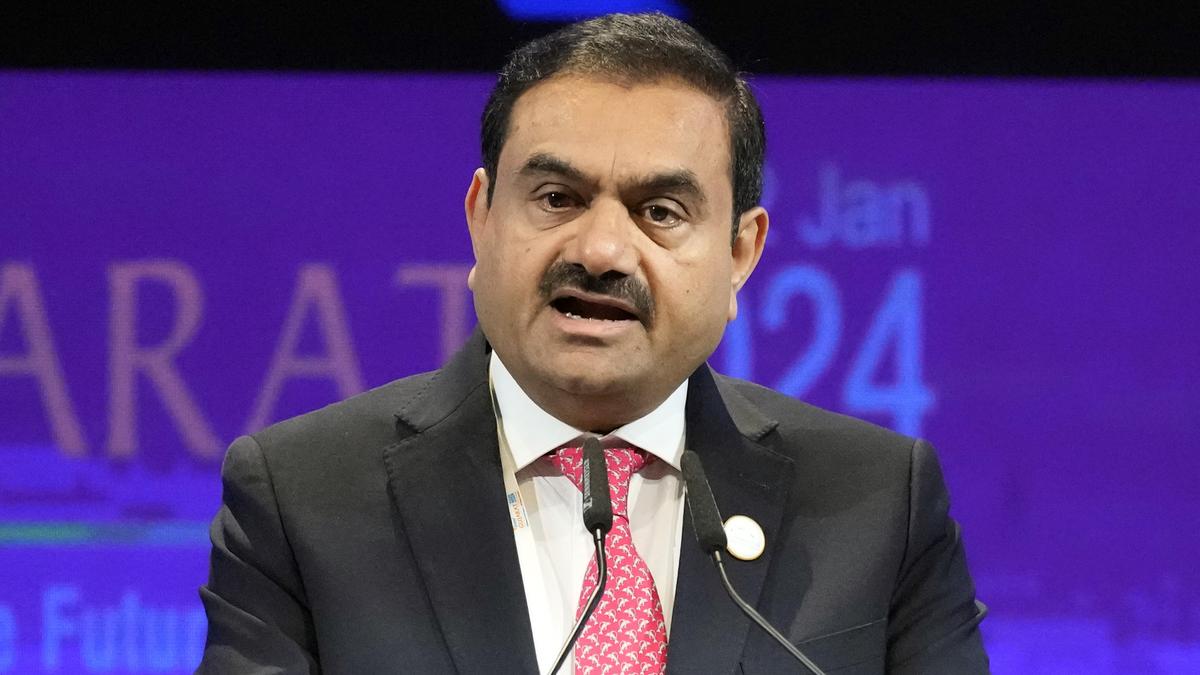
By Nantoo Banerjee If bribery is a common practice in business, and often viewed as the normal way of doing business in many countries, including India, there is little too sensational about the US Department of Justice indictment, last week, against India’s US$37-billion infrastructure conglomerate Adani group head Gautam Adani, his nephew Sagar Adani, Adani […]

The value of virtual land tokens, such as The Sandbox (SAND) and Decentraland (MANA), is showing promising signs of recovery, as both assets have experienced notable price surges in recent weeks. While these tokens had been overshadowed by the rise of memecoins, there is now an increasing sense of optimism surrounding the future of metaverse-related assets.

For a long period, the NFT market, as part of the broader crypto landscape, struggled to maintain a sustained focus from investors, especially with rising interest in memecoins and other segments like DeFi and gaming. However, a recent resurgence in investor interest seems to be pushing the boundaries for tokens like SAND and MANA, which have seen impressive price movements.

SAND, which is associated with The Sandbox, a prominent player in the metaverse space, recently surged past the $0.96 mark, peaking as high as $1.12. Meanwhile, Decentraland’s MANA has climbed from lows of $0.6 to highs above $1.30, marking significant growth. Despite these advancements, both tokens face the challenge of sustaining momentum and surpassing critical resistance levels.

The renewed price movements in these tokens are being fueled by several factors, including renewed investor confidence and the broader crypto market’s performance, which has shown recovery signs after a period of stagnation. As these projects continue to develop and enhance their virtual worlds, there is potential for the market to become more mainstream, bringing in new investors.

However, the price increases have not come without caution. Analysts note that while the upward trend is positive, both SAND and MANA still face significant hurdles. Specifically, for sustained price growth, they must break above key resistance levels. For MANA, surpassing the $1.48 mark is crucial to further validating the bullish trend, and similarly, SAND needs to push past the $1.80 resistance to trigger further upward momentum.

Despite this cautious outlook, the growing interest in the metaverse and virtual assets suggests that if these tokens can maintain or exceed their current levels, they could very well reach the $1 threshold or even higher in the near future. Additionally, emerging partnerships and platform upgrades within these ecosystems could catalyze further growth.

Eastern Europe is quickly becoming a popular destination for ski enthusiasts seeking a thrilling adventure without the hefty price tag associated with more established resorts in the Alps. Ski resorts in countries like Poland, Slovakia, and Bulgaria are gaining attention as affordable alternatives to the high-end ski destinations in Western Europe. These lesser-known mountains provide an exhilarating experience with much lower costs, making them an attractive option for budget-conscious travelers looking for a mix of adventure and value.

The snow-capped peaks of Eastern Europe offer a diverse range of ski options that rival some of the world’s most renowned destinations. With hundreds of miles of ski slopes, well-developed infrastructure, and stunning views, these regions are poised to capitalize on the growing trend of alternative winter sports destinations. Skiers can expect varied terrain suitable for all levels of expertise, from beginner slopes to challenging off-piste runs. The range of facilities is comparable to those in the Alps, but at a fraction of the cost.

In Bulgaria, the Bansko ski resort has become a standout location, renowned for its mix of traditional culture and modern amenities. Located in the Pirin Mountains, Bansko offers over 70 kilometers of ski slopes, making it one of the largest ski areas in the Balkans. What sets it apart is its exceptional value proposition, offering ski passes, accommodations, and meals that are significantly cheaper than similar services in the Alps. The resort is known for its friendly atmosphere, combining Eastern European hospitality with high-quality ski runs. Visitors are often drawn to the lively après-ski scene, which blends cultural authenticity with vibrant nightlife. Bansko’s reputation has grown steadily over the past decade, attracting both seasoned skiers and newcomers alike.

Neighboring Romania also presents enticing options for winter sports enthusiasts, with its Carpathian Mountains offering a variety of resorts that appeal to different tastes and budgets. Poiana Brașov, for example, is one of the country’s premier ski resorts. It boasts more than 24 kilometers of well-maintained slopes, snowboarding parks, and modern cable cars, all set against a dramatic backdrop of dense forests and medieval villages. Poiana Brașov is renowned for being both a family-friendly destination and a location that provides quality skiing without breaking the bank.

Poland is another Eastern European country with an emerging ski scene. Zakopane, situated at the foot of the Tatra Mountains, has long been a favorite for Polish tourists and is gaining recognition on the international stage. Zakopane offers over 40 kilometers of skiing terrain and a lively après-ski culture that is distinctly Polish. The town is particularly appealing for its picturesque charm, offering a combination of rustic wooden cottages and modern ski resorts. Zakopane’s affordable prices, particularly in comparison to neighboring Austria and Slovakia, have made it a rising star in the Eastern European ski market.

Slovakia, with its well-maintained ski resorts such as Jasná in the Low Tatras, is another destination that offers great value. Jasná, the largest ski resort in Slovakia, is renowned for its high-standard facilities, extensive terrain, and affordability. It has rapidly become a popular choice for those looking to experience skiing in the heart of Europe, offering nearly 50 kilometers of ski slopes and a range of winter activities for visitors of all levels. The resort’s modern amenities and beautiful setting in the Low Tatras National Park make it an attractive alternative to some of the more expensive Alpine resorts.

Despite the increasing competition from other countries, these Eastern European destinations retain a unique advantage: their affordability. In many of these regions, the cost of accommodation, food, and lift passes is significantly lower than in Western European ski resorts. For example, the cost of a ski pass in Bansko can be less than half of what visitors would pay at popular Alpine resorts like Chamonix or Zermatt. Similarly, lodging and dining options in countries such as Romania and Poland are often considerably cheaper, making it easier for families and smaller groups to enjoy a ski holiday without the financial strain that typically comes with top-tier Alpine resorts.

Beyond their affordability, these resorts also offer a different cultural experience that sets them apart from the traditional Alpine destinations. Skiers in Eastern Europe can expect a blend of history, culture, and scenic beauty that is unique to this region. Traditional cuisine, charming villages, and centuries-old castles add a distinctive charm to the ski experience. Eastern European resorts are also known for their hospitality, with smaller crowds and a more relaxed atmosphere than the sometimes over-crowded slopes in Western Europe.

The publishing rights for the action-adventure game *Shenmue 3* have officially shifted to Inin Games, marking a significant change in its distribution and future updates. This development follows a strategic move to expand the reach and availability of the game across various platforms. Inin Games, a company known for its work with retro titles and a growing portfolio, will now oversee the publishing and distribution of *Shenmue […]

Dubai has emerged as the epicenter for global futurism with the launch of the third edition of the Dubai Future Forum, a major event held at the city’s Museum of the Future. This year’s forum is expected to attract over 2,500 prominent experts, policymakers, and innovators from nearly 100 countries. Organized by the Dubai Future Foundation (DFF), the event stands as a significant gathering aimed at exploring cutting-edge technologies and visions for the future.

The two-day forum, which kicked off with high anticipation, brings together more than 150 thought leaders, industry pioneers, and visionaries. With over 70 scheduled sessions, it is poised to be the largest event of its kind, drawing international attention as a hub for foresight and innovation. The forum’s scope extends across multiple sectors, including artificial intelligence, robotics, sustainable development, healthcare, and more, focusing on how emerging technologies are reshaping the world.

A key feature of the forum is the diversity of participants, including leading academic institutions, top governmental figures, as well as major players from global industries. These individuals are sharing knowledge and discussing transformative trends, challenges, and solutions that are shaping the future of societies and economies worldwide. The Dubai Future Forum aims to serve not just as a meeting point for experts, but as a dynamic platform for the exchange of ideas that could drive future global policies and technological advancements.

A focal point for this year’s event is the ongoing developments in AI and its application across industries. Leading experts are set to explore the ethical, economic, and societal implications of AI, especially in areas such as automation and decision-making. Discussions around the role of AI in global governance, data privacy, and its integration into both public and private sectors will likely dominate much of the debate. Industry giants are also highlighting the increasing reliance on data-driven decision-making and machine learning models, with implications for both business practices and public policy.

Sustainability remains a pivotal topic, with the forum showcasing various initiatives aimed at tackling climate change, resource depletion, and environmental degradation. Speakers from both the private sector and international environmental organizations will delve into innovative solutions that use technology to combat ecological challenges. This includes advancements in green energy, circular economy principles, and smart cities, all of which will be central to the conversations.

The Dubai Future Forum also offers a unique opportunity for participants to engage with various forms of immersive technologies such as virtual reality (VR) and augmented reality (AR). These tools, frequently used in industries like gaming and entertainment, are now being explored for their potential applications in education, healthcare, and even urban planning. Experts are showcasing how these technologies can reshape the learning experience, improve healthcare delivery, and contribute to smarter urban environments.

Another important aspect of the forum is the representation of younger generations in the discussions about the future. The Dubai Future Foundation has made an intentional effort to include youth leaders and young entrepreneurs who are shaping the next wave of innovation. Their involvement underscores the importance of engaging younger voices in the conversation about technological advancements and their impact on society.

In addition to the scheduled sessions and talks, the forum also features an exhibition area, where startups, innovators, and corporations present their latest projects and prototypes. These exhibitions serve as a live demonstration of how businesses are pushing the boundaries of innovation to create real-world solutions to future challenges. Entrepreneurs are highlighting breakthrough technologies in fields like biotechnology, space exploration, and autonomous vehicles, showcasing the practical applications of futuristic concepts.

The Dubai Future Forum aligns with the UAE’s broader vision to position itself as a global leader in technological innovation and a hub for future-oriented thinking. The country’s investments in the future, such as the establishment of the Museum of the Future itself, reflect a strategic commitment to shaping global technological trends and fostering the development of transformative solutions.


Arabian Post Staff -Dubai Gautam Adani’s legal struggles could have far-reaching consequences, not only for his sprawling business empire but also for the broader geopolitical landscape, particularly US-India relations. As one of the wealthiest and most influential figures in India, Adani’s companies hold substantial stakes in sectors such as energy, infrastructure, and defense. His legal battles, currently under intense scrutiny, have the potential to alter perceptions of […]

Advertisements
By K Raveendran The US chargesheet against the Adani group and the arrest warrant issued against Gautam Adani are the strongest indictment yet of the crony capitalism that has been playing out on the sides under the Narendra Modi government. The new developments shed light on the group’s rapid expansion, often facilitated by connections to […]

Germany’s economy is grappling with a series of compounding challenges that threaten its status as Europe’s economic powerhouse. The country’s industrial base, particularly its automotive sector, is seeing significant job cuts, while rising energy costs and technological stagnation continue to erode its competitive edge. Once a symbol of robust economic strength, Germany is now on the verge of a potential crisis, with experts warning of the looming risk of deindustrialization and a surge in corporate defaults by 2025.

Central to this economic downturn is the energy crisis, which has been exacerbated by skyrocketing gas prices. Germany, heavily reliant on energy-intensive industries such as manufacturing, faces a growing concern as high energy costs have started to undermine industrial productivity. The country’s industrial sector, contributing nearly 20% to its GDP, is particularly vulnerable. Rising gas prices, coupled with the shift away from Russian energy supplies, have created an economic strain that is felt across factories and production lines. As energy costs spiral, businesses are forced to scale back operations, further accelerating the decline of what was once a thriving industrial landscape.

The automotive sector, a cornerstone of the German economy, has been one of the hardest hit. For over six years, Germany’s automotive industry, which employs millions, has been undergoing deep restructuring. Global supply chain disruptions, shifting consumer preferences toward electric vehicles, and fierce competition from both established and emerging markets have led to mass layoffs and the closure of plants. These challenges are compounded by Germany’s slow adoption of new technologies and innovation, which has left it trailing behind rivals in the electric vehicle race. As the country struggles to modernize its industries, the fear of deindustrialization looms large.

Compounding these difficulties, Germany’s economic infrastructure is burdened by what many see as a technological gap. While countries like the United States and China race ahead with innovations in artificial intelligence, automation, and green energy solutions, Germany has been slow to modernize its industrial base. The country’s failure to adapt quickly to technological advancements has hindered its ability to stay competitive on the global stage. This technological lag, combined with a shrinking labor force due to demographic shifts, is intensifying concerns about Germany’s long-term economic health.

Adding to the uncertainty, the Bundesbank has issued a stark warning about the growing risk of corporate defaults by 2025. The central bank’s report highlights the increasing financial strain on German companies, particularly those in the industrial sector. Many businesses are struggling to cope with rising costs, shrinking profit margins, and a challenging global economic environment. While the government has taken steps to address the energy crisis and provide financial relief to struggling sectors, it is unclear whether these measures will be enough to stave off further economic deterioration.

The political landscape in Germany has also been shaken by the economic downturn. Chancellor Olaf Scholz’s government is under mounting pressure to deliver solutions that can halt the economic slide. However, efforts to provide targeted subsidies to businesses, incentivize green energy projects, and streamline bureaucratic processes have not yet resulted in significant economic recovery. Meanwhile, public dissatisfaction is rising, with growing concerns about the future of jobs in industries that are shrinking or facing automation. As Germany’s economy continues to falter, political leaders are scrambling to find viable solutions to avert a deeper crisis.

Economists are divided on the best path forward for Germany. Some argue that the country must prioritize technological innovation and investment in green industries to regain its competitive advantage. Others emphasize the importance of rethinking the country’s energy policy to ensure a more secure and sustainable energy future. Still, others believe that structural reforms in the labor market and regulatory environment are critical to addressing Germany’s economic malaise.

Despite the severity of the situation, Germany is not without its assets. The country’s strong financial sector, high-quality workforce, and reputation for producing world-class engineering and technology still offer a foundation for recovery. However, experts warn that Germany must act swiftly and decisively to avoid a full-blown economic collapse. The risk of deindustrialization, which threatens to hollow out the country’s manufacturing base, remains a critical concern. As companies continue to grapple with high energy costs and rising competition from low-cost markets, Germany’s once-dominant position in global manufacturing is increasingly under threat.

Tickets Now Available via Urbtix HONG KONG SAR – Media OutReach Newswire – 22 November 2024 – The seventh edition of “No Limits”, co-presented by the Hong Kong Arts Festival (HKAF) and The Hong Kong Jockey Club Charities Trust, opens on 21 February 2025. Continuing its mission to promote inclusion through arts, No Limits 2025 offers a series of innovative performances and activities featuring numerous outstanding artists […]

BEIJING, CHINA – Media OutReach Newswire – 22 November 2024 – The 2024 Beijing Changping Forum on Life Science, themed “Explore Life for A Shared Future” was grandly kicked off on November 22. The forum aims to further create an innovative ecosystem that is open, international, and full of market dynamism. It will help build Beijing Zhongguancun Life Science Park into a cutting-edge “Life Science Valley”, accelerate […]

Masdar, the UAE’s leading renewable energy company, has forged a strategic partnership with China’s Silk Road Fund to advance a series of renewable energy projects. This collaboration is expected to boost global efforts in sustainable energy development, with a particular focus on wind and solar energy initiatives. By combining Masdar’s expertise in renewable energy with the Silk Road Fund’s financial capacity, the partnership is poised to drive […]

US authorities are investigating allegations of bribery involving the Adani Group, focusing on whether its founder Gautam Adani or entities linked to the conglomerate engaged in improper practices to secure benefits on energy projects. The probe, led by the US Department of Justice and the Eastern District of New York, aims to determine if payments were made to officials for favorable treatment. The allegations center on the renewable energy sector, including Azure Power Global, a company associated with Adani’s network.

This investigation has reignited discussions around the Quebec-based Caisse de dépôt et placement du Québec’s (CDPQ) dealings with Adani. CDPQ, one of Canada’s largest pension funds, already faced challenges with its $150 million investment in Azure Power, a venture that faltered after governance and compliance issues surfaced. The fund has expressed concern over the deteriorating investment, which once symbolized a push toward renewable energy but has now become a source of embarrassment.

The Adani Group, a key player in India’s energy and infrastructure sectors, has consistently denied wrongdoing. In response to the ongoing US inquiry, the group stated that it was unaware of any such investigation, maintaining its position that the company abides by the highest standards of compliance. The company also faces allegations from the Hindenburg Research report published earlier this year, accusing Adani entities of stock manipulation and accounting fraud, allegations which the conglomerate has strongly denied.

The unfolding situation adds further strain on CDPQ, whose strategic investments in developing economies aimed at boosting sustainable energy initiatives have come under fire. Critics argue that due diligence in such high-stakes markets requires more robust frameworks to mitigate risks tied to governance challenges. Meanwhile, the Adani Group’s broader operations, spanning ports, energy, and agriculture, are being closely scrutinized globally amid calls for greater corporate transparency.

The implications of the US investigation could significantly impact Adani’s international reputation and investor confidence. As regulatory oversight tightens, the group’s ability to attract foreign investment, critical for its expansion plans, may face hurdles. Observers highlight that the outcomes of such probes could set a precedent for multinational operations in emerging markets, emphasizing the need for stringent ethical compliance.

The developments underline the interconnected nature of global finance, where the consequences of allegations against one entity reverberate across continents, affecting public institutions and private stakeholders alike. As CDPQ and Adani grapple with these challenges, the case serves as a cautionary tale about navigating complex, high-growth environments with greater vigilance.

HANOI, VIETNAM – Media OutReach Newswire – 22 November 2024 – By capitalizing on its first-mover advantage, Vincom Retail has had a profound impact on Vietnamese leisure culture. Over the past two decades, the company has demonstrated significant growth through a tripartite strategy: expanding its footprint, diversifying its retail real estate formats to cater to a wide range of consumer needs, and continuously pioneering to stay ahead. […]

Donald Trump’s Media and Technology Group (TMTG), parent company of Truth Social, has taken a significant step into the cryptocurrency sector. Reports suggest the company has filed a trademark application for “TruthFi,” signaling plans to develop a platform for cryptocurrency payments, digital asset custody, and trading. This move aligns with its reported discussions to acquire shares in Bakkt, a prominent cryptocurrency exchange platform backed by Intercontinental Exchange.

TMTG’s ambitions in the crypto domain appear to capitalize on the growing influence of digital assets. By potentially acquiring Bakkt, the company seeks to enhance its foothold in the emerging market of decentralized finance and digital payments. Bakkt’s infrastructure, which includes a consumer app for managing cryptocurrencies and other digital assets, could serve as a robust foundation for TMTG’s new venture. Market analysts speculate that this acquisition could bridge Truth Social’s ecosystem with blockchain technology, fostering a streamlined integration of social media and financial technology.

The decision comes during a bullish phase for cryptocurrencies. Bitcoin recently surpassed $93,000, buoyed by optimism surrounding President-elect Donald Trump’s policies, which are expected to favor a lighter regulatory approach to digital assets. This spike has further stimulated activity in the cryptocurrency market, with Ethereum and decentralized finance tokens also experiencing substantial gains.

Bakkt, which went public via a SPAC merger in 2021, has positioned itself as a significant player in the crypto market, offering a regulated platform for trading and managing digital assets. Its potential integration with TMTG could unlock opportunities for users seeking seamless transactions within a politically conservative ecosystem. Trump’s team has declined to comment on the acquisition, though Bakkt acknowledged the market speculation but refrained from issuing a confirmation.

The broader implications of this development extend beyond TMTG’s immediate interests. Analysts believe that a successful foray into cryptocurrency by Trump’s media group could reshape the financial technology landscape, especially by linking ideological media with decentralized finance. This could cater to a niche market of users aligned with Trump’s policies while leveraging the soaring popularity of cryptocurrencies.

Shares of Bakkt surged over 160% following reports of the potential deal, reflecting market optimism. Similarly, TMTG shares experienced fluctuations as speculation about the acquisition grew. Industry observers anticipate further volatility as negotiations progress, with a formal announcement expected to clarify the strategic objectives of the partnership.

As TMTG continues to diversify its portfolio, the integration of cryptocurrency services marks a transformative step in the evolution of its digital ventures. While the success of this endeavor hinges on regulatory approvals and market reception, the potential synergy between Truth Social’s platform and Bakkt’s crypto expertise underscores the growing intersection of media, politics, and finance in the digital age.

This strategic pivot also aligns with Trump’s broader vision to establish a technology-driven economy with minimal government intervention, appealing to proponents of blockchain innovation. As cryptocurrency adoption accelerates globally, TMTG’s initiatives could set a precedent for other media companies exploring similar integrations.

U.S. Securities and Exchange Commission (SEC) Chair Gary Gensler has confirmed plans to step down on January 20, 2025, coinciding with the inauguration of President-elect Donald Trump. Gensler’s tenure, initially set to conclude on June 5, 2026, will end prematurely, paving the way for the incoming administration to appoint a new leader at the regulatory body.

Gensler, who has led the SEC since 2021, championed an ambitious agenda focusing on regulatory reforms, including a contentious approach to cryptocurrency oversight. Under his leadership, the SEC expanded its regulatory purview, initiating high-profile enforcement actions against major crypto firms and tightening disclosure requirements across various industries. These measures sparked debates about their impact on innovation and market dynamics, drawing both praise and criticism from stakeholders.

The decision to step down aligns with historical patterns in the SEC, where chairs often resign following a change in administration. Speculation surrounding Gensler’s departure intensified after Trump’s electoral victory, with reports indicating internal discussions about his successor. Potential candidates for the role include former SEC Commissioner Paul Atkins, ex-CFTC Chair Heath Tarbert, and Robinhood’s Chief Legal Officer Dan Gallagher. Each brings a unique perspective to regulatory policy, potentially signaling a shift in the SEC’s strategic priorities under new leadership.

Trump’s administration is expected to prioritize deregulation, particularly in the financial and technology sectors. This approach contrasts with Gensler’s tenure, which emphasized stringent compliance measures and consumer protections. Industry analysts anticipate that the forthcoming appointment will significantly influence the direction of securities regulation, particularly regarding emerging technologies and digital assets.

Featuring Hong Kong’s first ink art carnival InkFinity Fair with a blend of interactive games and art engagements HONG KONG SAR – Media OutReach Newswire – 21 November 2024 – UOB Art Academy and UOB Hong Kong are pleased to announce the return of the “UOB Art in Ink Festival” (Festival), Hong Kong’s premier ink art celebration, running from 13 to 29 December 2024 at the West […]

Bithumb, South Korea’s second-largest cryptocurrency exchange, is set to launch trading for TONCOIN (TON) and METIS (METIS) in Korean won (KRW) on November 21 at 8 p.m. KST. This move is anticipated to attract increased interest from both local and international investors, further positioning the platform as a key player in the region’s digital asset market.

The decision to list these two cryptocurrencies comes at a time of growing adoption and interest in the global crypto space. TONCOIN, a blockchain originally developed by the Telegram team, has gained considerable traction since its inception, while METIS, known for its Ethereum Layer 2 scaling solution, has also secured a loyal following for its efficiency and reduced transaction fees. By adding these coins to its roster, Bithumb hopes to cater to the increasing demand for both established and emerging crypto assets.

TONCOIN’s potential is rooted in its association with Telegram, one of the most popular messaging apps worldwide. The coin has carved out a niche by leveraging Telegram’s massive user base, with users able to use TONCOIN for a variety of decentralized applications (dApps) and services. As Telegram has faced regulatory hurdles in various markets, the coin has emerged as a decentralized alternative, gaining adoption both in the consumer space and by developers building on its blockchain.

On the other hand, METIS has been gaining attention due to its focus on improving the scalability and cost-efficiency of the Ethereum network. As the Ethereum blockchain faces growing network congestion and high gas fees, METIS offers an alternative by enabling faster, cheaper transactions without sacrificing the security that Ethereum provides. This scaling solution has attracted several projects, making METIS a strong contender in the Layer 2 space.

Bithumb’s decision to list both coins follows the growing trend of exchanges expanding their offerings to cater to investor demands for more diverse assets. The exchange, which handles a significant portion of South Korea’s cryptocurrency trading volume, has previously listed various popular coins, including Bitcoin, Ethereum, and Ripple, but the addition of TONCOIN and METIS signals its strategy to embrace more specialized cryptocurrencies that have garnered international interest.

The announcement was met with positive feedback from both the investor community and developers in the crypto space. TONCOIN’s supporters believe that the coin’s listing on Bithumb will help further its acceptance and adoption, particularly in South Korea, a country known for its tech-savvy population and strong interest in digital assets. Meanwhile, METIS proponents see the listing as a validation of their efforts to improve Ethereum’s scalability, a key issue for the network as it continues to expand.

The timing of the listing could also be significant given the evolving regulatory environment surrounding cryptocurrencies. South Korea has historically taken a cautious approach to crypto regulation, balancing innovation with consumer protection. The government has taken steps in recent years to tighten its grip on the sector, but has also indicated its willingness to support blockchain and cryptocurrency development. The introduction of TONCOIN and METIS trading on a major exchange like Bithumb comes at a time when South Korea is looking to position itself as a regional leader in the crypto and blockchain industries.

This development also underscores the ongoing importance of Korean won (KRW) trading pairs in the broader cryptocurrency market. As one of the leading fiat currencies in the crypto world, the South Korean won is often used as a reference point for cryptocurrency pricing in the Asian market. The availability of TONCOIN and METIS for KRW trading provides local investors with an accessible way to participate in the growing blockchain ecosystem, especially for those who may not have exposure to international exchanges or prefer to trade in their local currency.

Despite the positive outlook, some analysts caution that the ongoing volatility of the cryptocurrency market means that the success of these listings will depend heavily on market conditions. The global crypto market has experienced significant fluctuations in recent months, with both Bitcoin and Ethereum facing substantial price corrections. Therefore, while the listing of TONCOIN and METIS could attract short-term interest, the long-term viability of these coins will largely depend on broader market trends and the ongoing development of their respective blockchain ecosystems.

Nevertheless, Bithumb’s strategic move aligns with the growing demand for diverse cryptocurrency options and the need for exchanges to stay ahead of emerging trends in the industry. With more investors seeking alternative assets outside of traditional financial markets, the exchange’s decision to list TONCOIN and METIS could enhance its competitive edge in the dynamic and rapidly evolving crypto market.

KUALA LUMPUR, MALAYSIA – Media OutReach Newswire – 21 November 2024 – As a critical resource in the global economy, oil is integral not only to the energy sector but also to industries such as transportation, manufacturing, and agriculture. Changes in its prices impact inflation rates, production costs, and global trade. For instance, oil price increases can accelerate global inflation. This effect ripples through various sectors, with […]

Andalusian Private Equity, a leading U.S.-based investment firm, has confirmed plans to inaugurate its first international office in the United Arab Emirates. The new branch is expected to begin operations by early 2025, marking a significant step in the company’s expansion strategy and reflecting the UAE’s growing appeal as a global financial hub.

The firm’s move to the UAE underscores the country’s robust business environment, bolstered by favorable regulations, strategic location, and economic diversification initiatives. Over recent years, the UAE has emerged as a magnet for international private equity firms, drawn by investment opportunities across sectors such as technology, healthcare, real estate, and logistics. This trend aligns with Andalusian’s ambitions to capitalize on emerging markets, leveraging the UAE’s position as a gateway to Asia, Africa, and the Middle East.

Andalusian’s decision aligns with broader shifts in private equity dynamics, particularly in the Gulf Cooperation Council region. With its highly developed infrastructure and investor-friendly policies, the UAE remains a preferred destination for firms seeking regulatory transparency and access to high-net-worth individuals and institutional investors. Notably, the UAE’s dual financial jurisdictions, the Dubai International Financial Centre (DIFC) and Abu Dhabi Global Market (ADGM), offer a range of structures tailored to the needs of private equity managers, including Qualified Investor Funds and exempt fund regimes.

Andalusian’s new UAE office will focus on regional investments while maintaining oversight of its portfolio in North America. The company is likely to prioritize high-growth sectors such as renewable energy, fintech, and infrastructure, in line with current trends in Gulf investment priorities. This move also reflects a growing recognition of the UAE’s ability to bridge Western capital with opportunities in emerging economies.

The launch aligns with initiatives by the UAE government to position itself as a global leader in investment and innovation. Its regulatory authorities, including the Securities and Commodities Authority (SCA) and the Dubai Financial Services Authority (DFSA), have streamlined processes to attract international firms while ensuring compliance with global standards. These efforts have significantly boosted the UAE’s private equity market, which continues to see a surge in activity driven by both domestic and foreign investments.

Industry experts note that Andalusian’s entry will contribute to the region’s competitive private equity landscape. The firm’s strategic focus on sustainable and technology-driven ventures aligns with broader regional goals, particularly the UAE’s drive towards a green economy. This move also signals a trend among U.S. private equity firms to diversify geographically, spurred by shifting economic centers and the increasing importance of cross-border investments.

DigiLeap is a first-of-its-kind AI-driven platform connecting over 200 enterprises, including financial institutions and technology providers, to expedite Singapore and ASEAN’s transition to net-zero. Utilising advanced AI algorithms, DigiLeap customises matches between green projects and decarbonisation solutions, enhancing access to sustainable financing and innovative technologies. Aligned with COP29 priorities, DigiLeap drives impactful climate action across key sectors such as energy, construction, and real estate, fostering substantial environmental […]

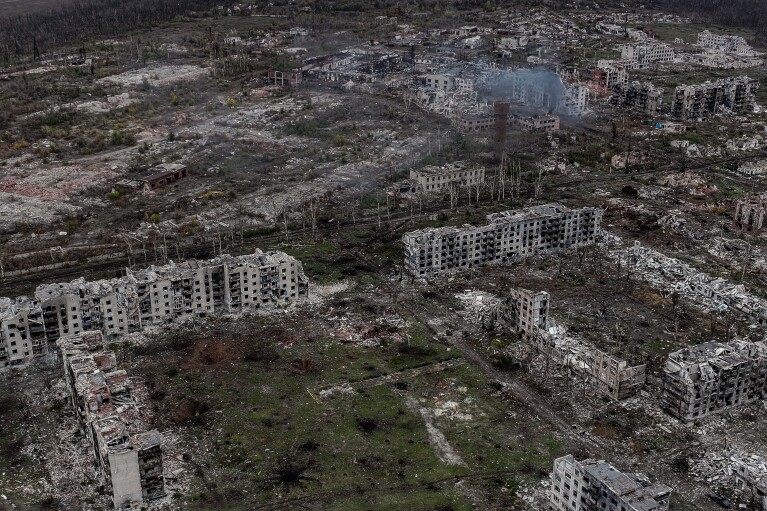
By Nitya Chakraborty The Ukraine war entered its 1000th day on Tuesday, November 19 and on the same afternoon, President Zelensky used for the first time high tech AATCMS missiles for striking inside Russia after getting green signal from the outgoing President Joe Biden only two days before. Soon after, President Putin announced lowering the […]

Teresa Goody Guillén, a veteran legal expert with a background at the U.S. Securities and Exchange Commission (SEC), is reportedly one of the top candidates under consideration by former President Donald Trump for a potential leadership role at the agency. Known for her extensive experience in regulatory matters, Goody Guillén’s candidacy is being discussed amidst the need for leadership in the SEC, which plays a critical role […]

A new wave of open-source customer relationship management (CRM) solutions is emerging, poised to disrupt the established dominance of Salesforce in the enterprise software landscape. With businesses increasingly seeking more flexible, cost-effective, and customizable alternatives to proprietary platforms, this new open-source initiative offers a compelling alternative that could reshape how companies manage customer relationships and data. The growing demand for CRM systems that offer greater control and […]

VISHNU RAJA
RYO YAMADA
HITORI GOTOH
IKUYO KITA