News related to
Emerging

Elon Musk’s net worth has reached a staggering $348 billion, driven by a surge in Tesla stock and the continued growth of his artificial intelligence venture, xAI. Musk’s wealth has seen a remarkable spike, placing him at the forefront of global billionaires, surpassing key figures in both tech and finance. This surge highlights the continued influence of Musk’s ventures, particularly Tesla, as the company’s performance remains strong […]

Meta is set to undertake a groundbreaking project that could reshape global internet infrastructure. The company plans to lay down a 40,000 km subsea fiber optic cable that will encircle the globe. The estimated cost of the project exceeds $10 billion, marking it as one of the largest and most ambitious undertakings by the tech giant. This cable will be the first of its kind, owned and […]

Equinix has officially unveiled plans for its sixth data center in Singapore, marking a significant investment in Southeast Asia’s growing digital infrastructure landscape. The new facility, named SG6, represents a $260 million initiative to support the region’s increasing demand for advanced colocation and AI-ready services. Positioned in the dense industrial hub of Tai Seng, SG6 will integrate cutting-edge technology to cater to the rising computational needs of […]

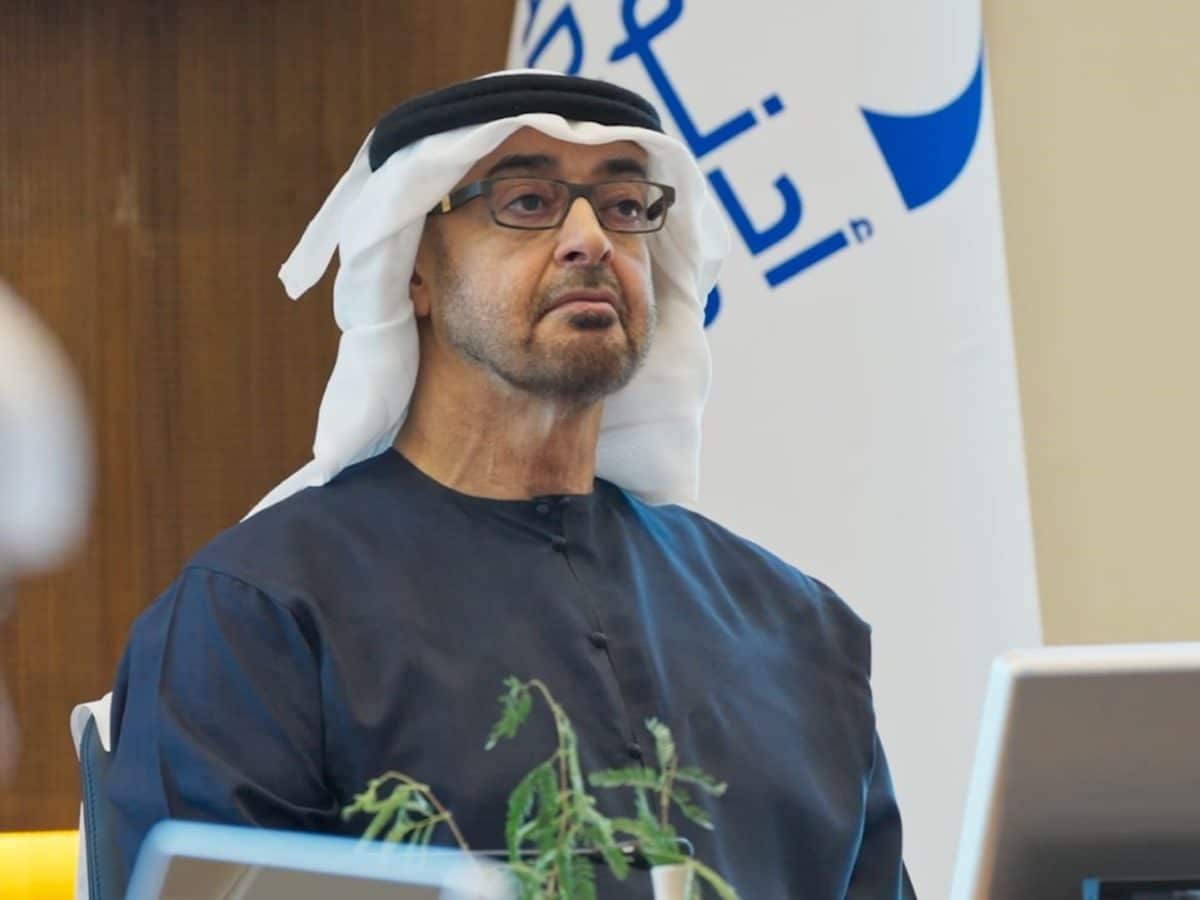
Addressing the escalating global climate crisis, His Highness Sheikh Mohammed bin Zayed Al Nahyan, President of the United Arab Emirates, emphasized that the solution to the planet’s climate challenges lies in communication and cooperation across borders. Speaking at a key summit on climate change, Sheikh Mohammed stressed the interconnectedness of nations and cultures in tackling the environmental issues threatening the future of humanity. The UAE president’s call […]

Abu Dhabi Investment Group is set to deploy a significant $100 billion in Brazil’s economy, marking a major step in the strengthening of bilateral economic ties between the UAE and Latin America’s largest economy. The announcement, made in late November 2024, highlights the UAE’s growing investment interests in Brazil, underscoring the nation’s desire to diversify its portfolio globally. The planned investments span a range of sectors, with […]

Wizz Air Abu Dhabi, the UAE’s rapidly growing budget airline, has announced the launch of a new route connecting the emirate to Varna, Bulgaria. This marks another significant expansion for the airline, which is focused on broadening its network in both Eastern Europe and the Middle East.

The new service to Varna, a popular Black Sea coastal city known for its cultural heritage and tourism appeal, is expected to cater to growing demand for both leisure and business travel between the UAE and Bulgaria. The route will operate twice a week, offering travelers convenient and affordable access to one of Bulgaria’s major economic and tourist hubs.

This development comes on the heels of a broader strategy by Wizz Air Abu Dhabi to tap into emerging markets and strengthen its presence in Europe. Bulgaria, with its increasingly attractive tourist spots and growing economy, aligns well with the airline’s aim to connect less-traveled yet high-potential destinations. As the demand for travel rebounds globally, Wizz Air Abu Dhabi continues to focus on offering competitive prices and flexibility, responding to shifting patterns in consumer behavior.

The announcement is part of Wizz Air Abu Dhabi’s broader efforts to expand its network in the region. The airline, which started operations in 2020 as a joint venture between the Hungarian carrier Wizz Air and Abu Dhabi’s state-owned ADQ, has steadily increased its footprint across both regional and European routes. The addition of Varna represents a further commitment to enhancing connectivity between the UAE and Eastern Europe, an area of growing importance for tourism and trade.

For the Bulgarian tourism sector, this new route is expected to have a positive impact, especially as the country’s tourism authorities aim to attract more visitors from the Gulf region. Varna, with its rich historical sites, sandy beaches, and vibrant nightlife, is becoming an increasingly popular destination for travelers from the Middle East, offering a blend of cultural exploration and relaxation.

The launch of the route is also expected to provide more opportunities for travelers to access both Bulgaria’s bustling urban centers and its scenic coastlines. As the tourism landscape continues to evolve, the introduction of direct flights from the UAE will likely improve trade and people-to-people ties between the two regions. Wizz Air Abu Dhabi’s competitive pricing model ensures that more people will be able to afford travel to Bulgaria, a destination that has traditionally been more distant for many travelers in the Middle East.

Varna’s connection to Abu Dhabi is not just a win for tourists but also for business. Bulgaria, known for its fast-developing economy and strategic location within Europe, offers significant potential for investment and collaboration in industries such as technology, agriculture, and energy. Direct flights will facilitate smoother travel for businesspeople looking to engage in partnerships or expand their operations in the region.

The introduction of the route aligns with Wizz Air Abu Dhabi’s overall strategy to diversify its offerings and expand into markets that present high growth potential. The airline’s flexible model, which allows for efficient operations with a low-cost structure, has enabled it to compete aggressively in the region’s air travel market. By prioritizing short-to-medium haul flights and tapping into underserved markets, Wizz Air Abu Dhabi has positioned itself as a key player in the Middle East’s aviation landscape.

Despite the challenges posed by the global pandemic and fluctuating fuel prices, Wizz Air Abu Dhabi has remained resilient, continuously exploring ways to expand its network. The airline’s fleet, which consists primarily of Airbus A321 aircraft, is optimized for cost-effective operations and allows the airline to offer affordable fares while maintaining high standards of safety and customer service.

Industry analysts expect this new route to be a part of a larger trend in the global aviation sector, where low-cost carriers are increasingly looking to expand their networks into less-traveled destinations, especially in emerging markets. As demand for affordable travel options grows, Wizz Air Abu Dhabi’s business model appears well-suited to meet the evolving needs of both leisure and business travelers.

The Varna route, launching in early December 2024, is set to further solidify Wizz Air Abu Dhabi’s position as a major player in the competitive low-cost carrier market. With more direct connections between the UAE and Eastern Europe, travelers will have increased access to key markets in both regions, providing opportunities for tourism, business, and cultural exchange. As the airline continues to expand, its impact on the regional and international travel market is likely to increase, further boosting the connectivity between the Middle East and Europe.

Transformative Event Shines a Spotlight on the Collaborative Design Excellence at the Greater Bay Area, setting the stage for a new era of creativity in the region Exhibition at DX design hub will run from December 3 to 16 with free public entry HONG KONG SAR – Media OutReach Newswire – 29 November 2024 – Organised by Hong Kong Design Centre (HKDC) and with the steer and […]

Advertisements

Over 80 Local and Overseas Creative Communities Engaging in Large-scale Installations & Exhibitions, Workshops, and Creative Voice Powering Inner Growth Through Design HONG KONG SAR – Media OutReach Newswire – 29 November 2024 – Presented by PMQ and sponsored by the Cultural and Creative Industries Development Agency (CCIDA), formerly known as Create Hong Kong (CreateHK), deTour design festival will take place from 29th November to 15th December […]

HONG KONG SAR – Media OutReach Newswire – 29 November 2024 – HONMA Golf Limited (“HONMA”; together with its subsidiaries, the “Group”; HKEX stock code: 6858), one of the most prestigious golf brands worldwide, announces its consolidated interim results for the six months ended 30 September 2024 (the “Period”). Financial Highlights Revenue decreased by 25.6% to JPY9,814.5 million (equivalent to USD64.8 million), due to ongoing and intensified […]

Singapore is one of only seven countries globally where all top 100 companies report on sustainability, surpassing the global average of 79 percent. Singapore’s top 100 companies outperformed global benchmarks in six of 12 key sustainability reporting indicators, including board-level accountability, ESG integration and climate risk recognition. 76 percent of Singapore companies now recognise climate change as a financial risk, well above the global average of 55 […]

Operations at the London office of a hedge fund tied to a prominent figure in Iran’s oil sector are set to wind down amid ongoing regulatory scrutiny and shifting geopolitical landscapes. The decision marks a significant development in the financial hub’s interactions with entities linked to sanctioned economies, underscoring broader challenges in managing global compliance and transparency in investment sectors. The hedge fund, associated with a businessman […]

The Abu Dhabi National Oil Company (ADNOC) has introduced XRG, a groundbreaking low-carbon energy and chemicals enterprise with an estimated enterprise value exceeding $80 billion. This ambitious venture positions ADNOC as a leader in the energy transition, aligning with global trends toward cleaner energy solutions and technological innovation.

XRG’s portfolio will encompass advanced technologies such as hydrogen, renewable energy, and sustainable chemicals production. Additionally, it will emphasize carbon capture and storage, aligning with ADNOC’s goal of achieving net-zero emissions by 2050. The initiative is poised to leverage ADNOC’s robust infrastructure and expertise while driving its international expansion into markets seeking environmentally sustainable energy solutions.

ADNOC anticipates XRG will double its asset value over the next decade. This projection is rooted in increasing global demand for clean energy, which is further amplified by emerging economies and the proliferation of artificial intelligence in energy optimization and resource management. Such factors contribute to the shift from traditional energy sources to integrated, technology-driven models.

Solana’s decentralized finance (DeFi) ecosystem has surged in November, reaching $420.7 million in total value locked (TVL), significantly outpacing Ethereum’s $161.2 million for the month. This marks a sharp 161% increase in Solana’s DeFi earnings, largely attributed to its low transaction fees, high throughput, and a revival of its ecosystem following a challenging period.

Ethereum, long the dominant platform in the DeFi space, has faced stiff competition from Solana, whose technological upgrades and network enhancements have bolstered its position. As Ethereum continues to struggle with scaling issues and high fees, Solana’s faster and cheaper transactions have made it increasingly attractive to developers and users in the DeFi sector.

The dramatic increase in Solana’s DeFi activity is also a reflection of the broader recovery within its blockchain ecosystem, which was hit hard by a series of setbacks, including the collapse of the FTX exchange in late 2022. However, Solana’s resilience in recovering and innovating has allowed it to gain ground on Ethereum, traditionally the go-to platform for decentralized applications (dApps) and smart contract protocols.

Key factors driving Solana’s DeFi boom are its low transaction fees, which remain a major pain point for Ethereum users, especially during periods of high network congestion. While Ethereum’s gas fees can surge to hundreds of dollars for simple transactions, Solana offers an almost negligible fee structure, making it more attractive for smaller, retail investors and developers looking to build cost-efficient DeFi applications.

Solana’s speed is another competitive advantage. It boasts a transaction processing capability of more than 60,000 transactions per second (TPS), far exceeding Ethereum’s current capacity of 30 transactions per second, though Ethereum is working on scaling solutions such as sharding and layer 2 networks. Solana’s network speed allows for quicker and more scalable applications, which is crucial for DeFi protocols that require near-instant transactions to function efficiently, especially in volatile markets.

The ecosystem recovery of Solana has also been spurred by significant developments in its DeFi protocols. A growing number of decentralized exchanges (DEXs), lending platforms, and yield farming protocols have been launched or migrated to Solana’s blockchain, further boosting the platform’s TVL. Solana’s DeFi landscape has seen contributions from several key players, including Serum, Mango Markets, and Radium, all of which provide users with advanced trading options, liquidity, and competitive rewards.

Another contributing factor to Solana’s success is the strategic collaborations and partnerships it has secured with both established companies and up-and-coming startups. Solana has garnered attention from top-tier venture capitalists, along with prominent figures in the cryptocurrency space, who have supported the blockchain’s development and growth. These relationships have helped Solana gain credibility and foster an environment conducive to innovation and expansion.

The increase in DeFi activity on Solana has also been supported by growing interest in the broader Solana ecosystem. After a period of price volatility and uncertainty, Solana’s native cryptocurrency, SOL, has stabilized and regained much of its value. This recovery has sparked renewed confidence in the network and its long-term viability, which has translated into higher DeFi activity. As a result, users are increasingly willing to stake and invest in the network, propelling the overall market cap of Solana’s ecosystem.

Ethereum, on the other hand, continues to dominate the broader smart contract and dApp landscape, largely due to its first-mover advantage and large developer base. Ethereum’s switch to a proof-of-stake (PoS) consensus mechanism with the Ethereum 2.0 upgrade is expected to bring improvements in scalability and energy efficiency. However, Ethereum’s network congestion and high fees remain major hurdles for DeFi users and developers, especially in times of increased demand. These issues are likely to persist unless significant scalability solutions are implemented.

Although Ethereum has a stronghold on the DeFi sector, Solana’s rapid growth underscores the increasing diversification of the space. With its advanced technology, Solana is emerging as a serious challenger, offering viable alternatives for decentralized financial services. Furthermore, Solana’s growing TVL is not only a reflection of the platform’s technological edge but also an indication of the rising demand for alternative DeFi solutions that prioritize scalability, cost-efficiency, and innovation.

Experts suggest that the DeFi landscape is entering a new phase, where competition between smart contract platforms like Solana and Ethereum will be crucial to the long-term development of the ecosystem. As developers continue to search for faster, cheaper, and more scalable platforms, Solana’s performance in November provides a clear indication of the potential for DeFi to flourish on blockchains beyond Ethereum. The focus on speed and cost-effectiveness is expected to drive more DeFi protocols to explore alternatives to Ethereum, opening up the market to a wider range of participants.


Investment strategies must be aligned with global sustainability goals to ensure long-term growth that is both economically viable and environmentally responsible, according to James Zhan, chair of the World Investment Conference (WIC) executive board. His comments, made during the opening session of the Riyadh-based event, emphasized the urgency of reforming the global financial system to support broader social and environmental objectives. Zhan’s remarks came as the WIC […]

Abu Dhabi is hosting an event that has gathered leading experts, researchers, and companies to focus on the future of open-source AI technologies. The Open-Source AI Summit, organized by the Technology Innovation Institute (TII), is bringing together prominent voices from academia and the tech industry to discuss the most pressing issues facing artificial intelligence today. The event highlights the crucial role of open-source development in shaping the trajectory of AI across sectors, including healthcare, data infrastructure, and generative models.

The summit is set to provide a platform for exploring new algorithms, ethical frameworks, and cutting-edge technologies aimed at improving AI systems’ transparency and usability. The discussions will address the challenges and potential benefits of open-source contributions to the rapidly growing field of AI. A major theme of the event is how open-source AI could democratize access to powerful technologies, fostering a more inclusive approach to innovation.

Experts at the summit, including Michal Valko, Principal Llama Engineer at Meta Paris, are pushing forward the theoretical foundations of machine learning. Valko’s focus on reinforcement learning from human feedback (RLHF) is among the key topics, as it offers insights into aligning AI behaviors with human values. This approach, which combines human preference models with reinforcement learning, has gained significant traction for refining AI models like large language models (LLMs).

In parallel, Dr. June Paik, Founder and CEO of FuriosaAI, is presenting her company’s work on AI chips designed to improve energy efficiency and performance, particularly in data centers managing the growing demand for deep learning inference. The shift towards hardware specifically built for AI is another cornerstone of the discussions, addressing the challenges posed by energy consumption and scalability in AI applications.

The event is also delving into the role of AI in conversational technologies. Dr. Neil Zeghidour, co-founder of Kyutai, is showcasing their advancements in creating Moshi, the world’s first full-duplex speech-to-speech system that allows AI to engage in natural, real-time conversations with human-like emotions. This breakthrough represents a significant leap forward in human-AI interaction, promising enhanced experiences in customer service, healthcare, and education.

The diverse perspectives presented at the summit underline the importance of collaboration between open-source communities, corporations, and government institutions. Many of the featured technologies, from generative AI to AI-powered hardware, are set to play an integral role in shaping industries over the next decade. Open-source AI, with its focus on collaboration and accessibility, is positioned as a transformative force, promising to create more robust and adaptable systems.

The summit also emphasizes the role of regulatory frameworks in the future of open-source AI. With the rapid rise of generative models like ChatGPT, discussions have intensified about the need for effective governance to ensure these technologies are developed responsibly and ethically. As some experts argue for tighter regulations to manage the risks associated with AI, others emphasize the need to keep open-source AI development flexible and adaptable to meet emerging challenges.

Bitwise Asset Management has renamed its European exchange-traded product to “Bitwise Physical XRP ETP” (Ticker: GXRP) in a move underscoring Ripple’s growing investment in XRP’s evolving ecosystem. This strategic rebranding aligns with Ripple’s focus on expanding the utility of XRP across diverse financial sectors, responding to rising demand from institutional players and cross-border payment markets.

The product, initially launched to provide streamlined exposure to XRP for European investors, has seen significant growth in traction. Bitwise aims to strengthen its foothold by aligning more closely with Ripple’s broader strategic initiatives. Ripple has confirmed its intention to channel investments into the product, emphasizing its confidence in the token’s versatility in decentralized finance and its increasing adoption in global remittance networks.

Market analysts point to Ripple’s ongoing efforts to cement XRP as a pivotal tool for institutional DeFi applications, with tokenization becoming a major driver. XRP’s utility in facilitating cost-effective and fast international money transfers remains a core pillar, but its applications are expanding into emerging sectors. Ripple has actively pursued partnerships and technological advancements to bolster XRP’s presence in these innovative spaces.

The rebranding comes at a critical time for Bitwise and Ripple as they navigate the rapidly evolving regulatory landscape surrounding digital assets. Ripple’s landmark partial court victory earlier this year marked a turning point for XRP’s classification, with the ruling differentiating between institutional and retail sales. This decision provided much-needed clarity for XRP’s future within the financial ecosystem, encouraging institutional confidence in Ripple’s offerings.

Bitwise Physical XRP ETP targets sophisticated European investors, offering a secure and regulated avenue for exposure to XRP. The renamed product reflects a commitment to transparency and adaptability amid growing scrutiny of the cryptocurrency industry. With regulatory agencies in Europe tightening oversight, such measures are essential for maintaining investor trust.

Ripple’s Chief Executive Officer, Brad Garlinghouse, has been vocal about the company’s ambition to lead innovation in digital finance. The investment into GXRP underscores Ripple’s strategy to promote the adoption of XRP as a foundational technology for financial institutions. The token’s role in facilitating liquidity and improving the efficiency of financial systems remains a focal point for the company.

The global push for tokenization, where real-world assets like real estate or art are represented on the blockchain, is another area where Ripple sees significant potential. By leveraging XRP as a medium for these digital representations, Ripple aims to tap into an emerging multi-trillion-dollar market. The company has outlined plans to integrate XRP into tokenization platforms, fostering interoperability and efficiency in asset transfers.

XRP’s appeal to financial institutions also lies in its scalability and environmental sustainability. Unlike Bitcoin, which relies on energy-intensive mining, XRP operates on a consensus ledger mechanism, ensuring lower energy consumption and faster transaction speeds. This makes it particularly attractive for institutions aligning their operations with global sustainability goals.

Bitwise’s decision to rebrand the product also reflects growing interest in Europe, where cryptocurrency adoption is gaining momentum. European regulatory frameworks, particularly the Markets in Crypto-Assets (MiCA) regulation, have provided clearer guidelines for the operation of digital assets, enabling innovative products like GXRP to flourish.

Ripple has been proactive in building partnerships within the European Union, with initiatives aimed at enhancing financial inclusion and enabling seamless money transfers across borders. These efforts have positioned XRP as a leading contender in the global payments sector, rivaling traditional systems like SWIFT.

The decentralized finance ecosystem, another area of Ripple’s interest, continues to attract institutional attention. XRP’s integration into DeFi platforms aims to provide institutions with reliable tools for liquidity provisioning, yield generation, and risk management. Ripple’s investments in research and development are geared towards optimizing these functionalities.

While the broader cryptocurrency market has faced headwinds, XRP has demonstrated resilience. Market data indicates a steady uptick in transaction volumes and liquidity metrics, highlighting confidence among users and institutions. Analysts suggest that Ripple’s strategic investments, such as those in GXRP, are likely to sustain this momentum.

HONG KONG SAR – Media OutReach Newswire – 27 November 2024 – Hong Kong Design Centre (HKDC) strongly supports the four major directions, six major principles and a total of 71 initiatives set out in the ‘Blueprint for Arts and Culture and Creative Industries Development’ announced by the Culture, Sports and Tourism Bureau, in particular, the promotion of profound traditional Chinese culture and the development of cultural […]

Morocco is preparing to introduce a legal framework that will regulate the use of cryptocurrencies, after banning their use in 2017. Despite the ban, cryptocurrencies like Bitcoin and Ethereum continue to circulate underground, with many Moroccans participating in mining and trading activities. This shift towards regulation comes amid the global rise in digital assets, as well as increasing domestic use, even in the face of uncertain legal standing.

The country’s central bank, Bank Al Maghrib (BAM), along with the Ministry of Finance, has recognized the growing role of digital currencies in the financial ecosystem, prompting officials to explore a clear regulatory structure. Notably, in 2021, BAM softened its stance, acknowledging that the cryptocurrency market is not a fleeting trend but a persistent phenomenon that requires careful regulation. This acknowledgment followed a period of legal ambiguity, where cryptocurrencies were considered illegal, and their use often led to penalties.

The government is now looking to adopt policies that balance innovation with risk management. Morocco’s proposed legal framework seeks to safeguard investors while providing a structured environment for the emerging crypto market. This regulatory shift is crucial in providing clarity for those involved in digital currencies, as well as in managing potential risks related to illegal activities, such as money laundering or fraud, which have been associated with unregulated markets.

While official details of the regulatory framework remain under development, ongoing discussions suggest that Morocco could follow global trends by introducing a Central Bank Digital Currency (CBDC). These developments aim to ensure that cryptocurrencies do not undermine the traditional financial system, while also positioning Morocco as a key player in the evolving landscape of digital finance.

Fitch Ratings has placed certain bonds issued by Adani entities under a “negative watch” as scrutiny of the group’s governance intensifies following allegations of corruption tied to Sri Lankan projects. This development comes amid renewed focus on a contentious $442 million wind power project in Sri Lanka’s Mannar region, which has sparked concerns over environmental compliance and procedural irregularities. The Sri Lankan government had reportedly flagged potential […]

Morocco’s central bank has confirmed that it is preparing legislation to integrate cryptocurrencies into the country’s legal framework, marking a significant shift in its financial strategy. Abdellatif Jouahiri, the Governor of Bank Al-Maghrib (BAM), announced that the regulatory framework has been finalized and will be subjected to discussions with industry stakeholders before legislative implementation. This initiative reflects the growing recognition of cryptocurrencies’ potential within the global economy, particularly in emerging markets like Morocco.

The proposed regulations aim to define and contextualize cryptocurrencies in a manner suitable for Morocco’s economic and financial environment. The draft bill is expected to balance innovation with necessary safeguards, focusing on protecting individuals while encouraging the development of financial technologies. It also underscores Morocco’s commitment to participating in the digital economy without compromising regulatory oversight. The central bank collaborated with institutions like the International Monetary Fund and the World Bank to develop the guidelines. Insights were also drawn from the regulatory approaches of countries such as France, Sweden, and Switzerland to align the framework with international standards.

Morocco’s stance on cryptocurrency has evolved significantly in recent years. While cryptocurrency trading is currently outlawed in the country, the increasing adoption of digital assets among its population has created a push for regulatory reforms. Reports from Chainalysis indicate that Morocco is one of the fastest-growing cryptocurrency markets in the Middle East and North Africa region, with digital asset ownership rising from 2.4% of the population in 2021 to 3.1% in 2022. This growth mirrors a broader regional trend, as the MENA region recorded a 48% increase in cryptocurrency transaction volumes between mid-2021 and mid-2022.

The legislation’s introduction aligns with the country’s broader economic ambitions. Morocco has shown a keen interest in leveraging blockchain technologies, as demonstrated by projects like Soluna, a blockchain-powered wind farm in Dakhla. The farm channels surplus energy into cryptocurrency mining, exemplifying how digital innovations can integrate with traditional sectors such as renewable energy.

The new legal framework also responds to international concerns about the risks associated with cryptocurrencies, such as money laundering and financial instability. By regulating the sector, Morocco aims to mitigate these risks while harnessing the benefits of blockchain technology. This development could attract foreign investments and spur domestic innovation in the fintech space, potentially positioning Morocco as a regional hub for digital finance.

The Guangdong-Hong Kong-Macao Greater Bay Area Listed Companies Summit 2024 Unveils the “Hong Kong—Best Headquarters Choice for Greater Bay Area Listed Companies” Initiative Empowering Mainland Enterprises to Leverage Hong Kong for IPOs and International Growth HONG KONG SAR – Media OutReach Newswire – 26 November 2024 – On November 25, the “Guangdong-Hong Kong-Macao Greater Bay Area Listed Companies Summit 2024,” hosted by the Greater Bay Area Association […]

Video-sharing platform Rumble has announced its intent to diversify its financial strategy by allocating up to $20 million of its excess cash reserves into Bitcoin. The move underscores the company’s commitment to adopting innovative measures while showcasing confidence in the potential of cryptocurrency as a store of value.

The decision reflects an emerging trend among technology firms leveraging digital currencies to hedge against inflation and enhance liquidity options. Rumble’s leadership emphasized that this strategic pivot aligns with its broader goals of decentralization and financial autonomy, mirroring the platform’s ethos of providing an independent content space.

Rumble, headquartered in Longboat Key, Florida, has seen significant growth in its user base, fueled by increasing demand for platforms that prioritize free expression. The company’s trajectory, bolstered by its public listing in September 2022, has positioned it as a formidable competitor to mainstream platforms. Its diversification into Bitcoin suggests a dual focus on strengthening its financial health while aligning with digital innovation trends that resonate with its user demographic.

This move follows a pattern of corporations exploring Bitcoin as a treasury asset. Notable companies such as MicroStrategy and Tesla have similarly invested significant portions of their reserves into the cryptocurrency, citing its scarcity and long-term value prospects. MicroStrategy, a pioneer in this domain, holds the largest corporate Bitcoin reserve, totaling over 150,000 BTC. Rumble’s initiative, while smaller in scale, signals its belief in Bitcoin’s stability despite the volatile nature of the crypto market.

Cryptocurrency markets have seen heightened activity over the past year, with Bitcoin experiencing a resurgence following regulatory clarity and institutional interest. Rumble’s planned acquisition comes at a time when the digital currency hovers near its highest price levels for the year, fueled by speculation surrounding Bitcoin exchange-traded funds (ETFs) and increased blockchain adoption. The timing of the investment could enable Rumble to capitalize on potential upward trends, although it also entails risks inherent to market fluctuations.

Analysts have noted that this decision aligns with Rumble’s brand identity as a disruptor in the digital media space. By embracing Bitcoin, the company reaffirms its stance against conventional norms, appealing to its core audience that values independence and alternative approaches. Some market observers believe this move could further attract creators and viewers who support decentralized solutions across various domains, including finance.

Despite the optimism surrounding cryptocurrency investments, critics caution against potential challenges, particularly given Bitcoin’s history of price volatility. Skeptics argue that while Bitcoin has demonstrated resilience, its correlation with broader market dynamics and regulatory pressures could pose risks to companies holding it as a financial asset. Rumble’s decision to allocate a portion of its reserves rather than a full-scale commitment appears to reflect a balanced approach, mitigating exposure while allowing for potential gains.

The announcement also reflects broader conversations about the role of digital assets in corporate finance. As businesses explore innovative strategies to manage reserves, Bitcoin’s prominence as a viable alternative asset class continues to gain traction. Advocates of Bitcoin argue that its deflationary design and finite supply make it an ideal hedge against economic uncertainties, a sentiment echoed by Rumble’s leadership.

WisdomTree, a leading asset manager overseeing $113 billion in investments, has filed to establish a Delaware-based trust for a proposed XRP exchange-traded fund (ETF). The move is considered a pivotal step toward offering investment products centered on XRP, one of the largest cryptocurrencies by market capitalization.

The trust filing, listed with the Delaware Division of Corporations, lays the groundwork for a full application to the U.S. Securities and Exchange Commission (SEC). The initiative follows heightened interest among asset managers to diversify crypto-related ETFs beyond Bitcoin and Ethereum. WisdomTree’s proposed ETF aims to track XRP’s market performance, further integrating cryptocurrency into mainstream investment portfolios.

This filing aligns with broader industry trends as firms such as Bitwise and Canary Capital have initiated similar proposals for XRP ETFs. Bitwise’s recent registration for a Solana ETF signals increasing diversification across the crypto ETF landscape, reflecting growing investor demand for altcoin-linked financial products.

The legal and regulatory environment surrounding XRP remains a critical factor. Ripple Labs, the creator of XRP, concluded a prolonged legal dispute with the SEC earlier this year, with a U.S. judge determining that XRP was not inherently a security. However, SEC leadership changes, particularly the anticipated resignation of Chair Gary Gensler, could reshape regulatory perspectives on crypto assets. Analysts speculate that this evolving environment may enhance the approval prospects for XRP ETFs under a potentially more crypto-friendly SEC administration.

As XRP solidifies its standing as the sixth-largest cryptocurrency by market value, WisdomTree’s move could catalyze further institutional adoption. The firm has yet to disclose details about the fund’s exchange listing or ticker symbol, leaving investors to anticipate further developments. This initiative underscores a strategic shift among asset managers seeking to capitalize on emerging trends in the digital asset space, expanding beyond traditional cryptocurrency giants.

Brace yourselves—Donald Trump is back on the scene, and the markets are bracing for impact. If history is any guide, a second Trump presidency could ignite a perfect storm for bonds. Inflationary policies, debt-fuelled spending sprees, and geopolitical curveballs are all in the cards. If you’re clinging to a “safe” bond portfolio, it’s time to wake up and smell the burning yields. Trump doesn’t do things by […]

VISHNU RAJA
RYO YAMADA
HITORI GOTOH
IKUYO KITA