News related to
Emerging

Abu Dhabi-listed Lulu Retail Holdings has posted a modest profit increase for the second quarter of 2025, with net earnings reaching $57 million, up by 2% year-on-year. The retail giant’s revenue for the quarter rose by nearly 5%, hitting $2 billion. This growth was primarily attributed to like-for-like sales growth of 2.1%, reflecting strong consumer demand across its diverse range of products. In the first half of […]

The crypto and blockchain job market in 2025 has evolved significantly from the early days of experimentation and speculative investment. As the technologies become more established, companies are now scaling operations, emphasising practical application and implementation rather than simply exploring new concepts. This shift reflects a broader maturing of the industry, where the focus is on delivering tangible results rather than relying on hype.

A key trend that has emerged is the demand for mid-to-senior level roles, particularly in project management and operations. While the number of junior-level positions remains steady, it is the more experienced professionals who are driving growth and innovation. These individuals are not only managing complex projects but also overseeing cross-functional teams, making their roles integral to the success of blockchain and crypto companies. The prominence of senior roles is indicative of an industry that is prioritising strategic leadership over individual contributors. However, it’s important to note that job titles in the sector can sometimes be misleading, with roles such as “blockchain architect” or “crypto strategist” often blending technical and managerial responsibilities.

Emerging markets are becoming significant hotspots for blockchain and crypto employment, with companies offering salary multiples that can be as high as 10 times those in traditional industries. Countries in Asia, Latin America, and parts of Africa have seen a surge in blockchain-related job creation. These markets offer cost-effective, yet highly skilled talent pools, making them attractive for businesses looking to expand their workforce. However, this salary gap also reflects a growing disparity in the global job market, where geography increasingly dictates pay rates. In more developed regions, such as the United States and Europe, salaries are certainly high, but the competition for talent is fierce, and the skill set required is rapidly advancing.

In the engineering space, there has been a notable shift towards project management roles outnumbering developers by a ratio of 2:1. This is a direct response to the complexities of managing blockchain and crypto initiatives, which require not only technical proficiency but also strong organisational skills to ensure that projects run on time and within budget. Project managers are expected to liaise with a variety of teams, coordinate development, testing, and deployment, and ultimately ensure the strategic objectives of the company are realised. As blockchain solutions scale up, project management has become just as vital as coding skills.

Hybrid work is no longer seen as a temporary response to global events but as a long-term norm in the industry. Many companies have implemented a 3-4 day in-office work policy, recognising that while remote work allows for flexibility, physical collaboration remains crucial in high-stakes, fast-moving projects. The hybrid model is seen as a way to balance the benefits of in-person interaction with the convenience of working from home. As companies continue to grow, the ability to collaborate effectively both remotely and in person has become a key factor in employee productivity and satisfaction.

Information technology expenditure across the Middle East and North Africa region is poised to climb to $169 billion by 2026, reflecting a notable 8.9 percent growth from 2025, according to projections from Gartner. The surge in IT spending underscores a region-wide shift towards digital transformation, fuelled by the increasing reliance on artificial intelligence, intelligent automation, and AI-optimised infrastructure enhancements. This rise in spending is taking place against […]

Dubai’s real estate sector has seen a notable surge in licensed activities, with 4,049 new registrations reported in the first half of 2025. This increase highlights the city’s continuing appeal as a hub for global investment, underscoring its position as a growing economic powerhouse.

The expansion in real estate-related activities is a key indicator of investor confidence in Dubai’s property market. The city’s ongoing efforts to enhance its investment climate, alongside the development of new regulations and policies, have solidified its standing as a global player in the real estate sector. The uptick in the number of new real estate ventures reflects a broader trend of diversification in the market, as Dubai seeks to expand beyond traditional residential and commercial projects into emerging sectors like hospitality, mixed-use developments, and smart city infrastructure.

The Dubai Land Department has been instrumental in driving these developments by continuing its focus on transparency, innovation, and regulatory improvements. One of the standout features of Dubai’s property market has been its emphasis on simplifying procedures for investors, which has directly contributed to the rise in new real estate-related ventures. The DLD’s efforts to digitise property transactions and improve investor accessibility have been particularly significant in this regard.

Dubai’s status as a business-friendly environment has also played a critical role in attracting international investors. Policies such as long-term residency visas, 100% foreign ownership in certain sectors, and reforms in property ownership laws have all enhanced the city’s attractiveness to global capital. The emirate’s strategic location, offering easy access to both Eastern and Western markets, has further positioned it as a key destination for multinational companies and high-net-worth individuals looking to invest in its growing real estate sector.

Dubai’s commitment to diversification has allowed it to weather global economic fluctuations better than many other markets. The emirate’s drive towards sustainability and innovation in urban planning has led to the development of numerous smart city projects, which blend residential, commercial, and leisure spaces in ways that appeal to both investors and residents. These initiatives have attracted attention from international real estate developers who view Dubai as a model for the future of urban living.

The diversification of Dubai’s real estate market is not limited to the types of properties being developed, but also to the services and amenities that accompany them. The growing prominence of serviced apartments, co-working spaces, and eco-friendly developments shows that the market is increasingly catering to a wide range of needs. The ongoing shift towards more integrated communities reflects broader global trends, such as the rise in remote working and demand for work-life balance.

Dubai’s real estate sector has also been buoyed by its ambitious infrastructure projects, such as the expansion of its transport network, the Dubai Expo City, and the upcoming World Expo 2030, which is expected to bring even more global attention and investment to the emirate. The government’s plans to develop future-focused infrastructure align with global trends in technology, sustainability, and connectivity, positioning the city as a model for future urban development.

Investor interest in Dubai’s property market is further supported by the city’s relatively stable macroeconomic environment. The UAE’s strong economic performance, backed by diversification efforts in sectors like tourism, technology, and renewable energy, continues to drive demand for commercial and residential properties alike. Despite global uncertainties, the Dubai real estate market remains a safe haven for investors, thanks to its robust regulatory framework, investor-friendly policies, and a growing base of international buyers.

GPT-5, the latest iteration of OpenAI’s language model, has been found vulnerable to a range of security breaches, according to recent findings by red team researchers. These researchers have demonstrated that sophisticated multi-turn attacks, dubbed “storytelling” attacks, can bypass prompt-level filters, rendering the model nearly unusable for enterprise applications. The attacks focus on exploiting systemic weaknesses within GPT-5’s defensive mechanisms. While OpenAI has made strides in bolstering […]

Athlete Ghani Souleymane has launched a new, ambitious 100-day triathlon challenge in Dubai, known as the T100. The initiative, backed by the Professional Triathletes Organisation, aims to push the boundaries of endurance sports and create a global platform for triathletes. As part of the broader T100 Triathlon World Tour, the event is set to redefine competitive triathlon events worldwide. The Dubai T100 stands out not only because […]

The Gulf region is fast becoming a significant alternative hub for Indian jewellery manufacturing and exports, spurred by rising trade tensions between the US and India. Experts point to the growing challenges faced by Indian jewellers, particularly as American tariffs on Indian imports climb in response to geopolitical factors, including India’s continued oil purchases from Russia.

The latest move by the US, led by an executive order from President Donald Trump, has intensified trade uncertainties. The executive order, signed on Wednesday, introduces a hefty 25 per cent tariff on Indian goods, with specific implications for the jewellery sector. This tariff hike, effective in three weeks, increases the overall tariff burden on Indian imports to 50 per cent—one of the highest rates the US has imposed on its trading partners.

For years, India has been the global leader in jewellery manufacturing, with a robust presence in the international market, particularly in the US. However, the imposition of punitive tariffs has forced many Indian jewellers to rethink their export strategies. The Gulf region, traditionally a key market for Indian gold and precious stones, is now gaining prominence as a strategic manufacturing base, offering a more favourable trade environment.

The decision to shift operations to the Gulf is driven by a combination of factors, including the region’s strategic geographic position and its trade agreements with major markets. Countries like the UAE and Bahrain have long been involved in the jewellery trade, but as tariffs increase on Indian exports to the US, their roles are now being redefined. Experts suggest that the Gulf’s advanced infrastructure, coupled with an array of free trade agreements, makes it an attractive destination for manufacturing and re-exporting high-end jewellery to global markets, including the US.

The Dubai Gold and Jewellery Group, one of the region’s leading jewellery trade bodies, has welcomed the shift, noting the opportunities it presents for growth. The UAE, in particular, has developed an attractive ecosystem for jewellery manufacturers, offering tax incentives, access to advanced technology, and a well-established logistics network. These benefits make it an appealing alternative for Indian jewellers seeking to bypass the punitive tariffs imposed by the US.

India’s reliance on the US market for jewellery exports, particularly in the high-end sector, has been significant. However, as the tariff burden becomes heavier, companies are exploring alternatives that provide both cost-effectiveness and access to lucrative international markets. Several large manufacturers have already established bases in the UAE, with plans to expand their operations further into the region.

A noteworthy trend is the increasing collaboration between Indian and Gulf-based jewellery firms. These partnerships are focused on expanding manufacturing capabilities while reducing reliance on traditional export routes. The UAE, with its business-friendly policies, is proving to be an ideal locale for jewellery production, particularly for smaller-scale businesses that are unable to absorb the full impact of the US tariffs.

One of the key drivers of this shift is the growing US demand for luxury goods, including jewellery. The tariff hike, while discouraging direct exports from India, has not dampened the appetite for high-quality jewellery. Instead, it has prompted companies to explore alternative routes to meet this demand. Experts point out that the Gulf provides a strategic advantage for such businesses, offering them the flexibility to maintain their competitive edge without the added burden of trade barriers.

The Gulf’s importance in the global jewellery trade has long been overlooked in favour of established centres like India. However, as geopolitical tensions continue to shape trade flows, the region’s position as a central player in the jewellery manufacturing process is becoming more evident. Industry insiders predict that over the next few years, the Gulf’s jewellery manufacturing and export capabilities will only grow stronger, reshaping the global jewellery supply chain.

For Indian jewellery manufacturers, the shift to the Gulf represents a broader strategy to diversify their risk exposure. By establishing a presence in markets that are less susceptible to abrupt policy changes, Indian companies are better positioned to mitigate the impact of volatile geopolitical situations. The expansion of Gulf-based jewellery production also ensures that India maintains a foothold in the lucrative US market, even as tariffs continue to escalate.

Advertisements

Mira Developments, a UAE-based luxury real estate developer, has made a significant move into Oman with the acquisition of a one million square foot plot of land in the Dhofar Governorate. This strategic expansion positions the company to tap into the growing demand for luxury properties in Salalah, particularly as the region gains attention for its potential in high-end tourism and residential developments.

The announcement came shortly after Mira Developments hosted a high-profile three-day mastermind retreat that brought together over 100 top-tier real estate professionals. The retreat, which included brokers, architects, and representatives from luxury brands, marked a pivotal moment in the company’s ambitious expansion strategy. The event served as both a networking platform and a launchpad for the company’s upcoming developments in Oman, including the highly anticipated Mira Coral Bay project.

Mira Developments’ decision to enter the Omani market underscores its broader vision to become a leader in luxury branded living across the Gulf Cooperation Council region. With a focus on integrating premium design, sustainability, and lifestyle excellence, the company aims to set new standards for luxury communities in the region. The project will not only contribute to the local economy but also elevate the standards of residential living in Salalah, which is emerging as a prime destination for affluent residents and tourists.

The retreat, which was set against the picturesque backdrop of Salalah’s unique natural landscape and the refreshing Khareef season, proved to be the perfect setting for brainstorming and collaboration. The event featured a series of workshops and strategic roundtable discussions that aimed to push the boundaries of innovation in real estate. Participants explored opportunities for cross-sector collaboration and exchanged insights on future trends in luxury living, from sustainable architecture to cutting-edge smart home technology.

The Dhofar region, known for its lush green landscapes and pristine coastline, offers a distinctive appeal for luxury developments. Salalah, in particular, is poised to benefit from its increasing popularity as a year-round destination. The Khareef season, which attracts tourists with its cool climate and stunning natural beauty, provides an ideal environment for high-end real estate projects designed to offer both comfort and exclusivity.

Mira Coral Bay, the flagship development, is expected to feature world-class amenities, including bespoke residences, upscale retail spaces, and recreational facilities, all designed to cater to the discerning tastes of luxury buyers. The development will incorporate sustainable practices, aligning with Mira Developments’ commitment to environmental responsibility. The company has also indicated that its approach will prioritise creating harmonious, eco-friendly communities that blend seamlessly with the natural surroundings of Salalah.

Real estate experts have noted that the luxury property market in Oman is ripe for development, particularly in regions like Dhofar. With its stunning landscapes and growing infrastructure, Salalah offers an attractive proposition for high-end investors looking for new opportunities outside of the more saturated markets in the UAE and Saudi Arabia. The entry of Mira Developments into the Omani market is seen as a significant endorsement of the potential of Salalah as a luxury destination, and the project is expected to attract both regional and international investors.

While Mira Developments’ focus is on luxury properties, its broader vision extends beyond just creating high-end residences. The company aims to shape the future of luxury living by fostering innovation and collaborating with leading experts across industries. Through its strategic expansions, Mira Developments is positioning itself as a key player in the future of real estate development in the GCC region.

UAE and Russia have elevated their economic collaboration with the signing of a new Trade in Services and Investment Agreement, a move set to bolster bilateral ties. This agreement was formalised during the visit of UAE President Sheikh Mohamed bin Zayed Al Nahyan to Moscow, underscoring the growing importance of the economic relationship between the two nations. UAE Minister of Foreign Trade, Thani bin Ahmed Al Zeyoudi, […]

The UAE is on track to finalise key trade and investment agreements with the Eurasian Economic Union by the end of this year, according to Sultan Ahmed Al Zeyoudi, Minister of State for Foreign Trade. These deals are expected to significantly bolster economic relations and facilitate the UAE’s efforts to diversify its economy beyond oil.

Al Zeyoudi’s announcement reflects the UAE’s growing ambition to expand its trade network, particularly with nations in the Eurasian region. The EAEU, which includes Russia, Armenia, Belarus, Kazakhstan, and Kyrgyzstan, represents a significant economic bloc that the UAE sees as a vital partner in its long-term economic strategy.

The agreements focus on enhancing investment flows and providing broader access to regional markets. Both parties are keen to foster deeper collaboration in sectors such as energy, technology, agriculture, and logistics. With its strategic location as a global trade hub, the UAE is positioning itself as a bridge for Eurasian nations to access markets across the Middle East, Africa, and South Asia.

The economic benefits for the UAE are substantial, aligning with the country’s efforts to diversify its economy away from oil dependency. The UAE government has long pursued a strategy of enhancing non-oil sectors, such as tourism, renewable energy, and advanced technology. According to Al Zeyoudi, these agreements are an integral part of that vision, as they promise to unlock new avenues for investment and business partnerships.

For the member countries of the EAEU, the deals offer access to the UAE’s advanced infrastructure, highly developed financial systems, and a favourable business environment. The UAE’s well-established role in global logistics and trade is a valuable asset for EAEU nations, many of which have been seeking new markets and economic partners in recent years.

Trade relations between the UAE and EAEU countries have been growing steadily over the past few years. The UAE is already one of the largest trading partners for Russia and Kazakhstan in the Middle East. However, the planned agreements will formalise and expand this economic cooperation, creating a more structured and comprehensive framework for bilateral trade.

Experts suggest that the agreements will have a significant impact on both sides. The UAE stands to benefit from an influx of investment, particularly in sectors like technology and agriculture, where EAEU nations have strengths. Meanwhile, the EAEU countries are likely to gain access to the UAE’s advanced financial markets and industries, accelerating their own economic development.

Al Zeyoudi highlighted that these agreements are not just about trade but also about long-term strategic cooperation. The UAE, with its robust diplomatic and economic capabilities, is offering more than just commercial partnerships; it is providing a platform for wider regional collaboration. This aligns with the UAE’s broader foreign policy goals of strengthening relations with emerging economies and expanding its global influence.

The discussions on these trade deals have intensified in the wake of growing geopolitical shifts, particularly in the context of the global economic reordering. The UAE’s proactive stance in seeking new trade alliances is also a response to the changing dynamics in global trade and investment. By deepening ties with the EAEU, the UAE aims to position itself at the forefront of economic integration across multiple regions.

The agreements are also likely to play a crucial role in enhancing the UAE’s role in the global economy. As countries in the Middle East and Central Asia seek to strengthen their economic positions amid a rapidly changing global landscape, the UAE’s ability to provide a gateway for trade and investment becomes increasingly important.

Al Zeyoudi has been vocal about the need for greater economic diversification and international collaboration. This year, the UAE government has continued to focus on expanding its trade relations beyond traditional partners, with Asia, Africa, and Europe emerging as key regions of focus. The finalisation of the Eurasian agreements will mark another milestone in the UAE’s evolving foreign trade strategy.

SINGAPORE – Media OutReach Newswire – 8 August 2025 – In celebration of Singapore’s 60th birthday, OPPO Singapore has launched its vibrant SG60 campaign, a multi-dimensional initiative designed to honour this milestone through youth creativity, technology, and community engagement. As a flagship component of the campaign and part of the OPPO LUMO Photography Awards 2025, OPPO has proudly invited local photography community to capture the nation’s unique […]

DP World has significantly boosted its automotive logistics capacity at Jebel Ali Port with the opening of a new 2.6 million square foot vehicle storage yard at Terminal 4. This expansion is a strategic move to cater to the increasing demand for global vehicle trade and further solidifies Dubai’s position as a leading automotive hub in the region.

The development adds an additional 13,000 car equivalent units to the port’s storage capacity, bringing the total to 75,000 CEUs. This increase comes as Dubai seeks to accommodate the growing flow of vehicles through its primary maritime gateway. The modern facility is equipped to handle a wide range of vehicles, ensuring smoother logistics and faster turnaround times for automobile shipments.

In tandem with the storage space, the upgrade also features an 800-metre quay. This quay is designed to support three roll-on/roll-off vessels simultaneously, improving the port’s efficiency and handling capacity for large-scale vehicle shipments. RoRo vessels are commonly used for transporting automobiles due to their ability to load and unload vehicles quickly and safely. The expanded quay capacity significantly enhances Jebel Ali’s ability to meet the demands of car manufacturers, traders, and logistics companies, both regionally and globally.

Dubai’s Jebel Ali Port has long been recognised as a pivotal trade and logistics hub, playing a crucial role in the region’s supply chain. The port’s strategic location, coupled with its extensive infrastructure, has made it a preferred gateway for trade in the Middle East, Africa, and Asia. The automotive sector, in particular, has seen exponential growth, with Dubai acting as a key transit point for vehicles moving between markets in Europe, Asia, and Africa. This new development aims to support the growing needs of global car manufacturers who rely on Dubai’s connectivity and efficiency to reach a broader market.

DP World’s expansion aligns with the UAE’s broader strategy to diversify its economy and reduce dependence on oil revenues by strengthening other sectors such as logistics and trade. The automotive logistics market has witnessed an upward trajectory in recent years, with rising demand for vehicle imports and exports. In response, DP World has invested in this infrastructure to support automotive trade and contribute to the broader economic goals of Dubai and the UAE.

With the automotive trade forecasted to grow, Jebel Ali Port’s enhanced capacity provides a critical edge in a competitive global market. The integration of cutting-edge technology and modern facilities within the new yard also supports the port’s commitment to sustainability and operational efficiency. The facility will implement eco-friendly practices such as energy-efficient lighting, and the quay will utilise advanced mooring systems to ensure safer and faster vessel turnaround.

The expansion also comes at a time when global trade flows are undergoing rapid changes, with new markets emerging in Asia, Africa, and Latin America. Dubai’s strategic location on the Arabian Peninsula offers a unique advantage, acting as a natural conduit for goods moving between these markets. DP World’s investment in Jebel Ali Port ensures that the UAE remains at the forefront of global trade, particularly in sectors like automotive logistics, where speed and efficiency are paramount.

As Dubai continues to enhance its infrastructure and trade capacity, it attracts increasing attention from international car manufacturers, logistics companies, and global shipping lines. The city’s status as a central automotive hub within the region is further cemented with such projects that not only increase capacity but also enhance the overall operational flow, making it a prime location for companies seeking to expand their footprint in the Middle East and beyond.

Hunan, a central province in China, has emerged as a vital player in the country’s trade and economic relations with Africa, defying the common association of Beijing or Shanghai as the primary hubs for these dealings. With its strategic location and evolving infrastructure, Hunan is positioning itself as a key partner in China’s broader strategy to expand its influence on the African continent. Over the past few […]

The South African rand strengthened in early Thursday trading, buoyed by an uptick in gold prices and a softer US dollar, following the implementation of steep tariffs by the United States. The commodity-linked currency, which often moves in tandem with the price of gold, saw a brief rally as traders sought refuge in the precious metal amidst economic uncertainty. Investors were particularly focused on the U. S.’s […]

Apprehension has returned to US stock markets, and the reasons are becoming increasingly difficult to ignore. Many asset allocators I speak with are questioning valuations that appear stretched and overly reliant on a handful of technology giants. Although the S&P 500 and the Nasdaq 100 reached fresh highs just last week, the rally already feels vulnerable. Outside the United States, sentiment is notably more optimistic. In Europe, […]

The global network security sector is projected to witness significant expansion, reaching $38 billion by 2029, up from $24 billion in 2024. This robust growth trajectory comes amid escalating concerns over cyber threats and the increasing adoption of cloud technologies, hybrid work environments, and AI-driven innovations. A major factor driving the growth of the network security market is the widespread transition to cloud-based infrastructures. Organisations across various […]

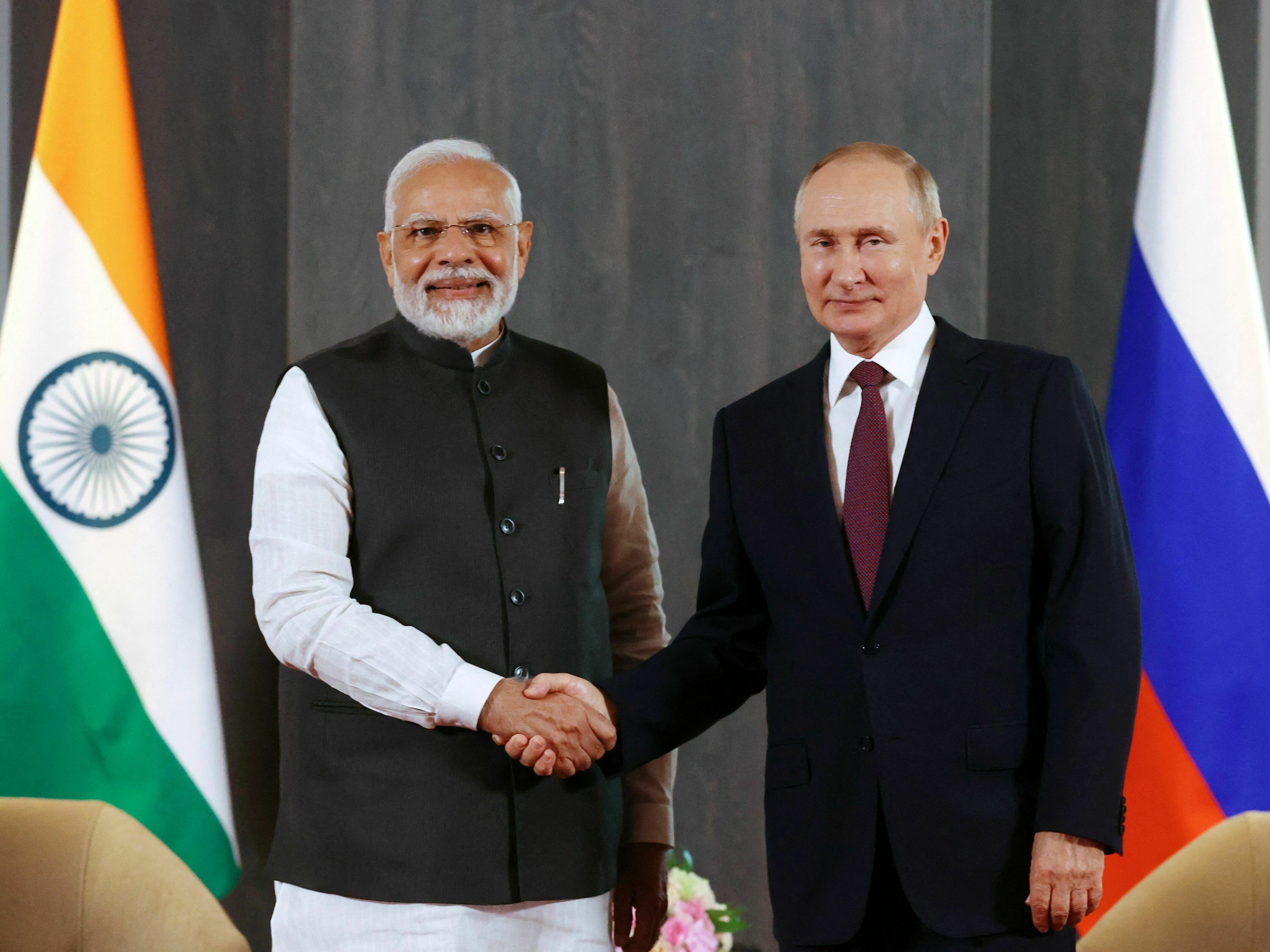
Russian President Vladimir Putin will visit India in the coming weeks, with expectations that the trip will significantly bolster bilateral relations across various sectors, including trade, defence, and energy. The visit, anticipated to be a key moment in Russia-India relations, will occur amid shifting geopolitical dynamics, particularly following the global attention on the ongoing war in Ukraine and its implications for international alliances.

The timing of the visit is critical, as both Russia and India seek to expand their strategic cooperation. Over the past few years, both nations have deepened their partnership through numerous agreements aimed at enhancing their economic and military ties. As global power dynamics continue to shift, the Russia-India alliance has become increasingly important, not just for the two countries but also within the broader context of the BRICS grouping, of which both nations are founding members.

One of the central themes of the visit will be the strengthening of economic ties, especially in the energy sector. With the ongoing energy crisis exacerbated by sanctions on Russia, India has emerged as one of the key buyers of Russian oil. The visit is expected to solidify agreements surrounding the energy trade, including the potential for India to increase its imports of Russian crude oil at discounted rates. This move is likely to provide India with a cost-effective energy source while helping Russia circumvent Western sanctions.

Discussions are expected to focus on further cooperation in defence, where Russia has long been a major supplier of military hardware to India. The two nations are expected to advance negotiations on new defence contracts, including the potential for joint production and technology sharing. The defence ties between Russia and India date back decades, and the visit will likely see the formalisation of further agreements that could further align their military interests.

The visit will also involve talks on expanding technological collaboration, particularly in the areas of space and nuclear energy. Both countries have made significant strides in these fields, and there is potential for further joint ventures, which could bring both economic and technological benefits to each nation. Putin’s presence in India is expected to reinforce Moscow’s commitment to its relationship with New Delhi, signalling Russia’s ongoing support for India’s strategic ambitions in the global arena.

Putin’s upcoming visit also comes at a time of heightened global tension. As the war in Ukraine continues to dominate headlines, Russia has increasingly sought to deepen ties with countries that have been less critical of its actions, including India. New Delhi has maintained a relatively neutral stance in the conflict, focusing instead on its national interests and calling for peace talks. This approach has allowed India to strengthen its ties with Russia without facing the same level of international scrutiny as some of the West.

The visit is likely to be significant for the future of BRICS, a bloc of emerging economies that includes Brazil, Russia, India, China, and South Africa. The group has been exploring the possibility of expanding its membership, and Putin’s visit could serve as a platform for discussing further collaboration within this framework. As BRICS nations continue to challenge the traditional Western-dominated global order, Russia and India are likely to explore ways to enhance their collective influence in international forums.

While both nations have shared interests, their relationship has not been without challenges. India’s growing economic ties with the West, especially in the technology and trade sectors, have sometimes created friction in its ties with Russia. However, the long-standing nature of their partnership, especially in defence, has ensured that these tensions have remained manageable. Putin’s visit is expected to reinforce the idea that despite external pressures, Russia and India will continue to prioritise their strategic interests.

Expands global presence, targeting 100 locations by end of year TOKYO, JAPAN – Media OutReach Newswire – 7 August 2025 – In an era of rapid technological advancement, industries worldwide are actively integrating cutting-edge technologies to drive business breakthroughs. Worldgate global Logistics Ltd (“Worldgate“, together with its subsidiaries, collectively the “Group”; HKEx: 8292) is pleased to announce that its interactive entertainment business, VSING (“the Company”) has formed […]

ADNOC Distribution has posted a robust 12% increase in net profit for the first half of 2025, reflecting solid growth across its key sectors. The UAE’s largest fuel distributor achieved its highest-ever fuel volumes during this period, with 7.62 billion litres sold, marking a 5.6% year-on-year rise. The company has shown a significant recovery from global market fluctuations, continuing to benefit from its diversified portfolio. The performance […]

Dubai’s tourism sector is rapidly diversifying, offering much more than the traditional image of luxury shopping and towering skyscrapers. The city is emerging as a unique blend of culture, history, and sustainability, catering to a growing number of travellers seeking immersive experiences alongside high-end offerings. This transformation is shaping the city’s identity as a global tourism destination and redefining what it means to travel to Dubai.

In 2024, the Dubai Department of Economy and Tourism reported that the emirate hosted 18.72 million international overnight visitors from January to December, marking a 9% year-over-year increase from 2023’s record of 17.15 million. This growth is indicative of a broader shift in the city’s appeal, with visitors increasingly drawn to its rich cultural and historical offerings. While Dubai’s luxury shopping malls and ultramodern skyscrapers remain major attractions, the city has made significant strides in integrating cultural heritage, sustainability, and immersive experiences into its tourism strategy.

The rise in visitor numbers aligns with Dubai’s efforts to diversify its tourism portfolio. Beyond its well-established reputation for opulence, the city is now fostering an environment that invites exploration of its heritage sites, art galleries, and cultural festivals. Dubai’s museums, like the Dubai Museum in Al Fahidi Fort, the Louvre Abu Dhabi, and the Museum of the Future, are attracting global attention for their architectural innovation and comprehensive exploration of humanity’s past and future.

The surge in visitors is also a reflection of the city’s continued commitment to sustainable tourism practices. Dubai is investing in eco-friendly infrastructure, including green buildings, public transport, and energy-efficient hotels, all of which align with the city’s long-term vision of becoming a global leader in sustainability. Initiatives such as the Dubai Clean Energy Strategy 2050 aim to reduce the city’s carbon footprint and promote the use of renewable energy sources in tourism-related activities.

Luxury, however, remains at the heart of Dubai’s tourism offering. High-end hotels, resorts, and fine dining experiences continue to draw affluent visitors. Iconic destinations such as the Burj Khalifa, Palm Jumeirah, and the Dubai Marina remain central to the city’s tourism model, offering unparalleled luxury experiences. However, Dubai’s tourism landscape is diversifying further, providing options for a broader range of travellers, from budget-friendly accommodations to more cultural and eco-conscious experiences.

Cultural tourism has emerged as a focal point for growth, with Dubai positioning itself as a crossroads between the East and West. The Dubai Opera, a state-of-the-art venue in Downtown Dubai, regularly hosts international performances, from opera and ballet to contemporary music. The Dubai Arts and Culture Authority’s efforts to promote local art and host international exhibitions have enhanced the city’s cultural offering. Moreover, the Dubai International Film Festival and the Dubai Design Week further solidify the emirate’s role as a key player in the global cultural scene.

Dubai’s transformation into a more multifaceted destination is attracting a growing number of visitors from both established and emerging markets. Tourists from Europe, Asia, and Africa are increasingly seeking a deeper connection to the city’s heritage and culture, beyond its well-known luxury offerings. With a diversified tourism strategy, Dubai is well-positioned to attract these travellers, offering a range of activities that appeal to a variety of interests.

Dubai’s appeal also extends to families, with the city offering family-friendly attractions such as Dubai Parks and Resorts, which includes theme parks like Motiongate Dubai and Legoland Dubai. The emirate’s focus on family-oriented experiences is strengthening its position as a year-round destination, attracting tourists from across the globe who seek a blend of entertainment, culture, and relaxation.

The Dubai Expo 2020, although postponed to 2021 due to the pandemic, played a significant role in the city’s tourism resurgence. The event highlighted Dubai’s potential to host large-scale international events, showcasing the city’s modern infrastructure and its ability to welcome diverse cultures. It also set the stage for long-term growth in cultural and eco-tourism by bringing together innovators, thinkers, and influencers from around the world.

The city’s ongoing expansion of public and private sector collaborations is bolstering Dubai’s appeal as a hub for business tourism. International conferences, expos, and corporate events have become a significant part of the city’s tourism strategy. Dubai’s state-of-the-art conference venues, such as the Dubai World Trade Centre, offer cutting-edge facilities that make the city a prime destination for business travellers.


The Open Source Summit India 2025 marks a significant milestone for Linux Foundation India, celebrating a year of growth, new partnerships, and a strengthened commitment to the country’s burgeoning open-source ecosystem. With a focus on key sectors such as agriculture, finance, manufacturing, and AI, the foundation is poised to play a pivotal role in advancing digital transformation across multiple industries. The summit, held in Bengaluru, serves as […]

HITEK AI, a leading provider of AI-driven solutions based in the Middle East, has launched a cutting-edge ‘Robot-as-a-Service’ initiative in partnership with SoftBank Robotics UK. The collaboration combines SoftBank Robotics’ state-of-the-art robotic cleaning technologies with HITEK AI’s smart facilities management platform, offering a fully integrated solution designed to streamline operations in commercial and residential settings. The new offering aims to enhance the efficiency of cleaning operations by […]

BitBridge has announced plans to begin acquiring Bitcoin for its balance sheet, with the intention of going public by the end of the third quarter of 2025. The company, which is positioning itself as a key player in the cryptocurrency sector, aims to tap into the growing demand for digital assets by developing an ecosystem centred around Bitcoin. This will include offering BTC-backed loans, potentially reshaping the landscape of crypto-finance.

The company’s move to purchase Bitcoin signals a strategic shift towards greater exposure to digital currencies and aligns with the broader trend of institutional investment in crypto assets. With the recent volatility in the cryptocurrency market, BitBridge is positioning itself to capitalise on the emerging financial opportunities in the blockchain space.

Going public under the ticker symbol #BTTL, BitBridge will offer investors the chance to access a growing market for Bitcoin-backed services and investment vehicles. The decision to acquire Bitcoin directly for its balance sheet highlights a growing trend among crypto-focused firms to integrate the asset into their operations as a long-term investment and financial instrument. This development also mirrors actions taken by large corporations, including payment giants like Tesla, which have previously added Bitcoin to their balance sheets.

Alongside the balance sheet expansion, BitBridge is laying the groundwork for an innovative platform that will offer Bitcoin-backed loans. This new service aims to provide an alternative to traditional lending, leveraging the liquidity of Bitcoin to offer credit solutions for crypto holders. These loans, secured by Bitcoin, could appeal to both individual and institutional clients who may be looking to unlock value from their holdings without selling their digital assets.

The potential for Bitcoin-backed loans to disrupt traditional lending models has garnered attention from experts in the fintech space. By collateralising loans with Bitcoin, borrowers can access liquidity while retaining ownership of their crypto assets. This could prove especially attractive in an environment where cryptocurrency adoption is growing, and more individuals are seeking ways to integrate their holdings into the broader financial system.

One of the critical aspects of BitBridge’s strategy will be its approach to regulatory compliance. As governments around the world begin to refine their stance on cryptocurrency, BitBridge’s ability to navigate the regulatory landscape will be crucial for its success. The company’s move to offer Bitcoin-backed loans will likely draw increased scrutiny from financial regulators, especially as concerns grow over the potential risks associated with crypto-backed lending.

BitBridge is also positioning itself within a competitive space, with several established players already offering similar services. However, the company’s focus on Bitcoin as a core asset distinguishes it from others in the market, potentially allowing it to tap into a niche but growing sector of the cryptocurrency market.

In addition to its focus on Bitcoin, BitBridge has emphasised the importance of security and transparency in its operations. As the crypto ecosystem continues to evolve, concerns about cybersecurity and the protection of assets remain top priorities for both investors and users. BitBridge’s commitment to building a secure and transparent platform is likely to play a significant role in attracting users who are wary of the risks associated with the crypto space.

The Africa Debate conference, a pivotal event focusing on trade and investment across the African continent, is set to take place on 30 September 2025 in Dubai. Organised by Invest Africa in partnership with the UAE government, this flagship conference aims to address critical issues surrounding economic growth, investment opportunities, and regional collaboration in Africa. Held in cooperation with the UAE Ministry of Foreign Trade, the conference […]

VISHNU RAJA
RYO YAMADA
HITORI GOTOH
IKUYO KITA