News related to
Emerging

Pi Network, the mobile-based cryptocurrency platform, has officially launched its open mainnet today at 8:00 AM UTC, transitioning from its enclosed mainnet phase that began in December 2021. This significant milestone enables Pi Coin to be traded on major cryptocurrency exchanges, marking a pivotal moment for its extensive user base.

Despite the anticipation surrounding the launch, Pi Coin’s value has experienced a sharp decline. Over the past 24 hours, the price of Pi Coin’s IOU token has plummeted by approximately 42%, now trading around $62.83. This downturn is attributed to growing skepticism among investors regarding the project’s viability and concerns over its structural integrity. Some analysts have raised questions about the network’s sustainability, with discussions emerging about potential pyramid scheme characteristics.

The Relative Strength Index , a momentum oscillator that measures the speed and change of price movements, indicates a bearish trend for Pi Coin. The RSI recently entered the overbought zone but has since experienced a significant downturn, reflecting increased selling pressure and declining investor confidence. Market analysts warn that if the current support level at $63 is breached, Pi Coin’s value could further decline to $47, unless substantial investor backing materializes.

In response to the mainnet launch, several major cryptocurrency exchanges have announced plans to list Pi Coin. Platforms such as OKX, Bitget, and HTX have confirmed the inclusion of Pi Coin on their trading platforms. Bitget has initiated a $60,000 Pi Coin airdrop promotion, running until March 3, aiming to incentivize user engagement and trading activity. Similarly, BitMart is offering a $3,000 USDT worth of Pi Coin giveaway to 300 selected users.

However, the transition has not been entirely seamless. Exchanges like HTX have delisted the Pi IOU token ahead of the mainnet launch, contributing to the token’s price volatility. This move underscores the challenges associated with the shift from IOU tokens to the actual Pi Coin, as the market adjusts to the newly tradable asset.

The Pi Network’s journey began in 2019, founded by a team of Stanford graduates with the vision of making cryptocurrency mining accessible via mobile devices. The project has since amassed a substantial user base, with millions of pioneers participating in its ecosystem. The mainnet launch signifies the network’s transition to full decentralization, enabling external wallet transfers, exchange listings, and the development of decentralized applications within its ecosystem.

Despite the project’s growth, the recent price decline highlights the uncertainties and challenges inherent in the cryptocurrency market. Investor sentiment appears cautious, influenced by concerns over the network’s structural integrity and the broader market dynamics. As Pi Coin becomes tradable on major exchanges, its value will be subject to market forces, and its long-term success will depend on user adoption, technological advancements, and regulatory compliance.

Young Valens, Dubai’s first dedicated child mental health center, proudly announces its official launch at the renowned 777 Center. Following a successful soft opening on February 1, Young Valens now welcomes families and mental health professionals to its grand opening event on February 24, 2025. This milestone marks a significant advancement in specialized mental health care for children and adolescents in the region. Born from the trusted […]

  The Middle East’s rapid digital transformation has created both opportunities and vulnerabilities. As cyberattacks on financial institutions, government agencies, and energy sectors rise, organizations are increasingly turning to biometric multi-factor authentication (MFA) as a critical security measure. Traditional password-based authentication is no longer sufficient to combat modern cyber threats. As cybercriminals deploy AI-driven attacks, phishing schemes, and credential-stuffing techniques, biometric MFA has emerged as a more […]

Stablecoin transactions have witnessed a significant surge over the past year, with the Solana and Base networks emerging as prominent platforms for these digital assets. Solana accounted for approximately $1.8 trillion in new stablecoin volume, while Base facilitated around $1.5 trillion, underscoring their growing influence in the cryptocurrency ecosystem.

The overall stablecoin market experienced remarkable growth, with total transfer volumes reaching $27.6 trillion in 2024. This figure surpasses the combined transaction volumes of traditional payment giants Visa and Mastercard by 7.68%. The expansion reflects a broader shift towards digital financial systems, as users and institutions increasingly adopt stablecoins for various transactions.

A significant portion of this activity is attributed to automated trading bots. In 2024, bot-related transactions constituted approximately 70% of the total stablecoin transfer volume. On networks like Solana and Base, this figure was even higher, with bots accounting for 98% of the volume. These bots engage in high-frequency trading and arbitrage, contributing to the liquidity and efficiency of the markets but also raising questions about market dynamics and the role of automation in trading.

Solana’s rise to prominence in the stablecoin sector is notable. In January 2024, Solana surpassed both Tron and Ethereum to become the most active blockchain for stablecoin transfers. This surge is partly due to Solana’s high throughput capabilities, enabling rapid and cost-effective transactions, which have attracted a growing number of users and developers to its platform. Additionally, Solana’s stablecoin market capitalization experienced a significant increase, reaching $11.7 billion, a 116% rise over a 30-day period. This growth was influenced by various factors, including the introduction of meme coins such as TRUMP and MELANIA, which spurred increased activity and liquidity on the network.

Base, a layer-2 network developed by Coinbase, also demonstrated substantial growth. In the fourth quarter of 2024, Base’s stablecoin transaction volume surpassed that of Ethereum, highlighting the network’s scalability and appeal to users seeking efficient transaction solutions. Base attracted $7.8 billion in stablecoin inflows throughout the year, retaining $3.5 billion as net inflows. This influx indicates a strong confidence in Base’s infrastructure and its potential to support a wide range of decentralized applications and financial services.

The stablecoin supply expanded by 59% during this period, exceeding $200 billion and representing 1% of the total U.S. dollar supply. This increase signifies a growing trust in stablecoins as a medium of exchange and store of value within the digital economy. USDC emerged as the dominant stablecoin for on-chain transactions, accounting for 70% of the total transfer volume. However, its influence slightly waned in the third quarter due to a temporary decline in decentralized finance activity. Conversely, Tether’s USDT saw its total transfer volume more than double, although its market share decreased from 43% to 25% over the year.

The dominance of Ethereum and Tron in hosting stablecoins decreased from 90% to 83%, with networks like Solana, Base, Arbitrum, and Aptos capturing the remaining share. This diversification indicates a competitive landscape where multiple blockchains are enhancing their capabilities to attract stablecoin activity. The shift suggests that users and developers are exploring alternative platforms that offer unique advantages, such as lower fees, faster transaction times, or specialized features tailored to specific applications.

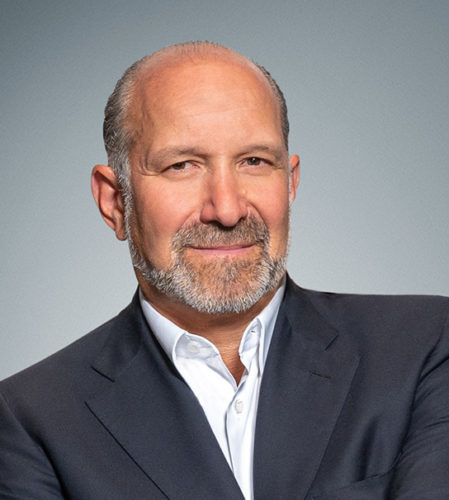
Howard Lutnick, the billionaire CEO of Cantor Fitzgerald, has been confirmed by the Senate as the new U.S. Secretary of Commerce. The Senate voted 51-45 in favor of Lutnick, a prominent Wall Street figure and close ally of President Donald Trump. Lutnick is expected to play a pivotal role in implementing the administration’s trade policies, which include potential tariffs on foreign automobiles, semiconductors, and pharmaceuticals.

Lutnick’s confirmation aligns with President Trump’s broader strategy to reshape the nation’s financial regulatory landscape. The administration has put forth several pro-cryptocurrency nominees for key regulatory positions, signaling a shift towards a more crypto-friendly environment.

Paul Atkins, a former Securities and Exchange Commission commissioner under President George W. Bush, has been nominated to lead the SEC. Atkins is known for his deregulatory stance and has previously opposed stringent enforcement actions against large corporations. His appointment suggests a potential easing of regulatory pressures on financial institutions and a more accommodating approach towards cryptocurrency ventures.

Brian Quintenz has been nominated as the chairman of the Commodity Futures Trading Commission . Quintenz previously served as a CFTC commissioner from 2017 to 2021 and has extensive experience in both traditional finance and the cryptocurrency sector. Before his nomination, he was the head of policy at a16z crypto, the cryptocurrency division of venture capital firm Andreessen Horowitz. Quintenz’s return to the CFTC is anticipated to foster innovation in blockchain technology and provide clearer regulatory guidelines for digital assets.

Jonathan Gould has been nominated to lead the Office of the Comptroller of the Currency . Gould brings a wealth of experience from his tenure as chief counsel for the Senate Banking Committee and as a partner at the law firm Jones Day. His background includes a focus on both traditional banking and emerging financial technologies, indicating a balanced approach to overseeing national banks and their integration of cryptocurrency services.

These nominations come as part of President Trump’s initiative to overhaul the financial regulatory framework, aiming to reduce what the administration perceives as overreach from previous policies. The inclusion of figures with pro-cryptocurrency perspectives suggests a concerted effort to embrace digital currencies and blockchain innovations within the U.S. financial system.

The Senate confirmation process for these nominees will be closely watched, as their leadership could significantly influence the direction of U.S. financial regulations, particularly concerning the burgeoning cryptocurrency market. Industry stakeholders and policymakers alike are poised to assess how these appointments might reshape the financial landscape in the coming years.

A significant shift in consumer preferences is poised to reshape the automotive industry, as over 64% of potential buyers express a strong inclination towards electric vehicles for their next purchase in 2025. This insight emerges from the Tata Consultancy Services Future-Ready eMobility Study 2025, unveiled at the Detroit Auto Show. The comprehensive study surveyed more than 1,300 respondents across North America, the United Kingdom and Ireland, Continental […]

Howard Lutnick, the former CEO of Cantor Fitzgerald, has been confirmed by the U.S. Senate as the new Secretary of Commerce under President Donald Trump. The Senate approved his nomination with a 51-45 vote, positioning Lutnick to oversee a department responsible for a wide array of economic activities, from trade policy to technology regulation.

Lutnick’s confirmation marks a significant moment in the Trump administration’s efforts to reshape the nation’s economic and regulatory landscape. Known for his resilience in rebuilding Cantor Fitzgerald after the tragic loss of 658 employees during the September 11 attacks, Lutnick brings a wealth of experience from the financial sector. His leadership during that crisis, including the distribution of $180 million to victims’ families, has been widely recognized.

As Commerce Secretary, Lutnick is expected to play a pivotal role in implementing President Trump’s trade policies, which have recently included the announcement of potential 25% tariffs on foreign automobiles, semiconductors, and pharmaceuticals. These measures are part of a broader strategy to bolster domestic manufacturing and reduce reliance on foreign imports.

In addition to Lutnick’s appointment, the Trump administration is advancing a series of nominations for key regulatory positions, particularly in agencies overseeing financial markets and emerging technologies. Paul Atkins, a former Securities and Exchange Commission commissioner known for his free-market philosophy, has been nominated to lead the SEC. Atkins has a history of advocating for reduced regulatory burdens and is anticipated to foster a more accommodating environment for financial innovation, including cryptocurrencies.

Brian Quintenz, who previously served as a commissioner at the Commodity Futures Trading Commission from 2017 to 2021, has been nominated to return as the agency’s chairman. During his prior tenure, Quintenz was recognized for his expertise in both traditional finance and the burgeoning cryptocurrency sector. His recent role as head of policy at a16z Crypto, the cryptocurrency division of venture capital firm Andreessen Horowitz, underscores his deep engagement with digital assets. Quintenz’s return to the CFTC is expected to influence the agency’s approach to regulating complex financial instruments and fostering innovation in blockchain technologies.

Jonathan Gould, a legal professional with extensive experience in banking and financial regulation, has been nominated to lead the Office of the Comptroller of the Currency . Gould’s background includes serving as senior deputy comptroller and chief counsel at the OCC, where he provided legal oversight on a range of banking issues. His appointment is seen as a continuation of the administration’s trend toward installing regulators who are knowledgeable about and potentially supportive of cryptocurrency and fintech developments.

These nominations reflect President Trump’s broader strategy to reshape financial regulation in favor of innovation and reduced federal oversight. The administration has been critical of previous regulatory approaches that it perceives as overly restrictive, particularly concerning emerging financial technologies. By appointing individuals with pro-crypto leanings and a history of advocating for lighter regulatory frameworks, the administration aims to create an environment conducive to growth in the fintech and cryptocurrency sectors.

However, these appointments have not been without controversy. Critics argue that reducing regulatory oversight could lead to increased financial instability and potential exploitation within rapidly evolving markets. Supporters, on the other hand, contend that a more permissive regulatory environment is necessary to foster innovation and maintain the United States’ competitive edge in global financial markets.

The Senate’s confirmation of these nominees will be closely watched, as their leadership will significantly influence the direction of U.S. financial regulation in the coming years. As these individuals assume their respective roles, stakeholders across the financial spectrum—from traditional banking institutions to emerging fintech startups—will be assessing how the new regulatory landscape will impact their operations and strategic planning.

In the context of global trade, Lutnick’s role as Commerce Secretary will be particularly critical. His support for President Trump’s tariff policies suggests a continuation of protectionist measures aimed at strengthening domestic industries. This approach has garnered both praise and criticism, with proponents arguing that it safeguards American jobs and industries, while detractors warn of potential retaliatory measures from trading partners and the risk of escalating trade wars.

As the administration moves forward with its economic agenda, the interplay between these regulatory appointments and broader trade policies will be pivotal in shaping the U.S. economic landscape. The emphasis on accommodating financial innovation, particularly in the realm of cryptocurrencies, alongside a protectionist trade stance, represents a distinctive approach that will have lasting implications for both domestic and international economic relations.

Advertisements

Aptoide, a prominent independent app store, has officially launched its service for iPhone and iPad users within the European Union. This development offers EU consumers an alternative to Apple’s App Store, expanding their options for app downloads and installations.

The introduction of Aptoide’s platform is facilitated by the European Union’s Digital Markets Act , which mandates that major technology companies, including Apple, permit third-party app stores on their devices. This legislation aims to foster competition and provide consumers with more choices in the digital marketplace.

One of the standout features of Aptoide’s iOS app store is the “App Versions” function. This allows users to download and install previous versions of applications, a capability particularly beneficial for those using older devices or who prefer earlier iterations of specific apps. This feature addresses a common limitation in traditional app stores, where only the latest version is typically available for download.

Aptoide’s journey to this launch began in June 2024 with a beta phase that attracted significant interest, amassing a waitlist of approximately 20,000 users. During this period, the platform gradually onboarded users, refining its services based on feedback and performance metrics. The full release now makes Aptoide accessible to all iOS users across the EU without the need for a waitlist.

In addition to offering older app versions, Aptoide provides a diverse selection of games and applications, aiming to create an open and unrestricted distribution ecosystem for iOS users. This move is expected to encourage developers to explore alternative distribution channels, potentially leading to a more dynamic and competitive app market.

The launch of Aptoide’s iOS store is part of a broader trend of alternative app stores emerging in the European market. Companies like Epic Games have also introduced their own stores, leveraging the opportunities created by the DMA to challenge Apple’s dominance in app distribution. These developments signify a shift towards a more diversified app ecosystem, offering both developers and consumers new avenues for engagement.

Apple has historically maintained strict control over app distribution on its devices, citing security and user experience considerations. However, the enforcement of the DMA requires the company to adjust its policies within EU jurisdictions, allowing for the presence of third-party app stores. This regulatory environment aims to balance the need for security with the promotion of competitive practices in the digital economy.

While Aptoide’s launch is a significant milestone, it also raises questions about the future landscape of app distribution on iOS devices. The success of such alternative platforms will depend on various factors, including user adoption, developer participation, and the ongoing response from Apple regarding its policies and practices.

For consumers, the availability of alternative app stores like Aptoide means increased flexibility and choice. Users can now access a broader range of applications and versions, tailoring their app experiences to better suit their individual needs and preferences. This development also encourages innovation among app developers, who now have multiple platforms through which to reach their audience.

The cryptocurrency market is currently experiencing heightened volatility, with the Bitcoin Fear and Greed Index indicating a significant surge in fear among investors. This sentiment shift has prompted a closer examination of alternative digital assets, particularly memecoins like DOGEN, which are gaining traction as potential high-reward investments.

As of February 19, 2025, Bitcoin is trading at $95,389, reflecting a decrease of $753 from the previous close. This downward trend has contributed to the elevated fear levels in the market. In contrast, memecoins such as DOGEN are capturing investor interest due to their unique market positioning and community-driven momentum.

DOGEN, a memecoin inspired by popular internet culture, has seen a notable increase in trading volume. Its appeal lies in its vibrant community and the potential for rapid appreciation, characteristics that have historically driven the success of similar tokens. Market analysts suggest that during periods of market fear, investors often explore alternative assets like memecoins, which, despite their inherent risks, offer opportunities for substantial gains.

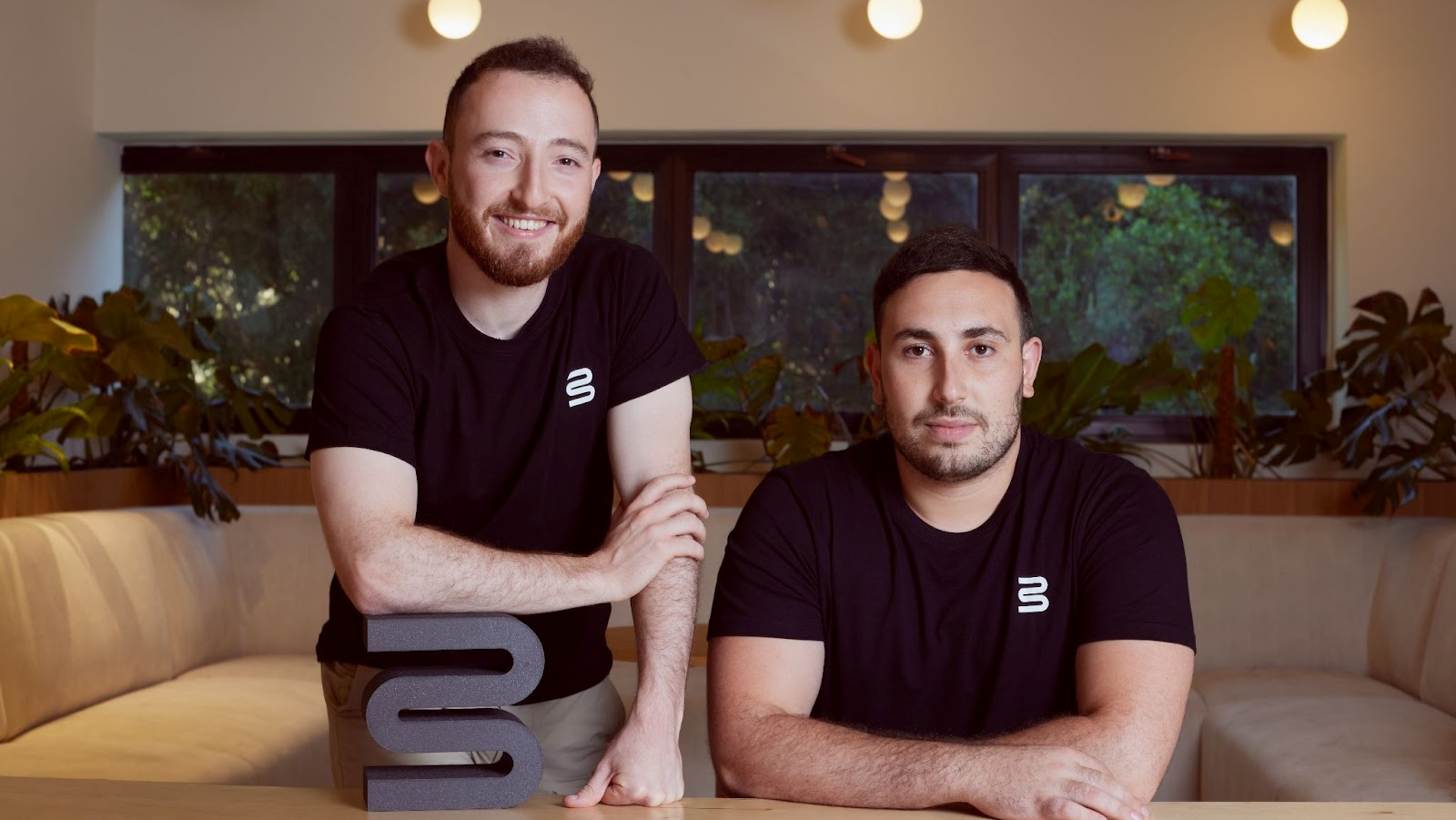
Blockchain security firm Blockaid has raised $50 million in a Series B funding round led by Ribbit Capital, with participation from GV , Variant, and Cyberstarts. This investment aims to bolster Blockaid’s research, engineering, and product development teams to meet the growing demand for robust on-chain security solutions.

Founded in 2022 by former Israeli cyber intelligence operatives, Blockaid has rapidly positioned itself as a key player in the blockchain security sector. The company’s platform offers real-time threat detection for blockchain transactions, integrating directly with wallets and decentralized applications to protect users from malicious activities. In the past year, Blockaid’s system scanned over 2.4 billion transactions and successfully blocked 71 million attacks, safeguarding assets for prominent clients such as Coinbase, MetaMask, Uniswap, and Stellar.

The infusion of new capital will enable Blockaid to scale its product and engineering teams, strengthen go-to-market operations, and expand research capabilities to stay ahead of evolving threats. This strategic growth is in response to the increasing adoption of blockchain technology by major financial institutions and fintech firms, which has, in turn, heightened the need for advanced security measures.

Blockaid’s CEO, Ido Ben-Natan, emphasized the importance of proactive security in the blockchain space, stating, “While the blockchain itself is secure, on-chain applications and the users that interact with them are at risk. This investment will help us continue to advance our machine learning capabilities and expand our current offerings to stay ahead in a highly adversarial landscape of evolving threats.”

The company’s approach leverages machine learning models to detect and prevent potential threats in real-time, providing end-user protection through direct integrations with wallets and dApps. This methodology has proven effective in mitigating risks associated with fraud, phishing, and hacks within the blockchain ecosystem.

Blockaid’s rapid growth is evident in its expansion from 20 employees to 70 within a year, with plans to double its workforce by the end of the year. This scaling aligns with the company’s mission to provide enterprise-grade security solutions for everything on-chain, catering to a diverse clientele that includes chains, protocols, wallets, exchanges, banks, and hedge funds.

The Series B funding round brings Blockaid’s total capital raised to $83 million, following a $27 million Series A round in October 2023. The continued support from prominent investors underscores the confidence in Blockaid’s ability to address the pressing security challenges facing the rapidly evolving blockchain industry.

As blockchain technology continues to gain traction across various sectors, the imperative for robust security measures becomes increasingly paramount. Blockaid’s commitment to enhancing its platform and expanding its team positions the company to effectively combat the sophisticated cyber threats that accompany the growth of on-chain operations.

In addition to its technological advancements, Blockaid places a strong emphasis on research and development. The company plans to utilize part of the new funding to expand its research capabilities, ensuring that it remains at the forefront of identifying and mitigating emerging threats within the blockchain space.

The involvement of GV, the venture capital arm of Alphabet Inc., in this funding round highlights the increasing interest of traditional tech investors in blockchain security solutions. This collaboration is expected to provide Blockaid with strategic insights and resources to navigate the complex landscape of cybersecurity and blockchain technology.

Blockaid’s proactive approach to security has garnered trust from its clients, enabling them to operate with confidence in an environment fraught with potential vulnerabilities. By offering comprehensive security solutions that encompass fraud detection, scam prevention, exploit mitigation, and financial risk assessment, Blockaid addresses the multifaceted challenges inherent in on-chain operations.

As the blockchain industry continues to evolve, the role of security firms like Blockaid becomes increasingly critical. The company’s dedication to innovation, coupled with the substantial financial backing from esteemed investors, positions it to set new standards in blockchain security and to effectively safeguard the interests of its expanding client base.

The United Arab Emirates’ Ministry of Finance has unveiled a new certification program in International Public Sector Accounting Standards , developed in partnership with the Association of Chartered Certified Accountants . This initiative aims to enhance the financial acumen of federal government employees, aligning the nation’s public sector accounting practices with globally recognized standards.

The IPSAS certification program commenced with an inaugural training session in Dubai on 17 February 2025. This session marked the beginning of a comprehensive effort to equip finance professionals within the UAE’s federal entities with the necessary skills to implement accrual-based accounting effectively. By adopting these standards, the MoF seeks to improve the quality, consistency, and transparency of financial reporting across public sector institutions.

H.E. Younis Haji Al Khoori, Undersecretary of the Ministry of Finance, emphasized the significance of this collaboration, stating that it reflects the ministry’s commitment to fostering strategic partnerships and reinforcing its position as a global leader in public finance. He highlighted that the adoption of IPSAS is a critical step towards achieving financial sustainability and enhancing the efficiency of government financial operations.

The partnership with ACCA is particularly noteworthy, as the association is renowned for its expertise in accounting certifications worldwide. The ACCA’s Certificate in International Public Sector Accounting Standards is designed to provide participants with a thorough understanding of IPSAS, covering various aspects such as financial statement presentation, accounting policies, and the treatment of assets and liabilities. The program also delves into the nuances of financial performance, consolidation, and the disclosure of financial information, ensuring that participants are well-versed in the comprehensive application of these standards.

In addition to the IPSAS certification, the MoF has signed a Memorandum of Understanding with the American University in Dubai to launch an Executive Diploma Program in Government Financial Policy Sustainability. Scheduled for the 2024-2025 academic year, this diploma aims to delve into topics such as financial sustainability, emerging trends in government finance, and the impact of artificial intelligence on financial analysis. Dr. Kyle Long of AUD expressed enthusiasm about the collaboration, noting that it has the potential to transform financial management within federal agencies and prepare professionals to tackle contemporary challenges.

The MoF’s dual approach—offering both the IPSAS certification and the executive diploma—underscores its dedication to building a robust financial framework within the UAE’s public sector. By investing in the education and training of its financial workforce, the ministry aims to ensure that government entities are not only compliant with international standards but are also pioneers in adopting innovative financial practices.

This initiative is part of a broader strategy by the UAE government to modernize its financial systems and promote transparency. By aligning with international accounting standards, the UAE aims to enhance investor confidence and foster a more attractive environment for foreign investments. Moreover, the adoption of IPSAS is expected to facilitate better decision-making processes within government entities, as accurate and transparent financial information is crucial for effective policy formulation and implementation.

The training sessions are structured to provide participants with both theoretical knowledge and practical applications of IPSAS. Through case studies, interactive exercises, and real-world examples, attendees will gain insights into the challenges and solutions associated with implementing these standards. The program also offers a platform for finance professionals to engage in discussions, share experiences, and develop a network of peers committed to advancing public sector financial management.

Malik Sarieddine of ACCA highlighted the importance of this certification, stating that it equips finance professionals with the necessary tools to lead initiatives aligned with global standards. He emphasized that the training will enable participants to navigate the complexities of public sector accounting, ensuring that financial reports are both accurate and reflective of the true financial position of government entities.

The MoF’s commitment to continuous improvement is evident in its proactive approach to adopting international best practices. By collaborating with esteemed institutions like ACCA and AUD, the ministry is taking concrete steps to elevate the proficiency of its financial professionals. This, in turn, is expected to lead to more efficient public spending, improved resource allocation, and enhanced public trust in government financial operations.

Grayscale Investments, a prominent digital asset management firm, has unveiled the Grayscale Pyth Trust, a new investment vehicle designed to provide accredited investors with exposure to PYTH, the governance token of the Pyth Network. This initiative marks a significant expansion of Grayscale’s product suite, aiming to bridge traditional finance with decentralized finance ecosystems.

The Pyth Network, operating on the Solana blockchain, serves as a decentralized oracle network that delivers high-fidelity financial data to smart contracts. By aggregating real-time data from a consortium of over 50 leading financial institutions and trading platforms, Pyth ensures the accuracy and reliability of on-chain information. The introduction of the Grayscale Pyth Trust offers investors a direct avenue to participate in the governance and future development of this critical infrastructure within the DeFi landscape.

Michael Sonnenshein, CEO of Grayscale Investments, emphasized the strategic importance of this launch, stating, “As the DeFi sector continues to evolve, providing our clients with diversified exposure to foundational elements like the Pyth Network aligns with our commitment to offering innovative investment solutions.” He further highlighted the role of oracles in bridging on-chain and off-chain data, underscoring their significance in the maturation of decentralized financial systems.

The Grayscale Pyth Trust is structured to cater to accredited investors, adhering to regulatory standards while broadening access to digital assets associated with emerging blockchain technologies. This move reflects a growing trend among institutional investors seeking to engage with decentralized networks that offer real-world applications and governance opportunities.

Solana’s blockchain, known for its high throughput and low transaction costs, provides the underlying infrastructure for the Pyth Network. The synergy between Grayscale’s investment products and Solana’s technological capabilities is poised to attract investors interested in the scalability and efficiency of next-generation blockchain solutions.

Industry analysts view Grayscale’s expansion into oracle-based tokens as a strategic diversification, recognizing the increasing demand for reliable data feeds in smart contract execution. The Pyth Network’s approach to sourcing data directly from market participants addresses concerns about data latency and manipulation, offering a robust solution for decentralized applications.

In the broader context of the cryptocurrency market, the introduction of the Grayscale Pyth Trust signifies a maturation of investment opportunities, moving beyond traditional cryptocurrencies like Bitcoin and Ethereum. By focusing on infrastructure components essential to the DeFi ecosystem, Grayscale is positioning itself at the forefront of digital asset management, catering to investors seeking exposure to the foundational technologies driving blockchain innovation.

The launch of the Grayscale Pyth Trust also coincides with a period of heightened regulatory scrutiny in the cryptocurrency sector. Grayscale’s adherence to compliance standards in offering this trust reflects an understanding of the importance of regulatory alignment in fostering investor confidence and ensuring the longevity of digital asset investment products.

As the DeFi landscape continues to expand, the role of decentralized oracles like the Pyth Network becomes increasingly critical. They serve as the connective tissue between real-world data and blockchain-based applications, enabling a myriad of use cases from decentralized finance to gaming and beyond. Grayscale’s initiative to provide investment exposure to this segment indicates a recognition of the pivotal role that data accuracy and reliability play in the ecosystem’s growth.

Solitario Lab Grown Diamonds, an emerging player in the sustainable jewellery sector, has raised USD 3.6 million in pre-IPO funding. This investment will enable the company to bolster its retail presence, expand into new markets, and enhance its manufacturing capabilities. The round was led by a mix of institutional and private investors, highlighting the growing interest in the eco-friendly diamond industry.

Founded by Vivek Oberoi, Solitario has quickly gained traction in the lab-grown diamond market, a sector that has seen significant growth as consumers increasingly prioritise sustainability. The company’s focus on creating high-quality diamonds using ethical and environmentally conscious methods has positioned it as a notable brand in the competitive landscape of lab-grown jewellery.

The funds raised will primarily be allocated to scaling up production facilities and boosting the brand’s footprint in key retail markets. With a solid track record of innovation and a growing customer base, Solitario aims to tap into the demand for sustainable luxury products. The investment will also support the company’s efforts to expand internationally, bringing its lab-grown diamonds to markets beyond its current footprint.

Lab-grown diamonds have become a significant part of the global diamond industry, driven by rising consumer demand for ethically sourced and environmentally friendly alternatives to mined diamonds. These diamonds, produced using cutting-edge technology that mimics natural diamond formation, have garnered attention for their sustainability and traceability. As traditional diamond mining faces increased scrutiny due to its environmental and human rights impacts, lab-grown alternatives provide a solution that meets both consumer demand and global sustainability goals.

Solitario’s strategy is to capitalise on this shift in consumer preferences, positioning itself as a premium brand in the lab-grown diamond space. The company has been refining its production processes to ensure its diamonds meet the highest quality standards while reducing the environmental footprint associated with traditional mining. This includes utilising renewable energy sources and employing innovative methods to minimise waste and carbon emissions during the manufacturing process.

The success of the funding round is a strong indicator of investor confidence in Solitario’s business model and growth prospects. The funds will allow the company to strengthen its market position as a leader in the growing lab-grown diamond sector. By focusing on both quality and sustainability, Solitario is well-positioned to attract a diverse consumer base, from environmentally conscious millennials to luxury buyers seeking ethically sourced diamonds.

The demand for lab-grown diamonds is not limited to just the jewellery sector; it also extends to the broader luxury market, where consumers are increasingly scrutinising the origins of the products they purchase. As more brands across industries adopt sustainable practices, the appeal of lab-grown diamonds continues to rise. This trend is reflected in the broader retail sector, with many major jewellery retailers now offering lab-grown options alongside traditional diamonds. Solitario’s commitment to quality, coupled with its innovative approach to sustainability, has enabled the company to carve out a niche in this competitive market.

Solitario has already established a strong presence in the domestic market, with plans to expand into key international regions. The company’s focus on building a solid retail network will enable it to reach a wider audience, offering its products through both direct-to-consumer channels and partnerships with established retail chains. By leveraging this combined approach, Solitario aims to capitalise on the increasing shift towards lab-grown diamonds among luxury consumers.

The company’s growth trajectory also reflects the broader trends within the lab-grown diamond industry. While still in its early stages compared to the traditional diamond market, the sector has seen rapid expansion in recent years. This growth is driven by advances in technology, which have significantly lowered the cost of production, making lab-grown diamonds more accessible to a wider range of consumers. Additionally, as the technology behind lab-grown diamonds continues to evolve, there is potential for even further improvements in quality and cost-effectiveness.

Tether co-founder Reeve Collins is lending his support to Pi Protocol, a new venture aiming to introduce a yield-bearing stablecoin in the latter half of 2025. This initiative seeks to launch on both the Ethereum and Solana blockchains, offering users an opportunity to earn profits through the USI token.

Pi Protocol plans to mint stablecoins via smart contracts, utilizing real-world assets as collateral. This approach is designed to provide stability and transparency, addressing common concerns associated with digital currencies. Participants in the protocol will have the chance to earn profits in the form of USI tokens, which are integral to the platform’s ecosystem. Additionally, the project intends to introduce governance tokens, enabling users to partake in decision-making processes and influence the protocol’s future developments.

Reeve Collins, renowned for co-founding Tether—the widely used stablecoin pegged to the U.S. dollar—brings a wealth of experience to Pi Protocol. His involvement is anticipated to bolster confidence in the project, given his history of successful ventures in the blockchain space. Collins has previously co-founded BLOCKv, a platform for creating and distributing non-fungible tokens , and has been instrumental in pioneering digital marketing and blockchain technologies.

The decision to deploy Pi Protocol on both Ethereum and Solana blockchains is strategic. Ethereum, known for its robust smart contract capabilities, offers a vast and established user base. Solana, on the other hand, has been gaining traction due to its high throughput and lower transaction costs. Notably, Solana’s decentralized finance ecosystem has seen significant growth, with stablecoin inflows increasing by 129.4% in the first month of 2025, bringing the total balance to $11.7 billion. This surge indicates a growing interest in Solana’s offerings and positions it as a formidable platform for new projects like Pi Protocol.

The integration of RWAs as collateral is a noteworthy aspect of Pi Protocol’s design. By anchoring the stablecoin to tangible assets, the project aims to mitigate volatility and enhance trust among users. This methodology aligns with emerging trends in the crypto industry, where platforms are increasingly exploring asset-backed tokens to bridge the gap between traditional finance and digital assets.

As the project progresses towards its anticipated launch in the second half of 2025, stakeholders and potential users are keenly observing its development. The collaboration of seasoned professionals like Reeve Collins with innovative blockchain solutions underscores the evolving landscape of decentralized finance and the continuous efforts to introduce stable, yield-generating financial instruments in the crypto space.

In the broader context, the introduction of Pi Protocol’s stablecoin contributes to the diversification of digital financial products available to users. As blockchain technology matures, the fusion of real-world assets with digital tokens presents new avenues for investment and financial management, potentially reshaping traditional economic models.

JOHANNESBURG, SOUTH AFRICA – Media OutReach Newswire – 18 February 2025 – IT News Africa is proud to announce the IT Leaders Forum 2025, a premier gathering of top technology and information industry experts. The event is set to take place on March 12, 2025, at the Radisson Blu Gautrain Hotel in Sandton. As organizations grapple with technology skills gaps, economic uncertainty, and ESG compliance mandates, IT […]

Tesla Inc. has made a significant move towards entering the Indian market, as evidenced by a surge in job openings across key locations like Mumbai and Delhi. The company is currently seeking to fill 13 roles, spanning customer-facing and back-end positions, marking a clear commitment to establishing a foothold in India’s growing electric vehicle sector.

The announcement comes after Elon Musk’s high-profile meeting with Prime Minister Narendra Modi, a discussion that appears to have catalysed Tesla’s decision to pursue expansion in the region. The timing of this strategic move is especially relevant given the recent developments in India’s trade policies, with the government reducing import duties on luxury cars, a measure that could provide Tesla with a more favourable environment for operations.

India’s electric vehicle market, while still in its infancy compared to China’s, is poised for considerable growth. The country’s rapid urbanisation, increased government focus on sustainability, and rising interest in eco-friendly transportation solutions position it as a key player in the global EV landscape. Tesla, with its reputation for high-performance, premium EVs, stands to benefit from these trends.

Tesla’s recruitment efforts are seen as an indication of the company’s intention to tap into the vast potential of India’s automotive sector. The roles available span various areas, including technical support and operations, aimed at building the company’s infrastructure in the region. This is not the first time Tesla has shown interest in India; however, the recent policy changes have provided a more favourable environment for international companies looking to expand their operations.

Prime Minister Modi’s engagement with Elon Musk is likely to have been a pivotal factor in advancing Tesla’s plans for India. During the meeting, both parties discussed ways to enhance cooperation, particularly in sectors such as renewable energy and electric vehicles. Tesla’s entry into India aligns with the government’s push to reduce carbon emissions and transition towards sustainable energy solutions.

The reduction in import duties on luxury vehicles is a significant policy shift that could greatly benefit Tesla’s plans. Previously, India imposed high import duties on foreign-made vehicles, making it challenging for companies like Tesla to price their products competitively in the local market. The recent reduction, part of a broader effort to stimulate the EV sector, is seen as a move to attract global automakers. Tesla, which manufactures its vehicles primarily in the United States, is expected to benefit from these lower tariffs, potentially making its vehicles more affordable for Indian consumers.

India’s EV market, while smaller than China’s, is growing at a rapid pace. The country’s government has set ambitious targets for electric vehicle adoption, with a focus on reducing air pollution and decreasing dependence on imported oil. The Indian government has also introduced several incentives to promote the sale and manufacturing of electric vehicles, including subsidies for EV buyers and manufacturers, as well as tax exemptions for charging infrastructure.

Despite these encouraging trends, Tesla will face stiff competition in the Indian market. Homegrown automakers, such as Tata Motors and Mahindra & Mahindra, have already established themselves as key players in the EV sector, offering affordable electric cars that cater to Indian consumers’ needs. Additionally, the infrastructure for electric vehicles in India remains underdeveloped in many regions, with limited charging stations and a lack of widespread awareness among consumers about EV technology.

Nevertheless, Tesla’s brand recognition and technological expertise are expected to give it an edge in the Indian market. The company’s high-performance vehicles, coupled with its focus on sustainable energy solutions, could appeal to India’s growing middle and upper classes, who are increasingly concerned with environmental issues. Additionally, Tesla’s potential to create local manufacturing jobs and contribute to India’s green energy goals may help the company secure government support.

Tesla’s entry into India also signals the increasing importance of emerging markets in the global automotive industry. As more companies look to expand beyond their traditional markets in North America and Europe, countries like India and China are becoming central to the automotive industry’s future growth. India, with its large population, growing middle class, and rising environmental awareness, presents a significant opportunity for Tesla to expand its global footprint.

Europe’s public cloud services sector is set for remarkable growth, with projections indicating spending will hit $221 billion by 2025 and skyrocket to $373 billion by 2028. This surge is being driven by the increasing adoption of Platform-as-a-Service , a key cloud model that offers businesses the flexibility and scalability needed to support evolving technology needs. As digital transformation accelerates across industries, organisations are increasingly turning to […]

By Shanil Yakoob Almost a month to this day, on January 16, 2025, Andhra Pradesh Chief Minister N. Chandrababu Naidu made a startling proposal. Individuals with fewer than two children, he suggested, should be disqualified from contesting local body elections. This announcement came just two months after his government passed the Andhra Pradesh Panchayat Raj […]
Avarik Labs has unveiled its highly anticipated mobile strategy role-playing game , Red Covenant, introducing a blend of immersive storytelling, tactical gameplay, and blockchain innovation. The game, set in the expansive Avarik Saga Universe, invites players to engage in high-stakes combat, strategic decision-making, and a unique ecosystem powered by blockchain technology.

Red Covenant aims to redefine the mobile RPG experience, combining traditional RPG elements with the power of blockchain to offer players a dynamic and rewarding gaming environment. The integration of blockchain technology allows for ownership of in-game assets, enhancing the player’s experience with the ability to trade, sell, and purchase valuable items securely. This provides a new layer of interaction for gamers, enabling them to create their own legacy within the game’s universe.

The Avarik Saga Universe, which serves as the backdrop for Red Covenant, is known for its dark and immersive lore, filled with complex characters and vast, interconnected narratives. Players are invited to immerse themselves in this world, where every decision shapes their path and their fate within the game’s expansive universe. The game’s developers have paid careful attention to the world-building, offering an expansive landscape filled with rich lore that will keep players engaged as they navigate through various challenges.

The mobile RPG genre has witnessed significant growth in recent years, with more players embracing mobile devices as their primary platform for gaming. Avarik Labs has capitalized on this trend, creating Red Covenant as a highly polished game that is designed for both casual gamers and seasoned RPG enthusiasts. The game’s tactical combat system challenges players to think critically, making each battle a test of strategy rather than mere button-mashing.

What sets Red Covenant apart from other mobile RPGs is its seamless integration of blockchain technology. Unlike traditional RPGs, where in-game items and assets are locked within the confines of the game’s ecosystem, Red Covenant enables players to truly own and control their in-game items. This integration brings the concept of “play-to-earn” to the mobile RPG space, offering players the opportunity to earn rewards in the form of cryptocurrency or NFTs, which can be used within the game or traded on external markets. This move aims to bring a fresh, monetizable dimension to mobile gaming, appealing to players who are looking for more than just entertainment but also the potential for financial gain.

The game’s developers have also implemented smart contract functionality, enabling decentralized gameplay and reducing the reliance on centralized control. This adds a layer of transparency and security, ensuring that the game’s economic systems remain fair and balanced. Players can be assured that the rewards they earn are backed by blockchain technology, providing a level of trust and reliability that traditional in-game economies cannot offer.

Avarik Labs has partnered with several blockchain platforms to ensure smooth and secure integration of these technologies. The collaboration with established blockchain networks ensures that the game’s in-game transactions are secure, transparent, and free from the risks of fraud or manipulation. Players can participate in the game’s economy with confidence, knowing that their transactions are protected by blockchain’s inherent security features.

To enhance the player experience further, Red Covenant offers a wide variety of gameplay modes. Players can engage in single-player quests, where they explore the world, uncover hidden stories, and face off against formidable enemies. Alternatively, multiplayer modes allow for competitive play, where players can team up or battle against each other in real-time combat. The game also features a guild system, where players can join forces with others to tackle larger challenges and earn collective rewards.

While Red Covenant is already gaining attention for its innovative use of blockchain, it’s not without competition. The mobile RPG market is flooded with similar titles, and standing out in this crowded space is a challenge for Avarik Labs. However, the company is confident that its unique combination of tactical gameplay, blockchain integration, and immersive storytelling will appeal to a broad audience. By offering something that goes beyond traditional mobile gaming, Red Covenant positions itself as a forward-thinking entry in a market that increasingly values technological innovation alongside gameplay.

Avarik Labs’ decision to embrace blockchain technology is also reflective of the broader trends in the gaming industry. Blockchain and cryptocurrency are making waves across various sectors, and gaming is no exception. Developers are increasingly exploring the potential of these technologies to provide new ways for players to interact with games, earn rewards, and even shape the direction of the gaming industry. With Red Covenant, Avarik Labs is positioning itself at the forefront of this shift, aiming to be a pioneer in the emerging “play-to-earn” gaming economy.

Despite the innovative features and high expectations surrounding Red Covenant, the game’s success will ultimately depend on its ability to engage players and deliver on its promises. Early reviews from testers have been largely positive, with praise for the game’s deep tactical combat and immersive world-building. However, some players have raised concerns about the complexity of integrating blockchain and the learning curve associated with understanding the game’s economic systems. Avarik Labs is aware of these concerns and has stated that it is committed to providing players with the necessary tools and resources to fully understand the game’s mechanics.

AM Green, a prominent producer of green hydrogen and ammonia, has entered into a strategic partnership with DP World, a global logistics leader, to establish a sustainable supply chain for green fuels and chemicals. This collaboration aims to position India as a central hub for the export of green ammonia and methanol, significantly contributing to global decarbonization efforts. Under the Memorandum of Understanding (MoU) signed in December, the […]

UAE defence authorities announced the signing of 13 major contracts worth Dh4 billion on the opening day of the International Defence Exhibition and Conference 2025, the largest defence expo in the Middle East. The deals highlight the UAE’s strategic efforts to enhance its defence capabilities, focusing on advanced technology, military equipment, and international collaborations. The exhibition, taking place at the Abu Dhabi National Exhibition Centre, marks a […]

Mubadala Investment Company has secured a deal to acquire a minority stake in Apleona, one of Europe’s top integrated facility management providers. This move forms part of a broader investment effort led by Bain Capital’s Private Equity team in Europe, which aims to bolster Apleona’s growth trajectory, further establishing it as a dominant player in the European facility management sector. Headquartered in Neu-Isenburg, Germany, Apleona delivers a […]

Qatar has unveiled a significant reduction in business set-up fees, a move aimed at making it easier for entrepreneurs to establish entities within the country’s growing financial hub. The Qatar Financial Centre announced that the application fee for licensing an entity within its platform will be reduced by a staggering 90%, dropping from $5,000 to $500.

This reduction applies specifically to businesses that will engage in non-regulated activities within the QFC, although Single Family Offices are excluded from the fee cut. The new initiative is designed to lower entry barriers and encourage more entrepreneurs and businesses to take advantage of Qatar’s thriving financial ecosystem.

The QFC, a key pillar in Qatar’s economic diversification strategy, has positioned itself as a dynamic platform for both local and international companies seeking to operate in the region. This step reflects the country’s growing emphasis on fostering a more open and accessible business environment, especially as it seeks to attract startups, SMEs, and other entrepreneurs from around the globe.

The decision to slash set-up costs for businesses seeking to operate in the QFC is part of Qatar’s broader agenda to strengthen its competitive edge in the Middle East and North Africa region. By making it easier to establish companies, Qatar aims to tap into the growing demand for financial services and other non-regulated activities.

The move is also expected to benefit those looking to establish smaller, niche companies that might not otherwise have considered Qatar as a viable business location due to high initial costs. Qatar’s commitment to creating a more entrepreneur-friendly landscape aligns with its long-term vision of fostering sustainable growth through diversification and innovation.

Notably, while the QFC’s new fee structure is designed to attract entities with non-regulated business models, it also sends a message to the broader market about Qatar’s evolving role as a business hub in the region. By reducing the cost of entry, the country hopes to level the playing field for businesses of all sizes and industries.

This fee reduction aligns with Qatar’s wider economic reforms, including those that aim to ease regulations on foreign investments, offer tax incentives, and provide better access to capital for emerging businesses. The QFC’s efforts also reflect Qatar’s strategic aim of becoming a more diversified, competitive, and resilient economy, reducing its reliance on traditional sectors such as oil and gas.

In recent years, the country has made substantial strides in creating an environment conducive to growth and innovation. Initiatives like this are likely to play a key role in positioning Qatar as an attractive destination for foreign direct investment , which will be pivotal for future economic expansion.

The move is also in keeping with global trends that see financial centres and business hubs competing to provide the most appealing regulatory and fiscal environments. Qatar is positioning itself to meet the growing demand for digital finance, fintech, and other non-regulated sectors, where opportunities for growth and profitability are seen to be abundant.

In addition to these measures, Qatar’s focus on creating a more transparent and streamlined regulatory environment has been instrumental in its quest to attract international businesses. The QFC offers a competitive range of services designed to simplify processes for companies, including business licensing, tax exemptions, and operational support, further enhancing its appeal to potential investors.

Qatar’s economic diversification strategy is being closely monitored by industry experts, with many recognising the country’s growing importance as a business and financial hub in the Gulf region. By lowering business entry fees and removing traditional barriers to establishment, Qatar is positioning itself as a forward-thinking, business-friendly nation eager to promote entrepreneurship and global investment.

Given its strategic geographical location and political stability, Qatar is increasingly seen as a secure and profitable gateway for businesses looking to access the broader MENA region. The government’s proactive approach to enhancing the business climate, evidenced by the fee reduction, has already yielded tangible results in attracting international investors and business operations to the country.

While the new fee structure is a positive development for the QFC, it is also crucial to consider how it will resonate with other financial hubs in the region, such as Dubai and Abu Dhabi. These cities have long been established as business destinations, with comprehensive support networks and attractive fiscal policies. Qatar’s recent measures indicate an understanding of the need to foster a competitive business environment, but the long-term impact on regional competition remains to be fully seen.

For now, however, the move to significantly reduce business licensing fees is expected to boost Qatar’s image as a modern, progressive economy that is actively seeking to expand its footprint in the international business world. It also reflects the wider trend of economic liberalisation and market-friendly reforms sweeping across the Gulf region.

KUALA LUMPUR, MALAYSIA – Media OutReach Newswire – 18 February 2025 – The global cryptocurrency market has seen unprecedented growth in the previous year, spearheaded by Bitcoin and Ethereum. Institutional participation was very important in driving prices higher, with Bitcoin reaching an all-time high above $100,000 in December 2024. With the spreading adoption of crypto assets, regulators have paid even more attention to the industry. Kar Yong […]

VISHNU RAJA
RYO YAMADA
HITORI GOTOH
IKUYO KITA