News related to
Emerging

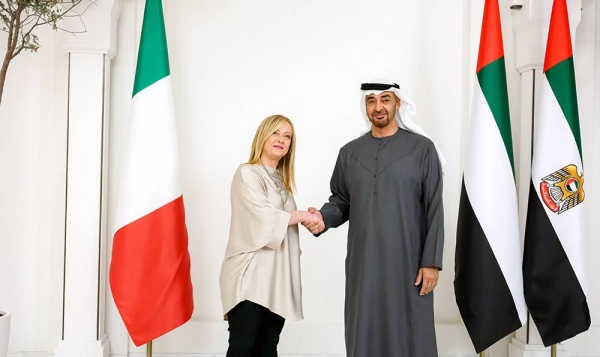
President Sheikh Mohamed bin Zayed Al Nahyan’s state visit to Italy has significantly bolstered the relationship between the United Arab Emirates and Italy. During a dinner banquet hosted by Italian President Sergio Mattarella, both leaders expressed their commitment to enhancing bilateral cooperation across various sectors.

President Mattarella welcomed Sheikh Mohamed and his delegation, highlighting the deep-rooted ties between the two nations and their mutual desire to further strengthen collaboration for the benefit of their peoples. In response, Sheikh Mohamed conveyed his appreciation for the warm reception and emphasized the strategic partnership’s ongoing growth. He noted that this visit reflects both countries’ aspirations to work together towards elevated cooperation and joint economic development.

A symbolic exchange of honors took place during the banquet. Sheikh Mohamed awarded President Mattarella the Order of Zayed, the UAE’s highest civilian honor bestowed upon world leaders. In return, President Mattarella conferred upon Sheikh Mohamed the Order of Merit of the Italian Republic, Italy’s highest accolade for foreign dignitaries.

The UAE delegation accompanying Sheikh Mohamed included Sheikh Abdullah bin Zayed Al Nahyan, Deputy Prime Minister and Minister of Foreign Affairs; Sheikh Hamdan bin Mohamed bin Zayed Al Nahyan, Deputy Chairman of the Presidential Court for Special Affairs; and Sheikh Mohammed bin Hamad bin Tahnoon Al Nahyan, Advisor to the UAE President. The Italian side was represented by several ministers, senior officials, and other dignitaries.

As Sheikh Mohamed’s aircraft entered Italian airspace, it was ceremoniously escorted by a squadron of Italian military jets, symbolizing the importance of this visit. This gesture underscores the mutual respect and the strengthening ties between the two nations.

The discussions between the leaders encompassed a wide range of topics, including investment opportunities, advancements in artificial intelligence, and cultural exchanges. Both countries are keen to explore collaborative ventures in these areas to foster innovation and economic growth.

Energy cooperation emerged as a focal point during the talks. The UAE’s Abu Dhabi National Oil Company and Italy’s energy giant Eni are expanding their partnership beyond traditional oil and gas sectors. Their collaboration now includes renewable energy projects, aligning with global efforts to transition towards sustainable energy solutions.

Defense and security were also prominent on the agenda. Italy’s Leonardo remains a key supplier to the UAE Armed Forces, and both nations are exploring avenues to deepen their defense cooperation. This includes potential joint ventures and knowledge exchange programs aimed at enhancing the capabilities of their respective armed forces.

Emerging sectors such as climate change mitigation, food security, and the space industry were identified as promising areas for future collaboration. Both countries recognize the importance of addressing global challenges through joint initiatives and are committed to working together to develop innovative solutions.

This visit follows Italian Prime Minister Giorgia Meloni’s diplomatic mission to Abu Dhabi, which took place approximately a month prior. During that visit, multiple cooperation agreements were signed, including a significant energy deal involving Albania. These developments signify a renewed vigor in UAE-Italy relations, moving beyond traditional frameworks to embrace broader regional and global partnerships.

Analysts suggest that the UAE-Italy relationship is evolving into a strategic alliance with the potential to influence regional dynamics. Both nations are positioning themselves as key players in the Indo-Mediterranean region, leveraging their economic and geopolitical strengths to foster stability and prosperity.

The leaders also discussed the possibility of developing trilateral and regional alliances, particularly focusing on Africa and East Asia. While Italy prioritizes Eastern Europe, the UAE maintains a strong focus on Africa, creating opportunities for strategic alignment and collaborative initiatives in these regions.
By K Raveendran The term disruption has undergone a significant transformation in meaning over the years. Traditionally, it carried a negative connotation, indicating disorder or interruption. However, in the contemporary technological setting, disruption is celebrated as a driver of innovation, progress, and problem-solving. Companies like Uber, Airbnb, and Tesla have all disrupted their respective industries, […]

Lightpath, a prominent provider of all-fiber infrastructure-based connectivity, has announced the deployment of a 230-route mile, high-fiber-count network in the Phoenix metropolitan area. This strategic expansion is driven by partnerships with multiple hyperscaler clients and aims to meet the escalating demand for robust connectivity, particularly for artificial intelligence applications. The newly constructed network features underground, multi-conduit systems capable of housing up to 20,000 fibers. It establishes connections […]

Oil prices experienced a decline on Friday, with Brent futures decreasing by 73 cents, or 0.95%, to $75.75 per barrel, and U.S. West Texas Intermediate crude falling by 73 cents, or 1%, to $71.75 per barrel. Despite this downturn, both benchmarks were poised for a weekly gain, influenced by supply disruptions in Russia and ongoing uncertainty surrounding potential peace negotiations in Ukraine.

The market has been reacting to recent events impacting supply dynamics. Ukrainian drone strikes targeted a key pumping station on a major international pipeline in southern Russia, disrupting oil supplies from Kazakhstan. This incident has heightened concerns over the stability of oil exports in the region, contributing to price volatility.

In the United States, oil refiners are expected to shut in about 1.25 million barrels per day of capacity in the week ending February 21, increasing available refining capacity by 258,000 bpd. Offline capacity is projected to fall to 893,000 bpd in the week ending February 28. These adjustments in refining operations reflect the industry’s response to current supply and demand conditions.

Global oil demand growth is projected to average 1.1 million bpd in 2025, up from 870,000 bpd in 2024. This increase is primarily driven by emerging Asian economies, with China remaining a significant contributor due to its petrochemical sector. However, the pace of China’s expansion is expected to slow, and OECD demand is forecast to return to a structural decline following a modest increase last year.

World oil supply experienced a decline of 950,000 bpd to 102.7 million bpd in January, influenced by seasonally colder weather affecting North American production, as well as output decreases in Nigeria and Libya. Despite this reduction, supply remains 1.9 million bpd higher than a year ago, with gains led by the Americas. Projections indicate that global oil supply will increase by 1.6 million bpd to 104.5 million bpd in 2025, assuming OPEC+ voluntary cuts remain in place.

The Energy Information Administration forecasts that Brent crude oil prices will average $74 per barrel in 2025, before declining to $66 per barrel in 2026. This outlook considers factors such as increasing production and relatively weak global oil demand growth, leading to a rise in global oil inventories and exerting downward pressure on prices.

Market participants are closely monitoring geopolitical developments, particularly the potential for peace negotiations between Russia and Ukraine. The outcome of these discussions could significantly impact global oil supply and demand dynamics, influencing price trajectories in the near term.

Milrem Robotics, EM&E Group, and Thales in Belgium have formalised a strategic partnership to enhance the United Arab Emirates’ defence capabilities. The collaboration aims to integrate advanced weapon systems into unmanned ground vehicles, addressing the nation’s evolving security needs. The Memorandum of Understanding , signed on 18 February 2025 in Abu Dhabi, outlines a framework for joint innovation and the integration of robotics capabilities. A primary objective […]

The cryptocurrency landscape is witnessing a notable shift as FloppyPepe , a small-cap AI-integrated meme coin, gains traction among investors traditionally aligned with established tokens like Cardano . This trend highlights the dynamic nature of the crypto market, where emerging technologies and innovative projects can rapidly alter investor preferences.

FloppyPepe has distinguished itself by merging meme culture with artificial intelligence, creating a unique niche in the crypto ecosystem. The token’s recent SolidProof certification has bolstered investor confidence by ensuring the security and reliability of its smart contracts. This certification, achieved during its ongoing presale phase, underscores the project’s commitment to transparency and technological robustness.

The presale of FPPE has demonstrated remarkable momentum, reportedly raising nearly $1 million within 24 hours. This rapid capital influx is indicative of strong market interest and suggests a growing belief in FPPE’s potential. Contributing to this enthusiasm is the announcement of an upcoming text-to-image AI agent on Telegram, slated for release in two weeks, which aims to enhance user engagement and broaden the token’s utility.

In contrast, Cardano , a well-established blockchain platform known for its proof-of-stake consensus mechanism and focus on sustainability, has experienced a modest decline in its token value. Currently trading at approximately $0.769463, ADA has seen a 4.07% decrease over the past 24 hours. Despite its strong market position and a market capitalization exceeding $27 billion, ADA’s recent performance reflects the volatile nature of the cryptocurrency market and the challenges faced by established tokens amidst emerging competitors.

The rise of FPPE is part of a broader trend where investors are exploring alternative assets with high growth potential. Reports indicate that holders of Cardano and Dogecoin are reallocating funds towards emerging tokens like FPPE, driven by the prospect of substantial returns. Analysts have identified FPPE as a formidable contender in the AI crypto sector, with projections suggesting significant growth potential.

FPPE’s innovative approach includes deflationary tokenomics, where 1% of every transaction is burned, reducing the total supply over time and potentially increasing the token’s value. Additionally, 3% of each transaction is redistributed to long-term holders, incentivizing sustained investment and fostering a loyal community. These mechanisms are designed to create scarcity and reward commitment, distinguishing FPPE from other meme coins.

The convergence of meme culture and AI technology in FPPE represents a novel fusion that appeals to a diverse investor base. This blend not only capitalizes on the viral nature of meme coins but also integrates practical AI applications, offering users tangible utility beyond speculative trading. The forthcoming AI-driven features are anticipated to enhance user interaction and provide unique functionalities within the crypto space.

While FPPE’s ascent is noteworthy, it operates within a highly competitive and unpredictable market. Established entities like Cardano possess extensive ecosystems and substantial developer communities, providing them with resilience and the capacity for innovation. Cardano’s ongoing developments and strategic initiatives continue to position it as a significant player in the blockchain arena.

Medical science is undergoing a transformative phase, with innovative approaches like xenotransplantation, 3D bioprinting, and stem cell therapies offering potential solutions to the persistent organ shortage crisis. These cutting-edge technologies aim to bridge the gap between organ demand and supply, providing hope to thousands awaiting transplants. Xenotransplantation, the practice of transplanting organs from one species to another, has seen significant strides. In November 2024, Towana Looney, a […]

Advertisements
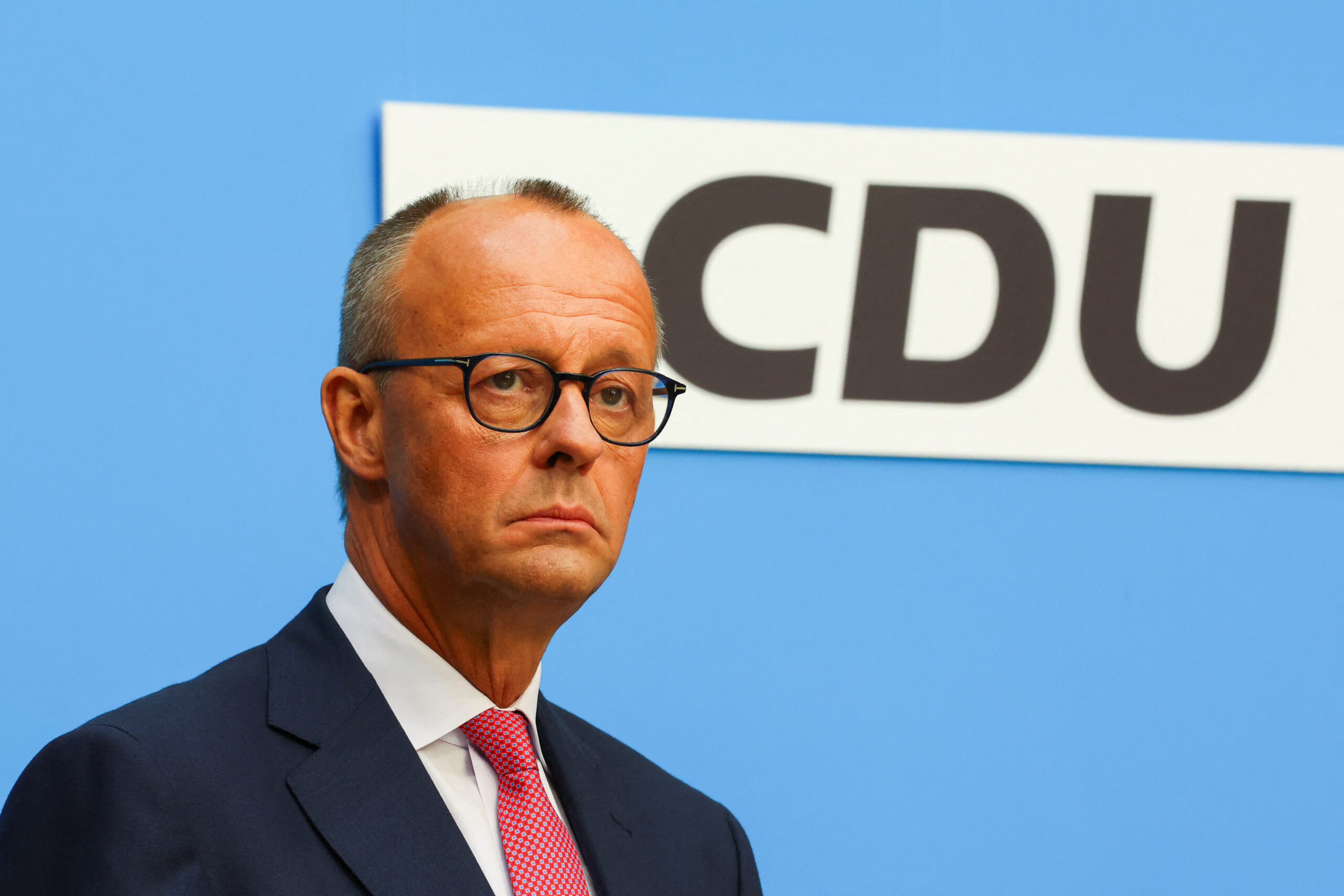
By Satyaki Chakraborty With just two days left for the national elections in Germany scheduled for next Sunday, February 23, all opinion polls suggest a near ten point lead by the conservative CDU/CSU combo as against the far right AFD which is threatening to take over power in European Union’s richest economy with the open […]

HONG KONG SAR – Media OutReach Newswire – 21 February 2025 – The Hong Kong Science and Technology Parks Corporation (HKSTP) successfully hosted the “AI in Action” Career Day, attracting over 3,000 visitors. Marking HKSTP’s first-ever AI-focused recruitment initiative, the event delivered a one-stop career platform tailored for young professionals and graduates, connecting them with over 150 AI-specialised companies. Together, these innovators showcased 1,000+ roles in cutting-edge […]

The cryptocurrency landscape is experiencing notable fluctuations as political developments and new digital assets influence investor sentiment. Solana , a prominent blockchain platform, has seen its token price oscillate amid these dynamics. As of February 21, 2025, SOL is trading at $179.81, reflecting a 3.79% increase from the previous close. This movement comes in the wake of recent political events and the introduction of new meme coins like Panshibi , which are capturing market attention.

The re-election of President Donald Trump has introduced a wave of optimism among cryptocurrency enthusiasts, particularly due to his administration’s perceived crypto-friendly stance. This sentiment has been bolstered by the resignation of former SEC Chair Gary Gensler and the appointment of Paul Atkins, known for his favorable views on digital assets. These changes have led to a surge in applications for cryptocurrency exchange-traded funds , with asset managers seeking approval for funds focusing on altcoins such as Solana, XRP, and Dogecoin. Market analysts suggest that the approval of these ETFs could significantly impact the valuation and adoption of the associated cryptocurrencies.

However, the market’s response has been mixed. While the anticipation of regulatory support has driven some positive momentum, concerns over market volatility persist. Analysts have issued cautionary notes regarding Solana’s price trajectory. Some forecasts indicate the potential for a substantial correction, with prices possibly declining by up to 50% during the summer months of 2025, potentially reaching the $44 range. Factors contributing to this outlook include speculative trading and the proliferation of meme coins on the Solana network, which may undermine investor confidence.

The emergence of Panshibi exemplifies the growing interest in meme-based cryptocurrencies. Launched with a presale price of $0.004, Panshibi has rapidly garnered attention, raising over $700,000 in its initial phase. The project has undergone a security audit and implemented long-term liquidity locking, measures aimed at enhancing investor trust. Analysts have drawn parallels between Panshibi and earlier meme coins, noting the potential for significant returns. Projections suggest that Panshibi could experience a presale price increase of 1,200%, with post-launch surges reaching up to 145,000%. These figures, while speculative, highlight the high-risk, high-reward nature of meme coin investments.

The U.S. Senate has confirmed Kash Patel as the new Director of the Federal Bureau of Investigation with a narrow 51-49 vote. Patel, a long-time adviser to President Donald Trump, is set to lead the nation’s premier law enforcement agency, succeeding Christopher Wray, who resigned prior to the completion of his term.

Patel’s confirmation has been met with significant debate, primarily due to his close ties to President Trump and his previous criticisms of the FBI. Democratic senators have expressed concerns that his appointment could lead to the politicization of the bureau. Senator Dick Durbin highlighted Patel’s past statements and actions, suggesting they might compromise the FBI’s impartiality.

Adding to the controversy are Patel’s financial disclosures, which reveal substantial investments in the cryptocurrency sector. According to official filings, Patel holds up to $115,000 in Bitcoin and has invested between $50,001 and $100,000 in Core Scientific, a prominent Bitcoin mining company. These holdings have raised questions about potential conflicts of interest, especially given the FBI’s role in regulating and investigating cryptocurrency-related activities.

During his confirmation hearing, Patel addressed these concerns, stating that his investments are part of a diversified portfolio and asserting that they would not influence his duties as FBI Director. He emphasized his commitment to maintaining the bureau’s integrity and impartiality.

Republican senators have largely supported Patel’s appointment, viewing his leadership as an opportunity to reform the FBI and address perceived biases within the agency. Senator Chuck Grassley expressed confidence in Patel’s ability to restore public trust and ensure the bureau operates without political influence.

Patel’s professional background includes roles as a public defender, a trial attorney at the Department of Justice, and various positions during President Trump’s first term. His supporters cite this experience as evidence of his qualifications to lead the FBI.

However, critics remain skeptical. Concerns have been raised about Patel’s previous appearances on platforms known for promoting conspiracy theories and his past statements regarding internal FBI matters. Some former Justice Department officials have publicly opposed his nomination, suggesting that his leadership could undermine the bureau’s mission and integrity.

As Patel assumes his new role, he faces the immediate challenge of addressing internal morale within the FBI and external perceptions of the bureau’s impartiality. His approach to handling his cryptocurrency investments and potential conflicts of interest will be closely scrutinized by both lawmakers and the public.

The confirmation of Kash Patel marks a significant moment for the FBI, as the agency navigates complex political dynamics and emerging technological challenges. How Patel balances his personal investments with his professional responsibilities will play a crucial role in shaping the bureau’s future direction and public perception.

In the coming weeks, all eyes will be on Director Patel as he outlines his vision for the FBI and addresses the myriad issues facing the agency. His actions and decisions will be pivotal in determining the bureau’s trajectory during his tenure.

As the FBI embarks on this new chapter under Patel’s leadership, the interplay between personal interests and public duty will be a focal point of discussion and analysis among policymakers, law enforcement professionals, and the American public.

The Senate’s confirmation of Kash Patel as FBI Director underscores the deep divisions within the political landscape and highlights the ongoing debates surrounding the role of personal investments in public service. Patel’s tenure will undoubtedly be closely monitored as he steps into this critical position at a pivotal time for the nation.

As Director Patel begins his term, the balance between innovation in financial sectors and the ethical obligations of public office holders will remain a topic of significant importance and scrutiny.

The coming months will reveal how Patel navigates these challenges and whether his leadership will bring the reforms and renewed trust that his supporters anticipate. The outcomes of his decisions will have lasting implications for the FBI and its role in upholding justice and security in the United States.

Director Patel’s approach to his new role will be instrumental in shaping the future of the FBI and its relationship with both the government and the public it serves. His ability to address internal and external concerns will define his legacy and the bureau’s path forward.

As the nation watches, Director Patel’s actions will speak to his commitment to justice, integrity, and the principles that underpin the Federal Bureau of Investigation. The challenges ahead are significant, but so too are the opportunities for positive change under his leadership.

In this critical period, the direction set by Director Patel will influence not only the FBI’s operations but also the broader discourse on ethics, governance, and public trust in federal institutions. His tenure promises to be a defining chapter in the bureau’s storied history.

As Director Patel takes the helm, the interplay between his personal financial interests and his public responsibilities will be a key area of focus, with implications that extend beyond the FBI to the broader landscape of public service ethics.

The path Director Patel charts in addressing these complex issues will be closely observed, setting precedents for future leaders and shaping the narrative of accountability and transparency in government roles.

In navigating the responsibilities of his position, Director Patel’s decisions will resonate through the corridors of power, influencing policy, public perception, and the very fabric of the nation’s approach to law enforcement and justice.

As the FBI enters this new era under Director Patel, the balance he strikes between personal interests and public duty will serve as a barometer for the agency’s commitment to its foundational values and its adaptability in a rapidly evolving societal landscape.

The tenure of Director Patel is poised to be a transformative period for the FBI, with his leadership style and ethical considerations setting the tone for the agency’s future and its role in safeguarding the nation’s security and upholding the rule of law.

Abu Dhabi National Oil Company has successfully completed a $2.84 billion share offering in its subsidiary, ADNOC Gas. The sale involved approximately 3.1 billion shares, priced at 3.40 dirhams each, representing 4% of ADNOC Gas’s total share capital. This transaction stands as the largest share sale in the Middle East and North Africa region since Saudi Aramco’s $12.3 billion offering in June.

The offering witnessed exceptional demand from institutional investors across the Gulf Cooperation Council and international markets, with total oversubscription reaching 4.4 times. The pricing of 3.40 dirhams per share reflects a 43% premium over ADNOC Gas’s initial public offering price of 2.37 dirhams per share and a 5% discount to the company’s closing share price of 3.58 dirhams on February 20, 2025, the last trading day before the offering.

Settlement of the offering is expected to occur on or around February 26, 2025. Post-transaction, ADNOC will retain an 86% majority stake in ADNOC Gas, while the company’s free float will increase by 80%, bringing it to a headline figure of 9%. This enhanced liquidity is anticipated to pave the way for ADNOC Gas’s inclusion in major indices such as the Morgan Stanley Capital International Emerging Market Index and the Financial Times Stock Exchange Emerging Market Index, potentially during the next quarterly review, subject to meeting all relevant inclusion criteria.

Khaled Al Zaabi, Group Chief Financial Officer at ADNOC, expressed pride in completing the UAE’s first-ever marketed offering and the largest placement on the Abu Dhabi Securities Exchange to date. He highlighted that the exceptional demand and competitive pricing underscore strong investor confidence in ADNOC Gas’s performance and growth prospects. Al Zaabi reaffirmed ADNOC’s commitment as a long-term majority shareholder, emphasizing the subsidiary’s integral role in Abu Dhabi’s decarbonization and growth ambitions.

ADNOC Gas has demonstrated consistent growth and profitability. In its full-year 2024 financial results, the company reported an adjusted net income of $5 billion, the highest since its IPO, with $1.38 billion earned in the fourth quarter alone. These figures significantly surpass Bloomberg consensus estimates. The company’s robust performance aligns with its strategic update announced in November 2024, which outlined a refreshed growth pipeline. This includes the planned acquisition of Ruwais LNG and a target of over 40% adjusted EBITDA growth by 2029.

The successful offering is expected to diversify ADNOC Gas’s shareholder base and enhance liquidity. A higher free float is also projected to facilitate the company’s inclusion in prominent emerging market indices, broadening its investor base and increasing awareness of its value proposition.

BofA Securities, Citi, EFG-Hermes, First Abu Dhabi Bank, HSBC, and International Securities acted as joint global coordinators and bookrunners for the offering. ADNOC has agreed to a restriction on selling additional shares for a period of six months from the closing of the offering, subject to certain exceptions and unless waived by the joint global coordinators.

ADNOC Gas, operational since early 2023, was formed by consolidating ADNOC’s gas processing, liquefied natural gas , and industrial gas operations into a single entity. The company went public on the ADX, raising approximately $2.5 billion in one of the region’s largest IPOs in recent years. This latest share sale further underscores ADNOC’s strategy to unlock value from its assets and attract a diversified investor base.

As Australia approaches its federal election, scheduled on or before 17 May 2025, a significant demographic of cryptocurrency investors is emerging as a potential deciding factor in the political landscape. A YouGov survey, commissioned by Australian crypto exchange Swyftx, indicates that approximately 2 million Australians could form a pro-crypto voting bloc, potentially swaying the election’s outcome. The survey, conducted with 2,031 Australian voters between 3 and 10 […]

Cardano’s native cryptocurrency, ADA, is exhibiting signs of a potential upward movement, as technical indicators suggest a bullish trend may be on the horizon. Currently trading at $0.803822, ADA remains significantly below its all-time high of $3.09.

Technical analysis reveals the formation of a symmetrical triangle pattern on ADA’s price chart. This pattern, characterized by converging trendlines, often precedes a breakout in either direction. Market analysts note that a decisive move above the upper trendline could signal a substantial price increase, while a drop below the lower trendline might indicate further declines.

The cryptocurrency market has experienced heightened volatility, with ADA’s price fluctuating between an intraday high of $0.810912 and a low of $0.776547. This volatility underscores the importance of closely monitoring market trends and technical indicators.

PACT Protocol has officially launched on the Aptos Network, introducing over $1 billion in on-chain assets to the high-performance blockchain. This strategic move, following nine months of collaboration with the Aptos Foundation, aims to enhance financial inclusion by providing fully on-chain lending and securitization infrastructure for licensed lenders in emerging markets.

The integration enables lenders to originate, securitize, and service loans more efficiently, fostering a transparent and scalable financial environment for borrowers, originators, and institutional investors. As the inaugural participant in the Aptos Foundation’s incubation pilot, PACT Protocol benefits from strategic and technical support provided by Aptos Labs.

On-chain credit infrastructure is revolutionizing global finance, particularly in regions where traditional banking services are inaccessible to approximately 85% of the population. By leveraging Aptos’ sub-second finality and minimal transaction fees, PACT aims to reduce borrowing costs and expand credit access in underserved communities worldwide.

Ash Pampati, Head of Ecosystem at Aptos, expressed enthusiasm about the partnership, stating that it expands financial access to users in emerging markets globally. Solomon Tesfaye, Head of Capital Markets at Aptos Labs, highlighted that PACT’s integration offers a transparent and scalable solution, reducing costs and broadening credit opportunities for underserved communities.

PACT Protocol selected Aptos for its institutional-grade infrastructure, scalability, and adoption within the financial sector. The network’s support for native USDC and USDT, along with its capacity to handle high transaction volumes at low costs, ensures seamless credit flows while maintaining security and reliability through its Move programming language.

MANSA, a fintech company specializing in cross-border payment solutions, has secured $10 million in funding to address liquidity challenges in global transactions. The funding round was led by Tether, the issuer of the stablecoin USDT, with participation from Polymorphic Capital, Octerra Capital, Faculty Group, and Trive Digital.

The investment comprises a $3 million pre-seed round and an additional $7 million in liquidity funding from institutional investors, including corporate backers and quantitative funds. MANSA plans to utilize these funds to expand its operations into Latin America and Southeast Asia, regions that often face liquidity constraints in cross-border payments.

Co-founded by CEO Mouloukou Sanoh and Nkiru Uwaje, MANSA aims to revolutionize global payments by integrating blockchain technology to facilitate real-time, on-chain transactions. This approach seeks to make cross-border payments faster, more efficient, and cost-effective, thereby eliminating the limitations of traditional financial systems.

“Securing $10 million in pre-seed and liquidity funding marks a significant milestone in our mission to transform the way money moves,” said Sanoh. “By bringing payments on-chain and leveraging efficient liquidity solutions, we are addressing critical challenges in cross-border transactions—making payments faster, cheaper, and more reliable worldwide.”

Paolo Ardoino, CEO of Tether, expressed support for MANSA’s objectives, stating, “MANSA’s vision for addressing liquidity challenges in cross-border payments aligns with our mission to create a more efficient and inclusive financial system. By leveraging USDT for real-time settlements and instant payouts, MANSA is solving critical pain points for payment companies operating in emerging markets.”

Since its launch in August 2024, MANSA’s stablecoin-based payment solution has processed over $27 million in transaction volume on-chain, with nearly $11 million in January 2025 alone. This growth underscores the increasing demand for efficient and reliable cross-border payment solutions.

The company’s expansion into Latin America and Southeast Asia is poised to provide businesses and individuals in these regions with access to faster and more affordable payment options. By scaling its liquidity infrastructure and developing strategic partnerships with financial institutions and payment providers, MANSA aims to bridge existing gaps in the global payment landscape.

In addition to its technological advancements, MANSA is committed to financial inclusion and innovation. The company’s solutions are designed to address global liquidity shortages, offering a more accessible way for businesses and individuals to transact across borders. This approach is particularly beneficial in emerging markets, where traditional financial systems often fall short in meeting the needs of the population.

The use of stablecoins in cross-border transactions offers several advantages, including reduced settlement delays and lower transaction costs. By transacting on-chain, businesses can conduct seamless cross-border payments without the inefficiencies associated with traditional financial systems. This method also provides a viable alternative for import-heavy economies facing shortages of fiat currencies, enabling businesses to access digital dollars at scale and bypass local currency restrictions and capital controls.

Abu Dhabi National Oil Company has announced plans to sell approximately 3.1 billion shares, equating to a 4% stake, in its subsidiary ADNOC Gas. This strategic move is projected to raise up to $3 billion, marking one of the most significant share sales in the Middle East and North Africa region since Saudi Aramco’s $12.3 billion offering in June of the previous year.

The offering is set to commence immediately and is expected to conclude on Friday, February 21, 2025. It will be open to qualified institutional and other investors across various countries, including the United Arab Emirates. The final number of shares to be placed and the offering price will be determined at the close of the book-building process, in accordance with the Block Trade Rules of the Abu Dhabi Securities Exchange .

ADNOC currently holds a 90% majority stake in ADNOC Gas. At the last closing price of AED 3.58 per share, the offering is valued at approximately AED 11.1 billion . This initiative aligns with ADNOC’s strategic objectives to enhance the liquidity and free float of ADNOC Gas, while providing a pathway to a more diversified shareholder base and potential inclusion in major indices.

Khaled Al Zaabi, Group Chief Financial Officer at ADNOC, stated, “Since its IPO in March 2023, ADNOC Gas has consistently delivered strong growth, robust financial performance, and superior shareholder returns. As a world-class integrated gas processing company, ADNOC Gas is ideally positioned for further expansion.”

The offering will be subject to a customary 180-day lock-up period for both ADNOC and ADNOC Gas, subject to certain exceptions and unless waived by the joint global coordinators. Major financial institutions, including BofA Securities, Citi, EFG-Hermes, First Abu Dhabi Bank, HSBC, and International Securities, are acting as joint global coordinators and joint bookrunners for this offering.

This move follows ADNOC Gas’s initial public offering in March 2023, which raised approximately $2.5 billion, marking one of the region’s largest IPOs at that time. The company was formed earlier that year by consolidating various gas processing operations into a single entity, aiming to streamline operations and enhance efficiency.

In May of the previous year, ADNOC also raised $935 million by selling a 5.5% stake in its drilling unit to institutional investors, reflecting the company’s ongoing strategy to monetize assets and attract foreign investment.

ADNOC Gas operates an extensive network, managing over 3,000 kilometers of pipeline infrastructure and 26 processing trains. The company plays a crucial role in processing and distributing natural gas within the UAE and to international markets. The funds raised from this stake sale are expected to support ADNOC Gas’s ambitious growth plans, including expanding its processing capacities and exploring new markets.

The energy sector in the UAE has seen significant foreign direct investment in recent years. In 2019, ADNOC attracted major investments from U.S. asset managers BlackRock and KKR, as well as Italian firm Eni, collectively bringing in billions of dollars. These investments have been pivotal in expanding ADNOC’s infrastructure and operational capabilities.

The decision to divest a portion of ADNOC Gas aligns with the company’s broader strategy to optimize its portfolio, enhance capital efficiency, and provide attractive opportunities for global investors. As the global energy landscape continues to evolve, ADNOC remains committed to adapting its business model to meet emerging challenges and capitalize on new opportunities.

The U.S. Securities and Exchange Commission has officially withdrawn its appeal against a federal court ruling that invalidated its attempt to broaden the definition of “dealer” to encompass decentralized finance platforms and crypto liquidity providers. This move marks a significant shift in the regulatory landscape for the cryptocurrency industry.

In a filing submitted to the Fifth Circuit Court of Appeals on February 19, the SEC requested the voluntary dismissal of its appeal, a motion that faced no opposition. This decision effectively concludes the legal battle initiated by crypto advocacy groups, including the Blockchain Association and the Crypto Freedom Alliance of Texas, which challenged the SEC’s proposed rule change.

The contested rule, introduced in February 2024, sought to mandate that all crypto liquidity providers and automated market makers with over $50 million in capital register as dealers with the SEC. Critics argued that this expansion of the “dealer” definition would impose onerous regulatory requirements on DeFi protocols, many of which operate without centralized control and would struggle to comply with traditional Know Your Customer and Anti-Money Laundering regulations.

In November 2024, U.S. District Judge Reed O’Connor of the Northern District of Texas ruled against the SEC, stating that the agency had “exceeded its statutory authority” by attempting to enforce such a broad definition. The SEC’s recent decision to abandon its appeal upholds this ruling, preventing the implementation of the controversial dealer rule.

Kristin Smith, CEO of the Blockchain Association, lauded the SEC’s withdrawal as a decisive victory for the crypto industry. In a statement, she emphasized that the rule represented an “unlawful power grab” and that its defeat allows the industry to “breathe a sigh of relief.”

This development coincides with significant leadership changes within the SEC. Former Chair Gary Gensler, known for his stringent regulatory stance on cryptocurrencies, stepped down in January 2025 as President Donald Trump assumed office. Under the interim leadership of Acting Chair Mark Uyeda, the SEC has demonstrated a shift toward a more collaborative approach to crypto regulation.

One of Uyeda’s initial actions was the establishment of a Crypto Task Force, led by Commissioner Hester Peirce, who is recognized for her crypto-friendly views. The task force’s mandate includes developing a comprehensive regulatory framework for digital assets, aiming to provide clarity and support for innovation within the industry.

The SEC has also paused or delayed several enforcement actions against crypto firms that were initiated during Gensler’s tenure. These moves suggest a reevaluation of the agency’s approach to cryptocurrency regulation, potentially fostering a more conducive environment for industry growth.

Industry stakeholders view the SEC’s withdrawal of the dealer rule appeal as indicative of this evolving regulatory philosophy. By choosing not to pursue further legal action, the SEC appears to acknowledge the unique operational structures of DeFi platforms and the challenges of applying traditional regulatory frameworks to decentralized systems.

The original dealer rule aimed to address concerns about market stability and investor protection by bringing significant crypto market participants under the SEC’s regulatory umbrella. However, opponents contended that the rule failed to consider the decentralized nature of many crypto entities, rendering compliance both impractical and potentially stifling to innovation.

The legal challenge, initiated in April 2024, argued that the SEC’s rulemaking was “arbitrary and capricious,” lacking a clear statutory basis. Judge O’Connor’s ruling in favor of the plaintiffs underscored the necessity for regulatory agencies to operate within the bounds of their designated authority, especially when addressing emerging technologies and markets.

As the SEC recalibrates its approach under new leadership, the crypto industry remains attentive to how future regulations will balance oversight with the need to support technological advancement. The formation of the Crypto Task Force and the dismissal of the dealer rule appeal suggest a potential for more nuanced and informed policymaking that considers the distinct characteristics of digital assets and decentralized platforms.

By Nitya Chakraborty February 2025 is not just the moment of truth for the European nations and NATO members but also time for reckoning for the Global Left and the peace movement which are still sizing up the dimension of the impact of U.S. President Donald Trump’s emergence as a peacenik to end the three […]

Microsoft Corporation is currently navigating a complex situation involving DeepSeek, a Chinese artificial intelligence startup accused of misappropriating data from OpenAI, a company in which Microsoft holds a significant investment. The controversy centers on allegations that DeepSeek illicitly accessed OpenAI’s proprietary data to develop its own AI models, raising concerns about intellectual property theft and the security of AI technologies. In January 2025, reports emerged that Microsoft […]

Leading figures in the cryptocurrency sector, including Coinbase, a16z, Paradigm, Kraken, and Uniswap, have collectively urged the U.S. Congress to repeal a tax policy introduced by the Internal Revenue Service that mandates decentralized finance brokers to report user information. The coalition contends that this regulation could severely impede DeFi innovation by imposing traditional brokerage data collection and reporting requirements on decentralized platforms.

The IRS finalized this significant digital asset broker rule between Christmas and New Year’s Eve, just days before the transition to President Donald Trump’s administration. The rule aims to subject DeFi brokers to the same information-reporting obligations as traditional securities brokers and exchanges. Critics argue that this approach demonstrates a fundamental misunderstanding of DeFi technology and oversteps regulatory boundaries.

Under the Congressional Review Act, recently approved regulations can be rescinded. Senator Ted Cruz, a Republican from Texas, introduced a resolution last week seeking to nullify the IRS’s DeFi broker rule. In a unified response, the Blockchain Association, alongside industry giants such as Coinbase, a16z, Paradigm, Kraken, Uniswap, Anchorage Digital, and numerous others, submitted a letter to congressional leaders advocating for the adoption of Senator Cruz’s resolution.

The letter asserts that the DeFi broker rule, finalized in the closing days of the Biden administration, represents regulatory overreach, fundamentally misinterprets the technology it seeks to regulate, and disregards congressional intent. The coalition emphasizes that utilizing Congress’s authority to overturn federal agency regulations offers a clear and definitive path to revoke this detrimental rule before it takes effect.

Industry leaders express concern that the rule disproportionately targets U.S.-based companies, imposing stringent requirements that foreign competitors are not obligated to follow when serving American customers. This disparity, they argue, could stifle DeFi innovation within the United States, as domestic firms would face unique compliance burdens not shared by their international counterparts.

The Congressional Review Act serves as a potent mechanism for reversing federal regulations, though its application can have lasting implications. Once a rule is nullified under this act, any future attempt to introduce a similar regulation is effectively barred, potentially complicating efforts to establish more balanced oversight in the same domain.

This collective action by the cryptocurrency industry underscores the escalating tension between innovative financial technologies and existing regulatory frameworks. As DeFi platforms continue to evolve, they challenge traditional notions of financial intermediaries, prompting regulators to adapt their approaches. The outcome of this legislative push could set a significant precedent for how decentralized technologies are governed in the future.

In a related development, venture capital firm a16z Crypto has expressed support for a legal challenge against the IRS’s new DeFi rules. The firm argues that the regulations exceed governmental authority, infringe upon constitutional rights, and could adversely affect the United States’ position in the global digital economy. This lawsuit, backed by the Blockchain Association, DeFi Education Fund, and Texas Blockchain Council, contends that the mandated reporting requirements threaten user privacy and could deter innovation in the DeFi space.

The IRS’s finalized rule stipulates that “front-end” crypto service providers adhere to the same tax reporting standards as traditional securities brokers. This encompasses the collection and reporting of user trading information, a requirement that many in the industry view as incompatible with the decentralized nature of DeFi platforms. Critics contend that enforcing such regulations could drive DeFi activities offshore, where U.S. regulatory reach is limited, thereby diminishing the country’s influence in the burgeoning digital asset sector.

The debate over the IRS’s DeFi broker rule highlights the broader challenge of applying existing regulatory paradigms to emerging technologies that operate outside traditional frameworks. As policymakers grapple with these issues, the balance between fostering innovation and ensuring compliance remains a contentious and evolving discourse.

The cryptocurrency community’s unified stance against the IRS’s reporting mandate reflects a broader concern that ill-fitting regulations could hamper the growth and potential of decentralized financial systems. As this situation unfolds, it will serve as a critical test of how regulatory bodies and innovative industries can navigate the complexities of technological advancement in the financial sector.

The outcome of this legislative and legal challenge may well determine the trajectory of DeFi development in the United States and influence how other jurisdictions approach the regulation of decentralized financial technologies. Stakeholders across the spectrum will be closely monitoring the proceedings, recognizing the profound implications for the future of finance and technology integration.

Lightchain AI has rapidly distinguished itself by seamlessly integrating blockchain technology with artificial intelligence. During its presale phase, the company has raised over $13.5 million, with tokens priced at $0.005625 each. This significant capital influx underscores strong investor confidence in Lightchain AI’s innovative approach.

The platform’s unique proposition lies in its fusion of blockchain’s decentralized ledger capabilities with AI’s data processing prowess. This combination aims to enhance transaction efficiency, security, and scalability, positioning Lightchain AI as a formidable contender in the tech landscape.

In contrast, established blockchain platforms like Ethereum, Solana, Cardano, and Polkadot have been pivotal in the industry’s evolution. Ethereum, for instance, boasts a robust developer community, with approximately 1,889 full-time developers contributing to its ecosystem. This extensive support has facilitated a wide array of decentralized applications and smart contracts.

Solana, renowned for its high transaction speeds, can process up to 65,000 transactions per second . This capability has attracted numerous projects, although the network has faced challenges due to the proliferation of meme coins, which have, at times, affected its reputation.

Cardano and Polkadot, both aiming for high scalability and performance, have seen varying levels of developer engagement. Cardano, for example, has around 153 full-time developers, while Polkadot has approximately 621. These figures highlight the competitive landscape in which Lightchain AI is emerging.

The recent resurgence of staking services by platforms like Kraken further indicates a dynamic shift in the cryptocurrency ecosystem. Kraken’s decision to reintroduce staking for U.S. customers, after a previous suspension due to regulatory challenges, reflects a changing regulatory environment. This move allows users to stake assets such as Ethereum, Solana, Polkadot, and Cardano, potentially increasing user engagement and network security.

Saudi Arabia’s state-owned oil giant, Aramco, has signed definitive agreements to acquire a 25% equity stake in Unioil Petroleum Philippines, a prominent player in the Philippine petroleum sector. This strategic move aims to capitalize on the anticipated growth of the high-value fuels market in the Philippines and represents a significant step in Aramco’s global downstream expansion.

Established in 1966, Unioil operates a robust network of 165 retail stations and four storage terminals across the Philippines. The company’s diversified operations have positioned it as one of the fastest-growing entities in the country’s fuel industry. By acquiring a substantial stake in Unioil, Aramco plans to extend its brand presence and introduce its range of products, including Valvoline-branded lubricants, to selected retail stations within the archipelago.

Yasser Mufti, Aramco’s Executive Vice President of Products and Customers, expressed enthusiasm about the partnership, stating, “This investment represents another step forward in our global strategy to expand Aramco’s retail network, and we look forward to introducing Aramco’s high-quality products and services to customers in the Philippines.” This sentiment underscores Aramco’s commitment to enhancing its participation in vibrant economies through collaboration with established local partners.

The financial specifics of the transaction have not been publicly disclosed. However, the acquisition aligns with Aramco’s broader strategy to secure additional outlets for its refined products and strengthen its global retail footprint. This move follows Aramco’s previous retail acquisitions in Chile and Pakistan, highlighting a consistent pattern of strategic investments aimed at diversifying its market presence and tapping into emerging economies with growing energy demands.

The Philippines, with its expanding economy and increasing energy consumption, presents a lucrative opportunity for Aramco. The country’s demand for high-value fuels is projected to rise, driven by rapid urbanization, industrial growth, and a burgeoning middle class. By integrating into the Philippine market, Aramco positions itself to meet this rising demand while fostering economic growth within the region.

Unioil’s Chief Executive Officer, Janice Co Roxas-Chua, welcomed the partnership, noting that the collaboration with Aramco is poised to enhance Unioil’s service offerings and operational capabilities. “Partnering with a global leader like Aramco allows us to bring world-class products and services to our customers, further elevating the standards of the Philippine fuel industry,” she remarked.

This acquisition is subject to customary closing conditions, including regulatory approvals. Both companies are expected to work closely with Philippine authorities to ensure compliance and facilitate a smooth transition. Upon completion, consumers in the Philippines can anticipate access to a broader range of high-quality fuel products and services, reflecting the combined expertise and resources of Aramco and Unioil.

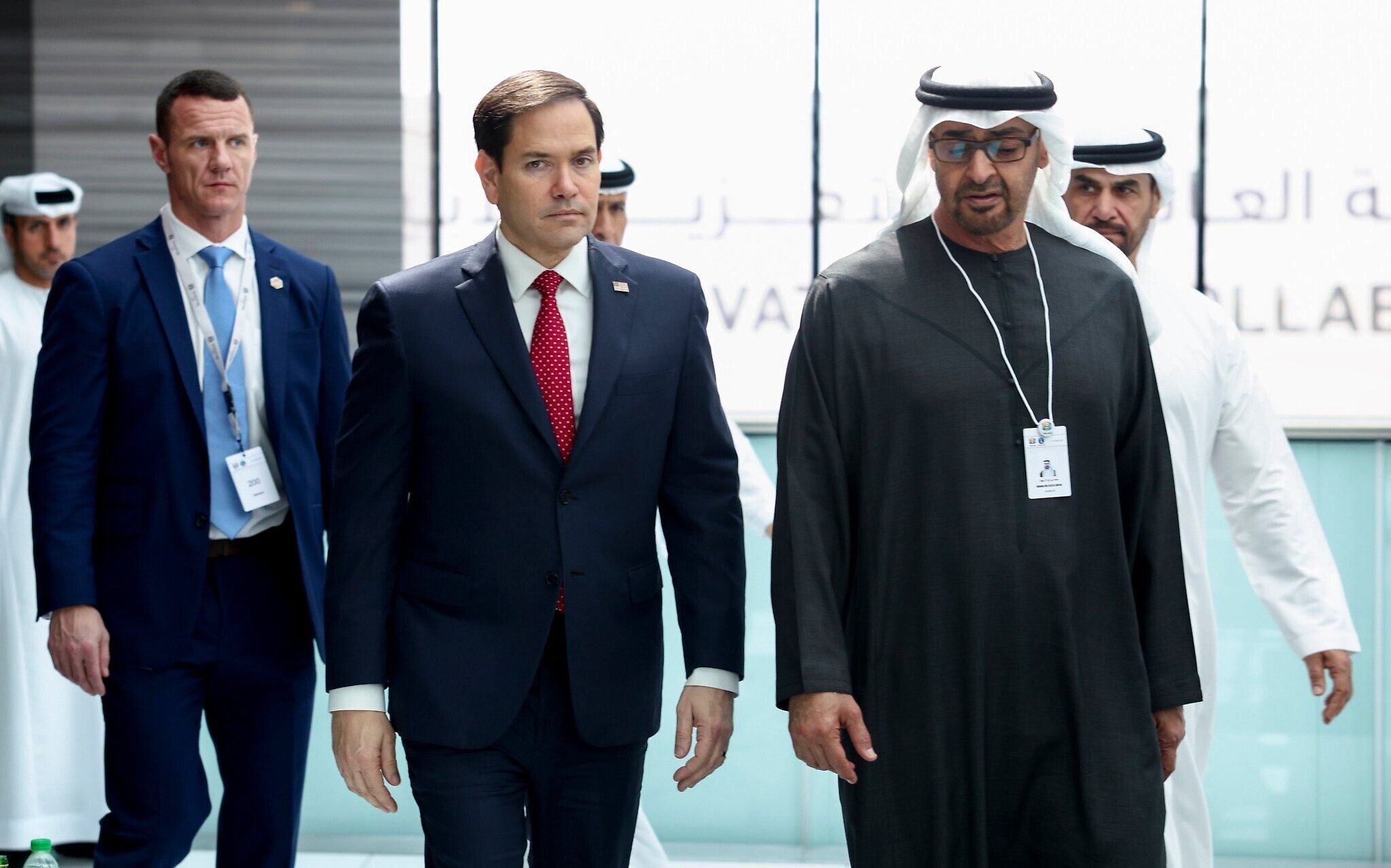
US Secretary of State Marco Rubio concluded his Middle East tour with a visit to the United Arab Emirates on Wednesday, engaging in discussions with President Sheikh Mohammed bin Zayed Al Nahyan. The talks focused on regional stability, the ongoing conflicts in Gaza and Ukraine, and the enhancement of bilateral relations between the two nations.

During the meeting in Abu Dhabi, both leaders underscored the importance of collaborative efforts to address pressing regional issues. A significant portion of their dialogue centered on the Gaza conflict, with President Sheikh Mohammed expressing firm opposition to any displacement of Palestinians from the territory. He reiterated the UAE’s commitment to a two-state solution as the viable path to enduring peace in the region.

The discussions also encompassed the war in Ukraine. The UAE has played a mediating role in facilitating prisoner exchanges between Russia and Ukraine, highlighting its position as a neutral party capable of fostering dialogue. Secretary Rubio acknowledged the UAE’s contributions and emphasized the need for continued international cooperation to resolve the conflict.

Prior to his arrival in the UAE, Secretary Rubio engaged in high-level talks in Saudi Arabia, where he met with Russian Foreign Minister Sergey Lavrov. These discussions marked the highest-level engagement between the United States and Russia since the onset of the Ukraine conflict in 2022. The meetings aimed to explore potential avenues for peace and to address the broader implications of the war on global security.

In addition to geopolitical issues, Secretary Rubio and President Sheikh Mohammed explored opportunities to strengthen economic and defense ties between the United States and the UAE. Both parties recognized the mutual benefits of deepening cooperation in sectors such as technology, energy, and defense. The UAE’s strategic location and its role as a hub for innovation make it a pivotal partner in advancing shared interests.

The visit coincided with the International Defense Exhibition and Conference in Abu Dhabi, a premier event showcasing the latest advancements in defense technology. Secretary Rubio’s presence at IDEX underscored the United States’ commitment to supporting the security and defense capabilities of its allies in the region. The exhibition provided a platform for defense contractors and government officials to discuss potential collaborations and to address emerging security challenges.

While in Abu Dhabi, Secretary Rubio also toured the Abrahamic Family House, a symbol of interfaith harmony comprising a mosque, church, and synagogue within a single complex. This visit highlighted the UAE’s efforts to promote tolerance and coexistence among diverse religious communities. Secretary Rubio commended the initiative, noting that such efforts are essential in fostering mutual understanding and peace in a region historically marked by religious and cultural divisions.

The Middle East tour, which included stops in Israel and Saudi Arabia before culminating in the UAE, reflects the United States’ strategic interest in engaging with key regional players. In Israel, Secretary Rubio met with Prime Minister Benjamin Netanyahu to discuss security concerns and the ongoing situation in Gaza. The discussions reaffirmed the strong bilateral relationship and the United States’ unwavering support for Israel’s right to self-defense.

In Saudi Arabia, the focus shifted to the broader implications of the Ukraine conflict and its impact on global energy markets. Secretary Rubio’s meeting with Crown Prince Mohammed bin Salman aimed to align strategies on stabilizing energy supplies and addressing the humanitarian crisis resulting from the war. The dialogue also touched upon the importance of maintaining open channels of communication with Russia to prevent further escalation.

Throughout the tour, Secretary Rubio emphasized the United States’ commitment to pursuing diplomatic solutions to complex international challenges. He highlighted the necessity of multilateral cooperation and the role of regional partners in achieving sustainable peace and stability. The engagements underscored a multifaceted approach, combining diplomatic outreach with strategic partnerships to address both immediate conflicts and their underlying causes.

The UAE visit, in particular, showcased the depth of the bilateral relationship and the shared vision for a stable and prosperous Middle East. Both nations expressed optimism about the prospects of enhanced collaboration across various domains, setting the stage for future initiatives aimed at promoting peace, security, and economic growth in the region.

As Secretary Rubio returns to Washington, the outcomes of his Middle East tour are poised to influence U.S. foreign policy in the region. The insights gained from direct dialogues with regional leaders will inform the United States’ strategies in addressing the intertwined challenges of geopolitical conflicts, energy security, and regional stability. The administration’s approach will likely continue to balance assertive diplomacy with support for allies, aiming to foster an environment conducive to lasting peace and cooperation.

VISHNU RAJA
RYO YAMADA
HITORI GOTOH
IKUYO KITA