News related to
Emerging

Damac Chelsea Residences is more than just a real estate project — it’s a long-term investment in lifestyle, brand equity, and high-growth potential. Situated in the prime seafront district of Dubai Maritime City, this development by DAMAC Properties brings the prestige of Chelsea Football Club to Dubai’s property scene. As branded residences become one of the most in-demand asset classes worldwide, investors are turning their eyes toward Chelsea Residences by […]

ISTANBUL, TURKEY – Media OutReach Newswire – 18 June 2025 – The report “Evolving Legacy: Decoding the Scientific Trajectory of Chinese Medicine” released today by Hong Kong Baptist University (HKBU) and Elsevier, reveals the growing impact of Chinese Medicine research on global healthcare and modern health challenges. In this context, “Chinese Medicine research” encompasses not only clinical practice, but also basic and translational science, AI-driven systems medicine, […]

By K Raveendran With the likelihood of a diplomatic solution appearing increasingly distant, West Asia is now clearly veering toward a longer and more intense confrontation, one that may significantly reshape economic, geopolitical, and energy dynamics not only in the Middle East but globally. What was initially perceived as a retaliatory exchange following months of […]

Bitcoin has surged to command approximately 64 per cent of the global cryptocurrency market, a dominance level unseen since January 2021 and propelled by heavy institutional inflows following the U.S. Securities and Exchange Commission’s approval of Bitcoin ETFs in January 2024. This increased dominance has coincided with a resurgence in confidence for Ethereum, which has seen its share climb from around 7.1 per cent in April to approximately 9.3 per cent today.

This shift marks a turning point in crypto capital flows. For many investors, Bitcoin remains the safe harbour amid global market volatility and rising macroeconomic uncertainty. According to the Financial Times, heightened Bitcoin dominance is underpinned by “heightened institutional investment,” with major hedge funds such as Millennium Management and Brevan Howard among top ETF holders. Smaller tokens have lost ground as smart money funnels into the more established and liquid assets.

Ethereum’s revival reflects this evolving dynamic. Once languishing with just over 7 per cent market share in April, it has rebounded to 9.3 per cent. Analysts attribute the rise to improving investor sentiment and increasing adoption of Ethereum-based applications. Technical indicators also support a bullish outlook: Ethereum’s market value has risen nearly 48 per cent over the past three months, compared to Bitcoin’s 31 per cent.

Chart patterns signal a potential inflection. Bitcoin dominance has encountered resistance at around 64–65 per cent, hinting at a possible reversal. Analysts such as “Astronomer” on social platforms point out that Bitcoin’s market share is approaching a critical ceiling and may soon recede—a shift that historically precedes renewed altcoin activity.

Investor behaviour appears to reflect this emerging balance. Spot Ethereum ETFs have attracted sustained inflows, with over US$1.3 billion entering ETH products across 19 consecutive days. Additionally, ‘smart money’ whale activity in ETH protocols indicates a strategic accumulation, even as retail traders step back. These large-scale holders are said to control nearly 27 per cent of the total ETH supply—an indication of growing institutional confidence.

Market analysts underscore that Bitcoin dominance near 64 per cent still keeps altcoins marginalised. Daan Crypto warns that unless Bitcoin dominance dips below this level, funds will remain weighted toward Bitcoin. The Altcoin Season Index—a metric tracking the performance of top altcoins relative to Bitcoin—currently sits in the 30s, suggesting a fading but not yet full-blown move into altcoins. Historically, a shift above 75 triggers more substantive altcoin rallies.

Nevertheless, proponents argue that liquidity rotation is underway. Ethereum’s rise is seen as the vanguard, often signalling broader market rotation into high-cap alternatives. As Maxwell Mutuma noted, “Altcoins have spent a good part of 2025 playing catch‑up…with Bitcoin’s dominance at 64 per cent, it’s certainly raised some concerns,” even as “Ethereum’s recent surge hints at a broader altcoin rotation”.

Despite current trends, caution remains. Analyst Severino has advised that although technical indicators support a pullback in Bitcoin’s dominance, any full-scale altcoin rally is not yet assured. He emphasises that meaningful declines below 62 per cent in Bitcoin dominance would be needed to confirm a structural shift in asset allocation.

Ethereum stands at the centre of this crossroads. With its market share approaching 9.3 per cent, ongoing technological updates such as the upcoming Pectra upgrade may reinforce investor confidence and drive further capital inflows.

The current scene paints a narrative of cautious optimism. Bitcoin remains firmly dominant, buoyed by institutional demand, but Ethereum’s resurgence signals that capital is beginning to trickle back into the altcoin space. Whether this marks the vanguard of a broader altcoin resurgence or simply a temporary reprieve will depend on whether Bitcoin dominance retreats from its 64 per cent plateau.

The U.S. Senate has enacted the GENIUS Act, the first-ever federal framework for regulating dollar‑pegged stablecoins, with a decisive 68–30 bipartisan vote on 17 June 2025. Eighteen Democrats joined Republicans in supporting the legislation, which now advances to the House and is expected to reshape Washington’s digital asset rules.

The bill mandates that stablecoin issuers back tokens with liquid assets such as U.S. Treasuries, require regular financial disclosures and adhere to anti‑money‑laundering measures. It grants banks the authority to issue stablecoins, while explicitly restricting executive branch officials and legislators from sharing in their profits—a direct response to concerns over conflicts of interest.

A surge in crypto-sector investment in political campaigns appears to have shifted momentum. Industry spending topped $119 million in support of pro‑crypto congressional candidates during the 2024 cycle. Lobbyists then intensified efforts to engage Democratic lawmakers, viewed as essential for reaching the 60-vote threshold in the evenly divided Senate.

Internal communications among Democratic operatives reveal strategic alignment with crypto backers. In a private group chat described in reporting by the Lever, coalition members acknowledged that, despite ethical concerns, opposing the industry would be “political suicide.” One member reportedly observed that any amendment targeting Trump‑family conflicts would be “DOA,” suggesting token amendments offered for optics rather than impact.

Legislators including Senator Elizabeth Warren have voiced misgivings, arguing that the bill inadequately shields consumers or addresses risks associated with big‑tech or foreign‑issued stablecoins. She contends it grants too much leeway to the likes of former President Donald Trump’s crypto ventures, such as the Trump memecoin and World Liberty Financial.

The crypto lobby’s efforts have extended beyond campaign funding to retention of influential political operatives. Coinbase, for instance, recently appointed veteran Democratic strategist David Plouffe to its advisory board, joining a roster of insiders from both parties. Observers note this reflects crypto’s emerging status as a “politically competitive” constituency.

The political dynamic has shifted decisively. As AP reports, Democrats are balancing distrust of Trump-linked crypto enterprises with newfound recognition of the sector’s electoral influence. Backing the GENIUS Act became for many a strategic necessity, notwithstanding deep ideological resistance to deregulation.

The Senate vote occurred amid broader legislative discussions. The CLARITY Act—aimed at clarifying agency jurisdiction across the SEC and CFTC—is under consideration in the House Financial Services Committee. Some lawmakers propose merging the stablecoin and authority-defining bills, though others caution it could delay the GENIUS Act’s passage.

Crypto industry leaders view the GENIUS Act as a critical precursor to more comprehensive legislation. Ledger’s Head of Global Policy, Seth Hertline, described the Senate’s action as “a political bellwether” for the sector’s broader legislative agenda.

The bill’s passage also intersects with Trump’s personal crypto interests. His family’s stablecoin projects have sparked accusations of profiteering and lobbying for relaxed oversight. Critics warn that current legislative safeguards fall short of preventing conflicts of interest.

The next phase lies in the House, where Republican leadership must reconcile the Senate’s GENIUS Act with its own STABLE Act or integrate it into broader regulatory plans. Some Republicans advocate adding provisions to limit central bank digital currency initiatives, though such measures may complicate Senate approval.

Major stablecoin issuers such as Tether and Circle —together controlling over $200 billion in supply—stand to gain regulatory clarity and legitimacy if the GENIUS Act becomes law. Recent moves by major corporates, including JPMorgan’s planned stablecoin on Coinbase’s Base chain and indications that Amazon and Walmart are exploring token issuance, signal growing private‑sector enthusiasm.

As the House deliberates, questions remain whether the Senate’s bipartisan vote marks the start of a fully fleshed-out U.S. crypto regulatory regime—or the culmination of a high-stakes battle between policy integrity and political pragmatism.

TAIPEI, TAIWAN – Media OutReach Newswire – 18 June 2025 – Emerging as champions of the hit Taiwanese talent show《Atom Boyz 2》, the boy group F.F.O officially debuted at the end of 2024 during the Graduation Concert. Their debut track《腦袋漂流記》received glowing reviews from fans, and their first album, now available for pre-order, has already seen impressive sales. With strong fan support at every appearance, from pop-up events […]

Boston University neuroscientist Steve Ramirez is advancing the frontier of memory science, demonstrating how targeted activation of one memory can suppress another. Employing optogenetics and laser stimulation, Ramirez’s team has successfully rewritten a negative memory in mice by triggering positive engrams—clusters of brain cells that store emotional experiences—offering fresh insight with profound therapeutic potential. At the heart of this emerging field lies the recognition that memory is dynamic, […]

Advertisements

For decades, waterfront property in the Gulf region has been a byword for status and spectacle. From the palm-shaped islands of Dubai to the man-made canals of Lusail and the glistening marinas of Manama, waterfront developments have consistently defined the upper tier of the residential real estate market. They’ve also served as visual shorthand for national ambition and economic growth. But as Gulf cities mature — and […]

ISTANBUL, TURKEY – Media OutReach Newswire – 17 June 2025 – The report “Evolving Legacy: Decoding the Scientific Trajectory of Chinese Medicine” released today by Hong Kong Baptist University (HKBU) and Elsevier, reveals the growing impact of Chinese Medicine research on global healthcare and modern health challenges. In this context, “Chinese Medicine research” encompasses not only clinical practice, but also basic and translational science, AI-driven systems medicine, […]

Thousands of visitors were left outside the Louvre under its iconic glass pyramid on 16 June 2025 after staff launched a spontaneous strike over overcrowding, chronic understaffing and deteriorating infrastructure at the world’s most‑visited museum. The closure, initiated during a routine internal meeting, involved gallery attendants, ticket office personnel and security staff who refused to work, describing current conditions as “untenable”. The unexpected walkout ignited fresh scrutiny […]

A landmark agreement between UAE’s Autocraft and Indonesian aerospace maintenance giant GMF AeroAsia positions the Autocraft E20+ electric vertical take‑off and landing aircraft for regional deployment, signalling a major advance in Southeast Asian air mobility. Signed on 11 June at the Indo Defence Expo in Jakarta, the memorandum of understanding enlists GMF as the official Maintenance, Repair and Overhaul partner for the E20+ platform, while establishing frameworks […]

Bitcoin.com has established its first Middle East and North Africa regional headquarters at Dubai’s DMCC Crypto Centre, signalling a strategic expansion in the emirate’s blockchain ecosystem. The move secures its place among over 650 companies specialising in blockchain infrastructure, decentralised finance, tokenisation and metaverse development within the DMCC’s Crypto Centre in Uptown Tower. Dubai’s position as a global cryptocurrency hub is underscored by the establishment of the […]

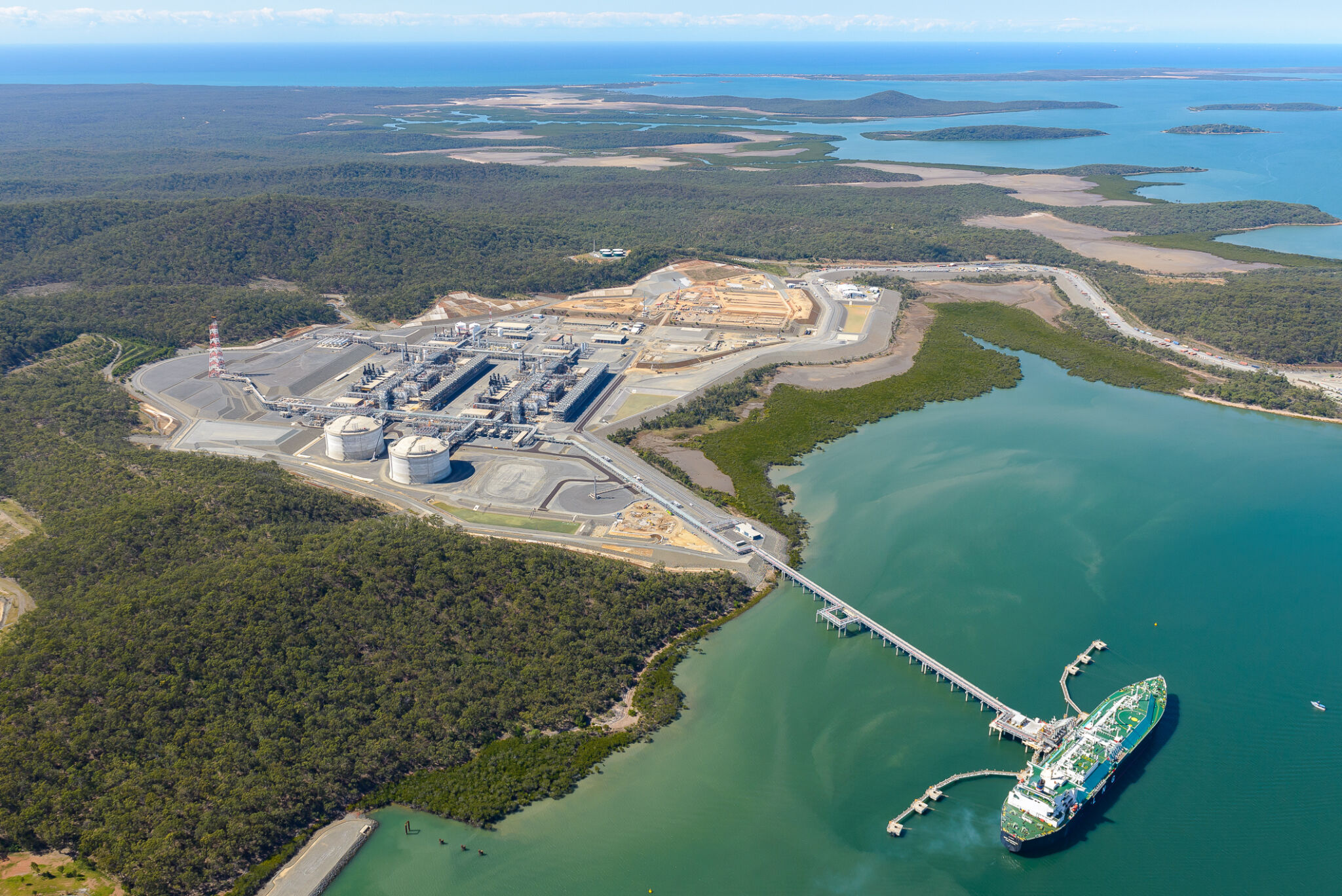
Abu Dhabi National Oil Company, via its XRG investment arm, has launched an A$8.89‑per‑share all‑cash takeover offer worth roughly US$18.7 billion for Santos, Australia’s second‑largest gas producer. The bid has ignited intense scrutiny from Australian regulators concerned about safeguarding domestic gas supply and securing critical infrastructure. Simultaneously, XRG has pledged to accelerate key gas‑project development, a strategy aimed at wining over skeptical authorities and stakeholders.

The takeover offer emerges at a pivotal moment: Santos’ shares closed at A$7.73 following the announcement, indicating investor scepticism over regulatory clearance, even as the A$8.89 bid reflects a healthy 28 per cent premium. Jamie Hannah, deputy head at VanEck Australia, acknowledged that while the path ahead “is not going to be smooth sailing”, the “very attractive” straight‑cash offer underscores its appeal.

Regulatory risk centres on the critical role Santos plays in Australia’s energy system. The firm possesses about 5 per cent of eastern and 24 per cent of western domestic gas market share, essential for supplying both export and local needs. Analysts warn that the Foreign Investment Review Board, charged with vetting significant foreign acquisitions, will scrutinise ADNOC’s control over gas assets, particularly given concerns of an east‑coast gas shortfall projected by 2027.

Yet ADNOC is banking on its deep financial resources to tip the scales. XRG has emphasised it can fast‑track Santos’ stalled projects, such as Narrabri and Beetaloo, pledging to develop them faster and more robustly than Santos’ previous plan to boost shareholder returns. UBS’s Tom Allen highlighted this strength, saying regulators may view ADNOC’s funding as a delivery mechanism for the gas Australia needs.

The layered bid comes from a consortium that includes not only ADNOC’s XRG, but also Abu Dhabi Development Holding Company and private‑equity giant Carlyle, valuing Santos at some US$36.4 billion including debt – making it the largest all‑cash corporate takeover ever in Australia.

Despite such scale, state‑level political concerns are emerging. South Australia’s Premier Peter Malinauskas and Energy Minister Tom Koutsantonis have called for protections on local jobs, licence control, and keeping Santos’s headquarters in Adelaide. Meanwhile, new state legislation adds weight to ministerial approval of petroleum licence transfers, granting South Australia extra leverage in the process.

At the federal level, Treasurer Jim Chalmers holds the ultimate authority. His decision will rely closely on FIRB advice, with insiders describing it as a pivotal “captain’s call” for the Albanese government. The broader Ministry of Energy and Resources, currently reviewing gas supply strategies, may leverage the bid to extract concessions in line with looming energy security needs.

Santos CEO Kevin Gallagher, whose compensation could wind up exceeding A$50 million if the deal proceeds, has maintained discretion, saying he will “let the process take its course”. Gallagher previously brought forward a stalled bid with Woodside, signalling a strategic interest in consolidation.

Market sentiment remains guarded but not dismissive. Santos shares rallied approximately 11 per cent in the wake of the board’s backing of the bid and release of due‑diligence exclusivity. Analysts point to ADNOC’s deep capital reserves and the trade deal with the UAE as factors that may cushion adversities and lend credence to the offer.

One area of uncertainty is the domestic Narrabri gas project in New South Wales: although Novation from the recent Native Title Tribunal clearance supports its long‑anticipated development, ongoing regulatory review and possible asset spin‑offs to comply with FIRB guidelines could delay its final investment decision. Analysts have speculated that domestic‑facing assets might be excluded or managed separately, potentially involving Carlyle as a local partner to satisfy national interest criteria.

This complex engineering of commercial ambition and governmental oversight places energy security at the centre of the acquisition narrative. While ADNOC’s financial might and project‑acceleration promise may reassure regulators, political and community stakeholders are tightening the lens on national asset control, job retention, and supply resilience. The outcome will hinge on whether FIRB, acting on Chalmers’s counsel, accepts the consortium’s assurances — or opts for a compromise that safeguards domestic gas capacity.


HostingJournalist.com has marked a notable achievement with the release of its 30,000th editorial news article, complemented by an archive of over 28,000 videos distributed across its platforms. This dual milestone affirms the outlet’s unwavering role as a leading source in cloud, hosting, and data‑centre reporting. Editor‑in‑Chief Koen Stegeman emphasised the milestone’s deeper meaning: “Reaching 30,000 published articles and 28,000 videos is more than just a numbers game.” […]

KUALA LUMPUR, MALAYSIA – Media OutReach Newswire – 17 June 2025 – Octa, a globally recognised broker since 2011, will release its new status program for all regions in the third quarter of 2025. The broker built a new flexible framework to reward its clients for loyalty and trading activity, offering a wide range of bonuses, benefits, and gifts while introducing new mechanics and a clear-cut, systematic […]

Commercial real estate operators are pivoting beyond traditional boardroom focuses to harness AI-driven insights from their facility and lease management data to boost profitability and operational performance. JLL’s latest research finds that nine out of ten companies plan to deploy AI tools over the next five years to aid human experts in commercial real estate decision‑making. JLL’s Global Future of Work survey, conducted among more than 2,300 […]

Greenlogue/AP Dubai will host the 11th World Green Economy Summit on 1 and 2 October 2025 at the Dubai World Trade Centre, underlining its ambition to accelerate global climate action and sustainable innovation. This flagship event, convened by the Dubai Supreme Council of Energy, Dubai Electricity and Water Authority and the World Green Economy Organisation, will gather industry leaders, policymakers and technical experts around the theme ‘Innovating […]

Chinese nuclear forces are expanding at a pace unmatched by other countries, with the Stockholm International Peace Research Institute reporting an annual increase of approximately 100 warheads since 2023. The nation now possesses at least 600 nuclear warheads and is constructing around 350 intercontinental ballistic missile silos—developments projected to put China on par with the United States and Russia in ICBM capability by the end of the decade.

SIPRI’s latest yearbook, issued on 16 June, emphasises that global nuclear arsenals are returning to growth after decades of contraction. The combined military stockpiles of nuclear warheads now total around 9,614, while approximately 2,100 warheads—mostly held by the United States and Russia—remain on high alert.

Although China’s nuclear stockpile remains modest compared to the U.S. and Russia—each holding over 5,000 warheads—the momentum behind its expansion marks a strategic shift. SIPRI forecasts that China could field up to 1,500 warheads by 2035, with its ICBM network rivalling that of the established nuclear powers by 2030. The rapid rise in Beijing’s deterrent capacity signals a deeper global arms competition, exacerbated by a breakdown in arms-control agreements.

China’s nuclear modernisation encompasses land-, sea-, and air-based delivery systems. The PLA Rocket Force has deployed a mix of silo-based and mobile ICBMs, including the potent DF-41 system capable of carrying multiple independently targetable re-entry vehicles. Simultaneously, China is advancing a nuclear triad, with bombers like the H‑6K equipped for long-range missions and an expanding fleet of Jin‑class ballistic missile submarines.

Pentagon estimates align with SIPRI’s findings. A U.S. Defence Department report placed China’s warhead count at over 600 and predicts over 1,000 operational warheads by 2030. Analysts note that while many of China’s warheads are stored separately from delivery systems, the growth in silo infrastructure indicates a potential shift towards higher operational readiness.

China maintains its nuclear policy centres on minimum deterrence and no‑first‑use. A spokesperson reaffirmed that its buildup is defensive and that global nuclear reductions should be led by the U.S. and Russia. Yet, the introduction of launch-on-warning capabilities, expansion of missile silos, and pairing of warheads with ICBMs suggest a more assertive posture.

The international ramifications are considerable. SIPRI warns that with diminishing arms controls and growing arsenals, the world faces a dangerous escalation. The concentration of high-alert warheads in U.S. and Russian hands, combined with China’s acceleration, elevates risk profiles significantly. Moreover, emerging technologies such as AI integration in nuclear command-and-control raise alarms about stability and inadvertent escalation.

China’s rise spurs debate among military analysts and policymakers. Supporters view the deepening triad and ICBM deployment as necessary to counter U.S. strategic capabilities. Critics argue that rapid armament undermines global non‑proliferation efforts and threatens to trigger competitive buildups among established nuclear powers. Calls for renewed arms control dialogues now include China, challenging historical norms where Beijing was often excluded from global negotiations.

Meanwhile, other nuclear-armed states—India, Pakistan, the UK, France, North Korea and Israel—continue modernisation programs. India and Pakistan are increasing their stockpiles; the UK has announced an expansion; North Korea is pursuing missile tests; and Israel maintains opacity under its policy of nuclear ambiguity.

Global security experts warn that the dismantling of arms-control institutions, such as the withdrawal from the INF Treaty and uncertainty around New START, has created a vacuum. Amid rising nuclear rhetoric, SIPRI urges urgent diplomatic engagement and the strengthening of verification and non‑proliferation regimes. As nuclear power parity becomes conceivable, the need for inclusive multilateral frameworks has grown acute.

Iran launched a coordinated attack using ballistic missiles and combat drones against Israel, marking a significant intensification of hostilities and signalling a tactical shift in its military posture. A new guided ballistic missile—named ‘Haj Qassem’ after the late Major‑General Qasem Soleimani—was deployed alongside swarms of drones, striking central Israel including Tel Aviv and Haifa. Iranian state media described the operation as a hybrid assault, showcasing advanced navigation capabilities […]

Amazon Web Services has secured a landmark 20‑year power purchase agreement with Talen Energy, guaranteeing 1,920 MW of carbon‑free electricity from the Susquehanna nuclear plant in Pennsylvania. The contract, lasting until 2042 with extension options, positions nuclear energy as a pillar of Amazon’s strategy to meet surging demand from its AI and cloud operations. Talen will gradually ramp up delivery, starting with 840–1,200 MW by 2029 and reaching full […]

SINGAPORE – Media OutReach Newswire – 16 June 2025 – ST Telemedia Global Data Centres (STT GDC), a leading data centre service provider headquartered in Singapore, today published its 2024 Environmental, Social and Governance (ESG) report. The report details progress toward STT GDC’s ESG targets, as well as its three main ESG pillars – carbon-neutral data centre operations by 2030; a safe, secure, diverse and inclusive workplace; […]

Global economic momentum is set to falter, with the World Bank projecting growth of just 2.3 per cent in 2025—its weakest pace since 2008 outside explicit recessions. Elevated trade barriers, particularly rising US tariffs, and widespread policy uncertainty are identified as principal drags, causing forecast downgrades in roughly 70 per cent of the world’s economies. The Bank’s June Global Economic Prospects report indicates global trade growth will slow to 1.8 per cent in […]

Dr Imran Khalid “We made a great deal with China. We’re very happy with it.” So declared President Donald Trump in his familiar tone of triumphant ambiguity on June 11, fresh off what was touted as a breakthrough agreement to restore a trade truce between the United States and China. But if history has taught us anything, it is that “done deals” in the Trumpian lexicon tend […]

The Ethereum Foundation has pledged a significant $500,000 to support the legal defence of Roman Storm, co-founder of Tornado Cash, a cryptocurrency privacy mixer under legal scrutiny. The funds are designated for Storm’s upcoming trial in the United States, where he faces charges related to facilitating money laundering.

EF maintains that Storm’s actions—creating computer code to enable financial privacy—should not be criminalised. According to their position, penalising code that protects user privacy sets a dangerous legal precedent, potentially criminalising open-source software development.

Complementing its own contribution, the Eastern blockchain non‑profit has also committed to matching up to $750,000 in community donations. This initiative highlights a growing trend among privacy advocates and open‑source groups rallying behind the principle that privacy-preserving tools like Tornado Cash are legitimate forms of expression.

Storm was sanctioned by the US Office of Foreign Assets Control in 2022 following accusations of facilitating transactions for illicit actors. Prosecutors allege that he developed and operated the protocol despite knowing it could be used for crime. EF’s funding underscores a global debate over the legality of cryptographic tools and the boundary between code development and criminal liability.

Legal scholars warn that punishing software developers for downstream misuse of their code risks criminalising a broad array of programmers. EF counsel Mark Richardson stated that the Foundation views the case as emblematic: “Drawing a line at coding privacy tools criminalises essential computer science.”

Meanwhile, Storm’s defence team asserts he has complied with all legal sanctions since 2022 and is legally entitled to defend himself. His lawyers argue that code is not money, and that the US charges threaten basic digital rights globally.

The donation has triggered mixed reactions across the crypto ecosystem. Privacy-focused developers and activists have welcomed the move, viewing it as a bulwark against overreach. Others caution that aligning with a figure sanctioned for money-laundering may tarnish the reputations of supportive institutions.

Industry analysis shows similar defence funds are emerging. After Tornado Cash co-founder Alexey Pertsev was indicted in 2023, a contingent of blockchain attorneys and developers established a legal support fund that raised over $1 million. That effort helped secure pro bono counsel and led to a plea deal later that year, avoiding jail time.

This pattern reflects an emerging ecosystem of legal defence organisations in crypto. Legal incubators like the Blockchain Advocacy Group are also gaining prominence. Their efforts underscore how the infrastructure behind open‑source development is evolving—from purely technical endeavours to encompassing legal and policy support.

Globally, courts are increasingly confronting the tension between code as speech and legal responsibility for misuse. In the US, landmark cases such as Bernstein v. US DOJ recognised source code as protected expression under the First Amendment. However, the legal landscape remains uncertain as more privacy tools face legal action.

Ethereum’s own legacy in decentralisation and censorship-resistance makes this move philosophically consistent. Other projects, including Monero and Zcash, have similarly supported neutral stances on privacy technologies while discouraging illicit misuse. Some funders in the Ethereum ecosystem have previously financed legal defences for developers under regulatory pressure.

Legal experts caution that outcomes in Storm’s trial could have far-reaching implications. If the prosecution succeeds, it may embolden regulators to pursue software developers in other jurisdictions—potentially chilling innovation in cryptography and privacy tools.

EF’s donation also coincides with debates in Europe and the US over privacy regulation. In the EU, digital privacy laws are being reformed; shielding cryptographic tools may soon gain legislative clarity. In the US, government task forces are evaluating whether sanctions should extend to software developers whose code is used unlawfully.

Public reaction has been vocal. Twitter and Telegram forums dedicated to crypto privacy have confirmed that EF’s announcement prompted a surge in community donations. Some analysts estimate over $200,000 has been raised within just 24 hours of the announcement.

VISHNU RAJA
RYO YAMADA
HITORI GOTOH
IKUYO KITA