Just in:
OpenAI unveils ChatGPT Wallet for agent-led purchases // October Food Price Shock Has Far Reaching Consequences // China Reconciled To U.S. Curbs On Chips Exports, Woos South Korea For Supply // Hackers falsify NVIDIA GPU readings to mask cryptomining // Microsoft apologises as Outlook services recover after outage // Rooftop solar planning gaps behind power shortages // TORRAS Launches Two New iPhone Duo Cases from Its Popular Ostand Series, Addressing Foldable Phone Users’ Concerns About Difficult Stand Positioning and Scratches // Messi affair SIT finds all-round violations // Sun World Ba Den Mountain marks Vietnam Culture Day, welcoming Cambodian visitors over Bon Om Touk // EBANX and Eneba strengthen partnership in Latin America with 138% YoY growth in payment volume // Microsoft outage leaves Outlook and Teams users disconnected // L’OCCITANE Celebrates 50 Years Of Provençal Craftsmanship With Holiday 2026 Collection // Yicura BioMed Advances Dual Capital and Industrial Strategy: Completes First Closing of Series B Financing Led by Gobi Partners // Electoral register gains 2.17 lakh voters // Inpex reaffirms Gulf oil strategy despite shipping constraints // UAE crews sustain coastal oil removal as beaches reopen // US authorities dismantle North Korean cryptocurrency deception infrastructure // Salik posts Dhs1.045bn profit despite lower toll traffic // Woman found dead as bank moves to repossess home // The Honey Trap Is The Headline, The Chip Pipeline Is The Story //

News related to
Emerging

SINGAPORE – Media OutReach Newswire – 28 September 2024 – LEUCHTTURM1917, an international premium notebook brand from Germany, has recently announced Chloe Chen (Yanran Chen) as the brand ambassador for the Chinese market. They are launching a limited edition notebook titled “Mirror Wonderland · Explore Within and Beyond” This product embodies LEUCHTTURM1917’s commitment to high quality and exquisite craftsmanship, incorporating the unique creative style and profound reflections […]

Supported by the Fédération de la Haute Couture et de la Mode (FHCM) again and premiering the enhanced AR try-on kiosk 2.0.1 Collaborating with cross-disciplinary tech trailblazers, Avery Dennison, Genesis-One and ZERO10, to unleash the synergy of digital fashion Featuring digital fashion creations from all together 6, Hong Kong and international designers from 25 Sep to 1 Oct HONG KONG SAR – Media OutReach Newswire – 27 […]

Brand new activities integrating cultural, heritage and natural offerings in two distinctive local neighbourhoods HONG KONG SAR – Media OutReach Newswire – 27 September 2024 – “Design District Hong Kong” (#ddHK) creative tourism project, organised by the Tourism Commission of Hong Kong, is set to return this winter, continuing its exploration in Tsuen Wan and taking on the discovery of the captivating area of Sha Tau Kok. […]

Abu Dhabi-based clean energy giant Masdar is expanding its footprint in the renewable energy sector with a major acquisition in the Iberian Peninsula. The company announced a $1.4 billion deal to acquire Saeta Yield, a renewables firm with significant wind and solar energy assets in Spain and Portugal. This strategic move is part of Masdar’s ambitious goal of reaching 100 GW of renewable energy capacity by 2030, […]

COP16 Riyadh has emerged as a pivotal platform for discussing urgent global challenges, particularly land degradation. The conference, hosted by Saudi Arabia, aims to galvanize international action and foster collaborative strategies among nations to address the growing crisis affecting arable land and ecosystems worldwide. Saudi Arabia’s Minister of Environment, Water, and Agriculture, Abdulrahman Al-Fadley, underscored the significance of unified efforts, emphasizing that combatting land degradation requires a […]

India’s capital markets have positioned themselves at the forefront of global initial public offerings (IPOs), achieving a remarkable total of over $12 billion in IPOs this year. This significant uptick not only showcases the country’s economic resilience but also reflects a growing confidence among investors and companies in India’s potential for growth. In the first half of the year, India eclipsed major markets like the United States […]

A significant investment has been made by Saudi Aramco Ventures in the off-gas technology firm Utility Global, marking a critical step in advancing innovative solutions in the energy sector. This funding round, totaling $53 million, aims to enhance the development of technologies designed to convert natural gas and other off-gases into cleaner, more sustainable energy sources.

Utility Global, founded in 2021, has been at the forefront of creating integrated systems that enable the efficient conversion of waste gas into valuable energy products. The company’s innovative approach focuses on utilizing carbon capture and utilization technology, which aligns well with global efforts to reduce greenhouse gas emissions. By capturing carbon dioxide emissions and converting them into useful products, Utility Global addresses both energy efficiency and environmental sustainability.

The investment by Saudi Aramco Ventures, the venture capital arm of Saudi Aramco, underscores the growing interest among major oil and gas companies in diversifying their portfolios to include more sustainable technologies. Saudi Aramco, recognized as one of the world’s largest producers of oil and gas, has been making strides towards reducing its carbon footprint while simultaneously enhancing its market competitiveness. This partnership is seen as a strategic move to integrate innovative energy solutions into Saudi Aramco’s broader business model.

Utility Global plans to use the funding to scale its operations and accelerate the commercialization of its technologies. The company’s proprietary processes promise to unlock significant efficiencies in energy production while minimizing environmental impact. This investment positions Utility Global not only as a key player in the clean energy transition but also as a potential leader in the emerging market for off-gas technologies.

The global energy landscape is rapidly evolving, driven by the pressing need to address climate change and the push for cleaner energy alternatives. As governments and businesses worldwide commit to reducing carbon emissions, the demand for innovative technologies capable of transforming waste into energy is expected to grow substantially. This trend is reflected in the increasing number of investments directed toward companies that specialize in sustainable energy solutions.

The financial backing from Saudi Aramco Ventures also highlights the importance of collaboration between traditional energy giants and innovative startups. By investing in Utility Global, Saudi Aramco is not only securing access to cutting-edge technology but also fostering an ecosystem that encourages the development of sustainable practices within the energy sector. This partnership exemplifies the potential for synergy between established industry players and emerging tech firms focused on sustainability.

Industry analysts view this investment as a positive signal for the future of off-gas conversion technologies. With the potential to reduce reliance on fossil fuels and lower overall emissions, Utility Global’s innovations could play a pivotal role in the global transition towards cleaner energy sources. The company’s approach to leveraging off-gases offers a pathway for industries seeking to enhance their sustainability profiles while maintaining operational efficiency.

Utility Global’s growth trajectory is supported by a team of experts in engineering, environmental science, and business strategy, ensuring that the company is well-equipped to navigate the complexities of the energy market. The leadership’s commitment to innovation and sustainability aligns with the increasing pressure on industries to adopt cleaner practices. This shared vision between Utility Global and Saudi Aramco Ventures positions them as critical players in shaping the future of energy.

In the broader context of energy transition, investments like those from Saudi Aramco Ventures are crucial in facilitating the shift from traditional fossil fuels to more sustainable energy solutions. The momentum generated by this funding round may catalyze further investments in similar technologies, fostering a competitive landscape that prioritizes sustainability. As more companies recognize the value of integrating clean technology into their business models, the industry can expect to see a proliferation of innovative solutions that address both energy needs and environmental concerns.

Advertisements

Foreign direct investment (FDI) into artificial intelligence is seeing significant growth, with Dubai and the broader AI sector playing pivotal roles in shaping the landscape. FDI into AI-related projects surged by 44% in 2022, a reflection of the global push towards technological advancements. Notably, Dubai has emerged as a major global destination for FDI in AI, bolstered by several high-profile investments in technology infrastructure and research and development facilities.

Dubai’s prominence as a global AI hub can be traced to its forward-thinking governance and strategic location. Over the past year, the city has attracted a wide array of AI-related projects. Among these were significant initiatives from multinational firms such as Intel and Bert Labs, which established research hubs and regional offices. The strategic positioning of Dubai, combined with its investment-friendly policies and cutting-edge infrastructure, has made it a magnet for AI innovations, surpassing many traditional FDI centers in the process. This rise has placed Dubai among the top cities leading the world in cross-sectoral AI investments.

However, Dubai is not the sole recipient of AI-related FDI. India and Singapore, for instance, are key players in the AI ecosystem, benefiting from large FDI inflows. In 2022, India led with 122 AI-related projects, supported by substantial investments from major corporations such as Microsoft and Accenture. These investments primarily focused on data centers and advanced technology centers, especially in regions like Hyderabad and Tamil Nadu. This inflow of capital into India is driven by a combination of cost advantages, talent availability, and a growing demand for advanced AI-driven solutions.

The global surge in AI-related investments is not limited to emerging markets. The United States, traditionally a leader in greenfield investments, remains a key source of cross-border FDI in AI. In 2022 alone, the U.S. backed 285 AI-related projects globally. These projects range from the construction of chip production factories in Europe to the opening of new AI offices in cities like Berlin and London. The American dominance in AI investment is buoyed by its leading tech giants and the government’s strategic push to maintain an edge in the global AI race.

The implications of these trends are profound. As AI becomes increasingly central to various industries—from healthcare and finance to automotive and telecommunications—the geographical distribution of AI-related investments will shape the future of the global economy. Countries and cities that succeed in positioning themselves as AI leaders stand to reap significant economic benefits, attracting not only capital but also the high-skill jobs associated with AI and machine learning.

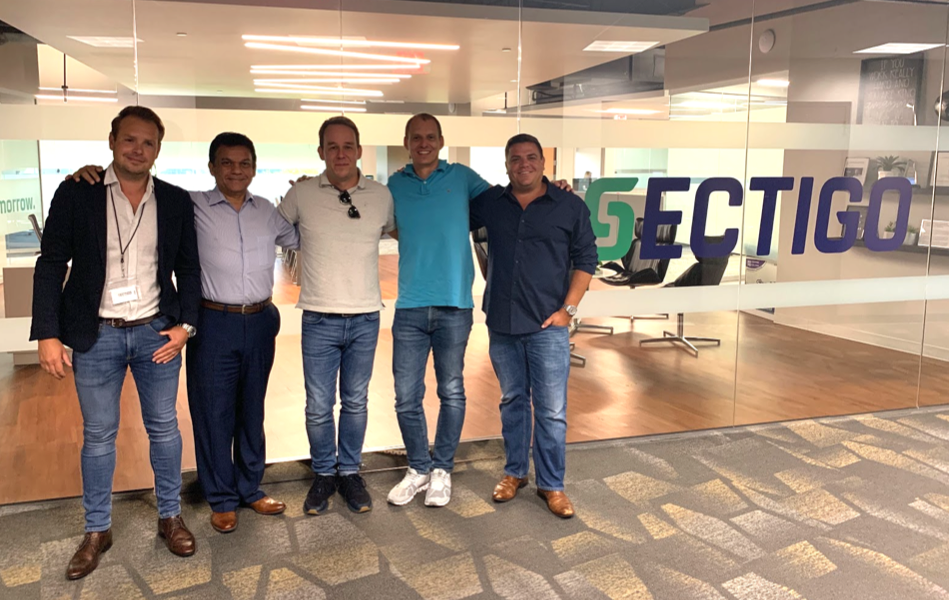
Sectigo, a global leader in digital certificates and Certificate Lifecycle Management (CLM), has officially opened its new office in Chennai, aiming to enhance its customer service delivery across the region. This strategic move not only strengthens Sectigo’s foothold in the rapidly growing technology sector in Chennai but also positions the company to better serve its increasing clientele in India and beyond.

The Chennai office will serve as a critical hub for Sectigo, enabling the company to offer improved technical support, sales, and customer service to its extensive portfolio of clients, which includes businesses of all sizes across various industries. The city is recognized for its robust tech ecosystem, featuring numerous IT parks and a skilled workforce, making it an ideal location for Sectigo’s expansion.

Chennai is among India’s most important technology centers, with a vibrant landscape of IT services and software development firms. The establishment of the new office aligns with the growing demand for digital security solutions as businesses increasingly rely on online transactions and digital platforms. With cyber threats becoming more sophisticated, organizations are prioritizing security measures, thereby driving the need for reliable certificate management.

In a statement during the opening ceremony, Sectigo’s executives emphasized the importance of this expansion in addressing the rising concerns over cybersecurity in the digital age. The Chennai office is expected to facilitate quicker response times and personalized service to clients, ultimately enhancing customer satisfaction.

The Indian market has become a focal point for many global tech companies, and Sectigo’s investment in Chennai signifies its commitment to harnessing the region’s potential. The decision to establish a local presence is driven by the growing adoption of cloud technologies and the shift towards digital-first strategies by businesses. As more companies migrate to cloud-based solutions, the need for secure digital identities becomes paramount, positioning Sectigo as a vital player in this landscape.

Sectigo’s expansion comes at a time when the demand for digital certificates is surging, fueled by the increasing reliance on secure online communications. The company’s comprehensive portfolio includes SSL/TLS certificates, code signing certificates, and IoT device certificates, all of which are critical in establishing trust and securing digital transactions.

The Chennai office is part of Sectigo’s broader strategy to expand its global reach while ensuring localized service. The establishment of regional offices allows Sectigo to better understand and cater to the specific needs of local markets. By leveraging Chennai’s skilled workforce, the company aims to enhance its operational efficiency and technical expertise.

Industry analysts note that the competitive landscape for digital security solutions is evolving rapidly. With the rise of cyber threats, organizations are seeking more robust and scalable solutions. Sectigo’s proactive approach to expanding its operations in key markets like India reflects an understanding of the regional dynamics and the growing demand for advanced security measures.

The Chennai office is expected to play a pivotal role in driving innovation within Sectigo, enabling the company to develop and deploy new security solutions tailored to local market needs. By collaborating with local technology firms and startups, Sectigo aims to foster a culture of innovation and leverage emerging technologies to enhance its service offerings.

This expansion not only supports Sectigo’s growth objectives but also contributes to the local economy by creating job opportunities and fostering talent development. The company plans to recruit skilled professionals from various disciplines, including cybersecurity, technical support, and sales, further bolstering Chennai’s reputation as a technology hub.

As organizations navigate the complexities of digital transformation, the demand for expert guidance in implementing effective security strategies is more critical than ever. Sectigo’s presence in Chennai positions it as a key partner for businesses looking to enhance their cybersecurity posture and protect their digital assets.

The establishment of the Chennai office is also a testament to Sectigo’s long-term vision for growth in the Asia-Pacific region. By investing in local infrastructure and resources, the company aims to create a sustainable model that not only addresses immediate customer needs but also anticipates future trends in the digital security landscape.

WordPress.org has enacted a ban on WP Engine, a significant managed WordPress hosting provider, triggering widespread discussion within the WordPress community. This decisive action has not only surprised many in the industry but has also raised questions about the future dynamics of managed hosting within the WordPress ecosystem. The decision to ban WP Engine stems from a series of policy violations that WordPress.org officials claim were not […]

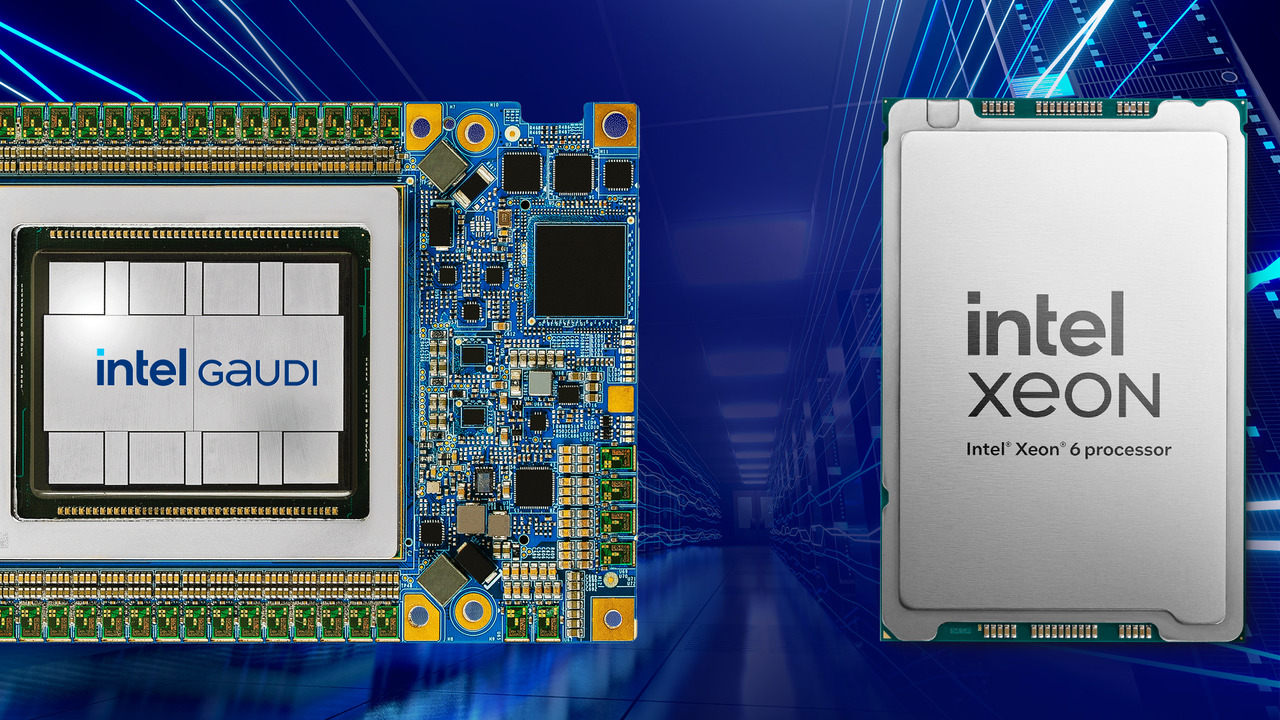
Intel has unveiled its latest offerings, the Xeon 6 processors featuring Performance-cores (P-cores) and the Gaudi 3 AI accelerators, marking a significant step forward in its pursuit of leadership in the artificial intelligence and data center sectors. The new hardware promises to deliver enhanced performance and efficiency, positioning Intel favorably in an increasingly competitive landscape dominated by Nvidia and other emerging players.

The Xeon 6 series aims to meet the escalating demand for processing power driven by AI applications. These processors utilize an architecture designed to optimize performance for various workloads, including cloud computing, edge processing, and high-performance computing (HPC). By integrating P-cores, which focus on maximizing performance for demanding tasks, Intel intends to address the needs of data centers seeking to balance workloads effectively while minimizing energy consumption.

One of the key features of the Xeon 6 processors is their support for advanced AI frameworks, enabling developers to build and deploy AI models more efficiently. Intel emphasizes that these processors are not only faster but also smarter, incorporating enhanced machine learning capabilities that streamline operations in data-intensive environments. This is particularly relevant as businesses increasingly leverage AI for analytics, automation, and improved decision-making processes.

The Gaudi 3 AI accelerators complement the Xeon 6 lineup by providing specialized processing power tailored specifically for deep learning workloads. Built on a unique architecture, Gaudi 3 accelerators promise to offer substantial improvements in both performance and scalability compared to their predecessors. Intel’s focus on AI-specific tasks reflects a broader industry trend where companies are prioritizing hardware that can efficiently handle the complexities of AI computations.

The introduction of the Gaudi 3 also highlights Intel’s commitment to enhancing the performance-per-watt ratio, a critical consideration as enterprises seek to optimize energy consumption in their data centers. By improving the energy efficiency of AI workloads, Intel aims to address one of the most pressing challenges in the industry: the rising costs and environmental impact associated with high-power computing.

In addition to the technical advancements, Intel’s launch includes new software tools and frameworks that will assist developers in maximizing the potential of the Xeon 6 and Gaudi 3 products. These tools are designed to simplify the process of integrating AI capabilities into existing infrastructures, thereby accelerating the adoption of AI technologies across various sectors.

Intel’s strategic positioning with these products also involves partnerships with leading cloud service providers and technology companies. By collaborating with entities such as Microsoft and Google, Intel seeks to ensure that its new hardware is optimized for widespread use in cloud-based AI applications. This collaboration is seen as essential in an environment where cloud adoption is accelerating, and organizations are increasingly migrating to cloud solutions for their computing needs.

The launch aligns with Intel’s broader strategy of revitalizing its product offerings in response to competitive pressures from firms like AMD and Nvidia, which have made significant inroads in the AI and data center markets. The tech giant’s commitment to innovation is underscored by its substantial investments in research and development, aimed at enhancing its competitive edge through cutting-edge technology.

As businesses worldwide embrace digital transformation, the demand for robust AI solutions continues to rise. Organizations are looking for hardware that can provide not only higher performance but also flexibility and scalability to adapt to evolving needs. Intel’s Xeon 6 and Gaudi 3 accelerators are positioned to meet these expectations, providing solutions for enterprises aiming to harness the full potential of AI.

Analysts suggest that Intel’s latest offerings could reshape the landscape of AI and data center performance. By integrating advanced processing capabilities with energy efficiency, Intel is poised to play a pivotal role in the ongoing evolution of AI technologies. The focus on enhancing the developer experience with new tools further strengthens its appeal to enterprises seeking to innovate and integrate AI into their operations.

Brave Software has made a significant leap by integrating local artificial intelligence into its browser, a development aimed at enhancing user privacy while improving online browsing experiences. This move positions Brave at the forefront of a growing trend that prioritizes user data protection amidst escalating privacy concerns in the digital landscape. The incorporation of local AI means that users can enjoy personalized web experiences without the need […]

A new open-source version of the beloved mobile game Flappy Bird has emerged, enabling players to enjoy the classic experience while also allowing developers to customize and modify the game as they wish. This unofficial clone, boasting a compact size of approximately 100 KB, revives the iconic gameplay that captivated millions when it first launched. As enthusiasts explore this clone, it opens the door for creative development […]

Raxio Group has inaugurated its latest colocation data center, Raxio Côte d’Ivoire (CIV1), in Abidjan, Ivory Coast, furthering its commitment to expanding digital infrastructure across Africa. This facility represents a critical step in Raxio’s strategy to enhance connectivity and support the region’s growing demand for reliable data management services. The CIV1 data center is Raxio’s fifth facility in Africa, demonstrating the company’s robust growth trajectory and dedication […]

Navigating the complexities of artificial intelligence (AI) adoption requires a distinctive skill set, especially for those in leadership roles such as the Chief AI Officer (CAIO). As organizations increasingly recognize the transformative potential of AI, the demand for skilled professionals who can guide their integration and implementation becomes paramount. This role entails much more than overseeing technological innovations; it involves steering strategic initiatives that align with organizational goals, ensuring ethical considerations, and fostering a culture of continuous learning and adaptation. To thrive in this dynamic landscape, a CAIO must possess several essential skills.

First and foremost, a profound understanding of AI technologies is critical. This includes not only a grasp of machine learning, natural language processing, and data analytics but also an appreciation of how these technologies can be effectively deployed within various business contexts. A CAIO should not only be technically proficient but also capable of translating complex AI concepts into understandable terms for stakeholders at all levels. This skill ensures that everyone, from board members to frontline employees, can appreciate the potential and limitations of AI initiatives, fostering a shared vision for the organization’s AI strategy.

Strategic vision is another key competency for a CAIO. The ability to anticipate future trends in AI and recognize opportunities for innovation is essential for any leader in this space. This involves not only staying abreast of technological advancements but also understanding how these advancements can drive business objectives. A successful CAIO must be able to align AI initiatives with the broader strategic goals of the organization, ensuring that investments in AI deliver tangible benefits. This requires a proactive approach to identifying areas where AI can create efficiencies, enhance customer experiences, and ultimately contribute to revenue growth.

A CAIO must exhibit exceptional leadership and communication skills. Leading AI initiatives often involves cross-functional collaboration, requiring the CAIO to work closely with various departments, including IT, marketing, operations, and human resources. The ability to communicate the vision and potential impact of AI projects across diverse teams is essential for gaining buy-in and fostering a collaborative environment. A successful CAIO will also inspire and motivate teams to embrace AI technologies, cultivating a culture that encourages experimentation and learning from failure.

Ethical considerations surrounding AI adoption are increasingly important in today’s business environment. A CAIO should be well-versed in the ethical implications of AI technologies, including issues related to data privacy, algorithmic bias, and transparency. This knowledge enables the CAIO to develop policies and frameworks that prioritize ethical AI usage while ensuring compliance with relevant regulations. By fostering an ethical approach to AI, the CAIO can build trust with stakeholders, including customers and employees, which is vital for the long-term success of AI initiatives.

Adaptability is another crucial skill for a CAIO. The landscape of AI is rapidly evolving, with new technologies and methodologies emerging at a breakneck pace. To remain competitive, a CAIO must be willing to adapt strategies and approaches as needed, demonstrating flexibility in the face of change. This might involve revisiting AI roadmaps, adjusting priorities based on emerging trends, or even pivoting to new technologies that offer superior capabilities. An adaptable CAIO will not only help their organization stay ahead of the curve but also foster a culture that embraces change and innovation.

In addition to technical and strategic skills, a successful CAIO should possess a strong business acumen. Understanding the organization’s financial health, market position, and competitive landscape is essential for making informed decisions about AI investments. A CAIO with strong business acumen can effectively communicate the value proposition of AI initiatives to stakeholders, ensuring that resources are allocated effectively and that projects are prioritized based on their potential return on investment. This financial literacy is particularly important when justifying AI expenditures and demonstrating their impact on the bottom line.

Collaboration is a cornerstone of successful AI implementation. A CAIO should be adept at fostering partnerships both within and outside the organization. Internally, collaboration with data scientists, engineers, and other technical teams is essential for ensuring that AI solutions are developed and deployed effectively. Externally, a CAIO may need to engage with technology vendors, academic institutions, and industry consortia to leverage external expertise and resources. This collaborative mindset not only enhances the organization’s capabilities but also enables the CAIO to stay informed about industry best practices and emerging trends.

To navigate the complexities of AI adoption, a CAIO should also prioritize continuous learning and professional development. The AI landscape is characterized by rapid advancements, and staying informed about the latest research, technologies, and methodologies is vital for success. Engaging in ongoing education, attending industry conferences, and participating in professional networks can provide valuable insights and connections that enhance a CAIO’s effectiveness. By fostering a culture of continuous learning within the organization, a CAIO can ensure that teams are equipped with the knowledge and skills necessary to harness AI’s full potential.

Another important aspect of the CAIO role involves change management. Implementing AI technologies often necessitates significant organizational changes, including shifts in processes, workflows, and even corporate culture. A CAIO should be skilled in change management principles to guide the organization through these transitions smoothly. This includes effectively communicating the reasons for change, addressing employee concerns, and providing support throughout the implementation process. By successfully managing change, a CAIO can help mitigate resistance and ensure that AI initiatives are embraced rather than resisted.

A CAIO must be adept at risk management. AI projects inherently involve uncertainties and risks, including technical challenges, data quality issues, and potential impacts on workforce dynamics. A successful CAIO will be able to identify, assess, and mitigate these risks proactively. This includes implementing robust governance frameworks that ensure AI initiatives are monitored and evaluated effectively. By prioritizing risk management, a CAIO can build resilience within the organization and position it for long-term success in an AI-driven landscape.


Dar Global, the luxury property developer listed on the London Stock Exchange (LSE), has reported a net loss for the first half of 2024. The company, which specializes in high-end residential projects across key markets, highlighted market shifts and fluctuating costs as key factors contributing to the loss. Dar Global, a spinoff from Dubai-based Dar Al Arkan, had made waves in the real estate sector, aiming to […]

The United Arab Emirates has secured its position as the top-ranking country in North Africa and Western Asia in the World Intellectual Property Organization’s (WIPO) 2024 Global Innovation Index (GII), underscoring its growing influence in innovation, technology, and intellectual property rights. The GII report highlights the UAE’s continued success in fostering an innovation-friendly ecosystem, advancing its regional leadership in a competitive global landscape. The country’s rise in […]

Malaysia’s state-owned oil and gas company, PETRONAS, has successfully entered into a new exploration agreement with the Abu Dhabi National Oil Company (ADNOC). This landmark deal marks a significant milestone for both entities as they aim to bolster their energy portfolios amid shifting global market dynamics. The agreement involves PETRONAS participating in the exploration and production of oil and gas resources in the Al Dhafra region of […]

The evolution of large language models (LLMs) has introduced a new frontier in artificial intelligence, with advancements in retrieval mechanisms becoming a critical factor in optimizing performance. As the AI landscape shifts, Retrieval-Augmented Generation (RAG) is increasingly giving way to a more sophisticated framework: Retrieval-Integrated Generation (RIG). While both systems enhance LLMs by incorporating external data into responses, RIG presents a more refined approach, revolutionizing how machines […]

Financial markets are witnessing a surge in volatility, particularly within the cryptocurrency sector, as global monetary policies aim to suppress instability. Arthur Hayes, a prominent figure in the crypto community and co-founder of BitMEX, has highlighted the rising tension in markets fueled by Federal Reserve rate cuts and aggressive monetary easing. These actions are perceived to encourage further money printing, thereby intensifying market fluctuations and posing risks for traditional assets.

The recent decision by the Federal Reserve to cut interest rates is expected to have significant repercussions on the broader financial landscape. Historically, such moves have led to increased liquidity in markets, enabling easy access to capital. This liquidity, however, also raises concerns about inflation and the long-term stability of fiat currencies. In this environment, Bitcoin has emerged as a crucial alternative asset, often regarded as a hedge against inflation and currency devaluation.

As central banks worldwide adopt policies that favor monetary expansion, the crypto community continues to express optimism. Many investors view Bitcoin as a “release valve” that can provide relief from the pressures of traditional finance. The digital asset’s decentralized nature and limited supply make it an appealing option in times of financial uncertainty. Hayes asserts that Bitcoin’s unique characteristics allow it to thrive in an environment marked by excessive money printing and diminishing trust in fiat currencies.

Despite the ongoing volatility, sentiment within the crypto community remains buoyant. Investors are increasingly looking for opportunities amidst the chaos, with many believing that downturns in traditional markets can serve as catalysts for Bitcoin’s adoption and price appreciation. The concept of Bitcoin as “digital gold” underscores its role as a store of value, especially as institutional interest continues to grow. Major financial institutions are now exploring ways to integrate cryptocurrency into their offerings, reflecting a broader acceptance of digital assets.

The interplay between traditional financial systems and cryptocurrency markets has never been more pronounced. With central banks signaling a commitment to maintain accommodative policies, investors are recalibrating their strategies to adapt to these dynamics. The crypto market is characterized by its capacity to respond swiftly to regulatory changes and macroeconomic developments, making it a focal point for those seeking to capitalize on emerging trends.

Institutional involvement in the cryptocurrency space is also a significant factor contributing to the current volatility. Hedge funds, family offices, and publicly traded companies are increasingly allocating a portion of their portfolios to Bitcoin and other digital assets. This trend highlights a growing recognition of the potential benefits that cryptocurrencies can offer, particularly in terms of diversification and risk management.

The ongoing developments in decentralized finance (DeFi) and non-fungible tokens (NFTs) are reshaping the landscape of digital assets. DeFi platforms have gained traction as alternatives to traditional banking services, offering lending, borrowing, and trading functionalities without intermediaries. This innovation attracts both retail and institutional investors, further driving demand for cryptocurrencies.

Regulatory frameworks continue to evolve as governments and regulatory bodies attempt to navigate the complexities of the cryptocurrency ecosystem. While some jurisdictions have embraced digital assets, others remain cautious, leading to a patchwork of regulations. This uncertainty can contribute to market fluctuations, as investors react to news related to regulatory developments.

Amid this backdrop, it is crucial for investors to conduct thorough research and stay informed about the rapidly changing environment. Understanding the implications of monetary policy shifts, as well as the potential risks associated with cryptocurrency investments, is essential for navigating the complexities of the market. The ability to adapt to market conditions will be a key determinant of success for both individual and institutional investors.

Meta has announced the launch of Llama 3.2, its groundbreaking multimodal artificial intelligence model, during the recent Meta Connect event. This advancement represents a notable leap in the capabilities of large language models, integrating both text and image processing to enhance user experiences across a diverse range of applications. During the event, CEO Mark Zuckerberg highlighted Llama 3.2 as the company’s first open-source multimodal model, emphasizing its […]

Universal Robots has announced a significant enhancement to its collaborative robots, the UR20 and UR30, by increasing their payload capacities. This upgrade allows the UR20 to handle a maximum payload of 25 kilograms and the UR30 to manage up to 35 kilograms. The improvements come at no additional cost to customers and are set to enhance the robots’ efficiency, particularly in palletizing applications. The announcement highlights Universal […]

Evaluations of information sources have highlighted a striking trend in how credibility is assigned to various platforms. A study published in Nature’s Scientific Reports reveals that individuals perceive information from voice-based agents like Amazon Alexa as more credible than that from Wikipedia, even when the content is identical. This finding challenges the long-held belief in Wikipedia’s reliability as an information source, particularly against the backdrop of the […]

Worldcoin, a cryptocurrency initiative co-founded by Sam Altman, has been handed a staggering $850 million fine by South Korean regulators for breaching data protection laws. The country’s Personal Information Protection Commission (PIPC) found that Worldcoin had illegally transferred sensitive personal information abroad and collected biometric data from individuals without obtaining proper consent. This landmark decision reflects a growing global scrutiny of data protection practices in the cryptocurrency […]

VISHNU RAJA
RYO YAMADA
HITORI GOTOH
IKUYO KITA
Just in:
Microsoft outage leaves Outlook and Teams users disconnected // TORRAS Launches Two New iPhone Duo Cases from Its Popular Ostand Series, Addressing Foldable Phone Users’ Concerns About Difficult Stand Positioning and Scratches // Rooftop solar planning gaps behind power shortages // Microsoft apologises as Outlook services recover after outage // Lego restores BrickLink marketplace after security investigation // Woman found dead as bank moves to repossess home // Yicura BioMed Advances Dual Capital and Industrial Strategy: Completes First Closing of Series B Financing Led by Gobi Partners // OpenAI unveils ChatGPT Wallet for agent-led purchases // Microsoft restores services gradually but gives no recovery deadline // Electoral register gains 2.17 lakh voters // Saudi fund assets forecast to cross $400 billion // EBANX and Eneba strengthen partnership in Latin America with 138% YoY growth in payment volume // Sun World Ba Den Mountain marks Vietnam Culture Day, welcoming Cambodian visitors over Bon Om Touk // The Honey Trap Is The Headline, The Chip Pipeline Is The Story // US authorities dismantle North Korean cryptocurrency deception infrastructure // Crescent Enterprises venture arm funds Oyster Therapeutics development // Inpex reaffirms Gulf oil strategy despite shipping constraints // From Dubai to the EU: how UAE-based crypto firms can expand under MiCA // IEA forecasts fourth-quarter oil surplus as Gulf shipments rebound // Nvidia appoints Colette Kress interim chief after Huang departure //