News related to
Emerging

Game District, a prominent player in the gaming sector, has secured a majority stake in Gleam Games, marking a significant step toward expanding its portfolio of gaming assets. This acquisition highlights a growing trend in the gaming industry where established companies are consolidating power to strengthen their competitive position in an increasingly fragmented market. Game District, known for its expertise in the gaming business and its strategic […]

Haru Investment, a cryptocurrency custody platform based in the British Virgin Islands, has been declared bankrupt by a South Korean court following its failure to meet financial obligations. The platform, which operated under promises of high returns and principal protection, deceived investors for over three years before abruptly halting withdrawals, leaving behind a loss of nearly $995 million in cryptocurrency assets.

Haru Investment attracted a significant number of clients with its claims of safeguarding investments and offering guaranteed returns on deposits. Operating in a growing but volatile crypto market, it positioned itself as a secure alternative for investors looking to store digital assets while earning substantial interest. However, according to legal proceedings and investigations, the company was not as stable as it claimed. By June 2023, Haru Investment had accumulated substantial debts and failed to honor withdrawal requests, prompting panic among investors who were unable to access their funds.

The bankruptcy case has sent shockwaves through the crypto industry, where concerns over transparency and regulatory oversight continue to grow. It also highlights the risks associated with unregulated crypto platforms, many of which operate in jurisdictions with lax financial regulations. Haru’s failure to return investor funds not only raised alarm over its financial practices but also drew attention to the broader challenges of maintaining trust in the cryptocurrency space.

Authorities have claimed that Haru Investment’s management operated a scheme designed to mislead its investors. The platform assured clients that their principal investments were protected, while simultaneously promising high returns—ranging from 10% to 15% annually. However, once a significant number of users began to request withdrawals, the platform abruptly froze its operations, leaving many to speculate that the company’s funds had been misappropriated or mishandled. Legal experts believe that Haru’s actions may have violated multiple financial regulations concerning investor protection and the handling of client funds.

The bankruptcy filing revealed that the company had been operating without the necessary reserves to meet its obligations, a situation exacerbated by the lack of clear accounting practices. The estimated $995 million in crypto assets that were unaccounted for is still being traced, and it is unclear whether any funds will be recovered for investors. In addition, Haru Investment is facing multiple lawsuits from defrauded clients, further complicating the resolution of the case.

The case has prompted calls for stricter oversight of the cryptocurrency industry. As the market for digital currencies expands, the need for comprehensive regulation and enforcement mechanisms becomes increasingly urgent. Experts argue that platforms like Haru Investment, which promise high returns without sufficient transparency, contribute to the volatility and instability of the crypto market, leaving investors vulnerable to large-scale fraud.

Some industry analysts have pointed to Haru’s ability to operate undetected for such a prolonged period as a clear indicator of the limitations of existing regulatory frameworks. Many crypto platforms function outside the purview of national financial regulators, with the jurisdictional complexities of the global market making it difficult to enforce legal standards. While some countries have taken steps to tighten regulation, the decentralized nature of cryptocurrencies complicates enforcement, allowing entities like Haru Investment to flourish without proper oversight.

The South Korean court’s ruling on the bankruptcy also shines a light on the potential liabilities faced by cryptocurrency firms operating abroad. Haru Investment, which was incorporated in the British Virgin Islands, was legally bound by the financial regulations of that jurisdiction. However, it was the failure to comply with international standards that has led to the company’s downfall. The case raises important questions about the efficacy of international regulatory cooperation in addressing cross-border financial crimes, especially in emerging sectors like cryptocurrency.

The collapse of Haru Investment follows a broader trend in the cryptocurrency sector, where investors have witnessed the rapid rise and equally swift fall of numerous platforms. Several high-profile cases in recent years have underscored the risks that come with investing in unregulated digital assets. The most notable of these was the fall of FTX, another crypto exchange that filed for bankruptcy in late 2022 amid allegations of fraud, embezzlement, and inadequate risk management.

While these high-profile bankruptcies have garnered significant media attention, they also serve as a cautionary tale for the general public about the inherent risks in crypto investments. Despite promises of high returns, the unregulated nature of the crypto market means that many investors have little recourse when platforms fail or defraud them. As the number of users in the crypto space grows, the need for enhanced consumer protection and due diligence becomes even more critical.

In South Korea, Haru Investment’s bankruptcy has sparked a broader debate about how to balance innovation with regulation. The country has long been a hub for cryptocurrency activity, but it is also home to one of the world’s most stringent regulatory environments for digital assets. This has led to a push for more stringent oversight in order to protect domestic investors while fostering a competitive crypto ecosystem. However, the Haru Investment case demonstrates the difficulty of enforcing those regulations, especially when dealing with international players who may be operating outside the reach of local law enforcement.

Autocraft, a leading subsidiary of Kintsugi, unveiled its innovative EVTOL (Electric Vertical Takeoff and Landing) air taxi concept, the E20⁺, at the Abu Dhabi Air Expo. The announcement marks a pivotal step toward transforming air mobility within the UAE, aiming to revolutionize urban transportation by offering a green and efficient alternative to traditional methods.

The E20⁺ is designed to address the growing demand for sustainable, on-demand air travel in urban environments. With its vertical takeoff and landing capabilities, it promises to bypass congested ground transportation routes, significantly reducing travel time and environmental impact. By integrating electric propulsion, the air taxi aligns with global efforts to decarbonize the aviation industry and provide cities with a new mobility solution that is both practical and eco-friendly.

At the unveiling, Autocraft highlighted the potential of the E20⁺ to reshape transport in the UAE, a country that is positioning itself at the forefront of futuristic technologies, particularly in the aerospace and urban mobility sectors. The company emphasized the E20⁺ as not only a leap forward in air transport but as a key component in creating a smarter, more sustainable transportation network within the region.

The unveiling comes at a time when the UAE is heavily investing in advancing its infrastructure and technological capabilities. Autocraft’s E20⁺, while still in its conceptual phase, is part of the country’s broader push to embrace cutting-edge innovations in aviation and electric vehicles. The air taxi concept aligns with the UAE’s ambitious goals to become a global hub for innovation and sustainable technologies, as outlined in its Vision 2030 initiatives.

The EVTOL aircraft features a modular design with a focus on flexibility, speed, and minimal environmental footprint. It operates on an electric powertrain, significantly lowering operational costs compared to traditional air transport while maintaining the necessary performance for urban air mobility. The cabin is designed to carry up to four passengers, making it suitable for both private and shared air taxi services.

Autocraft has also placed a strong emphasis on safety, with multiple redundancies built into the design to ensure smooth operations in various weather conditions. The vehicle’s advanced avionics and automated flight systems are intended to provide a fully autonomous flying experience, ensuring efficiency while reducing human error.

Several experts in urban air mobility have noted that the development of electric air taxis like the E20⁺ is gaining momentum globally, with companies like Autocraft positioning themselves as key players in this rapidly emerging industry. Despite facing challenges in scaling up EVTOL technology, particularly in regulatory approval and infrastructure development, the progress made by Autocraft signals strong momentum in the field.

The Abu Dhabi Air Expo also served as a platform for discussions on the practicalities of integrating air taxis into urban environments. Industry leaders and aviation authorities are focused on developing policies and regulations that would govern the operations of EVTOLs, addressing concerns ranging from airspace management to public safety. Autocraft has been actively engaging with regulators and stakeholders to ensure that the E20⁺ can be introduced in a manner that is both efficient and safe.

The UAE’s role as a global leader in aviation innovation, bolstered by its strategic investments and forward-thinking policies, makes it an ideal testing ground for such ambitious projects. The country’s already robust infrastructure, combined with its willingness to embrace disruptive technologies, positions the UAE to be one of the first in the world to fully integrate EVTOL air taxis into its transportation systems.

Autocraft is not alone in its push to develop electric air mobility solutions. Several other companies worldwide are working on similar technologies, including large aerospace firms and startups focused on air mobility. The competition is intensifying as these companies race to develop viable, scalable air taxis that can serve both urban centers and more remote areas, creating an entirely new segment in the global transportation ecosystem.

For the UAE, the E20⁺ is not just a technological feat but a symbol of the nation’s broader goals to diversify its economy, reduce its carbon footprint, and cement its position as a leader in futuristic urban mobility. The air taxi’s introduction could lead to broader partnerships between the public and private sectors, paving the way for additional innovations that will further transform the aviation and transportation sectors.

Global technology provider Gcore and Saudi-based Ezditek have forged a partnership to establish a state-of-the-art AI factory in Saudi Arabia. This collaboration underscores the country’s ambitions to position itself as a key player in the artificial intelligence (AI) industry, accelerating its technological development while reinforcing its global presence in the digital sphere.

The AI factory will serve as a major hub for the research, development, and deployment of advanced AI solutions tailored to diverse sectors, including healthcare, energy, and finance. By leveraging cutting-edge technologies and expertise from both companies, the initiative is set to drive innovation in Saudi Arabia’s rapidly evolving tech landscape.

The venture is poised to create a ripple effect across the region, contributing to Saudi Arabia’s Vision 2030, a broad initiative aimed at diversifying its economy away from oil dependency and establishing the Kingdom as a leader in various sectors, including technology. With the establishment of this AI factory, the nation seeks to solidify its role in the growing global AI market, estimated to be worth over $1 trillion by 2030.

Gcore’s reputation as a global technology provider specializing in cloud infrastructure and AI services positions the company as a pivotal force in shaping the digital future of Saudi Arabia. Its partnership with Ezditek, a prominent player in Saudi Arabia’s digital transformation sector, ensures the successful integration of world-class AI tools and platforms into the local market.

This collaboration marks a significant step in Saudi Arabia’s efforts to become a hub for innovation, not just regionally, but on the global stage. The AI factory is expected to foster partnerships with both regional and international firms, allowing for the exchange of knowledge, research, and technological advancements. By collaborating with local businesses and academic institutions, Gcore and Ezditek aim to cultivate a robust ecosystem that supports both local talent and global experts.

The project has already begun to attract attention from international investors and technology giants looking to tap into the rapidly expanding AI sector in Saudi Arabia. The Kingdom’s strategic location, combined with its vision for the future, has made it an attractive destination for technology companies looking to establish a foothold in the Middle East. The factory will serve as an incubator for AI startups and entrepreneurs, providing them with the tools and resources needed to innovate and thrive in a competitive global marketplace.

Local authorities have hailed the partnership as a crucial milestone in Saudi Arabia’s quest to become a global tech powerhouse. With a growing demand for AI-driven solutions across industries, the Kingdom’s investment in such infrastructure will likely spur further growth in the technology sector, creating new opportunities for skilled professionals and fostering the development of homegrown AI solutions.

The AI factory will not only focus on developing AI technology but will also play a key role in addressing the growing need for AI talent in Saudi Arabia and the wider Middle East. The project will prioritize the training and development of a new generation of AI experts, offering specialized educational programs and internships designed to equip the region’s workforce with the necessary skills to succeed in the digital economy. This talent development initiative is in line with Saudi Arabia’s broader goal of creating a knowledge-based economy that can compete on the global stage.

The collaboration between Gcore and Ezditek comes at a time when Saudi Arabia is expanding its digital infrastructure and investing heavily in emerging technologies. The government has made significant strides in digitalization, evidenced by the establishment of the National Data Management Office and the Digital Government Authority, both of which are tasked with driving the Kingdom’s digital transformation agenda.

The AI factory is expected to complement these efforts by introducing advanced AI systems capable of optimizing processes across various industries, including logistics, manufacturing, and telecommunications. By incorporating AI into these sectors, Saudi Arabia aims to improve efficiency, reduce costs, and enhance the overall productivity of its economy.

This venture also reflects the increasing role of artificial intelligence in shaping the future of global economies. With its vast potential to drive economic growth, AI is increasingly being seen as a critical component of national strategies for innovation and competitiveness. Saudi Arabia’s investment in AI infrastructure signals the Kingdom’s intent to be at the forefront of this technological revolution, positioning itself as a leader in the AI space in the Middle East and beyond.

As part of the collaboration, Gcore and Ezditek will focus on delivering AI-driven solutions that can tackle some of the region’s most pressing challenges, such as energy optimization, water management, and smart city development. These solutions align with the Kingdom’s commitment to sustainability, as AI technologies can significantly enhance the efficiency of resource usage, helping Saudi Arabia achieve its environmental goals while supporting economic growth.

While the AI factory is still in the early stages of development, the partnership between Gcore and Ezditek has generated significant excitement among tech industry leaders and analysts. The venture is seen as a game-changer for Saudi Arabia’s AI capabilities, potentially setting the stage for the Kingdom to become a global leader in AI innovation and application.

Rumble Inc., a video-sharing platform often identified with its appeal to politically conservative audiences, saw its shares surge by 9% in after-hours trading, reaching $6.20. This sharp movement followed the company’s exploration of adopting Bitcoin as a reserve asset. A tweet from Rumble’s CEO, hinting at the potential inclusion of Bitcoin on the company’s balance sheet, catalyzed robust support from the cryptocurrency community, significantly boosting investor confidence.

Before the announcement, Rumble’s stock faced downward pressure, closing earlier at $5.61. The new sentiment reversed the trajectory, further indicating strong market alignment with cryptocurrency integration strategies. Notably, the platform is positioning itself as a financial innovator, leveraging blockchain’s appeal to bolster its market presence.

Rumble’s market capitalization now stands at approximately $2.3 billion, with analysts revising projections for the stock. This development comes amid broader trends of tech companies diversifying reserves into digital assets, with Bitcoin emerging as a preferred choice. Industry insiders speculate that the move could signal Rumble’s intent to align with tech-forward financial ecosystems, increasing its appeal to digital-native demographics.

Rothschild & Co. has appointed a seasoned Swiss banker to head its newly established wealth management office in Dubai, marking a significant expansion in the Middle East’s rapidly growing wealth management sector. The move reflects the firm’s strategic intent to strengthen its presence in a region that has seen an increasing concentration of affluent individuals and families.

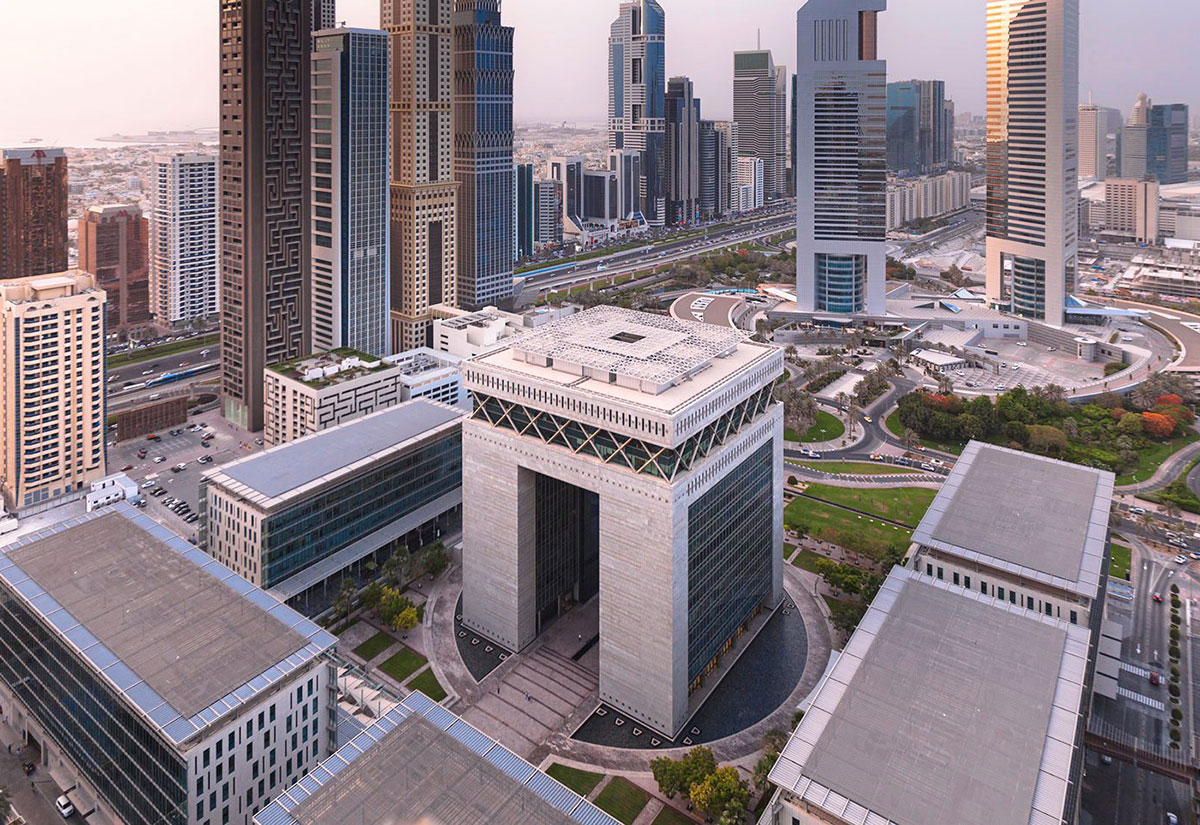
The new office, located in Dubai International Financial Centre (DIFC), aims to provide tailored wealth management services to high-net-worth individuals (HNWIs) and ultra-high-net-worth individuals (UHNWIs) across the Gulf region. With an eye on the UAE’s growing market, Rothschild & Co. is poised to leverage its global expertise to cater to the unique needs of wealthy clients in the Middle East.

The Swiss banker, whose identity remains undisclosed, brings over two decades of experience in wealth management, having previously worked with top-tier financial institutions in Switzerland and other global financial hubs. His appointment underscores Rothschild’s commitment to ensuring that its Middle Eastern clients receive personalized, high-quality advisory services, particularly in managing cross-border wealth, succession planning, and complex family office structures.

Rothschild & Co.’s decision to set up a dedicated office in Dubai is an indication of the firm’s optimism regarding the region’s increasing appeal to investors. Over the past decade, the UAE has become a leading global financial center, attracting not just affluent individuals from across the globe but also major financial institutions seeking to tap into the region’s burgeoning wealth. The region has consistently witnessed growth in the number of high-net-worth individuals, driven by the country’s successful diversification of its economy, rapid urbanization, and its position as a key financial hub for businesses and wealthy families from Europe, Asia, and Africa.

The Dubai office will be pivotal in further extending Rothschild & Co.’s network, which already has a strong presence in key global cities. Rothschild’s wealth management business has long been focused on providing a highly personalized approach to managing wealth, with expertise in both traditional and alternative asset classes. The move into Dubai comes at a time when family offices and private wealth management services are gaining increased importance in the region, particularly among younger generations of wealthy individuals seeking to preserve and grow their wealth for future generations.

Rothschild & Co. is not the only global financial institution eyeing Dubai’s growing wealth management market. Several other international banks have expanded their operations in the region, with private banking and wealth management services seeing strong demand. The city has become a magnet for both business executives and wealthy investors, many of whom are seeking a base in Dubai due to its tax advantages, business-friendly regulations, and cosmopolitan lifestyle.

One of the key factors behind this shift is the increased number of high-net-worth individuals from Asia and Europe who are seeking to establish a presence in Dubai, either for business, lifestyle, or financial reasons. The UAE’s wealth management market has grown alongside its economic diversification and its expanding role as a hub for international investment, especially in sectors such as technology, real estate, and infrastructure.

This influx of capital is being supported by Dubai’s increasing attractiveness as a safe haven for wealth amid global economic uncertainties. In addition to its stable regulatory environment, Dubai’s tax-friendly policies, such as the absence of income tax and its favorable business laws, are a draw for investors looking for more favorable conditions to manage their wealth. Moreover, with Dubai’s strategic geographical location between Europe, Asia, and Africa, it serves as a natural gateway for investors looking to access emerging markets.

Rothschild’s wealth management office is also set to benefit from the growing importance of ESG (environmental, social, and governance) investing in the Middle East. The firm is already a recognized player in sustainable investment management, and its Dubai office will focus on guiding clients toward investments that align with their values, particularly in green energy, real estate, and sustainable technologies.

Rothschild & Co.’s expansion into Dubai also ties in with its broader strategy of enhancing its global wealth management capabilities. The firm has consistently sought to expand its client base in emerging markets while strengthening relationships with existing clients in mature markets. This approach is designed to cater to the growing demand for wealth management services that combine personalized advice with a global perspective, ensuring clients can navigate the complexities of international markets and investments.

Dubai’s status as an economic powerhouse in the Middle East makes it a critical component of Rothschild & Co.’s long-term growth strategy. The city’s status as a luxury destination and its role in the development of major infrastructure projects across the region further solidify its appeal as a wealth management hub. As the city continues to grow in prominence as a business and financial center, it is likely that more global wealth managers will follow Rothschild’s lead in establishing a presence in the UAE.

By Nantoo Banerjee from Manila It may be seen as an irony of fate that the Philippines, a pioneer of the modern rice production technology helping some of the world’s major rice producers, including India, to become self-sufficient in paddy production, has itself become the world’s biggest rice importer. For the third successive year, the […]
Advertisements

Trend to join and support France’s much-anticipated AI Action Summit in February HONG KONG SAR – Media OutReach Newswire – 19 November 2024 – Trend Micro Incorporated (TYO: 4704; TSE: 4704), a global cybersecurity leader, today announced it will partner with Paris Peace Forum to play a pivotal role in guiding global leaders as they establish secure frameworks for AI adoption and implementation. Committed to advancing security […]

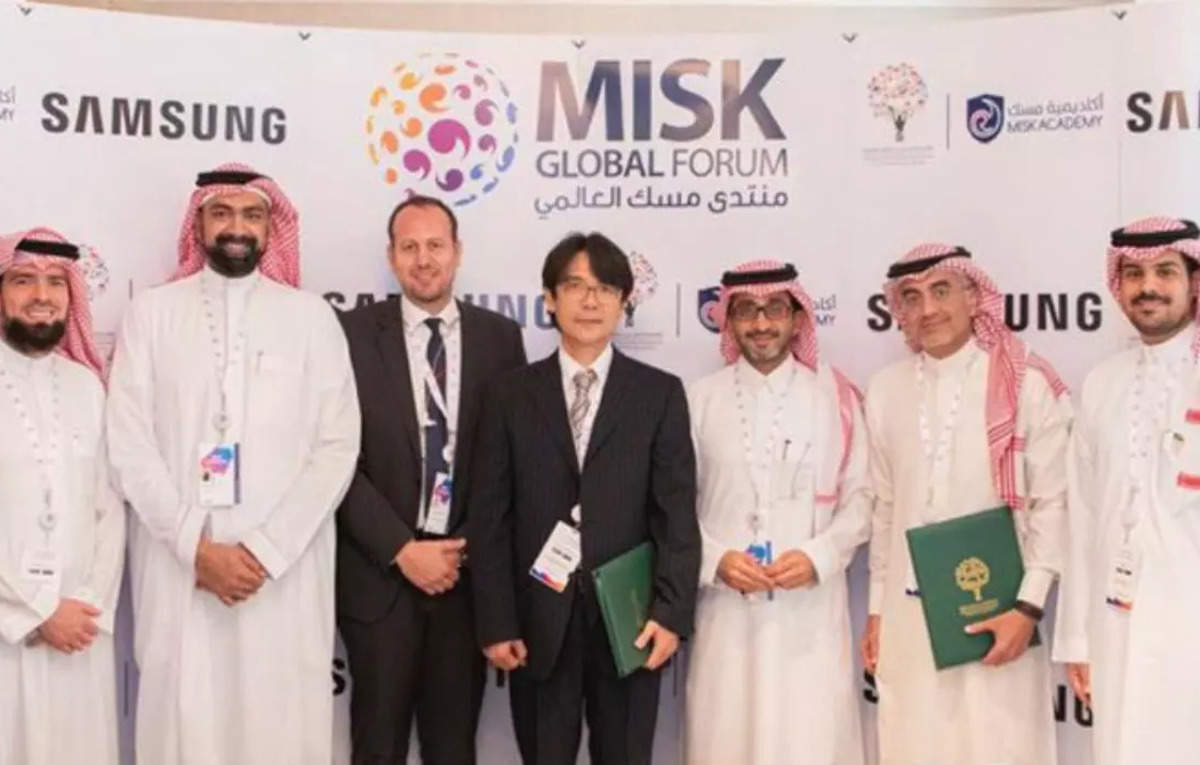
Misk City has entered into a strategic partnership with Samsung Electronics Saudi Arabia to promote advancements in smart city technologies, sustainability, and youth empowerment. The collaboration was formalized through a memorandum of understanding (MoU) and is poised to drive innovation in the Misk City ecosystem, a groundbreaking nonprofit urban initiative. This agreement marks a significant step in the city’s commitment to becoming a hub for technology, education, and sustainable development.

Misk City, named after the Saudi crown prince’s charitable foundation, is the first non-profit city of its kind in the world. It aims to create a self-sustaining urban environment where technology and innovation play a central role in shaping society’s future. The partnership with Samsung, a global leader in consumer electronics and technology solutions, will enable Misk City to leverage cutting-edge technologies and solutions to enhance the quality of life for its residents and visitors.

The key areas outlined in the MoU focus on smart city infrastructure, including the integration of advanced IoT (Internet of Things) systems, AI-driven solutions, and digital services that will improve urban management and energy efficiency. This collaboration will explore various applications of Samsung’s technology, including smart buildings, transportation, and environmental monitoring systems. Additionally, the agreement highlights initiatives aimed at fostering a sustainable urban ecosystem, aligning with Misk City’s goals of environmental stewardship and reducing carbon emissions.

Beyond technology, the partnership also aims to empower the youth by providing access to educational programs and professional development opportunities. Samsung’s extensive experience in digital learning and innovation will contribute to the creation of training platforms, workshops, and incubators within Misk City, designed to cultivate a new generation of skilled professionals in fields such as artificial intelligence, robotics, and renewable energy.

The agreement reflects a broader trend within Saudi Arabia to invest in innovation-driven urban development. Misk City’s model, which combines sustainability with cutting-edge technology, is in line with the country’s Vision 2030, which seeks to diversify the economy and reduce its dependency on oil. By positioning itself at the intersection of technology and social development, Misk City aims to be a key player in the kingdom’s push for economic transformation.

Samsung’s role in this project highlights the company’s ongoing commitment to supporting smart city projects globally. The company’s innovative solutions, such as 5G networks, smart appliances, and digital signage, will be integrated into Misk City’s infrastructure. These advancements will allow for greater connectivity and efficiency, furthering the city’s mission to provide a seamless, high-tech living environment.

Misk City’s collaboration with Samsung also provides an opportunity to explore advancements in sustainability. With global attention on climate change and environmental conservation, the partnership will focus on implementing sustainable energy solutions such as solar power, waste management, and water conservation technologies. This move aligns with Misk City’s vision of creating a green, eco-friendly urban space that is self-sustaining and energy-efficient.

The strategic importance of the partnership extends beyond technology and sustainability. It also underscores the growing importance of public-private collaborations in shaping the future of cities. As the world shifts toward a more interconnected, technology-driven future, the synergy between Misk City and Samsung represents a model for how urban development can be reimagined to meet the challenges of the 21st century.

The partnership is expected to play a pivotal role in positioning Misk City as a global leader in innovation and sustainability. By harnessing Samsung’s technological expertise and aligning it with the city’s long-term goals, Misk City will be able to provide a living laboratory for emerging technologies and urban planning strategies. This collaboration is not only a key milestone in Misk City’s development but also a significant contribution to Saudi Arabia’s broader efforts to redefine urbanization in a way that is sustainable, tech-driven, and inclusive.

The MoU was signed in a ceremony attended by senior executives from both Samsung and Misk City, with discussions centered on how the partnership can evolve over the coming years. Both parties expressed their commitment to the partnership and emphasized the importance of collaboration in realizing the ambitious goals set for Misk City.

Play Ventures has successfully closed its third gaming-focused fund, raising $140 million to bolster investments in early-stage gaming startups. The new fund signals a strategic push to identify and nurture innovative game developers and gaming technology firms worldwide. Known for its strong emphasis on emerging trends, including blockchain gaming and Web3, Play Ventures continues to consolidate its position as a leading venture capital player in the gaming […]

Emirates NBD has successfully issued a $500 million five-year sustainability-linked loan bond, underscoring its commitment to sustainable finance and reinforcing its position in the growing green investment space. The move is part of the bank’s broader strategy to integrate environmental, social, and governance (ESG) factors into its financial products and services. This marks a significant milestone for the bank as it strengthens its sustainability efforts, aiming to meet its green targets while tapping into the rising demand for green bonds among investors.

The loan bond was issued at a fixed coupon rate of 4.5% and will mature in 2029. It is linked to the bank’s ambitious sustainability goals, which include reducing its carbon footprint and aligning its portfolio with the principles of the Paris Agreement. The bond issuance represents a broader trend in the financial sector, where sustainability-linked instruments have become increasingly popular among institutions seeking to demonstrate their commitment to ESG principles.

Emirates NBD’s new bond issuance is expected to support various sustainability projects, particularly in areas like renewable energy, sustainable infrastructure, and green technology. This is in line with the UAE’s broader national objectives to achieve net-zero carbon emissions by 2050 and to transition to a more sustainable economy. With climate change emerging as a global challenge, banks like Emirates NBD are strategically positioning themselves to support projects that align with global environmental goals.

The issuance received strong demand from international investors, reflecting the growing appetite for sustainable investment opportunities. Analysts highlight that sustainability-linked bonds, which tie financing to a company’s environmental performance, are becoming an attractive alternative to traditional debt instruments. They offer companies an incentive to meet specific sustainability targets, which can improve their financial and environmental performance over time.

Experts argue that sustainability-linked bonds have become a key mechanism for banks and corporations to fund their sustainability strategies while also improving their long-term credibility and reputation in the market. By linking financial performance to environmental targets, these bonds offer a more flexible and impactful way for companies to demonstrate their commitment to the environment.

Emirates NBD has stated that the proceeds from the bond will be used for financing and refinancing sustainability initiatives within the bank’s existing portfolio. This aligns with the financial sector’s broader push to integrate ESG metrics into core business activities. Additionally, the bank intends to use the bond proceeds to further enhance its sustainable finance offerings, as well as to continue supporting environmentally and socially responsible projects across various sectors.

The bank has been at the forefront of promoting sustainable finance in the region, having already issued multiple green bonds in previous years. These bonds, along with the new sustainability-linked loan bond, contribute to the bank’s goal of becoming a leader in green financing in the Middle East. The UAE’s financial institutions, led by major players like Emirates NBD, are expected to play a pivotal role in shaping the region’s green economy, particularly as global investors look to place their funds into markets that prioritize sustainability.

This new issuance also highlights the evolving dynamics of the financial markets, where investors are becoming increasingly discerning about the ESG credentials of the entities they invest in. Global trends show that institutional investors, including pension funds and sovereign wealth funds, are placing a premium on ESG-compliant investments. This is creating new opportunities for financial institutions that can offer sustainable products, further incentivizing banks like Emirates NBD to accelerate their green financing initiatives.

Emirates NBD’s sustainability efforts are also being aligned with the global transition to net-zero emissions. As part of its ongoing sustainability initiatives, the bank has committed to cutting its own carbon emissions and promoting green banking practices within its operations. The issuance of the sustainability-linked loan bond is expected to be a key component of this strategy, allowing the bank to tap into a new pool of capital while supporting the growth of environmentally responsible projects.

The broader implications of this issuance extend beyond the banking sector. By raising awareness of the growing significance of sustainable finance, Emirates NBD’s actions may encourage other banks in the Middle East to adopt similar initiatives. Furthermore, this issuance may increase awareness among investors of the critical role that banks play in driving the transition to a sustainable future. The UAE’s position as a key player in the global financial system means that this move could have ripple effects across other regional markets, contributing to the growth of ESG investing in the Middle East.

BlackRock, the world’s largest asset manager, has secured a commercial license to operate in Abu Dhabi, signaling its increased focus on the Middle Eastern market. The move positions BlackRock to further engage with the region’s wealth management firms, sovereign wealth funds, and investment vehicles, as the global financial giant seeks to deepen its footprint in a rapidly evolving financial hub. This expansion aligns with Abu Dhabi’s growing […]

Arabian Post Staff -Dubai Dubai is positioning itself as a pivotal player in the global gold market, leveraging its unique geographic location, robust infrastructure, and forward-thinking policies. The city has seen a surge in gold trade activity, propelled by geopolitical shifts, increased bullion acquisitions by central banks, and a strategic focus on refining and trading gold to meet evolving market demands.Central banks have significantly boosted their gold […]

Survey discovers 85% Shopee Affiliates promote local brands more than half of the time, with high local audience engagement rates the key to success KUALA LUMPUR, MALAYSIA – Media OutReach Newswire – 18 November 2024 – While excitement lingers among shoppers and local sellers after Shopee’s 11.11 Big Sale, Shopee Affiliates continue to drive engagement towards local sellers across Malaysia. In fact, 97% of affiliates expressed strong […]

LIMA, PERU – Media OutReach Newswire – 18 November 2024 – Chinese President Xi Jinping has wrapped up his state visit to Peru, where he addressed the 31st APEC Economic Leaders’ Meeting and gave a written speech at the APEC CEO Summit. At these key meetings, President Xi emphasized China’s commitment to fostering an inclusive, balanced, innovative and green global economy. President Xi Jinping in Peru: China’s […]

SINGAPORE – Media OutReach Newswire – 18 November 2024 – The esteemed Golden Bull Award, a hallmark of excellence and leadership in the business community, proudly unveils its latest cohort of honorees—20 exemplary Singaporean businesses that capture the diverse and dynamic spirit of the nation’s SMEs. This year’s award celebrates these organisations for their outstanding performance, pioneering innovation, and unwavering resilience in navigating challenges. These honorees were […]

A groundbreaking partnership between DP World and Schneider Electric aims to elevate the skillsets of Emirati youth, with a focus on sustainability and advanced technical expertise. The collaboration aligns with the UAE’s strategic objectives to develop a knowledge-based economy and empower its young professionals to thrive in globally competitive industries.

DP World, a key player in logistics and trade facilitation, signed a Memorandum of Understanding with Schneider Electric, a global leader in energy management and automation. This agreement is set to integrate cutting-edge training programs within DP World’s existing initiatives to promote technical proficiency and environmental stewardship among Emirati graduates.

The partnership’s cornerstone is the integration of Schneider Electric’s advanced training methodologies with DP World’s “Tumoohi” initiative. The Tumoohi program provides practical exposure to young Emirati professionals, offering placements in dynamic sectors such as energy, automation, and digital transformation. Participants will work directly with industry veterans, gaining experience in critical domains like energy efficiency and sustainable practices.

This alliance also includes workshops, mentorships, and on-the-job training, with a particular emphasis on developing skills in emerging fields such as AI-driven energy solutions and renewable energy management. By embedding sustainability within the technical training modules, the program seeks to prepare participants for roles that address the global demand for sustainable solutions while contributing to the UAE’s ambitious green goals.

DP World’s leadership highlighted this collaboration as a significant step toward cultivating a skilled and forward-thinking workforce. The company’s representatives underscored the importance of empowering young Emiratis with tools to lead innovative projects that shape the UAE’s economic future.

Quantoz Payments, a fintech company headquartered in the Netherlands, is set to launch two regulated stablecoins, EURQ and USDQ, with backing from prominent industry players Tether, Kraken, and Fabric Ventures. The tokens, which will be pegged to the euro and U.S. dollar respectively, are designed to comply with the European Union’s Markets in Crypto-Assets Regulation (MiCA), a framework aimed at standardizing digital asset oversight across the bloc.

Scheduled for release on November 18, these electronic money tokens (EMTs) are licensed by the Dutch Central Bank, marking a significant milestone in the evolution of stablecoin infrastructure within Europe. Unlike traditional cryptocurrencies, EMTs offer the added assurance of being fully backed by reserves held in secured accounts. These accounts are audited and managed under strict regulatory oversight, ensuring a level of transparency that aligns with MiCA’s rigorous standards.

CEO Nick Haasnoot of Quantoz Payments emphasized the transformative potential of this launch, noting that the tokens aim to merge the efficiencies of blockchain technology with robust financial safeguards. The company, which operates as a licensed electronic money institution, has structured the EMTs to enable seamless integration into a variety of payment systems, including those powering machine-to-machine transactions and IoT networks. This design aligns with MiCA’s objectives to foster innovation while mitigating risks within the rapidly expanding crypto ecosystem.

Both tokens are tailored to cater to businesses and individuals within the European Economic Area. This geographical focus not only aligns with MiCA but also positions the EMTs as a cornerstone for emerging financial applications, from microtransactions to Web3-enabled economies. Industry insiders have lauded Quantoz for its proactive engagement with regulators and its commitment to setting a high compliance standard in the issuance of blockchain-based financial instruments.

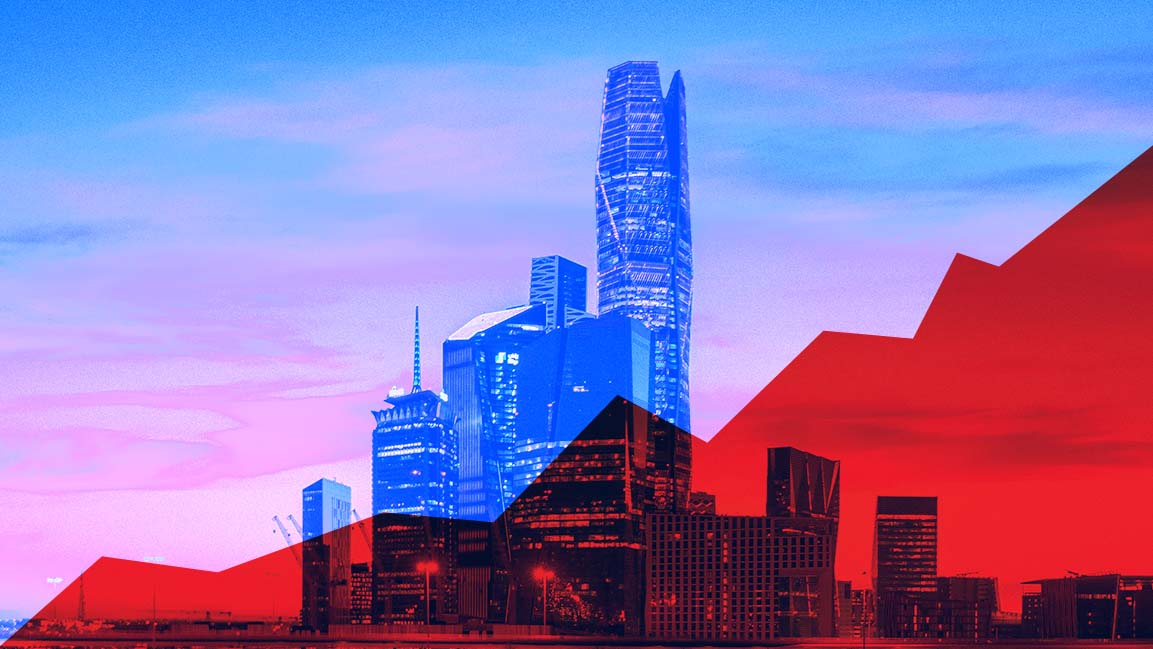
The global economic outlook for emerging markets (EMs) faces mounting pressure, with US trade policies under former President Donald Trump continuing to disrupt trade and growth patterns. Citigroup analysts predict that these shifts, primarily driven by tariffs and protectionist measures, will exacerbate the challenges that EMs already grapple with, such as inflation, currency instability, and volatile capital flows. However, one country in the Middle East stands resilient: Saudi Arabia. The kingdom’s economic diversification efforts and strategic positioning in global markets have placed it in a favorable position despite ongoing global economic turbulence.

Trump’s trade war, initiated during his presidency, was centered on tariffs and trade barriers, primarily targeting China, but with ripple effects felt across various sectors and regions. As the Biden administration seeks to reverse some of these policies, analysts remain concerned about the long-term effects of trade disruptions that began during the previous administration. Trade relationships between the US and major economies have been restructured, pushing supply chains into new configurations and altering global market dynamics.

Citigroup’s latest forecast outlines how these global shifts impact emerging markets in particular, given their high exposure to US tariffs and trade restrictions. Countries in Asia, Latin America, and Africa are expected to see a slow recovery, as protectionist policies strain international trade and hinder foreign direct investment (FDI) inflows. For these nations, the US-China trade tensions have underscored their vulnerability to global supply chain disruptions. Export-dependent countries, particularly in the manufacturing and agriculture sectors, may face reduced market access to some of their largest trading partners, further hindering growth prospects.

Yet, some countries are managing to navigate these headwinds with relative ease. Saudi Arabia, buoyed by its ongoing economic reforms under the Vision 2030 initiative, appears to be one of the more resilient players in the face of these global shifts. The kingdom has significantly reduced its reliance on oil exports by developing non-oil sectors such as tourism, entertainment, and technology. Moreover, its vast sovereign wealth fund, the Public Investment Fund (PIF), has strategically invested in sectors poised for growth, such as green energy, healthcare, and artificial intelligence.

Saudi Arabia’s successful diversification strategies have positioned it to weather the storm of changing global trade conditions. Citigroup’s analysis highlights that while the US’s trade policies could dampen global economic growth, Saudi Arabia’s economic stability remains largely intact. The kingdom’s ability to maintain steady oil revenues, coupled with its ambitious reform agenda, has placed it at the forefront of efforts to build a more diversified, future-proof economy. Additionally, Saudi Arabia’s participation in major international investment initiatives, such as the Belt and Road Initiative and the G20 summit, further solidifies its standing as a key global economic player.

While many emerging markets struggle with inflationary pressures and a rising cost of living, Saudi Arabia has implemented strategic fiscal policies that keep inflation levels manageable. The country’s introduction of VAT and other tax reforms have helped bolster its financial resilience. Furthermore, the government’s commitment to large-scale infrastructure projects, such as NEOM, a futuristic city being built with cutting-edge technology, signals a strong push toward positioning the kingdom as a global hub for innovation.

However, despite these favorable conditions in Saudi Arabia, Citigroup warns that other emerging markets are not as fortunate. Nations heavily dependent on exports to the US and China, such as Mexico, Brazil, and South Africa, face significant challenges as they cope with reduced demand and trade restrictions. For these countries, the combination of trade disputes, inflationary pressures, and weaker currency values is likely to hamper economic growth in the short to medium term. Analysts also point out that the global interest rate hikes prompted by the Federal Reserve’s tightening policy may further strain emerging market economies, particularly those with substantial debt burdens.

For some countries, the trade environment under Trump’s policies has created structural weaknesses that continue to hinder growth. The slowdown in global demand for goods and services, coupled with rising costs for raw materials and energy, has impacted countries dependent on commodity exports. As a result, the broader emerging markets community is facing an uncertain recovery trajectory, with little optimism for a swift rebound.

Saudi Arabia’s resilience, however, is noteworthy in this context. The kingdom’s emphasis on economic diversification has shielded it from some of the more detrimental effects of global trade disruptions. This shift towards a more diversified economy has not only safeguarded the country’s economic standing but has also attracted international investors, further securing its position as a pivotal player in the global marketplace.

The Al Ain Book Festival 2024 launched this week, bringing together literary enthusiasts, authors, publishers, and cultural figures from around the world. Held at the Al Ain Convention Centre, the event promises a series of engaging discussions, workshops, and book exhibitions aimed at promoting reading and encouraging creative exchanges in the literary world.

The festival, now in its 12th edition, is a cornerstone of the UAE’s rich cultural landscape, reflecting its commitment to supporting the arts and literature. It draws attention to a growing national interest in fostering a literary environment that aligns with the country’s Vision 2030 initiatives. The UAE has long championed the promotion of knowledge and culture, making the Al Ain Book Festival a significant event for intellectuals and cultural figures across the Middle East and beyond.

A variety of activities is set to unfold throughout the festival, including book signings, panel discussions, and performances by local and international authors. Organizers have emphasized the importance of creating an inclusive space for both seasoned authors and newcomers to share their perspectives on current global trends in literature and storytelling. Among the festival’s primary objectives is to foster a deeper connection between local audiences and global literary movements.

As a growing international platform, the Al Ain Book Festival also showcases the UAE’s role as a bridge between Eastern and Western literary traditions. The festival’s theme this year centers on “Innovating Tradition,” reflecting the evolving nature of literature in a rapidly changing world. This theme resonates with the ongoing cultural shift seen in various media and publishing channels, including the rise of digital publishing, podcasts, and multimedia storytelling.

The opening day highlighted some of the festival’s major attractions, including the participation of prominent authors such as novelist and essayist Dr. Maha Al-Fahim, whose works explore the intersection of personal identity and societal change. Her recent work on cultural transitions in the Arab world has been a focal point of many academic discussions. Also, the event sees participation from acclaimed international authors, with discussions on themes ranging from contemporary fiction to non-fiction, and an exploration of how traditional forms of storytelling are being reshaped by technology.

Emerging trends in global literature are central to this year’s programming, with a focus on works that challenge conventional narratives, particularly regarding gender, race, and global migration. At the heart of these discussions is the rise of diverse voices within the literary world, marking a shift from historical literary canons toward a more inclusive and multifaceted approach to writing and storytelling. The festival’s organizers are keen to promote dialogue about the global influences on literature, and many panels are centered around how regional narratives blend with global themes.

Another notable development this year is the festival’s expanded outreach through digital platforms, allowing virtual participation for international attendees. With digital media becoming an integral part of the literary world, the festival embraces hybrid events, making it accessible to a wider audience globally. This approach has received positive feedback from both exhibitors and attendees, who recognize the importance of adapting to new methods of engagement in a post-pandemic world.

The event also emphasizes the role of publishing in shaping cultural conversations. UAE-based publishers are showcasing their latest works, while international publishers are promoting books that address a range of social issues. This presents an opportunity for publishers and authors to connect, share experiences, and discuss future trends in the global book market. Industry experts are discussing the challenges and opportunities within the publishing sector, including the impact of digital transformation and the growing demand for content across various media.

The festival has become a key event for nurturing local talent. Emirati authors, whose works have garnered attention for their unique perspectives on history, society, and culture, continue to have an increasingly significant presence at the festival. They use the platform to reach a broader audience, seeking to preserve and promote their cultural narratives while engaging with the global literary community.

An important aspect of the Al Ain Book Festival is its educational outreach. Schools and universities across the region are encouraged to bring students to the event, fostering early engagement with literature and learning. Educational workshops designed for young people are held throughout the festival, encouraging them to express their creativity and explore their literary interests. This initiative reflects the festival’s ongoing commitment to cultivating a new generation of readers and writers.

Keynote speeches and discussions also delve into the challenges faced by the modern publishing industry. Themes of copyright protection, digital piracy, and the economic viability of print publishing in an increasingly digital world have been discussed in-depth by panelists. These discussions emphasize the need for adapting traditional business models to stay relevant in a fast-changing global market.

The festival is not just an academic event but also a celebration of the arts. Cultural performances, including poetry readings, music inspired by literary themes, and live art installations, add to the dynamic nature of the festival. This integration of different forms of artistic expression reflects the growing convergence between literature, music, and visual arts in today’s cultural scene.


Global climate goals are facing an escalating challenge as the 1.5°C target, a key ambition set under the Paris Agreement, increasingly appears unattainable. Despite decades of concerted global efforts, the pace of emissions reductions has remained insufficient to halt the ongoing rise in global temperatures. Many experts now argue that it is time to reassess strategies and focus on more adaptable and pragmatic climate solutions. The central […]

Abu Dhabi Catalyst Partners (ADCP) has entered into a strategic partnership with Investindustrial, a prominent European investment firm, to accelerate growth and innovation in the Middle East and North Africa (MENA) region. The collaboration, which is set to combine ADCP’s deep regional expertise with Investindustrial’s robust investment portfolio, marks a significant milestone for both firms as they aim to strengthen the economic ecosystem across the region. Under […]

Citigroup has forecast significant challenges for emerging markets (EMs) as US trade policies under Donald Trump are expected to disrupt global economic growth. Analysts believe that the resulting strength of the US dollar could put further pressure on EM assets. Despite these hurdles, Saudi Arabia is predicted to remain largely insulated from these trade risks. The financial giant upgraded the kingdom’s status to “overweight” from “underweight,” highlighting […]

Mergers and acquisitions (M&A) activity in the Middle East and North Africa (MENA) region has been notably strong in 2024, with the UAE and Saudi Arabia emerging as the dominant players, driving a significant share of the regional deal flow. A combination of strategic investment initiatives, favorable business regulations, and robust economic frameworks has positioned these two countries as key contributors to the growing M&A landscape.

The first half of 2024 saw the total M&A activity in the MENA region reach $49.2 billion, with a 12% increase in deal value compared to the previous year. Both the UAE and Saudi Arabia accounted for a substantial portion of this growth, with the UAE in particular benefiting from its business-friendly environment. The UAE’s reputation as a hub for cross-border investments, particularly in sectors such as real estate, energy, and technology, has been key to its position as a leader in regional M&A activity. The country’s strong legislative framework, along with the ease of doing business, has attracted both regional and international investors.

In Saudi Arabia, M&A deals have largely been driven by the government’s Vision 2030 reform plan, which focuses on diversifying the economy and reducing dependency on oil. This vision has led to a surge in infrastructure and energy-related deals, as well as investments in sectors like tourism, healthcare, and entertainment. Major sovereign wealth funds like Saudi Arabia’s Public Investment Fund (PIF) have been instrumental in facilitating these high-value transactions.

An interesting trend in the region has been the growing dominance of sovereign wealth funds in driving M&A. These funds, which include the Abu Dhabi Investment Authority (ADIA), Mubadala, and PIF, have been actively acquiring stakes in both domestic and international markets. They are increasingly playing a pivotal role in shaping the region’s investment climate, particularly in high-growth sectors such as insurance, real estate, and energy.

Noteworthy transactions include the acquisition of a 60% stake in Zhuhai Wanda Commercial Management Group by a consortium including Mubadala and ADIA, valued at $8.3 billion. Another significant deal saw Abu Dhabi Future Energy Company (Masdar) acquire a 67% stake in Greek company Terna Energy for $2.9 billion. These transactions are part of a broader strategy of cross-border investments aimed at expanding the MENA region’s global influence.

Despite fluctuations in global oil prices, the MENA region’s M&A market has demonstrated resilience, supported by stable oil revenue streams and continued government infrastructure spending. Industry experts attribute the growth to the diversification efforts by governments and a strategic push to invest in sectors beyond oil and gas.

Insurance and real estate are among the sectors that have seen the most M&A activity, driven by factors such as the growth in tourism, major infrastructure projects, and the rising middle class. These sectors, which traditionally account for a significant portion of M&A transactions, have attracted investments that reflect both short-term returns and long-term strategic goals.

The shift towards cross-border M&A activity has also been a defining characteristic of the market in 2024. Cross-border deals accounted for 52% of the total deal volume, with outbound investments, particularly from the UAE and Saudi Arabia, directed largely towards the United States, which remains a preferred target market. The growing influence of MENA-based investors in international markets reflects a broader trend of increased economic diversification.

This surge in M&A activity aligns with broader economic trends within the MENA region, where countries like the UAE and Saudi Arabia continue to build economic power through diversification and international partnerships. Local economic policies are tailored to foster an attractive investment climate, which has been crucial in maintaining the momentum of M&A deals.

VISHNU RAJA
RYO YAMADA
HITORI GOTOH
IKUYO KITA