News related to
Emerging

A fresh debate has erupted surrounding the United States’ vast gold reserves, with Tesla CEO Elon Musk’s latest initiative drawing significant attention. The billionaire entrepreneur’s venture into auditing the nation’s most famous gold vault, Fort Knox, has sparked a chain of reactions among US lawmakers, financial experts, and the general public. Musk’s involvement, via his cryptocurrency project D.O.G.E., has reignited long-standing questions about the transparency and true scale of the nation’s gold holdings.

The Fort Knox vault, located in Kentucky, has long been a symbol of American financial security. It is home to thousands of tonnes of gold, which are believed to be held as part of the US’ reserve assets. While the facility itself has been shrouded in mystery for decades, Musk’s recent remarks have breathed new life into theories that question the actual existence and accessibility of these gold reserves. His call for an independent audit using his company’s resources has added fuel to an ongoing fire, leading to broader scrutiny of the US government’s financial transparency.

At the centre of this new controversy is Musk’s claim that there are inconsistencies regarding the Fort Knox vault’s gold inventory. The entrepreneur’s involvement with cryptocurrency, particularly through D.O.G.E., has raised eyebrows due to the rapid growth and volatility of digital currencies. Musk, who has been known to influence markets with his statements, now aims to apply the same approach to the traditional gold market. By introducing D.O.G.E., a cryptocurrency linked to his ambitious tech empire, Musk is positioning the digital asset as a tool for conducting an audit of the US gold reserves.

US lawmakers have quickly joined the debate, with several key figures calling for a full audit of the nation’s gold holdings. Senator Joe Manchin, a senior figure in US politics, has been vocal about the need for transparency in the government’s financial affairs. He has expressed concern that the gold may not be where it is supposed to be or that the quantities may have been overstated. His remarks have sparked both support and criticism, with some arguing that the audit would help restore public trust in the US financial system, while others believe it could undermine faith in the nation’s economic stability.

The idea of auditing Fort Knox is not new. Over the years, various proposals to open the vaults for a comprehensive check have been raised, but none have gained significant traction. Some believe that the gold has been subject to changes in ownership or use, potentially as collateral for government loans or other financial arrangements. Musk’s recent comments, however, have added a new layer of intrigue, with his backing of a high-profile audit pushing the issue to the forefront once again.

Many experts view the current debate as part of a larger trend in which billionaires and tech moguls, such as Musk, use their influence to challenge established systems. These figures are increasingly venturing into areas traditionally dominated by governments and central banks, and their ability to sway public opinion has become more pronounced in recent years. By combining the potential of cryptocurrency with a highly publicised investigation into one of the US government’s most guarded assets, Musk is demonstrating the growing convergence of traditional finance and emerging technologies.

The issue of transparency surrounding Fort Knox also taps into wider concerns about the US economy. The country’s debt continues to rise, and there are growing calls for a revaluation of the assets held by the Federal Reserve. Gold has long been seen as a hedge against inflation and economic uncertainty, and questions about its true volume in government hands have led to speculation about the US’ ability to back its currency with tangible assets. Critics of the current system argue that a more accurate and transparent audit of the gold reserves could shed light on the government’s financial health and provide clearer insight into the US dollar’s future stability.

Adding further complexity to the situation is the role of cryptocurrency in this conversation. Musk, through his involvement with D.O.G.E., has embraced digital currencies as a powerful financial tool. Cryptocurrency’s decentralised nature contrasts sharply with the traditional and highly centralised nature of national gold reserves. By advocating for an independent audit using his crypto project, Musk is signalling a challenge to the long-standing dominance of traditional financial systems, proposing that digital currencies could offer a more transparent, equitable method of handling government assets.

Financial analysts have mixed opinions on whether Musk’s proposed audit will succeed. On one hand, the billionaire’s reputation for challenging norms has earned him a dedicated following, particularly among younger investors and cryptocurrency enthusiasts. His involvement with D.O.G.E., which has grown rapidly in value, has brought significant media attention to the project, and some believe this could give it the momentum needed to gain government approval for the audit. On the other hand, critics argue that such a move could lead to unforeseen consequences for both the US economy and the global financial landscape.

The debate is also gaining traction among gold industry leaders, some of whom argue that Musk’s initiative could be disruptive. They contend that an audit of Fort Knox could create market volatility, particularly for the gold markets, which are already subject to fluctuations based on geopolitical events and investor sentiment. These concerns highlight the complexity of aligning digital and traditional financial systems, especially when such powerful figures enter the fray.

Cisco Systems has unveiled a new line of Smart Switches designed to transform data center networking by integrating security and network services into a unified, high-performance solution. These switches incorporate programmable AMD Pensando data processing units , enabling enterprises to efficiently manage the escalating demands of artificial intelligence workloads. The newly introduced Cisco N9300 Series Smart Switches feature embedded DPUs, allowing for the offloading of complex data […]

El Salvador is set to make a significant stride in the global cryptocurrency space with the introduction of a dedicated Bitcoin section at its National Library. The initiative aims to promote the understanding of Bitcoin’s role in the modern financial landscape, with the library becoming the first in the world to feature a permanent collection dedicated to the digital currency.

The new section will not only house a variety of books and resources on Bitcoin, but will also include an interactive display that demonstrates the operation of a full Bitcoin node in real-time. This demonstration will showcase the network’s fundamental role in facilitating peer-to-peer transactions, decentralised consensus, and the security of the global Bitcoin system. The library’s innovative move underscores the growing importance of cryptocurrency and blockchain technologies in shaping the future of finance.

El Salvador’s push to integrate Bitcoin into its national framework has been met with both enthusiasm and skepticism. In 2021, the country made headlines as the first in the world to adopt Bitcoin as legal tender, a bold move aimed at fostering financial inclusion and reducing dependency on traditional banking systems. The decision, spearheaded by President Nayib Bukele, generated widespread debate among economists, policy makers, and the global financial community, with concerns ranging from volatility risks to the broader implications for global monetary policy.

The National Library’s Bitcoin section is part of a larger effort by the government to support Bitcoin literacy and educate the public on how the cryptocurrency functions. El Salvador’s decision to incorporate Bitcoin into its official monetary system was a pivotal moment in the global conversation about digital currencies, and the library initiative represents a continuation of that effort. By making Bitcoin more accessible and understandable to the public, the library aims to demystify the technology and encourage individuals to engage with it in a meaningful way.

The section will feature a range of resources, including literature on the history of Bitcoin, its technological underpinnings, and its potential to disrupt traditional financial systems. Additionally, the live Bitcoin node demonstration will allow visitors to see firsthand how transactions are validated and how the network operates, offering a tangible understanding of the underlying infrastructure that powers the cryptocurrency.

Experts in the field of blockchain technology and cryptocurrency have praised El Salvador’s commitment to education and its progressive stance on integrating digital assets into the mainstream. By promoting Bitcoin literacy, the library is helping to build a foundation of knowledge that could enable the next generation of financial professionals to better navigate the evolving digital economy. The initiative also complements the country’s broader strategy of positioning itself as a leader in cryptocurrency adoption, which includes the creation of “Bitcoin Beach” – a community-focused initiative aimed at fostering the use of Bitcoin for everyday transactions.

However, the decision to embrace Bitcoin has not been without controversy. Critics argue that the volatility of Bitcoin poses significant risks to the stability of El Salvador’s economy, particularly given the country’s reliance on remittances, which make up a large portion of its GDP. The price fluctuations of Bitcoin could create instability in the value of these remittances, which are often sent by Salvadorans working abroad. Additionally, concerns have been raised about the environmental impact of Bitcoin mining, which requires significant energy consumption.

Despite these concerns, President Bukele has remained steadfast in his belief that Bitcoin represents a transformative force for economic growth, particularly in emerging markets. By introducing a Bitcoin-focused educational initiative, the National Library is helping to build the groundwork for future developments in blockchain and cryptocurrency technology. The initiative is also part of a broader effort to align El Salvador with the global trend of digitisation, as governments and businesses worldwide increasingly explore the potential of digital currencies and decentralised technologies.

As more countries and institutions around the world begin to explore the possibilities of cryptocurrencies, El Salvador’s National Library stands as a symbol of the country’s forward-thinking approach to technological innovation. The Bitcoin section, along with the live node demonstration, provides a unique opportunity for individuals to engage with the technology in a hands-on way, gaining a deeper understanding of its potential impact on the financial system.

The Bitcoin section at the National Library is expected to attract both local visitors and international tourists, many of whom are keen to learn more about El Salvador’s pioneering role in the cryptocurrency space. It will also serve as a hub for academic research, with scholars and students having access to a wealth of information on Bitcoin and its applications. This initiative could potentially inspire similar efforts in other countries looking to embrace the digital future.

China has successfully completed its first intercity cargo drone flight, a groundbreaking development in the nation’s push to revolutionise its transportation infrastructure. This historic flight paves the way for a future where drones play a vital role in moving goods swiftly and efficiently across cities. The journey, which covered multiple urban centres, showcases China’s growing capabilities in the field of unmanned aerial vehicles , with potential implications […]

China’s DeepSeek AI technology has come under intense scrutiny after revelations emerged that it lacks essential protections, leaving it vulnerable to exploitation by criminals. The artificial intelligence system, developed by a team of leading tech experts in China, was initially hailed for its potential in various sectors, including data analysis, cybersecurity, and public safety. However, concerns over its security have rapidly gained traction, prompting experts to question […]

SafeMoon is preparing to release a new memecoin on the Solana blockchain, marking a significant shift for the company and its investors. The announcement follows the recent burning of most of the circulating supply of its native token, SFM. With this strategic move, the company aims to attract new interest and drive liquidity, despite the token’s current low trading volume.

SafeMoon’s decision to burn a substantial portion of the SFM supply has garnered attention in the crypto community. The burn, which reduced the total token count by a considerable margin, is seen as a way to enhance scarcity and increase the value of remaining tokens. As a result, SFM holders now have an opportunity to sell their holdings, though the liquidity remains low. This initiative aligns with SafeMoon’s broader plan to maintain its relevance within the highly competitive cryptocurrency space.

The memecoin launch on Solana represents a new direction for SafeMoon, which had previously been associated with the Binance Smart Chain. By integrating with Solana, the company aims to tap into a growing ecosystem known for its fast transactions and low fees. Solana’s scalability has made it an attractive platform for both developers and investors, with an increasing number of projects migrating to the blockchain.

Solana’s technical advantages, such as its high throughput and lower transaction costs, have made it a favoured choice for memecoins and other decentralized applications. This move may signal a shift in how SafeMoon plans to diversify its offerings and potentially widen its user base. However, the success of this transition remains contingent on several factors, including the broader market sentiment and the response from the Solana community.

As part of the launch, SafeMoon will also introduce new utility features to the memecoin, aiming to distinguish it from other coins in the meme category. While details remain scarce, the company has hinted at unique staking opportunities and integration with decentralized finance platforms. Such features could help the token gain traction beyond speculative trading and offer long-term value to holders.

The timing of SafeMoon’s venture into the memecoin sector is notable, as the meme coin market has seen significant fluctuations. Despite the volatile nature of these assets, the trend of memecoins continues to thrive, with new coins emerging almost daily. SafeMoon’s decision to burn a large portion of its supply may be seen as an attempt to position itself strategically in a market dominated by high-profile coins like Dogecoin and Shiba Inu.

For SFM holders, the new memecoin could offer an alternative investment opportunity. While the value of SFM itself remains uncertain due to the ongoing low liquidity, the introduction of a memecoin on a platform like Solana could reinvigorate interest in the SafeMoon ecosystem. However, the challenge lies in converting the existing SFM tokens into assets that hold tangible value in the broader market.

Despite the potential for growth, SafeMoon will need to address several challenges. The cryptocurrency market is notoriously volatile, and the performance of the new memecoin will depend on various external factors, including regulatory changes, investor sentiment, and competition from other projects. Additionally, the lack of liquidity in the current market may make it difficult for holders to realise significant returns on their tokens.

SafeMoon’s move also raises questions about the long-term sustainability of its model. Critics have pointed out the risks associated with burning large portions of a token’s supply and launching new assets in an already saturated market. While burning tokens can create a sense of scarcity, it does not guarantee that demand will follow, particularly in an environment where many tokens are vying for attention.

Despite these concerns, SafeMoon remains optimistic about its future. The company has expressed confidence in its ability to innovate within the crypto space and provide value to its community. By tapping into Solana’s fast-growing ecosystem, SafeMoon is positioning itself to capitalise on the increasing interest in blockchain-based assets. Whether this strategy will be enough to reinvigorate the SafeMoon brand and attract new investors remains to be seen.

Volatility in the cryptocurrency market has triggered a reassessment of investment strategies, as many high-cap digital assets have faced significant price drops. While the broader crypto market has experienced notable growth in the past year, recent corrections have caused some of the most established tokens to witness double-digit percentage declines. This has led to a contraction in the overall market capitalization, falling from roughly $1.3 trillion to about $1.15 trillion.

Despite the challenging conditions, one lesser-known cryptocurrency, Propichain , is emerging as a promising contender for investors seeking value in a recovering market. Propichain, which focuses on blockchain interoperability and decentralized finance , has seen a notable rise in interest amid the market’s turbulence. Analysts predict that the token could experience a significant surge, with some forecasting an astonishing 44,000% growth potential.

Propichain’s appeal lies in its unique approach to solving issues within the blockchain space, particularly its focus on enabling seamless communication between different blockchains. This feature positions Propichain as a solution to one of the key challenges facing the crypto industry today – fragmentation. While blockchain technology has made great strides in recent years, the lack of interoperability between networks has hindered its potential for widespread adoption.

By allowing different blockchains to interact with one another, Propichain offers a new layer of flexibility that could drive the next wave of blockchain innovation. This could prove to be particularly beneficial for decentralized finance projects, which require robust infrastructure for cross-chain transactions. As the DeFi space continues to expand, the ability for various blockchain systems to communicate effectively with one another becomes increasingly important.

Another factor driving Propichain’s potential for massive growth is its development team. The team has a strong track record in blockchain development and has demonstrated an ability to execute complex projects. Propichain’s partnership with established players in the DeFi space, along with its commitment to continuous innovation, further solidifies its position in the market.

With blockchain interoperability becoming more critical, Propichain is positioning itself as a key player in the ecosystem. While other projects are focused on scaling their own networks, Propichain is building a solution that could help other projects scale by connecting them to a larger network of blockchains. This approach could enable Propichain to tap into a wide array of use cases and applications, expanding its reach across industries and potentially leading to widespread adoption.

In addition to its technical capabilities, Propichain has a growing community of supporters and developers who are actively involved in the project’s ecosystem. This community-driven approach is crucial for the long-term success of any blockchain project, as it ensures that the platform remains responsive to the needs of its users and can adapt to changing market conditions.

The tokenomics behind Propichain are also worth noting. The platform uses a unique consensus mechanism that not only enhances security but also incentivizes participation from a wide range of stakeholders. This decentralized approach helps to maintain the integrity of the network while ensuring that it remains accessible to a broad base of users. As demand for blockchain interoperability continues to rise, Propichain’s value proposition could become increasingly attractive to investors looking for opportunities in a market that is still finding its footing after the recent correction.

While the broader cryptocurrency market continues to face volatility, Propichain’s prospects are attracting attention from both retail investors and institutional players. Several industry experts believe that the coin’s market potential could be unlocked as blockchain interoperability becomes a critical factor in the future development of the sector. These factors combined position Propichain as a cryptocurrency that may be poised for a major breakout.

However, as with any investment in the crypto space, there are risks associated with investing in Propichain. The volatility that has shaken the crypto market in recent months serves as a reminder that even the most promising projects can be affected by market forces. Therefore, while the potential for growth is significant, investors must also weigh the risks carefully.

Advertisements

A high-level delegation from the UAE will soon engage with European Union officials as part of an effort to combat financial crime through enhanced cooperation on anti-money laundering measures. The meeting, set to take place later this month, is seen as a significant step towards reinforcing the UAE’s commitment to global efforts in fighting illicit financial activities. The UAE has been steadily improving its AML framework, with […]

OpenZeppelin has introduced Contracts v5.2, a significant update designed to elevate security and performance in the development of smart contracts for blockchain projects. This version runs parallel to the more experimental OpenZeppelin Community Contracts library, offering developers a streamlined approach to leveraging pre-tested and secure contracts, while also enabling them to experiment with cutting-edge innovations in the community-driven space. This dual-track development model opens the door to […]

The Middle East and North Africa region is poised for a strong year of initial public offerings in 2025, with Saudi Arabia set to dominate the market, according to recent analysis. With 27 potential listings on the horizon, Saudi Arabia continues to assert itself as the powerhouse of regional IPO activity. As the world economy begins to stabilize post-pandemic, the Middle East’s capital markets are set to […]

German asset management firm Patrizia has secured a licence to open its inaugural office in the Abu Dhabi Global Market , marking a strategic expansion into the Middle Eastern market. This move highlights the firm’s growing interest in tapping into the region’s expanding real estate and investment landscape.

Patrizia’s decision to establish a presence in ADGM, a global financial centre based on the Abu Dhabi island, comes as the firm looks to enhance its footprint in key international markets. The company’s new office in Abu Dhabi will focus on expanding its investor base, strengthening relationships with local partners, and identifying new opportunities in real estate investment management. This initiative aligns with the firm’s broader strategy to diversify its portfolio and engage in markets with strong growth prospects.

The ADGM has emerged as a major hub for international firms looking to capitalise on the Gulf region’s real estate potential. By offering a robust regulatory framework, tax incentives, and a conducive environment for global financial operations, ADGM has become an attractive destination for international businesses. Patrizia’s entry into the market reflects a growing trend of global firms seeking to establish a foothold in the UAE, particularly in Abu Dhabi, which continues to position itself as a critical player in the global financial sector.

In line with this strategic expansion, Patrizia intends to leverage its experience in managing both private and institutional capital, bringing its expertise to the Middle East’s dynamic real estate sector. The firm’s portfolio, which spans residential, office, and retail properties, is well-positioned to cater to the evolving demands of the regional market. By establishing a local office, Patrizia will be able to offer more personalised services to investors, enhancing its ability to respond to the specific needs of clients in the region.

With a presence in key European cities and a strong global network, Patrizia has been at the forefront of sustainable real estate investment. The firm has committed itself to integrating environmental, social, and governance principles into its investment strategies. The Middle East office is expected to serve as a hub for these initiatives, allowing Patrizia to collaborate with local stakeholders on projects that align with the region’s growing focus on sustainable development. Abu Dhabi’s Vision 2030, which promotes sustainable economic growth and diversification, offers a solid foundation for such efforts.

The UAE’s commitment to fostering innovation and sustainability makes it an attractive market for real estate investment. Patrizia’s move to open an office in Abu Dhabi demonstrates its readiness to engage with local government initiatives and contribute to the region’s ambitious development goals. This expansion also comes amid increased interest from international investors in the UAE’s property market, which has seen resilience in recent years despite global economic challenges.

The licensing of Patrizia’s office further cements ADGM’s reputation as a preferred destination for global asset managers and investment firms. The jurisdiction’s legal infrastructure, coupled with its strategic location, has made it an ideal base for businesses targeting the Middle East and beyond. Abu Dhabi, as the capital of the UAE, continues to be a pivotal location for regional financial activities, drawing attention from multinational companies looking to establish or expand their presence in the Middle East.

Patrizia’s office is expected to enhance the company’s capability to manage real estate assets for both institutional investors and private clients in the region. This includes expanding its reach to investors interested in long-term, sustainable investments across asset classes. The firm’s ability to offer tailored solutions for clients, combined with its broad experience in managing diverse portfolios, positions it well to cater to the needs of investors in Abu Dhabi and the broader Middle Eastern market.

Patrizia’s expansion into Abu Dhabi also reflects a broader shift in the financial sector, where firms are increasingly seeking to capitalise on the opportunities presented by emerging markets. The UAE, and specifically Abu Dhabi, has become a vital nexus for investment activity, attracting capital from around the world. With its strong infrastructure and commitment to enhancing its financial services industry, the UAE is positioning itself as a key financial centre for global asset management firms.

Apple Inc. and Meta Platforms are intensifying efforts to develop AI-driven humanoid robots, signaling a significant shift in the technology landscape. This move positions both companies in direct competition within the emerging robotics sector, aiming to revolutionize industries ranging from healthcare to domestic services. Meta has initiated a substantial investment in humanoid robotics, focusing on creating advanced robots capable of performing human-like tasks. The company’s Reality Labs […]

Akamai Technologies has unveiled the “Defenders’ Guide 2025: Fortify the Future of Your Defense,” a detailed report aimed at bolstering cybersecurity measures for organizations worldwide. This inaugural State of the Internet report offers in-depth research on emerging threats and provides actionable strategies to enhance security postures. The guide addresses critical areas such as risk management, network architecture reinforcement, and host security implementation. It presents novel findings on […]

The artificial intelligence sector is currently navigating a period of volatility, with stock performances reflecting a mix of investor optimism and emerging challenges. Major tech companies, including Microsoft, Alphabet, and Nvidia, have seen fluctuations in their stock prices, influenced by both advancements in AI technology and competitive pressures from global players.

Microsoft Corporation’s stock is trading at $408.43, experiencing a slight decrease of 0.53% from the previous close. Alphabet Inc. stands at $185.23, down by 0.52%, while Nvidia Corporation has seen a modest increase of 2.59%, bringing its share price to $138.85. These movements come in the wake of significant developments in the AI landscape, notably the emergence of China’s DeepSeek-R1, which has introduced new dynamics into the market.

DeepSeek-R1’s introduction has prompted a reevaluation among investors, leading to a selloff in certain AI stocks. Nvidia, for instance, experienced a notable decline, with shares dropping $24.20 to $118.42, marking an 11.8% decrease for the year to date. This downturn is attributed to concerns over DeepSeek-R1’s potential to disrupt established AI market leaders.

Despite these challenges, the AI sector’s growth trajectory remains robust. The global AI market is projected to expand from $214.6 billion in 2024 to $1.34 trillion by 2030, reflecting a compound annual growth rate of 35.7%. This surge is driven by continuous advancements in AI technologies and their increasing integration across various industries.

In the software domain, companies are capitalizing on AI’s momentum. The iShares Expanded Tech-Software Sector ETF has risen by 27% over the past six months, outpacing the iShares Semiconductor ETF, which saw less than a 1% increase in the same period. This trend indicates a growing investor preference for software firms that offer stable growth and are less susceptible to manufacturing disruptions.

Companies like Monday.com and Confluent have reported significant revenue growth, with their stock prices reflecting this positive trajectory. The adoption of AI technologies has bolstered demand for software solutions, leading to more lucrative consumption-based pricing models and attracting institutional investors seeking consistent returns.

However, the AI sector is not without its debates. A discernible divide is emerging between two schools of thought: the ‘AI Cavaliers,’ who are pursuing the ambitious goal of achieving artificial general intelligence , and the ‘AI Roundheads,’ who advocate for a more targeted approach, focusing on solving specific problems efficiently. This discourse is shaping investment strategies and influencing the direction of AI research and development.

The competitive landscape is further intensified by substantial investments from tech giants. Companies such as Microsoft, Alphabet, Amazon, and Meta are allocating extensive resources toward AI advancements, driven by both the fear of missing out and the potential advantages of pioneering AGI. This aggressive investment strategy underscores the high stakes involved in AI development and the race for market dominance.

In the medical imaging sector, AI’s impact is becoming increasingly pronounced. The global AI in medical imaging market was valued at $1.28 billion in 2024 and is projected to reach approximately $14.46 billion by 2034, growing at a CAGR of 27.10%. This growth is attributed to AI’s ability to enhance diagnostic accuracy and efficiency, leading to improved patient outcomes and streamlined healthcare processes.

As 2025 unfolds, entrepreneurs are strategically positioning themselves to harness emerging trends across various sectors. Key areas such as artificial intelligence , sustainability, and remote work are at the forefront, offering a plethora of innovative business opportunities. The AI industry is witnessing significant advancements, with startups like Figure AI leading the charge. The company is reportedly in discussions to secure $1.5 billion in new funding, potentially elevating […]

The cryptocurrency market has witnessed a remarkable development with DOGEN, a meme-inspired token on the Solana blockchain, experiencing an unprecedented 500% surge in value. This rapid ascent has positioned DOGEN as a formidable contender among meme coins, drawing significant attention from investors and enthusiasts alike.

Initially launched at a modest price of $0.0003 during its presale phase, DOGEN’s value has escalated to $0.0019 by the conclusion of its 13-stage presale. This trajectory not only signifies a 500% increase but also underscores the growing investor confidence in the token’s potential. Analysts have noted that such a meteoric rise is indicative of strong market momentum and a robust community backing.

The success of DOGEN can be attributed to its strategic positioning within the Solana ecosystem. Solana’s blockchain offers high transaction speeds and low fees, creating an ideal environment for meme coins to thrive. The network’s scalability has attracted a plethora of meme-inspired tokens, with DOGEN emerging as a standout due to its impressive growth metrics.

Market data reveals that the Solana meme coin sector boasts a market capitalization of approximately $17.8 billion, with a 24-hour trading volume reaching $8.14 billion. Within this vibrant ecosystem, DOGEN has distinguished itself, not only through its price appreciation but also by fostering a community-centric approach. The token’s official channels report a burgeoning community of over 30,000 followers on platforms like X , reflecting a strong and engaged user base.

The broader cryptocurrency landscape has also been influenced by recent political developments. The inauguration of President Donald Trump has led to a surge in interest for meme coins, particularly those associated with his brand. Tokens such as $TRUMP and $MELANIA experienced rapid value increases, with $TRUMP’s market capitalization peaking at $15 billion before stabilizing around $7 billion. This phenomenon has contributed to heightened activity on platforms like the Solana network, which had previously faced challenges related to low user engagement.

Brazil is set to host the BRICS leaders’ summit in Rio de Janeiro on 6th and 7th July 2025, as announced by Foreign Minister Mauro Vieira. This gathering will bring together heads of state from Brazil, Russia, India, China, South Africa, and other partner nations, marking a significant event in international diplomacy. Assuming the rotating presidency of BRICS on 1st January 2025, Brazil has been actively preparing […]

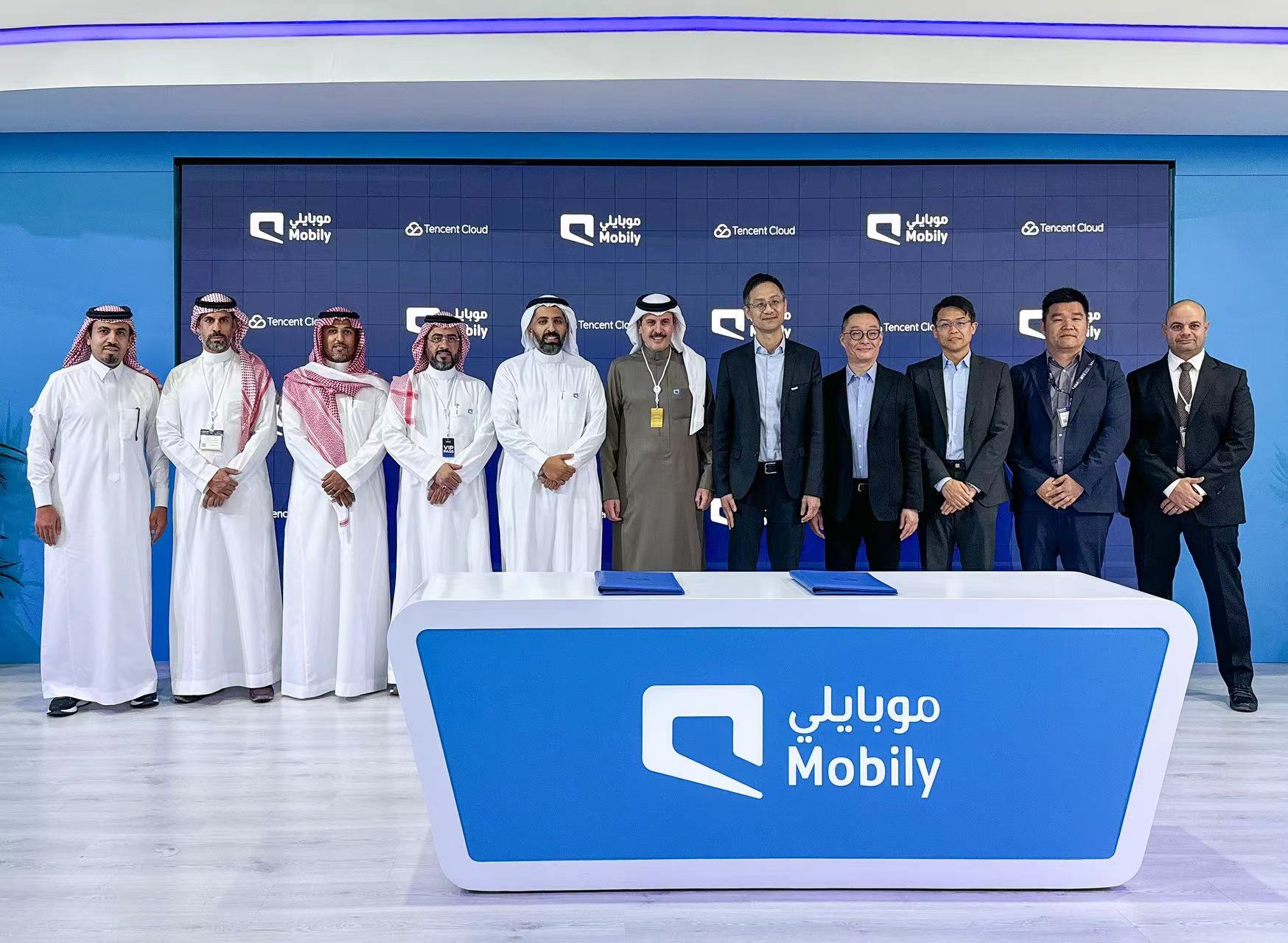
Tencent Cloud has unveiled plans to launch its inaugural Middle East Cloud Region in Saudi Arabia, marking a pivotal expansion in the company’s global infrastructure. Announced at the LEAP 2025 technology summit in Riyadh, the new cloud region will encompass two availability zones, each designed with full redundancy to ensure robust and reliable services. This development is slated to become operational by 2025, aligning with Saudi Arabia’s ambitious Vision 2030 objectives to foster digital transformation and economic diversification.

The strategic move includes an investment exceeding $150 million over the forthcoming years, underscoring Tencent Cloud’s commitment to bolstering the Kingdom’s burgeoning digital economy. Dan Hu, Vice President of Tencent Cloud International for the Middle East and North Africa, emphasized the significance of this initiative, stating, “We’re excited to have grown alongside the Kingdom of Saudi Arabia and look forward to ramping up cloud support for the Middle East. The new Cloud Region strengthens our ability to support the country’s digital transformation journey.”

This expansion will integrate Saudi Arabia into Tencent Cloud’s extensive global network, which currently comprises over 50 availability zones across 21 regions. The new infrastructure is poised to deliver a comprehensive suite of advanced cloud services, including artificial intelligence capabilities, data analytics, and digital media solutions. These offerings are tailored to meet the diverse needs of industries such as finance, gaming, media, and e-commerce within the region.

Saudi Arabia’s cloud computing market is experiencing rapid growth, driven by the government’s proactive digital initiatives and the private sector’s increasing adoption of cloud technologies. Projections indicate that annual spending on public cloud services in the Kingdom is expected to reach $2.5 billion by 2026, reflecting a compound annual growth rate of 25%. This surge is attributed to the nation’s focus on emerging technologies, including AI, cloud computing, and the Internet of Things , as integral components of its Vision 2030 plan.

The LEAP 2025 summit, where Tencent Cloud’s announcement was made, has emerged as a significant platform for technological collaboration and investment in Saudi Arabia. The event witnessed the Kingdom securing $14.9 billion in new investments aimed at advancing its digital infrastructure and AI capabilities. Notably, global cloud service providers are increasingly recognizing the potential of the Saudi market. For instance, Amazon Web Services has partnered with stc Group to accelerate cloud adoption and AI-driven innovation across various sectors, including healthcare, finance, and education.

Tencent Cloud’s entry into the Middle East market is anticipated to intensify competition among cloud service providers, offering businesses in the region a broader array of options to enhance their digital operations. The establishment of local data centers is particularly advantageous, as it addresses data residency requirements and reduces latency, thereby improving the performance of cloud-based applications and services.

In addition to infrastructure development, Tencent Cloud is expected to collaborate with local enterprises and governmental bodies to provide training and support, fostering a skilled workforce adept in cloud technologies. This initiative aligns with Saudi Arabia’s broader goals of nurturing innovation and entrepreneurship, ultimately contributing to a diversified and knowledge-based economy.

The Middle East’s strategic importance in the global technology landscape is increasingly evident, with countries like Saudi Arabia investing heavily in digital transformation. Tencent Cloud’s expansion into the region not only signifies confidence in the local market’s potential but also reinforces the Kingdom’s position as a burgeoning hub for technological advancement and innovation.

As the cloud computing landscape in Saudi Arabia continues to evolve, the presence of global players like Tencent Cloud is poised to accelerate the adoption of cutting-edge technologies. This development is expected to drive economic growth, enhance competitiveness, and pave the way for new business models and opportunities within the region.

Alibaba Cloud has inaugurated its second data center in Thailand, aiming to meet the growing demand for cloud computing services and support the country’s digital transformation initiatives. This development aligns with Thailand’s strategic efforts to enhance its digital economy and infrastructure.

The new facility is designed to provide advanced cloud services, including support for artificial intelligence applications, to businesses and government agencies across Thailand. By expanding its data center footprint, Alibaba Cloud seeks to offer more robust and reliable services, catering to the increasing needs of enterprises adopting digital technologies.

Thailand has been actively pursuing a comprehensive digital transformation strategy, encapsulated in policies like “Thailand 4.0” and the “National Digital Economy and Society Development Plan.” These initiatives focus on building high-capacity digital infrastructure, promoting e-government solutions, and fostering innovation and technology adoption across various sectors. The government’s commitment is further evidenced by the approval of the national AI strategy and action plan , which aims to drive AI development and integration throughout the country.

The establishment of Alibaba Cloud’s second data center is poised to bolster these governmental efforts by providing the necessary infrastructure to support AI and other emerging technologies. This move is expected to enhance the competitiveness of Thai businesses, particularly small and medium-sized enterprises , by offering scalable and secure cloud solutions that facilitate innovation and efficiency.

In addition to infrastructure development, Thailand is focusing on digital skills enhancement and inclusivity. The government has launched initiatives to train individuals through community digital centers, aiming to bridge the digital divide and ensure that the benefits of digital transformation are accessible to all segments of the population. These efforts are crucial in creating a digitally literate workforce capable of leveraging new technologies to drive economic growth.

The collaboration between global technology providers like Alibaba Cloud and the Thai government signifies a strategic partnership that leverages international expertise to accelerate national digital goals. Such alliances are instrumental in positioning Thailand as a regional digital hub, attracting further investments, and fostering a vibrant ecosystem of innovation and technological advancement.

As Thailand continues to implement its digital economy strategies, the expansion of cloud infrastructure by industry leaders like Alibaba Cloud will play a pivotal role in supporting the nation’s objectives. This development not only addresses the immediate needs for advanced computing resources but also lays the foundation for sustainable digital growth in the years to come.

The integration of enhanced cloud services is anticipated to have a transformative impact on various sectors, including finance, healthcare, education, and manufacturing. By providing scalable and efficient cloud solutions, businesses can innovate more rapidly, improve operational efficiencies, and deliver better services to their customers. Moreover, the availability of local data centers ensures compliance with data sovereignty requirements, which is a critical consideration for many organizations.

In the financial sector, for instance, banks and fintech companies can leverage cloud-based AI analytics to offer personalized services and detect fraudulent activities more effectively. The healthcare industry can utilize cloud platforms to manage patient data securely and deploy telemedicine solutions, expanding access to medical services, especially in remote areas. Educational institutions can adopt e-learning platforms hosted on the cloud, providing students with flexible and interactive learning experiences. Manufacturers can implement IoT solutions to monitor production lines in real-time, enhancing productivity and reducing downtime.

Abu Dhabi’s sovereign wealth fund, ADQ, has formalised a partnership with the International Finance Corporation to spearhead high-impact development projects across emerging markets. This collaboration aims to mobilise capital and expertise, focusing on sectors pivotal to sustainable economic growth.

The Memorandum of Understanding between ADQ and IFC establishes a framework for co-investment opportunities. By leveraging IFC’s proficiency in mobilising commercial capital and ADQ’s extensive experience in infrastructure development and supply chain resilience, the partnership seeks to address critical needs in various regions.

Key areas of focus include enhancing food security, promoting agricultural innovation, and strengthening healthcare infrastructure. These sectors are deemed essential for the socio-economic advancement of emerging markets, and the combined efforts of ADQ and IFC are poised to make significant contributions.

In addition to these sectors, the alliance will explore investments in energy security and sustainability, transport and logistics, as well as real estate and urban development. Such investments are intended to bolster economic resilience, improve quality of life, and enhance connectivity and competitiveness in a rapidly evolving global landscape.

His Excellency Mohamed Hassan Alsuwaidi, Managing Director and Group Chief Executive Officer of ADQ, emphasised the strategic importance of the partnership: “Collaborating with IFC reflects our shared commitment to creating enduring value and driving sustainable impact across emerging and developing markets. By combining our strengths, we aim to extend the expertise of our portfolio companies to new markets, undertaking transformative infrastructure projects that enhance communities and generate lasting economic benefits.”

Makhtar Diop, Managing Director of IFC, highlighted the role of sovereign wealth funds in fostering sustainable growth: “This partnership underscores the crucial role of sovereign wealth funds in promoting sustainable development in emerging markets. It also reflects the UAE’s leadership in facilitating South-South investments, enhancing economic cooperation, and creating global opportunities. By merging IFC’s global expertise with ADQ’s strategic investments, we aim to mobilise private capital and accelerate transformative, long-term development across key sectors.”

ADQ, established in 2018, manages a diverse portfolio spanning sectors such as energy and utilities, transport and logistics, food and agriculture, and healthcare and life sciences. With total assets amounting to USD 225 billion as of June 2024, ADQ has a track record of building strategic alliances and exporting the expertise of its portfolio companies to markets including Egypt, Turkey, Greece, Oman, and Jordan.

Warships from various nations have begun arriving at Abu Dhabi’s National Exhibition Centre Marina, marking the commencement of the eighth Naval Defence and Maritime Security Exhibition 2025. This biennial event, scheduled from 17 to 21 February 2025, runs concurrently with the International Defence Exhibition and Conference , positioning Abu Dhabi as a central hub for global defence and maritime security discussions.

The initial fleet of naval vessels navigated through the city’s waterways to berth at the ADNEC Marina, showcasing a diverse array of ships varying in size and function. Additionally, several participating naval vessels have docked at Mina Zayed, further enhancing the event’s international maritime presence.

Saeed Al Mansoori, Defence Events Advisor at ADNEC Group, highlighted NAVDEX’s evolution, stating, “The current edition of NAVDEX has become a leading platform for showcasing the latest innovations in naval defence and security.” He emphasized that the expanded exhibition space and increased participation from global companies underscore Abu Dhabi’s prominence in the defence industry.

NAVDEX 2025 offers exhibitors a unique opportunity to display their vessels in a dedicated waterborne exhibition area, where ships can be moored at the temporary marina equipped with floating docks. The event will present a carefully curated daily schedule of live demonstrations, many led by exhibitors themselves, providing an engaging experience for visitors. Guests at the grandstand overlooking the waterfront and adjacent to the exhibition area will have a front-row view of the latest maritime technologies and capabilities in action.

A notable feature of this year’s exhibition is NAVDEX Talks, a series of lectures and panel discussions where experts and specialists will explore emerging trends, present real-world case studies, and highlight the latest advancements in naval defence technology. These sessions aim to foster strategic collaboration and knowledge exchange among industry leaders, decision-makers, and innovators.

Under the patronage of His Highness Sheikh Mohamed bin Zayed Al Nahyan, President of the UAE and Supreme Commander of the UAE Armed Forces, NAVDEX 2025 is organized by Capital Events in association with the UAE Armed Forces. The event provides a dedicated platform for international naval defence and maritime security companies to showcase their technologies and services to a global audience.

The exhibition hall features over 3,000 square meters of space, accommodating local and international exhibitors specializing in naval, maritime, and coastal security technologies, equipment, and crafts. The on-water exhibits at the ADNEC Marina enable exhibitors to berth their crafts and vessels on temporary marina pontoons, facilitating daily live demonstrations that offer practical insights into the capabilities of the showcased technologies.

As Banyan Tree Residences Sichon breaks ground in Nakhon Si Thammarat, investors and travelers are recognizing the untapped potential of Thailand’s diverse coastal regions. NAKHON SI THAMMARAT, THAILAND – Media OutReach Newswire – 12 February 2025 – Today, Banyan Tree Residences Sichon, a new ultra-luxury branded residence, is set to redefine Southern Thailand’s resort landscape. The project broke ground today at a ceremony attended by senior government […]

A significant assembly of finance ministers and central bank governors from emerging markets is set to commence on February 16, 2025, in Al-Ula, Saudi Arabia. This high-level conference, jointly organized by the International Monetary Fund and the Kingdom of Saudi Arabia, aims to address the multifaceted challenges confronting emerging market and developing economies in the current global landscape. The gathering occurs against a backdrop of escalating trade […]

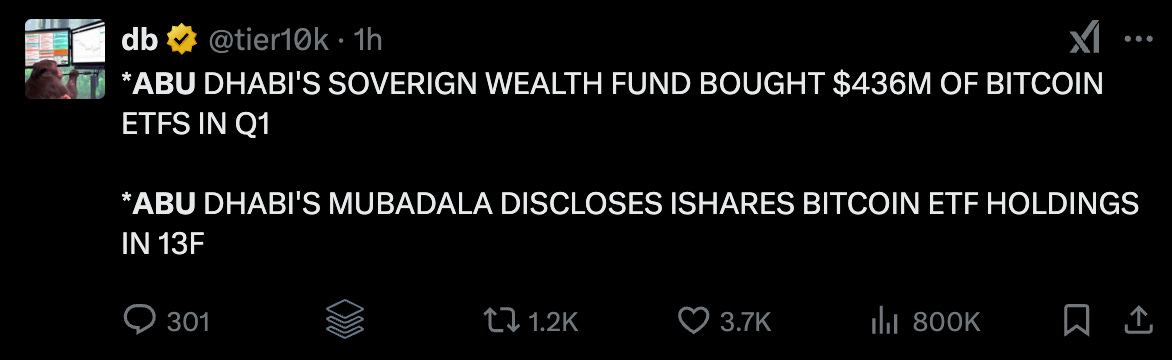
Abu Dhabi’s sovereign wealth fund, Mubadala Investment Company, has made a significant entry into the cryptocurrency market by acquiring $436.9 million worth of shares in BlackRock’s iShares Bitcoin Trust ETF during the fourth quarter of 2024. This move underscores the growing institutional interest in digital assets among sovereign wealth funds.

According to the latest 13F filings with the U.S. Securities and Exchange Commission, Mubadala purchased approximately 8.2 million shares of IBIT, marking its inaugural investment in a Bitcoin exchange-traded fund. This acquisition aligns with a broader trend of institutional investors increasing their exposure to cryptocurrency-linked financial products.

The fourth quarter of 2024 witnessed a surge in Bitcoin’s value, with the cryptocurrency appreciating by 47%. This upward trajectory has been a catalyst for various asset managers, including wealth management firms, hedge funds, and pension funds, to bolster their investments in Bitcoin ETFs. Notably, the State of Wisconsin Investment Board more than doubled its holdings in the iShares Bitcoin Trust ETF to 6 million shares by the end of December. Similarly, Tudor Investment Corp, a prominent hedge fund, increased its stake to 8 million shares, valued at $426.9 million at the close of the year.

Mubadala’s strategic investment reflects a growing confidence among sovereign wealth funds in the viability of digital assets. This move is particularly significant given the Middle East’s increasing engagement with blockchain technology and cryptocurrencies. In 2023, Abu Dhabi demonstrated its commitment to the digital asset space by investing in Bitcoin mining operations, collaborating with Marathon Digital and local firm Zero Two to develop a large-scale mining facility in the capital.

The iShares Bitcoin Trust ETF, managed by BlackRock, has emerged as a leading product in the market, amassing over $55 billion in assets under management. BlackRock’s expansion into Abu Dhabi in November 2024, securing a commercial license to operate, may have further facilitated Mubadala’s investment decision.

Industry experts view Mubadala’s substantial allocation to Bitcoin ETFs as a pivotal moment in the institutional adoption of digital assets. Anthony Pompliano, a well-known Bitcoin advocate, highlighted the strategic implications of such investments, suggesting that sovereign wealth funds’ involvement could prompt other nations to consider integrating Bitcoin into their reserves.

Financial advisory firms have also been active in this domain. Cetera Advisors and NewEdge Advisers, for instance, have increased their holdings across multiple Bitcoin ETFs, including those offered by Fidelity, ARK Investments, and Invesco. This trend indicates a rising demand from clients seeking exposure to digital assets through traditional investment vehicles.

While Mubadala’s investment marks a significant milestone, it is part of a broader pattern of institutional investors recognizing the potential of cryptocurrency assets. As digital currencies continue to gain mainstream acceptance, the involvement of sovereign wealth funds like Mubadala could signal a transformative shift in the global financial landscape.

The 13F filings provide a window into the investment strategies of large institutional players, offering insights into their positions at the end of each quarter. These disclosures, while not reflective of real-time holdings, are instrumental in understanding market dynamics and the evolving sentiment toward emerging asset classes like cryptocurrencies.

Mubadala’s foray into Bitcoin ETFs not only enhances its diversified investment portfolio but also positions Abu Dhabi as a forward-thinking participant in the rapidly evolving digital economy. As other sovereign wealth funds observe and assess the outcomes of such investments, a ripple effect leading to broader adoption of digital assets in institutional portfolios worldwide is plausible.

VISHNU RAJA
RYO YAMADA
HITORI GOTOH
IKUYO KITA