News related to
Strategy

Apple continues to hold its position as the world’s most valuable brand, maintaining a dominant lead in the annual Kantar BrandZ rankings. The technology giant’s brand value remains firmly ahead of its competitors, driven by sustained innovation, strong consumer loyalty, and expanding services. Among the global giants, Saudi Aramco stands out as the only company from the Gulf Cooperation Council and Middle East region to secure a spot within the Top 100, reflecting its growing international recognition amid shifting energy markets.

The Kantar BrandZ report evaluates thousands of brands worldwide based on consumer perceptions, financial performance, and market presence. Apple, which has consistently topped the rankings for several years, saw its brand value strengthen further due to its diversified product ecosystem and significant investments in augmented reality, artificial intelligence, and subscription services. Its ability to integrate hardware, software, and services continues to set it apart, contributing to record-breaking revenues and reinforcing customer engagement across the globe.

The inclusion of Saudi Aramco in the Top 100 highlights the resilience and strategic positioning of this energy giant amid global transitions. As the world accelerates its shift towards renewable energy, Saudi Aramco’s presence in the rankings underscores its efforts to diversify and adapt to evolving demands. The company has been investing heavily in cleaner energy technologies and sustainability initiatives, while still capitalising on its vast oil reserves and refining capabilities. This dual approach has helped maintain its strong financial standing and global brand stature.

Saudi Aramco’s entry into the list marks an important milestone for the GCC and the Middle East, regions that have been working to boost their global business profiles beyond the traditional hydrocarbon sector. The company’s brand value benefits from its critical role in global energy supply chains and its status as one of the largest integrated energy and chemicals companies worldwide. Its prominence in the BrandZ ranking reflects the ongoing transformation of the regional economy and the growing importance of Gulf-based enterprises in international markets.

Technology companies dominate the upper echelons of the BrandZ Top 100, with Apple’s closest rivals including Microsoft, Amazon, Google, and Samsung. These brands owe their high valuations to their broad global reach, innovation pipelines, and ability to capture consumer attention in a fast-evolving digital landscape. The report shows a marked increase in the value of brands involved in cloud computing, software services, and digital entertainment, signalling shifts in consumer behaviour and business investment.

Financial services and luxury goods brands also feature prominently, with firms such as Visa, Mastercard, and Louis Vuitton holding strong positions. These sectors benefit from sustained consumer demand and adaptation to digital channels, including e-commerce and fintech innovations. Luxury brands have further capitalised on expanding affluent markets in Asia and the Middle East, contributing to their steady brand valuation growth.

Saudi Aramco’s inclusion is particularly notable given the absence of other Middle Eastern brands in the Top 100, illustrating the challenging environment for regional companies in competing at this global scale. Despite high national revenues and significant economic influence, many Gulf firms have yet to establish the kind of global brand recognition needed to appear alongside the world’s largest multinational corporations. This reflects broader economic and strategic factors, including the diversification efforts underway across GCC countries and their focus on building competitive industries beyond energy.

The report also highlights evolving consumer expectations around sustainability and corporate responsibility, with brands that demonstrate genuine commitment to environmental and social governance increasingly favoured in valuation metrics. For energy companies like Saudi Aramco, this presents both challenges and opportunities, as stakeholders scrutinise their environmental impact and transition strategies. The company’s public commitments to reducing carbon emissions and investing in alternative energy projects are critical to its ongoing reputation and brand strength.

Among the factors contributing to Apple’s sustained brand leadership is its capacity to maintain premium pricing while expanding its user base globally. Its flagship products such as the iPhone, iPad, and Mac continue to enjoy strong demand, while services like Apple Music, iCloud, and the App Store generate consistent recurring revenue streams. Innovations in health technology, privacy features, and integration with smart home devices further deepen consumer engagement and brand loyalty.

The Kantar BrandZ rankings serve as a barometer for global business trends, reflecting shifts in consumer sentiment, technological advancement, and economic power distribution. Apple’s dominance underlines the continuing importance of technology innovation as a driver of brand value, while Saudi Aramco’s position signals the evolving role of energy companies in the global economy. As the world grapples with climate change and digital transformation, these rankings highlight how adaptability and strategic vision underpin the most valuable brands.

The presence of Saudi Aramco in the Top 100 is likely to inspire other Gulf-based companies to pursue greater international brand recognition through strategic investments, partnerships, and innovation. Governments across the region have increasingly prioritised economic diversification and global competitiveness, aiming to foster industries such as technology, finance, tourism, and renewable energy. Building strong, globally respected brands will be essential to this long-term vision.

This year’s BrandZ report underscores the growing concentration of brand value among a relatively small group of global leaders, with the top 10 brands accounting for a significant share of total valuation. While new entrants occasionally disrupt the rankings, the core list remains dominated by technology firms and consumer-focused corporations with expansive ecosystems and high consumer trust.

Saudi Aramco’s performance within this competitive context is a testament to its strategic management and financial robustness. It reflects its ability to navigate geopolitical uncertainties, market volatility, and the pressures of a shifting energy paradigm. As international investors and consumers become more conscious of sustainability, Saudi Aramco’s ongoing brand strategy will likely focus on balancing its traditional strengths with innovation in low-carbon energy solutions.

The Kantar BrandZ Top 100 also illustrates broader global economic trends, including the rise of Asian brands and the shifting influence of different markets. Chinese companies such as Tencent, Alibaba, and Huawei continue to climb the rankings, leveraging vast domestic markets and aggressive expansion strategies. Meanwhile, European brands have seen mixed fortunes amid economic challenges and regulatory shifts, emphasising the competitive pressures on established global players.


Abu Dhabi – Fakih Fertility Group has achieved a historic milestone in reproductive medicine by launching the UAE’s first accredited fellowship program in Reproductive Endocrinology and Infertility. This pioneering initiative sets a new standard in medical education and training, providing obstetricians and gynecologists with advanced expertise in assisted reproductive technologies (ART). The fellowship program, accredited by the National Institute for Health Specialties (NIHS), was officially inaugurated by Dr. […]

Thailand’s Ministry of Finance has announced plans to issue 5 billion baht in digital investment tokens, dubbed “G-Tokens,” aiming to broaden public participation in government bond investments. This initiative marks a significant step in integrating digital assets into the country’s financial strategy.

Finance Minister Pichai Chunhavajira stated that the G-Tokens will be available for purchase within the next two months, following cabinet approval. The tokens are designed to offer higher returns than traditional bank deposits, making them an attractive option for retail investors. “Investors can invest with a small amount of cash for the new tokens,” Chunhavajira noted, highlighting the accessibility of the investment.

The G-Tokens will be issued under the existing Public Debt Management Act of 2005 and regulated by the Digital Asset Business Decree of 2018. The tokens are not classified as traditional debt instruments but are part of the government’s budget borrowing plan. Patchara Anuntasilpa, director-general of the Public Debt Management Office, emphasized that the tokens are an innovation in the country’s financial landscape, allowing more retail investors to become part of the digital economy.

Investors can purchase G-Tokens through licensed digital asset exchanges, brokers, and other authorized entities. The minimum investment is set at 100 baht , significantly lowering the threshold for participation in government bond investments. This move is expected to attract a broader base of investors, including those who have traditionally been excluded from such opportunities.

The digital nature of G-Tokens offers several advantages over conventional government bonds. They can be traded on specialized digital platforms, providing greater flexibility and accessibility for investors. Ownership is verified using digital systems, and the tokens can be transferred through designated digital asset platforms. Interest payments and principal redemption will be made electronically to holders via their registered accounts, following the schedule outlined in the prospectus.

The initiative aligns with Thailand’s broader efforts to modernize its financial infrastructure and promote financial inclusion. By leveraging blockchain technology, the government aims to streamline the bond issuance process, reduce costs, and enhance transparency. The G-Token issuance also serves as a pilot to test the market’s response to digital financial instruments, with the potential for future expansions based on demand.

Sobha Realty has successfully completed a $500 million sukuk issuance, marking a significant milestone in its financing strategy. The issuance, part of a $1.5 billion Sukuk Issuance Programme, attracted substantial investor interest, with the order book oversubscribed three times, reaching $1.54 billion. This strong demand led to a tightening of the yield to 8% per annum, down from the initial price thoughts of 8.375%. The sukuk, maturing […]

Oregon State University’s Open Source Lab , a cornerstone of the global open-source ecosystem, has averted closure after securing critical funding. The lab is now poised to embark on a comprehensive infrastructure overhaul aimed at long-term sustainability. Facing a $250,000 funding shortfall that threatened its operations, OSUOSL launched an urgent appeal to the open-source community. The response was swift and substantial, with contributions from individual donors, corporate […]

Thailand’s Finance Ministry is set to introduce a digital investment token, dubbed the G-Token, aiming to raise approximately $150 million within the next two months. This initiative is part of the government’s budget borrowing plan and seeks to provide higher returns than traditional bank deposits.

Finance Minister Pichai Chunhavajira announced that the G-Token is designed to offer retail investors an accessible entry point into government-backed financial instruments. Unlike conventional bonds, the G-Token is not classified as a debt instrument but serves as a tool to mobilise public funds through blockchain technology.

The tokens will be available for purchase with a minimum investment of around $3, making them accessible to a broad segment of the population. This move is intended to democratise investment opportunities, traditionally dominated by institutional and high-net-worth investors.

Investors are expected to receive returns surpassing the current 12-month fixed deposit rates offered by Thai banks, which range between 1.25% and 1.5%. However, specific yield figures have not been disclosed.

The G-Token initiative aligns with Thailand’s broader strategy to integrate digital assets into its financial ecosystem. By leveraging blockchain technology, the government aims to enhance transparency, reduce costs, and increase efficiency in public fundraising efforts.

The tokens will be tradable on licensed digital asset exchanges within Thailand, although access will be restricted to Thai nationals. This measure ensures compliance with domestic financial regulations and safeguards against potential risks associated with foreign investment in government-backed digital assets.

The launch of the G-Token follows recommendations from influential political figures, including Thaksin Shinawatra, who advocated for the issuance of stablecoins backed by government bonds to broaden investment access.

Libya has formally integrated into the Medusa subsea cable system, marking a pivotal advancement in its telecommunications infrastructure. This 8,700-kilometre fibre-optic network, encompassing 24 fibre pairs and a capacity of 20 terabits per second per pair, is set to connect 11 countries across the Mediterranean, including Libya, by the end of 2025. The Medusa project, spearheaded by AFR-IX Telecom and supported by the European Union and Orange, […]

Advertisements

Arabian Post Staff -Dubai Samsung has launched its new flagship device, the Galaxy S25 Edge, designed to set a new benchmark in smartphone technology. The device features a remarkably slim 5.8mm titanium body, combining sleek aesthetics with cutting-edge performance. As part of its strategy to stay ahead in the competitive mobile market, Samsung has integrated advanced artificial intelligence capabilities, a powerful 200MP camera, and the latest Snapdragon […]

PENANG, MALAYSIA / SINGAPORE – Media OutReach Newswire – 14 May 2025 – The Ascott Limited (Ascott), the wholly owned lodging business unit of CapitaLand Investment (CLI), is ramping up talent development to support the opening of more than 300 new properties by 2028. This global expansion is expected to create more than 12,000 new jobs, including over 1,500 property leadership roles. To power this growth, the […]

Google has updated its iconic ‘G’ logo for the first time in a decade, introducing a gradient design that aligns with its expanding focus on artificial intelligence. The change, while subtle, reflects the company’s broader efforts to unify its visual identity across AI-driven products and services. The redesigned ‘G’ replaces the traditional solid primary colours with smooth, blended gradients, creating a more modern and dynamic appearance. This […]

Ghana is undertaking significant measures to reduce its $2.5 billion debt owed to independent power producers and gas suppliers by the end of 2025, as announced by President John Dramani Mahama. This initiative is part of a broader strategy to stabilize the country’s energy sector and ensure consistent electricity supply. The debt, which has been a persistent issue, poses a substantial threat to Ghana’s economy and energy […]

VeChain CEO Sunny Lu has outlined an ambitious vision to tokenise sustainable human behaviours—such as driving electric vehicles—by integrating blockchain, artificial intelligence , and real-world asset tokenisation into a unified infrastructure. This initiative was presented during the Consensus Toronto conference, where VeChain introduced its latest suite of tools aimed at making blockchain applications more accessible and impactful for mainstream users.

At the heart of this strategy is VeChain’s Marketplace-as-a-Service platform, launched in March 2024. MaaS enables users to create and brand their own customised NFT marketplaces without the need for extensive coding skills. The platform supports the integration of physical products with digital twins—referred to as “phygitals”—through NFT and chip technology. This approach simplifies participation in the NFT space and supports the global tokenisation movement by bridging the gap between physical and digital assets.

VeChain’s MaaS platform also incorporates fee-delegation technologies, allowing builders to cover transaction costs on behalf of users, thereby removing the barrier of transaction fees. Additionally, the platform has integrated an NFT checkout provider and is in discussions with a global payment service provider to enable direct fiat on/off ramps. These features aim to make the user experience similar to traditional Web2 interfaces, enhancing the platform’s usability.

Complementing MaaS is VeChain’s VeBetterDAO ecosystem, which promotes sustainability and community engagement by rewarding contributions towards environmental projects. The ecosystem reflects VeChain’s commitment to sustainability and community participation, incentivising individuals for their contributions to sustainability projects.

VeChain has also formed collaborations with AI-focused organisations such as SingularityNET, FetchAI, and Ocean Protocol to drive innovations in AI through blockchain technology. These partnerships aim to develop AI agents capable of autonomously executing blockchain-related tasks like governance voting and asset management. Such AI agents are sophisticated programs that can analyse information, learn from experience, and autonomously execute tasks on behalf of users, thereby enhancing the efficiency and effectiveness of blockchain applications.

The integration of AI agents into VeChain’s infrastructure is expected to facilitate the automation of tasks and adapt to changing environments, shaping investment decisions and operational efficiencies in the coming years. This move positions VeChain at the forefront of combining AI with blockchain technology to create more intelligent and responsive systems.

VeChain’s efforts are underpinned by its VeChainThor public blockchain, which utilises a Proof of Authority consensus mechanism. This mechanism ensures high throughput and security, making it suitable for enterprise-grade applications. The VeChainThor blockchain supports fee delegation, allowing transactions to be paid by a third-party account, thereby improving the usability of decentralised applications.

The company’s dual-token economic model, comprising VET and VTHO tokens, safeguards the long-term sustainability of the VeChainThor ecosystem. This model separates the medium of value from the cost of using the blockchain , ensuring stability and predictability in transaction costs.

VeChain’s initiatives have garnered attention from various sectors, including collaborations with organisations like WoV Labs to enhance digital ownership for readers of SNOB Non Per Tutti magazine. This collaboration utilises VeChain’s advanced tools to create a unique engagement model, allowing readers to access exclusive benefits through WoV Labs’ digital passport without needing blockchain or Web3 knowledge. Such partnerships highlight the integration of blockchain technology into traditional media and create new opportunities for user interaction and content delivery.

The company’s financial health is reflected in its reported $440 million in assets by the end of 2023, indicating its financial stability and attracting a wide user base. The growth in unique wallet addresses, now exceeding 3 million, further demonstrates VeChain’s expanding influence within the cryptocurrency community.

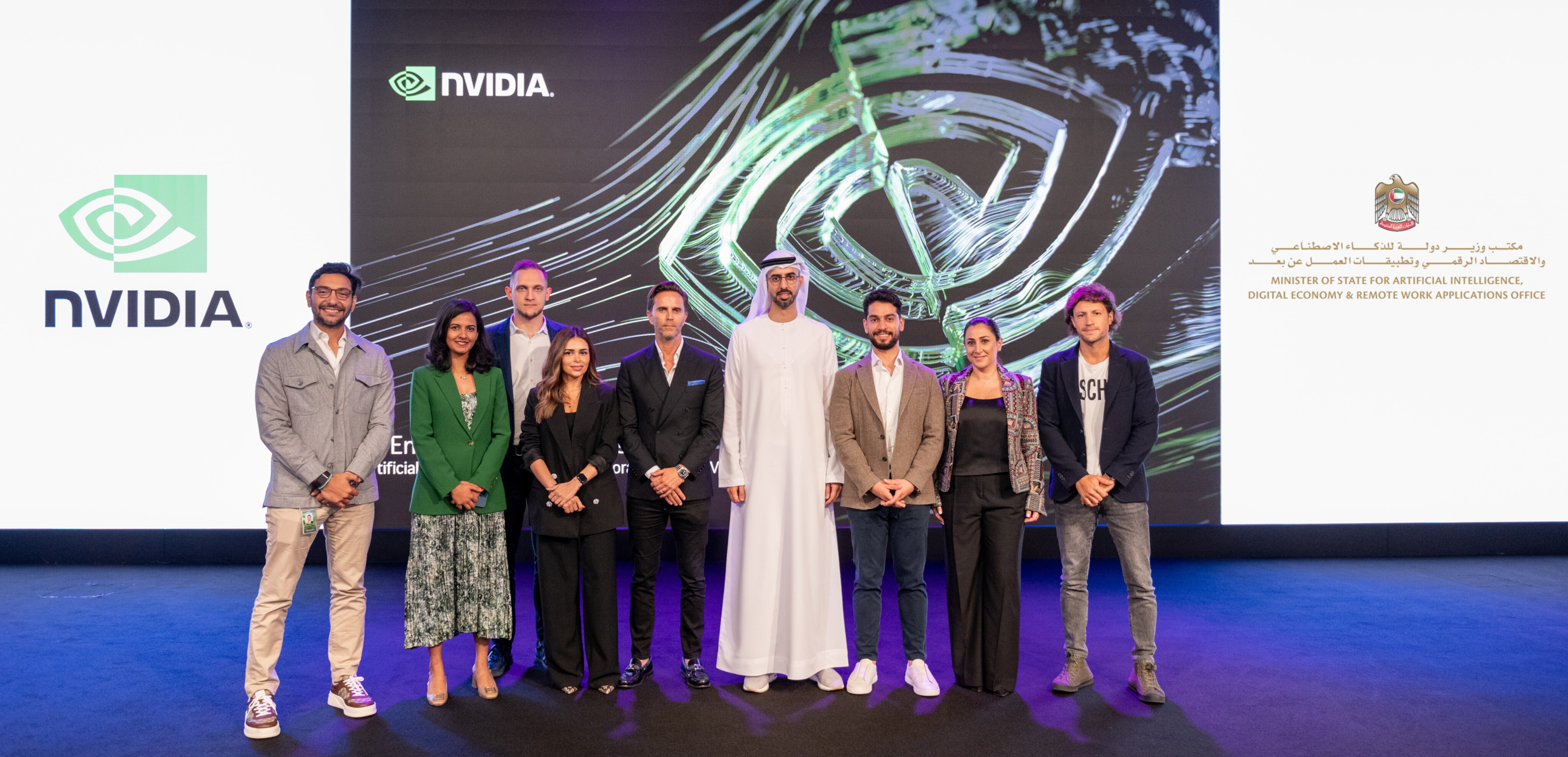
The United States is deliberating a significant agreement that would permit the United Arab Emirates to acquire over one million advanced Nvidia AI chips, a move that could reshape the technological landscape in the Gulf region. The proposed arrangement, still under negotiation, would allow the UAE to import 500,000 of Nvidia’s most sophisticated chips annually through 2027. Approximately 20% of these chips are earmarked for G42, an Abu Dhabi-based artificial intelligence firm, while the remainder would support U.S. companies establishing data centers within the UAE.

This potential deal marks a notable shift from the stringent export controls implemented during the Biden administration, which aimed to limit the proliferation of advanced AI technologies to certain regions. The Trump administration’s consideration of this agreement aligns with its broader strategy to bolster alliances and counterbalance China’s growing technological influence.

G42 has been at the forefront of the UAE’s AI ambitions, developing a bilingual Arabic-English large language model named Jais and collaborating with global tech giants to enhance its capabilities. The firm’s efforts to sever ties with Chinese entities and comply with U.S. regulations have been pivotal in facilitating this prospective deal.

The U.S. Department of Commerce’s introduction of the Validated End User program has further streamlined the export process for advanced technologies to trusted partners. Under this program, foreign data centers that meet rigorous security and compliance standards can receive AI chips without the need for individual export licenses. This initiative aims to safeguard national security while promoting international technological collaboration.

Nvidia’s advanced chips, particularly the H100 and the newer GB300 Blackwell models, are integral to the development of cutting-edge AI applications. The company’s collaboration with Saudi Arabia’s AI startup, Humain, to deliver 18,000 AI chips underscores the region’s commitment to becoming a global AI hub. These chips are set to power a 500-megawatt data center in Saudi Arabia, reflecting the Gulf’s substantial investments in AI infrastructure.

The UAE’s strategic partnerships extend beyond Nvidia. A notable collaboration between Microsoft and G42 has received U.S. approval, allowing the export of advanced AI chips to a Microsoft-operated facility in the UAE. This partnership is part of a broader U.S. effort to counter China’s Digital Silk Road initiative by strengthening technological ties with Gulf nations.

Despite these advancements, concerns persist regarding the potential for U.S. technologies to be accessed by adversarial nations. The U.S. government has imposed strict conditions on these deals, including prohibitions on the use of exported chips for model training by individuals from countries under U.S. arms embargoes, such as China. Regular audits and compliance checks are mandated to ensure adherence to these restrictions.

The UAE’s pursuit of AI sovereignty is evident in its initiatives to develop indigenous AI capabilities and infrastructure. Core42, a subsidiary of G42, has established a “regulated technology environment” to deploy Nvidia’s H100 Tensor chips securely within the country. This setup ensures that sensitive technologies are handled under strict guidelines, aligning with the UAE’s objectives to safeguard data and maintain control over its AI systems.

The US Federal Reserve has stopped sugar-coating it: stagflation is no longer a fringe fear. It’s a looming threat. Last week’s sharp warning from Chair Jerome Powell confirmed what many of us in the global financial community have anticipated for months. Slower growth, persistent inflation, and rising unemployment are converging in a way that should set off alarm bells for investors worldwide. Make no mistake—this isn’t an […]

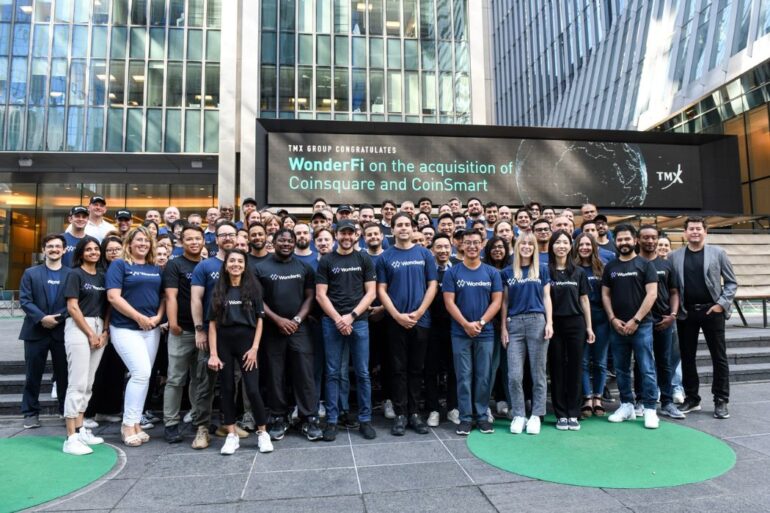
Robinhood has announced a definitive agreement to acquire WonderFi Technologies Inc. for C$250 million in cash, marking a significant expansion into Canada’s regulated cryptocurrency sector. The deal, anticipated to close in the second half of 2025, offers a 41% premium to WonderFi’s shareholders and will integrate WonderFi’s entire team into Robinhood Crypto’s Canadian operations.

This acquisition grants Robinhood access to WonderFi’s regulated crypto trading platforms, Bitbuy and Coinsquare, which collectively manage over C$2.1 billion in client assets. These platforms have experienced substantial growth, with a 110% increase in assets under custody since the end of 2023.

WonderFi’s consolidation of Bitbuy and Coinsquare under a single regulated investment dealer has positioned it as a dominant player in Canada’s crypto market. The company now serves over 1.7 million registered users, offering services that include crypto trading, staking, and payment processing through its SmartPay platform.

The acquisition aligns with Robinhood’s strategy to diversify its offerings beyond traditional stock trading. By integrating WonderFi’s platforms, Robinhood aims to provide Canadian users with a comprehensive suite of financial services, including crypto trading, staking, and payments. This move also reflects a broader trend of consolidation in the crypto industry, as companies seek to expand their global footprint and comply with evolving regulatory standards.

The Canadian crypto market has become increasingly attractive to international firms, partly due to its stringent regulatory environment. WonderFi’s adherence to Canadian regulations and its status as a fully regulated investment dealer make it a valuable asset for Robinhood’s international expansion. The acquisition is expected to enhance Robinhood’s competitiveness in the global crypto market, providing a robust platform for growth in Canada and potentially beyond.

This transaction is part of a series of strategic moves by Robinhood to deepen its involvement in the cryptocurrency space. The company previously acquired crypto exchange Bitstamp for $200 million, signaling its commitment to expanding its crypto offerings.

PARIS, FRANCE – Media OutReach Newswire – 13 May 2025 – Malaysia calls on the international community to strengthen cooperation in addressing the global water crisis – a transboundary challenge impacting nations of rich and poor alike. Strategic partnerships and coordinated policy actions are essential to securing a sustainable and resilient water future for all. Sharing Malaysia’s experience at the Global Water Summit 2025 in Paris, Deputy […]

Tokyo-based Metaplanet Inc. has overtaken El Salvador in Bitcoin reserves, now holding 6,796 BTC compared to the Central American nation’s 6,170 BTC. This milestone positions Metaplanet as Asia’s leading corporate Bitcoin holder and the first publicly listed Japanese firm to adopt Bitcoin as its primary treasury asset.

The company’s aggressive accumulation strategy, initiated in April 2024, has led to a staggering 5,250% surge in its stock price over the past year. This growth trajectory has been further bolstered by its inclusion in the MSCI Japan Index, effective February 28, 2025, enhancing its visibility among institutional investors.

Central to Metaplanet’s strategy is its ambitious “21 Million Plan,” aiming to acquire 10,000 BTC by the end of 2025 and 21,000 BTC by 2026. To finance this, the company has raised approximately ¥116 billion through the issuance of 21 million shares via moving strike warrants, marking the largest Bitcoin-focused capital raise in Asian equity market history.

CEO Simon Gerovich has emphasized Bitcoin’s role as a hedge against Japan’s economic challenges, including high debt levels and currency depreciation. He stated that the company’s pivot to a Bitcoin-centric strategy has transformed it from a “zombie” company into a market leader.

Metaplanet’s financial performance reflects this transformation, with a reported 309.82% Bitcoin yield in Q4 2024 and a market capitalization increase of 11,800% over the past year. The company’s shareholder base has expanded significantly, now exceeding 50,000 investors.

In addition to its financial endeavors, Metaplanet is promoting Bitcoin adoption through initiatives like the upcoming launch of “The Bitcoin Hotel” in Tokyo, set to open in Q3 2025. This establishment aims to serve as a hub for Bitcoin education and community engagement.

Metaplanet’s approach mirrors that of U.S.-based Strategy, formerly known as MicroStrategy, which holds over 553,000 BTC. Both companies exemplify a growing trend of corporations integrating Bitcoin into their treasury strategies as a means of preserving value and driving growth.

Saudi Arabia has launched HUMAIN, a new artificial intelligence company under the Public Investment Fund , aiming to position the kingdom as a global leader in AI innovation. Chaired by Crown Prince Mohammed bin Salman, HUMAIN is set to provide advanced AI services, including next-generation data centres, AI infrastructure, cloud capabilities, and sophisticated AI models. A key focus will be the development of one of the world’s […]

HONG KONG SAR – Media OutReach Newswire – 13 May 2025 – WRISE Hong Kong today announced the appointment of Mr. Joe C. Lee as Non-Executive Director of WRISE Prestige Hong Kong, effective immediately. With his distinguished entrepreneurial background and extensive expertise in technology and business innovation, Mr. Lee will bring invaluable strategic insights to further strengthen WRISE Prestige’s growing wealth management business for the high-net-worth individuals. […]

Supermarket operator Spinneys reported a 14% year-on-year increase in net profit for the first quarter of 2025, reaching AED 85 million , buoyed by new store openings and a significant uptick in online sales. Revenue for the quarter climbed over 11% to AED 906 million, reflecting the company’s strategic expansion and digital initiatives.

The Dubai-based retailer, which went public on the Dubai Financial Market in 2024, attributed its robust performance to the launch of three new stores and a continued focus on enhancing its e-commerce platform. The company has been actively expanding its footprint, with plans to open 10 to 12 new stores across the UAE and Saudi Arabia by the end of the year.

Spinneys’ entry into the Saudi market marks a significant milestone in its regional growth strategy. The company inaugurated its first store in Riyadh’s La Strada Yard, receiving an exceptional response from customers. CEO Sunil Kumar highlighted the strong demand in the Kingdom, stating that the early performance reinforces a positive outlook for Spinneys in Saudi Arabia. The retailer plans to open additional stores in Riyadh’s King Abdulaziz Financial District and other locations before the end of 2025.

The company’s e-commerce segment has also shown impressive growth. Online sales increased by 21.7% year-on-year, surpassing AED 217 million in the first half of 2024. E-commerce now accounts for 14% of Spinneys’ total revenue, driven by the launch of the Spinneys Swift app, which offers hyperlocal delivery services. The app’s 60-minute delivery service has been piloted in key locations, with plans for a broader rollout across the UAE.

Spinneys’ strategic focus on premium grocery segments has positioned it well in the GCC’s evolving retail landscape. The company’s target market, comprising affluent households, is growing faster than the broader grocery sector. In the UAE, this segment is projected to expand at a compound annual growth rate of 4.4% from 2022 to 2028, while in Riyadh and Jeddah, the growth rate is expected to be 6.7%.

The retailer’s commitment to quality and innovation is evident in its product offerings and store concepts. Spinneys has introduced ‘The Kitchen, by Spinneys,’ a food hall concept in Dubai Mall, offering fresh meal solutions with margins exceeding traditional grocery retail. The company plans to open more locations of this concept in the UAE, catering to the growing demand for convenient and high-quality dining options.

Financially, Spinneys maintains a strong position. The company reported a 9.9% increase in revenue to AED 1.6 billion in the first half of 2024, with a net profit of AED 146 million, up 15.2% year-on-year. Despite the introduction of a 9% corporate tax in the UAE, Spinneys has continued to deliver solid financial results, supported by efficient sourcing, supply chain management, and a successful private label strategy.

Abu Dhabi’s Yas Island is set to welcome its first Waldorf Astoria Residences, marking a significant collaboration between Aldar Properties and Hilton. This development introduces the luxury brand’s residential concept to the capital, aligning with Aldar’s broader strategy to enhance its hospitality portfolio.

The Waldorf Astoria Residences will be situated along the Yas Links Golf Course, offering residents panoramic views of the fairways and the Arabian Gulf. The project encompasses a selection of premium furnished apartments and penthouses, complemented by top-tier amenities and services synonymous with the Waldorf Astoria brand. This initiative is part of Aldar’s AED 1.5 billion investment aimed at transforming its hospitality assets to cater to the growing demand for luxury accommodations in Abu Dhabi.

Jonathan Emery, Chief Executive Officer at Aldar Development, and Daniel Wakeling, Vice President Development Luxury & Residences, EMEA, at Hilton, formalised the partnership in the presence of Talal Al Dhiyebi, Aldar’s Group Chief Executive Officer. The collaboration underscores Aldar’s commitment to introducing iconic global hospitality brands to the region, enhancing Abu Dhabi’s appeal as a premier tourism and leisure destination.

The Waldorf Astoria Residences on Yas Island are part of a larger transformation plan that includes rebranding the Eastern Mangroves hotel into a Waldorf Astoria luxury resort. This resort will feature 167 guest rooms and suites, many with views of the adjacent Mangrove National Park, and will offer amenities such as a brasserie, rooftop specialty restaurant, and the brand’s signature Peacock Alley lounge. Guests will also benefit from a Personal Concierge service, ensuring a tailored and seamless experience.

In addition to the developments on Yas Island, Aldar is undertaking significant upgrades across its hospitality portfolio. The Yas Plaza Hotels complex will be reimagined under the IHG brand, transforming the six-hotel complex into the largest Vignette Collection resort globally. This rebranding includes the addition of beachfront suites and access to a private beach, enhancing the resort’s appeal to both international and local guests.

Further afield, Aldar is repositioning its desert resort in the Al Dhafra region, formerly known as Tilal Liwa, into a luxury desert escape under the Vignette Collection brand. Enhancements will include new luxury suites, curated desert experiences, and upgraded facilities such as a kids club and spa. Nurai Island is also undergoing a major refurbishment and expansion to elevate its status as Abu Dhabi’s ultra-luxury island destination.

These strategic developments align with Abu Dhabi’s broader vision to boost tourism, with the Department of Culture and Tourism aiming to attract 39.3 million visitors by 2030. The emirate has already seen a 27% increase in hotel guests in 2023 compared to the previous year, with international guest arrivals rising by 54%. The opening of the new terminal at Zayed International Airport, capable of accommodating 45 million passengers annually, further supports this growth trajectory.

Carlos Khneisser, Vice President of Development, Middle East & Africa at Hilton, expressed enthusiasm about the partnership, stating, “We are delighted to have signed Abu Dhabi’s first Waldorf Astoria, which will enjoy an unrivalled location overlooking the Mangrove National Park. With its anticipatory service and timeless elegance, it is set to be a destination of choice for those seeking modern luxury in the capital.”

SAS has intensified its focus on ethical artificial intelligence by unveiling a suite of governance tools and strategic partnerships aimed at fostering responsible innovation across industries, with a particular emphasis on healthcare. At the SAS Innovate 2025 event in Orlando, the company highlighted its commitment to transparency, accountability, and trust in AI deployment. Reggie Townsend, Vice President of Data Ethics at SAS, underscored the importance of proactive […]

Aldar Properties has announced a partnership with Hilton to develop Abu Dhabi’s first Waldorf Astoria Residences, marking the debut of branded residences on Yas Island. The project, situated along the Yas Links Golf Course, will offer premium furnished apartments and penthouses with views of the fairways and the Yas Marina Circuit.

The partnership was formalised by Jonathan Emery, CEO of Aldar Development, and Daniel Wakeling, Vice President Development Luxury & Residences, EMEA, at Hilton, in the presence of Aldar’s Group CEO, Talal Al Dhiyebi. Al Dhiyebi stated that the collaboration would bring the Waldorf Astoria brand to Abu Dhabi for the first time, enhancing the emirate’s position as a global destination for investment and long-term residency.

Daniel Wakeling highlighted the region’s growing demand for luxury branded residences and expressed Hilton’s commitment to delivering exceptional properties that offer a luxury living experience with world-class amenities and service excellence. The Waldorf Astoria Residences Yas Island will be launched for sale in the coming weeks.

Residents will have access to nearby attractions including Ferrari World, Warner Bros. World Abu Dhabi, SeaWorld Abu Dhabi, and Etihad Arena, as well as the Gardenia Bay waterfront promenade and the mangroves of West Yas. The development is part of Aldar’s strategy to deliver unique lifestyle destinations in the UAE and reflects the increasing demand for luxury branded residences in the region.

By Saifur Rahman The governments and the private sector in the GCC are investing heavily in infrastructure and creating world-class race tracks for the development of motorsports that, coupled with strong interest among the local youth are spearheading the motorsports in the region. Home to two global Formula 1 race tracks, the region is yet to become a global hotspot for motorsports. Although a lot of youngsters […]

VISHNU RAJA
RYO YAMADA
HITORI GOTOH
IKUYO KITA