Just in:
China Reconciled To U.S. Curbs On Chips Exports, Woos South Korea For Supply // Microsoft restores services gradually but gives no recovery deadline // TORRAS Launches Two New iPhone Duo Cases from Its Popular Ostand Series, Addressing Foldable Phone Users’ Concerns About Difficult Stand Positioning and Scratches // Hackers falsify NVIDIA GPU readings to mask cryptomining // US resumes flights after nationwide air traffic shutdown // Electoral register gains 2.17 lakh voters // EBANX and Eneba strengthen partnership in Latin America with 138% YoY growth in payment volume // Saudi fund assets forecast to cross $400 billion // Microsoft apologises as Outlook services recover after outage // Salik posts Dhs1.045bn profit despite lower toll traffic // Yicura BioMed Advances Dual Capital and Industrial Strategy: Completes First Closing of Series B Financing Led by Gobi Partners // Sun World Ba Den Mountain marks Vietnam Culture Day, welcoming Cambodian visitors over Bon Om Touk // OpenAI unveils ChatGPT Wallet for agent-led purchases // The Honey Trap Is The Headline, The Chip Pipeline Is The Story // IEA forecasts fourth-quarter oil surplus as Gulf shipments rebound // Lego restores BrickLink marketplace after security investigation // Woman found dead as bank moves to repossess home // From Dubai to the EU: how UAE-based crypto firms can expand under MiCA // Inpex reaffirms Gulf oil strategy despite shipping constraints // UAE crews sustain coastal oil removal as beaches reopen //

News related to
Exchanges

Oman and Nauru are exploring ways to enhance bilateral relations, focusing on economic, diplomatic, and developmental cooperation, as both nations seek mutual benefits in diverse sectors. Oman’s Foreign Minister Sayyid Badr Hamad Al Busaidi welcomed Nauru’s President David Ranibok Adeang in Muscat, underscoring Oman’s strategic interest in expanding its diplomatic reach. The discussions highlighted Oman’s Vision 2040, a national strategy emphasizing economic diversification through sectors like logistics, tourism, and technology, which aligns with Nauru’s developmental needs and ambitions.

The meeting emphasized Oman’s positioning as a major logistics and trade hub. Ports in Salalah, Duqm, and Sohar serve as pivotal centers for regional commerce, with plans to extend facilities that could support Nauru’s trade interests and benefit from its location in the Pacific. Both nations have identified tourism as a shared area of interest, and Oman’s plans for tourism expansion—aiming to attract 11 million annual visitors by 2040—could include tailored partnerships with Nauru to enhance cultural and environmental tourism in both regions. Similarly, Oman’s ports, critical in the global maritime routes, provide additional infrastructure and maritime trade support that may serve the strategic needs of Nauru’s Pacific-based trade interests.

Oman’s Vision 2040 agenda also prioritizes advanced technology and infrastructure development, areas where Nauru could collaborate on sustainable projects. As Oman pursues the expansion of its broadband connectivity, partnerships in information and communication technology (ICT) could allow Nauru access to advancements that boost digital connectivity and infrastructure. The Oman Broadband Company, a leader in the region’s digital initiatives, has successfully laid fiber-optic networks and built high-speed internet infrastructure with support from major international financing groups. Nauru, with its need for reliable communication networks, could benefit significantly from these technological exchanges, aiding both domestic and international connectivity.

Energy cooperation also offers promising potential. Oman’s interest in renewable energy and sustainable development, alongside its established oil and gas sector, positions it as a possible partner in energy-related projects. Oman’s Al Wusta governorate, a central oil production area, has expanded oil and gas field development to boost output and meet both local and export demands. Nauru’s resource-dependent economy may find utility in Oman’s experience in balancing resource extraction with sustainability measures, possibly adapting these practices to foster responsible resource management within its own industries.

Huawei’s latest operating system, HarmonyOS NEXT, is driving a significant shift in China’s digital currency landscape. Integrating the country’s central bank digital currency (CBDC), known as the digital yuan, directly into the operating system, Huawei aims to facilitate instant, secure, and direct transactions across devices for over a billion users, enhancing digital financial interactions in China’s fast-evolving tech sector.

With HarmonyOS NEXT, Huawei introduces a native compatibility feature that embeds the digital yuan, enabling secure transactions without the need for third-party apps like Alipay or WeChat Pay, which currently dominate the digital payment scene. This integration also leverages HarmonyOS’s unique atomic transaction capabilities, which allow immediate, two-way exchanges suited for digital payments and IoT applications. Such a setup is anticipated to accelerate the adoption of the digital yuan for both consumer and business uses, providing an alternative to traditional payment services in China.

Huawei’s strategic move to incorporate the digital yuan into HarmonyOS also aligns with Beijing’s efforts to build a sovereign digital payment infrastructure, a step away from reliance on foreign platforms. This initiative comes as China seeks greater control over its tech ecosystem, particularly in the context of mounting tensions with the United States. Since Huawei was barred from using Google services, the company has pursued self-reliance aggressively, first by launching HarmonyOS in 2019 and now with HarmonyOS NEXT, which completely abandons Android compatibility.

Aleksei Andriunin, the founder of Gotbit, along with directors Fedor Kedrov and Qawi Jalili, has been indicted by U.S. prosecutors on charges of market manipulation and fraud. The allegations stem from their involvement in artificially inflating cryptocurrency trading volumes between 2018 and 2024, a strategy purportedly designed to facilitate listings on major exchanges. This indictment marks a significant legal move in the ongoing scrutiny of practices within the cryptocurrency sector, where regulatory oversight has become increasingly stringent.

The indictment outlines a scheme in which Gotbit, through its executives, allegedly manipulated trading activities to create a false appearance of market activity. The U.S. Attorney’s Office for the Southern District of New York has characterized these actions as a blatant attempt to mislead investors and exchanges alike, potentially jeopardizing the integrity of the financial system. Prosecutors argue that the defendants engaged in practices that not only distorted the market but also violated federal securities laws.

According to the court documents, Gotbit utilized various tactics to inflate its trading volumes. This included wash trading, where the same assets are bought and sold in a circular manner to create the illusion of increased trading activity. By presenting a facade of liquidity and investor interest, Gotbit sought to attract more traders and investors, thereby elevating its profile in a highly competitive marketplace. The indictment indicates that this fraudulent activity was systematically orchestrated over several years, potentially impacting a wide range of investors and the broader market.

The consequences of such actions could be severe. If convicted, the defendants face a maximum sentence of 20 years in prison for wire fraud, underscoring the serious nature of the charges. The case not only highlights individual accountability within the cryptocurrency industry but also reflects the larger narrative of regulatory crackdowns on practices deemed harmful to investors and market integrity. As authorities intensify their efforts to regulate the cryptocurrency market, this indictment serves as a warning to other market participants regarding the legal ramifications of manipulative practices.

Gotbit has positioned itself as a significant player in the cryptocurrency trading arena, providing a platform that allows users to engage in trading various digital assets. However, the allegations against its leadership could tarnish the company’s reputation and operations. The indictment is likely to raise questions about the operational practices within Gotbit and the broader implications for other cryptocurrency platforms that may be engaging in similar activities.

The growing concern over market manipulation within the cryptocurrency sector has prompted regulators to take a closer look at trading practices. The U.S. Securities and Exchange Commission (SEC) and other regulatory bodies have been actively pursuing cases against individuals and entities accused of engaging in fraudulent activities, with an emphasis on protecting investors from deceptive practices. The case against Andriunin, Kedrov, and Jalili represents just one of many instances where regulators are taking decisive action to maintain market integrity.

As the legal proceedings unfold, there may be broader implications for the cryptocurrency market as a whole. Investors are increasingly wary of potential fraud and manipulation, leading to calls for clearer regulations and increased transparency in the industry. This situation could catalyze changes in how cryptocurrency exchanges operate, pushing for stricter compliance measures and more rigorous oversight to protect investors and uphold market integrity.

The indictment could spark discussions within the industry regarding the ethical responsibilities of cryptocurrency platforms. As more individuals and institutions enter the cryptocurrency market, the need for robust ethical standards and practices becomes paramount. The fallout from this case may encourage stakeholders to reassess their operational practices, ensuring that they are in alignment with legal and ethical expectations.

HONG KONG SAR – Media OutReach Newswire – 31 October 2024 – Paul Chan, Financial Secretary of the Hong Kong Special Administrative Region (HKSAR) Government, is visiting Saudi Arabia to attend the FII (Future Investment Initiative) and strengthen the HKSAR’s connections with the country and the wider Middle East region. Hong Kong’s Financial Secretary, Paul Chan, speaking during his visit in Saudi Arabia. In Riyadh (October 30), […]

35 remarkable projects across Asia Pacific recognised HONG KONG SAR – Media OutReach Newswire – 31 October 2024 – The MIPIM Asia 2024 Awards, widely regarded as the most prestigious honors recognizing excellence and innovation in Asia’s real estate industry, has unveiled its winners after a rigorous and thorough judging process. The winners of the coveted Gold, Silver, and Bronze awards will be announced at the highly […]

Robinhood Markets, Inc. has reported a remarkable increase in its cryptocurrency trading volumes for the third quarter of the fiscal year, reaching $14.4 billion. This figure marks a 112% rise compared to the same period last year, reflecting a growing interest in digital assets among retail investors. However, this uptick follows a significant drop from earlier in the year, with volumes falling sharply from $21.5 billion in the previous quarter and $36 billion in the first quarter.

The third-quarter results underscore a broader trend in the cryptocurrency market, where trading activities have experienced volatility amid shifting market conditions. Investors have been navigating a complex landscape characterized by fluctuating prices and regulatory scrutiny. The increase in trading volume year-over-year highlights Robinhood’s ability to capture a segment of the market, particularly among novice traders who have flocked to the platform for its user-friendly interface and commission-free trading model.

Despite the impressive year-over-year growth, the decline from earlier quarters raises questions about the sustainability of this trend. Analysts attribute the decrease to a combination of factors, including heightened market volatility and a cooling off after the frenzy surrounding cryptocurrencies in 2021. The cryptocurrency market, once marked by soaring prices and speculative investments, has encountered increasing regulatory scrutiny and market corrections that have tempered trading enthusiasm among investors.

A pivotal aspect influencing trading volumes has been the evolving regulatory environment surrounding cryptocurrencies. Governments and regulatory bodies worldwide are implementing stricter guidelines to manage risks associated with digital assets. For instance, the U.S. Securities and Exchange Commission (SEC) has intensified its focus on cryptocurrency exchanges, emphasizing compliance and investor protection. Such regulatory measures have led to increased uncertainty in the market, potentially impacting trading behavior on platforms like Robinhood.

The competitive landscape for trading platforms has evolved, with various fintech companies entering the cryptocurrency space. Established players are enhancing their offerings to attract users, while traditional financial institutions are beginning to embrace digital currencies. This competition could pose challenges for Robinhood as it seeks to maintain its market share in an increasingly crowded field.

User engagement remains a critical factor for Robinhood as it navigates these challenges. The platform has introduced features aimed at enhancing the trading experience, including educational resources and enhanced tools for monitoring cryptocurrency performance. By focusing on user education, Robinhood aims to empower its investors to make informed decisions in a volatile market. This strategy is particularly relevant as retail investors, many of whom are new to trading, may require additional guidance in navigating the complexities of cryptocurrency investments.

Despite the recent fluctuations in trading volumes, Robinhood has remained committed to expanding its cryptocurrency offerings. The company is actively exploring the introduction of new digital assets and trading pairs to cater to a diverse range of investor preferences. This strategy aligns with the broader trend of increasing consumer demand for access to a wider array of cryptocurrencies, as more investors seek to diversify their portfolios.

Looking ahead, analysts anticipate that Robinhood’s ability to adapt to market conditions and regulatory developments will be crucial for sustaining growth in cryptocurrency trading. The platform’s responsiveness to evolving investor needs, combined with its commitment to enhancing the user experience, will likely play a significant role in shaping its future performance. As the cryptocurrency market continues to evolve, Robinhood will need to navigate the delicate balance between user engagement, regulatory compliance, and competitive pressures to remain a leading player in the space.

The sentiment among retail investors is gradually shifting. Many are becoming more cautious after experiencing the volatility that characterized the cryptocurrency markets earlier this year. This shift in sentiment may influence trading behaviors and the overall demand for crypto assets in the short term. Investors may take a more strategic approach, focusing on long-term investments rather than short-term speculative trades.

OpenAI’s ChatGPT has introduced an enhanced functionality for its web users: the ability to search conversation history, enabling users to locate specific exchanges quickly. This new feature, poised for a phased rollout, allows users to sift through previous chats with keywords, easing access to past discussions and helpful insights.

Currently, the search feature is limited to certain subscription tiers, such as ChatGPT Plus and Pro users, ensuring access to those who may rely heavily on historical chat information for work, study, or projects. With this function, users can find critical pieces of information from past conversations without re-typing inquiries or revisiting entire threads. The platform’s move follows a broader trend of AI chat applications integrating search tools, a critical addition as users increasingly rely on generative AI models for both content generation and decision-making assistance.

Advertisements

Bitcoin surged to $73,600 during U.S. trading hours, inching close to its previous record of $73,798 established on March 14. This remarkable upward movement has generated renewed optimism among traders, as Bitcoin currently holds steady around $72,200, representing a robust 3% increase in just one day. This trend aligns with a broader positive sentiment across the cryptocurrency market, which has been characterized by rising trading volumes and heightened investor interest.

Market analysts attribute this surge to a confluence of factors. Institutional interest remains a significant driver, with several large-scale investments recently reported. Notably, Fidelity Investments announced its plan to launch a Bitcoin exchange-traded fund (ETF), a move seen as a substantial endorsement of the cryptocurrency. This development has fueled speculation that other major financial institutions might follow suit, further legitimizing Bitcoin as an asset class.

Macroeconomic conditions are contributing to the bullish momentum. With inflation concerns lingering and central banks hinting at prolonged low interest rates, many investors are turning to Bitcoin as a hedge against inflation. This shift in sentiment is underscored by a marked increase in the number of wallets holding Bitcoin, which reflects growing adoption among retail and institutional investors alike.

In addition to institutional interest, the trading behavior of retail investors is also evolving. Following Bitcoin’s rise earlier this month, many retail traders have re-entered the market, leveraging platforms that facilitate easy access to cryptocurrency trading. This influx of retail participation has intensified market dynamics, creating a feedback loop that propels prices higher as more buyers enter the fray.

Emerging trends in blockchain technology further bolster the optimism surrounding Bitcoin. Innovations such as the Lightning Network, which enables faster and cheaper transactions, are enhancing the overall utility of Bitcoin. This technological advancement is likely to attract even more users to the ecosystem, potentially driving up demand and price.

Key players in the cryptocurrency space are also responding to these trends. Exchanges like Binance and Coinbase have reported significant increases in trading volumes, signaling heightened activity among investors. This increased liquidity makes it easier for larger trades to occur without causing substantial price fluctuations, further supporting the bullish case for Bitcoin.

However, challenges remain. Regulatory scrutiny is intensifying in various jurisdictions, as governments seek to establish frameworks for cryptocurrency operations. Notably, discussions around taxation and compliance are ongoing, and any unfavorable regulatory changes could dampen market enthusiasm. Investors are closely monitoring these developments, as regulations could either facilitate further growth or impose constraints on the market.

The sentiment in cryptocurrency circles is largely optimistic, with many analysts projecting that Bitcoin could surpass its all-time high in the near future. Some are targeting even higher price points, with estimates ranging between $74,000 to $80,000 as the next psychological barriers. This speculation is supported by technical analysis indicating that if Bitcoin breaches the $74,000 mark, it could trigger a wave of buying pressure as traders seek to capitalize on momentum.

Investor sentiment, driven by social media platforms and online forums, plays a crucial role in shaping market expectations. Influencers and analysts on platforms like Twitter and Reddit are actively discussing potential price trajectories, contributing to a more dynamic trading environment. This collective discourse influences not only retail investor behavior but also how institutional players position themselves in the market.

The global cryptocurrency market is witnessing a renaissance, characterized by an influx of new entrants and a growing acceptance of digital assets as legitimate investment vehicles. Major financial institutions, hedge funds, and even traditional asset managers are reevaluating their portfolios to include cryptocurrencies. This broadening acceptance of Bitcoin and other cryptocurrencies is gradually reshaping the landscape of global finance.

As Bitcoin navigates this transformative phase, the importance of market education cannot be overstated. Initiatives aimed at educating potential investors about the fundamentals of blockchain technology and the intricacies of trading can significantly enhance participation in the market. A more informed investor base is likely to make more prudent decisions, contributing to the overall stability and maturity of the cryptocurrency market.

The interplay between supply and demand dynamics is also pivotal. With Bitcoin’s supply capped at 21 million coins, any increase in demand has a direct impact on price. Market participants are keenly aware of the halving events that occur roughly every four years, which reduce the rate at which new Bitcoin is generated. This mechanism, along with increasing institutional participation, is expected to create a supply-demand imbalance that could drive prices higher in the long term.

NINGBO, CHINA – Media OutReach Newswire – 29 October 2024 – The highly anticipated 9th Zhejiang Book Fair and the 2024 Maritime Silk Road Culture and Tourism Expo, also known as the 2024 Ningbo International Tourism Expo (referred to as the “Maritime Silk Road culture and tourism grand expo”), officially kicked off in Ningbo, east China’s Zhejiang Province on the October 25. During the expo, the Ningbo […]

HONG KONG SAR – Media OutReach Newswire – 28 October 2024 – Hong Kong Science and Technology Parks Corporation (HKSTP) joined the FinTech Week 2024 in illuminating new pathways for fintech developments. Inclusive of a spectrum of fintech sectors, market-ready solutions of 41 startups gained traction from over 30 corporate partners at more than 100 business matching sessions, potential investors through immersive networking set-up, the exhibition received […]

French President Emmanuel Macron is set to arrive in Morocco on October 28, marking a significant effort to repair diplomatic ties that have been strained by a series of disputes and political frictions in recent years. The visit, spanning three days, comes at the invitation of Morocco’s King Mohammed VI and is positioned as an attempt to reinforce cooperation between the two countries amid rising regional challenges and shifting political dynamics.

Diplomatic relations between France and Morocco have been complex over the last decade, with periods of both cooperation and tension. Notable points of contention have involved policy disagreements regarding the Western Sahara, Morocco’s push for greater autonomy, and perceptions of French interference in North African affairs. A perceived coolness in bilateral ties reached a tipping point over the past year, as Morocco deepened its ties with other global powers, particularly the United States and Israel, indicating a shift away from its traditional reliance on France as a key ally and economic partner.

The French administration, aware of the economic and strategic value Morocco holds, has framed this visit as an opportunity for Macron to personally affirm France’s commitment to fostering a balanced and respectful partnership. The agenda is expected to address a range of topics crucial to both countries, including economic trade, security collaboration, and cultural exchanges, as well as a potential reset in policies affecting visa issuance for Moroccan nationals—a sensitive topic that has fuelled public resentment in Morocco. Macron’s planned public appearances, speeches, and bilateral meetings with Moroccan officials are anticipated to underscore shared interests while navigating areas of difference diplomatically.

A focal point of Macron’s visit is expected to be Morocco’s reconstruction and recovery efforts following the recent earthquake that devastated the Atlas Mountains region, leaving a trail of significant human and infrastructural damage. Although French relief support following the earthquake had been met with some criticism regarding its timeliness and adequacy, Macron’s engagement with reconstruction efforts may symbolize France’s willingness to assist its long-standing partner in this critical phase, despite prior political strains.

The visit will also provide a platform to address regional security, particularly as Morocco and France have historically shared concerns over terrorism and human trafficking across the Mediterranean. Both countries continue to be key players in counterterrorism efforts in North Africa and the Sahel region, where extremist groups pose a persistent threat. Macron’s discussions with Moroccan leaders are likely to revisit joint security strategies, including intelligence sharing and border control measures, which have served as pivotal elements of cooperation in past years.

Economic collaboration, too, will feature prominently on the agenda. France remains one of Morocco’s largest trading partners, with French companies heavily invested in sectors such as telecommunications, automotive manufacturing, and renewable energy in Morocco. Macron’s delegation includes business representatives aiming to explore new investments, especially in renewable energy projects, a sector where Morocco has established itself as a regional leader. Macron is expected to promote French participation in Morocco’s green initiatives, aligning with global climate commitments and France’s own economic priorities in clean energy transitions.

Observers believe Macron’s visit also reflects a broader objective: to recalibrate France’s influence in a region where economic and political alliances are rapidly evolving. Morocco’s engagement with other international partners, particularly the United States and China, has accelerated, with significant investment flows reshaping Morocco’s infrastructure and defense capabilities. Additionally, Morocco’s recent normalization of ties with Israel has diversified its diplomatic alliances, a move that France has viewed with cautious optimism, recognizing Morocco’s intent to play a more autonomous role in regional affairs.

With the upcoming U.S. presidential election casting a shadow over global financial markets, cryptocurrency stands out as an asset class poised for high volatility based on the election’s outcome. As former president Donald Trump reenters the electoral scene against Vice President Kamala Harris, crypto investors are paying close attention to how a Trump win could reshape cryptocurrency regulation and performance, particularly for Bitcoin and other key digital assets.

Historically, presidential election cycles have shown significant influence on cryptocurrency market behavior, especially for Bitcoin. Data from previous elections indicates that Bitcoin prices tend to experience substantial movements post-election, irrespective of the winning candidate. Following the 2020 election, for example, Bitcoin’s value surged, marking an increased interest among investors amid the heightened economic uncertainty tied to COVID-19 relief measures and concerns over inflation. However, as the 2024 election approaches, Trump’s potential return to the presidency introduces a new level of uncertainty that differs markedly from 2020. According to a report by Bitwise Asset Management, Bitcoin’s value could rise by an estimated 10.7% should Trump secure victory. Conversely, a Harris win is forecasted to prompt a similar decline, likely due to her administration’s alignment with current regulatory approaches under President Joe Biden.

Regulatory policies in the U.S. have tightened considerably over the past year, with the SEC leading several enforcement actions aimed at crypto firms, exchanges, and initial coin offerings (ICOs). As such, Trump’s stance on cryptocurrency, which has previously wavered, now appears more lenient compared to Harris. During Trump’s previous administration, oversight was relatively hands-off, providing crypto investors a fertile environment for market growth, albeit without structured guidelines. In contrast, Harris is expected to continue Biden’s approach, emphasizing consumer protection through regulatory frameworks, a trend currently contributing to restrained market enthusiasm among retail investors. Observers suggest that Trump’s promise to relax crypto regulations could rekindle enthusiasm among retail and institutional investors, who view clearer guidelines and reduced scrutiny as conducive to growth in both valuation and adoption rates of cryptocurrencies.

Crypto market responses are also anticipated to align with Bitcoin’s Halving cycle, a built-in scarcity feature that reduces block rewards by half approximately every four years, with the most recent event occurring in April 2024. Historically, Bitcoin rallies have closely followed Halvings, influenced further by investor interest in assets with perceived scarcity. Analysts expect this dynamic to be heightened under a Trump presidency, as reduced regulation coupled with supply restrictions could make Bitcoin a more attractive inflation hedge. Conversely, a continuation of current regulatory trends under a Harris administration might suppress these price escalations, as crypto businesses face heightened scrutiny and potential restrictions on stablecoin and DeFi protocols.

Market watchers note that alongside Bitcoin, certain altcoins such as Dogecoin and Cardano could be notably impacted by the election result. Both coins have shown sensitivity to Trump’s political narratives, especially as Dogecoin, with its origins as a meme asset, often aligns with social and speculative trends. Cardano, known for its environmentally-conscious proof-of-stake model, may also benefit from a shift in sentiment toward alternative digital assets under Trump’s policy approach, which is expected to favor financial deregulation broadly. Meanwhile, Ethereum and other blockchain projects emphasizing regulatory compliance may perform better under Harris’ administration, whose regulatory approach aligns with a systematic scrutiny of decentralized finance ecosystems.

Despite these speculations, experts caution that market sentiment may experience only short-lived spikes based on the election outcome. The long-term impact, they argue, hinges on substantial regulatory actions and the economic policies pursued post-election, especially concerning inflation and recessionary pressures. Crypto market reactions have been muted in the face of uncertainty over potential policy shifts, given that many investors prefer tangible policy enactments over rhetoric.

Economic fundamentals also play a role in investor strategies, with inflation rates, interest rate hikes, and the potential for recession forming a significant backdrop. Analysts at Coinbase Research point to the likelihood of heightened volatility for both traditional and digital assets amid interest rate adjustments and global economic challenges. The Federal Reserve’s monetary policy, particularly regarding interest rate hikes, remains a critical factor, as crypto’s inverse relationship to interest rates often leads to valuation adjustments in line with broader financial markets. Should a Trump administration adopt an expansionary fiscal stance, this may lower interest rates, encouraging borrowing and spending in financial markets, including crypto. A more cautious fiscal policy from Harris could contribute to slower crypto market growth, potentially accelerating a shift toward stablecoins as a hedge against market swings.

A significant decline in oil prices, exceeding 4%, has been observed after Israel conducted airstrikes in Iran, reportedly avoiding energy infrastructure. The unexpected military action has stirred uncertainty in the global oil markets, with analysts weighing the potential implications for future supply dynamics in an already volatile geopolitical landscape.

Crude oil futures, particularly West Texas Intermediate (WTI), fell sharply to around $83 per barrel, while Brent crude dipped below $87. The downward trend comes in the wake of heightened tensions in the Middle East, which had already led to fluctuations in oil prices due to fears of supply disruptions. Analysts had anticipated that military action between Israel and Iran could provoke a response that might impact oil production, but the avoidance of direct hits on energy facilities has seemingly mitigated immediate concerns.

Market sentiment turned bearish as traders reacted to the news. “The focus is on the geopolitical risks that have historically pushed oil prices higher. However, the fact that energy facilities were not targeted means that supply fears are somewhat alleviated, leading to this decline in prices,” commented David Wilson, a senior analyst at a leading energy consultancy. Investors now seem to be reassessing the risk factors that typically influence oil market volatility.

This latest escalation is part of a broader backdrop of ongoing hostilities between Israel and Iran, which have been characterized by intermittent exchanges of fire and military posturing. Iran’s Revolutionary Guard has warned that any attack on its soil will trigger severe retaliation. This historical animosity, coupled with Iran’s significant role as an oil exporter, continues to inject volatility into oil markets. Iran produces approximately 4 million barrels of oil per day, a vital contribution to the global supply.

The broader market reaction also reflects concerns regarding global economic performance, particularly in light of ongoing inflationary pressures and monetary policy tightening in several economies. Experts note that if economic growth slows, demand for oil may diminish, further complicating the price outlook. “Even with geopolitical tensions, the underlying economic indicators suggest a slowdown. If demand continues to weaken, we could see prices stabilize at lower levels,” stated Maria Chan, a commodities strategist.

In the wake of this geopolitical incident, analysts are also scrutinizing other potential threats to oil supply, including disruptions in other oil-producing regions. The Organization of the Petroleum Exporting Countries (OPEC) and its allies, including Russia, are continually adjusting their output strategies to stabilize prices, but such maneuvers become increasingly complicated amid geopolitical instability.

The ongoing conflict in Ukraine remains a significant factor influencing oil prices. Russia’s actions in Ukraine have led to widespread sanctions, disrupting energy supplies and complicating global market dynamics. While the current geopolitical climate suggests heightened risks, some analysts believe that the market has already factored in many of these risks due to the historical precedent of volatility in energy prices.

With the energy market closely monitoring developments in the Middle East, any signs of further escalation could quickly alter price trajectories. “The balance of risk has shifted slightly with this event, but we are still very much in a reactive mode as traders evaluate the ongoing situation,” remarked Samir Gupta, an oil market expert.

On a corporate level, oil companies are assessing how these geopolitical developments could impact their operations and investment strategies. Executives are increasingly focused on the dual challenge of navigating regulatory environments while managing geopolitical risks. “We have to remain agile. The situation can change rapidly, and we must be prepared to adapt our strategies accordingly,” noted Rachel Green, a chief financial officer at a major oil producer.

The situation remains fluid, with various stakeholders keenly observing the geopolitical landscape for further developments. Oil prices are expected to remain sensitive to news from the region, influencing not only immediate market reactions but also long-term strategic planning for oil companies and investors alike.

GlobalNet has officially launched a state-of-the-art high-speed fiber connection between Stockholm and Berlin, marking a significant expansion of its network across vital European hubs. The newly established 1,200-kilometer dense wavelength division multiplexing (DWDM) fiber link promises network latency of under 12 milliseconds, which is expected to substantially enhance data transmission efficiency for businesses and consumers alike. The initiative comes at a time when demand for reliable and […]

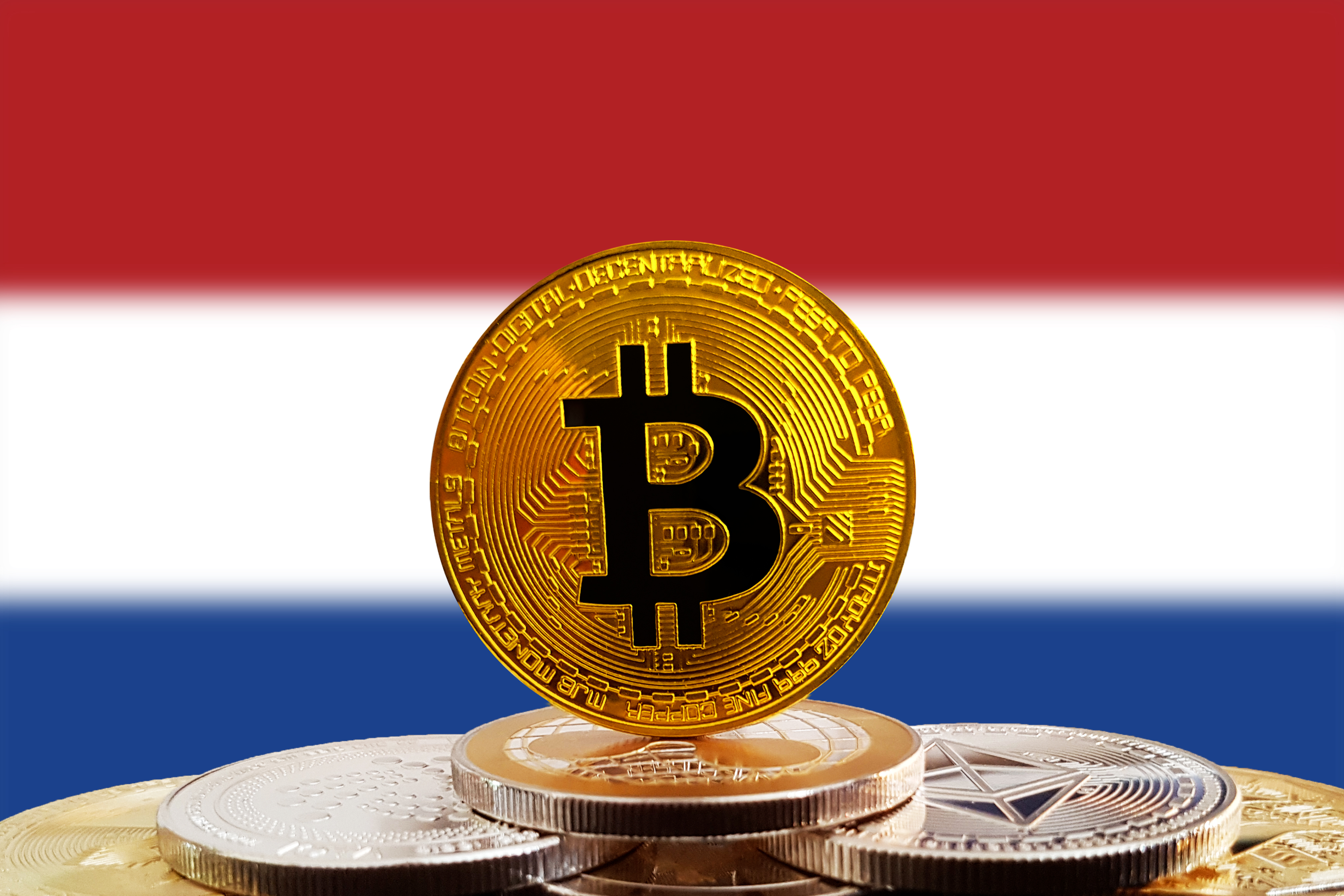
The Netherlands has introduced a draft bill requiring cryptocurrency service providers to report detailed client information to tax authorities, marking a significant alignment with the EU’s tax and transparency goals for digital assets. The proposal aims to close existing tax loopholes in cryptocurrency transactions, ensuring that individuals and companies report taxable income generated through digital assets, with authorities seeking to curb tax evasion effectively across Europe.

Central to this legislation is the adherence to DAC8, the EU’s eighth Directive on Administrative Cooperation, which mandates crypto-asset providers to share user transaction data with local tax bodies. DAC8, recently ratified by the European Council, is set to be implemented across the European Union by January 2026. The new rules are part of the EU’s extensive drive to regulate the crypto space, with a focus on enhancing tax compliance and preventing digital assets from serving as havens for illicit transactions.

In alignment with the DAC8 standards, the Dutch bill specifies that service providers, including exchanges, brokers, and wallet providers, must report all transactions involving Dutch residents to national tax agencies. This includes recording details of transaction amounts, dates, market values, and fees, ensuring that the Dutch authorities have a comprehensive view of all crypto-related activities. Additionally, the Netherlands intends to comply with the Organisation for Economic Co-operation and Development’s (OECD) Crypto-Asset Reporting Framework (CARF), which expands the scope of data sharing to include non-EU jurisdictions, such as the United States and the United Kingdom. CARF seeks to standardize crypto-asset reporting, aiming to make it more challenging for users to transfer assets across borders to evade tax responsibilities.

The Dutch Ministry of Finance anticipates that these measures will substantially increase transparency within the crypto sector, which has previously posed challenges for tax authorities due to the ease of transferring assets across platforms and borders. The Ministry asserts that these steps are essential to creating a fair tax landscape, ensuring that all income, including that derived from cryptocurrencies, is accurately declared and taxed. Proponents of the bill also believe it will aid in reducing financial crimes linked to crypto, aligning with similar EU initiatives like the Markets in Crypto-Assets Regulation (MiCA), which further addresses regulatory oversight in the sector.

As the Netherlands opens this proposal to public feedback, debate around user privacy concerns and the potential regulatory burden on crypto providers is already emerging. Critics argue that requiring such comprehensive data collection risks overreach and could dissuade crypto firms from operating in the Netherlands or the EU altogether. Concerns also extend to data protection issues, as the expansive data-sharing requirements could expose users to breaches and misuse if adequate safeguards are not put in place. Additionally, some crypto advocates argue that stricter regulations may push users towards decentralized platforms that operate outside the purview of centralized tax authorities, which could undermine the very goal of transparency.

Despite these reservations, the Netherlands and other EU states are prioritizing tax compliance to counter potential losses in tax revenue associated with the expanding crypto market. Studies by EU agencies suggest that by reducing tax evasion in crypto transactions, member states could collectively enhance tax revenues by over €1 billion annually. For countries with rapidly growing crypto sectors, this potential revenue increase is particularly enticing as they contend with budgetary pressures and demands for greater public services.

Dubai Chamber of Commerce has inaugurated the Korean Business Council to bolster economic ties and foster collaboration between businesses in Dubai and the Republic of Korea. This initiative is part of Dubai Chamber’s ongoing efforts to diversify its economic partnerships and attract foreign investment. The council’s establishment comes at a time when both regions seek to enhance their bilateral trade relations, with an eye on creating sustainable business opportunities.

The inaugural annual general meeting of the Korean Business Council took place in Dubai, featuring prominent business leaders, government officials, and representatives from various sectors. This gathering provided a platform for discussions on enhancing trade and investment flows between Dubai and South Korea. Key participants included senior officials from Dubai Chambers, members of the diplomatic community, and representatives from South Korean firms operating in the UAE.

During the meeting, chamber officials emphasized the significance of the council in facilitating dialogue and collaboration. The council aims to serve as a vital link between the two regions, fostering partnerships across various sectors, including technology, renewable energy, tourism, and healthcare. By leveraging the strengths of both economies, the Korean Business Council intends to create a synergistic environment conducive to business growth and innovation.

The UAE is already a significant trading partner for South Korea in the Middle East. In 2023, bilateral trade between the two nations reached approximately $15 billion, with South Korea exporting goods such as machinery, electronics, and automobiles. The establishment of the Korean Business Council is expected to further stimulate this trade and attract South Korean companies to invest in Dubai’s growing market.

South Korea’s Ministry of Trade, Industry, and Energy has expressed support for the initiative, recognizing the strategic importance of strengthening economic relations with the UAE. South Korea’s trade envoy to the UAE highlighted the country’s commitment to fostering business collaborations and creating a more robust economic framework for bilateral trade.

The new council will offer various services to its members, including market research, networking opportunities, and access to resources that can assist in navigating the Dubai business landscape. By providing a platform for collaboration and knowledge-sharing, the council aims to empower businesses to expand their reach and enhance their competitiveness in the region.

The council is expected to play a pivotal role in attracting South Korean investment into Dubai’s rapidly developing sectors. As Dubai continues to position itself as a global business hub, the Korean Business Council will facilitate opportunities for South Korean firms looking to establish or expand their operations in the region.

With its strategic location, favorable business environment, and established infrastructure, Dubai has become an attractive destination for South Korean companies. Numerous South Korean enterprises have already made significant investments in sectors such as construction, hospitality, and technology, underscoring the potential for further collaboration.

The Korean Business Council will also focus on promoting cultural exchanges between the two regions. Cultural ties are essential in fostering mutual understanding and trust, which can enhance business interactions. Events showcasing Korean culture, technology, and innovation are expected to be organized to facilitate this cultural exchange, enabling Dubai businesses to gain insights into South Korea’s advancements in various industries.

The council’s establishment aligns with the UAE’s Vision 2021, which aims to position the nation as a global economic leader and a hub for trade and investment. By enhancing relationships with key markets like South Korea, Dubai is making strategic moves to achieve its economic diversification goals.

In addition to economic benefits, the council is poised to contribute to the broader goal of sustainable development. As both regions prioritize sustainability and innovation, the council will encourage cooperation in sectors such as renewable energy and environmental technology. Collaborative initiatives in these areas can lead to significant advancements, addressing pressing global challenges while promoting economic growth.

As the Korean Business Council embarks on its journey, its success will rely on the active participation of its members and the commitment to fostering a dynamic and collaborative business environment. The council’s leadership has expressed enthusiasm for creating a vibrant network of businesses that can thrive in Dubai’s competitive landscape.

Engaging with local stakeholders and participating in trade missions and exhibitions will be crucial in building relationships and expanding business opportunities. By connecting South Korean and Dubai-based companies, the council aims to unlock the potential for innovative partnerships that can drive economic growth.

Tether, the prominent stablecoin issuer, has presented a groundbreaking proposal to the Turkish government, aiming to tokenize the country’s vast boron reserves. Turkey controls over 70% of the world’s boron, a key mineral used in industries such as glass, ceramics, and detergents, making the potential of tokenization a significant step toward enhancing global trade and accessibility.

The initiative reflects growing interest in tokenizing real-world assets (RWA) across various sectors, including commodities. By converting boron into digital tokens, Tether envisions creating a more liquid and accessible market for this valuable resource, attracting international investment and streamlining the supply chain. This proposal aligns with Turkey’s increasing focus on blockchain technology and digital assets, as seen in its evolving regulatory framework for cryptocurrencies and blockchain applications.

Boron has long been a strategic resource for Turkey, given its extensive industrial applications, ranging from fertilizers to high-tech industries like aerospace. The ability to tokenize boron could potentially make it easier for international businesses to invest in and trade the commodity, reducing barriers associated with traditional supply chains.

This initiative follows Tether’s broader efforts to expand its influence in Turkey. The company has been deepening its presence in the country through partnerships and collaborations, particularly with BTguru, a Turkish think tank, to explore various real-world asset tokenization cases. By leveraging Turkey’s regulatory advancements, Tether hopes to create a sustainable model for tokenizing commodities like boron, further integrating blockchain technology into the country’s financial and industrial ecosystems.

Tokenization of boron also introduces the possibility of fractional ownership, where smaller investors could participate in the boron market, which has historically been reserved for large corporations and governments. Through blockchain technology, these tokens would be securely traded on digital platforms, offering transparency and efficiency that traditional commodity markets lack. The potential benefits for Turkey could be substantial, as it could position the nation as a leader in both the boron market and blockchain innovation.

Tether’s exploration of tokenized commodities aligns with a broader trend in the cryptocurrency sector, where companies are increasingly looking at RWAs as a major growth avenue. Industry analysts suggest that real-world asset tokenization could unlock trillions of dollars in value globally by making traditionally illiquid assets more accessible. Turkey’s boron, due to its critical industrial applications and strategic importance, represents an ideal candidate for tokenization.

The proposal comes at a time when Turkey is actively reforming its regulatory environment for digital assets. The country’s parliament recently passed a crypto bill that aims to regulate the use of digital assets, requiring exchanges to obtain licenses from the Capital Markets Board, Turkey’s financial regulator. This move indicates Turkey’s growing commitment to fostering a secure and transparent digital economy, laying the groundwork for future initiatives like the tokenization of boron.

Tokenization could also offer Turkey new revenue streams. By opening the boron market to a wider array of international investors and reducing trading barriers, the government could generate additional capital, which could be used to support infrastructure and development projects. However, the success of such an initiative would depend on regulatory clarity and the establishment of secure digital marketplaces that protect investor interests.

Though Tether has not provided a specific timeline for the implementation of this project, the company has expressed optimism about the potential for its success. By collaborating with Turkish entities and aligning with the government’s regulatory framework, Tether hopes to create a seamless transition from traditional boron markets to a tokenized future.

Call for Submissions from Tertiary, Secondary and Primary School Students Showcase their Ideal Green and Smart City HONG KONG SAR – Media OutReach Newswire – 24 October 2024 – To enhance public understanding and awareness of green buildings, the Hong Kong Green Building Council (HKGBC) has established “My Green Space” Student Competition since 2011. This Competition encourages students to apply creative ideas related to green building concepts […]

Diplomatic negotiations have led to the Nigerian government officially dropping charges against Tigran Gambaryan, a senior executive at Binance Holdings, who was facing legal action over allegations of money laundering. His release is seen as a crucial step in resolving the broader tensions between Nigerian authorities and the cryptocurrency industry, which has been under intense scrutiny due to concerns over foreign exchange manipulation and money laundering.

Gambaryan, a U.S. citizen, had been detained in Nigeria since February 2024 following his visit for discussions aimed at addressing Nigeria’s regulatory concerns over cryptocurrency trading. His arrest and subsequent trial became a flashpoint in Nigeria’s ongoing efforts to regulate the digital currency market, which has been accused of contributing to currency volatility and evasion of foreign exchange rules. The detention also attracted significant attention from U.S. officials, with some members of Congress calling for stronger intervention to secure his release.

After months of legal wrangling and growing diplomatic pressure, Nigeria’s Federal Inland Revenue Service (FIRS) decided to drop tax-related charges against Gambaryan. In an official statement, Binance expressed relief, stating that Gambaryan was not involved in decision-making at the company, and his detention was unnecessary for resolving the broader dispute between the Nigerian government and Binance. The FIRS’s decision has been hailed as a significant breakthrough in what had become a protracted standoff.

Binance has reiterated its commitment to cooperating with Nigerian authorities to address regulatory concerns. The exchange remains at the center of Nigeria’s wider crackdown on cryptocurrency activities, with Nigerian regulators expressing unease about the role of digital currencies in capital flight and foreign exchange violations. Binance’s legal troubles in the country are not entirely over, as it still faces other charges, primarily linked to alleged money laundering.

The executive’s detention was fraught with challenges, including deteriorating health conditions. According to Binance, Gambaryan, who had spent 110 days in custody, had contracted both malaria and pneumonia while being held in Kuje prison. Despite court orders for his medical treatment, delays in his care raised concerns about the conditions of his detention, further complicating diplomatic efforts to secure his release.

Binance’s legal representatives expressed hope that the Economic and Financial Crimes Commission (EFCC) would soon follow the FIRS’s example by dropping its case against Gambaryan, thereby allowing him to return to his family in the United States. Gambaryan’s arrest also drew wider international attention, with several U.S. lawmakers addressing the issue. This diplomatic angle added another layer of complexity to an already high-profile case that has implications for international business relations and cryptocurrency regulation.

Nigeria’s decision to drop the charges is seen as a potential turning point in the strained relationship between Binance and African regulators. Binance’s dominance in the global cryptocurrency market has made it a target of regulatory actions across several jurisdictions. As cryptocurrency adoption grows in regions like Africa, governments are grappling with how to regulate digital assets while protecting their economies from the risks associated with unregulated financial flows.

The Nigerian government’s initial crackdown on Binance and other cryptocurrency exchanges was part of a broader move to clamp down on speculative trading activities that were blamed for exacerbating the country’s foreign exchange crisis. The Central Bank of Nigeria (CBN) had earlier banned cryptocurrency transactions in 2021, but enforcement challenges and continued use of digital currencies led to ongoing tensions between the authorities and crypto platforms.

As part of the government’s efforts to rein in the sector, Nigerian authorities detained two senior Binance executives in early 2024 following allegations of foreign exchange manipulation. The authorities argued that speculative trading of cryptocurrencies had contributed to the depreciation of the naira. These actions were taken within the broader context of Nigeria’s struggle to stabilize its currency amidst economic pressures and rising inflation.

Although the charges against Gambaryan have been dropped, the broader regulatory environment for cryptocurrencies in Nigeria remains uncertain. Many see this case as indicative of the Nigerian government’s stance on cryptocurrency regulation. The government has been attempting to balance the need for financial innovation with the risks that come from unregulated digital markets. While the decision to release Gambaryan is being welcomed by the crypto community, it remains to be seen how future cases involving cryptocurrency firms will be handled by Nigerian regulators.

The world’s largest Bitcoin conference has made its debut in Abu Dhabi, attracting thousands of attendees, including influential figures from the cryptocurrency industry, investors, and blockchain enthusiasts. This event marks a significant milestone for the Middle East, emphasizing the region’s growing importance in the global cryptocurrency landscape. The conference is poised to showcase cutting-edge technologies, regulatory frameworks, and investment opportunities, while highlighting the UAE’s ambition to position itself as a key player in the digital economy.

Held at the Abu Dhabi National Exhibition Centre, the conference has brought together more than 10,000 participants from across the globe. Notable speakers included prominent figures such as Anthony Pompliano, a well-known Bitcoin advocate and investor, and Elizabeth Stark, co-founder of Lightning Labs, who addressed the potential of Bitcoin to reshape financial systems. The agenda features discussions on various topics, including Bitcoin adoption, regulatory challenges, and the future of decentralized finance (DeFi).

Abu Dhabi’s embrace of this event reflects a broader trend within the UAE to foster a conducive environment for blockchain technology and cryptocurrencies. The UAE government has actively pursued initiatives to integrate blockchain solutions across various sectors, including finance, healthcare, and logistics. This commitment is evidenced by the establishment of regulatory bodies such as the Abu Dhabi Global Market (ADGM) and the Dubai Financial Services Authority (DFSA), which have implemented frameworks to regulate cryptocurrency exchanges and Initial Coin Offerings (ICOs).

The conference is seen as a strategic opportunity for the UAE to attract international investment in the cryptocurrency sector, which has grown exponentially in recent years. With the global cryptocurrency market capitalizing at over $1 trillion, the UAE aims to position itself as a regional hub for digital assets, competing with established markets like Singapore and Hong Kong. Industry experts argue that the UAE’s favorable regulatory environment and strategic geographical location make it an ideal destination for cryptocurrency businesses seeking to expand their operations.

Amid the growing interest in cryptocurrencies, discussions surrounding regulatory frameworks have been a focal point of the conference. Panel discussions have addressed the need for a balanced approach that encourages innovation while ensuring investor protection. The UAE’s proactive stance on regulation has garnered praise from industry leaders, who emphasize the importance of clear guidelines to foster trust in the cryptocurrency ecosystem.

Emerging trends within the cryptocurrency space have also been highlighted at the conference, including the rise of non-fungible tokens (NFTs) and decentralized finance. NFT marketplaces have gained significant traction, with many artists, musicians, and creators exploring these digital assets to monetize their work. The integration of NFTs into mainstream culture has prompted discussions about the future of digital ownership and intellectual property rights.

The concept of decentralized finance, which aims to replicate traditional financial services using blockchain technology, has gained momentum. DeFi platforms offer services such as lending, borrowing, and trading without the need for intermediaries, presenting a disruptive force in the financial industry. The conference has provided a platform for DeFi project leaders to share insights on the challenges and opportunities within this rapidly evolving space.

As the conference unfolds, attendees are optimistic about the future of cryptocurrencies in the Middle East. The engagement of local businesses, government officials, and global experts underscores the UAE’s commitment to fostering innovation in the financial sector. Networking opportunities abound, with many participants expressing excitement over potential collaborations and partnerships that could emerge from this gathering.

The successful hosting of this major Bitcoin conference is expected to catalyze further interest and investment in the UAE’s cryptocurrency market. As governments worldwide grapple with the implications of digital currencies, the UAE’s proactive approach positions it as a forward-thinking leader in the sector. The conference’s impact extends beyond mere discussions, as it showcases the region’s capabilities to host significant global events, potentially attracting future conferences focused on blockchain and financial technologies.

Growing economic ties between Russia and the United Arab Emirates (UAE) are underscored by a notable increase in trade, which has reportedly tripled over the last three years, according to President Vladimir Putin. This significant surge in bilateral commerce reflects a strengthening partnership that encompasses various sectors, including energy, agriculture, and technology. Both nations have shown a commitment to further expanding these economic relations, particularly in the […]

Taking Place on 24 – 25 October the Forum Brings Together Leading Venture Capitalists and Entrepreneurs to Discuss Global Venture Capital Trends and Challenges, and Explore the Future Path of Hong Kong as the International Innovation and Technology Hub with Fresh Perspectives HONG KONG SAR – Media OutReach Newswire – 19 October 2024 – In the face of the lingering global economic and geopolitical uncertainties, the annual […]

Many industry experts see crypto as having the potential to shape the future of finance, and this year, Bitcoin’s all-time high reflected this sentiment. For traders looking to explore crypto markets, Octa, a globally recognised financial broker, offers valuable tips and insights to help beginners approach trading digital assets effectively. KUALA LUMPUR, MALAYSIA – Media OutReach Newswire – 18 October 2024 – These days, many traders in […]

An executive program aimed at enhancing the museum sector has been established between Saudi Arabia and China. The Museums Commission, part of Saudi Arabia’s Ministry of Culture, signed a significant agreement with the National Museum of China, bolstered by support from the Chinese Ministry of Culture and Tourism. This initiative is poised to fortify cultural ties between the two nations and promote collaborative efforts in museum development, heritage preservation, and cultural exchange.

The newly signed program emphasizes the importance of cultural diplomacy in fostering mutual understanding and cooperation. Through this partnership, both countries aim to benefit from shared expertise, resources, and innovative practices in the museum field. This collaboration is part of a broader strategy by Saudi Arabia to diversify its economy and position itself as a cultural hub in the region.

Under the framework of the executive program, various activities are planned, including staff exchanges, joint exhibitions, and the development of educational programs. The goal is to enhance professional training and capacity building within the museum sector. Experts from both nations will engage in knowledge sharing to develop best practices in museum management, curation, and visitor engagement strategies.

Saudi Arabia has been making significant strides in its cultural sector as part of its Vision 2030 initiative, which seeks to reduce the country’s reliance on oil revenue and promote tourism and cultural heritage. The establishment of museums has been identified as a critical area for development, aligning with the nation’s broader goals of economic diversification and global engagement.

The National Museum of China, renowned for its vast collection of historical artifacts and exhibitions, is expected to play a pivotal role in guiding the development of Saudi Arabia’s museum sector. By leveraging China’s extensive experience in museum management, Saudi Arabia can accelerate the development of its cultural institutions, ensuring they meet international standards.

This partnership comes at a time when both countries are keen on enhancing their bilateral relations. The agreement reflects a growing trend of cultural cooperation between China and Middle Eastern nations, as countries in the region seek to leverage cultural diplomacy to strengthen ties with major global players.

Experts believe that this collaboration will lead to a mutual exchange of ideas that can benefit both countries. The focus on developing educational initiatives, particularly aimed at youth engagement in cultural heritage, is seen as a significant step toward nurturing future generations’ appreciation for history and art.

Saudi Arabia’s approach to culture has shifted dramatically in the past few years, particularly with the unveiling of several high-profile cultural projects, including the Diriyah Gate and the King Abdulaziz Center for World Culture. These projects aim to position the kingdom as a cultural leader in the Gulf region, making it a focal point for international tourists and cultural enthusiasts.

The involvement of the National Museum of China adds a layer of credibility and expertise to the program. With China’s rich history and extensive experience in museum curation and cultural preservation, the partnership stands to benefit from innovative approaches to exhibiting and interpreting cultural heritage.

The collaboration is expected to enhance visitor experiences at Saudi Arabian museums. The development of joint exhibitions that showcase the histories and cultures of both nations will create unique opportunities for cultural exchange and education. This aspect is particularly important as Saudi Arabia seeks to attract more tourists and provide them with enriching cultural experiences.

The program aligns with the broader international cultural landscape, where countries increasingly recognize the value of cultural diplomacy in building soft power. As global interest in Saudi Arabia’s cultural heritage grows, this initiative presents an opportunity for both nations to showcase their unique histories and foster greater understanding between their peoples.

In addition to these developments, the program emphasizes the importance of digital innovation in the museum sector. With technology transforming how museums operate, both countries will explore ways to integrate digital tools into exhibitions, making art and history more accessible to diverse audiences. This focus on innovation aligns with global trends in museum practices, where digital engagement has become increasingly vital.

The signing of the executive program also reflects the broader geopolitical landscape in which cultural exchanges are gaining importance. As China continues to expand its influence globally, partnerships like this one provide Saudi Arabia with an avenue to enhance its cultural visibility on the world stage while benefiting from China’s established expertise in heritage management.

The initiative illustrates the commitment of both nations to investing in their cultural futures. By fostering collaboration in the museum sector, Saudi Arabia and China are setting a precedent for similar partnerships across other cultural domains. The long-term impact of this program is expected to extend beyond museum development, influencing the broader cultural and artistic landscape of both nations.

VISHNU RAJA
RYO YAMADA
HITORI GOTOH
IKUYO KITA
Just in: