KUALA LUMPUR, MALAYSIA – Media OutReach Newswire – 11 June 2025 – Bitcoin keeps reaching new ATHs (All-Time Highs) in 2025 and fosters bullish market sentiments, yet volatility remains significant. This ramps up the risks for crypto traders, who use traditional spot trading tools. Experts at Octa Broker explain how CFDs—Contracts for Difference—allow traders to decrease risk exposure while offering more trading opportunities. The majority of crypto […]

Societe Generale‑Forge has introduced USD CoinVertible, a fully backed US dollar stablecoin launching on Ethereum and Solana, with BNY Mellon named as reserve custodian.
USDCV is the second stablecoin by Societe Generale‑Forge following its euro-pegged EURCV. This institutional-grade token, compliant with MiCA and issued under Societe Generale‑Forge’s EMI licence from France’s ACPR, will offer 24/7 fiat-to-crypto conversion and multi-currency utility for institutional, corporate, and retail clients—excluding US Persons. Trading is set to commence in early July.
Jean‑Marc Stenger, CEO of Societe Generale‑Forge, framed USDCV as the logical progression from EURCV: “market adoption of stablecoins is growing exponentially,” and the dollar-based token meets clients’ demands for institutional-grade stablecoin services. The token is designed to underpin a wide range of on-chain activities, including crypto trading, FX transactions, cross-border payments, and collateral or cash management—supporting seamless settlement across USD and EUR.
BNY Mellon will hold the reserves backing USDCV, reinforcing the stablecoin’s institutional foundation. Carolyn Weinberg, Chief Product & Innovation Officer at BNY Mellon, emphasised that 24/7 stablecoin capabilities could enhance operational resilience, generate efficiencies, and unlock novel opportunities across cash, collateral, investment management, and payments.
Both USDCV and its predecessor, EURCV, are categorised as Electronic‑Money Tokens, fully regulated under Europe’s Markets in Crypto‑assets regulation. Societe Generale‑Forge maintains public transparency on collateral composition, which adheres to high credit and liquidity standards and is updated daily on its website.
The MiCA-compliant tokens are poised for distribution through institutional trading venues and exchanges. Demand for fiat-backed digital assets backed by traditional financial institutions is gaining momentum across crypto, with market makers ensuring liquidity, brokers bringing user access, and payment service providers facilitating integration.
The move signifies broader momentum in the stablecoin market. Dollar-pegged stablecoins account for the bulk of the industry, with global market capitalisation in the hundreds of billions, dwarfing euro-pegged variants. Societe Generale‑Forge’s expansion into USD addresses this scale, positioning the bank as a bridge between traditional finance and decentralised finance.
Institutional stablecoins face a competitive landscape. Non-bank issuers such as Circle and Tether dominate the public blockchain scene, while banks like JPMorgan have previously issued tokens like JPM Coin on private networks. USDCV, on a public chain, allows Societe Generale to directly compete as a regulated, EU-licensed stablecoin provider.
Expanding beyond Ethereum to Solana adds a strategic dimension: offering cost-effective, diverse blockchain infrastructure to institutional clients and capitalising on Solana’s growing ecosystem.
Societe Generale‑Forge’s regulatory positioning is central. The subsidiary holds licences as an Electronic Money Institution and Digital Asset Service Provider under France’s financial regulators, aligned with MiCA’s requirements. Both tokens are not registered under the U.S. Securities Act and will only be offered to non-US persons under Regulation S.
The broader context sees European institutions cautiously entering the competitive stablecoin space. Euro-denominated tokens like EURCV remain niche, often hindered by stringent reserve rules and slower Euro adoption. Regulatory oversight via MiCA, while enhancing legal clarity, restricts operational flexibility, as highlighted by the delisting of Tether from EU platforms.
Societe Generale‑Forge’s strategic approach reflects this landscape: build on on-chain euro demand, then expand into the US dollar space where scale and liquidity are strongest. The move supports Europe’s ambitions to reduce dependency on US-dollar stablecoins and foster a regulated fiat token ecosystem.
Market reaction will hinge on liquidity, brokerage integration, and clearing mechanisms. Partnerships with market makers and payment service providers will shape adoption, alongside listings on crypto exchanges. The involvement of BNY Mellon bolsters institutional trust, signalling that banking-grade reserve practices can coexist with blockchain settlement.
Meanwhile, global payment players are integrating stablecoins into mainstream rails. Stripe’s stablecoin accounts, Visa and Mastercard’s pilot programs, and renewed interest among banks show momentum. These initiatives reflect a broader shift to tokenised fiat as infrastructure rather than niche innovation.
As USDCV enters trading next month, key questions remain: will its regulated status prompt flight from unregistered stablecoins? Can it deliver on liquidity and operational efficiency? And does it set a template for future bank-issued tokens within stringent frameworks like MiCA?

BlackRock’s iShares Bitcoin Trust surpassed $70 billion in assets under management on 6 June, achieving the fastest accumulation ever seen for a spot ETF—reaching the milestone in just 341 trading days. That pace outstrips the previous record held by SPDR Gold Shares, which took 1,691 days, marking a fivefold acceleration.
IBIT now holds approximately 662,707 BTC, nearly 20 per cent of the total 3.4 million bitcoins held by public and private entities, government bodies, exchanges, and decentralised finance protocols. Such concentration under BlackRock’s control is reshaping the distribution of Bitcoin supply across institutional players.
Secondary spot Bitcoin ETFs—led by Fidelity’s Wise Origin with roughly $21.3 billion AUM, and Grayscale’s GBTC at $19.3 billion—lag far behind IBIT in scale. Ark 21Shares and Bitwise report assets under $5 billion. Analysts note that IBIT’s dominance reflects not only investor appetite for regulated exposure to Bitcoin but also confidence in BlackRock’s operational strength and trust in its custody and compliance framework.
The ETF’s structural advantages lie in its cost-effective fee, integration with Coinbase Prime custody, and BlackRock’s institutional-grade infrastructure. It provides market participants with direct Bitcoin exposure without requiring them to navigate private key management or self-custody complexities.
Bitcoin’s value hierarchy has been boosted by IBIT’s growth. With total holdings just shy of 663,000 BTC, the trust exceeds erstwhile leader MicroStrategy, which held 582,000 BTC. A rising number of publicly traded companies are preparing to expand their Bitcoin treasuries. Corporate treasurers are watching IBIT’s capital inflows closely, signalling a shift in institutional allocation strategies from traditional assets into digital scarcity.
The influence of corporate buyers extends beyond small-scale investments. Michael Saylor’s MicroStrategy remains a strong presence, but other blue‑chip corporates are signalling potential acquisitions. Arkham Intelligence data indicates that incremental corporate accumulation may further redistribute Bitcoin supply, previously more diversified across governments, miners and individual holders.
IBIT’s momentum accelerated in May, posting its largest monthly inflow yet. Bloomberg reports this surge synchronised with Bitcoin trading above $108,000, hinting at institutional investors strategically buying ahead of broader market highs.
Secondary market activity reinforces the appetite for IBIT shares. In April, the ETF recorded a single‑day trading volume of $4.2 billion—with Bitcoin hovering around $91,000—underscoring its liquidity and the appetite among both retail and institutional investors.
Industry experts suggest this liquidity is a key attractor. IBIT’s trading activity consistently outpaces competitors, offering tighter spreads and reduced transaction costs, which in turn fuels further inflows.
Regulatory clarity remains pivotal. The official IBIT prospectus confirms the trust is governed by Delaware law, uses Coinbase as custodian and prime broker, and implements safeguards to align on‑chain Bitcoin with the ETF shares. This structure mitigates risks of mispricing or premium/discount discrepancies, giving institutional investors assurance. It also reveals that IBIT is not registered under the Investment Company Act of 1940, though it complies with major U.S. securities and exchange rules.
Meanwhile, BlackRock hints at international ambitions. A European equivalent to IBIT is under regulatory consideration, targeting Swiss registration under evolving EU cryptocurrency taxonomy. The success of the U.S. product strengthens its case for cross‑jurisdiction expansion.
Market analysts emphasise that the dilution of available Bitcoin supply via institutional custody may tighten free float and reduce volatility. With one entity holding a fifth of the publicly held Bitcoin, even modest inflows from public companies or IBIT could exert noticeable price effects.
A shift in supply concentration also raises systemic questions. As BlackRock and corporate treasuries secure larger holdings, the dynamics of price discovery may move away from retail and miner-driven liquidity pools. On‑chain analytics firms suggest emerging demand imbalance between supply locked in long‑term institutional wallets and tradable supply available to speculative or transactional buyers.
Critics argue that increasing centralisation challenges the decentralised ethos of Bitcoin. The risk is that a few large custodians could accrue disproportionate influence over market flows and network sentiment. Proponents counter that regulated trust models and robust custody reduce systemic risk and enhance asset legitimacy among institutional participants.
IBIT’s fee structure is also under scrutiny in comparison to competing ETFs. At 0.25 per cent, it positions itself competitively against alternatives, though slightly higher than passive gold or broad‑market ETFs. Nevertheless, institutional investors appear willing to pay a premium for regulatory certainty and deep liquidity.
Speculation is mounting around BlackRock’s next moves. The firm is reportedly exploring tokenised treasury products across other asset classes, including corporate bonds and money‑market instruments. Observers suggest that if IBIT’s performance continues, similar frameworks could be deployed for Ethereum or thematic digital‑asset baskets.
As rivals respond, competition intensifies. Fidelity’s FBTC and Grayscale’s GBTC have begun marketing enhancements and lower fees. Field analysts expect them to intensify efforts, particularly as Bitcoin continues to test and potentially surpass all‑time high prices near $112,000.

Cancer patients, survivors and their loves ones formed an inaugural dragon boat team Citizens and tourists dive into the Dragon Boat Frenzy HONG KONG SAR – Media OutReach Newswire – 9 June 2025 – The “2025 Sun Life Hong Kong International Dragon Boat Races”, organized by the Hong Kong Tourism Board in collaboration with the Hong Kong China Dragon Boat Association and proudly title-sponsored by Sun Life, […]
FUZHOU, CHINA – Media OutReach Newswire – 8 June 2025 – Fujian recently launched the “Marine Culture in Fujian” campaign, inviting experts to express their perspectives on the province’s successful marine culture. In this video, Shan Jixiang (Director of the Expert Committee of the Chinese Cultural Relics Society and Director of the Academic Committee of the Palace Museum) and several foreign students visited the traditional village of […]

MEXC, a prominent digital asset exchange, has accelerated its stablecoin expansion strategy after acquiring $20 million worth of USDe tokens, marking a notable milestone as its stablecoin ecosystem surpasses a $100 million total value locked . This move signals a determined push by MEXC to strengthen its position in the increasingly competitive stablecoin market and further diversify its crypto offerings.
The $20 million USDe acquisition represents a calculated effort to bolster liquidity and adoption of stablecoins pegged to the US dollar, which have become vital in reducing volatility within the cryptocurrency sector. Stablecoins like USDe offer users a more reliable medium of exchange and store of value compared to traditional cryptocurrencies, which can experience dramatic price swings. MEXC’s increasing focus on stablecoins aligns with global trends where institutional and retail investors seek safer avenues for digital asset investment amid regulatory uncertainties and market fluctuations.
Beyond the recent purchase of USDe, MEXC’s stablecoin portfolio has seen sustained growth, pushing the platform’s total stablecoin value locked to exceed $100 million. This figure reflects the combined assets users have committed within MEXC’s stablecoin ecosystem, encompassing liquidity pools, staking, and yield farming products. The growing TVL not only underscores user confidence but also enhances the exchange’s capacity to support high-volume trading and DeFi activities anchored by stablecoins.
MEXC’s engagement in the stablecoin space builds upon its earlier strategic $16 million investment in Ethena, a notable innovator specialising in stablecoin technology and ecosystem development. Ethena’s platform focuses on creating programmable, algorithmic stablecoins that aim to maintain price stability through decentralised governance and dynamic supply adjustments. By backing Ethena, MEXC has positioned itself at the forefront of stablecoin innovation, tapping into emerging technologies that could redefine how digital currencies achieve and sustain their peg.
The decision to invest heavily in USDe and Ethena also comes amid rising competition among exchanges and financial platforms seeking to capture market share in stablecoin issuance and trading. Major players like Tether , USD Coin , and Binance USD dominate market capitalization, but newer tokens like USDe have gained traction through enhanced transparency, regulatory compliance, and blockchain interoperability. MEXC’s adoption of USDe highlights its intent to diversify beyond the dominant incumbents, offering users alternatives that may align better with evolving regulatory frameworks.
Industry experts note that the integration of stablecoins into broader financial systems remains a critical driver for crypto adoption. Stablecoins facilitate cross-border payments, remittances, and decentralised finance applications with reduced friction and costs compared to fiat-based mechanisms. MEXC’s strategy of expanding its stablecoin offerings enhances its utility as a hub for such financial activities, making it attractive to a wider range of traders and developers.
Regulatory clarity surrounding stablecoins has varied globally, with some jurisdictions imposing stringent requirements while others promote innovation-friendly policies. MEXC, headquartered in Seychelles with a growing international presence, has adapted to this shifting landscape by aligning its stablecoin partnerships with platforms like Ethena that emphasise compliance and governance transparency. This approach aims to pre-empt potential regulatory hurdles and establish MEXC as a responsible player in the digital currency ecosystem.
The growth in MEXC’s TVL also corresponds with increased user engagement in decentralised finance products facilitated by stablecoins. Yield farming and staking opportunities offered on the platform encourage users to lock their assets in exchange for rewards, helping to boost liquidity and network activity. These products often depend on stablecoins to mitigate risk, offering participants a balance between yield generation and capital preservation.
Market analysts observe that the stablecoin sector is poised for further expansion as demand for digital dollar substitutes rises. Factors such as increasing institutional interest, the rise of central bank digital currencies , and the ongoing integration of blockchain technology into mainstream finance all contribute to stablecoins becoming indispensable in the crypto landscape. MEXC’s proactive steps to expand its stablecoin infrastructure may provide a competitive advantage as these trends accelerate.
The $100 million TVL milestone not only demonstrates MEXC’s capability to attract substantial user funds but also reflects confidence in the exchange’s technical infrastructure and security protocols. Ensuring safe custody and seamless transactions is crucial for stablecoin platforms, given the heightened regulatory scrutiny and user concerns over fraud and hacking incidents in the sector.
MEXC’s roadmap indicates continued efforts to broaden its stablecoin offerings, with potential plans to incorporate additional tokens and enhance cross-chain compatibility. This would enable users to transact stablecoins across multiple blockchain networks, facilitating greater interoperability and expanding MEXC’s reach within the decentralised finance space.
The exchange also plans to deepen its collaboration with DeFi projects and developers, positioning stablecoins as a foundational component for innovative financial products. This aligns with broader industry movements where stablecoins serve as the backbone for lending protocols, decentralised exchanges, and payment solutions.

Switzerland has ratified a plan to commence the automatic exchange of information on cryptoassets with 74 partner countries from January 2026, aligning its financial transparency framework with the OECD’s Crypto-Asset Reporting Framework . The inaugural data exchange is slated for 2027, contingent upon mutual agreement and adherence to OECD standards.
The Federal Council’s decision marks a significant expansion of Switzerland’s Automatic Exchange of Information regime, previously limited to traditional financial accounts. Under the new framework, cryptoasset service providers, including exchanges and wallet operators, will be mandated to collect and report detailed information on their clients’ holdings and transactions. This data will be transmitted to the Swiss Federal Tax Administration and subsequently shared with participating jurisdictions.
The CARF, developed by the OECD in collaboration with G20 nations, aims to enhance tax compliance and combat illicit financial activities in the rapidly evolving digital asset sector. It requires Crypto-Asset Service Providers to implement stringent due diligence procedures, including the identification of users’ tax residencies and the verification of taxpayer identification numbers. The framework encompasses a broad spectrum of digital assets, including cryptocurrencies, stablecoins, and non-fungible tokens , while explicitly excluding central bank digital currencies .
Switzerland’s adoption of the CARF necessitates amendments to existing federal laws and ordinances governing the AEOI. The Federal Council initiated a consultation process in May 2024 to solicit feedback on the proposed legislative changes. A subsequent consultation in August 2024 focused on determining the partner states for the cryptoasset information exchange, with stakeholders given until November 15, 2024, to submit their comments.
The selection of partner countries is predicated on their commitment to the CARF and their ability to ensure data confidentiality and security. The Global Forum on Transparency and Exchange of Information for Tax Purposes assesses the data protection measures of potential partner jurisdictions. Only those that meet the requisite standards will be eligible to participate in the information exchange. Notably, the United States and Saudi Arabia are currently excluded from the agreement.
The implementation of the CARF in Switzerland introduces enhanced compliance measures, including criminal penalties for negligent violations of due diligence and reporting obligations. These provisions underscore the Swiss government’s commitment to upholding international tax transparency standards and maintaining the integrity of its financial system.
The integration of cryptoassets into the AEOI framework represents a paradigm shift in global tax reporting practices. By extending the scope of information exchange to encompass digital assets, Switzerland aims to mitigate the risks associated with tax evasion and money laundering in the crypto sector. The move also reinforces Switzerland’s reputation as a cooperative and transparent financial hub.
Swiss cryptoasset service providers are now tasked with adapting their operations to comply with the forthcoming regulations. This entails the implementation of robust client identification procedures, the establishment of secure data reporting mechanisms, and the alignment of internal compliance protocols with the CARF requirements. The transition period leading up to the 2026 implementation date is critical for ensuring a seamless integration of these new obligations.

Global cryptocurrency exchange BYDFi and hardware wallet manufacturer Ledger have initiated a worldwide campaign targeting digital creators and key opinion leaders within the Web3 community. The initiative centres around the distribution of a limited-edition BYDFi x Ledger Nano X hardware wallet, with only 500 units available globally.
Participants are encouraged to engage by posting on the social media platform X using the hashtag #BYDFixLedger, sharing their perspectives on the collaboration, and completing an application form via the official campaign page. Successful applicants will receive the exclusive hardware wallet along with additional benefits as part of the partnership programme.
The BYDFi x Ledger Nano X is a customised version of Ledger’s flagship cold wallet, featuring Bluetooth and USB-C connectivity, and support for over 15,000 cryptocurrencies and NFTs. It is designed with a mobile-first approach, compatible with iOS, Android, macOS, and Windows platforms. Security features include a CC EAL5+ certified secure element, ensuring private keys remain offline and protected from remote threats associated with custodial wallets or centralised platforms. Integration with Ledger Live allows for seamless asset tracking, staking, and transactions.
This collaboration underscores a shared vision between BYDFi and Ledger to promote secure, user-controlled asset management as a cornerstone of the Web3 movement. Michael, Co-founder of BYDFi, emphasised the importance of self-custody, stating, “True ownership starts with self-custody. Our collaboration with Ledger aims to equip users with secure, intuitive tools to manage their digital assets with confidence—anytime, anywhere.”
Ledger, established in 2015, has sold over 6 million devices without a single reported hack, solidifying its reputation in digital asset security. Its products, including the Nano series and Ledger Live app, enable users and enterprises to manage their cryptocurrencies, NFTs, and data securely in the Web3 era.
BYDFi, founded in 2020, serves over 1 million users across more than 190 countries and regions. Recognised by Forbes as one of the Best Crypto Exchanges & Apps for Beginners in 2025, BYDFi offers a comprehensive product suite, including spot trading, perpetual contracts, copy trading, automated bots, and on-chain tools, catering to both novice and professional traders.
The limited-edition BYDFi x Ledger Nano X made its debut at TOKEN2049 Dubai, coinciding with BYDFi’s fifth anniversary. Attendees at the event had the opportunity to receive the wallet through on-site interactive activities. The wallet retains the advanced security features of the original Ledger Nano X while incorporating custom BYDFi design elements, including visual branding and customised packaging.
In addition to the wallet launch, BYDFi showcased its on-chain trading solution, MoonX, at the event. As part of BYDFi’s “CEX + DEX” dual-engine strategy, MoonX combines the transparency of on-chain execution with the high-speed performance of centralised systems, delivering a seamless trading experience tailored to the demands of DeFi users.

The United Arab Emirates and Kuwait have cemented a series of bilateral agreements designed to enhance collaboration across vital sectors such as health, energy, education, and defence. These agreements were formalised during an official visit by UAE Vice President Sheikh Mansour bin Zayed Al Nahyan at Bayan Palace, where Kuwaiti Prime Minister Sheikh Ahmad Abdullah Al-Ahmad Al-Sabah also presided over the signing ceremony.
This diplomatic engagement reflects a shared commitment to deepen economic and political cooperation amid a shifting geopolitical landscape in the Gulf region. Both nations seek to leverage their strategic partnership to accelerate development goals and bolster regional stability.
The agreements encompass a broad spectrum of cooperation frameworks. In healthcare, the MoUs aim to facilitate joint initiatives in medical research, health services, and pandemic preparedness. This builds upon existing efforts to enhance public health infrastructure and improve access to advanced medical technologies within both countries. The collaboration is expected to include exchanges of expertise and the establishment of joint health projects, reinforcing resilience against future health crises.
Energy cooperation constitutes a central pillar of the accord, reflecting the growing importance of sustainable development and energy diversification in Gulf policies. Both nations have expressed intent to collaborate on clean energy projects, including renewable energy deployment and energy efficiency programmes. This aligns with wider regional ambitions to reduce carbon footprints and accelerate the energy transition, tapping into solar, wind, and hydrogen potential. The partnership aims to foster knowledge-sharing, joint investments, and innovation in sustainable energy technologies, signalling a clear move away from traditional hydrocarbon dependency.
Education and innovation sectors also feature prominently in the agreements. Kuwait and the UAE plan to develop cooperative education programmes, facilitate student and academic exchanges, and promote joint research ventures. These initiatives target strengthening human capital and nurturing a knowledge-based economy, crucial for long-term competitiveness. Special focus is placed on artificial intelligence and digital transformation, areas recognised for their transformative potential across industries.
Defence collaboration marks another significant dimension of the bilateral ties, with both countries pledging closer coordination in security and military affairs. This includes enhanced training cooperation, intelligence sharing, and joint exercises aimed at improving operational readiness and countering emerging threats in a volatile regional security environment.
Investment and infrastructure development feature heavily within the broader strategic framework. The agreements envisage boosting trade flows, encouraging cross-border investments, and facilitating infrastructure projects. These measures are expected to unlock economic opportunities, create jobs, and support broader Gulf Cooperation Council integration efforts.
Social development has not been overlooked, with the accords setting the stage for cooperative efforts in social welfare, cultural exchange, and community development. This demonstrates a recognition that sustainable progress extends beyond economic growth to encompass social cohesion and quality of life improvements.
This series of MoUs signals a concerted effort by the UAE and Kuwait to consolidate their partnership amid evolving regional and global dynamics. Both nations are navigating complex challenges, including economic diversification pressures, climate change imperatives, and shifting geopolitical alliances. The agreements reflect a proactive strategy to leverage bilateral cooperation as a stabilising and growth-enhancing force.
The visit by Sheikh Mansour underscores the UAE’s broader diplomatic outreach in the Gulf, aimed at strengthening ties with neighbouring states while advancing shared priorities. Kuwait, meanwhile, views this enhanced partnership as vital for reinforcing its role in regional affairs and securing avenues for economic resilience.
Experts note that such collaborations between Gulf states are increasingly critical as they face mounting global competition and internal transformation demands. By pooling resources, expertise, and political will, the UAE and Kuwait position themselves to address mutual challenges more effectively and harness new opportunities.
This development follows a pattern of intensified Gulf collaboration that has gained momentum following shifts in regional geopolitics. Enhanced bilateral relations are viewed as key to ensuring collective security and economic prosperity, particularly amid external uncertainties and emerging global power dynamics.
The agreements also reflect a clear alignment with the strategic visions of both countries, which prioritise innovation, sustainability, and regional integration. As the Gulf states pursue diversification and modernisation agendas, such partnerships become essential tools for advancing these objectives.
While the full scope and impact of the signed agreements will unfold over time, the foundations laid in this visit mark a significant milestone. The emphasis on critical sectors such as healthcare, clean energy, education, and defence highlights the comprehensive nature of the partnership.
Drunk Elephant’s Lala Retro Whipped Cream has become a sought-after skincare product in the UAE, particularly among consumers seeking effective hydration solutions. The cream’s formulation, featuring a triple-ceramide blend and a mix of African oils, has garnered attention for its ability to provide long-lasting moisture and support the skin’s barrier function. The product’s appeal lies in its clean and cruelty-free formulation, free from fragrances and essential oils, […]

Stablecoins now account for over 80% of total spot trading volume in the cryptocurrency market in 2025, solidifying their position as the primary medium of exchange across major digital asset platforms.
This shift marks a significant evolution in the structure of crypto markets, where fiat-backed digital tokens have overtaken traditional currency pairs in trading activity. Tether’s USDT leads this transformation, commanding approximately 80% of stablecoin payment volume, underscoring its role as the most liquid and widely used asset in the ecosystem.
The stablecoin market has experienced substantial growth, with its total capitalization surpassing $250 billion. This expansion is attributed to increasing institutional adoption and the demand for stable, dollar-pegged assets in volatile markets. USDT’s market cap alone has exceeded $90 billion, reflecting its central role in facilitating crypto transactions.
Regulatory developments have played a crucial role in this growth. In the United States, the proposed Guiding and Establishing National Innovation for U.S. Stablecoins Act aims to provide a comprehensive regulatory framework for stablecoins, encouraging broader issuance by traditional financial institutions. Similarly, the European Union’s Markets in Crypto-Assets regulation, effective from December 2024, offers legal clarity for crypto assets, including stablecoins, fostering their integration into the financial system.
The dominance of stablecoins is also evident in trading behaviors. USDT pairs, such as BTC/USDT and ETH/USDT, have become the preferred trading pairs on major exchanges, offering high liquidity and minimal slippage. This preference is particularly pronounced during periods of market volatility, where traders seek the stability of dollar-pegged assets.
The integration of stablecoins into traditional financial systems is further exemplified by their use in cross-border payments and settlements. Companies like WorldPay have reported a 50% reduction in settlement times through the adoption of stablecoin-based systems. Additionally, the use of stablecoins in cross-border transactions is gaining traction in regions like Asia and Europe, where regulatory clarity and technological infrastructure support their adoption.
The strategic importance of stablecoins is underscored by their growing role in global finance. With the majority of stablecoins pegged to the U.S. dollar, they reinforce the dollar’s dominance in international trade and finance. This trend is expected to continue as regulatory frameworks mature and institutional adoption increases.

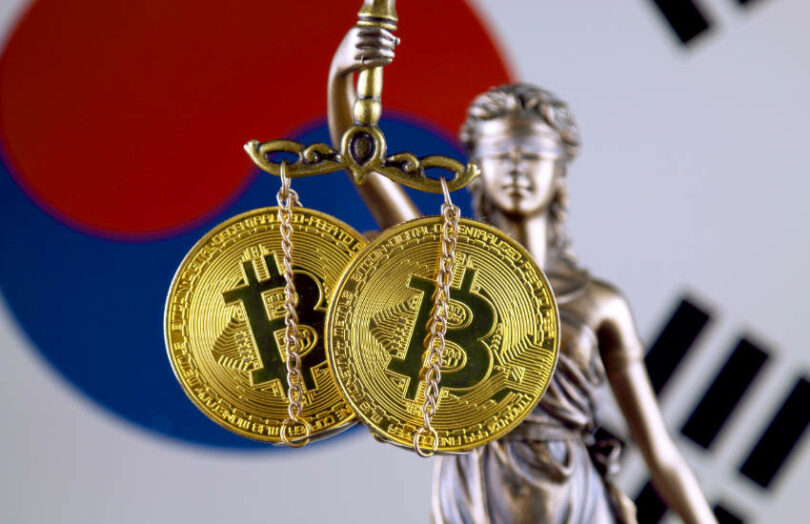
South Korea has witnessed the first notable instance of an institutional investor divesting cryptocurrency assets following the government’s decision to lift its long-standing ban on crypto trading by financial institutions. This marks a significant moment in the country’s evolving digital asset landscape, as regulatory shifts continue to reshape market dynamics and investor behaviour.
The institution in question, a major South Korean asset management firm, has reportedly sold off a substantial portion of its cryptocurrency portfolio. This move comes amid growing caution within the sector, despite regulatory relaxation intended to encourage wider institutional participation. Analysts suggest that the sale signals a pragmatic reassessment by financial entities, weighing regulatory clarity against market volatility and emerging geopolitical risks.
South Korea’s approach to cryptocurrency regulation has long been characterised by stringent restrictions designed to curb speculation and protect investors. The ban on crypto holdings by institutional investors, introduced several years ago, effectively excluded major banks, pension funds, and asset managers from direct crypto market involvement. This policy, aimed at stabilising the financial system, has limited the scale and scope of institutional crypto activity compared to other leading markets.
However, government authorities have recently signalled a more open stance, allowing institutions to hold and trade digital assets under stricter compliance and transparency frameworks. The removal of the ban reflects a broader effort to position South Korea as a competitive hub for blockchain technology and crypto innovation while addressing investor protection concerns. Regulatory bodies have emphasised enhanced due diligence, anti-money laundering measures, and consumer safeguards as prerequisites for institutional engagement.
Despite the regulatory easing, the initial institutional response appears cautious. The divestment by the asset management firm highlights lingering uncertainties, including the lack of comprehensive global regulatory harmonisation and fluctuating crypto valuations. Financial executives involved in the transaction point to increased scrutiny from compliance teams and internal risk committees, which have recommended a more conservative stance amid the unpredictability of crypto markets.
Market observers note that institutional investors have been closely monitoring international regulatory developments, including regulatory crackdowns in major economies such as the United States and the European Union. These external pressures, combined with domestic regulatory adaptations, create a complex environment where institutional players must balance opportunity with risk management.
South Korea’s crypto market itself continues to show robust retail participation, with local exchanges reporting increased trading volumes and new account openings. However, institutional activity remains limited, constrained by cautious regulatory interpretations and the need for clearer operational guidelines. Industry insiders indicate that infrastructure development, such as secure custody solutions and regulatory-approved trading platforms, will be critical to attracting sustained institutional capital.
The government’s gradual liberalisation has also been accompanied by initiatives to bolster blockchain technology development and related financial products. South Korean regulators are promoting pilot projects and innovation hubs, fostering partnerships between traditional finance firms and crypto startups. These efforts aim to build an ecosystem that supports not only trading but also tokenisation, decentralized finance applications, and digital asset custody.
Analysts highlight the importance of regulatory certainty for institutional confidence. The absence of clear rules has historically driven many South Korean financial institutions to adopt a wait-and-see approach, fearing potential legal repercussions and reputational damage. The recent institutional exit underscores the delicate balance regulators must maintain between fostering innovation and imposing adequate safeguards.
Investor sentiment is further influenced by macroeconomic factors, including global interest rate trends, currency fluctuations, and geopolitical tensions impacting asset flows. Cryptocurrency’s volatility relative to traditional assets remains a key consideration for institutional portfolio managers. Many firms are adopting phased approaches, initiating pilot crypto investments or forming dedicated teams to evaluate blockchain’s long-term potential before committing substantial capital.
The South Korean government’s broader digital finance strategy integrates cryptocurrency within its fintech agenda, aiming to create a sustainable and regulated market environment. However, achieving widespread institutional adoption will require ongoing dialogue with industry stakeholders, continuous regulatory refinement, and enhanced transparency mechanisms.
The current institutional crypto divestment could serve as a valuable indicator for regulators and market participants alike, revealing the challenges and reservations that remain despite policy shifts. Financial institutions appear to be navigating a transitional period, balancing innovation enthusiasm with prudent risk controls.

Bitcoin reserves on centralized exchanges have declined to approximately 2.5 million BTC, marking the lowest level since 2018, according to data from CryptoQuant. This significant reduction indicates a growing trend of long-term holding, as investors increasingly transfer their assets to cold storage solutions.
Over the past month, more than 51,000 BTC have been withdrawn from major exchanges, reflecting a shift towards self-custody among both retail and institutional investors. This movement suggests a strategic approach to asset management, with a focus on long-term value preservation.
Institutional interest has surged, particularly with the advent of spot Bitcoin exchange-traded funds . These ETFs have been accumulating Bitcoin at a rate significantly outpacing new mining output, contributing to the depletion of exchange reserves. Analysts note that this trend could lead to a supply shock, potentially driving prices higher if demand continues to rise.
The United States has further influenced the market by establishing a Strategic Bitcoin Reserve, capitalized with over 200,000 BTC seized by federal agencies. This move underscores the growing recognition of Bitcoin’s role in national financial strategies.

South Korea’s cryptocurrency industry appears poised for continued expansion despite uncertainties surrounding the upcoming presidential election. Analysts and market insiders suggest that while the election outcome may influence regulatory approaches, the overall trajectory for crypto adoption and innovation in the country remains largely positive. The nation, known for its advanced digital infrastructure and high rate of technology adoption, continues to be a key global hub for cryptocurrency trading and blockchain development.
Voters are set to choose their next president amid growing public interest in digital assets, a sector that has become deeply embedded in South Korea’s financial landscape. The outgoing administration has maintained a cautious but constructive stance on crypto, emphasising investor protection and regulation to curb speculative risks. However, there is widespread anticipation that the new leadership, regardless of political affiliation, will aim to strike a balance between fostering innovation and ensuring financial stability.
The South Korean crypto market ranks among the world’s largest, with retail investors accounting for a significant share of trading volumes. According to market data, the country’s exchanges handle billions of dollars in daily transactions, reflecting robust participation despite bouts of global market volatility. Industry experts highlight that the presence of a tech-savvy population and extensive mobile connectivity continues to drive demand for cryptocurrencies and related services such as decentralized finance and non-fungible tokens .
Recent policy discussions have centred on enhancing regulatory clarity without stifling growth. Authorities have been moving toward implementing stricter anti-money laundering measures and introducing licensing regimes for crypto exchanges. These steps are designed to increase transparency and build trust among investors, especially after high-profile hacks and fraud cases shook confidence in past years. Nonetheless, crypto entrepreneurs argue that overly rigid rules could hinder South Korea’s competitive edge in the fast-evolving digital economy.
The election campaign itself has seen varying perspectives on how best to approach the burgeoning crypto sector. Some candidates advocate for a more innovation-friendly environment, proposing incentives for blockchain startups and easing certain regulatory burdens. Others emphasise the need for rigorous oversight, citing concerns about market manipulation and consumer protection. This diversity of viewpoints underscores the complexity of integrating crypto assets into mainstream financial systems while safeguarding public interests.
South Korea’s financial regulators are also coordinating with international bodies to align standards and promote cross-border cooperation. This global approach aims to mitigate risks associated with illicit finance and to support legitimate crypto ventures. Moreover, collaboration with major markets like the United States and European Union seeks to harmonise regulatory frameworks, which could facilitate smoother operations for South Korean crypto firms on the world stage.
Despite occasional regulatory headwinds, venture capital funding in South Korea’s blockchain and crypto technology startups has surged. Investments are being channelled into innovative projects that range from smart contract platforms to digital identity solutions and tokenisation of real-world assets. This capital influx is driving research and development, helping local firms compete with international giants in areas such as security, scalability, and user experience.
Market participants also point to South Korea’s well-established IT infrastructure and educational emphasis on STEM disciplines as critical factors supporting the crypto ecosystem’s growth. The country’s universities and research institutions are actively engaging in blockchain research, producing talent that feeds into both the private sector and regulatory agencies. This synergy between academia, government, and industry forms a backbone for sustainable technological advancement.
Consumer attitudes toward cryptocurrencies have evolved significantly, with increasing acceptance among younger demographics. Surveys indicate that digital assets are now viewed not only as speculative tools but also as legitimate instruments for payments, savings, and investment diversification. This cultural shift has encouraged mainstream financial institutions to explore crypto-related products, including custody services, exchange-traded funds , and blockchain-based payment networks.
However, risks remain inherent in the sector, with price volatility, regulatory uncertainty, and cybersecurity threats continuing to challenge market stability. Industry leaders have called for ongoing dialogue with policymakers to ensure that emerging regulations are well-informed and adaptable. Transparency and investor education are emphasised as vital to fostering a resilient market capable of weathering shocks and sustaining public confidence.
The intersection of cryptocurrency and South Korea’s broader economic policy objectives is also under scrutiny. The government aims to position the country as a global innovation hub, leveraging digital technologies to boost productivity and competitiveness. Cryptocurrency and blockchain are seen as integral components of this strategy, with potential to revolutionise areas such as supply chain management, finance, healthcare, and public administration.
Global geopolitical tensions and financial market fluctuations have added layers of complexity to South Korea’s crypto landscape. Supply chain disruptions and inflation concerns worldwide have driven some investors toward digital assets as alternative stores of value. Yet, the international nature of cryptocurrencies requires regulatory frameworks that can keep pace with rapid technological changes and evolving market dynamics.
Huatai Securities has continuously expanded its international presence since its H-share listing a decade ago. Over the past ten years, Huatai Securities has facilitated nearly 600 domestic and international financing deals for enterprises globally, with a total fundraising volume of approximately USD 280 billion. HONG KONG SAR – Media OutReach Newswire – 30 May 2025 – As Huatai Securities approaches the 10th anniversary of its H-share listing, […]

Tether’s USDT stablecoin has experienced significant expansion over the past year, with its market capitalisation rising by 37% to surpass $150 billion. Daily transfer volumes have increased by 90%, and the estimated user base has grown by 51%, according to CEO Paolo Ardoino.
These figures underscore USDT’s dominant position in the $238 billion stablecoin market, where it accounts for over 60% of the total market share. The surge in daily transfer volumes, now exceeding $90 billion, reflects heightened activity across both decentralised finance platforms and centralised exchanges.
The user base has expanded notably, with an estimated 46 million new wallets added in the first quarter of 2025 alone. This growth is attributed to increased adoption among retail and institutional investors seeking stable, dollar-pegged assets for trading and cross-border transactions.
Tether’s strategic initiatives have played a role in this expansion. The company’s acquisition of a 70% stake in Latin American agriculture and energy firm Adecoagro aims to integrate stablecoins into commodity trading, extending USDT’s utility beyond digital assets. This move aligns with Tether’s broader strategy to embed stablecoins into real-world financial ecosystems.
In terms of reserves, Tether has reported holding over $120 billion in U.S. Treasuries, positioning it among the largest holders globally. The company also holds more than 100,000 bitcoins and over 50 tons of gold, reinforcing its commitment to backing USDT with substantial assets.
Regulatory developments have also influenced Tether’s operations. The U.S. Senate’s advancement of the GENIUS Act, which introduces stricter oversight for stablecoin issuers, has prompted Tether to enhance its compliance measures. The act includes provisions for audits, prohibitions on yield offerings, and strengthened anti-money-laundering protocols.

Solana’s cryptocurrency token has experienced a notable price surge, driven primarily by an inflow exceeding $1.1 billion to exchanges during May. This substantial movement of funds has attracted significant attention within the digital asset community, highlighting the growing interest in Solana amid an increasingly volatile market environment. The influx of tokens onto exchanges typically signals heightened trading activity, often preceding sharp price movements, and in Solana’s case, it appears to have been a catalyst for recent upward momentum.
The past weeks have seen a consolidation phase for Solana’s price, characterised by fluctuating trading volumes and cautious investor sentiment. However, May’s exchange inflow data reveals a sharp contrast, indicating a renewed wave of buying and selling pressure. This influx surpasses figures recorded in previous months, reflecting intensified activity from institutional players and retail investors alike. Analysts point out that such large-scale transfers to exchanges often suggest an intent to capitalise on price volatility, either through profit-taking or strategic accumulation.
Solana’s blockchain platform, known for its high throughput and fast transaction speeds, has gained traction beyond its original niche, appealing to a broader base of developers and users. Its ecosystem supports a wide range of decentralised applications, including DeFi protocols and NFTs, which have collectively contributed to increasing token demand. Industry experts attribute Solana’s recent price gains not only to market speculation but also to fundamental growth in network usage and ecosystem expansion.
Market participants closely monitor the inflow and outflow trends of tokens on exchanges as indicators of potential price directions. The reported $1.1 billion inflow represents tokens transferred from wallets to trading platforms, signalling that holders are preparing to trade. This can be interpreted in various ways: it may represent holders positioning themselves to sell and realise profits, or conversely, traders gearing up to buy or hedge positions amid market uncertainty.
Broader market conditions have influenced Solana’s trajectory as well. The cryptocurrency sector has witnessed uneven performance across different assets, with some coins consolidating while others rally sharply. Bitcoin’s fluctuating dominance and regulatory developments have introduced layers of complexity into trading decisions. Against this backdrop, Solana’s price action stands out due to the volume and scale of exchange inflows, setting it apart from many peers.
Further analysis of blockchain data confirms that the inflows were concentrated over several large transactions, often linked to known institutional wallets and prominent traders. This pattern contrasts with typical retail trading behaviour, which tends to be characterised by numerous smaller transfers. The presence of institutional activity points to growing confidence in Solana’s potential for medium-term gains, despite lingering concerns over market volatility and regulatory scrutiny.
Solana’s technological edge is often cited as a key factor supporting its valuation. The platform utilises a novel proof-of-history mechanism combined with proof-of-stake consensus, enabling it to process thousands of transactions per second with low fees. This scalability advantage is critical in sustaining the network’s appeal amid growing congestion issues faced by some competing blockchains. The surge in exchange inflows may partly reflect investor anticipation of further adoption driven by these technical strengths.
However, the rapid influx of tokens to exchanges also raises questions about market stability. Large sell-offs following such inflows could lead to increased price swings, challenging traders and investors to navigate the volatility carefully. Some market analysts warn that while the current price rise appears robust, it may be vulnerable to corrections if selling pressure intensifies or if broader market sentiment deteriorates.
Solana’s recent developments extend beyond price movements and token flows. The network has announced partnerships and upgrades aimed at enhancing security and interoperability, which could underpin longer-term growth. These initiatives include collaborations with major fintech firms and integration with cross-chain protocols, designed to broaden Solana’s accessibility and utility. Such advancements bolster the narrative that the project is moving beyond speculative trading into a more mature phase of ecosystem development.
The token’s growing use in decentralised finance applications adds an additional layer of interest for investors. DeFi platforms on Solana have attracted liquidity providers through competitive yields and efficient transaction processing, making them popular alternatives to Ethereum-based solutions burdened by higher fees. This trend has helped sustain demand for SOL tokens, supporting price levels despite wider market fluctuations.
Regulatory scrutiny remains an ongoing challenge for the cryptocurrency industry, including Solana. Various jurisdictions continue to debate rules concerning token classifications, trading practices, and investor protections. How regulators approach emerging blockchain technologies could significantly affect Solana’s market dynamics. Investors are closely watching for clarity that could either open new opportunities or impose restrictions affecting token liquidity and valuation.
Investor sentiment towards Solana reflects a balance of optimism and caution. While the large-scale exchange inflows and fundamental network growth signal promising prospects, market participants acknowledge the inherent risks posed by external economic factors, potential regulatory changes, and technological competition. The interplay of these forces will likely shape Solana’s price trajectory in the weeks ahead.

Crypto startups seeking capital in 2025 face a complex array of fundraising options, each with distinct regulatory frameworks, investor protections, and market dynamics. The three primary models—Initial Coin Offerings , Security Token Offerings , and Initial Exchange Offerings —offer varied pathways to secure investment, each with its own set of advantages and challenges.
ICOs, once the dominant fundraising method during the 2017 crypto boom, have evolved significantly. Initially characterized by minimal regulation and high volatility, ICOs have matured into more structured and compliant mechanisms. In 2025, successful ICOs average $14.7 million in funding over a 54-day campaign, reflecting increased investor confidence and improved project quality. This resurgence is attributed to enhanced regulatory clarity, more sophisticated project teams, and a focus on community engagement.
STOs emerged as a response to the regulatory shortcomings of ICOs, offering tokens backed by tangible assets such as equity or real estate. These offerings comply with existing securities laws, providing investors with legal rights and protections akin to traditional financial instruments. While STOs offer greater transparency and investor safeguards, they also entail more complex and costly compliance processes, including thorough legal vetting and adherence to jurisdiction-specific regulations.
IEOs represent a hybrid approach, conducted through centralized cryptocurrency exchanges that vet projects before listing their tokens. This model offers a level of due diligence and investor protection absent in traditional ICOs. Exchanges facilitate the token sale, handle Know Your Customer and Anti-Money Laundering procedures, and provide immediate access to a broad investor base. However, the reliance on centralized platforms introduces concerns about exchange fees, potential conflicts of interest, and the need for projects to cede some control over the fundraising process.
The choice among these fundraising models depends on various factors, including the project’s regulatory environment, target investor base, and desired level of decentralization. ICOs may be suitable for projects seeking rapid capital infusion with fewer regulatory hurdles, provided they can establish credibility and transparency. STOs are ideal for ventures aiming to attract institutional investors and those willing to navigate complex legal landscapes to offer asset-backed tokens. IEOs offer a middle ground, balancing regulatory compliance with broader market access through established exchanges.
Amazon Web Services has introduced Aurora DSQL, a serverless distributed SQL database engineered to deliver high availability, strong consistency, and scalability across multiple regions. Unveiled during AWS re:Invent 2024, Aurora DSQL is designed to address the limitations of existing distributed databases by offering a solution that combines low latency, SQL compatibility, and minimal operational overhead. Aurora DSQL features an active-active architecture that allows applications to perform read […]

Thailand has initiated a pilot programme enabling foreign tourists to make purchases using cryptocurrencies in Phuket, marking a significant step in integrating digital assets into the nation’s tourism sector. The initiative, announced by Deputy Prime Minister and Finance Minister Pichai Chunhavajira, allows visitors to register their Bitcoin through Thai exchanges and verify their identities before transacting. A designated clearinghouse will convert these digital payments into Thai baht, ensuring that local merchants receive funds in the national currency and are insulated from cryptocurrency price volatility.
This pilot operates within Thailand’s existing legal frameworks, requiring no amendments to current laws. The government aims to enhance convenience for tourists and expand business opportunities in the tourism sector, a critical driver of the nation’s economy. Phuket, attracting up to 14 million tourists annually, serves as an ideal location for this trial.
The programme builds upon Thailand’s growing acceptance of cryptocurrency. In Kalasin’s Huay Phueng district, dubbed “Bitcoin Town,” over 80 businesses, including noodle vendors and tuk-tuk services, accept Bitcoin payments. This grassroots adoption demonstrates the potential for broader cryptocurrency integration across the country.
Former Prime Minister Thaksin Shinawatra has advocated for using Phuket as a “Bitcoin sandbox” for tourism, suggesting that Thailand is well-prepared to advance cryptocurrency initiatives compared to other Southeast Asian nations. He also proposed the issuance of a government-guaranteed stablecoin to increase economic liquidity and potentially boost GDP growth.
Despite these advancements, challenges remain. The Bank of Thailand has previously expressed concerns about the use of cryptocurrencies for payments, citing potential threats to financial stability. However, proponents argue that a carefully controlled pilot could attract new capital inflows and liquidity into Thailand’s economy.
Chinese Premier Li Qiang and Cambodian Prime Minister Hun Manet have reaffirmed their commitment to strengthening bilateral relations, emphasising the importance of a shared future in the face of global uncertainties. During their meeting in Kuala Lumpur on Tuesday, the leaders discussed strategies to bolster economic development and safeguard mutual interests.
Premier Li highlighted the need for both nations to collaborate closely, particularly in promoting economic growth and addressing external challenges. He stressed the significance of building a China-Cambodia community with a shared future, aiming to provide stability and certainty amid international fluctuations.
Prime Minister Hun Manet echoed these sentiments, expressing Cambodia’s dedication to deepening ties with China. He reiterated support for the Belt and Road Initiative and other collaborative frameworks, underscoring the importance of joint efforts in infrastructure development, trade, and cultural exchanges.
The meeting also saw discussions on expanding cooperation in emerging sectors such as green industries and the digital economy. Both leaders acknowledged the potential for these areas to contribute significantly to their countries’ modernization and industrialization goals.
In addition to economic collaboration, the leaders addressed regional security concerns. They agreed on the necessity of maintaining peace and stability in the region, with a focus on mutual support in international and regional affairs.
The talks concluded with the signing of multiple bilateral cooperation documents, further solidifying the partnership between China and Cambodia. These agreements encompass various sectors, including infrastructure, energy, and cultural heritage restoration.

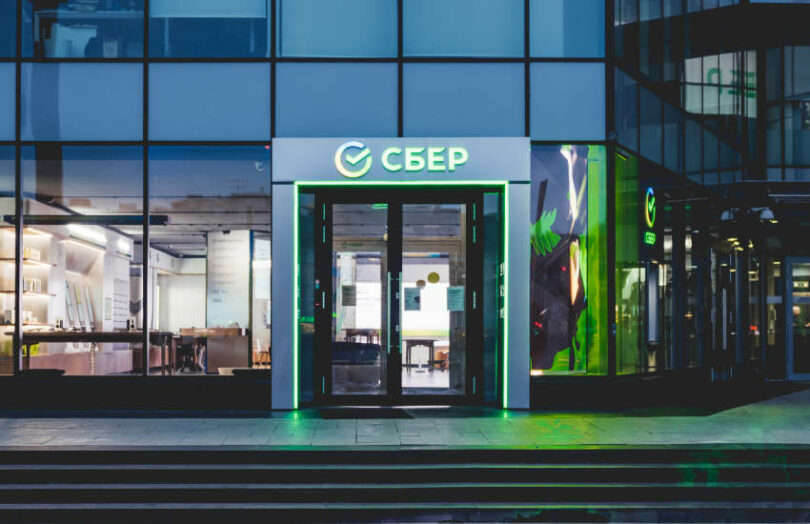
Sber, Russia’s largest lender, is poised to become a market maker and liquidity provider on the country’s forthcoming regulated cryptocurrency platforms, marking a significant shift in Moscow’s approach to digital assets. This development aligns with the Central Bank of Russia’s experimental legal regime , designed to permit cryptocurrency trading among a select group of high-net-worth individuals and institutions.
Under the ELR, only “super-qualified” investors—those with over 100 million rubles in securities and deposits or an annual income exceeding 50 million rubles —will be authorized to participate in crypto trading. The initiative, set to span three years, aims to enhance market transparency and establish regulatory standards for digital asset transactions.
Sber’s involvement is a strategic move, leveraging its existing license from the CBR to issue and exchange digital financial assets. This license, obtained in 2022, allows Sber to facilitate transactions involving tokenized assets backed by traditional financial instruments. By acting as a market maker, Sber will provide liquidity to the nascent crypto platforms, ensuring smoother trading experiences for participants.
The ELR represents a cautious yet progressive step by Russian authorities to integrate digital assets into the financial system without fully lifting the domestic ban on cryptocurrency payments. While the use of cryptocurrencies for payments remains prohibited, the ELR provides a controlled environment for investment activities, mitigating risks associated with volatility and illicit transactions.
The CBR and the Finance Ministry are collaborating to finalize the framework for the ELR, including the precise criteria for investor qualification and the operational guidelines for participating institutions. The initiative reflects a broader trend of regulatory experimentation in the face of evolving financial technologies and international sanctions.
Russia’s approach mirrors similar sandbox models adopted by other jurisdictions, aiming to balance innovation with financial stability. By restricting participation to super-qualified investors, the ELR seeks to limit systemic risks while gathering data to inform future regulatory decisions.
The establishment of regulated crypto trading platforms also addresses the current reliance on foreign exchanges by Russian investors, which poses challenges for oversight and compliance. A domestic infrastructure would enable authorities to monitor transactions more effectively and enforce anti-money laundering measures.
Sber’s role is pivotal in this context, given its technological capabilities and extensive client base. The bank’s digital asset platform, which supports the issuance of tokenized financial instruments, is expected to serve as a foundation for the new crypto trading environment. This infrastructure will facilitate the development of a regulated market, offering investors access to digital assets within a legal framework.
The ELR is anticipated to commence in the latter half of 2025, following the completion of regulatory preparations and the establishment of necessary technological systems. During the pilot phase, authorities will assess the effectiveness of the regulatory measures and the performance of market participants, including Sber’s role in maintaining liquidity and market stability.
This initiative is part of Russia’s broader strategy to modernize its financial sector and reduce dependence on Western financial systems, especially in light of ongoing international sanctions. By fostering a regulated digital asset market, Russia aims to attract investment, stimulate innovation, and enhance the resilience of its financial infrastructure.
The success of the ELR could pave the way for more comprehensive integration of digital assets into Russia’s financial ecosystem, potentially leading to the development of new financial products and services. However, the authorities remain vigilant about the risks associated with cryptocurrencies, emphasizing the importance of robust regulatory oversight and investor protection.
A leading candidate for the presidency of the African Development Bank has outlined a strategy urging African nations to mobilise up to $4.5 trillion in domestic private capital to drive the continent’s development agenda, aiming to reduce dependence on expensive international debt. This vision signals a shift towards leveraging Africa’s own financial resources to fund infrastructure, healthcare, education, and energy projects critical for sustainable growth. The candidate, […]