News related to
Exchanges

Binance now commands a staggering 87 per cent of global taker futures volume, overshadowing all other platforms combined. OKX, Deribit, BitMEX and Bybit together account for just 10 per cent, underscoring Binance’s extraordinary grip on the derivatives market.

Liquidity advantages explain this dominance. Binance routinely records 24‑hour futures volumes exceeding US$50 billion and open interest of similar scale, dwarfing competitors. Such vast trading depth appeals to institutional players and retail investors alike, reinforcing Binance’s centrality in price discovery and leverage trading.

Data from on‑chain analytics firm CryptoQuant notes that Binance alone accounts for 87 per cent of global taker buy volume. This metric tracks market‑order consumption of liquidity, a key indicator of exchange activity in fast‑moving markets. Analysts say this dominance not only reflects Binance’s scale but also amplifies its influence on global derivatives flows.

While Binance’s dominance is clear, other exchanges continue to carve out niche roles. Bybit holds steady as the second largest player in perpetuals, and OKX remains a major competitor for altcoin futures. Deribit continues its leadership in the Bitcoin options space, though its slice of futures volume remains small in comparison.

Regulatory scrutiny, however, poses threats to Binance’s hegemony. The exchange has confronted legal challenges across multiple jurisdictions, including high‑profile cases in the US, UK, Canada, Belgium and Nigeria. While a US plea agreement in late 2023 imposed a US$4‑billion fine and saw Changpeng Zhao step aside, Binance has since implemented compliance reforms and launched regional ventures to navigate regulatory barriers.

Despite regulatory headwinds, Binance’s infrastructure remains formidable. Its capacity to offer up to 125× leverage on Bitcoin futures, along with hundreds of perpetual and quarterly contracts, attracts traders seeking high‑speed, high‑stakes strategies. The exchange also sustains deep liquidity across both USDT‑margined and coin‑margined instruments, further cementing its appeal.

Market observers flag potential risks in concentrated market power. Binance’s outsized role means shifts in its taker behaviour can reverberate across crypto markets. A recent dip in Binance’s taker buy/sell ratio to below 1.0—while other platforms remained net buyers—sparked concern that Binance‑driven selling pressure could herald broader price corrections.

Still, Binance’s dominance exerts a self‑reinforcing effect. Traders aim to engage where order books are deepest and execution is fastest—creating a virtuous cycle that keeps Binance at the centre. For competitors, gaining even modest gains in market share requires overcoming Binance’s head start, deep pockets and global reach.

Looking ahead, industry watchers see Binance’s influence persisting as long as it maintains technical robustness, product innovation and competitive fees. Rival exchanges are stepping up with new offerings—such as OKX’s grid trading bots, Bybit’s aggressive funding strategies, and Deribit’s options liquidity—but their futures volume remains dwarfed.

Abu Dhabi’s population surged by 7.5 per cent in 2024, reaching 4,135,985, fresh figures from the Statistics Centre – Abu Dhabi reveal. This marks a 51 per cent increase since 2014, reinforcing the emirate’s status as a magnet for global professionals and investment, outpacing many established financial centres. That population increase was driven by a 9.1 per cent expansion in the workforce, with professional roles rising 6.4 per cent. The demographic profile shows 54 per cent of […]

Hyperliquid has processed a staggering $1.571 trillion in perpetual futures volume over the past year, outstripping all other on‑chain perp platforms combined. In June alone, it accounted for $208 billion in trading, compared with a collective $140 billion for its rivals, while revenues reached $56 million for the month and reached $310 million to date.

The scale of Hyperliquid’s growth positions it at the apex of the decentralised derivatives landscape. It handled $248 billion in May trading volume, marking consecutive monthly milestones and accelerating ahead of competitors. High‑frequency and professional traders have migrated in significant numbers, drawn by the platform’s deep liquidity and sub‑second trade execution, powered by its Layer‑1 consensus architecture.

From a revenue standpoint, Hyperliquid’s fee income has climbed in tandem with its trade volume. The $56 million earned in June boosted cumulative revenues to $310 million, indicating a protocol that is both popular and profitable. This places Hyperliquid among elite DeFi entities by financial metrics.

Its distinctive approach includes a high yield from protocol fees—the majority of which are reinvested through HYPE token buybacks—and the launch of HyperEVM, an Ethereum‑compatible layer that supports smart contracts and decentralised applications. This diversification strategy is intended to establish Hyperliquid beyond perpetuals trading, and into a broader DeFi ecosystem.

The platform’s airdrop strategies have been instrumental in attracting users and liquidity. A notable HYPE token airdrop, totalling around $1.2 billion in value, triggered a sharp increase in activity at the end of 2024. Monthly volumes leapt from approximately $75 billion in November to over $150 billion in December.

Despite early-stage competition, Hyperliquid now dominates with approximately 70 per cent market share of decentralised perp volume, while still trailing major centralised exchanges such as Binance—where it handles roughly 10 per cent of Binance’s volume.

Underlying infrastructure also underpins its rapid adoption. Hyperliquid supports over 100,000 transactions per second and offers sub‑second trade finality with extraordinarily low spreads. Its fee structure—0.025 per cent taker fees and a 0.002 per cent maker rebate—encourages high-frequency participation.

The HYPE token, launched via the airdrop in November 2024, has experienced a dramatic uptick in value, up 300 per cent in two months and recently reaching a market capitalisation north of $12 billion. Reinvestment of over 97 per cent of fee revenue into token buybacks is designed to reinforce token utility and value.

Analysts acknowledge the bold strategy but flag decentralisation concerns—Hyperliquid operates just 21 delegated validators compared with thousands in more established chains, which may raise governance and resilience risks. Still, the streamlined validator model has enabled performance gains attractive to traders.

Market observers also point to institutional interest, such as Nasdaq‑listed Lion Group designating HYPE as a primary treasury asset, signalling growing confidence in the network’s tokenomics.

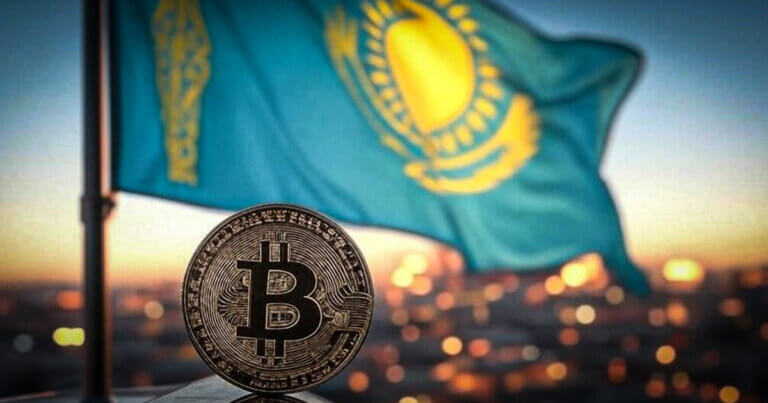
Kazakhstan’s National Bank, under its chairman Timur Suleimenov, is taking steps to build a state-held cryptocurrency reserve managed by a subsidiary entity, following international sovereign fund practices. The proposal outlines funding sources that include confiscated crypto-assets and coins mined through ventures with state participation—measures aimed at enhancing governance and stability within the digital asset ecosystem.

The National Bank is developing a comprehensive framework for the reserve’s formation and administration, emphasising transparency and institutional safeguards. It plans to enshrine in law both the status of the reserve and the protocols for deposit and use, with draft legislation to be submitted to parliament for approval.

Suleimenov highlighted that the envisioned affiliate would follow global norms for sovereign funds, ensuring robust accounting, secure storage, and resilient governance structures. The legal amendments under discussion would affirm the reserve’s legal standing and empower authorities to handle crypto-assets seized under law as well as profits generated from state-linked mining operations.

The banking chief stressed the importance of centralised institutional oversight, noting the high volatility and vulnerability of crypto-assets. Centralisation, he said, is key to mitigating risks such as market fluctuations or cyber threats.

This effort is part of a wider regulatory overhaul targeting cryptocurrency flows. Under proposals by the Ministry of Digital Development, draft laws would impose criminal and administrative liability on grey‑market trades, require licences for investment advisers, and curb unlicensed exchanges and misleading crypto promoters—many of whom target younger investors.

Parliamentary deputies have endorsed the overarching concept. One lawmaker, Kuspekov, recommended creating a “national digital reserve” at the central bank to anchor confiscated digital assets and tighten financial controls. He also urged strengthened due diligence by banks, prohibition of unlicensed crypto platforms, and mandates for licensed investment coaches.

These developments follow a surge in legislative activity since May. The National Bank has proposed amendments defining legal status for digital assets, licensing for crypto exchanges outside the Astana International Financial Centre, and a regulatory sandbox for testing digital services. The objective is to restore confidence in Kazakhstan’s crypto sector after capital flight estimated at US$15 billion last year.

Timur Suleimenov, appointed as National Bank chair in September 2023 and former minister of national economy, has emphasised institutional integrity and macroeconomic resilience. He recently noted that international reserves reached US$104.7 billion at end-2024, bolstered by gains in gold and foreign-exchange holdings.

The crypto reserve initiative appears aligned with broader state efforts. Issuance of AIFC‑backed crypto payment cards was piloted in early June by major banks including Halyk Bank, Forte and Altyn Bank—allowing consumers to instantly convert digital assets into fiat currency for everyday purchases.

The Ministry of Digital Development has proposed the creation of a crypto reserve as a digital asset repository to support the national digital economy. This official endorsement underscores the government’s increasing interest in integrating digital assets within its fiscal infrastructure.

Central to this initiative are practical mechanisms that remain under review. The National Bank is working with law-enforcement agencies and other government bodies to outline operational procedures, compliance norms and asset custody arrangements.

Decentralised exchanges now account for 27.92% of global spot trading volume compared with centralised exchanges, marking a sharp rise from just 0.36% in June 2020.

Trading platforms operating without intermediaries have attracted a growing user base. The surge is primarily driven by rapid token listings, enhanced accessibility, and traders seeking autonomy over assets.

Crypto‑analytics firm CryptoRank reports the 27.92% figure as of 27 June 2025. On the same date, CoinStats and Cointelegraph confirmed that DEX activity has surpassed one quarter of combined CEX volumes.

Market analysts say this shift reflects a fundamental change in how users approach crypto. DEXs often offer immediate listing for new tokens, while CEXs enforce extensive vetting, delaying token debut. This gives DEXs an edge for traders looking to seize early opportunities.

Industry professionals highlight improved user interfaces, multi‑chain support, and deep wallet integration—such as MetaMask and Coinbase Wallet—as key enablers reducing friction for users.

At the same time, spot volume on CEXs has declined, reverting to levels last seen in 2020, according to CryptoQuant data. This drop has fed into the rising share of DEXs even if total trading volumes remain flat.

Numerous industry insiders emphasise that long‑term holders, or ‘HODLers’, are withdrawing assets from centralised platforms to personal wallets. This trend has further depressed CEX volumes and benefited decentralized trading.

Beyond token listings, privacy and transparency concerns have played a role. Faced with heightened scrutiny of centralised platforms and regulatory pressures, users often gravitate towards DEXs that allow control over private keys and transaction traceability.

The market has witnessed high‑value token offerings, including memecoins and Web3 project tokens, debuting exclusively on DEXs where speculative interest is strong. These listings typically bypass CEX vetting procedures, reinforcing DEX popularity among investors seeking first‑mover advantage.

Despite DEX progress, CEXs still dominate overall trading: the remaining 72.08% of spot volume remains on centralised systems. Their robust liquidity, institutional investor access, and features like leverage trading continue to appeal to many investors.

Analysts caution that DEX market share gains may plateau unless total trading activity grows or CEX volume drops further. However, if DEX share surpasses 30%—a threshold some industry observers regard as a tipping point—it could reshape how trading infrastructure evolves.

Technological strides are helping drive DEX adoption. Layer‑2 rollout, smart-contract efficiency, and multisignature governance have reduced fees and slippage. Cross‑chain bridges further improve functionality, with networks like Ethereum, Solana, and Polygon enabling seamless movement across blockchains.

Security remains a concern, however. DEX platforms, while reducing risks associated with central custodians, expose users to smart‑contract vulnerabilities. High‑profile exploits continue to underscore these weaknesses. That said, liquidity protocols such as Uniswap v3 and LayerZero have incorporated rigorous audits, bug‑bounty programmes, and verifiable codebases to bolster confidence.

Regulation continues to loom over both exchange types. Centralised platforms must comply with KYC/AML rules and are vigilant following recent regulatory crackdowns. DEXs operate in a more decentralised fashion but may face scrutiny for permitting unvetted tokens. Some global jurisdictions are investigating DEX platforms for facilitating illicit finance.

Emerging market participants – from speculative traders to institutional investors – are now evaluating DEXs as viable alternatives. These platforms support algorithmic trading bots, liquidity pools, yield‑farming incentives, and governance staking. Both market segments are adapting to a blended ecosystem.

Looking ahead, analysts are watching developments in decentralised autonomous organisations and algorithmic market‑making, which may reshape trading dynamics. Advances in privacy protocols, like zero‑knowledge rollups, could further catalyse DEX appeal by enhancing user confidentiality.

Institutional adoption remains cautious. Regulatory clarity, custody solutions, and conventional compliance standards are still being developed. Yet a growing cohort of fintech firms are exploring hybrid DEX‑CEX offerings, combining institutional-grade services with decentralised execution.

While DEX market share has reached unprecedented levels, it remains uncertain whether this marks a permanent realignment. The next pivotal indicator will be whether DEXs can sustain growth in a stable or expanding market, rather than merely displace CEX volume amid stagnation.

Google has transferred ownership of its Agent2Agent protocol—including its specification, developer SDKs and tooling—to the Linux Foundation, ushering in a new era of open, vendor-neutral collaboration on AI agent interoperability. Announced on 23 June at the Open Source Summit North America, the move positions more than 100 organisations, including AWS, Cisco, Microsoft, Salesforce, SAP and ServiceNow, to jointly steward and evolve the protocol under a neutral governance […]

A new Qingdao Overseas Integrated Service Centre launched at the China‑Arab Business Forum in Qingdao is set to deepen commercial ties between China and the Gulf region by enhancing the current $400 billion trade corridor.

Abdulla Albasha Alnoaimi, UAE commercial attaché to China, and Zeng Zanrong, Qingdao’s municipal party secretary, formally unveiled the centre, established by SepcoIII Electric Power Construction Co and Hisense Group. Drawing on their extensive foothold in the UAE and the broader Middle East, the centre is intended to act as a bridge to support Chinese firms entering Arab markets.

At the forum, 40 projects worth $5.93 billion were signed, spanning high‑end equipment, new energy, advanced materials and next‑generation information technology. These agreements signal a deliberate shift towards elevating the technological content and sophistication of trade between the regions.

Bilateral trade between China and Arab countries reached more than $400 billion in 2024, compared to just $36.7 billion in 2004, marking a ten‑fold rise over two decades. Saudi Arabia and the UAE led these exchanges, recording $107.53 billion and $101.838 billion respectively in 2024, with the latter growing by 7.2 per cent year‑on‑year.

Mohammed Saqib, secretary‑general of the CHIMENA Business Council, emphasised the centre’s role in aligning public and private sectors to drive economic cooperation, cultural exchange and joint investment initiatives. He noted it will act through mechanisms such as overseas industrial parks, procurement matching and international exhibitions.

China’s expansion into the Gulf forms part of its broader geopolitical strategy to diversify trade alliances and reduce dependency on Western markets, especially the US. Chinese firms are now deeply involved in infrastructure development across the MENA region, including ports, industrial zones, and renewable energy projects.

The forum drew 465 multinational firms, including 135 from the Fortune Global 500 and 330 leading industry enterprises across 43 countries. Three focused matchmaking sessions brought together over 300 Chinese companies with counterparts in Egypt, the UAE and Saudi Arabia.

Co‑hosts of the event included the Qingdao municipal government, China’s Ministry of Commerce and the Shandong provincial department of commerce, signalling full institutional support and coordination.

With its strategic location in the UAE, the centre is expected to catalyse an export‑oriented alliance, supporting Chinese firms in sectors such as energy, manufacturing and new materials, as well as bolstering the implementation of the Belt and Road Initiative across Gulf markets.

This initiative aligns with a historical trajectory of Sino‑Arab exchange, tracing back over two millennia via the Silk Route. Contemporary developments reflect a sharpened focus on innovation‑driven partnerships.

The unfolding dynamics underscore a growing economic interdependence between China and Gulf states. The QOISC adds an institutional anchor to sustain momentum, foster deeper investment flows, and integrate advanced technology and green energy into bilateral commerce.

However, observers caution China must continue to navigate geopolitical sensitivities, particularly in managing strategic competition with the US and ensuring sustainable and balanced partnerships that benefit local economies.

Advertisements

A UAE-based investment vehicle, Aqua 1 Foundation, has acquired $100 million in governance tokens from World Liberty Financial, the cryptocurrency venture affiliated with the Trump family, making it the most prominent publicly disclosed investor to date. The move, confirmed by both parties, signals a strategic push to accelerate the creation of a blockchain-based financial ecosystem built on stablecoins and tokenised real-world assets.

Aqua 1 described the allocation of governance tokens—known as WLFI—as an opportunity to contribute to decisions on the platform’s development. Although WLFI is currently non-transferable, World Liberty has confirmed it is “working behind the scenes” to enable trading functionality. At the Permissionless conference in Brooklyn, WLF co‑founder Zak Folkman stated that WLFI could soon be tradable, with the stablecoin set for an independent audit “within days”.

Dave Lee, founding partner at Aqua 1, emphasised the synergy expected from the partnership, citing plans to jointly identify and foster high‑potential blockchain initiatives. The intention is to integrate WLF’s USD1 stablecoin infrastructure into global commercial payments and treasury systems. The move marks Aqua 1 as a key bridge between traditional finance and decentralised finance, aligning with its ambition to extend influence into South America, Europe, Asia and Middle Eastern markets.

Despite its substantial investment, Aqua 1 has maintained a low profile. Reports indicate its web presence is minimal—with just a handful of social media posts and evidence of a website only registered on 28 May.

WLF, launched in late 2024 by Donald Trump, three of his sons and associate Steve Witkoff, has raised well over half a billion dollars through token sales. The Trump family controls a significant stake—around 60% ownership and 75% of net token sales revenue—raising concerns over conflicts of interest. Democratic lawmakers and ethics watchdogs have repeatedly voiced apprehension that these financial interests may influence policy, amid reports that WLF proceeds reached hundreds of millions of dollars.

WLF’s stablecoin, USD1, is 100% backed and supported by U.S. dollar reserves, including Treasuries, and has already drawn sizeable institutional backing. In May, an Abu Dhabi firm used USD1 in a $2 billion transaction with Binance, while WLF prepares to publish an attestation of its stablecoin reserves as part of forthcoming audit disclosures.

The institutionalisation of WLFI governance aligns with the platform’s roadmap, which includes plans to launch a consumer‑friendly mobile app to streamline access to its digital ecosystem. The expected transition to transferable governance tokens is likely a precondition to broader distribution and potential listings on third‑party exchanges.

Regulatory scrutiny remains a key challenge. Critics argue that WLF’s entanglement of private financial interests with public office contradicts norms protecting against foreign influence. At least one senator has raised concerns after the Abu Dhabi stablecoin transaction. Additional worries stem from the Trump administration’s shift toward crypto deregulation, a change that coincides with WLF’s rise, prompting concerns from ethics groups about policy bias favoring the platform.

That overlap of influence has fuelled broader debates in Congress. Legislators have begun proposing amendments such as the GENIUS Act, which would regulate stablecoins more robustly, and restrictions on digital asset investments by sitting presidents. Observers note that WLFI’s new status and Aqua 1’s involvement could sharpen the need for regulatory clarity and transparency around token governance.

Meanwhile, WLF’s expansion plans are proceeding apace. The platform is reportedly developing a Middle East‑based Aqua Fund to support digital economy projects leveraging blockchain and artificial intelligence. The collaboration is expected to produce tokenisation platforms such as BlockRock, targeting institutional asset-digitisation markets.

Aqua 1’s governance stake marks a turning point. By becoming the lead institutional backer, the foundation now holds significant influence over decisions shaping WLF’s evolution. With token transferability and app launches on the horizon, WLFI stands poised for a new phase of adoption—though progress will likely be watched closely by regulators and investors alike.

BYDFi, the Seychelles‑based crypto exchange, confirmed its role as an official partner at Seoul Meta Week 2025: METACON, held on 26–27 June at COEX’s third‑floor auditorium, joining industry giants such as Samsung, Google, Intel, Spotify, Kakao and GitHub.

Booth 11 at the event quickly emerged as a high‑traffic hub, drawing crowds eager to engage with BYDFi’s team and claim exclusive merchandise designed for attendees. Michael, co‑founder and CEO of BYDFi, praised Seoul Meta Week as “a venue to share our latest innovations and connect with forward‑thinking builders and traders from across the region”.

In tandem with its showcase, BYDFi announced its membership in South Korea’s CODE VASP Alliance. The move incorporates full integration of Travel Rule compliance technology, aligning with the nation’s Act on Reporting and Using Specific Financial Transaction Information. The exchange says this step strengthens transparency in cross‑platform asset transfers and positions BYDFi as a more secure and regulation‑aligned platform.

According to the company, this initiative forms part of a strategy to build a more unified global compliance framework, elevating industry standards and boosting user confidence.

In April, BYDFi launched MoonX at Paris Blockchain Week: a Web3 on‑chain trading platform integrated with Solana and BNB Chain. MoonX features real‑time market data, Smart Money tracking and copy‑trading for memecoin enthusiasts, signalling BYDFi’s evolution into a combined CEX‑DEX “dual‑engine” operator. Its presence at SMW 2025 emphasises this integration of centralised exchange speed with decentralised ecosystem transparency.

Founded in 2020, BYDFi serves over one million users in more than 190 countries. In 2025, Forbes named it among the best crypto exchanges and apps for beginners. Its platform spans spot and perpetual contracts, automated bots, copy trading and on‑chain tools, offering multi‑channel support for both novice and experienced traders.

Industry analysts note that compliance remains a central challenge for crypto exchanges seeking entry into regulated Asian markets. BYDFi’s involvement with CODE VASP and METACON suggests a strategic push to meld technological innovation with regional regulatory adherence. The Travel Rule technology integration is poised to set a precedent for exchanges aiming to enter South Korea’s tightly supervised financial landscape.

BYDFi’s CEX‑DEX model reflects a larger industry trend towards hybrid exchange services, catering to users demanding both liquidity and decentralised autonomy. MoonX’s Solana and BNB Chain alignment positions BYDFi in direct competition with other hybrid and on‑chain innovators such as dYdX and PancakeSwap.

Critics, however, caution that regulatory alignment alone doesn’t guarantee market penetration. Local adoption may depend on factors like fiat on‑ramps, customer support in Korean, and local partnerships. BYDFi’s prominent presence at SMW 2025 is a step towards building such ties, but the conversion of awareness into sustained user engagement will be the critical measure of success.

Across the exhibition halls at COEX, conversations centred on Web3’s real‑world applications—from decentralised identity to token‑based ecosystems. BYDFi’s booth became a focal point for these discussions, reinforcing its positioning not just as a trading venue, but as a Web3 infrastructure provider.

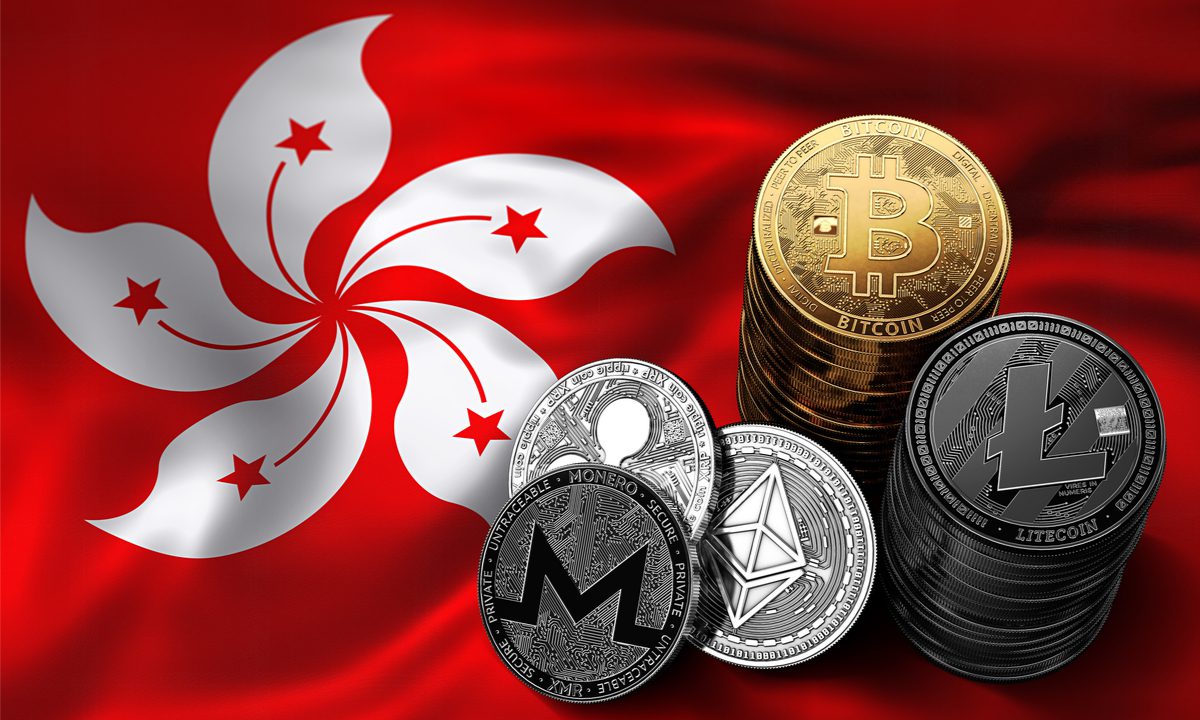
Hong Kong’s government on 26 June issued its Policy Statement 2.0 on the development of digital assets, signalling a decisive push to position the city at the forefront of the global crypto landscape. The statement introduces the comprehensive “LEAP” framework—Legal, Expand, Advance, People—underlining a mission to develop a trusted, innovative, and deeply integrated ecosystem for digital assets.

The regulatory reforms assign explicit oversight roles: the Securities and Futures Commission will licence digital asset exchanges, custodial and dealing services, while the Hong Kong Monetary Authority will govern bank-related activities in the sector. In addition, licensing regimes for stablecoin issuers and custodians are scheduled to commence on 1 August 2025, designed to strengthen anti‑money‑laundering safeguards, investor protection, and transparency in stablecoin issuance.

Central to Policy 2.0 is a commitment to tokenisation of traditional financial instruments and real‑world assets. The government will regularise issuance of tokenised government bonds, streamline stamp‑duty treatment for tokenised ETFs, and legislate to support tokenisation of assets such as precious and non‑ferrous metals, and renewable energy products. These bids aim to boost liquidity and broaden market access, aligning with existing initiatives such as the HK$6.8 billion in green bond token issuances since 2022.

Stablecoins also feature prominently, with proposals to pilot licensed stablecoins in public sector uses. Market consultation is seeking input on integrating these instruments into government operations and cross‑border payments, underpinned by stricter regulatory clarity. Tax incentives for private investment vehicles and family offices trading digital asset securities are expected in the 2025–26 fiscal year, aligning digital and traditional financial regimes.

International alignment is embedded in the blueprint. Hong Kong’s framework adheres to global standards—covering anti‑money‑laundering as per FATF, Basel Committee prudential supervision, IOSCO’s policy recommendations, and OECD crypto‑asset tax transparency measures. Complementary pilot schemes include HKMA’s “Project Ensemble” wholesale central bank digital currency trials, LME‑backed tokenisation of metal assets in Hong Kong warehouses, and a Cyberport‑sponsored incubator scheme to finance blockchain startups.

Since unveiling its original 2022 policy, the government has approved licences for over a dozen digital asset platforms, including nine trading licences and OTC frameworks, and supported tokenised bond issues by both government and corporate entities. Financial Secretary Paul Chan and SFC chief Julia Leung emphasise that this next phase marks a departure from pilot testing, transitioning toward institutionalisation and global competitiveness.

Industry leaders responded positively. Legal and compliance expert Cora Ang described the framework as “a strategic win” that aligns regulatory clarity with stablecoin and tokenisation growth. HashKey CEO Xiao Feng noted the city is entering a “new stage of maturity”, transitioning from sandbox environments to a substantive digital assets regime. Historical drivers such as the JPEX OTC fraud prompted regulators to enforce tighter custody and trading separation to protect investors.

Notably, fintech legal advisers in Hong Kong report surging demand. Firms are actively supporting issuance of tokenised gold and digital bonds, as banks like Bank of Communications and Zhuhai Huafa Group deploy digital debt instruments via licensed platforms. Meanwhile, legal specialists continue to advocate for derivatives, margin‑lending, and institutional frameworks targeted at professional investors.

Hong Kong’s strategic deployment of Policy 2.0 underlines a competitive counterbalance to rival jurisdictions such as Singapore, Dubai, and the US, each advancing their own crypto regulatory frameworks. The city’s alignment with global financial standards—alongside tailored incentives and public‑sector engagement—signals a comprehensive, forward‑leaning posture in digital asset finance.

A decision by Abu Dhabi National Oil Company to slash July shipments of its flagship Murban crude has led to significant trading losses for equity partners hedging their positions, with estimates reaching $12 per barrel. The move stunned major stakeholders, including BP Plc and TotalEnergies SE, forcing abrupt reshuffling in the derivatives market and weighing on profitability metrics. The volume cut, amounting to approximately 3–4 million barrels […]

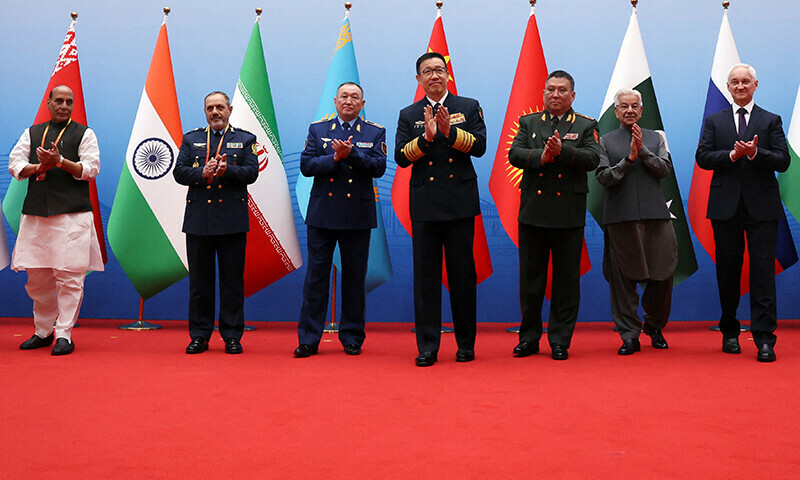
By Nitya Chakraborty India’s total diplomatic isolation was in show in the Shanghai Cooperation Organisation (SCO)’s defence ministers meet in Qingdao city in China on June 25 and 26 when a joint statement was prepared calling upon the members to jointly fight terror but there was no mention of Pahalgam killings on April 22 while […]

HONG KONG SAR – Media OutReach Newswire – 27 June 2025 – The Hong Kong Institute of Certified Public Accountants (HKICPA) is delighted to announce its renewal of Mutual Recognition Agreement (MRA) with the Association of Chartered Certified Accountants (ACCA). The two accounting bodies continue to join hands together to pave ways for career development of the accounting talents in Hong Kong, with the aim to foster […]

U.S. lawmakers have advanced the GENIUS Act, a federal bill setting strict requirements for stablecoin issuers that could significantly challenge Tether’s dominance. The legislation mandates full backing with cash or U.S. Treasuries, monthly audits by registered firms, transparency of reserves, anti-money laundering safeguards and U.S. registration for issuers with over $10 billion in circulation. Circle’s USDC stands to gain, while Tether’s model faces serious scrutiny if it intends to access U.S. markets.

Tether currently holds approximately $155 billion in USDT tokens, backed in part by volatile assets such as Bitcoin and gold—as well as commercial paper and loans. It discloses reserves via quarterly attestations, though it has never undergone a full independent audit, despite promises since 2017. In contrast, the GENIUS Act requires liquidity in U.S.-based financial institutions and audited transparency certified by company executives, holding them personally liable.

Experts warn that Tether now faces a strategic choice: overhaul its reserve holdings, comply with audits and potentially register under U.S. regulations—or abandon ambitions in the U.S. and pivot towards offshore markets. After relocating its corporate headquarters to El Salvador, Tether appears poised to leverage regulatory gaps via reciprocal agreements—though critics argue this is unlikely to satisfy U.S. authorities.

Steve Gannon, a lawyer specialising in digital assets, suggested that Tether is unlikely to enter U.S. markets until regulations are finalised, as adaptation would require extensive investment in compliance infrastructure. CoinDesk analysis emphasises that foreign issuers could qualify only if regulated by approved jurisdictions and maintain U.S.-based reserves, with oversight from the Office of the Comptroller of the Currency.

By contrast, Circle is well-positioned. USDC is fully backed by cash and Treasury bills, audited monthly and issued by a U.S.-based firm. Following the Senate’s approval of the GENIUS Act, Circle’s share price surged, reflecting investor confidence in its compliance-readiness.

The GENIUS Act also seeks to tighten anti-money laundering and counter-terror financing protocols by integrating stablecoins under the Bank Secrecy Act, with monthly certifications and criminal penalties for lapses. It includes explicit restrictions on stablecoin issuance by lawmakers and their families.

Critics have flagged potential loopholes, warning that offshore entities like Tether could continue servicing U.S. customers through decentralised exchanges—sidestepping rigorous Elm Salvador or other offshore jurisdictions. The Senate bill also bans stablecoins from offering interest, limiting yield-bearing models favoured by some existing issuers.

On financial markets, increased demand from compliant issuers is expected to boost U.S. Treasury purchases. Currently, around $200 billion of assets backing stablecoins are held in Treasuries and repos. Even a modest uptick in USDC issuance could drive multibillion-dollar incremental purchases. A recent study found Tether holds nearly 1.6% of all U.S. Treasury bills, contributing to yield compression equivalent to tens of billions in annual government savings.

Yet uncertainty remains. The GENIUS Act must clear the House and be signed into law, with possible amendments—especially regarding foreign issuance pressures and scope of AML provisions. Senate Banking Committee Democrats have warned of national security risks if the bill doesn’t close offshore loopholes, fearing illicit finance actors could exploit weakly regulated channels.

Tether’s CEO Paolo Ardoino has signalled exploration of a U.S.-compliant stablecoin variant, which would align reserves and governance with federal standards. However, no official timeline has been provided.

Stablecoin proponents say the GENIUS Act brings much‑needed clarity, potentially paving the way for mainstream adoption and institutional participation. Yet critics fear regulatory shortcuts may invite private stablecoins into a system without equal access for central bank digital currencies.

The stakes are high. Tether’s strategic response will shape the competitive landscape. Will it meet U.S. standards or cede space to compliant rivals like Circle? The passage of the GENIUS Act may mark a turning point in crypto policy and redefine stablecoin leadership.

Crypto exchange Kraken has secured a Markets in Crypto‑Assets licence from the Central Bank of Ireland, granting it regulated crypto services access across all 30 member states of the European Economic Area. This licence builds on its existing authorisations: an electronic money institution licence obtained in 2023 and a Markets in Financial Instruments Directive authorisation achieved in February 2025.

The MiCA framework, effective since late 2024, aims to harmonise digital asset regulation across the EU. Kraken’s approval via Ireland enables it to “passport” services continental‑wide—streamlining compliance with unified standards on consumer protection, transparency and oversight.

Co‑CEO Arjun Sethi described the licence as a “powerful signal” of Kraken’s dedication to “responsible innovation” and noted the company’s multi‑year work to meet the Central Bank of Ireland’s rigorous regulatory bar.

Since launching its BTC/EUR pair in 2013, Kraken has built extensive euro‑denominated liquidity and registered as a Virtual Asset Service Provider across key European jurisdictions: Ireland, Belgium, France, Italy, the Netherlands, Poland and Spain. The platform now reports euro trades account for approximately 17.5 per cent of its spot‑crypto volume.

Kraken joins a cohort of major exchanges – Coinbase, OKX, Crypto.com, Bybit and Bitstamp – that have pursued MiCA licences, emphasising the growing strategic importance of regulatory clarity. Meanwhile, stablecoin issuer Tether has declined to register its USDT product under MiCA, leading some exchanges to delist the asset.

The EU authorisation coincides with Kraken’s evolution in traditional finance. After securing the MiFID licence via a Cyprus‑based entity, it launched regulated crypto derivatives in February and acquired futures platform NinjaTrader earlier in 2025. Its 2023 EMI licence complements partnerships with Mastercard and embed‑as‑a‑service offerings like Kraken Embed through Dutch neobank bunq.

Kraken’s dual strategy spans jurisdictions: while embracing EU regulatory frameworks, the firm also relocated its global headquarters to Wyoming, citing the state’s crypto‑friendly stance. In the US, it recently avoided a legal challenge when the Securities and Exchange Commission dropped a 2023 lawsuit alleging operations as an unregistered exchange.

The MiCA authorisation equips Kraken to roll out regulated spot trading, derivatives and payments across Europe. That expansion responds to heightened demand among retail, institutional and professional users seeking compliance assurance. Kraken’s approach sets a template for crypto platforms navigating legal plurality ─ positioning Ireland not simply as a licensor but as a blueprint for public‑private collaboration in digital finance.

European policymakers have lauded MiCA’s entry, describing it as the most comprehensive global regulatory regime for digital assets. Kraken’s success demonstrates the potential of these structures to stabilise and mature the sector—but also signals a competitive divide between jurisdictions embracing innovation and those lagging.

Barclays will prohibit customers from using personal credit and debit cards for any cryptocurrency transactions from 27 June 2025. The decision, targeting consumer protection, stems from mounting regulatory pressure and rising concerns over debt and fraud linked to crypto purchases.

The bank’s initiative aligns with guidance from the UK Financial Conduct Authority, which has flagged credit-fuelled crypto investments as high‑risk. Starting late June, any attempt to buy cryptocurrencies—such as Bitcoin or Ethereum—via personal Barclays cards will be automatically declined.

Barclays emphasises that this move is about protecting customers from potentially volatile assets acquired under credit. A spokesperson noted that while personal cards are blocked, other payment methods remain available. The bank asserts that safeguarding consumer finances remains its priority.

The FCA has long warned about the dangers of unregulated crypto assets, especially when purchased on credit. Consumers may accumulate unmanageable debt rapidly if asset prices tumble. Barclays’ policy mirrors earlier actions by Nationwide, Lloyds, and HSBC, which have instituted similar restrictions in recent years.

Industry observers suggest the move reflects wider regulatory caution. “We challenge the proposed ban…as it unfairly equates legitimate investment activity with gambling,” representatives from the UK Payments Association said. They argue customers deserve autonomy but acknowledge the bank’s concern over addiction-like behaviours and debt accumulation.

Financial behaviour analysts note that this policy is likely to reduce impulsive crypto spending, especially among less experienced investors. One market strategist commented, “The withdrawal of credit-based routes to crypto is a logical policy to limit rapid losses when prices plunge.” It may also influence broader market dynamics if other major banks adopt similar stances.

Retail crypto platforms responded with caution. Some are exploring partnerships with open finance firms, enabling bank transfers or peer-to-peer methods that evade card-related restrictions. However, these solutions still face regulatory scrutiny.

The FCA anticipates that removing credit channels will also decrease susceptibility to scams. Fraudulent schemes often exploit lending mechanisms to siphon user funds—something Barclays hopes to curtail under its new rule.

Barclays’ action adds to a string of regulatory-led shifts. After blocking card payments to Binance in July 2021, in line with an FCA notice, the bank has maintained a cautious approach. Now, the new policy encompasses all crypto transactions, regardless of the provider. While withdrawals and direct payments from existing accounts remain permitted, no credit is extended to purchase digital assets.

Crypto firms warn that this may inadvertently push users towards unregulated or foreign exchanges, increasing systemic exposure risks. They advocate for balanced regulation that allows innovation while shielding vulnerable consumers.

Despite industry pushback, Barclays notes that the measure only affects purchases with credit cards and does not restrict broader digital finance use. It emphasises support for regular account holders, offering alternative payment methods such as debit card direct transfers and open banking options.

Dubai has earned its reputation as the financial and technological capital of the Middle East—and when it comes to cryptocurrencies, the city is blazing ahead. With crypto-friendly regulations, tax-free gains, and strong government support for blockchain innovation, more people than ever are turning to secure, efficient crypto exchanges in Dubai to buy, sell, and hold digital assets. Whether you’re an investor, trader, or curious beginner, choosing the […]

Air India and IndiGo have recommenced services to the UAE after a suspension triggered by airspace closures amid the Israel–Iran conflict. Airlines halted operations on Monday following triggered restrictions from missile strikes on the U.S. Al Udeid Air Base in Qatar. With Gulf skies now reopening, the carriers have initiated phased resumption of flights, prioritising passenger safety and adjusted routing measures.

Reinstatement efforts began on Tuesday, with most Air India flights to and from the Middle East set to resume by 25 June. The airline confirmed European routes would also come back online, and services to the U.S. East Coast and Canada are slated to recommence “at the earliest opportunity”. IndiGo echoed this approach, stating operations through Gulf countries had “stabilised”, albeit with some flights rerouting around closed Iranian airspace, which may cause extended journey times. Air India Express has similarly resumed select West Asian routes, including those from Delhi and Mumbai to Muscat, Riyadh, Jeddah and key UAE destinations.

The sudden airspace closure followed Iran’s missile assault on Qatar’s Al Udeid base in retaliation to U.S. bombings of Iranian nuclear sites. Multiple states, including the UAE, Kuwait, Bahrain, Iraq and Qatar, sealed their skies, incurring over 160 flight diversions. Airlines including Air India, IndiGo, Gulf carriers, and major European operators were forced into rerouting, cancellations and prolonged airborne holds.

In Bengaluru, Kempegowda International Airport experienced significant disruption on Monday, as 21 international flights were either cancelled or diverted. Six incoming flights and ten departures were scrapped, while five services arriving from the Middle East were rerouted to Bengaluru. The affected flights included services from IndiGo, Air India, Akasa Air, Kuwait Airways and Gulf Air, connecting destinations such as Doha, Abu Dhabi, Jeddah, Kuwait, London, Dubai, Dammam and Bahrain. IndiGo has since issued advisories encouraging passengers to verify their itineraries via the airline’s app or website.

Airspace closures prompted widespread disruptions across India. At Delhi’s Indira Gandhi International Airport, 48 flights were cancelled. The closures also affected routes beyond the Gulf, with Air India suspending services to Europe, the East Coast of North America and Canada. Such decisions followed safety concerns reminiscent of past incidents involving civilian aircraft in conflict zones.

Air India’s messaging emphasised the phased nature of the restoration plan. The airline noted that most flights to the Middle East would resume by 25 June and affirmed regular updates to passengers via official channels. Delays and reroutings may continue temporarily as the network stabilises. The airline pledged to avoid airspace deemed unsafe by international aviation authorities. IndiGo’s CEO framed the resumption as “prudent and progressive”, committed to using the safest routes amid ongoing monitoring.

Industry experts highlight the additional burden on airlines due to these disruptions. Longer flight paths translate to higher fuel consumption and operational costs. Rival carriers in Europe and the Middle East have already adopted detours to bypass Israeli, Iraqi and Jordanian airspace, citing financial impacts and tighter margins. Brent crude oil briefly climbed to around $70.80 per barrel following the regional skirmishes, adding strain on airline fuel budgets.

Passenger advocacy groups have urged transparency from carriers during this phase. With unforeseen diversions and cancellations, travellers seek clarity on compensation, rerouting options and timely notifications. Airline platforms are now investing in real-time advisory systems to minimise frustration and smooth operational turbulence.

The current easing of tensions appears tied to a ceasefire agreement brokered by the United States, accepted by both Israel and Iran. Although hostilities continue in limited form, the reopening of Gulf airspace indicates improved conditions for aviation. Travel experts caution, however, that volatility may persist if diplomatic progress stalls or military exchanges recur.

For Indian travellers, the resumption of Middle East routes is particularly timely. The Gulf region is a major employment and transit hub, hosting millions of Indian nationals. Restored connectivity affects not only personal travel but also supply chains, cargo links and business routes vital to India’s economic relations with Gulf partners.

Looking ahead, most Indian airlines face a dual challenge: restoring pre-conflict schedules while preparing contingency plans for renewed tensions. Many are exploring additional over-water routes, flexible flight planning and enhanced coordination with aviation regulators. These efforts aim to ensure that in the event of future disruptions, passenger inconvenience is minimised and safety remains paramount.

Jasper County authorities in Texas executed a search warrant to physically open a Bitcoin ATM on June 16, retrieving approximately $32,000 in cash—$25,000 of which a local family had deposited after falling prey to a scammer posing as a government official. Sheriff Chuck Havard authorised the operation after tracing funds to an ATM operated by Bitcoin Depot.

Law enforcement agents secured the warrant following a police report that fraudulent calls threatened the family with fines unless they paid via the kiosk. Deputies pulled cash from the machine using a power‑cutting tool, recovering a surplus in addition to the family’s deposit.

The sheriff defended his actions: “When thieves, low‑lifes and scammers attempt to take advantage of the citizens of Jasper County, we will work swiftly and utilise every resource at our disposal to protect our citizens and their property at all costs”. He also warned that cryptocurrency‑based fraud cases are notoriously complex and that the perpetrator remains unidentified.

The incident has sparked debate across digital‑currency communities. Some critics argue that damaging ATM infrastructure and seizing funds from an operator may undermine property rights, asserting that the ATM itself—provided by a third party—was collateral damage in the scam. One Redditor remarked:

“Sounds like maybe government employees destroyed an innocent third party’s property and stole his money.”

This episode highlights a concerning rise in crypto‑ATM scams. The FBI logged nearly 11,000 complaints totaling over $246 million in losses tied to such ATMs in 2024—a 31 percent increase from the previous year—with many victims aged over 60. Citing the surge in fraud, Spokane, Washington, enacted a ban on crypto‑ATMs on June 18, and Australia imposed tighter transaction caps earlier this month.

Bitcoin Depot, the ATM’s operator, confirmed it works closely with law‑enforcement agencies under AML and KYC protocols, but typically does not supervise cash retrieval directly from kiosks. The nature of cryptocurrency—its decentralisation and pseudonymity—adds obstacles to tracking illicit transfers and returning funds to victims.

Although the seized amount exceeds the family’s loss, victims must navigate legal processes to claim reimbursement, and success often depends on tracing crypto to identifiable exchanges. Past efforts, such as the U.S. Department of Justice recovering $2.3 million from the Colonial Pipeline ransomware attack, show that fund recovery is complex and rare.

Industry observers say the operation may set a legal precedent for law enforcement intervention in crypto‑ATM fraud. However, critics caution against the public destruction of third‑party property without clear evidence of complicity, warning it could erode trust in digital‑currency infrastructure.

Amid growing consumer vulnerabilities, experts call for enhanced public education, robust regulation, and strengthened compliance from ATM operators. Proposed measures include mandatory transaction limits, stricter licensing, real‑time fraud monitoring, and clearer cooperation channels with enforcement agencies.

Federal and state authorities are also considering new legislation targeting crypto‑ATM fraud. The Crypto ATM Fraud Prevention Act, if passed, would require improved operator oversight and clearer protocols for law‑enforcement response. Meanwhile, states like North Dakota and Nebraska have already introduced licensing and transaction‑cap laws.

As this case advances, Jasper County officials and Bitcoin Depot are expected to coordinate further to identify the scammer and determine rightful ownership of the recovered assets. The outcome of this operation may shape future legal and regulatory standards governing crypto‑ATM responses to fraud.

Japan’s Financial Services Agency has unveiled plans to amend the Financial Instruments and Exchange Act, bringing cryptocurrencies under securities‑style regulation and opening the door to Bitcoin spot ETFs. The proposals also aim to replace the current progressive tax on crypto gains—ranging up to 55 per cent—with a uniform 20 per cent levy.

The agency’s discussion paper, released on 10 April by its digital policy division, outlines regulatory changes including classification of crypto into “Type 1” and “Type 2”, with insider‑trading rules to follow much like those in equity markets.

Behind the latest move is a growing consensus among Japan’s mainstream political and financial circles. The governing Liberal Democratic Party has actively backed the 20 per cent tax proposal, offering parity with capital‑gains treatment on stocks and bonds. It has also pushed to align tax on derivatives and crypto‑to‑crypto swaps accordingly.

Parliament is expected to review legislative amendments in early 2026, with the FSA targeting a policy direction announcement by mid‑2025.

Analysts note the regulatory upgrade could unlock institutional entry. While crypto ETFs have been launched in the US, Europe and Hong Kong, Japanese regulators have remained notably cautious. Under the proposed amendments, crypto-like instruments would qualify as financial instruments, subject to disclosure, custody, and market‑abuse safeguards.

This shift marks a departure from the current regime under the Payment Services Act, where digital assets are categorised alongside payments rather than securities. The FSA’s plan would position crypto within a legal framework better suited to large-scale trading activities.

Tax treatment has been a central barrier. Gains on crypto are now taxed as “miscellaneous” income—reaching rates as high as 55 per cent—while ETFs qualify as capital gains taxed around 20 per cent. The new flat rate would remove current inequities and possibly stimulate market growth.

Participants in the Japanese financial industry, including SBI and Franklin Templeton, are reportedly making strategic preparations. SBI has already collaborated with both US and UK asset managers to launch crypto‑related products, anticipating that regulatory approval will soon follow.

Despite these signals, caution persists. The Ministry of Finance remains cautious, wary of crypto’s volatility and adverse events such as the collapse of Mt. Gox and DMM Wallet, which led to extensive losses. The FSA itself is said to proceed methodically, emphasising investor protection above all.

To ensure granularity, the FSA’s discussion paper recommends dividing tokens into two regulatory categories: Type 1 assets—used in fundraising or business operations—and Type 2 assets, which include decentralised tokens like Bitcoin and Ethereum with no single issuer. This structure supports tailored oversight, including anti‑insider trading provisions.

Industry reactions reflect a mix of anticipation and prudence. Proponents argue that clearer classification and tax certainty would attract both retail and institutional investors. They point to the global momentum behind crypto ETFs and the relative tax efficiency such structures bring. Opponents, however, urge regulators to remain vigilant to market manipulation and developing infrastructure risks.

Global comparisons place Japan near the frontier of regulatory maturity. Countries such as the United States have delayed crypto classification under securities law even as they approved Bitcoin ETFs. The EU’s MiCA and Hong Kong’s licensing framework signal increased global regulatory alignment. Japan’s proposed amendments would signal competitive parity in Asia‑Pacific markets.

As Japan prepares to table the bill in parliament in 2026, attention will centre on implementation details. These include ETF approval timelines, disclosure requirements for exchanges and custodians, and whether the flat‑tax rate will apply retroactively or to future accruals only.

Cryptocurrency markets are recalibrating as TRON’s USDT reserves climb to an unprecedented $80.7 billion, eclipsing Ethereum’s $73.8 billion—a record milestone for 2025. Data from blockchain analytics firm CryptoQuant highlights that TRON’s share of the Tether stablecoin ecosystem has entered previously uncharted territory.

This expansion further cements TRON as the dominant platform for USDT issuance. Tether’s circulation on TRON—branded as TRC‑20 tokens—has surged sharply since the beginning of the year, jumping from approximately $59.8 billion in January to over $80 billion by mid‑June. In comparison, Ethereum’s ERC‑20 USDT remains below TRON’s benchmark, highlighting a structural shift in network preference.

Market observers attribute TRON’s gains to its lower fees and faster transaction times. A report from NFTEvening confirms that, as of mid‑May, TRON commanded nearly 50 per cent of global USDT supply, while Ethereum’s share hovered around 41 per cent. TRON’s blockchain now processes more than 2.4 million USDT transactions daily, dwarfing Ethereum’s roughly 280 000 transfers.

TRON’s performance in 2021 was already notable, with USDT supply expanding from $6.7 billion to $39.4 billion—an increase of nearly 487 per cent. Stakeholder confidence accelerated through 2024, with TRON first overtaking Ethereum in USDT issuance in November.

While TRON’s stablecoin dominance grows, its total value locked in DeFi has declined—from roughly $7.5 billion in January to about $4.3 billion by mid‑year—according to DefiLlama statistics. However, decentralised exchange activity on TRON is rising; trading volume increased from $4.9 billion in April to $5.5 billion in May. Analysts argue that users may prefer flexible, liquid trading over locking capital in yield‑farming protocols.

TRX, TRON’s native token, has gained approximately 2.2 per cent in the past 24 hours to $0.2729, yet remains some 36 per cent beneath its December 2024 peak of $0.4313. Technical charting shows consolidation below the 20‑day simple moving average and strength above key exponential moving averages, indicating latent bullish potential.

CryptoQuant reports that TRON’s agenda is now largely centred on payments rather than advanced DeFi, noting a distinct mix of tokens like Wrapped TRX and USDD on the network. The network’s recurring USDT mints are viewed as part of a strategic buildup. In mid‑May, Tether authorised another $1 billion mint on TRON, pushing its authorised supply well beyond Ethereum’s at $73.7 billion compared with $74.5 billion.

TRON’s growing role in Asia and emerging markets may be another driver. The platform appeals to users and exchanges that prioritise low cost and swift settlement—features that align with cross‑border remittance and retail payments. However, questions around TRON’s longstanding association with illicit transactions continue to cast a shadow over its rising stature.

Ethereum retains significant traction within DeFi due to its robust ecosystem and broader stablecoin diversity. Nevertheless, ongoing surcharges and network congestion are prompting shifts towards alternate chains like TRON. The competition reflects a broader evolution towards a multi‑chain infrastructure where each blockchain plays to its strengths: Ethereum for advanced financial apps, TRON for efficient payments.

Regulators are also watching this competition. Policy discussions around stablecoin frameworks in the United States, Europe and Asia could reshape how tokens are issued and used. TRON’s dominance in USDT may prompt further scrutiny and prompt Tether to reassess its minting cadence and reserve disclosures across different chains.

Israeli defence minister Israel Katz declared late on 24 June that he had ordered the Israel Defence Forces to resume “high‑intensity operations” against regime targets in central Tehran. The announcement followed allegations that Iran had launched missiles into Israeli territory, in what Tel Aviv described as a blatant breach of a United States‑mediated ceasefire unveiled just hours earlier by President Donald Trump.

Trump had proclaimed a “complete and total ceasefire” on Truth Social, explaining that Iran would halt strikes first, followed by Israel, in a phased arrangement ending after 24 hours. Within three hours of that declaration, Israel alleged that Iran launched missiles toward its southern regions, prompting Katz’s directive to strike key Iranian infrastructure.

Contradicting Israel’s account, Tehran’s ISNA student news agency denied firing any missiles post‑ceasefire. Iranian foreign minister Abbas Araghchi had earlier stated that Tehran would cease retaliatory actions—conditional on Israel halting operations by 04:00 Tehran time, a condition that purportedly lapsed minutes before hostilities were to pause.

President Trump, addressing the situation on social media, urged both nations to honour the agreement and warned against any violations, offering his oversight as guarantor of the pledge. His announcement followed the deployment of U.S. B‑2 bombers striking three Iranian nuclear sites, and a symbolic retaliatory missile strike from Iran against a U.S. base in Qatar—strikes reportedly calibrated to minimise escalation.

Despite conflicting claims, available evidence indicates a spike in missile exchanges. According to Reuters, Israel’s southern city of Beersheba was hit, resulting in at least four fatalities, while various townships experienced temporary power outages after sirens sounded across the region as Iranian missiles streaked overhead.

Tehran mourned significant civilian losses, with over 10 Israelis killed and more than 250 injured during Iran’s earlier onslaught, which included bombardments on central and southern Israeli regions. Meanwhile, Israel took credit for eliminating senior Iranian military personnel and striking strategic nuclear and missile infrastructure; Benjamin Netanyahu celebrated Israel’s success in degrading what he described as a dual existential threat posed by Iran’s capabilities.

Regionally, Qatar responded strongly, summoning Iran’s ambassador and condemning the attack on U.S. forces at Al Udeid Air Base as a violation of its sovereignty and international law. Saudi Arabia expressed hope that all parties would uphold the ceasefire and de‑escalate.

International markets reacted positively to the ceasefire’s initial announcement. Oil prices dropped, and equities rallied on optimism that the conflict in the Strait of Hormuz might ease—although the renewed strikes quickly revived fears of a wider conflagration.

Experts scrutinise the long‑term viability of the truce. Some analysts suggest installation damage to Iran’s nuclear programme may be reversible, with Iran’s leadership determined to rebuild. Others view the U.S. use of bunker‑buster bombs and Israel’s strategic targeting of Iranian deterrents as potential deterrents that may delay a rapid resurgence.

On the political front, Trump is leveraging the declared ceasefire as a foreign‑policy milestone ahead of an imminent NATO summit. Netanyahu affirmed Israel would respond forcefully to any violations. Tehran warned that its military exercise would persist unless the bombing ended, contending that it acted to “punish Israel for its aggression until the very last minute”.

As global attention turns to negotiations, Qatar’s mediation role and U.S. involvement loom large. The deal remains tentative, with both Israel and Iran accusing each other of breaking terms, and uncertainty surrounding whether Trump’s phased ceasefire timeline will endure.

Bitcoin continues to hover above the US $100,000 mark, yet the network’s on‑chain activity tells a contrasting story. Overall transaction counts have declined sharply—from over 730,000 daily in 2023–24 to between 320,000 and 500,000 so far in 2025—while average transaction values surge, indicating that large investors are driving activity.

Despite fewer overall movements, the economic weight of each transaction remains high. Daily on‑chain settlement averages around US $7.5 billion, peaking at US $16 billion when Bitcoin briefly pierced its all‑time high of US $111.7 thousand. That amounts to an average transaction value of about US $36.2 thousand—dramatically higher than before.

The evidence points to a concentration in high‑value transfers. Transactions exceeding US $100,000 now account for nearly 89 percent of on‑chain volume—a stark increase from around 66 percent in late 2022—while transfers under that threshold have dwindled. Smaller wallets and lower‑value senders are increasingly absent from the blockchain.

Transaction fees are also bucking historical trends. In previous bull markets, network congestion drove fees higher. Now, with Bitcoin nearing all‑time highs, miner fee revenue has dropped to just US $558,000 per day—markedly low in comparison to past cycles. This divergence demonstrates muted block‑space demand despite soaring prices.

Meanwhile, trading activity is shifting decisively off‑chain. Centralised exchanges now dominate, with combined spot, futures and options volumes estimated at seven to 16 times greater than on‑chain settlement values. Futures markets alone trade roughly US $57 billion per day on average, peaking at US $122 billion in November 2024. Spot volumes, although smaller, remain robust, averaging US $10 billion daily.

Total open interest in Bitcoin futures and options has reached about US $96.2 billion. Notably, collateral structures have improved; stablecoin‑margined positions now dominate the derivatives landscape—an encouraging sign of reduced systemic risk following the collapse of FTX.

The on‑chain/off‑chain divergence shapes a nuanced picture: Bitcoin’s price resilience stems less from broad public usage and more from concentrated institutional flows and leveraged activity in centralised markets. While large holders continue to shift substantial sums on‑chain, much of the ecosystem’s vitality lies within off‑chain derivatives.

Iran has launched a new wave of missile and drone strikes against Israel, following U.S. airstrikes that obliterated key Iranian nuclear facilities under Operation Midnight Hammer. The ripple effects are already being felt in global oil markets, while diplomatic channels strain under mounting pressure. The bombardment hit Israeli cities including Tel Aviv and Ashdod, with satellite monitoring confirming sirens and intercepted projectiles. Iran disclosed the deployment of […]

VISHNU RAJA
RYO YAMADA
HITORI GOTOH
IKUYO KITA