News related to
Exchanges

HONG KONG SAR – Media OutReach Newswire – 10 May 2025 – ​Invest Hong Kong (InvestHK) announced today (May 10) that the Director-General of Investment Promotion at InvestHK, Ms Alpha Lau, will embark on a series of visits to Istanbul, Türkiye; Budapest, Hungary; and Cairo, Egypt, some of the key economies along the Belt and Road, to strengthen economic ties and promote Hong Kong as the premier […]

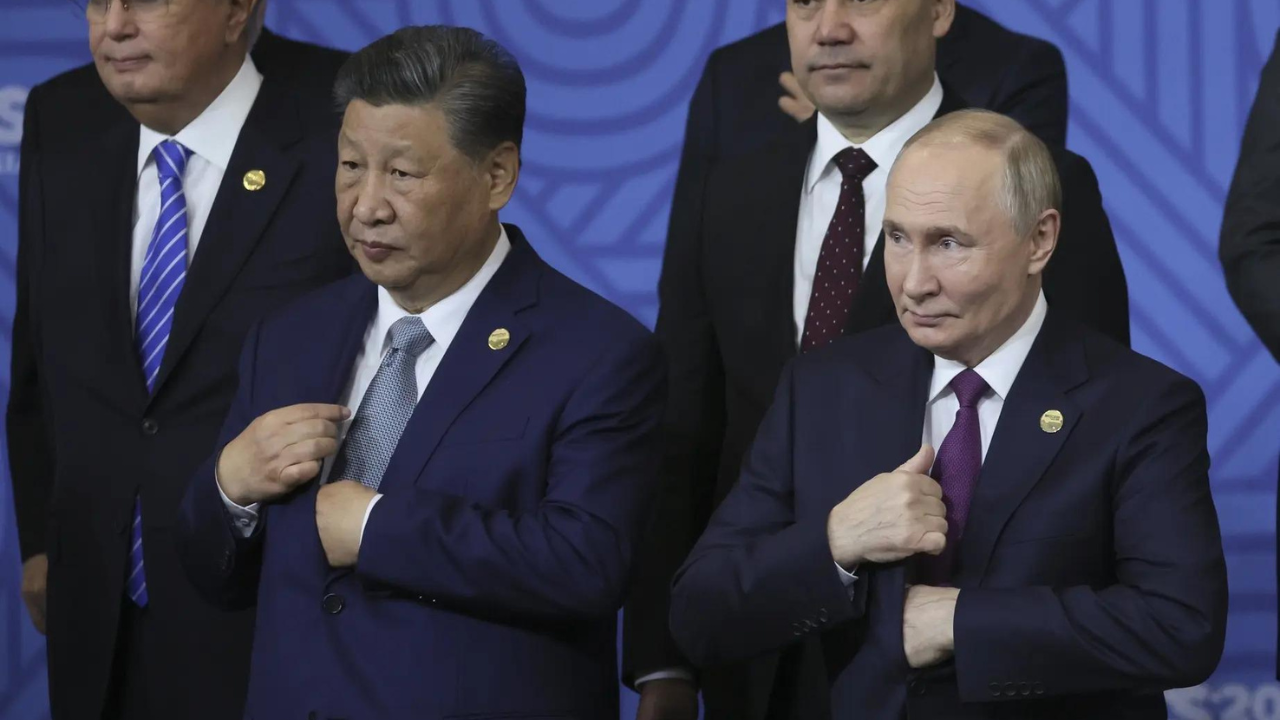
By Nitya Chakraborty The joint declaration issued by the Russian President Vladimir Putin and the Chinese President Xi Jinping on the eve of the Victory Day on May 9 upholding longstanding friendship to pursue mutual benefit and win-win outcomes in the new era carries major significance in the present period of global tariff war as […]

The upcoming launch of CyberCatsCoin is generating considerable excitement in the cryptocurrency community, as the new meme coin promises to bring tangible utility to a sector often dominated by speculative tokens. With its presale slated to begin shortly, the coin’s creators are positioning it to stand out not only for its playful, meme-inspired branding but also for its innovative approach to addressing real-world problems within the crypto space.

Unlike many meme coins, which thrive primarily on viral marketing and community-driven hype, CyberCatsCoin aims to blend the playful, community-driven ethos of meme tokens with functionality that extends beyond just speculation. According to the project’s whitepaper, the coin is designed to facilitate a range of use cases, from providing a platform for decentralized applications to integrating with charity initiatives and supporting real-world partnerships. This combination of fun and purpose has already caught the attention of crypto enthusiasts and investors alike.

The project is being led by a team of experienced blockchain developers, marketing strategists, and community managers, many of whom have previously worked on high-profile crypto projects. Their goal is to differentiate CyberCatsCoin from the vast sea of meme tokens by offering long-term value to its holders, rather than relying solely on short-term speculative hype. By integrating robust utility features, the team hopes to attract a broader audience beyond typical meme coin investors, such as those interested in decentralized finance , NFTs, and blockchain-based solutions.

One of the primary goals of CyberCatsCoin is to create an ecosystem where users can interact with the coin in various meaningful ways. The development team has outlined plans to launch a decentralized exchange and a series of dApps that will enable holders to use their tokens in real-world applications. These include everything from charity donations to staking rewards and governance in the project’s evolving ecosystem. Such features are designed to drive both utility and adoption, helping to position CyberCatsCoin as more than just another joke coin.

The presale for CyberCatsCoin is expected to generate significant interest, particularly among meme coin enthusiasts who are familiar with coins like Dogecoin and Shiba Inu. However, the coin’s creators are eager to highlight how CYBCC is different. By incorporating meaningful use cases and long-term vision into the tokenomics, they are positioning the coin as a more sustainable and impactful option for those seeking to participate in the meme coin market.

The presale will offer early investors the chance to purchase CYBCC at a discounted price before it officially launches on various exchanges. This strategic move aims to build a solid foundation of loyal supporters and create momentum for the token’s eventual widespread adoption. As with any presale, however, investors are urged to exercise caution and conduct due diligence before committing their funds.

CyberCatsCoin’s focus on real-world utility has sparked considerable interest from the DeFi and blockchain development communities. The project is not just about creating another meme coin for fun but about pushing the boundaries of what meme-inspired cryptocurrencies can achieve. Experts in the blockchain sector have noted that the integration of utility with meme-based marketing could pave the way for a new breed of crypto assets that combine the best of both worlds: fun, community engagement, and real-world applicability.

Despite the current bear market conditions in the cryptocurrency sector, the project has already garnered a strong community following on social media platforms, with thousands of users joining Telegram groups and Twitter channels dedicated to CyberCatsCoin. This level of early interest bodes well for the presale and beyond, as the coin’s creators continue to engage with their community through regular updates, contests, and partnership announcements.

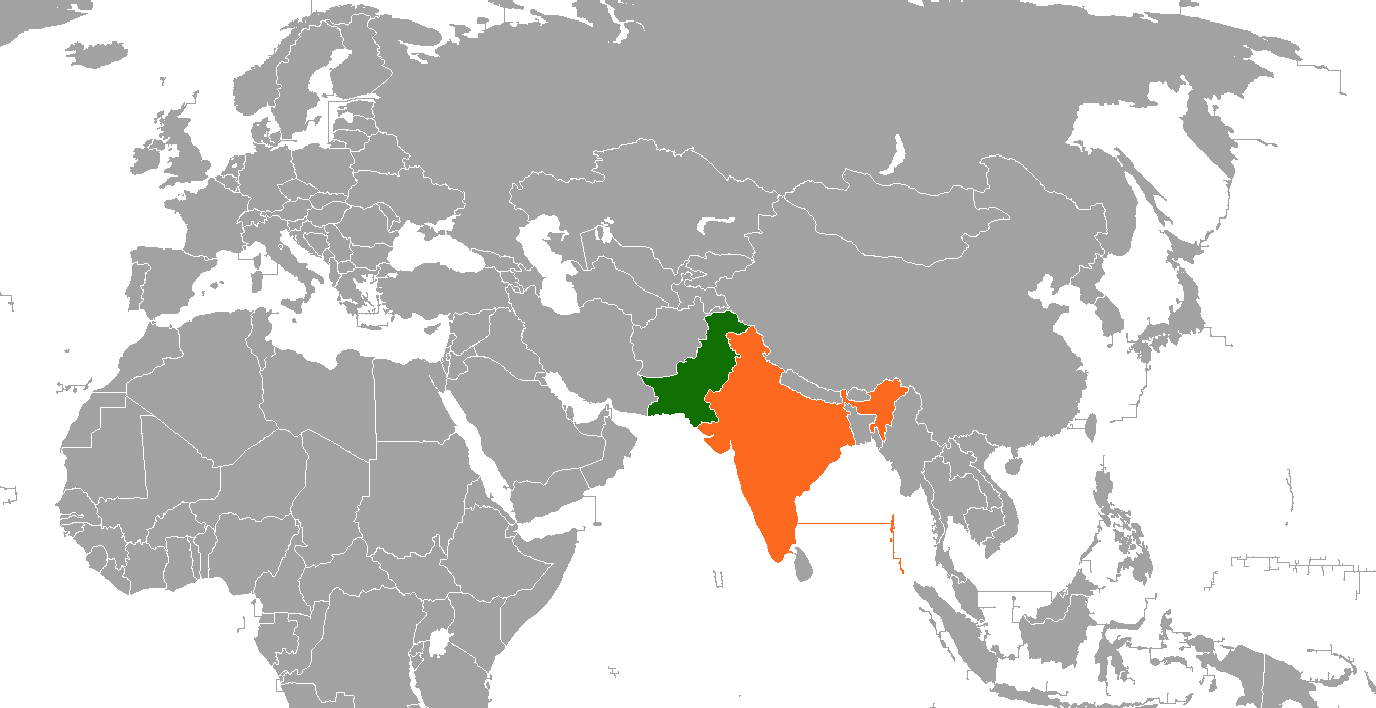
The Indian Rupee has plummeted to its lowest value against the UAE Dirham in over a month, marking a significant drop to 23.36 per dirham. This decline, the steepest since mid-April, follows escalating border tensions between India and Pakistan, which have triggered volatile market reactions. Traders are closely monitoring the situation, with fears of further instability driving the currency’s slide.

As the conflict intensifies, the Rupee’s depreciation is attributed to growing uncertainties surrounding the geopolitical standoff. India and Pakistan, both nuclear-armed neighbours, have long been at odds over the Kashmir region. The latest developments have exacerbated market fears of prolonged instability, pushing investors to seek safer assets, which has further weighed on the Rupee.

Currency markets, traditionally sensitive to geopolitical risks, have seen a surge in demand for the US Dollar, which remains a global safe-haven. Analysts point to the Dollar’s strengthening as a direct response to mounting tensions in South Asia, compounded by global inflationary pressures. With foreign investors retreating from riskier assets, the Rupee has been further pressured, intensifying the currency’s downtrend.

The Indian government’s response to the situation, alongside Pakistan’s military actions, has added to investor uncertainty. The military exchanges along the Line of Control between the two countries have led to heightened concerns not only about regional security but also about the broader economic repercussions of prolonged instability. Economists suggest that the markets will continue to reflect these risks until diplomatic measures are taken to de-escalate tensions.

The ongoing conflict is expected to affect trade relations, particularly in sectors reliant on cross-border commerce. Import and export activities between India and Pakistan, already hindered by past disputes, are likely to experience further disruptions. This could lead to an uptick in inflation, especially in critical sectors like oil, where price fluctuations are particularly sensitive to regional tensions.

Central banks in both nations, as well as the International Monetary Fund , have called for restraint, urging both sides to avoid further military escalation and seek peaceful resolutions. However, the risk of military confrontations spilling over into broader regional instability remains a concern that is factoring heavily into currency movements.

The financial impact on India is also underscored by the continued inflationary pressures faced by the country. While India has a relatively strong domestic economy, analysts warn that the ongoing uncertainty over the border conflict could undermine investor confidence, further destabilising the currency. This would place more pressure on the Reserve Bank of India , which may be forced to intervene in the markets to prevent excessive depreciation.

For businesses and consumers, the weakening Rupee has meant higher costs for imported goods, particularly fuel and electronic products, which are crucial to India’s economy. The cost of living for many Indian citizens is expected to rise, further intensifying socio-economic concerns. The rise in fuel prices has already led to protests in certain parts of India, with many calling on the government to address the economic fallout from the ongoing tensions.

The Indian government, however, remains optimistic about the long-term outlook for the Rupee. According to finance ministry officials, the country’s economic fundamentals remain robust despite the external geopolitical risks. They argue that the current currency depreciation is part of a broader, global trend, and that India is well-positioned to weather the storm with its growing foreign reserves and strong trade relationships beyond the subcontinent.

Despite these assurances, many analysts argue that India’s growing fiscal deficits and inflationary pressures could further complicate the Rupee’s recovery. A sharp depreciation could potentially lead to an erosion of investor confidence, compounding the country’s financial challenges.

The Pakistan Stock Exchange experienced a severe downturn, with the benchmark KSE-100 Index plummeting by over 4,700 points, marking the most significant single-day drop in its history. This dramatic fall reflects mounting investor anxiety over escalating geopolitical tensions following India’s military operations, known as Operation Sindoor, targeting alleged militant infrastructure within Pakistani territory.

The KSE-100 Index closed at 106,274 points, down 4.51% from the previous session. The decline was primarily driven by substantial sell-offs in key sectors, including oil and gas, banking, and cement. Market analysts attribute this sharp downturn to a combination of geopolitical instability and aggressive profit-taking by institutional investors.

Operation Sindoor was launched by India in response to a deadly attack in Pahalgam, Indian-administered Kashmir, which resulted in the deaths of 26 civilians. India asserts that its strikes targeted terrorist groups such as Jaish-e-Mohammed and Lashkar-e-Taiba. However, Pakistan contends that the strikes hit civilian areas, including mosques and educational institutions, leading to the deaths of 31 civilians and injuries to 57 others.

In retaliation, Pakistan claims to have downed five Indian aircraft, a claim disputed by India. The ensuing military exchanges along the Line of Control have resulted in additional casualties on both sides, further exacerbating tensions between the two nuclear-armed neighbours.

The heightened conflict has significantly impacted investor confidence. Analysts note that the uncertainty surrounding the geopolitical situation has led to a risk-averse sentiment among investors, prompting widespread sell-offs. The situation is further compounded by concerns over potential economic repercussions, including disruptions to trade and foreign investment.

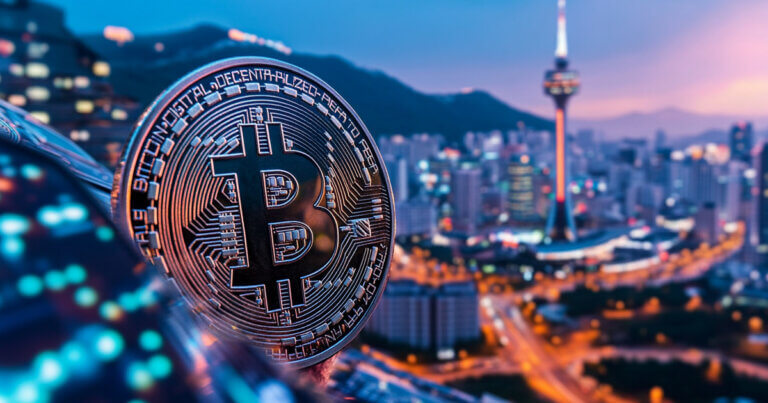
South Korea’s presidential frontrunner, Lee Jae-myung, has vowed to support the approval of spot cryptocurrency exchange-traded funds and introduce measures to ensure a safer investment environment for digital assets. His proposal has stirred significant interest in the rapidly evolving sector, especially as South Korea positions itself as a key player in the global cryptocurrency market.

Lee’s pledge is seen as a critical move to modernise South Korea’s financial system, fostering an environment that encourages crypto investments while also ensuring investor protection. The commitment comes as cryptocurrencies continue to gain mainstream attention, with both retail and institutional investors looking for more secure avenues to enter the market.

Lee, who is leading the polls ahead of the June 3 election, has garnered widespread support from the financial community, with many industry experts viewing his stance as a positive step towards broader acceptance of digital assets. His proposal, which includes measures for transparency and better regulatory oversight, aims to balance innovation with safety in a market that has often been fraught with volatility and high-profile scandals.

As part of his plan, Lee has also indicated that his administration would work closely with South Korea’s financial regulators, including the Financial Services Commission , to facilitate the approval process for spot crypto ETFs. This would allow South Korean investors to trade cryptocurrencies in a more structured, regulated manner, mitigating some of the risks associated with direct crypto trading.

The announcement comes at a time when cryptocurrencies are experiencing increased scrutiny globally, with governments and regulators seeking to address concerns over money laundering, fraud, and market manipulation. South Korea’s move to approve crypto ETFs could set a new precedent in Asia, where countries like China have imposed stringent restrictions on crypto trading. In contrast, South Korea has been more open to digital assets, and Lee’s policy is expected to bolster the country’s reputation as a regional crypto hub.

The policy proposal is part of a broader financial strategy by Lee Jae-myung to modernise South Korea’s economy. His platform focuses on technological innovation and regulatory reform, ensuring that the country remains competitive in the global digital economy. By endorsing crypto ETFs, Lee seeks to tap into the growing demand for cryptocurrency investments while providing a more secure framework for both retail and institutional investors.

In response to Lee’s proposal, South Korea’s Financial Services Commission has expressed its support for the initiative. A representative from the FSC highlighted that the commission is already preparing to work with the next administration to establish a clear regulatory framework for spot crypto ETFs. This collaboration would aim to address potential risks associated with crypto investments and provide a safer market environment for investors.

The FSC has previously introduced regulatory measures to curb illegal activities in the crypto space, such as requirements for cryptocurrency exchanges to comply with anti-money laundering and know-your-customer regulations. However, the approval of spot crypto ETFs would represent a significant shift in policy, making South Korea one of the few countries in Asia to offer such products to the public.

As part of his strategy, Lee Jae-myung has also emphasised the need for robust monitoring systems to prevent fraudulent activities and ensure that investors are not exposed to excessive risks. His proposal includes the establishment of dedicated bodies to oversee crypto transactions and exchanges, as well as systems to track suspicious activities in real time. These measures would provide investors with greater confidence in the market, which has often been plagued by scams and sudden price swings.

The approval of spot crypto ETFs would mark a significant milestone for the South Korean market, which has seen a surge in interest from both domestic and international investors in recent years. The country’s position as a technological leader in the digital space has made it an attractive market for crypto projects, and Lee’s policy could serve to further solidify its standing as a global hub for cryptocurrency innovation.

Lee’s platform has resonated with a broad cross-section of South Korea’s electorate, particularly younger voters who are more likely to view cryptocurrencies as a promising investment. The promise of clearer regulations and safer investment options has generated excitement within the industry, with many stakeholders hoping that the new administration will provide the leadership needed to navigate the challenges posed by the crypto market.

However, the proposal is not without its critics. Some experts have raised concerns that South Korea may be moving too quickly to embrace cryptocurrencies, given the inherent risks involved in trading such volatile assets. These critics argue that while regulatory frameworks are necessary, they should be introduced with caution to avoid exposing investors to significant financial harm. Despite these reservations, the broader consensus within the financial community seems to favour Lee’s approach, viewing it as a necessary step toward aligning South Korea’s regulatory environment with the evolving global crypto landscape.

The United States Department of Justice has officially recommended that Google’s ad-tech platform be dismantled following claims of an illegal monopoly. The proposal aims to address antitrust concerns that have intensified in recent years, as Google’s dominance in the digital advertising space raises significant questions about competition and market fairness. The DOJ’s recommendation stems from an investigation into Google’s practices, particularly its control over key aspects of […]

Advertisements

Coinbase has officially added Worldcoin to its asset listing roadmap, marking a significant step toward integrating the controversial biometric-based cryptocurrency into one of the world’s most prominent digital asset exchanges. While the inclusion does not guarantee immediate trading, it signals Coinbase’s intent to support the token, pending liquidity and compliance reviews.

Worldcoin, spearheaded by OpenAI CEO Sam Altman, aims to establish a global digital identity system through iris-scanning devices known as “Orbs.” These devices verify users’ identities, granting them a unique World ID and distributing WLD tokens as part of an initiative to promote universal basic income in an AI-driven economy. The project, developed by Tools for Humanity, has already verified over 12 million users across more than 100 countries, despite facing scrutiny over privacy concerns.

The recent U.S. launch of Worldcoin has expanded its reach, with over 7,000 Orbs deployed in cities including Atlanta, Austin, Los Angeles, Miami, Nashville, and San Francisco. New users receive 16 WLD upon iris verification, while early adopters are granted 150 WLD, incentivizing participation in the burgeoning digital identity ecosystem.

Coinbase’s support for WLD extends to the Optimism network, an Ethereum Layer 2 scaling solution, enhancing transaction efficiency and reducing costs for users. This integration is expected to bolster liquidity and market volume for Worldcoin, potentially increasing its adoption and utility within the broader cryptocurrency landscape.

The listing aligns with Coinbase’s strategy to diversify its asset offerings and support innovative projects that address real-world challenges. However, Worldcoin’s approach has not been without controversy. Regulatory bodies in countries like Spain have raised concerns over the collection and storage of biometric data, leading to temporary suspensions and calls for stricter oversight.

Despite these challenges, Worldcoin’s proponents argue that the project offers a viable solution to the growing issue of online identity verification, particularly in distinguishing humans from AI-generated entities. The integration with Coinbase could serve as a catalyst for broader acceptance and implementation of biometric-based digital identities.

As the cryptocurrency market continues to evolve, the inclusion of Worldcoin on Coinbase’s roadmap underscores the exchange’s commitment to embracing novel technologies while navigating the complex regulatory landscape. The move also reflects a growing interest in leveraging blockchain solutions to address societal issues, such as income inequality and digital identity verification.

Worldcoin’s current market performance indicates a trading price of approximately $0.93, with a market capitalization of around $1.3 billion. The token has experienced fluctuations, reflecting investor sentiment and broader market trends. Its all-time high reached $11.80 in March 2024, highlighting the volatility inherent in emerging digital assets.

The United Arab Emirates has called upon India and Pakistan to exercise restraint and prioritise diplomatic engagement following a surge in cross-border hostilities that has heightened fears of a broader conflict in South Asia.

Sheikh Abdullah bin Zayed Al Nahyan, the UAE’s Deputy Prime Minister and Minister of Foreign Affairs, issued a statement on Wednesday urging both nations to avoid further escalation that could jeopardise regional and international peace. He emphasised that diplomacy and dialogue remain the most effective means of resolving crises peacefully and achieving shared aspirations for stability and prosperity.

The appeal comes in the wake of India’s missile strikes targeting nine sites in Pakistan and Pakistan-administered Kashmir, reportedly aimed at militant infrastructure linked to the April 22 attack in Indian-administered Kashmir that killed 26 tourists. India’s Defence Ministry stated that the strikes were focused, measured, and non-escalatory, asserting that no Pakistani military facilities were targeted. However, Pakistan reported that the attacks resulted in at least 19 casualties, including women and children, and damaged several mosques and a medical clinic.

In retaliation, Pakistan claimed to have shot down five Indian fighter jets and launched strikes into Indian-administered Kashmir, reportedly killing three people. The heightened conflict has led to school closures, disrupted international flights, and drawn global concern, with calls for restraint from China, the United Nations, and U.S. leaders.

Sheikh Abdullah’s statement underscores the UAE’s commitment to supporting initiatives aimed at peaceful conflict resolution and mitigating humanitarian consequences. He stressed the importance of heeding voices calling for dialogue and mutual understanding to prevent military escalation and strengthen stability in South Asia.

The UAE has a history of mediating in regional conflicts and has previously facilitated exchanges between conflicting parties. Its call for restraint reflects a broader international consensus urging India and Pakistan to de-escalate tensions and engage in constructive dialogue to resolve their longstanding disputes.

At 1:44 a.m. on 6 May 2025, Indian armed forces carried out precision strikes on nine locations in Pakistan and Pakistan-administered Kashmir. The operation, codenamed ‘Operation Sindoor,’ was launched in response to the 22 April massacre in Pahalgam, where 26 civilians, predominantly Hindu tourists, were killed. The Indian government stated that the targets were terrorist infrastructure linked to the attack.

The Indian Ministry of Defence described the strikes as “focused, measured, and non-escalatory,” emphasizing that no Pakistani military facilities were targeted. The operation involved coordinated efforts from the Army, Navy, and Air Force, with Prime Minister Narendra Modi reportedly monitoring the mission closely.

Pakistan condemned the strikes, labeling them an “act of war” and reported civilian casualties, including the death of a child. Islamabad claimed to have shot down two Indian jets and vowed a robust response. A state of emergency was declared in Punjab province, and airspace was closed to commercial flights.

The Pahalgam attack, carried out by militants in army fatigues, targeted tourists in the Baisaran meadow. Eyewitnesses reported that the assailants singled out non-Muslims before opening fire. The Resistance Front, an offshoot of Lashkar-e-Taiba, initially claimed responsibility but later retracted. Indian authorities linked the attack to Pakistan-based operatives, citing digital traces leading to safe houses in Muzaffarabad and Karachi.

In the aftermath, India suspended the Indus Waters Treaty, expelled Pakistani diplomats, and closed borders. Pakistan responded by suspending the Simla Agreement, restricting trade, and closing airspace. Both nations have engaged in cross-border exchanges of fire, raising concerns of a broader conflict.

The UK Treasury has confirmed it will not pursue the establishment of a national cryptocurrency reserve, diverging from the approach taken by the United States. Instead, the government will focus on implementing a comprehensive regulatory framework for digital assets and exploring the issuance of sovereign debt via blockchain technology.

Treasury Secretary Emma Reynolds stated that creating a crypto reserve is not aligned with the UK’s strategic objectives. The emphasis will be on fostering innovation within a regulated environment, ensuring consumer protection, and maintaining financial stability.

To this end, the UK government has introduced draft legislation aimed at regulating cryptocurrency exchanges, dealers, and agents. These regulations will require crypto firms operating in the UK to adhere to standards for transparency, consumer protection, and operational resilience. The legislation is expected to be finalised by the end of 2025.

The Financial Conduct Authority plans to prohibit retail investors from borrowing funds, including via credit cards, to purchase cryptocurrencies. This measure is designed to protect consumers from the high risks associated with crypto investments. The FCA is also considering implementing credit checks and investment experience assessments for consumers involved in crypto lending and borrowing.

In a move to modernise the UK’s financial markets, the government is exploring the issuance of “digital gilts” on the blockchain. This initiative aims to enhance the efficiency and transparency of the debt issuance process. The Digital Securities Sandbox , launched jointly by the Bank of England and the FCA, will facilitate the testing of such innovations within a regulated environment.

The UK is also working closely with the United States to align regulatory approaches to digital assets. This collaboration includes discussions on a regulatory “sandbox” for digital securities and the exemption of overseas stablecoin issuers from UK regulations, provided they comply with equivalent standards in their home jurisdictions.

Industry leaders have expressed support for the UK’s approach, highlighting the importance of clear and forward-looking regulation to stimulate innovation and growth. They commend specific measures such as the proposed stablecoin regime and the UK-US regulatory sandbox, which are seen as steps towards establishing the UK as a global hub for digital assets.

While the UK government is accelerating efforts to develop a clear definition of cryptoasset staking and to establish a taxonomy of different staking business models, it does not intend to bring stablecoins into UK payments regulation at this time. This decision is based on the current use cases and aims to avoid placing additional regulatory burdens on certain stablecoin activities.

A stablecoin developed by World Liberty Financial, a cryptocurrency venture associated with former U.S. President Donald Trump, is being utilised by an Abu Dhabi-based investment firm to facilitate a substantial $2bn investment in Binance, the world’s leading crypto exchange. The disclosure was made by one of World Liberty’s co-founders on Thursday, shedding light on the growing involvement of the Trump family in the cryptocurrency sector. World Liberty, […]

HONG KONG SAR – Media OutReach Newswire – 4 May 2025 – From March to April 2025, JCI Victoria conducted an online survey to examine the current situation, barriers, and needs of people with disabilities in Hong Kong regarding sports participation. The survey received responses from 285 participants. Over half of the respondents felt that the current sports resources provided by the government or sports organizations do […]

India’s participation in the World Expo 2025 in Osaka is positioned to create significant opportunities for economic growth, cultural diplomacy, and increased tourism. With an expected influx of international visitors and the ongoing globalisation of markets, the country is focusing on leveraging the expo’s global platform to showcase its economic potential, rich cultural heritage, and expanding technological prowess.

The India Pavilion, a standout feature of the event, has already seen a remarkable turnout, attracting thousands of visitors in its first few days. The pavilion highlights India’s thriving industries, cutting-edge innovations, and its growing stature as a global player in sectors such as technology, manufacturing, and renewable energy. Designed to embody the country’s vision of “Vasudhaiva Kutumbakam” or “the world is one family,” the exhibition is offering a glimpse into India’s future trajectory while celebrating its deep-rooted cultural heritage.

Trade experts and diplomats view the expo as an essential event for fostering international business partnerships. India, which is already a key player in the global economy, is focusing on utilising the Expo as a gateway to expand its trade relations with countries across Asia, Europe, and beyond. Several large-scale business events and networking sessions are planned as part of India’s participation, aiming to facilitate collaborations in diverse sectors such as information technology, pharmaceuticals, agriculture, and automotive manufacturing.

India’s robust trade agenda at the Expo 2025 comes in the context of its ongoing efforts to bolster its position as one of the world’s leading economic powers. The country has made significant strides in trade agreements over the past few years, particularly with Japan and other East Asian nations, further cementing its importance in regional and global trade networks. Key sectors such as fintech, e-commerce, and artificial intelligence are expected to be key points of focus for business leaders and innovators visiting the pavilion.

The Expo provides a unique opportunity for India to present its achievements in these fields and attract foreign investments. India’s Information Technology sector, for instance, will have a prominent role in the pavilion, with showcases of groundbreaking developments in software solutions, cybersecurity, and digital infrastructure. Additionally, the Indian government’s “Make in India” initiative, aimed at encouraging domestic manufacturing, is set to take centre stage, signalling India’s commitment to increasing its share in global production.

Tourism plays a central role in India’s strategy to maximise the impact of its World Expo 2025 presence. As part of its outreach efforts, the country is promoting its diverse tourist destinations, cultural festivals, and unique culinary traditions. Travel experts believe that the Expo could serve as a catalyst for an uptick in Japanese and international visitors to India, especially as the world emerges from the pandemic and travel restrictions ease globally. By highlighting the country’s natural beauty, heritage sites, and contemporary attractions, India is seeking to attract a new wave of tourists, especially from Japan, a country with deep historical ties to India.

The Indian tourism sector is also looking to benefit from the growing interest in wellness and eco-tourism, with the Expo providing an ideal venue to promote these niche segments. India’s yoga, spiritual retreats, and eco-tourism initiatives are expected to be highlighted, appealing to international visitors seeking sustainable and enriching travel experiences.

The Expo’s theme of “Designing Future Society for Our Lives” aligns well with India’s strategic focus on sustainable development, innovation, and inclusivity. The country’s growing emphasis on green technologies, clean energy, and sustainable infrastructure will be showcased as part of India’s vision for a future society that balances economic growth with environmental responsibility. India’s active participation in global climate initiatives, coupled with its ambitious renewable energy goals, forms an essential part of the pavilion’s messaging.

Key players in India’s participation include the Ministry of Commerce and Industry, the Ministry of Tourism, and various state governments, each working in tandem to ensure a comprehensive and impactful presence. Government officials have expressed confidence that the Expo will not only strengthen bilateral ties with Japan but also serve as a platform for new partnerships in other regions. The Indian government’s proactive engagement with global stakeholders is expected to position India as a leader in international trade, investment, and cultural exchange.

Cultural diplomacy will be another critical aspect of India’s participation. The pavilion will feature a mix of live performances, art exhibitions, and traditional crafts, providing visitors with a vibrant and immersive experience. India’s diverse art forms, including classical dance, music, and theatre, will take centre stage, showcasing the country’s rich heritage while also highlighting contemporary Indian artists who are gaining international recognition. These cultural exchanges are set to build bridges between India and the rest of the world, fostering mutual understanding and respect.

India’s presence at the World Expo is also expected to highlight the country’s aspirations as a global thought leader, particularly in the fields of technology, education, and innovation. The country’s booming startup ecosystem, with its expanding network of unicorns and innovators, will also be on display. India’s young, dynamic workforce is increasingly seen as a major driver of its growth, and the Expo offers an opportunity to demonstrate how the country’s demographic advantage is transforming it into a global hub for innovation and entrepreneurship.

Foreign investments in Gulf stocks have surged in recent years, as nations within the Gulf Cooperation Council continue to transform their economies and capital markets. By the close of 2024, foreign equity inflows are expected to double to $60 billion, a sharp increase from 2022, driven by a combination of regulatory changes and inclusion in the prestigious MSCI Emerging Market Index.

The GCC’s capital markets have experienced substantial growth. Market capitalisation has increased four-fold, reaching $4.2 trillion, with turnover doubling to $690 billion. The rapid expansion of foreign participation is reshaping the region’s financial landscape, as countries seek to diversify their economies beyond oil revenues. This shift has become particularly evident in the stock markets of the region, where foreign investors are now a more prominent presence than ever before.

Gulf nations have made concerted efforts to modernise their economies, making them more attractive to international capital. A key development has been the GCC’s growing inclusion in global financial indices. Four out of six GCC countries – Saudi Arabia, the UAE, Qatar, and Kuwait – are now part of the MSCI Emerging Market Index. This inclusion has attracted significant international attention and capital, as investors see the region as a promising avenue for growth.

One of the critical factors behind the inflow of foreign capital is the series of regulatory reforms that have been introduced in recent years. These reforms have been designed to make the region’s markets more accessible and investor-friendly. Foreign ownership limits have been eased, allowing international investors to take larger stakes in companies listed on Gulf exchanges. These changes have made the GCC markets more appealing to institutional investors who were previously deterred by restrictive ownership rules.

In addition to regulatory changes, the GCC countries have also improved their financial infrastructure. The establishment of new exchanges, the introduction of better trading mechanisms, and the enhancement of corporate governance standards have all contributed to the region’s growing appeal to international investors. These efforts have created a more stable and predictable investment environment, crucial for attracting foreign capital.

The shift towards diversification from oil has been another driving force behind the surge in foreign investment. Gulf nations, particularly Saudi Arabia and the UAE, have been actively working to reduce their dependence on oil revenues by investing in a variety of industries. Saudi Arabia’s Vision 2030 plan, for example, aims to develop sectors such as technology, entertainment, and tourism, positioning the kingdom as a global investment hub. The UAE, meanwhile, has focused on becoming a regional leader in technology and innovation, with Dubai’s growing status as a fintech hub contributing to the rise in foreign equity participation.

The role of foreign investors in shaping the region’s stock markets cannot be overstated. Their increasing presence is evident in the growing market capitalisation and turnover of Gulf stock exchanges. As more international players enter the market, their influence on corporate governance and market dynamics becomes more pronounced. This has led to greater transparency and a more competitive business environment, which benefits both local and foreign investors alike.

Looking ahead, there are clear signs that the GCC countries will continue to evolve as attractive investment destinations. The ongoing reforms, coupled with the broader diversification strategies being pursued by the region, are likely to sustain the momentum of foreign investment. Oman, which is yet to be included in the MSCI Emerging Market Index, is expected to join in 2027, further expanding the reach of GCC capital markets.

While the region’s markets have flourished, there are also challenges that must be addressed. The volatility of global oil prices continues to be a concern, given that the GCC economies remain largely dependent on oil exports, despite efforts at diversification. Moreover, the geopolitical dynamics of the region also present risks that could affect foreign investment flows. However, the GCC countries have demonstrated resilience in managing these risks, through sound economic policies and a commitment to strengthening ties with global markets.

The Grindery team has introduced Aventino, a new wallet infrastructure designed to streamline payments for AI agents. This development marks a significant advancement in the realm of artificial intelligence, offering an innovative solution aimed at improving the transaction process between AI agents and users. Aventino was launched after extensive efforts to build a permissionless payments layer for AI agents, making it easier for these systems to engage in secure, autonomous transactions without the need for human intervention.

Aventino, a developer-focused platform, seeks to solve the complex problem of integrating payment functionalities into AI systems. The wallet is crafted to provide smart wallets that allow AI agents to store, manage, and transfer digital assets seamlessly. The introduction of this platform opens up new opportunities for automation, enabling AI agents to handle transactions, subscriptions, and various forms of digital exchanges autonomously, with minimal oversight from humans.

Grindery, already known for its Telegram-based smart wallet, has taken a step further with Aventino, targeting developers seeking to build decentralized applications and tools for AI-driven systems. By offering a robust and scalable wallet infrastructure, Aventino positions itself as a crucial building block in the rapidly evolving world of AI and blockchain technology. Developers can now integrate these payment systems directly into their AI agents, facilitating a smoother user experience and greater functionality.

The importance of such infrastructure cannot be overstated, as AI systems continue to gain sophistication and autonomy. For AI agents to function efficiently in various real-world applications—whether in financial services, healthcare, or supply chain management—they need a secure and reliable method of handling transactions. Aventino’s design addresses this need by offering an easy-to-use interface that makes it simple for AI agents to interact with blockchain networks.

Aventino provides a permissionless structure, meaning it does not require centralised control or approval to facilitate transactions. This feature is particularly appealing in an age where decentralisation is a priority for many industries, including finance and AI. It also aligns with the growing push for greater transparency and security in digital finance systems. By offering a decentralised infrastructure, Aventino enhances the autonomy of AI agents, allowing them to make decisions and execute transactions without the need for a trusted third party.

The wallet infrastructure also integrates with existing blockchain ecosystems, including Ethereum, which is widely recognised for its smart contract capabilities. This compatibility ensures that AI agents using Aventino can easily participate in decentralized finance activities, as well as interact with a broader ecosystem of dApps. With the rise of DeFi, it is crucial for AI systems to have access to this fast-growing financial network, and Aventino positions itself as a gateway to these opportunities.

The development of Aventino is part of a broader trend of increasing automation within the digital economy. As AI continues to penetrate various industries, the demand for autonomous payment solutions grows. Traditional payment systems have limitations in handling the high volume and speed of transactions required by AI-driven systems. With Aventino, the Grindery team is offering a tailored solution that ensures AI agents can operate with the same efficiency and reliability expected from human-driven transactions.

Grindery’s approach to AI agent payments is also notable for its emphasis on ease of integration. Developers do not need to build their own payment systems from scratch. Instead, they can leverage Aventino’s infrastructure to quickly integrate payment capabilities into their AI systems. This not only saves time and resources but also allows developers to focus on other aspects of AI development, such as functionality and user experience.

The potential use cases for Aventino are vast. In industries like finance, AI agents can manage portfolios and execute trades based on real-time market data. In healthcare, they could manage patient records and process payments for services without human involvement. Similarly, in logistics, AI agents can oversee supply chain transactions, ensuring that payments are made on time and that goods are delivered as scheduled. Aventino enables these applications by ensuring that transactions are secure, fast, and reliable.

Grindery’s decision to design Aventino for developers shows a deep understanding of the needs within the AI and blockchain communities. The platform is built to offer flexibility, allowing developers to customise the wallets to meet the specific needs of their AI agents. Whether it’s a simple transaction or a more complex payment structure, Aventino can handle a variety of transaction types, providing developers with a powerful tool to bring their projects to life.

One of the core advantages of Aventino is its scalability. As AI adoption grows, so too will the demand for AI-driven payment solutions. Aventino’s infrastructure is designed to scale with the increasing complexity of AI systems and the growing volume of transactions. This ensures that the platform can accommodate the needs of both small developers and large enterprises as they seek to build more advanced AI applications.

MACAU SAR – Media OutReach Newswire – 30 April 2025 – In celebration of the 30th anniversary of diplomatic relations between China and Monaco, Galaxy Macau™ proudly presents the “Galaxy Music Gala: A Musical Journey from Monaco to Macau“. On May 21. This prestigious evening of classical music celebrates the deepening friendship between China and Monaco over the years with musical charm, further promoting exchanges and cooperation […]

Tether’s tokenised gold product, XAU₮, has reached a major milestone with over 7.7 tonnes of physical gold now backing the asset, pushing its market capitalisation to $770 million as of 28 April 2025. This development marks a significant expansion of Tether’s portfolio beyond its flagship stablecoin USDT and highlights growing investor interest in digital assets secured by tangible commodities.

XAU₮, which represents ownership of one troy ounce of gold held in Swiss vaults, has seen steady accumulation over the past year amid fluctuating economic conditions and shifting investor sentiment towards inflation-resistant assets. According to market data, the token’s supply growth has mirrored increasing demand for alternative stores of value as concerns around fiat currency stability and geopolitical tensions continue to drive diversification strategies.

Tether’s disclosure that XAU₮ is now underpinned by more than 7.7 metric tonnes of physical gold signals strengthened efforts by the company to reinforce confidence in its tokenisation products. Analysts observing this trend note that digital gold products have carved a distinct niche, combining the traditional appeal of precious metals with the technological advantages of blockchain systems, including faster settlement times and greater accessibility for a global investor base.

Paolo Ardoino, CEO of Tether, stated that the surge in XAU₮’s backing reflects broader demand for hybrid assets that bridge the gap between conventional wealth preservation tools and new digital financial infrastructure. He added that Tether remains committed to transparency and robust management practices as it expands its product suite.

Since its launch, XAU₮ has distinguished itself by providing a clear legal structure for ownership claims over specific gold bars, with serial numbers and weight details disclosed through regular attestations. This level of verification has been crucial in appealing to institutional participants who require clear regulatory and custodial assurances before engaging with tokenised assets.

The achievement of a $770 million market cap also places XAU₮ among the most substantial gold-backed cryptocurrencies in circulation, competing with platforms like Paxos Gold and Perth Mint Gold Token . However, Tether’s strong brand presence and expansive network have given XAU₮ a competitive edge in terms of liquidity and market penetration.

Gold itself has continued to perform as a relatively stable asset amid volatile equity markets, stubborn inflation in key economies, and unpredictable monetary policy shifts. As of late April, gold prices hovered around $2,350 per ounce, with analysts forecasting further strength if macroeconomic uncertainty persists. This backdrop has reinforced the appeal of tokenised gold products like XAU₮, especially for investors looking for easily tradable options without the logistical challenges of physical storage.

XAU₮ has also benefited from integration with major exchanges and decentralised finance platforms, allowing users to utilise tokenised gold in broader financial applications such as lending, borrowing, and yield farming. This flexibility contrasts with traditional gold investment avenues, which typically lack interoperability with modern financial tools.

Institutional interest has played a critical role in the token’s growth trajectory. Asset managers, family offices, and corporate treasuries have increasingly explored tokenised commodities as a way to diversify their holdings while maintaining exposure to traditional safe havens. The ability to transfer ownership efficiently and transparently across jurisdictions has further bolstered the attractiveness of XAU₮.

Tether has continually faced scrutiny over its reserve management practices, particularly regarding USDT. However, the company’s detailed disclosures regarding XAU₮’s physical gold reserves appear to have mitigated similar concerns for this product. Regular attestations by third-party auditors have provided additional layers of reassurance to stakeholders wary of opaque reserve practices.

The evolving regulatory environment for stablecoins and tokenised assets may also influence the trajectory of products like XAU₮. Jurisdictions such as the European Union, the United Arab Emirates, and Singapore have introduced or are in the process of finalising frameworks aimed at ensuring greater oversight and consumer protection within the digital asset space. These regulations are expected to encourage higher standards of reporting and reserve management among issuers, benefiting products that already maintain rigorous transparency protocols.

Market participants have observed that gold tokenisation is emerging as a sector with strong fundamentals, particularly as broader adoption of blockchain technology reshapes traditional financial services. XAU₮’s growth demonstrates that tokenisation is not limited to speculative assets but can extend to historically conservative sectors such as commodities.

While challenges remain — including regulatory uncertainty, technological security risks, and the need for robust custodial solutions — the success of Tether’s XAU₮ underscores a maturing digital asset market increasingly focused on quality, transparency, and tangible backing. Observers suggest that continued institutional adoption and technological advancements could position tokenised gold as a staple component of diversified digital portfolios.

Meta’s AI systems on Facebook and Instagram have come under intense scrutiny following reports that chatbots engaged in unsettling conversations with users posing as children. The bots, powered by artificial intelligence, were found to be having inappropriate exchanges with users impersonating minors, which included disturbing interactions involving Disney characters and celebrity voices. The controversy emerged when a series of investigations revealed that AI-driven chatbots, designed to simulate […]

Hashdex, the prominent crypto asset management firm based in Brazil, has launched the world’s first spot XRP exchange-traded fund on B3, the São Paulo-based stock exchange. The ETF, known as the Hashdex XRP Fund , started trading this week, marking a significant milestone not only for Latin America’s evolving crypto landscape but also for the global cryptocurrency investment market.

Trading commenced after months of regulatory processes and product development, during which Hashdex worked closely with Brazil’s Comissão de Valores Mobiliários , the national securities regulator. The fund offers direct exposure to XRP, the digital asset created by Ripple Labs, without requiring investors to manage the underlying cryptocurrency themselves. The launch of XRP11 follows a broader trend of growing institutional acceptance of crypto assets in Brazil, where regulatory frameworks have been more accommodating compared to major markets like the United States.

Hashdex’s move underscores Brazil’s increasingly assertive position as a hub for cryptocurrency innovation. Marcelo Sampaio, CEO of Hashdex, said during the fund’s launch that the introduction of a spot XRP ETF aligns with the company’s mission to “bridge the gap between traditional finance and digital assets”. Sampaio added that the demand for diversified crypto investment vehicles has been consistently growing among Brazilian investors, citing the success of earlier Hashdex crypto ETFs such as HASH11, which tracks a basket of cryptocurrencies.

Brazil’s regulatory environment has played a key role in facilitating this development. The CVM has exhibited a proactive stance towards regulating crypto assets while encouraging innovation. In contrast, regulatory bodies like the US Securities and Exchange Commission have taken a more cautious approach, creating delays and uncertainties around the approval of spot crypto ETFs, particularly for assets beyond Bitcoin and Ethereum.

XRP, the digital token linked to Ripple Labs, has had a complex relationship with regulators globally. A significant development came after Ripple secured a partial legal victory against the SEC, wherein a US federal court ruled that XRP sales on public exchanges did not constitute investment contracts. This ruling, while still subject to ongoing litigation and appeals, provided a degree of clarity that has emboldened issuers like Hashdex to pursue XRP-focused financial products in other jurisdictions.

The Hashdex XRP Fund is structured similarly to traditional ETFs. Units of XRP11 are backed 100% by physically held XRP tokens, which are stored in institutional-grade custody solutions provided by trusted crypto custodians. The fund is priced and settled in Brazilian reals, and its portfolio is independently audited to ensure transparency and security for investors.

The move by Hashdex is seen by analysts as a strategic attempt to cement its leadership in the crypto asset management sector within Latin America. Hashdex has already been at the forefront of innovation, having earlier collaborated with Nasdaq to launch a Bitcoin futures ETF in the United States through a hybrid strategy. The launch of XRP11 marks the company’s first foray into offering single-asset spot ETFs focused on altcoins.

Investor response to the new product has been encouraging. Trading volumes for XRP11 on the first day exceeded initial expectations, indicating substantial appetite among retail and institutional investors for regulated crypto products. Paulo Mesquita, Head of Business Development at Hashdex, commented that “the robust reception signals a maturation of crypto investing in Brazil, with investors seeking broader exposure beyond Bitcoin.”

Attention now turns to the potential for similar products in the United States, where the SEC’s approach to spot crypto ETFs has been cautious, despite recent approvals of Bitcoin spot ETFs involving major financial institutions like BlackRock, Fidelity, and Grayscale. Market participants are closely monitoring whether Hashdex’s success in Brazil might embolden US asset managers to push harder for spot ETFs centred on altcoins such as XRP.

Several experts suggest that the SEC’s attitude towards XRP remains a critical obstacle. James Seyffart, an ETF analyst at Bloomberg Intelligence, noted that “until the regulatory status of XRP is definitively settled in the United States, it is unlikely that a spot XRP ETF will gain approval”. However, he added that legal outcomes favourable to Ripple could eventually open the door to similar products in the American market.

Brazil’s advancement comes at a time when global demand for cryptocurrency investment vehicles continues to evolve. Investors are increasingly seeking exposure to digital assets through traditional financial instruments, particularly those offering regulated, easy access without the complexities of direct crypto ownership. Latin America, driven by countries like Brazil, is emerging as a significant frontier for such innovations, offering lessons for larger markets grappling with regulatory hesitations.

Beyond XRP, Hashdex is reportedly exploring the possibility of launching additional single-asset ETFs focused on other major cryptocurrencies such as Solana and Polygon , depending on market conditions and regulatory developments. Such diversification could position Brazil as a critical player in the next wave of crypto investment products, rivalling traditional centres like the US, Europe, and parts of Asia.

Bitcoin has soared beyond the $100,000 mark for the first time, reaching an intraday high of around $103,400, in a development that has intensified global debate over the future of cryptocurrencies. The breakthrough, which market analysts describe as a psychological milestone, has reignited bullish sentiment across digital asset markets, drawing renewed attention from institutional investors, hedge funds, and policymakers worldwide.

The world’s largest cryptocurrency by market value has been on an upward trajectory for much of 2025, driven by a mix of factors including growing institutional adoption, favourable regulatory signals, and broader macroeconomic uncertainty. Bitcoin’s surge beyond six figures was underpinned by mounting optimism over the expanding utility of blockchain technologies and the increasing use of cryptocurrencies as hedges against fiat currency devaluation.

According to market analysts tracking digital assets, Bitcoin’s advance to above $100,000 has been fuelled by substantial inflows from institutional investors, including pension funds, insurance companies, and sovereign wealth funds, who view Bitcoin as a store of value comparable to gold. Major asset managers have accelerated their crypto allocations after regulatory bodies in key markets such as the United States, Europe, and parts of Asia finalised clearer frameworks that legitimised cryptocurrency investments in traditional portfolios.

The approval of several Bitcoin spot exchange-traded funds earlier this year has played a crucial role in boosting demand. These instruments have allowed a broader set of investors to gain exposure to Bitcoin without the technical complexities of managing private keys and wallets, a development regarded as pivotal in attracting mainstream capital. The cumulative effect has been a substantial increase in Bitcoin holdings among institutional portfolios, pushing the price upward.

Macroeconomic factors have also contributed significantly to Bitcoin’s ascent. Persistent inflationary pressures in major economies, coupled with declining confidence in central bank policies, have pushed investors to seek alternative assets. Bitcoin, with its capped supply of 21 million coins, has increasingly been perceived as an attractive hedge against currency debasement, especially as traditional safe havens like government bonds offer diminished real returns.

The rally has also been amplified by technological advancements and broader acceptance of cryptocurrencies in everyday financial systems. Major payment networks have expanded their support for crypto transactions, and global banks have rolled out crypto custody services, further embedding Bitcoin into mainstream finance. Moreover, blockchain-based innovations such as decentralised finance platforms and tokenised real-world assets have reinforced the legitimacy of the crypto ecosystem, enhancing investor confidence.

Yet, the parabolic rise of Bitcoin has reignited concerns over the sustainability of such rapid gains. Financial experts warn that while Bitcoin’s fundamentals have strengthened compared to earlier bull cycles, the risk of volatility remains elevated. Bitcoin’s history is littered with examples of sharp corrections following euphoric rallies, and many observers urge caution amid the current exuberance.

Critics argue that despite broader acceptance, Bitcoin still faces unresolved issues including scalability challenges, regulatory uncertainty in emerging markets, and environmental criticisms linked to energy consumption from mining activities. Although significant strides have been made towards sustainable mining practices through greater adoption of renewable energy, environmental concerns continue to shadow Bitcoin’s long-term viability narrative.

Regulatory dynamics remain a crucial determinant of Bitcoin’s future trajectory. Authorities in several jurisdictions, while more accommodating than in previous years, continue to explore stricter frameworks to mitigate risks associated with money laundering, tax evasion, and financial stability. How these regulations evolve will likely influence Bitcoin’s path forward, with potential for both supportive policies and restrictive measures that could dampen enthusiasm.

Geopolitical tensions are another variable that could shape Bitcoin’s outlook. Cryptocurrencies have increasingly been utilised in cross-border transactions and capital flight during periods of political instability, which both enhances their perceived utility and invites tighter scrutiny from national governments wary of losing control over financial flows. Analysts note that Bitcoin’s decentralised nature is both its greatest strength and its most persistent regulatory challenge.

On the technological front, developments surrounding Bitcoin’s scalability solutions, particularly the implementation of Layer 2 protocols like the Lightning Network, offer promising pathways to address transaction speed and cost issues. Broader adoption of these solutions could enhance Bitcoin’s practicality as a medium of exchange, further reinforcing its market position.

Market participants are closely monitoring signals from major economies regarding interest rate policies, as shifts in monetary stances could impact Bitcoin’s appeal relative to traditional investment instruments. Any abrupt tightening by central banks could exert downward pressure on speculative assets, including cryptocurrencies, although Bitcoin’s maturing investment narrative may provide some cushion against such moves.

Bitcoin’s milestone has also reignited discourse about the future of digital currencies in the global economy. Central bank digital currencies are progressing towards launch phases in several countries, potentially reshaping the monetary landscape. Although CBDCs differ fundamentally from decentralised cryptocurrencies, their coexistence will test regulatory boundaries and public preferences regarding privacy, control, and financial sovereignty.

Looking ahead, market strategists caution against assuming a linear trajectory for Bitcoin’s price. While structural factors support a more mature and resilient Bitcoin market compared to previous cycles, external shocks, shifts in investor sentiment, and evolving regulatory landscapes can introduce significant volatility. Nevertheless, Bitcoin crossing the $100,000 threshold stands as a symbolic validation of the digital asset class’s growing influence in the global financial system.

Trading volumes across major exchanges have surged alongside Bitcoin’s price rise, highlighting heightened investor interest and suggesting momentum could continue in the short term. However, analysts emphasise the importance of risk management, noting that Bitcoin’s history has repeatedly demonstrated the potential for large price swings even within broader bullish trends.


Advancing Asset Management and Structured Products Offering HONG KONG SAR – Media OutReach Newswire – 28 April 2025 – Victory Securities today announced that it has officially obtained two significant regulatory consent from the Securities and Futures Commission (SFC) of Hong Kong to provide virtual asset (VA)-related products and services: 1) provision of discretionary account management services (DAMS) to retail and professional investors, investing in spot VA, […]

ARK Invest, a leading investment management firm, has updated its bullish price forecast for Bitcoin, now projecting that the cryptocurrency could reach up to $2.4 million by 2030 in a highly optimistic scenario. This marks a significant revision of their previous estimate, reflecting growing confidence in Bitcoin’s long-term potential amid shifting global financial landscapes and evolving market dynamics.

Bitcoin’s price has been hovering around $94,000, a notable position that has sparked renewed investor interest and optimism regarding the cryptocurrency’s future. Despite this, there are signs of a strong sentiment shift among holders, as evidenced by a decline in Bitcoin exchange balances. The reduction in available Bitcoin on exchanges is generally seen as a positive indicator for the asset’s value, suggesting that more investors are choosing to hold their assets in anticipation of future growth.

The recalibration of ARK Invest’s Bitcoin target follows a broader trend of institutional interest in digital assets, with firms increasingly viewing cryptocurrencies not just as speculative assets, but as a legitimate store of value. ARK’s forecast is built on the assumption that the financial system will continue to evolve in a way that supports decentralised finance, with Bitcoin playing a central role in this transformation.

The investment firm’s analysis underscores a vision where Bitcoin is not only a hedge against inflation but also a pivotal component of a digital financial infrastructure that could reshape global markets. The projection is part of ARK Invest’s broader investment thesis that views cryptocurrencies, particularly Bitcoin, as an increasingly integral part of the global economy.

A key factor influencing ARK’s bullish view is the growing trend of institutional adoption, where large-scale investors such as corporations and hedge funds have begun to allocate significant portions of their portfolios to Bitcoin. The institutional narrative around Bitcoin is evolving, with many seeing it as a store of value comparable to gold, particularly in times of economic uncertainty. The investment firm has also pointed out that Bitcoin’s deflationary characteristics, driven by its capped supply, enhance its appeal in an environment where traditional fiat currencies are under pressure from inflationary forces.

Bitcoin’s increasing scarcity is also a central argument in ARK’s optimistic projection. With a fixed supply of 21 million coins, Bitcoin’s scarcity model stands in stark contrast to fiat currencies, which can be printed at will by central banks. As the available supply of Bitcoin continues to decrease due to the halving events, in which the reward for mining new blocks is cut in half, demand for the cryptocurrency is expected to outstrip supply, driving its price upwards. This model has historically led to bull runs, with each halving event triggering price increases in the years that follow.

Bitcoin’s growing network effect is strengthening its role in the global financial system. The increasing number of users, merchants accepting Bitcoin as payment, and the rise of Bitcoin-based financial products, such as futures and exchange-traded funds , all signal that Bitcoin is gaining more mainstream acceptance. As more people and institutions embrace Bitcoin, the more entrenched it becomes in the global economic fabric, creating a reinforcing cycle of adoption and value appreciation.

The reduction in Bitcoin exchange balances indicates a shift in investor behaviour. Investors are increasingly inclined to hold onto their Bitcoin rather than trade it, which is traditionally seen as a bullish indicator. When Bitcoin is held in wallets, it is less likely to be sold in response to short-term price fluctuations, signalling long-term conviction. The lower volume of Bitcoin on exchanges further suggests that the current market is largely driven by strong holders, indicating less volatility and more stability in the asset’s price.

Despite these promising trends, Bitcoin remains a volatile and risky asset, with unpredictable market swings and regulatory uncertainties continuing to pose challenges. Governments around the world have yet to fully regulate the cryptocurrency market, and while some countries have embraced Bitcoin as a legal tender, others have imposed strict restrictions on its use. The future trajectory of Bitcoin will largely depend on how regulators approach digital currencies, particularly regarding concerns over their potential for money laundering, tax evasion, and financial instability.

Bitcoin has surged past the $90,000 threshold, reaching $90,468 across major exchanges. This marks a significant rebound, occurring 46 days after the cryptocurrency last touched this level on March 7, 2025.

The rally is attributed to a combination of factors, including renewed institutional interest and favourable policy signals. The inauguration of President Donald Trump has introduced a more crypto-friendly regulatory environment. Notably, the administration’s proposal to establish a strategic Bitcoin reserve has been perceived as a bullish indicator by market participants.

Analysts have observed that the approval of multiple spot Bitcoin exchange-traded funds earlier this year has played a pivotal role in attracting substantial capital inflows. These ETFs have provided traditional investors with a regulated avenue to gain exposure to Bitcoin, thereby enhancing its legitimacy and appeal.

Market sentiment has also been influenced by macroeconomic indicators. The Consumer Price Index data released this month aligned with market expectations, suggesting a stabilising inflationary environment. This has bolstered investor confidence in risk assets, including cryptocurrencies.

Despite the upward trajectory, some caution remains. Betting markets indicate a 61% probability of Bitcoin reaching $110,000 within the year, with diminishing confidence in higher targets. Conversely, there is a notable expectation of potential pullbacks, with some forecasts suggesting a dip to around $70,000.

Technical analysts are closely monitoring key support and resistance levels. The $90,000–$91,000 range is identified as a critical support zone, while resistance is anticipated near the $95,000 mark. Momentum indicators, such as the Relative Strength Index , currently reflect a neutral stance, indicating a balanced market sentiment.

VISHNU RAJA
RYO YAMADA
HITORI GOTOH
IKUYO KITA