News related to
Exchanges

Solana has witnessed significant whale activity, with large investors moving substantial amounts of the cryptocurrency off exchanges, indicating potential bullish momentum. In the past week, a prominent Solana whale accumulated 257,599 SOL, valued at approximately $54 million, suggesting renewed confidence among major investors.

This accumulation aligns with a broader trend of increased whale activity within the Solana ecosystem. Notably, another whale unstaked 2.16 million SOL, worth around $128 million, transferring 1.3 million SOL out, with 312,868 SOL deposited to major exchanges like Binance and Kraken. Despite these movements, the whale retains a substantial holding of 863,000 SOL in their wallet and 9.86 million SOL in staking, reflecting ongoing engagement with the network.

These developments have coincided with a notable price increase for SOL. The cryptocurrency has experienced a 34% rise over the past week, surpassing the $200 mark for the first time since April. This surge is attributed to significant whale accumulation, which has reignited bullish momentum for Solana’s native token.

Technical indicators further support this positive outlook. The Relative Vigor Index has climbed above the signal line, indicating increased buying pressure. Additionally, the On-Balance-Volume has risen from $64.8 million to $71.6 million over the past month, suggesting heightened trading activity and investor interest.

Institutional investors have also shown increased interest in Solana. According to a CoinShares report, institutional funds flowing into Solana have surpassed investments in rival layer 1 tokens such as Ethereum and Avalanche. This trend underscores growing confidence in Solana’s scalability and performance features, attracting substantial capital from institutional investors.

The decentralized exchange activity on Solana has also been robust, with high trading volumes highlighting the platform’s active ecosystem and cost-effective transaction model. This efficiency in facilitating decentralized trading has garnered significant attention, particularly from users seeking airdrops, underscoring Solana’s competitive edge in providing seamless trading experiences.

However, not all whale activities have been bullish. On November 4, a significant sale occurred when a whale offloaded 265,070 SOL on Binance, netting approximately $44 million. Despite this sale, the whale still holds a considerable amount of SOL, indicating ongoing interest in the asset.

DUBAI, UAE – Media OutReach Newswire – 11 February 2025 – The World Government Summit, known as “the world’s largest and most influential” intergovernmental forum, was held in Dubai, UAE, from 11 to 13 February. Themed as “Shaping Future Governments”, the Summit attracts about 6,000 participants, including more than 30 heads of state and government, over 80 heads of international organizations and 140 government delegations. The Summit […]

The cryptocurrency market is abuzz with discussions about PropiChain , a blockchain-based platform aiming to revolutionize real estate investment. Currently trading below $1, analysts project that PCHAIN could surge to $3 by 2025, representing a staggering 30,000% increase.

PropiChain integrates blockchain technology with artificial intelligence to tokenize real estate assets, enabling fractional ownership. This approach allows investors to purchase portions of high-value properties, lowering the entry barrier traditionally associated with real estate investments. The platform’s AI tools provide predictive market analysis, assisting investors in making informed decisions.

The platform also offers virtual property tours through the metaverse, allowing potential investors to explore properties remotely. Smart contracts automate processes such as lease renewals and rental payments, enhancing efficiency and reducing reliance on intermediaries.

PropiChain’s presale has garnered significant attention, with tokens initially priced at $0.004. Analysts predict that early investors could see returns exceeding 800% even before the token lists on major exchanges. The platform’s listing on CoinMarketCap and a successful smart contract audit by BlockAudit have further bolstered investor confidence.

A prominent Dogecoin investor, who previously transformed a modest investment into a substantial fortune, has now spotlighted Rexas Finance as a promising opportunity for significant returns. Rexas Finance recently concluded Stage 11 of its presale, successfully raising $41 million, reflecting strong investor confidence. The RXS token is currently priced at $0.25, a notable increase from its initial launch price of $0.03.

Rexas Finance aims to revolutionize asset ownership through the tokenization of real-world assets, enabling fractional ownership of high-value items such as real estate and commodities. This approach seeks to democratize access to investments traditionally reserved for affluent individuals and institutions. The platform offers tools like the Rexas Token Builder and QuickMint Bot, facilitating users in creating, managing, and transacting with their tokens, thereby enhancing accessibility and potentially disrupting conventional asset management practices.

Analysts have observed that RXS has garnered positive attention due to its utility and community support. Some speculate that the cryptocurrency could outperform established assets like Dogecoin, given its innovative approach and the growing interest in asset tokenization. The rigorous audit conducted by Certik further bolsters the project’s security and legitimacy, enhancing investor confidence.

The success of the RXS presale and its strategic positioning within the burgeoning real-world asset tokenization industry make it an attractive prospect for investors. As more individuals recognize the value of tangible assets on the blockchain, expressed through tokens like RXS, the faster the token is likely to be adopted and appreciate in value. With additional presale stages ahead and plans for listings on major exchanges, Rexas Finance appears poised for significant growth.

Mutuum Finance, a decentralized lending protocol, is garnering significant attention in the decentralized finance sector. The platform’s presale phase has seen substantial participation from prominent investors, driven by projections of a 1300% increase in token value by its official launch.

The platform offers a dual-market approach: Peer-to-Contract and Peer-to-Peer . In the P2C market, transactions are automated through smart contracts, providing a secure method for users to supply or borrow assets. This market accepts only tokens that meet stringent safety and risk criteria, such as stablecoins like USDT or established assets like ETH, ensuring a safer environment for users aiming to minimize risk while earning or accessing funds. Conversely, the P2P market enables direct user-to-user transactions, allowing the exchange of a broader range of tokens, including newer or higher-risk assets like memecoins and recently launched cryptocurrencies. While these tokens carry higher risks, they also offer opportunities for users seeking potential higher returns. Both markets are powered by smart contracts, ensuring transactions remain secure, decentralized, and efficient across the platform.

The presale is structured across multiple stages, with the initial phase pricing MUTM tokens at $0.01. Early investors have the opportunity to secure tokens at this entry point, with the price set to increase in subsequent stages, culminating in a launch price of $0.06. This structure offers early participants a potential 1100% return by the time of the platform’s official launch. For instance, an investment of $1,200 at this stage could potentially grow to $13,200 at launch.

Analysts predict further price growth post-launch, driven by the platform’s live beta release and increasing community interest. Anticipated listings on top-tier centralized exchanges could further enhance the token’s value, with projections suggesting an additional 1100% increase or more.

To engage and reward its community, Mutuum Finance has announced a $100,000 giveaway. The prize pool will be divided among 10 winners, each receiving $10,000 worth of MUTM tokens. Participants are required to follow Mutuum Finance on social media platforms and actively engage with the community. Detailed instructions for participation are available on the official website.

The Abu Dhabi Securities Exchange has solidified its position among the world’s top 20 stock exchanges in 2024, achieving a total market capitalisation of AED2.9 trillion . This accomplishment also places ADX as the eighth-largest among emerging markets.

Trading activity on ADX experienced significant growth, with the total value of trades reaching AED342 billion, marking a 7% increase compared to 2023. Net foreign investment amounted to AED24 billion, underscoring the exchange’s strong appeal to international investors.

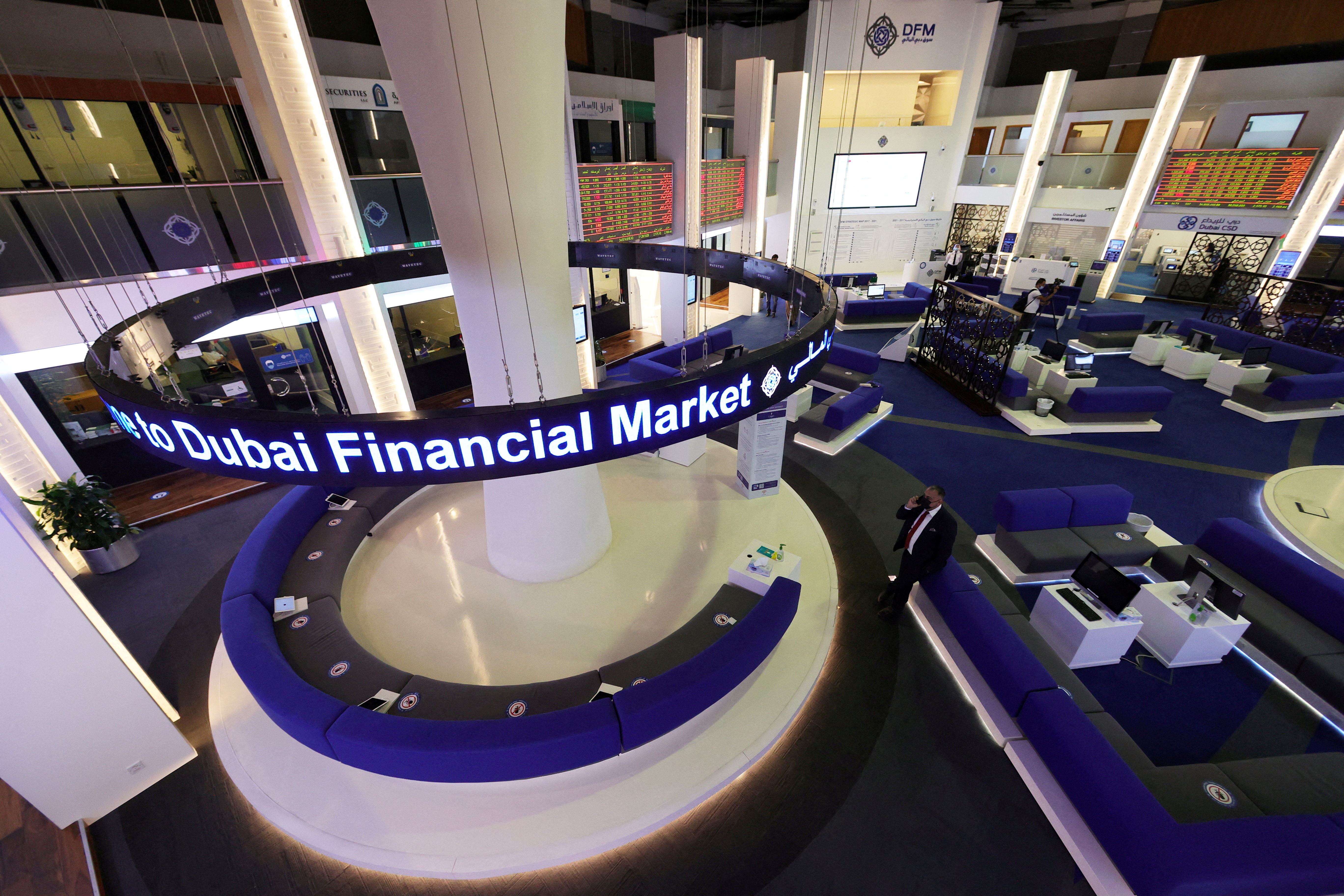
The combined market capitalisation of the Abu Dhabi Securities Exchange and the Dubai Financial Market surpassed AED3.9 trillion by the end of 2024, reflecting a gain of AED257 billion from the previous year.

In recognition of its performance, ADX was awarded the title of Best Islamic Stock Exchange 2024 by the Global Islamic Finance Awards .

The exchange’s robust performance is attributed to increased trading activity and heightened interest from foreign investors. The UAE’s stock markets have demonstrated resilience and growth, contributing to the nation’s economic development.

The surge in gold prices has sparked a corresponding rise in gold-backed cryptocurrencies, which have gained significant traction in the wake of global economic uncertainties and a prolonged trade war. The value of gold has climbed nearly 10% this year, reaching new heights as investors look for stable assets amidst volatile market conditions, while most major cryptocurrencies have struggled to maintain positive momentum.

Gold-backed digital currencies, which are pegged to the price of gold, have become increasingly popular as both a hedge against inflation and a secure store of value. These cryptocurrencies provide investors with the benefits of blockchain technology, offering fast, secure transactions and lower fees, while still being tied to the tangible value of gold. As the price of gold breaks records, these digital assets have seen a sharp rise in value, attracting attention from institutional investors who are traditionally more risk-averse and have historically favoured physical gold for their portfolios.

The economic backdrop fueling this surge is primarily the ongoing trade tensions between major global economies. With trade disputes, particularly between the United States and China, showing no signs of abating, the global economy faces mounting pressure. These trade conflicts have led to fears of inflation and slower growth, pushing investors to seek refuge in traditional safe-haven assets like gold. As a result, the demand for gold-backed cryptocurrencies has risen, with investors increasingly willing to embrace digital assets that offer stability amid uncertain times.

Gold-backed cryptocurrencies differ from typical cryptocurrencies such as Bitcoin and Ethereum, which are not directly tied to any physical asset. Instead, the value of gold-backed tokens is directly correlated to the price of gold, which has proven to be a reliable store of value for centuries. This connection appeals to investors who seek the benefits of cryptocurrency without the volatility associated with unbacked tokens.

Several platforms have emerged in recent years offering gold-backed digital currencies, and their growth is being driven by the increasing adoption of blockchain technology across multiple sectors. These platforms typically work by holding physical gold reserves in vaults and issuing tokens that represent ownership of a specific amount of gold. Investors can trade these tokens on various exchanges, and they can also redeem them for physical gold if desired. This hybrid approach offers a unique combination of traditional financial instruments and the advantages of digital currencies.

Notably, the surge in gold prices has been driven by several factors, including concerns over inflation, geopolitical tensions, and the economic fallout from the ongoing trade war. As central banks continue to print money to stimulate economies, the fear of inflation has grown, leading to greater demand for gold as a hedge. In times of economic instability, gold has historically served as a safe-haven asset, with its value often rising when other markets falter. With the US dollar weakening and bond yields remaining low, gold’s appeal as an investment has only increased.

Meanwhile, the trade war, which has disrupted global supply chains and created uncertainty in the markets, has further compounded these concerns. Both the US and China have imposed tariffs on each other’s goods, resulting in higher prices for consumers and reduced global trade. This ongoing uncertainty has prompted many investors to turn to assets like gold-backed cryptocurrencies, which offer the potential for stability in an unpredictable economic environment.

One of the key advantages of gold-backed cryptocurrencies is their ability to provide exposure to the price of gold without the need for physical ownership or storage. Traditional gold investors often face challenges related to the high costs of securing and storing physical gold. By contrast, digital currencies offer a more accessible and efficient way to invest in gold. As more investors seek to diversify their portfolios, gold-backed tokens provide an attractive option for those looking to capitalise on the price of gold while avoiding some of the logistical issues associated with owning physical gold.

Despite the growth of gold-backed cryptocurrencies, challenges remain. The volatility of the broader cryptocurrency market can still affect the price of gold-backed tokens, and there are concerns around regulation and the potential for government crackdowns on digital currencies. While some countries have embraced blockchain technology and cryptocurrency as part of their financial systems, others remain cautious or outright hostile to the sector. This regulatory uncertainty could pose a risk to the long-term growth of gold-backed cryptocurrencies, as potential investors weigh the risks of government intervention and the stability of the market.

Advertisements

Ooredoo and DE-CIX have officially launched Doha IX, a state-of-the-art internet exchange platform aimed at boosting Qatar’s digital infrastructure. The partnership seeks to provide a secure and carrier-neutral solution to enhance network performance, offering businesses in Qatar and across the region improved connectivity.

Doha IX is designed to facilitate the exchange of low-latency internet traffic between operators, service providers, and content providers. The platform will also support remote peering services, allowing organizations to connect more effectively with global and regional networks. By providing a carrier-neutral environment, it offers flexibility to businesses and internet service providers, enabling them to select their preferred partners for traffic exchange without relying on a single carrier. This flexibility could be a significant advantage for companies looking to optimize their networks in a highly competitive market.

The new exchange will help alleviate some of the challenges faced by businesses in Qatar, particularly in terms of maintaining fast, efficient, and secure connections. As Qatar continues to grow as a technology and business hub in the Middle East, reliable and efficient connectivity infrastructure becomes a critical element of its economic development. Doha IX is poised to play a key role in this by providing businesses with the tools necessary to improve their network performance and stay ahead of emerging trends in the digital economy.

The establishment of the exchange comes at a time when the demand for high-quality connectivity is surging across the region. With more businesses moving toward cloud-based services and data-centric models, the need for reliable, low-latency connections is crucial. Doha IX is expected to meet this demand by offering the infrastructure needed to support a wide variety of digital applications, from e-commerce and financial services to entertainment and content delivery.

This development is also in line with Qatar’s broader goal of becoming a leading digital economy in the region. The country’s Vision 2030 plan emphasizes the importance of digital infrastructure as part of its national strategy for economic diversification. The launch of Doha IX aligns with this vision by enhancing the country’s ability to serve both local and international businesses. It also strengthens Qatar’s position as a regional hub for the internet exchange ecosystem.

DE-CIX, a leading global operator of internet exchange platforms, brings a wealth of expertise and experience to this partnership. With over 25 years of experience in running internet exchanges around the world, DE-CIX operates some of the largest and most secure peering platforms globally. Its involvement in Doha IX provides a significant boost to the exchange’s credibility and operational reliability.

The launch of Doha IX is expected to attract international players to the Qatari market, further driving competition and innovation. The platform offers a unique advantage for global content providers and internet service providers who are looking for a reliable and low-latency traffic exchange in the region. It also provides a platform for local businesses to connect with global partners, creating new opportunities for collaboration and growth.

As part of the launch, Ooredoo will provide infrastructure and connectivity support for the exchange, leveraging its extensive network to ensure smooth operations and minimal downtime. Ooredoo’s involvement further enhances the credibility of Doha IX and underscores its commitment to supporting the growing demand for high-quality internet services in Qatar.

For DE-CIX, the establishment of Doha IX marks a strategic expansion into the Middle East, a region that has seen rapid growth in digital and internet services over the past decade. The company’s presence in Qatar further strengthens its position as a global leader in the internet exchange market and offers it a chance to tap into one of the fastest-growing economies in the region.

Looking ahead, Doha IX is poised to become a key player in the digital infrastructure landscape in Qatar. As the country’s business environment becomes increasingly digital, the demand for reliable and efficient connectivity will continue to rise. The platform will provide businesses with the necessary infrastructure to stay connected and competitive in an ever-evolving global market.

KUALA LUMPUR, MALAYSIA – Media OutReach Newswire – 4 February 2025 – Monash University Malaysia marked a milestone with the launch of the Southeast Asia Research Centre for Digital Tech and Society (SEADS). The launch of SEADS was inaugurated by the Honourable YB Hannah Yeoh, Minister of Youth and Sports, in a ceremony committed to promoting a safer digital future. From left: Professor Duncan McDuie-Ra (Head of […]

KUALA LUMPUR, MALAYSIA – Media OutReach Newswire – 31 January 2025 – Memecoins were on the rise in 2024. Their overall market capitalisation increased from $20 billion last January up to $120 billion in December 2024. Such coins as DOGE, PEPE, or SHIB have thrived, primarily driven by community support and innovative strategies. Some experts have even acknowledged meme coins as a viable crypto trend. TRUMP, a […]

Blockchain technology is increasingly intersecting with renewable energy initiatives, offering transformative solutions that enhance transparency, efficiency, and accessibility in the energy market. This convergence is fostering a new era of decentralized energy systems, where consumers and producers engage in more direct and efficient transactions. UrbanChain, established in 2017 and based in Manchester Science Park, has developed a green energy marketplace that utilizes artificial intelligence and distributed ledger […]

Hamas has released three Israeli hostages, including 19-year-old soldier Agam Berger, as part of ongoing ceasefire negotiations. Berger, who was captured during the October 2023 attack, was handed over to the Red Cross in Gaza and is now undergoing medical assessment before reuniting with her family. The other released hostages are Arbel Yehud, 29, and 80-year-old Gadi Moses. Additionally, five Thai nationals were freed in this latest exchange.

The ceasefire agreement, brokered by U.S.-led mediators, aims to facilitate the release of hostages in exchange for Palestinian prisoners. Under the terms, Hamas is expected to release a total of 33 hostages, while Israel will free approximately 1,900 Palestinian prisoners. This truce seeks to halt the intense conflict that has resulted in significant casualties on both sides.

The release of Berger, the last female soldier held in Gaza, was met with celebrations in Tel Aviv. Footage showed her waving to the crowd upon her release, indicating she is alive and well. The emotional return has been a source of relief for her family and supporters.

The ceasefire has also allowed hundreds of thousands of Palestinians to return to northern Gaza, though they face significant devastation upon their return. Negotiations for further exchanges and a permanent end to the war are ongoing, with the next phase focusing on releasing remaining hostages and withdrawing Israeli troops from Gaza. The final phase will involve returning the bodies of deceased hostages and reconstructing Gaza.

The October 7, 2023, attack by Hamas resulted in over 1,200 deaths and 250 kidnappings, sparking the subsequent conflict. The recent releases are part of efforts to de-escalate tensions and work towards a more lasting peace in the region.

As part of the ceasefire deal, Israel has agreed to release 110 Palestinian prisoners. The truce, which paused the conflict earlier this month, is part of a larger deal aiming for a more extended halt in hostilities and the release of more captives. However, negotiations for a deeper, lasting peace remain complex and uncertain.

The release of hostages and prisoners is seen as a significant step towards de-escalation, but the path to a lasting peace remains fraught with challenges. Both sides have expressed a commitment to continuing negotiations, with the hope of achieving a more comprehensive resolution to the conflict.

The international community continues to monitor the situation closely, with many nations expressing support for the ceasefire and the ongoing negotiations. The hope is that these developments will lead to a sustainable peace and stability in the region.

As the situation evolves, the focus remains on the safe return of all hostages and the implementation of measures to prevent further escalation. The coming days and weeks will be critical in determining the future trajectory of the Israeli-Palestinian conflict.

The recent releases have provided a glimmer of hope in an otherwise tumultuous period, highlighting the potential for diplomacy and negotiation to yield positive outcomes even in the most challenging circumstances.

While significant hurdles remain, the progress made thus far underscores the importance of continued dialogue and the pursuit of peaceful solutions to longstanding conflicts.

The international community remains cautiously optimistic, recognizing that while the road ahead is uncertain, the recent developments represent a meaningful step towards a more peaceful and stable future for both Israelis and Palestinians.

The situation remains fluid, and stakeholders on all sides are urged to exercise restraint and continue working towards a comprehensive and lasting resolution to the conflict.

The hope is that through sustained efforts and mutual compromise, a durable peace can be achieved, bringing an end to the cycle of violence and suffering that has plagued the region for decades.

The recent hostage releases serve as a reminder of the human cost of the conflict and the urgent need for a resolution that ensures the safety and well-being of all individuals affected by the ongoing strife.

As negotiations continue, the focus remains on achieving tangible outcomes that pave the way for a peaceful coexistence between Israelis and Palestinians, fostering a future where both communities can thrive in harmony.

The international community stands ready to support these efforts, recognizing that a lasting peace in the Middle East is not only a regional imperative but also a global one, with far-reaching implications for international stability and security.

The path to peace is seldom straightforward, but the recent developments offer a beacon of hope, illustrating that even in the face of deep-seated animosities, progress is possible through dialogue, negotiation, and a shared commitment to a better future.

As the world watches, the actions taken in the coming days will be pivotal in shaping the course of the Israeli-Palestinian conflict and determining whether this moment of hope can be transformed into a lasting reality.

The release of hostages and the ongoing ceasefire negotiations represent a critical juncture, offering an opportunity to break the cycle of violence and lay the groundwork for a sustainable peace that benefits all parties involved.

The international community remains engaged, ready to assist in facilitating dialogue and providing support to ensure that the progress made is not only preserved but also built upon in the pursuit of a just and enduring resolution to the conflict.


XRP’s price surge in 2025 has brought attention to the asset’s growing dominance on centralized exchange platforms, with more than 23% of the total circulating supply concentrated in the hands of just 11 exchanges. This significant shift raises concerns about liquidity and market control, particularly as XRP edges closer to its historic highs. As the cryptocurrency continues to see rising demand, a closer look at its distribution and trading volumes reveals the intricate relationship between exchange platforms and the price movement of the digital asset.

Data from prominent blockchain analysis firms show that XRP, with over 57 billion tokens in circulation, has seen a substantial amount of its supply centralized in the portfolios of top exchanges. The concentration of this cryptocurrency in a few hands is a critical factor in understanding its volatile price fluctuations. As the supply becomes more concentrated, it gives these platforms an increased influence over the market, potentially leading to artificial price movements or market manipulation concerns. This shift highlights the growing power of centralized entities within the largely decentralized cryptocurrency landscape.

The leading exchanges holding the bulk of XRP tokens include major players such as Binance, Coinbase, and Kraken, all of which are involved in substantial XRP trading volumes. With these platforms holding large percentages of the total supply, their actions—whether it be large-scale buying or selling—have the ability to drastically impact XRP’s price. The trend reflects a broader shift in cryptocurrency trading, where institutional involvement and the growing consolidation of supply on fewer exchanges are altering the dynamics of market liquidity and price stability.

The significant concentration of XRP on centralized exchanges has sparked debates about the risks and benefits of such an arrangement. Proponents argue that centralized exchanges provide the necessary infrastructure for retail investors to access and trade XRP, facilitating broader adoption. They also highlight that these platforms typically offer more robust security features, which may attract a broader base of traders seeking stability in the sometimes volatile world of cryptocurrencies. Furthermore, centralized exchanges can often offer quicker trade execution, which is vital for users seeking to capitalize on XRP’s price movements.

However, critics of the centralization trend express concerns about the potential for market manipulation. When large portions of a cryptocurrency’s supply are held on a limited number of exchanges, it increases the risk of coordinated actions that can influence the price, creating an uneven playing field for smaller investors. These exchanges, by virtue of their size and control over supply, have the ability to move the market by either buying or selling large quantities of tokens, which could lead to artificial inflation or deflation of XRP’s price.

The reliance on centralized exchanges raises questions about decentralization, a core value within the cryptocurrency community. While XRP itself is often viewed as a decentralized asset, its increasing concentration in the hands of centralized players seems at odds with the ethos that many in the cryptocurrency world champion. The trend challenges the notion that digital currencies should be accessible and controlled by individuals rather than large institutional players.

The increase in centralized exchange holdings of XRP coincides with a broader trend in the cryptocurrency market, where the role of institutional investors and exchanges has become more pronounced. In particular, the rise of institutional investment products like ETFs and futures contracts has contributed to the growing presence of centralized entities in the digital asset space. These developments suggest that the market may be moving toward greater institutional control, further distancing itself from the decentralized vision that once defined cryptocurrencies.

As XRP continues to attract attention from institutional investors, its price has experienced significant fluctuations. The cryptocurrency market, known for its volatility, is deeply influenced by factors such as regulatory developments, technological advancements, and large transactions by institutional traders. XRP’s price surge in 2025 can be attributed to multiple factors, including increased interest from retail investors, positive regulatory developments, and a more favorable market environment for cryptocurrencies as a whole. However, the dominance of centralized exchanges raises questions about the long-term sustainability of these price gains.

While XRP’s price may be reaching new heights, analysts are also focused on the underlying risks associated with the growing concentration of the asset in centralized platforms. As exchanges continue to hold more of the circulating supply, the potential for large price swings increases, particularly if these platforms decide to shift large amounts of XRP or if regulatory actions cause market disruptions. The market remains highly sensitive to external factors, with price movements often reflecting shifts in investor sentiment, technological advancements, and regulatory changes.

A new digital token, WallitIQ , has captured the attention of analysts and investors, with predictions suggesting it could achieve a massive 50,000% rally by mid-2025, eclipsing the popular cryptocurrency Dogecoin . The bold projections, which draw parallels between WLTQ and the early success of Dogecoin, have set the stage for what could become one of the most significant DeFi market shifts in the coming years.

WallitIQ, currently priced at approximately $0.0420 per token, has generated a considerable amount of buzz in cryptocurrency communities. Analysts are noting the token’s potential for rapid growth, especially in light of the ongoing boom in decentralized finance projects. Unlike Dogecoin, which initially gained popularity as a meme coin, WallitIQ is positioning itself as a functional asset within the expanding DeFi ecosystem, offering utilities that could drive its value through real-world adoption.

What differentiates WallitIQ from Dogecoin, and why are experts so optimistic? The DeFi sector, which WallitIQ is part of, has been on an upward trajectory, fueled by decentralized exchanges , yield farming, and liquidity pools. DeFi has redefined how digital assets are utilized, allowing for more utility and, by extension, more growth potential for tokens like WallitIQ. In contrast, Dogecoin, though immensely popular, remains limited in terms of real-world use cases outside of speculative trading and social media-driven movements.

The high expectations surrounding WallitIQ stem from its innovative features and its backing by a team of blockchain experts who have managed to secure strong partnerships within the DeFi space. This network of relationships could contribute significantly to the token’s adoption, boosting its value through greater use within decentralized applications and services. These developments are crucial, as cryptocurrencies with tangible applications tend to experience more sustained growth than those reliant solely on speculative interest.

The rise of WallitIQ has coincided with a growing interest in alternative cryptocurrencies to traditional tokens like Bitcoin and Ethereum. As investors look for new opportunities in the ever-evolving crypto space, many are turning their focus to promising altcoins, with WallitIQ being a prominent contender. The token’s relatively low price point also makes it an attractive option for those looking to capitalize on a potential long-term gain, especially given the expected surge in value predicted by leading market analysts.

Industry experts point to several factors that may contribute to WallitIQ’s rapid ascension. One of the most critical factors is the growing focus on token utility and the integration of real-world applications. WallitIQ’s team has reportedly been in talks with various companies across different sectors to integrate their token into products and services, potentially increasing its demand. This type of strategic partnership has been key to the success of other DeFi tokens, setting a strong precedent for WallitIQ’s potential growth.

The broader trend of increasing institutional interest in DeFi projects cannot be ignored. With major financial institutions and venture capital firms showing greater willingness to invest in decentralized finance, the influx of capital into promising projects like WallitIQ could drive its value to new heights. Unlike Dogecoin, which largely relies on community sentiment and social media trends, WallitIQ’s strong backing and institutional interest set it apart in a rapidly maturing market.

Despite the optimism surrounding WallitIQ, experts acknowledge that the cryptocurrency market remains volatile, and predictions of 50,000% returns should be viewed with caution. Historical trends show that while some tokens have achieved significant growth, the crypto market is still highly speculative and unpredictable. Investors are advised to consider the risks involved before diving into projects that promise astronomical returns.

However, the overarching trend of DeFi and the increasing acceptance of blockchain-based financial systems suggest that WallitIQ is well-positioned to capture a larger share of the market. As more individuals and institutions turn to decentralized platforms for their financial needs, WallitIQ’s utility could play a significant role in driving its value beyond even the most optimistic projections.

At the heart of WallitIQ’s anticipated growth is its potential to carve out a niche within the DeFi space that not only challenges Dogecoin’s dominance but offers a more robust, practical alternative for investors seeking tokens with long-term viability. If the predictions hold true, WallitIQ could soon become one of the most talked-about tokens in the cryptocurrency world, outpacing even the established giants of the market.

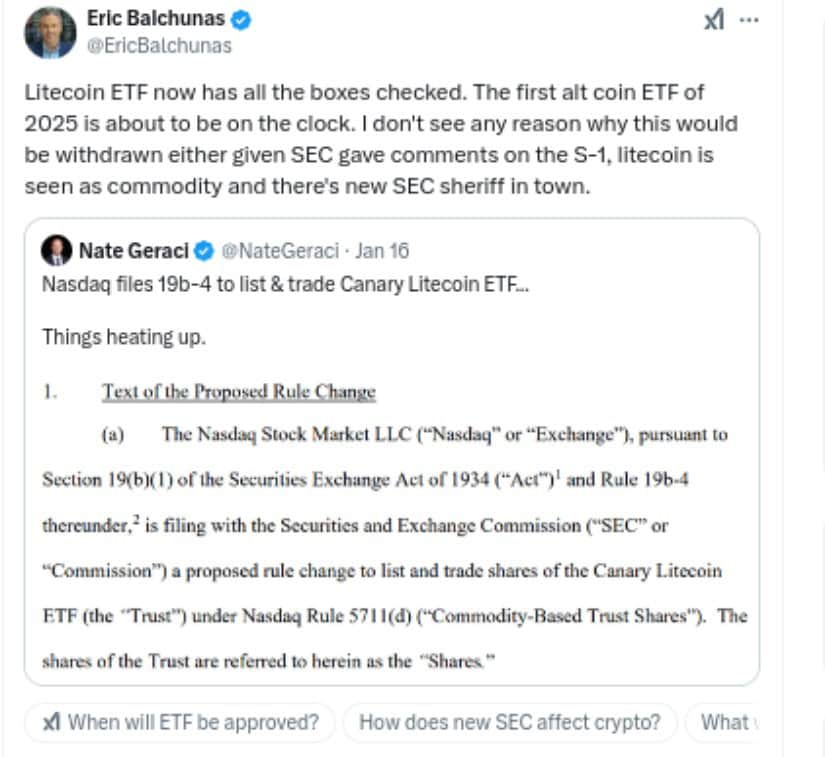
Nasdaq has officially filed a 19b-4 form with the U.S. Securities and Exchange Commission in support of the Canary Litecoin ETF proposal, marking a significant step towards the launch of a new cryptocurrency-focused exchange-traded fund . This move follows earlier discussions with the SEC, which had requested Canary Capital to amend its S-1 filing for the proposed ETF.

The Canary Litecoin ETF, first introduced by Canary Capital in October 2024, aims to provide investors with direct exposure to Litecoin , one of the top cryptocurrencies by market capitalization. Unlike traditional ETFs, which typically track stocks or commodities, the Litecoin ETF would provide a structured way to invest in the digital currency, bringing the asset class closer to mainstream financial markets.

The filing of the 19b-4 form with the SEC is a crucial step in the approval process for the ETF. This form is used by exchanges to propose rule changes related to the listing and trading of securities. By submitting the form, Nasdaq is seeking approval to list the Canary Litecoin ETF on its exchange, a move that could open the door for broader institutional and retail investor participation in the Litecoin market.

The SEC’s role in the process is central to the success of the proposal. The regulatory body has long been cautious about approving cryptocurrency-based ETFs, primarily due to concerns about market volatility, liquidity, and potential manipulation. However, recent developments, including the approval of Bitcoin ETFs, have sparked renewed optimism that Litecoin, as a leading cryptocurrency, may also be considered for ETF approval.

Nasdaq’s filing comes after the SEC’s request for amendments to the S-1 form, which is required for the registration of the proposed ETF. The amendments were aimed at clarifying certain aspects of the ETF’s structure and compliance with SEC regulations. Canary Capital responded to the SEC’s concerns and has now moved forward with the 19b-4 filing, signaling confidence in the proposal’s approval.

If approved, the Canary Litecoin ETF would be the first of its kind to offer exposure to Litecoin, allowing investors to buy shares in the fund without needing to directly hold or manage the cryptocurrency. This would simplify the process for those looking to invest in Litecoin while also providing the regulatory oversight that traditional ETFs enjoy. It could also have a significant impact on the adoption of Litecoin as an asset class, especially among institutional investors who may have been hesitant to invest in digital currencies without a regulated investment vehicle.

The move aligns with a broader trend in the cryptocurrency industry, where more companies are attempting to bridge the gap between traditional finance and digital assets. Bitcoin ETFs, which track the price of Bitcoin, have gained traction in the past few years, prompting a reassessment of how other major cryptocurrencies could also be packaged in a similar way for investors. Litecoin, which was created in 2011 by Charlie Lee as a “lighter” alternative to Bitcoin, has gained substantial traction in the crypto space and is often considered one of the more stable digital assets, making it a prime candidate for an ETF product.

The filing also comes amid growing interest in alternative investment products, especially in the wake of a year marked by significant price volatility in traditional financial markets. Investors are increasingly turning to cryptocurrencies as a hedge against inflation and economic uncertainty, and an ETF could provide a more accessible route for them to gain exposure to the digital asset class.

Despite the excitement surrounding the potential approval of a Litecoin ETF, the SEC’s cautious stance on cryptocurrency products means the approval process is unlikely to be straightforward. The regulatory body has previously expressed concerns about the potential for market manipulation in the cryptocurrency space, and the Canary Litecoin ETF will likely face intense scrutiny. However, the SEC’s approval of Bitcoin ETFs has created a more favorable environment for other digital assets, and many market participants are hopeful that the SEC will ultimately grant approval for the Litecoin ETF as well.

For Nasdaq, the filing represents a key strategic move in solidifying its position as a leader in the growing cryptocurrency market. As more institutional investors seek regulated ways to engage with cryptocurrencies, exchanges like Nasdaq are well-positioned to capitalize on the trend by offering products like the Canary Litecoin ETF.

The approval of a Litecoin ETF would not only provide a new investment opportunity for retail and institutional investors but also send a strong signal to the broader financial markets that digital currencies are becoming increasingly integrated into traditional investment frameworks. It would also mark another milestone in the ongoing evolution of the cryptocurrency market, which continues to attract the attention of both investors and regulators.

Ripple has minted 3.2 million RLUSD stablecoins at its RLUSD Treasury on January 29, following the issuance of 1,050,000 RLUSD stablecoins on January 28. This brings the total RLUSD supply outstanding to 77,208,201, with a market value of approximately $83.21 million. The reserves backing RLUSD are primarily composed of U.S. Treasury Bills, government money market funds, and cash deposits with U.S. financial institutions. This development underscores Ripple’s commitment to enhancing the utility and adoption of its stablecoin in the digital finance ecosystem.

The RLUSD stablecoin, launched in December 2024, is a centralized stablecoin issued by Ripple’s subsidiary under the approval of the New York Department of Financial Services. It is pegged 1:1 to the U.S. dollar and is designed to facilitate instant global payments, seamless on/off ramps, and access to real-world assets. The stablecoin operates on both the Ethereum and XRP Ledger blockchains, enabling its use in decentralized finance applications across these platforms. Ripple’s strategic move to launch RLUSD aims to provide a stable and efficient digital asset for cross-border payments and other financial services.

In addition to the recent minting, Ripple has secured listings for RLUSD on several prominent cryptocurrency exchanges, including Bitstamp, Uphold, Bullish, Independent Reserve, Moonpay, Bitso, and Coinmena. The stablecoin has also been listed on the high-leverage trading platform Margex, where it is available as collateral for trading crypto pairs. These listings are expected to enhance RLUSD’s liquidity and accessibility, further promoting its adoption in the cryptocurrency market.

To bolster the stability and reliability of RLUSD, Ripple has adopted the Chainlink standard for providing high-quality pricing data. By leveraging Chainlink’s Price Feeds, RLUSD’s pricing data is now available on the Ethereum mainnet, allowing developers to integrate RLUSD into their DeFi applications for use cases such as trading and lending. This integration aims to enhance the utility of RLUSD across the on-chain economy and support its adoption within the DeFi ecosystem.

Coinbase has recently strengthened its Advisory Board by appointing four influential political and financial experts. This move marks a strategic push by the cryptocurrency exchange to enhance its operations and reputation, particularly in navigating complex regulatory landscapes and expanding its influence in both the financial and governmental sectors.

The new appointments signal Coinbase’s ongoing commitment to improving its strategic positioning in the fast-evolving digital asset market. As the cryptocurrency industry faces heightened regulatory scrutiny, the company is keen on leveraging the expertise of these newly appointed advisors to help guide its operations through potential legislative challenges. The new advisory team consists of individuals with deep experience in policy-making, finance, and corporate governance.

The individuals appointed bring with them decades of experience in various sectors, including finance, law, and public policy. Their expertise is expected to play a pivotal role as Coinbase continues to refine its regulatory strategies while expanding its services to new markets. Their knowledge will also assist the company in strengthening its communication with regulators and policymakers, two key groups that have become increasingly important for the exchange’s future growth.

One of the notable appointments is that of a former U.S. senator, whose background in government service is expected to provide valuable insights as Coinbase works to influence and shape crypto-related legislation in Washington. This particular appointment aligns with the company’s ongoing efforts to establish strong relationships within the political sphere, a move considered vital to the success of crypto businesses in the U.S. amid growing concerns over regulatory frameworks.

Another prominent addition is a former senior executive from one of the world’s largest investment banks. The experience of this new advisory member in financial markets and risk management will likely benefit Coinbase as it navigates market volatility and continues to expand its institutional offerings. With increased institutional interest in cryptocurrencies, the advice of such an expert could prove instrumental in helping Coinbase better serve large-scale investors and ensure robust compliance practices.

The composition of the new advisory board also includes experts with vast experience in global financial markets and regulatory affairs. These appointments reflect Coinbase’s strategy to solidify its presence internationally, as the company has faced varying degrees of regulatory scrutiny in markets outside the United States, particularly in Europe and Asia. By bringing on board individuals who have worked with international regulators, Coinbase appears poised to strengthen its international operations and better understand the regulatory demands in multiple regions.

Coinbase’s decision to bolster its Advisory Board comes at a time when the cryptocurrency industry is grappling with an evolving regulatory environment. Global regulators have intensified their efforts to create clearer frameworks for digital assets, while lawmakers continue to debate the role of cryptocurrencies in the broader economy. By bringing in top-tier experts from political and financial backgrounds, Coinbase seeks to ensure that it remains at the forefront of the ongoing dialogue surrounding digital asset regulation.

As one of the largest cryptocurrency exchanges in the world, Coinbase’s moves to enhance its advisory resources come as no surprise. The company has consistently been proactive in addressing regulatory concerns and fostering relationships with policymakers. This commitment to advisory growth is part of Coinbase’s larger strategy to build a more secure and compliant foundation for its business operations while positioning itself for sustainable long-term growth.

In recent years, Coinbase has increasingly emphasized its role as a responsible market player, striving to lead the industry toward more robust standards and practices. The newly appointed members of the Advisory Board are expected to contribute significantly to the company’s efforts in this regard. Their deep insights will likely guide Coinbase in its ongoing discussions with regulators and legislators to influence the regulatory landscape, especially as governments worldwide continue to examine the broader implications of blockchain technologies and cryptocurrencies.

Coinbase’s latest move comes as the digital asset industry continues to evolve, with developments in blockchain technology and decentralized finance contributing to an increasingly complex ecosystem. As cryptocurrency adoption grows, so too does the need for clear and effective regulation. The expansion of Coinbase’s Advisory Board, particularly with such distinguished new members, demonstrates the company’s proactive approach to navigating the regulatory challenges that lie ahead.

Toncoin’s price has experienced a notable decline, trading at $4.81 on January 29, 2025, reflecting a 13.2% decrease over the past month. This downturn has been accompanied by a significant increase in exchange inflows, with over 240,000 TON tokens, valued at approximately $1.16 million, moved to exchanges in the past week. This surge in exchange activity suggests a potential sell-off by investors, contributing to the downward pressure on Toncoin’s price.

The recent price movement aligns with a bearish technical pattern known as the “death cross,” where the 50-day moving average crosses below the 200-day moving average. This pattern often signals further price declines. Additionally, Toncoin’s price has fallen to a key support level between $4.50 and $4.84, indicating a critical point for potential price stabilization or further decline.

Market analysts have observed that the increase in exchange inflows and the formation of the death cross pattern are indicative of a bearish trend. The decline in Toncoin’s price and the rise in exchange inflows suggest that investors may be liquidating their positions, contributing to the downward pressure on the cryptocurrency.

Max Fashion has opened its inaugural Concept Store in the UAE at Ibn Battuta Mall, marking a pivotal shift in its retail approach. The new store is the second of its kind in the GCC and represents a significant move toward transforming the traditional shopping experience. Located in one of Dubai’s most well-known shopping destinations, the store combines contemporary design with a customer-centric shopping environment, offering a […]

HONG KONG SAR – Media OutReach Newswire – 24 January 2025 – Financial Secretary of the Hong Kong Special Administrative Region (SAR), Paul Chan, wrapped up his participation at the World Economic Forum (WEF) Annual Meeting in Davos, Switzerland (January 23) with a flurry of thematic meetings, panel discussions and high-level exchanges with global political, business and financial leaders. As a panelist for a discussion session titled […]

By Ashis Biswas In Bangladesh, a bunch of unelected interim ‘rulers’ led by economist Mohammad Yunus is desperately anxious to cosy up to Pakistan, from which their country had seceded violently only five decades ago. In a strange reversal of their own (instant?) history, Bangladeshis have shown an apparent inability to exist and function as […]

Dubai Investments is gearing up to take its subsidiary companies public, with plans for an initial public offering (IPO), according to the company’s CEO. The move reflects the growing trend among Middle Eastern conglomerates to unlock value and attract investment by listing some of their high-performing subsidiaries. The company, a prominent player in the UAE’s investment sector, has not specified a timeline or details about which subsidiaries will be included in the offering, but the announcement marks a significant step in Dubai Investments’ ongoing strategy to diversify its capital base and enhance its market position.

The UAE has seen a surge in IPO activity in recent years, with companies from various sectors, including real estate, energy, and financial services, opting to go public to leverage favorable market conditions. Dubai Investments, with its diverse portfolio spanning sectors like manufacturing, real estate, and healthcare, is positioning itself to tap into this growing market momentum.

The decision to pursue an IPO aligns with the broader push by UAE-based companies to boost their financial profiles and capital flexibility. UAE’s stock exchanges have seen a revival of IPO activity, with several high-profile listings, such as those of Dubai-based Emirates Central Cooling Systems Corporation (Empower) and the real estate developer Emaar Properties. These IPOs, coupled with the UAE government’s efforts to make the country more attractive to foreign investors, have set a strong precedent for other major firms like Dubai Investments to follow suit.

CEO of Dubai Investments, Khaled Al Huraimel, expressed optimism regarding the company’s plans, pointing to a robust market appetite for high-growth companies with a diversified asset base. He emphasized that the decision to list subsidiaries will help maximize shareholder value and unlock greater capital for reinvestment into core operations. With Dubai’s stock market seeing record levels of participation, the potential for a successful IPO seems favorable.

As part of Dubai Investments’ growth strategy, the IPOs will likely be part of a broader restructuring that focuses on enhancing operational efficiencies and sharpening the strategic direction of its subsidiary companies. These subsidiaries, which include some of the UAE’s most successful ventures in manufacturing, real estate, and healthcare, stand to benefit from increased visibility and liquidity once listed. The capital raised from the IPO could be reinvested into expanding these businesses, as well as funding new projects and acquisitions, further solidifying Dubai Investments’ footprint in the region.

Market analysts expect the IPOs to create a ripple effect across the UAE’s business landscape, potentially encouraging other conglomerates in the region to pursue similar paths. By going public, Dubai Investments and its subsidiaries will gain access to a larger pool of capital, allowing them to expand operations more aggressively, strengthen market share, and accelerate their regional and international growth plans.

The UAE government’s pro-business initiatives, including efforts to attract foreign investments and regulatory reforms aimed at increasing market transparency, have made the country an attractive destination for initial public offerings. These efforts are part of the UAE’s broader economic diversification strategy, which aims to reduce reliance on oil revenues and foster the growth of non-oil sectors. The country’s stock exchanges, particularly the Dubai Financial Market (DFM) and the Abu Dhabi Securities Exchange (ADX), have benefited from these policies, experiencing increased investor interest and a rise in IPOs in recent months.

Experts believe that the market conditions are ripe for Dubai Investments to capitalize on the growing investor demand for stocks from well-established firms with strong operational histories. With a track record of success across various sectors, Dubai Investments is well-positioned to attract a wide range of institutional and retail investors who are eager to tap into the growth potential of its diverse subsidiary companies.

The company’s move to pursue an IPO comes at a time when Dubai is further consolidating its position as a regional financial hub, thanks to government-backed initiatives aimed at making the city an appealing destination for business and investment. Dubai’s ease of doing business, robust infrastructure, and investor-friendly regulations make it a favorable environment for companies like Dubai Investments to expand their capital base and achieve long-term growth.

However, the decision to go public also carries risks. IPOs can be volatile, particularly in times of global uncertainty or market fluctuations. Dubai Investments will need to carefully navigate the process to ensure that its subsidiaries are positioned for success post-listing. The company’s management will also need to ensure that the IPOs do not dilute the control or influence of its parent company, preserving its strategic direction and long-term vision.

For Dubai Investments, listing its subsidiaries is a key part of its transformation and efforts to modernize its portfolio. While the IPO route is seen as a way to enhance liquidity and raise capital, it also provides an opportunity to unlock value from a number of high-growth subsidiaries, many of which have proven resilient in the face of economic challenges.

HONG KONG SAR – Media OutReach Newswire – 23 January 2025 – Financial Secretary of the Hong Kong Special Administrative Region (SAR), Paul Chan, is among nearly 3,000 political leaders, financial officials and business elites attending the World Economic Forum (WEF) Annual Meeting in Davos, Switzerland. Hong Kong SAR’s Financial Secretary, Paul Chan, speaks at the “2025 Davos-Caixin CEO Luncheon” in Davos, Switzerland. Promoting Hong Kong’s advantages […]

HONG KONG SAR – Media OutReach Newswire – 16 January 2025 – To attract high-yield visitors to Hong Kong, the Hong Kong Tourism Board (HKTB) constantly promotes the development of Meetings, Incentives, Conventions and Exhibitions (MICE) tourism through elevating business travellers’ experience in Hong Kong, reinforcing the city’s position as the “World’s Meeting Place”. In line with this mission, and with the vision of the newly released […]

VISHNU RAJA
RYO YAMADA
HITORI GOTOH
IKUYO KITA