News related to
Exchanges

Australian cryptocurrency investors are facing substantial financial threats due to an elaborate scam where fraudsters impersonate representatives from Binance, one of the world’s leading cryptocurrency exchanges. The Australian Federal Police , in collaboration with the National Anti-Scam Centre and Binance Australia, have initiated Operation Firestorm to combat these fraudulent activities. This operation has identified over 130 Australian victims targeted through sophisticated phishing techniques.

Scammers have been sending text messages that closely mimic legitimate communications from Binance. These messages often include false verification codes and direct recipients to counterfeit customer service hotlines. Once contact is made, victims are manipulated into transferring their cryptocurrency assets into so-called “trust wallets” controlled by the scammers. The fraudulent messages are particularly deceptive, appearing within existing Binance communication threads, exploiting vulnerabilities in telecommunications systems that allow sender IDs to be spoofed.

AFP Commander of Cybercrime Operations, Graeme Marshall, emphasized the challenges in recovering stolen funds, noting that once assets are transferred to accounts under the scammers’ control, they are swiftly moved through a network of wallets and money laundering channels, complicating seizure or recovery efforts. Marshall advised individuals who suspect they have been targeted to report the incident to their financial institution or cryptocurrency exchange and to file a report with law enforcement via ReportCyber.

Binance’s Chief Security Officer, Jimmy Su, highlighted the importance of user education and verification to combat such scams. He recommended that users verify communications through official channels and remain cautious of unsolicited messages, especially those prompting urgent actions. Su also mentioned that Binance is developing new security features aimed at helping users identify and avoid phishing scams.

The Australian Competition and Consumer Commission’s Deputy Chair, Catriona Lowe, echoed these sentiments, urging the public to authenticate any communications through official channels to avoid falling victim to impersonation scams. She stressed the importance of vigilance and thorough verification of investment opportunities to prevent financial losses.

The sculptures are now available for public viewing at various locations across K11 MUSEA and add a bold, interactive dimension to Hong Kong’s city-wide celebration of the arts From 26 March to 13 May 2025 at GF, Promenade, K11 MUSEA HONG KONG SAR – Media OutReach Newswire – 26 March 2025 – British artist Philip Colbert‘s newest work, THE LOBSTER PAINTER, and five signature lobster sculptures transform […]

BlackRock, the world’s largest asset manager, has launched its inaugural Bitcoin exchange-traded product in Europe, marking a significant expansion into the continent’s cryptocurrency investment landscape. The iShares Bitcoin ETP is now trading on Xetra and Euronext Paris under the ticker IB1T, and on Euronext Amsterdam as BTCN.

This strategic move follows the firm’s notable success in the United States, where its iShares Bitcoin Trust has amassed over $50 billion in net assets since its debut in January 2024. The European launch underscores BlackRock’s commitment to meeting the growing demand for cryptocurrency exposure among both institutional and retail investors across diverse markets.

To encourage adoption, BlackRock is offering a temporary fee waiver of 10 basis points, effectively reducing the expense ratio to 0.15% until the end of the year. This competitive pricing positions the iShares Bitcoin ETP as one of the most cost-effective options for European investors seeking direct exposure to Bitcoin’s price movements.

Manuela Sperandeo, BlackRock’s Head of iShares Product for Europe and the Middle East, highlighted the significance of this development, stating that the launch represents a “tipping point” for the industry as institutional and retail demand for crypto investment products continues to rise.

The European cryptocurrency ETP market, while smaller than its U.S. counterpart, has been steadily growing. Over 160 crypto ETPs are currently trading on European exchanges, collectively commanding over $13 billion in net assets. BlackRock’s entry is poised to significantly influence this market, potentially enhancing liquidity and attracting a broader investor base.

Coinbase, a leading cryptocurrency exchange, will serve as the custodian for the physical Bitcoin backing the ETP, ensuring institutional-grade security for investors. Bank of New York Mellon has been appointed as the administrator, further underscoring the product’s robust operational framework.

The introduction of the iShares Bitcoin ETP aligns with BlackRock’s broader strategy to expand its $1 trillion European market share and increase its customer base from 9 million to 19 million over the next three years. This initiative also reflects the firm’s responsiveness to evolving investor interests and its commitment to providing diverse investment solutions.

DE-CIX, a prominent global operator of Internet Exchanges , has inaugurated two new IXs in Brazil—DE-CIX São Paulo and DE-CIX Rio de Janeiro—marking a significant enhancement to the country’s digital connectivity landscape.

The launch event took place at Villaggio JK in São Paulo, attended by industry representatives and organizations from Brazil and beyond. These IXs, operated by DE-CIX Brazil, a wholly-owned subsidiary of the DE-CIX Group, are both carrier and data center neutral, ensuring broad accessibility for various network operators.

Strategically distributed across multiple data centers, DE-CIX São Paulo is housed in Elea Data Centers SPO1, Ascenty SP4, and Equinix SP4, while DE-CIX Rio de Janeiro operates from Elea Data Centers RJO1 and Equinix RJ2. This multi-location approach enhances redundancy and resilience for Brazilian network operators, addressing a critical need in the nation’s digital infrastructure.

A notable feature of these IXs is their interconnection from the outset, a first for Brazil. This setup facilitates both local and remote peering, allowing seamless data exchange within and between the two cities. Furthermore, DE-CIX Brazil integrates into the company’s global IX ecosystem, connecting with exchanges in New York, Lisbon, Madrid, Frankfurt, and beyond. This integration leverages both north-south and south-south Atlantic connectivity corridors, providing Brazilian customers with direct access to thousands of networks worldwide.

Ivo Ivanov, CEO of DE-CIX, emphasized the importance of this development: “With DE-CIX São Paulo and DE-CIX Rio de Janeiro open for business, customers can now benefit from a more resilient and globally integrated digital interconnection ecosystem in Brazil.” He highlighted the company’s commitment to enhancing local interconnection, attracting international participants, and strengthening the country’s digital infrastructure by offering high-performance, secure, and scalable interconnection services.

Brazil, as the second-largest market globally by network count, stands to gain significantly from these advancements. The growing digital economy demands state-of-the-art connectivity to ensure efficient local data exchange. The presence of DE-CIX in São Paulo and Rio de Janeiro is poised to play a crucial role in driving efficiency, performance, and innovation within the country’s digital economy.

The establishment of these IXs is expected to attract international players to the Brazilian market, fostering a more vibrant and competitive digital ecosystem. By providing SLA-backed, enterprise-grade interconnection solutions, DE-CIX addresses the increasing demand for reliable, high-speed connectivity essential for cloud computing, artificial intelligence, and content localization.

DE-CIX’s expansion into Brazil aligns with its broader strategy of enhancing global interconnection services. With operations in nearly 60 locations across Europe, Africa, the Americas, the Middle East, and Asia, DE-CIX connects thousands of network operators, Internet service providers, content providers, and enterprise networks from over 100 countries. The company’s Frankfurt exchange is among the largest globally, handling almost 45 exabytes of data annually as of 2024, with close to 1,100 connected networks.

The collaboration with local data centers underscores DE-CIX’s commitment to strengthening Brazil’s digital backbone. By integrating into DE-CIX’s global ecosystem, Brazilian businesses gain direct access to a vast array of networks, enhancing their connectivity strategies and supporting digital transformation initiatives.

Coinbase Global Inc., the largest U.S.-based cryptocurrency exchange, is in advanced discussions to acquire Deribit, a leading platform for Bitcoin and Ether options trading. The potential acquisition has been communicated to regulators in Dubai, where Deribit holds a license.

Deribit, founded in 2016 and headquartered in the Netherlands, has established itself as a dominant force in the cryptocurrency options market, particularly for Bitcoin and Ether contracts. In 2024, the exchange’s options notional trading volume surged 99% year-over-year to $743 billion, with total trading volume nearing $1.2 trillion. This growth underscores the increasing adoption of options and futures among institutional traders seeking risk management tools and leverage in crypto markets.

The potential acquisition aligns with Coinbase’s strategic push to expand its institutional offerings and underscores the growing importance of derivatives in the digital asset space. By integrating Deribit’s robust derivatives platform, Coinbase aims to enhance its product suite for institutional clients and strengthen its position in the competitive cryptocurrency exchange landscape.

While Coinbase’s interest has progressed to advanced stages, it is noteworthy that Kraken, another major U.S. cryptocurrency exchange, has also been in talks with Deribit regarding a potential acquisition. Contrary to earlier reports suggesting that Kraken had withdrawn from negotiations, sources indicate that discussions between Kraken and Deribit are ongoing. This simultaneous interest from two prominent exchanges highlights Deribit’s significant value proposition in the crypto derivatives market.

Deribit’s valuation has been a focal point in these discussions. In January, reports estimated the company’s worth to be between $4 billion and $5 billion. However, with the recent surge in crypto market activity and the heightened interest from major exchanges, the valuation could potentially be higher. Despite the advanced nature of the talks, it remains unclear if Coinbase has reached a final agreement with Deribit, and the discussions may not necessarily result in a deal.

The potential acquisition has been communicated to regulators in Dubai, as Deribit holds a license in the city. This license would be transferred to the acquiring entity, in this case, Coinbase. This regulatory aspect adds a layer of complexity to the negotiations, as compliance with international financial regulations is paramount for both entities.

The cryptocurrency industry has witnessed a surge in mergers and acquisitions, reflecting a maturation of the market and a drive towards consolidation. Exchanges are increasingly seeking to diversify their offerings to cater to a broader clientele, particularly institutional investors who demand sophisticated trading instruments like options and futures. By potentially acquiring Deribit, Coinbase would not only expand its product offerings but also solidify its position as a comprehensive platform for various trading strategies.

For Deribit, integration with a major exchange like Coinbase could provide access to a wider user base and additional resources, potentially accelerating its growth and innovation in the derivatives market. However, such an acquisition would also entail significant integration efforts, including aligning technological infrastructures, compliance protocols, and corporate cultures.

Steadfastly Implements High-Quality Development Strategies and Optimize Channel Structures with a Focus on Global Market Expansion HONG KONG SAR – Media OutReach Neswire – 21 March 2025 – ZJLD Group Inc. (“ZJLD” or the “Company”, together with the Company’s subsidiaries, collectively the “Group”) (SEHK stock code: 06979. HK), an outstanding representative in the Chinese baijiu industry and the first baijiu company listed in Hong Kong Stock Exchange, […]

Tron , the blockchain platform known for its high throughput and scalability, has expanded its ecosystem by integrating with the Solana blockchain. This strategic move aims to enhance cross-chain interoperability, offering users and developers increased flexibility within the decentralized finance landscape.

Justin Sun, founder of Tron, announced the integration, stating that TRX is now operational on the Solana blockchain, with full liquidity available. He provided the contract address for the Solana-based TRX coin, emphasizing the readiness of the liquidity pools.

The integration of TRX onto the Solana blockchain represents a significant strategic move for Tron. This cross-chain expansion offers several potential benefits: enhanced liquidity, improved interoperability, and wider adoption. The integration enables TRX to be traded on Solana-native decentralized exchanges like Pump.fun, potentially increasing overall trading volume and market accessibility. As a wrapped token on Solana, TRX can now participate in Solana’s DeFi ecosystem, which is known for its high throughput and low transaction costs. The move exposes TRX to Solana’s growing user base, potentially attracting new investors and users to the Tron ecosystem.

Beyond the Solana integration, Tron has revealed a partnership with Pump.fun to run the launch of PumpSwap, a new native decentralized exchange meant to reinvent liquidity access and cross-chain interoperability.

The integration of TRX into Solana is part of a broader trend towards increased interoperability and collaboration within the blockchain industry. As more projects seek to work together to overcome technical challenges and expand their user bases, this trend is driven by the recognition that no single blockchain can solve all the problems facing the industry, and that collaboration is key to unlocking the full potential of blockchain technology.

This move is expected to enhance the capabilities of smart contracts, NFTs, and DeFi applications within the Tron ecosystem. The collaboration could allow TRX holders to benefit from faster transactions, access cross-chain liquidity, and enjoy lower transaction costs for DeFi operations. Justin Sun’s vision for zero-fee stablecoin transactions on Tron could also gain momentum with this integration, making it more feasible and efficient.

The potential implications of this integration are vast. Direct TRX-SOL exchanges made possible by the integration could reduce dependency on external bridges, minimizing intermediary risks. Tron’s DeFi protocols, such as JustLend and SunSwap, could leverage Solana’s liquidity and ecosystem, expanding their use cases.

The integration of TRX onto the Solana blockchain represents a significant strategic move for Tron. This cross-chain expansion offers several potential benefits: enhanced liquidity, improved interoperability, and wider adoption. The integration enables TRX to be traded on Solana-native decentralized exchanges like Pump.fun, potentially increasing overall trading volume and market accessibility. As a wrapped token on Solana, TRX can now participate in Solana’s DeFi ecosystem, which is known for its high throughput and low transaction costs. The move exposes TRX to Solana’s growing user base, potentially attracting new investors and users to the Tron ecosystem.

Beyond the Solana integration, Tron has revealed a partnership with Pump.fun to run the launch of PumpSwap, a new native decentralized exchange meant to reinvent liquidity access and cross-chain interoperability.

The integration of TRX into Solana is part of a broader trend towards increased interoperability and collaboration within the blockchain industry. As more projects seek to work together to overcome technical challenges and expand their user bases, this trend is driven by the recognition that no single blockchain can solve all the problems facing the industry, and that collaboration is key to unlocking the full potential of blockchain technology.

Advertisements

South Korean prosecutors conducted a raid on the headquarters of Bithumb, one of the country’s largest cryptocurrency exchanges, as part of an investigation into allegations of misappropriation of company funds. The probe centers on suspicions that Bithumb provided a rental deposit of 3 billion Korean won for an apartment in Seoul’s Seongdong-gu district, intended for its former representative director and current advisor, Kim Dae-sik. Authorities suspect that a portion of these funds may have been diverted for Kim’s personal apartment purchase, raising concerns about potential financial misconduct within the company.

The investigation was initiated following a referral from the Financial Supervisory Service , South Korea’s primary financial regulatory body. Prosecutors from the Seoul Southern District Prosecutors’ Office executed the search and seizure operation at Bithumb’s headquarters located in the Yaksu-dong area of Seoul. The objective was to gather evidence related to the alleged misappropriation of funds and to scrutinize the company’s financial transactions pertaining to the apartment lease agreement.

Bithumb has not yet issued an official statement regarding the raid or the allegations. The company has faced legal challenges in the past, including investigations into potential tax evasion and fraudulent activities. In previous instances, Bithumb’s executives have been implicated in legal controversies, further intensifying scrutiny of the exchange’s operations.

The current investigation adds to a series of legal challenges faced by Bithumb in recent years. In 2018, the exchange was investigated for alleged tax evasion, resulting in a substantial back-tax payment. Additionally, Bithumb has been the target of multiple hacking incidents, leading to significant financial losses. These recurring issues have raised concerns about the company’s internal controls and governance practices.

The cryptocurrency industry in South Korea operates under stringent regulatory oversight, with authorities actively monitoring exchanges to ensure compliance with financial regulations and to protect investors. The FSS has been particularly vigilant in overseeing cryptocurrency exchanges, given the rapid growth of digital asset trading in the country. This latest investigation into Bithumb underscores the regulators’ commitment to enforcing compliance and addressing potential misconduct within the industry.

The outcome of this investigation could have significant implications for Bithumb’s reputation and operations. If the allegations are substantiated, the company may face legal penalties, and its leadership could be held accountable for any financial improprieties. Moreover, such developments could impact investor confidence and influence the broader perception of the cryptocurrency market in South Korea.

As the investigation progresses, stakeholders within the cryptocurrency community and the financial industry at large will be closely monitoring the situation. The case highlights the importance of robust corporate governance and the need for transparency in financial dealings, particularly within the rapidly evolving digital asset sector.

While Bithumb has previously navigated legal and regulatory challenges, the current allegations present a critical test for the company’s leadership and operational integrity. The exchange’s response to the investigation and its cooperation with authorities will be pivotal in determining its future trajectory and standing within the industry.

In light of these developments, industry observers emphasize the necessity for cryptocurrency exchanges to implement stringent internal controls and to adhere to ethical standards to mitigate risks associated with financial misconduct. Such measures are essential to foster trust and to ensure the sustainable growth of the cryptocurrency market.

As the legal proceedings unfold, the focus will remain on Bithumb’s internal practices and the actions of its former and current executives. The findings of the investigation are anticipated to influence regulatory policies and could lead to more rigorous enforcement measures within the cryptocurrency sector in South Korea.

Binance led global cryptocurrency exchange app downloads in February, achieving 4.83 million installs. OKX followed with 2.47 million downloads, while Bitget secured 1.57 million.

Binance’s dominance reflects its extensive user base and robust infrastructure. The platform offers a wide range of services catering to both novice and experienced traders, featuring a user-friendly interface and comprehensive security measures. This combination has contributed to its global popularity.

OKX has made significant strides, attracting a large number of traders with its advanced trading features and competitive fee structure. The platform’s commitment to providing a seamless trading experience has solidified its strong position in the industry.

Bitget has emerged as a formidable player, gaining traction due to its focus on copy trading and social trading features. These allow users to replicate the trades of successful traders, appealing to those looking to leverage the expertise of others.

The dominance of Binance, OKX, and Bitget in February’s download rankings reflects the growing demand for reliable and user-friendly cryptocurrency exchange platforms. As the cryptocurrency market continues to evolve, these platforms are well-positioned to capitalize on the increasing interest in digital assets. Their ability to adapt to market trends and provide innovative solutions will be crucial in maintaining their leadership positions.

Other notable platforms in the top ten include Coinbase with 1.38 million downloads, Bybit with 1.31 million, Crypto.com with 884,000, KuCoin with 609,000, MEXC with 543,000, Kraken with 343,000, and Gate with 320,000.

These figures highlight the competitive nature of the cryptocurrency exchange market, with platforms continually striving to enhance their offerings to attract and retain users.

In related developments, HTX reported a substantial surge in trading volume in February, accompanied by an 8.15% month-over-month rise in app logins, indicating heightened user engagement. The platform also secured a top-three position in EUR-stablecoin trading volume and was recognized by Forbes as one of the “Top 25 World’s Most Trustworthy Crypto Exchanges of 2025.”

The cryptocurrency exchange landscape is continually evolving, with platforms investing in user experience, security, and innovative features to differentiate themselves in a crowded market. As user preferences shift and new technologies emerge, exchanges that can adapt and meet the changing demands are likely to maintain or improve their standings in future download rankings.

The data underscores the importance of mobile accessibility in the cryptocurrency market, as users increasingly prefer managing their digital assets on-the-go. Exchanges that offer intuitive and secure mobile applications are better positioned to attract a broader user base.

The emphasis on features like copy trading and social trading, as seen with Bitget, indicates a trend towards community engagement and educational resources within trading platforms. These features not only empower novice traders but also foster a sense of community among users.

As regulatory landscapes shift and user expectations evolve, cryptocurrency exchanges face the ongoing challenge of balancing innovation with compliance and security. Platforms that can navigate these complexities while delivering value to their users are likely to see continued growth in both downloads and active user engagement.

Siemens, Europe’s largest industrial technology company, has partnered with Minima, a pioneer in decentralized blockchain technology, to integrate blockchain capabilities into its devices across the automotive, robotics, energy, and healthcare sectors. This collaboration aims to bolster data integrity and security in the rapidly evolving landscape of connected industrial systems. The partnership is facilitated through Siemens Cre8Ventures, an initiative dedicated to accelerating industrial transformation by collaborating with startups […]

Wizz Air Abu Dhabi has announced the inauguration of a direct flight service connecting Abu Dhabi to Beirut, commencing on June 4, 2025. This development is seen as a strategic move to capitalize on Lebanon’s burgeoning tourism sector following a prolonged period of conflict.

The ultra-low-cost carrier will operate three weekly flights to the Lebanese capital, with fares starting at 359 AED. This initiative underscores the airline’s commitment to expanding its network in the Middle East, aiming to cater to both the visiting friends and relatives segment and leisure travelers. The introduction of this route is anticipated to enhance connectivity between the UAE and Lebanon, facilitating increased tourism and business exchanges.

The decision to launch this route aligns with Lebanon’s efforts to rejuvenate its tourism industry, which has been severely impacted by the 14-month conflict between Israel and Hezbollah. The ceasefire agreement, effective since November 27, 2024, has ushered in a period of relative stability, prompting optimism among stakeholders in the tourism sector. However, challenges persist, particularly in regions near the southern border, where access to certain tourism projects remains restricted due to security concerns.

The World Bank estimates that Lebanon requires approximately $11 billion for reconstruction and recovery following the extensive damages incurred during the conflict. Despite these challenges, there is a palpable sense of hope as displaced residents begin to return, and businesses, including those in the tourism sector, initiate rebuilding efforts. The resumption of international flights, such as Wizz Air Abu Dhabi’s new route, is expected to play a pivotal role in this recovery process by boosting tourist arrivals and stimulating economic activity.

Johan Eidhagen, Managing Director of Wizz Air Abu Dhabi, expressed enthusiasm about the new route, stating that it reflects the airline’s strategy to expand its network and offer affordable travel options to emerging destinations. He emphasized the potential of Beirut as a vibrant city with rich cultural heritage, making it an attractive destination for travelers from the UAE and beyond.

The Lebanese government has also been proactive in its efforts to revitalize the tourism industry. Initiatives include infrastructure development, promotional campaigns targeting international markets, and collaborations with airlines to enhance accessibility. The introduction of Wizz Air Abu Dhabi’s flights is expected to complement these efforts by providing a cost-effective travel option, thereby attracting a broader demographic of tourists.

However, the path to full recovery is fraught with challenges. The lingering effects of the conflict, coupled with economic constraints, necessitate concerted efforts from both the public and private sectors. Ensuring the safety and security of tourists, rebuilding damaged infrastructure, and restoring confidence among international travelers are critical components of this recovery strategy. The collaboration between airlines like Wizz Air Abu Dhabi and Lebanese authorities signifies a positive step towards achieving these objectives.

Arabian Post Staff -Dubai President Donald Trump hosted Sheikh Tahnoon bin Zayed Al Nahyan, the United Arab Emirates’ National Security Adviser and Deputy Ruler of Abu Dhabi, at the White House on Tuesday evening. The meeting underscored the enduring ties between the two nations and focused on enhancing cooperation in technology and investment sectors. In a statement following the dinner, President Trump highlighted the significance of the […]

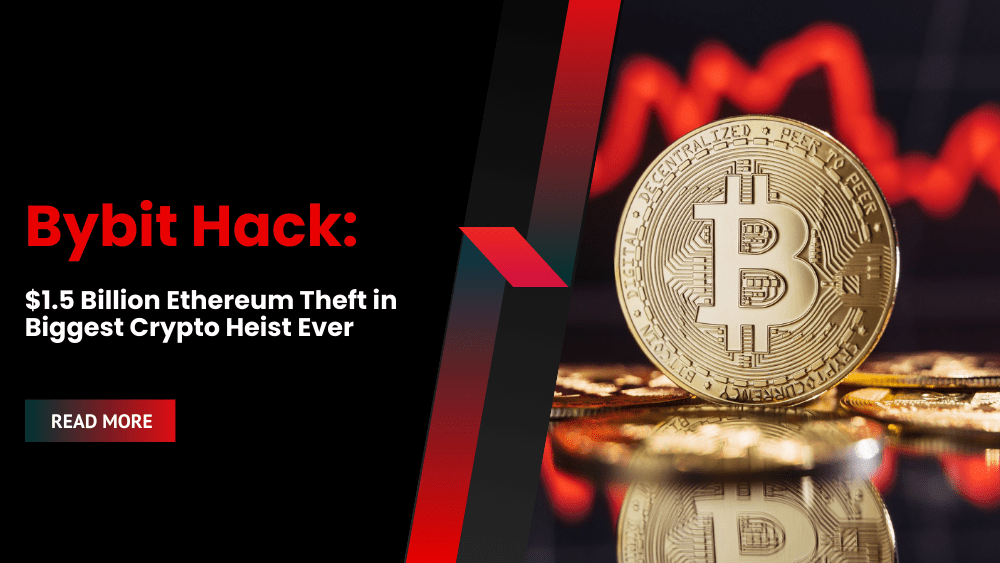
On 21 February 2025, Bybit, one of the world’s leading cryptocurrency exchanges, suffered a monumental security breach resulting in the theft of approximately 400,000 Ether tokens, valued at $1.5 billion. This incident has been identified as the largest cryptocurrency heist to date, surpassing previous records and sending shockwaves throughout the digital asset community.

The breach occurred during a routine transfer from Bybit’s cold wallet to a warm wallet—a standard procedure intended to ensure liquidity for daily operations. Attackers exploited this process by intercepting the transfer, redirecting the substantial sum to unknown addresses. Initial investigations have traced the hack to the Lazarus Group, a cybercrime organization associated with North Korea, notorious for orchestrating similar high-profile cyberattacks in the past.

In the immediate aftermath, Bybit’s market share plummeted from nearly 20% to a mere 5% by 2 March 2025, as users and traders sought more secure platforms. Binance emerged as a primary beneficiary during this period, with its market dominance soaring to 62% as traders migrated their assets. Other major exchanges, such as OKX and Coinbase, also experienced minor increases in market share, reflecting a broader redistribution of trading activity.

Bybit’s swift crisis response played a crucial role in stabilizing the situation. Unlike many exchanges that suspend withdrawals during security breaches, Bybit maintained operational status, allowing users to access their funds. This decision, coupled with consistent updates, helped maintain confidence and prevent mass withdrawals. The exchange also secured emergency funding from firms including Galaxy Digital, FalconX, and Wintermute, replenishing its reserves within 72 hours. By 9 March 2025, Bybit’s market share had rebounded to 9.04%. However, the exchange still faces significant reputational damage and lingering trust issues, raising doubts about its ability to fully regain its pre-hack position.

The incident has sparked discussions about the inherent vulnerabilities within the cryptocurrency ecosystem. While technological defenses continue to advance, this breach underscores that human error remains a critical weak point. INSEAD’s Ben Charoenwong emphasized that human failings, rather than technical glitches, are often the most significant factors in such incidents. He highlighted that a barrier to effective security is the reluctance to acknowledge ownership and responsibility for vulnerable systems.

The Bybit hack serves as a stark reminder of the importance of robust security protocols and the need for continuous vigilance in the rapidly evolving digital asset landscape. As the industry grapples with the implications of this unprecedented breach, stakeholders are urged to reassess their security measures, prioritize transparency, and foster a culture of accountability to safeguard against future threats.

South Korea’s Financial Supervisory Service has mandated that cryptocurrency exchanges contribute a 0.6% annual regulatory fee based on their operating revenues, amounting to a total of 7.9 billion won . This measure aims to bolster oversight within the rapidly expanding digital asset sector.

The fee structure, exceeding the initially anticipated 0.4%, requires quarterly payments due by the end of March, May, July, and October each year. The distribution of these fees among major exchanges is as follows:

– Dunamu, the operator of Upbit, is liable for 6.7 billion won .

– Bithumb faces a fee of 900 million won .

– Coinone is assessed at 150 million won .

– Gopax is charged 21.35 million won .

Korbit is exempt from this fee due to its operating revenue falling below the 3 billion won threshold set by the FSS.

The imposition of these fees underscores the South Korean government’s commitment to enhancing regulatory oversight in the cryptocurrency industry. By aligning digital asset platforms with traditional financial institutions under regulatory scrutiny, the FSS aims to ensure a more secure and transparent trading environment for investors.

This development follows the enactment of the Virtual Asset User Protection Act, which subjects virtual asset service providers to supervisory fees. The act stipulates that businesses with annual revenues exceeding 3 billion won are obligated to contribute to the FSS’s regulatory activities. These contributions are calculated using a rate of 2.686818 per 10,000 won of operating revenue from the previous fiscal year.

For instance, based on this rate, Upbit’s contribution is approximately 272 million won , while Coinone and Gopax are expected to contribute roughly 6.03 million won and 830,000 won , respectively. Korbit, with an operating revenue of approximately 1.7 billion won last year, is excluded from this fee due to not meeting the revenue threshold.

The supervisory fees are intended to fund the FSS’s regulatory activities, including inspections and oversight, ensuring that VASPs operate within the guidelines set forth by the Virtual Asset User Protection Act. This move brings virtual asset operators under the FSS’s inspection scope, aligning them with traditional financial institutions.

However, this new requirement poses significant challenges for many virtual asset exchanges. Most, except for Upbit and Bithumb, continue to suffer operating losses. Despite these losses, exchanges like Coinone and Gopax will still have to pay the supervisory share, adding financial pressure to their strained operations.

In addition to the supervisory fees, the Virtual Asset User Protection Act introduces various requirements for VASPs, including a mandate to hold at least 80% of users’ assets in cold storage. These funds must be segregated from company funds and invested in “risk-free” assets to generate a yield. Furthermore, crypto exchanges are required to reevaluate cryptocurrencies listed for trading, such as verifying their circulation and reviewing white papers.

The introduction of these supervisory fees and regulations reflects South Korea’s proactive approach to regulating the cryptocurrency industry. By implementing stringent oversight measures, the government aims to protect investors and maintain the integrity of the financial system in the face of rapid technological advancements and the growing popularity of digital assets.

The financial burden imposed by these fees may prompt smaller exchanges to reassess their operational strategies or consider mergers to remain viable. It also underscores the importance for cryptocurrency exchanges to maintain transparent and robust financial practices to comply with regulatory standards.

CME Group, the world’s largest futures exchange, has introduced Solana futures contracts, providing institutional investors with an additional tool for trading the popular cryptocurrency. This move marks a significant step in the expansion of derivatives markets, particularly as digital assets like SOL continue to rise in prominence within the blockchain ecosystem.

The introduction of Solana futures comes at a time when demand for cryptocurrency-related products among institutional players is growing. By expanding beyond traditional spot trading and options, CME Group is responding to a clear market trend: the increasing appetite for advanced financial instruments in the digital asset space. With the launch of these futures contracts, CME Group further solidifies its position as a leader in cryptocurrency derivatives trading, following its successful rollouts of Bitcoin and Ethereum futures.

For institutional investors, Solana futures provide a method of hedging risk and gaining exposure to the cryptocurrency market without having to directly own or manage the underlying asset. Futures contracts are particularly useful for large-scale traders, offering opportunities to speculate on price movements and manage the volatility associated with crypto assets. The addition of SOL futures further diversifies the range of cryptocurrency products available on the CME Group’s platform, complementing its existing offerings.

SOL, the native cryptocurrency of the Solana blockchain, has seen impressive growth in recent months. It continues to strengthen its position as a leading layer 1 network, noted for its fast transaction speeds and low costs, which have made it a popular choice for developers. As the blockchain ecosystem continues to evolve, Solana’s robust performance in areas like decentralized finance , NFTs, and gaming has contributed to a growing number of use cases, driving interest among both retail and institutional investors.

The rise of Solana can be traced to its unique combination of scalability and decentralization, offering an alternative to slower and more expensive platforms like Ethereum. In particular, Solana’s ability to process thousands of transactions per second at a fraction of the cost of its competitors has made it an attractive option for developers seeking high-performance blockchain solutions. This technical advantage is reflected in the increasing adoption of the Solana network, further contributing to its growing market capitalization and network activity.

As the launch of Solana futures unfolds, the attention is on how the product will be received by institutional traders, many of whom have previously shown a preference for more established cryptocurrencies like Bitcoin and Ethereum. However, the entry of new institutional investors into the Solana market could be a game-changer. The volatility that characterises Solana’s price movements may appeal to institutional traders looking for more active trading opportunities and higher-risk, higher-reward positions. Moreover, the futures contracts offer a way to gain exposure to Solana’s price without being directly affected by the underlying volatility in the same way as spot holders.

In addition to its core functionality as a trading tool, the launch of Solana futures is also indicative of broader trends within the cryptocurrency market. The growing institutional interest in digital assets has led to a surge in derivative products, enabling sophisticated trading strategies that were once unavailable in the traditional financial markets. The success of Bitcoin and Ethereum futures, which have attracted billions in liquidity, serves as a precedent for the growing acceptance of cryptocurrencies in institutional investment portfolios.

The move to introduce Solana futures aligns with CME Group’s broader strategy of offering diverse cryptocurrency-related products to meet the needs of institutional investors. By expanding its product offering to include Solana, CME Group not only attracts more traders to its platform but also increases the legitimacy of the cryptocurrency market within traditional financial systems. This development is likely to encourage further innovation and investment in the sector.

Beyond Solana’s technical advantages, the timing of its futures contract launch also positions CME Group strategically within the broader cryptocurrency landscape. As the digital asset market continues to mature, institutional adoption is poised to grow, with more regulatory clarity and financial infrastructure emerging. As one of the first exchanges to offer a futures contract for Solana, CME Group places itself at the forefront of this market evolution.

Despite Solana’s recent successes, challenges remain for the network. The blockchain’s rapid growth has been accompanied by concerns over network stability, with occasional outages raising questions about the scalability and reliability of its technology. While these issues have not significantly hindered Solana’s progress to date, any technical difficulties could potentially affect investor confidence in the network. However, as Solana continues to innovate and improve its infrastructure, its position in the crypto space looks increasingly secure.

The introduction of Solana futures is expected to bring increased liquidity to the market, further boosting its visibility and legitimacy in the eyes of institutional investors. For CME Group, the move represents a strategic push to offer products that cater to the growing demand for cryptocurrency-based trading instruments, and it reflects the evolving nature of digital asset markets.

HONG KONG SAR – Media OutReach Newswire – 17 March 2025 – Mr Albert Wong, CEO of Hong Kong Science and Technology Parks Corporation (HKSTP), led a delegation on a highly successful European Innovation Mixer tour in March, engaging with over 1,000 students and innovation and technology (I&T) talents, encouraging them to pursue opportunities in Hong Kong. The delegation also secured over 1,000 business collaboration opportunities, further […]

North Korea has emerged as the third-largest government holder of Bitcoin, amassing approximately 13,562 BTC, currently valued at around $1.12 billion. This significant accumulation is primarily attributed to the state-sponsored hacking collective known as the Lazarus Group, which orchestrated a series of high-profile cryptocurrency thefts, including the unprecedented $1.5 billion hack of the Dubai-based exchange, Bybit, in February 2025.

The Federal Bureau of Investigation has officially attributed the Bybit hack to North Korean cyber actors associated with the Lazarus Group, also referred to as “TraderTraitor.” The breach involved the theft of approximately 400,000 Ethereum tokens, marking it as the largest cryptocurrency exchange hack to date. The stolen assets were subsequently laundered through various blockchain networks and converted into Bitcoin, significantly bolstering North Korea’s cryptocurrency reserves.

The Lazarus Group, active since at least 2007, has been implicated in numerous cyberattacks targeting financial institutions and cryptocurrency platforms worldwide. Their operations have evolved in sophistication, employing advanced techniques such as phishing, malware deployment, and exploiting vulnerabilities in decentralized finance platforms. Notably, in March 2022, the group was responsible for stealing $620 million from the Ronin Network, a blockchain platform associated with the online game Axie Infinity.

In the Bybit incident, the hackers exploited a vulnerability in the exchange’s system, enabling them to transfer the substantial sum to addresses under their control. Despite efforts by international authorities and cybersecurity experts to trace and recover the stolen funds, the hackers have successfully laundered a significant portion, complicating recovery efforts. Bybit has acknowledged the breach and is cooperating with global law enforcement agencies to mitigate the impact and enhance security measures.

North Korea’s strategic focus on cryptocurrency theft serves multiple purposes. The regime utilizes these illicit gains to circumvent international sanctions, fund its nuclear and ballistic missile programs, and bolster its struggling economy. The decentralized and pseudonymous nature of cryptocurrencies presents challenges for traditional financial oversight, providing the regime with a means to acquire substantial resources without direct detection.

The international community has expressed growing concern over North Korea’s cyber capabilities and their implications for global financial security. The United Nations has reported that these cyber activities have become a crucial revenue stream for the regime, with estimates suggesting that North Korea has stolen over $2 billion through cyberattacks targeting financial institutions and cryptocurrency exchanges. In response, several countries have imposed sanctions aimed at curbing these illicit activities and are collaborating to enhance cybersecurity measures across critical financial infrastructures.

Asset management firm Ninety One Plc is increasing its investments in United Arab Emirates equities to mitigate exposure to the ongoing trade tensions initiated by U.S. President Donald Trump. The company’s emerging-markets equity team, overseeing $11 billion in assets, is targeting markets less affected by U.S. tariffs, according to co-portfolio manager Varun Laijawalla. This strategy includes acquiring shares in UAE-based companies such as Emaar Properties PJSC and Abu Dhabi Commercial Bank PJSC.

Emaar Properties, a leading real estate developer in the UAE, has experienced fluctuations in its stock performance. On March 14, 2025, the Dubai Financial Market index declined by 0.9%, influenced by losses in the real estate sector due to new tariff threats from President Trump. Emaar Properties and its construction subsidiary, Emaar Development, saw their shares decrease by 2.2% and 2.8%, respectively.

Despite these short-term declines, Emaar Properties has demonstrated resilience over the past year. The company’s stock has shown a 69.91% increase over the last 12 months, indicating strong growth potential.

Abu Dhabi Commercial Bank , another focus of Ninety One’s investment strategy, has also shown notable financial performance. In 2024, ADCB reported revenues of AED 16.61 billion, marking a 19.64% increase compared to the previous year’s AED 13.88 billion. Earnings for the same period reached AED 8.74 billion, reflecting an 11.80% increase.

The bank’s stock has been trading within a 52-week range of AED 7.61 to AED 12.60, with a market capitalization of approximately AED 76.67 billion.

Ninety One’s strategic move to invest in UAE markets aligns with its objective to find “uncorrelated markets” less susceptible to the adverse effects of U.S. tariffs. The firm, formerly known as Investec Asset Management, rebranded to Ninety One in 2020 to reflect its founding year and has since been listed on both the London and Johannesburg Stock Exchanges.

As of December 31, 2022, Ninety One managed approximately $159 billion in assets, offering a range of active strategies across equities, fixed income, multi-asset, and alternative investments.

The firm’s decision to bolster investments in the UAE comes amid broader market reactions to global trade tensions. On March 11, 2025, major Gulf markets experienced declines due to investor concerns over a potential U.S. recession triggered by widespread trade conflicts. The Saudi Arabian index fell by 1.3%, with significant decreases in Al Rajhi Bank and Saudi National Bank. Similarly, Dubai’s index decreased by 1.1%, affected by a 2.3% drop in Emaar Properties and a 1.9% decline in Emirates NBD.

However, by March 12, 2025, Gulf stock markets displayed mixed results amid hopes for a Ukraine ceasefire and ongoing concerns over U.S. tariffs. Dubai’s main index rose by 0.7%, led by gains in Emaar Properties and Dubai Islamic Bank, while Abu Dhabi’s index increased by 0.4%. Conversely, Saudi Arabia’s index experienced a slight decline of 0.1%.

The UAE’s economic environment presents opportunities for investors seeking markets less correlated with U.S. trade policies. Ninety One’s targeted investments in companies like Emaar Properties and ADCB reflect a strategic approach to navigating global trade uncertainties while capitalizing on the growth potential within the UAE.

Emaar Properties continues to be a significant player in the UAE’s real estate sector, with a market capitalization of AED 122.42 billion and a dividend yield of 7.22%. The company’s earnings per share stand at AED 1.53, and it is scheduled to release its next earnings report on May 8, 2025.

Abu Dhabi Commercial Bank maintains a strong presence in the UAE’s banking industry, with a public float of 2.91 billion shares. The bank’s robust financial performance and strategic initiatives position it well to navigate the challenges posed by global trade dynamics.

Ninety One’s emphasis on identifying investment opportunities in markets less affected by U.S. tariffs underscores its commitment to delivering value to its clients while mitigating risks associated with global trade tensions. By focusing on the UAE’s resilient sectors, the firm aims to achieve sustainable growth in an increasingly complex economic landscape.

RIYADH, SAUDI ARABIA – Media OutReach Newswire – 16 March 2025 – Sahm Capital is excited to announce its official membership in the Arab Federation of Capital Markets (AFCM), further solidifying its commitment to the growth and development of the Arab capital markets. Founded in 1978, AFCM aims to enhance the efficiency and transparency of capital markets across the Arab region, including the GCC, Levant, and Arab […]

A U.S. court has approved Three Arrows Capital’s request to raise its claim against FTX to $1.53 billion. This decision allows the embattled hedge fund to pursue a larger share in the bankruptcy proceedings of the collapsed cryptocurrency exchange, FTX. The court’s approval comes after 3AC, which held significant assets in FTX, revised its initial claim to reflect a more substantial financial stake.

As of June 12, 2022, 3AC reportedly held assets valued at $1.53 billion in FTX, a cryptocurrency exchange that has since spiraled into bankruptcy. However, a rapid series of transactions between the two parties led to the liquidation of a significant portion of these assets. Just days after 3AC held the assets, they were sold off to cover a $1.3 billion debt owed to FTX, leaving 3AC with a significantly reduced amount.

Initially, 3AC had filed a claim for $120 million in June 2023, which represented the remaining value of its assets at the time. The claim was based on 3AC’s holdings of FTX’s native FTT tokens and other crypto assets tied to the exchange, which were initially valued higher. However, in light of further analysis and unfolding details, the claim has now been revised upwards, with 3AC seeking $1.53 billion in total.

The court’s ruling allows 3AC to officially revise the terms of its claim, which will impact how the proceedings in FTX’s bankruptcy case unfold. With a claim now nearly ten times larger than originally filed, 3AC’s request highlights the complexity of the ongoing bankruptcy proceedings and the intricate relationships between major crypto players.

The revised claim is rooted in the volatile collapse of FTX, which saw assets across the crypto sector lose significant value. The turmoil within the digital currency market has also raised questions regarding asset valuations and the interlinked financial risks faced by companies involved in the cryptocurrency ecosystem. The asset liquidation that occurred between 3AC and FTX highlights the systemic risks that crypto exchanges, funds, and investors face during such crises.

The U.S. court’s approval comes amid continuing investigations into FTX’s operations, with authorities scrutinising the events leading to the exchange’s downfall. FTX founder Sam Bankman-Fried faces multiple charges related to fraud and mismanagement, and the ongoing legal proceedings have drawn attention to the broader impact on investors and creditors. The case of 3AC is just one of many high-profile claims emerging from the aftermath of FTX’s bankruptcy, but its size and prominence underscore the potential consequences for other creditors.

For 3AC, the court’s approval marks a critical development as the firm continues its restructuring efforts in the wake of its own collapse. Three Arrows Capital had once been a prominent player in the cryptocurrency hedge fund space, but it has faced significant financial setbacks following its exposure to failing crypto assets. The fund’s involvement in the FTX debacle further complicates its ongoing recovery, with large sums of money at stake.

3AC’s strategy to pursue a larger claim indicates its ongoing efforts to secure as much compensation as possible through FTX’s bankruptcy process. Given the scale of its claim, 3AC may also seek to negotiate its position with other creditors involved in the bankruptcy, all of whom are competing for a share of the limited remaining assets.

The approval also raises broader questions about the future of cryptocurrency regulation, as both the U.S. and international regulators examine the collapse of FTX and its ramifications. The FTX debacle has drawn scrutiny from lawmakers and regulatory bodies, with calls for more stringent oversight of the cryptocurrency industry. As the fallout from the collapse continues to unfold, many expect further legal challenges and claims from other investors and entities that were involved in the exchange’s operations.

Members of President Donald Trump’s family have entered talks regarding a potential investment in Binance’s U.S. arm, a move that has drawn significant attention given the rising influence of cryptocurrency exchanges in global finance. The discussions revolve around securing a financial stake in Binance.US, which has been expanding its reach within the U.S. despite ongoing regulatory hurdles.

Sources indicate that the Trump family, including figures close to the former president, have shown increasing interest in the digital assets space. While specific details of the talks remain confidential, insiders suggest that the potential investment would allow the Trump family to become a major player in one of the largest cryptocurrency exchanges worldwide. This development has attracted scrutiny due to the complexities surrounding cryptocurrency regulation in the U.S. and Binance’s efforts to navigate these challenges.

Binance.US, a subsidiary of the global cryptocurrency exchange Binance, has been under intense regulatory pressure, particularly from the U.S. Securities and Exchange Commission . The regulatory body has taken aim at cryptocurrency exchanges, scrutinising their operations and pushing for tighter compliance with financial laws. Binance.US has worked to distinguish itself from its parent company, striving to comply with U.S. regulations in order to maintain access to the lucrative American market. This regulatory scrutiny has intensified as the SEC investigates various crypto-related activities, leading some exchanges to reassess their operations in the U.S.

The Trump family’s potential involvement in Binance.US comes at a time when cryptocurrency remains a divisive issue within U.S. political circles. President Trump himself has expressed scepticism about digital currencies in the past, calling Bitcoin a “scam” and reiterating his support for the U.S. dollar. However, some of his family members, including his sons, have reportedly shown greater interest in blockchain technology and the broader financial opportunities within the sector.

The growing interest in cryptocurrencies and their market potential has not gone unnoticed by established financial institutions, traditional investors, and wealthy individuals, including those with political influence. Cryptocurrency offers an alternative financial system that is decentralised, offering benefits like increased privacy and reduced reliance on traditional banking systems. At the same time, the volatility and lack of regulation continue to be a major concern for investors.

Binance, which was founded in 2017 by Changpeng Zhao, has become one of the most prominent cryptocurrency exchanges globally. The company has maintained a significant foothold in international markets but has faced regulatory challenges in several jurisdictions, including the United States, the United Kingdom, and Japan. In the U.S., the company has been forced to adapt its operations to meet local compliance requirements, which have included halting certain services and modifying trading offerings.

In addition to the regulatory concerns, Binance has faced allegations of facilitating illegal activities, including money laundering, leading to legal battles in several countries. These challenges have prompted Binance.US to distance itself from its parent company, ensuring that its operations remain fully compliant with U.S. laws. The platform has also been active in cooperating with regulators to ensure that it operates within the confines of U.S. financial regulations.

The Trump family’s interest in Binance.US signals the growing trend of prominent individuals and families seeking to establish financial positions in emerging markets, especially those that offer substantial growth opportunities like the cryptocurrency sector. While the discussions are still in the early stages, industry analysts suggest that the involvement of the Trump family could accelerate the exchange’s push to expand further within the U.S. market. With both the political clout and financial resources that the Trump family brings, their entry into the cryptocurrency space could prove to be a significant development for Binance and the broader digital assets industry.

The potential partnership also underscores the increasing mainstream acceptance of cryptocurrencies among high-profile investors and their growing role in the future of finance. As the U.S. government and regulators continue to grapple with how to regulate digital currencies, the involvement of politically connected figures in cryptocurrency investments could potentially alter the trajectory of future regulatory frameworks.

Despite the regulatory challenges, Binance.US has reported strong growth in user adoption and trading volume. As the global market for digital currencies continues to expand, platforms like Binance are positioned to benefit from increasing demand for alternative investment opportunities. Moreover, Binance.US’s strategic adjustments to comply with U.S. regulations, coupled with the potential involvement of high-profile investors like the Trump family, may further solidify its standing in the competitive crypto market.

The conversations surrounding the Trump family’s involvement in Binance come amid broader discussions in Washington about how to best regulate the cryptocurrency space. Lawmakers have expressed concerns about the risks posed by digital currencies, ranging from fraud to their use in illicit transactions. At the same time, they have recognised the growing popularity of cryptocurrencies and the need to establish clear rules that both protect consumers and foster innovation in the sector.

The Trump family’s engagement in the cryptocurrency industry also raises questions about the increasing convergence of political influence and financial markets. As more individuals and families with political ties explore opportunities in the digital asset space, the lines between politics and business may continue to blur. This development may set the stage for a new era of investments in which political figures play an increasingly central role in shaping the future of digital finance.

Cryptocurrency exchange OKX Europe has acquired a Malta-based firm holding a Markets in Financial Instruments Directive II license, positioning itself to offer regulated derivatives products to institutional clients throughout the European Economic Area . The acquisition, announced during an exclusive event at Manoel Island, Malta, marks a significant advancement in OKX’s European expansion strategy.

The newly acquired entity is expected to commence operations later this year, pending approval from the Malta Financial Services Authority . This development will enable OKX to provide a comprehensive suite of regulated derivatives services to institutional investors across the EEA, encompassing all 27 European Union member states, as well as Iceland, Liechtenstein, and Norway.

Erald Ghoos, CEO of OKX Europe, highlighted the strategic importance of this milestone, stating that securing the MiFID II license is pivotal in integrating digital assets with traditional financial markets. He emphasized that this move positions OKX to deliver institutional-grade services, collaborate with top-tier financial institutions, and offer regulated investment solutions that enhance market access for investors across the continent.

This acquisition follows OKX’s attainment of a Markets in Crypto Assets license from Malta in January, underscoring the exchange’s commitment to regulatory compliance within the European Union. The dual licensing strategy allows OKX to navigate the complex regulatory landscape effectively, offering both crypto assets and traditional financial instruments in a secure and compliant manner.

The MiFID II license is particularly significant as it permits OKX to offer regulated derivatives products, a critical component for institutional investors seeking sophisticated trading strategies. By adhering to stringent regulatory standards, OKX aims to provide a robust and secure trading environment, thereby enhancing its market position and paving the way for future expansions and innovations in the European financial sector.

The European Union’s regulatory framework, particularly the implementation of MiCA, has been instrumental in attracting global cryptocurrency exchanges to the region. Regulatory clarity serves as a significant driver for crypto exchange businesses, facilitating customer trust and operational stability. In contrast, other jurisdictions, such as the United Kingdom, have been slower to implement comprehensive crypto regulations, potentially hindering their competitiveness in this rapidly evolving market.

OKX’s strategic move to secure both MiCA and MiFID II licenses reflects a broader trend among cryptocurrency exchanges to align with established financial regulations. This alignment not only ensures compliance but also bridges the gap between traditional finance and the burgeoning digital asset industry, offering institutional investors a seamless and regulated entry point into cryptocurrency markets.

The acquisition also signifies OKX’s dedication to enhancing its institutional offerings. By providing regulated derivatives products, OKX aims to meet the growing demand from institutional clients for diversified and compliant investment options. This development is expected to attract a broader client base, including hedge funds, asset managers, and other institutional entities seeking exposure to cryptocurrency derivatives within a regulated framework.

HONG KONG SAR – Media OutReach Newswire – 12 March 2025 – Since its establishment in 1963, The Chinese University of Hong Kong’s Faculty of Science (CUHK Science) has emerged as a global powerhouse in scientific research and innovation. Over merely six decades, it has built an unparalleled reputation for groundbreaking discoveries and academic distinction, positioning itself at the forefront of scientific advancement in Asia and beyond. […]

The $1.5 billion theft from Dubai-based cryptocurrency exchange Bybit has prompted the European Union to initiate an investigation into OKX, another prominent crypto platform, to assess compliance with the Markets in Crypto-Assets regulation. The probe seeks to determine whether OKX’s operations fall under MiCA’s jurisdiction and, if so, what enforcement actions may be warranted.

On February 21, 2025, Bybit suffered a cyberattack resulting in the loss of approximately 400,000 Ethereum tokens, valued at $1.5 billion, marking the largest cryptocurrency exchange hack to date. The Federal Bureau of Investigation attributed the heist to North Korea’s Lazarus Group, known for previous high-profile cybercrimes.

In response to the Bybit incident, European regulators have intensified their scrutiny of cryptocurrency exchanges operating within the EU. The focus has turned to OKX to evaluate its adherence to MiCA, a regulatory framework established to oversee crypto-assets and ensure consumer protection within the European Union.

MiCA, enacted to create a unified regulatory environment for crypto-assets across EU member states, requires platforms like OKX to comply with specific standards to operate legally within the region. The current investigation aims to ascertain whether OKX’s activities align with these standards and to identify any potential regulatory breaches.

The outcome of this investigation could have significant implications for OKX and other cryptocurrency exchanges operating in the EU. Potential sanctions may include fines, operational restrictions, or even prohibition from offering services within the European market. This development underscores the EU’s commitment to enforcing regulatory compliance to protect consumers and maintain financial stability in the rapidly evolving crypto industry.

The Bybit hack has also reignited discussions about the security vulnerabilities inherent in cryptocurrency exchanges. Despite Bybit’s swift action to replenish its reserves within 72 hours by securing emergency funding from firms such as Galaxy Digital, FalconX, and Wintermute, the incident has raised concerns about the adequacy of existing security measures. The Lazarus Group exploited vulnerabilities in Bybit’s security infrastructure, transferring the stolen funds to multiple unidentified addresses, thereby complicating recovery efforts.

VISHNU RAJA
RYO YAMADA
HITORI GOTOH
IKUYO KITA