News related to
Exchanges

Exploring Asia’s Future Focusing on Technology, Business Growth and Strategic Partnerships for Japanese Companies in Southeast Asia TOKYO, JAPAN – Media OutReach Newswire – 5 December 2024 – Iskandar Investment Berhad (IIB), Nikkei Inc. and Nikkei Business Publication (Nikkei BP) have signed a Memorandum of Understanding (MOU) to jointly host the Nikkei Forum 2025 in Medini, Johor, Malaysia, in June 2025. This landmark event will bring together […]

Pump.Fun, a popular platform known for facilitating memecoin trading, has taken the controversial step of blocking access for users in the United Kingdom. This move comes on the heels of a stark warning issued by the Financial Conduct Authority (FCA), which claimed that Pump.Fun was operating without the necessary regulatory approvals. The FCA’s directive, issued earlier this week, has raised significant concerns within the cryptocurrency community, sparking discussions about the future of crypto exchanges and their compliance with national regulations.

The FCA’s intervention highlights growing scrutiny over crypto platforms in the U.K., where authorities have been tightening their grip on cryptocurrency trading operations. While memecoins like Dogecoin and Shiba Inu have surged in popularity, the regulatory landscape surrounding these speculative assets remains unclear, particularly in markets like the U.K., where authorities have been more proactive in shaping crypto laws.

Pump.Fun, which markets itself as a fun, decentralized trading platform for memecoins, swiftly responded to the FCA’s notice by suspending services for U.K. residents. This action has been met with mixed reactions, with some praising the platform for taking swift action to comply with regulations, while others view it as an unnecessary restriction on the freedom of crypto users. The move also underscores the challenges faced by global platforms that wish to serve customers in highly regulated markets.

Industry experts have speculated that this may be part of a larger trend where regulators worldwide are increasingly targeting crypto firms that operate in jurisdictions without clear or consistent oversight. The U.K., in particular, has been tightening its crypto regulations as part of a broader effort to prevent financial crimes, such as money laundering and fraud, that could be facilitated by the anonymous nature of cryptocurrencies.

Although Pump.Fun’s abrupt decision to block U.K. traders may seem harsh, it also serves as a stark reminder of the ongoing regulatory challenges that crypto platforms face. The sector has long struggled to reconcile its decentralized ethos with the increasingly complex and stringent regulatory frameworks being imposed by governments around the world. For many platforms, this balancing act remains one of the most difficult aspects of doing business internationally.

The FCA’s warning is part of its ongoing efforts to clamp down on unregulated crypto operations in the U.K. The regulator has been vocal about the risks associated with cryptocurrency trading, particularly regarding platforms that operate without appropriate licenses or protections for consumers. For platforms like Pump.Fun, which rely on offering quick and user-friendly access to the volatile world of memecoins, the inability to operate in major markets like the U.K. could lead to significant business disruptions.

Some market analysts have noted that this ban could potentially trigger a broader shift in how other U.K.-based traders engage with crypto markets. Platforms that do not meet the FCA’s standards may find themselves facing similar restrictions or being forced to alter their business models. It also raises the issue of cross-border crypto exchanges, which may struggle to comply with local regulations while maintaining their operations globally.

The situation has prompted a debate about the future of crypto regulation in the U.K. Some believe that the government is taking a pragmatic approach to safeguarding consumer interests and protecting the financial system. Others, however, argue that such interventions stifle innovation and hinder the growth of the cryptocurrency sector. With crypto trading volumes continuing to grow globally, especially in markets like Asia and North America, the U.K. faces a delicate balancing act in regulating the sector without pushing it away from its borders.

For now, Pump.Fun’s actions serve as a case study of the challenges that crypto firms must navigate as they attempt to serve a global market while complying with an increasingly complex regulatory environment. The platform has not issued further comments on whether it intends to resolve the situation or permanently restrict U.K. users. For now, the ban remains in place, and traders in the U.K. will need to find alternative platforms for engaging with memecoins and other crypto assets.

The U.S. financial regulators have directed banks to avoid offering services to cryptocurrency companies, a practice that could severely impact the sector’s integration with traditional financial systems. Coinbase, one of the largest cryptocurrency exchanges in the world, has disclosed this information through a set of letters obtained from the authorities, further escalating the tensions between the crypto industry and U.S. regulators.

The letters, which were sent by the Federal Reserve and the Office of the Comptroller of the Currency (OCC), allegedly instruct banks to carefully assess the risks associated with doing business with crypto firms. The regulatory bodies have raised concerns about the volatility of digital assets, the potential for money laundering, and the sector’s limited consumer protections. According to Coinbase, these communications suggest a systemic effort by U.S. regulators to limit the reach and influence of cryptocurrencies by preventing them from gaining access to essential banking services.

Coinbase’s Chief Legal Officer, Paul Grewal, reacted strongly to the revelations. He described the letters as “hard evidence” supporting the claims that U.S. regulators were deliberately pushing the cryptocurrency industry out of the traditional banking ecosystem. Grewal emphasized that the industry’s concerns about being unfairly targeted had previously been dismissed by some as conspiracy theories. However, the disclosed letters now provide tangible proof that such fears were well-founded, he said.

The controversy highlights an ongoing and intensifying battle between the U.S. government and the rapidly expanding cryptocurrency sector. Over the past year, several high-profile crypto companies, including Coinbase, have faced increased scrutiny from U.S. regulators, which have argued that the industry operates in a legal gray area. The push for clearer regulatory frameworks has been met with resistance by crypto advocates, who argue that these measures are overly restrictive and stifle innovation.

While the U.S. Securities and Exchange Commission (SEC) has been particularly vocal in its efforts to regulate crypto exchanges, the Federal Reserve and OCC have focused their attention on the relationships between traditional banks and crypto firms. According to the letters obtained by Coinbase, regulators have been cautious about exposing banks to the risk of crypto-related assets and transactions. Banks have been warned that they must be prepared to mitigate any risks associated with crypto partnerships, especially given the unpredictable nature of digital currencies.

In response to these developments, several U.S.-based crypto companies have publicly criticized the regulatory stance. They argue that the lack of clarity around regulations is stifling innovation in the space and pushing U.S. businesses abroad to more crypto-friendly jurisdictions. Coinbase, in particular, has been at the forefront of this battle, with Grewal and CEO Brian Armstrong both making public statements against what they view as an overly aggressive regulatory push.

The U.S. has long been seen as a global leader in technological innovation, but the cryptocurrency industry’s struggle with regulators may signal a shift. As crypto adoption continues to rise, the tension between innovation and regulation appears to be deepening. Proponents of digital assets argue that regulatory actions are forcing the industry to move offshore, depriving the U.S. economy of a significant opportunity for job creation and technological growth. Meanwhile, those in favor of strict oversight claim that more regulation is needed to protect consumers and maintain financial stability.

The legal battles between U.S. regulators and the cryptocurrency industry are far from over. Coinbase, along with other companies in the sector, has vowed to continue its fight for clearer, fairer regulations. The company’s legal team is already preparing to challenge the restrictions imposed by the SEC and other financial watchdogs, aiming to shift the regulatory landscape in a more favorable direction for the industry.

As the debate unfolds, the broader financial sector is closely watching the outcome. Financial institutions are weighing the risks of entering the crypto space, and some are hesitant to move forward without clearer regulatory guidelines. Others have already taken steps to engage with crypto assets, setting up special units to deal with the growing demand for blockchain-based services. The next phase of the regulatory discourse could determine the future role of cryptocurrencies within the global financial system.

The confrontation between regulators and crypto advocates also brings attention to the U.S. political environment. While some lawmakers have expressed concerns about the lack of oversight, others have called for a more hands-off approach, recognizing the potential of blockchain technology and its implications for sectors such as finance, healthcare, and supply chain management.

HONG KONG SAR – Media OutReach Newswire – 5 December 2024 – The MIPIM Asia 2024 Awards, which honor excellence and innovation in Asia’s real estate industry, reveals this year’s winners during the Gala Dinner on December 4 at the Grand Hyatt in Hong Kong. The prestigious awards garnered numerous nominations from various countries, showcasing the remarkable diversity and growth within the sector. This wide array of […]

Cryptocurrency trading in South Korea shows a clear preference for altcoins, with 93% of transactions in the country involving digital assets other than Bitcoin. This trend starkly contrasts with the U.S., where Bitcoin continues to hold a larger share of the market, accounting for 29.5% of cryptocurrency transactions.

The growing dominance of altcoins in South Korea is reflective of broader trends within the cryptocurrency ecosystem. While Bitcoin remains the first and most recognized cryptocurrency worldwide, the South Korean market has become a hotspot for alternative cryptocurrencies. These digital assets, often referred to as altcoins, have gained significant traction, with a variety of tokens fueling both investment and speculative trading.

The data highlighting this shift reveals a marked preference for altcoins among South Korean investors, who appear to favor the variety and potential for high returns that altcoins offer. This preference may be driven by a combination of factors, including technological innovation, market volatility, and the potential for faster gains that altcoins can provide compared to Bitcoin, which has a more established presence and slower growth trajectory.

Several of these altcoins have gained popularity due to their specific utility in different sectors, from decentralized finance (DeFi) to gaming and non-fungible tokens (NFTs). The South Korean market, known for its high engagement with emerging technologies and trends, has also seen a growing interest in blockchain projects that offer more than just a store of value, making altcoins an attractive option for a broad base of retail investors.

In contrast, Bitcoin still holds significant sway in the U.S. market, accounting for almost a third of all cryptocurrency transactions. The U.S. has historically been a leader in the cryptocurrency space, with early adoption of Bitcoin paving the way for widespread acceptance. Institutional investment in Bitcoin, along with its status as the first cryptocurrency, has helped maintain its dominance in the American market.

Bitcoin’s larger share of the market in the U.S. is often attributed to its role as a store of value and the most recognized cryptocurrency. Despite the rise of altcoins globally, Bitcoin continues to be viewed as a safer, more stable investment option by many, particularly in more developed markets like the U.S. where institutional investors are a key component of the cryptocurrency ecosystem.

South Korea’s crypto trading landscape is also influenced by the country’s government policies and regulatory environment, which have been both restrictive and supportive of the crypto industry. South Korean regulators have implemented measures to curb speculative trading, including restrictions on anonymous crypto trading and a tax on crypto earnings. However, the country has also embraced blockchain technology and is a significant player in the global cryptocurrency market, making it a key area of focus for cryptocurrency exchanges and investors.

The dominance of altcoins in South Korea also reflects broader regional trends in Asia. Countries like Japan and China have had varying levels of cryptocurrency regulation, but South Korea has emerged as a prominent hub for crypto trading in Asia. The country’s crypto exchanges, such as Upbit, Bithumb, and Coinone, are among the largest in the world by trading volume, underscoring the importance of South Korea in the global digital asset market.

The high volume of altcoin transactions in South Korea is also indicative of a more risk-tolerant investor base. Many South Korean traders are known for their willingness to engage in speculative trading, often seeking to capitalize on the volatility of smaller cryptocurrencies. This risk appetite has created a market where altcoins, despite their relative instability compared to Bitcoin, are seen as more appealing due to the potential for higher rewards.

Despite these trends, Bitcoin’s position in South Korea is not negligible. Although it represents a smaller portion of the overall market compared to altcoins, it remains a key asset in the portfolios of many crypto traders. Bitcoin’s continued relevance is supported by its use as a benchmark for the broader cryptocurrency market, as well as its position as the largest and most well-established cryptocurrency.

Global trends in the cryptocurrency market suggest that the preference for altcoins in South Korea could have implications for other markets, particularly in Asia. As cryptocurrencies evolve and new technologies emerge, the demand for more specialized tokens could increase, leading to further shifts in market dynamics. While Bitcoin remains dominant in many regions, the rise of altcoins is a testament to the diversity and innovation that continues to characterize the cryptocurrency space.

The ongoing global competition between Bitcoin and altcoins reflects the broader evolution of the cryptocurrency ecosystem. As new use cases for digital assets continue to emerge, investors in markets like South Korea are looking beyond Bitcoin to find the next big opportunity. This trend highlights the complex and fast-changing nature of the crypto world, where innovation is constant and market preferences can shift rapidly.

Global cryptocurrency trading volumes surged to record highs in November, with spot markets witnessing a transaction volume of $2.7 trillion, marking the most significant activity since mid-2021. This dramatic increase coincided with substantial developments in the political and economic landscape, catalyzing heightened market enthusiasm. Futures trading also experienced a remarkable boost, with Bitcoin and Ethereum futures dominating the derivatives segment.

The momentum in the cryptocurrency market followed the reelection of Donald Trump as U.S. President, a development that fueled optimism around potential regulatory reforms. The departure of SEC Chair Gary Gensler added to this positive sentiment, as his tenure was marked by stringent scrutiny of digital assets. Market participants anticipate a more supportive stance toward cryptocurrencies under the new administration, especially after campaign promises to position the U.S. as a global hub for digital finance.

Bitcoin approached the $100,000 mark for the first time, underscoring a bull run driven by multiple factors. The approval of Bitcoin ETFs in several jurisdictions further encouraged institutional investment, with a combined inflow of $6.87 billion during November. This development was instrumental in providing institutional investors with a more streamlined pathway to crypto exposure, signaling a shift toward mainstream adoption.

The global market cap for cryptocurrencies rose to $3.47 trillion, reflecting robust investor confidence. Exchanges such as Binance and Kraken reported unprecedented activity in perpetual contracts, with altcoins like Solana and Dogecoin showing significant trading volume increases. Dogecoin, often viewed as a speculative asset, briefly surpassed Ethereum in daily trading volumes, highlighting its growing appeal among traders.

Regulatory shifts outside the U.S. also contributed to the rally. Nations in Asia and Europe introduced or committed to frameworks for digital assets, providing much-needed clarity for investors. These developments have encouraged both institutional and retail investors to explore opportunities in the cryptocurrency ecosystem, further driving up trading volumes.

The macroeconomic environment also played a pivotal role. The U.S. Federal Reserve’s decision to ease monetary policy injected additional liquidity into financial markets. Investors flocked to cryptocurrencies as a hedge against inflation, drawn by their scarcity and potential for high returns. This influx of capital was particularly evident in Bitcoin, which saw substantial growth in both spot and futures markets.

High-level delegations from India and the UK have agreed to strengthen bilateral relations, with a shared commitment to expanding cooperation under the India-UK Roadmap 2030. The talks, held between senior officials from both nations, aimed to evaluate the progress made so far and chart a new course for future collaboration. The discussions centered on finding new avenues to deepen ties across various sectors, including trade, defense, technology, and education.

The talks reflect the desire of both governments to reinvigorate a strategic partnership that has evolved over decades. Despite challenges posed by geopolitical changes and shifting global priorities, both sides are looking to position their relationship as a cornerstone of global stability. The emphasis is on enhancing mutual cooperation in areas that align with the evolving needs and opportunities of both countries.

Trade relations between the two countries have historically been a significant driver of bilateral cooperation, but the roadmap discussions highlighted the need for more diversification. Both nations recognize that expanding beyond traditional sectors like trade and finance will be essential to building a more resilient partnership in the face of global economic uncertainties. Technology, particularly in digital infrastructure and cybersecurity, has emerged as a key focus, with the UK expressing keen interest in strengthening its technological exchanges with India.

The defense sector is another area where both countries are seeking closer alignment. India’s increasing focus on modernizing its defense capabilities, coupled with the UK’s expertise in defense technology, is creating new opportunities for collaboration. The conversations also touched on regional security issues, including maintaining peace and stability in the Indo-Pacific region. Both countries affirmed the importance of a rules-based international order and emphasized the need for deeper defense ties to ensure regional security.

Educational exchange remains a strong pillar of the India-UK partnership, with an increasing number of students from India choosing the UK for higher education. Both governments see the potential for even greater collaboration in this space, particularly in research and innovation. India’s growing prominence as a knowledge hub complements the UK’s renowned academic institutions, and both sides are eager to capitalize on this synergy.

The meetings also underscored the importance of deepening people-to-people connections. Both nations acknowledged that cultural exchanges and collaborations in the arts, sports, and tourism continue to strengthen bilateral ties. These soft power initiatives, while less formal than trade agreements or defense cooperation, play an essential role in cultivating mutual understanding and trust.

The global context of these discussions cannot be ignored, as both nations are seeking to adapt to a rapidly changing geopolitical landscape. The UK’s exit from the European Union has prompted the country to reassess and recalibrate its international alliances. India, with its growing economic influence and strategic importance in the Indo-Pacific region, is seen as a vital partner for the UK as it redefines its global role outside of the EU framework.

Both countries are committed to collaborating on global issues such as climate change, sustainable development, and public health. As the world faces mounting challenges, the India-UK relationship is seen as one that can offer practical solutions to some of the most pressing global concerns. In this context, the countries have agreed to continue working together to implement initiatives that address environmental sustainability, promote public health, and support multilateral cooperation.

While the roadmap discussions were largely seen as a positive step toward revitalizing the partnership, both sides acknowledged that there is much work to be done. The key takeaway from the meeting was a shared recognition of the importance of continuously adapting the relationship to meet emerging challenges. As both nations embark on this renewed chapter of cooperation, it is clear that the India-UK partnership will play a crucial role in shaping the future of global diplomacy.

Advertisements

Opens to the Public on December 4 Sparking Inspiration With a Line-up of Design Events HONG KONG SAR – Media OutReach Newswire – 4 December 2024 – Hong Kong Design Centre’s (HKDC) new landmark, DX design hub (the Hub) successfully concluded its Launching Party today. The celebratory event was attended by guests comprising of top government officials, business leaders and Mainland and France delegations. The Cultural and […]

Tron (TRX) has experienced a remarkable surge in its value, skyrocketing by nearly 95% within the past 24 hours. The cryptocurrency’s price surged from $0.22 to more than $0.43, hitting a new all-time high. This dramatic spike comes as part of a broader rally in the altcoin market, where various digital currencies have also seen significant price gains. Analysts suggest that a combination of factors, including market sentiment and upcoming network upgrades, has contributed to the bullish trend surrounding Tron.

The surge in Tron’s price has caught the attention of both retail and institutional investors, as the digital asset’s trading volume has skyrocketed. Data shows a sharp increase in trading activity across major cryptocurrency exchanges. Investors have poured into TRX, driven by the optimism surrounding the coin’s future developments, including network upgrades that promise to improve scalability and efficiency. The sharp upward movement also reflects a broader confidence in the cryptocurrency market as a whole, especially within the altcoin sector, which has been experiencing a resurgence in value.

A significant factor in Tron’s recent price jump has been its integration with decentralized finance (DeFi) protocols and the platform’s growing adoption in the digital asset ecosystem. Tron’s blockchain network, known for its high transaction speeds and low fees, has been a key selling point for DeFi projects looking for cost-effective and scalable solutions. Over the last few months, there has been a marked increase in the number of decentralized applications (dApps) and DeFi platforms being built on the Tron blockchain, contributing to the surge in demand for TRX.

The broader altcoin rally, in which Tron has played a prominent role, comes as Bitcoin’s dominance within the cryptocurrency market has slightly decreased. Altcoins have been gaining ground as investors diversify their portfolios, attracted by the potential for higher returns compared to Bitcoin, which has seen relatively more stable price movements. Ethereum, Cardano, and Solana, along with Tron, have been among the most notable beneficiaries of this altcoin surge, with their prices also reaching new highs in recent trading sessions.

Several market analysts point to the growing institutional interest in cryptocurrencies as another key factor driving the altcoin market. Companies and investment funds are increasingly recognizing the value of blockchain technology and its potential to revolutionize industries ranging from finance to supply chain management. As part of this trend, Tron has garnered attention for its scalability and efficiency, which are highly appealing to both developers and investors looking for innovative blockchain solutions.

Tron’s founder, Justin Sun, has been actively engaging with the crypto community, leveraging social media to promote developments on the network. Sun’s presence and advocacy have helped to boost Tron’s visibility, especially during times of market volatility. The platform’s development team has also focused on strategic partnerships with various blockchain projects, which has further contributed to the growing demand for TRX.

The altcoin market’s growth has been partly fueled by the increasing use of cryptocurrencies in mainstream industries. Several sectors, including gaming, real estate, and digital advertising, are beginning to integrate blockchain solutions into their business models. As a result, the demand for digital assets like Tron has increased, with the altcoin now being viewed by some investors as a key player in the future of decentralized finance.

One of the factors fueling Tron’s growth has been its ongoing improvements to the network’s protocol. Tron’s recent shift to a decentralized autonomous organization (DAO) governance model has empowered its community members to propose and vote on network upgrades. This decentralized decision-making process has created a sense of ownership among TRX holders and further strengthened the commitment to the ecosystem. TRX holders are now more engaged than ever, making the Tron blockchain a more attractive platform for developers and users alike.

As the global economy continues to face uncertainties, the cryptocurrency market, including altcoins like Tron, has become an appealing alternative for some investors. Cryptocurrencies, which are less tied to traditional financial markets, offer a hedge against inflation and currency devaluation. This narrative has gained traction, particularly as inflationary pressures persist in various parts of the world, driving more attention to alternative assets. The rise of cryptocurrencies as an asset class has also been aided by favorable regulatory shifts in certain jurisdictions, adding legitimacy to digital assets and encouraging further investment.

Solana has surged past Ethereum in decentralized exchange (DEX) trading volume, achieving nearly double Ethereum’s total in November 2024. This significant leap is attributed to an explosion in memecoin trading and a broader rally in Solana’s token value, positioning it firmly at the forefront of the decentralized finance (DeFi) landscape. Ethereum, long the leader in blockchain-based transactions, now faces competition from a variety of emerging chains, including Solana and Base, which have strengthened their positions as prominent players in the DeFi ecosystem.

Data from November 2024 shows Solana reached a trading volume of $129 billion, nearly doubling Ethereum’s $70.6 billion. This shift comes amid a broader growth in decentralized trading, driven by a variety of factors including the rise of meme tokens and investor speculation. The performance of Solana is not an isolated event but part of a trend in the DeFi space, where new and established platforms alike are seeking to tap into the booming interest in cryptocurrency trading.

Ethereum’s established dominance has been questioned in recent months, with new blockchain platforms emerging as strong competitors. Base, for instance, has reinforced its position in the DeFi market, securing third place in trading volume at $45.7 billion in November. Despite Ethereum’s strong brand and infrastructure, its slow transaction speeds and higher costs have driven users and developers to explore alternatives, particularly those offering lower fees and faster transaction times.

Solana’s remarkable rise is largely attributed to the growing popularity of memecoins, a category of cryptocurrency tokens that has gained substantial attention in the market. These coins, often based on internet memes or viral trends, have flooded decentralized exchanges, leading to a sharp increase in activity on the Solana blockchain. The platform’s high-speed transaction capabilities and relatively low transaction costs have made it an attractive venue for traders seeking to capitalize on the memecoin frenzy.

Solana’s blockchain operates with a unique consensus mechanism known as Proof of History (PoH), which allows it to process thousands of transactions per second (TPS), significantly outperforming Ethereum in terms of scalability. This has made Solana an attractive platform for decentralized applications (dApps) and exchanges, positioning it as a key competitor to Ethereum in the DeFi space.

The memecoin boom has provided a strong catalyst for Solana’s growth, as many memecoins are traded on its network. These tokens are often subject to rapid fluctuations in value and tend to attract retail investors looking for high-risk, high-reward opportunities. As such, Solana’s ability to facilitate fast and inexpensive transactions has drawn significant interest from users looking to capitalize on these volatile markets.

Base, a layer-2 blockchain solution, has also seen impressive growth. Developed by Coinbase, Base integrates seamlessly with Ethereum, offering lower transaction costs and faster processing times. Base’s trading volume in November was $45.7 billion, a solid performance that demonstrates the increasing demand for alternative platforms that improve upon Ethereum’s limitations. While still trailing behind Solana and Ethereum in terms of overall volume, Base’s growth signals a shifting preference among developers and traders towards networks that prioritize scalability and lower fees.

Other blockchain platforms such as BNB Chain, Arbitrum, and Polygon are also significant players in the DEX space, with their respective trading volumes reaching $35.3 billion, $33.6 billion, and $8.8 billion in November. These platforms are all vying for a share of the growing DeFi market, each offering unique features that cater to different types of users and applications. BNB Chain, for instance, has benefited from its association with Binance, the world’s largest cryptocurrency exchange, which has led to strong liquidity and high trading volumes.

Arbitrum, built on Ethereum’s architecture, focuses on scalability by utilizing Optimistic Rollups, a layer-2 solution designed to reduce transaction costs and increase throughput. Polygon, known for its focus on Ethereum compatibility and scalability, also attracts a large number of decentralized applications, thanks to its low fees and fast transaction speeds. As the DeFi space continues to evolve, these platforms are gaining traction, though none have yet reached the scale of Solana or Ethereum.

At the same time, newer projects such as Avalanche, Sui, and Optimism are beginning to make their presence felt, each with their own value propositions for decentralized finance. Avalanche, which reached $7.9 billion in DEX trading volume, has carved out a niche by offering high-speed transactions and low fees. Sui, a blockchain designed for high-performance applications, saw $7.8 billion in volume, while Optimism, with its focus on Ethereum scaling solutions, contributed $5 billion in trading activity.

Despite their increasing market presence, these platforms are still dwarfed by the volume of transactions on Solana and Ethereum. However, the diversity of platforms now available to users highlights the growing fragmentation of the DeFi market, with different chains catering to different use cases, transaction speeds, and cost structures.


The supply of Tether (USDT) on the Telegram Open Network (TON) blockchain has skyrocketed more than tenfold since May, with the value of USDT held on the network surging from $100 million to $1.2 billion. This dramatic increase signals both the growing adoption of TON and the growing importance of stablecoins in decentralized ecosystems.

As of December 2024, TON’s integration of USDT is seeing significant traction among both users and projects within the blockchain space. Tether’s growth on the network reflects broader trends in the cryptocurrency industry, where stablecoins continue to gain prominence due to their stability compared to more volatile assets like Bitcoin or Ethereum.

The massive surge in USDT supply comes as the TON blockchain has made considerable strides in attracting decentralized finance (DeFi) applications, exchanges, and users. TON’s unique features, including its high scalability and low transaction fees, make it an attractive option for stablecoin transactions. Experts believe this rapid increase in USDT on the network could further cement TON’s position as a critical infrastructure layer in the world of decentralized finance.

TON’s relationship with stablecoins is not new; however, the scale of USDT’s growth is unprecedented for the network. In May 2024, TON hosted just $100 million in Tether, but by December, this figure had expanded to an impressive $1.2 billion. This rapid increase is viewed by some analysts as an indicator of increasing demand for reliable, decentralized financial products and services, with TON becoming a central player in facilitating such services.

Key industry figures have speculated that the surge in USDT supply is tied to the rise of decentralized finance protocols built on the TON blockchain. These platforms allow users to trade, borrow, and lend cryptocurrency with the stability of USDT, which is backed 1:1 by the US dollar. Stablecoins like USDT provide much-needed price stability, which makes them particularly useful for trading and lending within volatile cryptocurrency markets. With TON’s infrastructure becoming more robust, the ecosystem appears to be maturing rapidly, attracting more liquidity and institutional interest.

In addition to DeFi protocols, centralized exchanges are also becoming key players in the surge of USDT on TON. Exchange platforms have started to offer TON-based USDT as a trading pair alongside other cryptocurrencies. This is particularly important for TON as it enables easier conversion between USDT and more widely used cryptocurrencies like Bitcoin and Ethereum. The seamless liquidity that TON offers for stablecoin transfers is an attractive proposition for both traders and institutional investors, further fueling the growth of USDT on the network.

The surge in USDT supply on TON is also reflective of broader trends in stablecoin use across the cryptocurrency space. Stablecoins have become integral to the global crypto ecosystem, particularly as they provide a less volatile alternative to traditional cryptocurrencies. They are also commonly used for remittances, as their stability makes them a preferred option for cross-border transactions. As cryptocurrency regulations tighten in various jurisdictions, the demand for stablecoins, especially those like USDT, is likely to increase.

The growth of USDT supply on the TON blockchain aligns with the broader trend of stablecoins becoming more entrenched in decentralized financial ecosystems. A critical element of this growth is the increasing acceptance and integration of blockchain-based stablecoins into traditional financial systems. This trend is most evident in regions where cryptocurrency adoption is high, and stablecoins are actively used in cross-border payments, as well as for preserving value in unstable economic environments.

At the same time, the growing prominence of TON as a platform for stablecoin transactions also highlights the increasing competitiveness in the blockchain space. While Ethereum, Binance Smart Chain, and Solana have long been major players in the decentralized finance space, TON is emerging as a strong contender. Its emphasis on scalability, cost-effectiveness, and fast transactions makes it an attractive option for projects that require efficiency and reliability at scale.

As for Tether itself, the surge in USDT supply on TON signals increasing acceptance of the stablecoin within both centralized and decentralized finance ecosystems. Tether’s dominance in the stablecoin market has been firmly established over the past few years, with its market capitalization consistently ranking among the highest of any cryptocurrency. The expansion of USDT on TON represents a new chapter in Tether’s journey, as it expands into new blockchain environments and becomes deeply integrated into the decentralized finance fabric of blockchain networks like TON.

Despite the rapid rise of USDT supply on TON, concerns remain regarding the long-term sustainability of such growth. Some market analysts caution that the exponential rise of stablecoin liquidity on a single blockchain could lead to concentration risk, where a significant portion of the financial activity on the network could become overly reliant on Tether. This could result in instability should Tether ever face a crisis of confidence or face regulatory scrutiny.

However, many in the industry view the current growth in USDT on TON as a positive sign for the broader ecosystem. The significant jump in USDT supply could signal growing confidence in the TON blockchain’s scalability and its ability to handle large volumes of transactions in a decentralized manner. This could open the door for more institutional participation in TON-based DeFi projects and encourage further development of the TON ecosystem, particularly as regulations in major markets evolve.

Tether’s USDT stablecoin has achieved a historic milestone, with its market capitalization surpassing $135 billion. This marks a significant achievement for the world’s largest and most traded stablecoin, which has seen consistent growth and increased usage across various sectors of the cryptocurrency market. This surge in market cap highlights the growing demand for stable assets in a volatile crypto environment and Tether’s continued dominance in the stablecoin arena.

The rise in Tether’s market cap comes amid increasing interest in decentralized finance (DeFi), trading platforms, and cross-border transactions, where stablecoins like USDT play a critical role. USDT is often used by traders as a safe haven during periods of market uncertainty, offering a stable alternative to the volatility of other cryptocurrencies like Bitcoin and Ethereum. The stability of Tether’s value, typically pegged 1:1 to the U.S. dollar, has made it an attractive option for users looking for liquidity while maintaining relative security in their digital asset holdings.

The demand for Tether’s USDT has been particularly notable as it has become an essential liquidity provider on major cryptocurrency exchanges and decentralized platforms. USDT is frequently used as a trading pair for the majority of crypto-to-crypto transactions, thus cementing its role as a key facilitator in the cryptocurrency ecosystem. Its presence across hundreds of exchanges worldwide has contributed significantly to its growing market cap, with billions of dollars being traded daily.

Tether’s ability to maintain its peg to the U.S. dollar has been a subject of scrutiny and debate since its inception. Critics have raised concerns over Tether’s reserves, questioning whether the company has sufficient assets backing every USDT token in circulation. However, Tether has consistently defended its position, asserting that its reserves are fully backed by real assets, and has even undergone audits to demonstrate its financial transparency. Despite these concerns, the demand for USDT continues to grow, bolstered by increasing adoption and its wide acceptance across the crypto space.

Another key factor contributing to the increase in Tether’s market capitalization is the broader adoption of blockchain technology. As digital currencies gain traction among institutional investors, Tether has positioned itself as a key player in facilitating institutional investment in the crypto market. Major players in finance, including hedge funds and asset managers, have increasingly used USDT as a means to trade digital assets while mitigating exposure to price fluctuations in the broader crypto market.

The rise of stablecoins, and specifically Tether, has also been linked to growing interest from regulators and governments. Stablecoins, with their promise of stability and faster settlement times compared to traditional financial systems, have drawn the attention of regulators worldwide. Some jurisdictions have moved to regulate stablecoins as part of their broader efforts to establish a framework for cryptocurrencies. Despite regulatory scrutiny, Tether remains a dominant force, often seen as a bridge between traditional financial markets and the rapidly expanding crypto ecosystem.

Tether’s expansion comes at a time when the cryptocurrency industry is seeing greater institutional involvement. A growing number of companies and investors are turning to blockchain and digital currencies as part of their portfolio diversification strategies. With USDT acting as a stable vehicle in volatile markets, Tether has cemented its place at the heart of this digital transformation, acting as both a safe haven and a gateway for new investment.

The growing interest in DeFi protocols has contributed to the rise in demand for stablecoins like USDT. These decentralized platforms often rely on stablecoins for their liquidity pools, lending services, and transactions. As DeFi platforms expand and more users engage with decentralized applications, the need for reliable, stable assets has only intensified. Tether, being one of the most widely recognized and accessible stablecoins, has benefitted greatly from this trend, further solidifying its position in the market.

Tether’s ability to maintain liquidity and keep its peg to the U.S. dollar has enabled it to capture a significant share of the stablecoin market. As of now, Tether accounts for a substantial portion of the total stablecoin market capitalization, with competitors like USD Coin (USDC) and Binance USD (BUSD) trailing behind. While Tether’s market dominance remains undisputed, competition within the stablecoin sector continues to grow, especially as new players enter the market with varying levels of decentralization and regulatory compliance.

Despite its success, Tether continues to face challenges, particularly in the realm of regulatory compliance. Global financial authorities are focusing on stablecoins, with some countries proposing stricter regulations or even outright bans on certain stablecoins. Tether has taken steps to address these concerns, including efforts to enhance transparency and meet regulatory requirements. However, the regulatory landscape for stablecoins remains uncertain, and Tether’s continued growth will depend on its ability to navigate the shifting landscape.

The growth of Tether’s market capitalization also reflects broader trends in the global financial ecosystem. The increasing adoption of digital assets, the rise of decentralized finance, and the integration of blockchain technology into traditional finance are all contributing factors. As more investors, businesses, and financial institutions adopt digital currencies, the demand for stablecoins like USDT is expected to continue its upward trajectory.

Bitcoin dominance has dropped significantly, falling from 61.53% in November 2024 to 55.24%, marking a substantial shift in the cryptocurrency market. This decline has allowed altcoins to rise, with over 75% of the top 100 altcoins outperforming Bitcoin in recent market trends. The surge in altcoin performance is reflected in the Altcoin Season Index, which has surged to 88 points, signaling a potential shift in investor focus toward alternative cryptocurrencies.

The fall in Bitcoin’s dominance comes at a time when altcoins, including Ethereum, Solana, and newer entrants, have gained traction. Investors, once solely focused on Bitcoin, are now diversifying their portfolios, seeing opportunities in altcoins that offer different use cases and growth potential. Ethereum, the second-largest cryptocurrency by market cap, has benefited from its upgrades and use cases in decentralized finance (DeFi) and non-fungible tokens (NFTs). Similarly, Solana’s faster transaction times and lower fees have made it an attractive alternative for developers and traders alike.

The decline in Bitcoin dominance indicates a broader trend in the market where investors are increasingly seeking higher returns by diversifying their holdings. Bitcoin, long viewed as a store of value, has struggled to maintain its dominance amidst growing competition from altcoins offering more advanced technological solutions. While Bitcoin remains the most recognized cryptocurrency, the emerging competition presents a challenge to its market supremacy.

The rise of decentralized finance platforms, smart contract capabilities, and innovations such as layer-2 solutions have further contributed to the growing popularity of altcoins. These technologies promise greater scalability, lower costs, and faster transaction speeds, which make them more appealing for developers and users alike. In particular, layer-2 networks built on Ethereum, such as Optimism and Arbitrum, have seen increasing use due to their ability to handle transactions more efficiently, leading to greater adoption in sectors like gaming and decentralized exchanges (DEXs).

Ethereum’s network upgrades have played a significant role in shifting the focus away from Bitcoin. Ethereum’s transition to Proof of Stake (PoS) with the Merge in 2022 reduced its energy consumption, which in turn attracted more environmentally-conscious investors. Moreover, Ethereum’s growing role in enabling decentralized applications (dApps) and facilitating the rise of NFTs has contributed to its recent resurgence in market performance.

Solana, with its high throughput capabilities, is emerging as a strong competitor. The blockchain’s fast transaction speeds, scalability, and low fees have made it an attractive option for both developers and users. Additionally, Solana’s ecosystem is growing rapidly with more decentralized applications (dApps) and projects built on the blockchain. These developments have attracted substantial capital and boosted Solana’s position among the top altcoins.

Several newer altcoins such as Polkadot, Cardano, and Avalanche have also garnered attention from both investors and developers. Polkadot’s focus on interoperability between different blockchains allows for a more interconnected decentralized ecosystem, making it a key player in the altcoin market. Similarly, Avalanche’s consensus protocol, which promises to enable faster transaction finality and scalability, has helped it build a solid user base.

The increasing performance of these altcoins has been evident in various metrics, from market capitalization to developer activity and adoption by decentralized finance platforms. As the dominance of Bitcoin wanes, a broader market shift toward alternative cryptocurrencies seems to be underway, with altcoins now commanding a more significant portion of the market share. The Altcoin Season Index, which tracks the performance of the top 50 altcoins in comparison to Bitcoin, has surged to 88 points, indicating that altcoins are now outpacing Bitcoin in the current market environment.

As the altcoin season intensifies, the shifting focus of investors toward these alternative cryptocurrencies may continue. While Bitcoin remains a significant force in the cryptocurrency space, its market dominance is being challenged by altcoins that are gaining relevance due to their innovation, use cases, and technological improvements. The increased performance and adoption of these cryptocurrencies signal a potential new phase for the digital asset market, with altcoins leading the way in growth.

Cryptocurrency trading in South Korea has faced a turbulent period marked by sharp declines in the value of digital assets paired with the Korean won. Bitcoin prices dropped dramatically to $79,167, while XRP fell to $1.89 during a temporary halt in trading activities. This disruption is closely tied to the implementation of martial law by the country’s leadership, which resulted in the complete shutdown of cryptocurrency exchanges and a pause in trading activity.

The declaration of martial law was reportedly aimed at ensuring political stability and security amid escalating tensions. However, it inadvertently led to market panic, affecting both institutional and retail cryptocurrency investors. Exchange operators were forced offline, rendering digital wallets and trading services inaccessible. This scenario disrupted the South Korean cryptocurrency market, one of the most active globally, renowned for its high trading volumes and significant local investor participation.

After the initial shock, trading volumes and prices have shown signs of recovery as exchanges gradually resume operations under stringent monitoring. The impact of these events has shed light on the vulnerabilities of digital asset trading platforms, especially in regions with heightened political risks. Market analysts suggest that the sharp price drops also highlighted the dependence of cryptocurrencies on broader socio-political factors, challenging the perception of these assets as insulated from traditional market influences.

The Korean won has been a key currency in global cryptocurrency markets, with South Korea’s exchanges acting as critical liquidity providers. This is partly due to regulatory clarity and strong local demand for cryptocurrencies. Despite this robust environment, the martial law declaration revealed gaps in crisis management and operational resilience among exchange operators. Stakeholders, including the government and financial regulators, are now exploring policy frameworks to ensure business continuity during unforeseen disruptions.

Bitcoin and XRP, alongside other major cryptocurrencies, saw varying degrees of recovery as investor confidence began to return. Bitcoin’s recovery reflects its status as a benchmark cryptocurrency, while XRP’s performance underlines the impact of regional trading dynamics. Observers have noted increased activity among professional traders leveraging the temporary volatility for speculative gains.

Cryptocurrency regulation in South Korea has been a topic of considerable debate, with authorities historically adopting a proactive stance to safeguard investors while fostering innovation. This latest incident may accelerate efforts to establish a more robust regulatory infrastructure, emphasizing risk mitigation strategies. Potential measures under discussion include mandatory contingency planning for exchanges, stricter capital requirements, and enhanced cybersecurity protocols.

The martial law’s implications extend beyond market disruptions, potentially reshaping global perceptions of South Korea as a hub for cryptocurrency activity. While the immediate focus remains on restoring normalcy in trading, long-term considerations include the balance between ensuring national security and maintaining the country’s competitive edge in blockchain and cryptocurrency innovation. The rapid rebound in trading volumes suggests resilience within the market, although questions linger regarding the sector’s preparedness for similar challenges in the future.

Memecoin MOODENG surged by 67% after being listed on Coinbase, ending a two-week slump where the token had fallen by more than 50%. This price increase signals renewed investor confidence and marks a significant rebound for the token, which had struggled to regain its earlier momentum in the highly volatile cryptocurrency market.

The surge began almost immediately after the listing announcement, with MOODENG’s value climbing to a new high of $0.0055. The coin, which had previously traded in a narrow range of between $0.002 and $0.003, has seen a dramatic change in investor sentiment. Analysts note that such dramatic fluctuations are typical in the meme coin sector, where market sentiment can swing drastically based on social media trends and exchange listings.

Coinbase, one of the largest cryptocurrency exchanges globally, has a history of driving up the price of tokens upon their listing. The platform’s decision to add MOODENG to its roster appears to have been a key factor in the coin’s price spike. Analysts suggest that the exposure provided by Coinbase has given the token a broader reach, attracting new investors who were previously hesitant due to MOODENG’s lack of mainstream visibility.

Despite the sudden price surge, MOODENG has not been immune to the volatility characteristic of memecoins. It has already seen sharp sell-offs after reaching its high, with prices retracting slightly, though remaining higher than before the Coinbase listing. This back-and-forth is emblematic of the memecoin market, where short-term speculation often drives the prices rather than long-term utility or adoption.

For investors, MOODENG’s rapid rise serves as a reminder of the unpredictable nature of meme-based cryptocurrencies. While some market participants may look to capitalize on quick gains, others may remain cautious, wary of the frequent boom-and-bust cycles that define the space. Analysts caution that the token’s future performance will largely depend on continued exchange support and community engagement, two elements that have proven essential for the success of memecoins.

Community-driven tokens like MOODENG have long been linked to social media trends and influencer endorsements, factors that can provide short-term boosts but leave the asset vulnerable to fluctuations in public interest. The MOODENG community, which has been vocal on platforms such as Twitter and Reddit, will play a crucial role in sustaining its momentum. If the community continues to generate excitement around the token, its price may see continued upward movement, but if the interest wanes, a decline may be imminent.

The Coinbase listing, while a significant milestone, also raises questions about the long-term sustainability of MOODENG’s market performance. Many memecoins, despite initial successes, fail to maintain their price levels once the hype fades. The fact that MOODENG is still largely driven by speculation and social trends rather than real-world use cases means its long-term prospects remain uncertain.

Despite the current euphoria surrounding MOODENG, market observers note that the broader memecoin sector continues to be a high-risk investment arena. The sector, which includes tokens like Dogecoin and Shiba Inu, has seen rapid price swings and unpredictable market behavior in the past. Investors remain cautious, aware that the volatility and speculative nature of the sector make it difficult to predict future movements with any certainty.

Crypto casinos are already popular for players seeking anonymous, fast, and secure experiences. Unlike traditional casinos, they provide unique benefits by enabling players to use cryptocurrencies for deposits and withdrawals. However, cashing out from a cryptocurrency casino might be challenging if you’re unaware of the procedure or withdrawal options. But this article helps you with just that! Here are the best withdrawal techniques, and advice on handling […]

Cambodia’s authorities have moved to block access to 16 cryptocurrency exchange websites, including global giants Binance and Coinbase, citing the lack of necessary operating licenses. This decisive measure underscores the country’s intensifying battle against unregulated cryptocurrency activities in its burgeoning digital economy. However, the mobile apps associated with these platforms remain accessible, raising concerns over the efficacy of these restrictions in curbing illicit activities.

The Securities and Exchange Regulator of Cambodia (SERC) spearheaded this initiative as part of a broader effort to regulate the rapidly expanding cryptocurrency market. Despite repeated warnings and regulatory announcements, exchanges operating without appropriate authorization have continued to flourish, presenting risks to users and the financial ecosystem.

The absence of comprehensive laws governing cryptocurrency operations in Cambodia has created a regulatory vacuum, exploited by both local and international actors. Although collaborations with established players like Binance have been announced to build regulatory frameworks and enhance operational transparency, enforcement mechanisms remain nascent. Binance, for instance, has signed agreements to assist in developing the country’s digital asset ecosystem, but its platform now faces restricted access amid this crackdown.

The move aligns with global trends where countries are tightening controls over crypto operations to mitigate risks such as money laundering and financial fraud. Nations like the United States and Japan have implemented rigorous licensing procedures, while Cambodia’s current actions reflect an early stage of regulatory enforcement aimed at similar outcomes.

As cryptocurrency adoption grows in Southeast Asia, Cambodia has emerged as a region of interest for industry leaders. Yet, challenges persist in balancing innovation with compliance. Despite SERC’s partnerships aimed at fostering legal crypto market development, illegal exchanges have capitalized on the regulatory gaps, exploiting consumer trust and creating an uneven playing field.

The broader implications of this crackdown extend to the economy’s digital transformation. Cambodia is actively seeking to harness blockchain technology to boost its financial and economic infrastructure. However, unchecked cryptocurrency activities could undermine these efforts, necessitating more robust legislation and international cooperation.

Cambodia’s struggle mirrors broader global challenges in regulating an inherently decentralized and rapidly evolving sector. As the nation ramps up its enforcement, the sustainability of these measures will depend on the development of a clear regulatory framework and the ability to enforce compliance effectively.

Coinbase has launched a new feature, integrating Apple Pay into its platform through the “OneRamp” product, enabling users to make seamless fiat-to-crypto transactions. This move comes as part of Coinbase’s strategy to simplify cryptocurrency trading and expand access for everyday users. By integrating Apple Pay, Coinbase aims to offer a more efficient and user-friendly method for purchasing cryptocurrencies directly from fiat accounts.

OneRamp, designed to streamline the transaction process, allows users to connect their Apple Pay accounts with their Coinbase profiles. The feature enables the purchase of digital assets with a single click, providing an immediate, seamless bridge between traditional fiat currencies and the world of cryptocurrency. The integration comes at a time when many investors and users are seeking easier ways to participate in crypto markets without dealing with the complexities of traditional banking and crypto exchanges.

The collaboration between Coinbase and Apple Pay is expected to make crypto more accessible to mainstream audiences, particularly those who are already comfortable using Apple Pay for everyday transactions. Apple Pay is widely used for various purchases, from retail shopping to online services, and the integration into Coinbase provides a new, frictionless entry point into the cryptocurrency ecosystem. As the crypto market continues to evolve, such integrations are seen as vital for bridging the gap between traditional finance and the decentralized finance world.

For Coinbase, the introduction of OneRamp with Apple Pay represents a significant shift in how the platform approaches user experience. By eliminating barriers like cumbersome account setup processes or the need for multiple authentication steps, Coinbase hopes to attract a broader user base. One-click crypto purchases can appeal to individuals who are not well-versed in blockchain technology but are familiar with digital payment methods like Apple Pay.

This integration also positions Coinbase to compete more effectively with other crypto exchanges that are constantly working on improving ease of use and expanding payment options. Other platforms have made similar moves in recent months, integrating traditional payment systems into their crypto-buying processes. As a result, Coinbase’s new feature is part of a larger trend to democratize access to cryptocurrency, making it as easy to purchase as any other consumer good.

The broader implications of the Coinbase-Apple Pay collaboration also touch on the growing intersection of traditional finance and the evolving cryptocurrency space. Apple, with its large user base and robust payment infrastructure, brings credibility and convenience to cryptocurrency purchases, something that has long been a barrier for potential investors. Cryptocurrency still faces challenges in gaining widespread adoption, with concerns over security, volatility, and regulatory uncertainty. By partnering with a trusted name like Apple, Coinbase hopes to address some of these issues while encouraging more mainstream participation.

This development also highlights Coinbase’s ongoing efforts to improve its platform for a global audience. Apple Pay is available in multiple regions, and its integration with OneRamp is expected to facilitate crypto transactions in these markets. Expanding payment options and making crypto more accessible to users in various countries is part of Coinbase’s strategy to broaden its international presence and increase its user base beyond North America.

In addition to the technical improvements, this integration has the potential to drive increased liquidity in the crypto market. The ability to quickly convert fiat into cryptocurrency through widely recognized payment systems could boost market activity, as users will have easier access to buy and sell cryptocurrencies as they see fit. This could also lead to a more dynamic marketplace, where crypto trading becomes just as seamless as trading in other financial assets.

However, the success of this integration will depend on how well Coinbase and Apple Pay can manage issues such as fraud prevention and regulatory compliance. With governments and regulators around the world tightening their focus on cryptocurrency transactions, Coinbase will need to ensure that its platform remains compliant with both local and international regulations. The integration of Apple Pay, while simplifying the purchasing process, may also require Coinbase to maintain robust security measures to protect users from potential cyber threats.

HONG KONG SAR – Media OutReach Newswire – 2 December 2024 – The 18th MIPIM Asia Summit returns this year to address key themes reshaping the real estate landscape in Asia and globally. Bringing together prominent international investors and speakers, the MIPIM Asia Summit 2024 will feature the prestigious MIPIM Asia Awards Ceremony and take place on December 3rd and 4th at the Grand Hyatt in Hong […]

Bitcoin balances on cryptocurrency exchanges have reached a strikingly low level of 2.27 million BTC, the lowest since December 3, 2023. This trend underscores a clear shift among Bitcoin holders, moving assets off exchanges, signaling a preference for long-term storage over active trading.

This reduction in Bitcoin exchange reserves has been attributed to multiple factors. First, heightened regulatory scrutiny in major markets has made some investors wary of holding assets on exchanges. Events such as enforcement actions by financial authorities against prominent crypto platforms have heightened concerns over counterparty risks. Furthermore, technical vulnerabilities exposed in various exchange systems have prompted caution among users.

Another key factor influencing this behavior is the growing adoption of decentralized finance (DeFi) and self-custody solutions. Hardware wallets and other non-custodial storage options provide enhanced control and security for users, aligning with the ethos of decentralization that Bitcoin advocates champion. Institutional investors have also mirrored this trend, with significant transfers of Bitcoin to cold storage wallets indicating an alignment with long-term investment strategies.

Bitcoin’s scarcity narrative plays an essential role in this shift. By holding Bitcoin in wallets outside exchanges, investors signal confidence in its value appreciation potential. This behavior aligns with the prevailing sentiment that Bitcoin functions as a “digital gold,” a hedge against inflation and economic uncertainty.

On the trading side, lower exchange balances have introduced shifts in liquidity dynamics. Market analysts suggest that reduced availability of Bitcoin on trading platforms could increase price volatility. With fewer coins readily accessible for buying and selling, even modest market orders might cause outsized price swings. This phenomenon is compounded by increasing activity in derivatives markets, where investors speculate on price movements without immediate changes in Bitcoin spot holdings.

Meanwhile, Bitcoin’s price movement has displayed resilience. Despite fluctuations in macroeconomic conditions and interest rate policies affecting global financial markets, Bitcoin’s price has remained relatively stable compared to earlier periods of intense volatility. Industry experts believe this reflects maturing market conditions and growing participation by institutional investors who tend to adopt longer-term horizons.

The trends in Bitcoin custody and trading practices are part of a broader evolution in the cryptocurrency space. As traditional finance firms integrate blockchain-based assets into their portfolios, the convergence of decentralized principles with established financial practices is reshaping market dynamics. For Bitcoin, this means an increasingly nuanced ecosystem where retail and institutional participants redefine engagement rules.

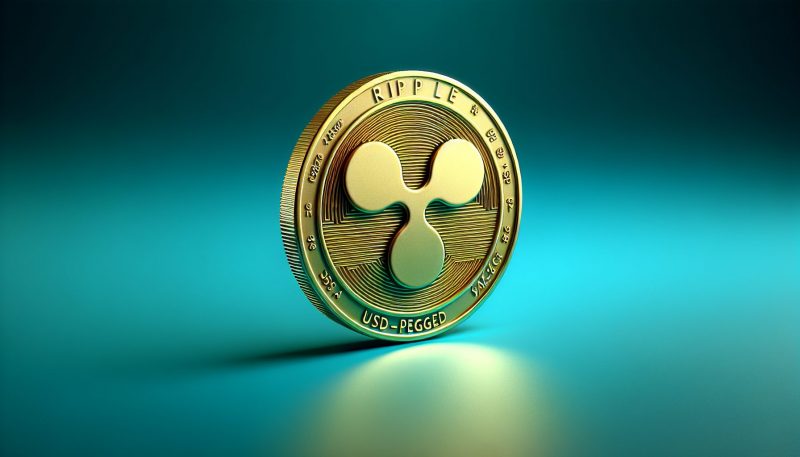
Ripple is poised to make a significant move into the U.S. stablecoin market with its new RLUSD stablecoin, which is expected to receive approval from New York’s Department of Financial Services (NYDFS). The approval paves the way for the coin’s anticipated launch on December 4, positioning Ripple to directly compete with established U.S. stablecoin issuers, including Circle and Tether. Ripple’s decision to introduce a stablecoin marks a strategic expansion beyond its core offering of XRP, aiming to tap into the burgeoning stablecoin sector, which has seen rapid growth due to its role in reducing volatility in the cryptocurrency market and facilitating easier cross-border transactions.

The RLUSD stablecoin will be backed 1:1 by the U.S. dollar, offering a more stable and predictable alternative to XRP, which has faced significant volatility in the past. Ripple’s stablecoin will be a key player in the growing demand for stablecoins, which have become integral to decentralized finance (DeFi) and are increasingly being used for remittances, trading, and cross-border payments. The NYDFS approval is critical for Ripple as it will allow the company to offer RLUSD in the highly regulated U.S. market, enhancing its legitimacy and fostering confidence among investors and users.

As Ripple prepares for its entry into the stablecoin market, it is positioning itself against leading stablecoin issuers like Tether’s USDT and Circle’s USDC, which dominate the U.S. stablecoin market with billions in circulation. However, Ripple’s edge lies in its established infrastructure for cross-border payments and its existing partnerships with financial institutions, which could provide RLUSD with a strong foundation for adoption. Additionally, by leveraging its existing RippleNet network, Ripple aims to deliver a smoother and more efficient transaction process compared to its competitors.

Unlike XRP, which is often seen as a speculative asset, RLUSD is designed to serve as a stable digital currency pegged to the U.S. dollar. This makes RLUSD a preferred option for users seeking a low-volatility solution for everyday transactions or for businesses that require a stable digital currency for operations. Ripple’s entry into the stablecoin market could provide users with an attractive alternative for conducting international transactions, where stability and efficiency are critical. Ripple’s extensive network of financial institutions already using RippleNet could facilitate the adoption of RLUSD among these organizations, making it a highly competitive option in the space.

Ripple’s expansion into the stablecoin space also reflects broader trends in the cryptocurrency industry, where the demand for stablecoins has surged as they provide a bridge between traditional fiat currencies and the digital economy. According to data from the Center for Alternative Finance, stablecoins accounted for over $130 billion in market capitalization by mid-2024. This growth is driven by the increasing use of digital currencies in global trade, remittances, and as an on-ramp to decentralized finance platforms.

The stablecoin market has attracted attention from regulators due to its potential to disrupt traditional finance. New York has been at the forefront of regulating cryptocurrency, with the NYDFS providing a rigorous licensing process for digital assets operating in the state. Ripple’s ability to secure approval for RLUSD under these stringent conditions speaks to the company’s commitment to complying with regulatory standards, which may help it differentiate itself from other cryptocurrency projects that have faced regulatory hurdles. In addition to regulatory compliance, Ripple’s track record in the cryptocurrency space, particularly with its XRP token, positions it as a trusted entity in the eyes of many investors and stakeholders.

However, Ripple’s entry into the stablecoin market does not come without challenges. The stablecoin market is becoming increasingly crowded, with numerous players vying for dominance. USDC and USDT remain the dominant stablecoins by market share, and both have established themselves as reliable and trusted assets in the digital currency space. Additionally, these coins have already formed partnerships with major financial institutions and exchanges, making it difficult for new entrants to compete. Ripple will need to differentiate RLUSD not only through its regulatory approval and backing by the U.S. dollar but also through its ability to offer faster, cheaper, and more secure cross-border payment solutions.

While Ripple’s RLUSD aims to provide a less volatile alternative to XRP, it could also offer significant advantages in terms of liquidity and scalability. Stablecoins like USDC and USDT are already widely accepted across various platforms, and Ripple’s partnerships with financial institutions could accelerate the adoption of RLUSD. Furthermore, as more businesses and financial institutions explore the benefits of using digital currencies for cross-border payments, Ripple’s established network could enable RLUSD to scale quickly and gain traction.

Coinbase, one of the world’s largest cryptocurrency exchanges, has officially withdrawn its pre-application to enter Turkey’s highly competitive cryptocurrency market. This marks a significant shift in the company’s strategy, as it had initially expressed strong intentions to expand into the Turkish market, a region that has seen growing interest in digital assets amid economic volatility.

The decision to withdraw follows a series of regulatory hurdles and growing challenges within the Turkish crypto landscape. While Turkey has long been a fertile ground for cryptocurrency adoption, especially as citizens seek alternatives to the national currency amidst inflationary pressures, the government’s regulatory stance on digital assets has been evolving. Authorities in Turkey have yet to formalize comprehensive rules for cryptocurrency exchanges, leaving many firms cautious about fully committing to the market.

This move by Coinbase is a noteworthy development, particularly as Turkey’s cryptocurrency market continues to attract international players. While Coinbase steps back, other exchanges like Bitfinex and OKX remain in the race to establish their presence. These platforms are among the remaining applicants vying for regulatory approval to offer custody services in Turkey, signaling a competitive shift as major players navigate the evolving regulatory environment.

The regulatory framework for cryptocurrency exchanges in Turkey has been under close scrutiny for some time. The country introduced a series of measures to monitor and control the crypto sector, particularly focusing on anti-money laundering (AML) and combating the financing of terrorism (CFT). These measures have raised concerns among some international companies about the compliance and operational challenges associated with entering the Turkish market.

For Coinbase, which has faced increasing regulatory scrutiny in its home market of the United States, the decision to withdraw its pre-application could signal a shift in its global expansion strategy. While Turkey remains an attractive market due to its tech-savvy population and growing cryptocurrency adoption, the complexities surrounding compliance and local regulations might have led to Coinbase reassessing the potential risks.

On the other hand, Bitfinex and OKX are pushing ahead with their applications, signaling confidence in the Turkish market despite the regulatory uncertainties. These exchanges are known for their established presence in various global markets and have experience navigating complex regulatory landscapes. Bitfinex, for instance, has already secured regulatory approvals in several jurisdictions and is hoping to build on this momentum to gain entry into Turkey. Similarly, OKX, a major player in the crypto trading world, has been actively expanding its global footprint and sees Turkey as a strategic location to broaden its services.

Turkey’s regulatory stance has played a significant role in shaping the market’s future. The government has shown a willingness to embrace blockchain technology, but with cautious oversight. In late 2021, Turkey’s central bank launched a digital currency pilot project, signaling the country’s interest in blockchain innovation while maintaining strict control over the crypto space. This move demonstrated a desire to ensure that cryptocurrencies do not undermine the financial system but instead complement the traditional banking infrastructure.

Despite the regulatory hurdles, Turkey remains one of the largest markets for cryptocurrency in the Middle East. According to several reports, more than 20 million Turkish citizens own or trade cryptocurrencies, a significant portion of the population. The adoption of digital assets has been driven by factors such as inflation, a weakening national currency, and the search for alternative investment vehicles. Many Turkish citizens have turned to Bitcoin, Ethereum, and other digital currencies as a store of value during economic uncertainty.

While the Turkish government is still in the process of refining its stance on cryptocurrencies, the market has witnessed substantial growth in user adoption. However, concerns over security and fraud have prompted regulators to tighten oversight. The Turkish government’s approach to crypto regulation is expected to remain cautious, as officials work to balance innovation with security and financial stability.

As Coinbase retreats from the race, its competitors will have to navigate these challenges and carefully consider how to meet regulatory requirements while capitalizing on the growing demand for digital assets in Turkey. For Bitfinex, OKX, and other exchanges, the competition to dominate the Turkish market will likely intensify as they seek to establish themselves as trusted players in the region.

Elon Musk’s net worth has reached a staggering $348 billion, driven by a surge in Tesla stock and the continued growth of his artificial intelligence venture, xAI. Musk’s wealth has seen a remarkable spike, placing him at the forefront of global billionaires, surpassing key figures in both tech and finance. This surge highlights the continued influence of Musk’s ventures, particularly Tesla, as the company’s performance remains strong […]

Over 80 Local and Overseas Creative Communities Engaging in Large-scale Installations & Exhibitions, Workshops, and Creative Voice Powering Inner Growth Through Design HONG KONG SAR – Media OutReach Newswire – 29 November 2024 – Presented by PMQ and sponsored by the Cultural and Creative Industries Development Agency (CCIDA), formerly known as Create Hong Kong (CreateHK), deTour design festival will take place from 29th November to 15th December […]

VISHNU RAJA
RYO YAMADA
HITORI GOTOH
IKUYO KITA
Just in:
From Dubai to the EU: how UAE-based crypto firms can expand under MiCA // Yicura BioMed Advances Dual Capital and Industrial Strategy: Completes First Closing of Series B Financing Led by Gobi Partners // TORRAS Launches Two New iPhone Duo Cases from Its Popular Ostand Series, Addressing Foldable Phone Users’ Concerns About Difficult Stand Positioning and Scratches // L’OCCITANE Celebrates 50 Years Of Provençal Craftsmanship With Holiday 2026 Collection // Lego restores BrickLink marketplace after security investigation // Saudi fund assets forecast to cross $400 billion // China Reconciled To U.S. Curbs On Chips Exports, Woos South Korea For Supply // Hackers falsify NVIDIA GPU readings to mask cryptomining // Electoral register gains 2.17 lakh voters // US resumes flights after nationwide air traffic shutdown // Woman found dead as bank moves to repossess home // Microsoft apologises as Outlook services recover after outage // October Food Price Shock Has Far Reaching Consequences // Sun World Ba Den Mountain marks Vietnam Culture Day, welcoming Cambodian visitors over Bon Om Touk // Fujairah highway pile-up leaves 14 dead and 30 injured // Crescent Enterprises venture arm funds Oyster Therapeutics development // Microsoft outage leaves Outlook and Teams users disconnected // Microsoft restores services gradually but gives no recovery deadline // Inpex reaffirms Gulf oil strategy despite shipping constraints // IEA forecasts fourth-quarter oil surplus as Gulf shipments rebound //