News related to
Exchanges

By K Raveendran A quieter phase has set in around discussions on a potential trade agreement between India and the United States, yet the subdued optics conceal a period of more intense negotiation. Officials on both sides describe a process that has deliberately stepped away from public signalling, opting instead for steady and less visible […]

The article India, US Energy Alignment Shapes A Quieter Trade Push appeared first on Latest India news, analysis and reports on Newspack by India Press Agency).

Market attention turned sharply towards World Liberty Financial as its WLFI token climbed more than 7% on the daily chart, supported by renewed momentum in a buyback programme that has drawn heightened interest from traders. The jump in value, which pushed volumes higher across multiple exchanges, underscored a shift in sentiment around the project after a period of steady consolidation in its price trajectory.

Traders noted that the upswing aligned with the recommencement of the token buyback scheme, which had been announced earlier in the year as part of the platform’s strategy to stabilise circulating supply and incentivise long-term holding. The renewed activity around the programme appeared to signal confidence within the project’s core team, with market participants interpreting the move as an effort to strengthen liquidity and reinforce the token’s market position during a phase of broader volatility in digital assets.

The project, positioned as a decentralised finance ecosystem offering yield products and cross-border payment tools, has been attempting to carve out a more distinct space in the congested DeFi landscape. Its token performance has shown periods of sharp movement in line with broader market swings, but the latest rise stood out due to the targeted intervention through the buyback initiative. Analysts tracking on-chain data confirmed a noticeable reduction in WLFI circulating supply over the past 48 hours, indicating execution of the buyback in measurable volumes.

A senior market analyst at a Dubai-based digital asset fund said the token’s rebound reflected “a coordinated liquidity strategy combined with renewed user engagement,” adding that sustained price support would depend on whether the buybacks continue at a stable pace. The analyst also pointed to the rising interest in tokens backed by structured DeFi models, noting that these projects have gained traction as traders search for instruments offering more predictable mechanics compared with purely speculative assets.

WLFI’s latest surge coincided with a broad improvement in sentiment across mid-cap digital tokens, though its gain exceeded the general market trend. Data aggregators showed that while major assets such as Bitcoin and Ether recorded modest upward moves, WLFI’s performance outpaced most alternative tokens in its category. The increase was accompanied by a measurable uptick in wallet activity, with new holders entering the market as trading forums circulated speculation about further buyback rounds.

Company representatives had earlier disclosed that the buyback programme was designed to respond dynamically to market conditions, enabling the project to reinforce token value during periods of instability. Blockchain analysts have noted that such mechanisms, if implemented with transparency and predictable parameters, can help sustain community confidence and mitigate sharp sell-offs. The WLFI team’s renewed engagement, including technical updates and communication around upcoming ecosystem features, also contributed to the current sentiment shift.

Industry observers said market participants were also watching regulatory signals closely, as global jurisdictions continue to refine frameworks for digital assets. A clearer regulatory environment, particularly in markets influential to token liquidity, has historically contributed to greater investor participation. WLFI’s activity in markets such as the UAE and Southeast Asia has expanded over the past year, aided by partnerships with payment service providers and liquidity networks aiming to widen adoption.

Developments in DeFi have shown that buyback-driven appreciation, while effective in the short term, typically requires sustained platform growth to maintain momentum. This has put attention on WLFI’s roadmap, which outlines the rollout of additional financial tools and integrations aimed at strengthening ecosystem utility. Market analysts said user adoption metrics over the next quarter would be critical in determining whether the token can retain the gains recorded following the buyback revival.

The broader digital asset market has been characterised by alternating periods of risk appetite and caution, shaped by shifting macroeconomic indicators and geopolitical developments. WLFI’s rise occurred during a phase where traders were displaying a stronger preference for tokens linked to structured platforms with defined use cases. This positioned WLFI favourably as its developers highlighted enhancements to yield mechanisms and expansion into multi-chain support, which could increase platform accessibility.

Trading desks reported that the token’s order books reflected thicker buy-side interest as the session progressed, suggesting that momentum-driven traders were reinforcing the upward movement. Price analysts, however, cautioned that tokens experiencing sudden appreciation following buybacks may face corrections if broader market sentiment turns or if programme intensity decreases. Despite this, WLFI’s advocates argue that the project’s tokenomics structure is engineered to provide periodic support without distorting long-term market behaviour.

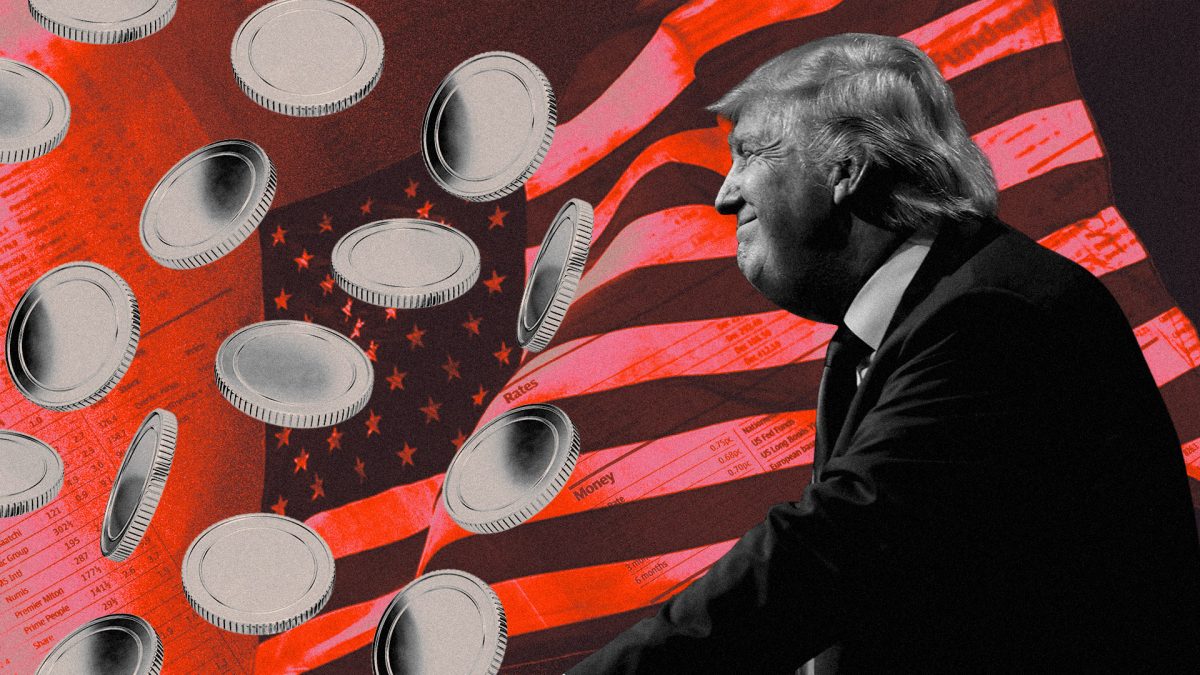
Stablecoins have moved from the fringe of digital finance to the centre of American geopolitical strategy with astonishing speed. A year ago, many analysts still dismissed them as an experiment, an irritant or a regulatory problem. Today they sit at the heart of a much bigger financial vision inside Washington. The Trump administration, I now believe, is using stablecoins as a new mechanism to strengthen the dollar’s […]

SINGAPORE – Media OutReach Newswire – 25 Nov 2025 – Watch Exchange has secured a coveted spot in Singapore’s Enterprise 50 Awards. This accolade goes beyond business performance. It reflects Watch Exchange’s belief that true excellence is built on credibility and trust. The award places the company alongside some of the country’s most respected enterprises, recognised for innovation, resilience and sustained growth, while affirming Watch Exchange’s commitment […]

TAIPEI, TAIWAN – Media OutReach Newswire – 24 November 2025 – Established by the Resource Circulation Administration of the Ministry of Environment in 2024, Circular Inorganic Resource Community Unions Taiwan (CIRCU-Taiwan) has, after a full year of refinement and integration, identified three key areas of focus that will be formally introduced to the public this year. CIRCU-Taiwan brings together arterial industries such as cement, steel, construction materials, […]

The Abu Dhabi Securities Exchange has marked its 25th year, standing today as one of the world’s top 20 stock markets by market value. Founded in 2000 with just 12 listed companies, the exchange now hosts more than 200 securities, carries a market capitalisation in excess of AED 3 trillion and counts 1.2 million investors drawn from over 200 nationalities. This milestone comes as the ADX embarks […]

Apple Inc’s Chief Executive, Tim Cook, declared his confidence that China will surpass the United States as the company’s leading market, signalling a major strategic shift in the iPhone-maker’s global priorities. In a Beijing meeting with China’s Minister for Industry and Information Technology, Jin Zhuanglong, Cook pledged to deepen Apple’s investment in the country and underscored its significance to the firm’s long-term supply-chain and innovation plans. Cook’s […]

Advertisements

NANJING, CHINA – Media OutReach Newswire – 19 November 2025 – From November 21 to 22, the 2025 Yangtze Culture Forum will be held in Nanjing, China. This gathering will bring together global scholars in river studies, ecological conservation experts, cultural ambassadors, and representatives from international waterfront cities for intercontinental dialogues on topics such as aquatic culture preservation, sustainable water resource utilization, and mutual learning among great […]

Smart cities have emerged as a transformative vision for the future of urban life, integrating cutting-edge technologies to enhance living standards, boost sustainability, and improve service efficiency. However, as these cities evolve, they face growing concerns regarding cybersecurity. With vast amounts of sensitive data being collected, processed, and transmitted across networks, securing these data exchanges is paramount. The role of modern cryptographic solutions in safeguarding these environments […]

An in‑depth probe by the International Consortium of Investigative Journalists has unveiled a sprawling network of criminal finance powered by cryptocurrencies, highlighting how digital asset platforms, cash‑to‑crypto storefronts and unregulated exchange desks have become central to laundering money for human‑trafficking rings, drug cartels and Russian organised crime groups. The investigation, under the title “The Coin Laundry”, involved more than 100 journalists across 38 news outlets and casts a harsh light on how the crypto‑space has evolved into a parallel shadow financial system.

The core finding of the ICIJ project is that thousands of transactions—ranging from hundreds of millions of dollars—have flowed through crypto platforms that either lacked robust anti‑money‑laundering safeguards or deliberately facilitated anonymity. Some of the biggest cryptocurrency exchanges are shown to have moved hundreds of millions in funds tied to illicit actors even after criminal pleas and enforcement actions. The scale and the reach of the systems uncovered suggest that the digital‑asset industry has matured from niche speculation into a global conduit for organised illicit flows.

The architecture of this criminal system reveals several layers. First, cash‑to‑crypto storefronts operating in places like Dubai, Toronto and other jurisdictions emerge as physical bridges where cash is converted into crypto away from traditional banking rails. These outlets, according to the investigation, serve entities that “have lots of cash they want to offload without using a bank”. Secondly, certain crypto exchanges and wallets have been used to take funds from traffickers, drug networks or Russian criminal gangs, convert them into digital assets, transfer those across borders, then convert back into fiat currencies—often in jurisdictions with weak enforcement. Thirdly, mixers, anonymised cryptocurrencies and opaque wallet‑chains have enabled the origin and destination of funds to be obscured, making law‑enforcement tracking significantly harder.

Criminal networks profiting from these systems include people‑trafficking racks, where victims are moved across borders and payment flows routed via crypto; drug cartels that convert illicit cash into digital tokens to hide funds and move value swiftly; and Russian organised crime groups that make use of sanctions‑evading platforms to transfer funds internationally. The investigation points out how several Russian‑linked exchanges came under scrutiny after moving billions in assets on behalf of sanctioned individuals.

For regulators and law‑enforcement agencies, the ICIJ findings pose a serious challenge. Cryptocurrency was once hailed for its transparency because of blockchain traceability, yet the system has matured into one where anonymisation tools, cross‑jurisdictional flows and cash‑on‑ramps erode that promise. One analysis notes how the boundaryless nature of crypto and cash conversions has “erased national borders” in laundering schemes. The combination of weak regulatory oversight, technological complexity and global jurisdictional gaps means that the crypto sector now offers potentials previously reserved for traditional offshore banking and shell‑company networks.

From a regulatory‑policy perspective the report surfaces key faultlines. Many exchanges either operate in regulatory grey zones or rely on lax “know your customer” checks, enabling high‑risk actors to open accounts and move funds. The ICIJ investigation underscores how crypto to cash workflows are particularly acute in jurisdictions where enforcement is weak or cash‑based storefronts operate with minimal oversight. In India for example, investigators found that 144 cases over three years involved crypto routes used to funnel stolen or illicit cyber‑crime proceeds into global syndicates. That observation underscores how burgeoning crypto markets in emerging economies may be especially vulnerable to exploitation.

Industries beyond crypto feel the fallout. Traditional banking institutions face reputational risk when their clients or connected transactions use crypto intermediaries. Law‑enforcement agencies face mounting costs tracing and investigating these flows when the end‑destination is hidden behind layers of wallets or front businesses. Victims of people‑trafficking or drug networks often find no effective path to recovery, as the digital funds vanish into complex webs. One ICIJ commentary notes that while crypto platforms have profited from these illicit flows, those harmed are “left with little hope of justice”.

The ecosystem enabling this laundering structure demonstrates a careful interplay of legitimate and illegitimate actors. On one side are mainstream crypto exchanges, sometimes guilty of compliance failures or negligent oversight; on the other are fringe services—mixers that convert one token to another to obfuscate origins, anonymous coins such as Monero, and cash‑to‑crypto kiosks possibly operating in jurisdictions with lax enforcement. In the French legal reform context, a law recognising funds passing through anonymisation tools as part of money‑laundering was introduced, acknowledging how tools once fringe are now central to criminal flows.

From the enforcement standpoint the challenge is two‑fold: tracing funds and prosecuting high‑level actors. Blockchain analytics can trace token flows, but when the end‑recipient wallet is converted into cash via shadow exchanges or laundromats, it becomes a near‑impossible task. This is compounded when jurisdictions refuse to cooperate or when the conversion happens in physical storefronts beyond bank controls. One academic note highlights that conventional AML practices struggle to detect “subgraph” laundering patterns that exploit layered wallet behaviour and network effects.

The global regulatory environment currently appears mismatched to the scale of the problem. While policy makers have begun to act—such as the French law targeting anonymisation tools—many jurisdictions lack the statutory frameworks or enforcement resources to address crypto‑laundering at scale. Regulatory gaps are further compounded when major jurisdictions focus only on tokens traded on exchanges rather than on emerging narratives involving cash‑to‑crypto desks, unregulated decentralized platforms or off‑ramp services. One commentator described the flow from cash into crypto as “after tax‑havens, dirty money finds a new home: cryptocurrency”.

From a financial‑crime perspective, the finding that major exchanges still processed illicit funds even after criminal prosecutions signifies systemic weakness. This suggests that bad‑actor networks can rely on deep pockets, jurisdiction shifting and complex intermediaries to keep funds moving. The ICIJ investigation lists two of the world’s largest exchanges moving hundreds of millions in illicit funds after pleading guilty to crimes related to money laundering. These revelations raise questions about whether enough internal controls exist in the high‑volume crypto market and whether enforcement action has produced meaningful change.

The implications for victims of organised crime and for global governance are stark. For people trafficking survivors the money flows support networks that exploit human lives yet vanish into anonymous wallets across jurisdictions, making asset recovery and restitution extremely difficult. For drug‑trafficking networks, the agility and cross‑border speed of crypto conversion process provide large scale advantage. For states dealing with sanctions enforcement, the ability of crypto platforms to host cross‑border flows undermines the effectiveness of sanctions regimes.

While the ICIJ investigation sets out a clearer map of how these systems function, it also signals that the public and private sectors face an urgent need for stronger deterrence. Some proposals include mandatory global standards for exchange KYC/AML, registration of cash‑to‑crypto on‑ramp services, enhanced international cooperation for wallet tracing, seizure frameworks for anonymised funds and real‑time monitoring of conversion windows. A related academic analysis recommends adopting subgraph‑based network detection systems to identify laundering patterns earlier.

Industry players replying to the revelations argue that the bulk of legitimate crypto transactions are untainted and that enhancements to compliance are underway. Exchanges emphasise that transparency is improving with on‑chain traceability and that many illicit flows represent a small fraction of total volume. Some operators point out that regulators themselves are still developing the controls needed for a digital‑asset environment and that over‑regulation risks stifling innovation.

In parallel, a cultural shift is emerging where law‑enforcement bodies increasingly view crypto not just as a speculative market but as a core part of the financial‑crime ecosystem. Tasks once reserved for tracking offshore shell companies or cash couriers now must include tracing smart‑contracts, wallet clusters and token flows across borders. That evolution places a premium on technological capacity, inter‑agency cooperation and jurisdiction‑bridging legal tools.


India has officially enacted the Digital Personal Data Protection Rules 2025, marking a significant milestone in the country’s data privacy landscape. These rules come into full effect after years of discussions and revisions, shaping the way businesses and organizations across India manage and process personal data. The new framework introduces comprehensive rights for citizens, increased accountability for data processors, and a structured approach to compliance, with phased implementation designed to help organizations gradually adapt to the new standards.

Under the DPDP Rules 2025, organizations handling digital personal data must ensure that they meet stringent requirements regarding the collection, storage, and processing of such data. One of the primary objectives of the regulations is to give individuals more control over their personal information. Citizens are now entitled to exercise rights such as data access, correction, and deletion, enabling them to manage their digital footprints more effectively. The rules empower individuals to demand transparency from organizations about how their data is being used, stored, and shared, thereby creating a more secure and user-centric data ecosystem.

The DPDP framework also mandates that businesses establish clear and accountable procedures for data processing, including obtaining explicit consent from individuals before collecting their data. This requirement has led to the creation of a robust consent management system, where individuals can easily opt in or out of data collection practices. Moreover, companies must implement technical measures to safeguard data from breaches, ensuring that personal information is kept secure against cyber threats.

A noteworthy feature of the DPDP Rules 2025 is the introduction of a phased compliance timeline, giving businesses time to align their operations with the new regulations. The phased approach allows smaller organizations to gradually adapt their processes without facing immediate heavy penalties. It also helps avoid overwhelming businesses with abrupt changes, ensuring a smoother transition into the new privacy regime. Larger enterprises, particularly those with significant data processing activities, are required to comply more swiftly, underscoring the government’s commitment to addressing privacy concerns in the digital age.

In terms of enforcement, the rules establish a regulatory body responsible for overseeing compliance with data protection laws. This body will have the authority to issue penalties for violations, ranging from non-compliance to mishandling of personal data. The government has also proposed creating a data protection fund to support enforcement activities and facilitate the implementation of data protection measures across sectors. These efforts aim to strengthen India’s privacy protection infrastructure and ensure that businesses take their responsibilities seriously.

One of the most pivotal aspects of the DPDP Rules is the focus on cross-border data transfers. Companies that wish to transfer personal data outside of India must demonstrate that the destination country has an adequate level of data protection laws in place. This provision aims to safeguard Indian citizens’ data while promoting responsible data sharing and collaboration on the global stage. By introducing strict measures for international data exchanges, the DPDP framework places a premium on protecting the privacy of individuals both within India and abroad.

The DPDP Rules 2025 also place a strong emphasis on corporate accountability. Organizations must conduct regular audits to assess their data handling practices and identify potential vulnerabilities. Additionally, they are required to appoint Data Protection Officers responsible for overseeing data protection measures within their organizations. The accountability aspect extends to third-party vendors, as businesses must ensure that their partners and service providers adhere to the same high standards of data protection.

For the general public, the DPDP Rules provide greater visibility into how their data is being used. The introduction of a personal data breach notification system ensures that individuals are alerted if their data has been compromised. This provision is crucial in fostering trust between businesses and consumers, as it encourages transparency and swift action in case of data incidents. Companies are also required to report breaches to the regulatory body within a specified time frame, contributing to a more proactive approach to data security.

Speculation around the potential launch of a BlackRock XRP Exchange Traded Fund has intensified following the impressive debut of the Canary XRPC ETF. The new fund has shattered records, achieving a staggering 58 million dollars in first-day volume and 245 million dollars in net inflows. This performance places it among the strongest ETF launches of 2025, outperforming many other offerings in the competitive market.

The Canary XRPC ETF’s exceptional launch has sparked a wave of interest in XRP-related investment products. This surge in attention comes at a time when global interest in cryptocurrency-based financial products is rising, fueled by increased institutional involvement and growing acceptance of digital assets within traditional financial markets. The success of the Canary XRPC ETF, in particular, has led analysts to revisit the possibility of BlackRock entering the space with its own XRP-focused ETF.

BlackRock’s previous filings have contributed to the ongoing speculation. The investment giant has been a major player in the ETF market, with a track record of successfully launching funds that track digital assets, including Bitcoin and Ethereum. The company has already filed for a number of crypto ETFs in the past, most notably its Bitcoin ETF, which garnered significant attention. With the positive reception of such products, the entry of a BlackRock XRP ETF seems like a natural progression for the firm, especially considering XRP’s rising prominence within the digital asset ecosystem.

XRP, the digital currency associated with Ripple Labs, has been at the centre of legal and regulatory developments. Despite challenges, including the ongoing legal battle with the U. S. Securities and Exchange Commission, XRP has maintained a strong position in the cryptocurrency market. The uncertainty surrounding XRP’s regulatory status has not deterred investor interest, as demonstrated by the overwhelming demand for the Canary XRPC ETF. Ripple’s ongoing efforts to settle its legal issues, along with its partnerships with financial institutions, have bolstered confidence in the cryptocurrency’s future prospects.

The performance of the Canary XRPC ETF is viewed as a strong indicator of the market’s appetite for XRP-linked investment products. Market analysts believe that the fund’s initial success reflects a growing demand for structured, exchange-traded products that offer exposure to digital assets without requiring investors to directly hold the underlying cryptocurrencies. ETFs provide a level of convenience and security that traditional cryptocurrency exchanges may lack, appealing to institutional investors looking for a regulated route into the digital asset market.

With the Canary XRPC ETF breaking records, the conversation around a potential BlackRock XRP ETF has gained momentum. If BlackRock were to launch its own XRP ETF, it would likely benefit from the momentum created by Canary’s success, attracting both retail and institutional investors eager to gain exposure to XRP through a trusted, established financial institution. BlackRock’s involvement would also likely enhance the legitimacy of the XRP asset class in the eyes of conservative investors and regulators alike.

Despite the strong demand for XRP-related products, market experts caution that the regulatory landscape remains a critical factor in the future of XRP-focused ETFs. The legal uncertainty surrounding Ripple’s ongoing lawsuit with the SEC could impact investor sentiment and regulatory approval. Any significant developments in this legal battle could either accelerate or delay the launch of new XRP-related financial products.

In addition to regulatory hurdles, market volatility is another risk factor that could influence the success of an XRP ETF. Cryptocurrencies are known for their price fluctuations, and the value of XRP has experienced considerable swings over the years. While this volatility presents opportunities for high returns, it also poses risks for investors who are not prepared for the rapid price movements typical in the cryptocurrency market.

The growing popularity of XRP as an investment vehicle underscores a broader trend in the digital asset market. Institutional investors are increasingly turning to cryptocurrencies as part of their diversified portfolios, seeking to capture the potential growth of blockchain-based assets. ETFs have become a popular mechanism for accessing these assets, offering exposure while avoiding the complexities of direct cryptocurrency ownership, such as wallet management and private key security.

An estimated US$300 million worth of long positions in the cryptocurrency market were wiped out within a short period, exposing vulnerabilities in high-leverage trading and sparking fresh concern among market participants. While the exact timeframe remains disputed, data aggregated from multiple analytics platforms show a sharp spike in forced liquidations as asset prices slipped.

According to the real-time liquidation monitor on one analytics service, the past 24 hours have seen unusually high volumes of closed long positions, with the tally edging near US$300 million. Other reports suggest the figure may have occurred over the span of 60 minutes, with industry social-alerts estimating that magnitude of losses among long traders.

Prices of flagship assets such as Bitcoin and Ethereum registered meaningful intra-day declines, which in turn triggered liquidation cascades. Data from the analytics platform show that the leverage unwind was heavily concentrated among long bets, meaning traders expecting prices to rise were forced out as conditions reversed. Market analysts point to a surrender of bullish momentum: the chain reaction begins when a leveraged long position is liquidated, driving asset-sales and pushing prices lower, which in turn triggers further liquidations. This creates a self-reinforcing decline until the excess leverage is cleaned out.

This manoeuvre comes at a moment when structural shifts are underway in the crypto ecosystem. On-chain research indicates that institutional players are absorbing large volumes of bitcoin—almost 300,000 BTC or around US$33 billion—since mid-year, signalling a migration of risk away from retail-leveraged positions into longer-term holdings. That migration may be insulating a lot of the market from large draw-downs, but it also leaves the leveraged short-term traders exposed.

Some analysts interpret the liquidation event as a symptom of broader fragility in the derivatives market. The platform that tracks open interest and funding rates flagged elevated levels of long-side leverage prior to the drop, suggesting that the market had been overloaded with bullish bets. Once price momentum stalled, forced liquidations acted as a trigger for a more acute correction. The effect tends to be more severe when a large proportion of leverage lies on one side of the trade.

While the spot market for major cryptos held up relatively well compared with past extreme episodes, the liquidation event raises questions about crowd positioning and risk management. The analytics firm responsible for the heat-map data emphasises that while asset prices can stay elevated, the presence of large clustered leveraged trades makes the market susceptible to sharp draw-downs. From a regulatory and risk-framework perspective, the event may amplify calls for more transparent oversight of derivatives platforms given the interconnectedness of spot-and-futures exposures.

From the retail trader’s standpoint, the message is clear: heavy use of leverage in a complex and volatile market increases the potential for rapid and large losses. Several traders active in online forums noted one recurring theme: when the dominoes fall, they fall quickly. Nonetheless, the institutional shift described in bitcoin ownership data suggests that the broader market may be entering a more mature phase, wherein spot liquidity and accumulation replace the wild speculative cycles of earlier years.

In the derivatives space, the major platforms are likely to re-evaluate margin-requirements and risk-controls. Some executives in the sector previously flagged that the previous cycle’s wild leverage growth was unsustainable. This latest liquidation incident could prompt exchanges to tighten conditions, potentially increasing costs for leveraged trading and reducing the appeal of highly-geared positions.

A civilian death and multiple injuries have reignited tensions along the frontier between Cambodia and Thailand, casting doubt on a peace understanding signed in October. Cambodia reported that one resident of Prey Chan village in its Banteay Meanchey province was killed and three others wounded when gunfire erupted across the border near Thailand’s Sa Kaeo province. Cambodia’s Prime Minister informed that the incident occurred in the late […]

The cryptocurrency market experienced an abrupt surge in forced liquidations that wiped out approximately $220 million worth of long positions within a narrow timeframe, signalling heightened turbulence across the derivatives ecosystem. Data from tracking services show that the bulk of these liquidations occurred in the perpetual futures markets for major tokens, particularly Bitcoin and Ethereum.

According to aggregated figures, long positions accounted for the lion’s share of the losses, with one platform indicating about $173 million in long liquidations and around $46 million in short positions during the same window. On BTC contracts alone nearly $88.65 million was liquidated, while ETH accounted for about $39.21 million. These numbers highlight the elevated risk exposure from leveraged long positions in a volatile market environment.

Market participants described the spike as part of a broader deleveraging wave triggered by swift upside price movements and thinner liquidity conditions in derivatives markets. In this case, the cascade appears to have been initiated as liquidation auto-mechanisms triggered, driving forced unwinds that bordered on a short-squeeze scenario in some tokens. Exchanges and analytics firms reported notable deterioration in order-book depth and funding-rate dislocations amid the event.

Derivatives analysts point out that the structure of perpetual futures—where traders can hold long or short positions with leverage—makes the system vulnerable to sudden directional shocks. As one analyst put it, when margin positions begin auto-liquidating, “the waterfall becomes self-reinforcing, as each forced exit adds fuel to the next wave.” Traders holding long positions without sufficient margin buffers were disproportionately exposed.

The broader market impact is not restricted to immediate losses. Observers note that such liquidation spikes tend to raise implied volatility, disrupt funding-rate structures, and force platforms to draw on insurance funds or trigger automatic deleveraging mechanisms. For instance, one derivatives exchange reported that although no major platform collapsed, “stress tests” on margin systems and clearance flows were clearly elevated during the event.

Institutional responses to the event are already shaping up. Hedge funds and proprietary trading desks say they are trimming leverage thresholds, reducing tail-risk exposure and increasing hedge allocations in short-term options. Meanwhile retail participants are being urged to revisit risk-management protocols. One experienced derivatives strategist commented: “The lesson here is that high-leverage long bets in a regime of thin liquidity are inherently fragile—what appears as momentum can swiftly become a trap.”

Regulation and infrastructure strains also emerged as themes. Some centralised exchanges disclosed stress on their liquidation engines and the need to replenish risk-fund buffers. Decentralised platforms reported shorter circuit-breaker windows and sharper spreads in underlying tokens during the height of liquidation flows. That has fuelled discussion about whether infrastructure warranties and margin-support frameworks are keeping pace with escalating derivatives volumes.

While liquidations of this magnitude are by no means unprecedented in crypto markets, the concentration on long positions and the speed of unwind mark an important event. Previous cascades had more evenly-split long/short liquidations, but here the asymmetry suggests a sharp directional surprise for markets. Long-only leveraged players may now need to reassess their exposure vis-à-vis volatility, funding-rates, and underlying spot liquidity.

MEGA IDC Project Team Honoured as Technology Team of the Year, Infrastructure HONG KONG SAR – Media OutReach Newswire – 13 November 2025 – SUNeVision Holdings Ltd. (“SUNeVision”; SEHK: 1686), the largest data centre provider in Hong Kong and the technology arm of Sun Hung Kai Properties Limited (“SHKP”), has been honoured with the Gold Stevie® Award in the 2025 Stevie Awards for Technology Excellence, earning the […]

ASTANA, KAZAKHSTAN – Media OutReach Newswire – 12 November 2025 – UnionPay International (UPI) announced its first-ever partnership with Kaspi, the second-largest bank in Kazakhstan, enabling all ATMs and contactless POS terminals of Kaspi to accept UnionPay cards with multiple payment methods including card insertion and QuickPass tapping. This collaboration elevates UnionPay’s acceptance rate to nearly 100% for POS terminals and 90% for ATMs across Kazakhstan, with […]

China is intensifying its efforts to import liquefied natural gas from Russia, despite the ongoing sanctions imposed by the United States and the European Union. As part of these efforts, China has begun developing a fleet of ships designed to transport the super-cooled fuel, with the aim of circumventing international sanctions that prevent direct shipments of Russian LNG to Western markets.

The growing need for energy security and a steady supply of LNG has driven China to explore alternative ways to obtain natural gas, as it faces increasing pressure from energy demand and geopolitical challenges. With European nations largely cutting ties with Russia due to the conflict in Ukraine, China sees an opportunity to secure more of Russia’s vast natural gas reserves. However, the US and EU sanctions, which prohibit companies from providing services and equipment that facilitate the transportation of Russian LNG, have posed significant barriers to the direct importation of Russian gas.

To sidestep these restrictions, China is reportedly building a “shadow fleet” of vessels—tanker ships capable of transporting LNG without being registered under the jurisdictions of Western countries. These ships are often equipped with modified technologies and reflagged to nations that do not enforce the same sanctions as Western powers. Experts suggest this new fleet could potentially enable China to bypass regulatory hurdles and enhance its access to Russia’s energy exports.

This development comes amidst growing concerns about energy supply in both Russia and China. For Russia, the loss of its traditional European export markets has accelerated the search for new buyers in Asia. China, with its vast and growing energy demands, has become the ideal partner for Russia, with both nations keen to deepen their trade relations in the energy sector.

In recent months, reports from various trade bodies and maritime sources have indicated that Chinese shipping companies have begun to work closely with Russian counterparts to facilitate these energy exchanges. According to analysts, these operations are being conducted with the support of intermediaries who play a critical role in enabling the shipment of Russian gas to China. These intermediary companies typically operate under the radar, helping to shield the true origins of the LNG shipments from scrutiny.

The expansion of this fleet raises important questions about the international regulatory landscape and the extent to which sanctions can be effectively enforced in an increasingly interconnected global economy. While Western powers have imposed sanctions on Russia’s energy exports, many analysts argue that their impact has been diluted by countries like China and India, who have continued to purchase Russian energy despite the restrictions.

The move to build a shadow fleet also highlights the growing divide in global energy politics. As Western nations look to reduce their dependency on Russian energy, China has emerged as a key player in filling the gap. With this increasing trade of Russian LNG to China, there are indications that both countries are fortifying their positions in the global energy market, positioning themselves as key energy suppliers to the global south.

China’s energy imports from Russia are also seen as a key component of the broader geopolitical shifts that have been underway in recent years. By continuing to build its energy relationship with Russia, China is further diversifying its sources of energy, ensuring that it has a reliable and growing supply of natural gas that is less susceptible to the fluctuations of the global market. This is especially important as China seeks to meet its ambitious energy and industrial goals in the coming decades.

The logistical complexities of importing LNG are considerable, and China’s efforts to expand its shadow fleet reflect the nation’s determination to secure a more consistent energy supply. These vessels, which are currently being constructed and modified, will be able to bypass many of the traditional channels through which Western powers exert control over Russian energy exports. This represents a significant shift in the global LNG market, with China positioning itself as a key recipient of Russian energy.

Two-day forum explores AI and blockchain venture capital landscape, unveiling new global capital trends HONG KONG SAR – Media OutReach Newswire – 7 November 2025 – Cyberport’s flagship event, the Cyberport Venture Capital Forum 2025 (CVCF), achieved a record-breaking over 500 deal flows, with more than 2,700 attendees and over 180,000 online views. Themed “The Innovation-Venture Nexus: Igniting Transformative Success”, the two-day forum, together with highlight events […]

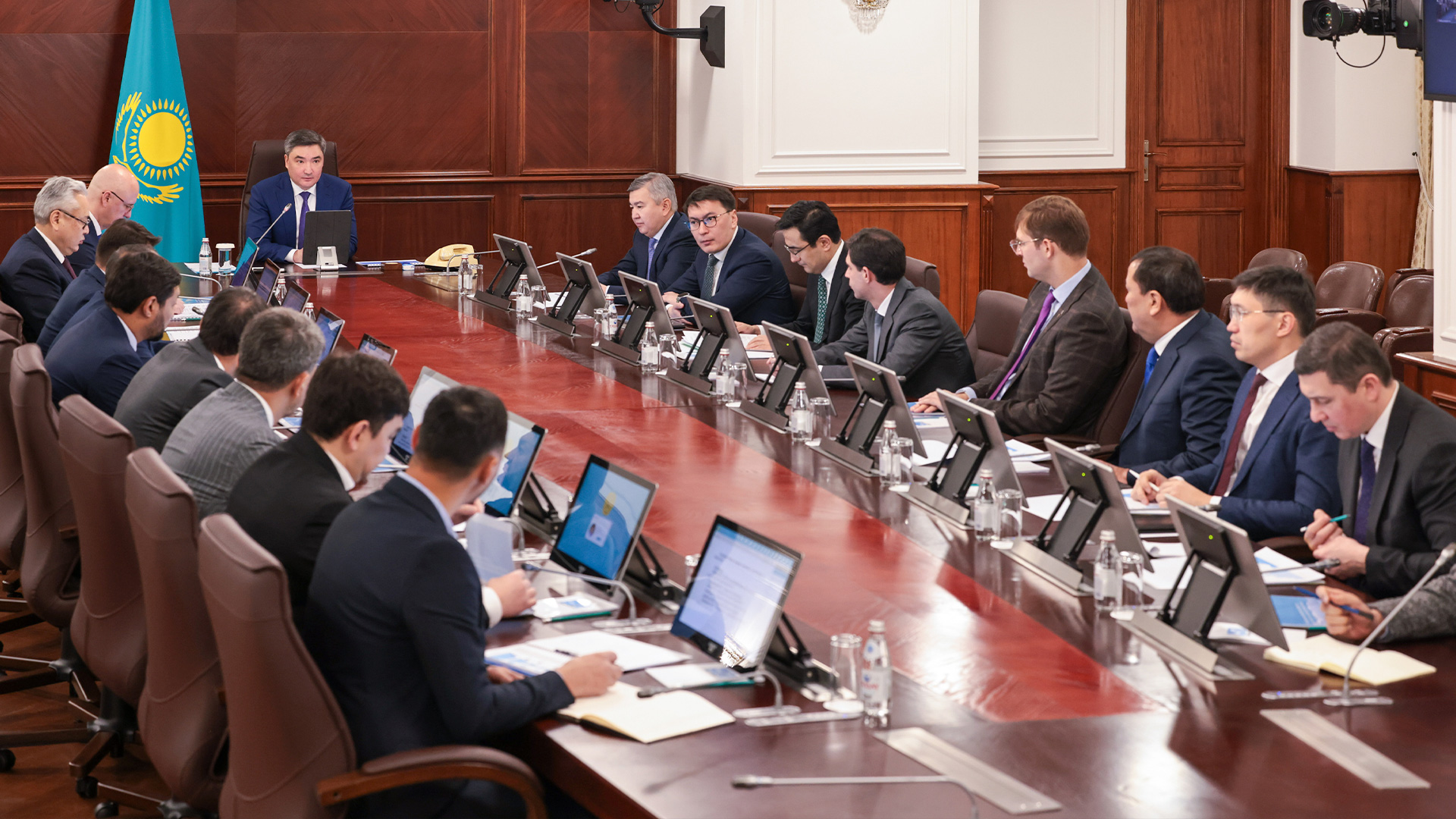
Kazakh authorities have initiated the establishment of a national digital-asset reserve fund valued at between US$500 million and US$1 billion, drawing in part on virtual assets seized or repatriated from abroad. The country’s central bank governor, Timur Suleimenov, stated in a London-based interview that the fund will steer clear of direct cryptocurrency holdings, instead placing capital into exchange-traded funds and shares in firms tied to digital assets. The aim is to have operational readiness by year-end or early January.

The planned vehicle is part of a broader push by the government and financial regulators to formalise the role of digital assets within the national economy. President Kassym‑Jomart Tokayev previously called for a dedicated State Fund of Digital Assets and draft legislation for a digital-asset law in his address to the legislature, signalling targets for implementation in 2026. Meanwhile, the central bank’s deputy governor, Berik Sholpankulov, confirmed to parliament that the fund will receive seized crypto assets from criminal proceedings and may also draw on portions of gold and foreign-exchange reserves.

Analysts note that the decision reflects a cautious yet strategic approach: by investing in regulated instruments such as ETFs rather than acquiring tokens directly, Kazakhstan aims to capture value from the digital-asset ecosystem while limiting exposure to price volatility, custody risks and regulatory ambiguity. The fund’s structure may serve as a model for other states exploring sovereign digital-asset exposure.

The initiative also aligns with Kazakhstan’s existing digital-finance agenda. The government has launched the Alem Crypto Fund, a state-backed vehicle that purchased the BNB token of the Binance network through a local partnership, marking one of the first publicly disclosed state-level digital-asset investments in the country. This fund, managed under the Astana International Financial Centre framework, is viewed as a precursor to the larger sovereign reserve vehicle. Kazakhstan has also announced plans for a so-called “CryptoCity” special zone in the Alatau region, intended to embed digital-asset payments, Web3 businesses and new financial-technology infrastructure.

The use of seized assets as a funding source underscores the interplay between regulatory enforcement and strategic investment. Kazakhstan’s law-enforcement agencies reported shutting down 130 unlicensed crypto exchanges suspected of money-laundering activity and seizing virtual assets worth US$16.7 million. These confiscated assets are earmarked for the fund according to public filings.

Financial-market participants view the reserve fund as serving multiple potential roles: diversification of state reserves, hedging against inflation or currency risk, and positioning Kazakhstan as a regional hub for digital-asset finance. One market strategist noted that “sovereign states are increasingly treating digital-asset exposure as part of long-term strategic reserve management rather than purely speculative allocation.”

Nevertheless, the plan is not without challenges. The absence of a clear regulatory framework for digital assets remains an obstacle: although legislation is under development, the timing and specific provisions are still vague. Market observers highlight that without robust custody, auditing and governance mechanisms, the sovereign reserve could prove vulnerable to volatility or operational failures. Further, the reliance on indirect exposure—through ETFs and equities—limits the fund’s upside in the event of a digital-asset price surge, while still subjecting it to broader capital-market risks.

The U. S. Treasury Department is advancing its legislative plans for the Stablecoin Payments Regulation Act, which has sparked a significant disagreement between cryptocurrency exchange Coinbase and the traditional banking sector. The controversy centers on a provision within the proposed regulation that would restrict the payment of interest on stablecoins.

Coinbase, a leading cryptocurrency platform, has expressed strong opposition to a proposed ban on interest payments. According to Coinbase, such a ban should apply solely to issuers of stablecoins, who manage the supply of these digital currencies. The company argues that exchanges like Coinbase, which merely facilitate transactions and do not control the issuance of stablecoins, should not be subject to the same restrictions. Coinbase’s position is that the distinction between issuers and exchanges is crucial for maintaining the stability and growth of the broader cryptocurrency market.

However, traditional banking associations have raised concerns about the broader implications of stablecoins in the financial system. These groups advocate for a blanket ban on paying interest on stablecoins, extending this prohibition to exchanges and any affiliates involved in their handling. According to these banking bodies, allowing exchanges to pay interest on stablecoins would create an uneven playing field and could lead to significant disruptions in the traditional banking sector. One of their primary concerns is the potential for bank deposit outflows, as consumers may be drawn to the higher interest rates that stablecoins could offer compared to traditional savings accounts.

Stablecoins, which are pegged to traditional fiat currencies like the U. S. dollar, are increasingly becoming a popular method of storing and transferring value within the cryptocurrency ecosystem. These digital assets are known for their stability, making them an attractive alternative to more volatile cryptocurrencies such as Bitcoin or Ethereum. However, the potential for exchanges to offer interest payments on stablecoins raises concerns about the stability of the broader financial system, particularly in the face of growing interest in digital assets.

The clash between Coinbase and banking associations highlights the tension between the rapidly evolving world of digital assets and the more established, regulated financial institutions. Coinbase’s position reflects a broader trend within the cryptocurrency industry to resist overly restrictive regulations that could stifle innovation. The company has long advocated for clearer regulatory guidelines that would allow digital currencies to thrive within the traditional financial ecosystem, rather than be treated as a separate, isolated entity.

On the other hand, traditional banks have been cautious about the rise of digital assets, particularly stablecoins. These institutions argue that the lack of comprehensive regulation for stablecoins creates potential risks for consumers and the financial system. Banks are concerned that if exchanges are allowed to pay interest on stablecoins, it could trigger a shift of funds away from bank deposits into digital currencies, potentially eroding the deposit base that banks rely on to lend and conduct other financial activities. They also warn that offering interest could lead to increased speculative activity, which could ultimately undermine the stability of the financial system.

Cyberport Welcomed 10 Listed Companies and 2 Unicorns over the past year Cyberport Investors Network (CIN) Celebrates 8th Anniversary with a Yearly Threefold Growth Cumulative Funds Surpassed HK$4.2 Billion HONG KONG SAR – Media OutReach Newswire – 6 November 2025 – The annual flagship event Cyberport Venture Capital Forum 2025 (CVCF) officially opened today at Hong Kong Cyberport. The two-day forum, themed “The Innovation-Venture Nexus: Igniting Transformative […]

GYEONGJU, SOUTH KOREA – Media OutReach Newswire – 5 November 2025 – On October 31, 2025, the “One Step One Realm” international integrated cultural tourism brand IP attended the APEC CEO SUMMIT. “One Step One Realm” is an international integrated cultural tourism IP. Through a form of cultural tourism that integrates cultural and international political exchanges, it enhances the international image for partners from various fields in […]

Crypto markets experienced a sharp upheaval as the price of Bitcoin slid below the US $100,000 mark for the first time in approximately six months, while Ethereum plunged to levels near US $3,000. As a result, leveraged positions totalling around US $2 billion were liquidated within a 24-hour period.

The downturn began when Bitcoin fell to about US $99,000, triggering a cascade of forced unwinds in futures and perpetual contracts. According to data providers, more than 80 per cent of these losses stemmed from long bets, amounting to approximately US $1.6 billion. Ethereum’s drop—exceeding 20 per cent over two days—added nearly US $1 billion in liquidations in the same timeframe. The broader crypto market capitalisation slipped to roughly US $3.4 trillion, marking its lowest level in four months.

Analysts point to a confluence of factors driving the sell-off. The Federal Reserve’s cautious comments about future policy signalled the end of easy money for risk assets and prompted a rise in the US dollar index and treasury yields—both typically adverse for cryptocurrencies. Weakening institutional demand compounded the problem, as cumulative outflows from spot Bitcoin exchange-traded funds and related vehicles exceeded US $1.3 billion in the days leading to the crash. Algorithm-driven trades amplified the move: Bitcoin breached its 200-day exponential moving average near US $109,800 and touched technical support around US $100,000, triggering automated sell orders.

The liquidation event has wider implications for investor sentiment and the structure of the crypto market. The so-called Fear & Greed index plunged into the “extreme fear” zone, while open interest in perpetual futures contracts dropped as many leveraged players exited. On-chain metrics show historic wallets transferring tens of thousands of Bitcoin to exchanges, signalling profit taking by long-term holders. Yet some argue the correction could serve as a cleansing phase for the market: by flushing out excessive leverage, the environment may become healthier for the next leg of the cycle.

Despite the turbulence, there are signs that structural demand remains intact. Large-scale buyers such as MicroStrategy continue to accumulate Bitcoin—its holdings now exceed 641,000 BTC. Meanwhile, infrastructure-oriented developments in decentralised physical infrastructure networks and the convergence of blockchain with artificial intelligence are still attracting investor interest. Nevertheless, the immediate path forward is fraught. Analysts now identify a failure to hold US $100,000 for Bitcoin as potentially opening a decline toward the US $92,000–US $94,000 range. For Ethereum, a slide toward US $2,700–US $2,800 is on the radar if momentum fails to stabilise around current levels.

VISHNU RAJA
RYO YAMADA
HITORI GOTOH
IKUYO KITA