Just in:
Sun World Ba Den Mountain marks Vietnam Culture Day, welcoming Cambodian visitors over Bon Om Touk // US authorities dismantle North Korean cryptocurrency deception infrastructure // Microsoft outage leaves Outlook and Teams users disconnected // Woman found dead as bank moves to repossess home // US resumes flights after nationwide air traffic shutdown // From Dubai to the EU: how UAE-based crypto firms can expand under MiCA // Messi affair SIT finds all-round violations // Saudi fund assets forecast to cross $400 billion // L’OCCITANE Celebrates 50 Years Of Provençal Craftsmanship With Holiday 2026 Collection // Crescent Enterprises venture arm funds Oyster Therapeutics development // TORRAS Launches Two New iPhone Duo Cases from Its Popular Ostand Series, Addressing Foldable Phone Users’ Concerns About Difficult Stand Positioning and Scratches // Fujairah highway pile-up leaves 14 dead and 30 injured // EBANX and Eneba strengthen partnership in Latin America with 138% YoY growth in payment volume // 11 Boutique Xinjiang Wineries to Debut in Singapore // Lego restores BrickLink marketplace after security investigation // IEA forecasts fourth-quarter oil surplus as Gulf shipments rebound // Inpex reaffirms Gulf oil strategy despite shipping constraints // Electoral register gains 2.17 lakh voters // Yicura BioMed Advances Dual Capital and Industrial Strategy: Completes First Closing of Series B Financing Led by Gobi Partners // Nvidia appoints Colette Kress interim chief after Huang departure //

News related to
Exchanges

The South Korean cryptocurrency market, particularly Bitcoin trading, has garnered significant attention as it evolves into a vital financial hub with distinct characteristics. In recent years, the dynamics of Bitcoin investment in the country have shifted, drawing concern from regulators about the broader implications for both the crypto and traditional financial markets. A detailed investigation reveals the complex origins of funds fueling South Korea’s Bitcoin market, uncovering critical shifts in investor behavior and the potential systemic risks associated with cryptocurrency trading.

Bitcoin, as the most widely recognized and traded cryptocurrency, serves as the focal point of this investigation. From 2010 to 2020, the South Korean Bitcoin market experienced notable fluctuations in trading volume, prompting experts to scrutinize the source of the capital that fueled these changes. What sets South Korea apart in the global crypto landscape is the presence of the “Kimchi premium,” a phenomenon where Bitcoin and other major cryptocurrencies often trade at higher prices on South Korean exchanges than in other markets. This has led to a market that, while robust and influential, operates somewhat in isolation, with money flowing into and out of the market in ways that are not always aligned with global trends.

A key finding of the study, which uses Bitcoin trading data from Korea’s market, is that the relationship between the Korean Stock Price Index (KOSPI) and Bitcoin trading volume changed dramatically after September 2017. Prior to this point, a positive correlation existed between the two markets, suggesting that capital inflows into Bitcoin were closely tied to the performance of traditional equities. However, after September 2017, this correlation turned negative, signaling a distinct shift in investor behavior. This change indicates that as Bitcoin’s popularity grew, more capital, previously invested in traditional stock markets, flowed into the volatile world of cryptocurrency.

The study suggests that in the early stages of Bitcoin’s market development, positive investment stories and high returns attracted risk-seeking investors, increasing the capital influx into the market. These stories boosted the overall risk tolerance of equity investors, allowing them to embrace higher-risk investment opportunities like Bitcoin. But, as the cryptocurrency market matured and the volatility continued, investors began shifting their capital away from traditional markets like KOSPI toward Bitcoin. This shift marks a crucial point in the market’s evolution, where speculative interest in cryptocurrencies became more pronounced.

Further insights from the study indicate that the speculative nature of cryptocurrency investments mirrors that of gambling. By analyzing the relationship between sales of lottery and horse racing tickets and Bitcoin trading volumes, the study found that post-2017, there was a notable increase in the correlation between gambling activities and Bitcoin investments. Before September 2017, no significant relationship was found between gambling behavior and Bitcoin trading, but afterward, a positive correlation emerged, highlighting a rising speculative mentality among investors.

This shift points to a broader trend of heightened risk-taking, where investors began to see Bitcoin not just as a digital asset, but as a speculative tool akin to gambling. As more people viewed Bitcoin investments in this light, it further blurred the lines between traditional investment vehicles and the more unpredictable, high-risk world of cryptocurrency trading. The study’s findings are particularly pertinent for regulators and financial institutions, as they point to a growing level of risk tolerance among investors and raise questions about the long-term stability of the financial system if these speculative behaviors continue to rise.

South Korea’s unique cryptocurrency market provides valuable insights into the global phenomenon of digital currency trading. The distinct characteristics of the South Korean market, such as the isolated environment and high liquidity, make it an ideal case for understanding the broader systemic risks posed by cryptocurrencies. As a result, the findings suggest that the capital driving Bitcoin investments in South Korea largely comes from traditional financial markets, with a noticeable increase in speculative investments after the crypto market gained significant traction in 2017.

The research highlights the growing importance of understanding the flow of money into the cryptocurrency market, as well as the potential implications for financial stability. As global regulators remain concerned about the systemic risks posed by cryptocurrencies, particularly in light of their increasingly interconnected nature with traditional financial markets, South Korea’s Bitcoin market serves as a critical case study. The influx of speculative capital into the crypto market, often originating from traditional investment sources, presents new challenges for regulators tasked with ensuring financial stability.

The connection between gambling activities and Bitcoin trading raises additional concerns about the speculative nature of the market. With growing numbers of individuals viewing cryptocurrencies as a form of high-risk speculation, akin to gambling, the volatility of the market could increase further. The findings suggest that as more capital shifts from traditional markets to the crypto space, the potential for market destabilization grows, particularly if leveraged positions and speculative behavior continue to dominate.


Phantom, the Solana-based cryptocurrency wallet, has surged to become the second-highest-ranked app in the U.S. Apple App Store’s Utilities category, surpassing several competitors and leaving only Google’s suite of apps ahead. This significant rise marks a pivotal moment for Phantom, which has garnered attention as the go-to wallet for Solana and other decentralized finance (DeFi) enthusiasts. The app’s climb reflects broader trends in crypto adoption and the growing reliance on crypto-based financial tools.

Phantom’s progress has been driven by several factors, notably the increasing appeal of Solana, a blockchain praised for its speed and cost-effectiveness compared to Ethereum. As Solana’s ecosystem grows, more users are flocking to Phantom for its user-friendly interface and robust functionality. The wallet not only supports Solana-based tokens and NFTs but also allows for seamless interaction with decentralized applications (dApps). This versatility has proven critical as users seek more integrated, secure, and accessible ways to engage with the expanding crypto space.

In a market often dominated by established players, Phantom’s rise stands out. For months, the wallet has consistently ranked high within its category, a reflection of its growing influence among crypto users. However, the latest achievement places it just behind Google in the U.S. Apple App Store, indicating not only consumer interest but also the app’s increasing dominance in the mobile crypto wallet sector.

The ranking is also a testament to the larger trend of mainstream adoption of decentralized finance tools. As traditional financial services continue to evolve, more users are looking to decentralized solutions for managing their investments. In particular, Phantom’s ability to bridge Solana’s blockchain with everyday users through a mobile platform has allowed it to capture the attention of a wider audience.

However, the success of Phantom is not merely a result of its technical features but also its strategic partnerships and community-driven growth. The wallet has benefited from collaborations within the Solana ecosystem, which has cultivated a thriving user base. These partnerships have allowed Phantom to integrate seamlessly with an array of dApps and decentralized exchanges (DEXs), making it a critical tool for users looking to interact with Solana’s broader blockchain landscape.

This rise in popularity comes at a time when the crypto industry is facing increasing scrutiny and regulatory challenges, particularly in the U.S. Although crypto adoption continues to grow, concerns over security, regulation, and volatility persist. Despite these challenges, Phantom has managed to maintain its position by prioritizing security and enhancing user experience. The app features features like biometric authentication and encrypted key storage, ensuring that users’ digital assets are protected.

Phantom’s success also highlights the broader evolution of the decentralized finance landscape. With millions of users, Solana has become one of the leading smart contract platforms, offering developers a blockchain that prioritizes speed and cost-effectiveness. This has made Solana an attractive option for both decentralized applications and users looking for alternatives to Ethereum, which has often struggled with high fees and slower transaction times.

While Solana has been a major factor in Phantom’s success, the wallet’s adoption has also been spurred by its intuitive design and accessibility. In the often-complex world of cryptocurrency wallets, Phantom stands out with its sleek user interface, making it easier for new and experienced users alike to manage their assets. The wallet’s integration with popular hardware wallets like Ledger and Trezor further enhances its appeal, offering users more flexibility in managing their crypto holdings.

The surge in Phantom’s popularity also reflects the growing integration of blockchain technology into the mainstream tech ecosystem. As mobile users increasingly turn to apps that offer blockchain and cryptocurrency services, wallets like Phantom are positioned to play a crucial role in facilitating this shift. In a world where digital assets are becoming more prominent, apps that offer seamless and secure management of these assets are more important than ever.

The trajectory of Phantom, however, is not without competition. Despite being in second place in the Utilities category, Phantom faces stiff competition from other crypto wallets and DeFi platforms, many of which are vying for dominance in the expanding market. MetaMask, one of the most widely used crypto wallets, remains a formidable player, particularly within the Ethereum ecosystem. However, Phantom’s early focus on Solana has allowed it to carve out a unique space in the market.

Binance, one of the largest cryptocurrency exchanges globally, has clarified that its BFUSD token, which promises an annual yield of 19.55%, is not a stablecoin. The clarification comes amid growing confusion in the market, as some users and analysts initially viewed the token as a stablecoin-like product due to its name and yield structure. The exchange emphasized that BFUSD, while offering rewards similar to stablecoins, does not adhere to the same mechanisms that define stablecoins, such as being pegged to a fiat currency like the US dollar.

The announcement follows a wave of interest in the cryptocurrency sector for yield-bearing assets, particularly those offering high returns. Stablecoins have long been popular due to their stability, but products like BFUSD, which offer significant yield rewards, blur the lines between traditional stablecoins and newer crypto-based financial instruments. Binance’s clarification aims to set the record straight, distinguishing BFUSD as a token that is tied to a different set of protocols and risks than those typically associated with stablecoins.

Binance described BFUSD as a reward-bearing token linked to specific yield-bearing programs rather than a stable asset designed to maintain a fixed value. This key distinction has been crucial for the platform, which operates in a heavily regulated environment where clarity around financial products is critical. Stablecoins are often seen as tools for hedging against volatility in the cryptocurrency market, but BFUSD’s appeal lies in its potential for returns rather than its stability.

The clarification from Binance also reflects the broader trend of exchanges and crypto platforms developing novel financial products to cater to the growing demand for decentralized finance (DeFi) solutions. As traditional financial instruments like savings accounts and bonds offer diminishing returns, cryptocurrency yield products, which often exceed traditional rates, are becoming increasingly attractive to investors. However, these products are not without risk. The lack of a clear regulatory framework for yield-bearing tokens like BFUSD makes it essential for users to understand the nature of these assets.

Binance has assured users that BFUSD is based on blockchain technology and a set of decentralized finance protocols that facilitate the generation of yield. The exchange outlined that these protocols rely on complex mechanisms within the crypto ecosystem, which do not guarantee the same level of stability that is associated with traditional stablecoins. This includes exposure to the volatility of the crypto market, as well as the underlying protocols used to generate the returns promised to investors.

Despite its high yield offering, BFUSD does not carry the same regulatory oversight that governs traditional stablecoins such as Tether (USDT) or USD Coin (USDC), which are pegged 1:1 to the US dollar. These stablecoins are regulated in various jurisdictions and are subject to strict auditing and reserve requirements. BFUSD, on the other hand, does not adhere to these mechanisms and instead operates within the parameters of the decentralized finance space, where yield-bearing tokens are more speculative and subject to market forces.

In the wake of Binance’s clarification, some users have expressed concern over the risks associated with BFUSD. While the 19.55% annual yield is significantly higher than the returns offered by traditional financial products, the volatility of cryptocurrency markets means that investors could face potential losses if the market takes a downturn. For Binance, the challenge will be in educating its users about the risks and rewards of investing in a token like BFUSD, which offers high returns but is not backed by the same guarantees as a stablecoin.

The clarification also comes as Binance faces increasing scrutiny from regulators around the world. As governments and financial authorities look to tighten regulations on cryptocurrency exchanges and products, companies like Binance are under pressure to provide clear, transparent information to users. Misunderstandings around products like BFUSD could lead to regulatory issues or customer dissatisfaction, prompting the exchange to take proactive steps to avoid confusion and maintain compliance with existing rules.

Binance has continued to expand its offerings in the yield-bearing space, with BFUSD being one of several products aimed at providing higher returns to crypto investors. The company has also been involved in developing new liquidity solutions and supporting decentralized applications (dApps) that provide alternative financial services outside the traditional banking system. These efforts align with the broader trend of DeFi platforms disrupting traditional finance by offering new ways to earn income and engage with digital assets.

Donald Trump is set to hold a private meeting with Coinbase CEO Brian Armstrong to discuss key personnel appointments related to his vision for the cryptocurrency sector. The meeting, which marks a significant step in Trump’s growing interest in digital currencies, will also address plans for a potential presidential advisory commission focused on Bitcoin and other cryptocurrencies. This commission, if Trump secures a second term in office, could have a profound impact on U.S. crypto policy, aiming to provide clearer regulatory guidelines and bolster the integration of digital assets into the economy.

Trump’s vocal support for Bitcoin and its role in the future of finance has been consistent, with his proposals reflecting a desire to integrate digital currency into mainstream financial structures. The advisory commission, should it be formed, would likely influence major regulatory decisions, potentially reshaping how government agencies view cryptocurrencies and their role in global markets. Given Armstrong’s influence in the crypto world, his involvement signals a pivotal moment for both the industry and Trump’s campaign, aligning political support with the priorities of one of the world’s largest cryptocurrency exchanges.

The planned collaboration comes as Coinbase, under Armstrong’s leadership, has continued to push for greater regulatory clarity in the United States. The company has been at the forefront of the battle for clear and consistent crypto regulations, often vocal about the need for lawmakers to establish more defined rules that can foster innovation while safeguarding investors. Coinbase’s legal team has been embroiled in a high-profile lawsuit against the U.S. Securities and Exchange Commission (SEC), accusing the regulator of stifling the development of the cryptocurrency market with unclear and inconsistent guidelines.

The SEC’s position on cryptocurrencies, particularly its classification of certain digital assets as securities, has long been a point of contention within the industry. Coinbase’s legal challenge is one of several efforts to create a more predictable regulatory environment. Armstrong and other industry leaders argue that clearer regulations would help drive innovation in the sector, attract new investors, and support the wider adoption of blockchain technologies.

In addition to its legal battles, Coinbase has made strategic moves to influence policy decisions in the crypto space. The company launched Stand With Crypto, a nonprofit organization dedicated to advocating for pro-crypto policies and legislation. Stand With Crypto focuses on educating lawmakers, regulators, and the public about the potential benefits of cryptocurrencies and the need for a regulatory framework that supports growth while protecting consumers. The organization’s efforts have brought Coinbase into the heart of the debate on crypto regulation, aligning the company with others in the industry seeking to make their voices heard in Washington, D.C.

Armstrong’s private discussions with Trump may be part of a broader strategy to position the cryptocurrency sector more favorably within the next administration. If Trump moves forward with his plans for a Bitcoin and crypto-focused advisory commission, it could help reduce the uncertainty that has plagued the sector. This move would also underscore Trump’s interest in securing the support of tech and finance sectors, particularly as he seeks to widen his base of support among younger voters who are more likely to invest in or embrace digital currencies.

The meeting between Trump and Armstrong is also noteworthy in the context of the political climate surrounding cryptocurrencies. While some politicians view Bitcoin and other cryptocurrencies with skepticism, fearing that they could be used for illicit activities or undermine traditional financial systems, others see them as essential to the future of finance. Trump’s involvement could shift the narrative, casting digital currencies as an innovative force in the economy that deserves the same level of attention as traditional financial institutions.

However, the political and regulatory landscape remains complicated. The U.S. has struggled to balance the need for innovation with the potential risks associated with cryptocurrencies. Proponents argue that cryptocurrencies have the potential to enhance financial inclusion, reduce transaction costs, and offer new opportunities for economic growth. Critics, on the other hand, raise concerns about the volatility of digital assets, the environmental impact of Bitcoin mining, and the potential for fraud and market manipulation.

The cryptocurrency sector’s push for regulatory clarity is not confined to the United States. Globally, countries are taking varied approaches to managing the growth of digital currencies. Some nations, like El Salvador, have embraced Bitcoin as legal tender, while others have cracked down on its use. The lack of a unified global approach to crypto regulation has created challenges for companies like Coinbase, which operate across multiple jurisdictions and must navigate different legal requirements.

Trump’s proposed advisory commission could also help bring the U.S. in line with global trends, positioning the country as a leader in the cryptocurrency space rather than a passive observer. The commission could provide a forum for industry leaders, regulators, and lawmakers to work together on creating a regulatory framework that promotes innovation while addressing concerns about security, consumer protection, and market stability.

The Russian Ministry of Finance has introduced new tax policies for digital currencies, signaling a shift toward a more regulated and structured financial ecosystem. Key elements of this overhaul include exemptions from Value Added Tax (VAT) on digital currency transactions and modifications to income tax structures for digital currency earnings. These changes are expected to affect a wide array of individuals and businesses engaged in the cryptocurrency sector, both within Russia and internationally.

The newly announced tax regime establishes that transactions involving digital currencies, such as Bitcoin and Ethereum, will no longer be subject to VAT. This exemption aligns digital currencies with other financial assets like securities, simplifying the tax process for traders, investors, and institutions engaging in crypto operations. For the cryptocurrency sector, this marks a significant regulatory shift aimed at promoting transparency and growth.

Along with VAT exemption, the Ministry of Finance has outlined a framework for taxing income generated from digital currency operations. Income derived from cryptocurrencies will be taxed similarly to income from securities transactions. Under this new tax structure, individuals will be taxed on their cryptocurrency earnings at a Personal Income Tax (PIT) rate capped at 15%. This represents a favorable move for Russian crypto investors, particularly when compared to global norms, where many countries impose significantly higher tax rates on digital assets.

However, there are notable differences for foreign investors or non-residents. For non-residents of Russia, the tax rate is considerably higher at 30%. The definition of a tax resident remains unchanged, with individuals who spend at least 183 days within a 12-month period in Russia qualifying as tax residents. This distinction is expected to have a direct impact on non-resident cryptocurrency traders and investors operating in or with Russian entities, as it could increase the tax burden for foreign entities in the Russian digital economy.

The financial authorities in Russia have emphasized that this overhaul is part of a broader initiative to bring greater clarity and regulation to the growing cryptocurrency market. The Russian government has expressed its intention to enhance the country’s appeal as a destination for crypto-related business and investment. This includes efforts to attract global crypto businesses and individual investors who may have been hesitant due to regulatory uncertainty.

Experts suggest that the VAT exemption is a positive step for the industry, particularly for businesses that are involved in digital asset trading, mining, or related services. Without VAT on transactions, the tax landscape becomes more predictable and streamlined, allowing businesses to focus on expansion rather than complex compliance measures. For individual investors, the introduction of a 15% PIT rate is seen as a relatively low barrier for cryptocurrency returns, which could make Russia a more attractive market for crypto investors, especially those from countries with higher tax rates.

However, the tax rate for non-residents has sparked mixed reactions. While the 30% rate may reflect Russia’s stance on limiting tax evasion and ensuring a fair contribution from foreign entities, it could also dissuade international players from fully engaging with the Russian crypto market. Non-resident traders and firms may reconsider their involvement in the country, particularly if the tax burden proves to be prohibitive compared to other jurisdictions with more favorable tax treatments for international investors.

This tax policy change comes at a time when global cryptocurrency regulation is undergoing significant shifts. Many countries are grappling with how to integrate digital currencies into their financial systems while addressing concerns about financial stability, taxation, and fraud. Russia’s tax changes signal a more definitive stance, potentially positioning the country as a major player in the evolving global cryptocurrency landscape.

The Ministry of Finance has also indicated that the changes will not just affect taxation but will likely be part of a broader set of measures aimed at establishing a clear legal framework for digital currencies. There are reports that Russia may soon introduce additional regulatory measures for cryptocurrency exchanges, initial coin offerings (ICOs), and other digital currency-related activities, aligning these entities with traditional financial regulations.

While these developments are a significant step forward, they also raise questions about the long-term impact of such changes on Russia’s digital currency ecosystem. Some industry observers suggest that while these tax incentives could attract crypto investors, they may not be sufficient to build a robust, innovative crypto ecosystem. The success of this tax overhaul will depend on Russia’s ability to integrate it with broader financial infrastructure reforms, ensuring that the country’s digital currency sector remains competitive on the global stage.

The Al Ain Book Festival 2024 launched this week, bringing together literary enthusiasts, authors, publishers, and cultural figures from around the world. Held at the Al Ain Convention Centre, the event promises a series of engaging discussions, workshops, and book exhibitions aimed at promoting reading and encouraging creative exchanges in the literary world.

The festival, now in its 12th edition, is a cornerstone of the UAE’s rich cultural landscape, reflecting its commitment to supporting the arts and literature. It draws attention to a growing national interest in fostering a literary environment that aligns with the country’s Vision 2030 initiatives. The UAE has long championed the promotion of knowledge and culture, making the Al Ain Book Festival a significant event for intellectuals and cultural figures across the Middle East and beyond.

A variety of activities is set to unfold throughout the festival, including book signings, panel discussions, and performances by local and international authors. Organizers have emphasized the importance of creating an inclusive space for both seasoned authors and newcomers to share their perspectives on current global trends in literature and storytelling. Among the festival’s primary objectives is to foster a deeper connection between local audiences and global literary movements.

As a growing international platform, the Al Ain Book Festival also showcases the UAE’s role as a bridge between Eastern and Western literary traditions. The festival’s theme this year centers on “Innovating Tradition,” reflecting the evolving nature of literature in a rapidly changing world. This theme resonates with the ongoing cultural shift seen in various media and publishing channels, including the rise of digital publishing, podcasts, and multimedia storytelling.

The opening day highlighted some of the festival’s major attractions, including the participation of prominent authors such as novelist and essayist Dr. Maha Al-Fahim, whose works explore the intersection of personal identity and societal change. Her recent work on cultural transitions in the Arab world has been a focal point of many academic discussions. Also, the event sees participation from acclaimed international authors, with discussions on themes ranging from contemporary fiction to non-fiction, and an exploration of how traditional forms of storytelling are being reshaped by technology.

Emerging trends in global literature are central to this year’s programming, with a focus on works that challenge conventional narratives, particularly regarding gender, race, and global migration. At the heart of these discussions is the rise of diverse voices within the literary world, marking a shift from historical literary canons toward a more inclusive and multifaceted approach to writing and storytelling. The festival’s organizers are keen to promote dialogue about the global influences on literature, and many panels are centered around how regional narratives blend with global themes.

Another notable development this year is the festival’s expanded outreach through digital platforms, allowing virtual participation for international attendees. With digital media becoming an integral part of the literary world, the festival embraces hybrid events, making it accessible to a wider audience globally. This approach has received positive feedback from both exhibitors and attendees, who recognize the importance of adapting to new methods of engagement in a post-pandemic world.

The event also emphasizes the role of publishing in shaping cultural conversations. UAE-based publishers are showcasing their latest works, while international publishers are promoting books that address a range of social issues. This presents an opportunity for publishers and authors to connect, share experiences, and discuss future trends in the global book market. Industry experts are discussing the challenges and opportunities within the publishing sector, including the impact of digital transformation and the growing demand for content across various media.

The festival has become a key event for nurturing local talent. Emirati authors, whose works have garnered attention for their unique perspectives on history, society, and culture, continue to have an increasingly significant presence at the festival. They use the platform to reach a broader audience, seeking to preserve and promote their cultural narratives while engaging with the global literary community.

An important aspect of the Al Ain Book Festival is its educational outreach. Schools and universities across the region are encouraged to bring students to the event, fostering early engagement with literature and learning. Educational workshops designed for young people are held throughout the festival, encouraging them to express their creativity and explore their literary interests. This initiative reflects the festival’s ongoing commitment to cultivating a new generation of readers and writers.

Keynote speeches and discussions also delve into the challenges faced by the modern publishing industry. Themes of copyright protection, digital piracy, and the economic viability of print publishing in an increasingly digital world have been discussed in-depth by panelists. These discussions emphasize the need for adapting traditional business models to stay relevant in a fast-changing global market.

The festival is not just an academic event but also a celebration of the arts. Cultural performances, including poetry readings, music inspired by literary themes, and live art installations, add to the dynamic nature of the festival. This integration of different forms of artistic expression reflects the growing convergence between literature, music, and visual arts in today’s cultural scene.

Telegram’s ecosystem is expanding rapidly, with its mini apps becoming a focal point for businesses and developers seeking to integrate directly into its extensive user base of over 800 million monthly users. Mini apps, designed to run within Telegram, offer services ranging from gaming to cryptocurrency wallets, capitalizing on the platform’s strong community engagement and secure communication features. The appeal of these apps is evident in their […]

Advertisements

The Abu Dhabi Securities Exchange (ADX) has reached a historic milestone, nearing a valuation of $1 trillion, driven by strategic investments from key players like Sheikh Tahnoon bin Zayed Al Nahyan. As one of Abu Dhabi’s deputy rulers and the UAE’s national security adviser, Sheikh Tahnoon has been pivotal in shaping the economic trajectory of the region, leveraging assets across diverse industries to fuel growth.

Entities under Sheikh Tahnoon’s control, including the International Holding Company (IHC), contribute significantly to the benchmark FTSE ADX General Index. As of the first quarter of 2024, these firms accounted for approximately 65% of the index’s weight. IHC, a conglomerate with investments spanning global ventures like Elon Musk’s SpaceX and local enterprises, has seen an exponential rise in valuation—up over 400-fold since 2019. Currently, the company is worth around $240 billion, underscoring the magnitude of Abu Dhabi’s economic diversification efforts.

ADX has climbed the ranks among global stock exchanges, now positioned as the 17th largest, surpassing markets like Spain and Brazil. Its trajectory highlights the success of the UAE’s broader strategy to reduce reliance on oil revenue, emphasizing international investments and bolstering domestic financial infrastructure. Sheikh Tahnoon’s leadership and the robust performance of his firms have positioned Abu Dhabi as a critical financial hub, attracting global investors.

Ilya Lichtenstein, the mastermind behind one of the largest cryptocurrency heists in history, has been sentenced to five years in prison for laundering approximately 120,000 Bitcoin (BTC) stolen from the Bitfinex exchange in 2016. The sentencing, which took place on November 14, 2024, marks the final chapter in a prolonged legal battle that has captivated the cryptocurrency world.

Lichtenstein and his wife, Heather Morgan, were arrested in 2022 following a lengthy investigation into the theft and subsequent money laundering activities. The couple employed sophisticated methods to hide the origin of the stolen Bitcoin, including using cryptocurrency mixers, non-compliant exchanges, and the dark web. These efforts were designed to obscure the illicit source of the funds, making it difficult for authorities to track and recover the stolen assets. The authorities’ success in unraveling their operations came after nearly six years of forensic work, culminating in the seizure of a portion of the stolen Bitcoin.

The Bitfinex hack, which occurred in August 2016, shocked the cryptocurrency community when hackers gained access to the exchange’s hot wallets and drained nearly 120,000 BTC, valued at over $70 million at the time. Despite the scale of the hack, Bitfinex was able to recover a significant portion of the stolen funds in subsequent years, and the case remained a focus for law enforcement agencies globally.

Lichtenstein and Morgan’s involvement in laundering the stolen funds began shortly after the hack, with both individuals devising a complex network of transactions designed to obscure the illicit nature of the funds. Over the years, they used various techniques, including mixing services and decentralized exchanges, to layer the funds and further obscure their trail. Their efforts were finally thwarted by a multi-agency investigation that included the FBI, which successfully traced the stolen Bitcoin back to the couple.

In August 2023, Lichtenstein pleaded guilty to one count of money laundering conspiracy under U.S. federal law. This plea came after extensive negotiations with the Department of Justice, which acknowledged the couple’s extensive efforts to launder the stolen funds over a period of several years. In addition to money laundering, Lichtenstein and Morgan faced charges related to conspiracy to defraud the U.S. government.

The investigation into the hack and the subsequent legal proceedings were a significant moment for both the cryptocurrency industry and law enforcement agencies. It showcased the growing importance of blockchain forensics and the ability of authorities to trace cryptocurrency transactions, even those conducted with the intent to conceal their origin. The case also raised questions about the security of cryptocurrency exchanges and the need for stronger regulatory frameworks in the industry.

Morgan, who was involved in the money laundering activities alongside her husband, is set to face her sentencing on November 15, 2024. The couple’s case has drawn considerable attention, not only because of the scale of the hack but also due to the innovative techniques used to conceal the stolen Bitcoin. The legal proceedings serve as a reminder of the increasing focus on cryptocurrency crimes and the need for continued efforts in regulating the digital asset space.

The sentencing of Lichtenstein sends a strong message about the consequences of engaging in illegal activities within the cryptocurrency ecosystem. As more individuals and entities move toward digital currencies, the enforcement of existing laws and the introduction of new regulations are expected to play a key role in ensuring the integrity of the industry.

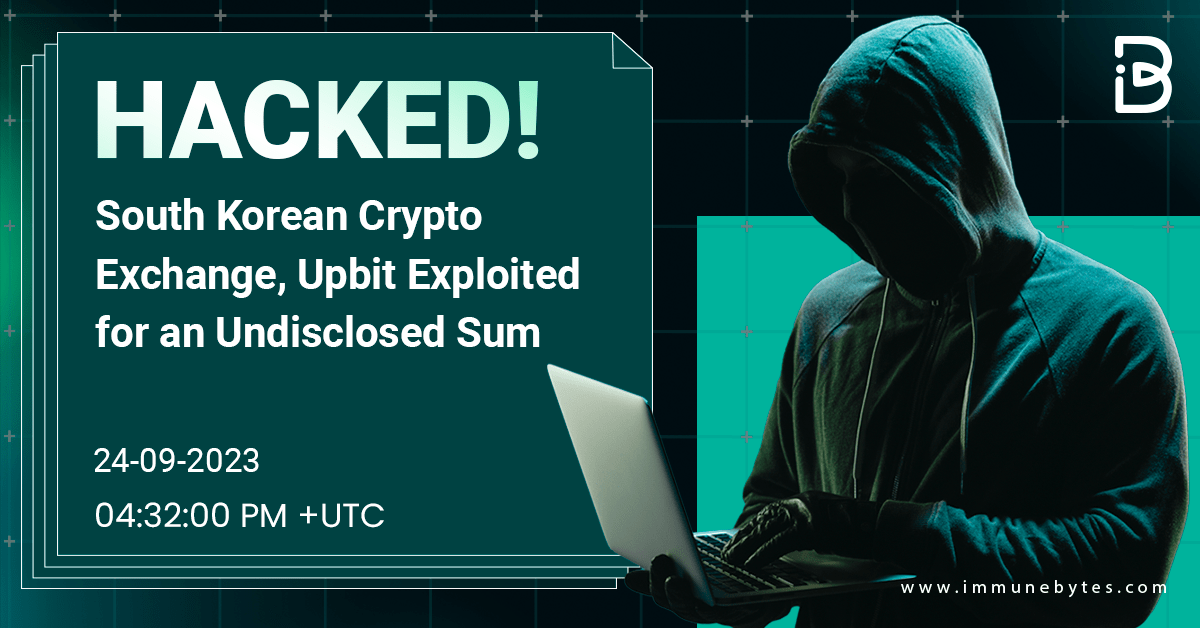
South Korea’s leading cryptocurrency exchange, Upbit, has come under intense scrutiny from the Financial Intelligence Unit (FIU) for allegedly failing to comply with key regulatory requirements related to Know Your Customer (KYC) processes. The FIU’s investigation uncovered a substantial number of potential KYC violations — estimated to involve up to 600,000 accounts. This review emerged as Upbit sought to renew its operational license, underscoring the growing regulatory pressures on South Korea’s crypto sector, especially as authorities tighten measures to combat money laundering and financial misconduct.

Regulatory authorities cited Upbit for allegedly neglecting to fully verify user identities, a fundamental requirement under South Korea’s Anti-Money Laundering (AML) regulations. Financial authorities in the country mandate that crypto exchanges like Upbit maintain strict KYC protocols to ensure that only legitimate transactions are processed, preventing criminal activities such as money laundering and fraud. This emphasis on KYC compliance follows a broader trend across South Korea’s financial ecosystem, where regulators increasingly demand transparency and rigorous operational standards in the virtual asset industry.

Upbit’s case highlights a significant challenge in balancing rapid growth in digital asset trading with compliance requirements. Industry analysts suggest that the reported KYC gaps could subject the exchange to hefty fines, potentially reaching millions of dollars if the FIU determines Upbit to be in severe violation. Legal experts in South Korea have indicated that the FIU may not only impose financial penalties but could also consider suspending Upbit’s operational license, depending on the severity and scale of the regulatory breach. This uncertainty could undermine investor confidence, as Upbit remains one of the most widely used cryptocurrency platforms in South Korea, holding significant sway in the country’s burgeoning crypto market.

While Upbit is not the only exchange in the regulatory spotlight, its high user volume and dominant market share make it a focal point for South Korea’s crypto regulations. In response to the FIU’s findings, Upbit has reportedly initiated efforts to improve its KYC protocols, though details on specific changes remain scarce. Observers believe that if Upbit fails to align its practices with the FIU’s expectations, it could face not only fines but also tighter regulatory controls that may restrict its operational flexibility.

The broader regulatory context in South Korea has grown notably stringent, particularly since the implementation of the Special Financial Transactions Information Act, which mandates full customer verification and reporting by virtual asset service providers (VASPs). This legislative framework, revised in 2021, was designed to safeguard the financial market from illicit activities. Exchanges now face a dual mandate: complying with both domestic laws and international standards set by bodies such as the Financial Action Task Force (FATF). Compliance has thus become a critical factor for the survival of crypto exchanges, as non-compliance risks both financial penalties and operational restrictions.

South Korea’s Financial Services Commission (FSC) has recently rolled out additional reforms aimed at curbing speculative trading and protecting users. In parallel, exchanges are required to notify users about upcoming verification mandates and transaction limits, effectively mandating them to educate users on compliance-related matters. The FSC’s initiatives underscore an intensifying crackdown on crypto firms that fail to abide by the stringent regulations, with an emphasis on maintaining robust security, transparency, and accountability within the industry.

Analysts contend that Upbit’s case could serve as a precedent for how South Korea’s FIU and FSC handle compliance violations in the crypto sector. Should the FIU penalize Upbit, other exchanges may face similar actions, potentially resulting in a ripple effect across the industry. Smaller platforms, in particular, might struggle to meet the financial and operational demands of these regulations, potentially leading to market consolidation where only the most compliant firms thrive. This increased regulatory pressure could ultimately reduce the number of exchanges in the market, affecting competitive dynamics and user access.

As the FIU’s review progresses, experts anticipate potential repercussions for the domestic crypto ecosystem. The growing regulatory focus on KYC compliance may compel exchanges to invest heavily in identity verification technologies and adopt advanced monitoring systems. In this climate, adherence to compliance standards will likely determine the longevity and credibility of cryptocurrency exchanges operating within South Korea.

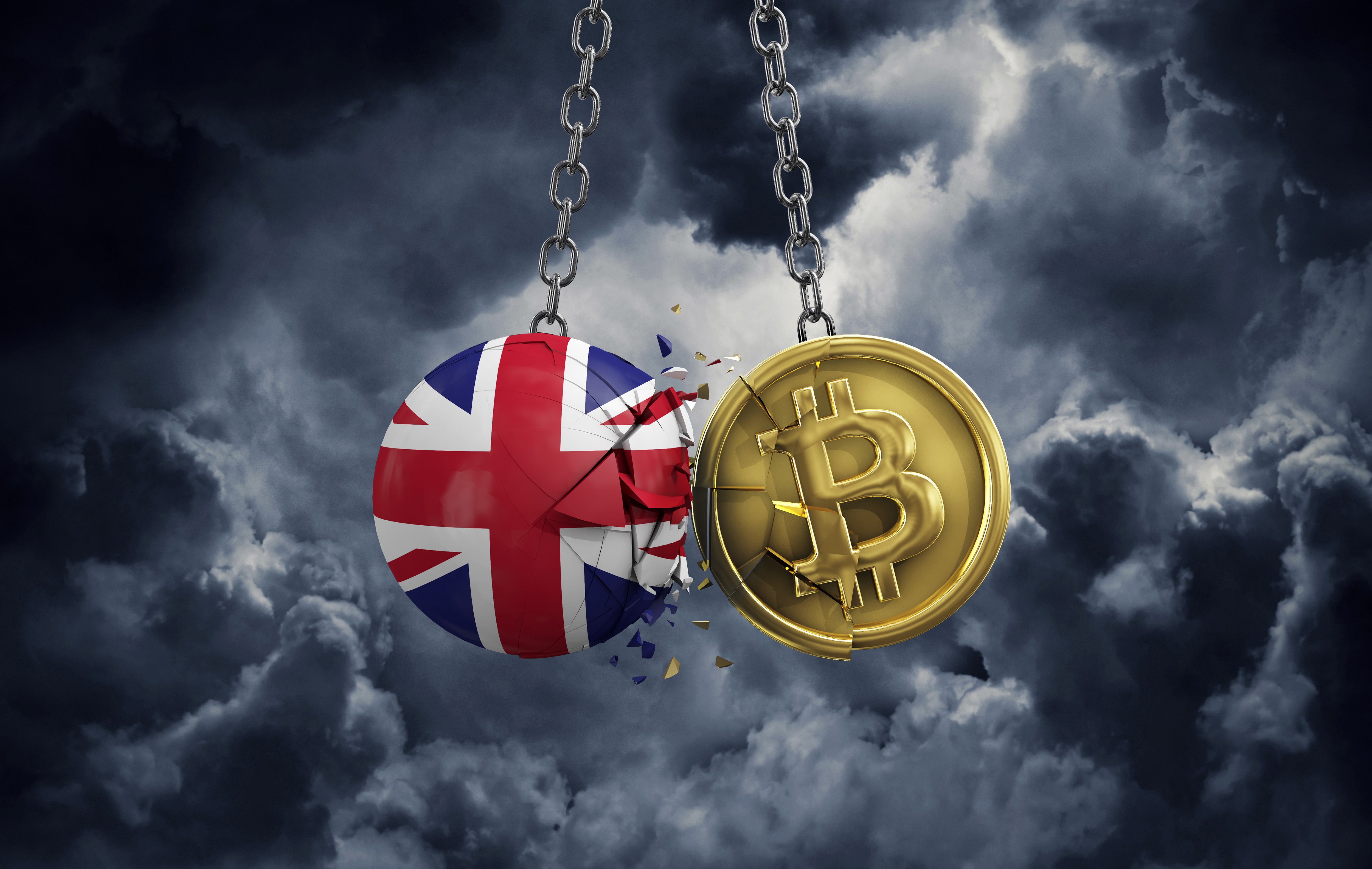
The UK government is set to announce new regulations for the cryptocurrency sector, aiming to address the growing concerns over consumer protection and market stability. As the crypto industry continues to thrive, especially in jurisdictions like the U.S. under President-elect Donald Trump, the UK’s financial authorities are moving to implement more robust regulatory frameworks. These measures are seen as a response to both the rapid development of crypto markets globally and the increasing attractiveness of other nations’ regulatory environments.

For some time, experts and policymakers have raised alarms about the risks of the unregulated or loosely regulated crypto market. The collapse of major entities such as FTX and Celsius has fueled the calls for tighter control, especially in jurisdictions like the UK, which is home to a significant number of crypto startups. According to recent reports, the government’s new approach will introduce a set of rules designed to strengthen the UK’s position as a competitive player in the global crypto market. These regulations will primarily focus on enhancing consumer protections, combating money laundering, and increasing transparency across the crypto sector.

The new regulatory framework will likely be introduced through the Financial Conduct Authority (FCA) and will specifically target crypto trading firms and exchanges. The aim is to establish a comprehensive “crypto market abuse regime,” which will cover various forms of market manipulation and ensure more accountability from crypto businesses. Additionally, UK regulators will address cryptocurrency lending practices, which have become a key point of concern following the industry’s volatility. By tightening these rules, the UK government hopes to ensure that crypto businesses operate within a secure environment, reducing risks for consumers and investors.

One of the critical elements of the proposed regulations is the introduction of time-limited exemptions for certain firms. This measure would allow crypto businesses registered with the FCA for anti-money laundering purposes to issue new tokens while awaiting the full roll-out of the new rules. This temporary solution is designed to prevent the UK from losing its crypto innovation to more favorable regulatory environments, such as those in the U.S. where the crypto market is booming under a less restrictive regulatory framework.

Despite these efforts, the UK has faced growing competition from the U.S. as a key player in the crypto market. Under the leadership of President-elect Trump, U.S. crypto regulations have been perceived as more flexible, attracting a significant influx of investment into the sector. The UK’s proposed regulations are intended to strike a balance between promoting innovation and safeguarding the interests of consumers. However, concerns remain that overly stringent regulations might push businesses to relocate to other more crypto-friendly regions, such as the U.S.

Crypto market leaders have expressed mixed feelings about the UK’s regulatory approach. Some argue that the introduction of clear, stable regulations would enhance the industry’s long-term growth prospects by attracting institutional investors and ensuring better market conditions. Others, however, warn that excessive regulation could stifle innovation and push businesses to seek more favorable climates elsewhere. As the government works to fine-tune its strategy, consultations with stakeholders from the crypto sector, including startups, established firms, and financial regulators, will be crucial to determining the final regulatory framework.

The UK’s cryptocurrency regulations are also expected to mirror similar efforts in other major economies, including the European Union, which is in the process of drafting its own set of rules for the sector. With the rapid expansion of digital currencies and blockchain technology, global regulators are facing mounting pressure to implement regulations that both foster innovation and mitigate risks.

Revolut has officially launched its crypto trading platform, Revolut X, in 30 additional European countries. The expansion marks a significant milestone for the financial technology company, which is targeting experienced traders seeking advanced features in cryptocurrency trading. The new rollout is designed to bolster the platform’s presence in Europe, tapping into an increasing demand for more sophisticated trading tools.

The platform, which first launched in the UK and Europe, offers a comprehensive suite of crypto trading features tailored to individuals with a higher level of expertise in the digital assets space. Revolut X includes a range of tools such as real-time market data, advanced charting, and analysis capabilities that are expected to appeal to traders with more in-depth knowledge of the volatile cryptocurrency market.

Revolut, known for its wide array of financial services, had previously made moves in the cryptocurrency market by offering a simpler, more beginner-friendly crypto service through its primary app. The launch of Revolut X in these new markets is part of the company’s strategy to differentiate itself in an increasingly competitive space dominated by established players such as Binance, Kraken, and Coinbase.

The 30 new countries added to Revolut X’s reach include several key European markets, notably in the EU and surrounding regions. These markets represent some of the most active areas for cryptocurrency adoption, with high levels of market penetration and investor interest. For Revolut, this is a calculated move aimed at capturing more of the trading segment from other platforms that cater to more advanced users.

Industry experts suggest that Revolut’s expansion into these markets comes at a time when crypto trading is gaining momentum across Europe. Regulatory frameworks in many EU nations are becoming more favorable, with clearer rules providing a safer environment for traders. This is seen as a major advantage for platforms like Revolut X, which seeks to build trust and legitimacy in a market that has faced scrutiny in recent years due to concerns over security and market manipulation.

With the introduction of advanced trading features, Revolut X also aims to address the growing demand for decentralized finance (DeFi) and other innovative financial products. As more traders seek out opportunities in non-fungible tokens (NFTs), decentralized exchanges (DEXs), and other blockchain-based assets, Revolut is positioning itself as a key player in these evolving markets.

The cryptocurrency sector in Europe has shown considerable growth, with increasing institutional interest and more retail investors participating in crypto markets. Several nations, particularly Germany, France, and the Netherlands, have already seen a rise in retail investment, and there is an ongoing effort within the European Union to establish clearer regulatory standards for digital assets. This regulatory clarity, along with the expanding acceptance of crypto in traditional financial systems, provides a supportive backdrop for Revolut’s expansion.

However, Revolut’s venture into the cryptocurrency space has not been without challenges. Despite the company’s large customer base and technological edge, it faces stiff competition from other financial technology companies and crypto-native platforms that are already well-established in European markets. Furthermore, cryptocurrency trading remains a high-risk venture for many traders, with concerns over market volatility, regulatory changes, and technological risks such as hacking and fraud.

For Revolut, the strategic move to expand Revolut X to 30 new markets is aimed at capitalizing on the increasing adoption of cryptocurrencies and positioning itself as a serious player in the crypto trading sphere. It also aligns with the company’s broader goal of diversifying its service offerings to encompass a wider array of financial products. This includes plans to broaden access to traditional banking, investment options, and more advanced trading tools. As the market matures and regulatory clarity continues to evolve, Revolut’s early investments into crypto trading could prove to be a significant growth area in its future.

The introduction of Revolut X in these 30 countries also signals a shift in the company’s overall business strategy. By targeting more experienced traders, Revolut is moving away from its initial focus on mainstream consumers and expanding into a niche that has shown higher profitability. This move reflects broader trends in the financial industry, where firms are seeking to capture more sophisticated users who are looking for advanced trading features and greater customization in their investment strategies.

SINGAPORE – Media OutReach Newswire – 12 November 2024 – Leading digital asset exchange, Coinut, is proud to announce the launch of Wrapped Litecoin ($WLTC) today, November 12. This groundbreaking development integrates Litecoin into the vibrant world of decentralized finance (DeFi) via the Ethereum network. An ERC-20 token, $WLTC acts as a simple bridge between the Litecoin and Ethereum ecosystems. As the oldest surviving altcoin, Litecoin’s 13 […]

Providing a snapshot of the SaloneSatellite Collection and showcasing the talents of emerging international designers at the West Kowloon Cultural District until 21 November HONG KONG SAR – Media OutReach Newswire – 12 November 2024 – The much-anticipated ‘SaloneSatellite Permanent Collection 1998-2024’ Exhibition makes its official debut in Hong Kong today, showcasing more than 100 innovative award-winning works by talented international designers at the Arts Pavilion of […]

TAIPEI, TAIWAN – Media OutReach Newswire – 12 November 2024 – The 2024 Austronesian Languages Revitalization Forum, organized by Taiwan’s Indigenous Languages Research and Development Foundation (ILRDF), centers on the theme of “Building Indigenous Language-Friendly Environments.” At the forum, representatives from various countries discussed strategies and measures to promote indigenous language-friendly environments, enhance language education, and encourage community involvement, all with the goal of raising societal awareness […]

FTX, the embattled cryptocurrency exchange that collapsed in late 2022, has filed a lawsuit against Binance and its former CEO, Changpeng Zhao, demanding $1.8 billion in damages. The legal action, filed in a U.S. federal court, alleges that Binance played a pivotal role in the downfall of FTX by intentionally causing its financial collapse through market manipulation and unlawful actions.

The lawsuit represents the latest chapter in a protracted battle over the events that led to FTX’s implosion, a scandal that shook the global cryptocurrency sector. FTX, once valued at $32 billion, went bankrupt following a series of liquidity crises and allegations of mismanagement under its founder Sam Bankman-Fried. The exchange’s failure led to severe financial losses for investors, customers, and partners across the world.

According to the court filing, FTX accuses Binance of orchestrating a series of aggressive actions designed to destabilize the exchange. These included the manipulation of the price of FTX’s native token, FTT, and the deliberate withholding of funds owed to FTX. The lawsuit claims that these moves not only harmed FTX financially but also undermined customer confidence in the exchange, ultimately triggering its collapse.

Binance, the world’s largest cryptocurrency exchange by volume, has yet to publicly respond to the lawsuit. However, Zhao, who has been a central figure in the global crypto industry, previously denied any wrongdoing in the events surrounding FTX’s demise. Binance has consistently maintained that it acted in the best interest of its customers and the broader market during its dealings with FTX.

FTX’s claim of $1.8 billion in damages is significant, representing a substantial portion of the losses it suffered during the collapse. The amount includes both direct financial losses and a broader impact on FTX’s reputation, as the lawsuit argues that Binance’s actions were directly responsible for FTX’s bankruptcy filing.

The legal dispute between FTX and Binance traces its roots back to the days leading up to FTX’s bankruptcy in November 2022. As one of FTX’s biggest competitors, Binance initially offered to acquire FTX in the face of mounting financial issues. However, the deal fell apart after Binance conducted due diligence and raised concerns about FTX’s financial stability. This precipitated a massive withdrawal of funds by FTX customers, which ultimately forced the company to declare bankruptcy.

At the heart of the lawsuit is an allegation that Binance and its executives conspired to manipulate the market for FTX’s token, FTT. FTX claims that Binance intentionally sold off its holdings of the token, which caused its value to plummet. This triggered a chain reaction, undermining FTX’s ability to cover customer withdrawals and leading to a liquidity crisis. The lawsuit suggests that Binance’s actions were premeditated and aimed at causing maximum financial harm to its competitor.

FTX also points to the actions of Zhao, who is accused of not only engaging in market manipulation but also of exerting undue influence over FTX’s operations. The lawsuit alleges that Zhao’s involvement in the broader crypto industry allowed him to orchestrate a campaign that led to the downfall of one of Binance’s major rivals.

Legal experts have weighed in on the potential outcomes of the case, noting that while the lawsuit represents a significant challenge for both FTX and Binance, the legal complexities surrounding cryptocurrency markets make the resolution uncertain. Cryptocurrencies and exchanges like Binance and FTX operate in a largely unregulated space, and the legal framework surrounding them remains murky. This creates challenges for courts when determining liability in cases of market manipulation or fraud.

The FTX-Binance lawsuit is part of a broader pattern of legal and regulatory scrutiny facing the cryptocurrency industry, which has struggled to establish a consistent legal framework across jurisdictions. U.S. regulators, including the Securities and Exchange Commission (SEC) and the Commodity Futures Trading Commission (CFTC), have ramped up their efforts to bring cryptocurrency exchanges and companies into compliance with financial laws. These efforts have been motivated by concerns about the potential for fraud, money laundering, and investor protection failures in the unregulated crypto space.

As the case progresses, the broader implications for the crypto industry are becoming clear. The outcome could set a precedent for how similar legal disputes are handled in the future, particularly in the context of exchanges and market manipulation. Additionally, the legal battle highlights the ongoing challenges in ensuring consumer protection and maintaining trust in an industry rife with volatility.

FTX’s lawsuit comes as part of a broader effort to recover assets for its creditors and investors following its bankruptcy. The exchange’s new leadership, appointed after the collapse, has been working to reclaim assets and hold accountable those responsible for the collapse. The lawsuit against Binance and Zhao is one of several legal actions the company has taken to address the financial losses and reputational damage caused by the downfall.

FTX’s founder, Sam Bankman-Fried, is also facing criminal charges related to the collapse of the exchange. He has pleaded not guilty to charges of fraud, money laundering, and conspiracy, with his trial set to begin in 2024. The outcome of this case could have far-reaching consequences for the future of cryptocurrency regulation and the legal responsibilities of executives in the sector.

Solana’s native cryptocurrency, SOL, has soared to a significant milestone, surpassing a $100 billion market capitalization for the first time. The rise in SOL’s price to $212 marks its highest value in over three years, reflecting a broader surge in the cryptocurrency market. This rally is being fueled by multiple factors, including the increasing momentum following Bitcoin’s own breakthrough above $80,000, alongside recent market catalysts such as Donald Trump’s electoral victory and the Federal Reserve’s decision to cut interest rates.

As the broader crypto market rebounds, Solana has emerged as one of the key beneficiaries, marking a dramatic rise that has reinvigorated investor interest in the digital assets space. This surge places Solana firmly in the ranks of the top five cryptocurrencies by market capitalization, signaling its growing influence in the industry. Despite the volatility that often characterizes digital currencies, Solana has managed to carve out a niche with its innovative approach to blockchain technology, which offers scalability and faster transaction speeds compared to many competitors.

The price surge is seen as a continuation of Solana’s broader recovery since the sharp decline in its value experienced during the crypto winter of 2022. Over the past year, the blockchain has regained substantial traction, driven by both technical advancements and increasing adoption by developers and decentralized finance (DeFi) platforms. As of now, Solana’s price stands well above its March-April cycle highs, marking an important psychological level for traders and investors.

Much of Solana’s recent growth is tied to its ecosystem’s increasing popularity in decentralized applications (dApps) and non-fungible tokens (NFTs). The blockchain’s high throughput capabilities, combined with low transaction fees, make it a preferred platform for developers building on Web3 and DeFi applications. These characteristics have garnered Solana a significant user base and investment, which is now paying off as market conditions favor the broader crypto sector.

The crypto rally has also been propelled by the changing economic landscape. The Federal Reserve’s decision to cut interest rates has had a ripple effect across financial markets, contributing to increased liquidity and risk appetite among investors. Cryptocurrencies, often seen as a hedge against inflation and traditional financial systems, have benefited from this environment. As the Fed’s monetary policy continues to evolve, many market participants see digital assets as a safer investment compared to traditional stocks and bonds, especially in uncertain economic times.

Meanwhile, Bitcoin’s rise above $80,000 has created a halo effect for other cryptocurrencies, including Solana. The world’s largest cryptocurrency has often set the tone for market movements, and its surge has bolstered investor confidence in the broader digital asset class. Many traders view the rally in Bitcoin as an indication that the overall cryptocurrency market is in the midst of a bull phase, with altcoins like Solana and Ethereum seeing heightened interest from institutional and retail investors alike.

Solana’s technological advancements also play a crucial role in this price surge. The blockchain’s focus on scalability through its Proof of History (PoH) mechanism allows it to process thousands of transactions per second, which significantly enhances its capacity to handle large-scale decentralized applications. This technology has made Solana an attractive choice for developers looking to build decentralized exchanges (DEXs), NFT marketplaces, and other dApps that require high throughput and low transaction fees.

Another key factor contributing to Solana’s growth is the backing it has received from prominent venture capitalists and institutional investors. Over the past few years, Solana has secured major funding rounds, positioning it as one of the most well-funded projects in the cryptocurrency space. This has helped solidify its position as a strong competitor to Ethereum, which has historically dominated the decentralized application space but has struggled with scalability issues due to high transaction costs and slower confirmation times.

Despite these positive developments, the cryptocurrency market remains volatile, and Solana’s price could still face significant fluctuations. While many analysts remain bullish on the future of Solana, there are concerns regarding broader market corrections, regulatory scrutiny, and the sustainability of the current rally. Some experts caution that the rapid rise in Solana’s price could be driven by speculation rather than fundamental growth, which could lead to a pullback in the future.

Solana’s ability to maintain its current market momentum will likely depend on its ability to scale and meet the growing demand for decentralized applications. While its technical advantages set it apart from many of its competitors, the blockchain space remains highly competitive, with Ethereum and other Layer-1 chains continuously improving their offerings. Moreover, the potential regulatory challenges posed by governments and financial institutions around the world could impact Solana and other cryptocurrencies in the coming months.

Shiba Inu has gained significant momentum, surging more than 30% in value, as market attention shifts toward alternative cryptocurrencies in response to broader trends within the crypto space. As a key player in the meme coin sector, Shiba Inu has become one of the most notable performers, eclipsing several major cryptocurrencies in its percentage increase. This surge in price comes amid shifting market dynamics, with investors showing increased interest in altcoins following a broader surge in digital currencies.

The primary catalyst behind Shiba Inu’s impressive rise is tied to an overarching trend within the crypto industry. Bitcoin, which has long been the leader in the crypto market, started showing signs of growth following a shift in market sentiment. However, it is the altcoins that are now catching up. Among them, Shiba Inu has stood out, largely due to its community-driven nature, appealing to a broad base of retail investors. The token has benefited from an expanding ecosystem, including decentralized finance (DeFi) applications, and a growing presence within the Metaverse and Web3 sectors.

Shiba Inu’s latest performance can also be linked to market speculation surrounding potential regulatory changes in the crypto space. With many governments weighing stricter regulations on digital assets, investors are increasingly turning to meme coins, like Shiba Inu and Dogecoin, which are often viewed as less vulnerable to government scrutiny compared to Bitcoin and Ethereum. This shift in investor confidence has led to an influx of capital into smaller altcoins, and Shiba Inu is benefiting from this trend.

Dogecoin, often viewed as the “original” meme coin, has also seen a notable increase in value, rising by 20% to reach its highest point in three years. While Dogecoin’s price jump has been impressive, Shiba Inu’s rise is noteworthy for its dramatic scale and speed. The 30% increase signifies both growing investor interest and the increasing mainstream recognition of Shiba Inu as a legitimate digital asset.

Experts suggest that Shiba Inu’s performance is being driven not just by retail investor enthusiasm but also by growing institutional interest. As major investment firms look for opportunities in alternative assets, Shiba Inu has made its case as a viable investment in the evolving crypto ecosystem. The increasing accessibility of the Shiba Inu token, through various cryptocurrency exchanges and wallet services, has played a role in enhancing its visibility and appeal.

However, the surge in Shiba Inu’s price is not without its risks. Cryptocurrencies, by nature, are highly volatile, and Shiba Inu’s rise could be seen as a speculative bubble. While some investors have capitalized on the price increase, others remain cautious, noting that such gains could be short-lived. The challenge for Shiba Inu will be to maintain its position in the market as other cryptocurrencies adapt to changing market conditions and regulatory environments.

The rise of Shiba Inu also signals the increasing significance of meme coins in the cryptocurrency market. Once seen as a niche market for speculative investments, meme coins are now attracting the attention of more serious investors. Shiba Inu’s growth is a clear indication that these digital assets are moving from the fringes of the market into the mainstream, challenging traditional views on the value of cryptocurrencies.

Shiba Inu’s growth is also tied to its broader ecosystem, which continues to expand. The token’s developers have been actively working to enhance the utility of Shiba Inu within decentralized finance (DeFi), non-fungible tokens (NFTs), and the Metaverse. As more use cases emerge for Shiba Inu, its value proposition is likely to evolve, further fueling demand for the token.

As the crypto market continues to mature, Shiba Inu’s rise highlights the role that smaller, community-driven tokens can play in shaping the future of digital assets. While it remains to be seen whether the token can sustain its recent gains, the attention it has garnered signals that the cryptocurrency space is far from predictable. With investors increasingly diversifying their portfolios, altcoins like Shiba Inu are likely to continue playing a key role in the market’s future.

Fly Jinnah, Pakistan’s burgeoning low-cost airline, is set to expand its international reach with the launch of a non-stop service connecting Lahore, Pakistan, to Dammam, Saudi Arabia. The new route will be operational from November 16, marking a significant move as the airline strengthens its foothold in the Saudi market.

This new service aims to enhance connectivity between Pakistan and the Kingdom of Saudi Arabia, offering passengers a convenient travel option for both business and leisure. The flights will initially operate twice a week, scheduled for Tuesdays and Saturdays. Starting December 7, the frequency will increase to three times a week with the addition of a Thursday flight, ensuring greater flexibility for travelers.

The addition of this route aligns with Fly Jinnah’s strategic growth plan, as the airline seeks to tap into the substantial demand for air travel between Pakistan and the Middle East. With a population of over 2.6 million Pakistani expatriates living in Saudi Arabia, Dammam represents a crucial hub for both the Pakistani diaspora and business travelers. Fly Jinnah’s entry into the market comes at a time when both nations are seeing increasing trade and tourism ties, making it a promising venture for the airline.

Fly Jinnah’s decision to introduce this route is also influenced by the growing number of religious and cultural exchanges between Pakistan and Saudi Arabia, especially during the Hajj and Umrah seasons. Saudi Arabia, being home to the holiest Islamic cities, has seen a consistent influx of pilgrims from Pakistan, further increasing the demand for air travel between the two countries.

The airline, which launched operations in 2021, has been gradually expanding its network across the region, capitalizing on its low-cost carrier model to offer competitive fares. Fly Jinnah is part of a consortium backed by investors from both Pakistan and the Middle East, and the airline has been steadily increasing its presence in various Middle Eastern markets, which has helped position it as a key player in the regional aviation landscape.

The new Lahore-Dammam route will be served by modern aircraft, which aligns with Fly Jinnah’s commitment to providing safe and efficient air travel. The airline’s management has highlighted that their fleet is being regularly updated to meet both safety standards and passenger comfort, which has helped attract a growing customer base.

For Dammam, the launch of this service provides a new direct air link to Lahore, making it easier for travelers to access the thriving cultural and economic center of Pakistan’s Punjab region. Lahore, known for its historical significance, vibrant culture, and educational institutions, is a key destination for Saudi nationals and business travelers, particularly in the trade and tourism sectors. The convenience of direct flights between the two cities is expected to appeal to a wide range of passengers, from individuals visiting family and friends to those conducting business or attending cultural events.

Fly Jinnah’s management has emphasized the importance of strengthening regional connectivity, stating that the airline is dedicated to offering accessible and affordable travel options. The addition of the Lahore-Dammam route represents a continued effort to meet the growing demand for low-cost flights while providing enhanced connectivity between Pakistan and the Gulf Cooperation Council (GCC) countries.

The airline’s expansion into the Saudi market is also expected to have positive economic implications for both Pakistan and Saudi Arabia. By offering affordable airfares, Fly Jinnah is likely to contribute to the growth of tourism and trade between the two nations. It is also poised to support Saudi Arabia’s Vision 2030, a strategic plan aimed at diversifying the Kingdom’s economy and promoting greater international connections. The increase in flight frequency also aligns with the Kingdom’s ongoing efforts to boost tourism, especially as it continues to position itself as a global destination for both business and leisure travel.

In addition to providing a reliable transportation option for Pakistani nationals residing in Saudi Arabia, the service is set to foster greater connectivity between key business hubs in both countries. The business communities in Lahore and Dammam are likely to benefit from more direct links, enhancing the flow of goods and services, and fostering stronger economic ties.

MENA’s IPO landscape, marked by resilience and sustained momentum, achieved close to $1 billion in total proceeds through five initial public offerings (IPOs) in the third quarter of 2024. While global IPO activity experienced a slowdown, the MENA region has displayed contrasting strength, particularly with a steady rise in listings on various regional exchanges, signifying robust investor demand and a supportive market environment. The third quarter’s fundraising […]

Giving gifts is a beloved tradition across cultures and ages. Yet finding that perfect present can often feel daunting. In our fast-paced world, choosing a unique gift that truly resonates with the recipient can transform a simple gesture into a cherished memory. This blog post will guide you through a collection of creative and thoughtful gift ideas suitable for any occasion. Seasonal Gift Guides Winter Wonders Winter, […]

HONG KONG SAR – Media OutReach Newswire – 6 November 2024 – The first baijiu company listed on the Hong Kong Stock Exchange, ZJLD Group Inc. (“ZJLD” or the “Company”, SEHK stock code: 06979. HK), is pleased to announce that the Group has been awarded the Excellence Award for First-Year Listed Companies and the Best New Entry in “General” Category at the 2024 Best Annual Reports Awards […]

The IPO market in the Gulf Cooperation Council (GCC) region is forecasted to maintain its growth trajectory into 2024, as demand for public offerings remains strong across sectors. Despite a quieter third quarter, characterized by fewer listings and a modest decline in proceeds, PwC’s latest report suggests that the GCC’s financial climate and ongoing economic reforms continue to drive interest in initial public offerings. The Middle East is anticipated to sustain a high level of activity, with the broader economic diversification strategies across the Gulf states playing a significant role.

PwC’s analysis indicates a downturn in Q3 2024 IPO activity across the GCC, with total proceeds for the quarter at approximately $900 million, a decline from the earlier quarters that marked a robust first half of the year. While the number of IPOs decreased, companies in sectors including financial services, healthcare, and utilities exhibited strong investor interest. The UAE and Saudi Arabia led the region’s IPO landscape in terms of total proceeds, with companies in both countries achieving record valuations.

In Saudi Arabia, regulatory support from Tadawul, the Kingdom’s stock exchange, coupled with favorable market conditions, has bolstered the appeal of public listings. Saudi firms raised over $4.2 billion in the first nine months of the year, predominantly through listings on Tadawul’s main market and the Nomu parallel market, which caters to small and medium enterprises (SMEs). The Kingdom’s Vision 2030 agenda aims to diversify revenue sources beyond oil, incentivizing companies to go public as part of its economic development blueprint. The Saudi government’s ongoing privatization drive is expected to increase the number of IPOs in key sectors, particularly energy and finance, over the next year.

Similarly, in the UAE, the public markets are being buoyed by ambitious government-led economic plans, with key initiatives from the Abu Dhabi Securities Exchange (ADX) and the Dubai Financial Market (DFM) that attract local and international investments. Notably, ADX has introduced programs to enhance liquidity and broaden access to various asset classes, while Dubai has prioritized IPO listings as part of its 2024 economic strategy. This is aimed at solidifying its status as a leading financial hub in the region, with both private and semi-private entities expressing interest in going public. Among the year’s notable listings was Abu Dhabi’s AD Ports Group, which raised significant funds on the ADX, signaling strong investor demand in sectors tied to infrastructure and logistics.

PwC also highlighted the role of government-backed entities, which accounted for a substantial portion of 2024’s IPOs. These listings typically attract significant investor attention due to their perceived stability and backing by national economic policies. Moreover, as global financial markets face headwinds from inflationary pressures and higher interest rates, the relative stability of GCC economies has enhanced the appeal of the region’s IPOs among both regional and international investors. Analysts predict that GCC markets will continue to draw substantial foreign investment, with the Middle East emerging as a unique IPO hotspot compared to other global regions where IPO activity has stagnated.

Investment experts note that while Q3 may have shown slower activity, it reflects a common cyclical slowdown rather than a downturn in interest. The anticipation for the fourth quarter is high, with several large-scale IPOs scheduled for listing across GCC exchanges, particularly in sectors aligned with government diversification priorities such as renewable energy, technology, and digital services. This aligns with the broader trend of market expansion in the GCC, where digital transformation, energy transition, and healthcare modernization are generating sustained investor interest.

In Oman and Kuwait, where public offerings have traditionally been more limited, regulators are introducing measures to improve market access. Oman’s Capital Market Authority (CMA) has been streamlining processes to support more listings, particularly for companies in growth-oriented sectors. In Kuwait, reforms aimed at increasing foreign ownership and easing regulatory requirements are seen as steps to boost investor confidence. Bahrain, while smaller in market size, has also benefited from the uptick in GCC investor interest, as it targets niche sectors with high growth potential.

Hong Kong’s regulatory landscape for stablecoins is expected to undergo significant transformation with new frameworks anticipated by the end of the year. This marks a substantial step in the Hong Kong Monetary Authority’s (HKMA) broader plan to establish the city as a central player in the digital asset ecosystem. Through an upcoming licensing scheme, the HKMA intends to create a structured environment for fiat-backed stablecoins, ensuring stringent oversight that would apply not only to domestic issuers but also to overseas companies actively marketing stablecoins to the Hong Kong public. This regulatory approach aligns with Hong Kong’s ambition to become a global hub for virtual assets while maintaining a secure environment for investors.

The proposed framework follows Hong Kong’s recent initiatives to regulate virtual asset exchanges and has sparked interest from key industry figures, including Circle’s CEO, who identified Hong Kong as a strategic market for USD Coin (USDC). The stablecoin issuer has shown readiness to engage with Hong Kong’s new regulations, positioning itself for early compliance as the city shapes a potentially influential model for stablecoin governance worldwide.

The core of the HKMA’s strategy targets fiat-referenced stablecoins, distinguishing them from algorithmic or arbitrage-backed digital currencies, which are less likely to meet the agency’s stringent requirements. Under the proposed system, stablecoin issuers must uphold the stability of their currencies by maintaining equivalent reserve assets in segregated accounts, preferably held in Hong Kong–based financial institutions. This approach is intended to prevent destabilization risks seen with algorithmic stablecoins and offers an added layer of financial assurance by linking reserves to the value of the Hong Kong dollar or other fiat currencies.

In setting these standards, the HKMA is seeking to build consumer confidence in stablecoins as reliable digital alternatives to traditional currency. The proposed licensing requirements include a mandated HK$25 million in capital and the presence of a registered office in Hong Kong, requirements that aim to ensure operational transparency and accountability. Additionally, stablecoin issuers will need to meet rigorous internal controls, including risk management practices for handling and safeguarding reserve assets, similar to standards seen in traditional banking and finance.

The HKMA’s approach reflects the “same activity, same risk, same regulation” principle, which mandates that entities offering similar financial services be subject to comparable oversight regardless of their digital or traditional format. This regulatory alignment is intended to create an even playing field, further solidifying Hong Kong’s appeal as a stablecoin issuance and trading center. With the HKMA as the principal regulatory authority, the agency is positioned to enforce these new rules, impacting not only issuers but also entities involved in the stablecoin distribution network.

This framework brings with it an extraterritorial element, meaning that foreign stablecoin issuers could fall under Hong Kong’s regulatory scope if they issue stablecoins pegged to the Hong Kong dollar or target Hong Kong consumers. This provision seeks to limit risks associated with cross-border stablecoin transactions, which can complicate efforts to maintain monetary stability and secure reserves. Overseas issuers operating within Hong Kong’s jurisdiction will be required to obtain the necessary licenses, ensuring that foreign entities adhere to Hong Kong’s regulatory standards when they conduct business with local investors.

The HKMA’s efforts also highlight a broader trend in Asia toward more precise stablecoin regulations. With Japan recently setting its own regulations, Hong Kong is looking to offer a competitive regulatory framework that could draw international digital asset firms to establish operations within the city. This move reflects Hong Kong’s attempt to balance innovation with investor protection, a challenging dynamic as central banks worldwide navigate the complexities of digital finance.

As the regulatory framework unfolds, industry leaders like Circle’s Jeremy Allaire have recognized the advantages of a structured stablecoin ecosystem in Hong Kong, citing its role as a key market for USDC, one of the most widely used fiat-backed stablecoins globally. Circle’s interest in Hong Kong underscores the potential of the market and the appeal of the city’s stable regulatory environment, which could provide stability and growth opportunities for USDC and similar stablecoins within Asia.

Hong Kong’s proactive stance contrasts with the regulatory approaches seen in many Western jurisdictions, where stablecoin legislation remains in preliminary stages or subject to extensive legislative debate. The HKMA’s framework positions Hong Kong as a leader in digital currency regulation, providing a model that could inform stablecoin policies in other regions. By requiring stablecoin reserves to be held in highly liquid and low-risk assets, the proposed guidelines aim to create a safeguard against market volatility and instill confidence among users and investors alike.

VISHNU RAJA
RYO YAMADA
HITORI GOTOH
IKUYO KITA
Just in:
Crescent Enterprises venture arm funds Oyster Therapeutics development // TORRAS Launches Two New iPhone Duo Cases from Its Popular Ostand Series, Addressing Foldable Phone Users’ Concerns About Difficult Stand Positioning and Scratches // Sun World Ba Den Mountain marks Vietnam Culture Day, welcoming Cambodian visitors over Bon Om Touk // Microsoft restores services gradually but gives no recovery deadline // UAE crews sustain coastal oil removal as beaches reopen // China Reconciled To U.S. Curbs On Chips Exports, Woos South Korea For Supply // Salik posts Dhs1.045bn profit despite lower toll traffic // October Food Price Shock Has Far Reaching Consequences // IEA forecasts fourth-quarter oil surplus as Gulf shipments rebound // Inpex reaffirms Gulf oil strategy despite shipping constraints // Messi affair SIT finds all-round violations // EBANX and Eneba strengthen partnership in Latin America with 138% YoY growth in payment volume // US authorities dismantle North Korean cryptocurrency deception infrastructure // Rooftop solar planning gaps behind power shortages // Woman found dead as bank moves to repossess home // Microsoft apologises as Outlook services recover after outage // L’OCCITANE Celebrates 50 Years Of Provençal Craftsmanship With Holiday 2026 Collection // US resumes flights after nationwide air traffic shutdown // Yicura BioMed Advances Dual Capital and Industrial Strategy: Completes First Closing of Series B Financing Led by Gobi Partners // Hackers falsify NVIDIA GPU readings to mask cryptomining //